


 购物车
购物车 个人中心
个人中心

A-Z of Nintendo Game Boy Games
¥19.52
The A-Z of Nintendo Game Boy Games: Volume 1 features reviews of three different games for each letter of the alphabet. The games range from the very earliest releases in 1989 to the modern homebrew games of today. This book shows you just how diverse the library of titles is for the Nintendo Game Boy and how it became one of the most popular consoles of all-time.

What a Life!
¥58.76
Many people may not have heard of actor Jim Whelan but he has appeared in some of the most iconic programmes on British television over the past four decades, from Crown Court and Last of the Summer Wine to The Royle Family and Heartbeat. What a Life is the story of one man's passion for acting and his determination to follow his dream at all costs. From humble beginnings and an unpromising start, leaving school with no qualifications and few job prospects, Jim went on to enjoy a long TV career, receiving accolades from respected directors and working alongside such famous actors as Ray Winstone, Martin Clunes, David Tennant, Christian Bale and Rod Steiger. This autobiography explains how a shy and insecure Salford boy went from being a dockland worker to become a recurring character in Coronation Street and documents the successes and disappointments of a jobbing actor. In this honest account of his life Jim spills the beans on some of the big name stars he has worked with and provides the reader with a fascinating insight to the television industry and some of the larger than life characters who inhabit the world of 'soap'. This book is a riveting read that is certain to hold your attention from the first page to the last.

Olly Murs Quiz Book
¥24.43
Are you a fan of Olly Murs? Do you enjoy listening to his music? Have you followed his journey from X Factor runner-up to award winning pop star and popular TV presenter. If you think you know all about Olly Murs or would like to find out more, The Olly Murs Quiz Book is for you.Which American male singer was Olly's role model whilst growing up? Which song did he sing when he auditioned for The X Factor in 2009? For how many weeks was Olly's song 'Thinking of Me' in the top 10 in the UK single charts? The answers to all these questions and more can be found in this exciting new quiz book.With 100 questions and fascinating facts all about Olly Murs, including many personal details, you are certain to learn something new about the man and his music. This is a must-have book for everyone who supported Olly during his time on The X Factor and all the many fans, old and young, who have watched him grow into a polished performer.

Autobiography of Liza Goddard
¥78.38
Liza Goddard is one of the country's best loved and hardest working actresses, but few people know the real woman behind the 'dizzy blonde' image. In this much-anticipated autobiography, Liza talks about her work, her loves and the real-life dramas that have shaped her as a woman and an actress. The book charts her early life in England and follows her to Australia, where her beloved father played a key role in helping to set up the country's fledgling television industry. As a young actress, Liza was cast in the long-running children's drama series, Skippy the Bush Kangaroo. She later returned to England, where she appeared in a host of classic TV series, including Pig In The Middle, The Brothers, Bergerac, Dr Who and Midsomer Murders. Liza talks about her working relationship with Alan Ayckbourn and explains how a planned move to America failed to materialise. Find out how Liza got together with her first husband, actor Colin Baker on the set of The Brothers, why her marriage to '70s rocker Alvin Stardust failed and how she eventually found true love with producer David Cobham. Liza also reveals the truth about her alleged affair with Bergerac star John Nettles, and reveals how she successfully sued a tabloid newspaper over the allegations. She describes her courageous battle against breast cancer and reveals how beating the disease has given her a new perspective on life. Liza explains why animals continue to play an important part in her life and recounts some hilarious stories about the assortment of creatures that have featured in her life. A warts and all account from one of Britain's most popular actresses, Working With Children And Animals will have you laughing and crying in equal measure.
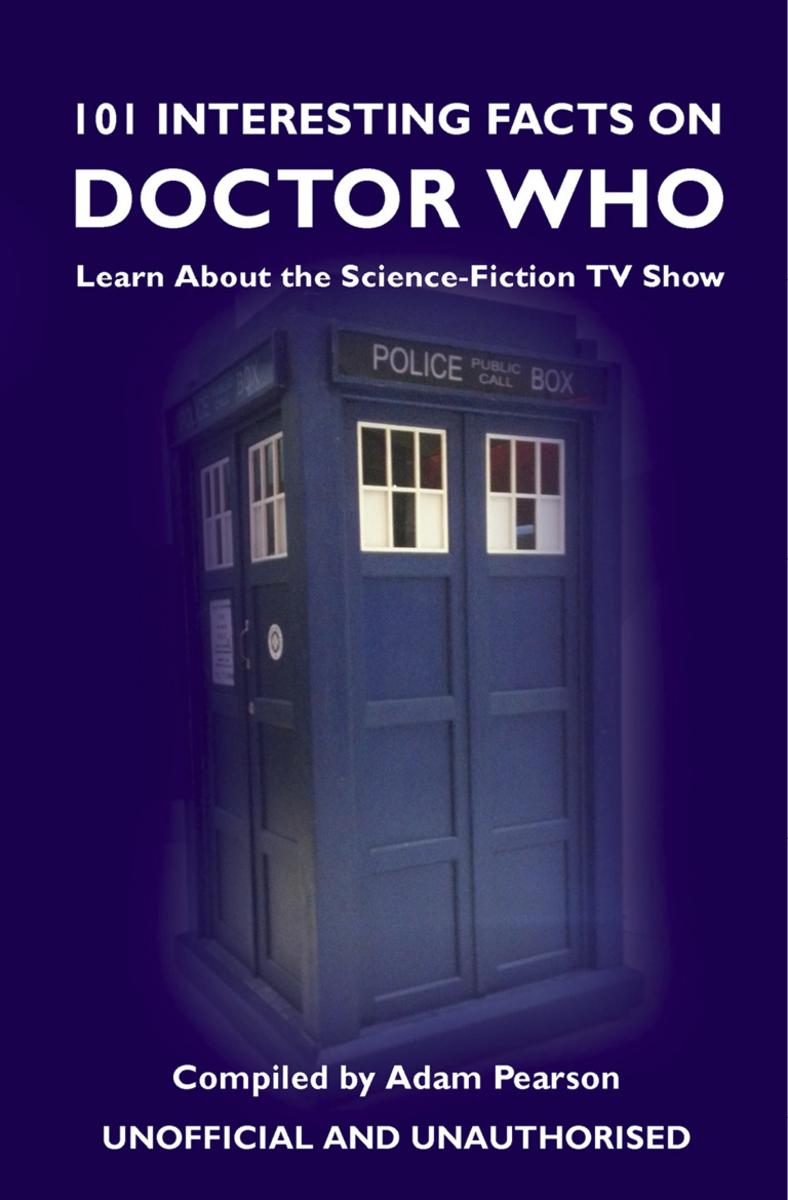
101 Interesting Facts on Doctor Who
¥24.43
Are you a Doctor Who fan? Have you followed the series through the years? Can you remember the names of all the past 'Doctors' and their companions? Would you like to know more about the iconic TV programme and its characters? If you answered yes to any of these questions, you won't want to be without 101 Interesting Facts on Doctor Who. Do you know where Dr Who's tomb is located or how many times The Doctor has regenerated inside the TARDIS? Which Doctor Who extra-terrestrials come from the plant Raxacoricicofallapatorius and what was The Doctor's companion, Romana's full name? Find out the answers, along with much more Doctor Who-related trivia, inside this new book. Discover fascinating facts about The Doctors, companions, their allies and enemies and the actors who bring them all to life, as well as information about the different storylines from programme past and present. This is a must-have book for all Doctor Who enthusiasts, whether you are a lifelong fan or one of the series many new followers.
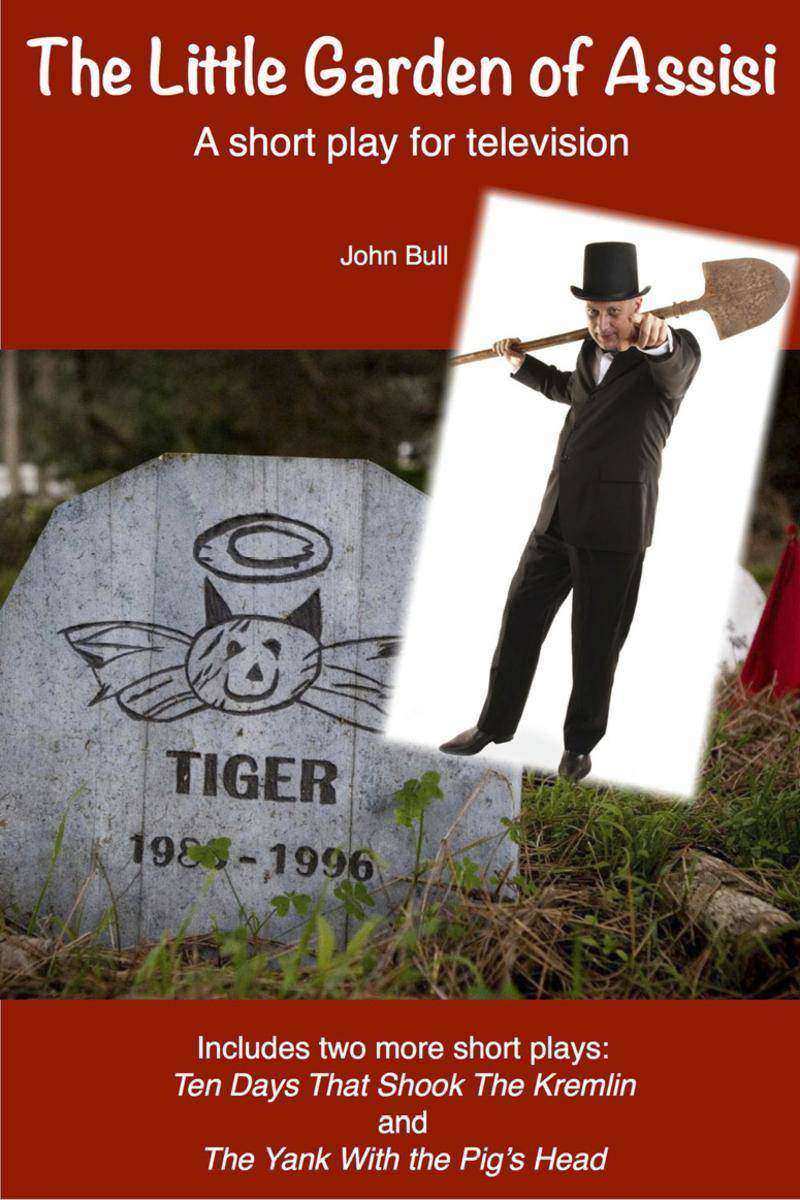
Little Garden of Assisi
¥29.33
At the graveside of Chippums - beloved pet of Mrs Tarleton - the unctuous proprietor of The Little Garden of Assisi is the model undertaker, consoling the bereaved owner and reassuring her of the dog's happy existence in the afterlife. But when the mourners have gone, it's a very different story. Happy to continue to dupe unsuspecting customers, and pocket the rewards, Dribone seems to lead a charmed existence: until the Mayor arrives with a very curious request. The Little Garden of Assisi is one of three twenty-minute comedies for television in this ebook: the others are Ten Days That Shook The Kremlin, and The Yank With the Pig's Head.
Ini?iere ?n fericire, dragoste, bog??ie ?i vis
¥45.78
Cartea de fa?? r?spunde unor ?ntreb?ri majore: ce este omul? Cine este omul? De ce este omul?Cartea cuprinde teme subiective de medita?ie, filosofie diletant? ?i analiz? psihologic?, ?n genul unor confesiuni, fiind structurat? pe trei p?r?i. Cuvintele abuzive reprezint? o g?ndire fraged?, haotic?, pueril?, prima descoperire a propriului g?nd ?n contradic?ie cu g?ndirea lumii ?i cu g?ndirea proprie ?n alt? faz? a ei, necesitatea dubl?rii g?ndirii ?n dezacordurile ei.Dialogurile sunt descoperirea min?ii personajului ?n proprie minte, descoperirea personajelor vie?ii ?i amintiri fugare ale unor ?nt?mpl?ri obi?nuite care primesc subiectivism paranoic.A treia parte prime?te obiectivitatea, a?a zis? universal?, a unui anumit Narator, care reinterpreteaz? ?i reintegreaz? g?ndurile unui anumit om, ales la ?nt?mplare, dar decis totu?i de circumstan?ele c?r?ii. Dovedirea c? omul ?i ?nsumeaz? pe to?i, lumea.
Ur?, prietenie, dragoste, c?s?torie
¥57.96
De la ?nfiin?area sa, acum o sut? de ani, MI6 a fost ?nconjurat de mister ?i a avut un aer aproape mitic. Pentru opinia public?, no?iunea de ?spion“ a fost modelat? de universurile fic?ionale ale unor scriitori precum Ian Fleming, p?rintele lui James Bond, ?i John le Carré, creatorul cerebralului Smiley. Gordon Corera le ofer? cititorilor s?i ?ansa unic?, f?r? precedent, de a p?trunde ?n aceast? lume secret? ?i de a observa realitatea care a stat la baza fic?iunii. Cartea prezint? pove?ti individuale – mai degrab? dec?t pe cele ale institu?iilor sau descrierea evolu?iei situa?iei politice de-a lungul timpului –, scopul fiind acela de a explora rela?iile unice ?i personale din spatele spionajului – ceea ce Graham Greene numea ?factorul uman“, cu alte cuvinte, ?n cazul de fa??, motiva?iile ?i loialit??ile unui spion sau ale unui tr?d?tor ?i faptele care decurg de aici.De la ?nceputurile R?zboiului Rece p?n? ?n ziua de azi, MI6 a suferit o transformare extraordinar?, devenind dintr-o organiza?ie de diletan?i, cu iz de club select, una modern?, profesionist?, dar nu mai pu?in controversat?. Iar Gordon Corera ?i dezv?luie deopotriv? e?ecurile ?i succesele de-a lungul timpului, ?n contextele politice aferente. Marile drame ale R?zboiului Rece, ridicarea ?i c?derea Zidului Berlinului, Criza Rachetelor Cubaneze, atacurile de la 11 septembrie 2001, r?zboiul din Irak – toate aceste evenimente care au marcat istoria reprezint? fundalul pentru pove?tile adev?rate cu spioni.Corera prezint? cazurile interesante ale celor care au spionat, au min?it, au ?n?elat ?i, ?n unele cazuri, chiar ?i-au pierdut via?a ?n slujba ??rii pe care au servit-o. ?i oric?t de palpitante ar fi c?r?ile sau filmele cu spioni, ve?i vedea c?, cel pu?in aici, via?a bate filmul.
Niciodat? ?nduplecate. Al doilea volum al trilogiei Min?i primejdioase
¥106.19
Fascinant – cea mai bun lucrare de istorie militar din ultimii ani i o analiz edificatoare a disputelor care continu s mocneasc amenintor i azi. O carte extraordinar sub toate aspectele." – The New York Times O relatare palpitant i revelatoare a uneia dintre cele mai zbuciumate i legendare perioade din istoria secolului al XX-lea – Revolta Arab i marele joc" secret de a controla Orientul Mijlociu. CARTE INCLUS PE LISTA CELOR MAI BUNE TITLURI ALE ANULUI DE New York Times Christian Science Monitor NPR Seattle Times St. Louis Dispatch Chicago Tribune American Library Association Bazat pe cercetri extinse i intense, munc asidu n arhive, Lawrence n Arabia aduce o nou perspectiv asupra modului n care s-a configurat lumea Orientului Mijlociu. Cu o aciune de proporii epice, portretizri expresive, accente critice n condamnarea distrugerilor provocate de comploturile coloniale europene, volumul surprinde strlucit felul n care nesbuina trecutului declaneaz suferina prezentului. Printre numeroasele istorii individuale din Primul Rzboi Mondial care vor fi povestite i repovestite n cadrul centenarelor commemorate ntre 2014 i 2018, cea a lui T.E. Lawrence iese n eviden… Cartea lui Anderson nu putea fi mai oportun. Acum, cnd atenia ntregii lumi se concentreaz asupra Siriei i Egiptului, este uluitor s priveti n urm cu o sut de ani i s vezi un tablou asemntor…. Apelnd la o distribuie bogat, Anderson reuete s exploreze haosul din Orientul Mijlociu de la nceputul secolului al XX-lea dintr-o varietate de perspective distincte i revelatoare totodat. O mrturie captivant, de o mare complexitate i profunzime. – The New York Times Book Review Vast, hipnotic i – s ndrznim s o spunem – cinematografic n detaliu, Lawrence n Arabia ilustreaz modul n care biografia i istoria se poteneaz reciproc. – The Wall Street Journal Absorbii de mcelul ce avea loc n traneele Europei n Primul Rzboi Mondial, combatanii occidentali acordau prea puin importan teatrului de lupt din Orientul Mijlociu. Ca urmare, conflictul de aici a fost influenat surprinztor de mult de o mn de aventurieri i ofieri de rang mrunt aflai departe de marile coridoare ale puterii: Curt Prüfer – universitar tern, ataat pe lng Ambasada German din Cairo, Aaron Aaronsohn – renumit agronom provenit din Romnia i sionist nflcrat. William Yale – descendent scptat al unei familii aristocratice americane. n centrul acestui cerc se afla Lawrence – la nceputul lui 1914, doar un arheolog care lucre la spturi prin deerturile Siriei. n 1917 ajunsese deja cea mai romantic figur din Primul Rzboi Mondial, luptndu-se att cu inamicii Marii Britanii, ct i cu propriul guvern pentru a-i transforma n realitate viziunea sa asupra destinului poporului arab. Drumurile ncruciate ale acestor patru personaje – intrigile pe care le-au pus la cale, btliile pe care le-au purtat, trdrile pe care le-au suferit sau le-au uneltit ei nii – oglindesc grandoarea, complexitatea i tragedia rzboiului din deert.
El Arte de la Guerra
¥8.82
El arte de la guerra es un libro sobre tácticas y estrategias militares, inspirado por Sun Tzu, un famoso autor militar.
Les Trois Mousquetaires
¥8.09
Vreau s? cred c? drumul lui Eugenio Barba este cel ?n care ?nt?lne?te copacul de care at?rn? pe creanga cea mai de sus un m?r de aur ?i f?r? s? ?i pese de cei din jurul lui, de privirile lor arogante sau sc?nteind a dispre?, se ca??r? ?n copac, ?n plin? lumin? de zi, ?i culege m?rul. M?rul norocos al destinului. Curaj, perseveren??, credin?? de nezdruncinat ?n vocea l?untrului care mereu ?i ?opte?te drumul pe care s?-l urmeze, c?ci este drumul lui.Eugenio Barba, vizionar, reformator, artist, dramaturg-regizor, maestru, scriitor, ?n dramaturgia sa, ?n cuvintele sale imortalizate ?n reflec?ii asupra sensului ?i condi?iei artei teatrului ?i a artistului, ?n cercet?rile de natur? artistic? ?i ?tiin?ific?, ?n laboratorul de teatru, sesiunile ?colii Interna?ionale de Antropologie Teatral? forjeaz? un act artistic unificator prin coprezen?e ale contrariilor, ?ntrup?ri ale simultaneit??ilor, combin?ri temporale ?i spa?iale, dintre trecut ?i viitor, dintre Est ?i Vest, declan??nd ?o revolu?ie copernician? f?r? de care ?tiin?a teatrului de la sf?r?itul secolului XX ar fi incomprehensibil?“. (Diana Cozma)
Pe contrasens cu favorita pre?edintelui. Cronica unei campanii
¥57.14
Lucrarea abordeaz? cele mai relevante manifest?ri ale modernismului literar interbelic, propun?nd spre analiz? reprezentan?i ai poeziei (George Bacovia, Ion Barbu, Lucian Blaga, Ion Vinea, Ilarie Voronca, Tudor Arghezi), ai prozei (Anton Holban, Camil Petrescu, Max Blecher, Mircea Eliade), tendin?ele ?i mi?c?rile coagulate ?n jurul marilor reviste interbelice (Sbur?torul, Contimporanul, 75 H.P., Integral). Volumul se adreseaz? elevilor de liceu care doresc s?-?i aprofundeze cuno?tin?ele referitoare la una dintre cele mai importante v?rste literare rom?ne?ti, miz?nd ?i pe redescoperirea cititorului avizat, dornic s?-?i sus?in? punctele de vedere, s?-?i modeleze gustul estetic ?i s? descopere modele, ierarhii, valori.
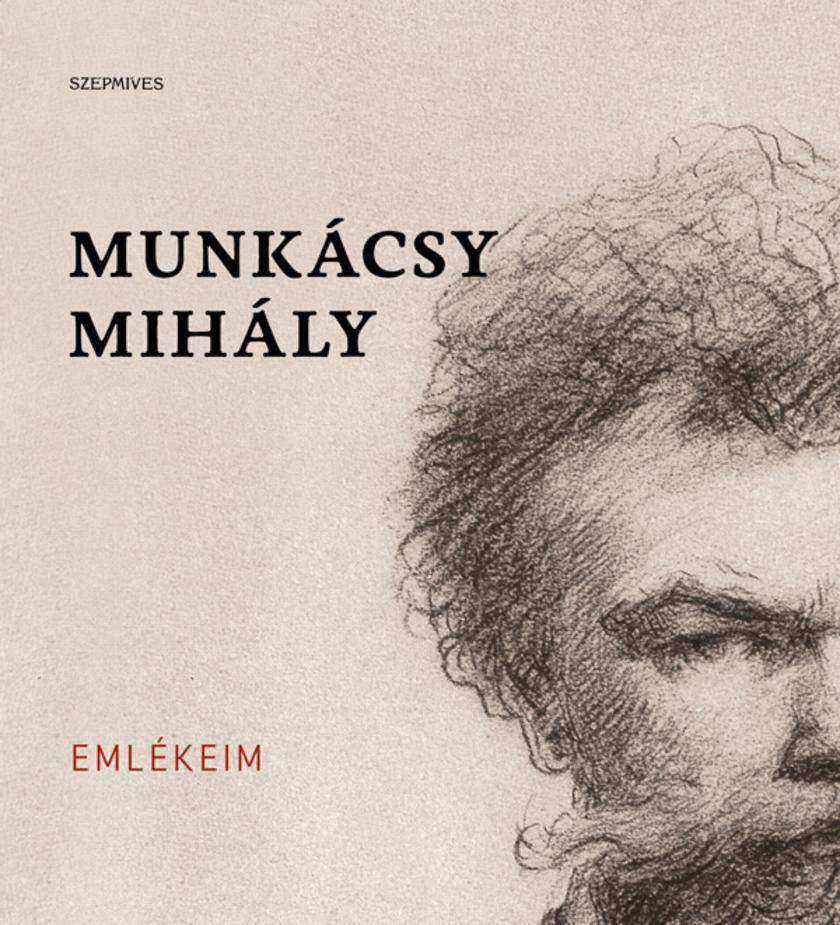
Emlékeim
¥80.36
Hogyan váltak a lovak az emberiség kiszolgálóivá?A lovak évezredek óta jelen vannak az emberek életében: hatalmas erejüket és engedelmességüket kihasználva dolgoznak, küzdenek, hódítanak.De hogyan lehetséges, hogy a 60-65 millió éve a F?ld?n él? állatokat végül az ember igába hajthatta? Ez a regény err?l is szól, fantasztikus, mesés elemekkel telet?zdelve. Kül?n?s mozzanat a t?rténetben a lovak találkozása az emberekkel, akik a F?ldész nev?, egy a F?ldh?z hasonló élhet? bolygóról érkeztek, és egyedül ezekben csodás állatokban találták meg azt az akarater?t és intelligenciát, ami alkalmassá teszi ?ket majd a f?ldi emberi társadalmak kialakítására.Fuli Sándor kalandos regénye az életigenlésr?l felhívja fiatal olvasói figyelmét a minden nehézséggel való bátor szembenézés fontosságára.
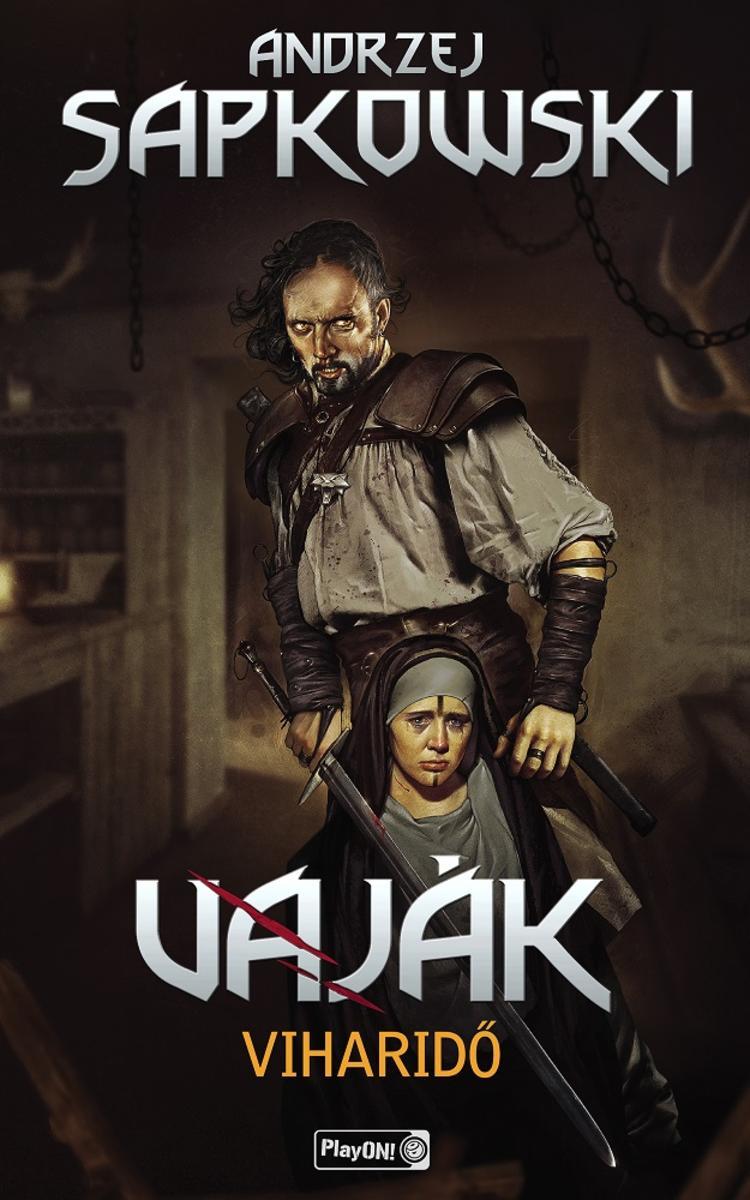
Viharid?
¥63.85
1. The architect should be equipped with knowledge of many branches of study and varied kinds of learning, for it is by his judgement that all work done by the other arts is put to test. This knowledge is the child of practice and theory. Practice is the continuous and regular exercise of employment where manual work is done with any necessary material according to the design of a drawing. Theory, on the other hand, is the ability to demonstrate and explain the productions of dexterity on the principles of proportion. 2. It follows, therefore, that architects who have aimed at acquiring manual skill without scholarship have never been able to reach a position of authority to correspond to their pains, while those who relied only upon theories and scholarship were obviously hunting the shadow, not the substance. But those who have a thorough knowledge of both, like men armed at all points, have the sooner attained their object and carried authority with them. 3. In all matters, but particularly in architecture, there are these two points:—the thing signified, and that which gives it its significance. That which is signified is the subject of which we may be speaking; and that which gives significance is a demonstration on scientific principles. It appears, then, that one who professes himself an architect should be well versed in both directions. He ought, therefore, to be both naturally gifted and amenable to instruction. Neither natural ability without instruction nor instruction without natural ability can make the perfect artist. Let him be educated, skilful with the pencil, instructed in geometry, know much history, have followed the philosophers with attention, understand music, have some knowledge of medicine, know the opinions of the jurists, and be acquainted with astronomy and the theory of the heavens. 4. The reasons for all this are as follows. An architect ought to be an educated man so as to leave a more lasting remembrance in his treatises. Secondly, he must have a knowledge of drawing so that he can readily make sketches to show the appearance of the work which he proposes. Geometry, also, is of much assistance in architecture, and in particular it teaches us the use of the rule and compasses, by which especially we acquire readiness in making plans for buildings in their grounds, and rightly apply the square, the level, and the plummet. By means of optics, again, the light in buildings can be drawn from fixed quarters of the sky. It is true that it is by arithmetic that the total cost of buildings is calculated and measurements are computed, but difficult questions involving symmetry are solved by means of geometrical theories and methods. 5. A wide knowledge of history is requisite because, among the ornamental parts of an architect's design for a work, there are many the underlying idea of whose employment he should be able to explain toGree inquirers. For instance, suppose him to set up the marble statues of women in long robes, called Caryatides, to take the place of columns, with the mutules and coronas placed directly above their heads, he will give the following explanation to his questioners. Caryae, a state in Peloponnesus, sided with the Persian enemies against Greece; later the Greeks, having gloriously won their freedom by victory in the war, made common cause and declared war against the people of Caryae. They took the town, killed the men, abandoned the State to desolation, and carried off their wives into slavery, without permitting them, however, to lay aside the long robes and other marks of their rank as married women, so that they might be obliged not only to march in the triumph but to appear forever after as a type of slavery, burdened with the weight of their shame and so making atonement for their State. Hence, the architects of the time designed for public buildings statues of these women, placed so as to carry a load..
Pursuit
¥4.58
"When all the gods had assembled in conference, Zeus arose among them and addressed them thus" . . . "it is with this line that Plato's story of Atlantis ends; and the words of Zeus remain unknown." -- Francis Bacon, New Atlantis Of all the writings of Plato the Timaeus is the most obscure and repulsive to the modern reader, and has nevertheless had the greatest influence over the ancient and mediaeval world. The obscurity arises in the infancy of physical science, out of the confusion of theological, mathematical, and physiological notions, out of the desire to conceive the whole of nature without any adequate knowledge of the parts, and from a greater perception of similarities which lie on the surface than of differences which are hidden from view. To bring sense under the control of reason; to find some way through the mist or labyrinth of appearances, either the highway of mathematics, or more devious paths suggested by the analogy of man with the world, and of the world with man; to see that all things have a cause and are tending towards an end—this is the spirit of the ancient physical philosopher. He has no notion of trying an experiment and is hardly capable of observing the curiosities of nature which are 'tumbling out at his feet,' or of interpreting even the most obvious of them. He is driven back from the nearer to the more distant, from particulars to generalities, from the earth to the stars. He lifts up his eyes to the heavens and seeks to guide by their motions his erring footsteps. But we neither appreciate the conditions of knowledge to which he was subjected, nor have the ideas which fastened upon his imagination the same hold upon us. For he is hanging between matter and mind; he is under the dominion at the same time both of sense and of abstractions; his impressions are taken almost at random from the outside of nature; he sees the light, but not the objects which are revealed by the light; and he brings into juxtaposition things which to us appear wide as the poles asunder, because he finds nothing between them. He passes abruptly from persons to ideas and numbers, and from ideas and numbers to persons,—from the heavens to man, from astronomy to physiology; he confuses, or rather does not distinguish, subject and object, first and final causes, and is dreaming of geometrical figures lost in a flux of sense. He contrasts the perfect movements of the heavenly bodies with the imperfect representation of them (Rep.), and he does not always require strict accuracy even in applications of number and figure (Rep.). His mind lingers around the forms of mythology, which he uses as symbols or translates into figures of speech. He has no implements of observation, such as the telescope or microscope; the great science of chemistry is a blank to him. It is only by an effort that the modern thinker can breathe the atmosphere of the ancient philosopher, or understand how, under such unequal conditions, he seems in many instances, by a sort of inspiration, to have anticipated the truth. The influence with the Timaeus has exercised upon posterity is due partly to a misunderstanding. In the supposed depths of this dialogue the Neo-Platonists found hidden meanings and connections with the Jewish and Christian Scriptures, and out of them they elicited doctrines quite at variance with the spirit of Plato. Believing that he was inspired by the Holy Ghost, or had received his wisdom from Moses, they seemed to find in his writings the Christian Trinity, the Word, the Church, the creation of the world in a Jewish sense, as they really found the personality of God or of mind..
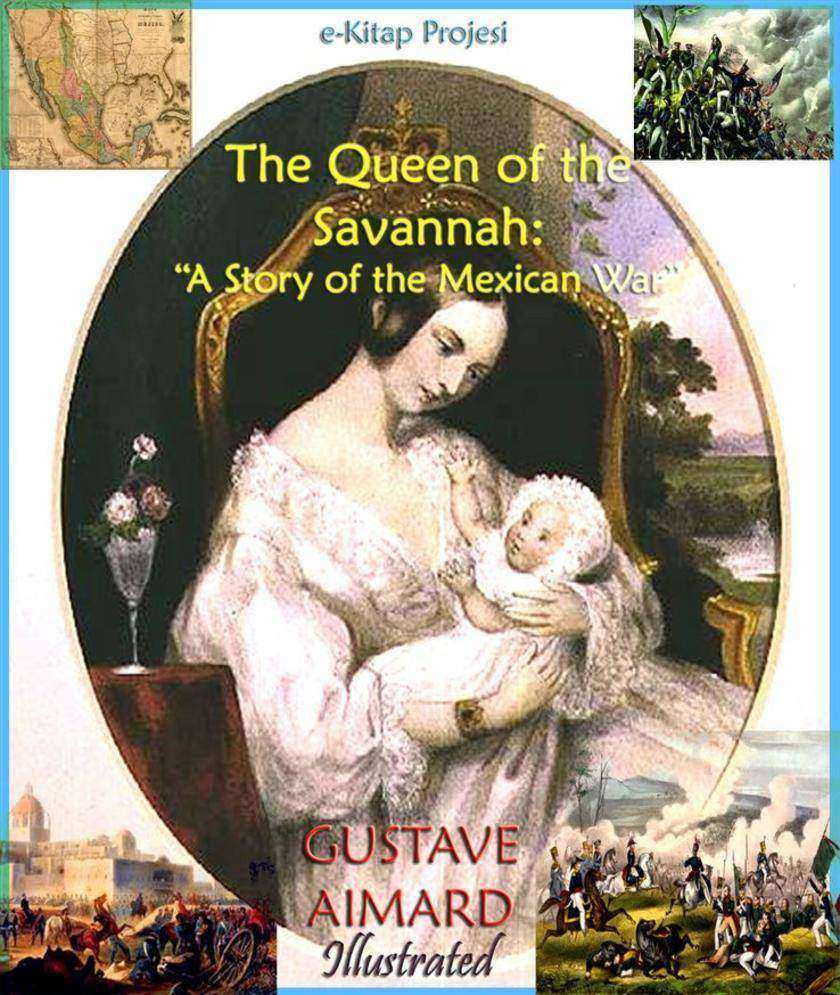
Queen of the Savannah: "A Story of the Mexican War"
¥28.04
Tiziano Vecelli or Tiziano Vecellio (1488/1490 – 27 August 1576) known in English as Titian was an Italian painter, the most important member of the 16th-century Venetian school. He was born in Pieve di Cadore, near Belluno (in Veneto), in the Republic of Venice. During his lifetime he was often called da Cadore, taken from the place of his birth. Recognized by his contemporaries as "The Sun Amidst Small Stars" (recalling the famous final line of Dante's Paradiso), Titian was one of the most versatile of Italian painters, equally adept with portraits, landscape backgrounds, and mythological and religious subjects. His painting methods, particularly in the application and use of color, would exercise a profound influence not only on painters of the Italian Renaissance, but on future generations of Western art. During the course of his long life, Titian's artistic manner changed drastically but he retained a lifelong interest in color. Although his mature works may not contain the vivid, luminous tints of his early pieces, their loose brushwork and subtlety of tone are without precedent in the history of Western art. Early years This early portrait (c. 1509), described by Giorgio Vasari in 1568, was long wrongly believed to be of Ludovico Ariosto; it is now thought to be a portrait of Gerolamo Barbarigo, and the composition was borrowed by Rembrandt for his own self-portraits. The exact date of Titian's birth is uncertain; when he was an old man he claimed in a letter to Philip II, King of Spain, to have been born in 1474, but this seems most unlikely. Other writers contemporary to his old age give figures which would equate to birthdates between 1473 to after 1482, but most modern scholars believe a date nearer 1490 is more likely; the Metropolitan Museum of Art's timeline supports c.1488, as does the Getty Research Institute.He was the son of Gregorio Vecelli and his wife Lucia. His father was superintendent of the castle of Pieve di Cadore and managed local mines for their owners. Gregorio was also a distinguished councilor and soldier. Many relatives, including Titian's grandfather, were notaries, and the family of four were well-established in the area, which was ruled by Venice. At the age of about ten to twelve he and his brother Francesco (who perhaps followed later) were sent to an uncle in Venice to find an apprenticeship with a painter. The minor painter Sebastian Zuccato, whose sons became well-known mosaicists, and who may have been a family friend, arranged for the brothers to enter the studio of the elderly Gentile Bellini, from which they later transferred to that of his brother Giovanni Bellini. At that time the Bellinis, especially Giovanni, were the leading artists in the city. There Titian found a group of young men about his own age, among them Giovanni Palma da Serinalta, Lorenzo Lotto, Sebastiano Luciani, and Giorgio da Castelfranco, nicknamed Giorgione. Francesco Vecellio, his older brother, later became a painter of some note in Venice.A fresco of Hercules on the Morosini Palace is said to have been one of Titian's earliest works; others were the Bellini-esque so-called Gypsy Madonna in Vienna, and the Visitation of Mary and Elizabeth (from the convent of S. Andrea), now in the Accademia, Venice.
Lumi paralele. O c?l?torie prin crea?ie, dimensiuni superioare ?i viitorul cosmo
¥90.84
Sir Peter Paul Rubens ( 28 June 1577 – 30 May 1640), was a Flemish Baroque painter, and a proponent of an extravagant Baroque style that emphasised movement, colour, and sensuality. He is well known for his Counter-Reformation altarpieces, portraits, landscapes, and history paintings of mythological and allegorical subjects.In addition to running a large studio in Antwerp that produced paintings popular with nobility and art collectors throughout Europe.. Early lifeRubens was born in the German city of Siegen, Westphalia to Jan Rubens and Maria Pypelincks. His father, a Calvinist, and mother fled Antwerp for Cologne in 1568, after increased religious turmoil and persecution of Protestants during the rule of the Spanish Netherlands by the Duke of Alba. Jan Rubens became the legal advisor (and lover) of Anna of Saxony, the second wife of William I of Orange, and settled at her court in Siegen in 1570; their daughter Christine was born in 1571. Following Jan Rubens's imprisonment for the affair, Peter Paul Rubens was born in 1577. The family returned to Cologne the next year. In 1589, two years after his father's death, Rubens moved with his mother Maria Pypelincks to Antwerp, where he was raised as a Catholic. Religion figured prominently in much of his work and Rubens later became one of the leading voices of the Catholic Counter-Reformation style of painting (he had said "My passion comes from the heavens, not from earthly musings").In Antwerp, Rubens received a humanist education, studying Latin and classical literature. By fourteen he began his artistic apprenticeship with Tobias Verhaeght. Subsequently, he studied under two of the city's leading painters of the time, the late Mannerist artists Adam van Noort and Otto van Veen. Much of his earliest training involved copying earlier artists' works, such as woodcuts by Hans Holbein the Younger and Marcantonio Raimondi's engravings after Raphael. Rubens completed his education in 1598, at which time he entered the Guild of St. Luke as an independent master. Italy (1600–1608)In 1600, Rubens travelled to Italy. He stopped first in Venice, where he saw paintings by Titian, Veronese, and Tintoretto, before settling in Mantua at the court of Duke Vincenzo I Gonzaga. The coloring and compositions of Veronese and Tintoretto had an immediate effect on Rubens's painting, and his later, mature style was profoundly influenced by Titian. With financial support from the Duke, Rubens travelled to Rome by way of Florence in 1601. Last decade (1630–1640)The Exchange of Princesses, from the Marie de' Medici Cycle. Louvre, ParisRubens's last decade was spent in and around Antwerp. Major works for foreign patrons still occupied him, such as the ceiling paintings for the Banqueting House at Inigo Jones's Palace of Whitehall, but he also explored more personal artistic directions.In 1630, four years after the death of his first wife, the 53-year-old painter married 16-year-old Hélène Fourment. Hélène inspired the voluptuous figures in many of his paintings from the 1630s, including The Feast of Venus (Kunsthistorisches Museum, Vienna), The Three Graces and The Judgment of Paris (both Prado, Madrid). In the latter painting, which was made for the Spanish court, the artist's young wife was recognized by viewers in the figure of Venus. In an intimate portrait of her, Hélène Fourment in a Fur Wrap, also known as Het Pelsken, Rubens's wife is even partially modelled after classical sculptures of the Venus Pudica, such as the Medici Venus. In 1635, Rubens bought an estate outside of Antwerp, the Steen, where he spent much of his time. Landscapes, such as his Ch?teau de Steen with Hunter (National Gallery, London) and Farmers Returning from the Fields (Pitti Gallery, Florence), reflect the more personal nature of many of his later works. He also drew upon the Netherlandish traditions of Pieter Bruegel the Elder for inspiration in later works like Flemish Kermis (c. 1630; Louvre, Paris).
Myths & Dreams
¥18.74
In writing upon any matter of experience, such as art, the possibilities of misunderstanding are enormous, and one shudders to think of the things that may be put down to one's credit, owing to such misunderstandings. It is like writing about the taste of sugar, you are only likely to be understood by those who have already experienced the flavour; by those who have not, the wildest interpretation will be put upon your words. The written word is necessarily confined to the things of the understanding because only the understanding has written language; whereas art deals with ideas of a different mental texture, which words can only vaguely suggest. However, there are a large number of people who, although they cannot viibe said to have experienced in a full sense any works of art, have undoubtedly the impelling desire which a little direction may lead on to a fuller appreciation. And it is to such that books on art are useful. So that although this book is primarily addressed to working students, it is hoped that it may be of interest to that increasing number of people who, tired with the rush and struggle of modern existence, seek refreshment in artistic things. To many such in this country modern art is still a closed book; its point of view is so different from that of the art they have been brought up with, that they refuse to have anything to do with it. Whereas, if they only took the trouble to find out something of the point of view of the modern artist, they would discover new beauties they little suspected. If anybody looks at a picture by Claude Monet from the point of view of a Raphael, he will see nothing but a meaningless jargon of wild paint-strokes. And if anybody looks at a Raphael from the point of view of a Claude Monet, he will, no doubt, only see hard, tinny figures in a setting devoid of any of the lovely atmosphere that always envelops form seen in nature. So wide apart are some of the points of view in painting. In the treatment of form these differences in point of view make for enormous variety in the work. Works showing much ingenuity and ability, but no artistic brains; pictures that are little more than school studies, exercises in the representation of carefully or carelessly arranged objects, but cold to any artistic intention. At this time particularly some principles, and a clear intellectual understanding of what it is you are trying to do, are needed. We have no set traditions to guide us. The times when the student accepted the style and traditions of his master and blindly followed them until he found himself, are gone. Such conditions belonged to an age when intercommunication was difficult, and when the artistic horizon was restricted to a single town or province. Science has altered all that, and we may regret the loss of local colour and singleness of aim this growth of art in separate compartments produced; but it is unlikely that such conditions will occur again. Quick means of transit and cheap methods of reproduction have brought the art of the whole world to our doors. Where formerly the artistic food at the disposal of the student was restricted to the few pictures in his vicinity and some prints of others, now there is scarcely a picture of note in the world that is not known to the average student, either from personal inspection at our museums and loan exhibitions, or from excellent photographic reproductions. Not only European art, but the art of the East, China and Japan, is part of the formative influence by which he is surrounded; not to mention the modern science of light and colour that has had such an influence on technique. It is no wonder that a period of artistic indigestion is upon us. Hence the student has need ixof sound principles and a clear understanding of the science of his art, if he would select from this mass of material those things which answer to his own inner need for artistic expression.
Brilliant General Knowledge Quiz Book 3
¥24.43
In what year did Concorde 001 first take off from Toulouse? What did the African country of Zaire change its name to in 1997? What popular sweet was invented by Frank Fleer in 1906? If you would like to know the answers to these brain-teasers and more like them take a look at The Brilliant General Knowledge Quiz Book.Find out how much you know about everyday things and the world we live in with the 100 testing questions in this book. Full of interesting facts and covering a range of topics including sport, history, geography, science, films and celebrities, this book provides a fun and easy way to learn. Whether you want to help the kids with their homework, challenge your friends or set the questions for the next pub quiz, this book is just all you need to improve your general knowledge. So if you have always wanted to know who invented the World Wide Web or the number of players in a water polo team this is the book for you.
Cercul s?lbatic
¥106.19
O carte pasionant i minuios documentat.“ – Le Figaro Littéraire Dac exist o dinastie care s ntrupeze Europa, aceea este Casa de Habsburg“, scrie Jean des Cars n debutul acestei cavalcade pasionante prin istoria zbuciumat a Europei. Destinul prodigios al Habsburgilor ncepe, n cheie minor, n secolul al XI-lea, ntr-o fortrea situat n cantonul elveian Aargau, prinde aripi n 1273, odat cu alegerea, cu totul neateptat, a contelui Rudolf de Habsburg ca mprat al Sfntului Imperiu German, i i ncheie epopeea monarhic la Schnbrunn, pe 11 noiembrie 1918, cnd Carol al IV-lea semneaz actul de renunare la coroana imperial a Austriei. Vreme de apte secole, Habsburgii au dominat o mare parte a Europei, a Orientului Apropiat i a Americii de Sud. Cuceritorul Carol Quintul, reformatoarea Maria Tereza, Franz Joseph i legendara sa soie Sisi, Zita, suverana datoriei, sunt doar cteva dintre figurile emblematice ale acestei familii excepionale, care a marcat istoria. Nendoielnic, dispariia lor semnaleaz prbuirea unei lumi, dar numele lor rmne venic sinonim cu nflorirea artelor, grandoarea politic i identitatea european. Pentru alctuirea acestui volum incitant, n care faptul istoric documentat se ntlnete fericit cu excursul jurnalistic profesionist i bine calibrat, dar i cu o anecdotic ncnttoare, Jean des Cars, talentat raconteur i recunoscut cronicar al marilor monarhii europene, a consultat arhive, a vizitat toate locurile-reper ale dinastiei, a realizat interviuri i a cules mrturiile inedite ale mprtesei Zita i ale arhiducelui Otto de Habsburg. Istoria este plin de maiesti individuale, ns Habsburgii ntruchipeaz maiestatea dinastic. [...] A ajunge s nu mai constitui doar o familie, s nu mai reprezini doar o ar, ci un agregat de naiuni, a stpni jumtate din Europa i o mare parte din America, a purta o coroan mai grea chiar dect coroana Imperiului Britanic, dar a te plimba, n acelai timp, prin Prater, cu o umbrel sub bra, iat un spectacol pe care omenirea nul va mai vedea vreodat.“ – Paul Morand n 1919, prbuirea imperiilor i, apoi, o redivizare geografic arbitrar elimin de la conducere familii vechi i puternice, cum ar fi Romanovii, Hohenzollernii i Habsburgii. Dup veacuri de prestigiu i influen, vechile case domnitoare sunt terse de pe hart, asasinate sau surghiunite. Dar, n timp ce familiile imperiale din Rusia i din Germania au fost nevoite, ulterior, s se mulumeasc, dup caz, cu nostalgii discrete, compromisuri regretabile sau reabilitri tardive, Habsburgii au luptat mpotriva anihilrii progresive la care erau supui, ripostnd chiar fa de ostracizarea care le era impus. Nu fr eforturi sau adversiti umilitoare, ei au reuit s triasc, s i refac imaginea, s existe din nou, s impun respect fa de numele lor nainte de anii ’40 i s redobndeasc un loc att n memoria vechii Europe, ct i n noua construcie european, ceea ce este un lucru excepional.“ – Jean des Cars
Tr?darea criticii
¥81.67
Habsburgi, Windsori, Romanovi, Hohenzollerni, familii regale ale Belgiei, Olandei, Italiei, Iugoslaviei, Bulgariei, Rom?niei sau Greciei – monarhiile europene s-au aflat ?n inima celor dou? R?zboaie Mondiale.?ntr-o incursiune istoric? fascinant?, punctat? de portrete, anecdote, momente-cheie, ?nt?lniri decisive, jocuri de alian?e, Jean des Cars ne introduce ?n culisele cur?ilor europene prinse ?n v?rtejul celor dou? conflagra?ii care au zguduit secolul al XX-lea.?Jean des Cars, eminent specialist al marilor dinastii europene, realizeaz? – ?ar? dup? ?ar?, deceniu dup? deceniu – un expozeu al faptelor istorice marcante, construind o lucrare plin? de vivacitate ?i bine documentata, o lectura cu at?t mai captivanta, cu c?t cele aproape 170 de subcapitole care o compun istorisesc, fiecare ?n parte, o adev?rat? poveste." - Le Figaro Magazine?Una dintre cele mai bune c?r?i ale autorului ?i un succes de libr?rie: urm?rim pe parcursul acestor conflicte comportamentele monarhilor, majoritatea ?nrudi?i ?ntre ei. Un secol de istorie a marilor familii, a destinelor europene, iar pentru Europa de Est, o memorie reg?sit?." - Valeurs Actuelles?n vara lui 1914, Europa este majoritar monarhic?: din dou?zeci ?i dou? de state, nou?sprezece sunt regate, imperii, principate sau mari ducate. Ast?zi, nu au mai r?mas dec?t zece. Primul R?zboi Mondial provoac? pr?bu?irea a patru imperii (Germania, Rusia, Austro-Ungaria, Imperiul Otoman), iar al Doilea spulber? patru regate (Italia, Iugoslavia, Rom?nia, Bulgaria).Cine erau ace?ti suverani? Dar femeile care le ?mp?rt??eau destinul?De la ambi?ie la orbire, de la curaj la sl?biciune, de la gelozie la abnega?ie, care au fost triumfurile ?i e?ecurile lor? Cum ?i-au tr?it gloria, dramele, cum s-au confruntat cu ascensiunea extremismelor interbelice, cu apari?ia totalitarismelor? Erau con?tien?i de consecin?ele gesturilor lor? Sau au fost incapabili s? stopeze avansul na?ionalismelor? Care au fost vie?ile lor personale, iubirile ?i pasiunile secrete? Ace?ti monarhi, care se vor alia, se vor ?nfrunta ?i uneori tr?da, sunt to?i ?nrudi?i, uni?i prin leg?turi de s?nge ?i matrimoniale. Astfel, ?r?zboiul regilor" va fi o incredibil? reglare de conturi familial? – la scar? continental?, apoi mondial?.


