


 购物车
购物车 个人中心
个人中心
Сила звички
¥36.13
UNGV?RY KRISZTI?N és TABAJDI G?BOR rendhagyó útikalauza a 20. század politikai diktatúrái és legmegrázóbb t?rténelmi eseményei mentén veszi lajstromba Budapest emlékeit. A szerz?páros olyan f?városi helyszíneket mutat be olvasóinak, amelyek jobbára ismeretlenek a turisták el?tt, a városlakók számára pedig már a félmúlt homályába vesznek. A fiatal kutatók budapesti sétáin feltárulnak az 1919-es Tanácsk?ztársaság és az azt k?vet? fehérterror, a német megszállás, a nyilas rémuralom és a zsidóüld?zés, a világháborús f?város, a szovjet megszállás és a Rákosi-diktatúra, az 1956-os forradalom és szabadságharc, végül a Kádár-korszak elfeledett vagy épp szándékosan titokban tartott t?rténeti helyszínei és emlékhelyei. Az egyes t?rténelmi eseményekhez k?thet? szobrok és m?emlékek kapcsán a szerz?k múlt és jelen emlékezetpolitikai t?rekvéseit is áttekintik. A t?rténészpáros kíméletlen és fájdalmas ?szinteséggel mutat rá: a múlt századi véres diktatúrák emlékei jel?letlenül bár, de ma is ott kísértenek a f?város utcáin – ideje lenne hát mindenkinek megismerni ?ket. UNGV?RY KRISZTI?N 1969-ben született Budapesten. Tanulmányait az ELTE BTK t?rténelem-német szakán végezte. Budapest ostromát feldolgozó doktori disszertációja k?nyv formájában is megjelent, és számos hazai, illetve külf?ldi kiadást megélt. 2001-t?l az 1956-os Intézet tudományos munkatársa, t?bb nemzetk?zi tudományos testület tagja. Kutatási területe a 20. század politika- és hadt?rténete, a széls?jobb mozgalmak, valamint az állambiztonság t?rténete. TABAJDI G?BOR 1980-ban született Budapesten. Az ELTE B?lcsészettudományi Karán t?rténelmet, politikaelméletet és filozófiát tanult. Jelenleg az Országos Széchényi K?nyvtár 1956-os Intézetének munkatársa. Eddig f?ként a 20. századi Magyarország politikat?rténetével kapcsolatos publikációi jelentek meg. F? kutatási területei: a magyar állambiztonsági szervek, illetve a pártállami rendszer m?k?désének t?rténete. A fiatal kutatókat t?m?rít? ?Fehér Hollók” munkacsoport koordinátora.
Elogiul minciunii
¥32.62
National Book Critics Circle Award 2005 pentru carte de nonfic?iune. Premiul pentru Pace Erich-Maria-Remarque, 2001 Carte interzis? ?n Bielorusia ?Explozia reactorului num?rul 4 va deveni cel mai mare dezastru nuclear civil din istoria omenirii. Zona este o realitate ?n toat? monstruozitatea ei. La fel ca ?n cartea SF a fra?ilor Struga?ki, Picnic la marginea drumului, Zona este un infern pe p?m?nt, guvernat de propriile legi. Aici danseaz? lumini deasupra c?mpului, praful ridicat de v?nt are culori ciudate, se nasc copii cu muta?ii genetice, popula?ia a fost evacuat?, regiunea, interzis? ?i p?zit? de patrule militare, dar oameni stranii ?i-au f?cut din Zon? locul ?n care tr?iesc. Ei sunt C?l?uzele reale ?n Zona reactorului de la Cernob?l.“ – Ion M. Ioni?? C?nd fra?ii Arkadi ?i Boris Struga?ki publicau ?n 1972 celebrul lor roman SF Picnic la marginea drumului, nu ?i-ar fi putut imagina, nici ?n cele mai negre vise, c? Zona descris? ?n roman va deveni realitate paisprezece ani mai t?rziu, ?n ?ara lor, URSS. Conform ideologiei oficiale, Zona nu avea cum s? apar? ?n patria sovietelor. Doar URSS construia cele mai sigure reactoare nucleare din lume care ?ar fi putut fi instalate chiar ?n Pia?a Ro?ie, at?t de fiabile erau“. Nu a fost a?a. Pe 26 aprilie 1986, lumea avea s? intre ?n epoca Cernob?l. Explozia reactorului num?rul patru va deveni cel mai mare dezastru nuclear civil din istoria omenirii. Zona este o realitate ?n toat? monstruozitatea ei. La fel ca ?n cartea SF a fra?ilor Struga?ki, Zona este un infern pe p?m?nt, guvernat de propriile legi. Aici lumini danseaz? deasupra c?mpului, praful ridicat de v?nt are culori ciudate, se nasc copii cu muta?ii genetice, popula?ia a fost evacuat?, regiunea, interzis? ?i p?zit? de patrule militare, dar oameni stranii ?i-au f?cut din Zon? locul ?n care tr?iesc. ?O istorie oral? mi?c?toare a catastrofei din 1986 de la reactorul nuclear de la Cernob?l, ?n care curajul fatalist ?i stoic este dublat de un umor incredibil de negru. Jurnalista rus? Svetlana Aleksievici a ?nregistrat o serie de m?rturii pe care le-a prezentat sub forma unor ?monologuri?, ?n stil romanesc, care zugr?vesc imaginea vie a atmosferei generale de nemul?umire de la sf?r?itul perioadei comuniste, ?n care liderilor de partid agresivi, propagandei paranoice ?i mobiliz?rilor haotice li se opun sarcasmul deprimant, g?ndurile amare ?i abuzul de votc?. Rezultatul este o radiografie de neuitat a sufletului rus.“ – Publishers Weekly

Выращиваем лекарственные и пряные травы на участке
¥17.74
Дарону Аджемо?лу ? Джеймсу Роб?нсону вдалося, здавалося б, неможливе — в?дпов?сти на питання, яке до них безрезультатно вивчали стол?ттями: чому одн? кра?ни багат?, а ?нш? — б?дн?????рунтуючись на п’ятнадцятир?чних досл?дженнях у галузях ?стор??, пол?толог?? та економ?ки, автори легко ? доступно пояснюють, чому економ?чний усп?х держав не залежить в?д культури, кл?мату чи географ?чного положення.??Аджемо?лу та Роб?нсон переконан?: кра?ни стали найусп?шн?шими через те, що ?хн? громадяни повалили владну ел?ту ? створили сусп?льства, де головною ц?нн?стю стали р?вн? економ?чн? та пол?тичн? права кожного. На ?хню думку, саме свобода робить св?т багатшим.??Книга ?Чому нац?? занепадають? — сво?р?дний пос?бник, який допоможе краще зрозум?ти причини, що сприяють процв?танню держав та ?хньому занепаду.

Укра?нська легко! (Ukra?ns'ka legko!)
¥26.65
Н?л Фер?юсон зауважу?: ?Ще на початку XV стол?ття сама лише думка про те, що наступн? п’ять стол?ть Зах?д буде дом?нувати над рештою св?ту, здалася б дуже дивною. А вт?м, це сталося?. ? нин? могутн?сть Заходу вража? нав?ть найбагатшу уяву... То чому ж так трапилося? Чому ?вропа, що на 1500-й р?к поступалася Сходу за багатьма показниками — економ?чними, технолог?чними, демограф?чними, — зум?ла р?зко рвонути уперед ? досягти безперечного св?тового панування? Як? складов? усп?ху зах?дно? цив?л?зац??? Саме ц? дражлив? питання украй см?ливо, часом нав?ть зухвало, а проте надзвичайно захопливо висв?тлю? Н?л Фер?юсон.
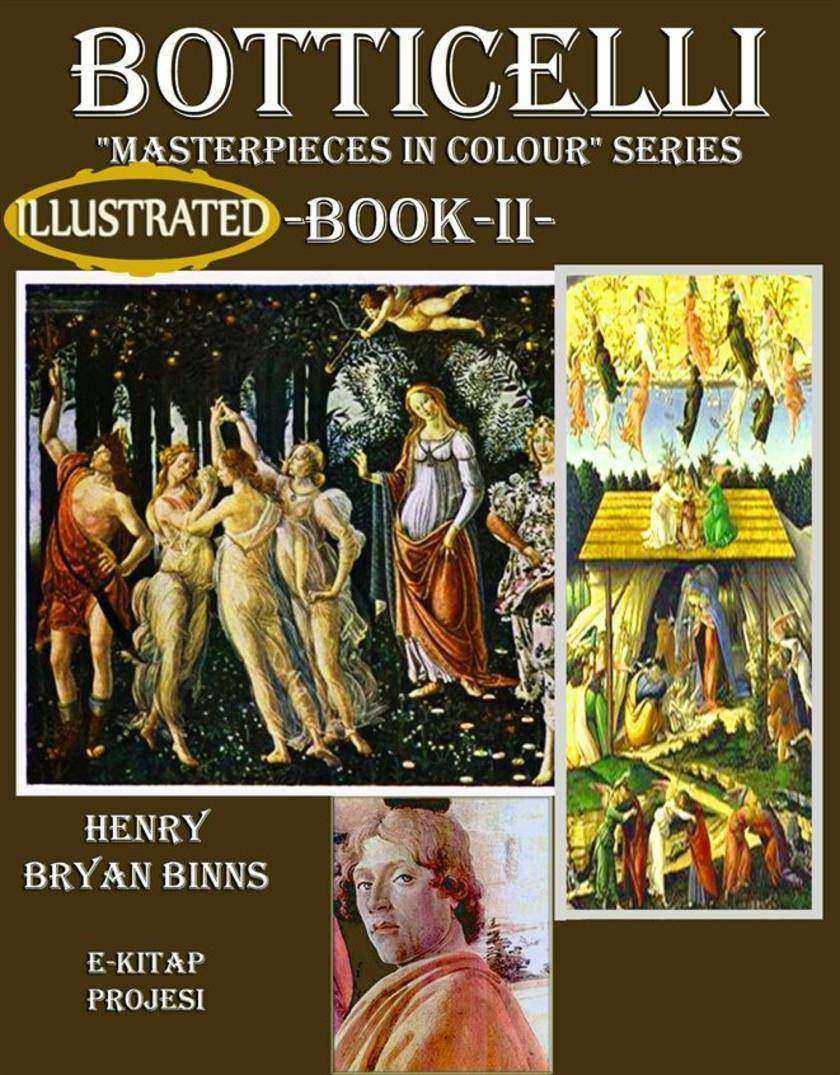
Botticelli: "Masterpieces In Colour" Series BOOK-II
¥32.62
As in the case of "The Bases of Design," to which this is intended to form a companion volume, the substance of the following chapters on Line and Form originally formed a series of lectures delivered to the students of the Manchester Municipal School of Art. There is no pretension to an exhaustive treatment of a subject it would be difficult enough to exhaust, and it is dealt with in a way intended to bear rather upon the practical work of an art school, and to be suggestive and helpful to those face to face with the current problems of drawing and design. These have been approached from a personal point of view, as the results of conclusions arrived at in the course of a busy working life which has left but few intervals for the elaboration of theories apart from practice, and such as they are, these papers are now offered to the wider circle of students and workers in the arts of design as from one of themselves. They were illustrated largely by means of rough sketching in line before my student audience, as well as by photographs and drawings. The rough diagrams have been re-drawn, and the other illustrations reproduced, so that both line and tone blocks are used, uniformity being sacrificed to fidelity.? ? ? ? ? ? ? ? ? ? ? ? ? ? ? ? ?WALTER CRANE. Outline, one might say, is the Alpha and Omega of Art. It is the earliest mode of expression among primitive peoples, as it is with the individual child, and it has been cultivated for its power of characterization and expression, and as an ultimate test of draughtsmanship, by the most accomplished artists of all time. The old fanciful story of its origin in the work of a lover who traced in charcoal the boundary of the shadow of the head of his sweetheart as cast upon the wall by the sun, and thus obtained the first profile portrait, is probably more true in substance than in fact, but it certainly illustrates the function of outline as the definition of the boundaries of form.Silhouette As children we probably perceive forms in nature defined as flat shapes of colour relieved upon other colours, or flat fields of light on dark, as a white horse is defined upon the green grass of a field, or a black figure upon a background of snow.Definition of BoundariesTo define the boundaries of such forms becomes the main object in early attempts at artistic expression. The attention is caught by the edges—the shape of the silhouette which remains the paramount means of distinction of form when details and secondary characteristics are lost; as the outlines of mountains remain, or are even more clearly seen, when distance subdues the details of their structure, and evening mists throw them into flat planes one behind the other, and leave nothing but the delicate lines of their edges to tell their character. We feel the beauty and simplicity of such effects in nature. We feel that the mind, through the eye resting upon these quiet planes and delicate lines, receives a sense of repose and poetic suggestion which is lost in the bright noontide, with all its wealth of glittering detail, sharp cut in light and shade. There is no doubt that this typical power of outline and the value of simplicity of mass were perceived by the ancients, notably the Ancient Egyptians and the Greeks, who both, in their own ways, in their art show a wonderful power of characterization by means of line and mass, and a delicate sense of the ornamental value and quality of line. Formation of LettersRegarding line—the use of outline from the point of view of its value as a means of definition of form and fact—its power is really only limited by the power of draughtsmanship at the command of the artist. From the archaic potters' primitive figures or the rudimentary attempts of children at human or animal forms up to the most refined outlines of a Greek vase-painter, or say the artist of the Dream of Poliphilus, the difference is one of degree.
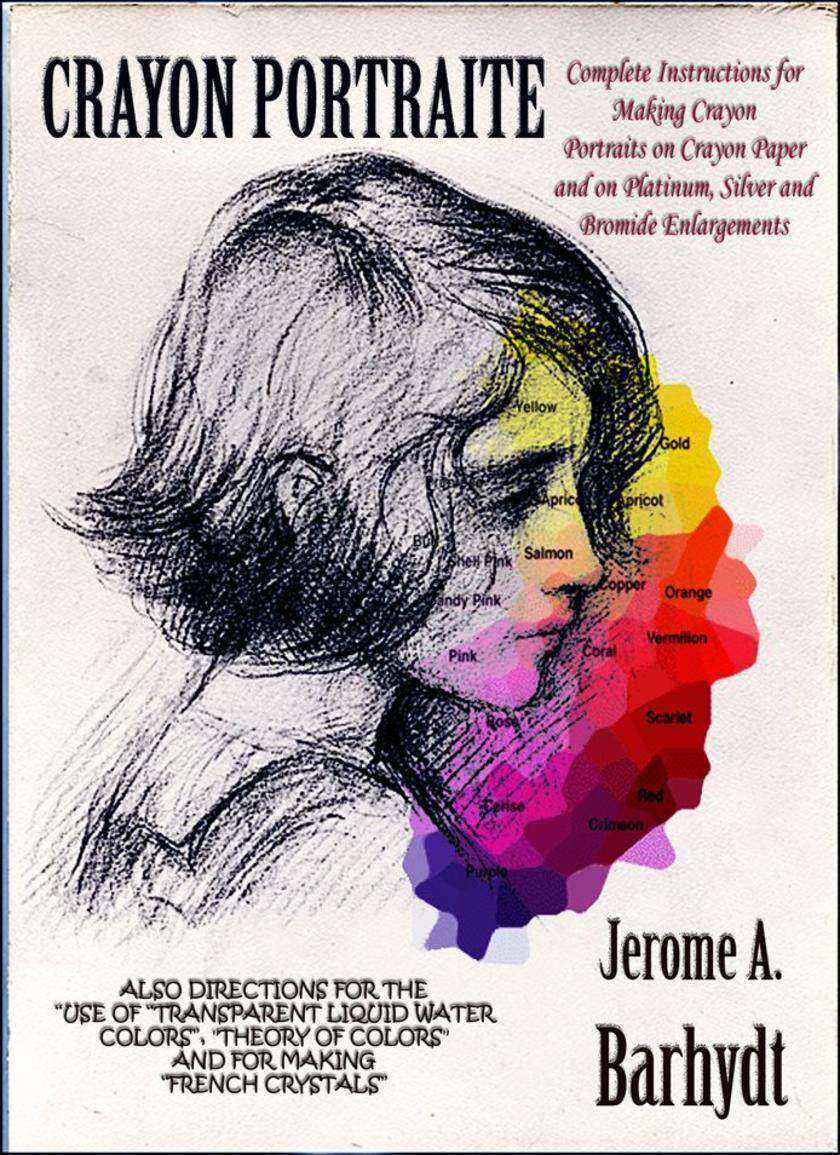
Crayon Portraiture
¥37.36
Macbeth (full title The Tragedy of Macbeth) is a tragedy written by William Shakespeare, and is considered one of his darkest and most powerful works. Set in Scotland, the play dramatizes the corrosive psychological and political effects produced when evil is chosen as a way to fulfil the ambition for power. The play is believed to have been written between 1599 and 1606, and is most commonly dated 1606. The earliest account of a performance of what was probably Shakespeare's play is the Summer of 1606, when Simon Forman recorded seeing such a play at the Globe Theatre. Macbeth is Shakespeare's shortest tragedy, and tells the story of a brave Scottish general named Macbeth who receives a prophecy from a trio of witches that one day he will become King of Scotland. Consumed by ambition and spurred to action by his wife, Macbeth murders King Duncan and takes the throne for himself. He is then wracked with guilt and paranoia, and he soon becomes a tyrannical ruler as he is forced to commit more and more murders to protect himself from enmity and suspicion. The bloodbath and consequent civil war swiftly take Macbeth and Lady Macbeth into the realms of arrogance, madness, and death. The play opens amidst thunder and lightning, and the Three Witches decide that their next meeting shall be with Macbeth. In the following scene, a wounded sergeant reports to King Duncan of Scotland that his generals—Macbeth, who is the Thane of Glamis, and Banquo—have just defeated the allied forces of Norway and Ireland, who were led by the traitorous Macdonwald and the Thane of Cawdor. Macbeth, the King's kinsman, is praised for his bravery and fighting prowess.In the following scene, Macbeth and Banquo discuss the weather and their victory. As they wander onto a heath, the Three Witches enter and greet them with prophecies. Though Banquo challenges them first, they address Macbeth, hailing him as "Thane of Glamis," "Thane of Cawdor," and that he shall "be King hereafter." Macbeth appears to be stunned to silence. When Banquo asks of his own fortunes, the witches inform him that he will father a line of kings, though he himself will not be one. While the two men wonder at these pronouncements, the witches vanish, and another thane, Ross, arrives and informs Macbeth of his newly bestowed title: Thane of Cawdor, as the previous Thane of Cawdor shall be put to death for his traitorous activities. The first prophecy is thus fulfilled, and Macbeth immediately begins to harbour ambitions of becoming king.King Duncan welcomes and praises Macbeth and Banquo, and declares that he will spend the night at Macbeth's castle at Inverness; he also names his son Malcolm as his heir. Macbeth sends a message ahead to his wife, Lady Macbeth, telling her about the witches' prophecies. Lady Macbeth suffers none of her husband's uncertainty, and wishes him to murder Duncan in order to obtain kingship. When Macbeth arrives at Inverness, she overrides all of her husband's objections by challenging his manhood, and successfully persuades him to kill the king that very night. He and Lady Macbeth plan to get Duncan's two chamberlains drunk so that they will black out; the next morning they will blame the chamberlains for the murder. They will be defenseless, as they will remember nothing.While Duncan is asleep, Macbeth stabs him, despite his doubts and a number of supernatural portents, including a hallucination of a bloody dagger. He is so shaken that Lady Macbeth has to take charge. In accordance with her plan, she frames Duncan's sleeping servants for the murder by placing bloody daggers on them. Early the next morning, Lennox, a Scottish nobleman, and Macduff, the loyal Thane of Fife, arrive. A porter opens the gate and Macbeth leads them to the king's chamber, where Macduff discovers Duncan's body. ABOUT AUTHOR: William Shakespeare ( 1564 (baptised) – 1616) was an English poet, playwright and actor, widely regarded as the greatest writer in the English language and the world's pre-eminent dramatist. He is often called England's national poet and the "Bard of Avon". His extant works, including some collaborations, consist of about 38 plays, 154 sonnets, two long narrative poems, and a few other verses, the authorship of some of which is uncertain. His plays have been translated into every major living language and are performed more often than those of any other playwright. Shakespeare was born and brought up in Stratford-upon-Avon. At the age of 18, he married Anne Hathaway, with whom he had three children: Susanna, and twins Hamnet and Judith. Between 1585 and 1592, he began a successful career in London as an actor, writer, and part-owner of a playing company called the Lord Chamberlain's Men, later known as the King's Men. He appears to have retired to Stratford around 1613 at age 49, where he died three years later. Few records of Shakespeare's private life survive, and there has been considerable speculation about such matters as his physic

Dubliners
¥28.04
We sailed from Peru, (where we had continued for the space of one whole year) for China and Japan, by the South Sea; taking with us victuals for twelve months; and had good winds from the east, though soft and weak, for five months space, and more. But the wind came about, and settled in the west for many days, so as we could make little or no way, and were sometime in purpose to turn back. But then again there arose strong and great winds from the south, with a point east, which carried us up (for all that we could do) towards the north; by which time our victuals failed us, though we had made good spare of them. So that finding ourselves, in the midst of the greatest wilderness of waters in the world, without victuals, we gave ourselves for lost men and prepared for death. Yet we did lift up our hearts and voices to God above, who showeth his wonders in the deep, beseeching him of his mercy, that as in the beginning he discovered the face of the deep, and brought forth dry land, so he would now discover land to us, that we might not perish. And it came to pass that the next day about evening we saw within a kenning before us, towards the north, as it were thick clouds, which did put us in some hope of land; knowing how that part of the South Sea was utterly unknown; and might have islands, or continents, that hitherto were not come to light. Wherefore we bent our course thither, where we saw the appearance of land, all that night; and in the dawning of the next day, we might plainly discern that it was a land; flat to our sight, and full of boscage; which made it show the more dark. And after an hour and a half's sailing, we entered into a good haven, being the port of a fair city; not great indeed, but well built, and that gave a pleasant view from the sea: and we thinking every minute long, till we were on land, came close to the shore, and offered to land. But straightways we saw divers of the people, with bastons in their hands (as it were) forbidding us to land; yet without any cries of fierceness, but only as warning us off, by signs that they made. Whereupon being not a little discomforted, we were advising with ourselves, what we should do. During which time, there made forth to us a small boat, with about eight persons in it; whereof one of them had in his hand a tipstaff of a yellow cane, tipped at both ends with blue, who came aboard our ship, without any show of distrust at all. And when he saw one of our number, present himself somewhat before the rest, he drew forth a little scroll of parchment (somewhat yellower than our parchment, and shining like the leaves of writing tables, but otherwise soft and flexible,) and delivered it to our foremost man. In which scroll were written in ancient Hebrew, and in ancient Greek, and in good Latin of the school, and in Spanish, these words: Land ye not, none of you; and provide to be gone from this coast, within sixteen days, except you have further time given you. Meanwhile, if you want fresh water or victuals, or help for your sick, or that your ship needeth repairs, write down your wants, and you shall have that, which belongeth to mercy. This scroll was signed with a stamp of cherubim: wings, not spread, but hanging downwards; and by them a cross. This being delivered, the officer returned, and left only a servant with us to receive our answer. F. BACON About Author: Francis Bacon, 1561 – 1626), was an English philosopher, statesman, scientist, jurist, orator, essayist, and author. He served both as Attorney General and Lord Chancellor of England. After his death, he remained extremely influential through his works, especially as philosophical advocate and practitioner of the scientific method during the scientific revolution.Bacon has been called the father of empiricism. His works established and popularised inductive methodologies for scientific inquiry, often called the Baconian method, or simply the scientific method. His demand for a planned procedure of investigating all things natural marked a new turn in the rhetorical and theoretical framework for science, much of which still surrounds conceptions of proper methodology today.Bacon was knighted in 1603, and created Baron Verulam in 1618 and Viscount St. Alban in 1621; as he died without heirs, both peerages became extinct upon his death. He famously died of pneumonia, contracted while studying the effects of freezing on the preservation of meat. The succession of James I brought Bacon into greater favour. He was knighted in 1603. In another shrewd move, Bacon wrote his Apologies in defence of his proceedings in the case of Essex, as Essex had favoured James to succeed to the throne. The following year, during the course of the uneventful first parliament session, Bacon married Alice Barnham. In June 1607 he was at last rewarded with the office of solicitor general. The following year, he began working as the Clerkship of the Star Chamber. Despite a generous income, old debts still co

Bez ograniczeń
¥66.05
Milyen állambiztonsági kockázatokat rejtett magában egy futball-világbajnokság? Vajon miért volt olyan fontos a titkosszolgálat számára Puskás, hogy még a hatvanas évek végén is érkeztek róla jelentések? Valóban kiváltságos klubként kezelte a rendszer Kádár kedvenc csapatát, a Vasast? A politikai rend?rség szempontjából miért voltak kiemelten veszélyesek a Ferencváros mérk?zései? ?s vajon mi igaz abból, hogy a magyar válogatott nem nyerhetett a Szovjetunió ellen? ?s egyáltalán: miért érdekelte mindez az állambiztonságot? TAK?CS TIBOR k?nyvéb?l kiderül, hogy a sport, így a futball egyre fokozódó állambiztonsági ellen?rzését mindenekel?tt a kiszélesed? nemzetk?zi kapcsolatok indokolták, de egyes sportvezet?ket, játékosokat és szurkolókat is folyamatosan megfigyelés alatt tartottak. Ezzel együtt a kádári politikai rend?rség olykor maga sem tudta pontosan, mi dolga a labdarúgás k?rül – ilyenkor aztán m?k?désbe lépett az állambiztonsági paranoia, amely egy egyszer? szurkolói megnyilvánulásban is ?ellenséges tevékenységet” szimatolt. A t?rténész arra vállalkozik, hogy bemutassa: milyen tevékenységet végzett a Kádár-korszak állambiztonsága a legnagyobb t?megeket vonzó t?megsport, a labdarúgás k?rül. Futball és állambiztonság kapcsolatáról kül?nb?z?, néha párhuzamosan futó, olykor egymást metsz? t?rténeteken keresztül ad átfogó képet, mik?zben felvázolja az 1956 utáni állami sportirányítási rendszer és a politikai rend?rség m?k?désének f?bb vonásait és jellemz?it is. TAK?CS TIBOR Nyíregyházán született 1974-ben. A Kossuth Lajos Tudományegyetem B?lcsészettudományi Karán diplomázott 1997-ben. Ezt k?vet?en doktori ?szt?ndíjas volt, majd a nyíregyházi levéltárban dolgozott. 2002-t?l a T?rténeti Hivatal, illetve utódintézménye, az ?llambiztonsági Szolgálatok T?rténeti Levéltára munkatársa. 2005-ben a Debreceni Egyetemen doktori címet szerzett. F? kutatási területe az 1945 utáni magyar t?rténelem, kül?n?s tekintettel a politikai rend?rség m?k?désére
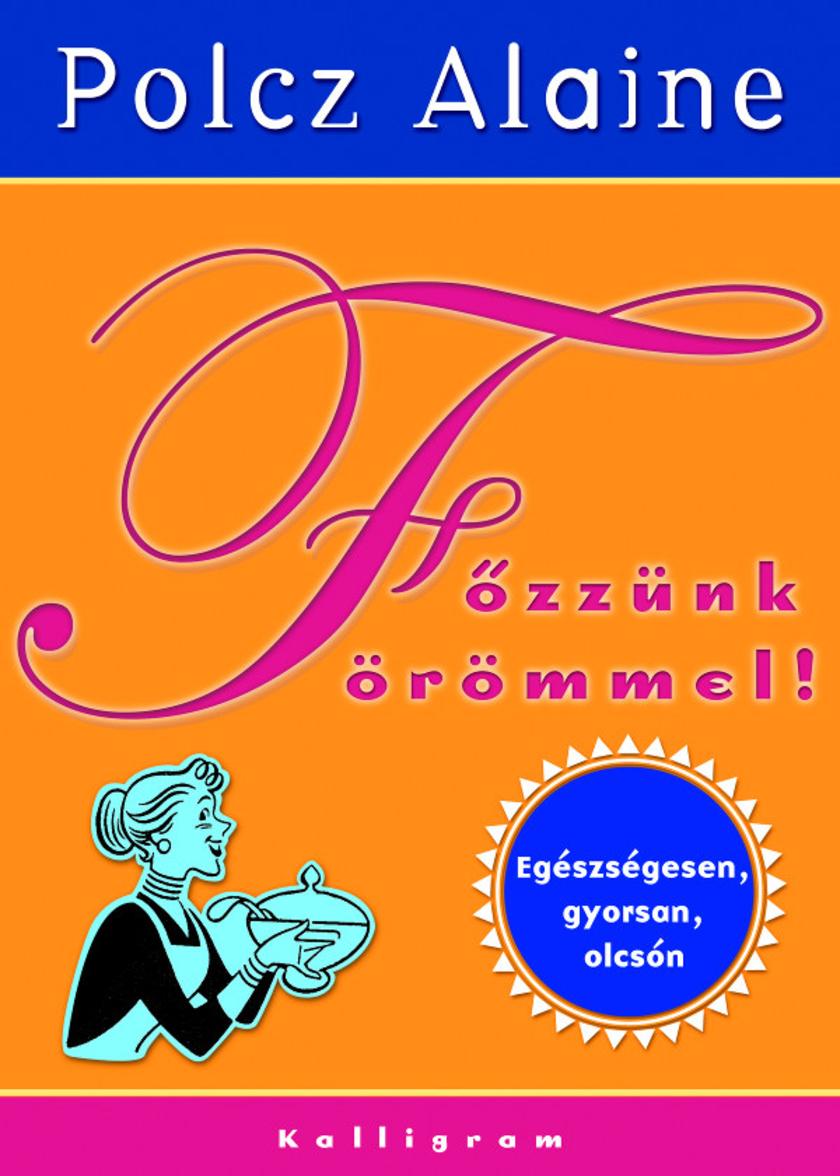
F?zzünk ?r?mmel!
¥43.57
K?ztudott, hogy a pártállami diktatúra idején minden jobboldali gondolat eredend?en üld?zend?nek számított. De vajon hogyan élték túl a hagyományos politikai felosztás szerint jobboldalinak tekintett személyek és mozgalmak a Rákosi-, majd a Kádár-rendszer üld?ztetéseit? Kik választották az évtizedekre szóló, csendes ?alámerülést”, és kik azok, akik továbbra is aktívan képviselték korábbi eszméiket? ?s vajon a rendelkezésünkre álló dokumentumok alapján meg lehet-e kül?nb?ztetni a jobboldalhoz k?thet? valós társadalmi jelenségeket az állambiztonság konstruált ügyeit?l? Az UNGV?RY KRISZTI?N által szerkesztett tanulmányk?tet a Kádár-rendszer állambiztonsága szempontjából ?jobboldalinak” tekintett hagyomány és gondolkodás, illetve az ezt képvisel? csoportok 1945 és 1990 k?z?tti t?rténetéb?l ad reprezentatív válogatást. Mivel e meglehet?sen széles – a progresszív konzervatív eszmét?l a kisgazdákon át az egyetemi szervezkedésekig és a radikális széls?jobboldali mozgalmakig terjed? – politikai paletta szerepl?i és nézetei a kommunista és államszocialista diktatúra idején egyként ?ellenségesnek” min?sültek, a k?tet tanulmányai mindenekel?tt az állambiztonsági iratok feldolgozására épülnek. Az ?sszeállítás áttekintést nyújt az olvasónak a belügyminisztérium ?jobboldali” ellenségképér?l, részletesen tárgyalja a prominens kisgazda és kereszténydemokrata politikusok sorsát, illetve nyomon k?veti a háború el?tti széls?jobboldalhoz k?thet? mozgalmak utóéletét is. E hiánypótló k?tet kit?n? írásai nem csupán arra világítanak rá, hogy a jobboldali hagyományok hogyan élték túl búvópatakszer?en a háborút k?vet? fél évszázadot, de a ma jobboldalinak tekintett attit?d?ket és mentalitásokat is jobban érthet?vé teszik.
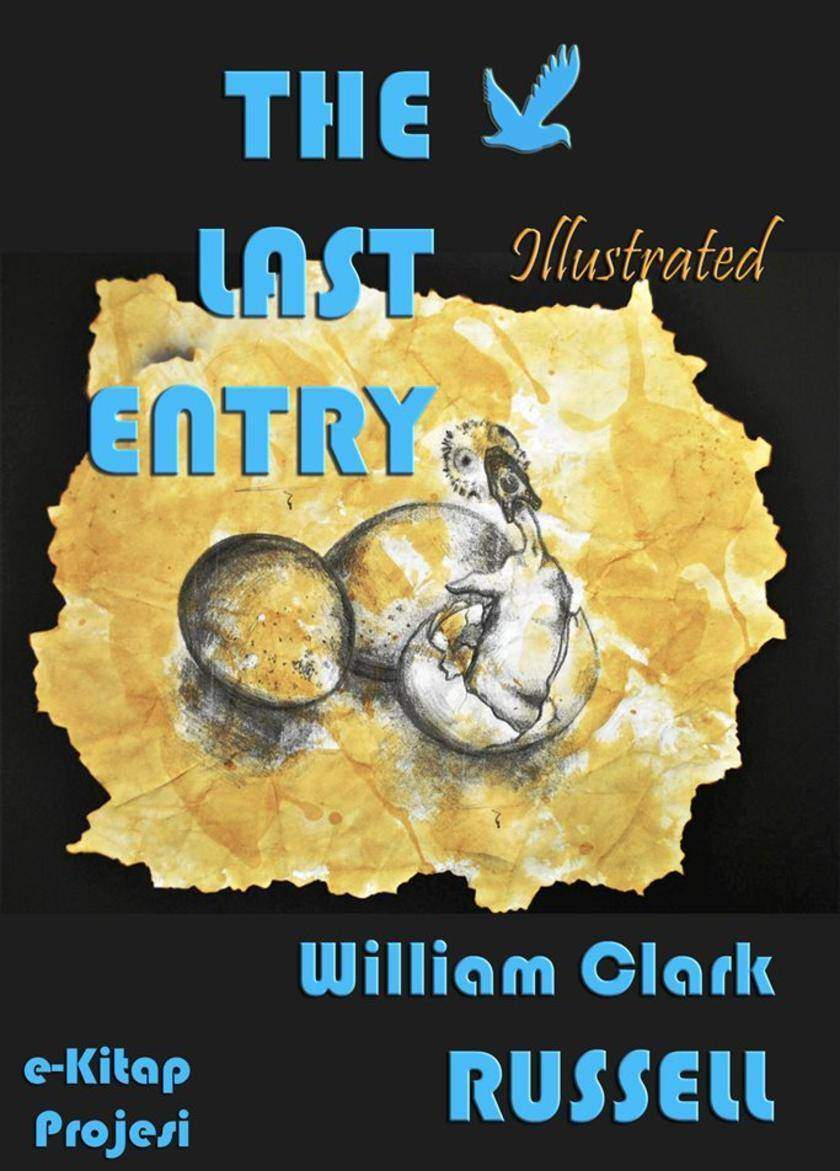
Last Entry
¥18.74
A NEW AND FACETIOUS INTRODUCTION TO THE ENGLISH TONGUEBy Percival LeighEmbellished with upwards of forty-five Characteristic IllustrationsBy JOHN LEECH. Fashion requires, and like the rest of her sex, requires because she requires, that before a writer begins the business of his book, he should give an account to the world of his reasons for producing it; and therefore, to avoid singularity, we shall proceed with the statement of our own, excepting only a few private ones, which are neither here nor there. To advance the interests of mankind by promoting the cause of Education; to ameliorate the conversation of the masses; to cultivate Taste, and diffuse Refinement; these are the objects we have in view in submitting a Comic English Grammar to the patronage of a discerning Public. Few persons there are, whose ears are so extremely obtuse, as not to be frequently annoyed at the violations of Grammar by which they are so often assailed. It is really painful to be forced, in walking along the streets, to hear such phrases as, "That 'ere omnibus." "Where've you bin?" "Vot's the odds?" and the like. Very dreadful expressions are also used by cartmen and others in addressing their horses. What can possibly induce a human being to say "Gee woot!" "'Mather way!" or "Woa not to mention the atrocious "Kim aup!" of the barbarous butcher's boy. It is notorious that the above and greater enormities are perpetrated in spite of the number of Grammars already before the world. This fact sufficiently excuses the present addition to the stock; and as serious English Grammars have hitherto failed to effect the desired reformation, we are induced to attempt it by means of a Comic one. With regard to the moral tendency of our labors, we may be here permitted to remark, that they will tend, if successful, to the suppression of evil speaking ; and as the Spartans used to exhibit a tipsy slave to their children with a view to disgust them with drunkenness, and We will not allow a man to give an old woman a dose of rhubarb if he have not acquired at least half a dozen sciences; but we permit a quack to sell as much poison as he pleases. When one man runs away with another's wife, and, being on that account challenged to fight a duel, shoots the aggrieved party through the head, the latter is said to receive satisfaction. We never take a glass of wine at dinner without getting somebody else to do the same, as if we wanted encouragement; and then, before we venture to drink, we bow to each other across the table, preserving all the while a most wonderful gravity. This, however, it may be said, is the natural result of endeavoring to keep one another in countenance. The way in which we imitate foreign manners and customs is very amusing. Savages stick fish-bones through their noses; our fair countrywomen have hoops of metal poked through their ears. The Caribs flatten the forehead; the Chinese compress the foot; and we possess similar contrivances for reducing the figure of a young lady to a resemblance to an hour-glass or a devil-on-two-sticks. There being no other assignable motive for these and the like proceedings, it is reasonable to suppose that they are adopted, as schoolboys say, "for fun." We could go on, were it necessary, adducing facts to an almost unlimited extent; but we consider that enough has now been said in proof of the comic character of the national mind. And in conclusion, if any other than an English or American author can be produced, equal in point of wit, humor, and drollery, to Swift, Sterne, Dickens, or Paulding, we hereby engage to eat him; albeit we have no pretensions to the character of a "helluo librorum." "English Grammar," according to Lindley Murray, "is the art of speaking and writing the English language with propriety." The English language, written and spoken with propriety, is commonly called the King's English.

Life Is A Dream
¥18.74
To my thinking, all modern English books on the Devil and his works are unsatisfactory. They all run in the same groove, give the same cases of witchcraft, and, moreover, not one of them is illustrated. I have endeavoured to remedy this by localizing my facts, and by reproducing all the engravings I could find suitable to my purpose. I have also tried to give a succinct account of demonology and witchcraft in England and America, by adducing authorities not usually given, and by a painstaking research into old cases, carefully taking everything from original sources, and bringing to light very many cases never before republished. For the benefit of students, I have given—as an Appendix—a list of the books consulted in the preparation of this work, which, however, the student must remember is not an exhaustive bibliography on the subject, but only applies to this book, whose raison d’être is its localization. The frontispiece is supposed to be the only specimen of Satanic caligraphy in existence, and is[Pg vi] taken from the ‘Introductio in Chaldaicam Linguam,’ etc., by Albonesi (Pavia, 1532). The author says that by the conjuration of Ludovico Spoletano the Devil was called up, and adjured to write a legible and clear answer to a question asked him. Some invisible power took the pen, which seemed suspended in the air, and rapidly wrote what is facsimiled. The writing was given to Albonesi (who, however, confesses that no one can decipher it), and his chief printer reproduced it very accurately. I am told by experts that in some of the characters may be found a trace of Amharic, a language spoken in its purity in the province of Amhara (Ethiopia), and which, according to a legend, was the primeval language spoken in Eden. JOHN ASHTON. CHAPTER IUniversal Belief in the Personality of the Devil, as portrayed by the British Artist—Arguments in Favour of his Personality—Ballad—‘Terrible and Seasonable Warning to Young Men.’ The belief in a good and evil influence has existed from the earliest ages, in every nation having a religion. The Egyptians had their Typho, the Assyrians their Ti-a-mat (the Serpent), the Hebrews their Beelzebub, or Prince of Flies,[1] and the Scandinavians their Loki. And many religions teach that the evil influence has a stronger hold upon mankind than the good influence—so great, indeed, as to nullify it in a large degree. Christianity especially teaches this: ‘Enter ye by the narrow gate; for wide is the gate, and broad is the way, that leadeth to destruction, and many be they that enter in thereby. For narrow is the gate, and straitened the way, that leadeth unto life, and few be they that find it.’ This doctrine of the great power of the Devil, or evil influence over man, is preached from every pulpit, under every form of Christianity, throughout the world; and although at the present time it is only confined to the greater moral power of the Devil over man, at an earlier period it was an article of belief that he was able to exercise a greater physical power. This was coincident with a belief in his personality; and it is only in modern times that that personality takes an alluring form. In the olden days the Devil was always depicted as ugly and repulsive as the artist could represent him, and yet he could have learned a great deal from the modern Chinese and Japanese. The ‘great God Pan,’ although he was dead, was resuscitated in order to furnish a type for ‘the Prince of Darkness’; and, accordingly, he was portrayed with horns, tail and cloven feet, making him an animal, according to a mot attributed to Cuvier, ‘graminivorous, and decidedly ruminant’; while, to complete his classical ensemble, he was invested with the forked sceptre of Pluto, only supplemented with another tine.
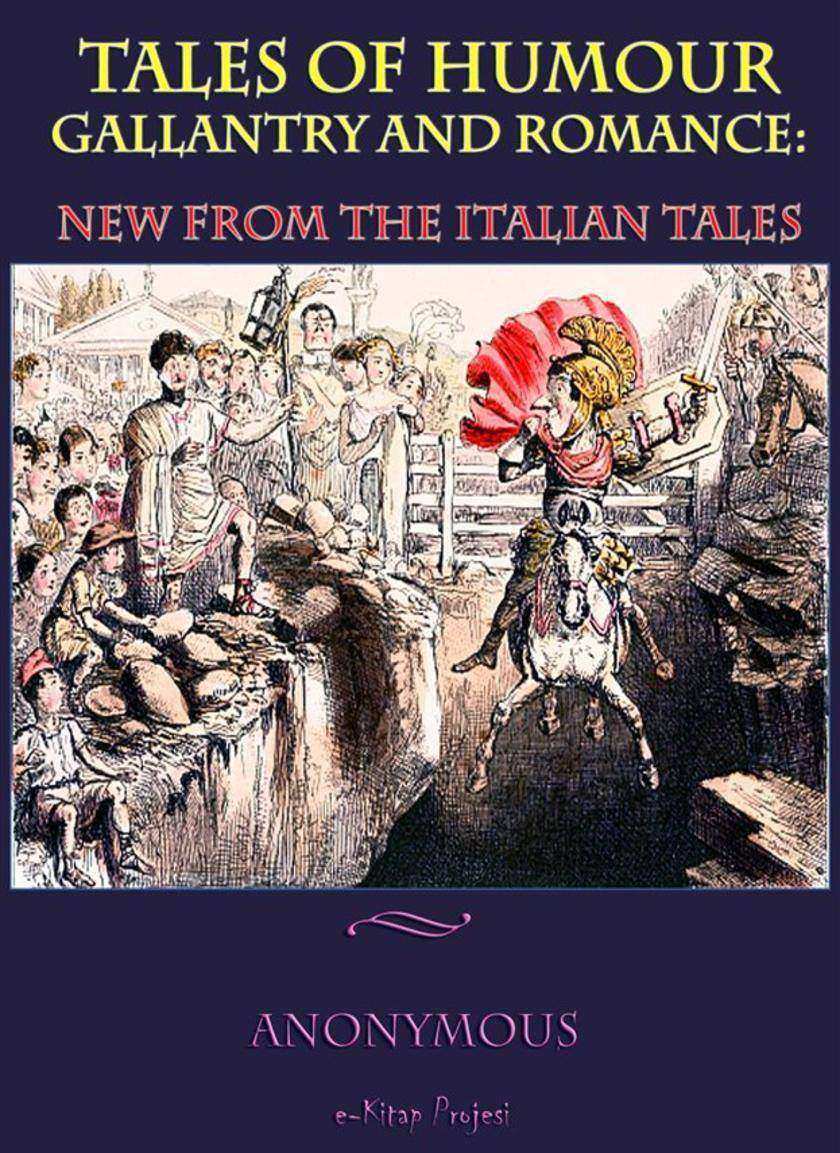
Tales Of Humour, Gallantry and Romance: New from the Italian Tales (Illustrated)
¥9.24
THE history, the features, and the most famous examples of European architecture, during a period extending from the rise of the Gothic, or pointed, style in the twelfth century to the general depression which overtook the Renaissance style at the close of the eighteenth, form the subject of this little volume. I have endeavoured to adopt as free and simple a mode of treatment as is compatible with the accurate statement of at least the outlines of so very technical a subject. Though it is to be hoped that many professional students of architecture will find this hand-book serviceable to them in their elementary studies, it has been my principal endeavour to adapt it to the requirements of those who are preparing for the professional pursuit of the sister arts, and of that large and happily increasing number of students who pursue the fine arts as a necessary part of a complete liberal education, and who know that a solid and comprehensive acquaintance with art, especially if joined to some skill in the use of the pencil, the brush, the modelling tool, or the etching needle, will open sources of pleasure and interest of the most refined description. The broad facts of all art history; the principles which underlie each of the fine arts; and the most precious or most noteworthy examples of each, ought to be familiar to every art student, whatever special branch he may follow. Beyond these limits I have not attempted to carry this account of Gothic and Renaissance architecture; within them I have endeavoured to make the work as complete as the space at my disposal permitted. THE architecture generally known as Gothic, but often described as Christian Pointed, prevailed throughout Europe to the exclusion of every rival for upwards of three centuries; and it is to be met with, more or less, during two others. Speaking broadly, it may be said that its origin took place in the twelfth century, that the thirteenth was the period of its development, the fourteenth that of its perfection, and the fifteenth that of its decline; while many examples of its employment occur in the sixteenth. In the following chapters the principal changes in the features of buildings which occurred during the progress of the style in England will be described. Subsequently, the manner in which the different stages of development were reached in different countries will be given; for architecture passed through very nearly the same phases in all European nations, though not quite simultaneously. It must be understood that through the whole Gothic period, growth or at least change was going on; the transitions from one stage to another were only periods of more rapid change than usual. The whole process may be illustrated by the progress of a language. If, for instance, we compare round-arched architecture in the eleventh century to the Anglo-Saxon form of speech of the time of Alfred the Great, and the architecture of the twelfth century to the English of Chaucer, that of the thirteenth will correspond to the richer language of Shakespeare, that of the fourteenth to the highly polished language of Addison and Pope, and that of the fifteenth to the English of our own day. We can thus obtain an apt parallel to the gradual change and growth which went on in architecture; and we shall find that the oneness of the language in the former case, and of the architecture in the latter, was maintained throughout. For an account of the Christian round-arched architecture which preceded Gothic, the reader is referred to the companion volume in this series. Here it will be only necessary briefly to review the circumstances which went before the appearance of the pointed styles.
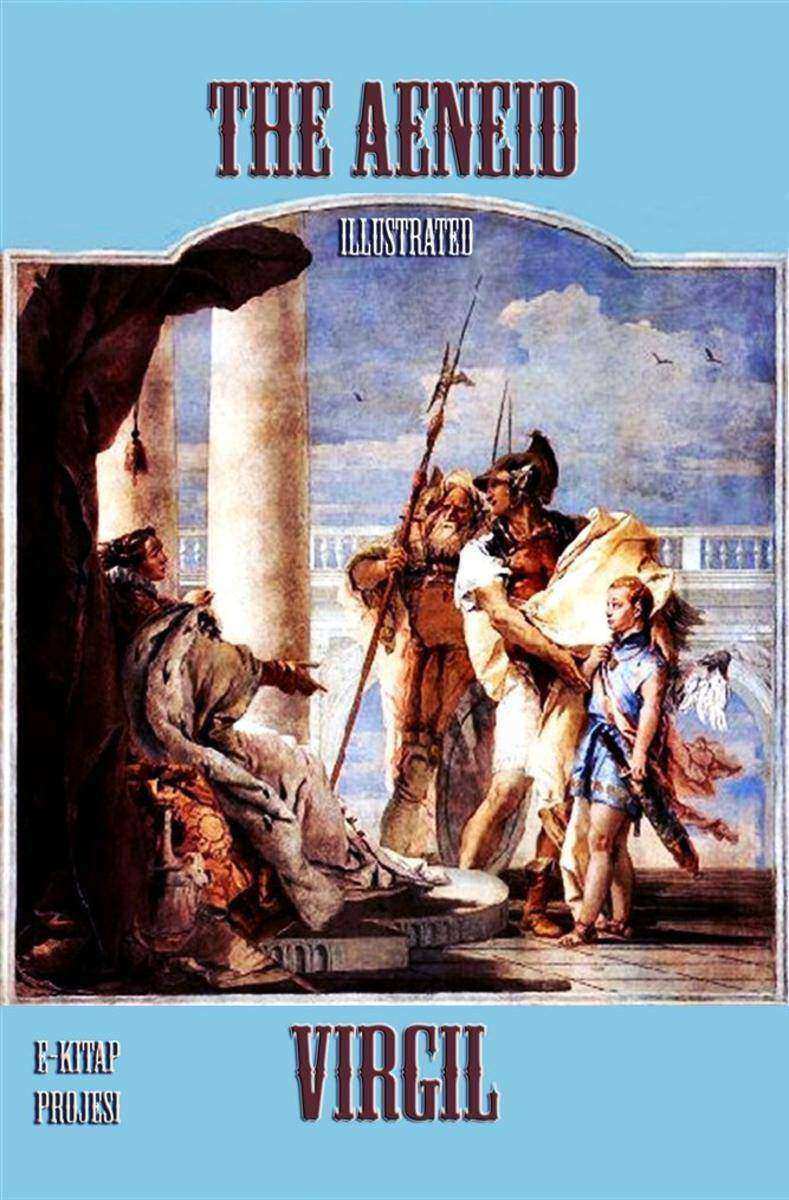
The Aeneid: "Illustrated"
¥18.74
"Where ocean bathes earth's footstool these sea-bowersBedeck its solid wavelets: wise was heWho blended shore with deep, with seaweed flowers,And Naiads' rivulets with Nereids' sea." Strictly speaking the peninsula on which the city stands is of the form of a trapezium. It juts out into the sea, beating back as it were the fierce waves of the Bosphorus, and forcing them to turn aside from their straight course and widen into the Sea of Marmora, which the ancients called the Propontis, narrowing again as it forces its way between the near banks of the Hellespont, which rise abrupt and arid from the European side, and slope gently away in Asia to the foot of Mount Ida. Northwards there is the little bay of the Golden Horn, an arm as it were of the Bosphorus, into which run the streams which the Turks call the Sweet Waters of Europe. The mouth of the harbour is no more than five hundred yards across. The Greeks of the Empire spanned it by a chain, supported here and there on wooden piles, fragments of which still remain in the Armoury that was once the church of S. Irene. Within is safe anchorage in one of the finest harbours of the world. South of the Golden Horn, on the narrow tongue of land—narrow it seems as seen from the hills of the northern shore—is the city of Constantine and his successors in empire, seated, like the old Rome, on seven hills, and surrounded on three sides by sea, on the fourth by the still splendid, though shattered, medi?val walls. Northwards are the two towns, now linked together, of Pera and Galata, that look back only to the trading settlements of the Middle Ages.The single spot united, as Gibbon puts it, the prospects of beauty, of safety, and of wealth: and in a masterly description that great historian has collected the features which made the position, "formed by Nature for the centre and capital of a great monarchy," attractive to the first colonists, and evident to Constantine as the centre where he could best combine and command the power of the Eastern half of his mighty Empire. Byzantium Before Constantine.It is impossible to approach Constantinople without seeing the beauty and the wonder of its site. Whether you pass rapidly down the Bosphorus, between banks crowned with towers and houses and mosques, that stretch away hither and thither to distant hills, now bleak, now crowned with dark cypress groves; or up from the Sea of Marmora, watching the dome of S. Sophia that glitters above the closely packed houses, till you turn the point which brings you to the Golden Horn, crowded with shipping and bright with the flags of many nations; or even if you come overland by the sandy wastes along the shore, looking across the deep blue of the sea to the islands and the snow-crowned mountains of Asia, till you break through the crumbling wall within sight of the Golden Gate, and find yourself at a step deep in the relics of the middle ages; you cannot fail to wonder at the splendour of the view which meets your eyes. Sea, sunlight, the quaint houses that stand close upon the water's edge, the white palaces, the crowded quays, and the crowning glory of the Eastern domes and the medi?val walls—these are the elements that combine to impress, and the impression is never lost. Often as you may see again the approach to the imperial city, its splendour and dignity and the exquisite beauty of colour and light will exert their old charm, and as you put foot in the New Rome you will feel all the glamour of the days that are gone by.
The Lost World
¥18.74
Leonardo's views of aesthetic are all important in his philosophy of life and art. The worker's thoughts on his craft are always of interest. They are doubly so when there is in them no trace of literary self-consciousness to blemish their expression. He recorded these thoughts at the instant of their birth, for a constant habit of observation and analysis had early developed with him into a second nature. His ideas were penned in the same fragmentary way as they presented themselves to his mind, perhaps with no intention of publishing them to the world. But his ideal of art depended intimately, none the less, on the system he had thrown out seemingly in so haphazard a manner. The long obscurity of the Dark Ages lifted over Italy, awakening to a national though a divided consciousness. Already two distinct tendencies were apparent. The practical and rational, on the one hand, was soon to be outwardly reflected in the burgher-life of Florence and the Lombard cities, while at Rome it had even then created the civil organization of the curia. The novella was its literary triumph. In art it expressed itself simply, directly and with vigour. Opposed to this was the other great undercurrent in Italian life, mystical, religious and speculative, which had run through the nation from the earliest times, and received fresh volume from mediaeval Christianity, encouraging ecstatic mysticism to drive to frenzy the population of its mountain cities. Umbrian painting is inspired by it, and the glowing words of Jacopone da Todi expressed in poetry the same religious fervour which the life of Florence and Perugia bore witness to in action. Italy developed out of the relation and conflict of these two forces the rational with the mystical. Their later union in the greater men was to form the art temperament of the Renaissance. The practical side gave it the firm foundation of rationalism and reality on which it rested; the mystical guided its endeavour to picture the unreal in terms of ideal beauty.The first offspring of this union was Leonardo. Since the decay of ancient art no painter had been able to fully express the human form, for imperfect mastery of technique still proved the barrier. Leonardo was the first completely to disengage his personality from its constraint, and make line express thought as none before him could do. Nor was this his only triumph, but rather the foundation on which further achievement rested. Remarkable as a thinker alone, he preferred to enlist thought in the service of art, and make art the handmaid of beauty. Leonardo saw the world not as it is, but as he himself was. He viewed it through the atmosphere of beauty which filled his mind, and tinged its shadows with the mystery of his nature. From his earliest years, the elements of greatness were present in Leonardo. But the maturity of his genius came unaffected from without. He barely noticed the great forces of the age which in life he encountered. After the first promise of his boyhood in the Tuscan hills, his youth at Florence had been spent under Verrocchio as a master, in company with those whose names were later to brighten the pages of Italian art. At one time he contemplated entering the service of an Oriental prince. Instead, he entered that of Caesar Borgia, as military engineer, and the greatest painter of the age became inspector of a despot's strongholds. But his restless nature did not leave him long at this. Returning to Florence he competed with Michelangelo; yet the service of even his native city could not retain him. His fame had attracted the attention of a new patron of the arts, prince of the state which had conquered his first master. In this his last venture, he forsook Italy, only to die three years later at Amboise, in the castle of the French king.
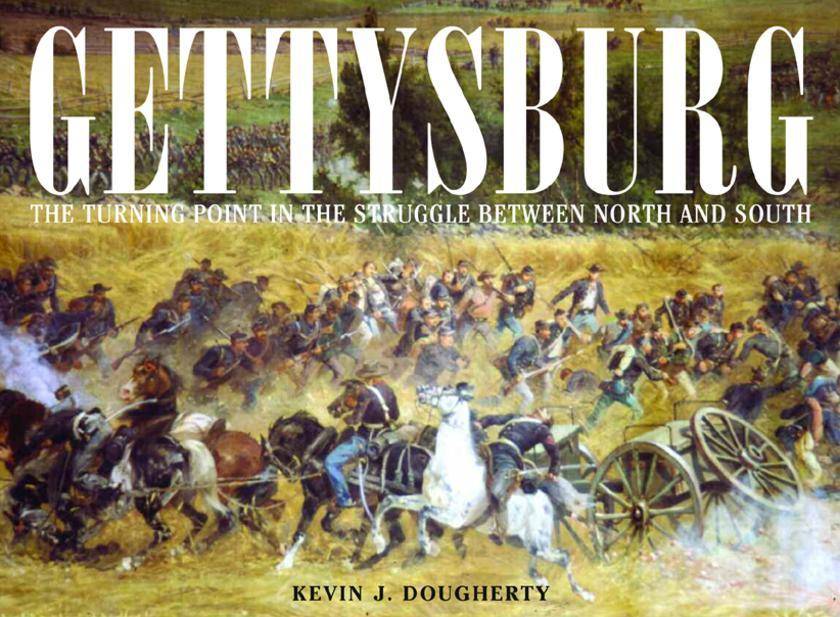
Gettysburg: The Turning Point in the Struggle between North and South
¥65.32
In June 1863, General Robert E. Lee and the 75,000-strong Army of Northern Virginia launched a second invasion of the North, crossing into Maryland and Pennsylvania to try to win a decisive victory over Federal forces. On July 1, Lee’s army encountered Major General Meade’s 90,000 strong Army of the Potamac at the small town of Gettysburg. After some initial success in dispersing the Federal advance guard, Lee launched attack after attack against the main army, but everywhere the Union line held. On July 3, Lee ordered a final assault of 12,500 Confederates at the center of the Union line on Cemetery Ridge, known as Pickett’s Charge. The charge was repulsed with huge loss of life, bringing the battle to an end. Today, Gettysburg is recognized as the turning point in the Civil War and one of the iconic battles of the great struggle between North and South. Lee’s gamble didn’t pay off, leaving the Army of Northern Virginia fatally weakened and unable to continue its invasion of the North. Gettysburg is divided into five chapters, outlining the campaign, the fighting on July 1, July 2, and July 3, as well as a chapter dealing with the aftermath; an extended appendices provides biographical background of the main Federal and Confederate leaders who fought in the battle. Through letters, journal entries, and official reports, the book includes numerous first-hand accounts from those who survived. Color maps show the battle as it unfolded over three days of fighting in places that have a place in Civil War legend: Seminary Ridge, Little Round Top, Cemetery Hill, Devil’s Den, the Wheat Field, Culp’s Hill, the Peach Orchard. Including more than 200 archival photographs, illustrations, paintings, and maps, Gettysburg is a colorful, accessible guide to the great battle that marked the turning point in the Civil War.

POW Escape And Evasion: Essential Military Skills To Avoid Being Caught By the E
¥65.32
POW Escape and Evasion covers everything you need to know about making a successful return to friendly territory. Beginning from the point where a combatant finds himself or herself trapped in enemy territory, the book offers useful tips and solid advice on how to evade capture and, if that fails, how to escape. Key topics include the will to survive; handling stress in captivity; escape techniques; survival in a variety of environments, including urban, rural, jungle and desert; how to forage for food; tracking and how to cover your tracks; navigation, with or without a map; and seeking recovery by friendly forces. The book also includes a number of real life accounts of POW escape from World War II (including The Great Escape story and Colditz), the Vietnam War (Dieter Dengler, with others, escaping from Laos), the Balkans, Iraq (Thomas Hamill in 2004) and Afghanistan. With more than 120 black-&-white artworks and with easy-to-follow text, POW Escape and Evasion is for anyone who wants to know how to survive in the most stressful of circumstances and emerge a winner. Presented in a handy, pocket-size format, this is a book you could take with you into the field. And it could save your life.
Tin Soldier and Other Plays for Children
¥40.79
A collection of three enchanting plays adapted from popular fairy tales and suitable for family audiences:?Tin Soldier (adapted from The Steadfast Tin Soldier by Hans Christian Andersen), A Tasty Tale (Hansel and Gretel), Hood in the Wood (Little Red Riding Hood). Acclaimed playwright Noel Greig, has recreated these well-known tales for the stage with wit and imagination. All three plays have been performed throughout the UK by Tangere Arts, winning a? Time Out Critics' Choice Award . Teachers, youth theatres and amateur groups working with young performers will use this collection time and again for productions, drama classes and workshops - whether for one performer or many. Suitable for children aged 7+ The simple form and language of the plays belie their theatrical and psychological sophistication. Tin Soldier ' a powerful poetic drama, an epic fable for our times.' **** ?Independent A Tasty Tale (Hansel and Gretel) ' Delicious moments... fashioned into a rhyming feast.' ****?Time Out Hood in the Wood (Little Red Riding Hood) ' a first-rate piece of storytelling that will make children squeal with terrified delight and parents shiver with recognition. ' **** ?Guardian
A Christmas Carol
¥40.79
Charles Dickens’ timeless story is brought to life in this vibrant new version by the award-winning playwright Neil Duffield. Christmas, the most wonderful time of the year! Well, it is for everyone except the miserable Scrooge. He prefers to spend Christmas all alone in his large house, instead of celebrating with mistletoe and merriment. Bah, humbug! But one cold, dark Christmas Eve Scrooge is surprised by the ghost of Marley, his former business partner. Marley warns Scrooge that he will be called upon by three spirits – each will take him on a mysterious and magical journey to show him the error of his ways… Can Scrooge discover the true wonder and meaning of Christmas before it’s too late?

All Talk Monologues for Young People: 6 Solo Plays
¥40.79
A series of short, single voice plays by writers based in the North West of England. These powerful, contemporary monologues share the struggles, courage, conflicts and joys of different characters facing difficult decisions in their lives. Developed through consultation with young people, they offer a range of authentic, memorable voices to stimulate discussion and participatory drama work. ‘First Date’ by Anne-Marie O’Connor: Sometimes friendship comes with a heavy price tag. ‘Getting it Right’ by Peter Spafford: Luke can't choose between his shirts, let alone his parents. ‘Results Day’ by Aelish Michael: Karly’s mum thinks she’s an angel, but what if she flaps her wings? ‘Close to Home’ by Mary Cooper: Jay’s little sister is pregnant and he’s livid – who’s he going to punish? ‘Weighed Down’ by Carla Monvid-Jenkinson and Mary Cooper: When Claire’s dad left, she thought that he was all she would lose. ‘Giggsy’s Legs’ by Michael Harvey: Do you choose everything you are or does it choose you?
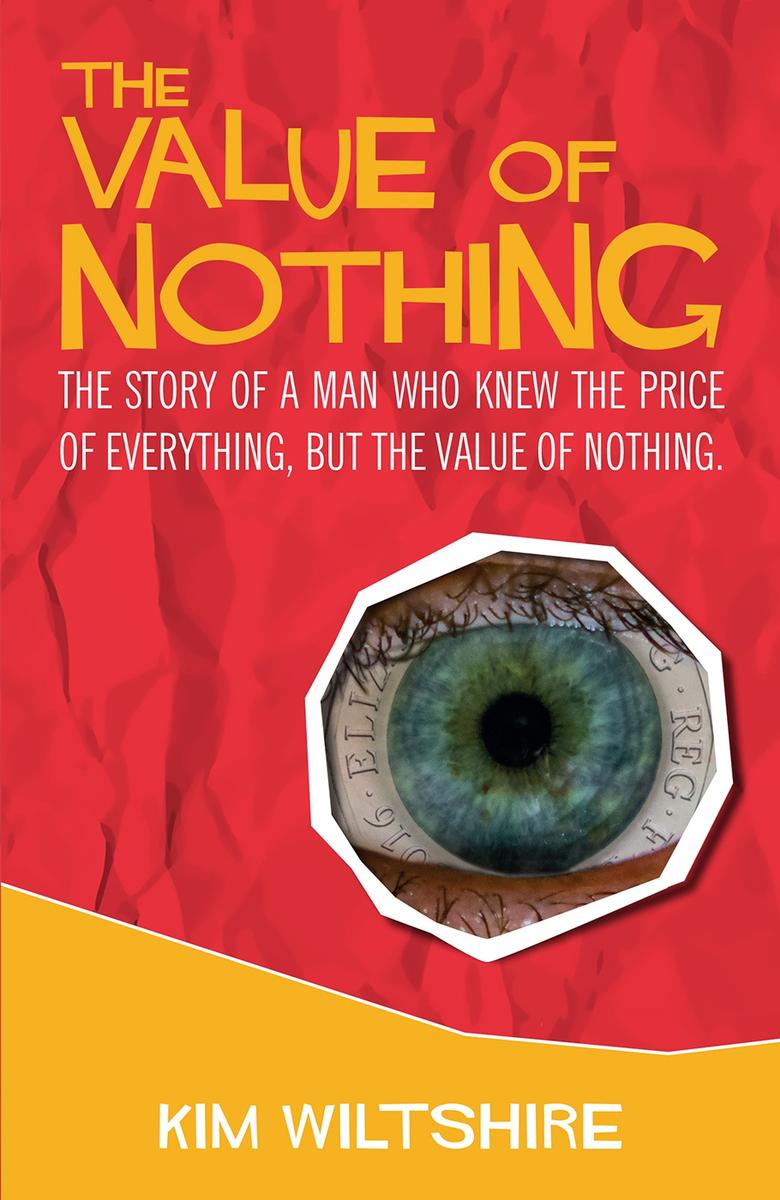
The Value of Nothing
¥24.44
Welcome! Come on in! Take part in the project launch of ArtWorks, the new back to work initiative created and run by your friend and ours, the one, the only, the most fantastic… Vince Fine! And so begins the project launch from hell… Exploring issues of how society views those living on benefits, the ‘creative industries’ and what we should value in life, this dark comedy (running in real time) charts the fall from grace of the central comedic hero, Vince Fine, as he watches everything he’s ever dreamed of slip from his fingers. Includes some audience participation and interaction.
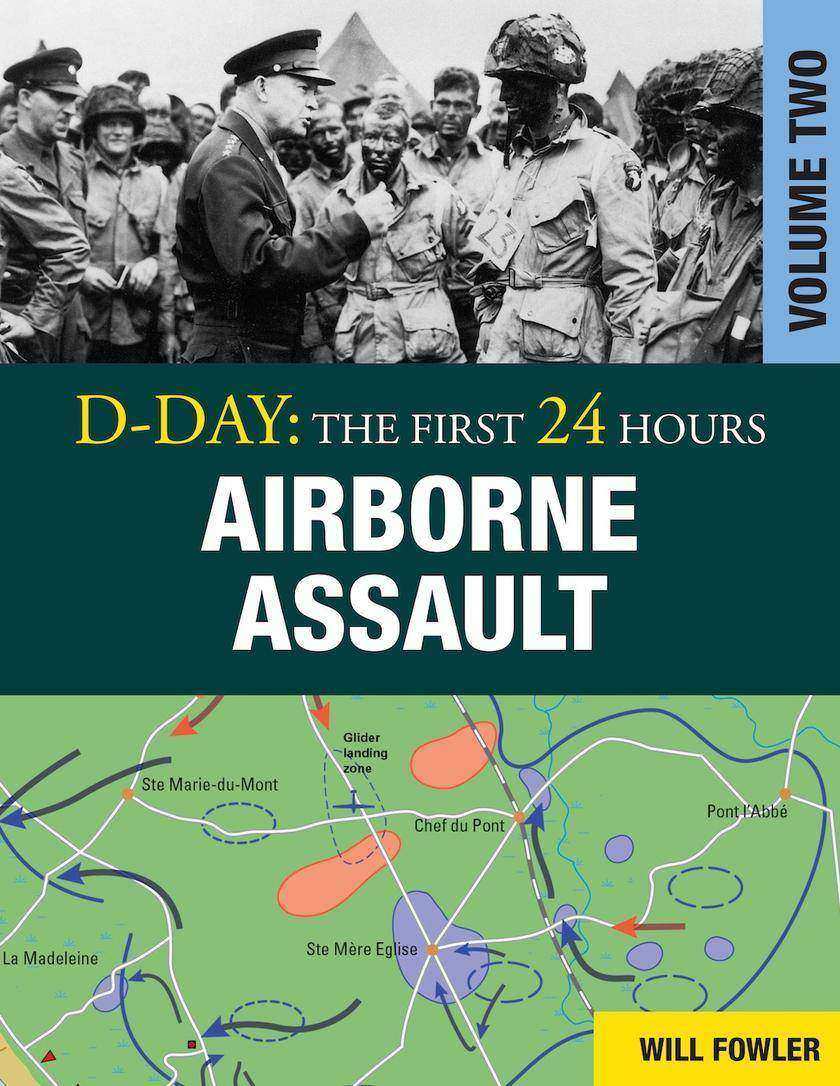
D-Day: Airborne Assault
¥40.79
In any military operation throughout history, few 24-hour periods have been as crucial as that of 6th June 1944. With the aid of specially commissioned maps, D-Day: The First 24 Hours series gives the dramatic history of the first 24 hours of the Normandy landings, and explains in detail the events that occurred in each landing zone. In this second volume of the series, the book describes the airborne landings by paratroopers and glider troops that secured the flanks of the Allied beachheads, including such famous encounters as Pegasus Bridge and Ste Mère Eglise, as well as the more secret operations carried out by the SAS, SOE and Maquis. With colour and black & white photographs and specially commissioned maps, the book is a guide to key events in the first 24 hours of the D-Day landings that saw the Allies successfully achieve a foothold in Northern Europe.


