


 购物车
购物车 个人中心
个人中心
The Merchant of Venice, with line numbers
¥8.09
The classic play. According to Wikipedia: "The Merchant of Venice is a play by William Shakespeare, believed to have been written between 1596 and 1598. Although classified as a comedy in the First Folio, and while it shares certain aspects with Shakespeare's other romantic comedies, the play is perhaps more remembered for its dramatic scenes, and is best known for the character of Shylock. The title character is the merchant Antonio, not the Jewish moneylender Shylock, who is the play's most prominent and more famous character. Though Shylock is a tormented character, he is also a tormentor, so whether he is to be viewed with disdain or sympathy is up to the audience (as influenced by the interpretation of the play's director and lead actors). As a result, The Merchant of Venice is often classified as one of Shakespeare's problem plays."
King Henry V, with line numbers
¥8.09
The classic Shakespearean history, with line numbers. According to Wikipedia: "Henry V is a history play by William Shakespeare, believed to be written in 1599. It is based on the life of King Henry V of England, and focuses on events immediately before and after the Battle of Agincourt (1415) during the Hundred Years' War. The play is the final part of a tetralogy, preceded by Richard II, Henry IV, part 1 and Henry IV, part 2. The original audiences would thus have already been familiar with the title character, who was depicted in the Henry IV plays as a wild, undisciplined lad known as "Prince Hal." In Henry V, the young prince has become a mature man and embarks on an attempted conquest of France."
Coriolanus, with line numbers
¥8.09
The classic tragedy. According to Wikipedia: "Gaius Marcius Coriolanus was possibly a legendary Roman general who lived in the 5th century BC. He received his toponymic title "Coriolanus" because of his exceptional valor in a Roman siege of the Volscian city of Corioli. He was then promoted to a general. In later ancient times, it was generally accepted by historians that Coriolanus had lived, and a consensus narrative story of his life appeared, retold by leading historians such as Livy and Plutarch."
Shakespeare's Tragedies: 11 plays with line numbers
¥8.09
This book-collection file includes all of Shakespeare's tragedies, with line numbers: Antony and Cleopatra, Coriolanus, Hamlet, Julius Caesar, King Lear, Macbeth, Othello, Romeo and Juliet, Timon of Athens, Titus Andronicus, and Troilus and Cressida. It also includes "Notes to Shakespeare volume 3 Tragedies" by Samuel Johnson and Shakespearean Tragedy: Lectures on Hamlet, Othello, King Lear, Macbeth" by A.C. Bradley.
The Ten Tragedies of Euripides
¥8.09
This file includes 10 tragedies by Euripides, literally translated by Theodore Buckley. The plays are: HECUBA, ORESTES, PHOENISSAE (The Phoenician Virgins), MEDEA, HIPPOLYTUS, ALCESTIS, BACCHAE, HERACLIDAE, IPHIGENIA IN AULIS, and IPHIGENIA IN TAURIS. According to Wikipedia: "Euripides (ca. 480 BCE–406 BCE) was the last of the three great tragedians of classical Athens (the other two being Aeschylus and Sophocles). Ancient scholars thought that Euripides had written ninety-five plays, although four of those were probably written by Critias. Eighteen or nineteen of Euripides' plays have survived complete. There has been debate about his authorship of Rhesus, largely on stylistic grounds and ignoring classical evidence that the play was his. Fragments, some substantial, of most of the other plays also survive. More of his plays have survived than those of Aeschylus and Sophocles together, because of the unique nature of the Euripidean manuscript tradition. Euripides is known primarily for having reshaped the formal structure of Athenian tragedy by portraying strong female characters and intelligent slaves and by satirizing many heroes of Greek mythology. His plays seem modern by comparison with those of his contemporaries, focusing on the inner lives and motives of his characters in a way previously unknown to Greek audiences."
The Seven Plays of Sophocles
¥8.09
This file includes the English verse translation by Lewis Campbell of all seven extant Sophocles plays: Antigone, Aias. King Oedipus, Electra, The Tracinian Maidens, Philoctetes, and Oedippus at Colonos. According to Wikipedia: "Sophocles( c. 496 BC-406 BC) was the second of the three ancient Greek tragedians whose work has survived. His first plays were written later than those of Aeschylus and earlier than those of Euripides. According to the Suda, a 10th century encyclopedia, Sophocles wrote 123 plays during the course of his life, but only seven have survived in a complete form... The most famous of Sophocles' tragedies are those concerning Oedipus and Antigone: these are often known as the Theban plays, although each play was actually a part of different tetralogy, the other members of which are now lost. Sophocles influenced the development of the drama, most importantly by adding a third actor and thereby reducing the importance of the chorus in the presentation of the plot."
The Odes of Pindar
¥8.09
This translation first published in 1874. According to Wikipedia: "Pindar (c. 522–443 BC), was an Ancient Greek lyric poet from Thebes. Of the canonical nine lyric poets of ancient Greece, his work is the best preserved. Quintilian wrote, "Of the nine lyric poets, Pindar is by far the greatest, in virtue of his inspired magnificence, the beauty of his thoughts and figures, the rich exuberance of his language and matter, and his rolling flood of eloquence, characteristics which, as Horace rightly held, make him inimitable." His poems however can also seem difficult and even peculiar... his style still challenges the casual reader and he continues to be a much admired though largely unread poet."
A Midsummer Night's Dream, with line numbers
¥8.09
The classic comedy, with line numbers. According to Wikipedia: "A Midsummer Night's Dream is a romantic comedy by William Shakespeare, suggested by "The Knight's Tale" from Geoffrey Chaucer's The Canterbury Tales, written around 1594 to 1596. It portrays the adventures of four young Athenian lovers and a group of amateur actors, their interactions with the Duke and Duchess of Athens, Theseus and Hippolyta, and with the fairies who inhabit a moonlit forest. The play is one of Shakespeare's most popular works for the stage and is widely performed across the world."
Les Joyeuses Bourgeoises de Windsor (The Merry Wives of Windsor in French)
¥8.09
Comédie Shakespeare, traduit en fran?ais. Selon Wikipedia: "The Merry Wives of Windsor est une comédie de William Shakespeare, publiée pour la première fois en 1602, mais qui aurait été écrite avant 1597. Elle présente le gros chevalier Sir John Falstaff, et est la seule pièce de Shakespeare vie contemporaine de la classe moyenne anglaise élisabéthaine. "
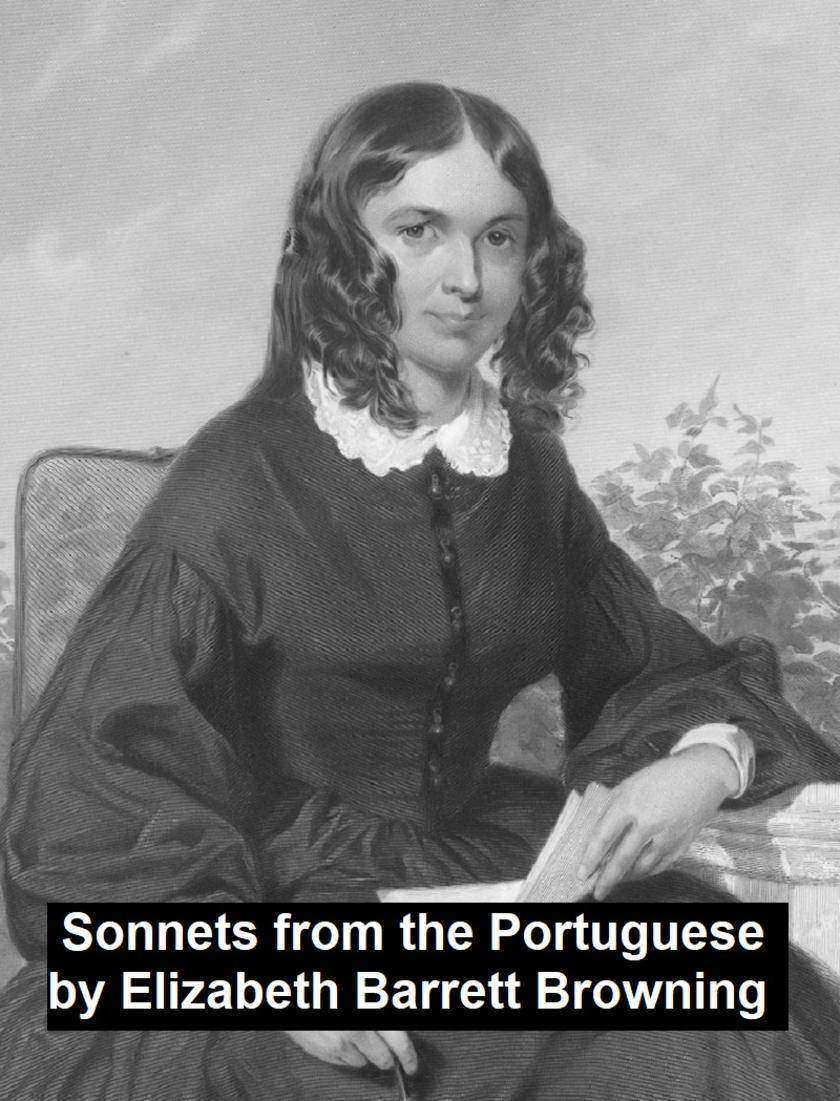
Sonnets from the Portuguese
¥8.09
Very short collection of love poems. According to Wikipedia: "Elizabeth Barrett Browning (1806 – 1861) was one of the most respected poets of the Victorian era."

The Importance of Being Earnest: A Trivial Comedy for Serious People
¥8.09
Wilde's best-known play. According to Wikipedia: "Oscar Fingal O'Flahertie Wills Wilde (1854 - 1900) was an Irish playwright, novelist, poet, and author of short stories. Known for his barbed wit, he was one of the most successful playwrights of late Victorian London, and one of the greatest celebrities of his day. As the result of a famous trial, he suffered a dramatic downfall and was imprisoned for two years of hard labour after being convicted of the offence of 'gross indecency.'"
Le Roi Jean (King John in French)
¥8.09
L'histoire de Shakespeare joue King John, en traduction fran?aise. Selon Wikipedia: "La vie et la mort du roi John, une pièce d'histoire de William Shakespeare, dramatise le règne de John, roi d'Angleterre (gouverné 1199-1216), fils d'Henri II d'Angleterre et d'Aliénor d'Aquitaine et père de Henry III d'Angleterre On pense qu'il a été écrit au milieu des années 1590, mais il n'a pas été publié avant d'être publié dans le premier folio en 1623. "
Henry V in French
¥8.09
Pièce d'histoire de Shakespeare, Henry V, en traduction fran?aise. Selon Wikipédia: "Henry V est une pièce d'histoire de William Shakespeare, dont on pense qu'elle a été écrite vers 1599. Ses titres complets sont The Cronicle History of Henri Quint (dans le texte du premier quarto) et The Life of Henry the Fifth (dans le premier texte du Folio) raconte l'histoire du roi Henry V d'Angleterre, en se concentrant sur les événements qui ont précédé et suivi la bataille d'Azincourt (1415) pendant la guerre de Cent Ans.
Henry VI Part 1, with line numbers
¥8.09
The classic Shakespeare history play, with line numbers. According to Wikipedia: "William Shakespeare (baptised 26 April 1564 – died 23 April 1616) was an English poet and playwright, widely regarded as the greatest writer in the English language and the world's pre-eminent dramatist. He is often called England's national poet and the "Bard of Avon" (or simply "The Bard"). His surviving works consist of 38 plays, 154 sonnets, two long narrative poems, and several other poems. His plays have been translated into every major living language, and are performed more often than those of any other playwright."
Antony and Cleopatra, with line numbers
¥8.09
The classic tragedy. According to Wikipedia: "Antony and Cleopatra is a tragedy by William Shakespeare. It was first printed in the First Folio of 1623. The plot is based on Thomas North's translation of Plutarch's Life of Markus Antonius and follows the relationship between Cleopatra and Mark Antony from the time of the Parthian War to Cleopatra's suicide. The major antagonist is Octavius Caesar, one of Antony's fellow triumvirs and the future first emperor of Rome. The tragedy is a Roman play characterized by swift, panoramic shifts in geographical locations and in registers, alternating between sensual, imaginative Alexandria and the more pragmatic, austere Rome. Many consider the role of Cleopatra in this play one of the most complex female roles in Shakespeare's work. She is frequently vain and histrionic, provoking an audience almost to scorn; at the same time, Shakespeare's efforts invest both her and Antony with tragic grandeur. These contradictory features have led to famously divided critical responses.["
Othello, with line numbers
¥8.09
The classic tragedy. According to Wikipedia: "Othello, the Moor of Venice is a tragedy by William Shakespeare, believed to have been written in approximately 1603, based on the short story "Moor of Venice" by Cinthio. The work revolves around four central characters: Othello, his wife Desdemona, his lieutenant Cassio, and his trusted advisor Iago. Attesting to its enduring popularity, the play appeared in 7 editions between 1622 and 1705. Because of its varied themes — racism, love, jealousy and betrayal — it remains relevant to the present day and is often performed in professional and community theatres alike. The play has also been the basis for numerous operatic, film and literary adaptations."
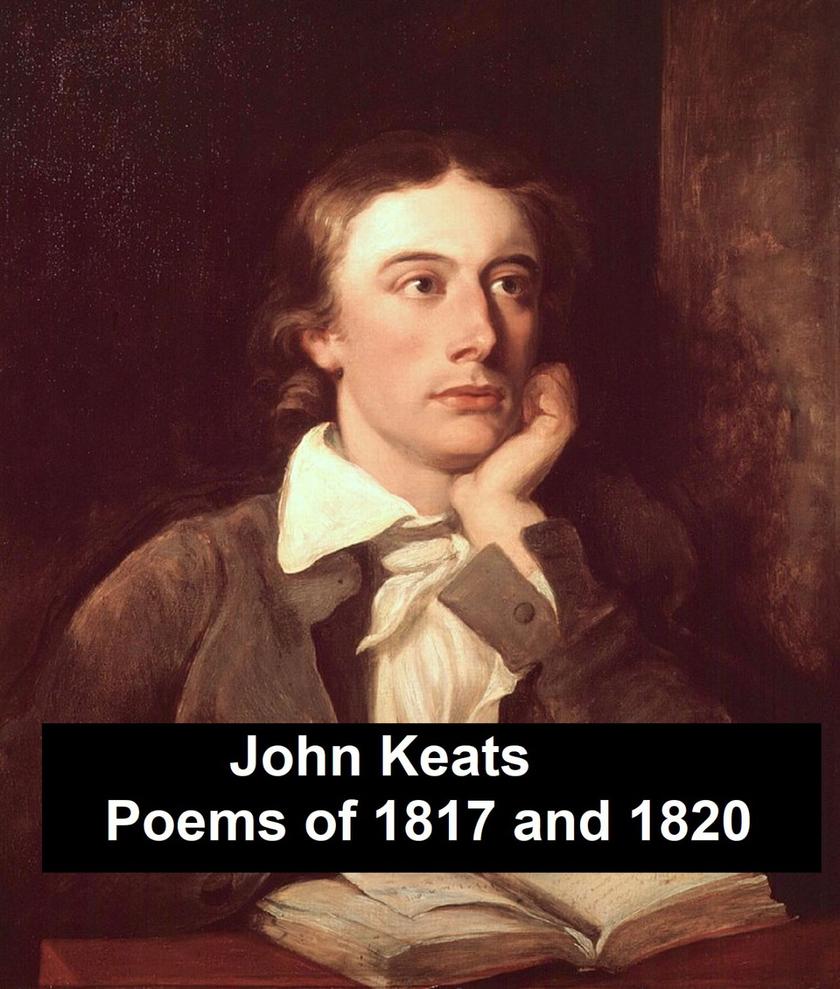
Poems of 1817 and 1820
¥8.09
This collection, with poems published in 1817, Endymion, and poems published in 1820, includes his best known works, such as: Ode to a Nightingale, Ode to a Grecian Ur, Ode to Psyche, Lamia, Eve of St. Agnes, Ode on Melancholy, To Autumn, and Hyperion. According to Wikipedia: "John Keats (1795 – 1821) was one of the principal poets of the English Romantic movement. During his short life, his work received constant critical attacks from periodicals of the day, but his posthumous influence on poets such as Alfred Tennyson has been immense. Elaborate word choice and sensual imagery characterize Keats's poetry, including a series of odes that were his masterpieces and which remain among the most popular poems in English literature. Keats's letters, which expound on his aesthetic theory of "negative capability"[1], are among the most celebrated by any writer."
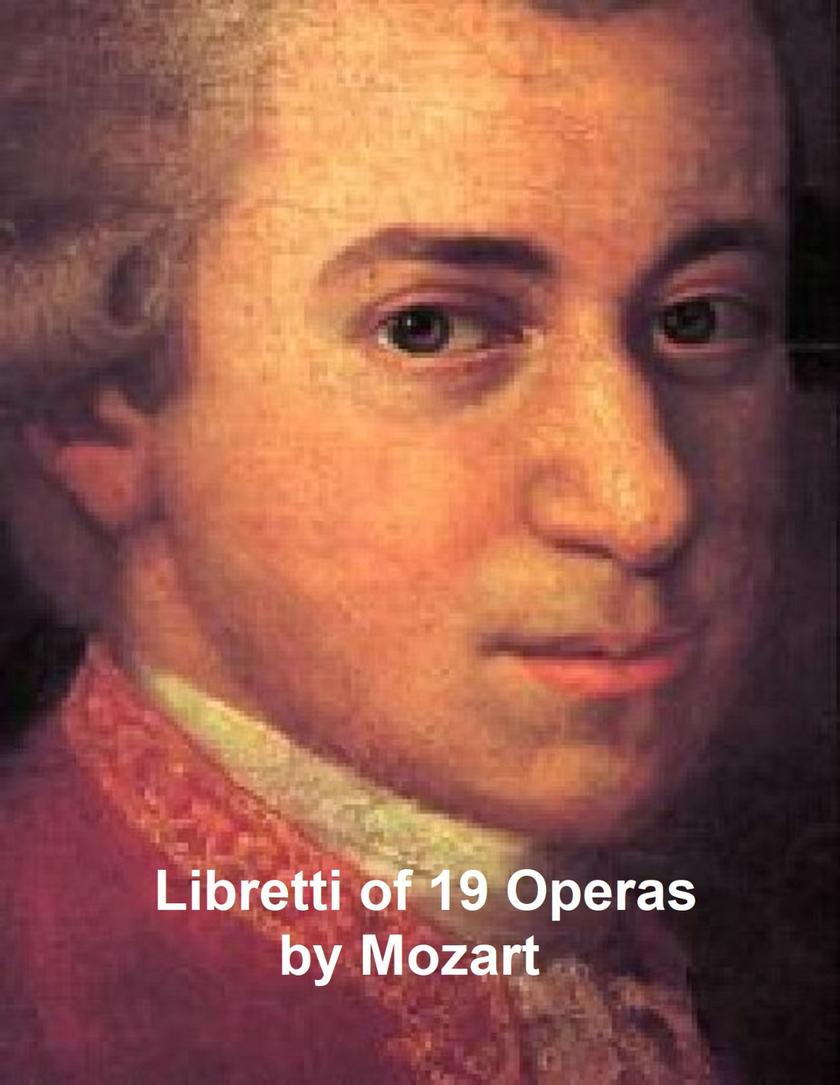
Libretti of 19 operas
¥8.09
This file includes: Apollo et Hyacinthus (in Latin); Ascanio in Alba (in Italian); Bastien und Bastienne (in German); Cosi fan tutte (in Italian); Die Entführung aus dem Serail (in German); Die G?rtnerin aus Liebe (in German); Die Zauberfloete (in German); Don Giovanni o l'empio punito (in Italian); Idomeneo Re di Creta (in Italian); Il re pastore (in Italian); Il sogno di Scipione (in Italian); La Clemenza di Tito (in Italian); La finta semplice (in Italian); Le Nozze di Figaro (in Italian); Lo sposo deluso (in Italian); L'oca del Cairo (in Italian); Lucio Silla (in Italian); Mitridate, re di Ponto (in Italian); and Zaide (in German). According to Wikipedia: "Wolfgang Amadeus Mozart (27 January 1756 – 5 December 1791), was a prolific and influential composer of the Classical era. He composed over 600 works, many acknowledged as pinnacles of symphonic, concertante, chamber, piano, operatic, and choral music. He is among the most enduringly popular of classical composers. Mozart showed prodigious ability from his earliest childhood in Salzburg. Already competent on keyboard and violin, he composed from the age of five and performed before European royalty; at 17 he was engaged as a court musician in Salzburg, but grew restless and traveled in search of a better position, always composing abundantly. While visiting Vienna in 1781, he was dismissed from his Salzburg position. He chose to stay in the capital, where he achieved fame but little financial security. During his final years in Vienna, he composed many of his best-known symphonies, concertos, and operas, and the Requiem... His influence on subsequent Western art music is profound. Beethoven wrote his own early compositions in the shadow of Mozart, of whom Joseph Haydn wrote that "posterity will not see such a talent again in 100 years."
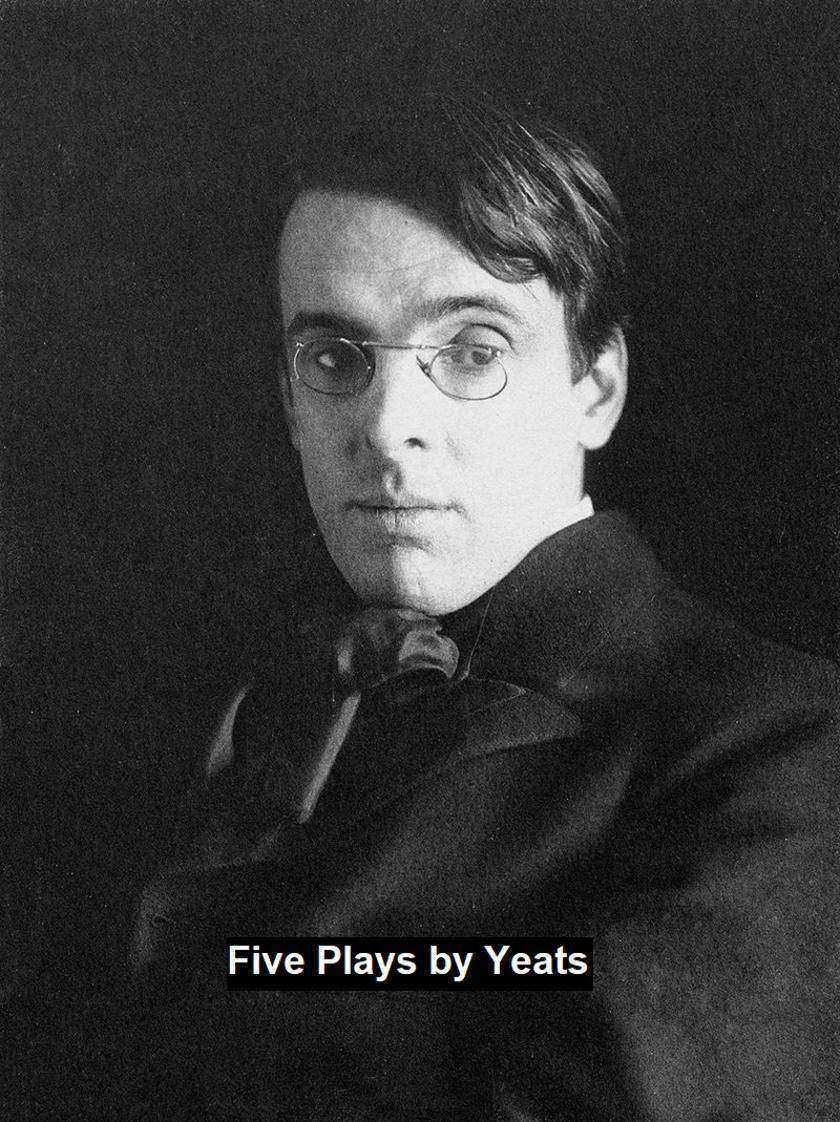
Five Plays
¥8.09
This file includes: The Land of Heart's Desire, The Countess Cathleen, The Unicorn and the Stars, Cathleen Ni Houlihan, and The Hour-Glass. According to Wikipedia: "William Butler Yeats (13 June 1865 - 28 January 1939) was an Irish poet, dramatist, and one of the foremost figures of 20th century literature. A pillar of both the Irish and British literary establishments, in his later years Yeats served as an Irish Senator for two terms. He was a driving force behind the Irish Literary Revival, and along with Lady Gregory and Edward Martyn founded the Abbey Theatre, serving as its chief during its early years. In 1923, he was awarded a Nobel Prize in Literature for what the Nobel Committee described as "inspired poetry, which in a highly artistic form gives expression to the spirit of a whole nation." He was the first Irishman so honored. Yeats is generally considered one of the few writers whose greatest works were completed after being awarded the Nobel Prize; such works include The Tower (1928) and The Winding Stair and Other Poems (1929). Yeats was born and educated in Dublin, but spent his childhood in County Sligo. He studied poetry in his youth, and from an early age was fascinated by both Irish legends and the occult. Those topics feature in the first phase of his work, which lasted roughly until the turn of the century. His earliest volume of verse was published in 1889, and those slowly paced and lyrical poems display debts to Edmund Spenser and Percy Bysshe Shelley, as well as to the lyricism of the Pre-Raphaelite poets. From 1900, Yeats' poetry grew more physical and realistic. He largely renounced the transcendental beliefs of his youth, though he remained preoccupied with physical and spiritual masks, as well as with cyclical theories of life."

Geliebt und Glücklich
¥52.32
Gilda Wyngate befindet sich nach dem Tod ihres Vaters in gro?en finanziellen Schwierigkeiten und ist v?llig verzweifelt. Zu allem Unglück erh?lt das junge M?dchen unverhofft Besuch von ihrer egoistischen und habgierigen Schwester Heloise, die ihr zum Verwechseln ?hnlich sieht. Heloise ist fest entschlossen, den begehrtesten Junggesellen Londons, den Marquis von Staverton, zu heiraten - doch bestimmt nicht aus Liebe. Diese Einstellung befremdet Gilda sehr. Doch sie ?ndert ihre Denkweise, als sie Heloise tot auffindet-gestorben an einer ?berdosis Laudanum. In ihrer bedrückenden Notlage entschlie?t sie sich, den Platz ihrer Schwester einzunehmen.
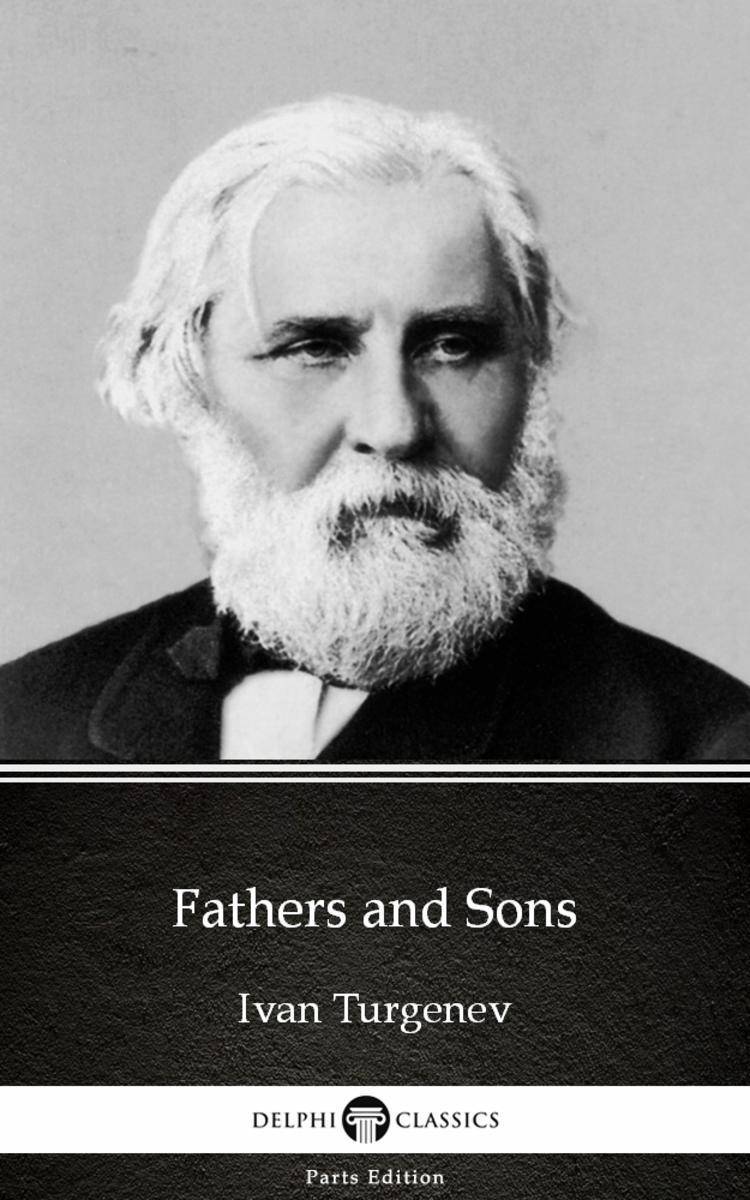
Fathers and Sons by Ivan Turgenev - Delphi Classics (Illustrated)
¥8.09
This eBook features the unabridged text of ‘Fathers and Sons by Ivan Turgenev - Delphi Classics (Illustrated)’ from the bestselling edition of ‘The Collected Works of Ivan Turgenev’. Having established their name as the leading publisher of classic literature and art, Delphi Classics produce publications that are individually crafted with superior formatting, while introducing many rare texts for the first time in digital print. The Delphi Classics edition of Turgenev includes original annotations and illustrations relating to the life and works of the author, as well as individual tables of contents, allowing you to navigate eBooks quickly and easily. eBook features: * The complete unabridged text of ‘Fathers and Sons by Ivan Turgenev - Delphi Classics (Illustrated)’ * Beautifully illustrated with images related to Turgenev’s works * Individual contents table, allowing easy navigation around the eBook * Excellent formatting of the text Please visit www.delphiclassics.com to learn more about our wide range of titles


