


 购物车
购物车 个人中心
个人中心
Maidanul cu dragoste
¥0.01
Organizarea, activitatea ?i orientarea ?n coresponden?? diplomatic? rom?n? ?i note ale SSIVolumul are ca subiect principal organizarea, activitatea ?i orientarea emigra?iei politice din fostul Imperiu Rus ?n Europa, considerat? ca un pericol permanent la adresa regimului comunist, emigra?ie ai c?rei lideri au f?cut obiectul ?ncerc?rilor permanente de terorizare, lichidare sau discreditare.Documentele selectate, ?n cea mai mare parte, din Arhiva Diplomatic?, reprezint? rapoarte ale lega?iilor ?i oficiilor consulare rom?ne din Atena, Belgrad, Berlin, Berna, Bratislava, Budapesta, Istanbul, Lisabona, Madrid, Paris, Praga, Roma, Rusciuk, Skopje, Sofia, Stockholm, Vichy sau Zagreb, precum ?i note ale Serviciului Special de Informa?ii, c?tre Ministerul Afacerilor Str?ine, ?n timpul campaniei germano-rom?ne ?mpotriva Uniunii Sovietice. Sursele reflect? nu doar starea de fapt ?i de spirit a emigran?ilor, for?a?i s? aleag? ?ntre regimul totalitar comunist ?i cel nazist, dar ?i pozi?ia Bucure?tiului fa?? de problemele rus? ?i ucrainean?, cu profunde implica?ii geopolitice.
Mo? Teac?
¥0.01
Publica?ii, documente, scrisori ?i fotografii?n anul 1920, ?ntr-o lupt? inegal? cu trupele bol?evice, ?n fruntea Brig?zii a 2-a de Mitraliere a Armatei Na?ionale Ucrainene, locotenent-colonelul Hnat Porohivski s-a retras pe malul drept al Nistrului. Participant la Primul R?zboi Mondial, lider al emigran?ilor ucraineni care s-au salvat din fostul Imperiu Rus ?n Rom?nia, ?n anul 1931 absolv? ?coala Superioar? de ?tiin?e Administrative din Bucure?ti, iar ?n 1940 devine comisar al guvernului ucrainean ?n exil pentru statele balcanice.Din anul 1930 lucreaz? pentru Serviciul Secret de Informa?ii al Armatei Rom?ne, sub numele conspirativ Ciobanu, loialitatea sa fiind determinat? nu doar de orientarea antisovietic?, dar ?i de ospitalitatea oferit?. Lu?nd parte la lupte din primele zile ale r?zboiului rom?no-sovietic, sub numele conspirativ Dobrescu, ?n calitate de ofi?er superior al Agenturii Frontului de Est, a condus Biroul de Studii, Documentare ?i Centralizare.Volumul reprezint? un prim pas de recuperare a memoriei celui c?ruia i se datoreaz?, ?n mare parte, renumele de care s-a bucurat emigra?ia politic? ucrainean? din Rom?nia, rezisten?a acesteia ?n fa?a asaltului de distrugere ?i divizare, men?inerea pozi?iei de ostilitate fa?? de comunism ?i de imperialism.
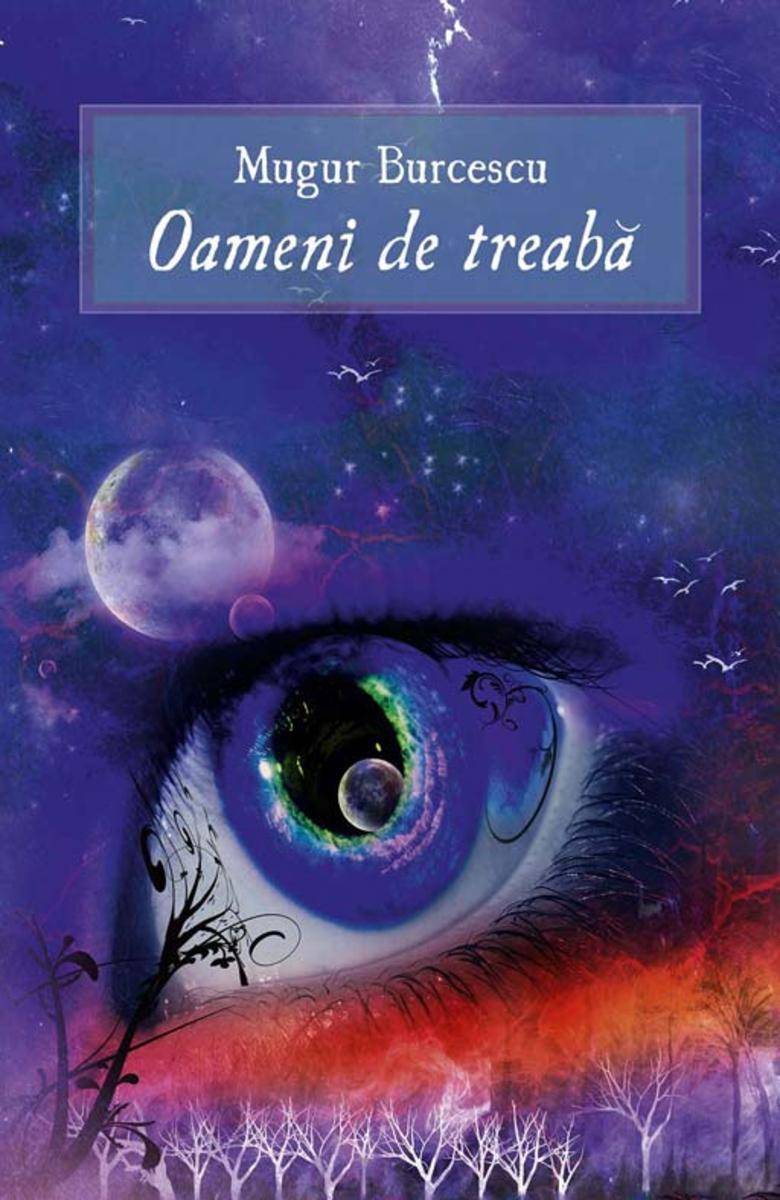
Oameni de treab?
¥48.97
Volumul top t – festivalul rezisten?ei rock (re)aduce ?n discu?ie istoria celui mai important festival rock al Rom?niei. Ap?rut ?n seria STRATONE, cu Nelu Stratone coordonator, volumul beneficiaz? de un cuv?nt introductiv semnat de Gabi Gombo? plus o potfa?? de Florin-Silviu Ursulescu, doi grei ai istoriei rockului rom?nesc ?i prieteni ai festivalului. Structura este una cumva istoricizant?: un palmares al edi?iilor, un amplu interiviu cu Cornel Constantinescu, Tolea Po?tovei ?i Florin Artene, trei dintre artizanii organizatori, un capitol dedicat scenei rock buzoiene, impresii ale participan?ilor la festival, interviuri realizate de-a lungul timpului ?n caietele program. Ve?i reg?si ?i multe fotografii din edi?iile top t. Cartea-document este ?i o pledoarie pentru revenirea festivalului ?n circuitul na?ional, editura Casa de pariuri literare propun?nd ?n noiembrie 2016, la t?rgul Gaudeamus, un stand personalizat al festivalului.
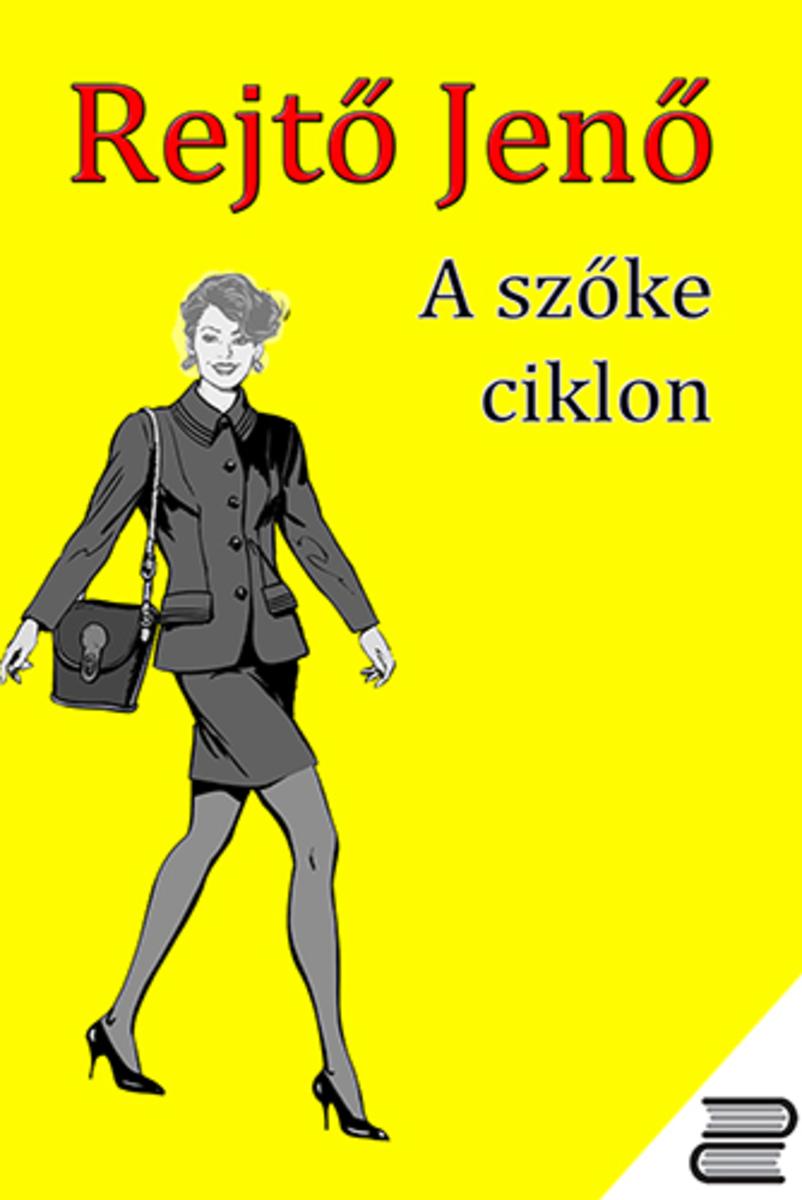
A sz?ke ciklon
¥14.39
Mindannyian tudjuk még, mit jelentett az ?tvenes években, ha valakir?l azt mondták: ?elvitte egy fekete autó”, ahogy a ma emberének nem csengenek ismeretlenül az ?VO vagy az ?VH bet?szavak sem. Ezt hallva mindenki tudja: a kommunista diktatúráról, és annak legfontosabb eszk?zér?l, a politikai rend?rségr?l van szó. M?LLER ROLF k?nyve e szervezet t?rténetét dolgozza fel. A második világháború végét?l az 1956-os forradalomig kalauzolja el az olvasót, mik?zben számos k?zszájon forgó fogalmat tisztáz. Sorra veszi a kül?nb?z? elnevezések alatt m?k?d? titkos nyomozó szerveket, az átalakítások m?g?tt meghúzódó okokat. Elbeszéli az államvédelem évekig els? számú vezet?jének, Péter Gábornak az élett?rténetét, bemutatja kevésbé ismert riválisát, segít?it, és pozíciójának ?r?k?seit. Szemléletes példákat hoz a Rákosi Mátyás és sz?kebb k?re által gyakorolt ?kézi irányításra”, amelynek során még a felejthetetlen helsinki olimpia és a magyar-angol labdarúgó mérk?zés is el?kerül. A k?tetb?l természetesen nem maradhatnak ki az ügyn?k?k és a besúgók sem: a hálózat m?k?désén és a titkos technikákon túl az érdekl?d? megismerheti azt is, hogy kikb?l szervezték a hivatásos állományt, bepillanthat mindennapjaikba, és végigjárhatja azokat a helyszíneket, amelyek valamilyen módon a magyar politikai rend?rség legs?tétebb évtizedéhez k?t?dtek. Müller Rolf 1974-ben született Kaposváron. A Kossuth Lajos Tudományegyetem b?lcsészkarán végzett t?rténelem-politológia szakon. 1998-tól a T?rténeti Hivatalnak, 2033 óta jogutódjának, az ?llambiztonsági Szolgálatok T?rténeti Levéltárának munkatársa. Alapító szerkeszt?je a Betekint? cím? internetes folyóiratnak, t?bb éven át a lap f?szerkeszt?je. 2007-ben védte meg doktori disszertációját. 2011 szeptemberét?l a Magyar Tudományos Akadémia Bolyai-?szt?ndíjasa. Kutatási területe az 1945 és 1990 k?z?tt m?k?d? magyar politikai rend?rség t?rténete, illetve a fényképek és az emlékezet kapcsolata.

The Nihilists
¥8.09
Dodo Collections brings you another classic from Oscar Wilde, The Nihilists. The Nihilists is a play by Oscar Wilde. It is a melodramatic tragedy set in Russia and is loosely based on the life of Vera Zasulich. It was Wilde's first play, and the first to be performed. In 1880, with only a few copies privately printed, arrangements were made with noted actresses for a production the United Kingdom, but this never materialized. The first ever public performance was in New York in 1883 at the Union Square Theatre based on revisions made by Wilde while lecturing in America in 1882. The play was not a success and folded after only one week. It is rarely revived. Oscar Fingal O'Flahertie Wills Wilde (16 October 1854 – 30 November 1900) was an Irish author, playwright and poet. After writing in different forms throughout the 1880s, he became one of London's most popular playwrights in the early 1890s. He is remembered for his epigrams, his novel The Picture of Dorian Gray, his plays, as well as the circumstances of his imprisonment and early death. At the height of his fame and success, while his masterpiece, The Importance of Being Earnest (1895), was still on stage in London, Wilde had the Marquess of Queensberry prosecuted for libel. The Marquess was the father of Wilde's lover, Lord Alfred Douglas. The charge carried a penalty of up to two years in prison. The trial unearthed evidence that caused Wilde to drop his charges and led to his own arrest and trial for gross indecency with other men. After two more trials he was convicted and imprisoned for two years' hard labour. In 1897, in prison, he wrote De Profundis, which was published in 1905, a long letter which discusses his spiritual journey through his trials, forming a dark counterpoint to his earlier philosophy of pleasure. Upon his release he left immediately for France, never to return to Ireland or Britain. There he wrote his last work, The Ballad of Reading Gaol (1898), a long poem commemorating the harsh rhythms of prison life. He died destitute in Paris at the age of 46.
Many Gods
¥8.09
Dodo Collections brings you another classic from Cale Young Rice, ‘Many Gods’. Many Gods is a book of poetry written in 1910. Cale Young Rice (December 7, 1872 – January 24, 1943) was an American poet and dramatist. He was born in Dixon, Kentucky, to Laban Marchbanks Rice, a Confederate veteran and tobacco merchant, and his wife Martha Lacy. He was a younger brother of Laban Lacy Rice, a noted educator. Cale Rice grew up in Evansville, Indiana, and Louisville, Kentucky. He was educated at Cumberland University and at Harvard (A.B., 1895; A.M., 1896). He was married to the popular author Alice Hegan Rice; they worked together on several books. The marriage was childless, and Cale committed suicide by gunshot during the night of January 23–24 at his home in Louisville a year after her death due to his sorrow at losing her. His birthplace in Dixon is designated by Kentucky State Historical Marker 1508, which reads: "Birthplace of Rice brothers, Cale Young, 1872-1943, noted poet and author; Laban Lacy, 1870-1973, well-known educator and author. Lacy published The Best Poetic Works of Cale Young Rice after Cale's death. Included in famous collection is poem, "The Mystic." Cale married Alice Hegan, also a distinguished Kentucky writer. Home overlooks Memorial Garden."?
Wives and Daughters by Elizabeth Gaskell - Delphi Classics (Illustrated)
¥8.09
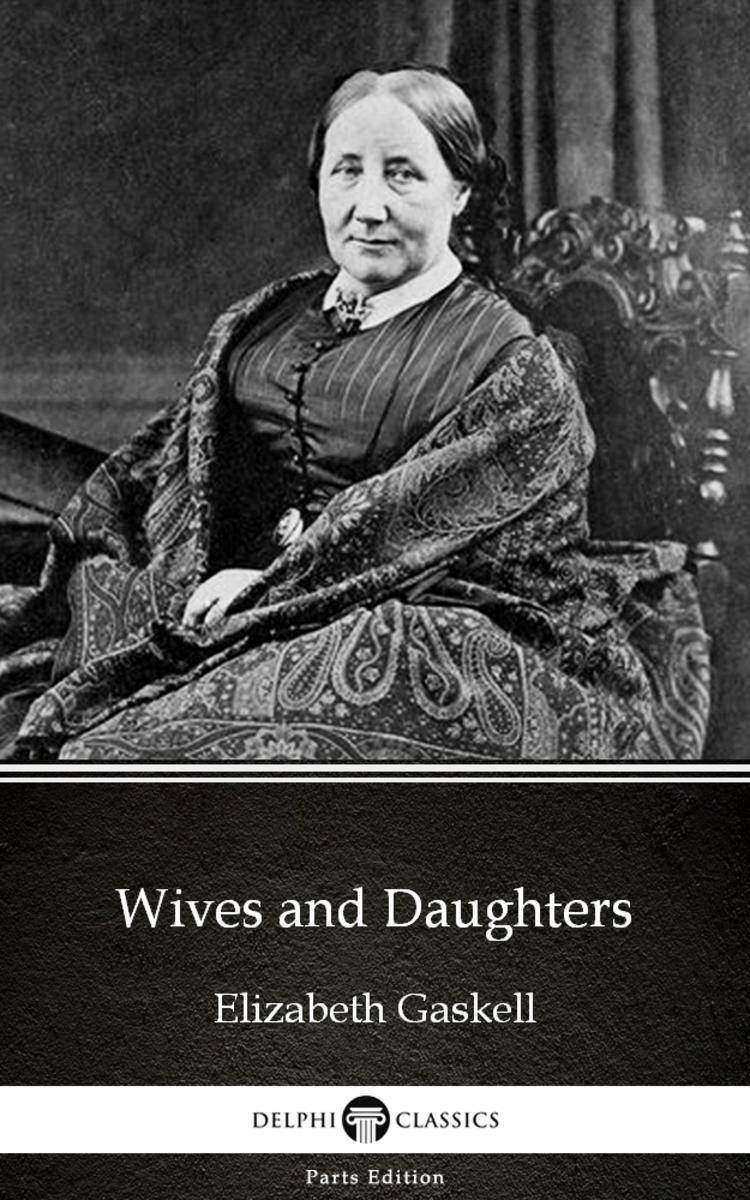
This eBook features the unabridged text of ‘Wives and Daughters by Elizabeth Gaskell - Delphi Classics (Illustrated)’ from the bestselling edition of ‘The Complete Works of Elizabeth Gaskell’. Having established their name as the leading publisher of classic literature and art, Delphi Classics produce publications that are individually crafted with superior formatting, while introducing many rare texts for the first time in digital print. The Delphi Classics edition of Gaskell includes original annotations and illustrations relating to the life and works of the author, as well as individual tables of contents, allowing you to navigate eBooks quickly and easily. eBook features: * The complete unabridged text of ‘Wives and Daughters by Elizabeth Gaskell - Delphi Classics (Illustrated)’ * Beautifully illustrated with images related to Gaskell’s works * Individual contents table, allowing easy navigation around the eBook * Excellent formatting of the text Please visit www.delphiclassics.com to learn more about our wide range of titles
Hamlet
¥38.62
This edition of 'Hamlet' is an adaptation of Shakespeare's eponymous play 'The Tragedy of Hamlet, Prince of Denmark'. Set in Denmark, the story dramatises the revenge Prince Hamlet is called to wreak upon his uncle, Claudius, by the ghost of Hamlet's father, King Hamlet. Narrated in plain modern English, capturing the very essence and key elements of the original Shakespeare's drama.
Moscow in the 1930s:A Novel from the Archives
¥90.03
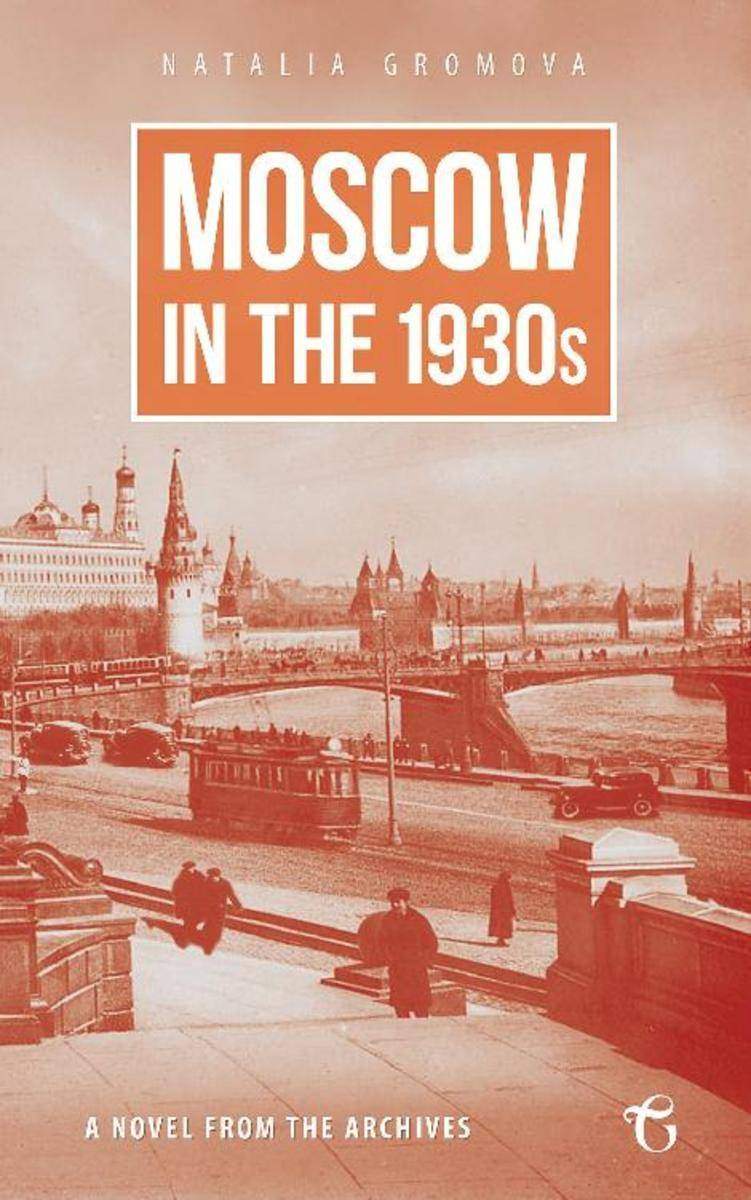
Moscow in the 1930s: A Novel from the Archives reveals Moscow as it was in a bygone age, a city now found only on old maps, but an era that continues to haunt us today. The novel features a wide cast of characters, who are all tied together by the author herself. The reader plunges into the remarkable Moscow literary scene of those days, and literature aficionados will encounter within a number of important locations for the history of Russian letters: the Dobrov house, Peredelkino, Lavrushinsky Lane, Borisoglebsky Lane – and also the names of legendary figures such as Olga Bessarabova, Maria Belkina, and Lydia Libedinskaya. History is brought to life: the author introduces the reader to Leonid Andreyev, leads us on a tour of the side-streets and alleyways of the Arbat district, and shows us the tattered notebooks of Olga Bessarabova. All this has long since fallen away into history, but now it proves so easily accessible to us.
Bonsai for Beginners
¥38.62
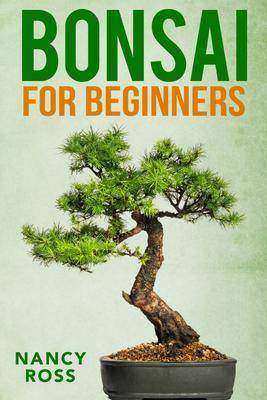
WANT TO LEARN THE ESSENTIALS OF BONSAI GROWING FOR BEGINNERS? Here Is A Preview Of What You'll Learn... Picking the Right Environment for Your Bonsai Tree Giving Your Bonsai the Proper Nutrients Pruning the Bonsai Tree The Best Tools for Taking Care of Your Bonsai Tree Repotting the Bonsai Tree Much, Much, More!!
The Divine Comedy – World’s Best Collection
¥8.09
The Divine Comedy World's Best Collection This is the best Divine Comedy Collection available, including the most famous translations of this legendary works plus many extra free bonus materials. The Divine Comedy The Divine Comedy (Italian: Divina Commedia), better known sometimes as ‘Dante’s Inferno’, ‘Dante’s Purgatory’ or ‘Dante’s Paradise’, is an epic poem written by Dante Alighieri, considered the preeminent work of Italian literature, and one of the greatest works of world literature. The poem’s imaginative and allegorical vision is divided into three parts: Inferno, Purgatorio, and Paradiso.On the surface, the poem describes Dante’s travels through Hell, Purgatory, and Heaven, but is a deep metaphor for the soul’s journey towards God The ‘Must-Have’ Complete Collection In this irresistible collection you get the 4 most famous and well known translations of Dante’s immortal work, in Prose and Verse, Plus Notes on the Poem, as well as a biography so you can experience the life of the man behind the words. We also include other bonus material. Works Included: Translated by Courtney Langdon Dante’s The Divine Comedy - Verse Hell (Inferno), Purgatory And Paradise Translated by Henry Wadsworth Longfellow Dante’s The Divine Comedy - Verse Hell (Inferno), Purgatory And Paradise Plus Six Sonnets On Dante’s Divine Comedy By Henry Wadsworth Longfellow Translated by Rev. H. F. Cary, A.M. Dante’s The Divine Comedy - Verse Hell (Inferno), Purgatory And Paradise Translated by Charles Eliot Norton Dante’s The Divine Comedy - Prose Hell (Inferno), Purgatory And Paradise Your Free Special Bonuses Other Poetry Of Dante -?Dante’s lesser known, but equally as intriguing and important poetry, including: Love and the Gentle Heart O Intelligence Moving The Third Heaven Of Beauty and Duty The Thorn Forest Eclogues Dante - The Central Man Of All The World -?Biography of Dante?and Analysis of The Divine Comedy. Get This Collection Right Now This is the best Dante and Divine Comedy collection you can get, so get it now and start delving into this magnificent epic poem like never before!
Louisa May Alcott Complete Works – World’s Best Collection: 60+ Works
¥8.09
Louisa May Alcott Complete Works World's Best Collection This is the world’s best Louisa May Alcott collection, including the most complete set of Alcott’s works available plus many free bonus materials. Louisa May Alcott Louisa May Alcott was an American novelist best known as author of the novel Little Women. She was raised by her transcendentalist parents and she grew up among many of the well-known intellectuals of the day such as Ralph Waldo Emerson, Nathaniel Hawthorne, and Henry David Thoreau. Nevertheless, her family suffered severe financial difficulties and Alcott worked to help support the family from an early age. The ‘Must-Have’ Complete Collection In this irresistible collection you get a full set of Louisa May Alcott’s work with more than 100 works - All her books, All her novels, and All her short stories. Plus there is Extra Bonus Material and a full length Biography. Works Including: Little Women and its sequel Good Wives Little Men: Life At Plumfield With Jo’s Boys Jo’s Boys: Sequel To Little Men? Under The Lilacs? Flower Fables? A Modern Cinderella; Or The Little Old Shoe And Other Stories? The Candy Country Eight Cousins and??Rose In Bloom - A Sequel To ‘Eight Cousins' An Old-Fashioned Girl Your Free Special Bonuses Louisa May Alcott - Her Life, Letters, And Journals?- Edited By Ednah D. Cheney – A biography and collection of Alcott’s intriguing correspondence. The Poetry Of Louisa May Alcott?- A complete set of Alcott’s rare poems. Get This Collection Right Now This is the best Alcott collection you can get, so get it now and start enjoying and being inspired by her world like never before!
The Seagull
¥8.09
Space and Time are pleased to bring you The Seagull by Anton Checkov. This classic is presented as a wonderfully presented edition with a fully interactive table of contents.

Who Do We Think We Are?
¥38.62
A kaleidoscope of stories about war, displacement, revolution and liberation taking us on an emotional journey across three continents. Based on the actors’ personal and family experiences, the stories interweave and overlap, exploring moments of joy, sadness and laughter set against key historical events over the last hundred years. Poignant, moving, funny, inspiring, this is the first piece of work created by the Visible Ensemble, dedicated to putting older performers and their rich lives centre stage.
The Old Ways
¥32.62
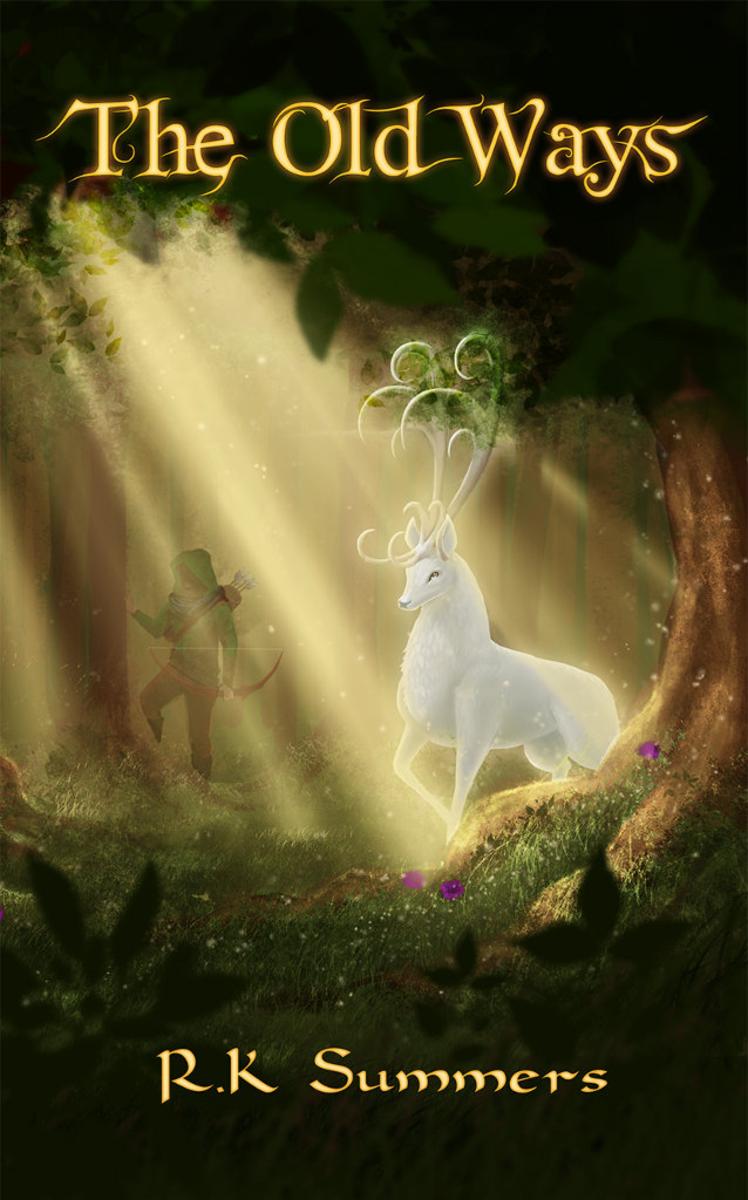
Something snapped. He let the arrow fly. The night Thomas Rhymer’s young sister is stolen away by shadows and smoke, he discovers there’s more to life than the fields and forests he knows so well. If he has any hope of rescuing Alissa, he must first cross into a realm where magic is lifeblood, and where shadows dance with dragonfire. With the help of the seelie faery Thistledown, Thomas embarks on a treacherous quest, deep into the heart of war-raved Albion. But getting his sister back means pledging aid to Mab, the usurped Queen of the Old Ways, against the tyranny of the Dark Prince. Yet danger and deceit lie around every corner, and some secrets are better left untold.
Delphi Complete Works of Joseph Conrad (Illustrated)
¥24.44
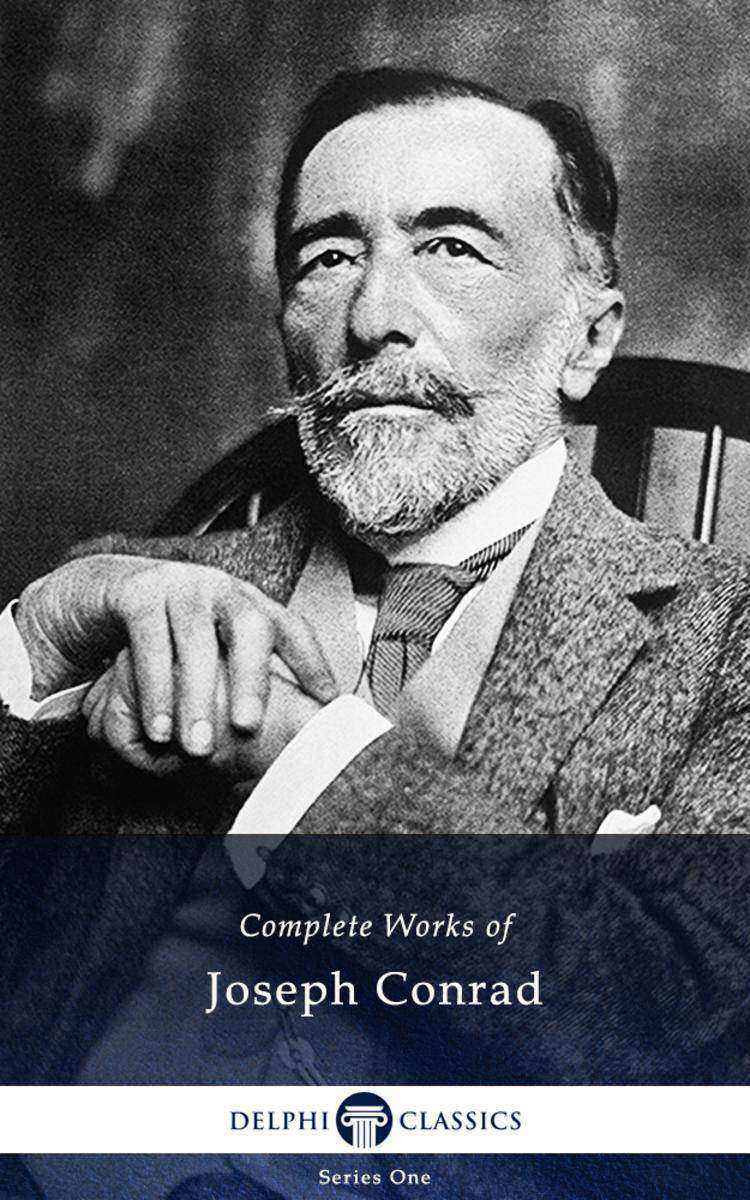
Widely regarded as one of the greatest writers of the twentieth century, Joseph Conrad is celebrated as a forerunner of modernist fiction, whose innovative narrative style and anti-heroes had a significant influence on the course of English literature. This comprehensive eBook presents the only complete works of Joseph Conrad in digital format, with numerous illustrations, rare texts appearing for the first time, informative introductions and the usual Delphi bonus material. (Version 1) * Beautifully illustrated with images relating to Conrad's life and works * Concise introductions to the novels and other texts * ALL 19 novels, with individual contents tables * Images of how the books were first printed, giving your eReader a taste of the original texts * Excellent formatting of the texts * All of the collaborative works with Ford Madox Ford * Includes the rare unfinished novel SUSPENSE, available in no other collection * Special chronological ordering of the short stories * Easily locate the short stories you want to read * Includes Conrad's essays - spend hours exploring the author’s critical works * The complete memoirs - explore the author’s life in detail * Special criticism section, with 11 essays by critics such as Virginia Woolf, Henry James and John Galsworthy evaluating Conrad’s contribution to literature * Scholarly ordering of texts into chronological order and literary genres * UPDATED with new introductions, new formatting of ALL the texts and corrections Please visit www.delphiclassics.com to browse through our range of exciting titles CONTENTS: The Novels and Novellas ALMAYER’S FOLLY AN OUTCAST OF THE ISLANDS THE NIGGER OF THE NARCISSUS LORD JIM THE INHERITORS TYPHOON HEART OF DARKNESS ROMANCE NOSTROMO THE SECRET AGENT UNDER WESTERN EYES CHANCE VICTORY THE SHADOW-LINE THE ARROW OF GOLD THE RESCUE THE NATURE OF A CRIME THE ROVER SUSPENSE The Short Stories THE BLACK MATE THE IDIOTS THE LAGOON AN OUTPOST OF PROGRESS THE RETURN KARAIN: A MEMORY YOUTH FALK AMY FOSTER TO-MORROW THE END OF THE TETHER GASPAR RUIZ THE INFORMER THE BRUTE AN ANARCHIST THE DUEL IL CONDE A SMILE OF FORTUNE THE SECRET SHARER FREYA OF THE SEVEN ISLES PRINCE ROMAN THE PLANTER OF MALATA THE PARTNER THE INN OF THE TWO WITCHES BECAUSE OF THE DOLLARS THE WARRIOR’S SOUL THE TALE The Essays NOTES ON LIFE AND LETTERS LAST ESSAYS The Memoirs THE MIRROR OF THE SEA A PERSONAL RECORD The Criticism JOSEPH CONRAD by Virginia Woolf MR. CONRAD: A CONVERSATION by Virginia Woolf Extract from ‘ENGLISH PROSE’ by Virginia Woolf Extract from ‘THE NEW NOVEL: 1914’ by Henry James TRIBUTES TO CONRAD by John Galsworthy REMINISCENCES OF CONRAD by John Galsworthy EXTRACT OF A LETTER by George Gissing JOSEPH CONRAD by John Cowper Powys TWO ARTICLES by Arnold Bennett JOSEPH CONRAD by Robert Lynd JOSEPH CONRAD. A PERSONAL REMEMBRANCE by Ford Madox Ford Please visit www.delphiclassics.com to browse through our range of exciting titles
Catiline by Henrik Ibsen - Delphi Classics (Illustrated)
¥8.09
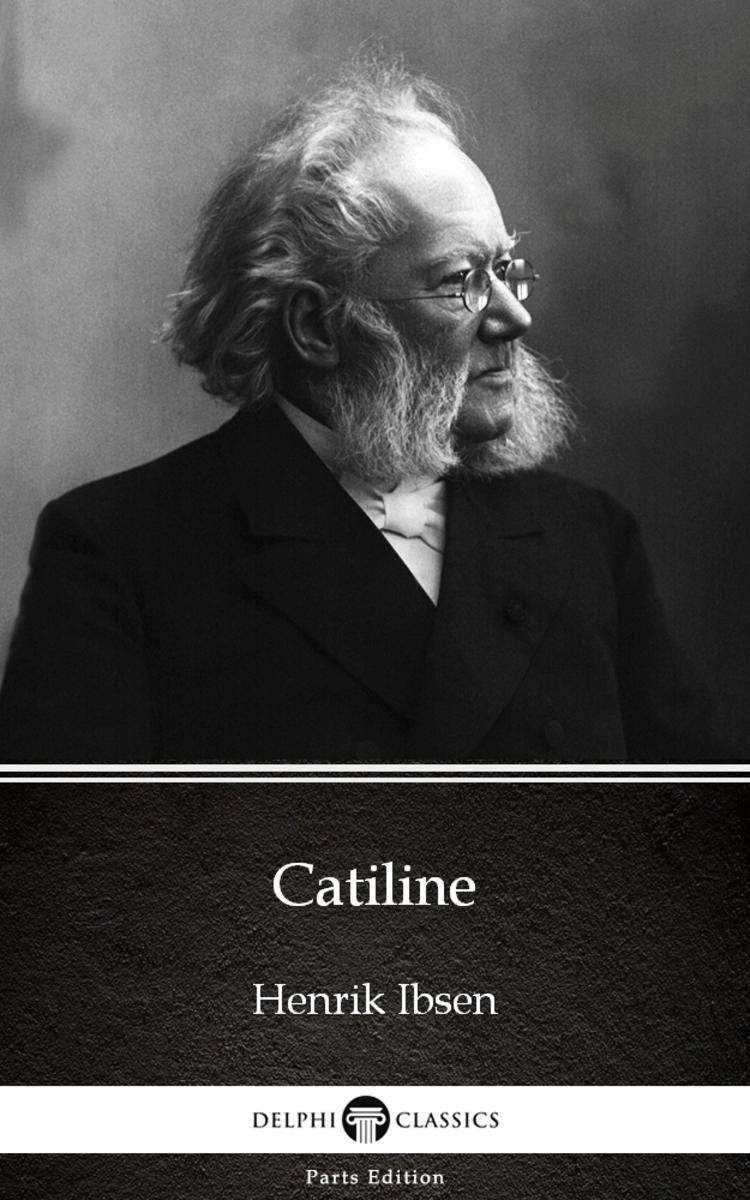
This eBook features the unabridged text of ‘Catiline by Henrik Ibsen - Delphi Classics (Illustrated)’ from the bestselling edition of ‘The Complete Works of Henrik Ibsen’. Having established their name as the leading publisher of classic literature and art, Delphi Classics produce publications that are individually crafted with superior formatting, while introducing many rare texts for the first time in digital print. The Delphi Classics edition of Ibsen includes original annotations and illustrations relating to the life and works of the author, as well as individual tables of contents, allowing you to navigate eBooks quickly and easily. eBook features: * The complete unabridged text of ‘Catiline by Henrik Ibsen - Delphi Classics (Illustrated)’ * Beautifully illustrated with images related to Ibsen’s works * Individual contents table, allowing easy navigation around the eBook * Excellent formatting of the text Please visit www.delphiclassics.com to learn more about our wide range of titles
Delphi Complete Works of G. K. Chesterton (Illustrated)
¥24.44
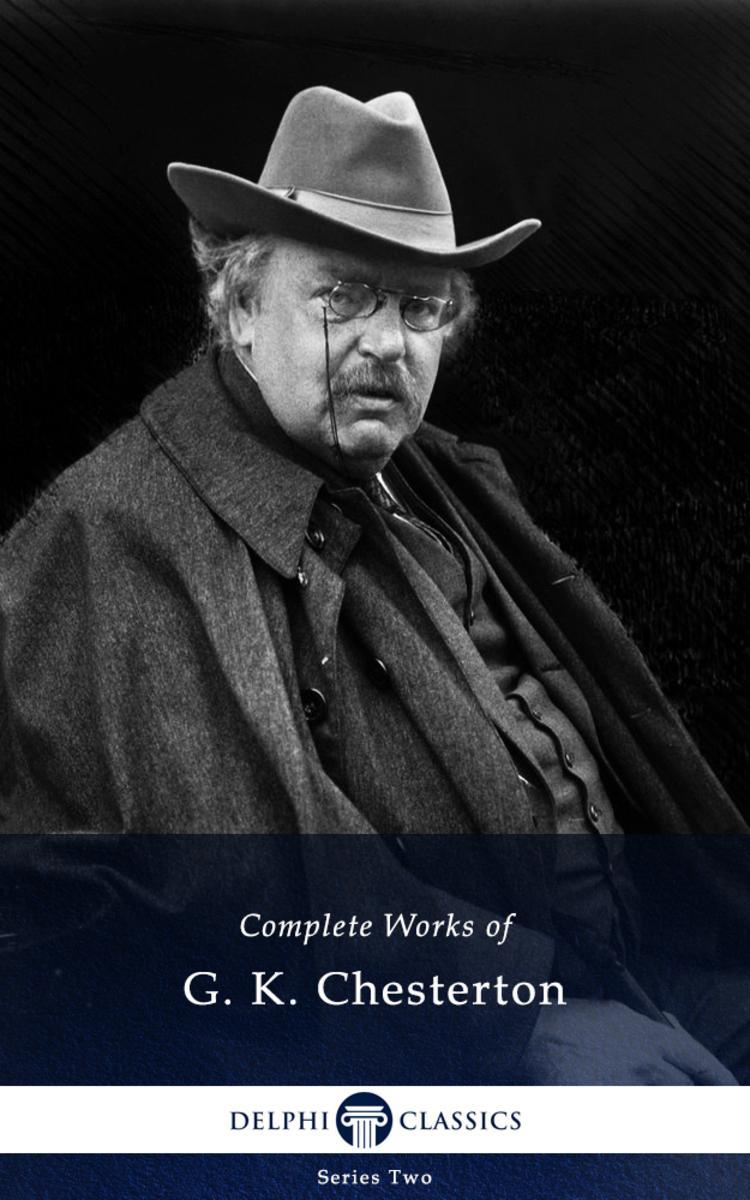
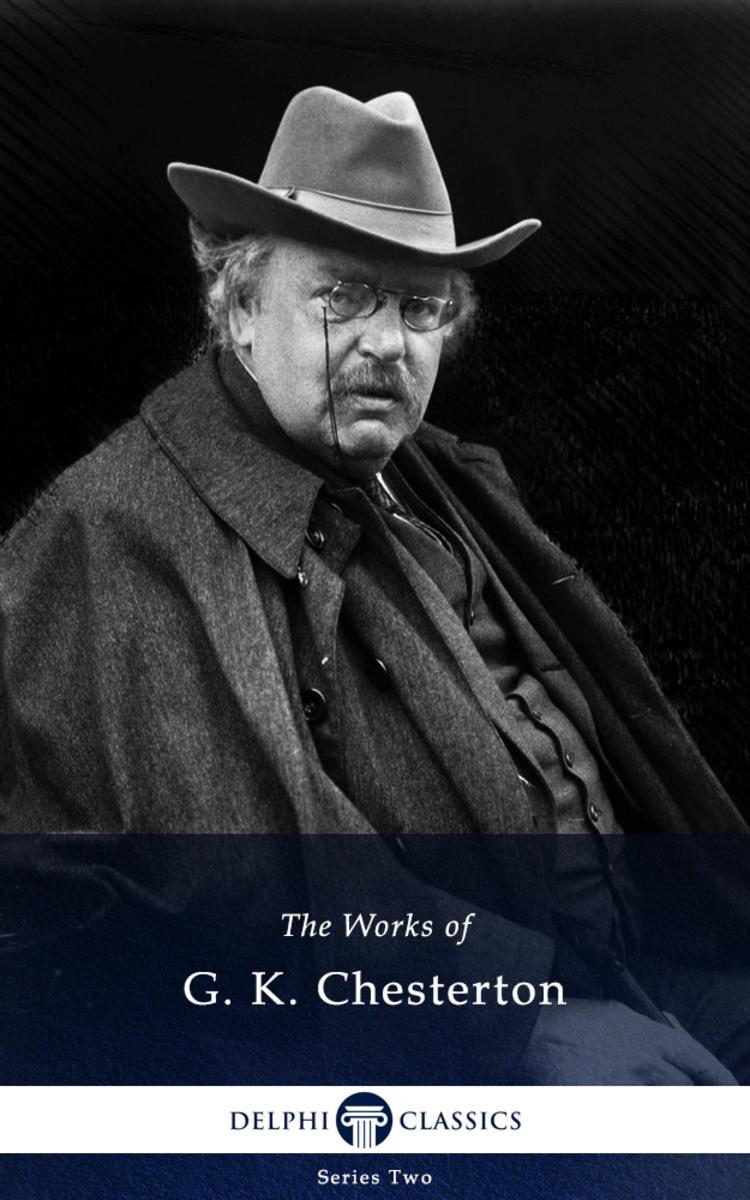
One of the greatest writers of his time, G. K. Chesterton’s short stories, novels, poetry and essays demonstrate his unparalleled versatility in literature. This comprehensive eBook offers readers the complete fictional works of G. K. Chesterton, with numerous illustrations, rare texts, informative introductions and the usual Delphi bonus material. (Version 2) Features: * concise introductions to the novels and other works * the complete Father Brown stories, including the very rare stories * the original Father Brown illustrations * ALL the novels, with contents tables * images of how the novels first appeared, giving your eReader a taste of the Edwardian texts * special chronological and alphabetical contents tables for the poetry * rare plays and poetry * features 43 non-fiction books, each with contents tables * unique uncollected essays section, with rare articles by the great essayist * includes Chesterton’s autobiography– explore the writer’s literary life! * features a special criticism section, with four works examining Chesterton’s contribution to literature, including Patrick Braybrooke’s seminal work GILBERT KEITH CHESTERTON * many images relating to Chesterton’s life, works, places and film adaptations * scholarly ordering of texts in chronological order and literary genres, allowing easy navigation around Chesterton’s immense oeuvre Please note: due to copyright restrictions and the scarcity of some minor texts, this is a complete FICTIONAL works of Chesterton, with the almost complete non-fiction works. As soon as more texts become available, they will be added as free updates for customers who have already purchased this eBook. CONTENTS: Father Brown Stories THE INNOCENCE OF FATHER BROWN THE WISDOM OF FATHER BROWN THE INCREDULITY OF FATHER BROWN THE SECRET OF FATHER BROWN THE SCANDAL OF FATHER BROWN UNCOLLECTED FATHER BROWN STORIES Index of Father Brown Stories The Novels THE NAPOLEON OF NOTTING HILL THE MAN WHO WAS THURSDAY THE BALL AND THE CROSS MANALIVE THE FLYING INN THE RETURN OF DON QUIXOTE Short Story Collections THE CLUB OF QUEER TRADES THE MAN WHO KNEW TOO MUCH AND OTHER STORIES TALES OF THE LONG BOW THE POET AND THE LUNATICS FOUR FAULTLESS FELONS THE PARADOXES OF MR. POND UNCOLLECTED SHORT STORIES The Short Stories LIST OF SHORT STORIES IN CHRONOLOGICAL ORDER LIST OF SHORT STORIES IN ALPHABETICAL ORDER The Plays MAGIC THE JUDGMENT OF DR. JOHNSON THE TURKEY AND THE TURK The Poetry Collections GREYBEARDS AT PLAY THE WILD KNIGHT AND OTHER POEMS THE BALLAD OF THE WHITE HORSE POEMS WINE, WATER AND SONG THE BALLAD OF ST. BARBARA AND OTHER POEMS GLORIA IN PROFUNDIS UBI ECCLESIA THE GRAVE OF ARTHUR The Poems LIST OF POEMS IN CHRONOLOGICAL ORDER LIST OF POEMS IN ALPHABETICAL ORDER The Non-Fiction THE DEFENDANT ROBERT BROWNING TWELVE TYPES HERETICS VARIED TYPES CHARLES DICKENS ALL THINGS CONSIDERED TREMENDOUS TRIFLES ORTHODOXY WHAT’S WRONG WITH THE WORLD GEORGE BERNARD SHAW APPRECIATIONS AND CRITICISMS OF THE WORKS OF CHARLES DICKENS ALARMS AND DISCURSIONS A MISCELLANY OF MEN THE VICTORIAN AGE IN LITERATURE THE APPETITE OF TYRANNY THE CRIMES OF ENGLAND LORD KITCHENER UTOPIA OF USURERS AND OTHER ESSAYS A SHORT HISTORY OF ENGLAND IRISH IMPRESSIONS THE SUPERSTITION OF DIVORCE THE NEW JERUSALEM WHAT I SAW IN AMERICA EUGENICS AND OTHER EVILS ST. FRANCIS FANCIES VERSUS FADS THE EVERLASTING MAN WILLIAM COBBETT THE CATHOLIC CHURCH AND CONVERSION THE OUTLINE OF SANITY ROBERT LOUIS STEVENSON DO WE AGREE? THE THING COME TO THINK OF IT ALL IS GRIST ST. THOMAS AQUINAS ALL I SURVEY: A BOOK OF ESSAYS THE WELL AND THE SHALLOWS THE GLASS WALKING STICK AS I WAS SAYING THE COMMON MAN THE SPICE OF LIFE THE APOSTLE AND THE WILD DUCKS AND OTHER ESSAYS UNCOLLECTED ESSAYS The Criticism MR. G.K. CHESTERTON AND MR. HILAIRE BELLOC by Robert Lynd G. K. CHESTERTON, A CRITICAL STUDY by Julius West and more
Delphi Works of G. K. Chesterton (Illustrated)
¥24.44
One of the greatest writers of his time, G. K. Chesterton’s short stories, novels, poetry and essays demonstrate his unparalleled versatility in literature. This comprehensive eBook offers readers the most complete works possible in the US, as well as the usual Delphi bonus texts. Features: * concise introductions to the novels and other works * Father Brown stories, with special index * the original Father Brown illustrations * five novels, with contents tables * images of how the novels first appeared, giving your eReader a taste of the Edwardian texts * short story and poetry collections, with contents tables * special chronological and alphabetical contents tables for the poetry – find that special poem quickly and easily! * features 25 non-fiction books, each with contents tables * unique uncollected essays section, with rare articles by the great essayist * boasts a special criticism section, with four works examining Chesterton’s contribution to literature, including Patrick Braybrooke’s seminal work GILBERT KEITH CHESTERTON * many images relating to Chesterton’s life, works, places and film adaptations * scholarly ordering of texts in chronological order and literary genres, allowing easy navigation around Chesterton’s immense oeuvre Please note: due to US copyright restrictions many of Chesterton’s later works are not available. As soon as more texts become available, they will be added as free updates for customers who have already purchased this eBook. To browse our range of other titles, please visit www.delphiclassics.com. CONTENTS: Father Brown Stories THE INNOCENCE OF FATHER BROWN THE WISDOM OF FATHER BROWN UNCOLLECTED FATHER BROWN STORIES Index of Father Brown Stories The Novels THE NAPOLEON OF NOTTING HILL THE MAN WHO WAS THURSDAY THE BALL AND THE CROSS MANALIVE THE FLYING INN Short Story Collections THE CLUB OF QUEER TRADES THE MAN WHO KNEW TOO MUCH AND OTHER STORIES UNCOLLECTED SHORT STORIES The Short Stories LIST OF SHORT STORIES IN CHRONOLOGICAL ORDER LIST OF SHORT STORIES IN ALPHABETICAL ORDER The Plays MAGIC THE TURKEY AND THE TURK The Poetry Collections GREYBEARDS AT PLAY THE WILD KNIGHT AND OTHER POEMS THE BALLAD OF THE WHITE HORSE The Poems LIST OF POEMS IN CHRONOLOGICAL ORDER LIST OF POEMS IN ALPHABETICAL ORDER The Non-Fiction THE DEFENDANT ROBERT BROWNING TWELVE TYPES HERETICS VARIED TYPES CHARLES DICKENS ALL THINGS CONSIDERED TREMENDOUS TRIFLES ORTHODOXY WHAT’S WRONG WITH THE WORLD GEORGE BERNARD SHAW APPRECIATIONS AND CRITICISMS OF THE WORKS OF CHARLES DICKENS ALARMS AND DISCURSIONS A MISCELLANY OF MEN THE VICTORIAN AGE IN LITERATURE THE APPETITE OF TYRANNY THE CRIMES OF ENGLAND LORD KITCHENER UTOPIA OF USURERS AND OTHER ESSAYS A SHORT HISTORY OF ENGLAND IRISH IMPRESSIONS THE SUPERSTITION OF DIVORCE THE NEW JERUSALEM WHAT I SAW IN AMERICA EUGENICS AND OTHER EVILS UNCOLLECTED ESSAYS The Criticism MR. G.K. CHESTERTON AND MR. HILAIRE BELLOC by Robert Lynd G. K. CHESTERTON, A CRITICAL STUDY by Julius West MR. G.K. CHESTERTON’S POINT OF VIEW by John Kelman GILBERT KEITH CHESTERTON by Patrick Braybrooke
Kipling & Trix
¥40.79
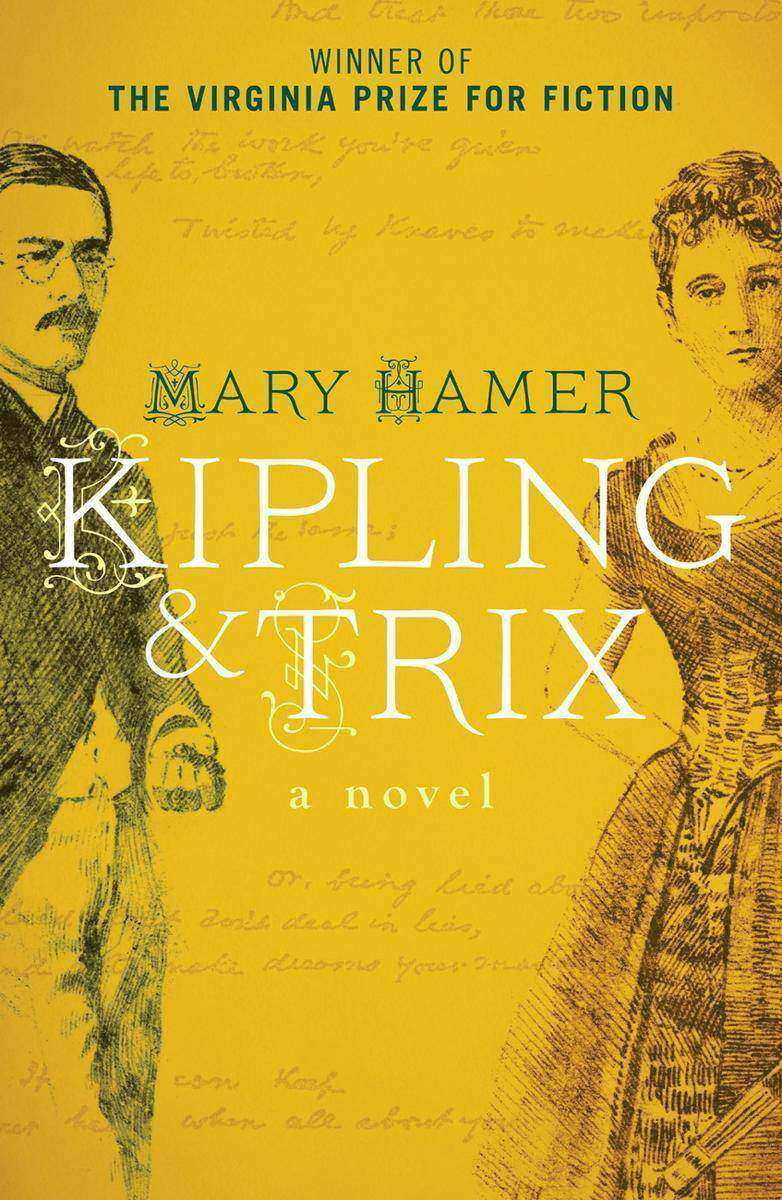
As young children, Rudyard and his sister ‘Trix’ flourished in the brilliant warmth and colour of India. Their happiness ended abruptly when they were sent back to England to live with a strict and god-fearing foster family. Both became writers, although one lived in the shadow of the other’s extraordinary success. The name Rudyard Kipling is known to millions, but what became of his talented younger sister? She was careful to hide her secret life even from those closest to her. Mary Hamer’s fascinating novel brings both Kipling and Trix vividly to life. In this fictionalised account of their lives, she goes to the heart of the relationship between a difficult brother and his troubled sister. Hamer peels back the historical record to reveal the obsessions which fuelled Kipling and his sister. Was he really better equipped to deal with conflict, heartbreak and loss than his beloved Trix?
Three Sisters
¥24.44
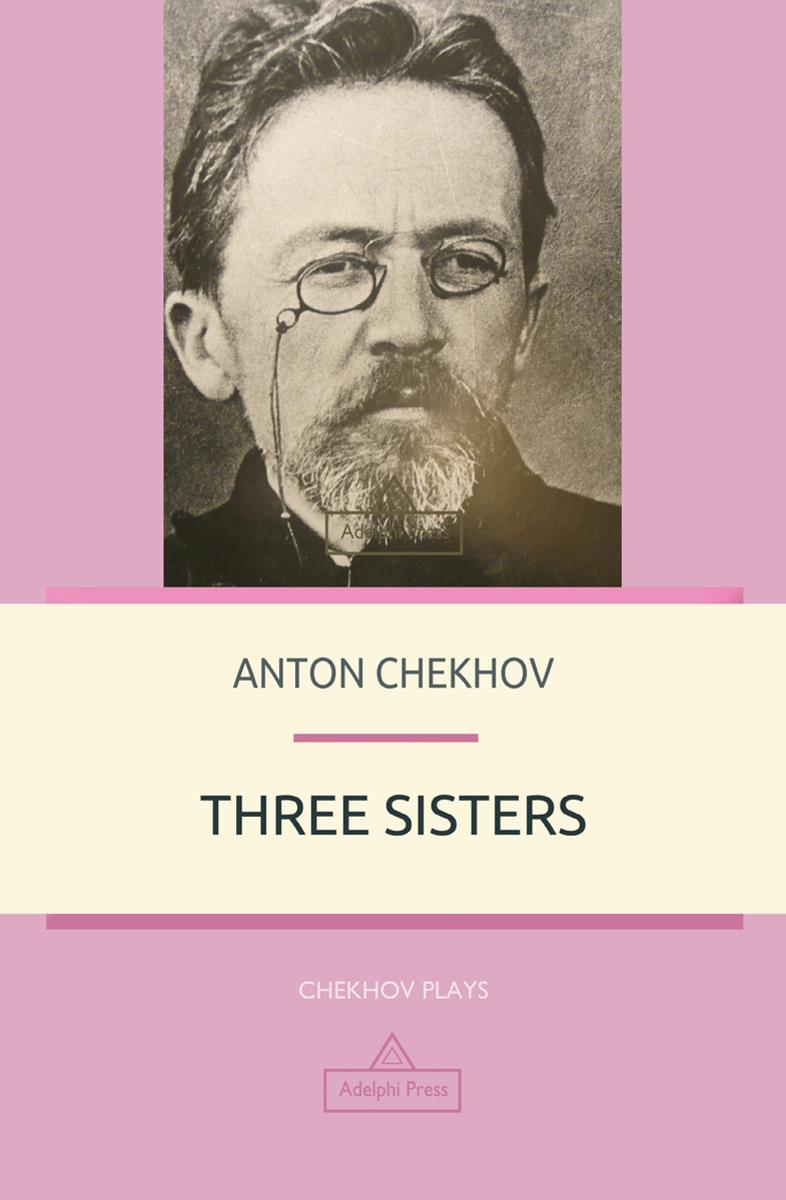
Three Sisters was written for the Moscow Art Theatre and was directed by Staniskavski himself on first opening. The play is often included in Chekhov's list of four outstanding plays and part of the classic repertoire of many world theatres. The play follows Chekhovian tradition of subtle character development and humour which often makes it a challenge for both performers and directors.


