


 购物车
购物车 个人中心
个人中心

A to Z How to Grow Weed at Home for Total Beginner
¥32.62
Do you want to be in full control over where your weed grows? Maybe you are tired of dealing with that shady dealer or you are simply tired of paying for it. If you are here for the above reasons or any other one, then you are in the best place a stoner can be! Growing marijuana at home might seem complicated but the truth is that it's quite easy if you have the right information and attitude. Simply put, anyone who loves weed can grow weed! I mean, which stoner would not like to see this beautiful plant growing taller every morning when he or she wakes up? Personally, I decided to start growing cannabis for the heck of it, I got engaged to sweet Maryjane back in campus and it was only right that I should get married to her. That's why I have weed growing in my house, I am just a guy who enjoys his blunt and I want it close to me all the time.

Print on Demand—Who to Use to Print Your Books: No Mistakes Publishing, Volume I
¥40.79
This book will save you money—guaranteed.? Want to know who to use for your print books? Want to know how to get the widest distribution for your book while earning the most money? It’s difficult to get your books into the brick-and-mortar stores but with this strategy it’s possible. Possible, but not probable. You will get into all the online stores, though, as well as libraries. Don’t leave money on the table, get Print on Demand—Who to Use Print Your Books now. You get a free promotion code for half off IngramSpark’s title set-up fees and revision fees. Minimum of twenty-five dollar value. ?
Prometheus Bound
¥40.79
Prometheus, a Titan who defies the gods and gives fire to mankind, acts for which he is subjected to perpetual punishment. The Oceanids appear and attempt to comfort Prometheus by conversing with him. Prometheus cryptically tells them that he knows of a potential marriage that would lead to Zeus's downfall. A Titan named Oceanus commiserates with Prometheus and urges him to make peace with Zeus.
The Frogs
¥40.79
The Frogs tells the story of the god Dionysus, who, despairing of the state of Athens' tragedians, travels to the underworld to bring the playwright Euripides back from the dead. He brings along his slave Xanthias, who is smarter and braver than Dionysus. As the play opens, Xanthias and Dionysus argue over what kind of jokes Xanthias can use to open the play.
The Ecclesiazusae
¥40.79
A group of women, led by the wise and redoubtable Praxagora, has decided that the women of Athens must convince the men to give them control of the city, as they are convinced they can do a better job. Disguised as men, the women sneak into the assembly and command the majority of votes needed to carry their series of revolutionary proposals, even convincing some of the men to vote for it on the grounds that it is the only thing they have not tried.

Mother and the Tiger
¥65.32
In 1969 the small Asian nation of Cambodia was under attack: first by US bombers as the Vietnam war spilled over the border, and then by the Khmer Rouge as they began their brutal reign of terror. Under the rule of Pol Pot, ordinary city folk were driven from their homes and banished to labour camps that eventually saw two million people die. Darkness descended and "Year Zero" had begun. Mother and the Tiger is the story of one small girl, who struggled to survive one of the most ruthless regimes in human history. Six-year-old Hui Lim was trapped by the madness around her and cast into a seemingly endless nightmare. Her family was cursed as a member of a hated ethnic minority and targeted by the murderous Khmer Rouge. To survive where so many others died, Hui had to tap an inner strength that she never knew she possessed. Despite her youth she was determined to find her scattered family, no matter the odds. Her memoir of that brutal regime proves that even amidst the blackest depths of human depravity, hope can endure.

A Midsummer Night's Dream
¥18.88
“Midsummer Night's Dream” is Shakespeare's classic tale of two couples who can't quite pair up to everyone's satisfaction. Demetrius and Lysander love Hermia. ??Hermia loves Lysander but has been promised to Demetrius by her father. Hermia's best friend Helena loves Demetrius, but in his obsession for Hermia Demetrius barely even notices her smitten friend. ??When Hermia and Lysander plan to elope all four find themselves in the forest late at night where the fairy Puck and his lord Oberon wreck havoc on the humans with a love potion that causes the victim to fall in love with the first thing they see upon waking.??- Some Books of Shakespeare:?- Romeo and Juliet (1597)?- Hamlet (1599)?- Macbeth (1606)?- Julius Caesar (1599)?- Othello (1603)?- The Merchant of Venice (1598)?- Much Ado About Nothing (1600)?- King Lear (1606)?- The Taming of the Shrew (1594)?- The Comedy of Errors (1594)

Societatea deschis? contra Societ??ii deschise
¥51.85
Cei ce sus?in c? tr?im ?ntr-o er? a comunic?rii par s? confunde dezvoltarea telecomunica?iilor cu progresul comunic?rii interumane. Nu este c?tu?i de pu?in sigur c? suntem ast?zi mai capabili dec?t ?n trecut de solidaritate afectiv? cu semenii, de ?mp?rt??ire de tr?iri intime, de prietenie ?i dragoste. Poate chiar dimpotriv?. Ceea ce ?inea ?n trecut de normalitatea vie?ii de fiecare zi ?i, ca atare, nu mobiliza ?n mod special aten?ia celor implica?i, a devenit ast?zi obiect de analiz? tocmai pentru c? nu se mai produce spontan, ci necesit? un efort con?tient, inclusiv de natura teoretic-investigativ?.Cunoa?terea principiilor ?i a mecanismelor comunic?rii interpersonale a devenit indispensabil? pentru ameliorarea raporturilor dintre oameni ?i a ?ncetat s? mai fie numai o problem? a speciali?tilor. Dac? ?n trecut oamenii comunicau spontan, ?n felul ?n care f?cea proza ?burghezul gentilom“, ast?zi suntem tot mai mult ?n situa?ia unui domn Jourdain care, pentru a se apropia de semenii s?i, are nevoie de un ghid. Acestui imperativ ?ncearc? s?-i r?spund?, ?n felul s?u, ?i lucrarea de fa??.
Orchard and Vineyard
¥18.56
ESCAPECOME, shall we go, my comrade, from this denWhere falsehood reigns and we have dallied long?Exchange the curious vanities of menFor roads of freedom and for ships of song? We came as strangers, came to learn and look,To hear their music, drink the wine they gave.Now let us hence again; the happy brookShall quench our thirst, our music be the wave. Come! they are feasting, let us steal away.Beyond the doors the night awaits us, sweet.To-morrow we shall see the break of day,And goat-herds’ pipes shall lead our roaming feet. TO EVE IN TEARSYOU laughed, and all the fountains of the EastLeapt up to Heaven with their diamond rainTo hang in light, and when your laughter ceasedDropped shivered arrows to the ground again. You laughed, and from the belfries of the earthThe music rippled like a shaken pool;And listless banners at the breeze of mirthWere stirred in harbours suddenly made cool. You wept, and all the music of the air—As when a hand is laid upon a bell—Was stilled, and Dryads of the tossing hairCrept back abashed within the secret dell. MARIANA IN THE NORTHALL her youth is gone, her beautiful youth outworn,Daughter of tarn and tor, the moors that were once her homeNo longer know her step on the upland tracks forlornWhere she was wont to roam. All her hounds are dead, her beautiful hounds are dead,That paced beside the hoofs of her high and nimble horse,Or streaked in lean pursuit of the tawny hare that fledOut of the yellow gorse. All her lovers have passed, her beautiful lovers have passed,The young and eager men that fought for her arrogant hand,And the only voice which endures to mourn for her at the lastIs the voice of the lonely land. SORROW OF DEPARTURE. For D.HE sat among the shadows lost,And heard the careless voice speak onOf life when he was gone from home,Of days that he had made his own,Familiar schemes that he had known,And dates that he had cherished mostAs star-points in the year to come,And he was suddenly alone,Thinking (not bitterly,But with a grave regret) that heWas in that room a ghost. He sat among the shades apart,The careless voice he scarcely heard.In that arrested hour there stirredShy birds of beauty in his heart. The clouds of March he would not seeAcross the sky race royally,Nor yet the drift of daffodilHe planted with so glad a hand,Nor yet the loveliness he plannedFor summer’s sequence to fulfil,Nor trace upon the hillThe annual waking of the land,Nor meditative standTo watch the turning of the mill. He would not pause above the WealdWith twilight falling dim,And mark the chequer-board of field,The water gleaming like a shield,The oast-house in the elms concealed,Nor see, from heaven’s chalice-rim,The vintaged sunset brim,Nor yet the high, suspended starHanging eternally afar. These things would be, but not for him. At summer noon he would not lieOne with his cutter’s rise and dip,Free with the wind and sea and sky,And watch the dappled waves go by,The sea-gulls scream and slip;White sails, white birds, white clouds, white foam,White cliffs that curled the love of homeAround him like a whip....He would not see that summer noonFade into dusk from light,While he on shifting waters brightSailed idly on, beneath the moonClimbing the dome of night. This was his dream of happy thingsThat he had loved through many springs, And never more might know.But man must pass the shrouded gateCompanioned by his secret fate,And he must lonely go,And none can help or understand,For other men may touch his hand,But none the soul below.
Last Descendants - A New York-i felkelés
¥65.97
Europa acas“ este un album creat n urma unui turneu de conferine i lecturi publice inute de ctre autoare, Aura Christi, n ara lui Homer i Aristotel. Protagonitii albumului sunt Aura Christi, Nicolae Breban, Ion Ianoi, Janina Ianoi, Andrei Potlog, Victor Ivanovici, Monica Svulescu-Voudouri. Protagonistul cel mai important, ns, este fr ndoial Marea Elad i cultura ei, civilizaia acestei ri mitice - temelia civilizaiei europene moderne. Albumul conine poeme i comentarii, dar i imagini memorabile realizate de poeta Aura Christi la Delphi, Atena i alte epicentre legendare ale civilizaiei europene.
Ceasul r?u pe strada Hickory
¥33.03
Cartea de fa?? vrea s? relateze succint, dar temeinic, evenimentele petrecute în cei dou?zeci de ani de insecuritate ?i criz? ce au urmat Marelui R?zboi. Indiferent cât de puternice sau de durat? au fost for?ele ce au dus la izbucnirea celui de-al Doilea R?zboi Mondial, a existat un moment când principalii actori pe scena istoriei s-au v?zut nevoi?i s? se confrunte cu aceste for?e ?i s? ia anumite decizii. Marile evenimente ale istoriei î?i genereaz? o dinamic? ?i o desf??urare proprii. Din perspectiva noastr?, a celor de acum, al Doilea R?zboi Mondial pare s? fi izbucnit din cauza crizei interna?ionale provocate de Germania lui Hitler. Îns? nimic din ce se întâmpl? în istorie nu este inevitabil, dup? cum va încerca s? demonstreze acest volum. Dialogul straniu între sistem ?i actorii lui se afl? la baza relat?rii istorice. Evenimentele înse?i pot fi, în acela?i timp, cauz? ?i efect – la fel cum s-a întâmplat ?

Un buzunar plin cu secar?
¥33.03
Istoria serviciilor de informa?ii sovietice continu? s? fie un mister“, m?rturise?te Boris Volodarski, fost c?pitan în Serviciul de Informa?ii Militare din URSS (GRU), unul dintre cei mai mari exper?i în studierea serviciilor secrete sovietice. ?i tot Volodarski este de p?rere c? majoritatea materialelor publicate pe aceast? tem? este plin? de falsuri ?i de informa?ii distorsionate, incluzând aici ?i memoriile publicate de fo?tii agen?i. Noile documente disponibile ast?zi ne permit s? cunoa?tem mult mai bine adev?rul despre interven?ia sovietic? în Spania ?i rolul jucat de agen?ii URSS: Gerö, Grigulevici, Philby (ini?ial trimis cu misiunea de a-l asasina pe Franco), Kol?ov ?i, mai ales, Lev Nikolski, cunoscut drept Aleksandr Orlov – omul care i-a în?elat pe Stalin ?i pe cei de la CIA, ?i chiar lumea întreag? cu memoriile sale. Acesta a condus, din februarie 1937, sta?ia NKVD din Spania ?i a fost responsabil de o etap? important? a regimului de teroare sângeroas?, care a inclus asasinarea lui Kurt Landau ?i a lui Andreu Nin. Cartea de fa??, care demonteaz? o cantitate impresionant? de fabula?ii, falsuri ?i minciuni, ce continu? s? fie propagate ?i ast?zi, va fi, f?r? îndoial?, o referin?? indispensabil? pentru to?i cei care î?i propun s? studieze R?zboiul Civil din Spania.
Pisicile r?zboinice. Cartea a VI-a - Vremuri ?ntunecate
¥73.49
Junimea ?i revista Convorbiri literare, pentru o ?ar? ca a noastr?, a tuturor nea?ez?rilor, au fost un suflu de temeinicie care s-a mai repetat ?n perioada interbelic?, f?r? a reu?i s? se coaguleze ca urmare a r?zboiului ?i dictaturilor ce l-au ?nso?it ?i urmat; suflu care pare ?nc? departe, ca s? nu spunem imposibil s? revin? ?n cultura rom?n? sub presiunea globalismului ?i multiculturalismului, a deconstruc?iei cu program ?n toate manifest?rile social-culturale, materiale ?i spirituale. E un model care, dup? o sut? cincizeci de ani, ?nc? ??i trimite razele f?r? a primi o reflectare pe m?sur?.Ceea ce deosebe?te criticismul junimist de criticile epocii ?i, ?n parte, ?i de al ?nainta?ilor este atitudinea comun?, afirmat? de Maiorescu, respectul adev?rului.Importan?a ?i influen?a junimismului ?n sfera politic? sunt de acela?i nivel cu cele afirmate ?n plan cultural ?i literar, e drept, nu cu aceea?i durabilitate, politicul este mult mai efemer, dar nu mai pu?in implicat ?i cu efecte imediate ?i adesea pe termen mediu ?i lung ?n via?a social? a ??rii. (Cassian Maria Spiridon)

Negru profund, noian de negru
¥75.21
Aceast? carte este un demers pe care l-am g?ndit ca pe o lucrare de sintez? care s? surprind?, ?n m?sura posibilit??ilor, puncte de referin?? ?ntre texte ?i autori din perioade diferite, din Evul Mediu european ?i Rena?tere, con?tient? fiind c? epoca medieval? nu trebuie considerat? cu nimic mai prejos dec?t grandorile Greciei vechi sau ale Rena?terii. Problematica acestui concept al Alegoriei ?n receptarea sa de c?tre literatura Evului Mediu, dar ?i de c?tre epocile ulterioare, este complex? ?i bogata bibliografie ce i s-a consacrat ?n ultimele decenii nu face dec?t s? provoace la noi discu?ii ?i interpret?ri a?a cum este ?i aceast? lucrare.

101 Amazing Facts about Cody Simpson
¥19.52
Are you the world's most dedicated Simpsonizer? Or do you want to find out everything there is to know about the heartthrob singer-songwriter? If so, then this is the book for you! Contained within are over one hundred facts about Cody Simpson, from his childhood and early years on YouTube through to his emergence as a world-renowned vocal talent and collaboration with some of the biggest names in the music industry. The book is easily organised into sections so you can find the information you want fast... and is an unmissable addition to any fan's bookshelf!
![Oxford [Illustrated]](https://platform-permanent.ddimg.cn/pt-media-info-soa-resource/digital/product/45/54/1901164554_ii_cover.jpg?version=81ee585e-882a-449f-85a7-ac4b5d693560)
Oxford [Illustrated]
¥18.56
AT the east end of the choir aisle of the Cathedral there is a portion of the wall which is possibly the oldest piece of masonry in Oxford, for it is thought to be a part of the original Church of St. Frideswyde, on whose site the Cathedral Church of Christ (to give its full title) now stands. Even so it is not possible to speak with historical certainty of the saint or of the date of her Church, which was built for her by her father, so the legend says, when she took the veil; though the year 740 may be provisionally accepted as the last year of her life. St. Frideswyde's was a conventual Church, with a Priory attached, and both were burnt down in 1002, but rebuilt by Ethelred. How much of his handiwork survives in the present structure it is not easy to de-termine; but the Norman builders of the twelfth century effected, at any rate, such a transformation that no suggestion of Saxon architecture is obtruded. Their work went on for some twenty years, under the supervision of the then Prior, Robert of Cricklade, and the Church was consecrated anew in 1180. The main features of the interior—the massive pillars and arches—are substantially the same to-day as the builders left them then. THIS BOOK, is not intended to compete with any existing guides to Oxford: it is not a guide-book in any formal or exhaustive sense. Its purpose is to shew forth the chief beauties of the University and City, as they have ap-peared to several artists; with such a running commentary as may explain the pictures, and may indicate whatever is most interesting in connection with the scenes which they represent. Slight as the notes are, there has been no sacrifice, it is believed, of accuracy. The principal facts have been derived from Alexander Chalmers' History of the Colleges, Halls, and Public Buildings of the University of Oxford, from Mr. Lang's Oxford, and from the Oxford and its Colleges of Mr. J. Wells. The illustrations, with the exception of six only, which are derived from Ackermann's Oxford, are reproduced from the paintings of living artists, mostly by Mr. W. Matthison, the others by Mrs. C. R. Walton, Walter S. S. Tyrwhitt, Mr. Bayzant, and Miss E. S. Cheesewright.
Tr?darea
¥65.32
Carte nominalizat? la premiile Samuel Johnson, Duff Cooper ?i Marsh Biography?O biografie splendid scris?, o carte care reu?e?te s? ne surprind? ?n multiple feluri. Nu numai c? scoate din umbra istoriei personalitatea lui Potemkin ?i cariera sa excentric?, dar aduce la via?? Rusia aristocratic? a secolului al XVIII-lea… Este evident c? ceea ce l-a fascinat pe Sebag Montefiore este ?nsu?i omul – personalitatea, realiz?rile, rela?ia sa de o via?? cu suverana-amant? –, iar aceast? fascina?ie transpare ?n fiecare pagin? a c?r?ii.“ – Anne Applebaum?O carte magnific?… Reabilitarea plin? de pasiune ?i de devotament a eroului lui Montefiore este numai unul dintre nenum?ratele atuuri minunate ale acestei c?r?i. Realizat? ?n urma cercet?rii am?nun?ite a arhivelor ruse?ti, este o lucrare ?tiin?ific? deosebit?… O biografie superb?… greu de imaginat c? va putea fi ?ntrecut? vreodat?.“ – Frank McLynn?Entuziasmul ?i erudi?ia lui Montefiore fac din aceast? carte mult mai mult dec?t o biografie captivant?, lectura ei este un galop n?valnic… Un triumf al muncii de cercetare ?i o bucurie a lecturii.“ – Antony BeevorCa t?n?r ofi?er de gard?, Grigori Potemkin a atras aten?ia Ecaterinei, la acea vreme Mare Duces? a Rusiei, cu un gest teatral plin de mare galanterie ?n timpul loviturii de palat care a adus-o pe aceasta la tron. ?n cei treizeci de ani care au urmat, avea s? devin? iubitul ei, partener la domnie ?i so? ?ntr-o c?s?torie secret?, care l?sa libertate am?ndurora pentru satisfacerea propriilor extravagan?e sexuale. Potemkin s-a dovedit a fi unul dintre cei mai sclipitori oameni de stat ai secolului al XVIII-lea, ajut?nd-o pe Ecaterina s? extind? Imperiul Rus ?i manipul?nd cu ?ndem?nare alia?i ?i adversari, de la Constantinopol p?n? la Londra.Aceast? biografie recreeaz? cu ?nsufle?ire personalitatea flamboaiant? ?i realiz?rile lui Potemkin ?i ?i red? locul cuvenit ca un adev?rat colos al secolului al XVIII-lea.Volumul este o cronic? a rela?iei tumultuoase dintre Potemkin ?i Ecaterina, a extraordinarei pove?ti de dragoste dintre dou? personalit??i puternice care au influen?at cursul istoriei. Aduc?nd la via?? aceste personaje cu destine romane?ti, Montefiore relateaz? totodat? povestea cre?rii Imperiului Rus. O biografie la superlativ – intim? ?i panoramic?, explod?nd de via?? ?i pasiune.?Una dintre marile pove?ti de dragoste ale istoriei, ?n aceea?i lig? cu Joséphine ?i Napoleon, Antoniu ?i Cleopatra… O carte excelent?, scris? cu o extraordinar? m?iestrie a detaliului ?i un talent literar uluitor.“ – The Economist

Te ur?sc - nu m? p?r?si. ?n?elegerea personalit??ii borderline
¥73.49
Lucrarea abordeaza teme majore ale politicii despre parlamentarism, parlament, parlamentari, care au suscitat si suscita si astazi aprige controverse, antrenand eforturi si pasiuni in toate mediile culturale si politice ale societatii in decursul vremilor.In analiza Discursurilor si dezbaterilor parlamentare, specialistii si nespecialistii au la dispozitie un bogat material arhivistic alaturi de presa timpului, rod al eforturilor parlamentarilor indiferent de sistemele de reprezentare existente in stat la un moment dat – unicameral sau bicameral.De semnalat in cuprinsul volumului este Mesajul Tronului, sustinut de Al.I. Cuza, alaturi de care intalnim maestri ai elocintei parlamentare romanesti cum ar fi M. Kogalniceanu, Titu Maiorescu, P.P. Carp, I.I.C. Bratianu, Take Ionescu, N. Iorga, O. Goga, N. Titulescu, A.C. Cuza, Al. Vaida-Voievod si multi altii.

Aforisme ?i pamflete
¥85.05
Cititorul va redescoperi, citind aceast? carte, istoriile, uneori-adeseori, scandaloase ale celebrelor cupluri bucure?tene, inclusiv c?teva din pove?tile de dragoste care s-au legat ?ntre domni?ele noastre ?i str?inii ajun?i la Bucure?ti, fie ?n calitate de diploma?i, fie de militari. Nu lipsesc din aceste pagini nici arti?tii din galeria ?aman?ilor magnifici“ ai Bucure?tilor de odinioar?. Un exemplu este povestea rivalit??ii Eminescu – Caragiale ?n ceea ce-o prive?te pe Veronica Micle sau povestea dublei pasiuni a arhitectului Alexandru Orascu – pentru so?ia sa Elena Marcovici ?i pentru ora?ul natal pe care visa s?-l ridice din cenu?? ?i ruine. Un Bucure?ti al Afroditei ?i al lui Eros (cum ?i mergea vestea ?nca din veacul fanariot, potrivit calug?rului grec Daponte), nu era de ?nchipuit f?r? evocarea vestitelor baluri din palatul ?u?u ?i nici f?r? evocarea cuplului Grigore ?i Irina ?u?u, arbitri ai elegan?ei, ospitalit??ii ?i curtoaziei specifice secolului al XIX-lea.
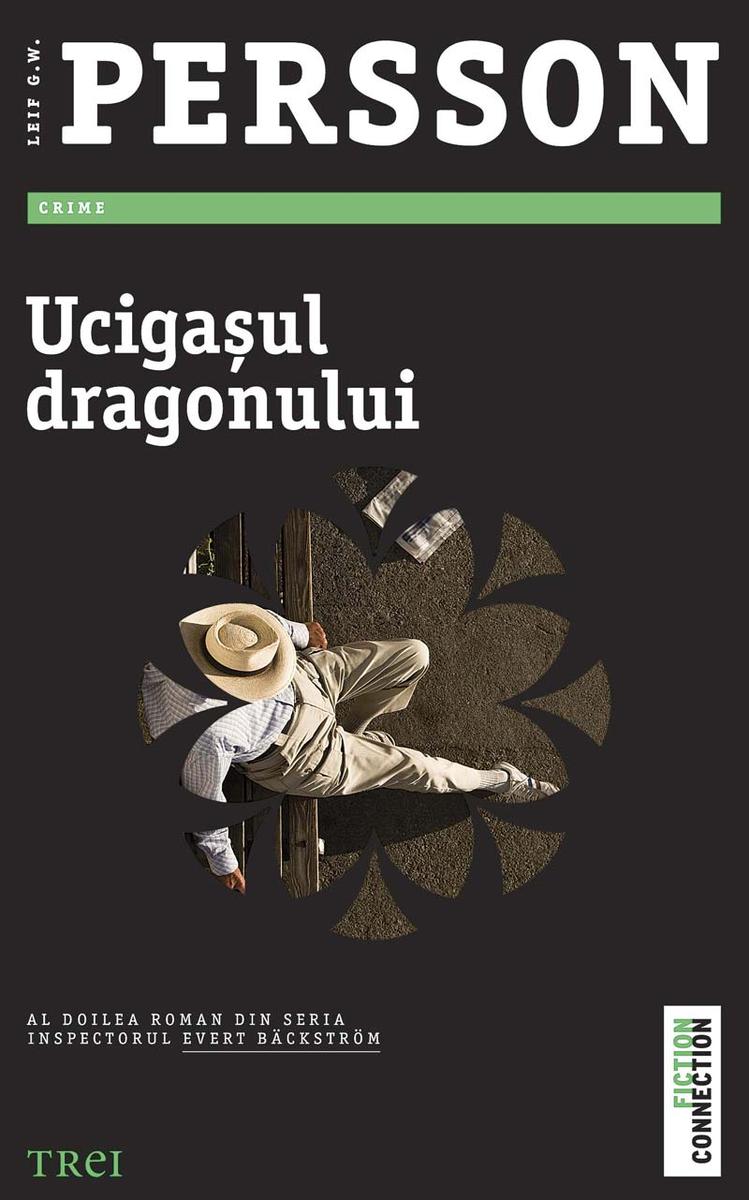
Uciga?ul dragonului
¥81.67
Necesitatea acestei carti s-a impus in campul istoriografiei contemporane ca un raspuns ce se cerea stringent intr-un moment in care istoriografia in ansamblul ei a intrat intr-un serios impas girat si incurajat de predominanta agresiva si interferenta unor scoli si curente inconsistente, care de care mai zgomotoase, mai belicoase, mai ?originale“, concomitent cu intensificarea presiunii factorului politic (guverne, parlamente, tribunale, ong-uri etc).Tematica lucrarii o constituie evenimentele care au tulburat intreaga lume in perioada celui de-al Doilea Razboi Mondial.Studiile din aceasta carte au aparut sub semnatura celor mai prestigiosi istorici ai neamului nostru din aceasta perioada: acad. Dan Berindei, acad. Florin Constantiniu, prof. univ. dr. Gh. Buzatu (coordonatorul editiei), Stela Cheptea si multi altii.

101 Amazing Facts about Foo Fighters
¥19.52
Are you the world's biggest Foo Fighters fan? Or do you want to discover some interesting facts about Dave Grohl's band, generally considered to be the best rock act in the entire world? If so, then this is the book for you! Contained within are more than one hundred amazing facts about everything, from the band's formation and early days of recording all the way to their most recent tour. With sections about each member as well as information on their music, awards and much more, you can find the information you want fast - and the book is perfect for all ages. No fan should be without it!


