


 购物车
购物车 个人中心
个人中心

Best Practices: Hiring People
¥78.55
Filling your ranks with exceptional employees has never been more important or more challenging. Hiring People, a comprehensive and essential resource for any manager on the run, shows you how.Learn to: Attract, find, and retain top performers Conduct an effective talent search Get the most out of interviews Craft an irresistible offer Use recruiters effectively Build a referral network you can depend on The Collins Best Practices guides offer new and seasoned managers the essential information they need to achieve more, both personally and professionally. Designed to provide tried-and-true advice from the world's most influential business minds, they feature practical strategies and tips to help you get ahead.
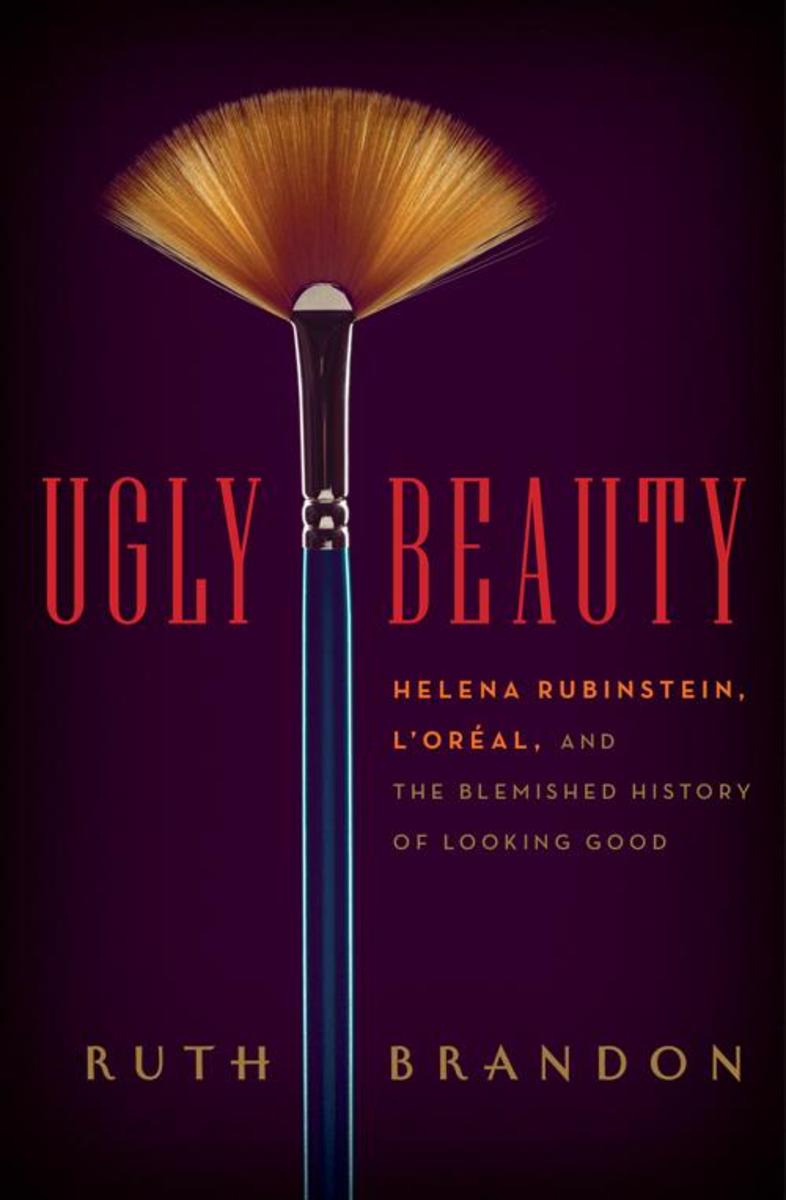
Ugly Beauty
¥151.53
The gripping story of Helena Rubinstein, Eugne Schueller, and the dark side of the beauty business they helped to create Helena Rubinstein and L'Oral's Eugne Schueller both started out in the beauty business during the first years of the twentieth century, and, by the time World War II broke out, had come to dominate it. However, their motivations could not have been more different. Rubinstein, a Polish Jew, claimed the world of paid work for women, and working women's enthusiasm for her products made her the first self-made female millionaire. Schueller, a French conservative in the Henry Ford mold, thought women belonged in the home, and during the Nazi Occupation he used his company as a source of cash to buy economic and political influence.Schueller eventually won the long fight for supremacy: in 1988 his company swallowed Rubinstein's. But the victory cost him his reputation when, in the wake of the takeover, he was exposed as a Nazi collaborator. Deepening the scandal, his wartime activities were shown to have been abetted and condoned by a cadre of young men who, by the time the news broke, had scaled the peaks of wealth and power in postwar France.By then Schueller and Rubinstein were both long dead. But cultural historian and biographer Ruth Brandon argues that the battle they began continues to this day. She examines their conflict to ask important contemporary questions about beauty standards and the often murky intersection of individual political aims and the role of business. Filled with remarkable twists, turns, and larger-than-life characters, Ugly Beauty is a riveting true story about what lies beneath the flawless exterior of the cosmetics industry.
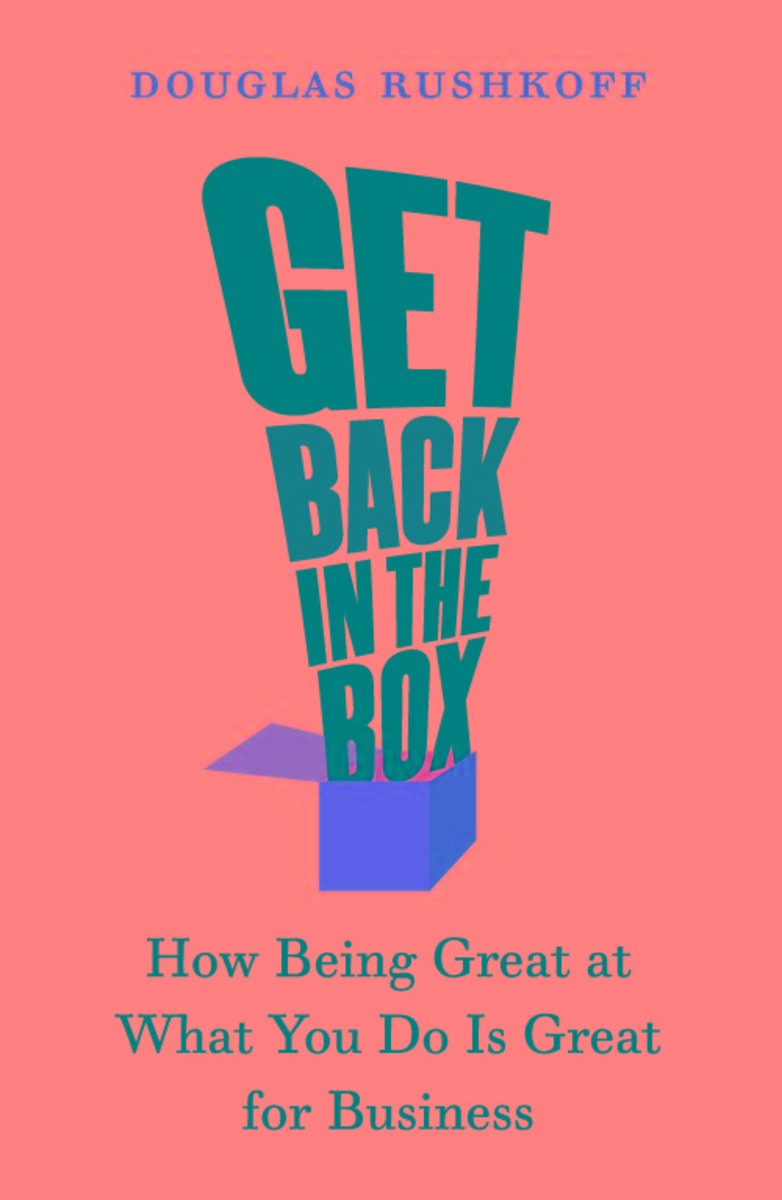
Get Back in the Box
¥84.28
Douglas Rushkoff was one of the first social commentators to identify the new culture around the internet. He has spent nearly a decade advising companies on the ways they can re-orient their businesses to the transformations the internet has caused. Through his speaking and consulting, Rushkoff has discovered an important and unrecognized shift in American business. Too many companies are panicked and operating in survival mode when the worst of the crisis has already passed. Likening the internet transformation to the intellectual and technological ferment of the Enlightment, Rushkoff suggests we have a remarkable opportunity to re-integrate our new perspective with the work we actually do. Instead of running around trying to "think out of the box," Rushkoff demonstrates, now is the time to "get back in the box" and improve the way we do our jobs, run our operations and drive innovation from the ground up. Combining stories gleaned from his consulting with a thrilling tour of history's dramatic moments and clever readings of cultural shift we've just experienced, Rushkoff offers a compelling vision of the simple and effective ways businesses can re-invigorate themselves.

Beating the Dow Completely Revised and Updated
¥83.08
In 1991, Michael B. O'Higgins, one of the nation's top money managers, turned the investment world upside down with an ingenious strategy, showing how all investors--from those with only $5,000 to invest to millionaires--could beat the pros 95% of the time by putting 100% of their equity investment into the high-yield, low-risk "dog" stocks of the Dow Jones Industrial Average. His formula spawned a veritable industry, including websites, mutual funds, and $20 billion worth of investments, elevating the theory to legendary status.Reflecting on the greatest bull market of our time, this must-have investment guide has been revised and updated for a new economy. With current company and stock profiles, as well as new charts, statistics, graphs, and figures, Beating the Dow is the smart investment that you--and your portfolio--can't afford to miss.
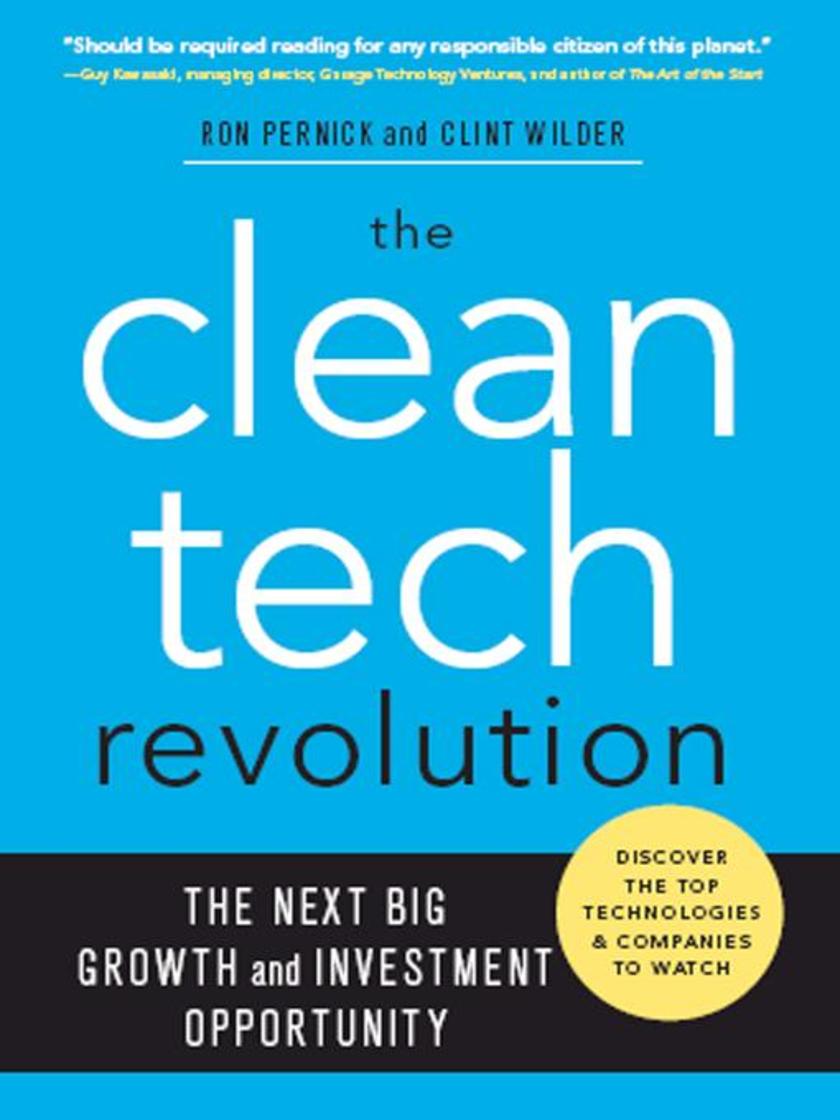
The Clean Tech Revolution
¥90.77
When industry giants such as GE, Toyota, and Sharp and investment firms such as Goldman Sachs are making multibillion-dollar investments in clean technology, the message is clear. Developing clean technologies is no longer a social issue championed by environmentalists; it's a moneymaking enterprise moving solidly into the business mainstream. In fact, as the economy faces unprecedented challenges from high energy prices, resource shortages, and global environmental and security threats, clean tech technologies designed to provide superior performance at a lower cost while creating significantly less waste than conventional offerings promises to be the next engine of economic growth.In The Clean Tech Revolution, authors Ron Pernick and Clint Wilder identify the major forces that have pushed clean tech from back-to-the-earth utopian dream to its current revolution among the inner circles of corporate boardrooms, on Wall Street trading floors, and in government offices around the globe. By highlighting eight major clean-tech sectors solar energy, wind power, biofuels and biomaterials, green buildings, personal transportation, the smart grid, mobile applications, and water filtration they uncover how investors, entrepreneurs, and individuals can profit from this next wave of technological innovation. Pernick and Wilder shine the spotlight on the winners among technologies, companies, and regions that are likely to reap the greatest benefits from clean tech and they show you why the time to act is now.Groundbreaking and authoritative, The Clean Tech Revolution is the must-read book to understand and profit from the clean technologies that are reshaping our fast-changing world.

Financially Ever After
¥95.39
Your Guide to Managing the Real Dollars and the Real Emotions of Your Relationship Too often with money, couples face two choices: fight and risk making the situation worse, or keep quiet and risk making the situation worse. Financially Ever After offers a third option: family financial fluency the insight, knowledge, and vocabulary every couple needs to communicate effectively about money. Jeff D. Opdyke, previously The Wall Street Journal's syndicated "Love Money" columnist, covers any and all financial issues that couples face, including budgeting, deciding on whether to have joint or individual accounts, dividing up family financial chores, confronting debt, making major purchases, as well as handling mortgages, employment, children, and even engagement rings. He offers dozens of real-life scenarios between couples, with *s and suggestions for how to broach delicate money-related subjects with your significant other, whether he or she has a shaky credit history or is feeling left out of family financial decision-making.The book also provides helpful tools to organize your financial life, such as a budgeting chart, a "scorecard" to track spending, and an "affordability calculator" to help you figure out how much buying a house will cost you.A must-read for any couple starting out, Financially Ever After lays the groundwork for building a healthy and thriving financial life together.

The Real-Life MBA
¥92.41
Business authors Jack and Suzy Welch return, nearly a decade after publishing their international bestseller, Winning, to tackle the most pressing business challenges in the modern world. From creating winning strategies to leading and managing others The Real Life MBA acts as an essential guide for every person in business today - and tomorrow. You can talk about theories, concepts, and ideologies all you want, but when it gets right down to it, winning in business is all about mastering the gritty, inescapable, make-or-break, real-life dilemmas that define the new economy, the old economy, and everything in between. My boss is unbearable. I’m stuck in career purgatory. My team lacks enthusiasm. Our IT department is incompetent. Our strategy is outdated. We don’t understand our Chinese partners. We’re just not growing. This is the real stuff of work today. In the decade since their international best-seller Winning was published, Jack and Suzy Welch have dug deeper into the world of business than ever before , travelling the world consulting to businesses of every size and in every industry, working closely with entrepreneurs from Mumbai to Silicon Valley, starting their own company, and owning and managing more than 40 companies through private equity. Coupled with Jack’s 20 years of iconic leadership at GE and Suzy’s tenure as editor of the Harvard Business Review, their new database of knowledge infuses the pages of The Real Life MBA with fresh, relevant stories and equally powerful solutions.
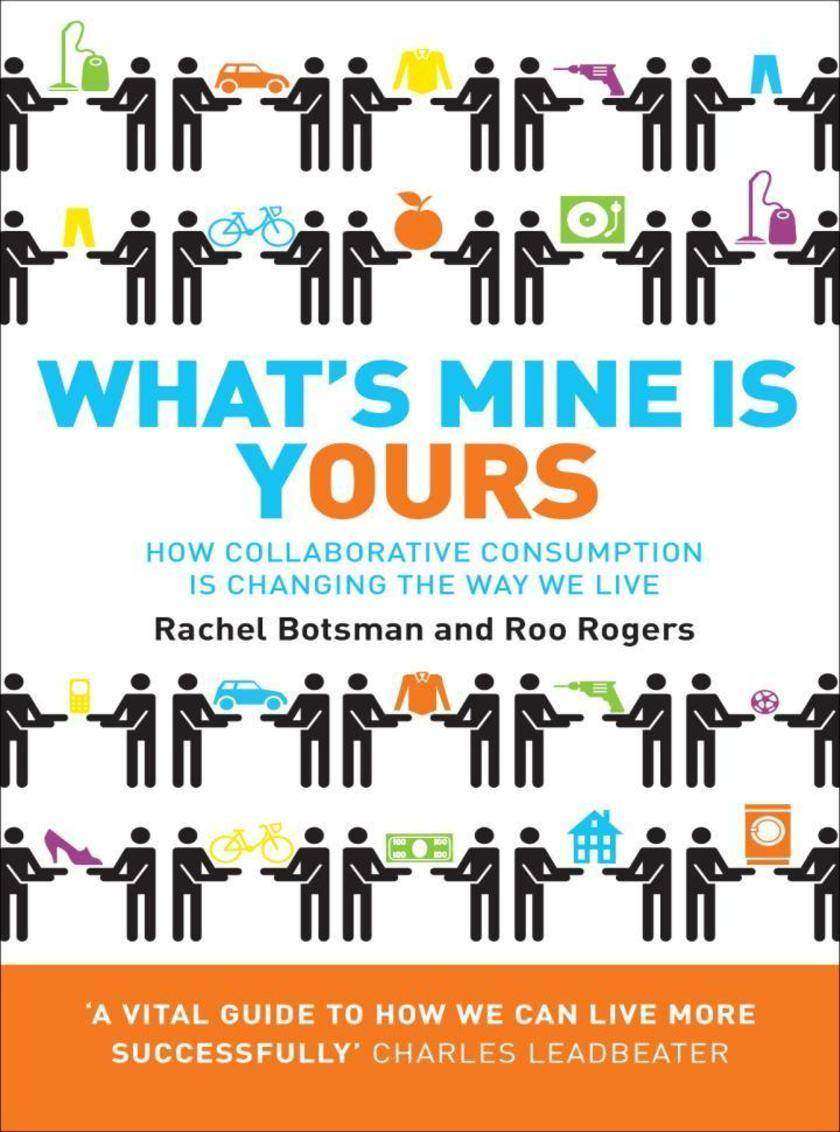
What’s Mine Is Yours: How Collaborative Consumption is Changing the Way We Live
¥95.75
In the 20th century humanity consumed products faster than ever, but this way of living is no longer sustainable. This new and important book shows how technological advances are driving forms of ‘collaborative consumption’ which will change forever the ways in which we interact both with businesses and with each other. The average lawn mower is used for four hours a year. The average power drill is used for only twenty minutes in its entire lifespan. The average car is unused for 22 hours a day, and even when it is being used there are normally three empty seats. Surely there must be a way to get the benefit out of things like mowers, drills and even cars, without having to carry the huge up-front costs of ownership? There is indeed. Collaborative consumption is not just a buzzword, it is a new win-win way of life. This insightful and thought-provoking new book by Rachel Rogers and Roo Botsman is an important and fast-moving survey of the dramatic changes we are seeing in the way we consume products. Many of us are familiar with freecycle, eBay, couchsurfing and Zipcar. But these are just the beginning of a new phenomenon. Rachel Botsman and Roo Rogers have interviewed business leaders and opinion formers around the world to draw together the many strands of Collaborative Consumption into a coherent and challenging argument to show that the way we did business and consumerism in the 20th century is not the way we will do it in the 21st century.
Presentation Skills in 7 simple steps
¥61.51
7 simple steps to transform your presentations Speaking in front of an audience can be tough. Believe it or not, working out what you want to say is often the easiest part. You may need help overcoming nerves, or practical advice on body language, using technology, or dealing with tricky questions. This book gives you practical advice on how to give well-structured and clear presentations that engage your listeners and make an impact. No more sweaty palms, just cool, calm and effective presentations.
Effective Meetings in 7 simple steps
¥61.51
7 simple steps to effective meetings that will change the way you work People spend up to 60 percent of their working day in meetings, but all too often they leave feeling overwhelmed and confused. Sound familiar? Meetings that involve the wrong people or are badly organised are a waste of everyone's time, so whether you need to learn from scratch or re-evaluate your techniques, this is the book for you. Follow our 7 simple steps to more productive, efficient and successful meetings. With expert advice on everything from using informal meetings to your advantage to dealing with technical hitches during conference calls, this book contains everything you need to transform the way you spend your working day.

Love Is Not Enough: A Smart Woman’s Guide to Money
¥72.40
Merryn Somerset Webb, star of Channel 4's hit series ‘Superscrimpers’, shows you how to face the future with both money and confidence in this financial bible for sassy women. Money may not buy you love but it certainly helps with life's other little luxuries. From shopping sprees to pension plans, ISAs to investments, money plays a crucial role in our present and future comfort. We may not like to admit it, but diamonds – or cold, hard cash – really can be a girl's best friend. So why, when women have much to celebrate, are we reluctant to talk about it? Why, when we have more wealth in our own names than ever before, do women take less interest in money than men? And why do we still feel that demonstrating an interest in finance is somehow…unfeminine? Because let's face it – for most of us, Prince Charming and his bank balance just aren't coming. If we want to secure our futures we're going to have to do it ourselves. The good news is that it's not hard to do. Dealing with our personal finances is much, much easier than the financial industry would have us believe. Women tend to make better investors than men too – our instincts, so to speak, are on the money. All we need is a bit of know-how and the confidence to put it into practice. Combining years of financial expertise with a healthy dose of scepticism and an easy sense of humour, Merryn Somerset Webb's sharp, witty and appealing guide to personal wealth for sassy women provides the answers. Whether you're drowning in debt, negotiating a higher salary or tackling the thorny issue of a pre-nup, just one read through and you'll be in a position to sort your finances out for good, transforming them from a constant worry into a source of peace of mind.

Institutional Foundations of Impersonal Exchange
¥488.54
Governments and development agencies spend considerable resources building property and company registries to protect property rights. When these efforts succeed, owners feel secure enough to invest in their property and banks are able use it as collateral for credit. Similarly, firms prosper when entrepreneurs can transform their firms into legal entities and thus contract more safely. Unfortunately, developing registries is harder than it may seem to observers, especially in developed countries, where registries are often taken for granted. As a result, policies in this area usually disappoint. ?Benito Arruada aims to avoid such failures by deepening our understanding of both the value of registries and the organizational requirements for constructing them. Presenting a theory of how registries strengthen property rights and reduce transaction costs, he analyzes the major trade-offs and proposes principles for successfully building registries in countries at different stages of development. Arruada focuses on land and company registries, explaining the difficulties they face, including current challenges like the subprime mortgage crisis in the United States and the dubious efforts made in developing countries toward universal land titling. Broadening the account, he extends his analytical framework to other registries, including intellectual property and organized exchanges of financial derivatives. With its nuanced presentation of the theoretical and practical implications, Institutional Foundations of Impersonal Exchange significantly expands our understanding of how public registries facilitate economic growth.

Best Practices: Evaluating Performance
¥72.70
Successful management relies on identifying and promoting high-performing employees and targeting underperformers for serious improvement. Evaluating Performance, a comprehensive and essential resource for any manager on the run, shows you how.Learn to: Monitor day-to-day performance Conduct productive formal reviews Reward consistent, excellent performance through promotions Terminate underperforming employees Create a company-wide performance management system The Collins Best Practices guides offer new and seasoned managers the essential information they need to achieve more, both personally and professionally. Designed to provide tried-and-true advice from the world's most influential business minds, they feature practical strategies and tips to help you get ahead.

Best Practices: Managing People
¥72.70
In today's hypercompetitive business climate, managers who help employees achieve their individual potential stand to get and stay ahead. Managing People, a comprehensive and essential resource for any manager on the run, shows you how.Learn to: Delegate the right work to the right employee Motivate people to outperform the competition Establish and empower effective teams Manage multiple projects and stay on track Inspire trust and lead in times of change The Collins Best Practices guides offer new and seasoned managers the essential information they need to achieve more, both personally and professionally. Designed to provide tried-and-true advice from the world's most influential business minds, they feature practical strategies and tips to help you get ahead.
FairTax: The Truth
¥82.80
In 2005, firebrand radio talk show host Neal Boortz and Georgia congressman John Linder created The FairTax Book, presenting the American public with a bold new plan designed to eliminate federal taxes and the IRS, jump-start the U.S. economy, bring back lost industries and jobs, and recapture billions of untaxed dollars hoarded by criminal and offshore businesses. Their book became an immediate #1 New York Times bestseller, propelling a powerful grassroots tax reform movement that's spreading like wildfire across our nation.Now, three years later, the authors are back to answer the outspoken and misinformed critics of their innovative proposal. Offering eye-opening new insights not covered in the original book, FairTax: The Truth debunks the negative myths and gross misrepresentations of this groundbreaking idea. The FairTax plan is simple, brilliant, and it will work enabling you to keep all the money in your paycheck; eliminating the fraud, hassle, and waste of our current system; and revolutionizing the way America pays for itself.

Secrets of Six-Figure Women
¥95.39
According to the Department of Labor, the average woman in 1998 was bringing home less than $25,000 a year. For every dollar that a man makes, a woman makes between 50 and 75 cents, and that is hardly news. But what you may not know is that, quietly and steadily, the number of women making six figures or more is rapidly increasing. Currently, over fifteen million women make $100,000 or more, and the number continues to rise at a rate faster then for men. And these women come from every industry - psychologists, dot com founders, consultants, freelance writers, and even part-timers. What makes these particular women able to do so well in the workplaceFueled by curiosity, Barbara Stanny, author of Price Charming Isn't Coming: How Women Get Smart About Money (Viking Penguin), set out to research this phenomenon. What she discovered was that, though the high-earning women she interviewed came from different backgrounds and had had greatly different work experiences, they all had certain characteristics in common. Secrets of Six Figure Woman: Surprising Strategies of the Successful High Earners will be a ground breaking book for high earners who want to ensure their wealth, enhance their success, and learn from others who are in the same boat. It will also offer inspiration, guidance, and motivation to those who aspire to make more.
New Totally Awesome Money Book For Kids
¥67.12
Jam-packed with up-to-date, easy-to-understand information on every area of money, this smart, useful book—just right for kids age 8–14—makes learning about money fun. A savvy brother and sister team, Arthur and Rose explain a lot about money matters, including:?Budgets and savings (great ways to get the stuff you really want!) ?The basics of stocks, bonds, and other ways of investing ?Credit cards (“The Plastic Flash”) and borrowing ?Updated information on the Internet with useful Web links ?Online investing, Web safety precautions ?Saving and paying for college ?And much more
Why the Best Man for the Job Is a Woman
¥84.16
Playing With The Big Boys -- And Beating Them At Their Own Game! From Meg Whitman of eBay to Marcy Carsey of Carsey-Warner and Oxygen Media, today's leading businesswomen show how to make it in the notorious boys' club of corporate America.Gone are the days when men called the shots. More and more women have replaced men or excelled over rivals in male-dominated industries because they possess the qualities of leadership that top firms are seeking today. Esther Wachs Book introduces the new Female Leader and reveals the seven key, and uniquely female, qualities of leadership that are turning the world around -- and allowing more women to achieve success.Filled with compelling insights gleaned from the country's highest-ranking businesswomen, Why the Best Man for the Job Is a Woman reveals how these exceptional women have soared to the top and captures their strategies for success.
Stop Whining--and Start Winning
¥95.39
Filled with the kind of contagious energy and upbeat attitude that has made Frank Pacetta one of America's most popular motivational speakers, this unique book is for anyone who wants a difference in the workplace. Whatever the occupation, organization, or industry, here are tried and tested solutions, techniques, rules and tactics that get the job done right. Whether you're a manager fed up with your worker's ho-hum attitude or an individual who can't seem to live up to your potential no matter how hard you try, this book will give you ideas that can put into immediate action -- a no-fail formula for ending the whining and instilling in yourself and your employees a winning spirit.
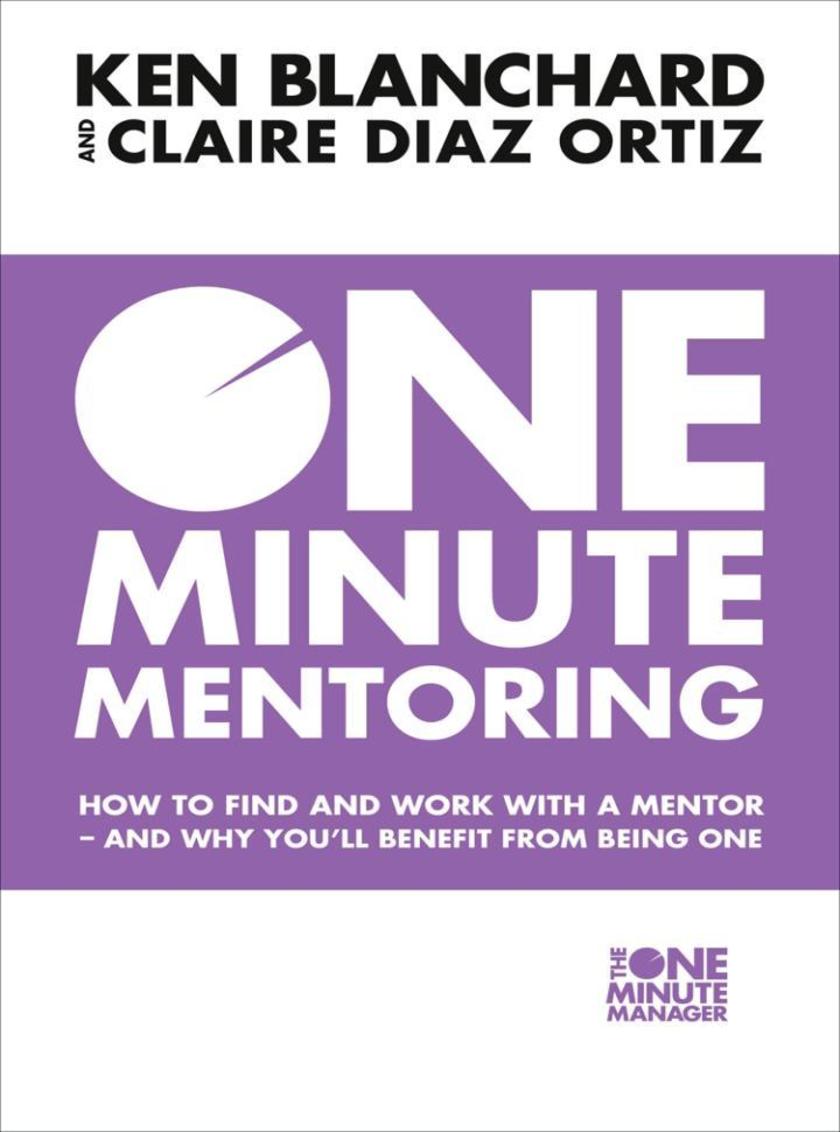
One Minute Mentoring: How to find and work with a mentor - and why you’ll benefi
¥58.86
Ken Blanchard, Ph.D., is the Chief Spiritual Officer of the Ken Blanchard Companies, and a highly sought-after author, speaker, and business consultant. His perennial international bestsellers include The One Minute Manager, Raving Fans, Gung Ho!, and Whale Done!. He lives in California. One of the first employees of Twitter, Claire Diaz-Ortiz is an author, speaker, and businesswoman. She lives in Argentina.
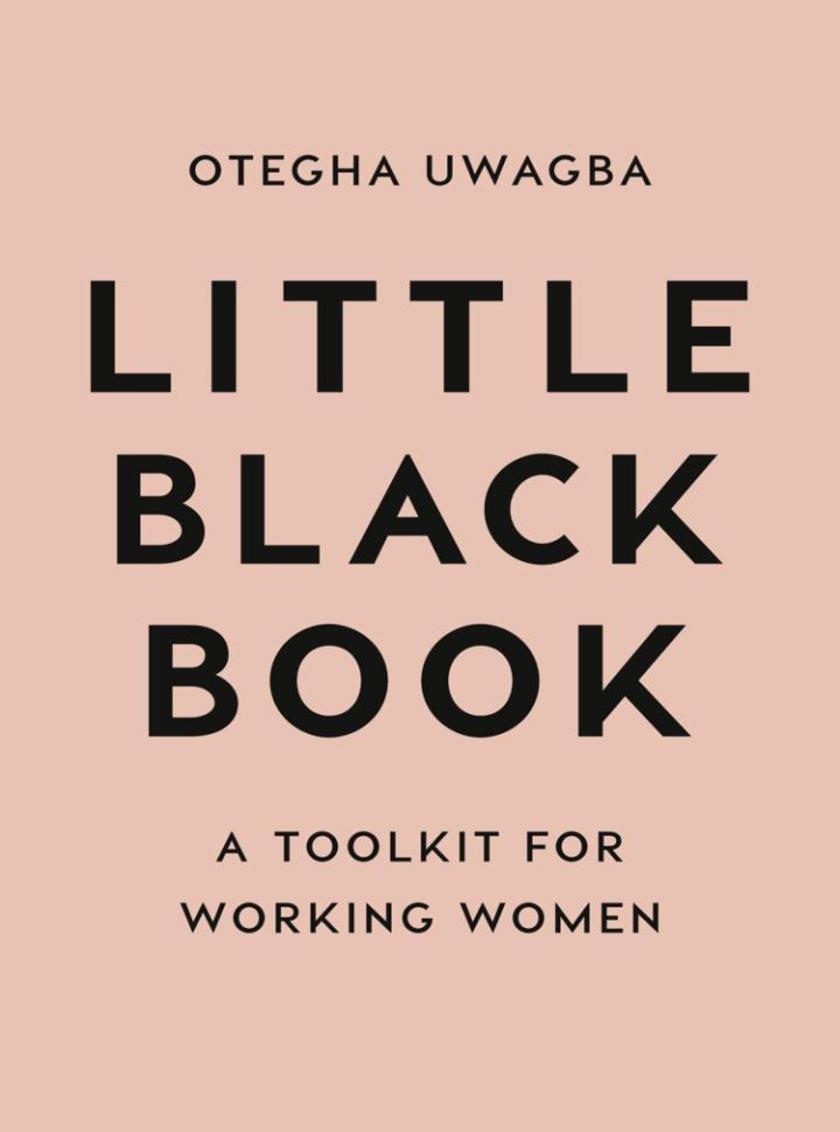
Little Black Book: The Sunday Times bestseller
¥36.99
Otegha Uwagba is the founder of Women Who, a platform that connects and supports creative working women worldwide, and an endeavour inspired by her time working at some of London’s top ad agencies and cult youth brand Vice Media. She was included on Forbes European 30 Under 30 list. Besides running Women Who, she is also a freelance writer, speaker, and brand consultant. She lives in London. www.oteghauwagba.com www.womenwho.co


