


 购物车
购物车 个人中心
个人中心
Cum s?-?i aju?i norocul. Patru principii simple care ??i vor schimba norocul – ?
¥57.14
C?nd experta ?n psihologie Inger Johanne ajunge s? se implice, f?r? voia ei, ?n investigarea decesului unui b?ie?el de opt ani, suspectat de probleme comportamentale, b?nuie?te c? tragedia aceasta ascunde o realitate sordid?. ?n timp ce se str?duie?te s? descurce i?ele ?ncurcate ale unei mor?i suspecte, se vede nevoit? s? ?nfrunte ?i provoc?rile din via?a personal?. Cu tenacitate si intui?ie, Inger Johanne reu?e?te s? desfiin?eze aparen?ele care domnesc ?n familia lui Ellen, prietena ei ?i mama victimei, tr?g?nd simultan un semnal de alarm? referitor la condi?ia copiilor ?n familia modern?.Anne Holt alege drept fundal al pove?tii atacul terorist care a avut loc pe 22 iulie, ?n capitala Norvegiei, oferind cititorilor un thriller social complex. – AdresseAvisenUn roman poli?ist construit ?n jurul datei de 22 iulie 2011 – o zi neagr? pentru Norvegia: pare un demers at?t speculativ, c?t ?i riscant. Dar Anne Holt reu?e?te s? creeze o nara?iune ?n care suspansul ?i compasiunea omeneasc? se ?mbin? perfect. – DAgblAdet

Povestiri, nu pove?ti!
¥40.79
Nihilismul lui tefan Bolea este o masc n spatele creia se ascunde o inocen perpetuu incandescent. Revolta blasfematorie a poetului marcheaz un ritual de trecere spre iniiere, degajnd, n mod paradoxal, o nemrginit sete de via. Muzicalitatea incantatorie a textelor n limbile german, englez i romn plonjeaz cititorul n viziunea lumii reale.“ (Basarab Nicolescu)
Via?a ?ntre dou? lumi
¥32.62
Hyena, o adolescent? de aproape 14 ani, se ?ntoarce acas? dup? o lung? perioad? de absen?? din mijlocul familiei. Este primit? deopotriv? cu entuziasm ?i scepticism de c?tre Becks, sora sa geam?n?, care ?ncearc? s? reconecteze rela?ia lor ?i s? recupereze to?i acei ani pierdu?i. Dar secretele mamei, ale tat?lui vitreg ?i ale ambelor fete sunt amenin?ate s? ias? la iveal? odat? cu sosirea straniului unchi din America.Citind aceast? carte, e?ti obligat s? la?i deoparte toate cli?eele pe care le-ai auzit despre tinerii de azi. Sex, droguri, alcool, nop?i ?n cluburi, haine de fi?e? Pentru Becks si Hyena sunt doar punctul de pornire al propriilor reflec?ii ?i raport?ri fa?? de via?? – o foarte ciudat? raportare, de altfel…Un roman ca o c?l?torie fascinant? ?i ame?itoare, cu umor sumbru ?i, ?n acela?i timp, o atent? celebrare a individualit??ii extreme.

Vida sem Princípio
¥37.44
Universul a nceput cu un Bang i s-a terminat cu un srut, ca toate marile iubiri“Ana Mnescu este o scriitoare tulburtor de generoas: ea nu mprtete cu cititorii doar ceea ce este la suprafa, explicit, nedureros, blnd; i plac subteranele, ascunziurile, visele uitate, ameninrile mute, teama fiinei de ea nsi, ntunericul care are nevoie doar de o scnteie pentru a se preschimba n lumin orbitoare. i ni le ofer pe toate, cu sinceritate i o delicatee care nu se mai regsete n nicio alt carte pe care ai putea-o citi vreodat. Quasarul poate construi o lume i o poate exploda ntr-o btaie de aripi. Pentru c totul i nimicul nseamn altceva numai dup ce au fost atinse de iubire. Ana scrie despre acele clipe n care eti cel mai adevrat tu care a existat vreodat. i eti cel mai mult tu cnd eti prins n iubire, ca ntr-o capcan de soare.“ (Cristina Nemerovschi)
Trenul de noapte. Povestiri
¥90.84
Capsule de Joyce. O colec?ie de texte inedite marca James Joyce. Biografie, poem, schi?? narativ?, Giacomo Joyce face portretul unei frumoase doamne implicate ?ntr-o afacere amoroas?. ?n Epifanii sunt prinse ?n cuvinte inspira?iile de moment ale scriitorului, difuzate apoi ?n toate c?r?ile sale. Ironia ?i jocul dublu al limbajului sunt instrumente vechi ale lui Joyce, Pisica ?i diavolul fiind o curs? ?n care diavolul cade, dar ?i o critic? cu dedesubturi ale societ??ii anilor '30. O plachet? de inedite, infuzat? de spiritul binecunoscut al lui James Joyce.

Coasta lui Apollo. Jurnal de scriitor
¥130.72
Frica de boal? este resim?it? acut de 15% dintre rom?ni ?i doar teama de ?omaj o dep??e?te ?ntrun top autohton al ?ngrijor?rilor, arat? o anchet? sociologic? din 2014. O dovad? ?n plus a relevan?ei grijii pentru s?n?tate o constituie preocuparea actual? pentru alimenta?ia ?eco" ?i diete, dar ?i cultul corpului s?n?tos ?i zvelt. Totu?i, c?nd grija fireasc? pentru s?n?tate ajunge s? ne domine g?ndurile, tulbur?ndune cursul normal al vie?ii, e semn c? am putea suferi de o ?tulburare hipocondriac?". Mersul frecvent de la un doctor la altul (dublat de ne?ncrederea fa?? de diagnosticul primit), izolarea social?, interpretarea gre?it? semnelor corpului, igiena compulsiv? ?i suspiciunea fa?? de toxicitatea alimentelor afecteaz? considerabil via?a ipohondrului, dar ?i a rudelor sale. Cartea de fa?? arat? cum ia na?tere frica patologic? de boal?, ce consecin?e are ?i cum poate fi dep??it? prin autoanaliz?, sugestii pozitive, tehnici de relaxare, vizualizare ?i gestionare a stresului, ?i, mai ales, prin restructurarea g?ndirii ira?ionale ?i ?magice".

40 de zile
¥57.14
Într-o sear? înghe?at?, în cel mai nea?teptat loc din Chicago, doi adolescen?i – având amândoi numele de Will Grayson – sunt pe cale s?-?i intersecteze pa?ii. Pe m?sur? ce lumile lor intr? în coliziune ?i se împletesc, cei doi Will Grayson descoper? c? via?a îi poart? în direc?ii noi ?i surprinz?toare: aventuri romantice ?i punerea în scen? a celui mai de succes musical din istoria liceului. Amuzant?, dinamic? ?i emo?ionant?, „coproduc?ia" semnat? de John Green ?i David Levithan debordeaz? de sensibilitate ?i umor – un regal pentru fanii din întreaga lume! Will Grayson, Will Grayson a intrat direct pe locul 3 în lista de bestseller young fiction New York Times, fiind prima carte cu personaje gay inclus? vreodat? în list?. O poveste plin? de adrenalin? despre iubirea adolescentin?, revolt?, furie, suferin?? ?i prietenie, condimentat? cu doze generoase de comedie. – Booklist Rezultatul colabor?rii dintre doi mae?tri ai literaturii pentru adolescen?i: un roman savuros. – School Library Journal O poveste de dragoste efervescent?, care îmbin? magistral situa?iile ridicole cu cele realiste. – Kirkus Review „puteam s? petrec ore întregi punând la cale o anume dorin?? – ?i, de fiecare dat?, m? loveam de un zid impenetrabil de indiferen?? total?. fie c? era vorba despre un hamster sau ca maic?-mea s? nu mai plâng? – sertarul de ?osete era deschis ?i eu st?team în spatele raftului cu juc?rii, cu trei supereroi într-o mân? ?i o ma?inu?? în cealalt?. nu mi-am dorit niciodat? ca totul s? fie mai bine – numai un singur lucru s? fie mai bine. ?i niciodat? n-a fost. a?a c? pân? la urm? m-am dat b?tut. m? dau b?tut în fiecare zi.dar nu ?i cu isaac. m? sperie câteodat?. c?-mi doresc s? mearg?.“
Suferin?a din dragoste: Povestea maturiz?rii adolescen?ilor
¥57.14
Prima petrecere, Od? unui ?erve?el sau Fusti?a de balerin? sunt doar o parte dintre pove?tile amuzante ?i pline de tâlc istorisite cu har ?i empatie de cele trei specialiste în terapia psihanalitic?. Tehnicile ?i conceptele psihodinamice sunt introduse prin intermediul unor experien?e de cabinet, dar ?i al unor secven?e din via?a personal? a autoarelor americane. Doliul ?i transferul, refularea ?i fenomenele tranzi?ionale, Supraeul ?i sus?inerea, interpretarea ?i disocierea — toate prind contur, cu ajutorul unor viniete sugestive ?i al unor explica?ii teoretice clare ?i accesibile celor interesa?i de psihanaliz?, psihoterapie ?i cunoa?tere de sine. Cartea poart? cititorul într-o c?l?torie ce se întinde de la anecdote vesele ?i juc?u?e la pove?ti curajoase sau la melancolice elegii ale suferin?ei, pierderii ?i iubirii. Fiecare eseu vorbe?te despre evenimente din vie?ile noastre, care pot fi în?elese în lumina unor concepte psihodinamice fundamentale. Povestirile noastre reflect? cum gândesc ?i lucreaz? terapeu?ii. – K.L. Malawista Volumul este excelent, se cite?te cu pl?cere ?i include istorii pline de surprize ?i desf??ur?ri nea?teptate. Iar l?muririle teoretice rotunjesc foarte bine aceste povestiri. Trebuie parcurs de to?i cei interesa?i de cunoa?terea de sine sau curio?i în leg?tur? cu mecanismele care ne fac s? func?ion?m. – Jane Hall, pre?edint? a Contemporary Freudian Society
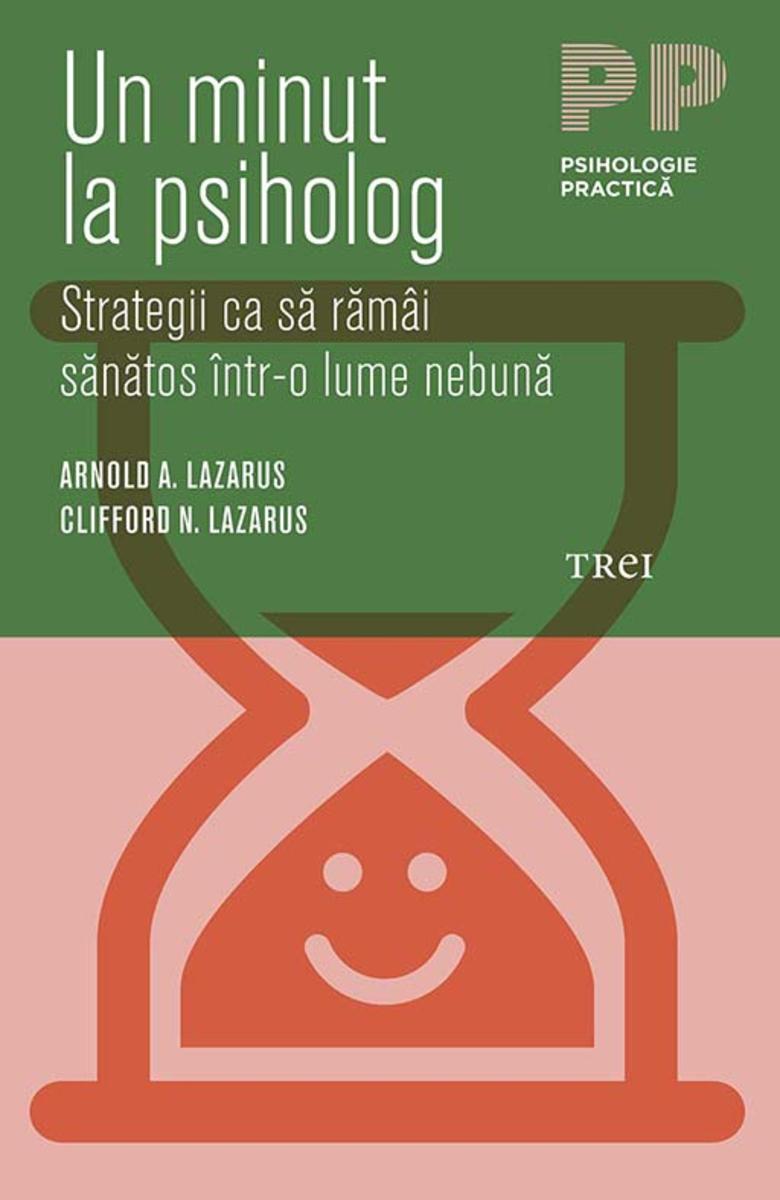
Un minut la psiholog. Strategii ca s? r?m?i s?n?tos ?ntro lume nebun?
¥57.14
Orice asem?nare cu persoane în via?? sau decedate este pur întâmpl?toare... Ce-ai face dac? ai descoperi c? în cartea pe care o cite?ti e vorba despre tine? Când g?se?te o carte misterioas? pe noptier?, via?a lui Catherine Ravenscroft se transform? într-un co?mar. De?i pare o n?scocire, cartea, numit? Str?inul des?vâr?it, recreeaz? veridic ?i în cel mai mic detaliu cumplita zi în care Catherine a devenit prizoniera unui secret teribil, un secret pe care o singur? persoan? îl mai cuno?tea – iar acea persoan? a murit. Pe m?sur? ce trecutul o ajunge din urm?, Catherine simte c? lumea ei se pr?bu?e?te. Singura cale este s?-l înfrunte... chiar dac? adev?rul ?ocant ar putea s? o distrug?. Un debut remarcabil, care aminte?te prin atmosfer? de Înainte s? adorm ?i care se bucur? deja de un succes interna?ional, Avertisment vorbe?te despre o femeie bântuit? de secrete, despre dorin?a mistuitoare de r?zbunare ?i pre?ul dureros pe care trebuie s?-l pl?tim dac? încerc?m s? ascundem adev?rul. Avertisment dozeaz? suspansul psihologic uimitor de bine: exact a?a arat? thrillerul perfect. – Lee Child „Un necunoscut a pus cartea pe noptier?. Cu grij?. Nu a deranjat niciun obiect de la locul lui. Pe partea ei de pat. ?tiuse pe ce parte a patului doarme. A aranjat totul a?a încât s? par? c? ea îns??i pusese cartea acolo. Gândurile i se îngr?m?desc unele peste altele ?i se strivesc între ele pân? când devin chinuitoare ?i dureroase. Vinul ?i nelini?tea sunt o combina?ie periculoas?. Ar trebui s? înve?e deja c? nu e bine s? amestece otr?vurile. Î?i ia în mâini capul care o doare. În ultimele zile o doare constant. Închide ochii ?i vede soarele alb ?i arz?tor de pe copert?. Cum naiba a ajuns cartea asta în casa ei?“ Halucinant ?i tulbur?tor, romanul lui Renée Knight te prinde în mrejele sale de la prima pagin?. –? Kirkus Reviews
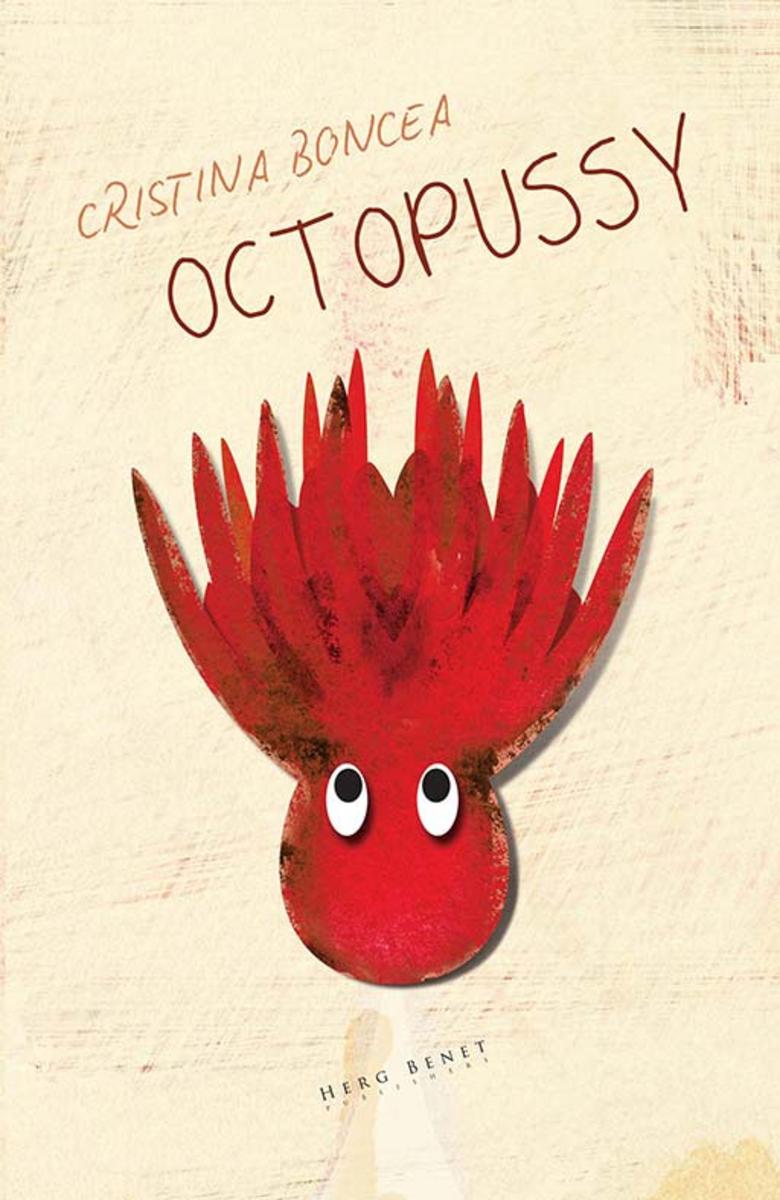
Octopussy
¥48.97
ntr-o succesiune de oglinzi creatoare de iluzii nesfrite, Sofiei, protagonista celui mai cunoscut roman al norvegianului Jostein Gaarder, i este povestit, treptat, ntreaga filosofie a culturii occidentale. Dac filosofia sau literatura nsi este pretextul acestei cri cititorul va afla pe cont propriu. El va face cunotin, nc de la nceput, cu amestecul dintre fantezie i marile ntrebri ale omenirii. Pentru c nu gsise n biblioteci sau librrii nicio carte n care tinerilor s li se ofere o form accesibil a marilor idei, scriitorul norvegian pune n scen o poveste i imagineaz un personaj inventiv i curios. Jocurile duble sunt specialitatea lui Gaarder: Sofia va fi pus n oglind de Hilde, destinatara real a cursurilor, profesorii i vor schimba identitile, iar ntrebrile nu vor putea primi niciodat rspunsuri unice. Aventura cunoaterii va ncepe de la filosofii greci, va trece prin zorii cretinismului, prin medievalitatea european, va ajunge la Renatere, Iluminism, Romantism i pn la sistemele de gndire ale secolului al XX-lea. Fr a fi o simpl carte de popularizare, Lumea Sofiei este o introducere n filosofia occidental, deschiznd apetitul cititorului pentru cunoatere i meditaie asupra ntrebrilor eseniale. Cci, aa cum Hilde e Sofia, aceasta nu e nimeni altcineva dect imaginea cititorului nsui.
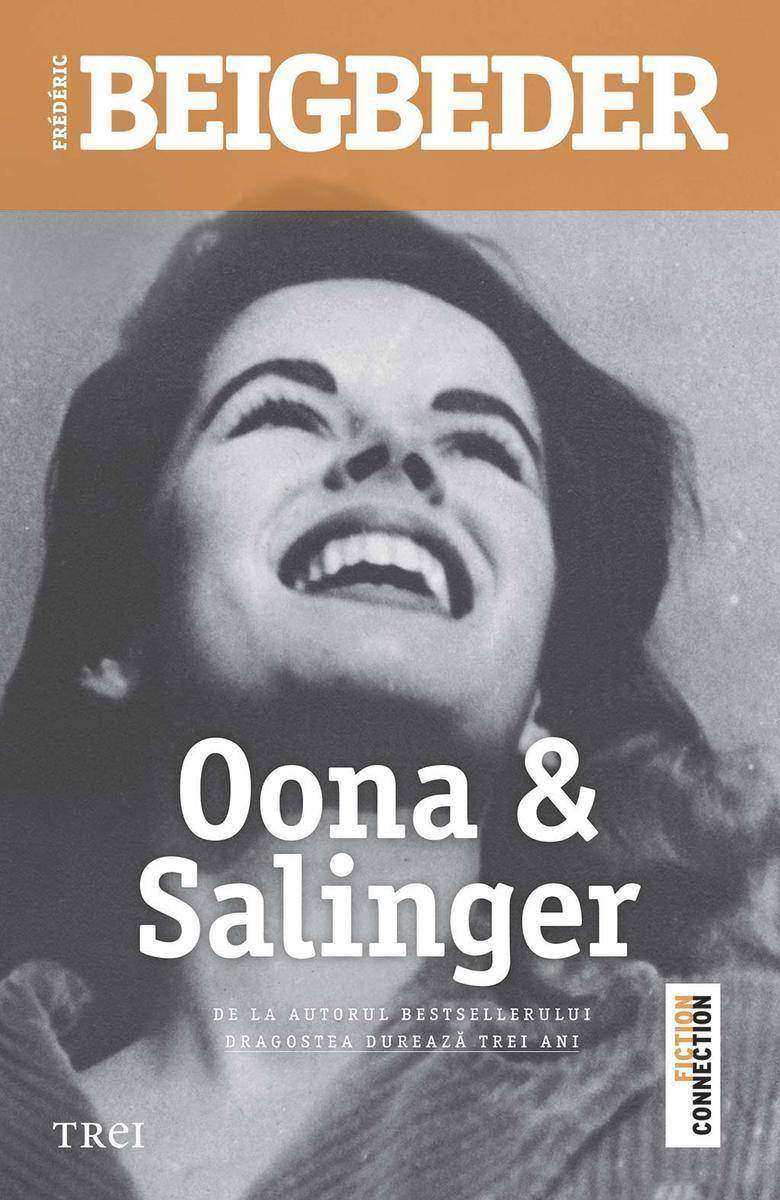
Oona & Salinger
¥65.32
?n timp ce mul?i studen?i americani din anii 1960 participau la mar?uri ?mpotriva r?zboiului, luau droguri halucinogene ?i erau adep?ii amorului liber, Hannah Latham, fiica unui faimos profesor universitar ultraradical ?i al unei pictori?e foarte cultivate, nu vrea dec?t s? se c?s?toreasc? cu iubitul ei, viitor doctor, ?i s? tr?iasc? ?n provincie o via?? conven?ional?. T?n?rul cuplu ?i b?ie?elul lor nou-n?scut se stabilesc ?ntr-un or??el din statul Maine, ?ns? Hannah ajunge s? se simt? cur?nd izolat? ?i plictisit? de visul ei de fat? cuminte. ?ntr-o bun? zi, ?n lipsa so?ului, un t?n?r – veche cuno?tin?? de pe vremea studen?iei – apare ?n ora?, schimb?ndu-i lui Hannah via?a pentru totdeauna... O carte pe care n-o po?i l?sa din m?n?, cu un suspans bine dozat, scris? cu m?iestria unui autor de romane poli?iste. De acela?i autor, la Editura Trei au ap?rut romanele Nu pleca..., O rela?ie special?, Jocurile destinului ?i Tenta?ia. O femeie se treze?te prizoniera unei vie?i prea conven?ionale ?i a micului ei act de rebeliune, ale c?rui consecin?e o h?ituiesc peste zeci de ani. Farmecul discret al vie?ii conjugale este un roman despre limita dintre via?a privat? ?i via?a public?, despre imensa pr?pastie dintre p?rin?i ?i copii ?i despre felul ?n care nu po?i sc?pa niciodat? cu adev?rat de trecutul t?u. De asemenea, constituie ?i o analiz? a moravurilor societ??ii contemporane, ?n care mass-media poate distruge vie?i ?n c?teva ore. “Kennedy este ne?ntrecut ?n a crea personaje feminine pline de rafinament, dar b?ntuite de fr?m?nt?ri. Stilul s?u emo?ioneaz? ?i captiveaz? deopotriv?.“ Daily Mirror
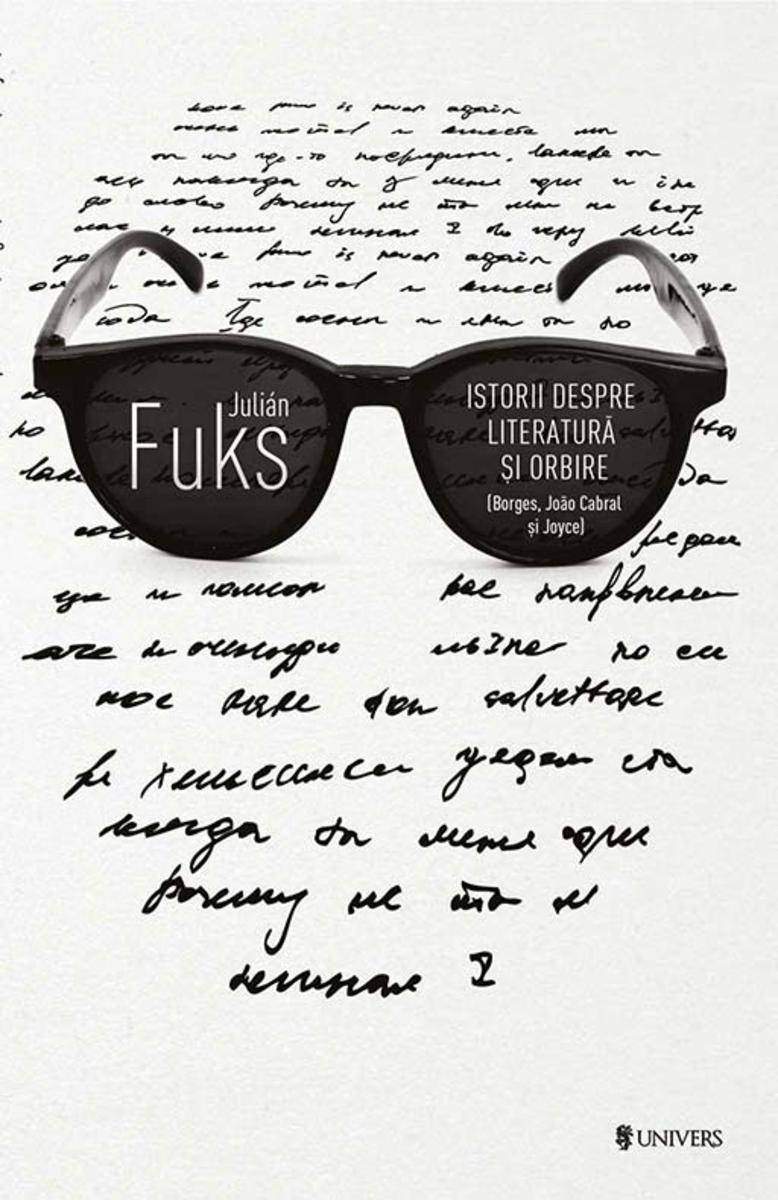
Istorii despre literatur? ?i orbire (Borges, Jo?o Cabral ?i Joyce)
¥32.62
Va putea frumuse?ea s? salveze lumea? este ?ntrebarea ?n jurul c?reia Monique Proulx construie?te pove?tile personajelor sale. ?inutul s?lbatic al Canadei nu va fi doar fundalul ?n care se mi?c? protagoni?tii, ci le va fi refugiul ?i martorul confrunt?rilor furtunoase. Lila Szach este ecoul unui timp trecut ?i simbolul posesiunii. Simon este ?ntruchiparea entuziasmului incurabil, iar Claire p?streaz? echilibrul fragil ?ntre idealism ?i scepticism. Cu aceea?i precizie, Monique Proulx surprinde statornicia naturii ?i instabilitatea emo?iilor umane, trec?nd cu u?urin?? de la triste?e la umor. Champagne ?n titlul s?u original, duc?nd cu g?ndul la vechea form? a fran?uzescului ?campagne“, romanul este un tribut adus naturii, dar ?i un tablou ?n mi?care al rela?iilor dintre oameni.
Legende istorice
¥16.35
Cel ce a scris aceast?? c??rticic?? ?i al c??rui nume s-a tot pitit p?n?? acuma sub modestul titlul de Culeg??torul tipograf p?n?? c?nd ?n sf?r?it meritele sale literare de to?i recunoscute ne-au f??cut s??-l silim acum pentru ?nt?ia?i dat?? a se da ?n vileagul publicit???ii cel ce a scris aceast?? c??rticic?? zic mi-a f??cut onoarea ?i pl??cerea de a m?? consulta adesea asupra alegerii faptelor pe care voia s?? le povesteasc?? ?ntr-?nsa. I-a dat ?n minte d-lui P. Ispirescu bunul g?nd de a l??muri pe cei din cititori rom?ni care nu sunt tocmai c??rtutari ad?nci asupra unei mul?imi de nume de cuvinte ?i de zic??tori str??ine pe cari ?n timpul de acum le ?ntrebuin?eaz?? mereu scriitorii no?tri prin gazete ?i prin felurite c??r?i. [...] Apoi pentru un a?a bun serviciu nu se cade oare s?? mul?umim domnului P. Ispirescu culeg??torul ?i scriitorul at?tor Basme Snoave ?i Zic??tori rom?ne?ti con?tiinciosul ?i merituosul lor editor? Ba z??u foarte mult ?i eu unul m?? simt acum fericit c?? mi-a dat ?nsu?i prilejul de a-i aduce prin aceste r?nduri cel dint?i prinos de mul?umire. Sunt ?ncredin?at c?? ?n urm??-mi are s?? se adune gloat?? mare. A. I. ODOBESCU
![Sing a Song of Sixpence: [Illustrated]](https://platform-permanent.ddimg.cn/pt-media-info-soa-resource/digital/product/53/13/1901165313_ii_cover.jpg?version=72ffa993-0d82-44e1-96c7-94b432ffcec8)
Sing a Song of Sixpence: [Illustrated]
¥9.24
A brand new sixpence fresh from the Mint! How it sparkled and glittered in the dancing sunlight! Such a treasure for a small girl to possess! But then, on the other hand, what a heavy responsibility!??All day long it had been burning a hole in her pocket, and as for learning lessons, not an idea would enter her head. Everything went in at one ear and out of the other, as Miss Primmer sternly remarked when Nellie could not say her poetry. But, indeed, Nellie did try hard to learn her lessons; she squeezed her eyes together as tightly as possible, though how shutting her eyes was to prevent the lessons from coming out of her ears was not very clear. ??"But I must learn them now," she sighed, "or Miss Primmer will keep me in tomorrow, and I shan't be able to go out with Nursie and Reggie to spend my sixpence. Oh dear! I wish I could learn my poetry and keep it in, I guess I'd better get a bit of cotton wool to put in my ears and then it can't come out. There, now!

Prizonier? ?n p?nza de p?ianjen. Millennium 4
¥106.19
Maestrul Benedict Blackthorn, membru de vaz? al Breslei Spi?erilor, este pe cale s? descopere cea mai de seam? re?et? a tuturor timpurilor: cea prin care se ob?ine Focul Arhanghelului – puterea suprem? pe P?m?nt. Pe urmele lui se afl? un coleg de breasl?, care vrea s? fure re?eta ?i s? foloseasc? Focul pentru ?nl?turarea regelui Carol de pe tronul Angliei. C?nd Maestrul Benedict simte c? este ?n pericol de moarte, ?i ?ncredin?eaz? ucenicului s?u Christopher Rowe misiunea de a salva re?eta ?i, totodat?, via?a ?i tronul lui Carol, precum ?i soarta Angliei. ?Un debut spectaculos. “- Kirkus Reviews ?Magie, aventur? ?i multe chestii care explodeaz? – ador cartea asta! “- Eoin Colfer ?Kevin Sands a creat un erou ambi?ios, inimos ?i plin de umor ?n Christopher Rowe, ucenicul spi?erului. Aceast? aventur? palpitant? v? va captiva. “- Ingrid Law ??ns? re?etele noi nu pic? din cer. Trebuie s? le descoperi. Asta cere zile, luni, chiar ani ?ntregi de munc? grea. ?i cost? o avere: ingredientele, instrumentele, c?rbunele pentru ?ntre?inut focul, ghea?a pentru r?cit. Mai presus de toate, era primejdios. Focuri p?rjolitoare. Metale topite. Elixiruri care miroseau dulceag, dar care ??i devorau m?runtaiele. Tincturi care p?reau inofensive, ca apa, dar emanau vapori invizibili. La fiecare experiment nou, ??i primejduiai via?a. A?adar, o re?et? care func?iona era mai pre?ioas? dec?t aurul." ?Debutantul Sands a scris o poveste incitant? despre alchimie ?i secrete ad?nc ?ngropate. Kevin Sands alterneaz? abil p?r?ile mai ?ntunecate ale romanului cu momente de umor ?i destindere, ad?ug?nd detalii picante ?n descrierea personajelor ?i a contextului istoric. To?i cei interesa?i de chimie, istorie, puzzle-uri complicate ar trebui s? citeasc? romanul. “- Publishers Weekly

San-Antonio. Vivat Bertaga!
¥32.62
Dup? confruntarea cu sinistrul Clan al Umbrelor, Inim? de Foc a devenit r?zboinic al Clanului Tunetului. Dar pericolul p?nde?te din ?ntunericul p?durii, iar du?manii s-ar putea afla chiar mai aproape dec?t ??i ?nchipuie el. Odat? cu venirea iernii, pisicile din Clanul R?ului ?ncep s? se ?ngrijoreze din pricina hranei, iar Clanul V?ntului e sl?bit ?i ?n exil. Boala, accidentele ?i intrigile amenin?? tab?ra Clanului Tunetului. Va reu?i Inim? de Foc s? ??i salveze prietenii??O carte plin? de suspans, pentru to?i cei care se ?ntreab? ce visuri de grandoare nutre?te mot?nelul de pe pre?ul de la u??.“ Publishers Weekly?Dup? ce cite?ti Pisicile r?zboinice, nu mai ai ?ncredere nici m?car ?n Motanul ?nc?l?at.“ Kirkus Reviews
Experien?a psihanalizei. Panorama psihanalizei contemporane
¥106.19
Cum func?ioneaz? mintea noastr?? De ce facem unele alegeri ?i nu altele? Ce rol are plictiseala? Este moralitatea ?nn?scut?, sau este nevoie s? o ?nv???m? C?t de mult corupe puterea? C??tigul la loterie aduce fericirea? Dar z?mbetul? Sunt ?ntreb?ri pe care fiecare dintre noi ?i le-a pus la un moment dat, dar c?rora psihologii le-au dat un r?spuns fundamentat ?tiin?ific. ?n 15 minute psiholog este o lectur? u?oar? ?i pl?cut?, care te introduce ?n lumea fascinant? a psihicului uman, a?a cum este ea v?zut? ?i descifrat? de speciali?ti. Prin aceast? carte, autoarea realizeaz? un parcurs captivant, reu?ind s? prezinte studii ?i teorii ?tiin?ifice ?ntr-o manier? antrenant? ?i marcat? de umor. Bogatul s?u con?inut informa?ional este atent structurat ?i ?nso?it de numeroase imagini atractive, care au darul de a te ajuta s?-l re?ii mai u?or. C?nd Albert Einstein a murit, ?n 1955, creierul lui a fost scos, examinat, fotografiat ?i conservat, disp?r?nd timp de dou?zeci de ani, p?n? ?n 1978, c?nd a fost redescoperit. A fost t?iat ?n 240 de buc??i pentru examinare microscopic?, ceea ce a ?nsemnat o pacoste pentru cercet?rile ulterioare. Nu exist? nicio deosebire de m?rime ?ntre creierul lui Einstein ?i un creier ?normal". Sunt ?ns? deosebiri structurale. Lobul parietal inferior al creierului lui Einstein era cu 15% mai bine dezvoltat dec?t la al?ii [...] existau, de asemenea, mai multe conexiuni ?ntre p?r?ile creierului s?u dec?t sunt ?n mod obi?nuit.Anne Rooney I-ai administra ?ocuri electrice altei persoane, care nu e vinovat? de nicio crim?, doar pentru c? a?a ??i spune cineva s? faci? Nu? E?ti sigur? Suntem cu mult mai slabi ?n fa?a autorit??ii dec?t ne-ar pl?cea s? credem. Stanley Milgram, un psiholog de la Universitatea Yale, a fost interesat de disculparea invocat? de mul?i fo?ti nazi?ti, care au sus?inut c? ei doar s-au supus ordinelor. Psihologul a fost curios s? vad? p?n? unde ar merge oamenii supun?ndu-se ordinelor. A?adar, s-a decis s? afle.
Lec?ii de via?? de la Kierkegaard
¥32.62
nainte de Hannah din Girls, Anastasia Steele din Cincizeci de umbre ale lui Grey i Carrie Bradshaw din Sex and the City, a fost Isadora Wing, protagonista direct i lipsit de inhibiii a romanului revoluionar semnat de Erica Jong.Publicat pentru prima dat n 1973, Teama de zbor a fcut vlv n Statele Unite, alimentnd fantezii, strnind dezbateri despre femei i sexualitate i adugnd limbii engleze o expresie memorabil: zipless fuck.Aceast carte va face istorie… datorit ei, femeile scriitoare i vor gsi propria voce i ne vor oferi saga uimitoare despre sex, via, aventur i bucuria de a tri.“ – Henry MillerTeama de zbor, primul i cel mai cunoscut roman al Erici Jong a rsturnat complet toate prejudecile despre femei, csnicie i sexualitate, nregistrnd vnzri de peste 27 de milioane de exemplare i fiind tradus n peste 40 de limbi.E mult mai mult dect o carte scris de o femeie: e un Ulise modern, cu un Bloom feminine care ezit i se poticnete, dar care supravieuiete.“ – Wall Street Journaln Isadora Wing, alter-ego-ul su ficional, Erica Jong a ntruchipat fiecare femeie – dar nu aa cum aprea ea n viaa public din anii ‘70, ci aa cum o definete imaginaia feminin. Nu problema sexualitii n sine a fcut-o pe Erica Jong una dintre vocile literare de referin din ntreaga lume, ci faptul c a ironizat cu subtilitate stereotipiile, ajungnd s vorbeasc fi i necosmetizat – dar fr s dea dovad nici de voyeurism, nici de puritanism – despre intimitatea cea mai profund. A devenit astfel una dintre promotoarele revoluiei sexuale i un icon pentru milioane de femei, ctignd totodat admiraia unor nume importante din literatur, cum ar fi John Updike, Henry Miller, Anthony Burgess sau Jennifer Weiner.
Vindecat pentru totdeauna. Terapia genic? ?i b?iatul care a readus ?ncrederea ?n
¥81.67
Destin Emprisonné présente l'histoire captivante d'un jeune homme d'affaires, qui danse un dangereux tango avec le destin. Le monde est séduit, pas à pas, par son succès et sa force et la vie semble lui offrir tout sur un plateau. Jusqu'à un certain jour. La réalité immédiate peut enchaner tout ce que nous avons, mais non ce qui nous sommes.
Funeral of hearts
¥24.44
Nebunul indian este al treilea volum semnat de Ovidiu Raul Vasiliu ?i marcheaz? maturitatea liric? a t?n?rului poet ie?ean. Cartea con?ine peste 60 de poeme scrise ?n ultima perioad?, autorul exers?nd cu succes diverse registre stilistice ?i prozodice, ?n versuri ?sub a c?ror dexteritate formal? se ?ntrez?re?te ceea ce niciodat? nu poate fi exprimat p?n? la cap?t“ (Daniel Cristea-Enache).

Jurnalul unui iubitor de fotbal
¥39.65
Noi venim pe lumea aceasta cu un suflet sincer ?i cu ochii larg deschi?i. Primim cu ?nc?ntare fiecare raz? de soare, observ?m curcubeul ?n fiecare pic?tura de ploaie ?i respir?m cu tot pieptul, pun?ndu?ne ?n fa?a v?ntului. Dar trec anii ?i ceva se ?nt?mpl?: noi brusc observ?m c? ne?am dezobi?nuit s? r?dem, entuziasmul a fost ?nlocuit cu morm?itul, iar a?teptarea bucuriei, cu am?r?ciunea dezam?girii. ?i doar o prim? adiere de v?nt de prim?var? ne treze?te ?n suflet amintirea acelei perioade de aur, c?nd via?a noastr? era una adev?rat?, ?mplinit? ?i fericit?. Vom face o c?l?torie ?mpreun? cu marele maestru Vladimir Lermontov. Dansa?i, lua?i zborul ?i zbura?i spre o nou? via?? minunat?. Mai simplu dec?t at?t nu poate fi!


