


 购物车
购物车 个人中心
个人中心
Healing Anxiety Naturally
¥90.77
Feeling anxious or stressedIf So, you are not alone. More people suffer from anxiety than any other mental health problem. However, few receive adequate help, and until recently the only choice for many has been to suffer in silence or take synthetic, often addictive tranquilizers and pills. Finally, there is a way to treat your anxiety that is safe, natural, and medically proven. In Healing Anxiety Naturally, leading psychiatrist and bestselling author Harold H. Bloomfield, M.D., presents a revolutionary selfhealing program using nature's own pharmacy of extraordinary herbal remedies, including: Kava a natural tranquilizer that can often replace Valium-like drugs Valerian improves sleep quality and naturally relieves insomnia Hypericum, or St.-John's-Wort the herbal remedy for depression and anxiety Ginkgo the brain booster and antidote to aging Milk Thistle the best protection for your liver These herbs are inexpensive, available without a pre*ion, and free of the side effects and addiction potential of artificial pills. Clear, informative, and based on the most up-to-date scientific findings, Healing Anxiety Naturally will help you relieve stress, promote sleep, and maximize performance. Put an end to anxiety today!

The Holy Vote
¥90.77
Not since the Civil War has the United States been so polarized, politically and ideologically. At the heart of this fracture is a fascinating, paradoxical marriage between our country's politics and religions.In The Holy Vote, Ray Suarez explores the advent of this polarization and how it is profoundly changing the way we live our lives. With hands-on reporting, Suarez explores the attitudes and beliefs of the people behind the voting numbers and how the political divide is manifesting itself across the country. The reader will come to a greater understanding of what Americans believe, and how this belief structure fuels the debates that dominate the issues on our evening news broadcasts.

The Song of the Seed
¥72.93
From the bestselling author of Seasons of Your Heart and A Tree Full of Angels, a lyric, loving, and inspiring approach to communion with God based on Benetictine spirituality.
The Attitude Is Everything Workbook
¥95.39
In this companion to Attitude Is Everything, mega successful motivational speaker Keith Harrell gives you practicall, step by step guidance on putting a good attitude to work in order to get ahead in life. Keith Harrell has taken his place among the motivational greats of the world. Regularly inspiring Fortune 500 companies with a 100 percent satisfaction rate, his message is simple yet powerful: attitude, whether positive or negative, has the power to impact on an organization's or individual's success. Based on his successful Attitude Is Everything, this workbook is the essential to guide to transforming Harrell's strategies into success. In a series of clear step by step exercises and instructions, Harrell teaches readers techniques for maintaining a powerful positive attitude in order to get ahead in life.
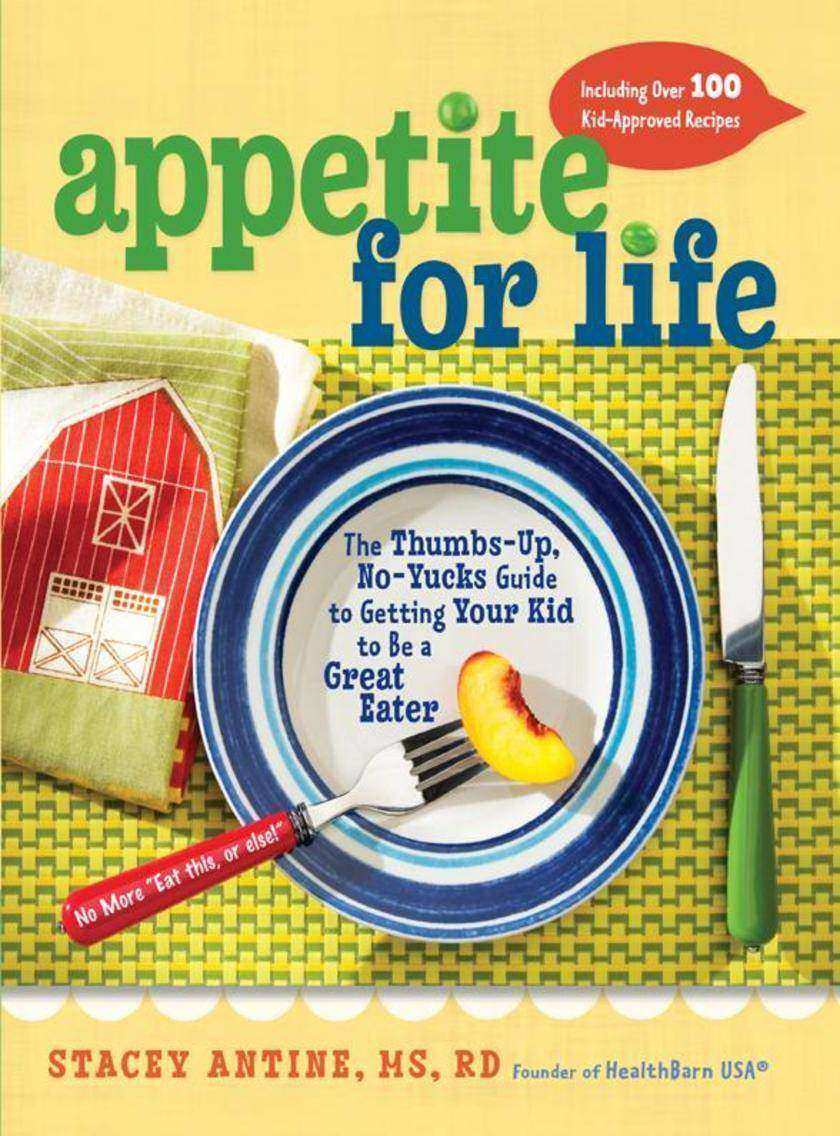
Appetite for Life
¥101.00
From fluorescent yogurt to 100-calorie snack packs, most "kid friendly" food has little nutritional benefit. We've convinced ourselves that in order to get kids to eat it, food needs to be packaged into something fake, colored, and far from its natural source. No wonder kids protest when we ask them to eat their vegetables. They don't come in a box!Enter Stacey Antine, founder of HealthBarn USA, an organization at the front lines of introducing kids and their families to healthy eating habits and real food. While some parents "sneak" nutritious foods into meals, Antine knows from experience that the key to raising adventurous, wise eaters is to connect kids to the food they eat. Kids are more likely to try new foods and make healthy choices if they understand where ingredients come from, know why certain foods are good for their bodies and minds, and have an active role in preparation, from gathering ingredients to cooking.In Appetite for Life, mealtime is no longer a battleground, but an opportunity for fun and experimentation. In fact, Antine encourages giving children a voice: with her "no yucks allowed" method, kids use a thumbs-up/thumbs-down rating system for each new food they try, but they always have to try at least one bite.Featuring food the whole family will love (no more separate kids menu!), this book includes: nutritious, easy-to-make recipes for all three meals plus snack time, which have been tested and approved by the thousands of kids who attend HealthBarn; family activities like Stacey's Supermarket Spy Kids game; and great-tasting, home-made alternatives to your go-to store-bought foods, with side-by-side nutritional analysis to highlight the benefits of learning to eat the HealthBarn way. Appetite for Life is the key ingredient to a healthier, happier dinner table.
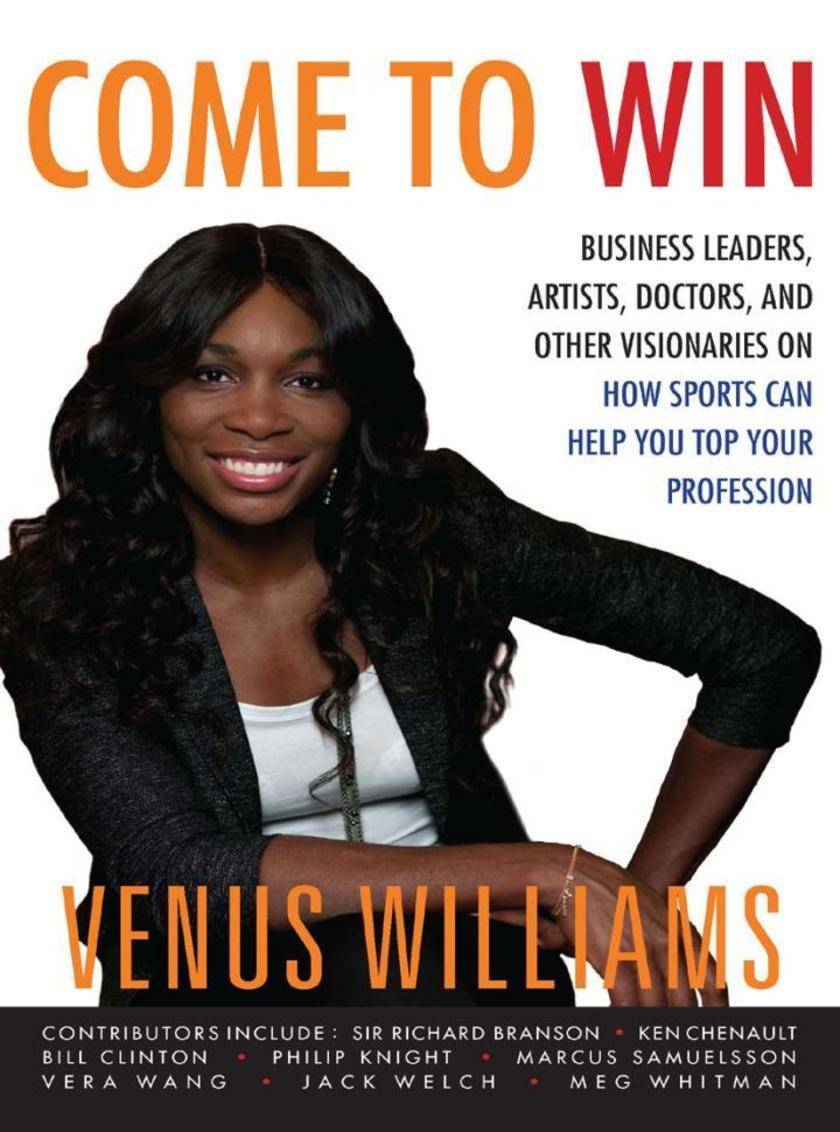
Come to Win
¥83.03
With Come to Win, Venus Williams, the multiple Grand Slam tennis champion and entrepreneur, along with an esteemed group of business leaders, politicians, and acclaimed artists, serves up a book of wisdom that shows how to turn a competitive spirit and athletic background into success off the playing field.Combining talent, drive, and hard work, Venus Williams has mastered the game of tennis. How will that drive serve her off the court in her post-tennis careerFor inspiration, Venus turned to nearly fifty business leaders, politicians, doctors, and artists, all of whom previously played competitive sports and who are now at the top of their professions, and asked them the essential questions: What principles that inspired you toward success as an athlete are helpful in lifeIn businessHere an A-list group of visionaries, including eBay's former CEO Meg Whitman, Nike's co-founder Philip Knight, stateswoman Condoleezza Rice, entrepreneur and former NBA player Earvin "Magic" Johnson, and designer Vera Wang, respond with a useful array of tips woven through anecdotes from their athletic past that have been instrumental in their post sports life success. Whether it's visualizing a course of action before it happens, turning losses into learning tools, figuring out who best plays what position in a team environment, or remembering that there is no substitute for preparation, the advice in Come to Win is knowledge every manager and aspiring professional will want to read. It's also an indispensable tool for parents and coaches looking to build confidence and discipline in their children.Venus also reflects on what she has learned from her own coaches, including her father and mother, and how their wisdom contributes to her own remarkable achievements, from her history-making tennis career to the launch of her own businesses V-Starr Interiors, an interior design firm, and EleVen, an athletic clothing line.
Changing for Good
¥83.92
How many times have you thought about starting a diet or quitting smoking without doing anything about itOr lapsed back into bad habits after hitting a rough spot on the road to recoveryTo uncover the secret to successful personal change, three acclaimed psychologists studied more than 1,000 people who were able to positively and permanently alter their lives without psychotherapy. They discovered that change does not depend on luck or willpower. It is a process that can be successfully managed by anyone who understands how it works. Once you determine which stage of change you're in, you can: create a climate where positive change can occur maintain motivation turn setbacks into progress make your new benefifificial habits a permanent part of your life This groundbreaking book offers simple self-assessments, informative case histories, and concrete examples to help clarify each stage and process. Whether your goal is to start saving money, to stop drinking, or to end other self-defeating or addictive behaviors, this revolutionary program will help you implement positive personal change . . . for life.The National Cancer Institute Found this program more than twice as effective as standard programs in helping smokers quit for 18 months.

Sleeping Through the Night
¥99.65
Right after "Is it a boy or a girl?" and "What's his/her name?," the next question people invariably ask new parents is "Are you getting any sleep?" Unfortunately, the answer is usually "Not much." In fact, studies show that approximately 25% of young children experience some type of sleep problem and, as any bleary-eyed parent will attest, it is one of the most difficult challenges of parenting.Drawing on her ten years of experience in the assessment and treatment of common sleep problems in children, Dr. Jodi A. Mindell now provides tips and techniques, the answers to commonly asked questions, and case studies and quotes from parents who have successfully solved their children's sleep problems.Unlike other books on the subject, Dr. Mindell also offers practical tips on bedtime, rather than middle-of-the-night-sleep training, and shows how all members of the family can cope with the stresses associated with teaching a child to sleep.
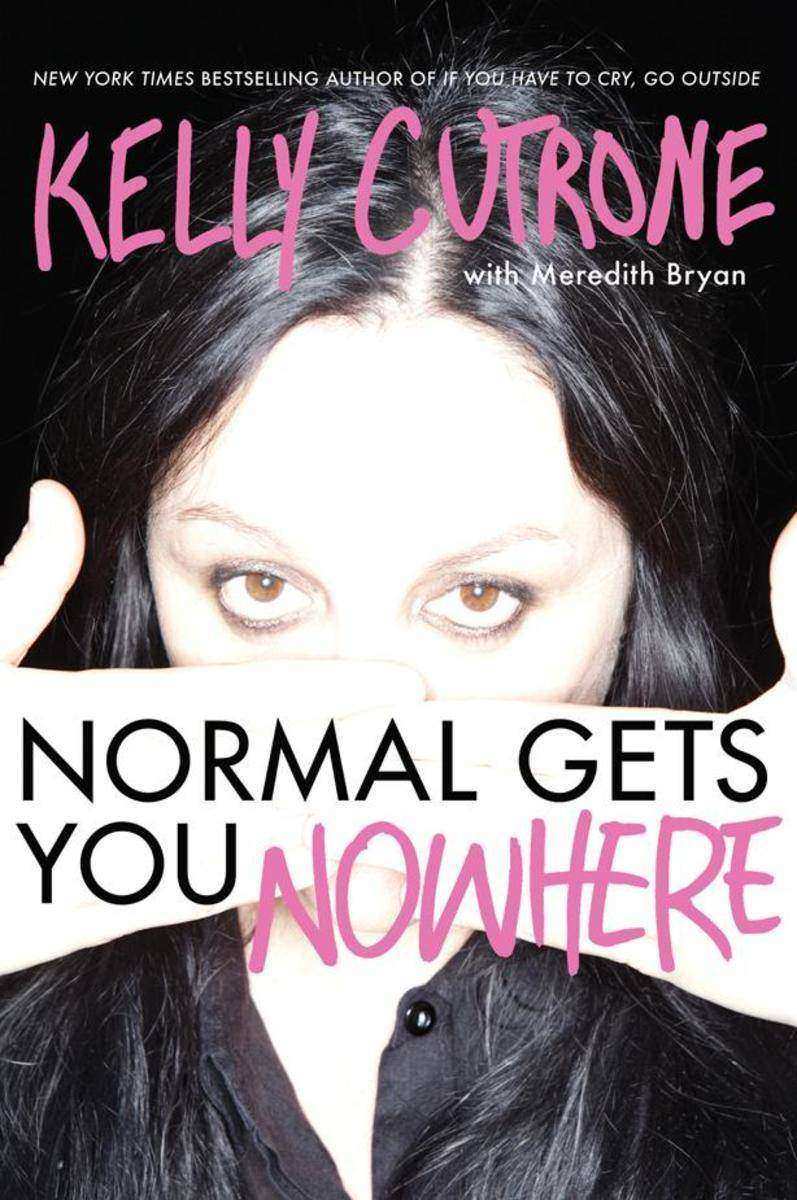
Normal Gets You Nowhere
¥84.16
nor-mal: according with, constituting,or not deviating from a norm, ruleor principle / conforming to a type,standard, or regular pattern / of,relating to, or characterized byaverage intelligence or developmentNormalWho wants to be thatWhen Kelly Cutrone's first book, If You Haveto Cry, Go Outside, was first published, youngpeople flocked to this new voice finally,someone was telling it like it is, in languagethey spoke. It quickly became a New YorkTimes bestseller, and fashion publicist KellyCutrone became more than a personality,she became a beloved guru, mentor, andfairy godmother.Now she's back with another no-holds-barredbook to awaken our souls and kick our assesinto gear. With Normal Gets You Nowhere,she invites us to get our freak on. History isfull of successful, world-changing people whodid not fit in. Think Nelson Mandela, Joanof Arc, Eleanor Roosevelt, Amelia Earhart,John Lennon, and Rosa Parks. Instead ofchanging themselves to accommodate thestatus quo or what others thought they shouldbe, these people hung a light on their differences and changed humanity in the process. I know you don't feel normal, so why areyou trying to act it and prove to everyone you areCutrone says. So much of what we sayor don't say, and what we do or don't do, isdictated by what others have told us, or whatpeople may think of us. This is not how weshould be living, by measuring ourselvesagainst the mundane.An invitation to rethink who you are, what youvalue, and what you want from life, NormalGets You Nowhere goes beyond how to reinventyourself and create your own brand, andinvestigates what it means to live in this worldas a tuned-in, caring individual with a passionfor making a difference. There's already anarmy of super talented uberfreaks changingthe world isn't it time you joined them?
The Right Questions
¥83.03
New York Times number one bestselling author Debbie Ford presents revolutionary questions that, when answered with complete honesty, change the way we see ourselves and make decisions ultimately moving us toward the life we desire. The realities of the life we live today are a result of the choices we made yesterday, three months ago and three years ago. But we don't wind up $50,000 dollars in debt because of one extravagant purchase. Nor do we put on 30 unwanted pounds as a result of a couple of decadent meals. And our relationships certainly don't fall apart overnight because of one decision. We are where we are because of repeated unconscious choices made day after day. If we want to understand why and how we created our present day reality, all we need to do is look at the choices we made in the past. Ford cuts right through our denial with the 10 questions that immediately reveal the true motivations behind our thoughts and actions. But more than that, by rigorously and honestly asking and answering these 10 vital questions, we regain control and have the power necessary to create the life we always wanted.
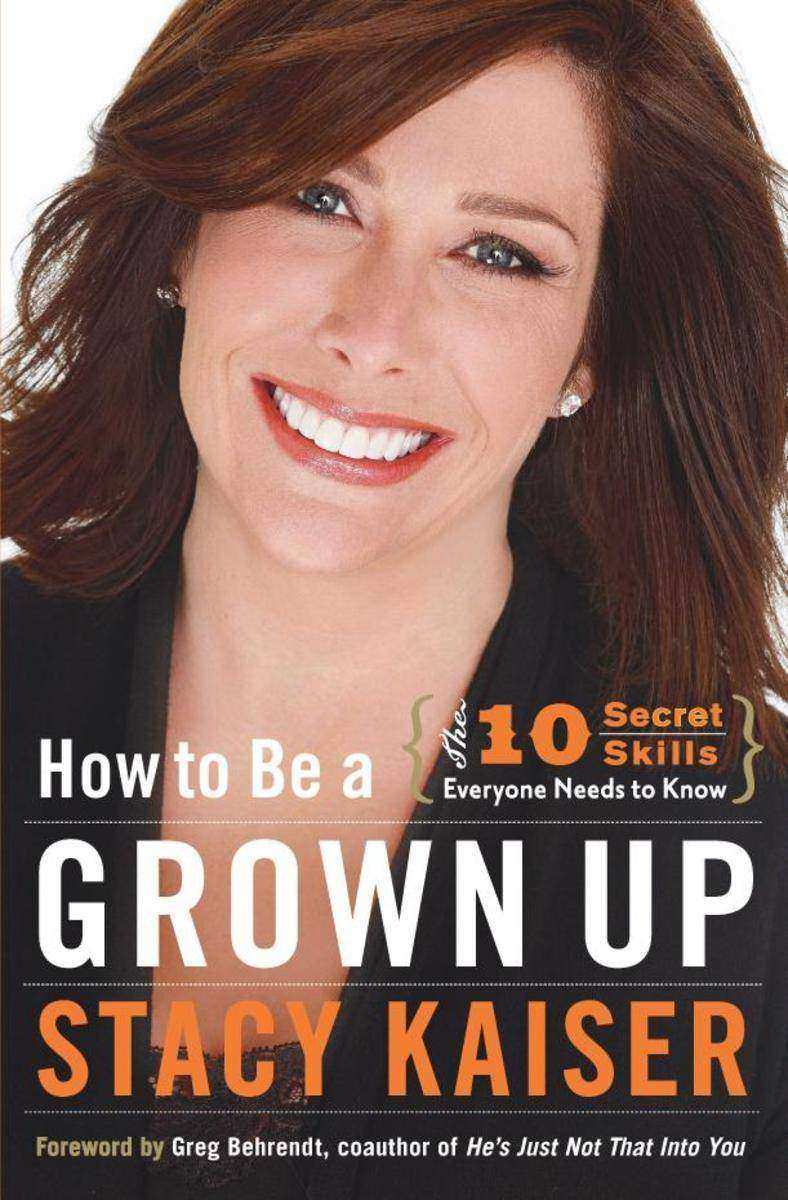
How to Be a Grown Up
¥88.56
Are you pleased with the progress you've made so far in achieving your hopes and dreamsAre you excited about what's coming next in your lifeOr do you need a complete overhaul?In How to Be a Grown Up, renowned psychotherapist Stacy Kaiser demonstrates the life-changing benefits of embracing the concept of the "fully loaded grown up." After counseling thousands of patients, she has identified ten critical areas that determine success, happiness, and fulfillment from conscientious money management to developing strong coping skills to building the right kind of friendships and intimate partnerships.How to Be a Grown Up begins with "The Quiz," the first step to empowering you by helping you become an expert on your own life, exploring what you really want and need in every area of life. In chapters packed full of tips, tools, and exercises, Stacy takes you on a journey of self-discovery in which you evaluate your individual strengths and weaknesses as well as identify self-sabotaging traits and learn how to change them once and for all. Had trouble keeping your cool the last time you talked to your momRead up on the secrets of dynamic communicators. Reevaluating your circle of friendsDiscover the six types of grown-up friendships and appreciate your relationships for what they are. Stuck on a frustrating rung of the corporate ladderLearn the traits that every employer loves and how to master them yourself.Fully loaded grown ups are fully empowered and in charge of their own lives. They are able to initiate change instead of just reacting to events, bounce back from setbacks and disappointments, and enjoy more satisfying relationships with everyone, including themselves. Most important, fully loaded grown ups enjoy true freedom not the kind envisioned as a child, meaning eating ice cream for dinner, but absolute confidence in their ability to live their own best life.With her trademark mix of warmth and toughness, Stacy motivates readers to rally their strengths, let go of childish, outgrown attachments, and arrive at a peaceful balance between freedom and responsibility. Whether you feel you've lost control of your life or you just need a tune-up in an area or two, How to Be a Grown Up is a wise and witty life guide for the twenty-first century.
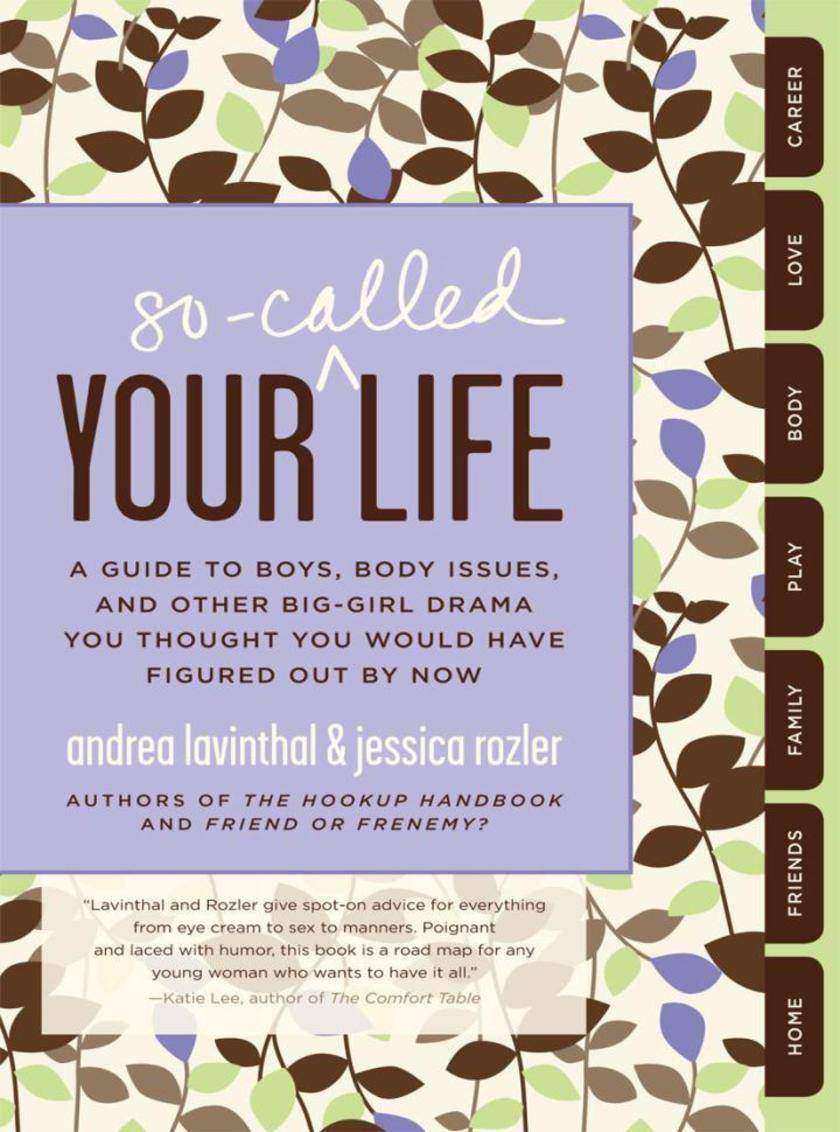
Your So-Called Life
¥84.16
Now that you're approaching 30 or just getting over the trauma of the big 3-0 reality has set in. You're about to be an adult, minus the air quotes. But you don't have to do it alone.Andrea Lavinthal and Jessica Rozler will help you enter true adulthood looking and feeling good in the only way they know how: with tons of wit and wisdom. Featuring interviews with nearly thirty experts including doctors, career counselors, and financial planners this handy, helpful book guides women through their second bout of growing pains and offers advice on: how to manage a difficult boss. how to deal with your ticking biological clock (if such a thing even exists). how to throw the perfect party in your tiny new apartment without breaking the bank. how to enjoy a Friday night as a seventh wheel with your married friends and their husbands. Your So-Called Life is the bible for all post-quarter-life crisis women who need guidance transitioning into the real world with smarts and savvy.

Snobs
¥61.70
In this classic work by the renowned wit and pundit whom the New York Times has lauded as "one of America's foremost arbiters of taste and mores . . . an acclaimed expert on what was highbrow, what was lowbrow, and what was no brow at all," the inimitable Russell Lynes flaunts (rather snobbishly, perhaps) his unparalleled expertise on all things snobbish. Since the Social Snob with his raised nostrils and air of intolerable intolerance has long since gone underground, it falls to a true connoisseur to identify the myriad faces of snobbery. Whether it be the Regional, Political, or Moral Snob, the Sensual or Sex Snob, or that most virulent of genus, the Reverse or Anti-Snob Snob, Lynes shines an illuminating light that will enable us to more easily recognize the pervasive pretentiousness surrounding us . . . and perhaps within us as well.

Date Like A Man
¥72.93
Do you get depressed every time a date turns out to be a dud?Are you devastated when you don't get "the call" from a guy you likeDo you constantly check your dates out for marriage potentialChances are you're taking dating way too seriously. According to Myreah Moore -- "America's Dating Coach" -- women need to start dating to have fun, which is what men have been doing for ages! In fact, Moore says, dating is a lot like a science. And with any scientific experiment, it's trial and error. In Date Like a Man, she steals dating secrets from men (the masters of dating) and transforms them into a personal training program that will boost your dating prospects -- and increase your chances of finding a soul mate.Clear, candid, and empowering, Date Like a Man makes the manhunt fun -- the way it should be. Even if you think you're a dating expert, you'll devour this manual -- the new bible for surviving and thriving in today's world.

A Book of Psalms
¥71.94
Psalm 93God acts within every momentand creates the world with each breath.He speaks from the center of the universe,in the silence beyond all though.Mighter than the crash of a thunderstorm,mighter than the roar of the sea,is God's voice silently speakingin the depths of the listening heart.
The Sistah's Rules
¥73.71
The RulesPuhleeze! Any real black woman can tell you that when it comes to African-American men, The Rules is about as good as Monopoly money in Macy's. Waiting three days to return a brother's phone call will get a black woman nothing more than a warm spot on the couch by herself with an empty bag of corn chips and the remote.A sister needs her own special set of rules for finding a brother even when it seems that there just aren't that many good ones to go around. Millner says they are out there but sistahs need to drop their materialistic, brother-in-the white-Benz fantasies and pick up the right vibes for finding a genuine brother who's worth keeping around. The Sistahs' Rules gives black women commonsense guidelines for landing in a healthy relationship with a makes-your-toes-curl brother, including: Get to know his mama, get to know him Use what you got to get what you want Girlfriends are everything, but they don't know it all With warm stories and practical advice from black mamas and papas who've been there and done that, and sistahs and brothers in the mix, The Sistahs' Rules is a sassy, hip, step-by-step guide to finding Brother Mr. Rightand having fun in the process.
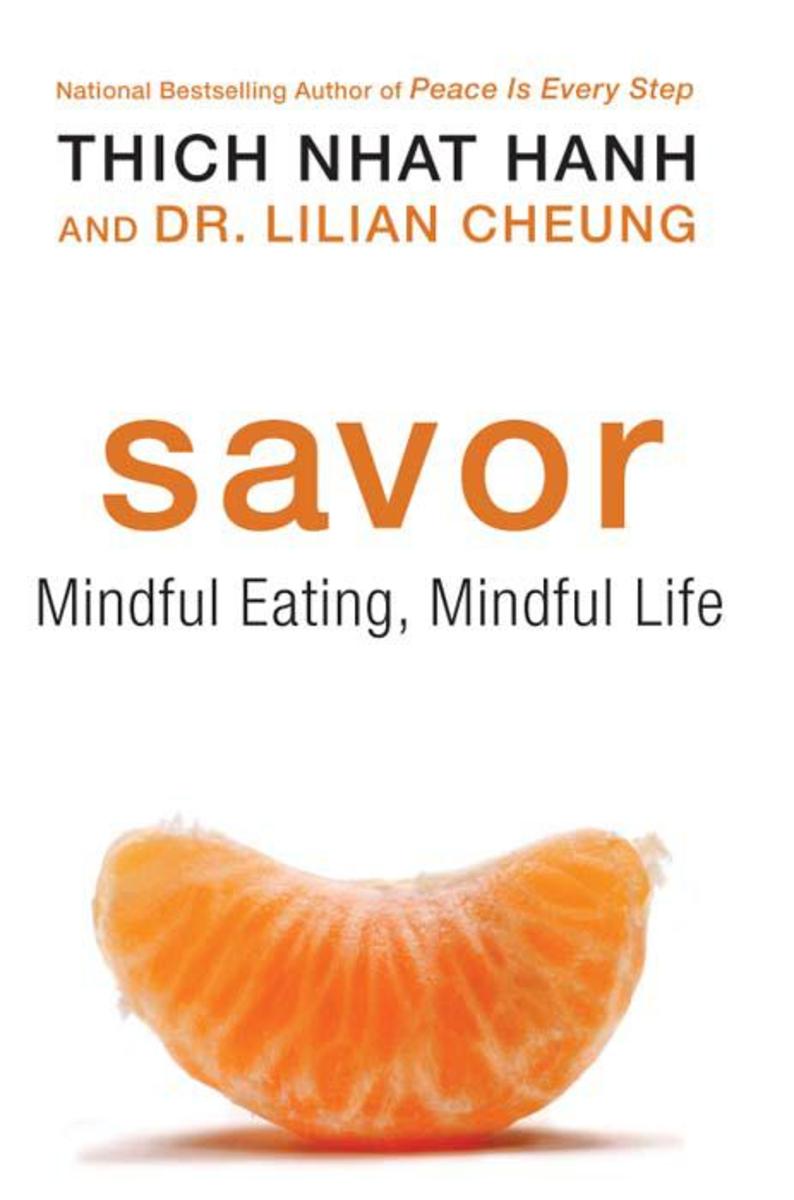
Savor
¥95.39
Common sense tells us that to lose weight, we must eat less and exercise more. But somehow we get stalled. We start on a weight-loss program with good intentions but cannot stay on track. Neither the countless fad diets, nor the annual spending of $50 billion on weight loss helps us feel better or lose weight.Too many of us are in a cycle of shame and guilt. We spend countless hours worrying about what we ate or if we exercised enough, blaming ourselves for actions that we can't undo. We are stuck in the past and unable to live in the present that moment in which we do have the power to make changes in our lives. With Savor, world-renowned Zen master Thich Nhat Hanh and Harvard nutritionist Dr. Lilian Cheung show us how to end our struggles with weight once and for all. Offering practical tools, including personalized goal setting, a detailed nutrition guide, and a mindful living plan, the authors help us to uncover the roots of our habits and then guide us as we transform our actions. Savor teaches us how to easily adopt the practice of mindfulness and integrate it into eating, exercise, and all facets of our daily life, so that being conscious and present becomes a core part of our being. It is the awareness of the present moment, the realization of why we do what we do, that enables us to stop feeling bad and start changing our behavior. Savor not only helps us achieve the healthy weight and well-being we seek, but it also brings to the surface the rich abundance of life available to us in every moment.
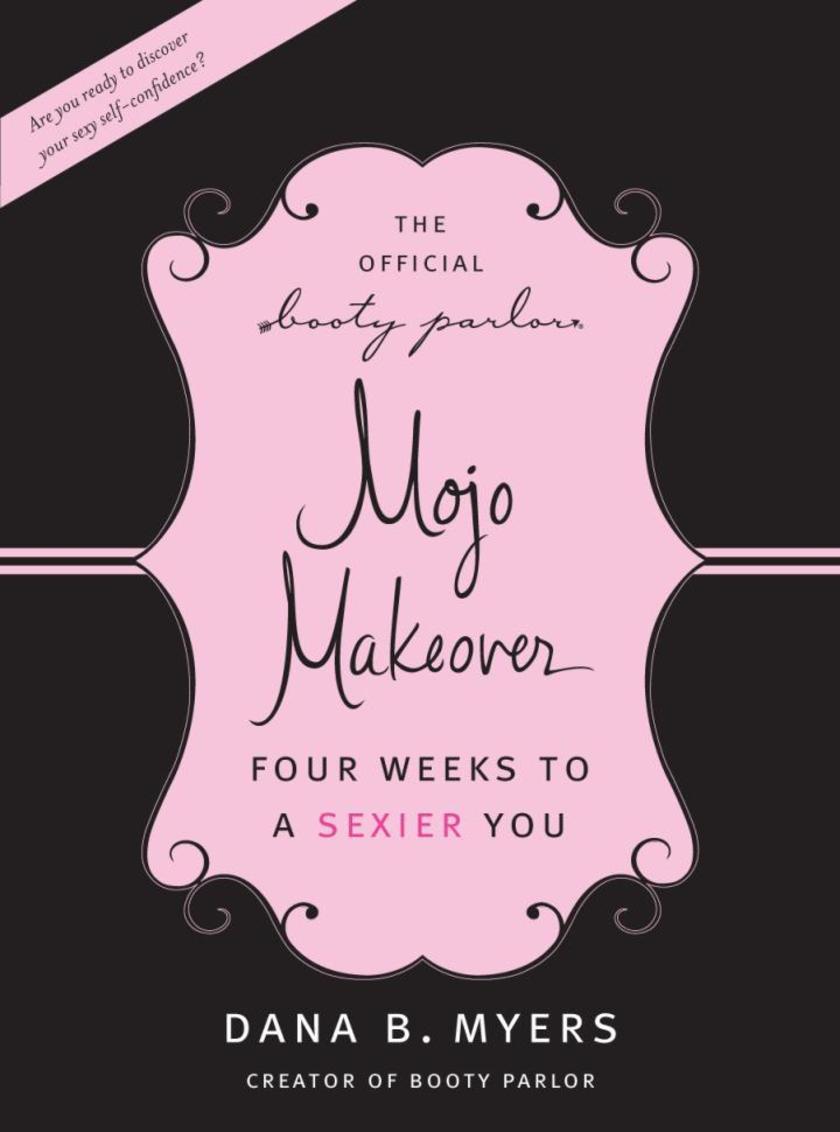
The Official Booty Parlor Mojo Makeover
¥88.56
Confidence is the sexiest thing a woman can have, both inside and outside the bedroom. In just thirty days, The Official Booty Parlor Mojo Makeover will help women of any age become more confident, more enthusiastic, and more satisfied. Filled with inspiring and practical advice, how-to tips and tricks, interactive exercises, and real-life anecdotes, this fun four-week program is sure to leave women feeling happier, sexier, and more fulfilled whether they're in a relationship or not.

Evolutionaries
¥90.51
When it comes to evolution, we've all heard about fossils and fruit flies, Darwin and Dawkins. But the idea of evolution is far more profound and far-reaching. Today, a movement of visionary scientists, philosophers, and spiritual thinkers is forging a new understanding of evolution that honors science, reframes culture, and radically updates spirituality. Carter Phipps calls them Evolutionaries. His groundbreaking book provides the first popular guide to these exciting minds who are illuminating the secrets of our past and expanding the vistas of our future.
Your Struggling Child
¥90.77
Here is a practical, compassionate book parents can turn to when they first recognize that their child has a "problem" but aren't sure what it is or where to seek help. At this very moment, millions of children across the U.S. are falling behind in school, acting out impulsively at home, having problems making friends, suffering dramatic mood swings, and more. Their parents are frustrated and afraid, aware that something's wrong, but not sure where to turn for help or how to cope with their child's behavior. "Is it a learning disorder, ADHD, anxiety disorder, or some combination?" they wonder. "Are these moods and behaviors normal or abnormalWill my child outgrow them?" This book by a noted neuropsychologist explains the different and overlapping symptoms of learning, mood, and behavior disorders and guides parents in getting the right diagnosis and treatment. Dr. Newby demystifies the process and empowers parents. Step by step, he explains: How to observe and chart your child's behavior a critical diagnostic tool What to expect during the evaluation and treatment process How to partner with medical and school professionals to assist your child and what to do when conflicts arise Clear and comprehensive, this supportive guide will be every parent's first line of defense in helping a troubled child.
Mothers Who Can't Love
¥90.77
Bestselling author Susan Forward looks at the devastating impact unloving mothers have on their daughters and provides effective techniques for overcoming that painful legacy. Over the course of thirty-five years as a therapist, Susan Forward has worked with a large number of women struggling to escape the emotional damage inflicted by the women who raised them. Subjected to years of criticism, competition, role reversal, smothering control, emotional neglect, and other forms of abuse, women raised by mothers who can't love are plagued by anxiety, depression, relationship problems, lack of confidence, and difficulties with trust.But as Forward explains in Mothers Who Can't Love, it is possible to heal the mother wound and find help and validation. The many different kinds of unloving mothers the narcissistic mother, the competitive mother, the overly enmeshed mother, the control freak, mothers who need mothering, and mothers who abuse or fail to protect their daughters from abuse are all described in these pages. They each bring unique issues to the mother-daughter dynamic and need to be understood in order for healing to begin.Filled with compelling case histories, Mothers Who Can't Love outlines the self-help techniques Forward has developed to transform the lives of her clients, showing women how to overcome the pain of their childhoods and act in their own best interests. Riveting and compassionate, this landmark book will give daughters the emotional support and tools they need to reclaim their confidence and self-respect so that the emotional destructiveness they grew up with does not constitute a legacy for future generations.


