


 购物车
购物车 个人中心
个人中心

Farming and Birds (Collins New Naturalist Library, Book 135)
¥220.14
Ian Newton is an ornithologist and applied scientist, and a leading expert on bird ecology and biogeography, specialising in finches, waterfowl and birds of prey, especially the sparrowhawk. He graduated from Bristol University and gained his doctorate at Oxford. He joined the NERC in 1967, initially studying population ecology of geese and finches, followed by the impact of pesticides on birds of prey. He has written three previous New Naturalist volumes, Finches (1972), Bird Migration (2010) and Bird Populations (2013).
The New Forest (Collins New Naturalist Library, Book 73)
¥476.96
I recall the New Forest in childhood and explored it in the 1950s. It has been my home and I have been involved in its affairs since 1960 when almost by accident I found myself working in the Nature Conservancy (since 1974 the NCC). The Forest has not been my only professional concern or research interest since then, but it has been of constant and absorbing interest. The absorption grows with time – partly because over long time spans, it becomes possible to measure and witness changes which illuminate the relationships between soils, vegetation, animals and management in ways which no short-term study can achieve; and partly because time increases rather than diminishes the degree of spiritual renewal and intellectual wonder to be derived from the familiar woods and heaths.

Care for your Pony (The Official RSPCA Pet Guide)
¥25.21
Owning and caring for a pony can be one of the most rewarding experiences in life. It teaches self-discipline and self-reliance and helps to develop a sense of responsibility in young people. In return for good care, a pony will provide years of pleasure and a wonderful way to get and stay fit.But ponies can be extremely demanding animals in terms of time, land and money. There may seem nothing to match the fervour of a child’s longing for his or her own pony, but if parents do not give the matter careful thought, or if they make a hasty purchase, then they may find out too late that they have created an impossible situation.A pony must have daily attention at regular times not just when its owner finds it convenient. It must have a safe, well-fenced field or paddock, and field shelter if it is to live out all year. The field must be well-drained and preferably large enough to divide into two or three sections to allow for controlled grazing. If the pony is to be stabled during the winter, a loose box of adequate size must be provided, with plenty of bedding, changed daily. The cost of winter feed is another factor to be considered before taking on ownership of a pony, for even hardy ponies which live out all year need supplementary food from late autumn to early summer. There will also be regular blacksmith’s and vet’s bills to be taken into account.

Fighter: The True Story of the Battle of Britain
¥66.22
Summer, 1940: western Europe has been conquered, and all that stands between Hitler and the invasion of England is the matter of air supremacy. And the RAF… Hitler’s top-secret Directive No. 16, July 1940: ‘The English air force must be beaten down to such an extent, that it can no longer muster any power of attack worth mentioning against the German advance.’ ‘Fighter’ is Len Deighton’s thrilling history of the ensuing Battle of Britain – the aerial combat between the RAF and the Luftwaffe that was fought over the summer of 1940. Ex-RAF pilot Deighton has written a balanced study of strategies and tactics that also expertly recounts the development of the aeroplanes that fought each other in the skies – the Spitfires and Messerschmitts – and of radar. Behind the strategies and tactics, and in the cockpits of the aeroplanes, are the men brought vividly to life by Deighton’s skill as a novelist.

Pirates (Collins Gem)
¥38.36
An entertaining and authoritative introduction to the world of piracy – history comes to life through a compelling factual narrative and enlightening illustrations.
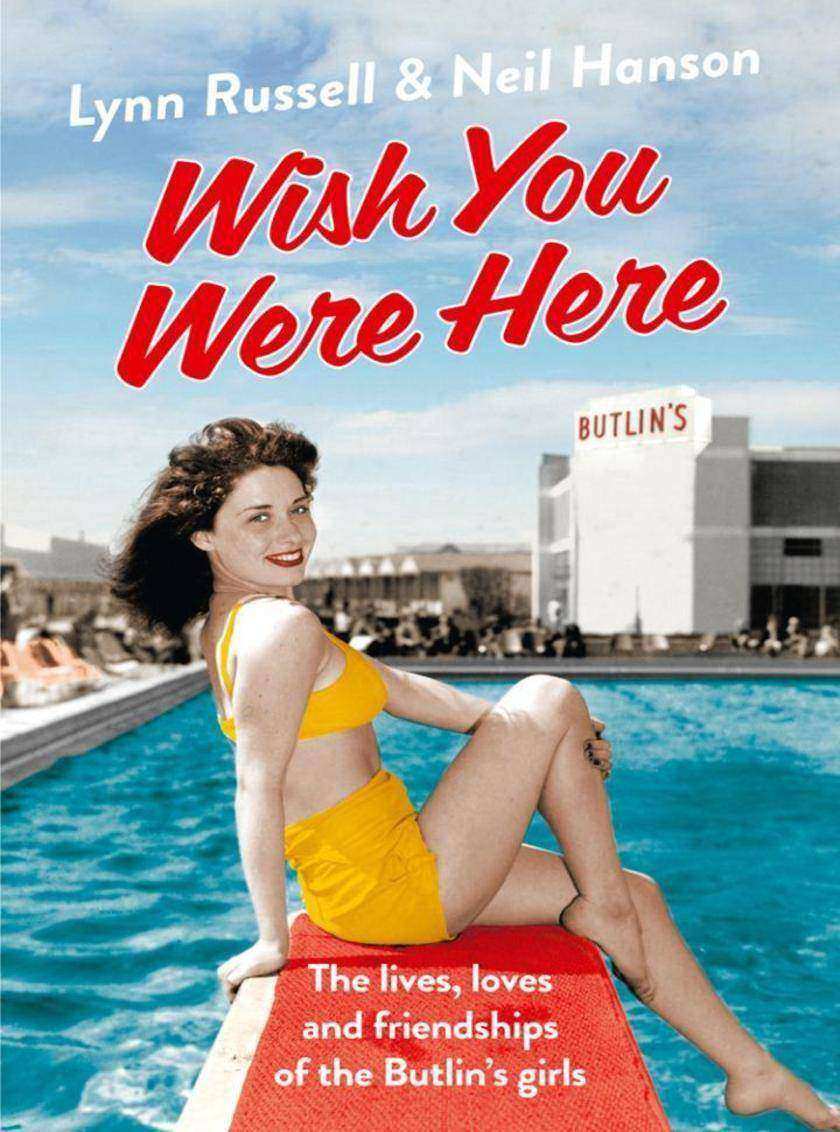
Wish You Were Here!
¥58.86
Touching true stories from the heyday of the Butlin’s holiday camps. ‘When I got to the camp I felt as if I’d suddenly walked into Utopia – it was so colourful, so warm, so friendly. There were lights across the roads, there were banners fluttering in the breeze… There seemed to be laughter coming from every building.’ With grey post-WWII skies hanging low over Britain, factories lining the streets and smoke stacks dotting the horizon, there was one way that ordinary families could escape: the ever-cheerful holiday camps of Butlin’s. When Billy Butlin founded his holiday camps in 1936, they were bastions of community spirit and havens of luxury. Here, for one week, wives and mothers were freed from the toil and drudgery of housework, children ran free through the grounds, fathers and husbands hung up their work clothes. Ever-helpful redcoats were on hand all hours of the day, dinner halls ready with plentiful food for old and young alike, bars stocked to quench any level of thirst, ballrooms waiting to be flooded with shiny shoes, rustling dresses and peals of laughter. And, as the sun went down on another exhausting, happy day, a chorus line was ready to sing holidaymakers back to their beds. Rich in period detail and highly evocative, Wish You Were Here! tells the story of seven women who worked as redcoats in Butlin’s Golden Age. It’s all here: Knobbly Knees and Glamourous Grannies, the laughter and tears, hardships and heartbreaks, loves and losses of their lives in and out of the holiday camps, and above all the lifelong friendships they formed with each other and those who also worked or holidayed there. Funny, moving and heartwarming, these are the timeless tales of a community spirit that burned brightly in a much-loved British institution.

The Moral State We’re In
¥72.30
A study of the moral state of the nation – the acid test of this being how we treat the weakest among us. Rabbi Julia Neuberger assesses the situation in the UK from her own unique viewpoint and draws some challenging and thought-provoking conclusions. Just as Will Hutton looked at the political landscape at a turning point in Britain, Rabbi Julia will take the moral temperature of the nation by looking at the ways in which we treat the weakest amongst us. The National Health Service, government pensions and asylum seekers all make daily headlines, and here is a writer with the moral authority and mastery of the necessary information to undertake this timely project. The way we treat the weak and vulnerable members of society has long been an established way to judge how civilised a society is. In this book, Julia looks at the extent to which the elderly are thought a burden, the way we care for the mentally ill, attitudes to asylum seekers and support for ex-offenders, as well as the care of children and the future of society in the UK. Her straight-forward approach to what has elsewhere proven highly esoteric, is here written with ease and fluidity and with a style that is highly approachable for those interested in the state of their nation with purely social, rather than academic, motivations. With her uncomplicated but extremely intelligent and candid take on the issues that make daily headlines, and with Julia’s high media profile, this book is guaranteed to tap into the state of our nation. Includes exciting new sections, reviewing the past year’s events, reception to her book and what – if anything – has changed in the way she sees our nation’s moral predicament.

The Irish Are Coming
¥80.25
In the sequel to his bestselling JFK in Ireland, the Emerald Isle’s favourite son delves into his country’s past to celebrate the Irish people who through their skills and endeavours helped make the British Isles great. In ‘The Irish Are Coming’ Ryan Tubridy takes a journey into Ireland’s past to unearth the many amazing, and altogether fascinating, contributions the Irish have made to everyday British life; whether it be making us laugh (Graham Norton), thrilling us with their acting (Peter O’Toole), or dazzling us with their audacious adventuring (Earnest Shackleton). Just as Stuart Maconie has celebrated in his own unique way all that is great about his North of England roots, so Ryan Tubridy makes a passionate case for the magnificent contribution Ireland has made to its nearest neighbour.
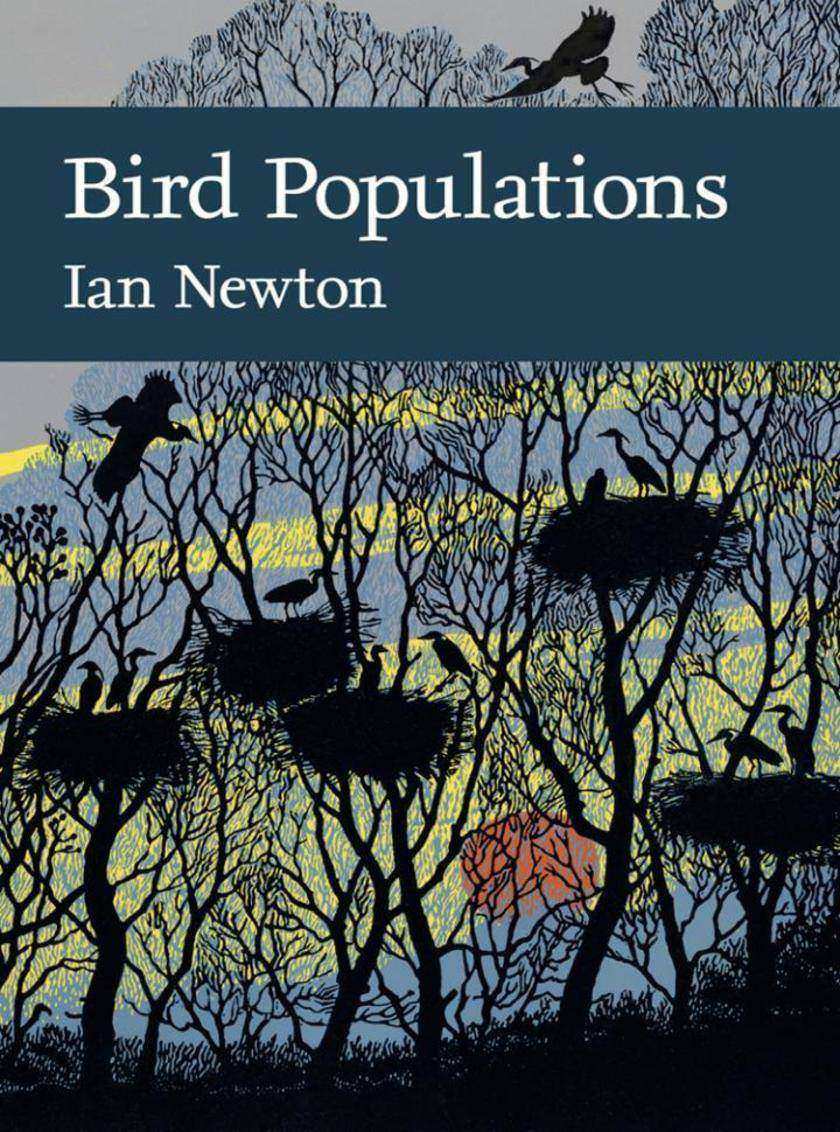
Bird Populations (Collins New Naturalist Library, Book 124)
¥229.16
Earlier naturalists formed the impression that bird numbers remained more or less stable through time. In the years since these words were written, however, changes have occurred in the landscapes of the British Isles and in the seas around our coasts, causing bird populations to fluctuate in an unprecedented way. In Ian Newton’s latest New Naturalist volume, he explores bird populations and why their numbers vary in the way they do, from year to year or from place to place. He addresses the various factors that we know limit bird numbers – food supplies and other resources, competitors, predators, parasites and pathogens, and various human impacts. The combination of a rapidly expanding human population, a predominantly utilitarian attitude to land, central government policy on land use, and increasing mechanisation have combined to promote more massive changes in land use – and hence in bird habitats – in recent decades than at any comparable period previously. These developments have in turn brought huge changes in bird populations, as some species dependent on the old landscapes declined, and others benefiting from the changes increased. Over the same period, changing public attitudes to wildlife, protective legislation and a growing network of nature reserves allowed previously scarce bird species to recover from past onslaughts, while climate warming has promoted further changes. In this seminal new work, Ian Newton sets out to explain why different bird species are distributed in the numbers that they are, and have changed over the years in the way that they have. He emphasises the factors that influence bird numbers, rather than the numbers themselves, thus providing a much-needed overview which is necessary if we are to successfully manage bird populations, whether for conservation reasons, for sustainable hunting or for crop protection. The continued monitoring of bird numbers can also alert us to impending environmental problems. In addition, the regular watching and study of birds now provides a source of recreation and pleasure for very large numbers of people, who would find a world with fewer birds a poorer place.

Target Tirpitz
¥68.67
A gripping account of the epic hunt for Hitler’s most terrifying battleship – the legendary Tirpitz – and the brave men who risked their lives to attack and destroy this most potent symbol of the Nazi’s fearsome war machine. Tirpitz was the pride of Hitler’s navy. To Churchill, she was ‘the Beast’, a menace to Britain’s supply lines and a threat to the convoys sustaining Stalin’s armies. Tirpitz was said to be unsinkable, impregnable –no other target attracted so much attention. In total 36 major Allied operations were launched against her, including desperately risky missions by human torpedoes and midget submarines and near-suicidal bombing raids. Yet Tirpitz stayed afloat. It was not until November 1944 that she was finally destroyed by RAF Lancaster Bombers flown by 617 Squadron – the Dambusters – in a gruelling mission that tested the very limits of human endurance. The man who led the raid – Willie Tait – was one of the most remarkable figures of the war, flying missions almost continuously right from the start. Until now his deeds have been virtually unknown. With exclusive co-operation from Tait’s family, Patrick Bishop reveals the extraordinary achievement of a man who shunned the spotlight but whose name will be renowned for generations to come. The book is a magnificent, accessibly written wartime adventure, perfect for fans of Ben Macintyre’s ‘Agent Zigzag’ or ‘Operation Mincemeat’.
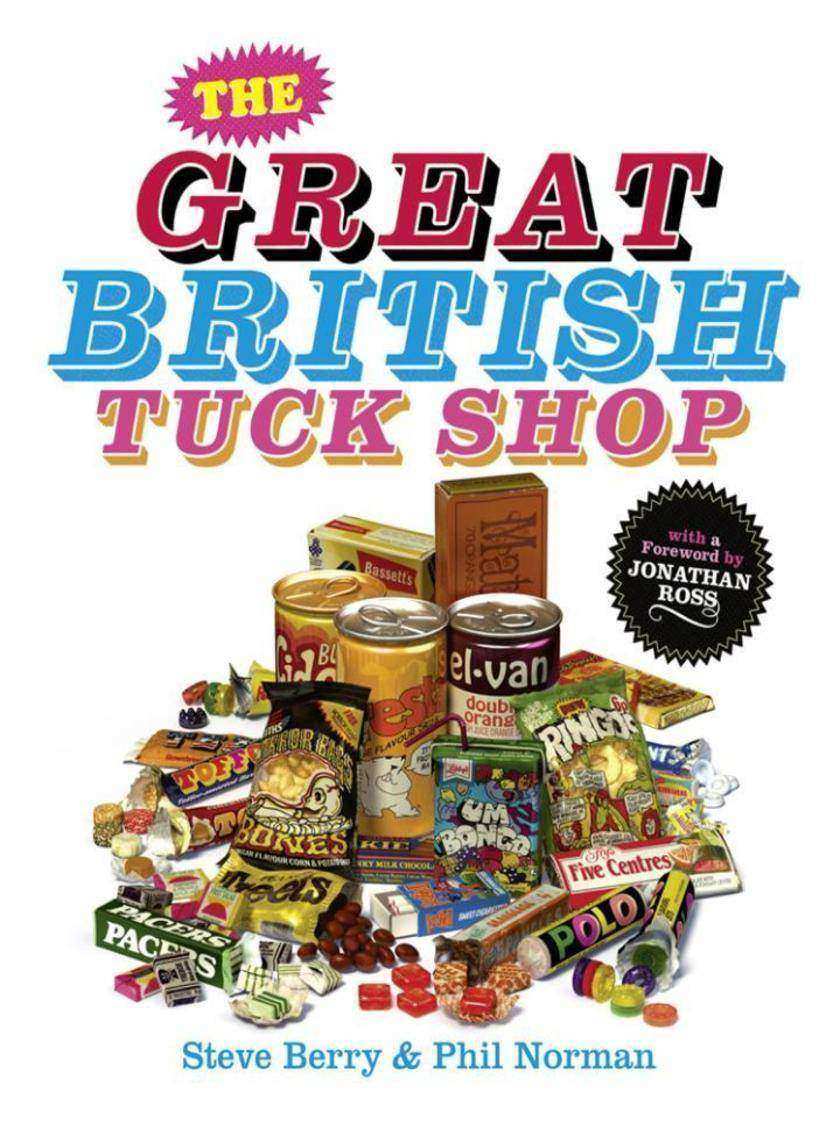
The Great British Tuck Shop
¥91.23
The ultimate book of sweetie nostalgia! AS SEEN ON THIS MORNING A colourful, witty and irreverent encyclopedia of all the sweets and crisps of your youth. From Mojos to Rainbow Drops, Space Raiders to Trios, Corona to Kia Ora and everything in between. Fully illustrated with hundreds of wrappers, ads and specially recreated packshots this book will lead you down memory lane until you reach the corner shop, load up a 10p mix up bag and rot your teeth on the contents. The authors have been given access to the archives, factories and warehouses of some of the leading sweet and snack manufacturers in the country and have delivered a book that is packed full of fascinating historical research… … and lots and lots of sweets. WITH A FOREWORD BY JONATHAN ROSS.

The Holocaust: History in an Hour
¥22.76
Love history? Know your stuff with History in an Hour. The Holocaust, in which 11 million people died, was the largest atrocity of the 20th century and perhaps the hardest to understand. Approximately 6 million Jews and 5 million others including Roma people, Poles, Russian prisoners of war, political prisoners, homosexuals, people of colour, Jehovah's Witnesses, and various other minorities were first persecuted and then murdered. How, both morally and logistically, had this came to happen? From received sentiments of anti-Semitism at the beginning of the 20th century, through the rise of Hitler and the Nazi party, to the Nuremberg Laws of 1935 and finally Second World War, the victimisation of these minorities intensified beyond precedent. With the complicity of a nation hatred became policy. Under the control of sadists, bureaucrats and even ordinary soldiers, irrational acts were then enacted on an industrial scale, and with the use of concentration camps, Western Europe witnessed its most shocking treatment of humanity in modern history. Love history? Know your stuff with History in an Hour…
The Men Who United the States
¥73.58
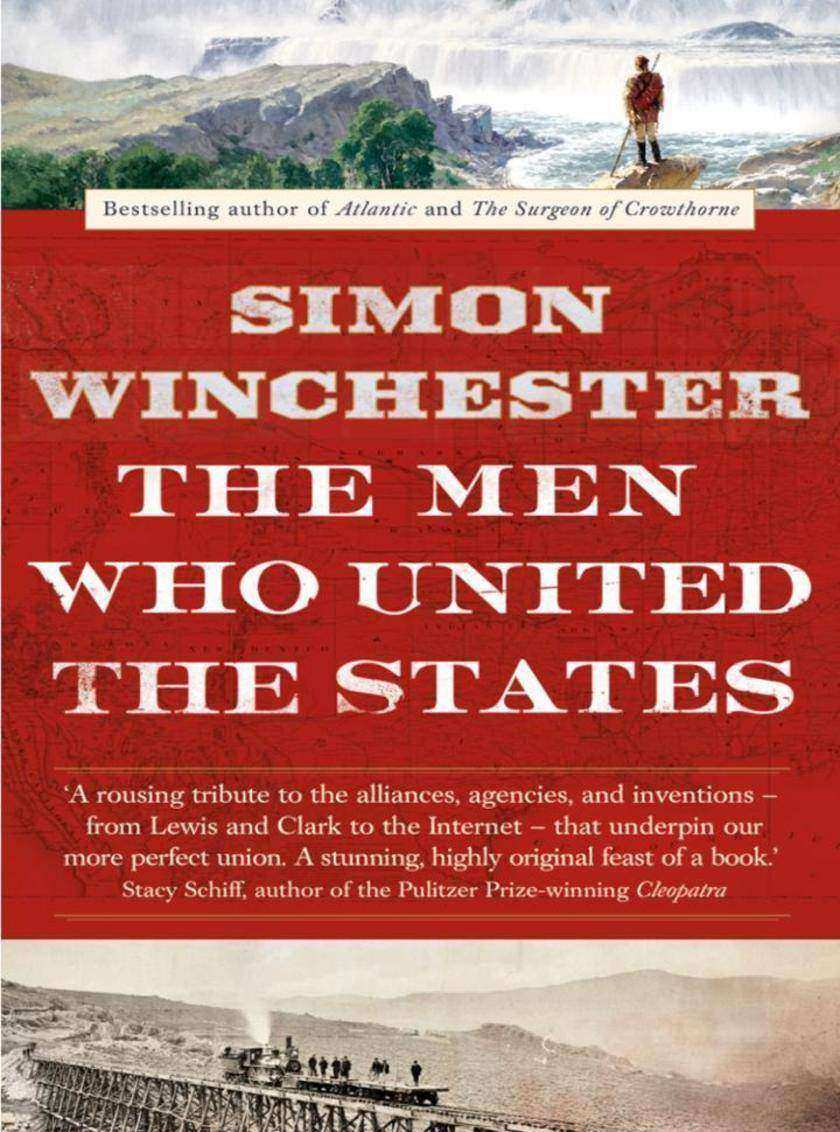
From bestselling author Simon Winchester, the extraordinary story of how America was united into a single nation. For more than two centuries, E pluribus unum – out of many, one – has been featured on America’s official government seals and stamped on its currency. But how did America become ‘one nation, indivisible’? In this monumental history, Simon Winchester addresses this question, introducing the fearless trailblazers whose achievements forged and unified America. Winchester follows in the footsteps of America’s most essential explorers, thinkers, and innovators. He treks vast swaths of territory, introducing these fascinating pioneers – some, such as Washington and Jefferson, Lewis and Clark being familiar, some forgotten, some hardly known – who played a pivotal role in creating today’s United States. Throughout, he ponders whether the historic work of uniting the States has succeeded, and to what degree. ‘The Men Who United the States’ is a fresh, lively, and erudite look at the way in which the most powerful nation on earth came together, from one of our most entertaining, probing, and insightful observers.

The Long Exile
¥72.30
A chilling true story of deception and survival set amidst the Inuit communities of the Canadian Arctic. In 1922 the Irish-American explorer Robert Flaherty made a film called ‘Nanook of the North’ which captured the world's imagination. Soon afterwards, he quit the Arctic for good, leaving behind his bastard son, Joseph, to grow up Eskimo. Thirty years later a young, inexperienced policeman, Ross Gibson, was asked by the Canadian government to draw up a list of Inuit who were to be resettled in the uninhabited polar Arctic and left to fend as best they could. Joseph Flaherty and his family were on that list. They were told they were going to an Arctic Eden of spring flowers and polar bears. But it didn't turn out that way, and this, Joseph Flaherty's story, tells how it did.
Victorians Undone: Tales of the Flesh in the Age of Decorum
¥73.58
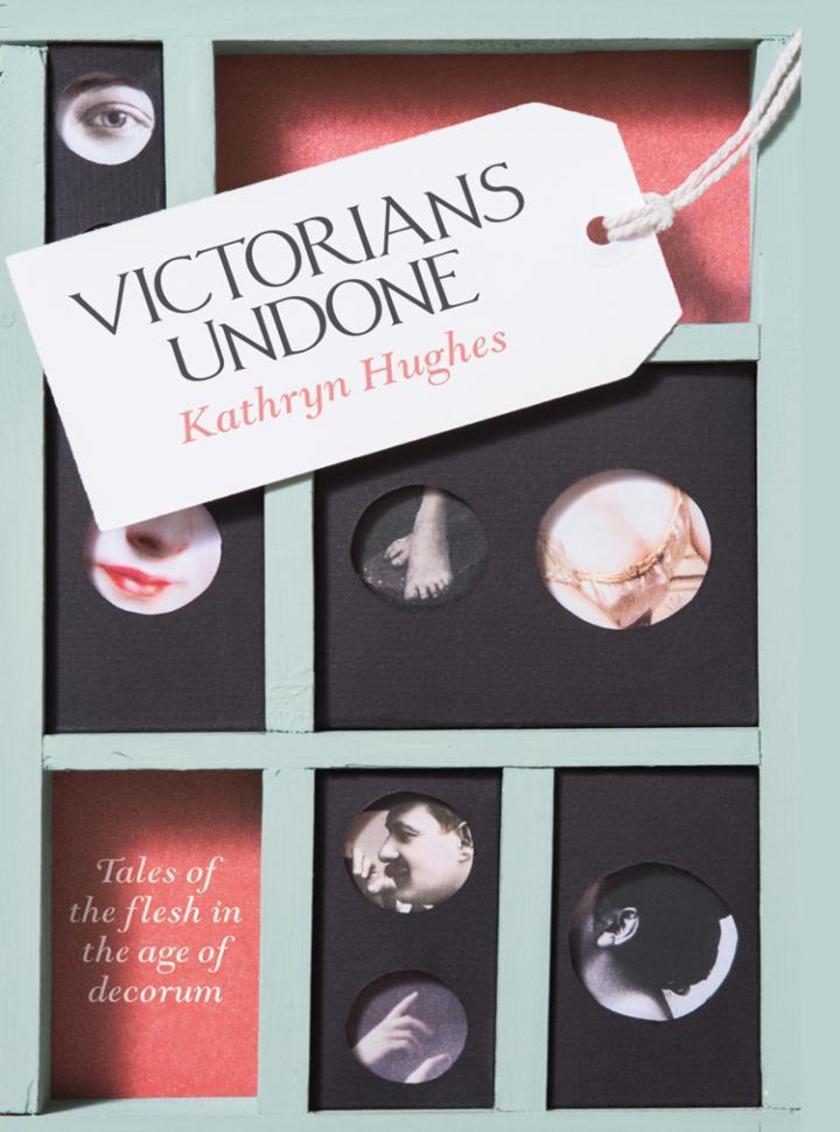
‘Intriguing, gleefully contentious and – appropriately enough – fizzing with life, Victorians Undone is the most original history book I have read in a long while’ John Preston, Daily Mail A groundbreaking account of what it was like to live in a Victorian body from one of our best historians. Why did the great philosophical novelist George Eliot feel so self-conscious that her right hand was larger than her left? Exactly what made Darwin grow that iconic beard in 1862, a good five years after his contemporaries had all retired their razors? Who knew Queen Victoria had a personal hygiene problem as a young woman and the crisis that followed led to a hurried commitment to marry Albert? What did John Sell Cotman, a handsome drawing room operator who painted some of the most exquisite watercolours the world has ever seen, feel about marrying a woman whose big nose made smart people snigger? How did a working-class child called Fanny Adams disintegrate into pieces in 1867 before being reassembled into a popular joke, one we still reference today, but would stop, appalled, if we knew its origins? Kathryn Hughes follows a thickened index finger or deep baritone voice into the realms of social history, medical discourse, aesthetic practise and religious observance – its language is one of admiring glances, cruel sniggers, an implacably turned back. The result is an eye-opening, deeply intelligent, groundbreaking account that brings the Victorians back to life and helps us understand how they lived their lives.
British Butterflies and Moths (Collins Complete Guides)
¥147.35
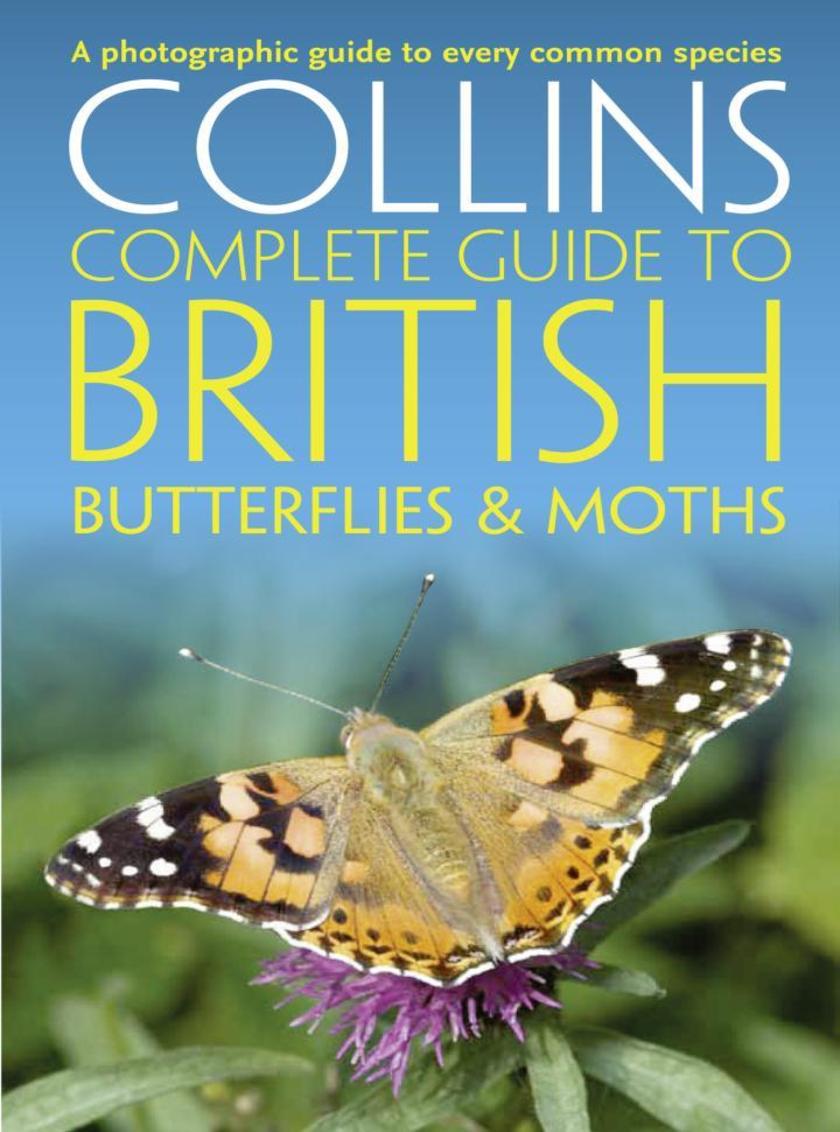
A comprehensive and fully illustrated guide, this book is the definitive photographic reference guide for anyone interested in butterflies and moths found in Britain and Ireland. Every species that occurs regularly in Britain and Ireland is included, along with a section dealing with the ‘rarest of the rare’ – extinct species or very rare immigrants. There follows the main section of the book, which covers our larger moths; every species that occurs regularly in Britain and Ireland is mentioned.
The Lost Ark of the Covenant: The Remarkable Quest for the Legendary Ark
¥81.03
Professor Tudor Parfitt, a real-life British Indiana Jones, has made the biggest discovery of the last 3,000 years – the secret location of the fabled Ark of the Covenant. In 2006, he made an incredible journey to its final resting place and in February 2008 he will reveal this to the world. This is the amazing story of his quest. This is the real-life account of Professor Tudor Parfitt's remarkable discovery – of the lost Ark of the Covenant that disappeared from the Temple of Jerusalem centuries ago. The holiest object in the world, the Ark of the Old Testament contains the tablets of law sacred to Judaism, Christianity and Islam. Scholar, orientalist and adventurer, Parfitt embarked on an incredible journey to discover where the Ark is hidden, and when he reveals his discovery history books will be rewritten forever. Parfitt's quest took him on an incredible detective trail across the Middle East and Africa. His search led him to ancient documents and codes in Oxford and Jerusalem, and even to discoveries in modern genetic science, for clues to take him closer to the Ark. But some people didn't want the Ark to be found. In the wilder reaches of the Yemen he narrowly escaped being kidnapped by Islamist fugitives. In Africa he was shot at, ambushed and arrested. Amongst crossing paths with a motley crowd of mystics, holy men, charlatans and politicians, he encountered a strange tribe in the mysterious lands of the Limpopo River who claimed that they knew the Ark's final resting place. When Parfitt finally set eyes on the Ark, it wasn't at all where he expected. His revelation of its whereabouts will cause an international story with an effect on Judaism, Islam and Christianity that may be the most controversial in history.

A History of Sweets in 50 Wrappers
¥15.60
A super-sweet guide to all your favourite sweets from years gone by. A History of Sweets in 50 Wrappers is a colourful and comical history of sweets and chocolates. If you ever dreamt of being the Milkybar Kid, if you remember when Snickers were Marathons and Double Deckers had raisins in them, if you ever checked the colour of your next Fruit Pastille before offering it out, this book is for you. It will lead you down memory lane until you reach the corner shop and load up a 10p mix-up bag. Fully illustrated, with hundreds of classic wrappers and adverts, A History of Sweets in 50 Wrappers is packed full of memories, fun facts, historical research … … and lots and lots of sweets!
Valerie’s Story (Individual stories from WISH YOU WERE HERE!, Book 3)
¥11.77
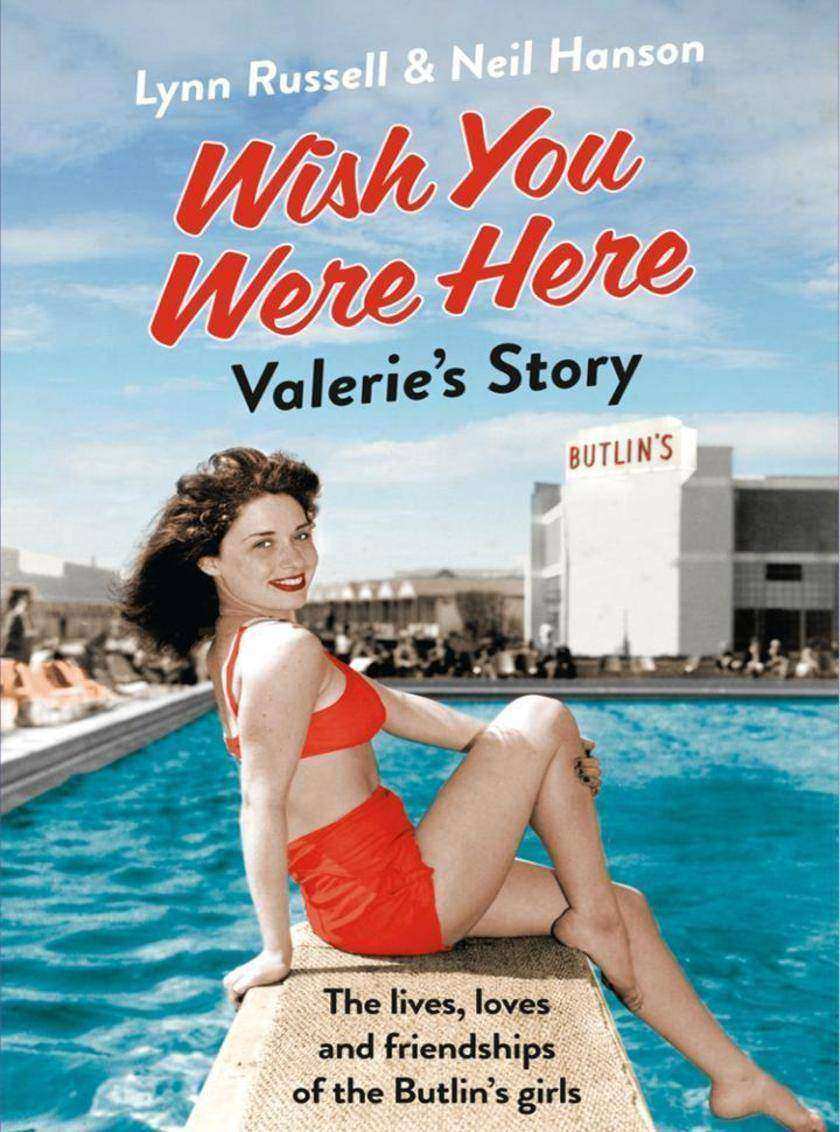
One of seven touching true stories from Wish You Were Here!, the tale of Butlin’s holiday camps. ‘When I got to the camp I felt as if I’d suddenly walked into Utopia – it was so colourful, so warm, so friendly. There were lights across the roads, there were banners fluttering in the breeze… There seemed to be laughter coming from every building.’ With grey post-WWII skies hanging low over Britain, factories lining the streets and smoke stacks dotting the horizon, there was one way that ordinary families could escape: the ever-cheerful holiday camps of Butlin’s. When Billy Butlin founded his holiday camps in 1936, they were bastions of community spirit and havens of luxury. Here, for one week, wives and mothers were freed from the toil and drudgery of housework, children ran free through the grounds, fathers and husbands hung up their work clothes. Ever-helpful redcoats were on hand all hours of the day, dinner halls ready with plentiful food for old and young alike, bars stocked to quench any level of thirst, ballrooms waiting to be flooded with shiny shoes, rustling dresses and peals of laughter. And, as the sun went down on another exhausting, happy day, a chorus line was ready to sing holidaymakers back to their beds. Rich in period detail and highly evocative, Wish You Were Here! follows the lives of seven of the camps’ key figures through the highs and lows of the holiday season: from redcoats searching for stardom to young families who returned year after year, to pensioners who rediscovered an inner youth. The laughter and tears, the loves and losses, and the fun and friendships that have lasted a lifetime – it's all here. Funny, moving and heartwarming, they are tales of swimming pools and sing-a-longs, Glamorous Grannies and bicycle rides, and of a community spirit that burned brightly in a much-loved British institution.

Valda’s Story (Individual stories from WISH YOU WERE HERE!, Book 4)
¥11.77
One of seven touching true stories from Wish You Were Here!, the tale of Butlin’s holiday camps. ‘When I got to the camp I felt as if I’d suddenly walked into Utopia – it was so colourful, so warm, so friendly. There were lights across the roads, there were banners fluttering in the breeze… There seemed to be laughter coming from every building.’ With grey post-WWII skies hanging low over Britain, factories lining the streets and smoke stacks dotting the horizon, there was one way that ordinary families could escape: the ever-cheerful holiday camps of Butlin’s. When Billy Butlin founded his holiday camps in 1936, they were bastions of community spirit and havens of luxury. Here, for one week, wives and mothers were freed from the toil and drudgery of housework, children ran free through the grounds, fathers and husbands hung up their work clothes. Ever-helpful redcoats were on hand all hours of the day, dinner halls ready with plentiful food for old and young alike, bars stocked to quench any level of thirst, ballrooms waiting to be flooded with shiny shoes, rustling dresses and peals of laughter. And, as the sun went down on another exhausting, happy day, a chorus line was ready to sing holidaymakers back to their beds. Rich in period detail and highly evocative, Wish You Were Here! follows the lives of seven of the camps’ key figures through the highs and lows of the holiday season: from redcoats searching for stardom to young families who returned year after year, to pensioners who rediscovered an inner youth. The laughter and tears, the loves and losses, and the fun and friendships that have lasted a lifetime – it's all here. Funny, moving and heartwarming, they are tales of swimming pools and sing-a-longs, Glamorous Grannies and bicycle rides, and of a community spirit that burned brightly in a much-loved British institution.
Sue’s Story (Individual stories from WISH YOU WERE HERE!, Book 5)
¥11.77
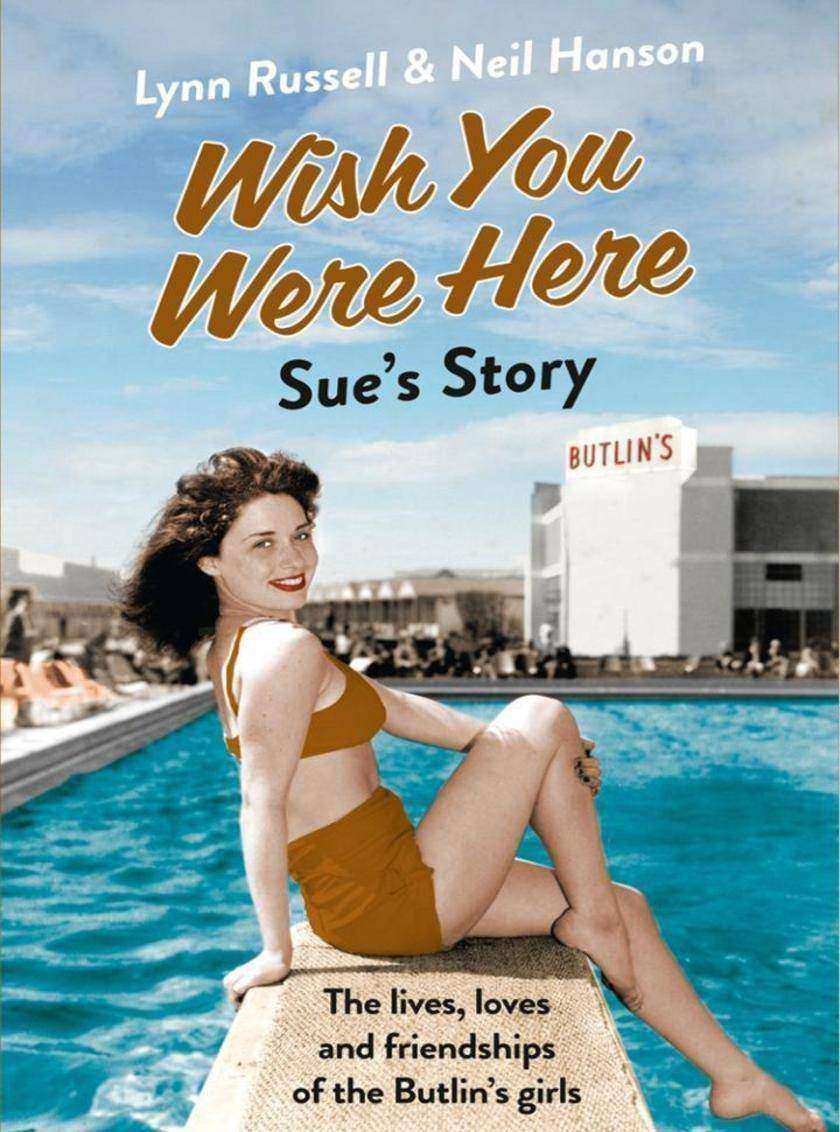
One of seven touching true stories from Wish You Were Here!, the tale of Butlin’s holiday camps. ‘When I got to the camp I felt as if I’d suddenly walked into Utopia – it was so colourful, so warm, so friendly. There were lights across the roads, there were banners fluttering in the breeze… There seemed to be laughter coming from every building.’ With grey post-WWII skies hanging low over Britain, factories lining the streets and smoke stacks dotting the horizon, there was one way that ordinary families could escape: the ever-cheerful holiday camps of Butlin’s. When Billy Butlin founded his holiday camps in 1936, they were bastions of community spirit and havens of luxury. Here, for one week, wives and mothers were freed from the toil and drudgery of housework, children ran free through the grounds, fathers and husbands hung up their work clothes. Ever-helpful redcoats were on hand all hours of the day, dinner halls ready with plentiful food for old and young alike, bars stocked to quench any level of thirst, ballrooms waiting to be flooded with shiny shoes, rustling dresses and peals of laughter. And, as the sun went down on another exhausting, happy day, a chorus line was ready to sing holidaymakers back to their beds. Rich in period detail and highly evocative, Wish You Were Here! follows the lives of seven of the camps’ key figures through the highs and lows of the holiday season: from redcoats searching for stardom to young families who returned year after year, to pensioners who rediscovered an inner youth. The laughter and tears, the loves and losses, and the fun and friendships that have lasted a lifetime – it's all here. Funny, moving and heartwarming, they are tales of swimming pools and sing-a-longs, Glamorous Grannies and bicycle rides, and of a community spirit that burned brightly in a much-loved British institution.


