


 购物车
 个人中心

Romantic Absolute
¥412.02
The absolute was one of the most significant philosophical concepts in the early nineteenth century, particularly for the German romantics. Its exact meaning and its role within philosophical romanticism remain, however, a highly contested topic among contemporary scholars.In?The Romantic Absolute, Dalia Nassar offers an illuminating new assessment of the romantics and their understanding of the absolute. In doing so, she fills an important gap in the history of philosophy, especially with respect to the crucial period between Kant and Hegel.Scholars today interpret philosophical romanticism along two competing lines: one emphasizes the romantics' concern with epistemology, the other their concern with metaphysics. Through careful textual analysis and systematic reconstruction of the work of three major romantics-Novalis, Friedrich Schlegel, and Friedrich Schelling-Nassar shows that neither interpretation is fully satisfying. Rather, she argues, one needs to approach the absolute from both perspectives. Rescuing these philosophers from frequent misunderstanding, and even dismissal, she articulates not only a new angle on the philosophical foundations of romanticism but on the meaning and significance of the notion of the absolute itself.
Capitalism and Cartography in the Dutch Golden Age
¥412.02
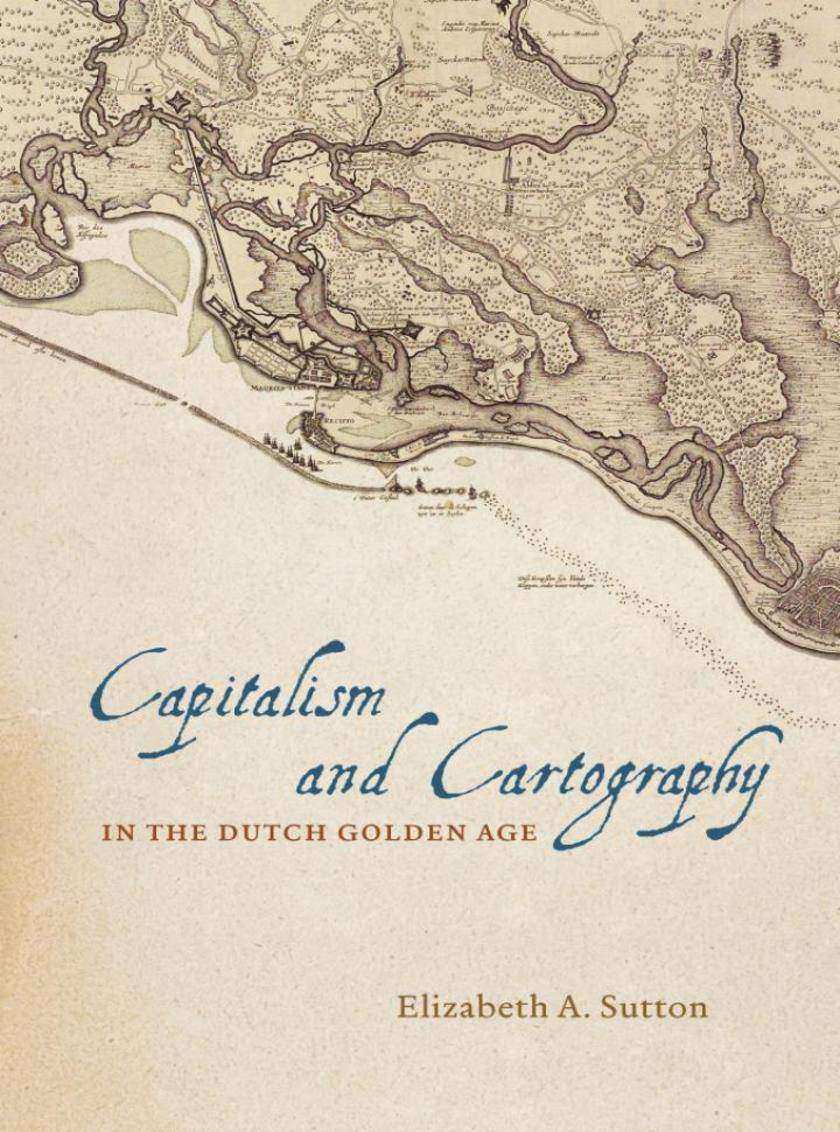
In?Capitalism and Cartography in the Dutch Golden Age, Elizabeth A. Sutton explores the fascinating but previously neglected history of corporate cartography during the Dutch Golden Age, from ca. 1600 to 1650. She examines how maps were used as propaganda tools for the Dutch West India Company in order to encourage the commodification of land and an overall capitalist agenda.Building her exploration around the central figure of Claes Jansz Vischer, an Amsterdam-based publisher closely tied to the Dutch West India Company, Sutton shows how printed maps of Dutch Atlantic territories helped rationalize the Dutch Republic's global expansion. Maps of land reclamation projects in the Netherlands, as well as the Dutch territories of New Netherland (now New York) and New Holland (Dutch Brazil), reveal how print media were used both to increase investment and to project a common narrative of national unity. Maps of this era showed those boundaries, commodities, and topographical details that publishers and the Dutch West India Company merchants and governing Dutch elite deemed significant to their agenda. In the process, Sutton argues, they perpetuated and promoted modern state capitalism.
Marking Modern Times
¥394.36
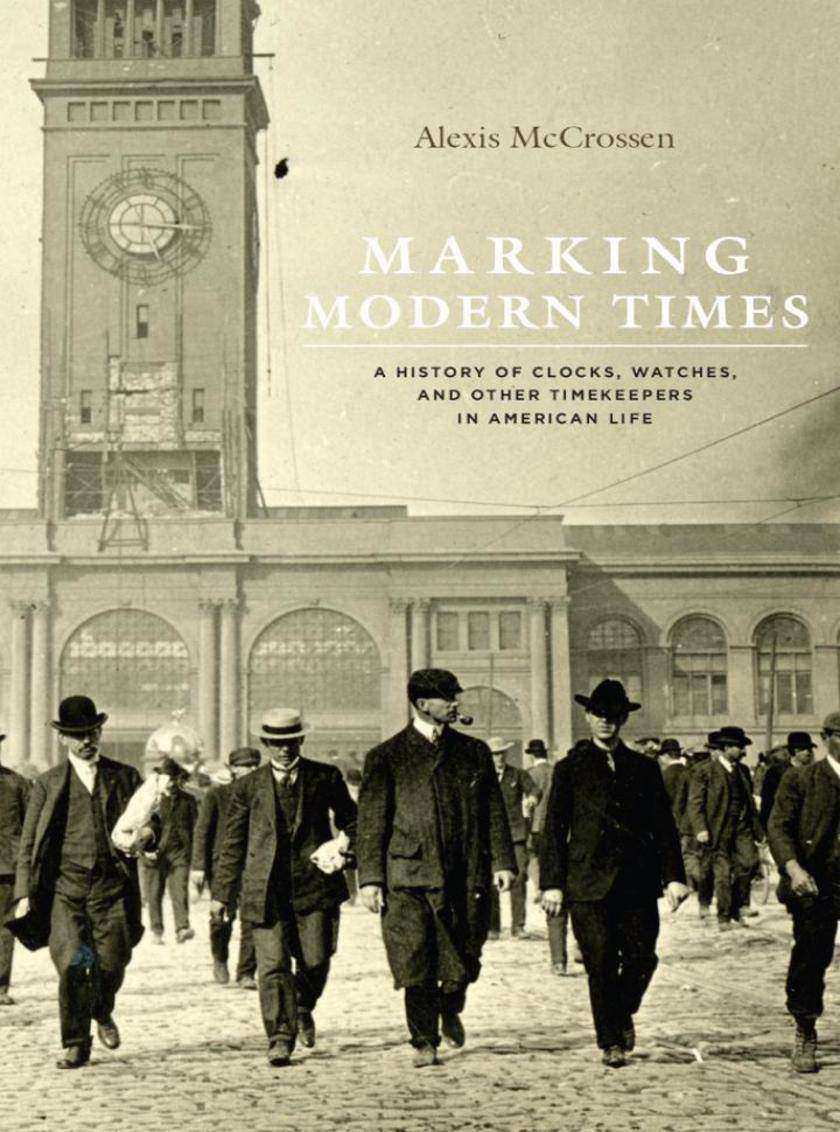
The public spaces and buildings of the United States are home to many thousands of timepieces-bells, time balls, and clock faces-that tower over urban streets, peek out from lobbies, and gleam in store windows. And in the streets and squares beneath them, men, women, and children wear wristwatches of all kinds. Americans have decorated their homes with clocks and included them in their poetry, sermons, stories, and songs. And as political instruments, social tools, and cultural symbols, these personal and public timekeepers have enjoyed a broad currency in art, life, and culture.In Marking Modern Times, Alexis McCrossen relates how the American preoccupation with time led people from across social classes to acquire watches and clocks. While noting the difficulties in regulating and synchronizing so many timepieces, McCrossen expands our understanding of the development of modern time discipline, delving into the ways we have standardized time and describing how timekeepers have served as political, social, and cultural tools in a society that doesn't merely value time but regards access to time as a natural-born right, a privilege of being an American.

Boll Weevil Blues
¥394.36
Between the 1890s and the early 1920s, the boll weevil slowly ate its way across the Cotton South from Texas to the Atlantic Ocean. At the turn of the century, some Texas counties were reporting crop losses of over 70 percent, as were areas of Louisiana, Arkansas, and Mississippi. By the time the boll weevil reached the limits of the cotton belt, it had destroyed much of the region's chief cash crop-tens of billions of pounds of cotton, worth nearly a trillion dollars.?As staggering as these numbers may seem, James C. Giesen demonstrates that it was the very idea of the boll weevil and the struggle over its meanings that most profoundly changed the South-as different groups, from policymakers to blues singers, projected onto this natural disaster the consequences they feared and the outcomes they sought. Giesen asks how the myth of the boll weevil's lasting impact helped obscure the real problems of the region-those caused not by insects, but by landowning patterns, antiquated credit systems, white supremacist ideology, and declining soil fertility. Boll Weevil Blues brings together these cultural, environmental, and agricultural narratives in a novel and important way that allows us to reconsider the making of the modern American South.
Building a Market
¥394.36
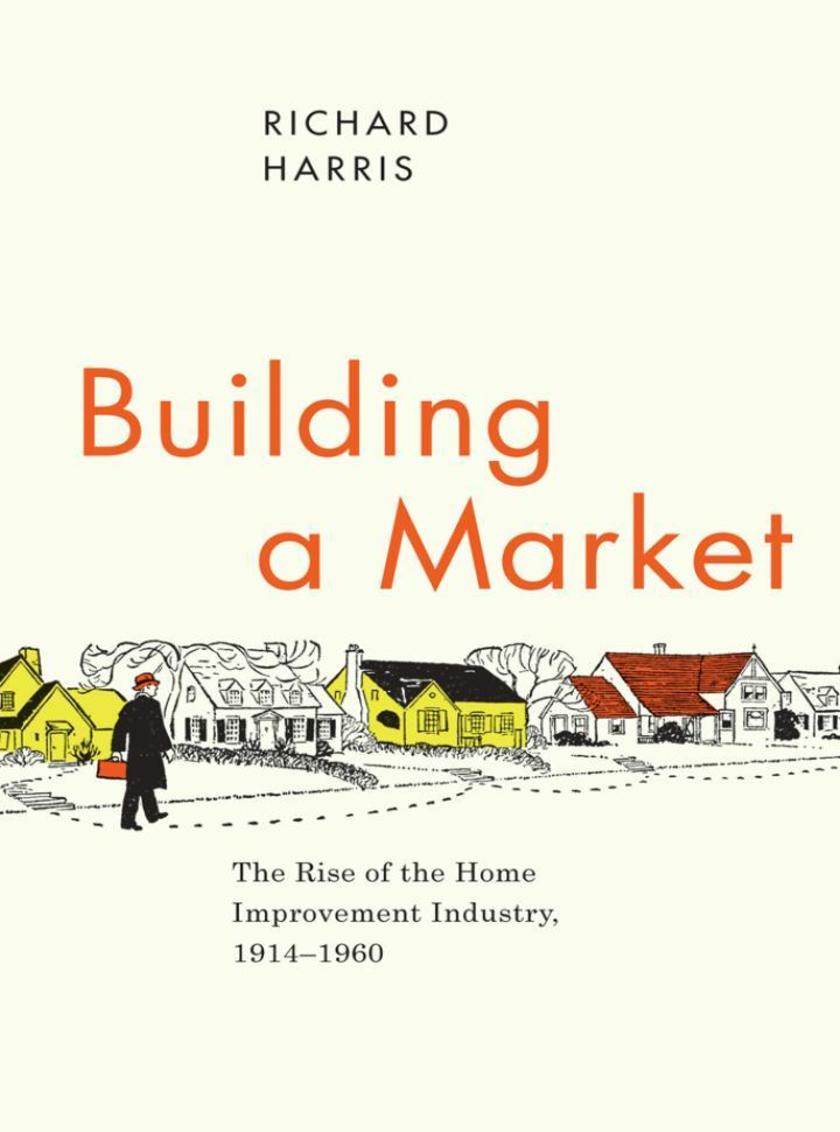
Each year, North Americans spend as much money fixing up their homes as they do buying new ones. This obsession with improving our dwellings has given rise to a multibillion-dollar industry that includes countless books, consumer magazines, a cable television network, and thousands of home improvement stores.Building a Market charts the rise of the home improvement industry in the United States and Canada from the end of World War I into the late 1950s. Drawing on the insights of business, social, and urban historians, and making use of a wide range of documentary sources, Richard Harris shows how the middle-class preference for home ownership first emerged in the 1920s-and how manufacturers, retailers, and the federal government combined to establish the massive home improvement market and a pervasive culture of Do-It-Yourself.?Deeply insightful, Building a Market is the carefully crafted history of the emergence and evolution of a home improvement revolution that changed not just American culture but the American landscape as well.
River Jordan
¥394.36
As the site of several miracles in the Jewish and Christian traditions, the Jordan is one of the world's holiest rivers. It is also the major political and symbolic border contested by Israelis and Palestinians. Combining biblical and folkloric studies with historical geography, Rachel Havrelock explores how the complex religious and mythological representations of the river have shaped the current conflict in the Middle East.Havrelock contends that the intractability of the Israeli-Palestinian conflict stems from the nationalist myths of the Hebrew Bible, where the Jordan is defined as a border of the Promised Land. Both Israelis and Palestinians claim the Jordan as a necessary boundary of an indivisible homeland. Examining the Hebrew Bible alongside ancient and modern maps of the Jordan, Havrelock chronicles the evolution of Israel's borders based on nationalist myths while uncovering additional myths that envision Israel as a bi-national state. These other myths, she proposes, provide roadmaps for future political configurations of the nation. Ambitious and masterful in its scope, River Jordan brings a fresh, provocative perspective to the ongoing struggle in this violence-riddled region.
Mastering Iron
¥394.36
Veins of iron run deep in the history of America. Iron making began almost as soon as European settlement, with the establishment of the first ironworks in colonial Massachusetts. Yet it was Great Britain that became the Atlantic world's dominant low-cost, high-volume producer of iron, a position it retained throughout the nineteenth century. It was not until after the Civil War that American iron producers began to match the scale and efficiency of the British iron industry.?In Mastering Iron, Anne Kelly Knowles argues that the prolonged development of the US iron industry was largely due to geographical problems the British did not face. Pairing exhaustive manu* research with analysis of a detailed geospatial database that she built of the industry, Knowles reconstructs the American iron industry in unprecedented depth, from locating hundreds of iron companies in their social and environmental contexts to explaining workplace culture and social relations between workers and managers. She demonstrates how ironworks in Alabama, Maryland, Pennsylvania, and Virginia struggled to replicate British technologies but, in the attempt, brought about changes in the American industry that set the stage for the subsequent age of steel.?Richly illustrated with dozens of original maps and period art work, all in full color, Mastering Iron sheds new light on American ambitions and highlights the challenges a young nation faced as it grappled with its geographic conditions.
Restoring Justice
¥370.82
In the wake of Watergate, Gerald Ford appointed eminent lawyer and scholar Edward H. Levi to the post of attorney general-and thus gave him the onerous task of restoring legitimacy to a discredited Department of Justice. Levi was famously fair-minded and free of political baggage, and his inspired addresses during this tumultuous time were critical to rebuilding national trust. They reassured a tense and troubled nation that the Department of Justice would act in accordance with the principles underlying its name, operating as a nonpartisan organization under the strict rule of law.For Restoring Justice, Jack Fuller has carefully chosen from among Levi's speeches a selection that sets out the attorney general's view of the considerable challenges he faced: restoring public confidence through discussion and acts of justice, combating the corrosive skepticism of the time, and ensuring that the executive branch would behave judicially. Also included are addresses and Congressional testimonies that speak to issues that were hotly debated at the time, including electronic surveillance, executive privilege, separation of powers, antitrust enforcement, and the guidelines governing the FBI-many of which remain relevant today. Serving at an almost unprecedentedly difficult time, Levi was among the most admired attorney generals of the modern era. Published here for the first time, the speeches in Restoring Justice offer a superb sense of the man and his work.
More Important Than the Music
¥370.82
Today, jazz is considered high art, America's national music, and the catalog of its recordings-its discography-is often taken for granted. But behind jazz discography is a fraught and highly colorful history of research, fanaticism, and the intense desire to know who played what, where, and when. This history gets its first full-length treatment in Bruce D. Epperson's More Important Than the Music. Following the dedicated few who sought to keep jazz's legacy organized, Epperson tells a fascinating story of archival pursuit in the face of negligence and deception, a tale that saw curses and threats regularly employed, with fisticuffs and lawsuits only slightly rarer.Epperson examines the documentation of recorded jazz from its casual origins as a novelty in the 1920s and '30s, through the overwhelming deluge of 12-inch vinyl records in the middle of the twentieth century, to the use of computers by today's discographers. Though he focuses much of his attention on comprehensive discographies, he also examines the development of a variety of related listings, such as buyer's guides and library catalogs, and he closes with a look toward discography's future. From the little black book to the full-featured online database, More Important Than the Music offers a history not just of jazz discography but of the profoundly human desire to preserve history itself.
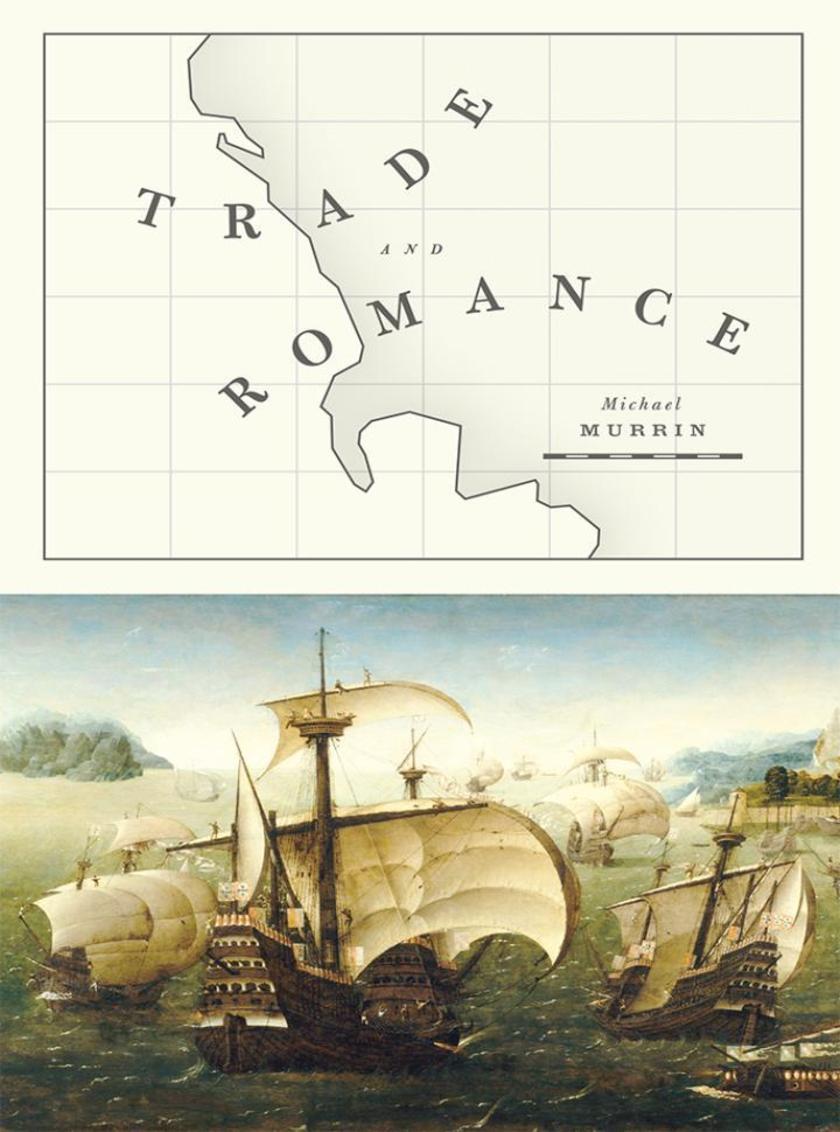
Trade and Romance
¥370.82
In Trade and Romance, Michael Murrin examines the complex relations between the expansion of trade in Asia and the production of heroic romance in Europe from the second half of the thirteenth century through the late seventeenth century. He shows how these tales of romance, ostensibly meant for the aristocracy, were important to the growing mercantile class as a way to gauge their own experiences in traveling to and trading in these exotic locales. Murrin also looks at the role that growing knowledge of geography played in the writing of the creative literature of the period, tracking how accurate, or inaccurate, these writers were in depicting far-flung destinations, from Iran and the Caspian Sea all the way to the Pacific.?With reference to an impressive range of major works in several languages-including the works of Marco Polo, Geoffrey Chaucer, Matteo Maria Boiardo, Lus de Cames, Ferno Mendes Pinto, Edmund Spenser, John Milton, and more-Murrin tracks numerous accounts by traders and merchants through the literature, first on the Silk Road, beginning in the mid-thirteenth century; then on the water route to India, Japan, and China via the Cape of Good Hope; and, finally, the overland route through Siberia to Beijing. All of these routes, originally used to exchange commodities, quickly became paths to knowledge as well, enabling information to pass, if sometimes vaguely and intermittently, between Europe and the Far East. These new tales of distant shores fired the imagination of Europe and made their way, with surprising accuracy, as Murrin shows, into the poetry of the period.
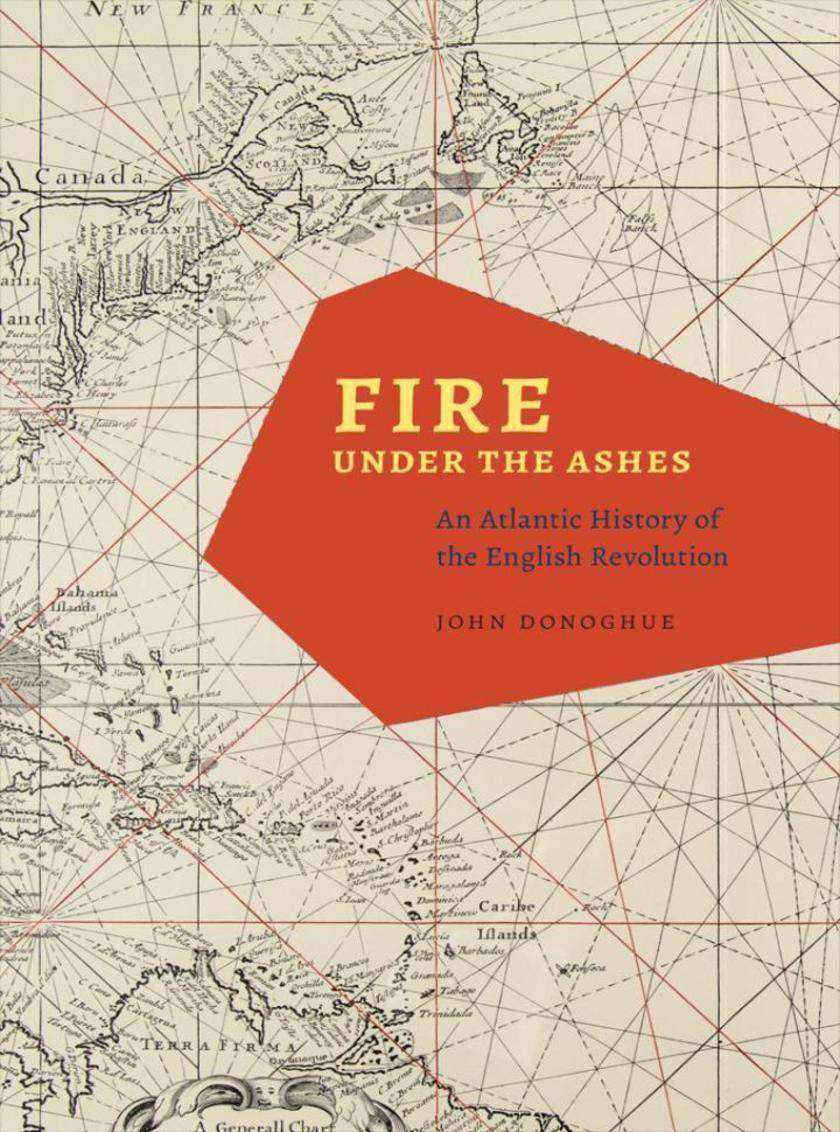
Fire under the Ashes
¥370.82
In Fire under the Ashes, John Donoghue recovers the lasting significance of the radical ideas of the English Revolution, exploring their wider Atlantic history through a case study of Coleman Street Ward, London. Located in the crowded center of seventeenth-century London, Coleman Street Ward was a hotbed of political, social, and religious unrest. There among diverse and contentious groups of puritans a tumultuous republican underground evolved as the political means to a more perfect Protestant Reformation. But while Coleman Street has long been recognized as a crucial location of the English Revolution, its importance to events across the Atlantic has yet to be explored.Prominent merchant revolutionaries from Coleman Street led England's imperial expansion by investing deeply in the slave trade and projects of colonial conquest. Opposing them were other Coleman Street puritans, who having crossed and re-crossed the ocean as colonists and revolutionaries, circulated new ideas about the liberty of body and soul that they defined against England's emergent, political economy of empire. These transatlantic radicals promoted social justice as the cornerstone of a republican liberty opposed to both political tyranny and economic slavery-and their efforts, Donoghue argues, provided the ideological foundations for the abolitionist movement that swept the Atlantic more than a century later.
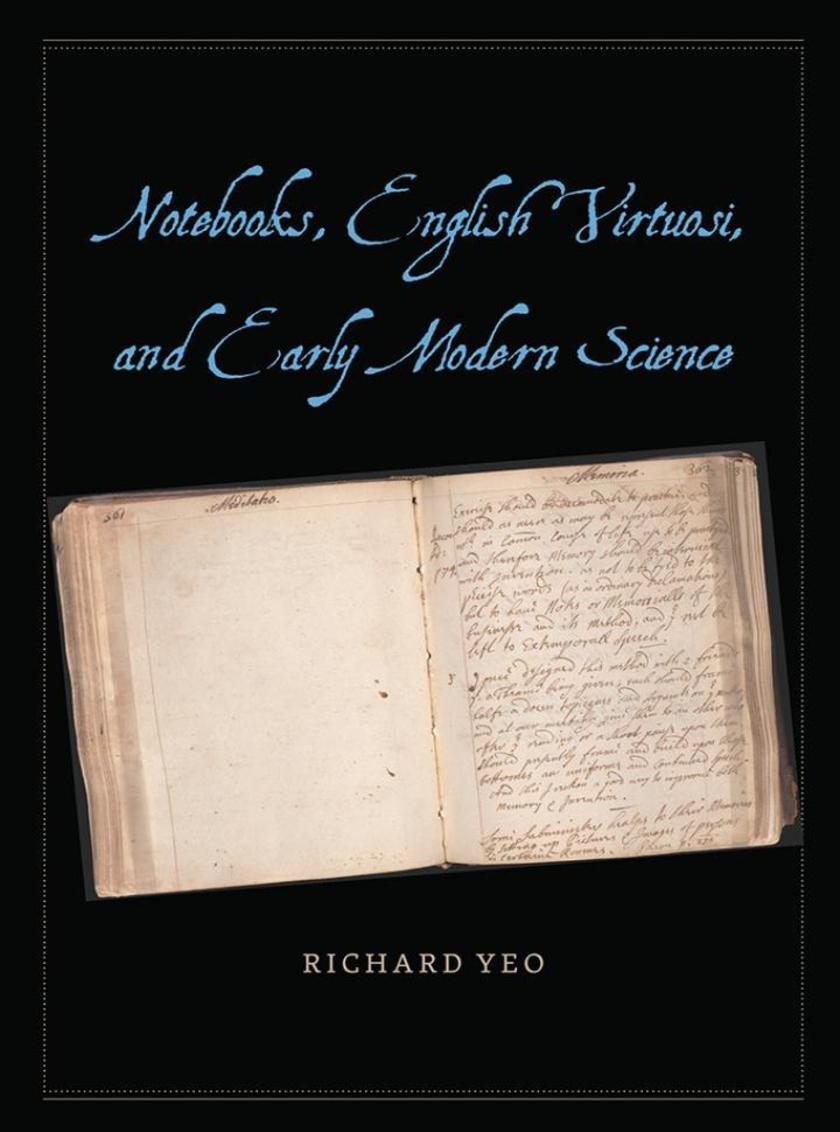
Notebooks, English Virtuosi, and Early Modern Science
¥370.82
In Notebooks, English Virtuosi, and Early Modern Science, Richard Yeo interprets a relatively unexplored set of primary archival sources: the notes and notebooks of some of the leading figures of the Scientific Revolution. Notebooks were important to several key members of the Royal Society of London, including Robert Boyle, John Evelyn, Robert Hooke, John Locke, and others, who drew on Renaissance humanist techniques of excerpting from texts to build storehouses of proverbs, maxims, quotations, and other material in personal notebooks, or commonplace books. Yeo shows that these men appreciated the value of their own notes both as powerful tools for personal recollection, and, following Francis Bacon, as a system of precise record keeping from which they could retrieve large quantities of detailed information for collaboration.?The virtuosi of the seventeenth century were also able to reach beyond Bacon and the humanists, drawing inspiration from the ancient Hippocratic medical tradition and its emphasis on the gradual accumulation of information over time. By reflecting on the interaction of memory, notebooks, and other records, Yeo argues, the English virtuosi shaped an ethos of long-term empirical scientific inquiry.
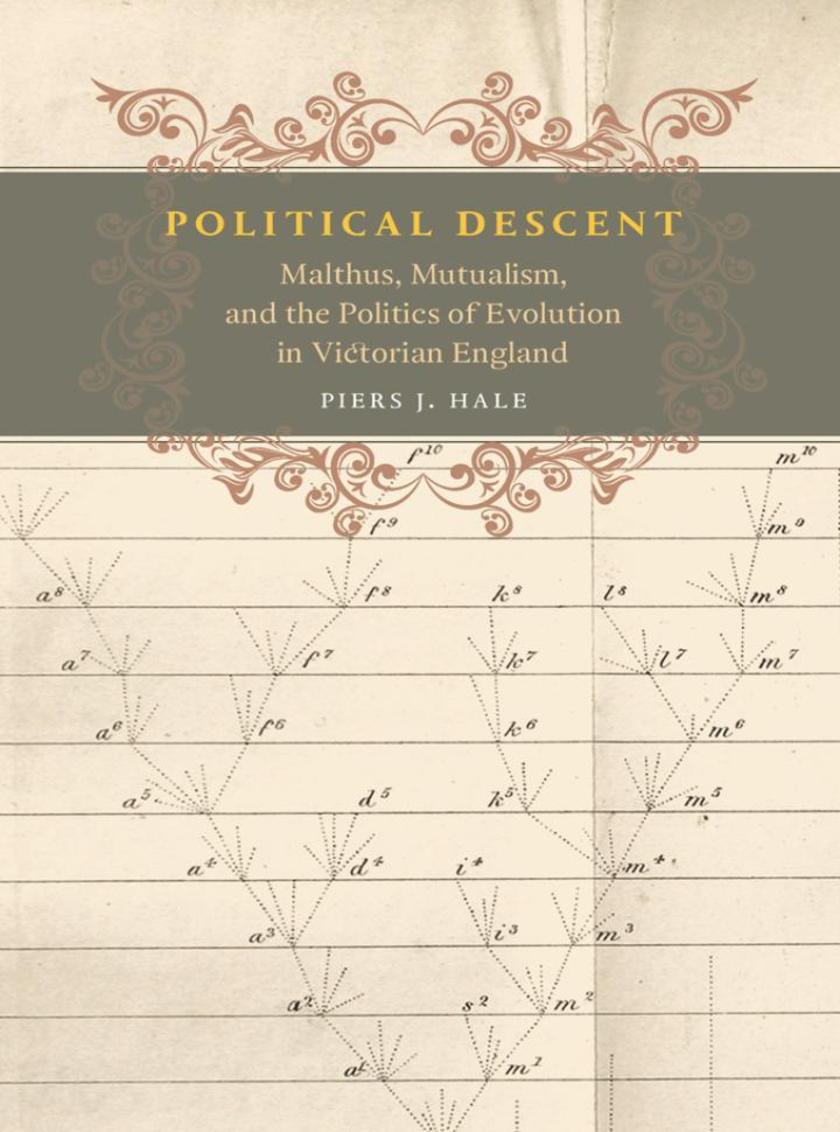
Political Descent
¥370.82
Historians of science have long noted the influence of the nineteenth-century political economist Thomas Robert Malthus on Charles Darwin. In a bold move, Piers J. Hale contends that this focus on Malthus and his effect on Darwin's evolutionary thought neglects a strong anti-Malthusian tradition in English intellectual life, one that not only predated the 1859 publication of the Origin of Species but also persisted throughout the Victorian period until World War I. Political Descent reveals that two evolutionary and political traditions developed in England in the wake of the 1832 Reform Act: one Malthusian, the other decidedly anti-Malthusian and owing much to the ideas of the French naturalist Jean Baptiste Lamarck. These two traditions, Hale shows, developed in a context of mutual hostility, debate, and refutation. Participants disagreed not only about evolutionary processes but also on broader questions regarding the kind of creature our evolution had made us and in what kind of society we ought therefore to live. Significantly, and in spite of Darwin's acknowledgement that natural selection was "e;the doctrine of Malthus, applied to the whole animal and vegetable kingdoms,"e; both sides of the debate claimed to be the more correctly "e;Darwinian."e; By exploring the full spectrum of scientific and political issues at stake, Political Descent offers a novel approach to the relationship between evolution and political thought in the Victorian and Edwardian eras.
Streets of San Francisco
¥370.82
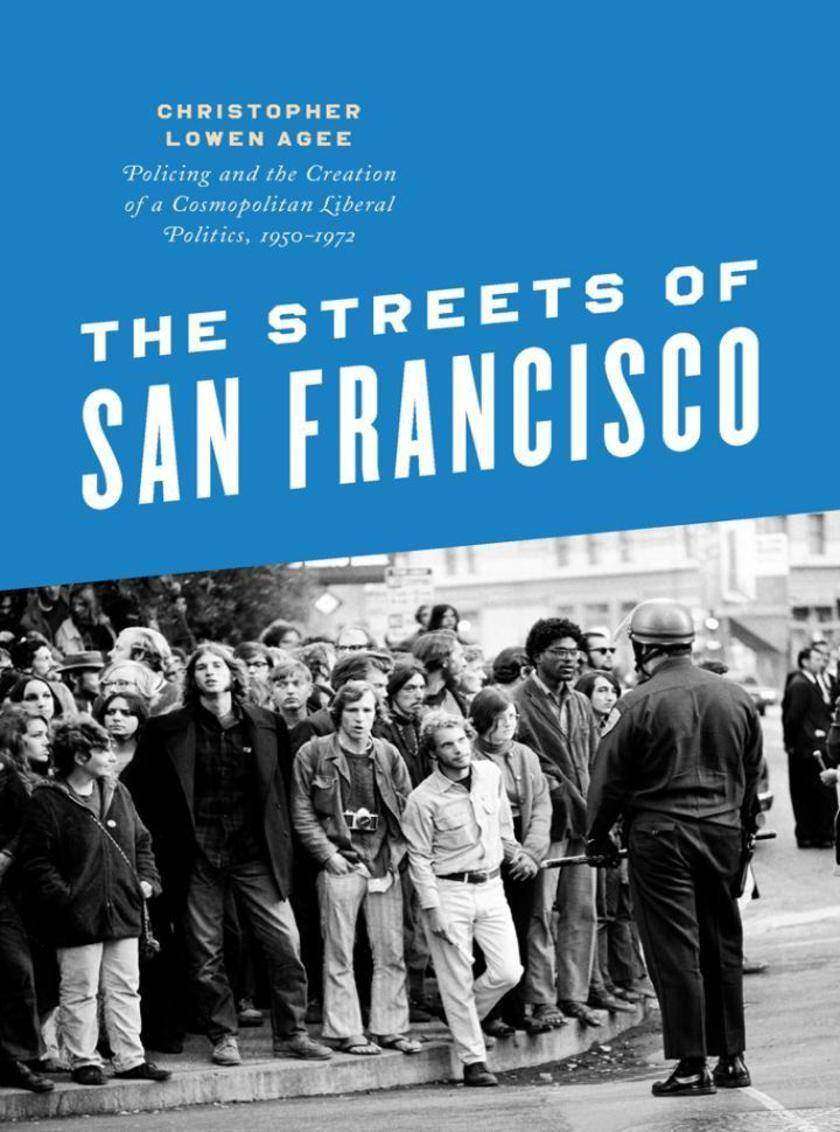
During the Sixties the nation turned its eyes to San Francisco as the city's police force clashed with movements for free speech, civil rights, and sexual liberation.?These conflicts on the street forced Americans to reconsider the role of the police officer in a democracy. In The Streets of San Francisco Christopher Lowen Agee explores the surprising and influential ways in which San Francisco liberals answered that question, ultimately turning to the police as partners, and reshaping understandings of crime, policing, and democracy.The Streets of San Francisco uncovers the seldom-reported, street-level interactions between police officers and San Francisco residents and finds that police discretion was the defining feature of mid-century law enforcement.?Postwar police officers enjoyed great autonomy?when dealing with North Beach beats, African American gang leaders,?gay and lesbian bar owners, Haight-Ashbury hippies, artists who created sexually explicit works, Chinese American entrepreneurs, and a wide range of other San Franciscans. Unexpectedly, this police independence grew into a source of both concern and inspiration for the thousands of young professionals streaming into the city's growing financial district.?These young professionals ultimately used the issue of police discretion to forge a new cosmopolitan liberal coalition that incorporated both marginalized San Franciscans and rank-and-file police officers. The success of this model in San Francisco resulted in the rise of cosmopolitan liberal coalitions throughout the country, and today, liberal cities across America ground themselves in similar understandings of democracy, emphasizing both broad diversity and strong policing.

Ministry of Presence
¥370.82
Most people in the United States today no longer live their lives under the guidance of local institutionalized religious leadership, such as rabbis, ministers, and priests; rather, liberals and conservatives alike have taken charge of their own religious or spiritual practices. This shift, along with other social and cultural changes, has opened up a perhaps surprising space for chaplains-spiritual professionals who usually work with the endorsement of a religious community but do that work away from its immediate hierarchy, ministering in a secular institution, such as a prison, the military, or an airport, to an ever-changing group of clients of widely varying faiths and beliefs.In?A Ministry of Presence, Winnifred Fallers Sullivan explores how chaplaincy works in the United States-and in particular how it sits uneasily at the intersection of law and religion, spiritual care, and government regulation. Responsible for ministering to the wandering souls of the globalized economy, the chaplain works with a clientele often unmarked by a specific religious identity, and does so on behalf of a secular institution, like a hospital. Sullivan's examination of the sometimes heroic but often deeply ambiguous work yields fascinating insights into contemporary spiritual life, the politics of religious freedom, and the never-ending negotiation of religion's place in American institutional life.

Empowering Science and Mathematics Education in Urban Schools
¥253.10
Math and science hold powerful places in contemporary society, setting the foundations for entry into some of the most robust and highest-paying industries. However, effective math and science education is not equally available to all students, with some of the poorest students-those who would benefit most-going egregiously underserved. This ongoing problem with education highlights one of the core causes of the widening class gap.?While this educational inequality can be attributed to a number of economic and political causes, in?Empowering Science and Mathematics Education in Urban Communities, Angela Calabrese?Barton?and Edna Tan demonstrate that it is augmented by a consistent failure to integrate student history, culture, and social needs into the core curriculum. They argue that teachers and schools should create hybrid third spaces-neither classroom nor home-in which underserved students can merge their personal worlds with those of math and science. A host of examples buttress this argument: schools where these spaces have been instituted now provide students not only an immediate motivation to engage the subjects most critical to their future livelihoods but also the broader math and science literacy necessary for robust societal engagement. A unique look at a frustratingly understudied subject,?Empowering Science and Mathematics Education?pushes beyond the idea of teaching for social justice and into larger questions of how and why students participate in math and science.?
Power in Concert
¥265.87
How states cooperate in the absence of a sovereign power is a perennial question in international relations. With Power in Concert, Jennifer Mitzen argues that global governance is more than just the cooperation of states under anarchy: it is the formation and maintenance of collective intentions, or joint commitments among states to address problems together. The key mechanism through which these intentions are sustained is face-to-face diplomacy, which keeps states' obligations to one another salient and helps them solve problems on a day-to-day basis.Mitzen argues that the origins of this practice lie in the Concert of Europe, an informal agreement among five European states in the wake of the Napoleonic wars to reduce the possibility of recurrence, which first institutionalized the practice of jointly managing the balance of power.?Through the Concert's many successes, she shows that the words and actions of state leaders in public forums contributed to collective self-restraint and a commitment to problem solving-and at a time when communication was considerably more difficult than it is today. Despite the Concert's eventual breakdown, the practice it introduced-of face to face diplomacy as a mode of joint problem solving-survived and is the basis of global governance today.
Mixed Emotions
¥229.55
In recent years, it's become increasingly clear that emotion plays a central role in global politics. For example, people readily care about acts of terrorism and humanitarian crises because they appeal to our compassion for human suffering. These struggles also command attention where social interactions have the power to produce or intensify the emotional responses of those who participate in them.?From passionate protests to poignant speeches, Andrew A. G. Ross analyzes high-emotion events with an eye to how they shape public sentiment and finds that there is no single answer. The politically powerful play to the public's emotions to advance their political aims, and such appeals to emotion also often serve to sustain existing values and ?institutions. But the affective dimension can produce profound change, particularly when a struggle in the present can be shown to line up with emotionally resonant events from the past. Extending his findings to well-studied conflicts, including the War on Terror and the violence in Rwanda and the Balkans, Ross identifies important sites of emotional impact missed by earlier research focused on identities and interests.

Good Project
¥229.55
NGOs set out to save lives, relieve suffering, and service basic human needs. They are committed to serving people across national borders and without regard to race, ethnicity, gender, or religion, and they offer crucial help during earthquakes, tsunamis, wars, and pandemics. But with so many ailing areas in need of assistance, how do these organizations decide where to go-and who gets the aid?In?The Good Project, Monika Krause dives into the intricacies of the decision-making process at NGOs and uncovers a basic truth: It may be the case that relief agencies try to help people but, in practical terms, the main focus of their work is to produce projects. Agencies sell projects to key institutional donors, and in the process the project and its beneficiaries become commodities. In an effort to guarantee a successful project, organizations are incentivized to help those who are easy to help, while those who are hardest to help often receive no assistance at all. The poorest of the world are made to compete against each other to become projects-and in exchange they offer legitimacy to aid agencies and donor governments. Sure to be controversial,?The Good Project?offers a provocative new perspective on how NGOs succeed and fail on a local and global level.
We Were Adivasis
¥229.55
In We Were Adivasis, anthropologist Megan Moodie examines the Indian state's relationship to "e;Scheduled Tribes,"e; or adivasis-historically oppressed groups that are now entitled to affirmative action quotas in educational and political institutions. Through a deep ethnography of the Dhanka in Jaipur, Moodie brings readers inside the creative imaginative work of these long-marginalized tribal communities. She shows how they must simultaneously affirm and refute their tribal status on a range of levels, from domestic interactions to historical representation, by relegating their status to the past: we were adivasis.Moodie takes readers to a diversity of settings, including households, tribal council meetings, and wedding festivals, to reveal the aspirations that are expressed in each. Crucially, she demonstrates how such aspiration and identity-building are strongly gendered, requiring different dispositions required of men and women in the pursuit of collective social uplift. The Dhanka strategy for occupying the role of adivasi in urban India comes at a cost: young women must relinquish dreams of education and employment in favor of community-sanctioned marriage and domestic life. Ultimately, We Were Adivasis explores how such groups negotiate their pasts to articulate different visions of a yet uncertain future in the increasingly liberalized world.
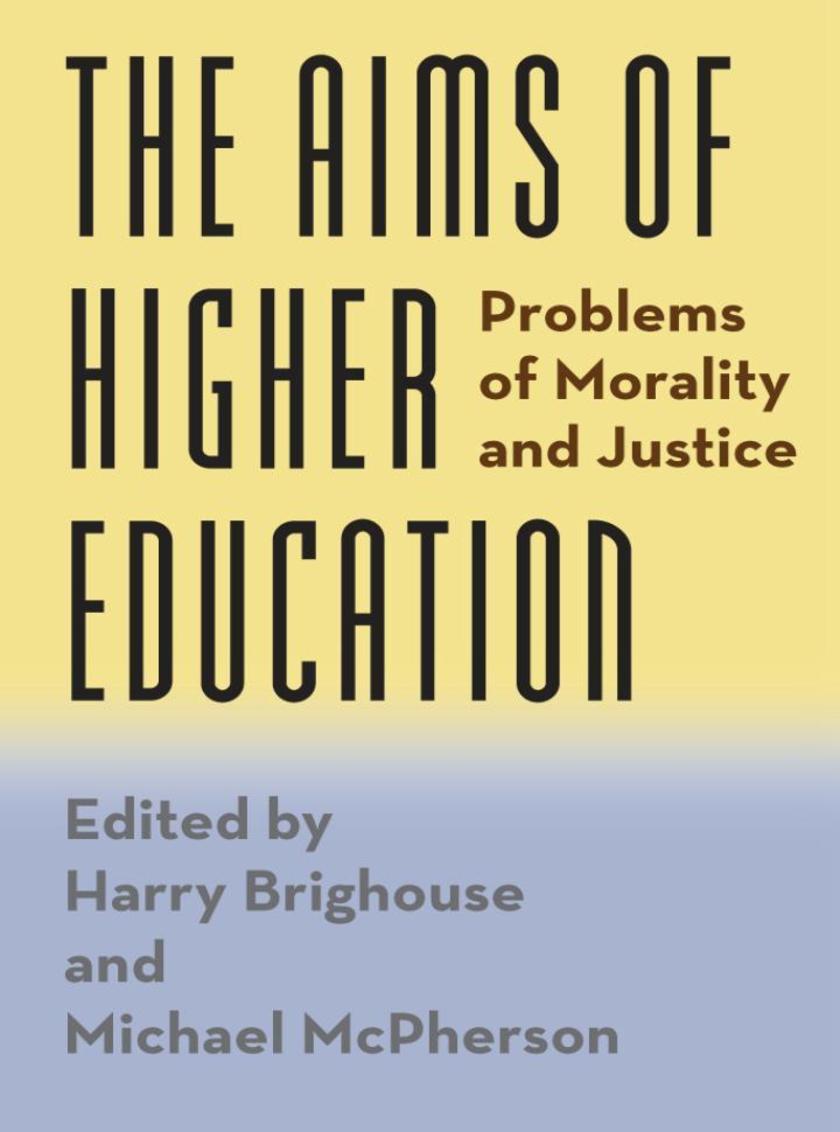
Aims of Higher Education
¥229.55
In this book, philosopher Harry Brighouse and Spencer Foundation president Michael McPherson bring together leading philosophers to think about some of the most fundamental questions that higher education faces. Looking beyond the din of arguments over how universities should be financed, how they should be run, and what their contributions to the economy are, the contributors to this volume set their sights on higher issues: ones of moral and political value. The result is an accessible clarification of the crucial concepts and goals we so often skip over-even as they underlie our educational policies and practices.?The contributors tackle the biggest questions in higher education: What are the proper aims of the universityWhat role do the liberal arts play in fulfilling those aimsWhat is the justification for the humanitiesHow should we conceive of critical reflection, and how should we teach it to our studentsHow should professors approach their intellectual relationship with students, both in social interaction and through curriculumWhat obligations do elite institutions have to correct for their historical role in racial and social inequalityAnd, perhaps most important of all: How can the university serve as a model of justiceThe result is a refreshingly thoughtful approach to higher education and what it can, and should, be doing.?


