


 购物车
购物车 个人中心
个人中心

Black Pearls and Red Tide
¥8.09
The strange death of three young children in a small coastal village in far away Papua New Guinea in March 1972 did not rate a mention in the territory’s annual report that year to its Australian governors—let alone make a ripple in international ponds. Yet, it was an event of incredible proportions. It marked the end of a chain of knowledge that extended back more than 45,000 years; it heralded the beginning of an era of immense, baffling phenomena and disasters around the world; and it marked the rise of a deadly toxin from the seabed that would spread from country to country. The book works back in time to discover the origin of the toxin’s host, traces its emergence and bizarre spread from country to country with resulting deaths, and projects into the future the likely, unsettling to horrific, consequences for the world’s food security, already set irreversibly in motion. It is a story that encompasses much of the globe, from the Pacific islands to Asia—Brunei Darussalam, Indonesia, Japan, Malaysia and the Philippines—to the Middle East—Persian Gulf and Red Sea, and the Egypt of the Pharaohs—to the Pacific and Atlantic coasts of the Americas, and to Australia and Antarctica. It is a detective story too, about who or what killed the three children, taking us in helicopters, light planes, speedboats and a naval patrol vessel, and on underwater explorations. It is a romance spanning a period from the tail end of the Palaeolithic era, pausing for a less ancient exodus, that of the Jews from Egypt, and for Cleopatra’s—incredibly expensive as we will see—dinner with Marc Antony, and leap-frogging through events over the following two millennia via connections with Spanish kings, Napoleon Bonaparte, and the most famous pair to play the part of Cleopatra and Marc Antony in modern times: Elizabeth Taylor and Richard Burton. Finally, it is the story of a young scientist sent unknowingly as a spy into Papua New Guinea shortly before its independence. How did he find himself enmeshed in the threads of this strange puzzle and what did he discover?
Delphi Works of W. B. Yeats (Illustrated)
¥8.09
This is the seventh volume of a new series of publications by Delphi Classics, the best-selling publisher of classical works. Many poetry collections are often poorly formatted and difficult to read on eReaders. The Delphi Poets Series offers readers the works of literature's finest poets, with superior formatting. This volume presents the poetical works and plays of W. B. Yeats, with illustrations and the usual Delphi bonus material. (Version: 1) * Beautifully illustrated with images relating to Yeats' life and works * Concise introductions to the poetry and other works * Ten poetry collections – the most poems possible due to US copyright restrictions * Images of how the poetry books were first printed, giving your eReader a taste of the original texts * Excellent formatting of the poems and plays * Special chronological and alphabetical contents tables for the poetry * Easily locate the poems you want to read * 19 plays, including rare dramas appearing for the first time in digital print * Features two autobiographies - discover Yeats' literary life * Scholarly ordering of texts into chronological order and literary genres Please note: to comply with US copyright restrictions, poetry collections, plays and autobiographical works published after 1922 cannot appear in this volume. Once these later works enter the US public domain, they will be added as a free update to the eBook. Please visit www.delphiclassics.com to browse through our range of exciting titles CONTENTS The Poetry Collections THE WANDERINGS OF OISIN AND OTHER POEMS THE COUNTESS KATHLEEN AND VARIOUS LEGENDS AND LYRICS THE WIND AMONG THE REEDS Poems from THE SHADOWY WATERS TWO NARRATIVE POEMS IN THE SEVEN WOODS THE GREEN HELMET AND OTHER POEMS RESPONSIBILITIES THE WILD SWANS AT COOLE MICHAEL ROBARTES AND THE DANCER The Poems LIST OF POEMS IN CHRONOLOGICAL ORDER LIST OF POEMS IN ALPHABETICAL ORDER The Plays THE COUNTESS CATHLEEN THE LAND OF HEART’S DESIRE DIARMUID AND GRANIA WHERE THERE IS NOTHING CATHLEEN NI HOULIHAN THE HOUR-GLASS THE POT OF BROTH THE KING’S THRESHOLD ON BAILE’S STRAND DEIRDRE THE UNICORN FROM THE STARS THE GREEN HELMET THE SHADOWY WATERS THE HOUR-GLASS (VERSE VERSION) AT THE HAWK’S WELL THE DREAMING OF THE BONES THE ONLY JEALOUSY OF EMER CALVARY THE PLAYER QUEEN The Autobiographies REVERIES OVER CHILDHOOD AND YOUTH THE TREMBLING OF THE VEIL
Humanizing Psychiatry:The Biocognitive Model
¥90.52
Does psychiatry have a future? Assailed from many directions, under constant attack for its reliance on "a drug for all problems" and increasingly unable to attract bright new trainees, the specialty is showing every sign of terminal decline. The reason is simple: modern psychiatry has no formal model of mental disorder to guide its daily practice, teaching and research. Unfortunately, the orthodox psychiatrists who control this most conservative profession are utterly antagonistic to criticism. Despite the evidence, they maintain a blind faith that "science will deliver the goods" by a biological examination of the brain. This book argues that their faith is entirely misplaced and is contributing to the destruction of an essential part of civilized life, the fair and equitable treatment of people with mental disorders. The author offers a rational model of mental disorder within the framework of a molecular resolution of the mind-body problem. Fully developed, this model will have revolutionary consequences for psychiatry--and the mentally-afflicted. Acclaim for the writing of Niall Mclaren, M.D. "This book is a tour de force. It demonstrates a tremendous amount of erudition, intelligence and application in the writer. It advances an interesting and plausible mechanism for many forms of human distress. It is an important work that deserves to take its place among the classics in books about psychiatry." --Robert Rich, PhD, AnxietyAndDepression-Help.com "Dr. McLaren brilliantly wields the sword of philosophy to refute the modern theories of psychiatry with an analysis that is sharp and deadly. His own proposed novel theory could be the dawn of a new revolution in the medicine of mental illness." --Andrew R. Kaufman, MD, Chief Resident of Emergency Psychiatry, Duke University Medical Center "I found Niall McLaren's book to be an incredibly well-written and thoughtprovoking. It is not, by any means, easy reading. It is also not for someone who doesn't have some form of background in understanding the various psychological theories and mental health conditions. I think that this would make an excellent textbook for a graduate class that allows students to question the theories that we already have." --Paige Lovitt for Reader Views About the Author The author is a psychiatrist of some 35 years standing. He writes philosophy in the bush outside Darwin, northern Australia, with his family as critics. For six years, while working in Western Australia, he was the world's most isolated psychiatrist. For more information please visit www.FuturePsychiatry.com PSY018000 Psychology : Mental Illness MED105000 Medical : Psychiatry - General PHI015000 Philosophy : Mind & Body

Pastoral land management
¥105.13
In the arid lands of Kenya, the social structure system associated with traditional pastoralism has evolved useful mechanisms for achieving sustainable resource utilization within fragile dryland environments. The sustainability of traditional pastoralism in Kenya is no longer feasible due to the increasing pressure on a shrinking resource base. This uncertainty with the sustainability of this traditional life style, calls for a radical shift in thinking from traditional to commercial pastoralism. Commercial pastoralism allows for the emergence of dynamic pastoralism which adapts quickly to technological changes and evolving market conditions in a fast changing pastoral environment. Whereas this futuristic form of pastoralism must recognize pastoral communities as legal entities and accord them the rights of control and disposal or transfer, it should also bestow the rights of access and use on individual pastoralists. The individualization of the right of land disposal or transfer in non-enlightened pastoral communities has led to the emergence of destitution and poverty in pastoral areas of Kenya. This book publication provides valuable information on emerging issues and options on pastoral land management in Kenya. It is based on a three year study on Land Tenure and Natural Resource Management in the Arid Lands of Kenya. It also does provide the requisite information for the formulation of a policy and legal framework on sustainable pastoral land management in Kenya.

Strategies:A Chronic Fatigue Syndrome and Fibromyalgia Journey
¥56.82
It is estimated that 4-8 million people in the United States suffer with Fibromyalgia. Another one million also have Chronic Fatigue Syndrome. Some statistics state that Chronic Fatigue Syndrome and Fibromyalgia may directly affect 5% of the world's population. I am one of the individuals in this growing epidemic. In 1997, after a chaotic year of intense medical and psychological testing, I was diagnosed with Chronic Fatigue Syndrome and Fibromyalgia. I spent much of the last ten years in deep denial feeling alone, confused, frustrated, and angry. It has taken me a great deal of soul searching, but I believe that today I am a better, more centered person because of my experiences. I've never been someone who dictates advice, so my book provides worksheets you can develop to tailor your personal responses to symptoms and crises. It is the good, the bad, and the ugly of my personal journey that I share with you, my fellow Fibromites. My hope is simple, that you will find solace and renewed hope in my words.What People Are Saying About Strategies "This book is a passionate, intense account of one person's conquest over suffering. As a psychologist working with chronic pain sufferers, I can endorse Ms. Brady's philosophy, approach and tools." -Bob Rich, PhD, author Cancer: A Personal Challenge Author info at http://tami-brady.com Another great self-help book from Loving Healing Press
Roads of Destiny
¥40.79
The title story of the volume Roads of Destiny, a story allegorical in nature, deals with that all important moment of choice: the decision to act, speak, or dress in a way which seems to determine the whole course of a life. O. Henry builds his own concept suggesting that the choice is not so much among different fates as among different versions of the same fate.
The Book of Prognostics
¥40.79
It appears to me a most excellent thing for the physician to cultivate Prognosis; for by foreseeing and foretelling, in the presence of the sick, the present, the past, and the future, and explaining the omissions which patients have been guilty of, he will be the more readily believed to be acquainted with the circumstances of the sick; so that men will have confidence to intrust themselves to such a physician.
Mentally Calculate It: Gateways To Becoming A Human Calculator
¥32.62
Mentally Calculate It: Gateways To Becoming A Human Calculator
The Sickening Mind: Brain, Behaviour, Immunity and Disease
¥68.57
Paul Martin, PhD, is a former Cambridge lecturer in biology and Fellow of Wolfson College who received many awards and scholarships for his ground-breaking psychobiological research, but who tired of the stultifying life of the Oxbridge academic to become a governmental policy analyst. His previous book, co-authored with Patrick Bateson, is Measuring Behaviour (CUP, 1986; 2nd edn, 1993).

Fossils, Finches and Fuegians: Charles Darwin’s Adventures and Discoveries on th
¥73.58
Professor Richard Keynes is the great-grandson of Charles Darwin. A Fellow of the Royal Society since 1959 and a former Professor of Physiology at Cambridge University, Richard Keynes has edited a number of Darwin publications – including The Beagle Record and Charles Darwin’s Beagle Diary. He lives in Cambridge.
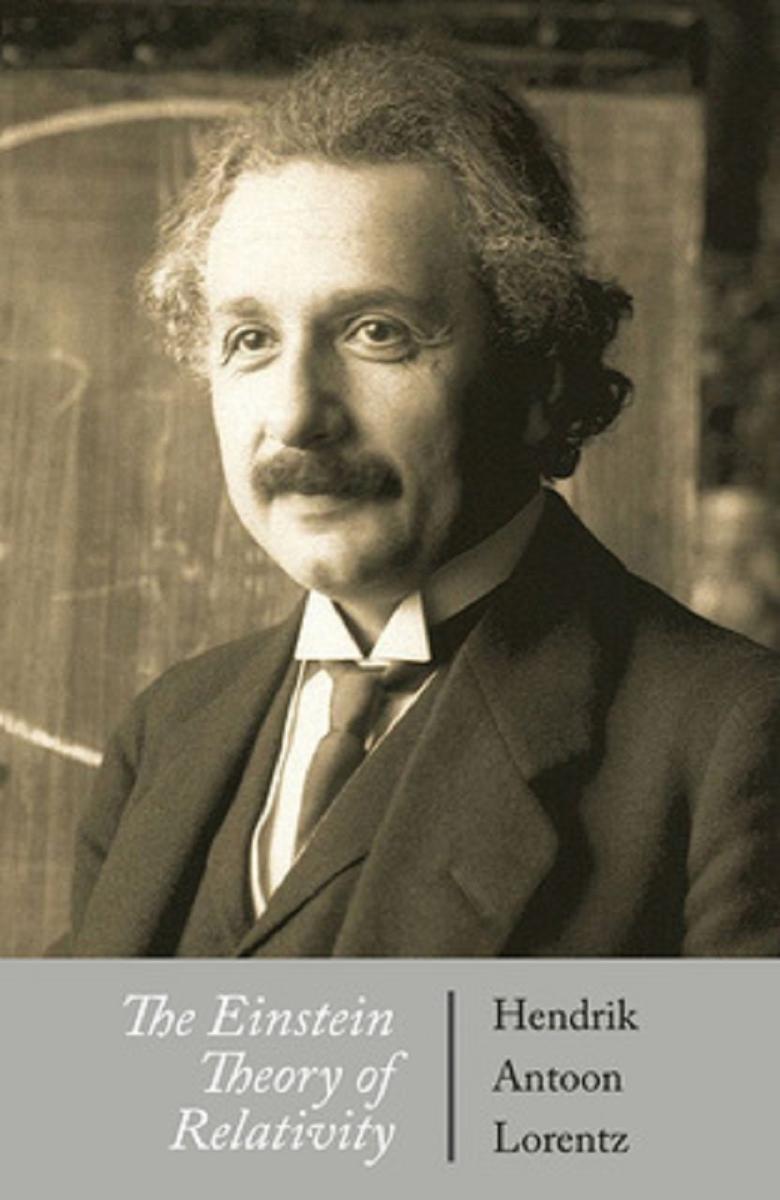
The Einstein Theory of Relativity
¥8.09
The Einstein Theory of Relativity
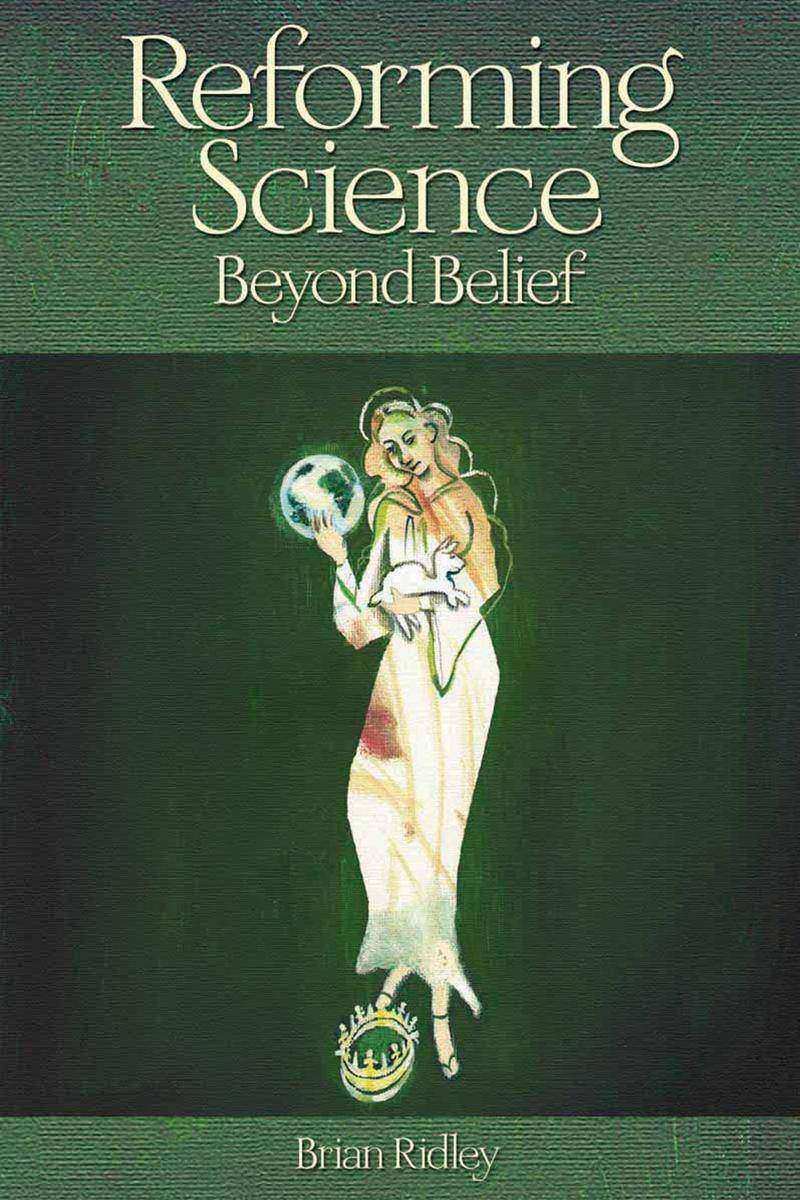
Reforming Science
¥107.81
In the 17th century Sir Francis Bacon advocated the patient study of Nature for the benefit of mankind. Most of science today, in its study of medicine, genetics, electronics etc., continues that pragmatic Baconian tradition without fuss. Over the years, however, as its investigation of Nature probed ever deeper into regions far removed from common experience, science has increasingly exhibited traits more usually associated with fundamentalist religion that with dispassionate study. Articulate voices from biology preach the belief in 18th century materialism in the study of evolution; those from physics promulgate a kind of mathematical theology in its study of elementary particles and cosmology; both inveigh against heresy. But science should be beyond that sort of belief. It should not see its undoubted success in manipulating matter as justifying any sort of religious status, as offering a spiritual foundation alternative to religion. As a scientist himself, Brian Ridley is appalled by such theological trends, hence this book. It is an attempt to address these concerns, to reform science, to place science in its broad historical and philosophical context where dogmatic belief has no place, to remind science itself that it has limitations.
Why the Mind Is Not a Computer
¥63.67
The equation "e;Mind = Machine"e; is false. This pocket lexicon of "e;neuromythology"e; shows why. Taking a series of key words such as calculation, language, information and memory, Professor Tallis shows how their misuse has a lured a whole generation into accepting the computational model of the mind.First of all these words were used literally in the description of the human mind. Then computer scientists applied them metaphorically to the workings of their machines. And finally, their metaphorical status forgotten, the use of the terms was called as evidence of artificial intelligence in machines and the computational nature of conscious thought.
Ionesco
¥40.79
Renun?a?i la p?ine, nu mai m?nca?i cereale, abandona?i glutenul! Mesajul este c?t se poate de simplu – fugi de gluten ?i nu numai c? te vei sim?i mai bine, dar ?i vei face o favoare creierului. Aceast? teorie extrem de controversat?, care demonteaz? toate ipotezele nutri?ionale moderne, propulseaz? cartea lui Perlmutter pe primul loc ?n topul bestsellerurilor New York Time, ajuns? la al nou?lea tiraj ?i publicat? ?n 15 ??ri. Renumitul neurolog David Perlmutter dezv?luie un adev?r ?ngropat foarte mult timp ?n literatura de specialitate: carbohidra?ii distrug creierul. ?i nu numai carbohidra?ii nes?n?to?i, dar chiar ?i cei s?n?to?i, precum cerealele integrale care pot provoca demen??, ADHD, anxietate, migrene, depresie ?i multe altele. Dr. Perlmutter explic? mecanismele care au loc la nivelul creierului atunci c?nd acesta are de a face cu ingredientele comune din p?inea cea de toate zilele ?i din bolul cu fructe, de ce gr?simea ?i colesterolul sunt benefice pentru creier ?i cum pot stimula acestea regenerarea celular? la orice v?rst?. Oferind o privire ?n profunzime asupra felului ?n care putem prelua controlul ?genelor noastre inteligente“ prin alegeri specifice alimentare ?i de stil de via??, autorul demonstreaz? cum se pot fi ?nfr?nge cele mai de temut maladii ale noastre f?r? medicamente. ?n sus?inerea teoriilor expuse ?n prima parte a c?r?ii, dr. Perlmutter a definitivat un plan revolu?ionar de 4 s?pt?m?ni prin care ne ?nva?? cum s? reprogram?m destinul nostru genetic pentru ob?inerea performan?elor ?n ceea ce prive?te starea de s?n?tate. Concluzia este ?ncurajatoare – nu depinde dec?t de noi s? r?m?nem ?n deplin?tatea facult??ilor mintale p?n? la sf?r?itul vie?ii.

Jar. Amandoi
¥13.08
ntr-un trafic incontrolabil, a intra pe contrasens nu e un lucru de mirare. Ce te faci ns dac exist riscul s dai nas n nas cu… favorita preedintelui Cine pltete asigurarea“Liviu Brtescu nu se teme de sanciuni. Nu folosete cuvinte dantelate, nu ridic pe nimeni n slvi. El doar se strduiete s conduc atent…

Louis van Gaal: A Vastulipán
¥68.83
Проверенные доступные и безопасные средства помогут сохранить и восстановить здоровье! В книге собрана настоящая ?золотая дюжина? природных лекарей: яблочный уксус, перекись водорода, соль, сода, свекла, тыква, лук, чеснок, орехи, имбирь, алоэ и золотой ус. Все они давно известны в народной медицине, многократно доказали свою эффективность, опробованы миллионами людей и широко используются для победы над самыми разными недугами. Вы узнаете, как применять народные средства для лечения бронхита, насморка, аллергии, язвы желудка, гастрита, ревматизма, варикозного расширения вен, геморроя, диабета, алкоголизма, дерматита, кариеса, ран, головной боли и других недугов. ПОЛЕЗНОЕ ДОПОЛНЕНИЕ! Рецепты красоты для ухода за кожей и волосами. Proverennye dostupnye i bezopasnye sredstva pomogut sohranit' i vosstanovit' zdorov'e! V knige sobrana nastojashhaja ?zolotaja djuzhina? prirodnyh lekarej: jablochnyj uksus, perekis' vodoroda, sol', soda, svekla, tykva, luk, chesnok, orehi, imbir', aloje i zolotoj us. Vse oni davno izvestny v narodnoj medicine, mnogokratno dokazali svoju jeffektivnost', oprobovany millionami ljudej i shiroko ispol'zujutsja dlja pobedy nad samymi raznymi nedugami. Vy uznaete, kak primenjat' narodnye sredstva dlja lechenija bronhita, nasmorka, allergii, jazvy zheludka, gastrita, revmatizma, varikoznogo rasshirenija ven, gemorroja, diabeta, alkogolizma, dermatita, kariesa, ran, golovnoj boli i drugih nedugov. POLEZNOE DOPOLNENIE! Recepty krasoty dlja uhoda za kozhej i volosami.

Tük?r/képek
¥68.34
Створено спльно з нтернет-ресурсом Мова – ДНК нац За допомогою нфографки показан правила та складн випадки вживання слв в укранськй мов Укранська без суржику, русизмв кальок за допомогою нфографки! Видання з наочними люстрацями та стислими правилами, прикладами вживання корисними статтями. Цю книжку створено з мрю про те, що колись в Укран буде модно знати деклька мов, а говорити укранською. Видання для тих, хто: – сплкуться укранською хоче вдосконалити сво знання; – прагне запобгти помилковому слововживанню; – бажа дзнатися нов фразеологзми й синонми; – намагаться уникнути вживання не властивих укранськй мовнй традиц зворотв висловв. Stvoreno spl'no z nternet-resursom Mova – DNK nac Za dopomogoju nfografki pokazan pravila ta skladn vipadki vzhivannja slv v ukrans'kj mov Ukrans'ka bez surzhiku, rusizmv kal'ok za dopomogoju nfografki! Vidannja z naochnimi ljustracjami ta stislimi pravilami, prikladami vzhivannja korisnimi stattjami. Cju knizhku stvoreno z mrju pro te, shho kolis' v Ukran bude modno znati dekl'ka mov, a govoriti ukrans'koju. Vidannja dlja tih, hto: – splkut'sja ukrans'koju hoche vdoskonaliti svo znannja; – pragne zapobgti pomilkovomu slovovzhivannju; – bazha dznatisja nov frazeologzmi j sinonmi; – namagat'sja uniknuti vzhivannja ne vlastivih ukrans'kj movnj tradic zvorotv vislovv.

М?сто к?сток (M?sto k?stok)
¥26.65
Отдалить возрастные изменения остроты зрения и помочь нашим глазам в любом возрасте противостоять огромным нагрузкам, без которых невозможна, к сожалению, современная жизнь, помогут давно проверенные рецепты народной медицины. Рецепты вкусных и полезных блюд для ежедневной диеты, богатой жирными кислотами, аминокислотами, каротиноидами и витаминами, а также комплексы лечебной гимнастики и массажей при косоглазии, близорукости и дальнозоркости, астигматизме, рецепты фитотерапии для внутреннего и наружного применения, процедуры и упражнения для снятия напряжения при переутомлении глаз, советы для тех, кто много работает за компьютером и всех, кто заботится о своих глазах, помогут сделать эту заботу всесторонней, не тягостной и эффективной.Otdalit' vozrastnye izmenenija ostroty zrenija i pomoch' nashim glazam v ljubom vozraste protivostojat' ogromnym nagruzkam, bez kotoryh nevozmozhna, k sozhaleniju, sovremennaja zhizn', pomogut davno proverennye recepty narodnoj mediciny. Recepty vkusnyh i poleznyh bljud dlja ezhednevnoj diety, bogatoj zhirnymi kislotami, aminokislotami, karotinoidami i vitaminami, a takzhe kompleksy lechebnoj gimnastiki i massazhej pri kosoglazii, blizorukosti i dal'nozorkosti, astigmatizme, recepty fitoterapii dlja vnutrennego i naruzhnogo primenenija, procedury i uprazhnenija dlja snjatija naprjazhenija pri pereutomlenii glaz, sovety dlja teh, kto mnogo rabotaet za komp'juterom i vseh, kto zabotitsja o svoih glazah, pomogut sdelat' jetu zabotu vsestoronnej, ne tjagostnoj i jeffektivnoj.

Джемы, конфитюры, пастила, варенье из ягод и фруктов.
¥17.74
П?д час роботи над книгою авторка побувала майже на вс?х континентах, в?дв?дала науков? бази в троп?ках Амазон?? ? на островах Великого бар’?рного рифу, сп?лкувалася з сотнями людей. Колберт шука? в?дпов?дь на питання, що станеться, якщо темпи вимирання прискоряться. Ця книга — не наукова праця. Вона — швидше велетенська стаття для природничого журналу з? св?товим ?м’ям, яку ми ма?мо можлив?сть читати укра?нською. Ел?забет Колберт у сво?й книз? н?кого не повча?. Зрештою, нав?ть не попереджа? про насл?дки нашого бездумного користування планетою. Вона — майстерна ? досв?дчена репортерка, яка простими словами розпов?да? про складн? реч?, в?д котрих залежить майбутн? нашо? планети ?, зрештою, людсько? цив?л?зац?? загалом.

Украшаем выпечку масляным кремомм
¥17.74
Tomasz Stawiszyński, filozof, publicysta zwi?zany mi?dzy innymi z ?Newsweekiem”, odwa?nie wylicza psychoterapeutyczne mity i pi?tnuje wielbion? bezkrytycznie psychologi?. Przekonuje, ?e wspó?czesna kultura i psychoterapia promuj? idea? cz?owieka, którego nie sposób zrealizowa? w praktyce. Tymczasem zdrady, depresja i chaos nie s? czym?, co trzeba zawsze pot?pia? i eliminowa?. Przeciwnie, odpowiednio zrozumiane czyni? ?ycie g??bszym i prawdziwszym, cho? niekoniecznie ?atwiejszym. A ?atwo?? ?ycia – któr? obiecuj? dzisiaj ró?ni terapeuci albo coachowie – to kolejny mit, bo d??enie do niej wzmacnia tylko problemy, jakich odruchowo chcemy si? pozby?. Ta fascynuj?ca ksi??ka przygl?da si? podejrzliwie zmitologizowanym prawdom psychologicznym, które przez ostatnie dekady dobrze nakr?ci?y nam w g?owie i zrobi?y wod? z mózgu. Tomasz Stawiszyński, filozof z talentem felietonisty, nie tylko ratuje nasz zdrowy rozs?dek, lecz tak?e prowadzi w kierunku szerszego, bardziej uniwersalnego rozumienia psychologii cz?owieka w uj?ciu Jamesa Hillmanna jako specyficznej wiedzy o otaczaj?cym nas dziwnym, skomplikowanym i wielopi?trowym ?wiecie. Dla wszystkich, którym nie wystarcza psychologiczna tradycja. Olga Tokarczuk Nie wierzcie – mówi Tomasz Stawiszyński – w sprowadzenie na ?wiat ?cz?owieka idealnego“. Nie wierzcie zw?aszcza wtedy, gdy wmawiaj? wam zewsz?d, ?e to wy nim mo?ecie zosta?, ?e macie w sobie tak? moc. A tymczasem to ideologiczna zmora, to potwór, który czyha na wasz? wolno??. prof. Zbigniew Miko?ejko, filozof religii, Instytut Filozofii i Socjologii PAN
Magáért beszél
¥23.30
Mér? László korábbi nagy siker? k?nyvei komoly szellemi kalandot jelent?, gondolkodásra késztet?, ugyanakkor szórakoztató olvasmánynak bizonyultak. A Mindenki másképp egyforma 1999-ben elnyerte az ??v tudományos k?nyve Németországban” díjak egyikét. Mér? László új k?nyve a szerz? r?videbb, de nem kevésbé elmélyült, elgondolkodtató és szórakoztató írásait tartalmazza. Ezek t?bbsége a Magyar Narancs Egotrip rovatában jelent meg, a k?nyv címe azonos a szerz? ottani sorozatcímével. Ebben a k?nyvben a szerz? a legt?bb írást alaposan átdolgozta. A lényeg nemigen változott, de a szigorú újságcikk-m?faj szorításából kiszabadulva némelyik írás hosszabb, némelyik r?videbb lett – ahogy a téma kívánta. ?s hogy mi ez a talányos cím? A magyarázatot keresse a k?tetben! ?Eredeti szakmám matematikus, majd a m?szaki tudományokból kandidáltam, kés?bb pszichológiából lettem habilitált doktor, nemrég pedig a gazdaságpszichológia professzorává neveztek ki. Emellett k?zel húsz éve vezetek egy játékszoftver-fejleszt? céget, amelynek egyik alapítója vagyok. Tudományos szakcikkek mellett írtam néhány k?nyvet a szélesebb olvasók?z?nség számára is, ezek t?bb idegen nyelven is megjelentek. Az utóbbi években megszerettem a tárca m?faját is – ennek termését mutatja be ez a k?nyv.” Mér? László


