


 购物车
购物车 个人中心
个人中心

Survival of the Sickest: The Surprising Connections Between Disease and Longevit
¥81.03
In this groundbreaking and absorbing book Dr. Sharon Moalem, delves back into the evolution of man to offer a radical perspective on survival, the human body, and our understanding of disease. Survival of the Sickest will change the way you think about your body. Dr. Moalem investigates peculiar and puzzling features of human biology to reveal the answers to such provocative questions as: ? Why do we need to pee when we’re cold? ? Can a person rust to death? ? Why are Greeks hairier than Africans? ? Can the tanning salon lower cholesterol? ? Why are leeches back in vogue? ? Can sunglasses cause sunburns? ? Who gets drunk faster – Europeans or Asians? In considering the question of why diseases exist, Dr Moalem proposes that most common diseases came into existence for very good reasons. Diabetes, hemochromatosis, cystic fibrosis and sickle cell anemia may all exist because, at some time in our past, they helped our ancestors survive some grand challenge to human existence. In turn, he also discovers that genetic and cultural differences have led to each race having different and unique ways of reacting to their environment and subsequently how they become susceptible to certain diseases. Survival of the Sickest is a book about life – yours, ours and every little living thing under the sun. About how we all got here, where we're all going and what we can do about it. Revelatory and written in an utterly engaging fashion, Sharon Moalem's book will change the way you think about your body.
The Planets
¥73.58
After the huge national and international success of ‘Longitude’ and ‘Gallileo’s Daughter’, Dava Sobel tells the human story of the nine planets of our solar system. This groundbreaking work traces the ‘lives’ of each member of our solar family, from myth and history, astrology and science fiction, to the latest data from the modern era's robotic space probes. Whether revealing what hides behind Venus's cocoon of acid clouds, describing Neptune's complex beauty, or capturing first-hand the excitement at the Jet Propulsion Laboratory when the first pictures from Cassini at Saturn were recently beamed to earth, Dava Sobel's unique tour of the solar system is filled with fascination and beauty. In lyrical prose interspersed with poems by Tennyson, Blake and others, ‘The Planets’ gives a breathtaking, intimate view of those heavenly bodies that have captured the imagination since humanity’s first glimpse of the glittering night skies. Timely and timeless, ‘The Planets’ will engage and delight as it unravels the mysteries of the cosmos. It is of infinite relevance to this age in which new planets are being discovered elsewhere in our galaxy. Note that it has not been possible to include the same picture content that appeared in the original print version.
Man Who Flattened the Earth
¥311.96
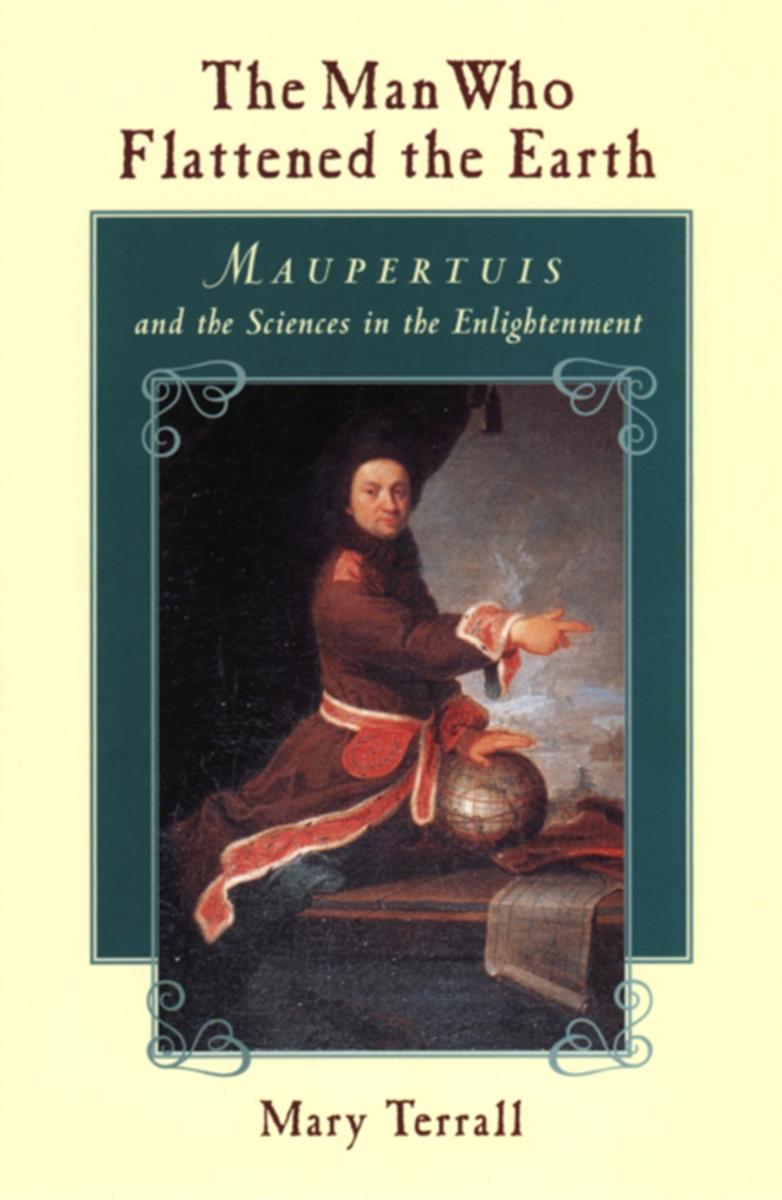
Self-styled adventurer, literary wit, philosopher, and statesman of science, Pierre-Louis Moreau de Maupertuis (1698-1759) stood at the center of Enlightenment science and culture. Offering an elegant and accessible portrait of this remarkable man, Mary Terrall uses the story of Maupertuis's life, self-fashioning, and scientific works to explore what it meant to do science and to be a man of science in eighteenth-century Europe.Beginning his scientific career as a mathematician in Paris, Maupertuis entered the public eye with a much-discussed expedition to Lapland, which confirmed Newton's calculation that the earth was flattened at the poles. He also made significant, and often intentionally controversial, contributions to physics, life science, navigation, astronomy, and metaphysics. Called to Berlin by Frederick the Great, Maupertuis moved to Prussia to preside over the Academy of Sciences there. Equally at home in salons, cafs, scientific academies, and royal courts, Maupertuis used his social connections and his printed works to enhance a carefully constructed reputation as both a man of letters and a man of science. His social and institutional affiliations, in turn, affected how Maupertuis formulated his ideas, how he presented them to his contemporaries, and the reactions they provoked.Terrall not only illuminates the life and work of a colorful and important Enlightenment figure, but also uses his story to delve into many wider issues, including the development of scientific institutions, the impact of print culture on science, and the interactions of science and government. Smart and highly readable, Maupertuis will appeal to anyone interested in eighteenth-century science and culture.”Terrall's work is scholarship in the best sense. Her explanations of arcane 18th-century French physics, mathematics, astronomy, and biology are among the most lucid available in any language.”-Virginia Dawson, American Historical ReviewWinner of the 2003 Pfizer Award from the History of Science Society
Paradise Found
¥147.15
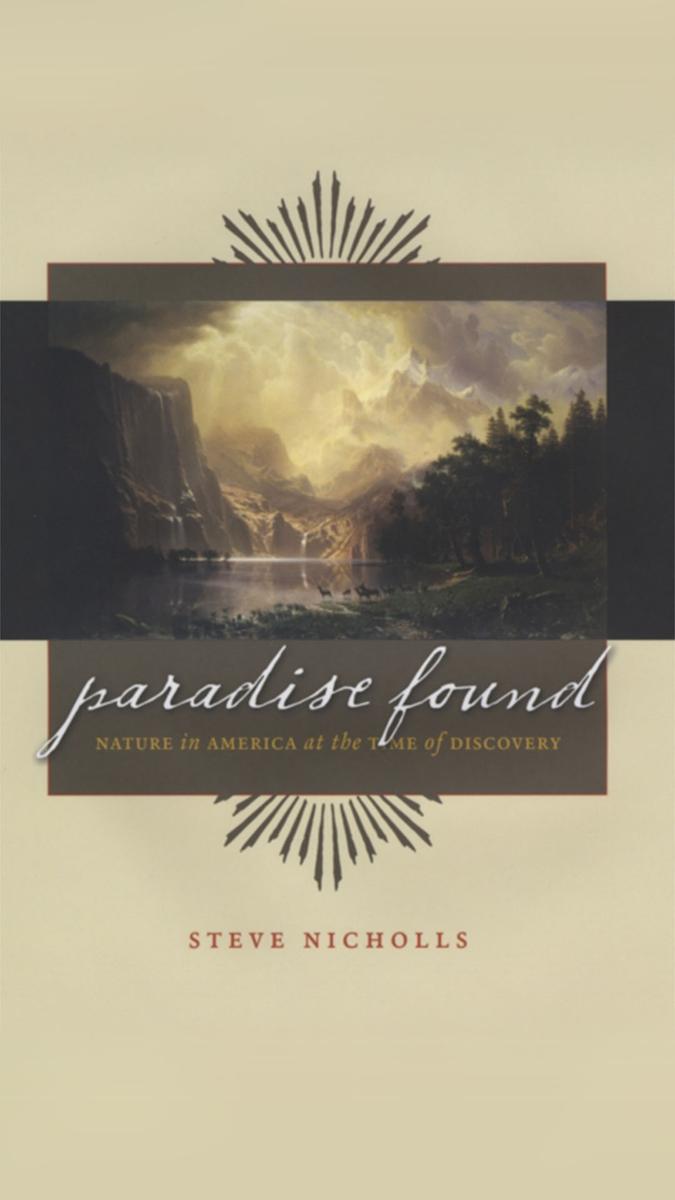
The first Europeans to set foot on North America stood in awe of the natural abundance before them. The skies were filled with birds, seas and rivers teemed with fish, and the forests and grasslands were a hunter's dream, with populations of game too abundant and diverse to even fathom. It's no wonder these first settlers thought they had discovered a paradise of sorts. Fortunately for us, they left a legacy of copious records documenting what they saw, and these observations make it possible to craft a far more detailed evocation of North America before its settlement than any other place on the planet.Here Steve Nicholls brings this spectacular environment back to vivid life, demonstrating with both historical narrative and scientific inquiry just what an amazing place North America was and how it looked when the explorers first found it. The story of the continent's colonization forms a backdrop to its natural history, which Nicholls explores in chapters on the North Atlantic, the East Coast, the Subtropical Caribbean, the West Coast, Baja California, and the Great Plains. Seamlessly blending firsthand accounts from centuries past with the findings of scientists today, Nicholls also introduces us to a myriad cast of characters who have chronicled the changing landscape, from pre-Revolutionary era settlers to researchers whom he has met in the field.A director and writer of Emmy Award-winning wildlife documentaries for the Smithsonian Channel, Animal Planet, National Geographic, and PBS, Nicholls deploys a cinematic flair for capturing nature at its most mesmerizing throughout. But Paradise Found is much more than a celebration of what once was: it is also a reminder of how much we have lost along the way and an urgent call to action so future generations are more responsible stewards of the world around them. The result is popular science of the highest order: a book as remarkable as the landscape it recreates and as inspired as the men and women who discovered it.
Plan of Chicago
¥100.06
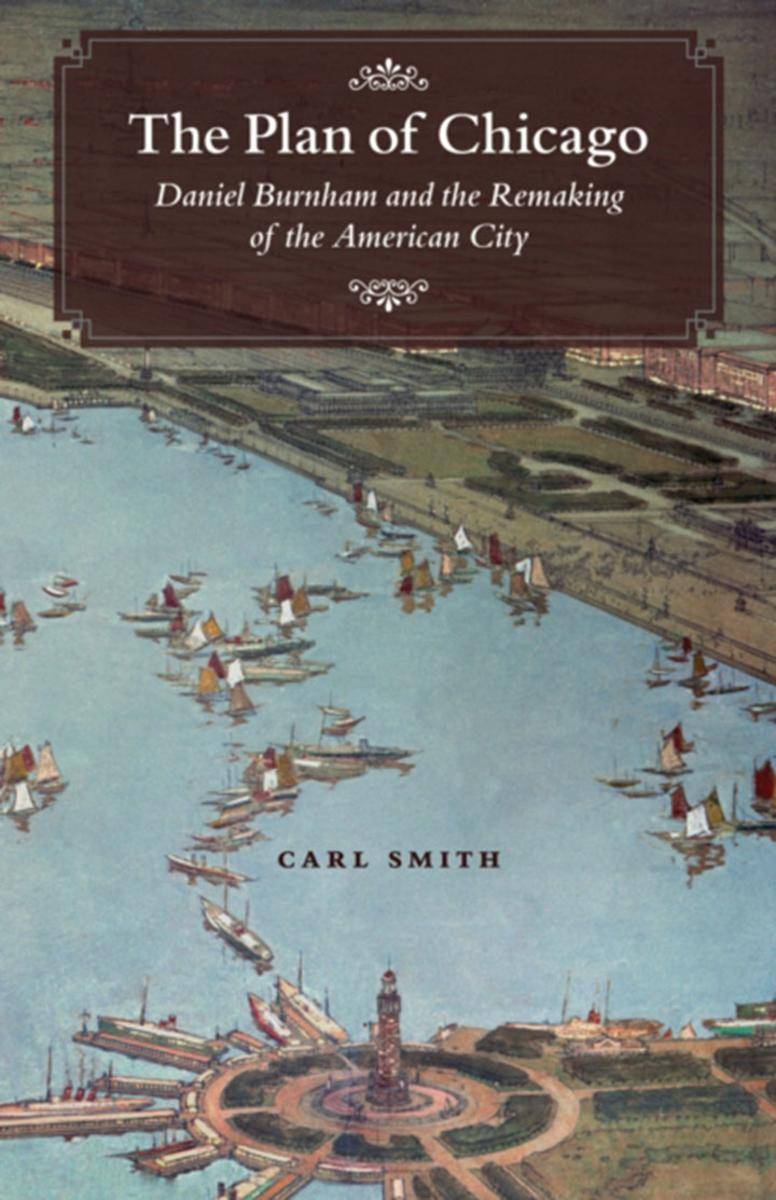
Arguably the most influential document in the history of urban planning, Daniel Burnham's 1909 Plan of Chicago, coauthored by Edward Bennett and produced in collaboration with the Commercial Club of Chicago, proposed many of the city's most distinctive features, including its lakefront parks and roadways, the Magnificent Mile, and Navy Pier. Carl Smith's fascinating history reveals the Plan's central role in shaping the ways people envision the cityscape and urban life itself.?Smith's concise and accessible narrative begins with a survey of Chicago's stunning rise from a tiny frontier settlement to the nation's second-largest city. He then offers an illuminating exploration of the Plan's creation and reveals how it embodies the renowned architect's belief that cities can and must be remade for the better. The Plan defined the City Beautiful movement and was the first comprehensive attempt to reimagine a major American city. Smith points out the ways the Plan continues to influence debates, even a century after its publication, about how to create a vibrant and habitable?urban environment.?Richly illustrated and incisively written, his insightful book will be indispensable to our understanding of Chicago, Daniel Burnham, and the emergence of the modern city.
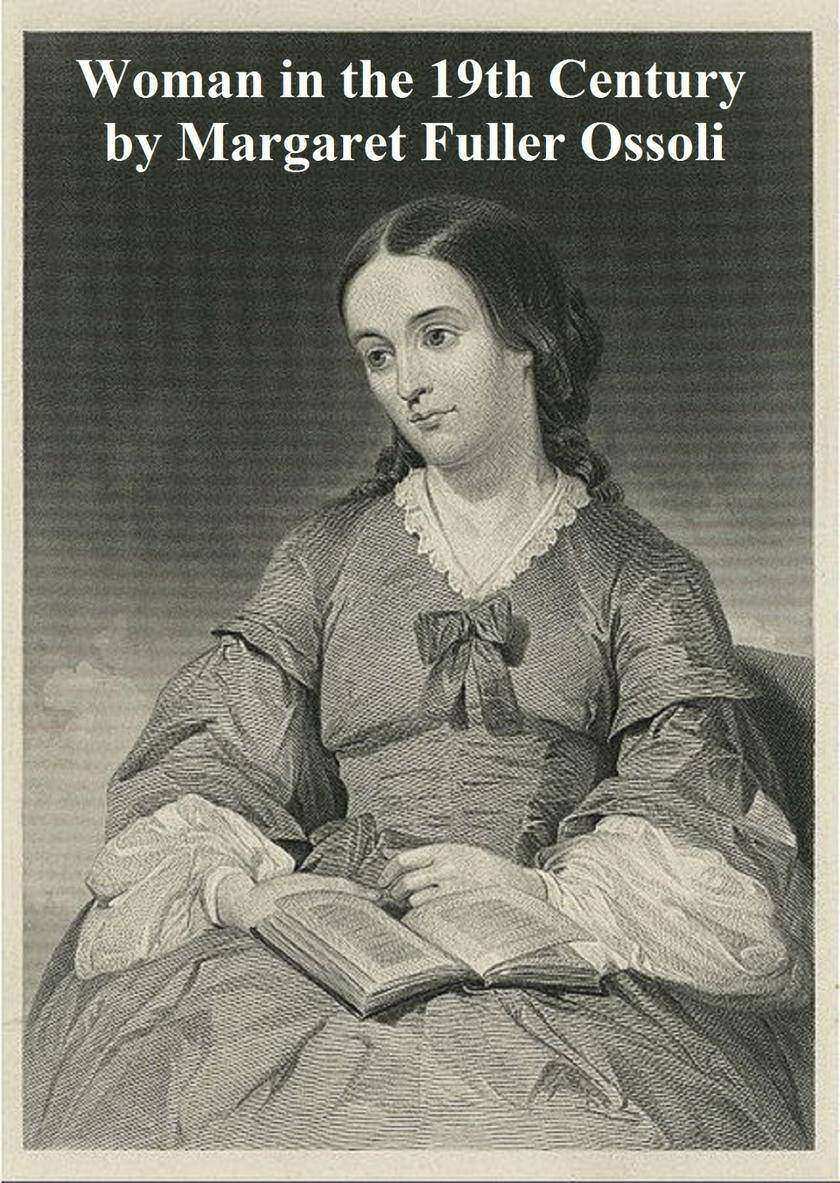
Woman in the 19th Century
¥8.09
According to Wikipedia: "Sarah Margaret Fuller Ossoli (May 23, 1810 – July 19, 1850) was a journalist, critic and women's rights activist associated with the American transcendental movement. She was the first full-time female book reviewer in journalism. Her book Woman in the Nineteenth Century is considered the first major feminist work in the United States."
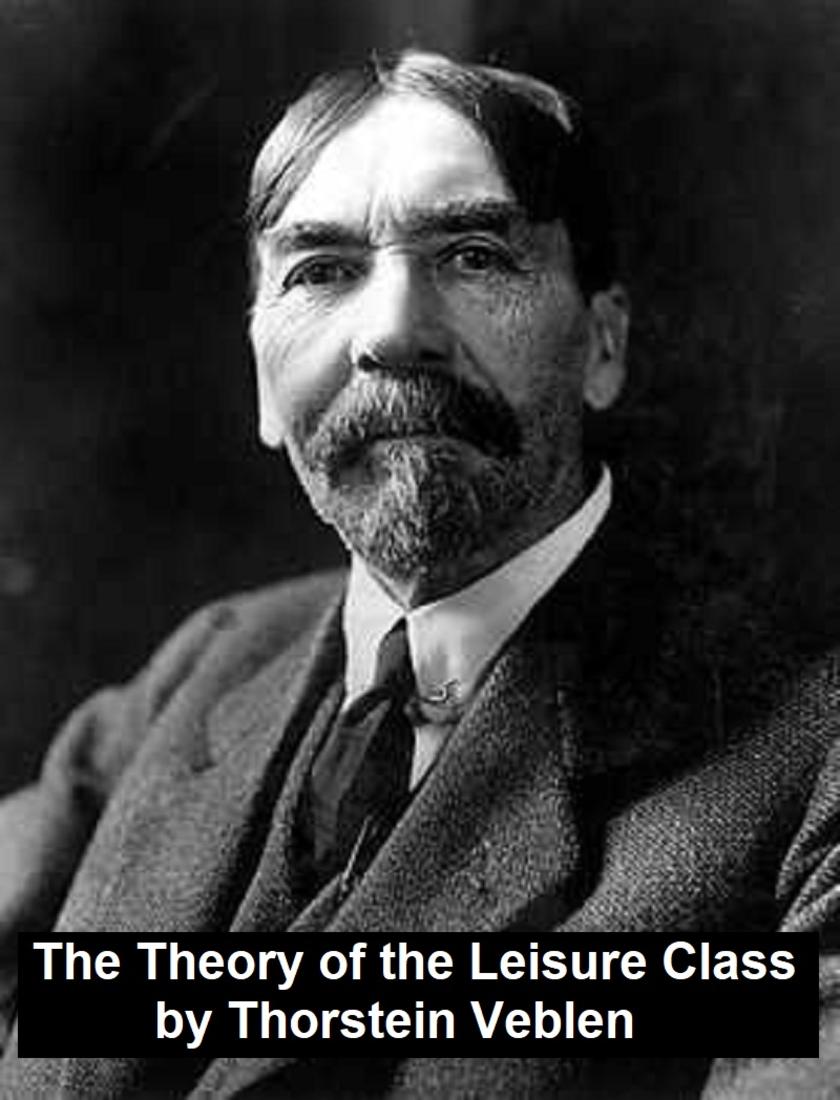
The Theory of the Leisure Class
¥8.09
According to Wikipedia: "Thorstein Bunde Veblen, born Tosten Bunde Veblen (July 30, 1857 – August 3, 1929) was a Norwegian-American sociologist and economist and a primary mentor, along with John R. Commons, of the institutional economics movement. He was an impassioned critic of the performance of the American economy, and is most famous for his book The Theory of the Leisure Class (1899)."
Delphi Works of Alexander Pushkin (Illustrated)
¥16.27
Russia's Father of Literature deserves a place in all digital libraries. This comprehensive eBook presents the major works of Alexander Pushkin, with beautiful illustrations, informative introductions and the usual Delphi bonus material. * Beautifully illustrated with images relating to Pushkin's life and works * Concise introductions to the poetry and other works * Images of how the books were first printed, giving your eReader a taste of the original texts * A selection of many of Pushkin's greatest poems, first time in digital print. * Excellent formatting of the texts * Almost the complete short fiction, including rare short stories appearing for the first time in digital print * Rare plays, with contents tables * Special criticism section, with three essays evaluating Pushkin's contribution to literature * Features a bonus biography - discover Pushkin's literary life * Scholarly ordering of texts into chronological order and literary genres Please visit www.delphiclassics.com to browse our range of exciting titles CONTENTS: The Poetry SHORT POEMS THE FOUNTAIN OF BAKHCHISARAY THE GIPSIES POLTAVA THE BRONZE HORSEMAN RUSLAN AND LYUDMILA LIST OF POEMS IN ALPHABETICAL ORDER The Verse Novel EUGENE ONEGIN The Short Stories and Unfinished Novels PETER THE GREATS NEGRO MARIE THE SHOT THE SNOWSTORM THE UNDERTAKER THE POSTMASTER MISTRESS INTO MAID THE QUEEN OF SPADES KIRDJALI THE CAPTAINS DAUGHTER EGYPTIAN NIGHTS DUBROVSKY The Plays BORIS GODUNOV THE STONE GUEST MOZART AND SALIERI The Criticism THE ROMANTIC POETS: POUSHKIN by Rosa Newmarch POUSHKIN: HIS WORKS by Rosa Newmarch LECTURES ON RUSSIAN LITERATURE: PUSHKIN by Ivan Panin The Biography A SHORT BIOGRAPHICAL NOTICE OF ALEXANDER PUSHKIN by Henry Spalding

At Christmas Time
¥40.79
Vasilisa had not seen her daughter for four years. Her daughter Yefimya had gone after her wedding to Petersburg, had sent them two letters, and since then seemed to vanish out of their lives; there had been no sight nor sound of her. And whether the old woman were milking her cow at dawn, or heating her stove, or dozing at night, she was always thinking of one and the same thing—what was happening to Yefimya, whether she were alive... Read in English, unabridged.
The Glimpse by Arnold Bennett - Delphi Classics (Illustrated)
¥8.09
This eBook features the unabridged text of ‘The Glimpse by Arnold Bennett - Delphi Classics (Illustrated)’ from the bestselling edition of ‘The Complete Works of Arnold Bennett’. Having established their name as the leading publisher of classic literature and art, Delphi Classics produce publications that are individually crafted with superior formatting, while introducing many rare texts for the first time in digital print. The Delphi Classics edition of Bennett includes original annotations and illustrations relating to the life and works of the author, as well as individual tables of contents, allowing you to navigate eBooks quickly and easily. eBook features: * The complete unabridged text of ‘The Glimpse by Arnold Bennett - Delphi Classics (Illustrated)’ * Beautifully illustrated with images related to Bennett’s works * Individual contents table, allowing easy navigation around the eBook * Excellent formatting of the text Please visit www.delphiclassics.com to learn more about our wide range of titles

The Story of Doctor Dolittle
¥40.79
Doctor Dolittle lives in a little town called Puddleby. He is a doctor who shuns human patients in favour of animals, with whom he can speak in their own languages. He later becomes a naturalist, using his abilities to speak with animals to better understand nature and the history of the world.

Abraham Lincoln: A Play
¥8.09
This unique edition of Abraham Lincoln: A Play from Dead Dodo Vintage includes the full original text as well as exclusive features not available in other editions.

The Travels of Ibn Fudayl
¥57.14
The Travels of Ibn Fudayl is a satirical tale written in the style of an academic who has translated a medieval manuscript. It comes complete with a foreword, introduction, bibliography and copious footnotes that poke fun at the pretentious world of academia, whilst chronicling Ibn Fudayl's experiences in Al-Andalus. In particular, how his search for wisdom leads him to meet the philosopher Al-Homsi, the world's most ignorant man. It is their friendship and love for worthless knowledge that enables Ibn Fudayl to reach the upper echelons of Andalusian society.

The Tale of Two Bad Mice
¥40.79
Once upon a time there was a very beautiful doll’s-house; it was red brick with white windows, and it had real muslin curtains and a front door and a chimney. One morning Lucinda and Jane had gone out for a drive in the doll’s perambulator. There was no one in the nursery, and it was very quiet. Presently there was a little scuffling, scratching noise in a corner near the fire-place, where there was a hole under the skirting-board.

Life and Habit
¥27.88
One more point deserves notice. Butler often refers in “Life and Habit” to Darwin’s “Variations of Animals and Plants under Domestication.” When he does so it is always under the name “Plants and Animals.” More often still he refers to Darwin’s “Origin of Species by means Natural Selection,” terming it at one time “Origin of Species” and at another “Natural Selection,” sometimes, as on p. 278, using both names within a few lines of each other. Butler was as a rule scrupulously careful about quotations, and I can offer no explanation of this curious confusion of titles.? Since Samuel Butler published “Life and Habit” thirty-three [vii] years have elapsed—years fruitful in change and discovery, during which many of the mighty have been put down from their seat and many of the humble have been exalted. I do not know that Butler can truthfully be called humble, indeed, I think he had very few misgivings as to his ultimate triumph, but he has certainly been exalted with a rapidity that he himself can scarcely have foreseen. During his lifetime he was a literary pariah, the victim of an orga-nized conspiracy of silence. He is now, I think it may be said without exaggeration, universally accepted as one of the most remarkable English writers of the latter part of the nineteenth century. ??I will not weary my readers by quoting the numerous tributes paid by distinguished contemporary writers to Butler’s originality and force of mind, but I cannot refrain from illustrating the changed attitude of the sci-entific world to Butler and his theories by a reference to “Darwin and Modern Science,” the collection of essays published in 1909 by the University of Cambridge, in commemoration of the Darwin centenary. ??In that work Professor Bateson, while referring repeatedly to Butler’s biological works, speaks of him as “the most brilliant and by far the most interesting of Darwin’s opponents, whose works are at length emerging from oblivion.” ??R. A. STREATFEILD.?November, 1910.
Pygmalion
¥33.03
Majoritatea deceselor cauzate de cancer ar putea fi evitate ?Marele c?l?u“ al secolului XXI, cancerul este ?n mod gre?it perceput ca o calamitate ce love?te la ?nt?mplare, o nenorocire ?mpotriva c?reia suntem neputincio?i. Cartea arat? c? exist? o leg?tur? ?ntre tabagism, surplusul de greutate, sedentarism, alimenta?ie, expunerea la razele ultraviolete, lipsa de somn ?i cancer, precum ?i c? majoritatea deceselor cauzate de aceast? boal? ar putea fi evitate prin modific?ri simple ale stilului de via??. Cele 10 reguli pentru reducerea riscurilor, izvor?te din analiza mai multor decenii de cercet?ri ?tiin?ifice, reprezint? o arm? puternic? ?mpotriva cancerului ?i le ofer? pentru prima dat? celor care au supravie?uit bolii un instrument concret de prevenire a recidivelor, ?n scopul cre?terii speran?ei de via??. ? excesul de zah?r ?i gr?simi din produsele alimentare industriale ar putea induce o dependen?? similar? celei asociate consumului de droguri ? dou? ore ?i jum?tate de activitate fizic? de intensitate moderat?, s?pt?m?nal, reduc riscul de mortalitate al bolnavilor de cancer ? cei care consum? trei por?ii de legume crucifere pe s?pt?m?n? prezint? un risc de recidiv? redus la jum?tate
The Souls of Black Folk
¥8.09
According to Wikipedia: "William Edward Burghardt Du Bois (February 23, 1868 – August 27, 1963) was an American civil rights activist, public intellectual, Pan-Africanist, professor of sociology, historian, writer, and editor. At the age of 95, in 1963, he became a naturalized citizen of Ghana. David Levering Lewis, a biographer, wrote, 'In the course of his long, turbulent career, W. E. B. Du Bois attempted virtually every possible solution to the problem of twentieth-century racism— scholarship, propaganda, integration, national self-determination, human rights, cultural and economic separatism, politics, international communism, expatriation, third world solidarity.'"
The Voyage of the Beagle
¥8.09
102 black-and-white illustrations. According to Wikipedia: "The Voyage of the Beagle is a title commonly given to the book written by Charles Darwin and published in 1839 as his Journal and Remarks, bringing him considerable fame and respect. The title refers to the second survey expedition of the ship HMS Beagle, which set sail from Plymouth Sound on 27 December 1831 under the command of Captain Robert FitzRoy, R.N.

Unity 2017 Game Optimization - Second Edition: Optimize all aspects of Unity per
¥334.25
Master a series of performance-enhancing coding techniques and methods that help them improve the performance of their Unity3D applications About This Book Discover features and techniques to optimize Unity Engine's CPU cycles, memory usage, and the GPU throughput of any application Explore multiple techniques to solve performance issues with your VR projects Learn the best practices for project organization to save time through an improved workflow Who This Book Is For This book is intended for intermediate and advanced Unity developers who have experience with most of Unity's feature-set, and who want to maximize the performance of their game. Familiarity with the C# language will be needed. What You Will Learn Use the Unity Profiler to find bottlenecks anywhere in your application, and discover how to resolve them Implement best practices for C# scripting to avoid common pitfalls Develop a solid understanding of the rendering pipeline, and maximize its performance by reducing draw calls and avoiding fill rate bottlenecks Enhance shaders in a way that is accessible to most developers, optimizing them through subtle yet effective performance tweaks Keep your scenes as dynamic as possible by making the most of the Physics engine Organize, filter, and compress your art assets to maximize performance while maintaining high quality Discover different kinds of performance problems that are critical for VR projects and how to tackle them Use the Mono Framework and C# to implement low-level enhancements that maximize memory usage and avoid garbage collection Get to know the best practices for project organization to save time through an improved workflow In Detail Unity is an awesome game development engine. Through its massive feature-set and ease-of-use, Unity helps put some of the best processing and rendering technology in the hands of hobbyists and professionals alike. This book shows you how to make your games fly with the recent version of Unity 2017, and demonstrates that high performance does not need to be limited to games with the biggest teams and budgets. Since nothing turns gamers away from a game faster than a poor user-experience, the book starts by explaining how to use the Unity Profiler to detect problems. You will learn how to use stopwatches, timers and logging methods to diagnose the problem. You will then explore techniques to improve performance through better programming practices. Moving on, you will then learn about Unity's built-in batching processes; when they can be used to improve performance, and their limitations. Next, you will import your art assets using minimal space, CPU and memory at runtime, and discover some underused features and approaches for managing asset data. You will also improve graphics, particle system and shader performance with a series of tips and tricks to make the most of GPU parallel processing. You will then delve into the fundamental layers of the Unity3D engine to discuss some issues that may be difficult to understand without a strong knowledge of its inner-workings. The book also introduces you to the critical performance problems for VR projects and how to tackle them. By the end of the book, you will have learned to improve the development workflow by properly organizing assets and ways to instantiate assets as quickly and waste-free as possible via object pooling. Style and approach This practical book will help readers understand the essentials of the Unity3D engine and how to build games while improving the performance of their applications.

Hands-On Android UI Development
¥297.10
Master the art of creating impressive and reactive UIs for mobile applications on the latest version of Android Oreo. About This Book A comprehensive guide to designing and developing highly interactive user interfaces for your app. Design responsive and agile applications targeting multiple Android devices (up to Android Oreo) using Android Studio 3.0 Write reactive user interfaces with minimal effort by leveraging the latest Android technologies, such as Architecture components and the Lifecycle API Avoid common design problems and pitfalls with the help of shared UI design patterns and best practices. Who This Book Is For This book is for novice Android and Java developers who have a basic knowledge of Android development and want to start developing stunning user interfaces. What You Will Learn Create effective and efficient user interfaces that allow users to carry out tasks smoothly Understand the fundamentals of Android UI design, and take a look at the basic layouts, Inputs, and controls Learn about various UI components provided by Android, which include structured layout objects and UI controls that allow you to build the graphical user interface for your app Explore various styles and themes that allow you to customize the look and feel of your app Leverage the animation and graphics APIs to improve user experience and draw custom 2D graphics In Detail A great user interface (UI) can spell the difference between success and failure for any new application. This book will show you not just how to code great UIs, but how to design them as well. It will take novice Android developers on a journey, showing them how to leverage the Android platform to produce stunning Android applications. Begin with the basics of creating Android applications and then move on to topics such as screen and layout design. Next, learn about techniques that will help improve performance for your application. Also, explore how to create reactive applications that are fast, animated, and guide the user toward their goals with minimal distraction. Understand Android architecture components and learn how to build your application to automatically respond to changes made by the user. Great platforms are not always enough, so this book also focuses on creating custom components, layout managers, and 2D graphics. Also, explore many tips and best practices to ease your UI development process. By the end, you'll be able to design and build not only amazing UIs, but also systems that provide the best possible user experience. Style and approach This book takes an easy tutorial approach to help you learn how to create consistent and efficient user interfaces for your apps. The book first takes you through the basics of user interfaces such as basic layouts, inputs, and controls, and also covers animations and graphics. By the end of the book, you will have learned best practices and will be able to develop inspired interfaces that look good and also work subtly in the background.

Protecting Our Drylands
¥104.80
Kenya covers a total land area of 582,646 km2. This land area is classified in terms of agricultural potential as: 12.7% of medium to high potential for agricultural production; 11.5% of arable land, subject to periodic droughts; 70.7% of drylands; and 5.6% of non-agricultural land. High population densities are more prevalent in areas of high agricultural potential than those of low potential (drylands). Most of Kenya's population (approx. 80%) lives in rural areas and therefore depends on agriculture and livestock for food and income.This book reviews sustainable technological options for land and water management and that are appropriate to soil and moisture conservation in drylands areas of Kenya. Of significant importance are: Environment and Resource Conservation in Semi-Arid Kenya; Dryland agriculture and conservation technologies in Kenya; Sustainable Soil Management Technologies for Effective Erosion Control in Semi-Arid Kenya; Development of Sustainable Conservation Techniques for Dryland Agriculture in Semi-arid Kenya; Agroforestry for Environmental Conservation in Dryland Environments of Kenya; Carbon Sequestration in Dryland Soils; Integrated Watershed Resource Management in Semi-arid Kenya; Runoff Water Management Systems for Dryland Agriculture in Semi-Arid Kenya; Land and Water Management for Poverty Alleviation: Experiences from Iiuni Watershed, Machakos County, Kenya; and Participatory Role of Communities in Sustainable Development and Management of Resources in semi - arid environments of Kenya?


