


 购物车
购物车 个人中心
个人中心
规范性:思想和意义之基(当代中国社会道德理论与实践研究丛书)
¥34.80
规范性是当代规范伦理学的一个核心观念。本书深探究了人类理性层面的规范性与某种植根于自然化的深层规范性之间的关系,考察了作为元概念/范畴的规范性对一系列相关理论概念、题旨的某种奠基性作用,以展示其解释力及整合力。
ROS Robotics By Example - Second Edition
¥371.39
Learning how to build and program your own robots with the most popular open source robotics programming framework About This Book Get to know the fundamentals of ROS and apply its concepts to real examples Learn how to write robotics applications without getting bogged down in hardware problems Learn to implement best practices in ROS development Who This Book Is For This book is for robotic enthusiasts, researchers and professional robotics engineers who would like to build robot applications using ROS. It gives the robotics beginner and the ROS newbie an immensely practical introduction to robot building and robotics application coding. Basic knowledge of GNU/Linux and the ability to write simple applications is assumed, but no robotics knowledge, practical or theoretical, is needed. What You Will Learn Control a robot without requiring a PhD in robotics Simulate and control a robot arm Control a flying robot Send your robot on an independent mission Learning how to control your own robots with external devices Program applications running on your robot Extend ROS itself Extend ROS with the MATLAB Robotics System Toolbox In Detail ROS is a robust robotics framework that works regardless of hardware architecture or hardware origin. It standardizes most layers of robotics functionality from device drivers to process control and message passing to software package management. But apart from just plain functionality, ROS is a great platform to learn about robotics itself and to simulate, as well as actually build, your first robots. This does not mean that ROS is a platform for students and other beginners; on the contrary, ROS is used all over the robotics industry to implement flying, walking and diving robots, yet implementation is always straightforward, and never dependent on the hardware itself. ROS Robotics has been the standard introduction to ROS for potential professionals and hobbyists alike since the original edition came out; the second edition adds a gradual introduction to all the goodness available with the Kinetic Kame release. By providing you with step-by-step examples including manipulator arms and flying robots, the authors introduce you to the new features. The book is intensely practical, with space given to theory only when absolutely necessary. By the end of this book, you will have hands-on experience on controlling robots with the best possible framework. Style and approach ROS Robotics By Example, Second Edition gives the robotics beginner as well as the ROS newbie an immensely practical introduction to robot building and robotics application coding. ROS translates as "robot operating system"; you will learn how to control a robot via devices and configuration files, but you will also learn how to write robot applications on the foundation of this operating system.

Delphi Complete Works of W. B. Yeats (Illustrated)
¥16.27
This is the seventh volume of a new series of publications by Delphi Classics, the best-selling publisher of classical works. Many poetry collections are often poorly formatted and difficult to read on eReaders. The Delphi Poets Series offers readers the works of literature's finest poets, with superior formatting. This volume presents the poetical works and plays of W. B. Yeats, with illustrations and the usual Delphi bonus material. (Version: 1) * Beautifully illustrated with images relating to Yeats' life and works * Concise introductions to the poetry and other works * Ten poetry collections – the most poems possible due to US copyright restrictions * Images of how the poetry books were first printed, giving your eReader a taste of the original texts * Excellent formatting of the poems and plays * Special chronological and alphabetical contents tables for the poetry * Easily locate the poems you want to read * 19 plays, including rare dramas appearing for the first time in digital print * Features two autobiographies - discover Yeats' literary life * Scholarly ordering of texts into chronological order and literary genres Please note: to comply with US copyright restrictions, poetry collections, plays and autobiographical works published after 1922 cannot appear in this volume. Once these later works enter the US public domain, they will be added as a free update to the eBook. CONTENTS The Poetry Collections The Wanderings of Oisin and Other Poems The Countess Kathleen and Various Legends and Lyrics The Wind Among The Reeds Poems from the Shadowy Waters Two Narrative Poems In the Seven Woods The Green Helmet and Other Poems Responsibilities The Wild Swans at Coole Michael Robartes and The Dancer The Poems List of Poems in Chronological Order List of Poems in Alphabetical Order The Plays The Countess Cathleen The Land of Heart’s Desire Diarmuid and Grania Where There is Nothing Cathleen ni Houlihan The Hour-Glass The Pot of Broth The King’s Threshold On Baile’s Strand Deirdre The Unicorn from the Stars The Green Helmet The Shadowy Waters The Hour-Glass (verse version) At the Hawk’s Well The Dreaming of the Bones The Only Jealousy of Emer Calvary The Player Queen The Autobiographies Reveries over Childhood and Youth The Trembling of the Veil

The Time Of Women
¥90.03
Life is not easy in the Soviet Union at mid-20 th century, especially for a factory worker who becomes an unwed mother. But Antonina is lucky to get a room in a communal apartment that she and her little girl share with three elderly women. Glikeria is a daughter of former serfs. Ariadna comes from a wealthy family and speaks French. Yevdokia is illiterate and bitter. All have lost their families, all are deeply traditional, and all become “grannies” to little Suzanna. Only they secretly name her Sofia. And just as secretly they impart to her the history of her country as they experienced it: the Revolution, the early days of the Soviet Union, the blockade and starvation of World War II. The little girl responds by drawing beautiful pictures, but she is mute. If the authorities find out she will be taken from her home and sent to an institution. When Antonina falls desperately ill, the grannies are faced with the reality of losing the little girl they love – a stepfather can be found before it is too late. And for that, they need a miracle.
Ursule Mirouet by Honoré de Balzac - Delphi Classics (Illustrated)
¥8.09
This eBook features the unabridged text of ‘Ursule Mirouet by Honoré de Balzac - Delphi Classics (Illustrated)’ from the bestselling edition of ‘The Collected Works of Honoré de Balzac’. Having established their name as the leading publisher of classic literature and art, Delphi Classics produce publications that are individually crafted with superior formatting, while introducing many rare texts for the first time in digital print. The Delphi Classics edition of Balzac includes original annotations and illustrations relating to the life and works of the author, as well as individual tables of contents, allowing you to navigate eBooks quickly and easily. eBook features: * The complete unabridged text of ‘Ursule Mirouet by Honoré de Balzac - Delphi Classics (Illustrated)’ * Beautifully illustrated with images related to Balzac’s works * Individual contents table, allowing easy navigation around the eBook * Excellent formatting of the text Please visit www.delphiclassics.com to learn more about our wide range of titles
The Ancestors
¥51.91
The Ancestors is the story of three generations of first daughters who were born after the abolition of slavery and possessed egos that were not compliant with the expected and largely accepted subservient role of women within the humble but chauvinistic environment in which they lived. The spirit of the era is captured as the biopic depicts simple sub-cultural lifestyles with fixed superstitions, parallel belief in God and the occult and unique language. Life experiences are stmpathetically and humorously echoed during separate journeys of survival and eventual triumph.

Delphi Complete Works of Henry Howard, Earl of Surrey (Illustrated)
¥16.27
One of the most influential and important figures of the Renaissance, Henry Howard, Earl of Surrey was the first poet to use blank verse in English literature, later influencing the works of Shakespeare, Spenser and Milton. This new edition of the bestselling Delphi Poets Series offers superior formatting of the complete surviving works of Surrey, with beautiful illustrations and the usual Delphi bonus material. (Version 1) * Beautifully illustrated with images relating to Surrey's life and works * Concise introduction to the influential early Renaissance poet * Excellent formatting of the poems * Special chronological and alphabetical contents tables for the poetry * Easily locate the poems you want to read * Includes line numbers ? ideal for students * Features a bonus biography - explore Surrey's literary life Please visit www.delphiclassics.com to browse through our range of exciting titles CONTENTS: The Poetry of Surrey BRIEF INTRODUCTION: HENRY HOWARD, EARL OF SURREY The Poems LIST OF POEMS IN CHRONOLOGICAL ORDER LIST OF POEMS IN ALPHABETICAL ORDER The Biography HENRY HOWARD by Sidney Lee Please visit www.delphiclassics.com to browse through our range of exciting titles

The Beast in the Jungle
¥40.79
The Beast in the Jungle is one of James' finest short novels touching upon such universal themes as loneliness, fate, love and death. The story can be interpreted as a confession or parable about James' own life. He never married and possibly never experienced a consummated sexual relationship. Although he did enjoy a thorough experience of aesthetic creativity, it is possible that he still regretted what he called the essential loneliness of his life. The parable of the protagonist, John Marcher and his peculiar destiny speaks about the worth and meaning of human life.
Proserpine by Mary Shelley - Delphi Classics (Illustrated)
¥8.09
This eBook features the unabridged text of ‘Proserpine by Mary Shelley - Delphi Classics (Illustrated)’ from the bestselling edition of ‘The Complete Works of Mary Shelley’. Having established their name as the leading publisher of classic literature and art, Delphi Classics produce publications that are individually crafted with superior formatting, while introducing many rare texts for the first time in digital print. The Delphi Classics edition of Shelley includes original annotations and illustrations relating to the life and works of the author, as well as individual tables of contents, allowing you to navigate eBooks quickly and easily. eBook features: * The complete unabridged text of ‘Proserpine by Mary Shelley - Delphi Classics (Illustrated)’ * Beautifully illustrated with images related to Shelley’s works * Individual contents table, allowing easy navigation around the eBook * Excellent formatting of the text Please visit www.delphiclassics.com to learn more about our wide range of titles

中国文明起源初探
¥25.99
本书是一部探讨中国文明起源的著作,作者潜心研究中国历史、哲学和文化多年,力求洞悉中国文明的内在脉络。作者聚焦于中国文明起源过程中的理性要素,通过追溯这个时期理性要素的形态,试图还原中国文明*初的萌发过程。本书沿着中国古代思想观念发展的路,回溯发端,探究这个时期决定历史走向的观念是怎样的,历史是怎样被这种观念所决定的,以及这种观念的来源和后续发展,以此来逐渐揭中国文明起源发展的印记和规律。
Nightmare Abbey
¥40.79
A morose widower, Mr Glowry lives with his only son Scythrop in his semi-dilapidated family mansion Nightmare Abbey, which is situated on a strip of dry land between the sea and the fens in Lincolnshire. Mr Glowry is a melancholy gentleman who likes to surround himself with servants with long faces or dismal names such as Raven, Graves or Deathshead. The few visitors he welcomes to his home are mostly of a similar cast of mind: Mr Flosky, a transcendental philosopher; Mr Toobad, a Manichaean Millenarian; Mr Listless, Scythrop's languid and world-weary college friend; and Mr Cypress, a misanthropic poet.
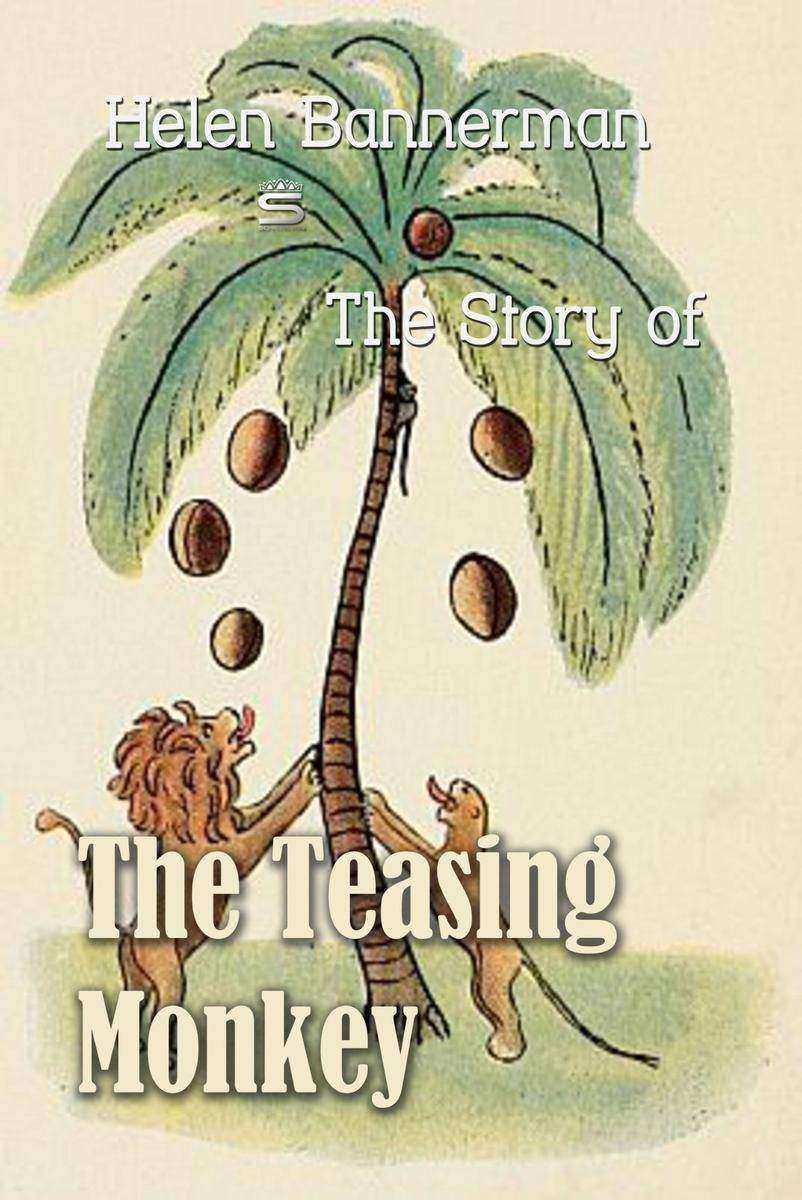
The Story of The Teasing Monkey
¥40.79
Once upon a time there was a very mischievous little monkey, who lived in a big banyan tree, and his name was Jacko. And in the jungle below there lived a huge, fierce old lion and lioness.
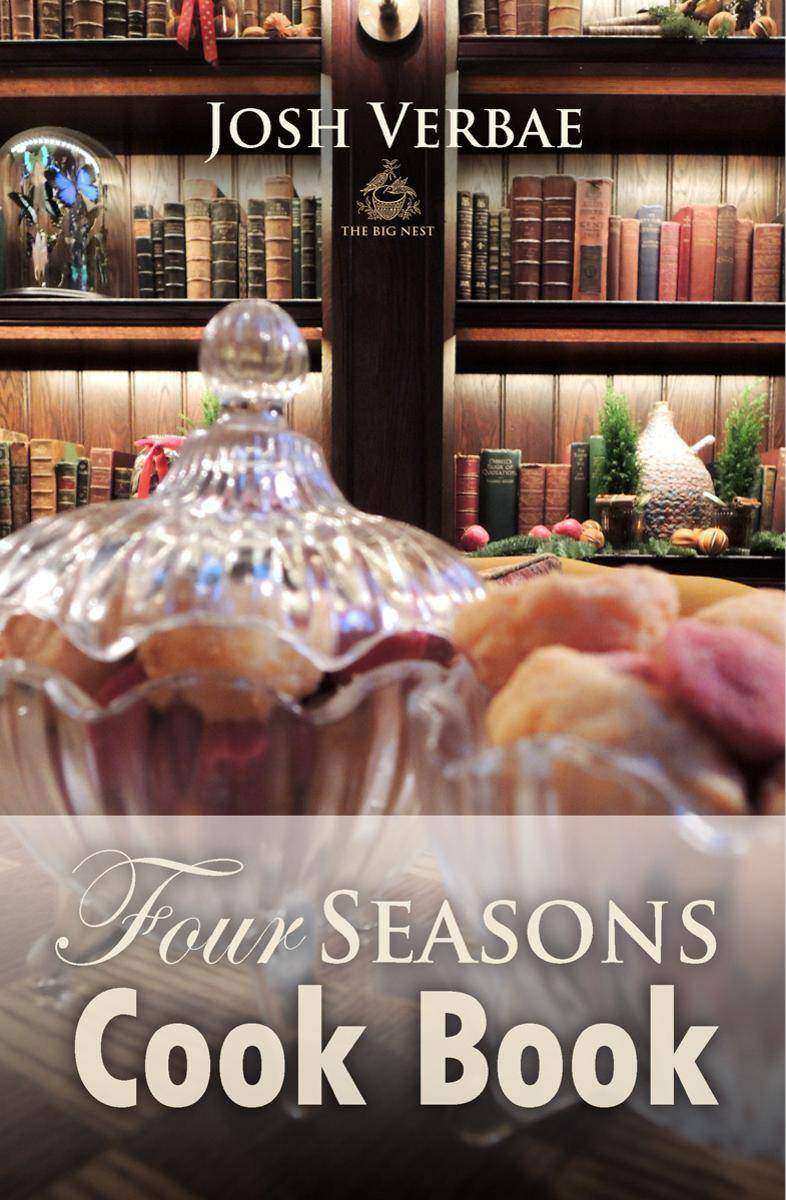
Four Seasons Cook Book
¥40.79
The Four Seasons Cook Book offers complete recipe book for every single day of the year featuring original varied cuisine from all over the world. There is everything in this book from East India Fish to Bavarian Pear Pudding and Russian Pancakes. The book is divided into twelve months of the year giving you something new to try for every single day. Travel the world with this exciting collection of international recipes and enjoy delicious authentic food.

The Gift of The Magi
¥40.79
The magi, as you know, were wise men – wonderfully wise men – who brought gifts to the new-born King of the Jews in the manger. They invented the art of giving Christmas presents. Being wise, their gifts were no doubt wise ones, possibly bearing the privilege of exchange in case of duplication. And here I have lamely related to you the uneventful chronicle of two foolish children in a flat who most unwisely sacrificed for each other the greatest treasures of their house.
公平正义与中国特色社会主义法治(马克思主义研究论库·第二辑)
¥49.00
本书分为上、下两编。上编简要梳理西方和中国古今公平正义理论,重阐述马克思主义公平正义理论的基本立场、中国特色社会主义公平正义理论的要义,揭示公平正义与社会物质生活条件、社会利益关系之间的深刻联系,以及公平正义理念对实现社会主义时代人民美好生活的重大意义。下编重探讨中国特色社会主义事业程中通过法治实现社会公平正义的实践问题。践行符合时代发展需要的公平正义理念,才能真正实现良法善治,公平正义引导法治的价值走向。法治的立法、执法、司法、守法等各个环节都对推动社会公平正义发挥着不可替代的重要功能。全面推依法治国,是全面推公平正义的重要要求。

无人返回之路:参悟生死
¥35.40
从历史的视角,审视死亡观在人类发展程中的演变 与其执着于对人类终极命运的反思,不如在生命始与结束之间构建意义 正因为死亡无所不在,所以死亡无疑成了与人的悲伤、痛苦、哀嚎、永恒的分离联结*为紧密的一件事,总是让人心生畏惧。但同时死亡对万物生灵又是*公平的,它不因贫富、美丑、胖瘦的差异而有丝毫的改变。而从古至今,人类对于死亡以及想象中的来生的感情和态度却发生了很大的变化。 本书作者斯佩尔曼参考考古学家和古人类学家的研究成果,从各个角度对西方传统中关于死亡和濒死的观行了解读,探讨了人类是如何理解和面对生命的消失的,以帮助我们深刻了解史前人类对待死亡的态度。他还追溯了千百万年来导致人类死亡的各种方式,既包括导致死亡的原因,也包括对于致人死亡的种种行为的看法。 另外,他还基于西方伟大的哲学和科学传统,从宗教和世俗-科学的观对三种认识死亡意义的方法行了深研究,同时也为当代有关临终问题的争论——尤其是为长寿和生命质量之间的对立冲突提供了更为宏大的语境,有很强的时代性和启发意义。
西方法哲学探究
¥52.80
本书分为四个部分,*部分是西方法哲学名著的解析,全面介绍了法律的概念、正义论等法哲学名著惊醒了全面的介绍和解读;第二部分是西方法哲学学派的书评,包括自然法学派、分析法学派、社会法学派等;第三部分是西方法哲学的专题研究文述、包括古希腊罗马的自然法思想、西方思想是多和和谐社会观等;第四部分是对西方法律思想思学科的回顾与展望,介绍了西方法律思想史学科的综合发展情况及趋势。对于西方法哲学研究者有很好的指引作用。
西方哲学普遍性的沦落(国家社科基金后期资助项目)
¥53.88
西方哲学的普遍性是指西方哲学家所阐述的作为世界本质的普遍性。本书认为西方哲学的普遍性作为本体论的对象通过决定人性乃至人的普遍价值观构成了人类之根,因而也决定着人应该如何活着(人是什么、人从哪儿来和人应该到哪儿去)。本书通过传统形而上学、康德形而上学、海德格尔哲学和德里达哲学四个节来探讨西方哲学的寻根之路,认为此一寻根之路从哲学之内看表现为西方哲学普遍性沦落的过程,而从哲学之外看则决定着西方社会价值观从一元走向多元的过程,其中,前一过程构成了后一过程的形而上学根据。西方社会价值观从一元走向多元的历程是一个不可逆的社会步历程,但它也导致了西方社会在精神家园方面之无家可归的消极后果。本书认为,基于形而上学的根据理清这一历程的必然性和内在逻辑是正确评价这一历程并正确探求人类(西方)价值观未来发展方向的基础。
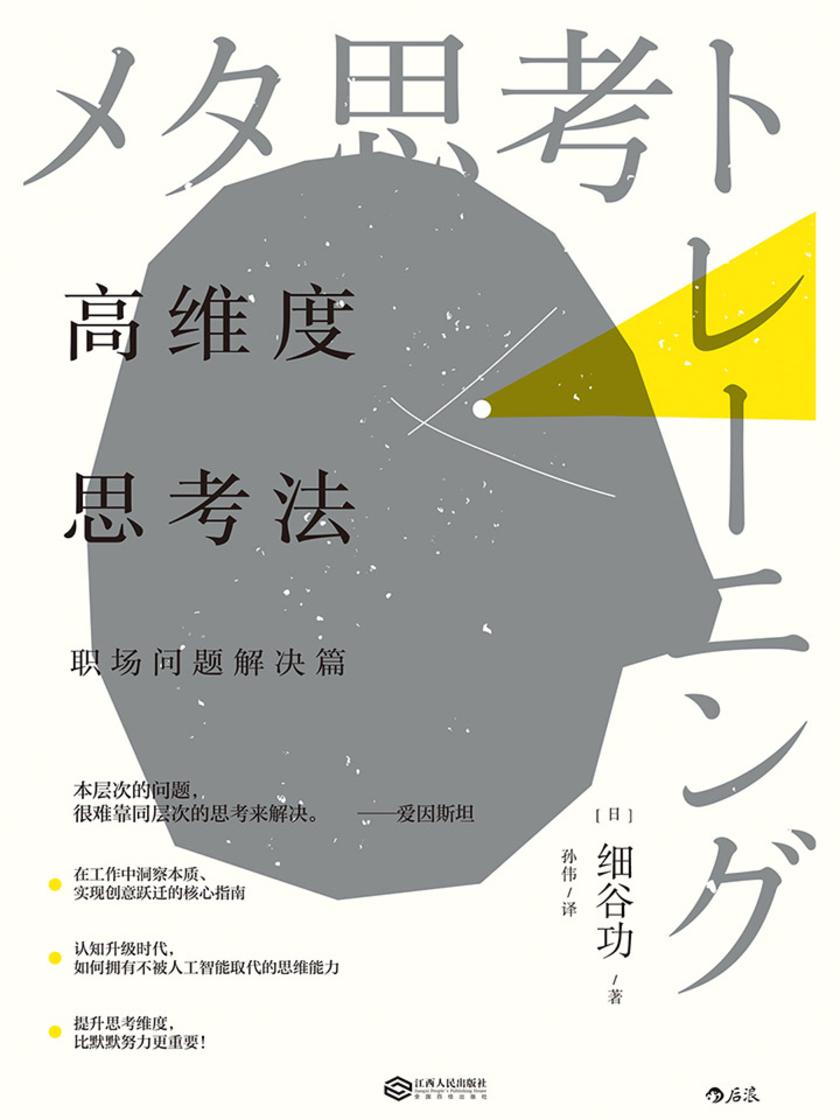
高维度思考法:职场问题解决篇(提升思考维度,比默默努力更重要!在工作中洞察本质、实现创意跃迁的核心指南。)
¥8.54
为什么一直拼命努力却无法获得理想的业绩?为什么总有一些人能轻轻松松地实现目标?严格按照上司或客户的要求工作,就一定能让对方满意吗?如何才能读懂趋势,及时赶上下一个风口? 回答上面这些问题的关键,在于能否从更高维度发现问题和解决问题。本书通过大量职场问题的解决案例,详细解析了运用“元思维”实现高维度思考的两种方法:Why型思维和类推思维。Why型思维通过追问上层目的,帮助我们冲破思维定式和狭隘视野,洞察问题的本质;类推思维通过放眼大千世界,教我们如何从其他领域借鉴灵感,从而实现跳跃式创意。 如果你正被繁重的工作压得喘不过气来,或者正因为创意陷僵局而一筹莫展,那么不妨按着本书的提示,启一段简单高效的职场问题解决训练吧。如果能像无人机一样,像谷歌地球一样,从杂务中抽离出来,拉长镜头看一看,你会发现崭新的世界、不同的视角,所有难题都能迎刃而解。

易经系传别讲
¥27.00
相传为孔子所作的《系辞传》上下篇(又称《系辞》上下传),是《易经》的通论,内容包括《易经》的义蕴、功用、起源以及筮法等。本书是南怀瑾先生有关《系辞传》的讲记。其方式是:先摘录每一章的原文,然后综罗古今历史知识、社会现象和自然现象,逐段逐句地加以阐述。语句平易而哲理深刻。

易经杂说
¥19.80
《易经》(又名《周易》)是我国*古老的一部占筮书,同时也是一部凝结着远古先民睿智卓识的哲学著作。它以象征阳的“—”(又称“阳爻”)和象征阴的“——”(又称“阴爻”)为基本符号,以八卦(每一卦由三爻组成)及由八卦中任意两卦交相叠合而成的六十四卦(每一卦由六爻组成)为基本图形,通过对这些卦象的解释,阐述了事物和现象生成变化的法则。 本书是著名学者南怀瑾先生有关《易经》的讲记。其中,前部分主要介绍了《易经》的一般知识,以及与之相关的一些问题。后部分着重解释了六十四卦(始“乾卦”,终“未济卦”),而以对“乾卦”的解说为*详。内容包括:卦名、卦辞、爻辞,以及解释它们的《彖辞》《象辞》《文言》等。具有深浅出、通俗易晓的特。


