


 购物车
购物车 个人中心
个人中心
Despre om ?i societate
¥24.44
De numele lui Sigmund Freud (1856-1929) se leag? poate cea mai controversat? teorie din filosofia culturii ultimelor secole: psihanaliza. ?nceput? ca ?ntreprindere psihoterapeutic?, prima cur? – din punct de vedere istoric – ?n care rolul terapeutic revenea exclusiv cuv?ntului, psihanaliza a fost condus? de Freud ?n mod firesc ?i ?n direc?ia descoperirii resorturilor abisale ale culturii.Disconfort ?n cultur? (1930) este o lucrare de maturitate ?n care p?rintele psihanalizei investigheaz? mecanismele care men?in coeziunea social?, respectiv contraponderea lor, manifestat? prin senza?ia de disconfort care ?nso?e?te mai mult sau mai pu?in evident fiin?a social?.?Supraeul unui epoci culturale are o origine asem?n?toare cu a celui individual; se sprijin? pe impresia pe care au l?sat-o mari personalit??i conduc?toare, oameni de o for?? spiritual? cople?itoare sau cei la care una dintre tendin?ele umane a g?sit configura?ia cea mai puternic? ?i mai pur?, de aceea adesea ?i cea mai unilateral?.“ - Sigmund Freud
Ecce homo. Cum devii ceea ce e?ti
¥47.42
n Filosofia meritului autorul folosete metoda fenomenologic pentru a prezenta evoluia instituiilor socio-morale care reglementeaz meritele; autorul propune n acest scop concepte originale, cum sunt ideonomia (sistemul de idei care fundamenteaz teoretic un sistem de apreciere a meritului); socionomia (sistemul de reguli care legitimeaz social un merit specific unei comuniti) i politonomia (sistemul de norme prin care se instituionalizeaz juridic meritul politic).Tratatul de Filosofie a meritului este structurat n trei pri corespunztor celor trei domenii existeniale n care se manifest fiina uman, spiritual, social, politic. Lucrarea prezint n extenso criteriile, principiile i formele de manifestare a meritului, premisele constituirii sistemelor sociale de apreciere a meritului, natura bio-psihic i socio-moral a meritelor precum i caracterul normativ al meritelor politico-juridice. Prima parte abordeaz sfera meritele cu caracter antropologic, antroponomic i antropocratic. Partea a doua prezint n extenso meritele cu caracter sociologic, socionomic i sociocratic i partea a treia analizeaz formele de manifestare a meritului din perspectiva politologiei, a politonomiei i a politocraiei. n fiecare capitol se regsesc argumente logice, etimologice i sociologice care justific aprecierea unor atribute i caliti umane ca merite individuale. Fiecare din cele douzeciiapte de capitole explic un tip de merit din tripl perspectiv: ideal social i politic.

Despre via?? ?i moarte
¥32.62
Urm?nd acela?i tipar de p?n? acum (Logica elefan?ilor, Editura All, 2012), Ciprian V?lcan ?i Dana Percec au selectat c?te dou?zeci de eseuri care formuleaz?, ?ntr-o manier? doar aparent lejer?, un r?spuns la tot at?tea pretexte, culese cu ochiul colec?ionarului de caricaturi din presa rom?neasc? ?i interna?ional? sau din tomuri mai mult sau mai pu?in colbuite. Autorii inspecteaz? cu lupa ?i curiozitatea entomologului numeroase ?nt?mpl?ri, mesaje ?i personaje contemporane, ?ndemn?ndu-i pe cititori, prin stilul degajat ?i tonul convivial, s? se amuze pe seama absurdului din via?a de zi cu zi. Fie c? este vorba de politic?, sport, mod?, mass-media sau tribunale, de gastronomie sau vr?jitorie, eseurile demonteaz? adev?ruri mici, truisme, precum ?i pl?smuiri de tot felul. Fiec?rei p??anii evocate ?n pretext – unele ilare, cu miros de b?lci, altele aproape detestabile – autorii Metafizicii bicicli?tilor ?i r?spund ?n manier? diferit?, dar convergent?, contur?nd o nevoie de a r?scoli excesele lumii pentru a o ?ndemna s? se rea?eze.

Spre binele t?u. Mici crime ?n numele iubirii
¥32.62
Alchimia fericirii, publicat? ?n persan? (Kimiya?yi sa’adat), spre sf?r?itul vie?ii autorului, urm?re?te atenuarea tensiunilor dintre filosofii ?i misticii Islamului ?i scoate ?n eviden?? importan?a autodisciplinei ?i a ascetismului. Traducerea de fa?? are la baz? traducerea publicat? ?n 1910, ?n englez? de Claud Field (The Alchemy of Happiness) ?i este structurat? ?n opt capitole, aproximativ egale ca ?ntindere. Cartea de fa?? reune?te o serie de interpret?ri ale unor pilde cu con?inut religios evocate ?n Coran ?i ale unor idei exprimate de Mahomed, de al?i profe?i sau ?nv??ati musulmani. Chestiunile abordate de Al-Ghazali aduc ?n prim-plan ideea unei vie?i religioase exemplare. Astfel, el prezint? mai multe sfaturi pentru musulmanii pio?i. Raportul omului cu divinitatea, cu semenii s?i, cu rudele apropiate, dar ?i implica?iile religioase ale institu?iei c?s?toriei sau ale muzicii ?i dansului sunt printre cele mai importante subiecte din lucrarea lui Al-Ghazali. S? ?tii, o, preaiubite, c? omul nu a fost creat ?n glum? sau la ?nt?mplare, ci a fost f?cut ?ntr?un fel minunat ?i pentru un ?el ?nalt. Chiar dac? nu a existat dintotdeauna, el tr?ie?te ve?nic; ?i chiar dac? trupul s?u este slab ?i p?m?ntesc, spiritul ?i este m?re? ?i dumnezeiesc. ?i cu c?t este mai ales subiectul cunoa?terii noastre,cu at?t mai mare va fi ?nc?ntarea sim?it? ?n studierea acestuia; de exemplu, ne?ar face mai mult? placer s? ?tim secretele unui rege dec?t dac? am afla secretele unui ministru. V?z?nd c? Dumnezeu este cel mai ?nalt obiect posibil pentru cunoa?terea noastr?, cunoa?terea Sa trebuie s? ne d?ruiasc? mai mult? desf?tare dec?t oricare alta.
A fekete vér
¥8.67
The present publication is intended to supply a recognised deficiency in our literature—a library edition of the Essays of Montaigne. This great French writer deserves to be regarded as a classic, not only in the land of his birth, but in all countries and in all literatures. His Essays, which are at once the most celebrated and the most permanent of his productions, form a magazine out of which such minds as those of Bacon and Shakespeare did not disdain to help themselves; and, indeed, as Hallam observes, the Frenchman's literary importance largely results from the share which his mind had in influencing other minds, coeval and subsequent. But, at the same time, estimating the value and rank of the essayist, we are not to leave out of the account the drawbacks and the circumstances of the period: the imperfect state of education, the comparative scarcity of books, and the limited opportunities of intellectual intercourse. Montaigne freely borrowed of others, and he has found men willing to borrow of him as freely. We need not wonder at the reputation which he with seeming facility achieved. He was, without being aware of it, the leader of a new school in letters and morals. His book was different from all others which were at that date in the world. It diverted the ancient currents of thought into new channels. It told its readers, with unexampled frankness, what its writer's opinion was about men and things, and threw what must have been a strange kind of new light on many matters but darkly understood. Above all, the essayist uncased himself, and made his intellectual and physical organism public property. He took the world into his confidence on all subjects. His essays were a sort of literary anatomy, where we get a diagnosis of the writer's mind, made by himself at different levels and under a large variety of operating influences. Of all egotists, Montaigne, if not the greatest, was the most fascinating, because, perhaps, he was the least affected and most truthful. What he did, and what he had professed to do, was to dissect his mind, and show us, as best he could, how it was made, and what relation it bore to external objects. He investigated his mental structure as a schoolboy pulls his watch to pieces, to examine the mechanism of the works; and the result, accompanied by illustrations abounding with originality and force, he delivered to his fellow-men in a book. W. C. H. KENSINGTON, November 1877. THE LIFE OF MONTAIGNE The author of the Essays was born, as he informs us himself, between eleven and twelve o'clock in the day, the last of February 1533, at the chateau of St. Michel de Montaigne. His father, Pierre Eyquem, esquire, was successively first Jurat of the town of Bordeaux (1530), Under-Mayor 1536, Jurat for the second time in 1540, Procureur in 1546, and at length Mayor from 1553 to 1556. He was a man of austere probity, who had "a particular regard for honour and for propriety in his person and attire . . . a mighty good faith in his speech, and a conscience and a religious feeling inclining to superstition, rather than to the other extreme. Between 1556 and 1563 an important incident occurred in the life of Montaigne, in the commencement of his romantic friendship with Etienne de la Boetie, whom he had met, as he tells us, by pure chance at some festive celebration in the town. From their very first interview the two found themselves drawn irresistibly close to one another, and during six years this alliance was foremost in the heart of Montaigne, as it was afterwards in his memory, when death had severed it.

Mossad. Istoria s?ngeroas? a spionajului israelian
¥82.81
n eseul Despre prostie (ber die Dummheit, 1937) subiectul este tratat, ca de obicei, cu toate resursele familiare autorului: analiza filosofic se combin cu observaiile de tip psihologic i cu constatri din istorie i politologie. Dei proiectul iniiat de acest eseu nu a fost finalizat, se remarc, totui, atenta cartografiere a fenomenelor asociate prostiei, tratate n stilul ironiei constructive“, att de specific lui Musil.
Utilitarismul
¥16.27
De La Boétie ofer? una dintre primele ?i cele mai clare explica?ii privind servitutea voluntar?, starea care define?te supunerea majorit??ii fa?? de minoritatea care de?ine puterea politic?. Este ?i va r?m?ne acela?i lucru, indiferent de scurgerea timpului: un eseu memorabil despre m?re?ia ?i micimile naturii umane, slujit exemplar de g?ndul ?i de pana unui geniu cu care timpul nu a avut prea mult? r?bdare.,,Dar, Dumnezeule mare, ce ?nseamn? asta? Cum s? numim aceast? nenorocire? Ce viciu ?ngrozitor e ?sta, s? vezi nenum?ra?i oameni, nu doar c? se supun, ci c? slujesc, nu c? sunt guverna?i, ci c? sunt tiraniza?i, neav?nd nici bunuri, nici p?rin?i, nici copii, nici m?car propria lor via???“ ?tienne de LA Boétie

?tvenezer lándzsa: Anjouk - V. rész
¥75.54
"A megsemmisülés rejtélyes sz?vege egyszerre filozófiai traktátus, misztikus beavatás és poszthumán próza. A kortárs irodalomban egyre inkább feler?s?dik ez a nem-antropocentrikus hang, mely nem emberi sorsokat akar elbeszélni, hanem a nyelv és az ember k?z?s hiányt?rténetére mutat rá. ?Mennyien kapaszkodtak a létbe, mint egy végtelen fa t?rzsébe” - írja Horváth Márk és Lovász ?dám, hiszen az emberi állapot csak a társadalmi, nyelvi és metafizikai katasztrófa terében értelmezhet?. Apokaliptikus (neo)romantika és abszurd k?ltészet. Az utolsó ember kézik?nyve a túlélés lehetetlenségér?l."Nemes Z. Márió Az Idegenre hárult a sors ajándéka, hogy els?ként az utolsó emberek k?zu?l végignézze minden ku?ls?dleges k?telék pusztulását, és bizalmát lelkébe, s?t a lelkén is túlra helyezze, minden emberit maga m?g?tt hagyva. Minden ház gerendái k?z?tt barátságok és szerelmek jól táplált holttestei indultak oszlásnak, míg csak a csont fehérlett ki a vízb?l. Mint rég elhagyott kik?t?k tornyai, olyan hívogatóak voltak ezek a csontok az új kor embere számára.

Прода?ться все: Джефф Безос та ера Amazon
¥36.79
Dignità o miseria della natura umana? ?C'è un principio supposto prevalere tra molti che è del tutto incompatibile con ogni virtù o senso morale [...] Questo principio è che ogni benevolenza è mera ipocrisia, l'amicizia un inganno, lo spirito pubblico una farsa, la fedeltà un trucco per procurare fiducia e confidenza; e mentre tutti noi, in fondo, perseguiamo solo il nostro interesse privato, indossiamo questi bei travestimenti in modo da abbassare le difese degli altri ed esporli maggiormente alle nostre astuzie e macchinazioni?... Le meditazioni senza tempo di uno dei più grandi filosofi europei. SOMMARIO: Introduzione e avvertenza ai testi / Nota bibliografica: una mappa degli studi (di Fabrizio Pinna) - David Hume: Dignità o miseria della natura umana? / L'Amore di Sé. APPENDICE: Of the Dignity or Meanness of Human Nature; Of Self-love; My Own Life & Letter from Adam Smith, LL. D. to William Strahan, Esq.; Of the Reason of Animals; Of the Immortality of the Soul; Of Superstition and Enthusiasm; Of some Verbal Disputes. LE COLLANE IN/DEFINIZIONI & CON(TRO)TESTI

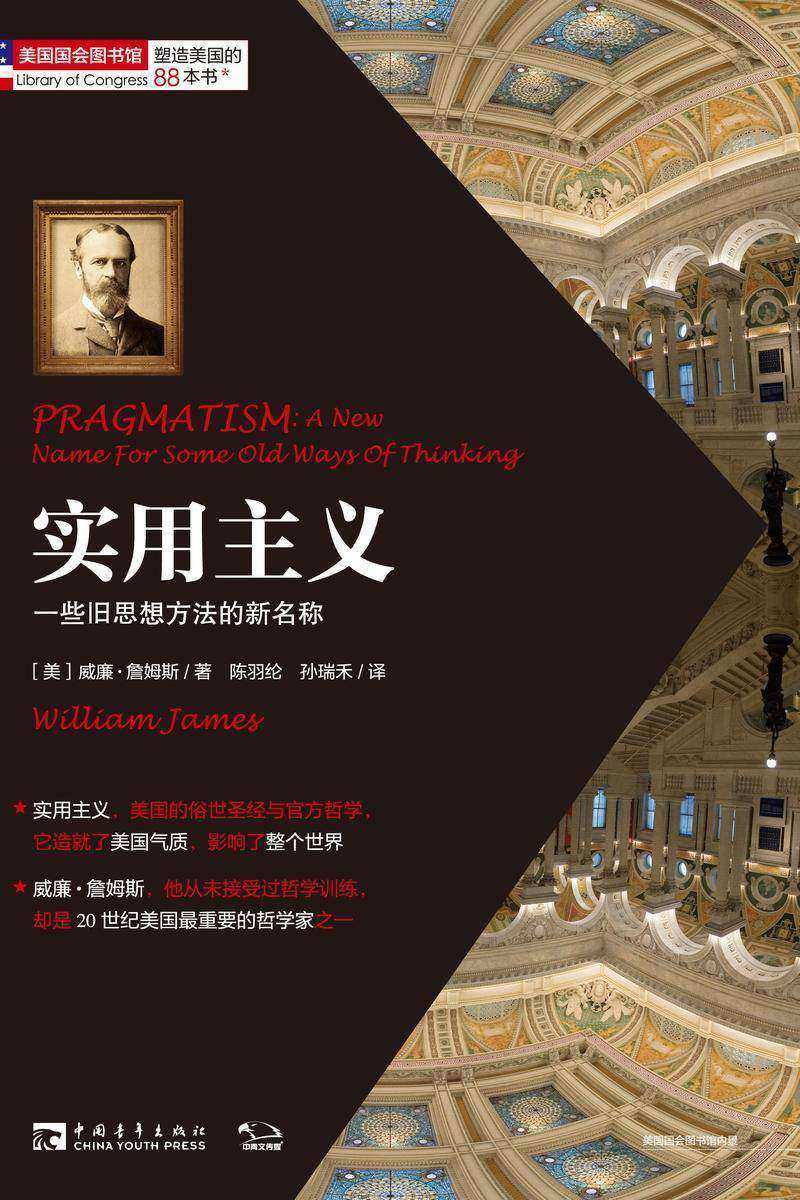
塑造美国的88本书:实用主义
¥15.83
要了解一个时代和一个民族,就必须了解它的哲学。要了解美国,就需要了解美国本土孕育的、影响zui大的哲学流派——实用主义,它奠定了美国人精神和生活方式的基础,而这一思想正是威廉?詹姆斯在《实用主义》一书中总结并推广的。《实用主义》全书收集了作者1906年在美国波士顿罗威尔研究所和1907年在纽约哥伦比亚大学发表的八篇讲稿,此外,还收集了另外四篇论文。
庄子浅说--陈鼓应著作集 中华书局出品
¥12.00
本书由《庄子浅说》、《庄子思想散步》和附录《老庄思想要旨》三部分构成。《庄子浅说》包括生活篇、生死篇、思想篇、终结篇几部分,对庄子的思想行了全面的刻划;《庄子思想散步》则由四篇关于庄子思想的演讲稿组成;《老庄思想要旨》则精要地介绍了老子和庄子的思想的基本内容。本书对迅速、全面了解庄子其人其书具有高屋建瓴的引导作用。
信仰、礼仪与生活——以朱熹祭孔为中心(国家社科基金后期资助项目)
¥28.80
对朱熹来说,先圣是儒家神圣价值在世的典范,并为后世儒者提供了效法的“原型”,需要不断地回溯和体认。朱熹对先圣的特定信仰,以及对祭祀、鬼神和祈祷等观念的特别认知,在祭祀礼仪的特定氛围下交织建构起一个独特的意义空间,使之成为“遭遇先圣”的神圣时空,在其中,朱熹获得的价值体验,是通过精神反省和超越的真实过程而实现的自我转变,具有深刻的精神性意涵。同时,基于“道-圣-经”三位一体的价值信念,这种与先圣相遇的真实经验,对朱熹回到生活面对道学事业,有着极具根本性意义的影响。经由思想和生活的这种交互呈现,本书希望说明,在朱熹这里,先圣作为“道”的象征,成为“神圣”介其生活世界的基本方式,不仅是用以界别自身与异端的价值根基,更是其实践成圣工夫的意义基础,从中清楚可见朱熹对于神圣价值的信仰和守护方式。正因如此,信仰、礼仪与生活的复杂关联,在朱熹祭祀孔子的实践中获得了很好呈现,由此也可以更深刻地理解儒者生命实践的深层意涵及其展方式。
周易今注今译--陈鼓应著作集 (全二册) 中华书局出品
¥43.20
《周易》,又称《易经》,是古典哲学的源头,经文虽为占筮之书,但具有丰富的人生哲理,是我国重要的文化遗产。本书参考和征引帛书《周易》,从易学史、思想史、文字、音韵等多方面对《周易》经、传做出注译。全书思想脉络清晰,卦象解说分明,义例辨析清楚,占筮方法介绍简明,诠释系统完整,译文通俗易懂,适合初学者及广大《周易》爱好者阅读。
20世纪马克思主义发展史(第一卷):20世纪马克思主义发展史概论(马克思主义研究论库·第二辑;国家出版基金项目)
¥100.80
本卷作为《20世纪马克思主义发展史》九卷本的“序卷”,主要对马克思、恩格斯创立和发展马克思主义的主要过程和基本思想做出概述,阐明了20世纪马克思主义发展史研究的理论前提和基础;对恩格斯晚年在马克思主义发展史研究上的创性贡献做出探索,阐明了马克思主义发展史研究的学术依循和思想指导;对20世纪马克思主义历史过程及主题做出概述,在20世纪的“历史范围”内阐明了马克思主义发展的历史逻辑、实践逻辑和理论逻辑;从马克思主义中国化的根本原则、过程特征及其理论视域上,对马克思主义理论特征在20世纪的升华做出阐释。同时,本卷对国内外学者从不同视角研究和阐发20世纪马克思主义发展史的主要理论见解和学术观做出评述,以提供有益的学术资源;对《20世纪马克思主义发展史》九卷本的结构与分卷内容做出概述,从整体上对《20世纪马克思主义发展史》第二卷至第九卷的结构和各卷主题做出阐释。

鬼谷子智谋全解·第四卷
¥1.99
“鬼谷子”是先秦诸子之一,全书是其后学者根据其言论整理而成的,内容十分丰富,涉及政治、军事、外交等领域,主要讲的是攻守谋略的理论。纵横家所崇尚的是权谋策略及言谈辩论之技巧,其指导思想与儒家所推崇之仁义道德大相径庭。

鬼谷子智谋全解·第一卷
¥1.99
《鬼谷子》立论高深幽玄,文字奇古神秘,有一些深涩难懂。为了让广大读者更加深刻地理解其中深刻的思想内涵,易于好读和好懂,编者在编著本书时,根据《鬼谷子》分章分段集中逐个立论阐述的特点,进行了合理分割划分,再一一对应地进行了注释、译文和感悟,还添加了具有相应思想内涵的故事,以便于广大读者阅读理解。
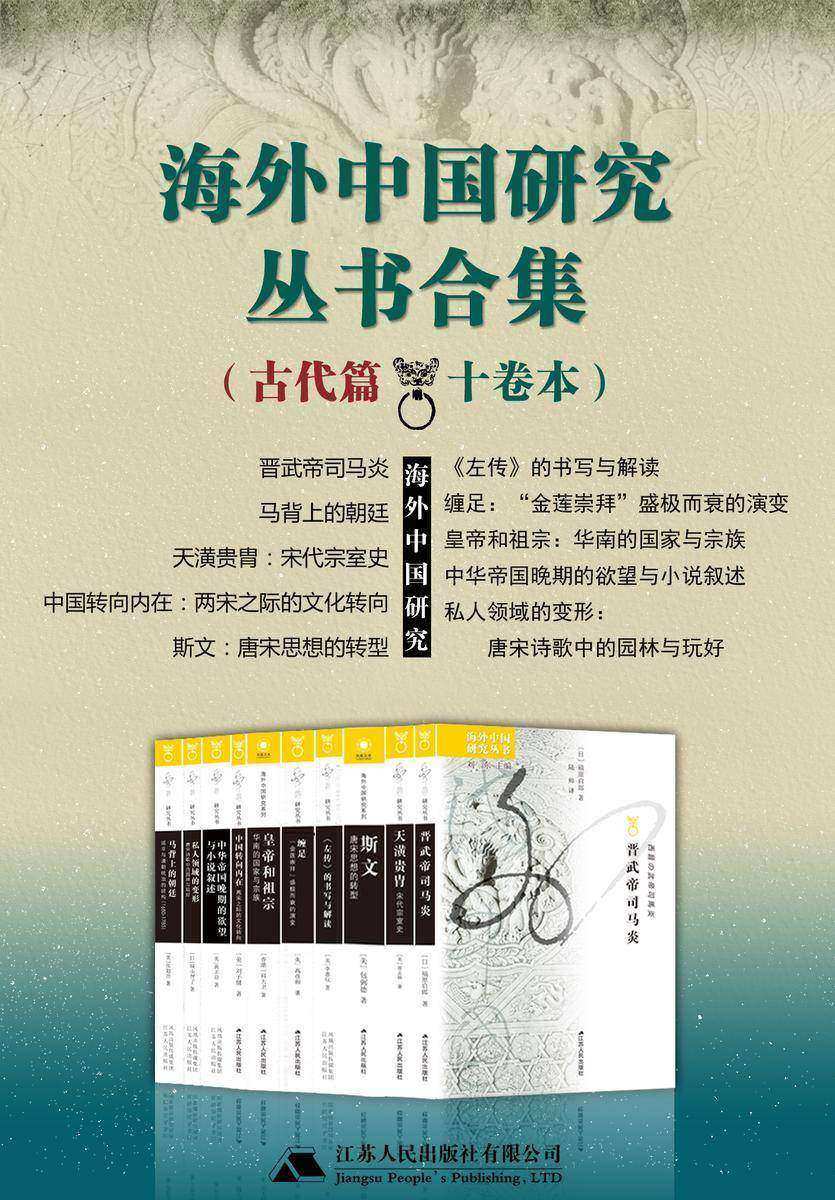
海外中国研究丛书合集——古代篇(十卷本)
¥246.00
【内容简介】 海外中国研究丛书是由学者刘东创办并主编、并由江苏人民出版社出版的丛书,自1988年起开始出版发行,海外中国研究的学术名著190余种,囊括了费正清、魏斐德、史华兹、杜赞奇、谢和耐、宇文所安、易劳逸、韩书瑞、瓦格纳、杜维明、斯波义信、沟口雄三等海外著名学者的代表性著作,为中西文化交流做出了持续的贡献,在学术界、出版界享有盛誉,成为公认的图书品牌。目前每年出版新书十余种,并推出了女性系列、海外学子系列、环境系列等子系列。此套电子书是该丛书首次以合集形式发布。
春秋繁露(精)--中华经典名著全本全注全译丛书 中华书局出品
¥28.80
儒家政论核心依据经典,“天人合一”学说始祖文本。 《春秋繁露》是西汉大儒董仲舒的代表作,集中体现了董仲舒的政治哲学思想,即以儒家思想为中心,杂以阴阳五行学说的思想体系。他认为自然界的天就是超自然的有意志的人格神,并且建立起了一套神学目的论学说,把人世间的一切包括封建王权的统治都说成是上天有目的的安排,将天上神权与地上王权沟通起来,为“王权神授”制造了理论根据。同时,又建立起“天人感应”论的唯心主义神学体系。儒家思想以天的形式,凌驾于政权之上。董仲舒讲的天人感应,形式上是神学的唯心主义目的论,而实质上还是儒家的政治哲学,即“大一统”:一是政治上的统一,统一于皇帝;二是思想上的统一,统一于儒家思想,即“罢黜百家,独尊儒术”。董仲舒的思想在当时及以后都产生了巨大的影响,从此以后儒家思想成为中华民族的统治思想,成为中华民族传统精神的主干。

论精神
¥20.00
本书是爱尔维修的代表作之一。《论精神》在1758年出版后,书中蕴含的无神论思想和对宗教伦理的批判令当时专制的教廷恐慌不已,被列为禁书。但与此同时,该书却在欧洲广受欢迎,短期内即被译成英文、意大利文和德文。在本书中,爱尔维修继承了洛克唯物主义的感觉论,以人的肉体感受性为基石,建立了以“自爱”为核心的功利主义伦理学。他的思想明,认为追求个人的利益和幸福这种趋乐避苦的“自爱”感情是人所共有的,正是这种人所共有的普遍情感推动着社会的步。此外,他在书中还猛烈抨封建专制制度,并公揭露宗教在保护封建制度中的作用。全书警句迭出,行文通俗,并穿插了大量有趣晓畅的比喻和例子来阐释严肃的社会议题和哲学思想,这深刻反映出爱尔维修不仅是一位伟大的思想家,而且还是一位精于修辞的文学家。
经典马克思主义社会学理论史(国家社科基金后期资助项目)
¥40.80
本书系统阐述了经典马克思主义社会学理论的基本立场、方法原则、历史演化和理论贡献。对马克思恩格斯论述的市民社会,异化劳动,群众史观,实践立场,分工、交往与社会发展,阶级斗争与共产主义运动,人的解放,国家与社会治理,社会矛盾运动与发展道路,家庭、私有制和国家起源等一系列马克思主义社会学的重要理论做了深评析,对马克思恩格斯晚年论述的人类学思想和历史唯物主义观也做了深考察和充分阐释。
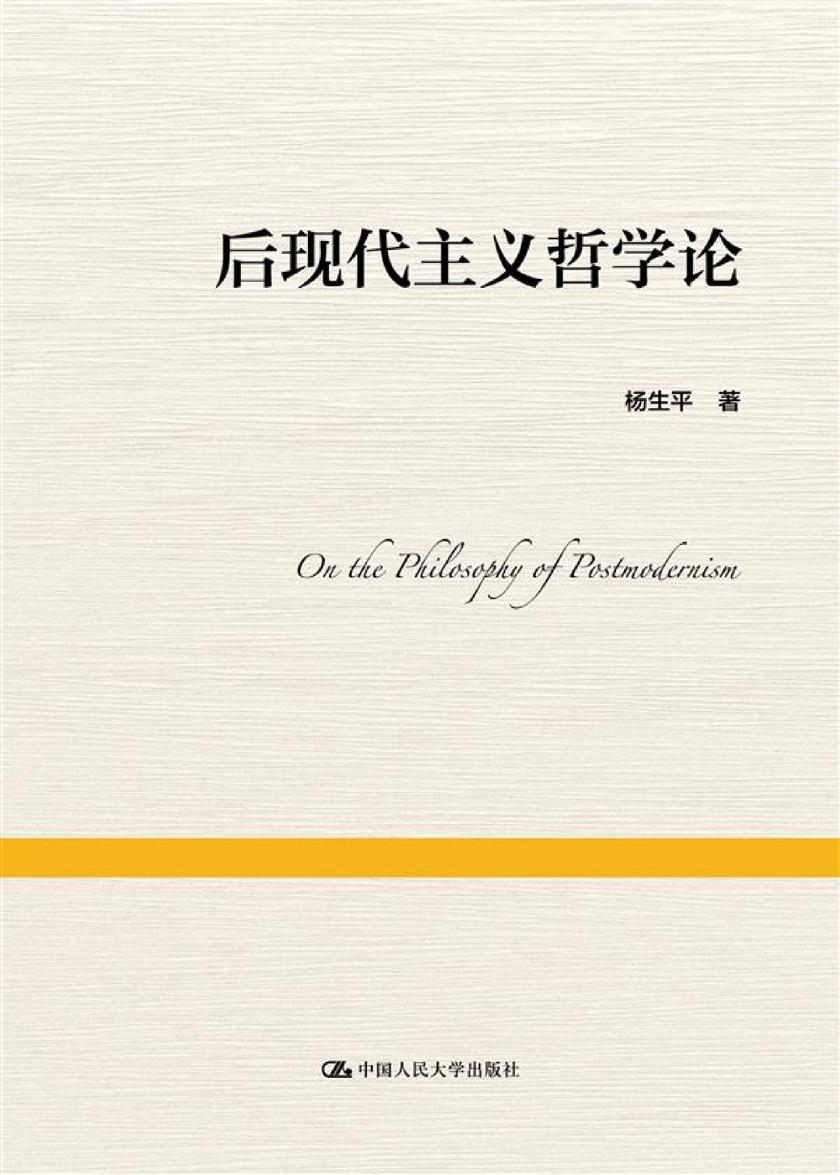
后现代主义哲学论
¥40.80
后现代主义是20世纪60年代左右产生于西方发达国家的泛文化思潮, 涉及哲学、艺术、文学、历史学、政治学、社会学、伦理学等诸多领域,自20世纪80年代传我国,在我国文化领域产生了重要影响。本著作把后现代主义作为一种重要的文化现象,从其产生背景、思想渊源、理论实质、社会影响以及发展走向等方面对其加以全面分析,以期把握其精神实质并为我国当代文化建设寻找有益资源。全书分上篇、中篇和下篇三个部分。上篇主要对后现代主义的产生背景、理论特征、价值取向以及它对中国文化建设的影响等行了总体论述评价;中篇重研究了后现代主义主要代表人物利奥塔、德里达、福柯、伽达默尔和鲍德里亚等的核心观;下篇研究了一些著名思想家对后现代主义的评论,这对整体把握后现代主义无疑是一个必要的补充。


