


 购物车
购物车 个人中心
个人中心

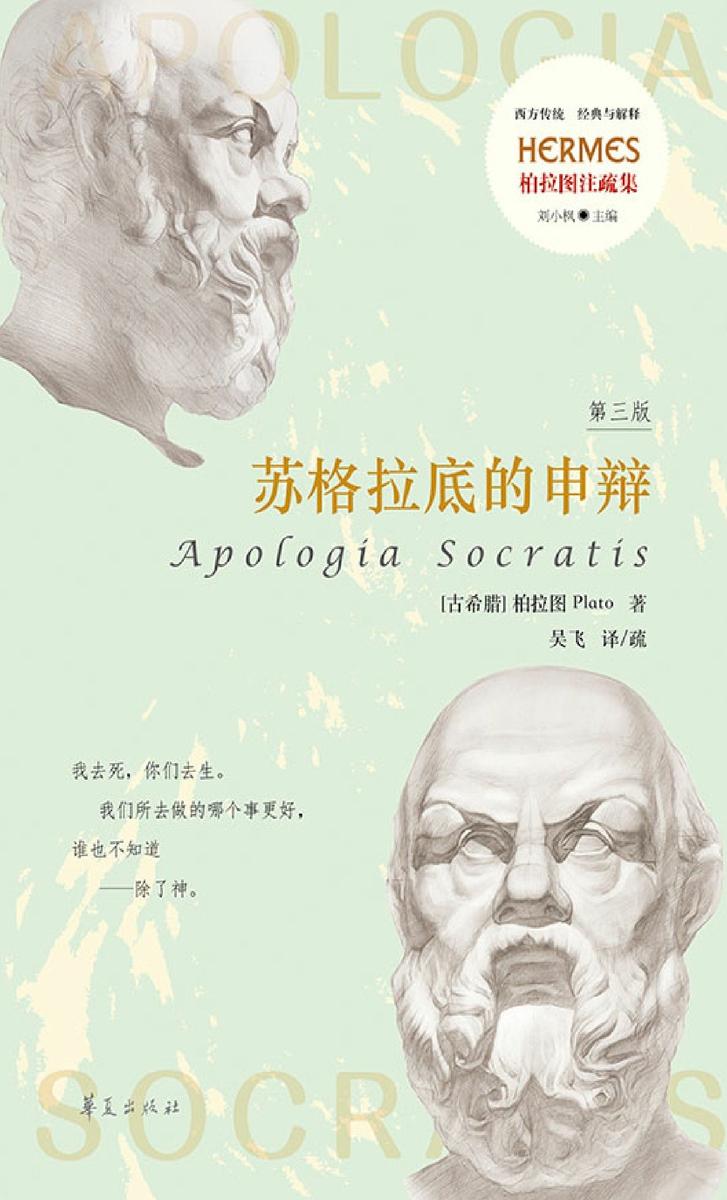
苏格拉底的申辩(第3版)
¥34.50
公元前399年,古希腊哲人苏格拉底被指控不敬神、败坏青年,于是他在由500人组成的陪审团面前作了著名的申辩。在审判官面前,苏格拉底自豪地宣布,他的生活是哲学生活,因而是一种值得过的生活,同样是在这些审判官面前,他又骄傲地选择了本来不一定要选择地死刑。 苏格拉底之死成为西方哲学史上的核心事件,对西方思想有着重要而深远的影响。 本版《苏格拉底的申辩》由北京大学吴飞教授译疏,吴飞老师参阅近年各家新出译本,在旧版基础上行全新修订。
本体论
¥44.00
这是一部探究宇宙本原(本体论),而论述认识论和方法论,追寻真理的哲学著作。本书揭示了宇宙本原是平衡的,其运行规律是“一生多”“一统多”“一等多”;人的大脑受制于天道平衡,对于万物,探求的是“次”“位”和“性”。在此基础上,提出了“万事找一”的科学方法论。“三论”一脉相承、圆融贯通、自成体系。 本书在宏大视野下,融通对比中西方哲学史上主要哲学家的思想理论成果,尤其是对中国古代哲学思想做了深刻的发掘与阐述,对中华优秀传统文化的理解及价值认知起到了积极推动作用。《本体论》采用对话体,表述简洁,深浅出,有助于阅读理解,对于人们拓展哲学视野、让哲学成为“有用”之学极有帮助。
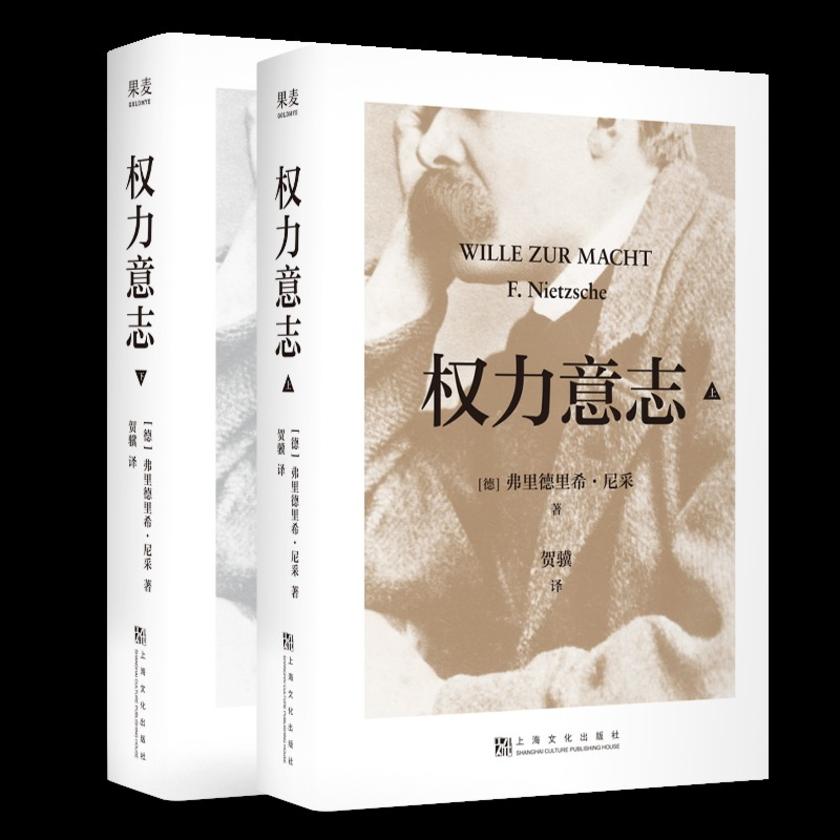
权力意志:全二册(果麦经典)
¥98.00
《权力意志》是尼采晚年思想的结晶之作。 尼采继承了叔本华“意志是存在之本”的思想,且一步把“权力意志”视为人类发展的底层驱动力,认为人生目的就是追求权力,而非仅仅谋求生存。 尼采还认为,唯有用“权力意志”造就最强的人,才能粉碎欺骗性的、病态的、仇视生活的一切。所谓强人,就是能把个人意志强力施加于自己和环境的人。 尼采“权力意志”理论对后世哲学、心理学等影响深远,是阿德勒“个体心理学”等理论的源头。 这种强悍的哲学,一度被曲解甚至有意篡改,遭到纳粹分子的利用。 1980年,意大利学者科利和蒙蒂纳里编辑出版了《尼采全集》(校勘研究版),其中第10至第13卷汇集了1882年至1889年尼采全部的哲学遗稿,全面而真实地再现了尼采晚期的哲学思想,被称作尼采的“真正的遗著”,本书即以此为依据译出。
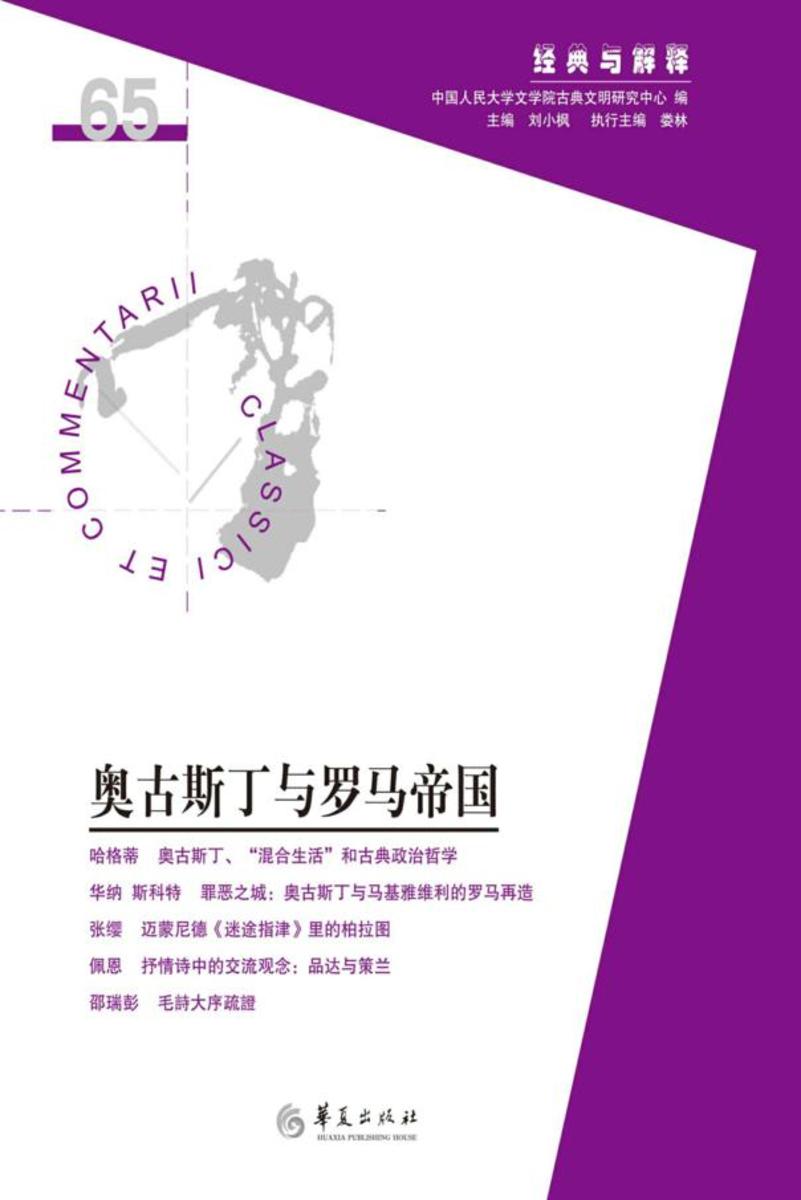
奥古斯丁与罗马帝国(“经典与解释”辑刊65辑)
¥29.50
本辑围绕奥古斯丁在西方政治思想史上与柏拉图、马基雅维利等人的思想关联,选译重要的学术论文,具体考察的问题包括:《上帝之城》中的张力,奥古斯丁的政治学思想,奥古斯丁对罗马传统思想的改造,奥古斯丁如何受柏拉图主义的政治哲学并将其纳自己的总体思考,以及马基雅维利与奥古斯丁的思想关联。
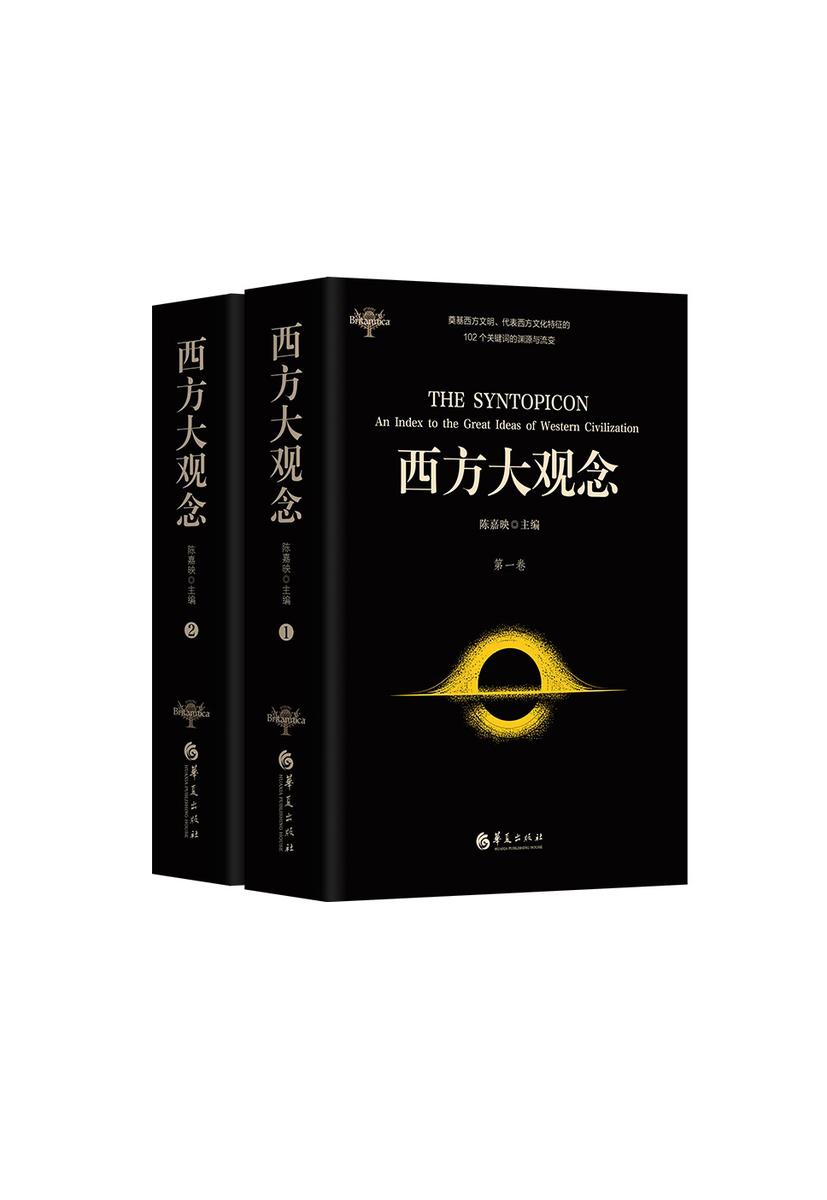
西方大观念(两册全)
¥150.00
《西方大观念》是《西方世界的伟大著作》丛书的前两卷的中文版。 《西方世界的伟大著作》是大英百科全书出版社编辑的一套丛书,60卷,选取了西方哲学、文学、心理学等人文社会科学及一些自然科学的煌煌巨著,涵盖的时代自荷马起至萨缪尔•贝克特止。 这套丛书的前两卷,Syntopicon,我们称之为“西方大观念”。它包括了代表西方文化主要特征的102个观念,如存在、民主、艺术等等,其意在为后面各卷的伟大著作提供一个总论性的概述和主题索引。每一章对应一个大观念。其文字并不是对该的详尽分析,而是勾勒出该观念的基本轮廓,引导读者去阅读支撑着该观念的一批西方伟大著作。 《西方大观念》也可以看作一部问题集,我们所关心的“哲学问题”,差不多都包括在这里了。在本书的总论后面,都隐藏着有待一步探讨的问题,而本书恰可以供我们作为探讨的起,因为本书对这些基本观念的基本阐论执中稳靠。爱好思索的朋友,在深思考之前和之际,了解前人的基本思想,助莫大焉。任何人的思想都是在传统中生长起来的,今天,我们的论理词汇多数是从西方移植过来的,不深西方的思想传统,我们就无法认真论理。 《西方大观念》中文版全书分两卷,中文大约150多万字,连上英文附录,共1900多页。此书的译者颇多著名的翻译家,如邓正来、孙周兴、倪梁康、童世骏等。

给孩子的哲学启蒙课
¥19.92
为什么要帮孩子建立哲学思维? 由于价值评判标准尚未确立,青少年常常质疑自己的合理性,因此需要哲学思考。 哲学能帮助青少年理性地认识世界,认识自我,促思考和探索,建立起合理的价值观、人生观和世界观,逐渐收获阔的眼界、思辨的能力,也会让他们在不断对世界的发问过程中,构建自己的思维体系,成长为丰富明澈的人。 在这本书中,作者将哲学思维分门别类,选取了适合孩子理解的、适合在家庭场景下训练的几种哲学思维方式:选择性思维、辩证性思维、实践性思维、批判性思维、系统性思维和超经验思维等。 为了让孩子能够学在其中、乐在其中,本书列举了有趣的哲学家故事和生活案例,讲解了哲学思维的培养方法和步骤,帮助孩子们一步步去实践,有效地建立起哲学思维方式,并将这些思维方式融自己的学习与生活中。
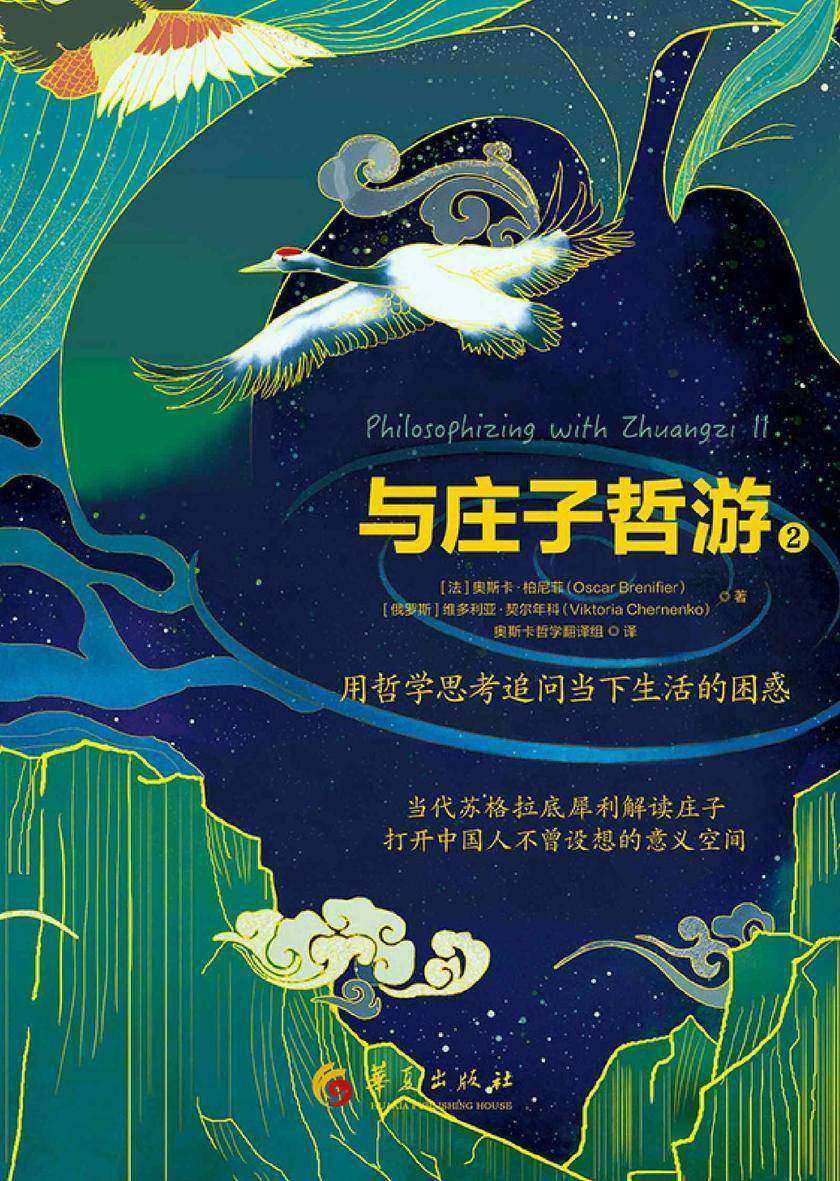
与庄子哲游2
¥31.40
当代人在读《庄子》的故事并对其赋予自己的理解时,往往会在意义上产生曲解,产生与原有含义相去甚远的解读。《庄子》对当代中国人来说更具挑战性:它与社会和家庭普遍提倡的价值观截然相反,那些价值观常常使中国人获得良心上的安慰。中国芸芸众生的追求与庄子所倡导的原则几乎背道而驰。人们应该把《庄子》中的那些小故事看成微小的戏剧作品,这些作品以一种无害、柔和但又高度浓缩的方式,悄无声息地捕捉到一些根本问题。 “小世界”与“大世界”之间的对立是《庄子》一书中不断出现的思考。《庄子》的主要功能是通过反讽众多的成见、社会和道德义务,让我们反思生活中虚幻甚至荒谬的一面,这些都是造成我们心理和认知痛苦的原因。庄子邀请我们逃离现实中虚幻、自私、狭隘而有限的图景,把自己放在一个更广阔的视野中,而不是在小人物生活的小池塘中,佯装快乐而安好。 读者所受僵化之苦的程度有多深,阅读《庄子》时的挑战就有多大。庄子不执著于任何事物,只是邀请读者参与来,与文本一起快乐地漫游,不寻求任何明确的,没有最终的目的地。这种话语在读者身上创造影响,让他从思维常规中醒悟过来,随顺事物的“变化无穷”,引向新的意义。
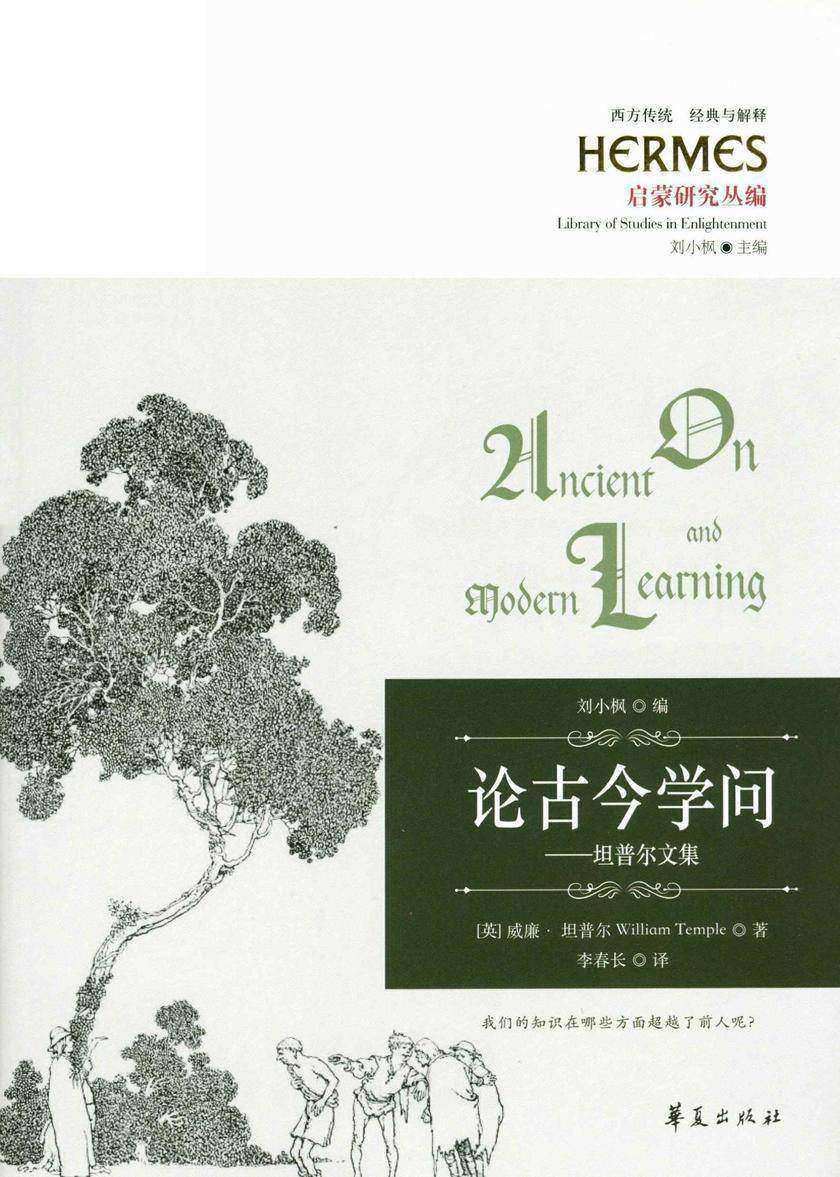
论古今学问
¥34.50
威廉·坦普尔爵士(Sir William Temple,1628—1699),出身于伦敦的英国文人、资深政治家,洛克的同时代人,乔纳森·斯威夫特(《格列佛游记》作者)的老师,十七岁剑桥大学伊曼纽尔学院,其时英国政治动荡,坦普尔爵士十九岁时离英国,广泛游历欧洲,后寓居爱尔兰,拒任篡位者克伦威尔朝中职务。王政复辟后,坦普尔爵士当选爱尔兰国会议员,始了他的政治生涯,长期作为英国大使与欧洲多国斡旋,缔结和平或战争的盟约。后来也许是厌倦了英国自伊丽莎白王朝以来所有政策都频频发生变动,即便在大使职位上勤勉敬业多年奔走,却未能如愿为国家做出的贡献,诸多挫败之后,坦普尔爵士终向英王提出请求,希望像英国其他良民一样度过余生,再不问政事。坦普尔爵士从此蛰居于自己的庄园,纵情于阅读和写作更兼园艺,时有贤哲与贵人来访,并与英王及后来的詹姆士二世保持着长期的世外之谊,直至去世。 退休后的坦普尔爵士始关注法国知识界爆发的“古今之争”,并于1690年在伦敦发表了《论古今学问》(写于1689年)一文,对学界的厚今薄古派发起攻,引发了伦敦的“古今之争”。我们一直以为,发生于17世纪末至18世纪初的“古今之争”是一场涉及文艺问题的论战。但在坦普尔看来,厚今薄古派的内在冲动是文艺复兴以来两百多年欧洲新兴王国的崛起,因此,他反对欧洲新兴王国的政制建设摆脱古典传统和古典德性的规制。他在《论古今学问》中说,西欧的日耳曼诸王国仅仅在近两百年才始出现自己的学问,与古希腊罗马学问相比,更不用说与东方其他古老文明国度的学问相比,只能算是学问上的幼儿。 本书收坦普尔爵士作品七篇,并附其生平文字一篇,展现了历史上的英格兰陷政制动荡之时,关心国家命运与精神品质走向的智识人如何思考。
近代哲学之英国经验主义的开端及欧洲大陆唯理论
¥19.99
作品为弗兰克·梯利《西方哲学史》节选,系统阐述了近代哲学两大对立思潮的起源与核心主张。《英国经验主义的开端》着眼于17世纪英国经验论的兴起,以培根为起点,展示其如何批判经院哲学的抽象思辨,提出“知识即力量”的实证导向。第十二篇《欧洲大陆的唯理论》以笛卡尔、斯宾诺莎为核心,探讨理性主义对经验论的回应。这一部分指出,大陆唯理论以理性演绎为核心,追求知识的普遍必然性,但忽视经验验证,*终会陷入独断论。经验论与唯理论二者共同推动认识论转向,为康德批判哲学埋下伏笔。
近代哲学之启蒙运动哲学及康德的批判哲学
¥19.99
作品为弗兰克·梯利《西方哲学史》节选。18世纪思想史的两大关键节点都在这一部分(其中康德哲学深刻地影响了德国古典哲学与现代思想),梯利通过这两篇,揭示了启蒙运动如何以理性为旗帜推动社会变革,而康德则通过批判理性为现代哲学确立方法论边界,二者共同构成近代思想转型的核心脉络。

逻辑学入门二十讲
¥23.99
中国人是甚少经受逻辑学熏陶的,除了在语文书中零散的逻辑知识,几乎没有得到良好的逻辑学训练。尽管人们经常随口说,“你这话不合逻辑”,但实际上“不合逻辑”的地方比比皆是。甚至在很多公文和政策表达中,我们也能经常看到不合逻辑的现象。 好的逻辑训练固然不能增加一个人的科学或人文知识,但它可以让我们知道自己的结论是否“合理”,既可以避免自己的错,也可以避免他人强加给自己的“真理”谬误。所谓的“真理”,从来都不是你说是,它就是的。 殷海光先生这本小书,固然只涉及逻辑学的部分知识,但作为入门还是够了。为了成为一个自由的、有辨别力和独立思考能力的人,学点逻辑学知识总是好的——哪怕只是为了跟人吵架呢!
中华伦理文明新形态
¥58.80
本书论述了“中华伦理文明新形态”,将其界定为人类文明新形态的伦理内核和中华伦理文明演发展的最新成果,对中华伦理文明新形态的内涵要义、思想基础、生成机理、主要内容、建构实践、话语体系等展了深系统的探究对“人类文明新形态”的伦理向度作了深系统的理论阐释,提出了伦理学研究的新议题,辟伦理学理论研究新方向。中华伦理文明新形态是一个前沿性论题,对其展深系统的研究有助于拓展中国伦理学理论研究的范围。

赞美闲散
¥49.80
《赞美闲散》是诺贝尔文学奖得主罗素的随笔合集,共14篇文章,内容包括工作、教育、社会、文明、如何获得幸福等,融合了哲学与心理学,经济学,科学和历史等观。 罗素在百年前精准地预见了现代社会的“内卷”问题:科技越发展,人们反而陷了更加激烈的竞争和更长的工时。本书大胆挑战了“核心工作论”:工作即美德的信念正在现代世界中制造大量危害,而通往幸福与繁荣之路在于有组织地减少工作。工作的道德是奴隶的道德,现代世界不需要奴隶。 每天工作只4小时,一切都会好起来!真正的闲散并非游手好闲,而是从工作的重压下解放出来,将努力的方向从“谋生”转向“生活本身”,去追求那些真正定义文明和幸福的事——艺术、爱、知识、休闲和对世界的探索。
德国古典哲学自我意识的形上演进研究
¥33.25
西方哲学的主题在近代发生了认识论转向,即哲学研究的对象从古希腊的自然本体和中世纪的上帝本体转向了人自身的主体,并演绎出围绕“自我”而展的蔚为壮观的近代“主体性形而上学”。它发端于笛卡尔的“我思”,终完成于德国古典哲学。于是,在德国古典哲学中,“自我意识”不仅是主体性形而上学建构所依据的“基础要素”,而且其自身的“内容”也存在着由主观到主客统一、由先验到、由人性向“神性”不断发展的形上演逻辑,揭示这一逻辑程是本文研究的主旨。 在近代唯理论哲学中,自我意识以普遍性观念的方式存在于主体之中。笛卡尔用“我思故我在”奠定了西方近代以来建构主体性形而上学的主基调并在唯理论哲学中确立起了围绕“我思”来造形而上学的内在性原则,这个“内在性原则”围绕着如下三个问题展:“我思”的内容是什么、“我思”与“我在”之间的关系以及“我思”与上帝之间的关系。事实上,唯理论哲学也正是基于对这三个问题的回答推动了“我思”的主体性建构,其中笛卡尔将“我思”确定为具有思维属性的精神实体,斯宾诺莎完成了实体与主体“我思”属性之间的“一元化”,莱布尼茨则让作为单子的“我思”具有了创造和生成的自我能动性。然而,由于唯理论的哲学家们都是站在经验论立场来考察“我思”的实体本性,这便让“我思”陷了无法被经验实证的逻辑困境,因此“独断”是其无法逃脱的理论宿命。休谟的怀疑更是让近代以来的哲学家们试图围绕经验性的“我思”来建构形而上学的梦想破灭了,要想重建主体性形而上学,必须超越“我思”的经验论立场,由经验自我向先验自我的跃迁决定了德国古典哲学的时代出场。 康德率先从先验自我出发,启了德国古典哲学的形而上学建构之旅。康德认为我们必须要对于主体自我的结构、功能、范围和界限行充分的先验审查,方能让未来的形而上学建立在稳固的主体“地基”——先验自我之上,先验自我也成为康德未来形而上学的研究对象,康德在其之上尝试了真、善、美的主体性形而上学建构,同时也确立了“自我意识”在德国古典哲学中的基础性地位;费希特秉承并彻底地发挥了康德创的主体性道路,将康德的先验自我提升到主体之中纯粹的“”,让自我的先验设定活动成为一切知识的来源和根据,结果造成整个世界的主观化于自我之中,也让形而上学在主体之中的建构走到了“绝境”,“绝境”意味着哲学转向即将来临;谢林从知识的本性出发,认为作为知识原理的“”不可能只是主观,而与事物本身的客观内容无涉,于是便将费希特主体中的“自我”引向了主、客观之上的“同一”,“自我意识”不是的“”,而是能够映射“”内容于自身之中的主体之在,这便让主观的“自我意识”之中融了“”的客观内容,让“自我意识”客观化的形而上学建构终成可能;黑格尔继续沿着谢林确立的“主体客观化”方向,一步将谢林的“同一”的内容逻辑化为理念、将谢林的“自我意识”发展为“精神”,并用辩证法完成了精神和理念的辩证统一,终建构起并完成了思辨形而上学体系。在黑格尔的哲学体系之中,精神就是理念在人类自我意识之中的现实化,人类自我意识的发展史就是将理念在人类精神中的自我实现的历史,而历史的终就是自我意识与理念的和后和解,也宣告了近代主体性形而上学的理性完成。如此看来,从康德的先验自我到黑格尔的精神,自我意识呈现出不断发展、转向和跃迁的演逻辑,德国古典哲学中自我意识发展的总体逻辑便清晰地呈现出来。在这个总体逻辑之中,“自我意识”的发展逻辑不仅决定着“思维与存在统一”的哲学基本问题的解决方式,而且也直关乎到哲学思维方式由知性向理性的发展逻辑、真理观由外在符合论向内在符合论的发展逻辑、历史观由合目的性向合规律性的发展逻辑,也就是说,只有自我意识本身的逻辑发生了变革,这些逻辑的变革才成为可能,它们之间具有变革和演的内在同构性。 当然,德国古典哲学的自我意识的发展逻辑是建立在理性的根基之上的,当黑格尔用思辨理性完成了主体性形而上学的同时,也自然将理性本身推向了极致的,其结果只能面临着被消解和解构的命运,这也决定了自我意识在德国古典哲学之后的现代转向。叔本华以“意志”取代“理性”,完成了自我意识的意志化哲学建构;马克思用实践批判理性,让“认识自我”回归“实践自我”,从而让哲学的功能从解释世界转向改造世界;分析哲学更是用“语言——世界”的关系来消解“思维——世界”的关系,从而完成“语言”对自我意识的哲学解构,既然“自我意识”本身是不可说的,我们当然要对之保持沉默;当面临着“欧洲科学的危机”时,胡塞尔的现象学再次回到主体的先验自我之中,用意向性结构来消除传统哲学中自我意识的“理性本质”,为“现象”重新确立形上的根据。可以说,虽然德国古典哲学之后的哲学都是以消解自我意识的“理性”为已任,但自我意识本身依旧是哲学研究的主战场,其从未淡出过任何现代哲学样态的主视域。研究德国古典哲学自我意识的形上

儒家中道哲学的历史渊源与当代价值
¥29.75
本书深探究了“中道论”这一儒家哲学和中国传统思维方式的基本特征。书中追溯“中”这一儒家哲学重要概念的起源和历史发展,讨论了“中道论”的哲学内涵及其在中国传统文化中的意义,分析了其对中国人的思维方式和行为方式的影响,以及它与当代中国政治、经济、社会和文化多方面的相关性。书中还对“中道”思维方式与典型的西方传统哲学本体论思维方式行了比较,指出了两大哲学传统的不同及其深远影响,并而探讨了“中道”思维在当今时代的价值和意义。本书从传统中国文化的内在考察和中西文化对比的双重视角提供了对儒家哲学基本特征的新的见解,可以为中外读者深认知中国思想文化传统和正确理解当代中国现实提供参考。
新时代网络思想阵地建设研究
¥33.25
本书是山东省社会科学规划项目(编号 19CKSJ03)的结项成果。意识形态安全是国家安全的核心要素,互联网络已是当前思想阵地建设的 *前沿。书稿以马克思主义中国化的*新理论成果为指导,研究目的是巩固马克思主义在意识形态领域指导地位的根本制度。作者从网络 意识形态斗争的基本现状入手,分析研判网络意识思想阵地建设的各方面现状,要统筹各个领域有可能出现的风险点,增强风险意识,力 争在网络意识形态斗争中敢于亮剑、打好主动仗,为*建设社会主义现代化国家创造良好的思想环境。
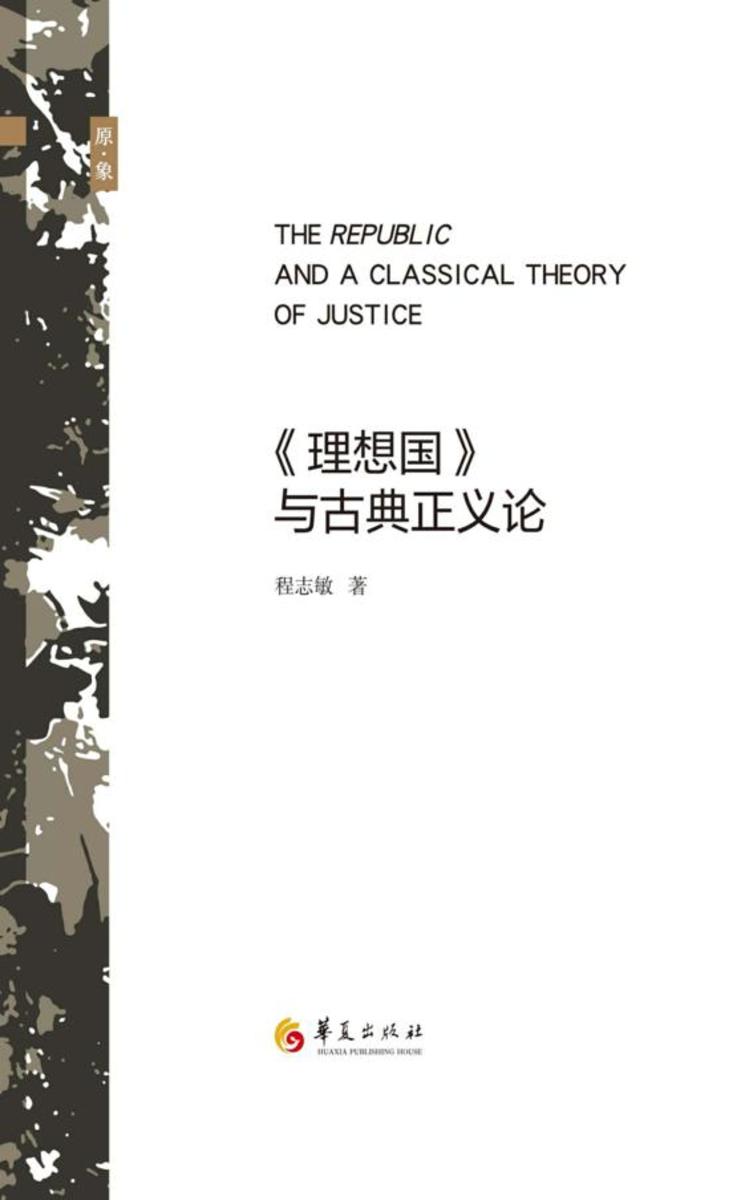
《理想国》与古典正义论
¥51.00
柏拉图的《理想国》是西方思想的基石。本书是一部从政治哲学的角度*研究柏拉图《理想国》的著作。历代关于柏拉图的注疏和研究堪称汗牛充栋,却并不意味着我们就已经充分掌握了他的思想。比如说,《理想国》究竟是政治学著作还是伦理学著作?本书认为,《理想国》本来的副标题“论正义”就是古典政治哲学*基本的范畴。本书研究柏拉图《理想国》的核心问题:正义。古希腊的“正义”(主要)不是“论”,而是“法”和“行”。其余诸如德性、法律(如惩罚)、政治(如权利、敌友)、技艺、利他、幸福等范畴,都可以在正义的框架下讨论。这些都寓于柏拉图的《理想国》之中。在此基础上,本书详细论述了古典正义论与现代正义论的根本区别。
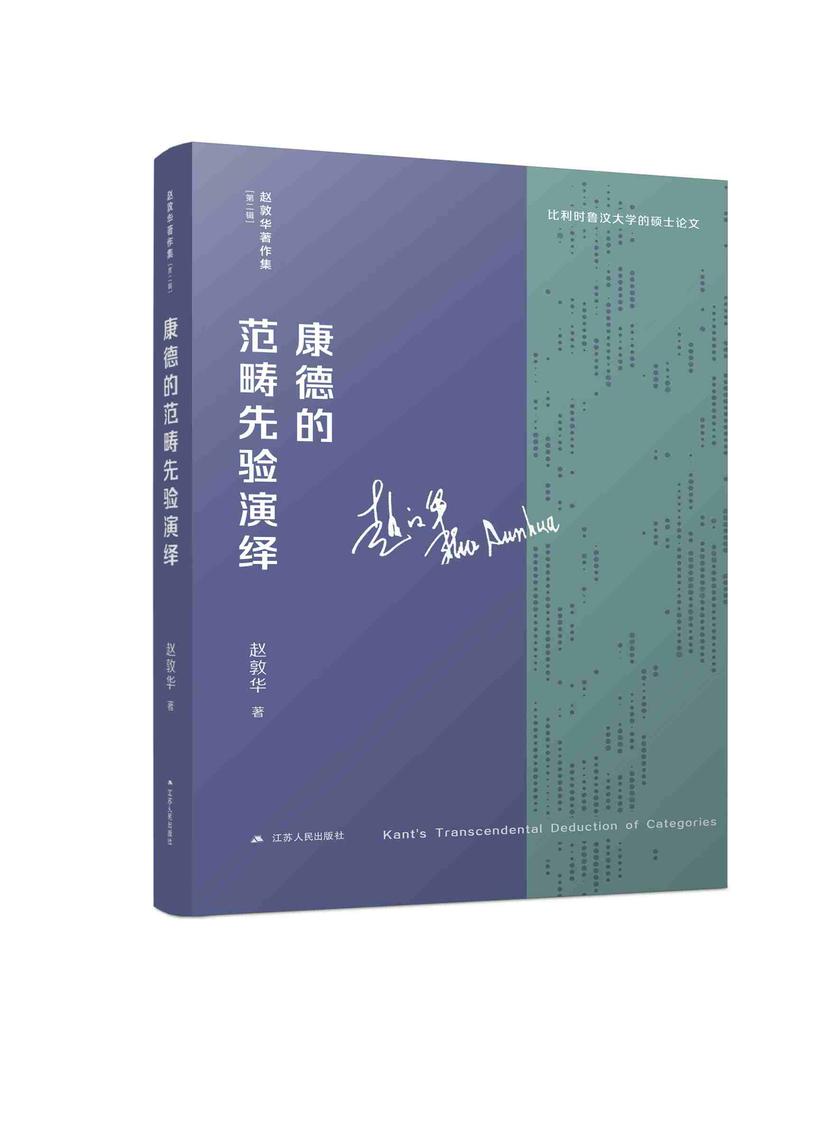
康德的范畴先验演绎
¥16.00
【内容简介】 康德的范畴先验演绎,被认为是《纯粹理性批判》中*困难的部分,连康德自己都感到有必要重写(B版演绎)。对A、B两个版本的先验演绎,是困扰康德学者两个多世纪的哲学难题。这篇论文的主要目的是对康德在“演绎”中实际思考和论证的内容进行清晰而准确的阐述,即说明康德本人提出的一致论证的总体情况。为了实现这一目标,作者引用了大量材料,并试图对康德的实际话语进行仔细评论,从一个新的方向来解释“演绎”,以意想不到的方式带来对康德的新解读。

历史唯物主义理解史(国外学者卷)(上下册)
¥134.00
【内容简介】 本书梳理了第二国际、早期西方马克思主义、法兰克福学派、后马克思主义等学派对历史唯物主义的主要范畴、基本原理、逻辑体系的理解、反思、重构、修正和补充意见,对其进行系统分析和评价,并提出对我国历史唯物主义理论研究与理论体系建构的意见和建议。本书是*部对马恩之后的理论家对历史唯物主义的解读进行系统梳理的学术著作,具有首创意义和重要的学术价值,对于我国历史唯物主义理论研究和理论体系建构具有重要学术参考价值。
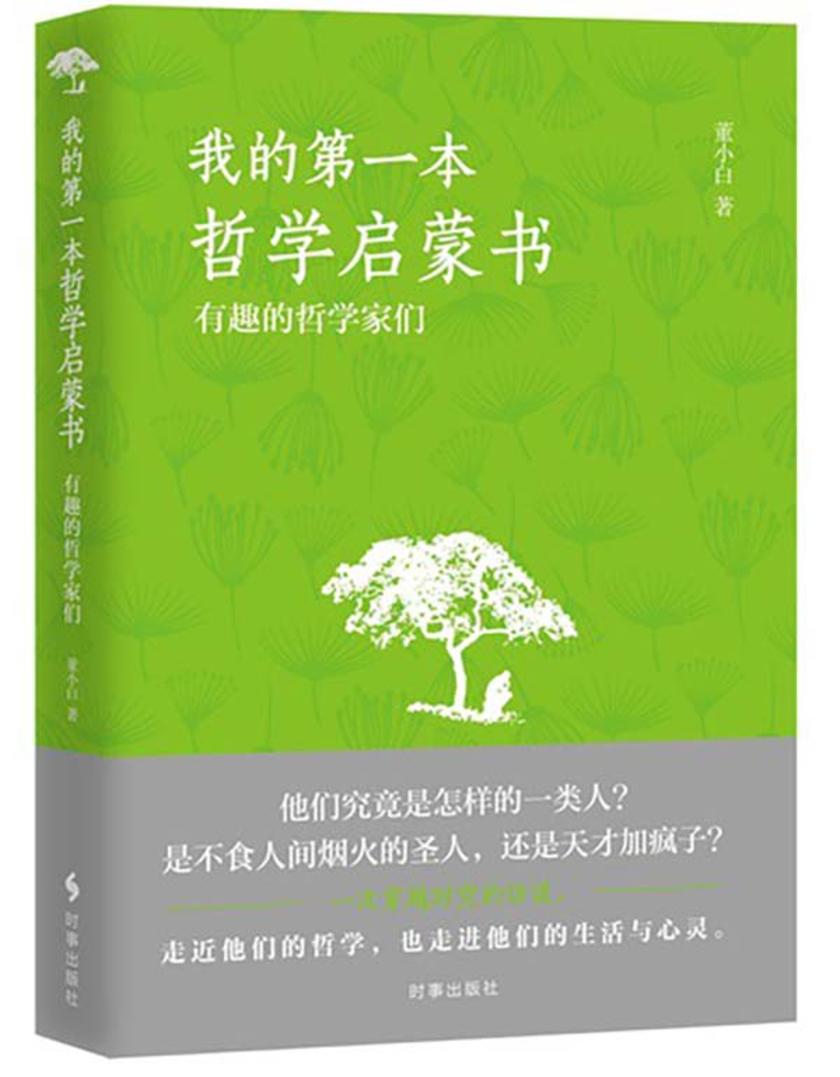
我的*本哲学启蒙书:有趣的哲学家们
¥28.80
每当我们仰望哲学的璀璨星空,心里总会充满敬畏与神秘。他们那些高深奇特的思想从何而来?他们在思考哲学问题的时候,是否也要为衣食住行发愁?本书揭古今中外著名哲学家身上的神秘面纱,将他们还原为现实中有血有肉的人,让我们感受到高深思想背后哲学家个人世俗的生活、心灵的震荡、情感的纠结、成长的阵痛与生命的意志。

审美心理描述
¥62.99
作为审美教育的艺术对人的成长具有决定性意义。人们在学术艺术技法的同时,还要熟悉艺术发展的历史,具有欣赏艺术的趣味和评价艺术的洞察力。《审美心理描述》就是这样一本关于审美教育的美学名著。本书不仅讲述了艺术教育中审美教育的重要性,还阐释了审美经验的历史,描述了审美经验的过程,展示了审美快乐的产生机制,并对美学中*为重要的概念——构成要素、形式、再现、符号、多义性与模糊性体验等做了详细论述。作为中国美学大师滕守尧先生的代表作、作为审美培养的门经典,书中畅达的文字、严谨的理论、易懂的举例等都将助于读者身心愉悦地走近美学世界,启审美意识的大门。


