


 购物车
购物车 个人中心
个人中心
Prayers Written at Vailima
¥8.09
Very short collection of short prayers written in Samoa. According to Wikipedia: "Robert Louis (Balfour) Stevenson ( 1850 - 1894), was a Scottish novelist, poet, and travel writer, and a leading representative of Neo-romanticism in English literature. He was the man who "seemed to pick the right word up on the point of his pen, like a man playing spillikins", as G. K. Chesterton put it. He was also greatly admired by many authors, including Jorge Luis Borges, Ernest Hemingway, Rudyard Kipling, Vladimir Nabokov, and J. M. Barrie. Most modernist writers dismissed him, however, because he was popular and did not write within their definition of modernism. It is only recently that critics have begun to look beyond Stevenson's popularity and allow him a place in the canon."
Complete Poetry of Henry Wadsworth Longfellow
¥8.09
The Household Edition of Longfellow's Poetical Writings contains all his original verse that he wished to preserve, and all his translations except the Divina Commedia. The poems are printed as nearly as possible in chronological order. Originally published in 1902. According to Wikipedia: "Henry Wadsworth Longfellow (February 27, 1807 – March 24, 1882) was an American educator and poet whose works include "Paul Revere's Ride", The Song of Hiawatha, and "Evangeline". He was also the first American to translate Dante Alighieri's The Divine Comedy and was one of the five members of the group known as the Fireside Poets."
Troilus and Cressida, with line numbers
¥8.09
Classic Shakespearean drama. According to Wikipedia: "Troilus and Cressida is a tragedy by William Shakespeare, believed to have been written in 1602. The play (also described as one of Shakespeare's problem plays) is not a conventional tragedy, since its protagonist (Troilus) does not die. The play ends instead on a very bleak note with the death of the noble Trojan Hector and destruction of the love between Troilus and Cressida. Throughout the play, the tone lurches wildly between bawdy comedy and tragic gloom, and readers and theatre-goers have frequently found it difficult to understand how one is meant to respond to the characters. However, several characteristic elements of the play (the most notable being its constant questioning of intrinsic values such as hierarchy, honor and love) have often been viewed as distinctly "modern"..."
The Tempest
¥8.09
Classic Shakespearean romance. According to Wikipedia: "The Tempest is a play written by William Shakespeare. Many scholars believe that it was written in 1610–11,[1] although some researchers have argued for an earlier dating.[2] While listed as a comedy when it was initially published in the First Folio of 1623, many modern editors have since re-labeled the play a romance. It did not attract a significant amount of attention before the closing of the theatres in 1642 and after the Restoration it attained popularity only in adapted versions.[3] Theatre productions began to reinstate the original Shakespearean text in the mid-19th century,[4] and in the 20th century, critics and scholars undertook a significant re-appraisal of the play's value, to the extent that it is now considered to be one of Shakespeare's greatest works."
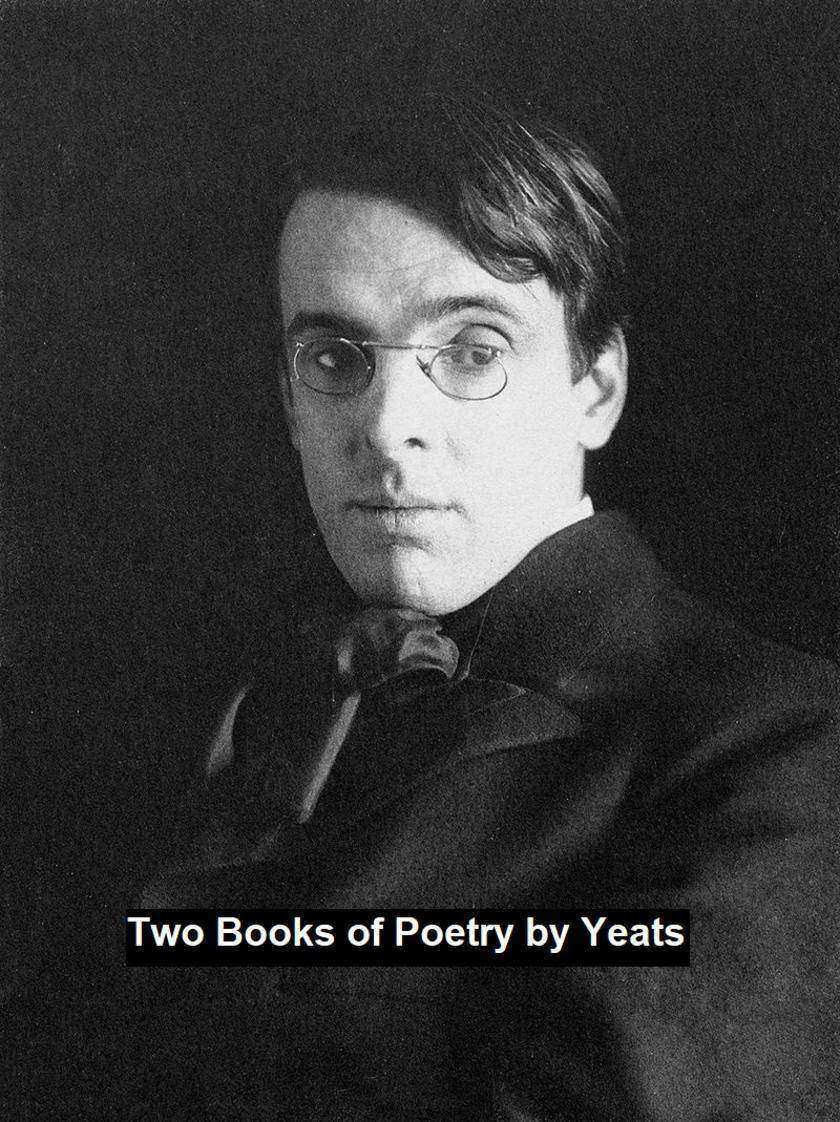
Two Books of Poetry
¥8.09
This file includes: "Green Helmet and Other Poems" (first published in 1911) and In the Seven Woods: being poems chiefly of the Irish heroic age" (first published in 1903). The active table of contents has links to each poem. The verse plays "The Green Helmet, a Heroic Farce" and "On Baile's Strand" are included in those collections. According to Wikipedia: "William Butler Yeats (13 June 1865 - 28 January 1939) was an Irish poet, dramatist, and one of the foremost figures of 20th century literature. A pillar of both the Irish and British literary establishments, in his later years Yeats served as an Irish Senator for two terms. He was a driving force behind the Irish Literary Revival, and along with Lady Gregory and Edward Martyn founded the Abbey Theatre, serving as its chief during its early years. In 1923, he was awarded a Nobel Prize in Literature for what the Nobel Committee described as "inspired poetry, which in a highly artistic form gives expression to the spirit of a whole nation." He was the first Irishman so honored. Yeats is generally considered one of the few writers whose greatest works were completed after being awarded the Nobel Prize; such works include The Tower (1928) and The Winding Stair and Other Poems (1929). Yeats was born and educated in Dublin, but spent his childhood in County Sligo. He studied poetry in his youth, and from an early age was fascinated by both Irish legends and the occult. Those topics feature in the first phase of his work, which lasted roughly until the turn of the century. His earliest volume of verse was published in 1889, and those slowly paced and lyrical poems display debts to Edmund Spenser and Percy Bysshe Shelley, as well as to the lyricism of the Pre-Raphaelite poets. From 1900, Yeats' poetry grew more physical and realistic. He largely renounced the transcendental beliefs of his youth, though he remained preoccupied with physical and spiritual masks, as well as with cyclical theories of life."
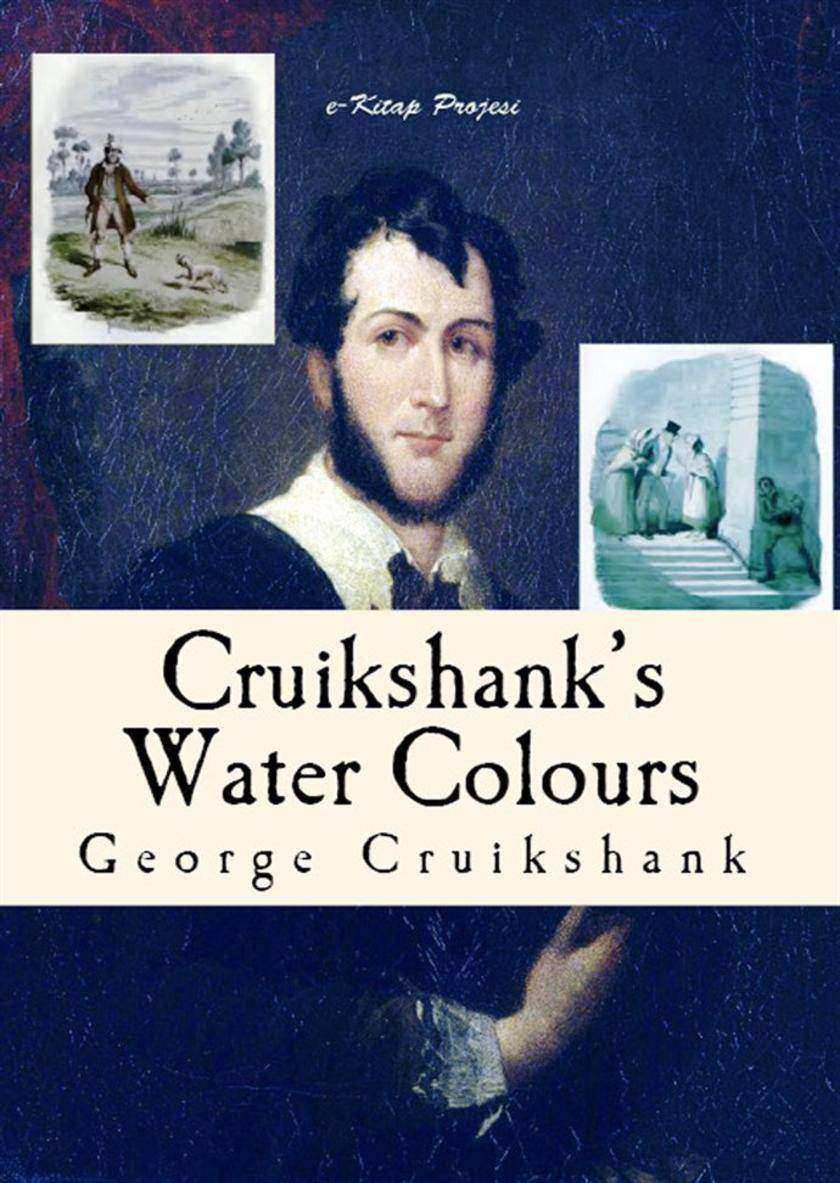
Cruikshank's Water Colours
¥27.88
It is fair to characterise the three suites of original water-colour drawings, as executed by our artist, as unique examples of the great George Cruikshank's special individual proficiency as an exponent of this branch of technical dexterity. More-over, it may be regarded as a fortunate circumstance that the three works, here reproduced with amazing fidelity in facsimile, represent happily the very chefs d'oeuvre of his wonderful productions; in their respective categories, preserving the best examples of his remarkable genius as an imaginative creator of vivid pictures, alike stirring and animated, and representing at one glance his vast dramatic powers, his mastery of the humorous side of life, and the intensity he was consistently able to infuse into terrible and tragic scenes. It is noteworthy that the inimitable artist George Cruikshank but rarely pro-duced finished water-colour drawings; the bulk of his prolific and familiarly rec-ognised designs for book illustrations were mostly dainty pencil sketches, occa-sionally finished in pen and ink. It is a problem difficult to solve satisfactorily whether, beyond the three memorable instances of the works here reproduced in facsimile, there are in existence any other complete suites of original illustrations by George Cruikshank—that is to say, fully executed by his master hand as finished water-colour drawings. Tinted sketches may be found in the prized possessions of Cruikshank collectors, and spirited studies for many of his favourite and most successful subjects have been cleverly touched in with watercolours; for instance, such as certain of his original drawings as designed for the illustrations of Harri-son Ainsworth's Tower of London, and the clever historical and picturesque series of Windsor Castle designs; these are, however, to be regarded as exceptional cases, for the bulk of these most successful and popular designs were carefully executed in pencil, or occasionally outlined with the pen, and highly finished with washes of warm sepia. It is worthy of recollection that Cruikshank was a most dexterous artist in this monochrome branch, his earlier artistic experiences having been al-most exclusively in the walk of aqua-tinted etchings; all his early book illustrations, his caricatures, and satirical plates—social or political—were uniformly etched by his hand in the most spirited fashion, after his ready sketches and rough studies, and when the outline etching was bitten in, Cruikshank elaborately worked out his colour suggestions, for light and shade, with a brush over the first-etched outline, in tones of sepia or Indian ink, for the guidance of the professional 'aquatinters'—the school of artists to whose trained skill was entrusted the task of completing these plates to produce the effect of highly finished washed drawings in mono-chrome. By this, his youthful practice, George Cruikshank had acquired remarka-ble dexterity, his original pen-and-ink designs, and the outline etchings, after his earlier book illustrations, being worked up in monochrome to the dainty finish of delicate miniatures, in which art both his father Isaac and his brother Isaac Robert were first-class proficients, as he himself has recorded with pride in describing the special gifts and qualifications which distinguished the Cruikshank family. ? ABOUT THE AUTHOR; George Cruikshank (1792 – 1878) was a British caricaturist and book illustrator, praised as the "modern Hogarth" during his life. His book illustrations for his friend Charles Dickens, and many other authors, reached an international audience. Cruikshank was born in London. His father, Isaac Cruikshank, was one of the leading caricaturists of the late 1790s and Cruikshank started his career as his father's apprentice and assistant. His older brother, Isaac Robert, also followed in the family business as a caricaturist and illustrator. Cruikshank's early work was caricature; but in 1823, at the age of 31, he started to focus on book illustration. He illustrated the first, 1823 English translation (by Edgar Taylor and David Jardine) of Grimms' Fairy Tales, published in two volumes as German Popular Stories. On 16 October 1827, he married Mary Ann Walker (1807–1849). Two years after her death, on 7 March 1851, he married Eliza Widdison. The two lived at 263 Hampstead Road, North London.Upon his death, it was discovered that Cruikshank had fathered 11 illegitimate children with a mistress named Adelaide Attree, his former servant, who lived close to where he lived with his wife. Adelaide was ostensibly married and had taken the married surname 'Archibold'.
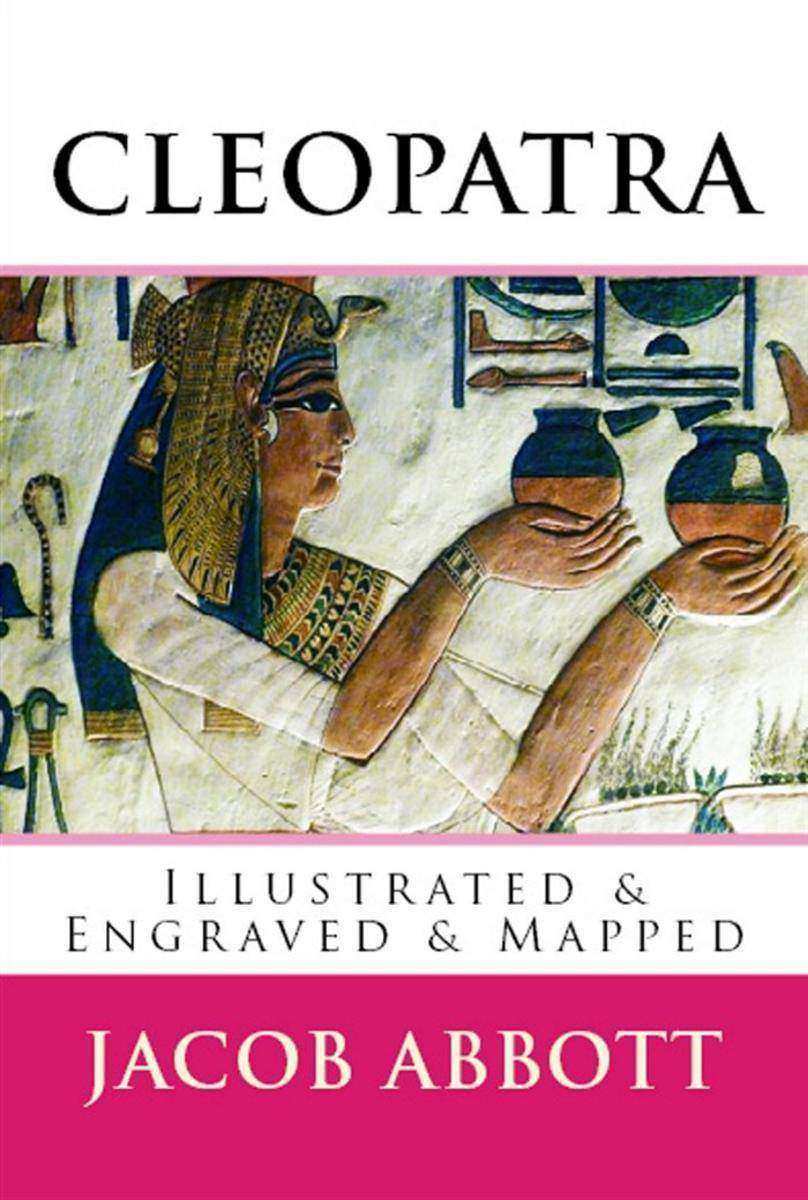
Cleopatra
¥18.56
THE story of Cleopatra is a story of crime. It is a narrative of the course and the consequences of unlawful love. In her strange and romantic history we see this passion portrayed with the most complete and graphic fidelity in all its influences and effects; its uncontrollable impulses, its intoxicating joys, its reckless and mad career, and the dreadful remorse and ultimate despair and ruin in which it always and inevitably ends.??Cleopatra was by birth an Egyptian; by ancestry and descent she was a Greek. Thus, while Alexandria and the delta of the Nile formed the scene of the most im-portant events and incidents of her history, it was the blood of Macedon which flowed in her veins. Her character and action are marked by the genius, the courage, the originality, and the impulsiveness pertaining to the stock from which she sprung. The events of her history, on the other hand, and the peculiar character of her adventures, her sufferings, and her sins, were determined by the circumstances with which she was surrounded, and the influences which were brought to bear upon her in the soft and voluptuous clime where the scenes of her early life were laid..??Egypt has always been considered as physically the most remarkable country on the globe. It is a long and narrow valley of verdure and fruitfulness, completely insulated from the rest of the habitable world. It is more completely insulated, in fact, than any literal island could be, inasmuch as deserts are more impassable than seas. The very existence of Egypt is a most extraordinary phenomenon. If we could but soar with the wings of an eagle into the air, and look down upon the scene, so as to observe the operation of that grand and yet simple process by which this long and wonderful valley, teeming so profusely with animal and vegetable life, has been formed, and is annually revivified and renewed, in the midst of surrounding wastes of silence, desolation, and death, we should gaze upon it with never-ceasing admiration and pleasure. We have not the wings of the eagle, but the generalizations of science furnish us with a sort of substitute for them. The long series of patient, careful, and sagacious observations, which have been continued now for two thousand years, bring us results, by means of which, through our powers of mental conception, we may take a comprehensive survey of the whole scene, analo-gous, in some respects, to that which direct and actual vision would afford us, if we could look down upon it from the eagle's point of view. It is, however, so-mewhat humiliating to our pride of intellect to reflect that long-continued philosophical investigations and learned scientific research are, in such a case as this, after all, in some sense, only a sort of substitute for wings. A human mind connected with a pair of eagle's wings would have solved the mystery of Egypt in a week; whereas science, philosophy, and research, confined to the surface of the ground, have been occupied for twenty centuries in accomplishing the undertaking.
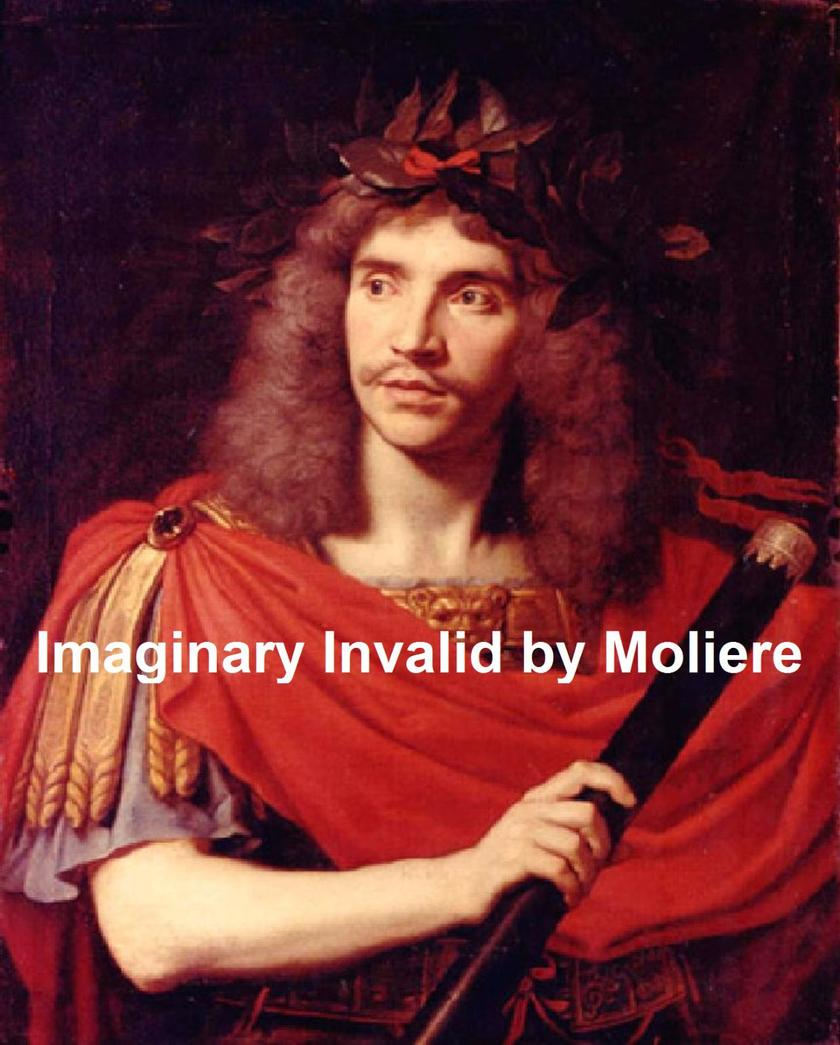
Imaginary Invalid
¥8.09
According to Wikipedia: "The Imaginary Invalid (French: Le malade imaginaire) is a 1673 three-act comédie-ballet by the French playwright Molière with dance sequences and musical interludes by Marc-Antoine Charpentier. It was originally choreographed by Pierre Beauchamp. Molière had fallen out with the powerful court composer Jean-Baptiste Lully, with whom he had pioneered the comédie-ballet form a decade earlier, and had opted for the collaboration with Charpentier, Lully's rival and arguably a more gifted composer. Le malade imaginaire would turn out to be his last work. He collapsed during his fourth performance as Argan on 17 February and died soon after. Beyond the obvious irony, given the play's title, it is possible that Molière was poisoned by Lully, or at the jilted collaborator's instigation."
A Defence of Poetry and Other Essays
¥8.09
According to Wikipedia: "A Defence of Poetry is an essay by the English poet Percy Bysshe Shelley, written in 1821 and first published posthumously in 1840 in Essays, Letters from Abroad, Translations and Fragments (1840) [1839]. It contains Shelley's famous claim that "poets are the unacknowledged legislators of the world".
The Admirable Crichton
¥8.09
Four-act play, first published in 1902. According to Wikipedia: "Sir James Matthew Barrie, 1st Baronet, (9 May 1860 – 19 June 1937) was a Scottish author and dramatist, best remembered today as the creator of Peter Pan. The child of a family of small-town weavers, he was educated in Scotland. He moved to London, where he developed a career as a novelist and playwright. There he met the Llewelyn Davies boys who inspired him in writing about a baby boy who has magical adventures in Kensington Gardens (included in The Little White Bird), then to write Peter Pan, or The Boy Who Wouldn't Grow Up, a "fairy play" about this ageless boy and an ordinary girl named Wendy who have adventures in the fantasy setting of Neverland. This play quickly overshadowed his previous work and although he continued to write successfully, it became his best-known work, credited with popularising the name Wendy, which was very uncommon previously.[1] Barrie unofficially adopted the Davies boys following the deaths of their parents. Before his death, he gave the rights to the Peter Pan works to Great Ormond Street Hospital, which continues to benefit from them."
Five Plays by Plautius in English and Latin
¥8.09
Classic Roman plays. Amphitryon, The Comedy of Asses, Teh Pot of Gold, The Two Bacchises, and The Captives. According to Wikipedia, "Titus Maccius Plautus (c. 254–184 BC), commonly known as Plautus, was a Roman playwright of the Old Latin period. His comedies are among the earliest surviving intact works in Latin literature. Plautus wrote around 52 plays, which were released between c. 205 and 184 BCE, of which 20 have survived, making him the most prolific ancient dramatist in terms of surviving work. He attained such a popularity that his name alone became a hallmark of theatrical success. Plautus' comedies are mostly adapted from Greek models for a Roman audience, and are often based directly on the works of the Greek playwrights. He reworked the Greek texts to give them a flavour that would appeal to the local Roman audiences...Shakespeare borrowed from Plautus as Plautus borrowed from his Greek models...The Plautine and Shakespearean plays that most parallel each other are, respectively, The Menaechmi and The Comedy of Errors."
Absalom and Achitophel
¥18.56
Absalom and Achitophel is a landmark poetic political satire by John Dryden. The poem exists in two parts. The first part, of 1681, is undoubtedly by Dryden. The second part, of 1682, was written by another hand, most likely Nahum Tate, except for a few passages—including attacks on Thomas Shadwell and Elkanah Settle, expressed as Og and Doeg—that Dryden wrote himself. The poem is an allegory that uses the story of the rebellion of Absalom against King David as the basis for discussion of the background to the Monmouth Rebellion (1685), the Popish Plot (1678) and the Exclusion Crisis.
Sea Poems
¥8.09
Dodo Collections brings you another classic from Cale Young Rice, ‘Sea Poems. Cale Young Rice writes in the foreword of the book: “The poems of this volume, gathered here after many requests, are, with a few exceptions, from my previous lyrical publications. They are also in a real sense an intimate record. For the sea has often enough seemed to me almost as a vast external sub consciousness in which the forces of my being—as well as the world's—were at play.” Cale Young Rice (December 7, 1872 – January 24, 1943) was an American poet and dramatist. He was born in Dixon, Kentucky, to Laban Marchbanks Rice, a Confederate veteran and tobacco merchant, and his wife Martha Lacy. He was a younger brother of Laban Lacy Rice, a noted educator. Cale Rice grew up in Evansville, Indiana, and Louisville, Kentucky. He was educated at Cumberland University and at Harvard (A.B., 1895; A.M., 1896). He was married to the popular author Alice Hegan Rice; they worked together on several books. The marriage was childless, and Cale committed suicide by gunshot during the night of January 23–24 at his home in Louisville a year after her death due to his sorrow at losing her. Cale Rice's poems were collected and published in a single volume by his brother, Laban Lacy Rice. His birthplace in Dixon is designated by Kentucky State Historical Marker 1508, which reads: "Birthplace of Rice brothers, Cale Young, 1872-1943, noted poet and author; Laban Lacy, 1870-1973, well-known educator and author. Lacy published The Best Poetic Works of Cale Young Rice after Cale's death. Included in famous collection is poem, "The Mystic." Cale married Alice Hegan, also a distinguished Kentucky writer. Home overlooks Memorial Garden."
Peines d'Amour Perdues (Love's Labour's Lost in French)
¥8.09
Comédie de Shakespeare, traduite en fran?ais par Fran?ois Pierre Guillaume Guizot (1787 - 1874), historien fran?ais et homme d'?tat. Publié en 1862. Selon Wikipedia: "Love's Labor's Lost est l'une des premières comédies de William Shakespeare, qui aurait été écrite au milieu des années 1590 et publiée pour la première fois en 1598".
The Merchant of Venice; Der Kaufmann von Venedig: Bilingual edition
¥8.09
Bilingual, English and German. Shakespeare comedy in English with line numbers and translated to German. According to Wikipedia: "The Merchant of Venice is a tragic comedy by William Shakespeare, believed to have been written between 1596 and 1598. Though classified as a comedy in the First Folio and sharing certain aspects with Shakespeare's other romantic comedies, the play is perhaps most remembered for its dramatic scenes, and is best known for Shylock and the famous 'Hath not a Jew eyes' speech. Also notable is Portia's speech about the 'quality of mercy'" Zweisprachig, Englisch und Deutsch. Shakespeare-Kom?die in Englisch mit Zeilennummern und ins Deutsche übersetzt. Laut Wikipedia: "The Merchant of Venice" ist eine tragische Kom?die von William Shakespeare, die vermutlich zwischen 1596 und 1598 entstanden ist. Obwohl sie im First Folio als Kom?die klassifiziert wurde und gewisse Aspekte mit Shakespeares anderen romantischen Kom?dien teilt, ist das Stück vielleicht Die meisten werden für ihre dramatischen Szenen in Erinnerung bleiben und sind am besten für Shylock und die berühmte 'Hath not a Jewy eyes' Rede bekannt. Bemerkenswert ist auch Portias Rede über die 'Qualit?t der Barmherzigkeit'. "
Henri IV, Deuxieme Partie, (Henry IV Part II in French)
¥8.09
Pièce d'histoire de Shakespeare, Henry IV, Deuxième partie, en traduction fran?aise. Selon Wikipédia: "Henry IV, Part 2 est une pièce d'histoire de William Shakespeare, crue écrite entre 1596 et 1599. C'est la troisième partie d'une tétralogie, précédée par Richard II et Henri IV, partie 1 et succédée par Henry V. "
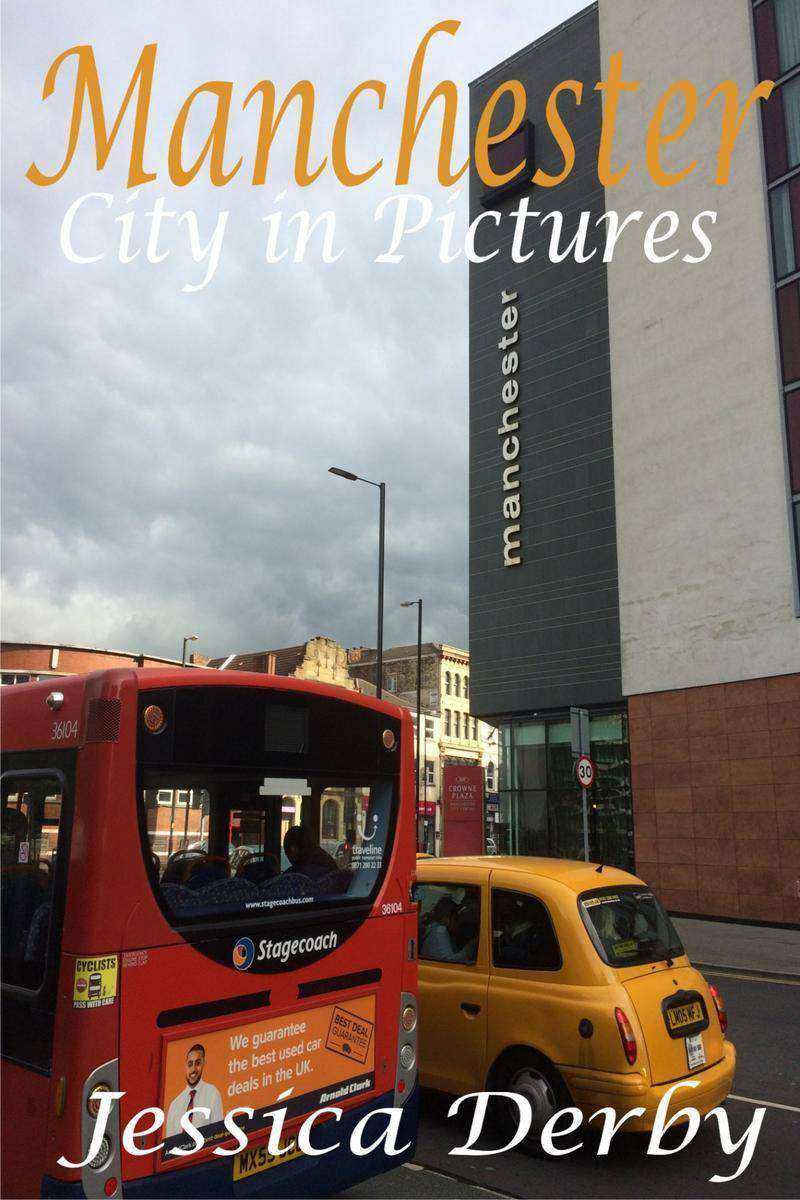
Manchester City in Pictures
¥24.44
Manchester City in Pictures
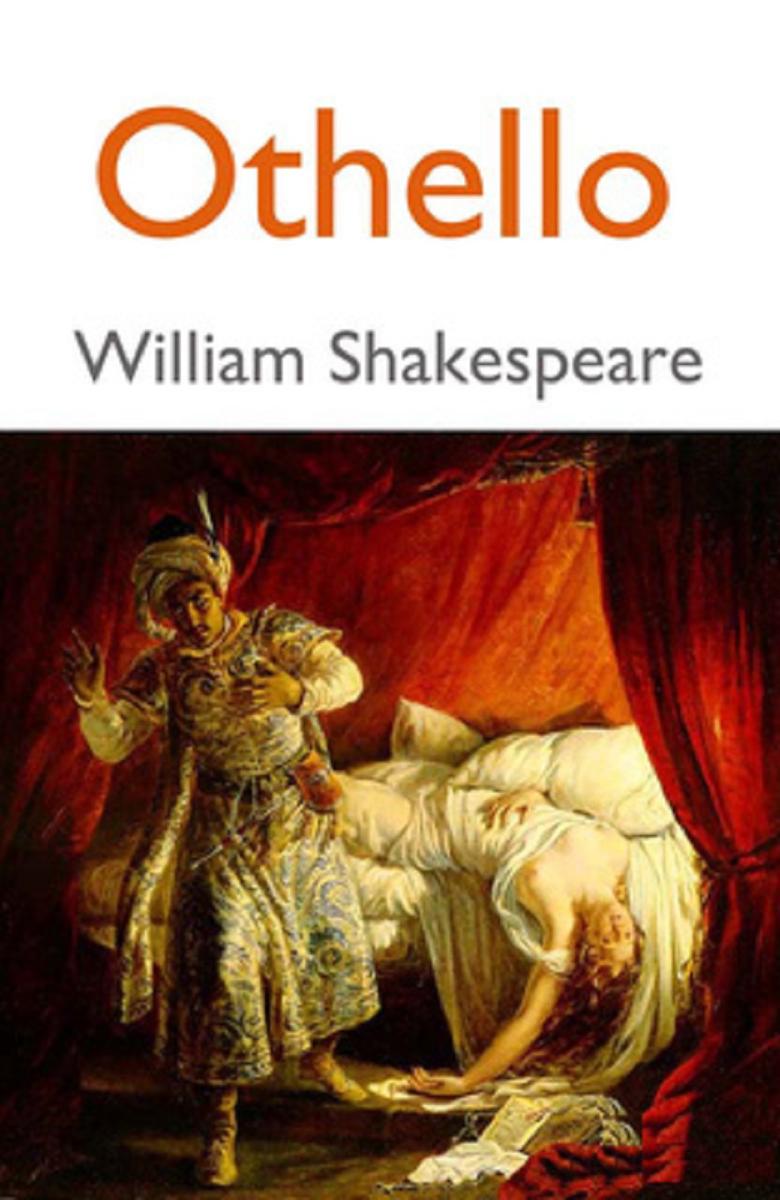
Othello
¥24.44
Othello
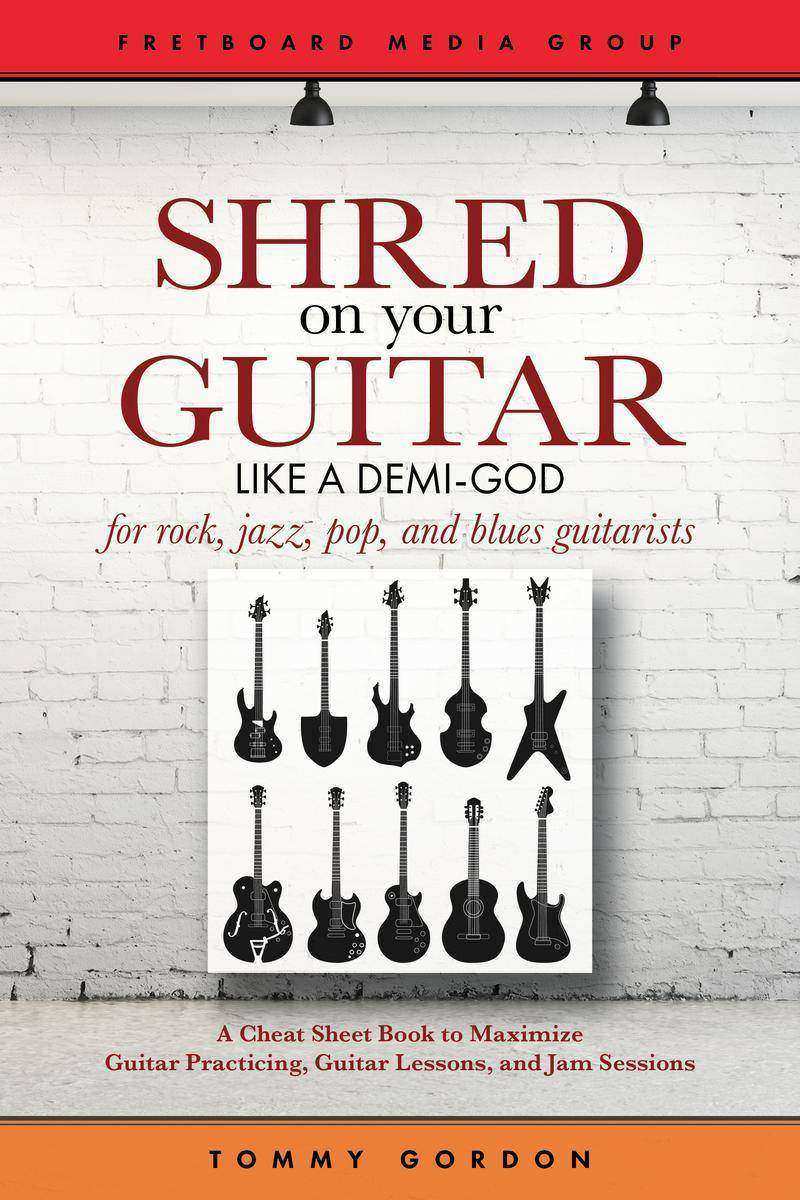
Shred on Your Guitar Like a Demi-God
¥48.97
Shred on Your Guitar Like a Demi-God
Catharsis
¥32.62
Catharsis
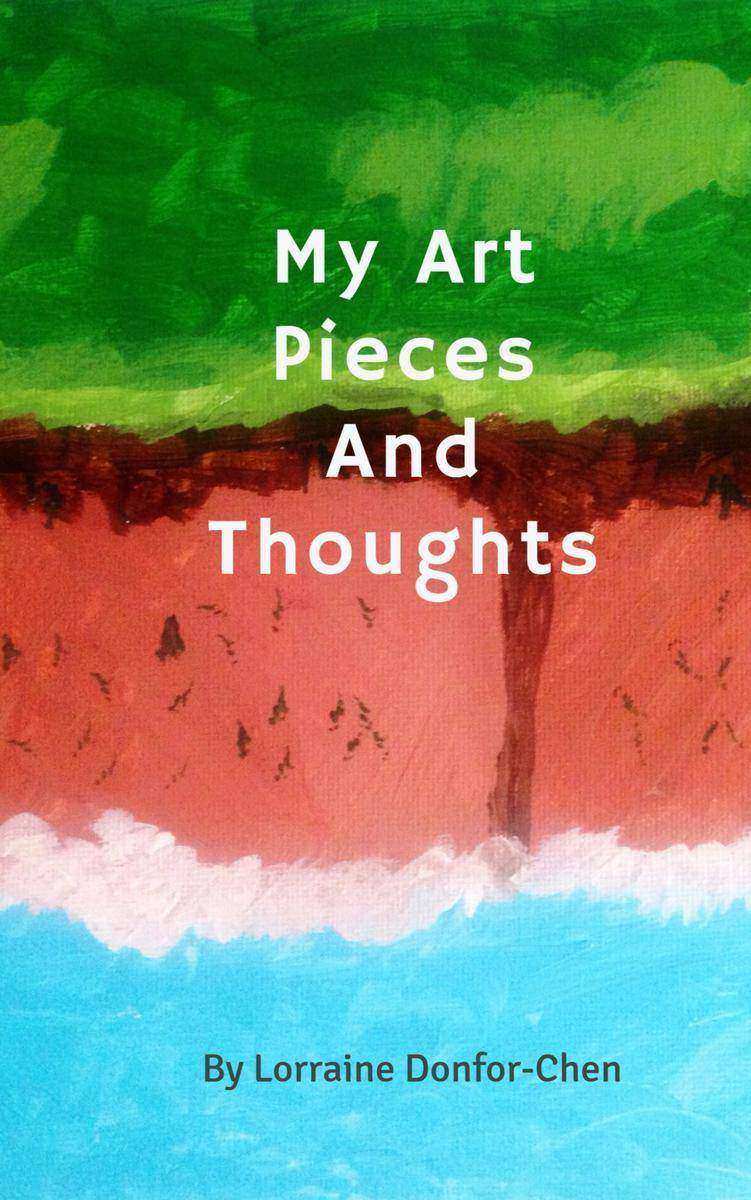
My Art Pieces And Thoughts
¥43.74
My Art Pieces And Thoughts


