


 购物车
购物车 个人中心
个人中心
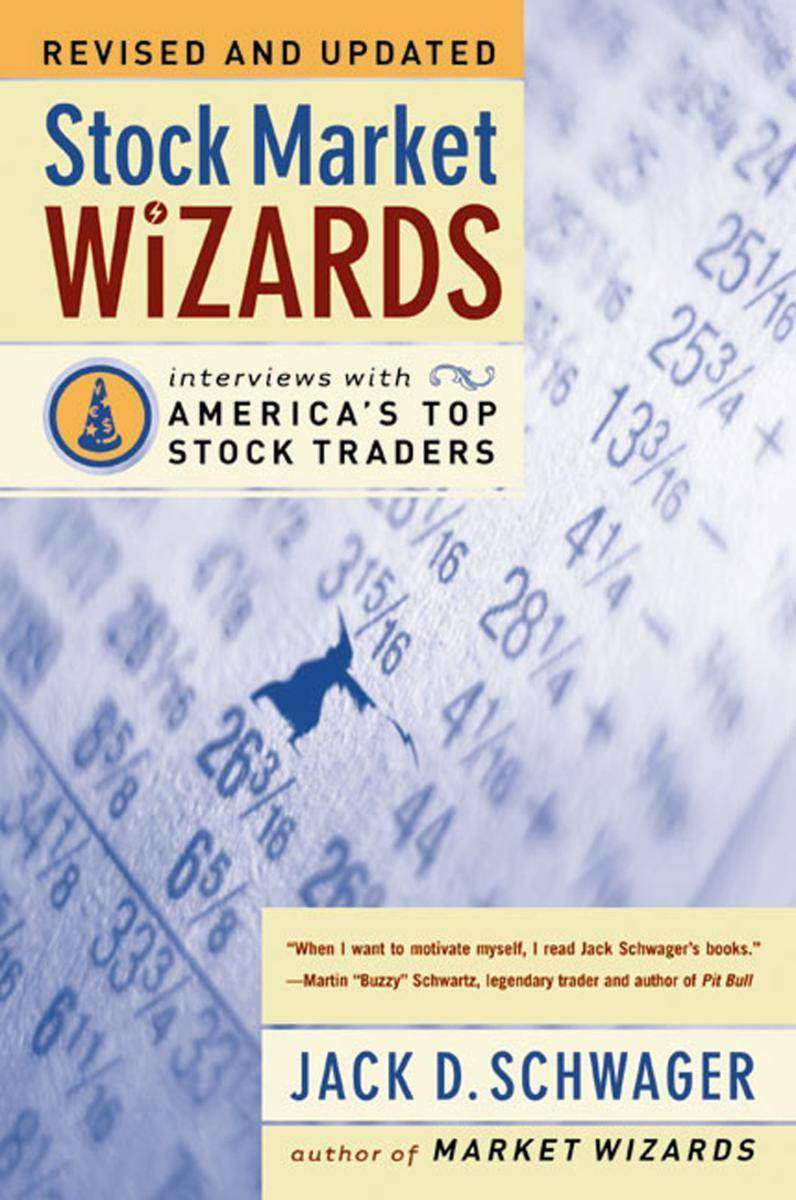
Stock Market Wizards
¥90.51
The third in the bestselling Market Wizards series, this time focusing on the barometer of the economy the stock market. It has been nearly a decade since the publication of the highly successful The New Market Wizards. The interim has witnessed the most dynamic bull market in US stock history, a collapse in commodity prices, dramatic failures in some of the world's leading hedge funds, the burst of the Internet bubble, a fall into recession and subsequent rumblings of recovery. Who have been the 'market wizards' during this tumultuous financial periodHow did some traders manage to significantly outperform a stockmarket that during its heyday moved virtually straight upThis book will feature interviews with a variety of traders who achieved phenomenal financial success during the glory days of the Internet boom. In contrast with the first two Market Wizard books, which included traders from a broad financial spectrum stocks, bonds, currencies and futures this volume will focus on traders in the stockmarket.
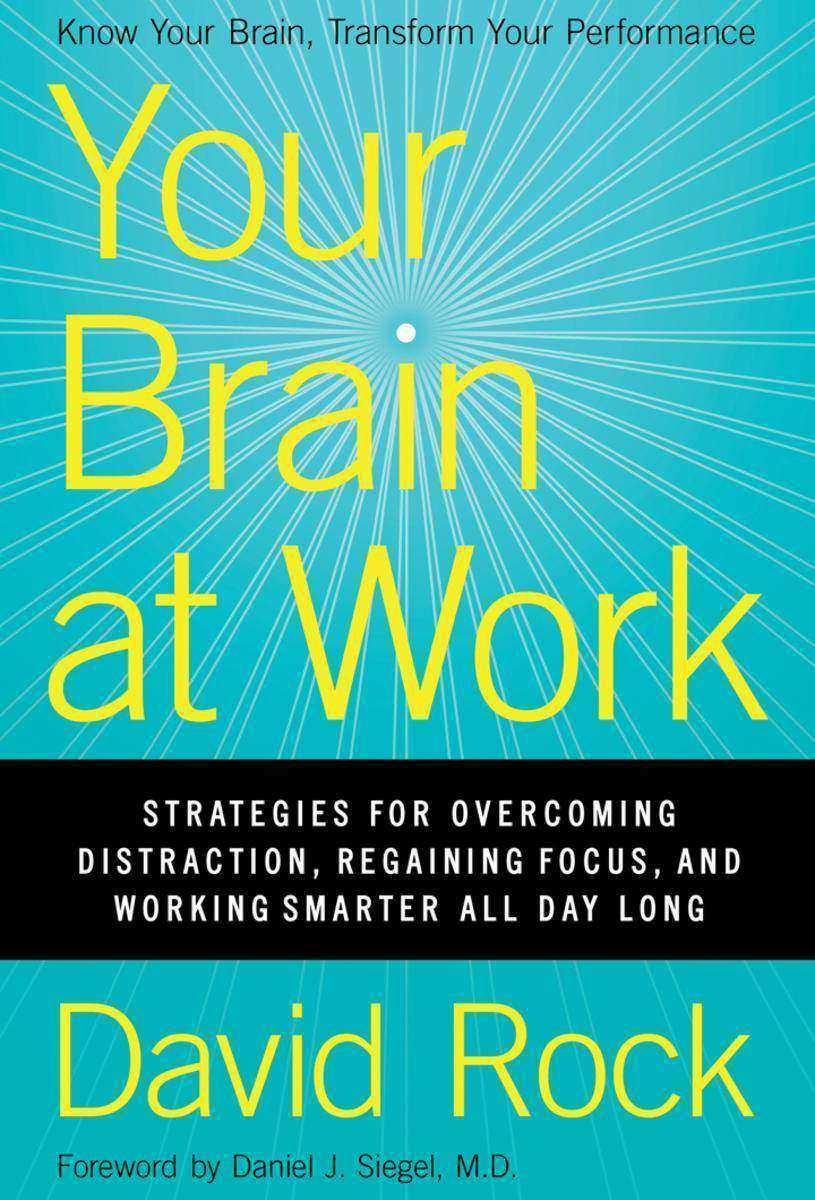
Your Brain at Work
¥166.09
Meet Emily and Paul, the parents of two young children. Emily is a newly promoted executive in a large corporation, while Paul has his own business as a consultant. Their lives, like all of ours, are filled with a bewildering blizzard of emails, phone calls, yet more emails, meetings, projects, proposals, and plans. For them, just staying ahead of the storm has become a seemingly insurmountable task. In this book, we travel inside the brains of Emily and Paul as they attempt to sort the vast quantities of information they're presented with and figure out how to prioritize, organize, and act on it. Fortunately for Emily and Paul and for readers of Your Brain at Work they're in good hands: David Rock knows how the brain works and more specifically, how it works in a work setting. Your Brain at Work explores: Why your brains feels so taxed, and how to take full advantage of your mental resources Why it's so hard to focus, and how to better manage distractions How to maximize your chance of finding insights that can solve seemingly insurmountable problems How to keep your cool in any situation, so that you can make the best decisions possible How to collaborate with others more effectively Why providing feedback is so difficult, and how to make it easier How to effectively change other people's behavior Rock shows how it's possible not only to survive in today's overwhelming work environment but to succeed in it and still feel energized at the end of the day, with a sense of accomplishment.

Multipliers
¥155.02
Are you a genius or a genius maker We've all had experience with two dramatically different types of leaders. The first type drain intelligence, energy, and capability from the ones around them and always need to be the smartest ones in the room. These are the idea killers, the energy sappers, the diminishers of talent and commitment. On the other side of the spectrum are leaders who use their intelligence to amplify the smarts and capabilities of the people around them. When these leaders walk into a room, lightbulbs go off over people's heads, ideas flow, and problems get solved. These are the leaders who inspire employees to stretch themselves to deliver results that surpass expectations. These are the Multipliers. And the world needs more of them, especially now, when leaders are expected to do more with less. In this engaging and highly practical book, leadership expert Liz Wiseman and management consultant Greg McKeown explore these two leadership styles, persuasively showing how Multipliers can have a resoundingly positive and profitable effect on organizations getting more done with fewer resources, developing and attracting talent, and cultivating new ideas and energy to drive organizational change and innovation. In analyzing data from more than 150 leaders, Wiseman and McKeown have identified five disciplines that distinguish Multipliers from Diminishers. These five disciplines are not based on innate talent; indeed, they are skills and practices that everyone can learn to use even lifelong and recalcitrant Diminishers. Lively, real-world case studies and practical tips and techniques bring to life each of these principles, showing you how to become a Multiplier too, whether you are a new or an experienced manager. Just imagine what you could accomplish if you could harness all the energy and intelligence around you. Multipliers will show you how.

The One-Life Solution
¥83.03
Do you feel that if you could get rid of some of the chaos in your work life, you could take your performance to a greater levelDo you stay late at the office many nights, trying to empty an inbox that never seems to diminishDo you have difficulty dealing with cantankerous bosses or passive-aggressive coworkersDo you find yourself checking your BlackBerry almost against your will during dates, family dinners, or your children's soccer gamesIf you've answered yes to any of the above, chances are you feel fragmented, pulled in too many directions at once, frustrated. Your work life has taken over your personal life.In The One-Life Solution, Dr. Henry Cloud, consultant, bestselling author of the Boundaries series and Integrity, and clinical psychologist, examines the workplace. He demonstrates how our failure to maintain a unified life with good boundaries at the office not only blurs the line between the professional and the personal, but leaves us less equipped to deal with the problems of today's workplace: stress, heavy workload, and a blistering pace. As a result, we are overworked, overstressed, and unhappier than ever. Through real-world examples from years of working with leaders at companies large and small, Dr. Cloud shows us how to construct and enforce better boundaries against the technological devices, bullying bosses, and distracting coworkers who invade our time and space.From conducting an audit of your time, to developing a policy of who you are and what you stand for, to learning how to overcome a paralyzing inability to say no, Dr. Cloud provides invaluable strategies and *s for moving toward a more unified, coherent sense of self and a life that fully encompasses work, family, and spirituality. In a clear, conversational voice, he will help you develop the ability to: contain self-destructive behavior and keep it from spreading. define yourself and know who you are. set limits when needed. communicate effectively. learn how to improve your performance at the office and outside it. By starting to do what's best for you, you'll find the key to living the one happy, fulfilling life that only you can live.
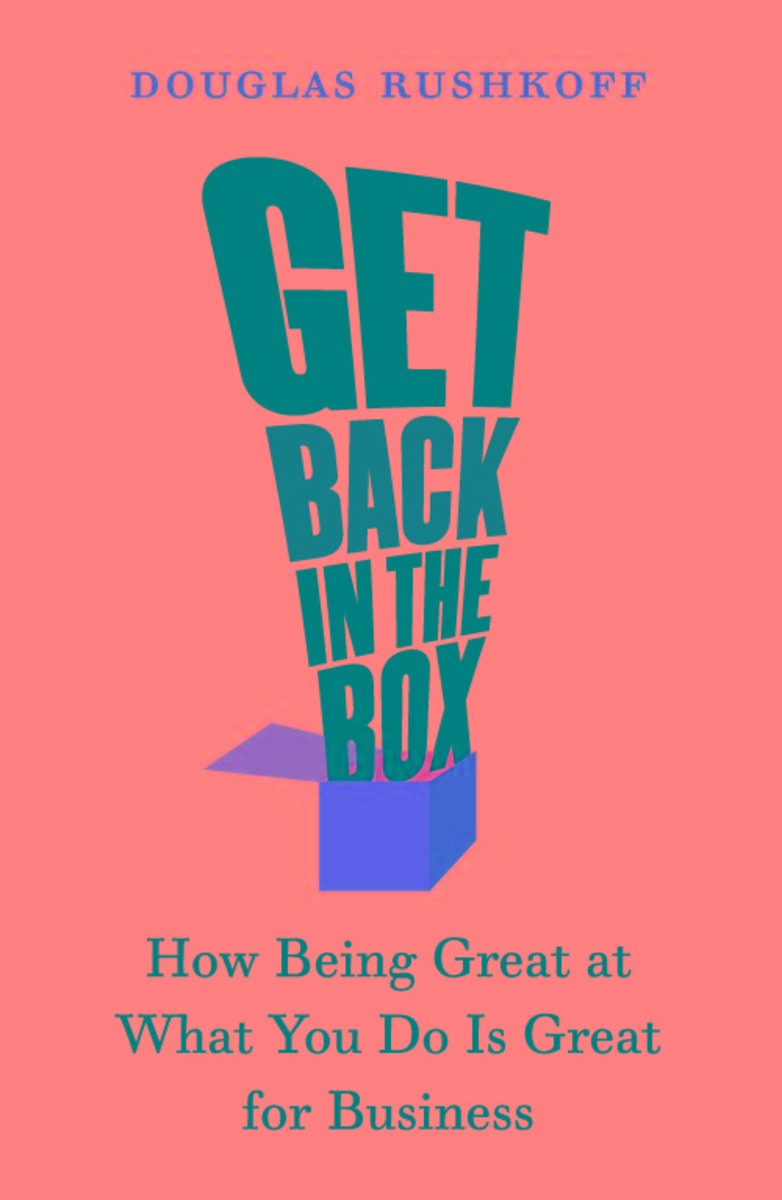
Get Back in the Box
¥84.28
Douglas Rushkoff was one of the first social commentators to identify the new culture around the internet. He has spent nearly a decade advising companies on the ways they can re-orient their businesses to the transformations the internet has caused. Through his speaking and consulting, Rushkoff has discovered an important and unrecognized shift in American business. Too many companies are panicked and operating in survival mode when the worst of the crisis has already passed. Likening the internet transformation to the intellectual and technological ferment of the Enlightment, Rushkoff suggests we have a remarkable opportunity to re-integrate our new perspective with the work we actually do. Instead of running around trying to "think out of the box," Rushkoff demonstrates, now is the time to "get back in the box" and improve the way we do our jobs, run our operations and drive innovation from the ground up. Combining stories gleaned from his consulting with a thrilling tour of history's dramatic moments and clever readings of cultural shift we've just experienced, Rushkoff offers a compelling vision of the simple and effective ways businesses can re-invigorate themselves.
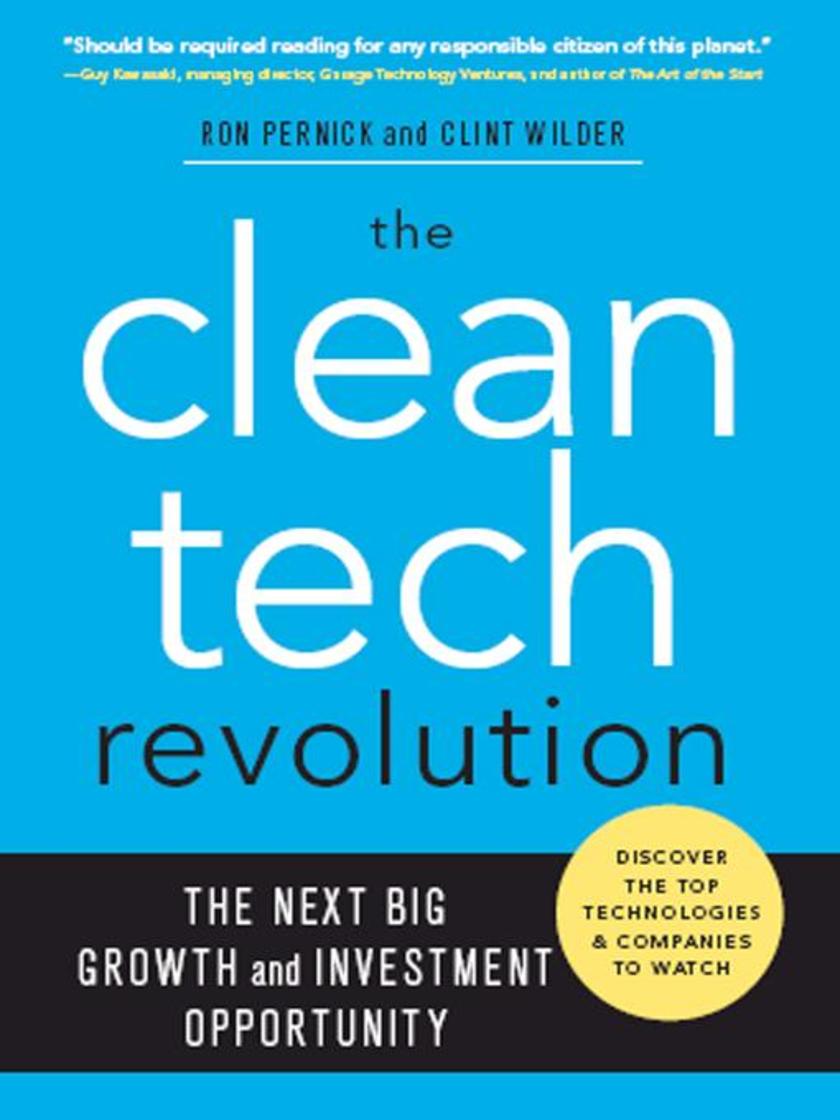
The Clean Tech Revolution
¥90.77
When industry giants such as GE, Toyota, and Sharp and investment firms such as Goldman Sachs are making multibillion-dollar investments in clean technology, the message is clear. Developing clean technologies is no longer a social issue championed by environmentalists; it's a moneymaking enterprise moving solidly into the business mainstream. In fact, as the economy faces unprecedented challenges from high energy prices, resource shortages, and global environmental and security threats, clean tech technologies designed to provide superior performance at a lower cost while creating significantly less waste than conventional offerings promises to be the next engine of economic growth.In The Clean Tech Revolution, authors Ron Pernick and Clint Wilder identify the major forces that have pushed clean tech from back-to-the-earth utopian dream to its current revolution among the inner circles of corporate boardrooms, on Wall Street trading floors, and in government offices around the globe. By highlighting eight major clean-tech sectors solar energy, wind power, biofuels and biomaterials, green buildings, personal transportation, the smart grid, mobile applications, and water filtration they uncover how investors, entrepreneurs, and individuals can profit from this next wave of technological innovation. Pernick and Wilder shine the spotlight on the winners among technologies, companies, and regions that are likely to reap the greatest benefits from clean tech and they show you why the time to act is now.Groundbreaking and authoritative, The Clean Tech Revolution is the must-read book to understand and profit from the clean technologies that are reshaping our fast-changing world.
FairTax: The Truth
¥82.80
In 2005, firebrand radio talk show host Neal Boortz and Georgia congressman John Linder created The FairTax Book, presenting the American public with a bold new plan designed to eliminate federal taxes and the IRS, jump-start the U.S. economy, bring back lost industries and jobs, and recapture billions of untaxed dollars hoarded by criminal and offshore businesses. Their book became an immediate #1 New York Times bestseller, propelling a powerful grassroots tax reform movement that's spreading like wildfire across our nation.Now, three years later, the authors are back to answer the outspoken and misinformed critics of their innovative proposal. Offering eye-opening new insights not covered in the original book, FairTax: The Truth debunks the negative myths and gross misrepresentations of this groundbreaking idea. The FairTax plan is simple, brilliant, and it will work enabling you to keep all the money in your paycheck; eliminating the fraud, hassle, and waste of our current system; and revolutionizing the way America pays for itself.

Best Practices: Evaluating Performance
¥72.70
Successful management relies on identifying and promoting high-performing employees and targeting underperformers for serious improvement. Evaluating Performance, a comprehensive and essential resource for any manager on the run, shows you how.Learn to: Monitor day-to-day performance Conduct productive formal reviews Reward consistent, excellent performance through promotions Terminate underperforming employees Create a company-wide performance management system The Collins Best Practices guides offer new and seasoned managers the essential information they need to achieve more, both personally and professionally. Designed to provide tried-and-true advice from the world's most influential business minds, they feature practical strategies and tips to help you get ahead.

Best Practices: Managing People
¥72.70
In today's hypercompetitive business climate, managers who help employees achieve their individual potential stand to get and stay ahead. Managing People, a comprehensive and essential resource for any manager on the run, shows you how.Learn to: Delegate the right work to the right employee Motivate people to outperform the competition Establish and empower effective teams Manage multiple projects and stay on track Inspire trust and lead in times of change The Collins Best Practices guides offer new and seasoned managers the essential information they need to achieve more, both personally and professionally. Designed to provide tried-and-true advice from the world's most influential business minds, they feature practical strategies and tips to help you get ahead.
New Totally Awesome Money Book For Kids
¥67.12
Jam-packed with up-to-date, easy-to-understand information on every area of money, this smart, useful book—just right for kids age 8–14—makes learning about money fun. A savvy brother and sister team, Arthur and Rose explain a lot about money matters, including:?Budgets and savings (great ways to get the stuff you really want!) ?The basics of stocks, bonds, and other ways of investing ?Credit cards (“The Plastic Flash”) and borrowing ?Updated information on the Internet with useful Web links ?Online investing, Web safety precautions ?Saving and paying for college ?And much more
Wealth Happens One Day at a Time
¥90.77
Does a secure financial life seem to difficult to imagine let alone achieveDoes wealth strike you as an impossible dreamWhether you're living from paycheck to paycheck, or simply confused by the world of stocks, bonds, and brokers, it's never too late to change your situation. All you need is a little help.By spending just ten to fifteen minutes a day with this immensely helpful book, you'll discover that financial security is just steps away. Filled with the wisdom and advice of a seasoned expert, this year-old program for success shows you how to: change your attitude and change your life break out of debt and control your spending choose investments and make your money grow protect your gains and prepare for a comfortable retirement give your children or grandchildren a secure start in life and much more!
Your Money or Your Life
¥88.56
As the host of Fox News Channel's Your World with Neil Cavuto and Cavuto on Business, Neil Cavuto reports on today's most influential business leaders and newsmakers. His great talent is to get beneath the issues, connecting people to the events that define them and changing the way that Americans think about their money. Ending each show with a provocative, insightful commentary, Cavuto stirs people to see the world in a new light, calling on them to think beyond the stories at hand and challenging people to reevaluate the world that they live in.In Your Money or Your Life, Cavuto compiles the best of these commentaries in one volume, creating a collection that is at once witty, thought-provoking, and inspiring. Covering a variety of topics from remembering life before 9/11, to providing tips for empty nesters Cavuto presents a wry yet evocative look at our world, one that speaks to the heart of the American condition. Spanning one of the most tumultuous decades in memory from the wild and chaotic Clinton years through the sobering challenges of the War on Terror Cavuto's words offer a window into our America at its best and its worst.
The Motley Fool Million Dollar Portfolio
¥90.77
In this long-anticipated, groundbreaking guide to building a portfolio, acclaimed stock pickers and Internet pioneers David and Tom Gardner lay bare the simple philosophy that they have used to help millions of grateful individual investors outfox the professionals on Wall Street. The research, the stories, and the results that underpin this book stem from the revolutionary and wildly successful "Motley Fool Million Dollar Portfolio"" a one-of-a-kind Web experiment in which individual investors follow along as Motley Fool co-founder Tom Gardner invests and manages $1 million of The Motley Fool's own money. In page after page of sound, sensible investment advice, readers are offered a rare glimpse into the inner workings of The Motley Fool machine and offered a first-class education in building, growing, and defending an individual portfolio, one investment strategy at a time. From learning to think like an investor to finding a first stock, from dividend investing to blue-chip bargains to small-cap treasures, from international investing to community-based online tools that are revolutionizing stock selection and asset allocation, this book takes the reader through the essential strategies for building any portfolio no matter how small its start or how big its ambitions.
Executive Intelligence
¥84.16
The final word on what traits make for highly successful managers and a detailed explanation of how to identify potential standout performers. Executive Intelligence is about the substance behind great leadership. Inspired by the work of Peter Drucker and Jim Collins, Justin Menkes set out to isolate the qualities that make for the 'right' people. Drawing on his background in psychology and bolstered by interviews with accomplished CEOs, Menkes paints the portrait of the ideal executive.In a sense, Menkes's work reveals an executive IQ the cognitive skills necessary in order to excel in senior management positions. Star leaders readily differentiate primary priorities from secondary concerns; they identify flawed assumptions; they anticipate the different needs of various stakeholders and how they might conflict with one another; and they recognise the underlying agendas of individuals in complex exchanges.Weaving together research, interviews and the results of his own proprietary testing, Menkes exposes one of the great fallacies of corporate life, that hiring and promotion are conducted on a systematic or scientific basis that allows the most accomplished to rise to their levels of optimal responsibility. Finally, Menkes is a passionate advocate for finding and employing the most talented people, especially those who may have been held back by external assumptions.
Stop Whining--and Start Winning
¥95.39
Filled with the kind of contagious energy and upbeat attitude that has made Frank Pacetta one of America's most popular motivational speakers, this unique book is for anyone who wants a difference in the workplace. Whatever the occupation, organization, or industry, here are tried and tested solutions, techniques, rules and tactics that get the job done right. Whether you're a manager fed up with your worker's ho-hum attitude or an individual who can't seem to live up to your potential no matter how hard you try, this book will give you ideas that can put into immediate action -- a no-fail formula for ending the whining and instilling in yourself and your employees a winning spirit.
New Ideas from Dead CEOs
¥95.39
New Ideas from Dead CEOs uncovers the secrets of success of great CEOs by giving readers an intimate look at their professional and personal lives. Why did Ray Kroc's plan for McDonald's thrive when many burger joints failedAnd how, decades later, did Krispy Kreme fail to heed Kroc's hard-won lessonsHow did Walt Disney's most dismal day as a young cartoonist radically change his careerWhen Estée Lauder was a child in Queens, New York, the average American spent $8 a year on toiletries. Why did she spot an opportunity in selling high-priced cosmetics, and why did she pound on Saks's doorsHow did Thomas Watson Jr. decide to roll the dice and put all of IBM's chips on computing, when his father thought it could be a losing ideaWe learn about these CEOs' greatest challenges and failures, and how they successfully rode the waves of demographic and technological change.New Ideas from Dead CEOs not only gives us fascinating insights into these CEOs' lives, but also shows how we can apply their ideas to the present-day triumphs and struggles of Sony, Dell, Costco, Carnival Cruises, Time Warner, and numerous other companies trying to figure out how to stay on top or climb back up. The featured CEOs in this book were not candidates for sainthood. Many of them knew "god" only as a prefix to "dammit." But they were devoted to their businesses, not just to their egos and their personal bank accounts and yachts. Extraordinarily fresh and deeply thoughtful, Todd G. Buchholz's New Ideas from Dead CEOs is a truly enjoyable and fun yet serious and realistic look at what we still have to learn and absorb from these decomposing CEOs.
HarperCollins e-books
¥95.39
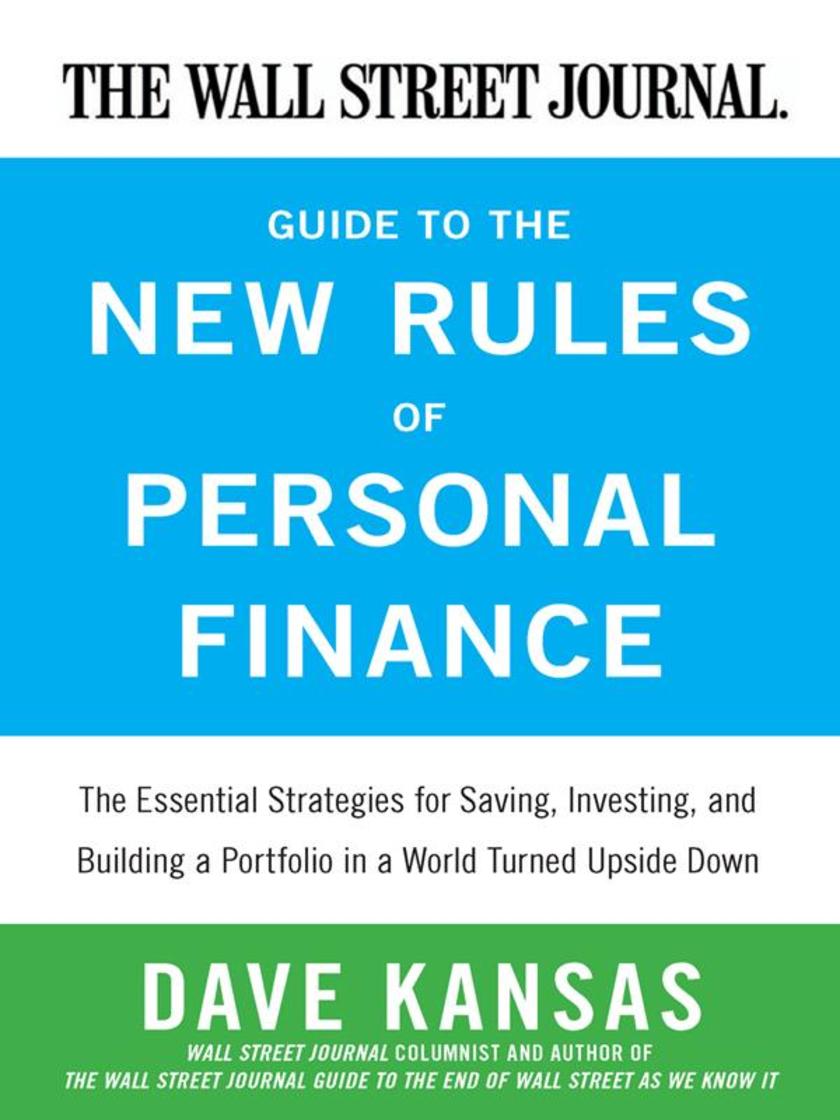
Everything you thought you knew about saving, managing risk, and securing your financial future has changed. The world is very different in the wake of the biggest financial crisis since the Great Depression. Retirement accounts have been eviscerated, risk appetites diminished, and questions raised about age-old personal finance strategies such as "buy and hold" and the efficacy of relying heavily on stock mutual funds.In The Wall Street Journal Guide to the New Rules of Personal Finance, Dave Kansas offers guidelines for understanding the new regulations for finance firms, the rising importance of international investing, and the very different environment that now exists for home buyers. With valuable chapters on debt reduction, diversification, retirement planning, real estate, commodities, and other vital topics, this essential volume is designed to help the individual determine which tenets of an investing strategy remain sound and which deserve re-examination. It is the ultimate guide to profitably investing your money in a world that has fundamentally changed.

Force of Nature
¥157.15
What happens when a renowned river guide teams up with the CEO of one of the largest and least Earth-friendly corporations in the worldWhen it's former Wal-Mart CEO H. Lee Scott and white-water expert turned sustainability consultant Jib Ellison, the result is nothing less than a green business revolution.Wal-Mart long the target of local businesses, labor advocates, and environmentalists who deplore its outsourced, big-box methods has embraced an unprecedented green makeover, which is now spreading worldwide. The retail giant that rose from Sam Walton's Ozarks dime store is leveraging the power of 200 million weekly customers to drive waste, toxics, and carbon emissions out of its stores and products. Neither an act of charity nor an empty greenwash, Wal-Mart's green move reflects its river guide's simple, compelling philosophy: that the most sustainable, clean, energy-efficient, and waste-free company will beat its competitors every time. Not just in some distant, utopian future but today. From energy conservation, recycling, and hybrid trucks to reduced packaging and partnerships with environmentalists it once met only in court, Wal-Mart has used sustainability to boost its bottom line even in a tough economy belying the age-old claim that going green kills jobs and profits. Now the global apparel business, the American dairy industry, big agriculture, and even Wall Street are following Wal-Mart's lead, along with the 100,000 manufacturers whose products must become more sustainable to remain on Wal-Mart's shelves. Here Pulitzer Prize winner and bestselling author Edward Humes charts the course of this unlikely second industrial revolution, in which corporate titans who once believed profit and planet must be at odds are learning that the best business just may be a force of nature.
Conquering the Seven Summits of Sales
¥162.29
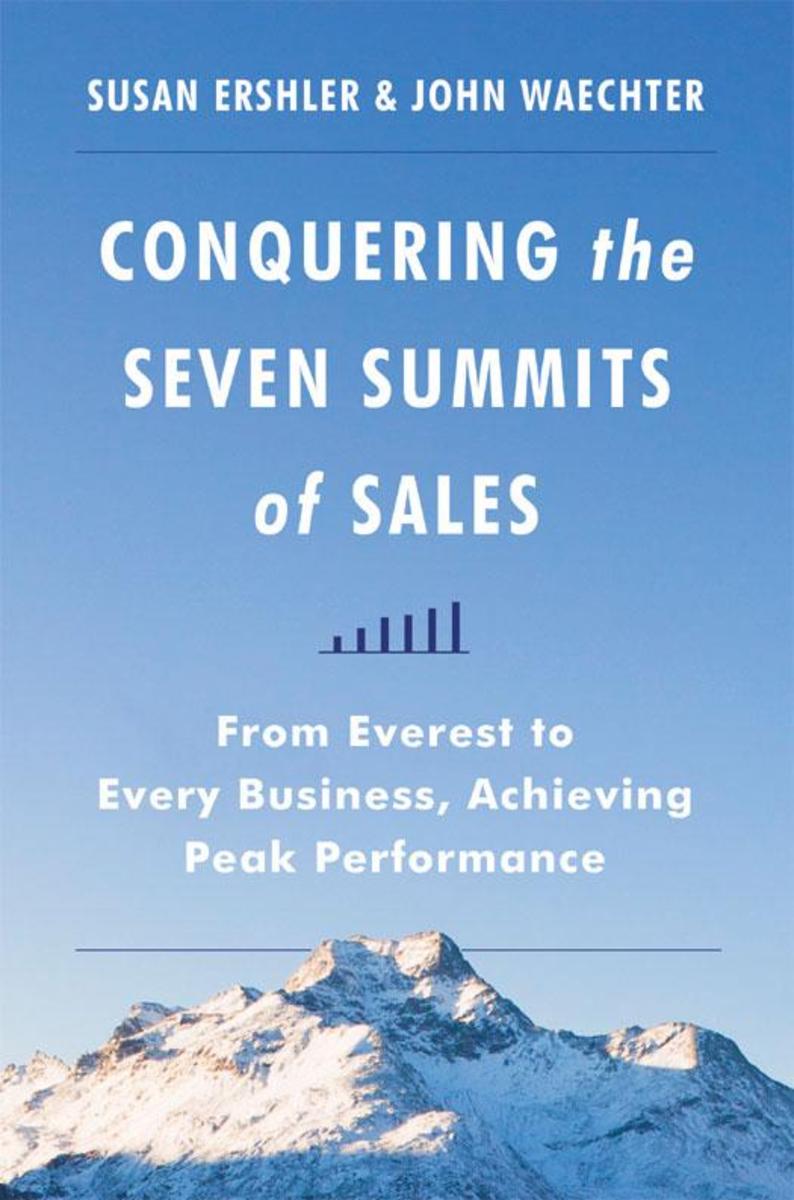
Two experts who have summited the tallest mountain on each of the seven continents and scaled the highest peaks in corporate sales and business examine what it takes to achieve success.In making the grueling journey to the top of Mount Everest, Susan Ershler and John Waechter joined the elite group of climbers who had conquered the Seven Summits the tallest mountains on each of the seven continents. This same determination has made them star performers in corporate sales and established them as business leaders. And both of them cherish the deep sense of satisfaction that comes from attaining a seemingly impossible goal through focus and persistence.In this unique guide, Susan and John draw on concrete experience to inspire sales professionals as well as all team members to overcome limitations and reach new heights of success, illustrating how anyone can achieve peak performance. They will show you how to define your goals clearly, commit to a vision, "choose the right sherpa" (build the right team), "travel light" (manage time), and "measure the mountain" (track progress).Weaving together stories from harrowing climbs and lessons of indomitable perseverance with actual tested methods for high achievement in sales, business, and life, Conquering the Seven Summits of Sales proves that anyone can overcome limitations and accomplish something real and meaningful in business and in life.
Rookie Smarts
¥162.76
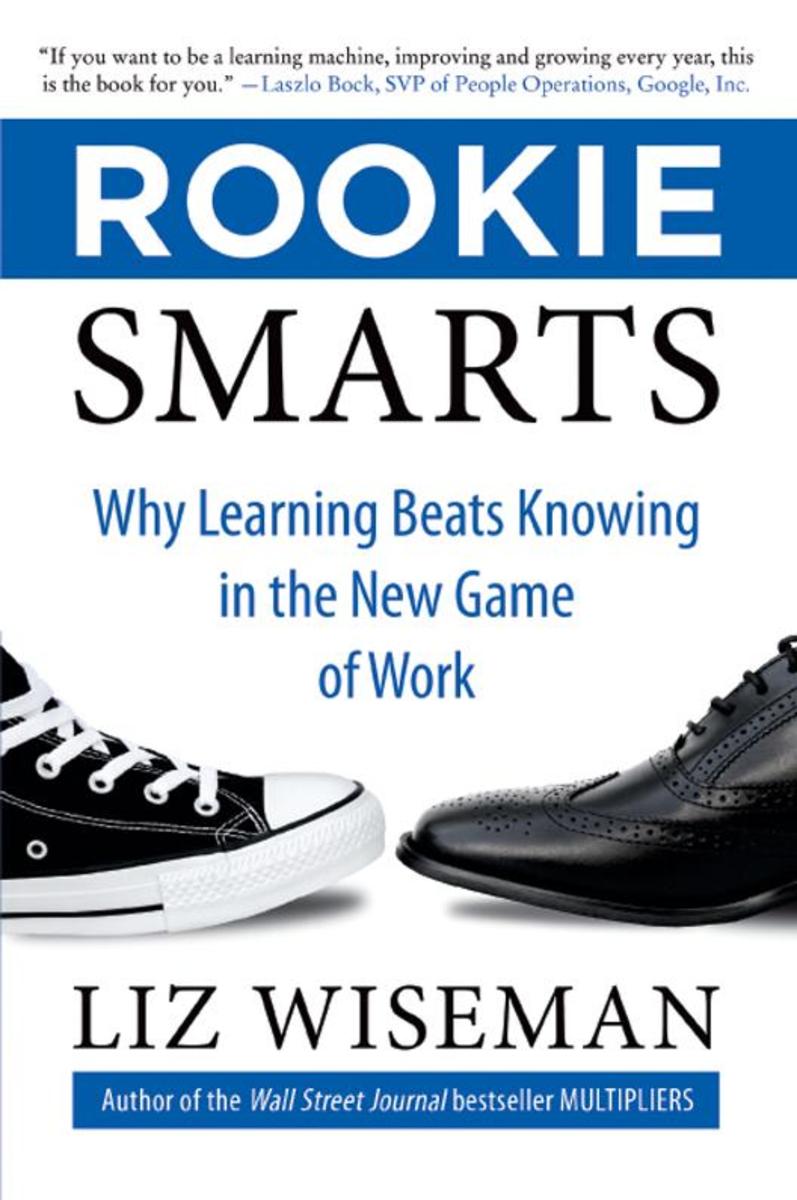
This special digital edition of Rookie Smarts includes 13 videos of leadership expert Liz Wiseman outlining her ground-breaking principles and guiding viewers through exercises that bring fresh perspective, open minds to innovation, and jumpstart a spirit of naive inquiry and constant learning.Is it possible to be at your best even when you are underqualified or doing something for the first timeIs it still possible, even after decades of experience, to recapture the enthusiasm, curiosity, and fearlessness of youth to take on new challengesWith the right mindset with Rookie Smarts you can.In a rapidly changing world, experience can be a curse. Careers stall, innovation stops, and strategies grow stale. Being new, na?ve, and even clueless can be an asset. For today's knowledge workers, constant learning is more valuable than mastery.In this essential guide, leadership expert Liz Wiseman explains how to reclaim and cultivate the curious, flexible, youthful mindset called Rookie Smarts. Wiseman reveals the different modes of the rookie mindset that lead to success: Backpacker: Unencumbered, rookies are more open to new possibilities, ready to explore new terrain, and don't get stuck in yesterday's best practices. Hunter-Gatherer: Rookies seek out experts and return with ideas and resources to address the challenges they face. Firewalker: Lacking situational confidence, rookies take small, calculated steps, moving fast and seeking feedback to stay on track. Pioneer: Keeping things simple and focusing on meeting core needs, rookies improvise and work tirelessly while pushing boundaries. Rookie Smarts addresses the questions every experienced professional faces: Will my knowledge and skills become obsolete and irrelevantWill a young, inexperienced newcomer upend my company or meHow can I keep upThe answer is to stay fresh, keep learning, and know when to think like a rookie.

HarperCollins e-books
¥140.08
Generation Ageless an authoritative and eye-opening look at the past, present, and future of Baby Boomers Think Baby Boomers are all alikeThink again. This dynamic generation is nearing the traditional age of retirement, but is in no mood to slow down. Learn how to market, sell to, do business with, or just understand this remarkable generation, from Yankelovich, Inc., the organization that knows them better than anyone else. Yankelovich actually coined the term "Baby Boomer" back in the late 1960s, when they first started collecting data on this influential generation. Now, more than thirty years later, they have the most complete information on Boomers ever assembled. And they have put it all together in this groundbreaking look at America's largest and most powerful generation. In Generation Ageless, Yankelovich president J. Walker Smith, Ph.D., and senior partner Ann Clurman, Boomers themselves, dig deep into what makes this generation tick. With fresh, original data and a wide-ranging look at everything about Boomers, they dissect Boomers into six major segments Straight Arrows, Due Diligents, Maximizers, Sideliners, Diss/Contenteds, and Re-Activists to provide new insights into the world's most talked-about generation. The results show key imperatives invaluable to anyone selling a product, service, or idea to this 78-million strong group.Boomers are the dominant generation in America. Their values and aspirations set the tone for everyone. Advances in medicine and health mean that this youth-obsessed generation is now focused on an everlasting prime of life. They are literally middle age less: holding onto their position at the top of the pyramid for as long as possible, and not fading away to their golden years. Today's fifty- and sixty-year-old Boomers are not eagerly anticipating lives of disengaged retirement. Instead, middle age less Boomers expect another twenty or thirty years of impact and influence albeit in a variety of ways reflective of a surfeit of agendas and ambitions they have yet to fulfill.


