


 购物车
购物车 个人中心
个人中心
Paleobiological Revolution
¥329.62
establishment of the modern synthesis in the 1940s and the pioneering work of George Gaylord Simpson, Ernst Mayr, and Theodosius Dobzhansky, as well as the subsequent efforts of Stephen Jay Gould, David Raup, and James Valentine, paleontology became embedded in biology and emerged as paleobiology, a first-rate discipline central to evolutionary studies. Pairing contributions from some of the leading actors of the transformation with overviews from historians and philosophers of science, the essays here capture the excitement of the seismic changes in the discipline. In so doing, David Sepkoski and Michael Ruse harness the energy of the past to call for further study of the conceptual development of modern paleobiology.
Recombinant University
¥329.62
The advent of recombinant DNA technology in the 1970s was a key moment in the history of both biotechnology and the commercialization of academic research. Doogab Yi's The Recombinant University draws us deeply into the academic community in the San Francisco Bay Area, where the technology was developed and adopted as the first major commercial technology for genetic engineering. In doing so, it reveals how research patronage, market forces, and legal developments from the late 1960s through the early 1980s influenced the evolution of the technology and reshaped the moral and scientific life of biomedical researchers.Bay Area scientists, university administrators, and government officials were fascinated by and increasingly engaged in the economic and political opportunities associated with the privatization of academic research. Yi uncovers how the attempts made by Stanford scientists and administrators to demonstrate the relevance of academic research were increasingly mediated by capitalistic conceptions of knowledge, medical innovation, and the public interest. Their interventions resulted in legal shifts and moral realignments that encouraged the privatization of academic research for public benefit. The Recombinant University brings to life the hybrid origin story ofbiotechnology and the ways the academic culture of science has changed in tandem with the early commercialization of recombinant DNA technology.
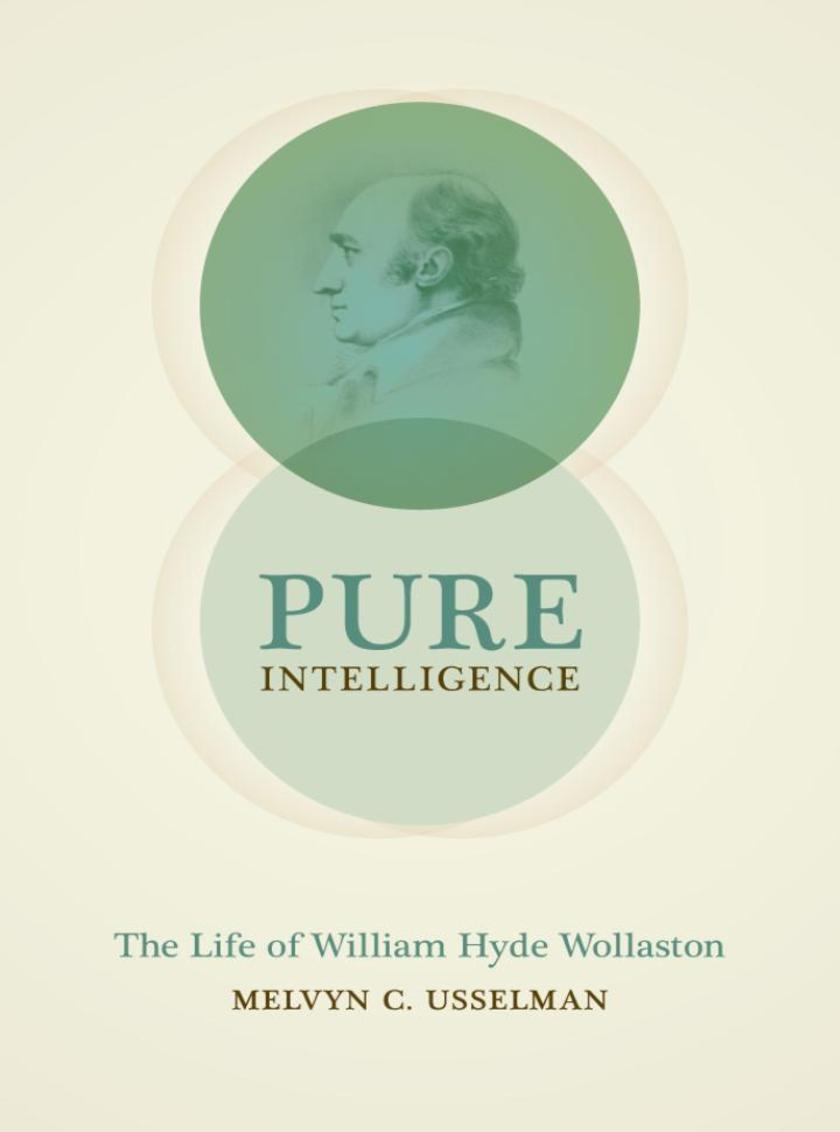
Pure Intelligence
¥288.41
William Hyde Wollaston made an astonishing number of discoveries in an astonishingly varied number of fields: platinum metallurgy, the existence of ultraviolet radiation, the chemical elements palladium and rhodium, the amino acid cystine, and the physiology of binocular vision, among others. Along with his colleagues Humphry Davy and Thomas Young, he was widely recognized during his life as one of Britain's leading scientific practitioners in the first part of the nineteenth century, and thedeaths of all three within a six-month span, between 1828 and 1829, were seen by many as the end of a glorious period of British scientific supremacy. Unlike Davy and Young, however, Wollaston was not the subject of a contemporary biography, and his many impressive achievements have fallen into obscurity as a result.Pure Intelligence is the first book-length study of Wollaston, his science, and the environment in which he thrived. Drawing on previously-unstudied laboratory records as well as historical reconstructions of chemical experiments and discoveries, and written in a highly accessible style, Pure Intelligence will help to reinstate Wollaston in the history of science, and the pantheon of its great innovators.

Nature of Selection
¥288.41
The Nature of Selection is a straightforward, self-contained introduction to philosophical and biological problems in evolutionary theory. It presents a powerful analysis of the evolutionary concepts of natural selection, fitness, and adaptation and clarifies controversial issues concerning altruism, group selection, and the idea that organisms are survival machines built for the good of the genes that inhabit them."e;Sober's is the answering philosophical voice, the voice of a first-rate philosopher and a knowledgeable student of contemporary evolutionary theory. His book merits broad attention among both communities. It should also inspire others to continue the conversation."e;-Philip Kitcher, Nature"e;Elliott Sober has made extraordinarily important contributions to our understanding of biological problems in evolutionary biology and causality. The Nature of Selection is a major contribution to understanding epistemological problems in evolutionary theory. I predict that it will have a long lasting place in the literature."e;-Richard C. Lewontin
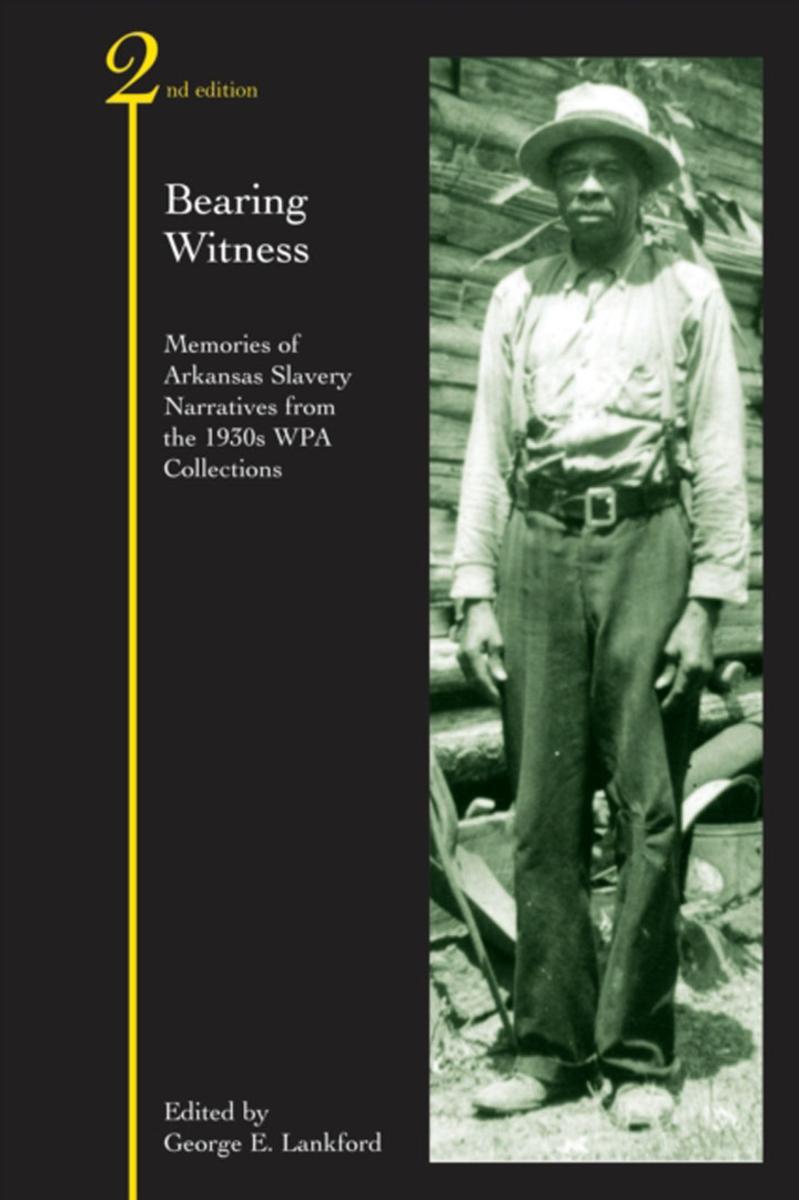
Bearing Witness
¥261.73
The first edition of Bearing Witness brought together for the first time 176 slave narratives from the state of Arkansas. Now, this new edition adds ten previously undiscovered accounts. No one knew the truths of slavery better than the slaves themselves, but no one consulted them until the 1930s. Then, recognizing that this generation of unique witnesses would soon be lost to history, the Works Progress Administration's Federal Writers' Project acted to interview as many former slaves as possible. In a continuation of the project's interest in the life histories of ordinary people, writers interviewed over two thousand former slaves, more than a third of them in Arkansas. These oral histories were first published in the 1970s in a thirty-nine-volume series organized by state, and they transformed America's understanding of slavery. They have offered crucial evidence on a variety of other topics as well: the Civil War, Reconstruction, agricultural practices, everyday life, and oral history itself. But some former Arkansas slaves were interviewed in Texas, Oklahoma, and other states, so their narratives were published in those other collections. And more than half of the testimonies in the Arkansas volume were interviews with people who had moved to Arkansas after freedom. Folklorist George Lankford combed all of the state collections for the testimonies properly belonging to Arkansas and deleted from this state's collection the testimony of later migrants
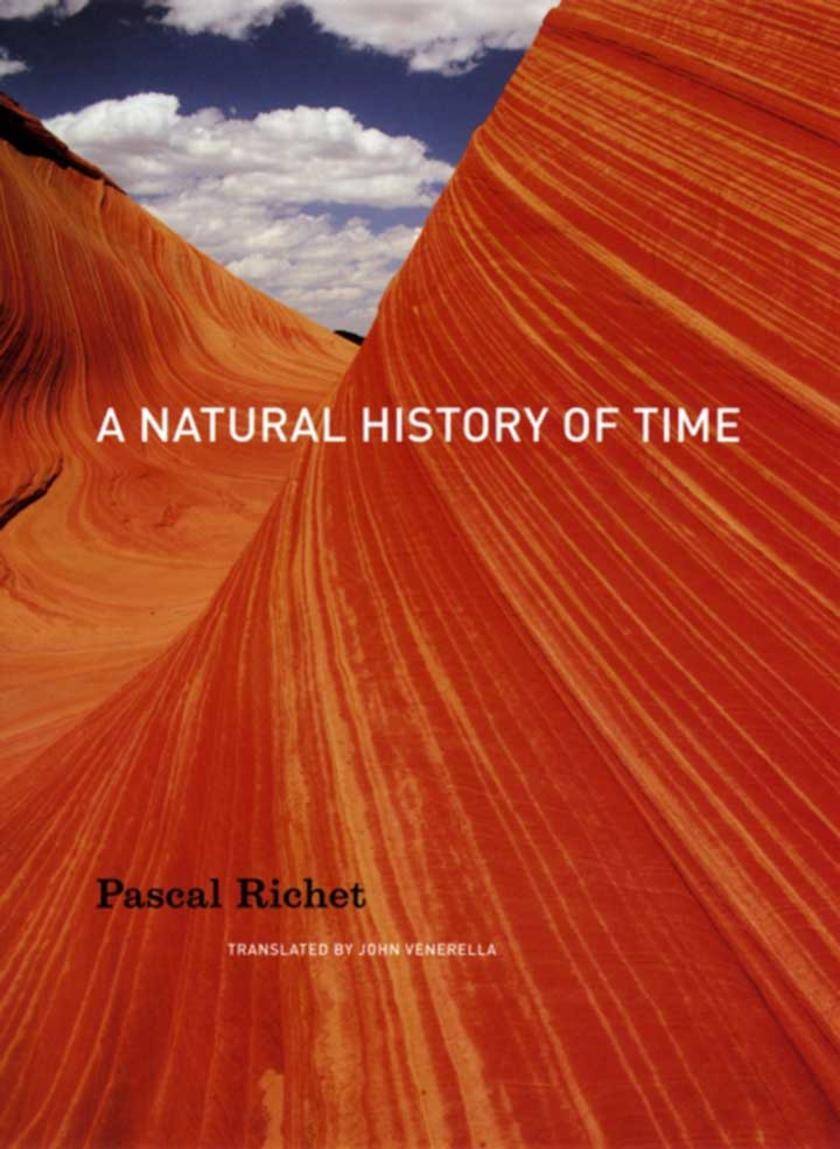
A Natural History of Time
¥147.15
The quest to pinpoint the age of the Earth is nearly as old as humanity itself. For most of history, people trusted mythology or religion to provide the answer, even though nature abounds with clues to the past of the Earth and the stars. In A Natural History of Time, geophysicist Pascal Richet tells the fascinating story of how scientists and philosophers examined those clues and from them built a chronological scale that has made it possible to reconstruct the history of nature itself.Richet begins his story with mythological traditions, which were heavily influenced by the seasons and almost uniformly viewed time cyclically. The linear history promulgated by Judaism, with its story of creation, was an exception, and it was that tradition that drove early Christian attempts to date the Earth. For instance, in 169 CE, the bishop of Antioch, for instance declared that the world had been in existence for quote;5,698 years and the odd months and days quote;Until the mid-eighteenth century, such natural timescales derived from biblical chronologies prevailed, but, Richet demonstrates, with the Scientific Revolution geological and astronomical evidence for much longer timescales began to accumulate. Fossils and the developing science of geology provided compelling evidence for periods of millions and millions of years-a scale that even scientists had difficulty grasping. By the end of the twentieth century, new tools such as radiometric dating had demonstrated that the solar system is four and a half billion years old, and the universe itself about twice that, though controversial questions remain.The quest for time is a story of ingenuity and determination, and like a geologist, Pascal Richet carefully peels back the strata of that history, giving us a chance to marvel at each layer and truly appreciate how far our knowledge-and our planet-have come.
The Real Band of Brothers
¥72.30
Personal stories from the soldiers who volunteered to fight for a cause they passionately believed in The Spanish Civil War, which raged from 1936-9, was brutal and intense, claiming well over 500,000 lives. Rightly predicting that the rise of Fascism in Spain could develop into a more global conflict, almost 2,500 British volunteers travelled to Spain under the banner of the International Brigade to fight for the Spanish Republic in an attempt to stem the tide. Acclaimed oral historian Max Arthur tracked down the eight survivors of this conflict and interviewed them for their unique perspective, their memories of their time fighting and the motives that compelled them to fight. From Union leader to nurse, Egyptologist to IRA activist, theirs is a unique story, of men and women volunteering to lay down their lives for a cause, believing passionately that the Spanish Republic's fight was their fight too. And, in 2009, they were finally granted Spanish nationality as a mark of the importance of that decision. Since the book was first published, two of the people featured have died, but their stories survive. These incredible, compelling and sometimes harrowing tales of their experiences reveal their ideologies, pride, regrets and feelings about the legacy of the actions they took. ‘For most young people there was a feeling of frustration, but some were determined to do anything that seemed possible, even if it meant death, to try to stop the spread of Fascism. It was real, and it had to be stopped.’ Jack Jones (1913-2009) - Volunteer
Death or Victory: The Battle for Quebec and the Birth of Empire
¥81.52
An epic history of the battle of Quebec, the death of General James Wolfe and the beginnings of Britain’s empire in North America. Military history at its best. Perched on top of a tall promontory, surrounded on three sides by the treacherous St Lawrence River, Quebec – in 1759 France’s capital city in Canada – forms an almost impregnable natural fortress. That year, with the Seven Years’ War raging around the globe, a force of 49 ships and nearly 9,000 men commanded by the irascible General James Wolfe, navigated the river, scaled the cliffs and laid siege to the town in an audacious attempt to expel the French from North America forever. In this magisterial first solus book, tying into the 250th anniversary of the battle, Dan Snow tells the story of this famous campaign which was to have far-reaching consequences for Britain’s rise to global hegemony, and the world at large. Snow brilliantly sets the battle within its global context and tells a gripping tale of brutal war quite unlike any fought in Europe, where terrain, weather and native Canadian tribes were as fearsome as any enemy. ‘I never served so disagreeable a campaign as this,’ grumbled one British commander, ‘it is war of the worst shape.’ 1759 was, without question, a year in which the decisions of men changed the world forever. Based on original research and told from all perspectives, this is history – military, political, human – on an epic scale.
Fifty Great Things to Come Out of the Midlands
¥9.71
Celebrate the heart of Britain in this fun and informative mini-ebook. Rugby, Walkers Crisps, Conkers. These are just a handful of the many great things to have come out of the Midlands. In this celebratory list, journalist and loyal Midlander Robert Shore counts down fifty of the best gifts the Midlands has given the world. Knowledge no Midlander – nay, Brit! – should be without. From the author of Bang in the Middle.
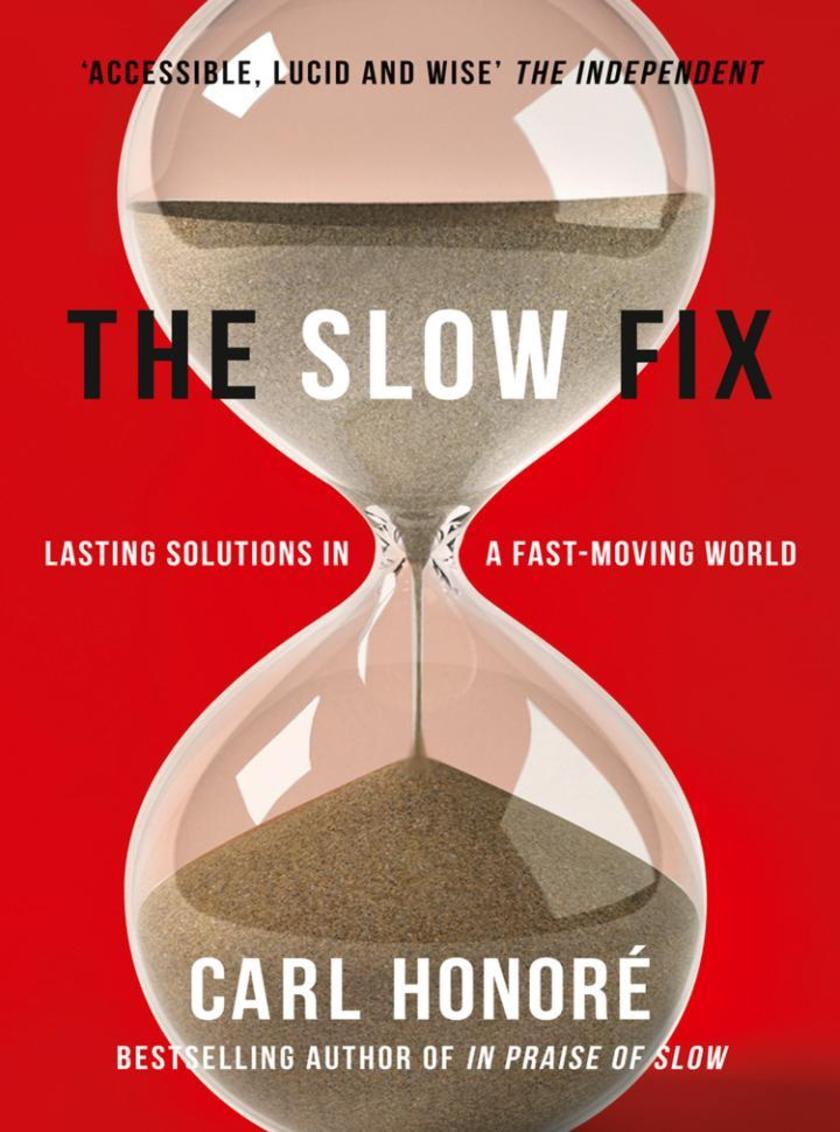
The Slow Fix: Solve Problems, Work Smarter and Live Better in a Fast World
¥68.67
What do we do when things go wrong in a fast world? Many of us go for the quick fix that delays the problem rather than solving it. To make real progress we need real solutions – we need to take time for THE SLOW FIX. People have long been in search of a quick fix. Truth is, it doesn’t work. The problems facing us today are bigger and more urgent than ever before and we need to learn to start fixing things properly, rather than settling for short-term solutions. The Slow Fix offers real, life-changing solutions to tackling these problems and extends the movement defined by Carl Honore in his global bestseller, In Praise of Slow, to offer a recipe for problem-solving that can be applied to every walk of life, from business and politics to relationships, education and health reform.
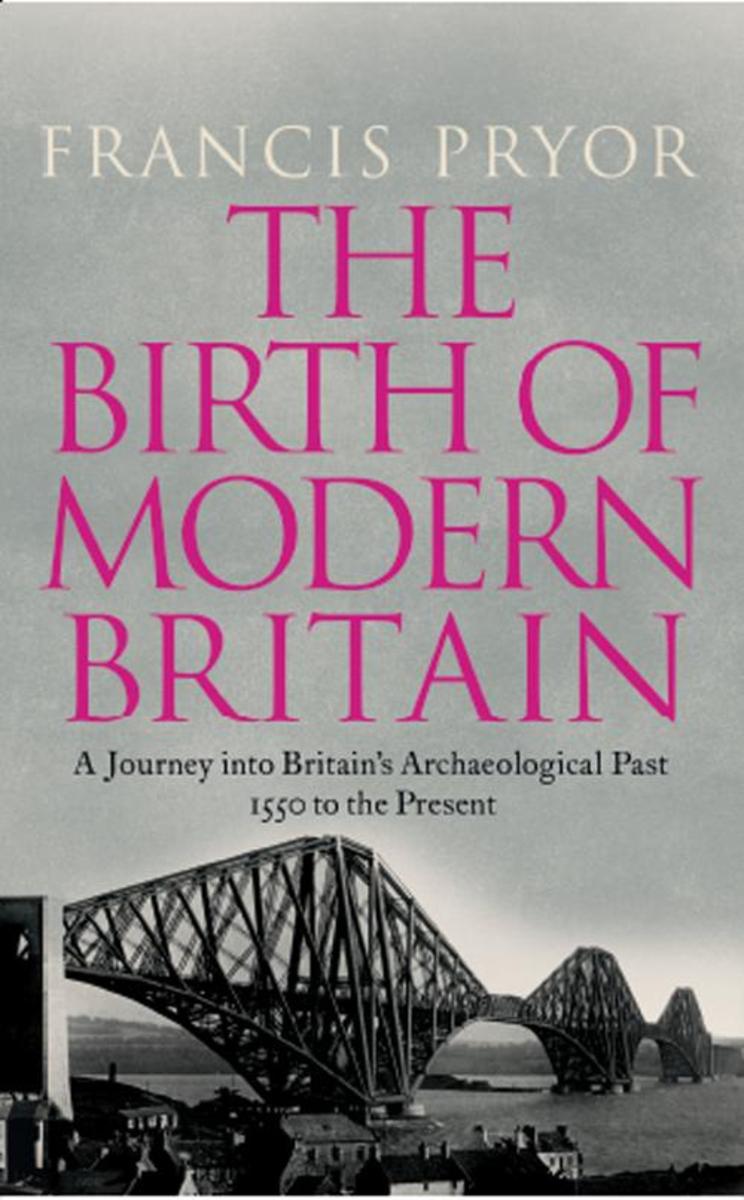
The Birth of Modern Britain: A Journey into Britain’s Archaeological Past
¥76.91
From the author of ‘Britain BC’, ‘Britain AD’ and ‘Britain in the Middle Ages’ comes the fourth and final part in a critically acclaimed series on Britain's hidden past. The relevance of archaeology to the study of the ancient world is indisputable. But, when exploring our recent past, does it have any role to play? In ‘The Birth of Modern Britain’ Francis Pryor highlights archaeology’s continued importance to the world around us. The pioneers of the Industrial Revolution were too busy innovating to record what was happening around them but fortunately the buildings and machines they left behind bring the period to life. During the Second World War, the imminent threat of invasion meant that constructing strong defences was much more important than keeping precise records. As a result, when towns were flattened, archaeology provided the only real means of discovering what had been destroyed. Surveying the whole post-medieval period, from 1550 until the present day, Francis Pryor takes us on an exhilarating journey, bringing to a gripping conclusion his illuminating study of Britain’s hidden past.
Twenty-One: Coming of Age in World War II
¥72.99
World War II affected the lives of ordinary men and women more directly than any other conflict before or since. This is an unprecedented look at the lives of twenty-one young men who answered their country’s call to arms and left their homes to fight in unfamiliar and far-reaching corners of the globe. Many never returned, and those who did found their homes and countries much changed by long years of war. Most discovered they had become different people: having seen death and destruction on a scale they had never imagined they would witness, the return to civilian life was often far from easy. Now, more than sixty years on, this remarkable generation is fading. Most are now over eighty and around the world more than two thousand veterans of the war are passing away every day. In this new book ‘Sunday Times’ bestselling author James Holland recounts the real-life stories of twenty-one young men from around the world who served in different services and theatres of the war. Whether it be the Byers brothers from Canada or Bill Laity from Cornwall, Wlad Rubnikowicz from Poland or Tom Finney from Preston, each began the war with little idea of what lay in store; and yet, each displayed astonishing courage, fortitude and resilience, united by a sense of honour and duty, and bound by the fellowship of their comrades. Often reacting in very different ways to the strange and frequently terrifying situations in which they found themselves, they each suffered hardships and loss, making sacrifices that have ensured a lasting peace amongst the warring nations; and if some of these survivors are perplexed by how the world has developed, none doubts the value of what they did all those years ago. Moving, poignant, and conveying all the drama, tension and fear experienced in war, ‘Twenty-One’ is an uplifting tribute to a passing generation, describing the wide range of experiences and extremes these remarkable men and women witnessed during World War II. Note that it has not been possible to include the same picture content that appeared in the original print version.
The Last Veteran: Harry Patch and the Legacy of War
¥73.58
This moving and timely book explores the way the First World War has been thought about and commemorated, and how it has affected its own, and later, generations. On 11 November 1920, huge crowds lined the streets of London for the funeral of the Unknown Warrior. As the coffin was drawn on a gun carriage from the Cenotaph to Westminster Abbey, the King and Ministers of State followed silently behind. The modern world had tilted on its axis, but it had been saved. Armistice Day was born, the acknowledgement of the great sacrifice made by a whole generation of British men and women. Now, almost a century later, Harry Patch, the last British veteran who saw active service, has died. Our final link with the First World War is broken. Harry Patch was born in 1898 and was con*ed in 1916. He served with a Lewis gun team at the Battle of Passchendaele and in September 1917 was wounded by a shell that killed three of his comrades. After the war, Patch returned to Somerset to work as a plumber, a job he continued to do until his retirement. The First World War was fought not by a professional army but by ordinary civilians like Patch, who epitomised Edwardian Britain and the sense, now lost, of what Britain stood for and why it was worth fighting for. The Last Veteran tells Patch's story, and explores the meaning of the war to those who fought in it and the generations that have followed. Peter Parker's illuminating and timely book is a moving tribute to a remarkable generation.
The Nineties: When Surface was Depth
¥72.99
the first clear anatomy of a confused decade, the 1990s – ‘Bracewell, with great verve and style, animates the cultural conversation’, Greil Marcus 'Michael Bracewell is the most adroitly gifted writer of his generation.' Morrissey Michael Bracewell is now clearly established as one of the most subtle, penetrating, amusing and far-sighted of all observers of the contemporary scene in Britain. His writing on culture high and low is coveted by every broadsheet, every stylish glossy monthly magazine and on radio and TV punditry platforms. His book, England Is Mine, about the distinctive Englishness of these islands’ twentieth-century popular culture, earned him incredible reviews and an unchallenged position as the first person any right-minded arts producer/editor turns to when they need a definitive opinion about how English or otherwise some new-fangled cultural phenomenon is. With this book Bracewell gives us the first consideration of that still-warm, still-bizarre, still-confused and confusing decade. He talks to and talks about a host of representative Nineties figures, some already forgotten, some absolutely emblematic of their times – from Hanson to Alexander McQueen, from Tracey Emin to Ulrika Jonsson, from the Spice Girls to Duran Duran (yes, Duran Duran). Painstakingly, sometimes painfully, he puts all the pieces together and starts to make sense of it all…
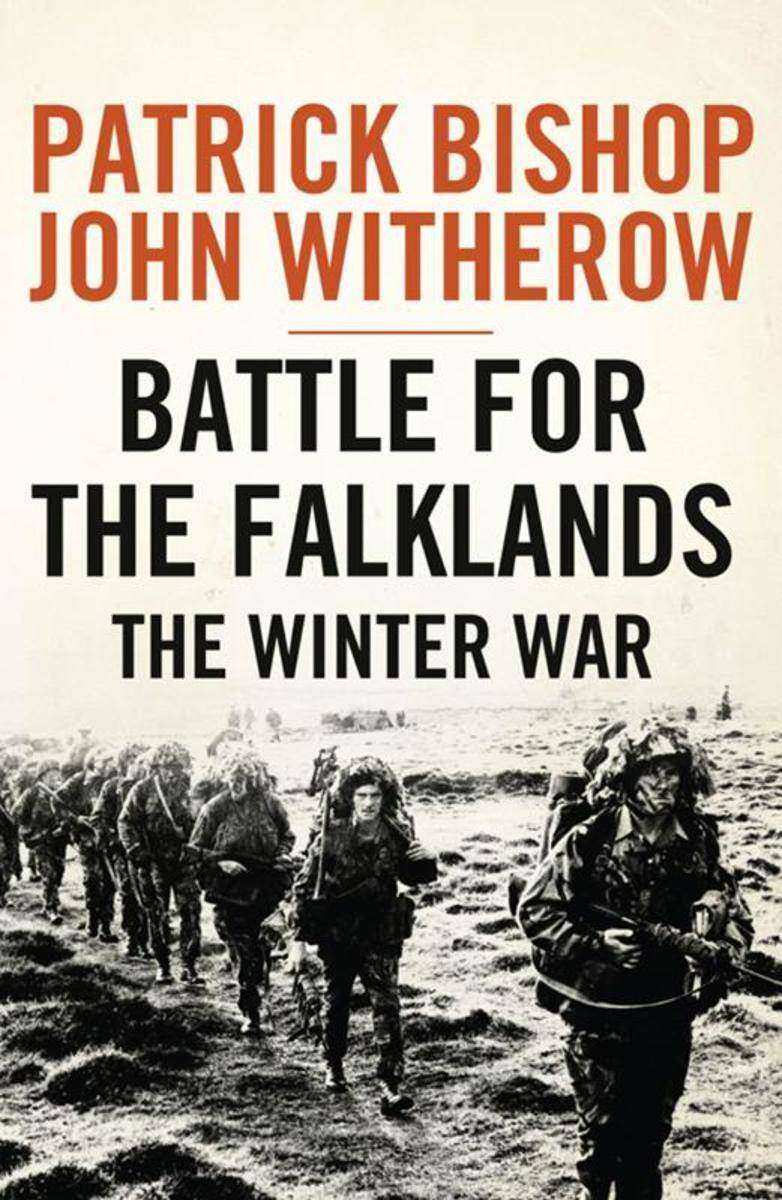
Battle for the Falklands:The Winter War
¥54.65
‘Boldly planned, bravely executed and brilliantly accomplished’ was Margaret Thatcher’s assessment of the Falklands campaign. But what did the war mean to the men in the trenches and below decks? This gripping first-hand account of the Falklands War, written by bestselling military historian Patrick Bishop and Sunday Times Editor John Witherow, reveals the true experiences of the British soldiers and seamen on the front line. The authors, then rookie reporters, lived alongside the fighting men, experiencing the daily realities of a British task force that was hugely outnumbered on a barren island 8,000 miles from home. The Falklands: The Winter War looks at the covert role of the SAS and the heroic death of Colonel ‘H’ Jones at Goose Green, and considers just how close Britain came to defeat. This is an extraordinarily frank and unsparing account of a military campaign that has held a defining place within the British national conscience since victory in 1982.
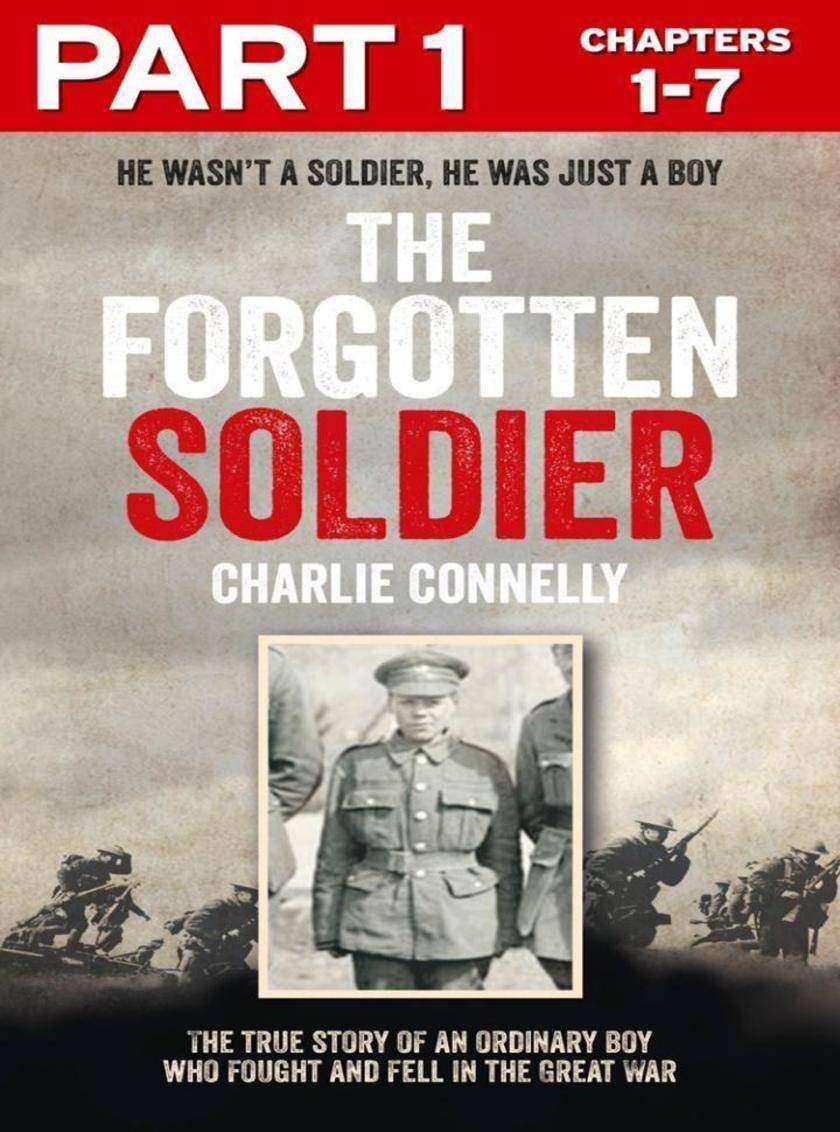
The Forgotten Soldier (Part 1 of 3)
免费
Bestselling author Charlie Connelly returns with a First World War memoir of his great uncle, Edward Connelly, who was an ordinary boy sent to fight in a war the likes of which the world had never seen. But this is not just his story; it is the story of all the young forgotten soldiers who fought and bravely died for their country The Forgotten Soldier tells the story of Private Edward Connelly, aged 19, killed in the First World War a week before the Armistice and immediately forgotten, even, it seems, by his own family. Edward died on exactly the same day, and as part of the same military offensive, as Wilfred Owen. They died only a few miles apart and yet there cannot be a bigger contrast between their legacies. Edward had been born into poverty in west London on the eve of the twentieth century, had a job washing railway carriages, was con*ed into the army at the age of eighteen and sent to the Western Front from where he would never return. He lies buried miles from home in a small military cemetery on the outskirts of an obscure town close to the French border in western Belgium. No-one has ever visited him. Like thousands of other young boys, Edward’s life and death were forgotten. By delving into and uncovering letters, poems and war diaries to reconstruct his great uncle’s brief life and needless death; Charlie fills in the blanks of Edward’s life with the experiences of similar young men giving a voice to the voiceless. Edward Connelly’s tragic story comes to represent all the young men who went off to the Great War and never came home. This is a book about the unsung heroes, the ordinary men who did their duty with utmost courage, and who deserve to be remembered.
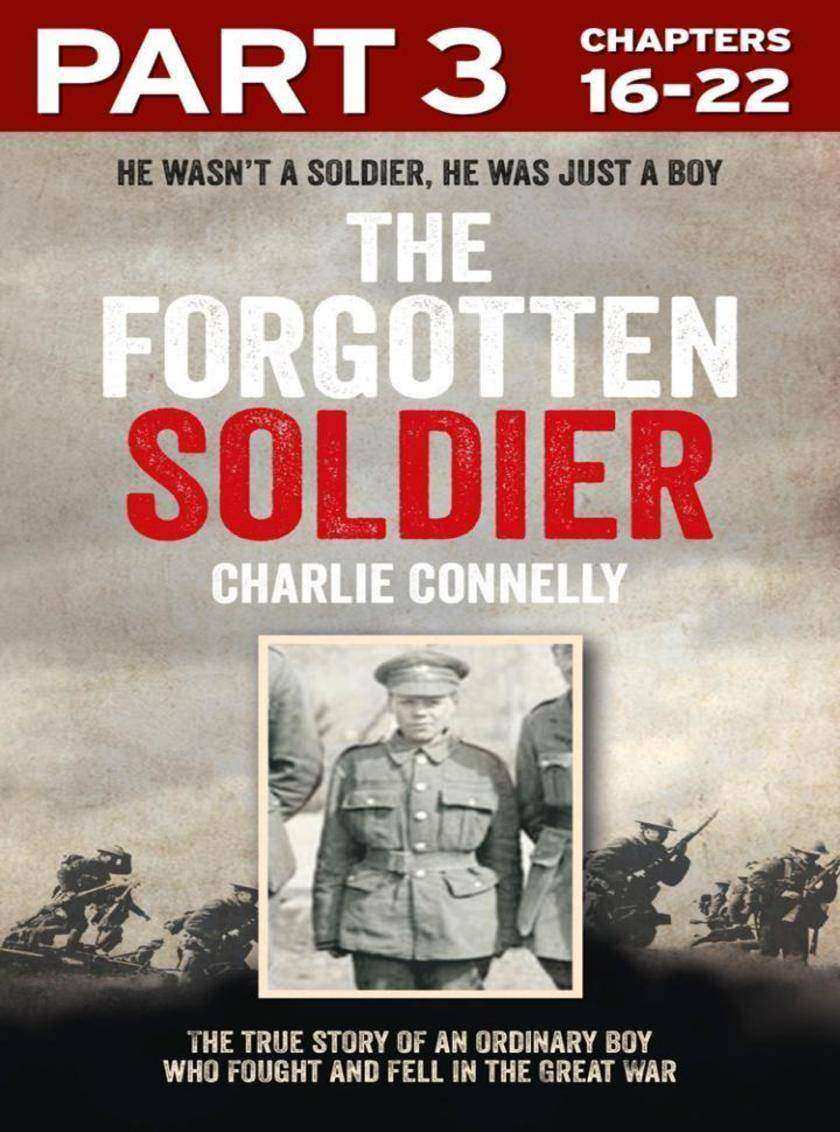
The Forgotten Soldier (Part 3 of 3)
¥47.48
Bestselling author Charlie Connelly returns with a First World War memoir of his great uncle, Edward Connelly, who was an ordinary boy sent to fight in a war the likes of which the world had never seen. But this is not just his story; it is the story of all the young forgotten soldiers who fought and bravely died for their country The Forgotten Soldier tells the story of Private Edward Connelly, aged 19, killed in the First World War a week before the Armistice and immediately forgotten, even, it seems, by his own family. Edward died on exactly the same day, and as part of the same military offensive, as Wilfred Owen. They died only a few miles apart and yet there cannot be a bigger contrast between their legacies. Edward had been born into poverty in west London on the eve of the twentieth century, had a job washing railway carriages, was con*ed into the army at the age of eighteen and sent to the Western Front from where he would never return. He lies buried miles from home in a small military cemetery on the outskirts of an obscure town close to the French border in western Belgium. No-one has ever visited him. Like thousands of other young boys, Edward’s life and death were forgotten. By delving into and uncovering letters, poems and war diaries to reconstruct his great uncle’s brief life and needless death; Charlie fills in the blanks of Edward’s life with the experiences of similar young men giving a voice to the voiceless. Edward Connelly’s tragic story comes to represent all the young men who went off to the Great War and never came home. This is a book about the unsung heroes, the ordinary men who did their duty with utmost courage, and who deserve to be remembered.

A History of Television in 100 Programmes
¥76.91
An entertaining and illuminating celebration of televisual history by cultural historian Phil Norman For decades, television occupied a unique position in the national imagination. By today’s standards the ‘box’ was tiny, but it dominated the living room in a way its technically superior descendants never quite manage. Has the television lost its power in the internet age? Cultural historian Phil Norman goes in search of such questions as he tells the history of TV through 100 ground-breaking programmes. He celebrates the joy of the TV schedule which, in the days of just a few channels, threw up dizzy juxtapositions on a daily basis: an earnest play might be followed by a variety spectacular; a horror anthology that drove children behind furniture followed a sketch show that chewed the carpet. This riotous mix, now slowly disappearing as themed channels and on-demand services take over, gave television a sense of community that no other media could compete with. The wonderful variety of programmes in the book includes overlooked gems and justly wiped follies, overcooked spectaculars and underfunded experiments – just as much a part of TV history as the national treasures and stone-cold classics. A History of Television in 100 Programmes revels in the days when television was at the most exciting, creative stage of any medium: a cottage industry with the world at its feet.
The Homing Instinct: Meaning and Mystery in Animal Migration
¥73.58
The story and science of how animals find their way home. Home is the place we long for most, when we feel we have travelled too far, for too long. Since boyhood, acclaimed scientist and author Bernd Heinrich has returned every year to a beloved patch of woods in his native western Maine. But while it’s the pull of nostalgia that informs our desire to go back, what is it that drives the homing instinct in animals? Heinrich explores the fascinating science behind the mysteries of animal migration: how geese imprint true visual landscape memory over impossible distances; how the subtlest of scent trails are used by many creatures, from fish to insects to amphibians, to pinpoint their home; and how the tiniest of songbirds are equipped for solar and magnetic orienteering over vast distances. Most movingly, Heinrich chronicles the spring return of a pair of sandhill cranes to their pond in the Alaska tundra. With his marvellously evocative prose, Heinrich portrays the psychological state of the newly arrived birds, articulating just what their yearly return truly means, to the birds and to those fortunate enough to witness this transcendently beautiful ritual. The Homing Instinct is an enchanting study of this phenomenon of the natural world, reminding us that to discount our own feelings toward home is to ignore biology itself.
Americans in Paris: Life and Death under Nazi Occupation 1940–44
¥95.75
An elegantly written and highly informative account of a group of Americans living in Paris when the city fell to the Nazis in June 1940. In the early hours of 14 June 1940, Nazi troops paraded through the streets of Paris, marking the beginning of the city’s four-year occupation. French troops withdrew in order to avoid a battle and the potential destruction of their capital. It wasn't long before German tanks rumbled past the Arc de Triomphe and down the Champs Elysees to the Place de la Concorde. The American community in Paris was the largest in Continental Europe, totalling approximately 30,000 before the Second World War. Although Ambassodor Bullitt advised those without vital business in the city to leave in 1939, over half of the Americans in Paris chose to stay. Many had professional and family ties to the city; the majority, though, had a peculiarly American love for the city, rooted in the bravery of the Marquis de la Fayette and the 17,000 Frenchmen who volunteered to fight for American independence in 1776. An eclectic group, they included black soldiers from the Harlem Hellfighters, who were determined not to return to the racial segregation that they faced at home, rich socialites like Peggy Guggenheim and Florence Jay Gould, as well as painters, musicians, bankers and businessmen. There were those whose lives went on as if the Germans were ephemera, those who collaborated and those, like Dr Sumner Jackson and Etta Shiber, who worked underground for the resistance movement. This is a book about adventure, intrigue, passion and deceit, and one which follows its characters into the Maquis, the concentration camps and overseas. Filled with a huge amount of new analysis on the Second World War, ‘Americans in Paris’ is a fascinating, revealing and moving read.
SOE Manual: How to be an Agent in Occupied Europe
¥54.65
The actual course given to all secret agents in SOE before working behind enemy lines. It includes everything you needed to know to go undercover – from documents, cover stories and how to live off the land to how to get through an interrogation. The Special Operations Executive (SOE) was a secret British World War II organisation formed in 1940 to conduct espionage, sabotage and reconnaissance in occupied Europe against the Axis powers, and to aid local resistance movements. In late 1942, SOE was asked to increase the number of agents to aid the invasion of mainland Europe. Part of agent training was ‘tradecraft’ – the practical details on how to be a clandestine agent behind enemy lines – which every agent had to attend at various bases centred around Beaulie in Hampshire. The course was a set of lectures and this book contains the actual text of those lectures which were discovered in the National Archives this year. It is not only a fascinating insight into the workings of one of the Second World Wars most famous and secretive organisations, but is also a reminder of the huge danger anyone being dropped behind enemy lines had to face. SYLLABUS Introduction to Course. Individual Security. Informant Service. Cover. Interrogations. Operational Orders. Know your Enemy. Surveillance. Internal Communications. Premises. Security and Premises for W/T Operator. W/T Operator. External Communications. Organisation. Cell System. Security of Organisation. Recruiting. Discipline and Morale. Burglary. Lock-picking. Selection of Dropping Points and Reception Arrangements. To be given on instructions from London.). Handcuffs. Pigeons. German Counter Espionage. German Uniformed Police. National Police – e.g. of France, Belgium etc. (Given according to student's destination.). The Nazi Party and its Formations in Occupied Territory. Recognition of German Troops by weapons and equipment. Recognition of German Troops by uniforms. Military Intelligence Reports. Handling of German Light Weapons. Morale Warfare. Methods of Morale Warfare. Subversion of enemy troops. Instructions for Foreign Workers in Germany. Passive Resistance in Occupied Countries. Current German Propaganda to Europe. Tasks Preparatory to Allied arrival.


