


 购物车
购物车 个人中心
个人中心
Rescuing Your Teenager from Depression
¥83.03
One in eight high school students is depressed. But depression in teenagers can be deceptive, and authorities estimate that a huge number of depressed teens are undiagnosed. Adults may mistake symptoms as "typical" teen angst, anger, or anxiety. Or the teen may mask the symptoms with high-energy activity.For parents who suspect their teen is depressed, the system often fails the family. Insurance coverage for treatment ends too soon, there's a months-long wait to see an adolescent therapist, or long-term follow-up is insufficient.This means parents must take charge of their child's health to reinforce, extend, and monitor treatment and its aftermath. The good news is they can do it because parents know their child best.Although a medical doctor, Dr. Berlinger initially missed the signs of his own son's depression. By combining his parental love with his scientific skills, he developed a set of techniques to lead his son out of depression. Now he shares his 10 Parental Partnering Strategies to help parents rescue their teen from depression based on his own experiences, nearly 100 interviews with parents of depressed teens, and interviews with mental health professionals.Increasingly, doctors are asking parents to partner with them to help children get healthy and stay healthy. Partnering has been proven effective in the treatment of other serious emotional illnesses such as anorexia nervosa.Parents can use Dr. Berlinger's strategies to help distinguish depression from moodiness; be alert to suicide risk; monitor medication effectiveness; help the teen combat negative thinking; organize activities to offset depression; and spot signs of relapse during tense times in their child's life, including exams, relationship breakups, or starting college or a job.Both a family survival story and a practical guide, this book affirms parents' unique power to help teens overcome depression.
A Gift Of Miracles
¥90.06
This treasury of all-new true miracle stories from the bestselling authors of Christmas Miracles, The Magic of Christmas Miracles, and Mothers' Miracles offers the real-life wonder their readers have come to love. Some highlights:A disk jockey's selection of music has an astounding unintended effect a comatose Polish woman begins to softly sing along with a song from her childhood.While body surfing, a man is slammed by a wave and hears his neck snap. Unable to move, he begins to swallow water to hasten death. Instead, he feels himself lifted from the water, gliding safely to shore.A school janitor befriends a student, only to learn that she is the daughter of his long-lost son and his very own granddaughter.A Gift of Miracles, like its predecessors, will remind readers and their families that in the midst of our hectic and sometimes frightening world, magic, mystery, and miracles happen. And that if we look hard enough in the corners of our own lives, we, too, can find miracles.
The Practice of Saying No
¥88.56
In The Practice of Saying No, beloved author and preacher Barbara Brown Taylor reflects on the meaning of keeping the Sabbath: of saying no to work and doing, but instead celebrating stopping, resting on the porch, and taking the time to recognize our interconnectedness. The Practice of Saying No will appeal to anyone seeking more meaning and spirituality in their everyday lives. Barbara Brown Taylor, acclaimed author of Leaving Church and An Altar in the World (from which this eSelect is taken), writes with the honesty of Elizabeth Gilbert (Eat, Pray, Love) and the spiritual depth of Anne Lamott (Grace, Eventually) and reveals how to encounter the sacred as a natural part of everyday life.
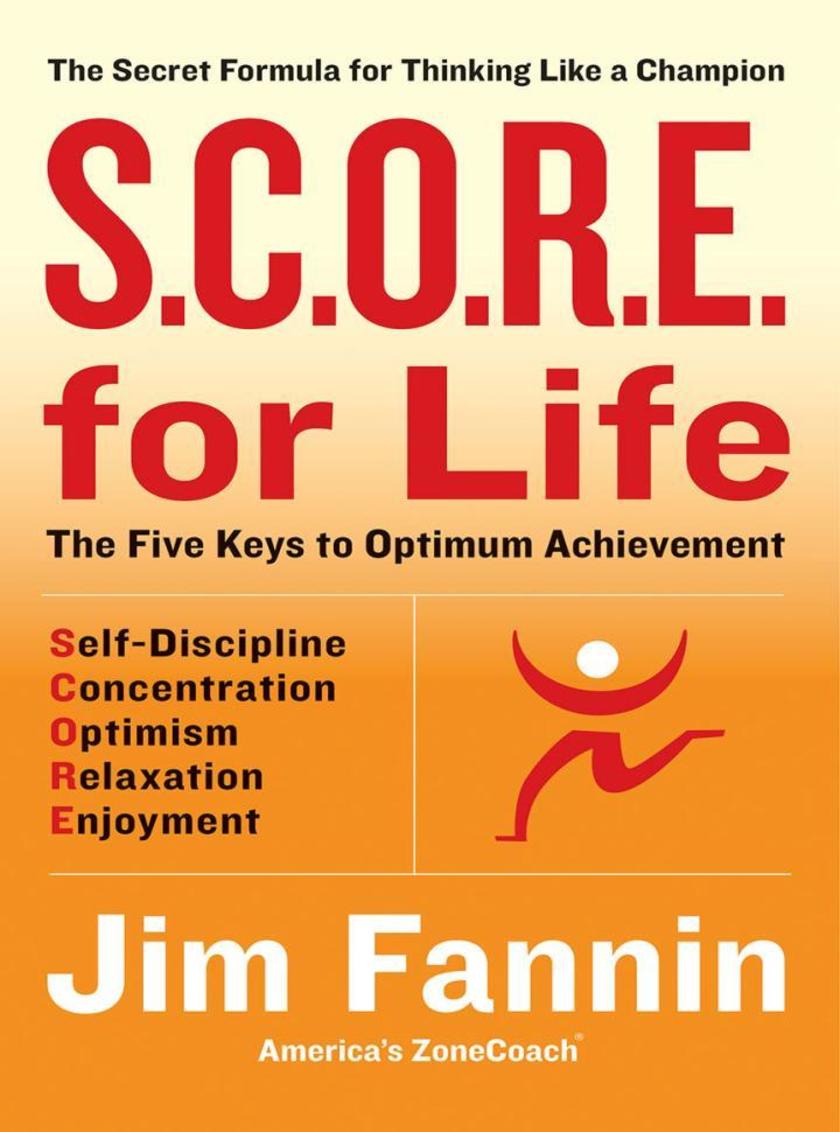
S.C.O.R.E. for Life
¥134.68
Have you ever choked during a performanceHave you ever been told how much talent you have, yet you're not reaching itAre you self-conscious or doubtful during performancesDoes your level of concentration fluctuate wildlyDo you feel overwhelmed at timesWe all dream of overcoming our challenges. We dream of the perfect job, achieving new wealth, of living the life we choose in harmony with the people we love. For many of us, the dream stops there. We wonder what leads some extraordinary people to confront and exceed their goals and compete at the highest level, while others run in place, distracted by fears and a sense of intimidation. We seek the insights that will liberate us from anxiety and self-doubt. In this book, Jim Fannin shares a collection of ideas and daily exercises that transform everyday performers into true champions. Using the secrets of Fannin's time-tested S.C.O.R.E. System (Self-Discipline, Concentration, Optimism, Relaxation, and Enjoyment), S.C.O.R.E. for Life shows you how to balance and apply these five principles in every arena of life. The result: more moments, days, and years performing and thinking in the state of flow we call the "Zone," and more of the results and success that matter. Every chapter includes reader-friendly tests and exercises, like the "90-Second Rule" (a lesson in discipline) and "The Palm Tree Versus the Oak Tree" (a lesson in adaptability). For more than thirty years, Jim Fannin has coached hundreds of top-performing athletes and business leaders, who testify to what the S.C.O.R.E. System can do. It is a tried and proven blueprint for realizing our extraordinary human potential and overcoming the fears and worries that hold us back. With commitment and consistent use of this success formula, you will blaze new paths to personal and professional achievement.
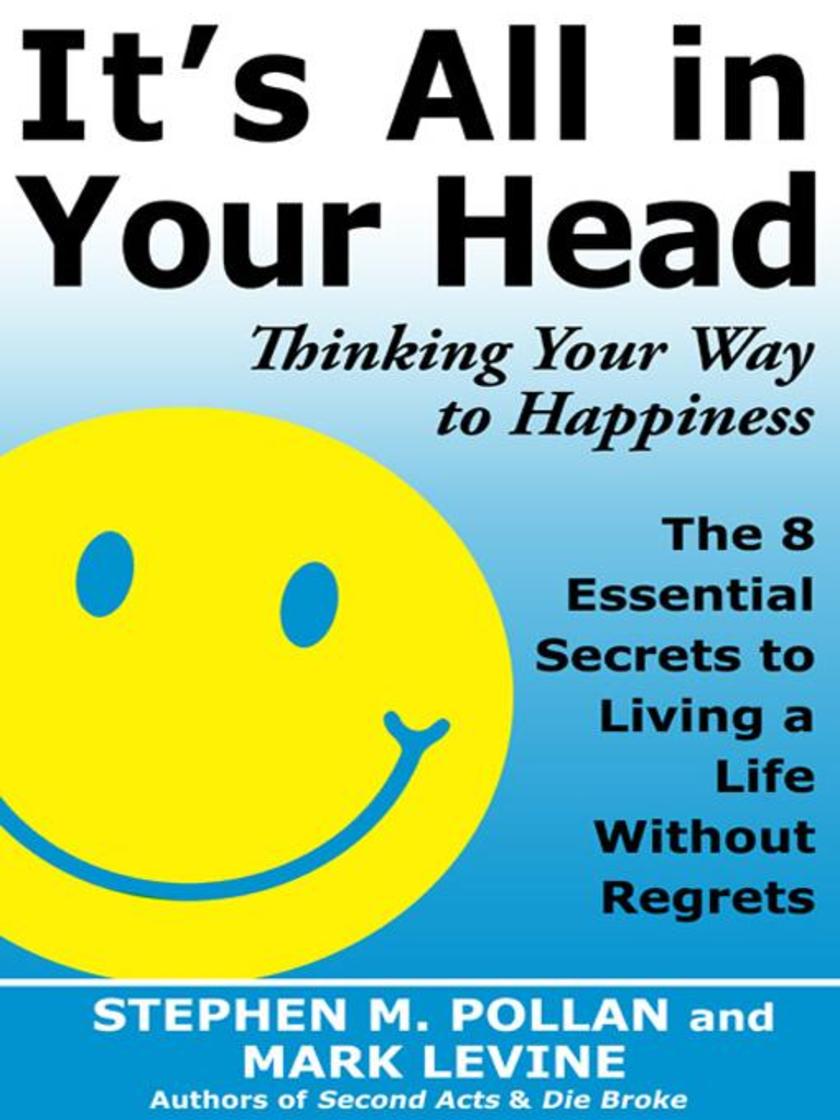
It's All in Your Head
¥90.77
Here are the simple truths that motivate people of any age to find and accept lasting happiness, illustrated with the stories of real people, and illuminated with the observations of spiritual leaders and great philosophers. For more than three decades, attorney, financial consultant, and life coach Stephen M. Pollan has been advising clients and readers on the business of living everything from home buying and employment contracts to marriage and parenting. He has taught his clients and readers to Die Broke (use assets rather than build up an estate), to stage Second Acts (reinvent their lives), and, most recently, to Fire Your Boss (take charge of their own work lives).Throughout these books, Pollan stresses that attitudes as well as actions are essential to success. Indeed, over the years he realized that the happiest and most successful people he'd met were also those who were the most energetic and exuberant, regardless of their age. By noting these attributes and incorporating them in his own life, Pollan came to understand that our attitudes are not just one element of succeeding at the business of living, they are in fact the foundation of leading a happy life. Attitude is everything.Those attitudes most essential to our deepest satisfaction and happiness reflect what our spiritual leaders and philosophers from every major tradition have taught us. We don't have to look to external forces to validate us and give us self-worth. We already have within us all we need to find fulfillment and lead happy, satisfying lives lives without regrets. To finally be happy we need to accept responsibility for our own happiness. When we know the secrets are already inside us, all we have to do is start living them. With this book, we can begin now.
The Magic Of Christmas Miracles
¥90.79
Last holiday season, Christmas Miracles touched the hearts of thousands with its inspiring true stories of real people and their miraculous encounters. With The Magic of Christmas Miracles we have a second collection of amazing true stories of people whose lives were forever changed by small, yet wondrous, Yuletide events. Among them are:The Red Cap: Santa leaves behind a calling card to convince a doubting child.Epiphany: A walk in the woods with an angel gives a lonely woman new hope.Lost at Sea: Two racing yachtsmen put aside rivalry in a dramatic Christmas Day rescue in the Indian Ocean.Fly Away Home: A private plane carrying an unconscious pilot lands safely in an empty field.. . . and many more to brighten the spirit. The Magic of Christmas Miracles will uplift readers' hearts for this and many future holiday seasons.
Mindful Eating
¥21.73
Common sense tells us that to lose weight, we must eat less and exercise more. But somehow we get stalled. We start on a weight loss program with good intentions but we cannot stay on track. Neither the countless numbers of fad diets, nor the annual spending of $50 billion on weight loss efforts are helping us feel better or lose weight. With Mindful Eating, world-renowned Zen master Thich Nhat Hanh and Harvard nutritionist Dr. Lilian Cheung join together to show us how to end our struggles with weight once and for all.
Attitude is Everything Rev Ed
¥94.10
In the world of professional speakers, Keith Harrell is making a difference. The Wall Street Journal recognized it, dubbing him "A Star with Attitude." Such clients as IBM, Microsoft, Coca-Cola, Motorola, GM, Marriott International, and Boeing know it that's why Keith is one of the most in-demand speakers on the circuit. And, as you read this book, you will know it, too. Keith's star power is indisputable. Now, in this fully revised and updated edition of Attitude Is Everything, he shares the secrets that got him where he is today and provides you with a program for developing a healthier, happier, more productive attitude.In Attitude Is Everything, Keith offers an enlightening, inspiring, and practical guide for gaining control of your career and your life by ridding yourself of negative attitudinal baggage, building positive attitudes, and then turning them into actions to help you achieve your dreams. Keith's 10 steps for turning attitude into action: Understand the power of "attitude" Take control of your life Practice self-awareness Reframe your bad attitude Find your purpose and passion Be pre-active Discover how to motivate yourself Build supportive relationships See changes as an opportunity Leave a lasting legacy Keith developed his methods for putting attitudes into action in the real world of corporate America, and later, as a self-employed professional. He knows what works, and he knows how to help others create positive, empowering attitudes that will help you enjoy a more fulfilling and rewarding life!
The Grief Recovery Handbook, 20th Anniversary Expanded Edition
¥95.39
Newly updated and expanded to commemorate its twentieth anniversary this classic resource helps people complete the grieving process and move toward recovery and happiness. Incomplete recovery from grief can have a lifelong negative effect on the capacity for happiness. Drawing from their own histories as well as from others', the authors illustrate how it is possible to recover from grief and regain energy and spontaneity. Based on a proven program, The Grief Recovery Handbook offers grievers the specific actions needed to move beyond loss. New material in this edition includes guidance for dealing with: Loss of faith Loss of career and financial issues Loss of health Growing up in an alcoholic or dysfunctional home

Prescriptions for Living
¥84.16
As a physician who has cared for and counseled innumerable patients, Bernie S. Siegel embraces a philosophy that is at the forefront of a society grappling with medical ethics and spiritual issues. His books Love, Medicine, and Miracles (1986), Peace, Love and Healing (1989), and How to Live Between Office Visits (1993) have broken new ground in the field of healing. Over a span of twenty years, other physicians have become increasingly receptive to his message. Bernie's efforts have now turned toward humanizing medical care and medical education, and he continues to travel extensively with his wife, Bobbie, to speak at and run workshops, sharing his techniques and experiences. Bernie and Bobbie have five children and six grandchildren (so far). "This book is a continuation of the work I began when I became Bernie. It is a collection of stories about how to deal with life's difficulties. Most of the people in these stories have not had the great wake-up call; that is, they are mot facing life-threatening illnesses. So in a sense, this book is preventive medicine. It is a pre*ion for living that gives you effective and healthy ways of dealing with the adversity that occurs in everyone's life. I want to help you learn to accept your morality before something catastrophic brings you face-to-face with the end of your life." -- From the Introduction
Appetite for Life
¥101.00
From fluorescent yogurt to 100-calorie snack packs, most "kid friendly" food has little nutritional benefit. We've convinced ourselves that in order to get kids to eat it, food needs to be packaged into something fake, colored, and far from its natural source. No wonder kids protest when we ask them to eat their vegetables. They don't come in a box!Enter Stacey Antine, founder of HealthBarn USA, an organization at the front lines of introducing kids and their families to healthy eating habits and real food. While some parents "sneak" nutritious foods into meals, Antine knows from experience that the key to raising adventurous, wise eaters is to connect kids to the food they eat. Kids are more likely to try new foods and make healthy choices if they understand where ingredients come from, know why certain foods are good for their bodies and minds, and have an active role in preparation, from gathering ingredients to cooking.In Appetite for Life, mealtime is no longer a battleground, but an opportunity for fun and experimentation. In fact, Antine encourages giving children a voice: with her "no yucks allowed" method, kids use a thumbs-up/thumbs-down rating system for each new food they try, but they always have to try at least one bite.Featuring food the whole family will love (no more separate kids menu!), this book includes: nutritious, easy-to-make recipes for all three meals plus snack time, which have been tested and approved by the thousands of kids who attend HealthBarn; family activities like Stacey's Supermarket Spy Kids game; and great-tasting, home-made alternatives to your go-to store-bought foods, with side-by-side nutritional analysis to highlight the benefits of learning to eat the HealthBarn way. Appetite for Life is the key ingredient to a healthier, happier dinner table.

I'm Ok, You're Ok
¥90.77
Transactional Analysis delineates three observable ego-states (Parent, Adult, and Child) as the basis for the content and quality of interpersonal communication. "Happy childhood" notwithstanding, says Harris, most of us are living out the Not ok feelings of a defenseless child, dependent on ok others (parents) for stroking and caring. At some stage early in our lives we adopt a "position" about ourselves and others that determines how we feel about everything we do. And for a huge portion of the population, that position is "I'm Not OK -- You're OK." This negative "life position," shared by successful and unsuccessful people alike, contaminates our rational Adult capabilities, leaving us vulnerable to inappropriate emotional reactions of our Child and uncritically learned behavior programmed into our Parent. By exploring the structure of our personalities and understanding old decisions, Harris believes we can find the freedom to change our lives.

Gifts from Eykis
¥95.39
How would an intelligent visitor from another planet react to life on EarthWould we welcome that visitor's presence and viewsAre we ready for such an open exchangeWeaving together science fiction, spirituality, and philosophy with wisdom, humor, and plain common sense, Wayne Dyer tells the story of two peaceful beings from different worlds who work together to enhance the well-being of all.The gifts that Eykis brings to the people of Earth help them see themselves in a new light, and compel them to rethink their negative actions. Her insightful offerings will move you to new emotions, new behaviors, and a new understanding of humankind's limitless possibilities.
Stage II Recovery
¥94.10
Sustained abstinence from an addiction is only the first stage of recovery; real recovery begins with Stage II--the rebuilding of the life that was saved in Stage I.

Latin Love Lessons
¥85.05
It wasn't just heated floors, hot baths, aqueducts, and paved roads that the Romans did first and best they were also experts at the art of love. From the most effective pickup lines to percipient advice on getting over a breakup, from grooming tips to sex tips, the Romans had time-proof solutions. Charlotte Higgins brings them together in this indispensable guide to love a collection of the richest, most illuminating, and sensuous writing about this mysterious emotion that can move us to joy or despair.Filled with the sage advice of Catullus, Virgil, Horace, Ovid, Propertius, and Tibullus, this witty, smart, and laugh-out-loud-funny handbook offers a fresh, new take on romance based on some of civilization's oldest adages.

Happily Ever After
¥100.77
Find Your Inner Princess and Live Happily Ever After Don't let anyone tell you true love is a fairy tale. You can find the romance of your dreams, and this book will tell you how.In Happily Ever After, author Wendy Paris offers a contemporary spin on ten classic fairy tales, going behind the scenes with these legendary romantic heroines to show what they did to live happily ever after. Contrary to popular belief, fairy-tale heroines are not weak and passive. They are noble, brave, optimistic women who know that the formula for success in a chaotic world is to hold fast to their own beliefs despite what fate happens to throw their way. Ultimately, it is their character that saves them, not the prince on the white horse.Take Cinderella, for example. Despite having a less than ideal job, she didn't let bitterness and regret give her an ulcer, bad skin, and frown wrinkles. She knew "cinder maid" was a job title, not a life de*ion.She didn't hide in her carriage, crying, "I can't go to the ball by myself! Everyone will think I'm a loser! " She had the courage to attend a party alone. At the stroke of midnight, she didn't cling to the prince's hand and wail, "Save me from my miserable life!" She had the confidence to know that if he liked her, he'd come calling.This humorous, heartfelt book shows women how to focus on their strengths and character rather than resort to manipulative strategies to "land" a man. The perfect antidote to negative dating guides that just don't work, Happily Ever After offers practical, empowering advice that's been proven effective for the last 500 years and is still relevant today.
HarperOne
¥94.10
Step back from the overload that overwhelming combination of work, chores, caring for children, and meeting everyone's needs but your own and let the sage advice, warmhearted humor, encouraging reminders, and inspiring thoughts from women around the world help you discover a much-deserved calm amidst the whirlwind of your life.This revised and updated edition of the classic bestseller, with a new introduction by the author, is the perfect gift for yourself or all the workaholics, rushaholics, and careaholics in your life. Millions of women have found daily comfort and sustenance in Schaef's insightful meditations. Meditations for Women Who Do Too Much will make it possible for you to relax, refuel, and, most important, honor yourself and all that you do everyday of the year.

Leaving the Enchanted Forest
¥83.92
Advice and step-by-step guidelines for those seeking to recover from addictive relationships.
The Seven Spiritual Laws of Superheroes
¥83.03
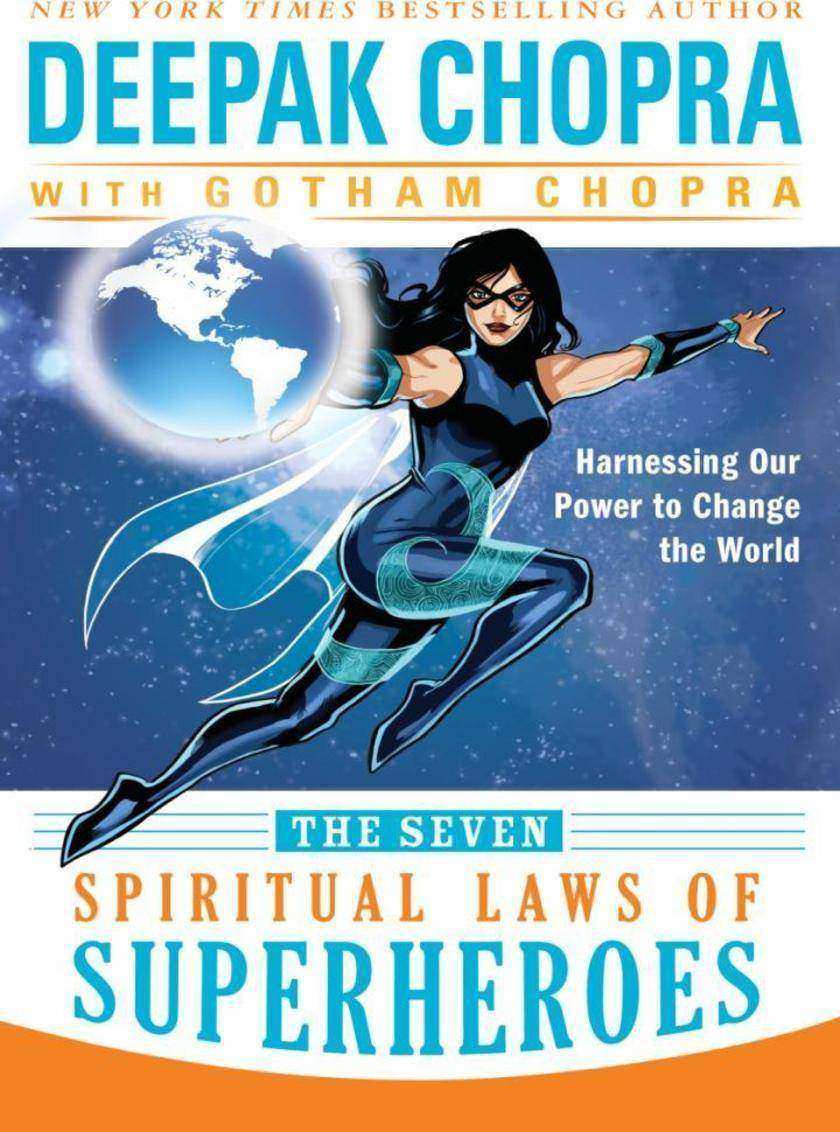
New York Times bestselling author DEEPAK CHOPRA, with his son Gotham, expertly guides us through the seven essential laws that govern the realm of superheroes, explaining their relevance, their importance, and perhaps most important how to apply them to our daily lives. These seven transformative laws will help us all uncover greater happiness, courage, balance, creativity, compassion, and purpose.

A Career Girl's Guide to Becoming a Stepmom
¥90.77
You have an exciting, fulfilling job. You've fallen in love with the man of your dreams and met his three kids! Now whatJacquelyn B. Fletcher shows how any professional woman turned wife and instant stepmother can build on the skills she employs at work organization, team-building, goal-setting, and planning to succeed at home in her new role as stepmom. Drawing on the latest research, her own experiences, and those of other real-life stepmothers, Fletcher offers advice, hope, encouragement, and much-needed answers to common conundrums, including: Why don't I have control over my own scheduleWhat kind of relationship do I want with my stepkidsWhat if I want to have a baby of my ownHow do we create a budget that feels fair if I make more money than my husband doesA Career Girl's Guide to Becoming a Stepmom is essential reading for the professional woman who has it all and then suddenly has more than she expected.
Taming Your Gremlin
¥94.10
This is a completely updated edition of the 1983 classic that introduced a powerful method for gaining freedom from self-defeating behaviors and beliefs. Rick Carson, creator of the renowned Gremlin-Taming Method, has revised the book to include fresh interactive activities, real-life vignettes we can all identify with, and new loathsome gremlins ripe for taming. Carson blends his laid-back style, Taoist wisdom, the Zen Theory of Change, and sound psychology in an easy-to-understand, unique, and practical system for banishing the nemesis within. Among the things you will learn are: Techniques for getting a sliver of light between the natural you and the monster of your mind. The extraordinary power of simply noticing and playing with options. Six keys to maintaining emotional balance amid upheaval.


