


 购物车
购物车 个人中心
个人中心

A Career Girl's Guide to Becoming a Stepmom
¥90.77
You have an exciting, fulfilling job. You've fallen in love with the man of your dreams and met his three kids! Now whatJacquelyn B. Fletcher shows how any professional woman turned wife and instant stepmother can build on the skills she employs at work organization, team-building, goal-setting, and planning to succeed at home in her new role as stepmom. Drawing on the latest research, her own experiences, and those of other real-life stepmothers, Fletcher offers advice, hope, encouragement, and much-needed answers to common conundrums, including: Why don't I have control over my own scheduleWhat kind of relationship do I want with my stepkidsWhat if I want to have a baby of my ownHow do we create a budget that feels fair if I make more money than my husband doesA Career Girl's Guide to Becoming a Stepmom is essential reading for the professional woman who has it all and then suddenly has more than she expected.
Taming Your Gremlin
¥94.10
This is a completely updated edition of the 1983 classic that introduced a powerful method for gaining freedom from self-defeating behaviors and beliefs. Rick Carson, creator of the renowned Gremlin-Taming Method, has revised the book to include fresh interactive activities, real-life vignettes we can all identify with, and new loathsome gremlins ripe for taming. Carson blends his laid-back style, Taoist wisdom, the Zen Theory of Change, and sound psychology in an easy-to-understand, unique, and practical system for banishing the nemesis within. Among the things you will learn are: Techniques for getting a sliver of light between the natural you and the monster of your mind. The extraordinary power of simply noticing and playing with options. Six keys to maintaining emotional balance amid upheaval.
The Open Adoption Experience
¥94.10
Two leading experts provide an authoritative and reassuring guide to the issues and concerns of adoptive and birth families through all stages of the open adoption relationship.
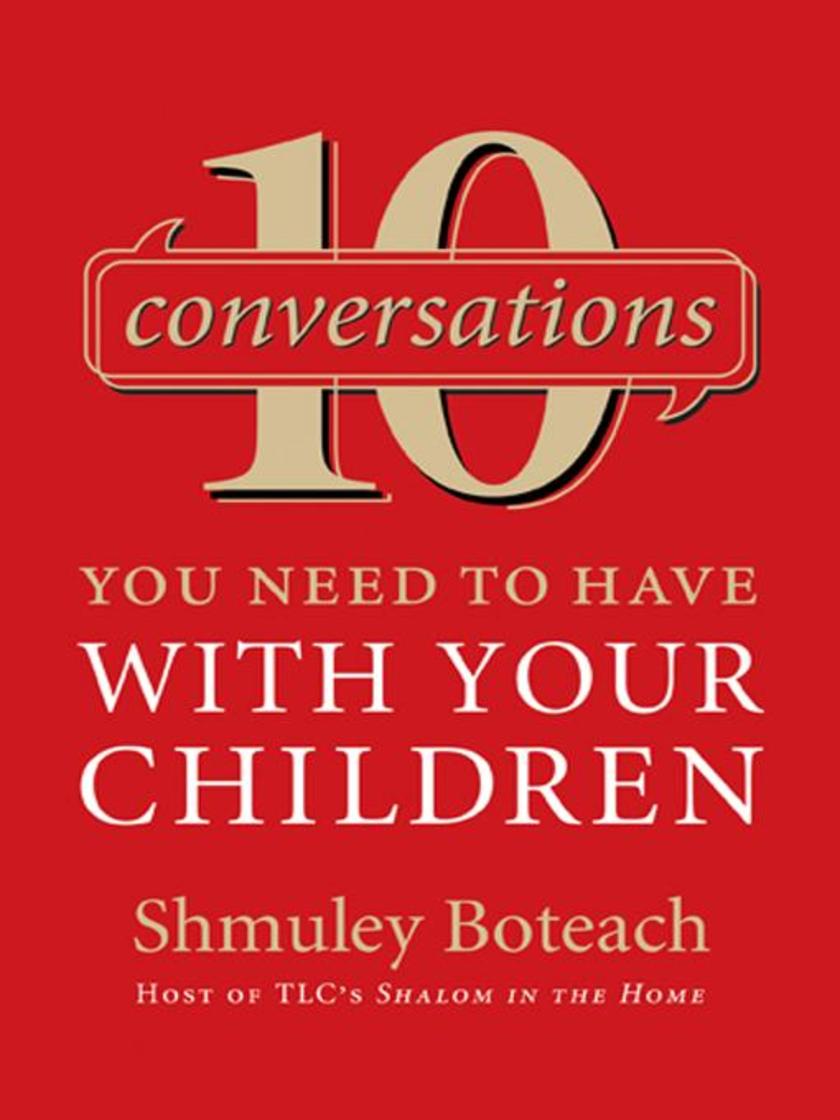
10 Conversations You Need to Have with Your Children
¥121.80
Why do I have to repeat everythingWhy does every conversation end in an argumentCommunicating with our children. Conversing. Connecting. When did it become so difficultAnd how do we begin to change it for the betterThis book was designed to help parents answer these important questions, and it is based on two fundamental ideas: The first is that there are no bad children, and no deliberately bad parents -- but that sometimes, despite the best of intentions on both sides, there can be bad relationships between parents and children. The second is that, as parents, we must do everything we can to save those relationships, to reach out and really communicate with our children, because it is only through talking to them that we can create an environment for inspiration and change. In this compelling book, Shmuley Boteach, passionate social commentator and outspoken relationship guru, walks you through the critical conversations, including: cherishing childhood; developing intellectual curiosity; knowing who you are and what you want to become; learning to forgive; realizing the importance of family and tradition; being fearless and courageous. As a father of eight, Rabbi Shmuley speaks from a wealth of experience. He has written a book for parents of children of all ages, from toddlers, who are just beginning to become aware of the world around them, to adolescents, who must learn to navigate all sorts of tricky social and academic pressures. 10 Conversations will help you stay connected to your children so that they develop the kind of strong moral character that leads to rich, meaningful lives.

Smart-Wiring Your Baby's Brain
¥84.16
Has science shoved parents out of the nurseryJudging from the steady stream of headlines, one would think biologists have discovered a gene for every aspect of behavior. Now, Winifred Conkling reassures us that there's still room to help our children reach their personal best. In clear, compassionate language, Conkling tells parents how to make practical use of the latest research on early brain development, offering invaluable advice on how to: Create a nurturing environment in which you child can grow cognitively Encourage movement and motor development Stimulate speech and language development Foster a child's emotional health and personal identity Make toy and food choices appropriate to each stage of development With specific, sound advice; readable charts and timetables; and clear, easy-to-understand language, Winifred Conkling translates the latest scientific discoveries into useful ways to help your child live up to his or her fullest potential.
HarperCollins e-books
¥140.08
In April 2005, Ashley Smith made headlines around the globe when she miraculously talked her way out of the hands of alleged courthouse killer Brian Nichols after he took her hostage for seven hours in her suburban Atlanta apartment. In this moving, inspirational memoir, the 26-year-old widowed mother of a six-year-old girl shares for the first time the little-known details of her traumatic ordeal, and expands on how her faith and the bestselling book The Purpose-Driven? Life helped her survive and bring the killer's murderous rampage to a peaceful end.Just as she told her 6'1", 210-pound captor that his ultimate "purpose" in life was to end up spending the rest of his life in prison, preaching the teachings of Jesus Christ to his fellow inmates, Smith believes her own purpose is to spread that message of love to the rest of us. Juxtaposing the minute-by-minute tale of her experience with the never-before-told tragedies and triumphs of her own life, Unlikely Angel is a gripping tale of downfall and redemption, involving addiction, violence, death, loss, faith, and love. It is a story that will leave no reader untouched.
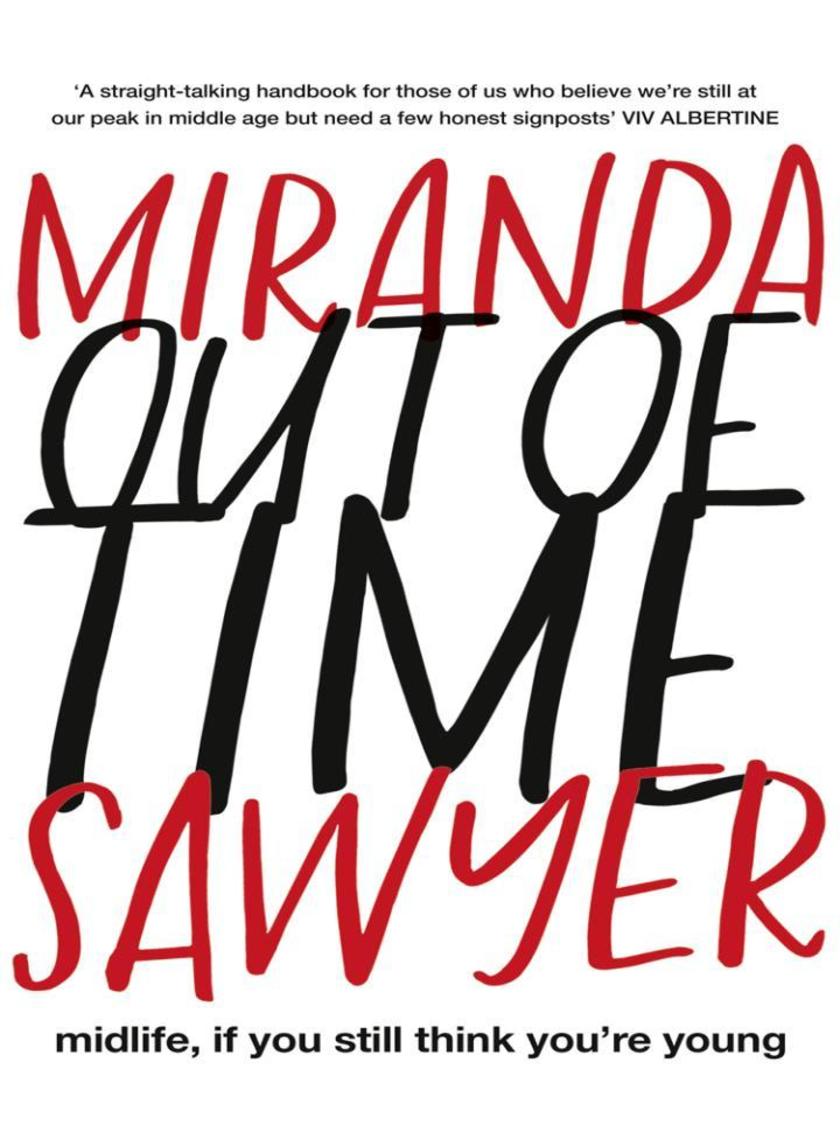
Out of Time
¥66.22
From the hugely respected journalist Miranda Sawyer, a very modern look at the midlife crisis – delving into the truth, and lies, of the experience and how to survive it, with thoughtfulness, insight and humour. ‘You wake one day and everything is wrong. It's as though you went out one warm evening – an evening fizzing with delicious potential, so ripe and sticky-sweet you can taste it on the air – for just one drink … and woke up two days later in a skip. Except you're not in a skip, you're in an estate car, on the way to an out-of-town shopping mall to buy a balance bike, a roof rack and some stackable storage boxes.’ Miranda Sawyer’s midlife crisis began when she was 44. It wasn’t a traditional one. She didn’t run off with a Pilates teacher, or blow thousands on a trip to find herself. From the outside, all remained the same. Work, kids, marriage, mortgage, blah. Days, weeks and months whizzed past as she struggled with feeling – knowing – that she was over halfway through her life. It seemed only yesterday that she was 29, out and about. Out of Time is not a self-help book. It’s an exploration of this sudden crisis, this jolt. It looks at how our tastes, and our bodies, change as we get older. It considers the unexpected new pleasures that the second half of life can offer, from learning to code to taking up running (slowly). Speaking to musicians and artists, friends and colleagues, Miranda asks how they too have confronted midlife, and the lessons, if any, that they’ve learned along the way.
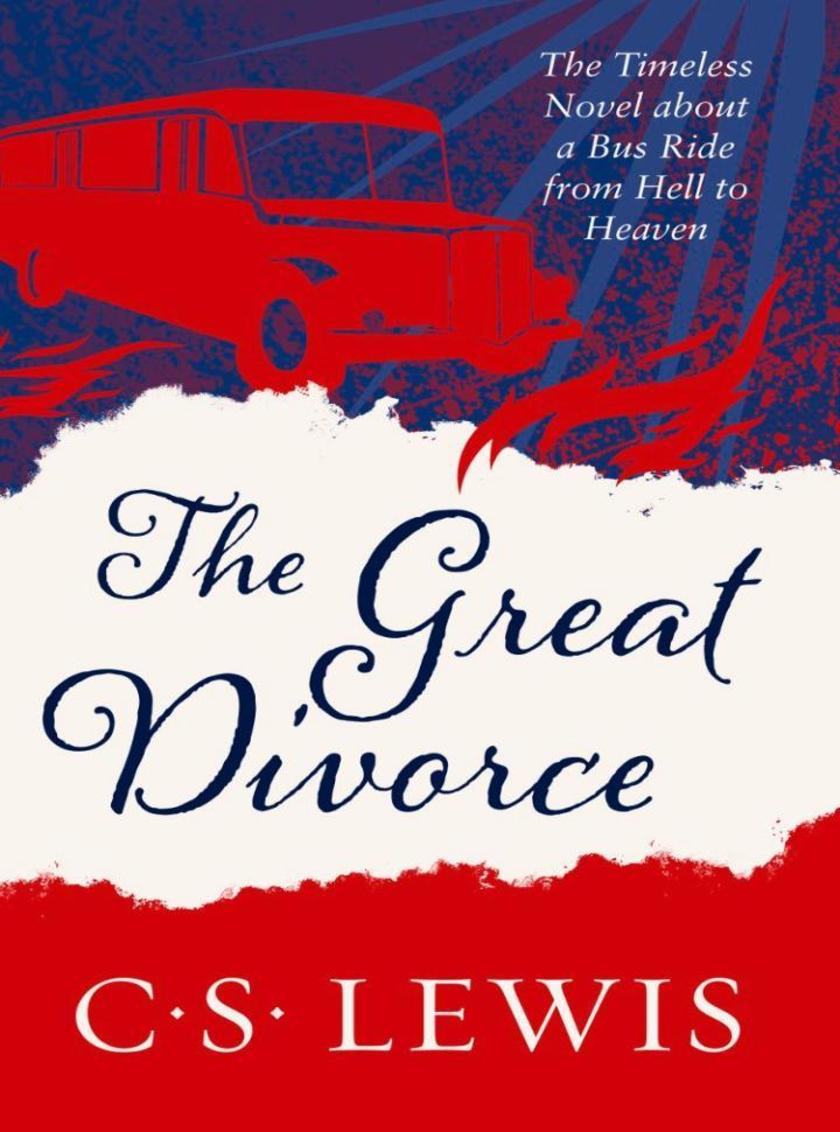
The Great Divorce
¥58.86
A stunning new edition of this timeless allegory of heaven and hell, repackaged and rebranded as part of the C.S. Lewis Signature Classics range. C.S. Lewis’s dazzling allegory about heaven and hell and the chasm fixed between them, is one of his most brilliantly imaginative tales which will appeal to readers of all ages. Lewis communicates deep spiritual truths through the sheer power of the fantastic. In The Great Divorce the writer in a dream boards a bus on a drizzly afternoon and embarks on an incredible voyage through Heaven and Hell. He meets a host of supernatural beings far removed from his expectations and comes to significant realisations about the ultimate consequences of everyday behaviour. This is the starting point for a profound meditation upon good and evil. “If we insist on keeping Hell (or even Earth) we shall not see Heaven: if we accept Heaven we shall not be able to retain even the smallest and most intimate souvenirs of Hell.”
Date Like A Man
¥72.93
Do you get depressed every time a date turns out to be a dud?Are you devastated when you don't get "the call" from a guy you likeDo you constantly check your dates out for marriage potentialChances are you're taking dating way too seriously. According to Myreah Moore -- "America's Dating Coach" -- women need to start dating to have fun, which is what men have been doing for ages! In fact, Moore says, dating is a lot like a science. And with any scientific experiment, it's trial and error. In Date Like a Man, she steals dating secrets from men (the masters of dating) and transforms them into a personal training program that will boost your dating prospects -- and increase your chances of finding a soul mate.Clear, candid, and empowering, Date Like a Man makes the manhunt fun -- the way it should be. Even if you think you're a dating expert, you'll devour this manual -- the new bible for surviving and thriving in today's world.

A Book of Psalms
¥71.94
Psalm 93God acts within every momentand creates the world with each breath.He speaks from the center of the universe,in the silence beyond all though.Mighter than the crash of a thunderstorm,mighter than the roar of the sea,is God's voice silently speakingin the depths of the listening heart.
The Sistah's Rules
¥73.71
The RulesPuhleeze! Any real black woman can tell you that when it comes to African-American men, The Rules is about as good as Monopoly money in Macy's. Waiting three days to return a brother's phone call will get a black woman nothing more than a warm spot on the couch by herself with an empty bag of corn chips and the remote.A sister needs her own special set of rules for finding a brother even when it seems that there just aren't that many good ones to go around. Millner says they are out there but sistahs need to drop their materialistic, brother-in-the white-Benz fantasies and pick up the right vibes for finding a genuine brother who's worth keeping around. The Sistahs' Rules gives black women commonsense guidelines for landing in a healthy relationship with a makes-your-toes-curl brother, including: Get to know his mama, get to know him Use what you got to get what you want Girlfriends are everything, but they don't know it all With warm stories and practical advice from black mamas and papas who've been there and done that, and sistahs and brothers in the mix, The Sistahs' Rules is a sassy, hip, step-by-step guide to finding Brother Mr. Rightand having fun in the process.
How to Get Married After 35
¥84.16
For women thirty-five and over who don't want to leave their chances to fate, relationship consultant Helena Rosenberg -- who got married in her forties -- offers a concrete program to help singles maximize their opportunities for marriage. How to Get Married After Thirty-Five will help women change their course and be on their way to success -- and even have fun in the process! Whether you're looking to marry for the first time or hoping to remarry, How to Get Married After Thirty-Five guides you through the process with sensitivity and humor, and shows how to: take personal responsibility for your life embrace your goals and what's in your way grasp what you need in a partner recognize him once you meet him avoid men who are destructive or unmarriageable master the world of internet dating Finally, with wisdom and encouragement, Helena Rosenberg offers practical advice on where to find eligible men (they do exist!), how to assess a man for his marriage potential, and why marrying the man of her choice after thirty-five had almost nothing to do with luck.
Studying Human Behavior
¥241.33
In Studying Human Behavior, Helen E. Longino enters into the complexities of human behavioral research, a domain still dominated by the age-old debate of "e;nature versus nurture."e; Rather than supporting one side or another or attempting to replace that dichotomy with a different framework for understanding behavior, Longino focuses on how scientists study it, specifically sexual behavior and aggression, and asks what can be known about human behavior through empirical investigation.?She dissects five approaches to the study of behavior-quantitative behavioral genetics, molecular behavior genetics, developmental psychology, neurophysiology and anatomy, and social/environmental methods-highlighting the underlying assumptions of these disciplines, as well as the different questions and mechanisms each addresses. She also analyzes efforts to integrate different approaches. Longino concludes that there is no single "e;correct"e; approach but that each contributes to our overall understanding of human behavior. In addition, Longino reflects on the reception and transmission of this behavioral research in scientific, social, clinical, and political spheres. A highly significant and innovative study that bears on crucial scientific questions, Studying Human Behavior will be essential reading not only for scientists and philosophers but also for science journalists and anyone interested in the engrossing challenges of understanding human behavior.
Distinguishing Disability
¥200.12
Students in special education programs can have widely divergent experiences. For some, special education amounts to a dumping ground where schools unload their problem students, while for others, it provides access to services and accommodations that drastically improve chances of succeeding in school and beyond. Distinguishing Disability argues that this inequity in treatment is directly linked to the disparity in resources possessed by the students' parents.Since the mid-1970s, federal law has empowered parents of public school children to intervene in virtually every aspect of the decision making involved in special education. However, Colin Ong-Dean reveals that this power is generally available only to those parents with the money, educational background, and confidence needed to make effective claims about their children's disabilities and related needs. Ong-Dean documents this class divide by examining a wealth of evidence, including historic rates of learning disability diagnosis, court decisions, and advice literature for parents of disabled children. In an era of expanding special education enrollment, Distinguishing Disability is a timely analysis of the way this expansion has created new kinds of inequality.
Natural Questions
¥229.55
Lucius Annaeus Seneca (4 BCE-65 CE) was a Roman Stoic philosopher, dramatist, statesman, and adviser to the emperor Nero, all during the Silver Age of Latin literature. The Complete Works of Lucius Annaeus Seneca is a fresh and compelling series of new English-language translations of his works in eight accessible volumes. Edited by world-renowned classicists Elizabeth Asmis, Shadi Bartsch, and Martha C. Nussbaum, this engaging collection restores Seneca-whose works have been highly praised by modern authors from Desiderius Erasmus to Ralph Waldo Emerson-to his rightful place among the classical writers most widely studied in the humanities.Written near the end of Seneca's life, Natural Questions is a work in which Seneca expounds and comments on the natural sciences of his day-rivers and earthquakes, wind and snow, meteors and comets-offering us a valuable look at the ancient scientific mind at work. The modern reader will find fascinating insights into ancient philosophical and scientific approaches to the physical world and also vivid evocations of the grandeur, beauty, and terror of nature.

Human Condition
¥147.15
A work of striking originality bursting with unexpected insights, The Human Condition is in many respects more relevant now than when it first appeared in 1958. In her study of the state of modern humanity, Hannah Arendt considers humankind from the perspective of the actions of which it is capable. The problems Arendt identified then-diminishing human agency and political freedom, the paradox that as human powers increase through technological and humanistic inquiry, we are less equipped to control the consequences of our actions-continue to confront us today. This new edition, published to coincide with the fortieth anniversary of its original publication, contains an improved and expanded index and a new introduction by noted Arendt scholar Margaret Canovan which incisively analyzes the book's argument and examines its present relevance. A classic in political and social theory, The Human Condition is a work that has proved both timeless and perpetually timely.Hannah Arendt (1906-1975) was one of the leading social theorists in the United States. Her Lectures on Kant's Political Philosophy and Love and Saint Augustine are also published by the University of Chicago Press.

Michael Polanyi and His Generation
¥247.21
In Michael Polanyi and His Generation, Mary Jo Nye investigates the role that Michael Polanyi and several of his contemporaries played in the emergence of the social turn in the philosophy of science. This turn involved seeing science as a socially based enterprise that does not rely on empiricism and reason alone but on social communities, behavioral norms, and personal commitments. Nye argues that the roots of the social turn are to be found in the scientific culture and political events of Europe in the 1930s, when scientific intellectuals struggled to defend the universal status of scientific knowledge and to justify public support for science in an era of economic catastrophe, Stalinism and Fascism, and increased demands for applications of science to industry and social welfare.?At the center of this struggle was Polanyi, who Nye contends was one of the first advocates of this new conception of science. Nye reconstructs Polanyi's scientific and political milieus in Budapest, Berlin, and Manchester from the 1910s to the 1950s and explains how he and other natural scientists and social scientists of his generation-including J. D. Bernal, Ludwik Fleck, Karl Mannheim, and Robert K. Merton-and the next, such as Thomas Kuhn, forged a politically charged philosophy of science, one that newly emphasized the social construction of science.
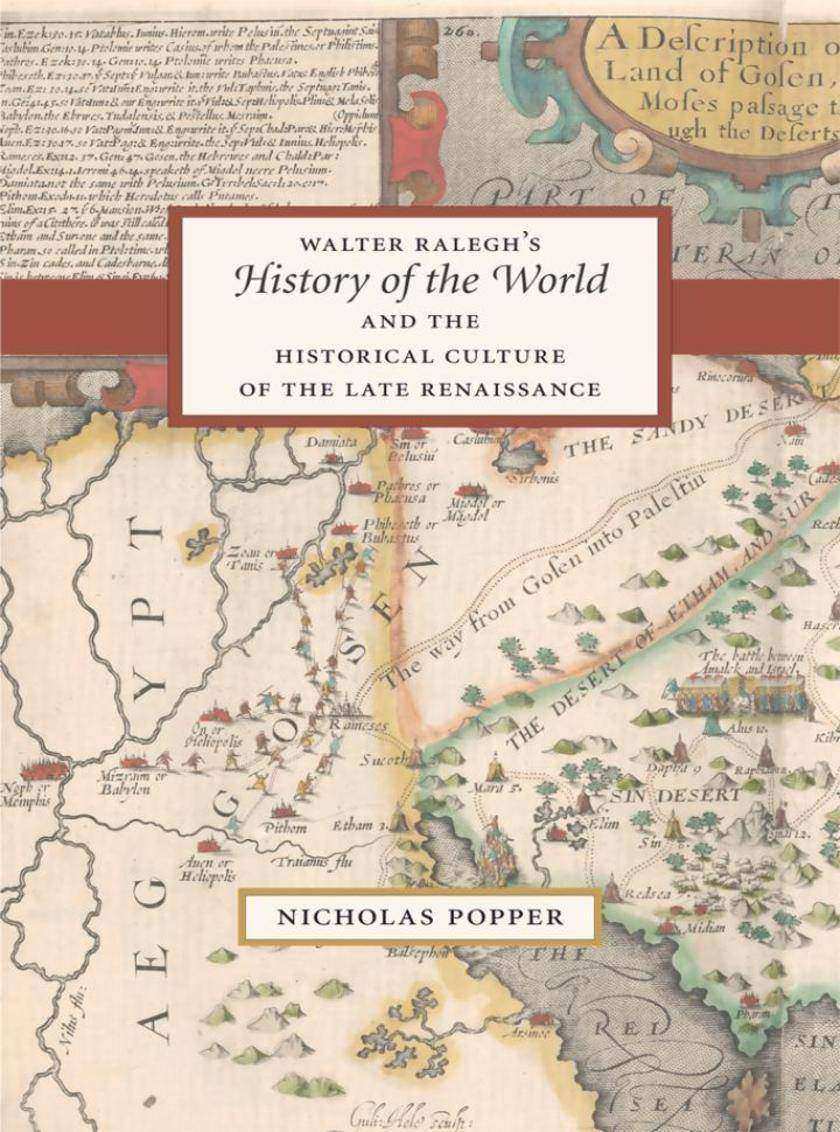
Walter Ralegh's "e;History of the World"e …
¥247.21
Imprisoned in the Tower of London after the death of Queen Elizabeth in 1603, Sir Walter Ralegh spent seven years producing his massive History of the World.?Created with the aid of a library of more than five hundred books that he was allowed to keep in his quarters, this incredible work of English vernacular would become a best seller, with nearly twenty editions, abridgments, and continuations issued in the years that followed.Nicholas Popper uses Ralegh's?History?as a touchstone in this lively exploration of the culture of history writing and historical thinking in the late Renaissance. From Popper we learn why early modern Europeans ascribed heightened value to the study of the past and how scholars and statesmen began to see historical expertise as not just a foundation for political practice and theory, but as a means of advancing their power in the courts and councils of contemporary Europe. The rise of historical scholarship during this period encouraged the circulation of its methods to other disciplines, transforming Europe's intellectual-and political-regimes. More than a mere study of Ralegh's History of the World, Popper's book reveals how the methods that historians devised to illuminate the past structured the dynamics of early modernity in Europe and England.
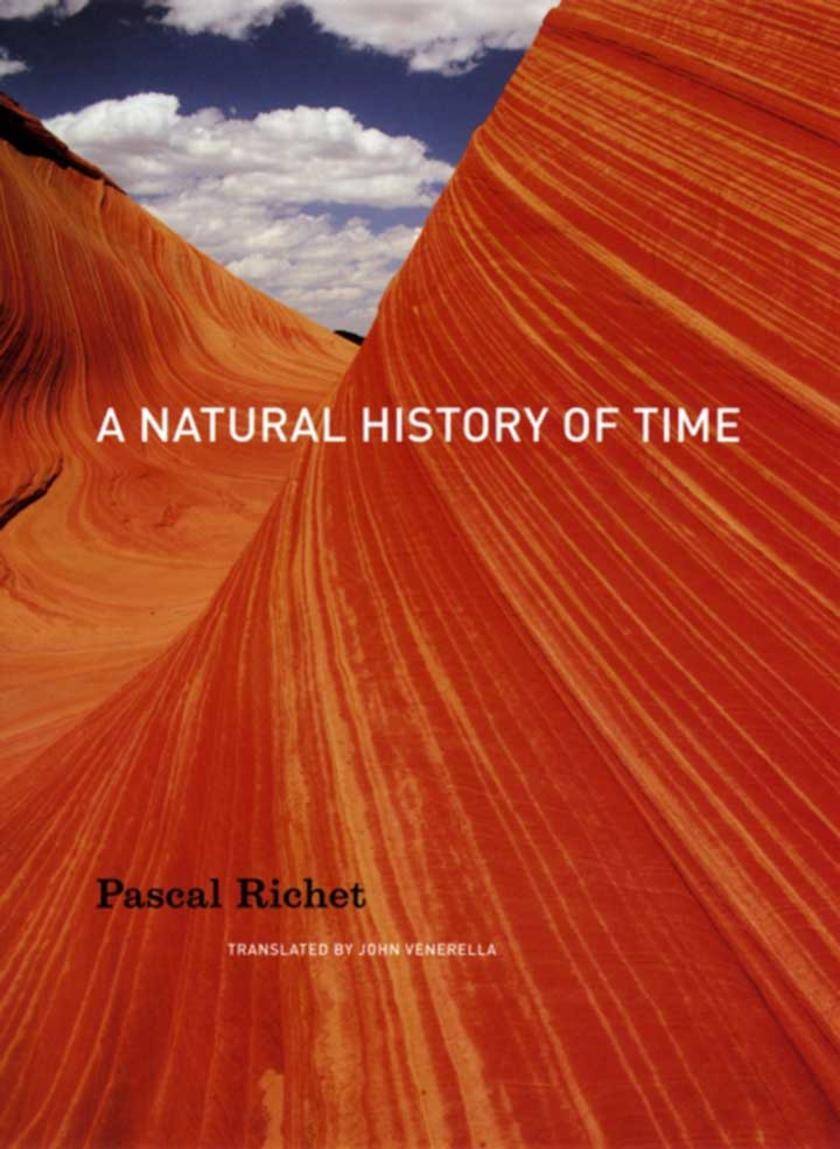
A Natural History of Time
¥147.15
The quest to pinpoint the age of the Earth is nearly as old as humanity itself. For most of history, people trusted mythology or religion to provide the answer, even though nature abounds with clues to the past of the Earth and the stars. In A Natural History of Time, geophysicist Pascal Richet tells the fascinating story of how scientists and philosophers examined those clues and from them built a chronological scale that has made it possible to reconstruct the history of nature itself.Richet begins his story with mythological traditions, which were heavily influenced by the seasons and almost uniformly viewed time cyclically. The linear history promulgated by Judaism, with its story of creation, was an exception, and it was that tradition that drove early Christian attempts to date the Earth. For instance, in 169 CE, the bishop of Antioch, for instance declared that the world had been in existence for quote;5,698 years and the odd months and days quote;Until the mid-eighteenth century, such natural timescales derived from biblical chronologies prevailed, but, Richet demonstrates, with the Scientific Revolution geological and astronomical evidence for much longer timescales began to accumulate. Fossils and the developing science of geology provided compelling evidence for periods of millions and millions of years-a scale that even scientists had difficulty grasping. By the end of the twentieth century, new tools such as radiometric dating had demonstrated that the solar system is four and a half billion years old, and the universe itself about twice that, though controversial questions remain.The quest for time is a story of ingenuity and determination, and like a geologist, Pascal Richet carefully peels back the strata of that history, giving us a chance to marvel at each layer and truly appreciate how far our knowledge-and our planet-have come.
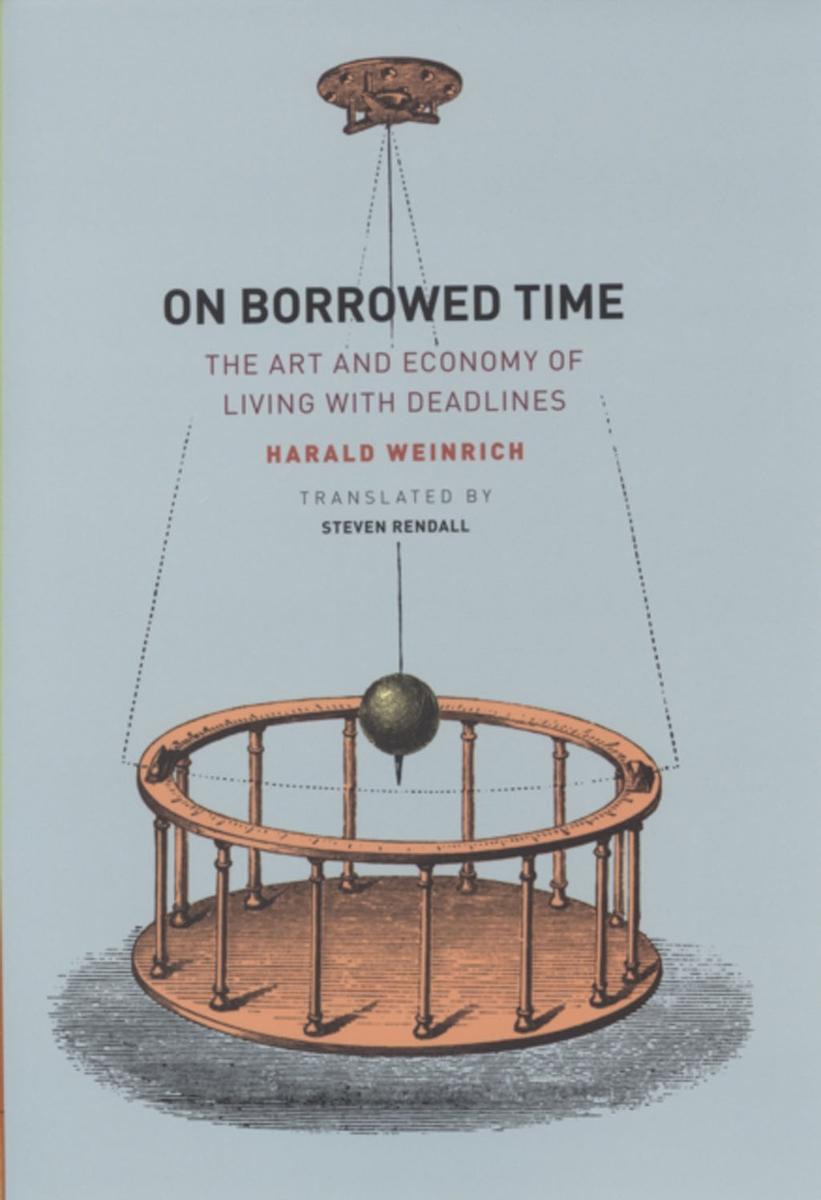
On Borrowed Time
¥311.96
Life is short. This indisputable fact of existence has driven human ingenuity since antiquity, whether through efforts to lengthen our lives with medicine or shorten the amount of time we spend on work using technology. Alongside this struggle to manage the pressure of life's ultimate deadline, human perception of the passage and effects of time has also changed. In On Borrowed Time, Harald Weinrich examines an extraordinary range of materials-from Hippocrates to Run Lola Run-to put forth a new conception of time and its limits that, unlike older models, is firmly grounded in human experience. Weinrich's analysis of the roots of the word time connects it to the temples of the skull, demonstrating that humans first experienced time in the beating of their pulses. Tracing this corporeal perception of time across literary, religious, and philosophical works, Weinrich concludes that time functions as a kind of sixth sense-the crucial sense that enables the other five. Written with Weinrich's customary narrative elegance, On Borrowed Time is an absorbing-and, fittingly, succinct-meditation on life's inexorable brevity.
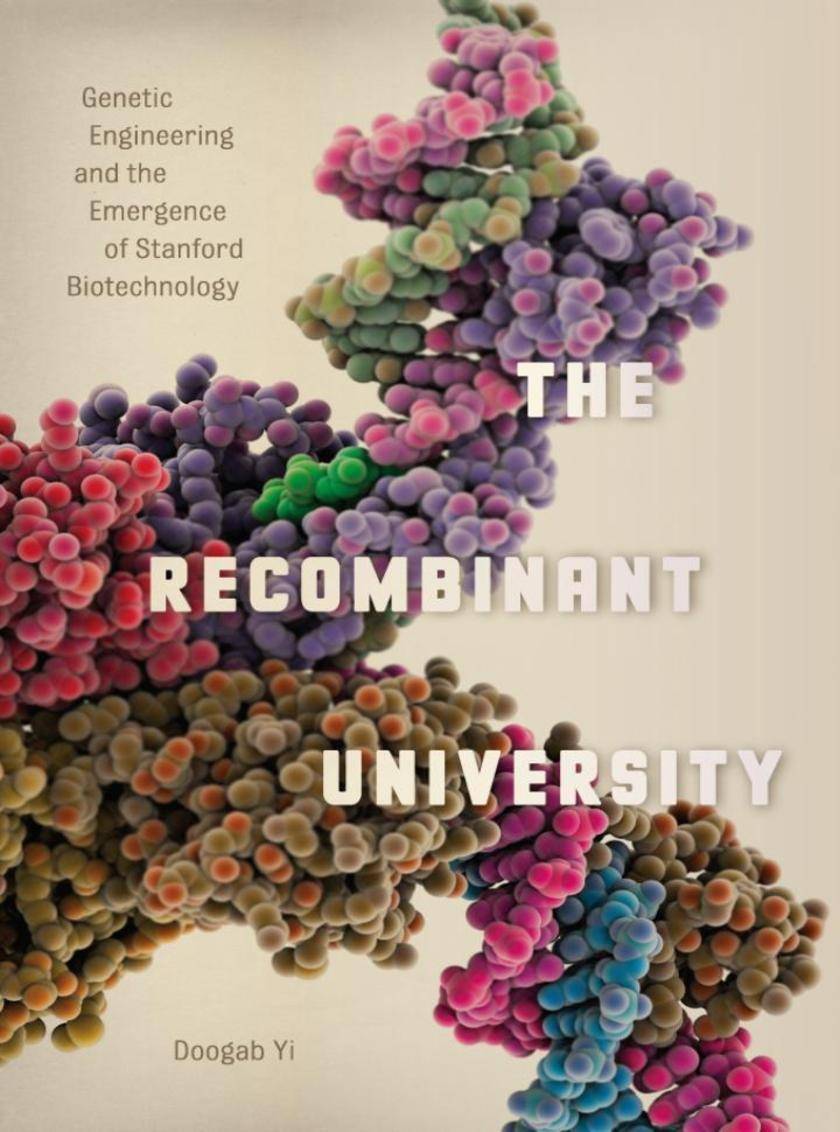
Recombinant University
¥329.62
The advent of recombinant DNA technology in the 1970s was a key moment in the history of both biotechnology and the commercialization of academic research. Doogab Yi's The Recombinant University draws us deeply into the academic community in the San Francisco Bay Area, where the technology was developed and adopted as the first major commercial technology for genetic engineering. In doing so, it reveals how research patronage, market forces, and legal developments from the late 1960s through the early 1980s influenced the evolution of the technology and reshaped the moral and scientific life of biomedical researchers.Bay Area scientists, university administrators, and government officials were fascinated by and increasingly engaged in the economic and political opportunities associated with the privatization of academic research. Yi uncovers how the attempts made by Stanford scientists and administrators to demonstrate the relevance of academic research were increasingly mediated by capitalistic conceptions of knowledge, medical innovation, and the public interest. Their interventions resulted in legal shifts and moral realignments that encouraged the privatization of academic research for public benefit. The Recombinant University brings to life the hybrid origin story ofbiotechnology and the ways the academic culture of science has changed in tandem with the early commercialization of recombinant DNA technology.


