


 购物车
购物车 个人中心
个人中心
Stop Being Mean To Yourself
¥110.77
In this contemporized follow-up to Codependent No More (more than 3.8 million copies sold since 1986) beloved inspirational writer Melody Beattie narrates the story of her hard-won discovery that you really can love your neighbor and yourself. Renowned for her compassionate voice and deep connection to the difficulties and joys of life and love, Melody Beattie has touched many people through her long list of bestselling books. Her newest offering is in spirit a sequel to Codependent No More yet in style a departure: a finely crafted story of her own spiritual adventure through Northern Africa that "revitalized my faith in God, in the universe, and in myself." Stop Being Mean To Yourself introduces refreshing new ideas about healthy self-esteem for people trying to overcome -- or avoid -- the pitfalls of guilt and self-doubt. Readers who have had enough of jargon, enough of programs, enough of traditional self-help books will appreciate the appeal of this spiritual adventure story and the jewels of inspiration wrapped in its folds. This odyssey is modern, full of suspense, excitement and the light of personal discovery. In each chapter, Beattie narrates part of her travels and offers solid, universal lessons that will apply to every reader -- lessons about trusting our instincts, setting boundaries, loving ourselves and working with our power. It is a message about a way of living based not on pre*ions but on working from the heart.

People Get Screwed All the Time
¥128.85
What would you do if you were accused and arrested for a crime that you didn't commitHow about if you realized that you'd just been scammed for thousands of dollarsWhat about if, due to a circumstance as unavoidable as having the same name as a criminal, your credit rating kept you from buying a house or a car, or getting a loan for collegeMost people trust that everything will work out and assume that the government will help them if trouble arises. However, Robert Massi reveals what the government doesn't want you to know daily life and decisions are fraught with potential danger, and government mismanagement often has disastrous consequences for innocent, law-abiding citizens.Familiar to viewers as a national TV legal analyst, Robert Massi has heard countless stories of well-intentioned individuals getting caught up in damaging situations that they didn't see coming. Nonetheless, the most frustrating part of these heartaches is that they could and should have been avoided.Massi will share some of these astonishing stories of real people and then, he'll show you how to learn from these mishaps. Touching on everything from dodging identity theft to starting a business, People Get Screwed All The Time explains how to avoid falling for scams, getting entrenched in endless legal battles, and inadvertently ending up on the wrong side of the law. Also, if worst comes to worst, it provides unbeatable tips for how to extract yourself from a wide variety of sticky situations.This indispensable guide covers the spheres of life that matter most: Identity Love, Family, and Relationships Money, Finances, and Debt Your Home Cars Work and Business Relationships Final Affairs Suggesting small steps that can be taken today, People Get Screwed All the Time helps you to avert catastrophe tomorrow. Calling for action and awareness, this is a vital and eye-opening handbook that proves that ignorance is anything but bliss.
Fat, Broke & Lonely No More
¥128.85
Do you ever obsess about whether to order dessert, buy those pricey sandals, or be totally honest on a third date?If so, then you are already acquainted with the fear of being fat, broke lonely. If only we could eat less, get paid better, and be more outgoing.Only it's not that simple. Our endless quest to be fit, flush, and partnered (no matter where we fall on the scale) inevitably makes us feel fat, broke lonely. The symptoms are anxiety, shame, and fear, and the diagnosis is feeling miserable about ourselves. We have two choices: give up, convinced that this is just a lifelong, losing battle, or go toe-to-toe with our negative self-image and take back our lives.Real-life anecdotes, practical strategies, and a touch of sass make this revolutionary five-step plan a must-read. First, Moran helps us discover the root of the symptoms. Then we learn how to break up with fat, broke & lonely for good. And finally, we learn how to hook up with the life of our dreams and who doesn't want that?
Attitude is Everything Rev Ed
¥94.10
In the world of professional speakers, Keith Harrell is making a difference. The Wall Street Journal recognized it, dubbing him "A Star with Attitude." Such clients as IBM, Microsoft, Coca-Cola, Motorola, GM, Marriott International, and Boeing know it that's why Keith is one of the most in-demand speakers on the circuit. And, as you read this book, you will know it, too. Keith's star power is indisputable. Now, in this fully revised and updated edition of Attitude Is Everything, he shares the secrets that got him where he is today and provides you with a program for developing a healthier, happier, more productive attitude.In Attitude Is Everything, Keith offers an enlightening, inspiring, and practical guide for gaining control of your career and your life by ridding yourself of negative attitudinal baggage, building positive attitudes, and then turning them into actions to help you achieve your dreams. Keith's 10 steps for turning attitude into action: Understand the power of "attitude" Take control of your life Practice self-awareness Reframe your bad attitude Find your purpose and passion Be pre-active Discover how to motivate yourself Build supportive relationships See changes as an opportunity Leave a lasting legacy Keith developed his methods for putting attitudes into action in the real world of corporate America, and later, as a self-employed professional. He knows what works, and he knows how to help others create positive, empowering attitudes that will help you enjoy a more fulfilling and rewarding life!
The Grief Recovery Handbook, 20th Anniversary Expanded Edition
¥95.39
Newly updated and expanded to commemorate its twentieth anniversary this classic resource helps people complete the grieving process and move toward recovery and happiness. Incomplete recovery from grief can have a lifelong negative effect on the capacity for happiness. Drawing from their own histories as well as from others', the authors illustrate how it is possible to recover from grief and regain energy and spontaneity. Based on a proven program, The Grief Recovery Handbook offers grievers the specific actions needed to move beyond loss. New material in this edition includes guidance for dealing with: Loss of faith Loss of career and financial issues Loss of health Growing up in an alcoholic or dysfunctional home

The Big Leap
¥99.65
Most of us believe that we will finally feel satisfied and content with our lives when we get the good news we have been waiting for, find a healthy relationship, or achieve one of our personal goals. However, this rarely happens. Good fortune is often followed by negative emotions that overtake us and result in destructive behaviors. "I don't deserve this," "this is too good to be true," or any number of harmful thought patterns prevent us from experiencing the joy and satisfaction we have earned. Sound familiarThis is what New York Times bestselling author Gay Hendricks calls the Upper Limit Problem, a negative emotional reaction that occurs when anything positive enters our lives. The Upper Limit Problem not only prevents happiness, but it actually stops us from achieving our goals. It is the ultimate life roadblock. In The Big Leap, Hendricks reveals a simple yet comprehensive program for overcoming this barrier to happiness and fulfillment, presented in a way that engages both the mind and heart. Working closely with more than one thousand extraordinary achievers in business and the arts from rock stars to Fortune 500 executives whose stories are featured in these pages, the book describes the four hidden fears that are at the root of the Upper Limit Problem.The Big Leap delivers a proven method for first identifying which of these four fears prevents us from reaching our personal upper limit, and then breaking through that limitation to achieve what Hendricks refers to as our Zone of Genius. Hendricks provides a clear path for achieving our true potential and attaining not only financial success but also success in love and life.
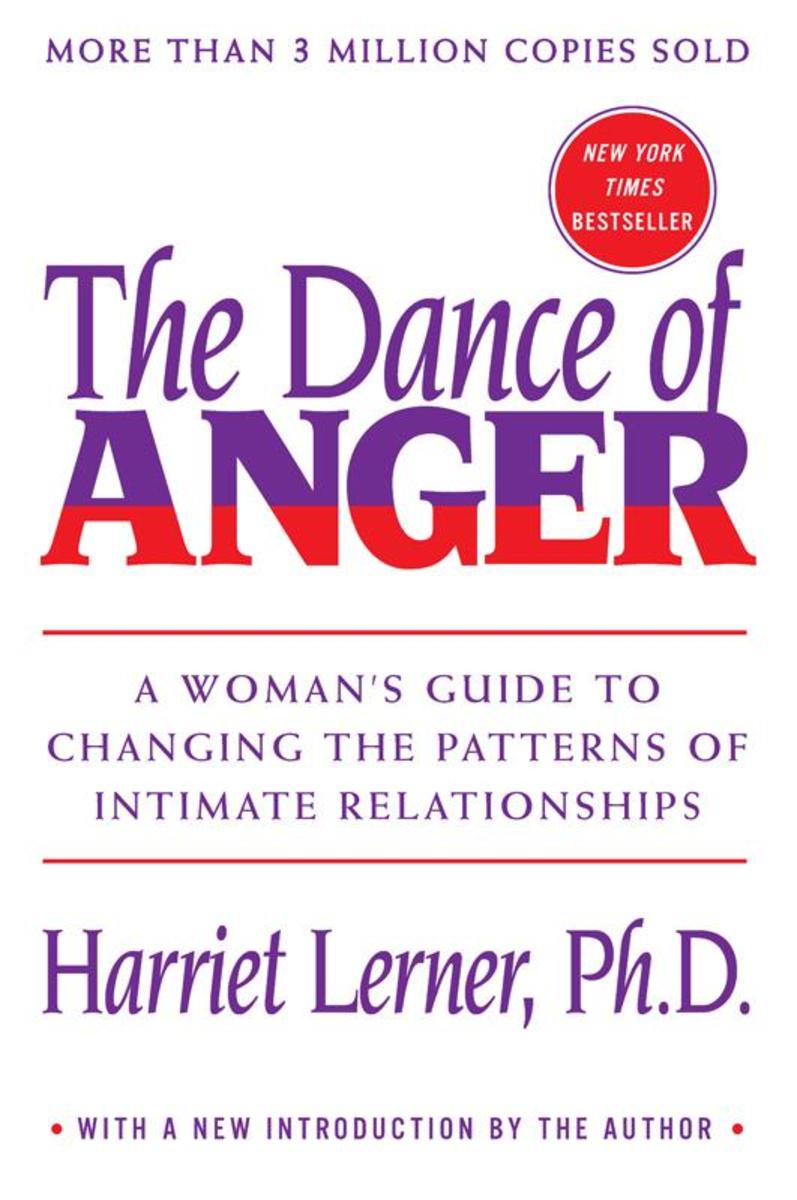
The Dance of Anger
¥88.56
Anger is a signal and one worth listening to, writes Dr. Harriet Lerner, in her renowned classic that has transformed the lives of millions of readers.While anger deserves our attention and respect, women still learn to silence our anger, to deny it entirely, or to vent it in a way that leaves us feeling helpless and powerless. In this engaging and eminently wise book, Dr. Lerner teaches women to identify the true sources of our anger and to use anger as a powerful vehicle for creating lasting change.
Guests
¥56.08
Our eminent founding father Ben Franklin once famously compared guests to stinking fish. While this assessment may seem a trifle harsh, the truth remains that social intercourse is a most risky endeavor. Who better to address this concern than the inimitable pundit Russell Lynes a man renowned for his unparalleled expertise on the social graces and the many personality types who regularly abuse themIn this classic guide to "guesting," Lynes provides an indispensable overview of the rituals of behavior that make it possible to visit and be visited, and the necessary safeguards that protect us from our friends and our friends from us. It is a book that demands to be read by every potential guest and host, stinker and stinkee alike.

But I Love Him
¥77.49
One in three girls will be in a controlling, abusive dating relationship before she graduates from high school – from verbal or emotional abuse to sexual abuse or physical battering. Is your daughter in dangerDr. Jill Murray speaks on the topic of dating violence at high schools around the country, reaching more than 10,000 students, teachers, and counsellors each year. In every school she visits, she is approached by teenage girls in miserable relationships who, when confronted with the option of breaking up with the boy, exclaim, "But I love him!" Many young women and their parents, aren't even aware of the indications of a potentially abusive relationship. What's most alarming is that these warning signs are also some of the behaviours that girls find most flattering: A boy pages and calls a girl often but as a form of control, not affection. He wants to spend all his time with her, but eventually won't allow her to spend time with her friends. He says "I love you" very early in the relationship. These behaviours can escalate into blaming, isolating, manipulating, threatening, humiliation, and sexual and physical abuse. In But I Love Him, Dr. Murray identifies these controlling, abusive patterns of behaviour and helps you get your daughter out of the relationship without alienating her. You will learn what draws her to this type of relationship, why she has a hard time talking to you about it, the special barriers teens face when breaking off a relationship, and what's going on in the mind of a teen abuser. Dr. Murray will help you show your teen what a respectful relationship looks like, and teach her the importance of respecting herself. edition.
Making Sense of Adoption
¥78.55
When to tell, What to tell, and How to tell Children who are adopted have predictable and often unspoken concerns about themselves and how they joined their families. In this wise and timely guide, Lois Melina, author of the classic manual Raising Adopted Children, helps parents anticipate and respond to those concerns in ways that build self-esteem. Through sample conversations, reassuring advice, and age-specific activities parents will find answers to such questions as:-- When should I give my child the letter her birthmother wrote?-- How do I share information that might upset my child?-- How can I know when my child is wondering about adoption?-- What should I tell school personnel about my child's historyWhat about family and friends?-- How can I be sure we talk about adoption enough, but not too muchWhether parents adopted traditionally, as stepparents, or through donor insemination, surrogacy, or in vitro fertilization, Making Sense of Adoption will open the door to a lifetime of growth and understanding for adoptive families.
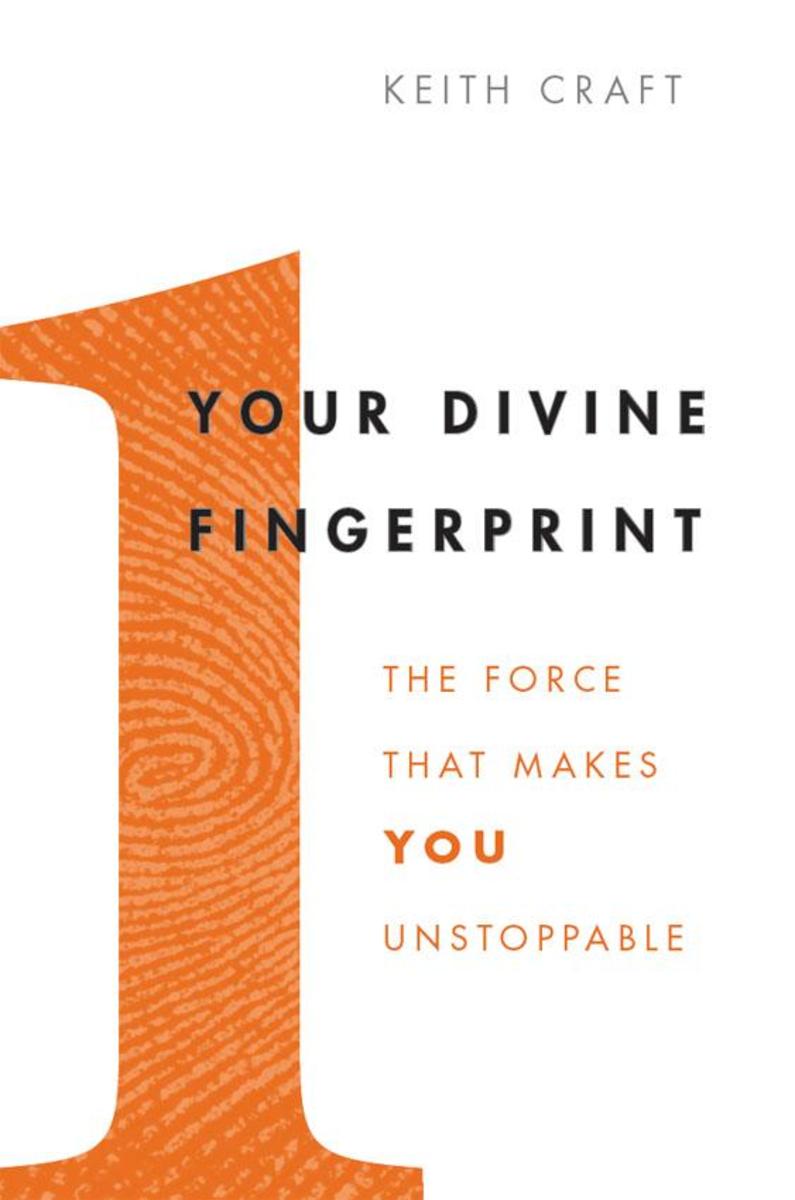
Your Divine Fingerprint
¥84.16
That which makes you different, makes you great!When he was fourteen, Keith Craft looked at his right hand and realized that he had a fingerprint that nobody else had and that no one else ever would. God had made him unique. Today Keith Craft believes the glory of God is literally revealed in the individual fingerprint that He has given us. In Your Divine Fingerprint, Craft teaches you how to identify, amplify, and celebrate your uniqueness and your connection to God.You connect with God when you turn a defining moment into a miracle moment by making a decision and then taking action. When you understand the power you have to choose how a moment will affect you, you can then begin to define the moment instead of the moment defining you. And by taking action, you get nearer to fully living the greatness that God has given you and has given to no one else the 1% you have that no one else has.Pastor Keith Craft wants you to realize your greatness. He wants to give you the tools to overcome your blind spots, to find your winning edge, and to become the greatest thing you can be for the rest of the world a servant leader. He wants to challenge you to believe not only that God created you but that God has a great purpose for your life. When you believe this, your life turns from natural to supernatural. And you start to live the blessed life that God wants you to live!

What Do You Really Want for Your Children?
¥94.10
If you have children, then you have dreams for them. You want to see them growing up happy, healthy, self-reliant, and confident in themselves and their abilities. You’ve also probably wondered if you'll be able to give them all this. There's good news: you can. Wayne Dyer shares the wisdom and guidance that have already helped millions of readers take charge of their lives and shows how to make all your hopes for your children come true. Learn valuable advice including Dyer’s original seven simple secrets for building your child's self-esteem every day; how to give very young children all the love they need without spoiling them; how to encourage risk-taking without fear of failure; action strategies for dealing with both your own anger and your child's; the right way (and the wrong way) to improve your child's behavior; the secrets of raising kids relatively free of illness; techniques that encourage children to enjoy life, and much more. It's all here – straightforward, commonsense advice that no parent can afford to do without.
Sanity Savers
¥72.70
Our world is much more difficult, demanding, and faster-paced than it ever was before. Most women are finding it nearly impossible to escape and wind down even for a few short minutes. Psychologist and author Dr. Dale V. Atkins, the creator and host of television's "Dr. Dale's Life Issues," has the solution: Sanity Savers 52 weeks of invaluable daily tips, thoughts, and suggestions that will help you restore balance, order, simplicity, and, most important, happiness to your over-stimulated life.All it takes is a few minutes each day to save your sanity . . . and improve your life!
Happy Housewives
¥95.39
Says former desperate housewife Darla Shine to stay-at-home moms everywhere: What have you got to complain aboutA modern-day guide to keeping house, raising kids, and loving life. Darla Shine was once a desperate housewife. Being at home with two small children and a husband who was rarely home was enough to drive her crazy. She left her high-profile job as a television producer after her son was born, while her husband continued to move up the corporate ladder. Like many of her stay-at-home-mom friends, Shine employed a housekeeper and baby-sitters so she could spend her time running to the salon, the club, and out to lunch. Then one day she was whining to her mother about how terrible her life was, and her mother yelled at her to wake up and stop being so selfish. It was just the wakeup call she needed!The desperate housewife craze of today is sending the wrong message to women and their children everywhere, says Shine. When did being a good mom and being proud to stay home with the kids go out of styleWhen did it become acceptable to cheat on your husbandWhen did mothers start dressing like their teenage daughtersShine finds the standards of today's desperate housewives astonishingly low, and she has set out to teach women how they can be good mothers, look good, and feel good about the choices they make. Being a housewife does not mean you are on house arrest or can't be satisfied in your marriage. So step up, realize that you want to be home with your children, and embrace your life.

Death by Suburb
¥77.49
A great number of seekers find themselves in the seemingly unreal world of the suburbs. They read spirituality books but find themselves in carpools and coaching soccer, not in monasteries. Dave Goetz, a former pastor, shows that the suburbs are a real world, but a spiritually corrosive one. The land of SUVs and soccer leagues can truly be toxic to the soul. Suburbanites need to understand how the environment affects them and what spiritual disciplines are needed for their faith to survive and thrive. Goetz identifies eight toxins in the suburban life, such as hyper competition and the "transactional" friendship, and suggests eight corresponding disciplines to keep the spiritual life authentic. Goetz weaves sociology studies, his own experiences, current events, wisdom of the spiritual masters, and a little humor to equip spiritual suburbanites for how to relate to God amidst Starbucks, strip malls, and perfect lawns.
Forgive for Love
¥83.03
Finding the love of your life and holding onto that relationship is more difficult than ever. The problem hasn't gone unnoticed. From relationship therapists to speed-dating, self-help books to online matchmaking, an entire industry has developed to help us navigate the bumpy road of relationships. Yet in spite of the availability of all these resources, many of us still struggle to discover and keep the love of our lives. That is, until now.This groundbreaking book from the frontiers of psychology offers startling new research about the one missing factor that is vital to relationships forgiveness. A national bestselling author and leading expert on forgiveness, Dr. Fred Luskin shows that no matter how much two people may love each other, their relationship will not succeed unless they practice forgiveness an approach that most relationship experts continue to ignore.Why is forgiveness an essential tool for relationshipsStudies reveal that 70 percent for what we argue about at the beginning of our relationships will never be fully resolved. In other words, our basic needs and behaviors don't change over time. The issues are endless: the socks that always end up on the floor, how often to have sex, the ESPN obsession, working hours, and, of course, friends and family. Without forgiveness, these issues, however big or small, too easily turn into relationship-eroding grudges.Forgive for Love is the solution for your relationship woes, providing the tools you need to find and hold onto the love of your life. Dr. Luskin delivers a proven seven-step program for creating and maintaining loving and lasting relationships, teaching easy-to-learn forgiveness skills that will not only resolve immediate conflicts but improve the overall happiness and longevity of your relationships. Simply put: people in healthy relationships figure out how to forgive their partners for being themselves. They do so because it is nearly impossible to change other people and because none of us are perfect. Forgiveness is the key, and Forgive for Love has the answers.
Ecstasy
¥77.49
THE RENOWNED JUNGIAN PSYCHOLOGIST AND AUTHOR OF 'TRANSFORMATION' AND 'OWNING YOUR OWN SHADOW' BRINGS THE HIDDEN GIFT OF ECSTASY BACK INTO OUR LIVES.Robert A. Johnson has taken tens of thousands of readers on spiritual and psychological journeys
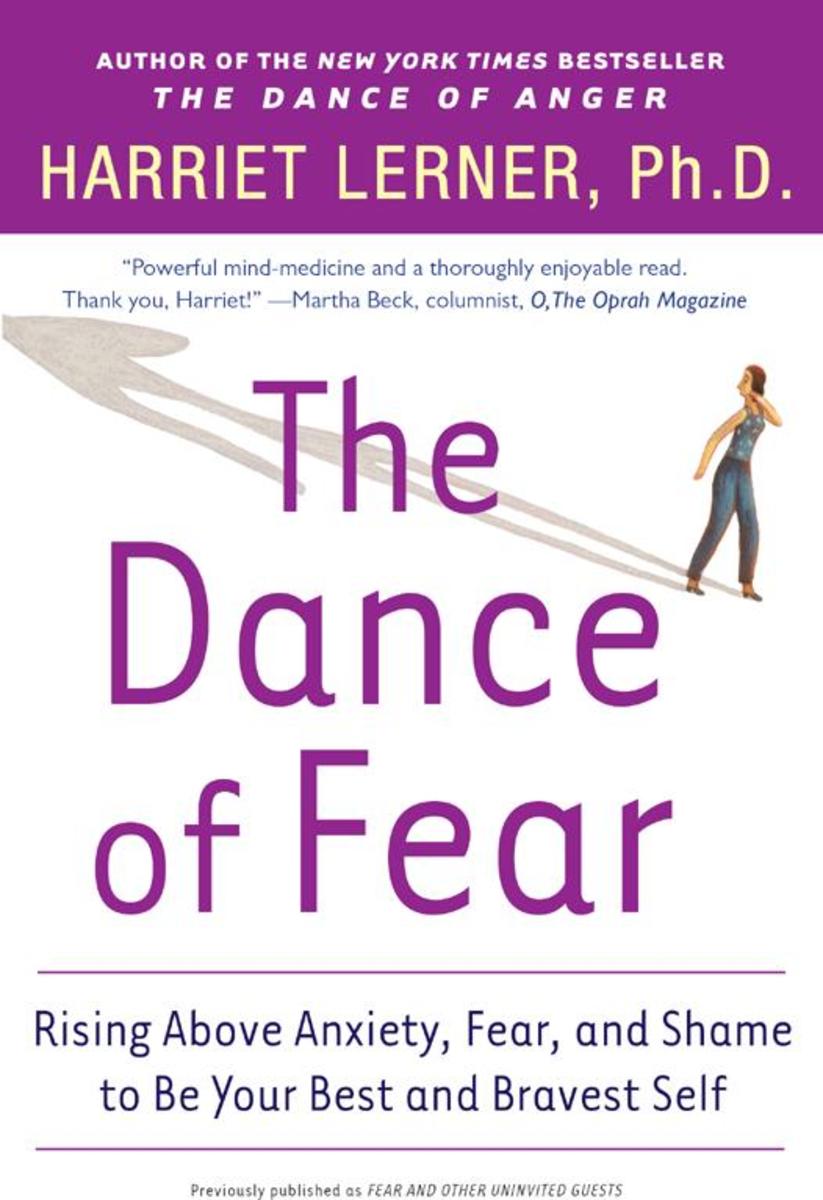
The Dance of Fear
¥88.56
Unhappiness, says bestselling author Harriet Lerner, is fueled by three key emotions: anxiety, fear, and shame. They are the uninvited guests in our lives. When tragedy or hardship hits, they may become our constant companions.Anxiety can wash over us like a tidal wave or operate as a silent thrum under the surface of our daily lives. With stories that are sometimes hilarious and sometimes heartbreaking, Lerner takes us from "fear lite" to the most difficult lessons the universe sends us. We learn: how a man was "cured in a day" of the fear of rejection -- and what we can learn from his story how the author overcame her dread of public speaking when her worst fears were realized how to deal with the fear of not being good enough, and with the shame of feeling essentially flawed and inadequate how to stay calm and clear in an anxious, crazy workplace how to manage fear and despair when life sends a crash course in illness, vulnerability, and loss how "positive thinking" helps -- and harms how to be our best and bravest selves, even when we are terrified and have internalized the shaming messages of others No one signs up for anxiety, fear, and shame, but we can't avoid them either. As we learn to respond to these three key emotions in new ways, we can live more fully in the present and move into the future with courage, clarity, humor, and hope. Fear and Other Uninvited Guests shows us how.
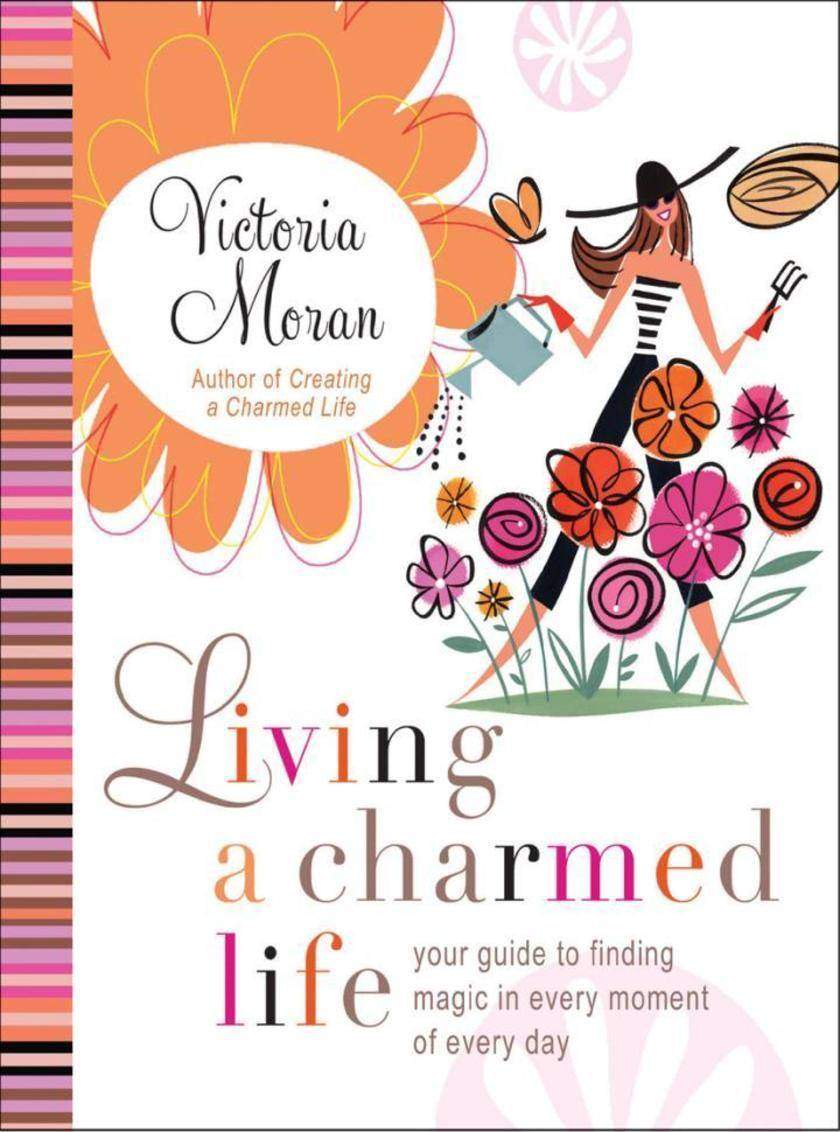
Living a Charmed Life
¥83.03
Bestselling author Victoria Moran's Living a Charmed Life presents fifty action-inspiring essays that show us how to custom craft our very own blessed lives. Covering topics such as living richly, staying close to what makes you come alive, and being completely, utterly yourself, Moran emphasizes that this kind of happiness is possible for anyone of any age in any circumstance.Living a charmed life is your birthright, one that you can start to claim as soon as you take to heart and put into action the practical and spiritual tips you'll find here. These lucky charms, honed from Victoria's own life experiences, will elevate your attitude, change the way you see yourself, and help you to improve every aspect of your life including your health, relationships, finances, and peace of mind even in challenging times.In this fresh, inspiring book, Victoria Moran gives you the tools and techniques you need to start living your own charmed life now.
Leaving the Enchanted Forest
¥83.92
Advice and step-by-step guidelines for those seeking to recover from addictive relationships.
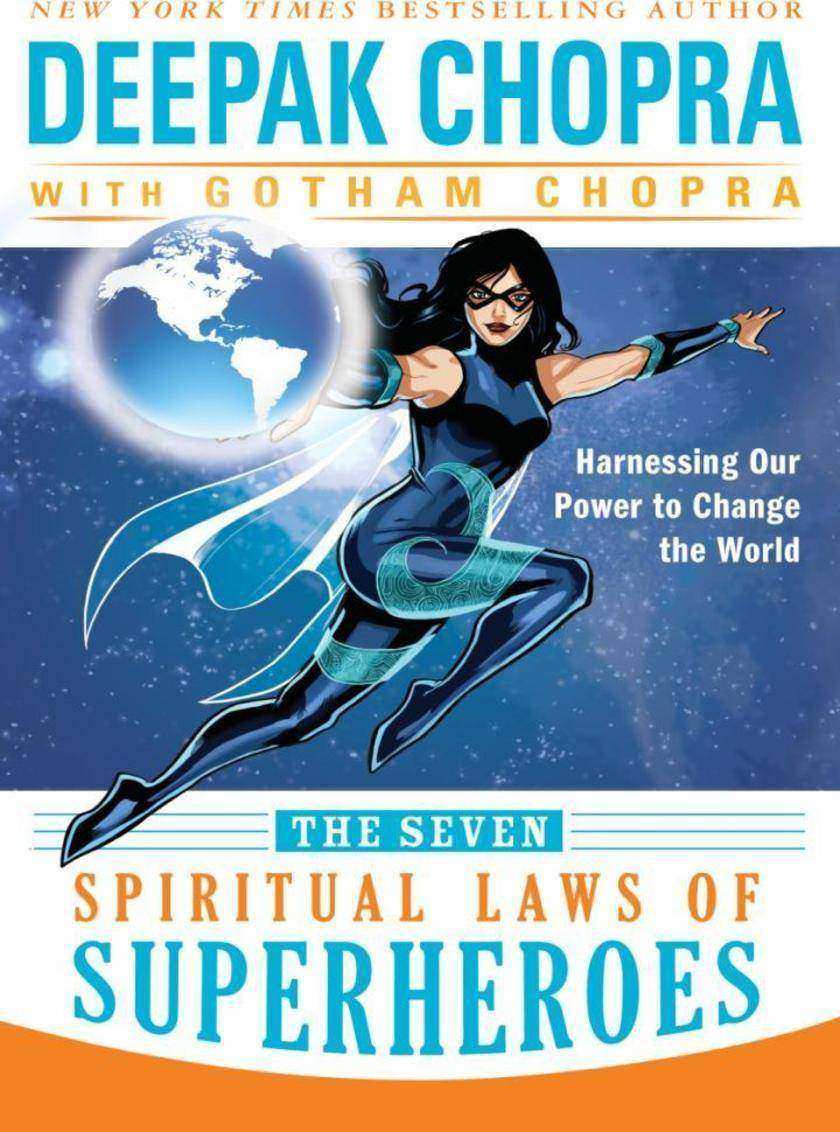
The Seven Spiritual Laws of Superheroes
¥83.03
New York Times bestselling author DEEPAK CHOPRA, with his son Gotham, expertly guides us through the seven essential laws that govern the realm of superheroes, explaining their relevance, their importance, and perhaps most important how to apply them to our daily lives. These seven transformative laws will help us all uncover greater happiness, courage, balance, creativity, compassion, and purpose.


