


 购物车
购物车 个人中心
个人中心

中国近三百年哲学史 中华书局出品
¥13.74
《中国近三百年哲学史》是蒋维乔在光华大学教授中国哲学史时的讲义。上自顾炎武,下及王国维,历述清初以至民国初年近三百年哲学思想之变迁,将近三百年哲学史划分为复演古代学术时期和吸收外来思想时期,并于每一时期之中又详列各派和各家的学说著述以作比较。
孔子语录 中华书局出品
¥10.99
亲近中国传统文化,孔子是先需要了解的人物。为此,中华书局编辑部策划组织编写了《孔子语录》一书。书中所选孔子言论全部来自儒家经典《论语》,并将选句分为道德、修养、治政之道、处世之道、学习教育和人生哲理六类。编写时,注重严谨度和实用性,既有语义探究,也有实例解读。此外,著名书法家苏士澍先生还为本书创作了二十余幅书法作品,给读者带来更佳的阅读体验。
中国哲学十讲 中华书局出品
¥14.46
本书先从整体上对中西方哲学的几个重要发展阶段和代表性思想家加以对比,而后选取了中国哲学*重要的九个流派思想,深入各派哲学文本,分别作详尽的评述,其援西入中的研究进路和精辟观点在同时期的中国哲学著作中可谓独树一帜。

因为痛了,所以哲学
¥16.90
当你觉得整个世界都背弃了你时,翻开这本书,你会发现,整个世界只是转过身去,为了酝酿一个更美的拥抱。 本书借用了柏拉图、卢梭、黑格尔、尼采、蒙田、培根、莎士比亚等著名哲学家的学说和智慧,通过解读这些哲学家的箴言,劝说我们深入窥探生活中的细小之处,共享这些伟大哲学家的思维。 木木带你每天读懂一句哲学箴言,让哲学来安慰你,就没有人能伤害你,没有事能困扰你。 有的人会问:“现实生活中,那些让我们不安的、烦躁的、不解的,是否都可以通过哲学的思维得到解答?” 其实,哲学并不会告诉你人生的答案,但哲学会安慰你,让你的心灵得到抚慰,不再受伤、不再抱怨、不再迷茫……
微说《论语》
¥25.00
《论语》是儒家经典著作,古人云的时代已经过去,但古人对话中的内涵却一直对我们有着深刻的影响,如何将知识吸收并且为我所用,首先是要便于理解,《微说论语》通过现实生活的语境对论语加以解读,让传诵千年的儒家经典接了地气。
真理求索历程
¥4.34
这些天我一直在反省自己:我的二元中和理论真的像以杨振宁先生为代表的学术权威所鄙视的那样,是伪真理吗?是地地道道的唯心主义吗?如果真是那样,我可要悬崖勒马呀!我在沉沉的思索、体验之中……
孟子 中华书局出品
¥17.15
本书汇集了钱逊先生研究《孟子》的学术成果,对《孟子》全文做了完整的翻译和系统的讲解。全书分为两部分,导读部分重讲述了孟子其人其书、《孟子》思想的主要内容和研读《孟子》的具体方法、注意事项等。解读部分注释力求简要,译文紧贴经典原义,讲解深浅出,在历代研究基础上精心疏解,结合新的时代精神做出作者自己的独到见解,为读者导正学习经典的方向。
大学·中庸--跟名家读经典 中华书局出品
¥7.35
本书汇集了钱逊先生研究《大学》《中庸》的学术成果,对《大学》《中庸》全文做了完整的翻译和系统的讲解。全书分为两部分,导读部分重介绍了何谓《四书》,《大学》《中庸》的基本内容和研读方法、注意事项等。解读部分注释力求简要,译文紧贴经典原义,讲解深浅出,在历代研究基础上精心疏解,结合新的时代精神做出作者自己的独到见解,为读者导正学习经典的方向。
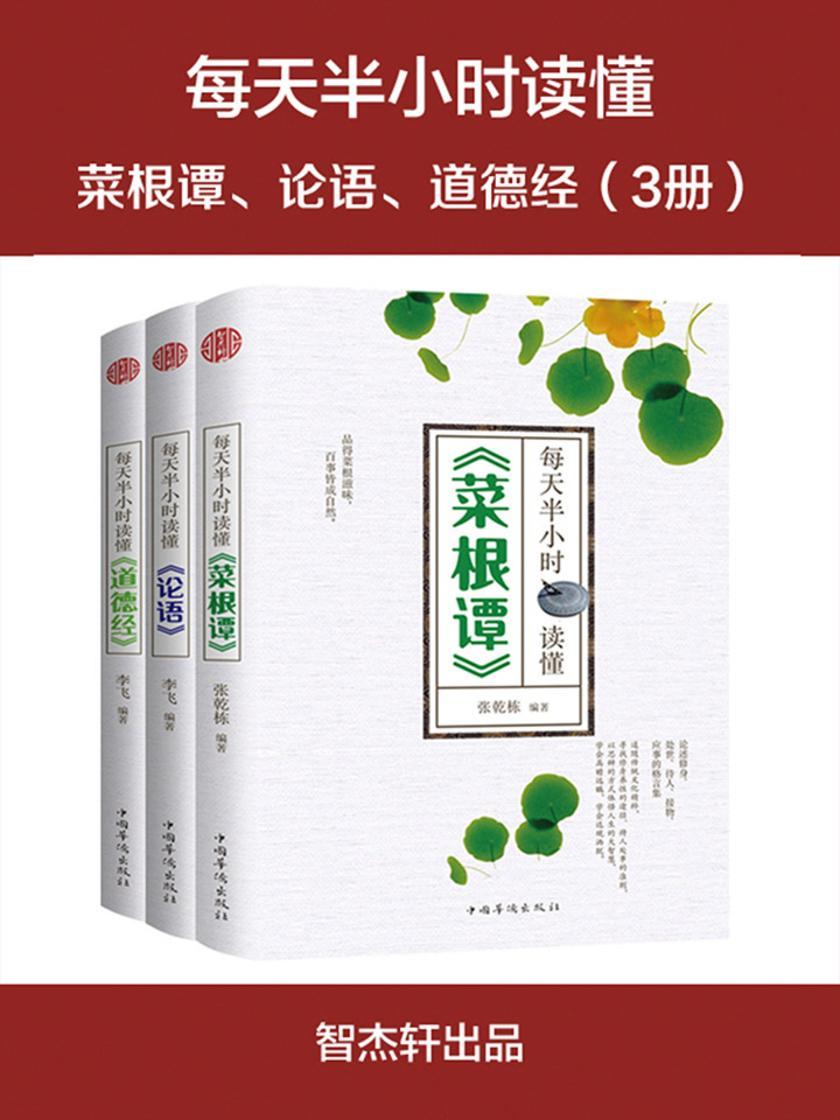
每天半小时读懂菜根谭、论语、道德经(套装共3册)
¥48.99
《菜根谭》从中国传统文化根源出发,探究人文精神、生存体悟与生活睿智,诠释人生主题,在轻松的意境中,以思辨的方式体悟人生的大智慧。为更好地帮助读者阅读,采用了原文与译文对照的编排方式,同时还附有深度解读。书中不仅有至真至纯的说理性文字,更选取了许多富有哲理的小故事,给人带来不一样的人生感悟,相信读过之后会对自己的人生有一种全新的见解。 本书选取《论语》中的精华思想行了精确细致的释义和智慧解析,汇集了孔子为人处世智慧的精髓,对于如何提高个人修养,如何在社会上立足,如何学习等问题行了深刻透彻的论述,并且还通过一个个生动的故事,让读者更加深刻地领悟孔子言论中的智慧。 本书参透了老子思想体系中丰富、精妙的智慧,以改变其对现代人思想的许多固有影响,修正现代人的思想轨迹,又能从老子智慧的言论中觉悟出许多具体的做法。本书使读者能够更好地体会和感悟两千多年前的哲人圣典,无论你是治学修身、处世待人,还是经商置业、从政为民,总能在这本书中,找到自己所需要的智慧。
鬼谷子(文字玄奥,思想深邃,堪称我国古文之林中的一朵奇葩)
¥4.99
《鬼谷子》一书是其后学者根据其言论整理而成的,这部两千多年前的谋略学巨著,是中国传统文化中的奇葩,历来被人们称为“智慧之禁果,旷世之奇书”。其思想内容十分丰富,涵盖了哲学、政治学、军事学、心理学、社会学、文学、情报学等多种学科,是一部可以被广泛解读的著作。它一直为中国乃至世界军事家、政治家和外交家所研究,现又成为当代商家的之书。它所揭示的智谋权术的各类表现形式,被广泛运用于内政,外交、战争、经贸及公关等领域,其思想深深影响今人,享誉海内外。
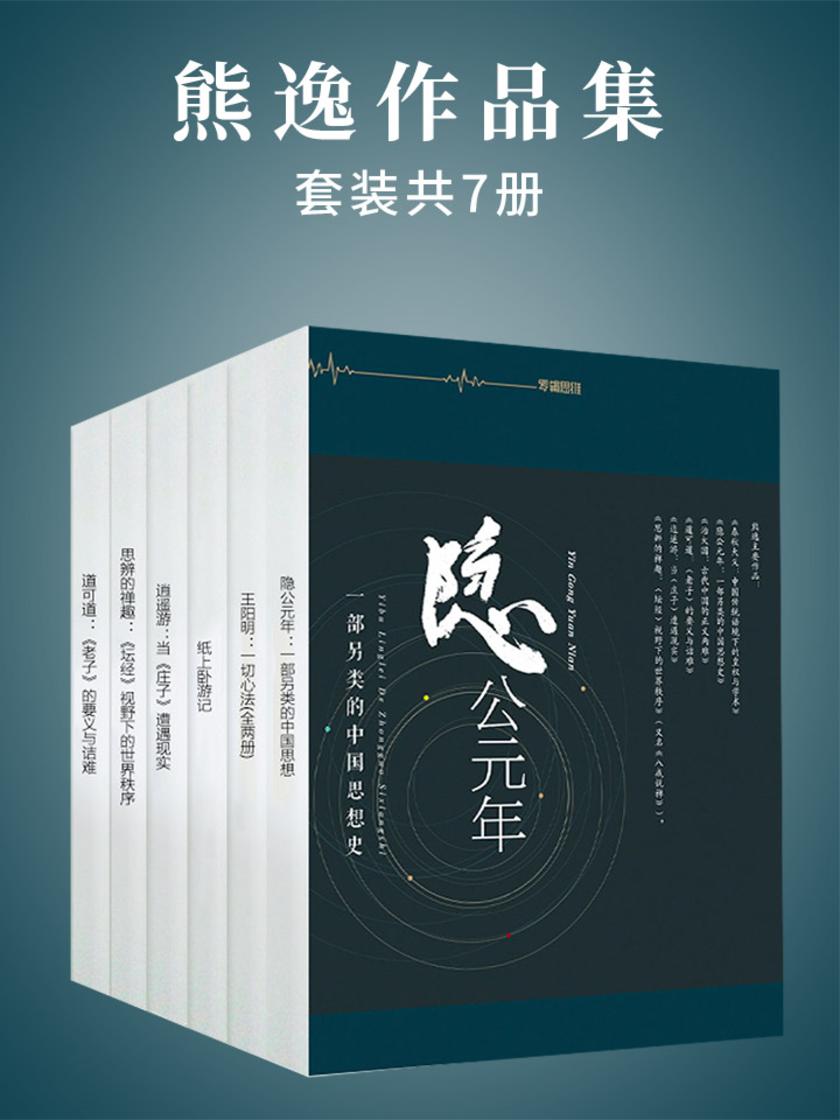
熊逸作品集(套装共7册)
¥129.99
本套装包含《王阳明:一切心法(全两册)》、《纸上卧游记》、《逍遥游:当《庄子》遭遇现实》、《思辨的禅趣:《坛经》视野下的世界秩序》、《道可道:《老子》的要义与诘难》、《隐公元年:一部另类的中国思想史》共7册
王阳明:一切心法(全两册)(一本让你真正走进王阳明的大书,罗辑思维创始人罗振宇赞赏推荐,中国当代思想隐士熊逸,沉浸十年心血力作
¥18.99
王阳明:一切心法(全2册) ,分别是《王阳明:一切心法(上册)》和《王阳明:一切心法(下册)》。 普通读者罕有知道,王阳明原是一个被翻案的奸佞。《明实录》里的王阳明不但奸邪,还很有几分色厉内荏的丑态,是一个墙头草一般的投机分子。他纵兵屠城,窃夺他人战功,散布异端邪说蛊惑人心,以邪教教主的姿态享受着信徒的阿谀与供奉。 乃至清朝编修《明史》,才算是以新一代的官修正史为王阳明做了正式的翻案。而在王阳明弟子们谦卑写就的私史里,他又仿佛头顶光环的圣徒,有神鬼莫测之能,每每还有灵异的奇遇。 于是我们每个人对王阳明的态度,往往取决于自己对史料的采信方式以及认知误区之有无或多寡。是的,这本身就是一件很有趣、很耐人寻味的事情。
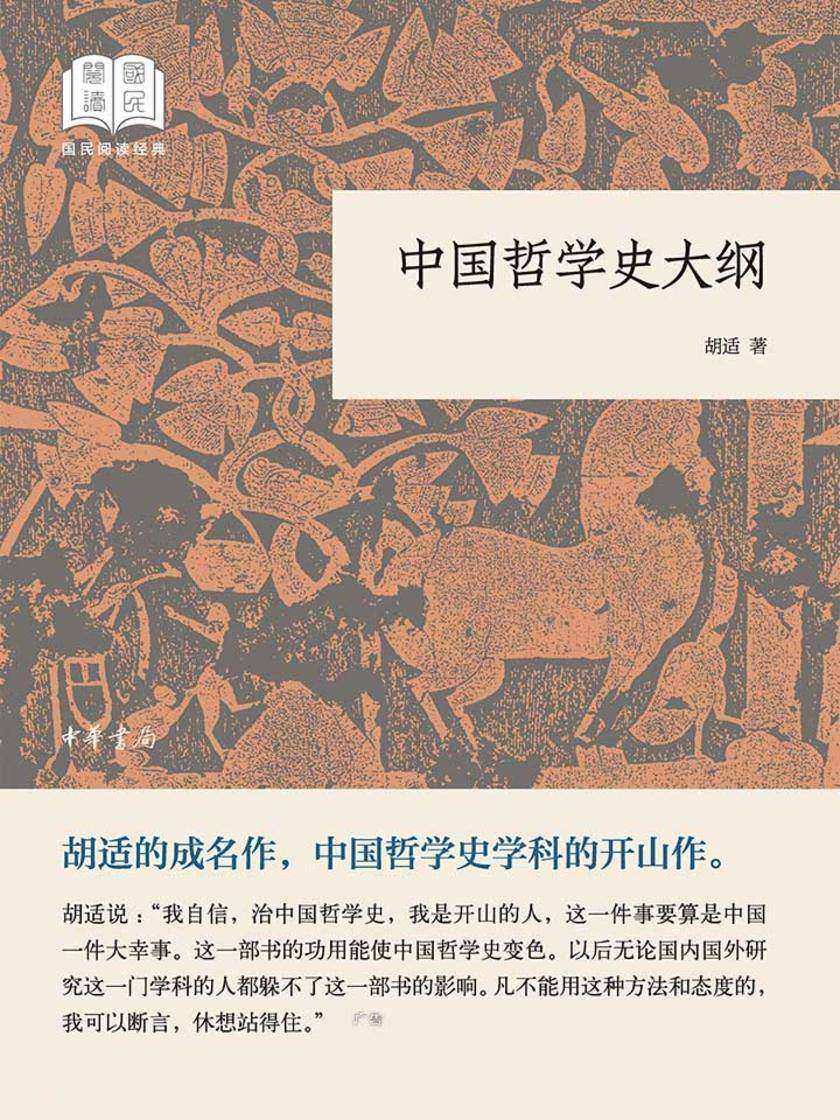
中国哲学史大纲--国民阅读经典(平装) 中华书局出品
¥9.10
《中国哲学史大纲》为胡适所作,是中国学者运用现代学术方法系统研究中国古代哲学史的*部著作。它的出版被视为中国哲学史学科建立的标志。它所获得的赞誉无以复加,不但被视为一本划时代的著作,而且被誉为“五四”新文化运动的一个积极成果,是中国思想史研究的山之作,为胡适的学术地位奠定了一块不可撼动的基石。

焚书全二册-中华经典名著全本全注全译精 中华书局出品
¥39.24
《焚书》又称《李氏焚书》,共六卷,为明朝晚期思想家李贽于万历十八年(1590年)64岁高龄时所著。收录了书答、杂述、读史等文章及诗作,体现了李贽的政治思想和哲学思想,是我们研究李贽生平和思想的重要著作。在该书中,李贽对儒家经典和假道学家行了猛烈批评,表现出反封建压迫、反传统思想的斗争精神。其中也有一些在佛教思想影响下写出的谈佛论道之文,表现出作者思想的复杂性。该书出版后,历遭封建统治者的查禁焚毁。但禁者自禁,传者自传,《焚书》仍有多种版本传世。此次出版的《焚书》是“中华经典名著全本全注全译丛书”的一种,是面向广大读者的经典普及版本。注释精准,译文简明。

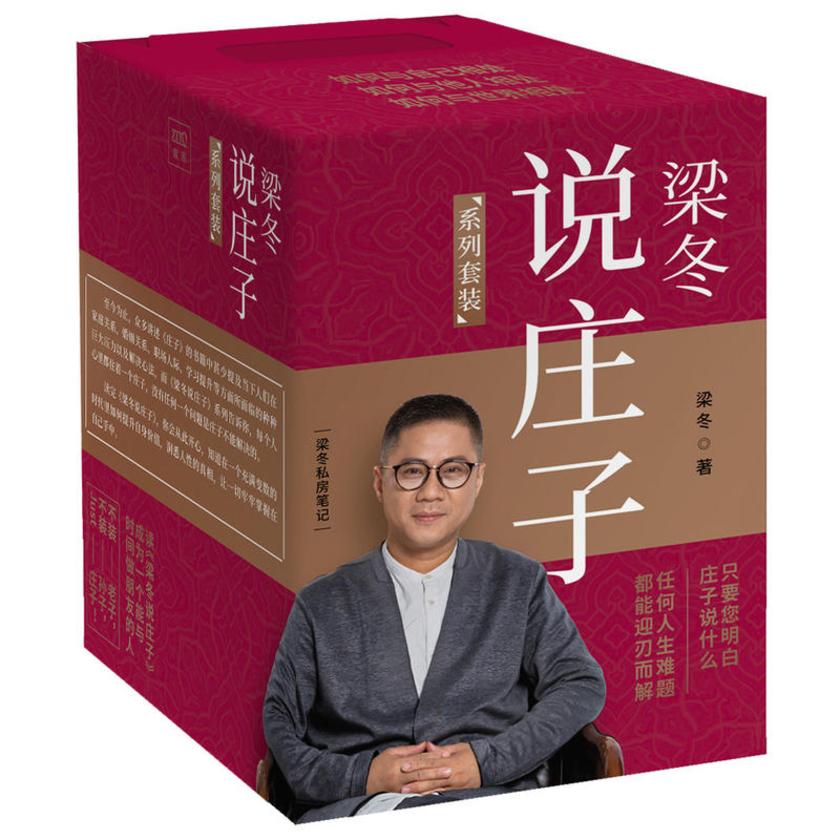
梁冬说庄子系列(套装共6册)
¥159.99
至今为止,众多讲述《庄子》的书籍中甚少提及当下人们在家庭关系、婚姻关系、职场人际、学习提升等方面所面临的种种巨大压力以及解决心法,而“梁冬说庄子”系列告诉您,每个人心里都住着一个庄子,没有任何一个问题庄子不能解决的。这是一套能让您人生格局更大的生命思维全景导图,只要您明白庄子说什么,任何人生问题都能迎刃而解。 满世界都在讲《庄子》,为什么要听“梁注”版:梁冬的注解和诠释让庄子从古籍走入当下,让庄子从文字化为生活。《庄子》是永不过时的自在法门,梁冬在和大家一起学习《庄子》的过程中,用AR、VR、统一场论、价值投资理论……重新注解庄子的故事。 本系列是梁冬继《黄帝内经说什么》之后,延续逐字逐句解读经典的风格,为您讲述如何与人相处、与自己相处、与世界相处的国学智慧经典。 读完本系列,你会从此开心,知道在当下充满变数的时代里如何提升自身价值,会洞悉人性的真相,不再受各种情绪的牵引,让一切牢牢掌握在自己手中。 “庄子说什么”系列丛书目前涵盖书目有:《梁冬说庄子·人间世》《梁冬说庄子·养生主》《梁冬说庄子·齐物论》《梁冬说庄子·德充符》《梁冬说庄子·大宗师》《梁冬说庄子·应帝王》,梁冬解读《庄子》其他篇目书籍即将陆续上市。
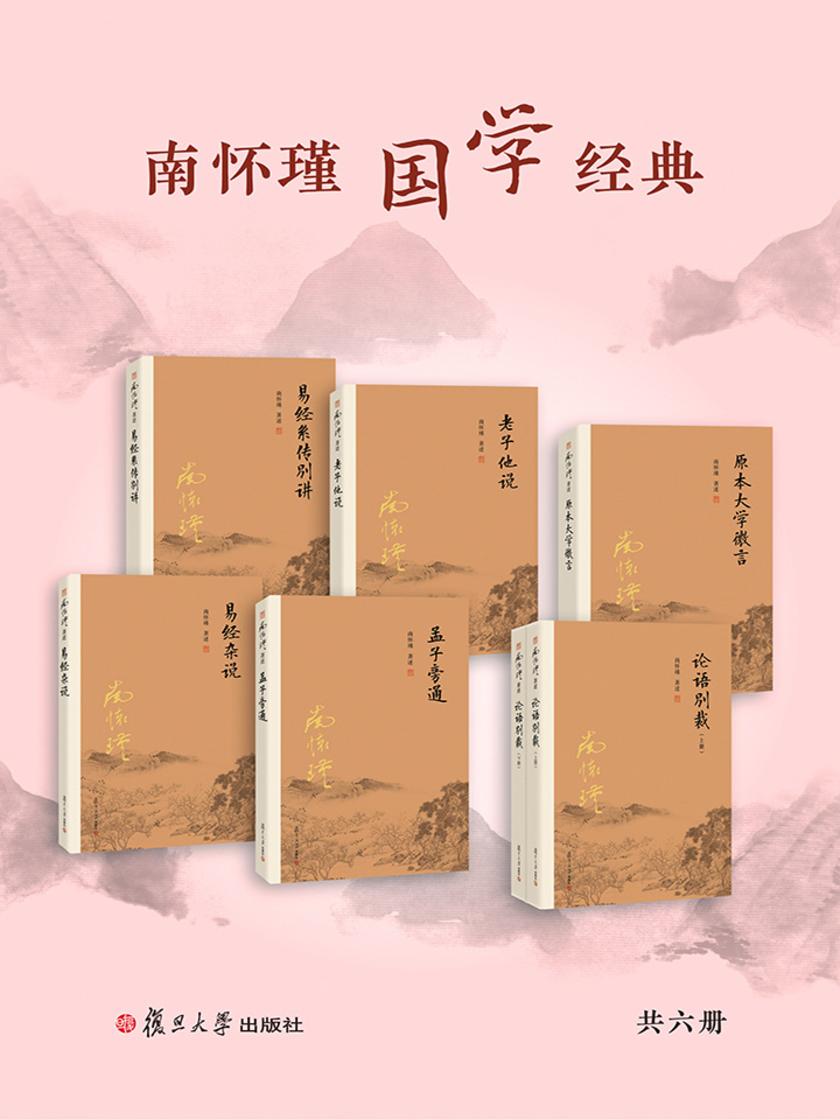
南怀瑾国学经典合集6册(论语别裁(上下册)+易经杂说+易经系传别讲+老子他说+孟子旁通原本大学微言)
¥119.99
南怀瑾国学经典合集6册,分别是论语别裁(上下册)+易经杂说+易经系传别讲+老子他说+孟子旁通原本大学微言。 《论语别裁》,是一本关于《论语》的讲演录。书中对《论语》二十篇的每一段原文,都作了详细而又生动的讲述。不仅有篇章结构、段落联结上的提示,而且有原文义旨以及所涉人文掌故的阐发。尤为新颖的是,作者将对原文的串讲撮编为一个个历史故事,蕴意深邃而妙趣横生,这在众多的《论语》章疏中是别具一格的。 《老子》,又名《道德经》,是我国道家学派和道教*著名的一部经典。它综罗百代,广博精微,短短的五千文,以“道”为核心,建构了上至帝王御世、下至隐士修身、蕴涵无比丰富的哲理体系。 本书是著名学者南怀瑾先生关于《老子》的讲记。作者以深厚的文史功底,敏锐的社会洞察力,对《老子》的内涵做了充分的阐释、辨证和引述。具有深入浅出、明白通畅的特点。在普及中国传统文化、使深奥的古籍通俗化、专门的学术大众化方面,做了有益的探索。 《孟子》的讲记。作者采用“经史合参”的方法,以《孟子》的原文为“经”,春秋战国的社会背景、人物活动为“史”,并配合其他种种历史故事和社会现象,对孟子立身处世的人格及其思想影响,做了透彻的讲述。使读者能在谈笑风生的气氛中,轻松而又深刻地领受中国传统文化的熏习,增长文史知识,获取人生智慧。书末附有历代《孟子》研究书目。 《易经》(又名《周易》)是我国*古老的一部占筮书,同时也是一部凝结着远古先民睿智卓识的哲学著作。它以象征阳的“—”(又称“阳爻”)和象征阴的“——”(又称“阴爻”)为基本符号,以八卦(每一卦由三爻组成)及由八卦中任意两卦交相叠合而成的六十四卦(每一卦由六爻组成)为基本图形,通过对这些卦象的解释,阐述了事物和现象生成变化的法则。 本书是著名学者南怀瑾先生有关《易经》的讲记。其中,前部分主要介绍了《易经》的一般知识,以及与之相关的一些问题。后部分着重解释了六十四卦(始“乾卦”,终“未济卦”),而以对“乾卦”的解说为zui详。内容包括:卦名、卦辞、爻辞,以及解释它们的《彖辞》《象辞》《文言》等。具有深入浅出、通俗易晓的特点。
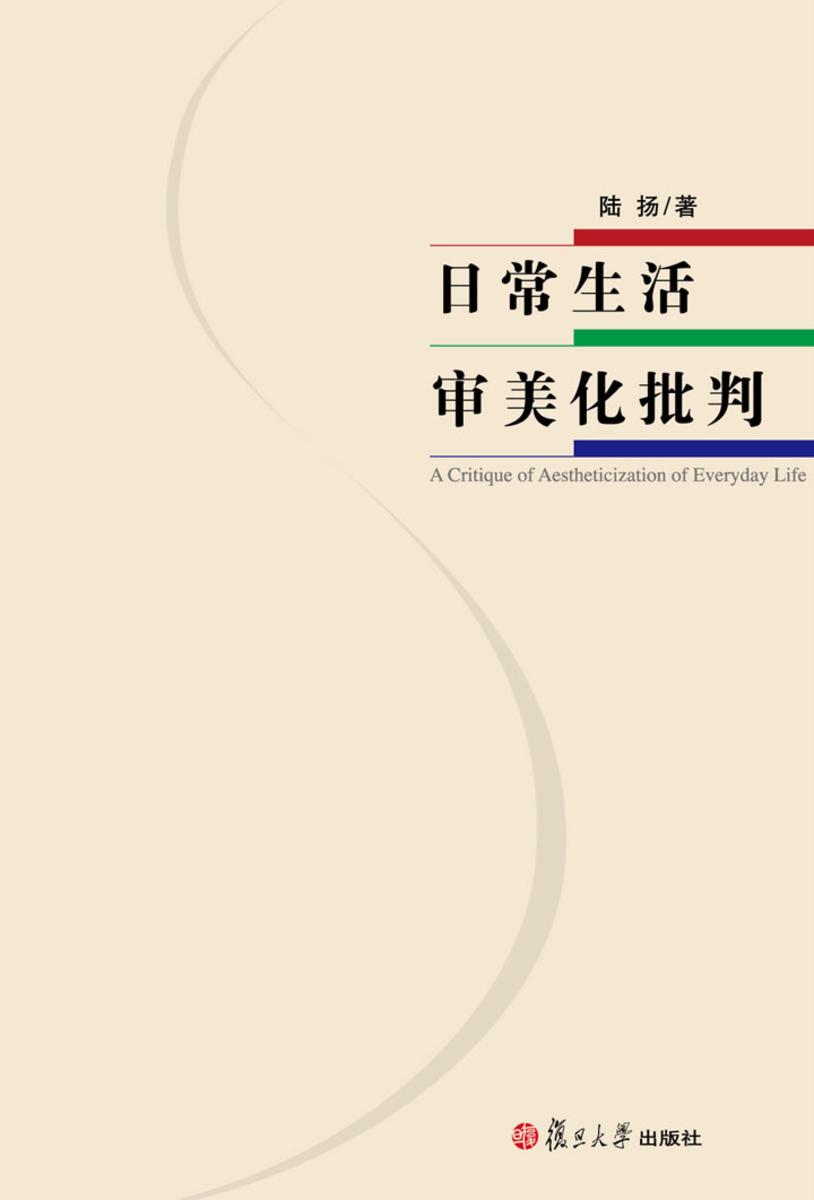
日常生活审美化批判
¥16.80
本书是国内部系统论述“日常生活审美化”(aestheticizationofeverydaylife)问题的学术论著。日常生活审美化可视为对后现代都市生活的一种概括。一般来说,它的含义包括消解艺术与生活的界限、生活反过来模仿艺术,以及消费文化将日常生活拟像化,显示一种布尔乔亚和波西米亚两相结合的“布波”族趣味等。本书以文化研究的西学东渐和本土化努力为线索,对新世纪以来围绕日常生活审美化的论争,以及有关的西方理论资源作了梳理。本书提倡在日常生活的常态中发掘艺术的潜质,而不是一味为现代都市
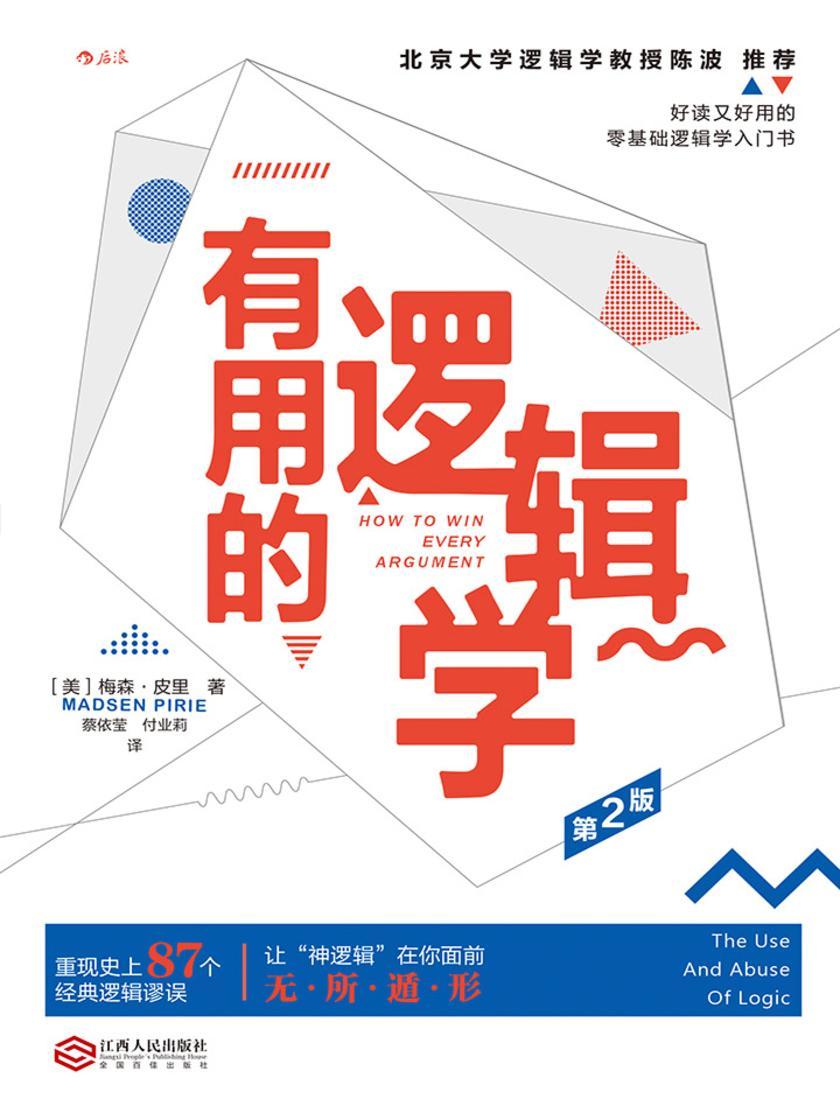
有用的逻辑学(好读又好用的零基础逻辑学入门书,从常见的言语中挖出逻辑漏洞,战胜“奇葩说”。)
¥29.84
这是一本关于常见逻辑谬误的鉴定手册。 全书逐条列出了在生活中常见的87种逻辑谬误类型,并将这些谬误分为5大类,包括1类形式谬误及4类非形式谬误,讨论了谬误发生的不同原因和条件,结合情景化的案例和对话,展现了谬误在应用中的丰富语境,并且不时穿插辛辣评。全书角度独到,语言生动易懂,是思维逻辑与语言文字之间严肃而奇妙的一场化学反应。 读罢全书,你可以习得如何在巩固自己论证的同时削弱他人论证的技能,跳出逻辑陷阱,找到理性思考之门的一把钥匙,在生活、工作与学习中能言善辩、心明眼亮。
庄子新注 中华书局出品
¥29.75
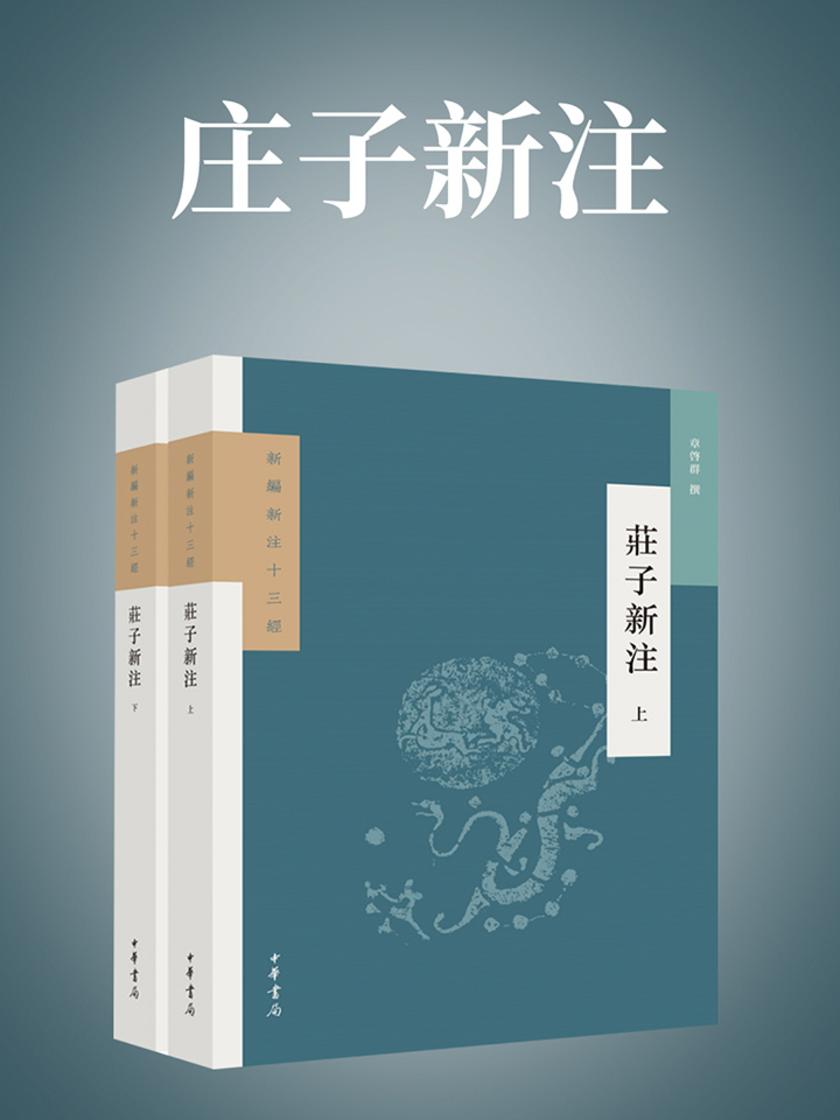
《庄子新注》是袁行霈先生主编的《新编新注十三经》之一种。此次新注,以《续古逸丛书》影印宋合刊本《南华真经》为底本,以黎庶昌刊刻《古逸丛书》覆宋本《庄子注疏》为主要校本,并择要吸收郭象、成玄英、王先谦、郭庆藩、钱穆、王叔岷、陈鼓应等古今学者的校勘和注释成果,疏通重字词,抉发哲学奥义,对深理解《庄子》的哲学观极有帮助。
别笑,我是正经哲学书
¥3.99
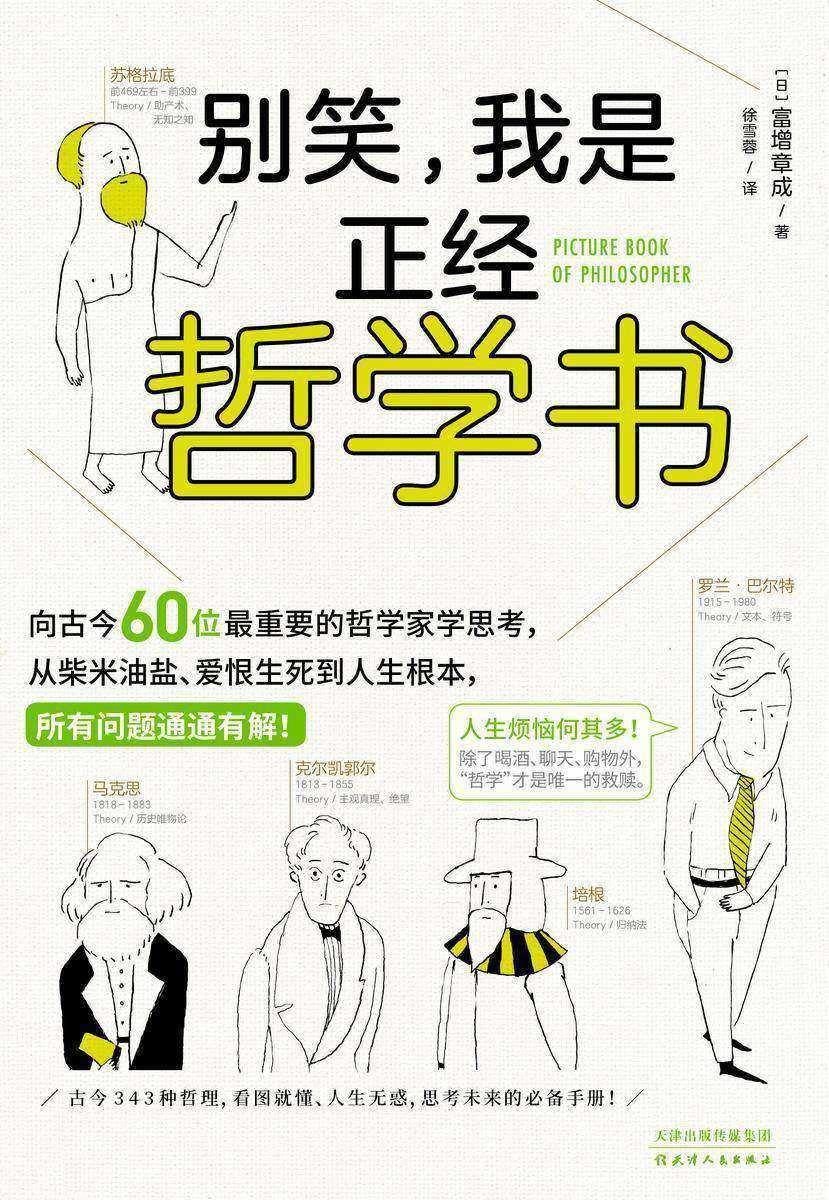
人生烦恼何其多! 除了喝酒、聊天、物外,“哲学”才是*的救赎。 跟人借的东西一定要还吗? 解梦专家的话可以相信吗? 一辈子不结婚也没关系吗? 你想得到、想不到的问题,这里通通有解! 精选60个生活议题,搞怪分析,不正经解答(但我们确实是正经的哲学书呢!)! 柏拉图、亚里士多德、释迦牟尼、卢梭、叔本华、佛洛伊德、荣格、阿德勒等, 世界知名的哲学家们穿越时空,帮你快速找到人生答案。 1. 为什么画不出正确的三角形? → 柏拉图说:这世上本来就不存在完美的和线,只有理论上的和线。 2.有钱就会幸福吗? → 伊壁鸠鲁说:幸福与否,不应该受物质欲望左右没想要获得幸福,只要排除不幸就好了! 3.生活中都是些令人火大的事! → 芝诺说:人生就是“克苦”的修行,越忍耐内心就能越坚强。 4. 如果当时那样做就好了…… → 斯宾诺莎说:一切现象的发生都有其必然性,不管重来几次,结果都一样!
梁冬说庄子·德充符
¥9.99
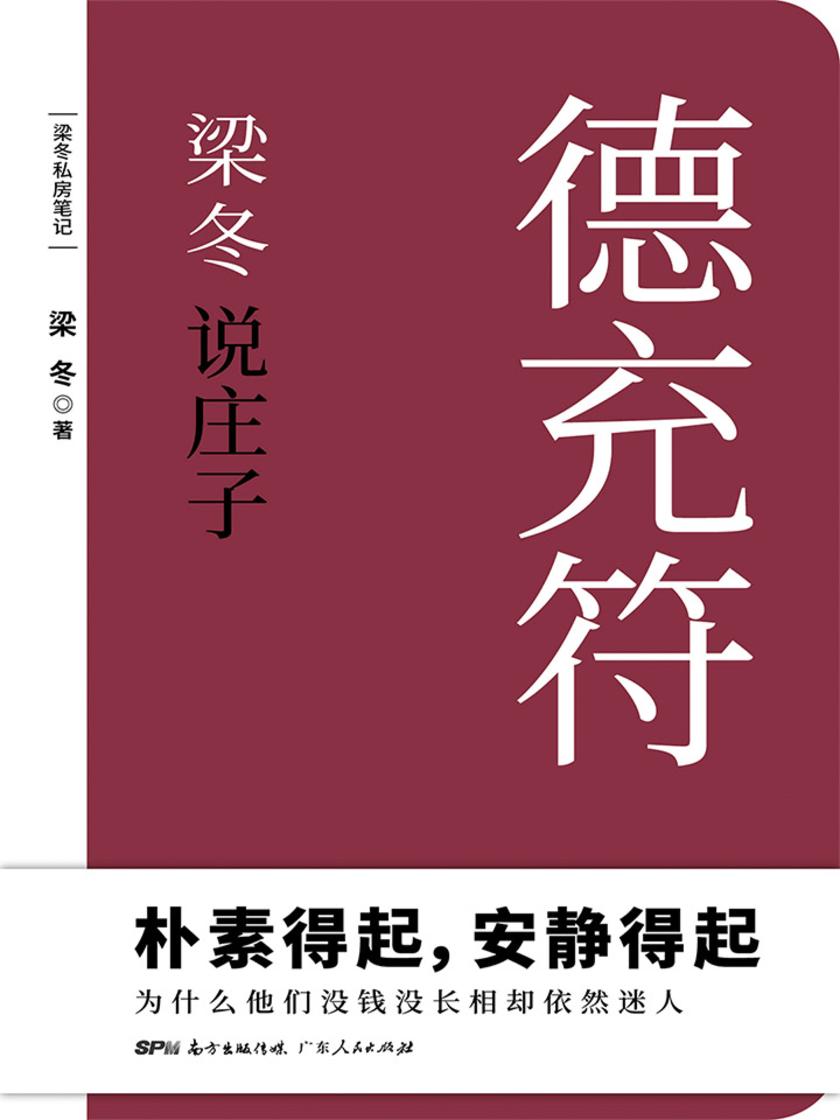
《德充符》基本上讲的是一些长得可能也不是很好看,身体也不是很健全,也没有什么钱,但却超级有魅力的人的故事。 在《德充符》里,庄子塑造了一个又一个现实社会中的所谓不堪者,并赋予他们精神的能量:国王请他们当宰相,他们不去;女人自己送上门来,他们不要;男人追随他们,他们也不允许。就连当时已经是超级大V、万众青年创业领袖的孔子,也觉得他们了不起。 这个世上,有种人既不受制于自己的形象,也不受制于自己的情绪,更不受制于自己过往的历史,甚至不受制于别人对他的看法,身上拥有一种特别的定力——朴素得起,安静得起。这就是“德充符”里的人。


