


 购物车
购物车 个人中心
个人中心

Best Practices: Achieving Goals
¥72.70
Aiming high is essential to success. But by following through and completing what you've set out to do, you can truly outperform your competitors. Achieving Goals, a comprehensive and essential resource for any manager on the run, shows you how.Learn to: Set smart and challenging goals for yourself and your employees Create a goal-focused environment Help employees meet their objectives Anticipate and overcome obstacles Measure progress and stay on track to achieve success The Collins Best Practices guides offer new and seasoned managers the essential information they need to achieve more, both personally and professionally. Designed to provide tried-and-true advice from the world's most influential business minds, they feature practical strategies and tips to help you get ahead.

Freakonomics Rev Ed
¥167.88
Which is more dangerous, a gun or a swimming poolWhat do schoolteachers and sumo wrestlers have in commonHow much do parents really matterThese may not sound like typical questions for an economist to ask. But Steven D. Levitt is not a typical economist. He studies the riddles of everyday life—from cheating and crime to parenting and sports—and reaches conclusions that turn conventional wisdom on its head. Freakonomics is a groundbreaking collaboration between Levitt and Stephen J. Dubner, an award-winning author and journalist. They set out to explore the inner workings of a crack gang, the truth about real estate agents, the secrets of the Ku Klux Klan, and much more. Through forceful storytelling and wry insight, they show that economics is, at root, the study of incentives—how people get what they want or need, especially when other people want or need the same thing.
Career Building
¥95.39
Your one-stop guide to finding a job, navigating the corporate ladder, and leaving when the time is rightDid you know that: 60% of hiring managers will offer a higher salary if asked14% of workers have used happy hour to get ahead66% of businesses monitor Internet use77% of workers feel burnout on the jobFrom the experts at CareerBuilder.com, America's largest online job site, comes a complete handbook for career domination. Whether it's answering the questions the interviewers are really asking, making the most of your performance reviews, or quitting with great references and without burning bridges, Career Building explains it all. This book offers everything from job hunting basics to hiring manager secrets, office survival advice to career change suggestions, workplace statistics to sample resignation letters, and more. Whether you're looking for your first job or your fortieth, or you're just eager to move up the ranks at your current company, this is the one and only guide you need to create the career you've always wanted.
Getting from College to Career
¥78.55
How do you get a job without experience and get experience without a jobIt's the question virtually every college student or recent graduate faces. In Getting from College to Career, Lindsey Pollak offers the first definitive guide to building the experience, skills, and confidence you need before starting your first major job search. Her 90 action-oriented tips include strategies ranging from the simple to the expert, including: Avoid the biggest mistake in career prep and job hunting Subscribe to a daily newspaper E-mail like a professional Make every event a networking success Practice the eight essentials of internship achievement Perform five minutes of stand-up Overprepare for interviews Persist Getting from College to Career gives you the essential information and guidance you need to get your foot in the door of the real world. Don't start your first job search without it!

Taken for a Ride
¥94.10
Here is the book that exposed the Daimler-Chrysler "merger of equals" as a bold German takeover of an industrial icon. Taken for a Ride reveals the shock waves felt around the world when Daimler-Benz bought Chrysler for $36 billion in 1998. In a gripping narrative, Bill Vlasic and Bradley A. Stertz go behind the scenes of the defining corporate drama of the decade -- and in a new epilogue chart its chaotic aftermath.
Who Killed Change?
¥123.10
Who Killed ChangeSolving the Mystery of Leading People Through Change Every day organizations around the world launch change initiatives often big, expensive ones designed to improve the status quo. Yet 50 to 70 percent of these change efforts fail. A few perish suddenly, but many die painful, protracted deaths that drain the organization's resources, energy and morale.Who or What Is Killing Change?That's what you'll find out in this witty whodunit. The story features a Columbo-style detective, Agent Mike McNally, who's investigating the murder of yet another change. One by one, Agent McNally interviews thirteen prime suspects, including a myopic leader named Victoria Vision; a chronically tardy manager named Ernest Urgency; an executive named Clair Communication, whose laryngitis makes communication all but impossible; and several other dubious characters.The suspects are sure to sound familiar and you're bound to relate them to your own workplace. In the end, Agent McNally solves the case in a way that will inspire you to become an effective Change Agent in your own organization.A step-by-step guide at the back of the book shows you how to apply the story's lessons to the real world. Key questions help you evaluate the health of your organization's change initiatives, and you'll learn best practices for enabling and sustaining the desired change.
Starring You!
¥84.82
Today, with thousands of TV hours to fill, there's room on television for virtually every product, service, and personality and no one understands that better than producers Marta Tracy and Terence Noonan. Their one-of-a-kind handbook shows you how to make your dreams of on-screen success come true whether that dream is to appear on reality television, to showcase your catering skills on The Martha Stewart Show, to promote your flower shop on a local morning show, or to launch a thousand different TV-centered personal or professional goals. Starring You! outlines everything you need to market your business, product, point of view, or yourself, including: How to write the perfect pitch How to build and maintain relationships with producers How to become a regular guest . . . or even the host of your own show
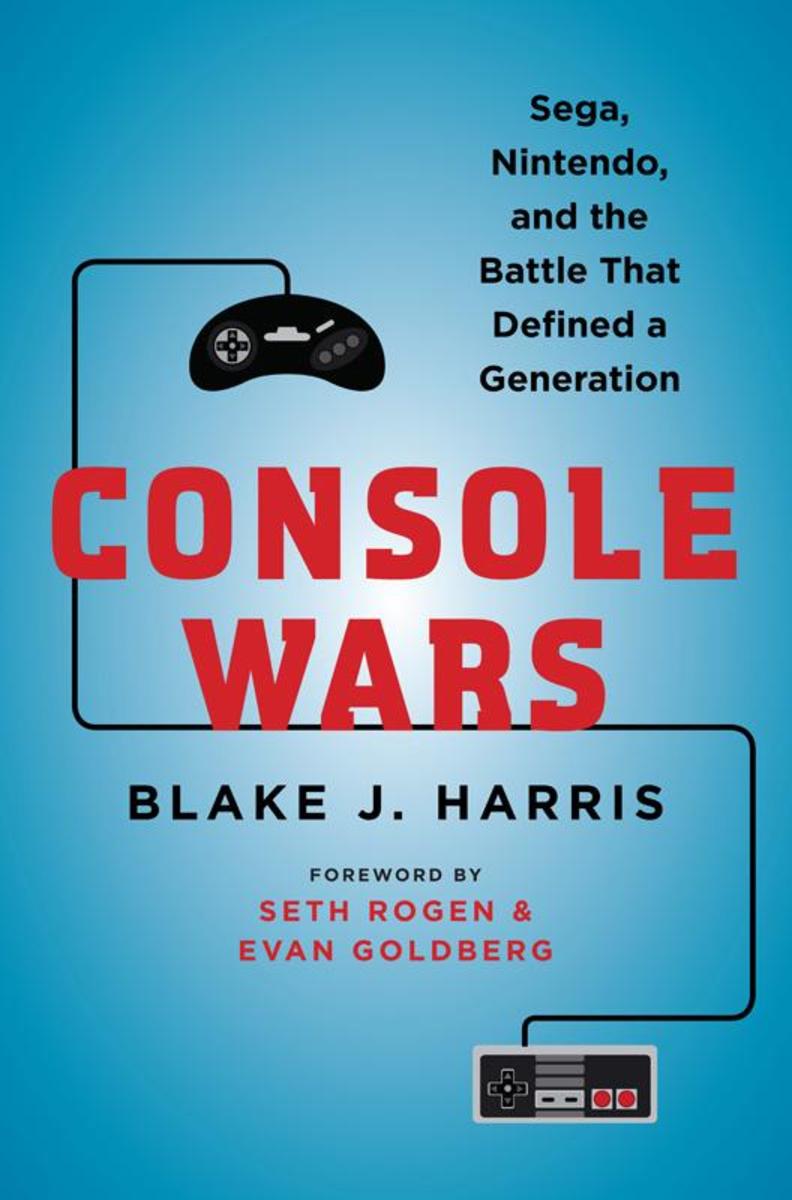
Console Wars
¥111.91
A mesmerizing, behind-the-scenes business thriller that chronicles how Sega, a small, scrappy gaming company led by an unlikely visionary and a team of rebels, took on the juggernaut Nintendo and revolutionized the videogame industry in development as a feature film from Sony PicturesIn 1990, Nintendo had a virtual monopoly on the videogame industry. Sega, on the other hand, was just a faltering arcade company with big aspirations and even bigger personalities. But all that would change with the arrival of Tom Kalinske, a former Mattel executive who knew nothing about videogames and everything about fighting uphill battles. His unconventional tactics, combined with the blood, sweat, and bold ideas of his renegade employees, completely transformed Sega and led to a ruthless, David-and-Goliath showdown with Nintendo. Little did he realize that Sega's success would create many new enemies and, most important, make Nintendo stronger than ever.The battle was vicious, relentless, and highly profitable, eventually sparking a global corporate war that would be fought on several fronts: from living rooms and school yards to boardrooms and Congress. It was a once-in-a-lifetime, no-holds-barred conflict that pitted brother against brother, kid against adult, Sonic against Mario, and the United States against Japan.Based on more than two hundred interviews with former Sega and Nintendo employees, Console Wars is the tale of how Tom Kalinske miraculously turned an industry punch line into a market leader. Blake J. Harris brings into focus the warriors, the strategies, and the battles and explores how they transformed popular culture forever. Ultimately, Console Wars is the story of how a humble family man, with an extraordinary imagination and a gift for turning problems into competitive advantages, inspired a team of underdogs to slay a giant and, as a result, give birth to a sixty-billion-dollar industry.
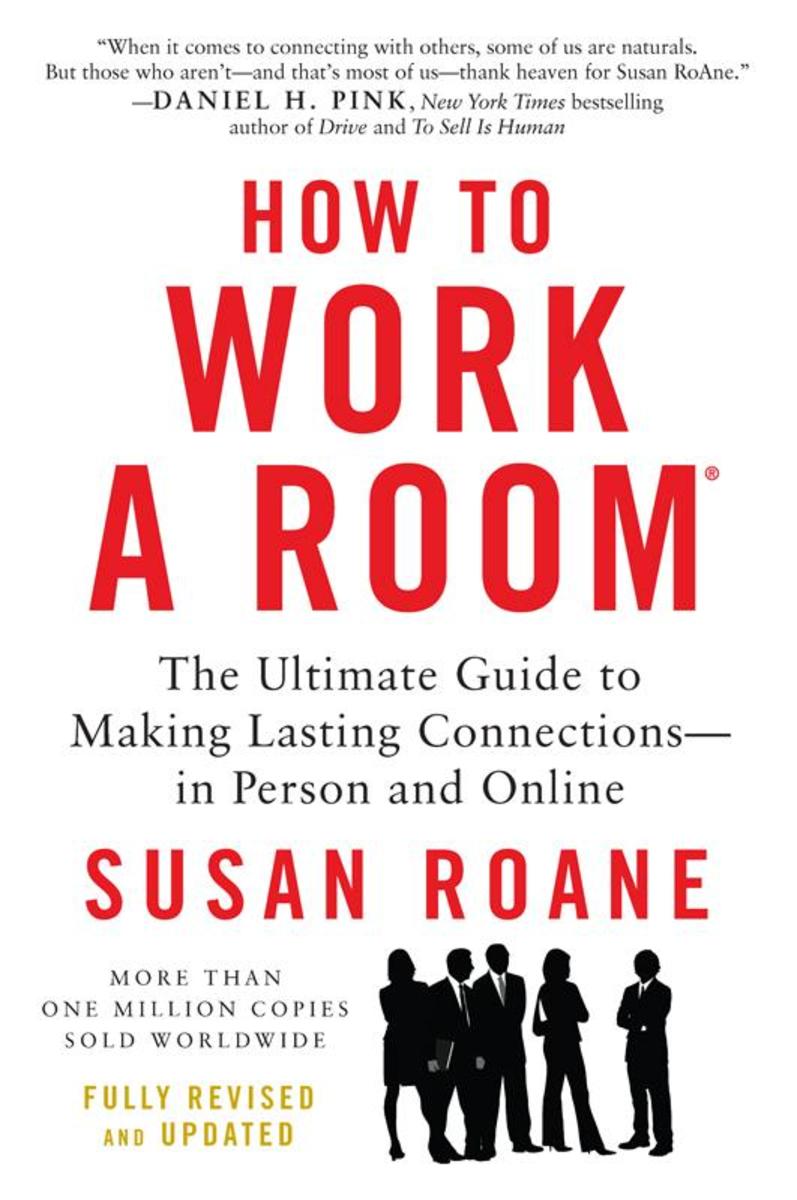
How to Work a Room, 25th Anniversary Edition
¥88.56
The classic bestseller on socializing now fully updated for social interactions in a digital ageHow to Work a Room is the classic bestselling book on improving communication and socializing skills, and using them to create and leverage connections. This Silver Anniversary Edition is fully revised and updated to include the role of technology and social media in networking, as well as Susan RoAne's proven tips for using digital strategies to your advantage plus practical hints for starting conversations and strengthening rapport with strangers. How to Work a Room: The 25th Anniversary Edition is a vital tool for business professionals, job seekers and career changers of all ages.
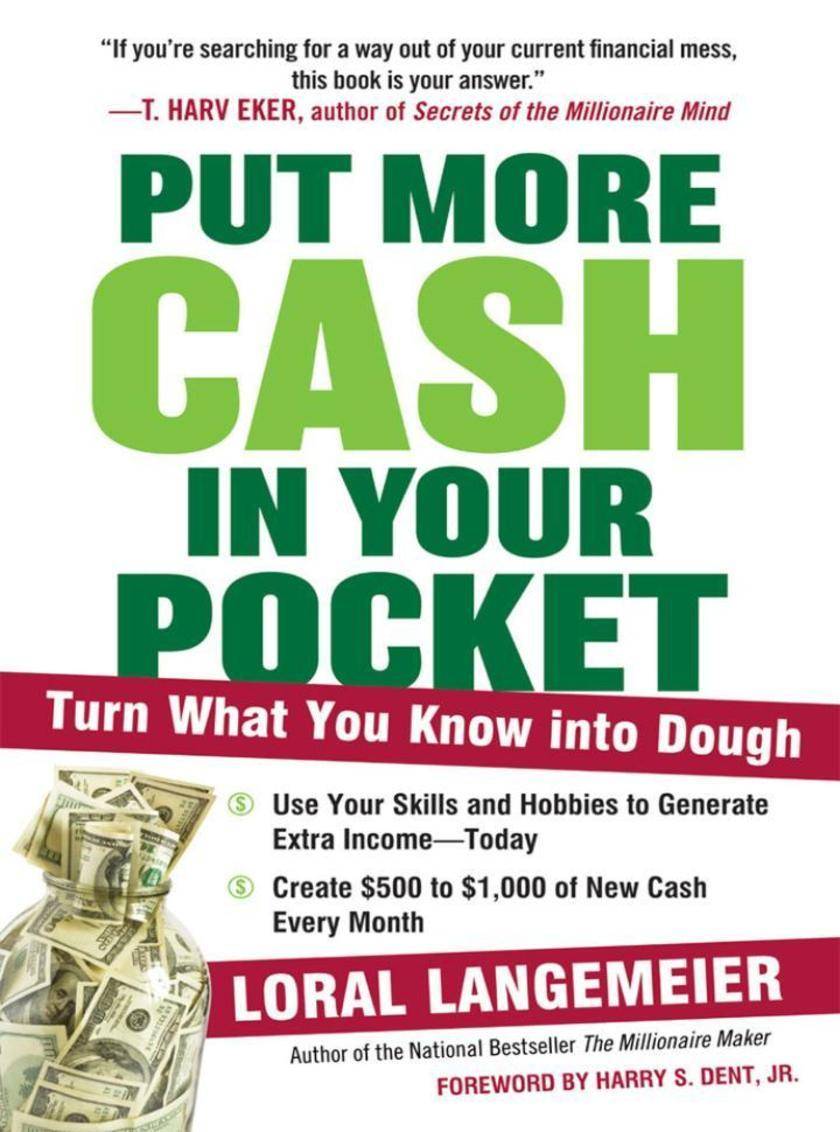
Put More Cash in Your Pocket
¥94.10
Quit worrying about debt. . . .Forget penny-pinching. . . . Stop sacrificing. . . . Forget saving money. You don't get wealthy by putting your money away in a bank account, nor do you become poor just because you bought yourself an extra latte. You get rich by making money . . . and America's leading money-making expert Loral Langemeier can show you how.A timely book with a counterintuitive message, Put More Cash in Your Pocket helps you create your own "lemonade stand" by getting paid for the things you already do. By following Loral's simple and straightforward approach, you'll put more cash as much as $1,000 a month in your pocket in no time.
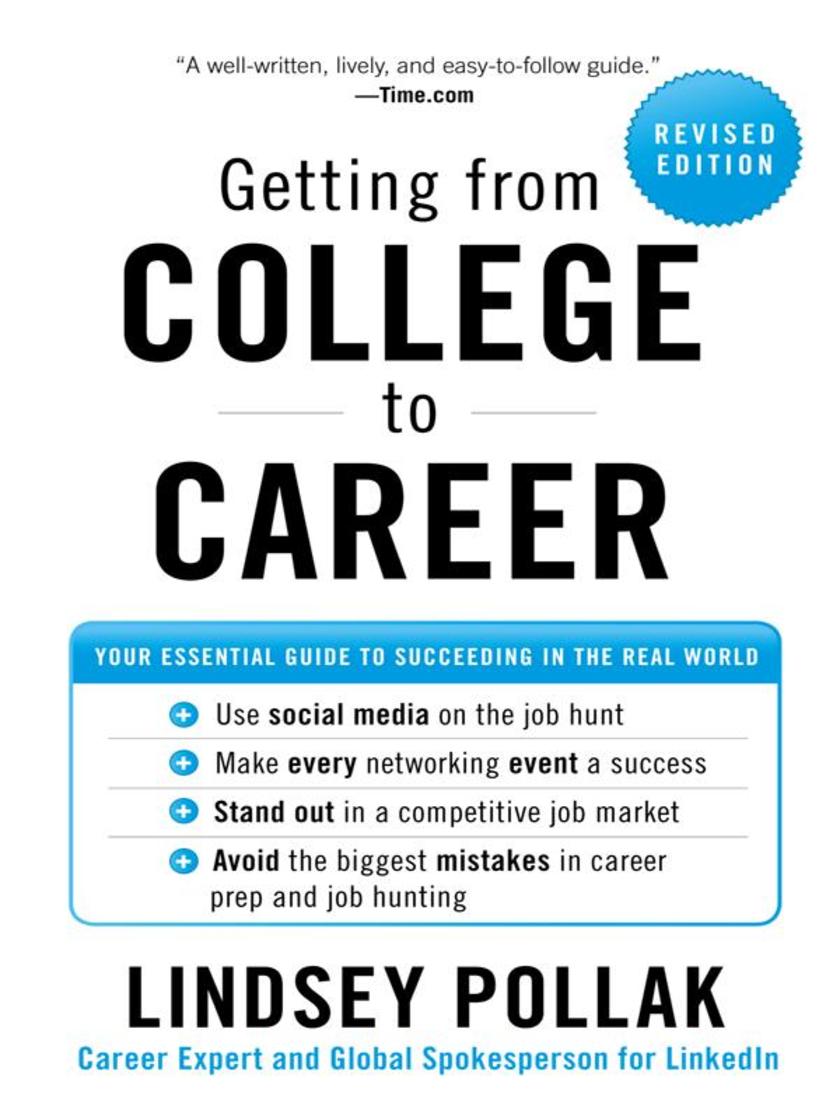
Getting from College to Career
¥99.65
Get Ready for the Real World How do you get a job without experience and get experience without a jobIt’s the question virtually every college student or recent graduate faces. Now newly revised and updated, Lindsey Pollak’s Getting from College to Career is the definitive guide to building the experience, skills, and confidence you need to succeed in the job search, offering action-oriented tips and strategies ranging from the simple to the expert. Learn how to: ?Get the best tools for career prep and job hunting ?E-mail like a professional ?Go global ?Practice the eight essentials of internship achievement ?Perform five minutes of stand-up ?Overprepare for interviews ?Persist without being a pest Getting from College to Career gives you the essential information and guidance you need to get your foot in the door of the real world. Don’t start your first job search without it!

You Can't Win a Fight with Your Boss
¥84.82
You can't win a fight with your boss.If you have ever thought otherwise, then you're dead wrong. And you're career is over, too.In this lively guide to surviving the pitfalls of the modern corporate environment, Tom Markert, a senior executive at information giant ACNielsen, presents 56 practical rules that every employee, manager, and executive must follow in order to find corporate success. With rules such as "Work hard and smart" and "Find a good boss" Markert addresses some of the most important questions facing corporate executives today. Here, in colorful and inspiring language, he offers practical advice on how to impress and make your boss look good, how to position yourself for success, and how to address work and social situations that every employee must conquer.And, most important, Markert covers the number one question in any employee's mind: How do I work with my bossHere, this book becomes an indispensable guide to corporate life. Markert draws on his experience to illustrate these rules with telling, and often funny, anecdotes about people who have not followed the rules and paid the ultimate corporate price -- failure, embarrassment, and a career stopped dead in its tracks.
Common Sense Business
¥112.00
Do you own or plan to own a small businessDo you work for a small business and desire to better understand your bossDo you know someone who owns a business and wants to be stronger, more focused, and more successfulThis is the book for you.The truth is that many business books offer a lot of wonderful sounding theories, but they have little practical application in the real world of small business. Common Sense Business is full of life-and-death ideas. Follow Steve Gottry's advice and your business will live and thrive. Ignore it and your business could founder or die. Benefit from Gottry's experience as an entrepreneur who grew a hugely successful media agency, experienced a harrowing business failure, then rebounded with a new business and a fresh start on life.Common Sense Business tells you how to succeed throughout every phase of the small business life cycle -- from starting to operating, growing, and even closing down a business. No matter the state of the economy or the maturity of your business, you will find winning solutions to the questions and situations you face every day. Steve Gottry will help you understand yourself; your employees, customers, and vendors; and how people come together to form a successful business. You will learn how to maximize your business's assets and how to ward off those threats that could eat away at your resources and peace of mind, including debt, sloppiness, addiction, and fear. Warm, honest, funny, and factual, entrepreneur Steve Gottry tells the whole truth about successfully managing a business through good times and bad.
Punk Marketing
¥101.00
The marketing revolution is here, so get on the right side of the barricade and become a part of it! Let's thank Mr. and Mrs. Consumer and their little Consumerlings who have seized power from the corporations and are now firmly in control. In Punk Marketing, Laermer and Simmons take an irreverent, penetrating look at the seismic change in the relationship between the people who sell stuff products, services, entertainment and those who purchase it. They demonstrate that to survive in business, a revolutionary approach is needed one they have branded "Punk Marketing" and it's one we all need to understand, for the traditional divisions among commerce, content, and consumers are continuing to blur ever more rapidly.Never dull, sometimes controversial, but always a helluva lot of fun, Punk Marketing presents a manifesto for any businessperson needing to engage consumers or any consumer seeking to understand and employ their newfound power. And here's the good news: It's based on principles that have existed forever. In an age of digital video recorders, "branded" entertainment, cell-phone TV, multiplayer online games, and never-ending social networking, a coherent approach to marketing has never been more vital. With Punk Marketing, there's a built-in plan to equip you with tools to make all this change work out just fine, thanks.Punk Marketing is the first shot soon to be heard 'round the world of a long-awaited and breathless uprising that businesses want, deserve, and desperately need.

Career GPS
¥84.16
The workplace is constantly in flux, and even now there are new opportunities open to women. But to take advantage of these possibilities, it's essential to know the current rules for corporate success. This isn't your father's or your mother's workplace anymore! Whether it's the CEO seat, an executive manager slot, or a more intrapreneurial position, women who follow Career GPS will have what it takes to gain their professional goals.Dr. Ella L. J. Edmondson Bell, Ph.D., an authority on career development, has worked with women across a variety of fields and in different kinds of corporations, from Fortune 500s to start-ups. Here she offers guidelines to help women forge their own pathways to professional ascent, providing tips for maximizing a review, networking in a relevant way, and much more. According to Dr. Bell: Think working hard is enough to be recognizedIt's not enough to assume your effort will speak for itself. You have to socialize with the decision makers. It might not mean you have to pick up the golf clubs, but you do have to figure out what works in your own organization. Parlez-vous Fran?isLearning MandarinIf you work for a global company and aspire to an extreme job or higher, make it known that you would take an overseas assignment to advance your career. Nowhere to go right nowEven in hard times there are options. Learn a lateral skill such as accounting so when the company is firing on all engines again, you will impress through the breadth of your knowledge. Drawing from her work as a consultant to some of the country's most prestigious Fortune 100 companies, Dr. Bell helps readers succeed at every level in a dynamic corporate marketplace. Career GPS combines Dr. Bell's academic knowledge and expertise with dozens of heartfelt first-person stories from smart women who rose through the ranks. Here is a book that will guide women of all cultures, ages, and levels of experience to their career goals.
Dealers of Lightning
¥101.00
In the bestselling tradition of The Soul of a New Machine, Dealers of Lightning is a fascinating journey of intellectual creation. In the 1970s and '80s, Xerox Corporation brought together a brain-trust of engineering geniuses, a group of computer eccentrics dubbed PARC. This brilliant group created several monumental innovations that triggered a technological revolution, including the first personal computer, the laser printer, and the graphical interface (one of the main precursors of the Internet), only to see these breakthroughs rejected by the corporation. Yet, instead of giving up, these determined inventors turned their ideas into empires that radically altered contemporary life and changed the world.Based on extensive interviews with the scientists, engineers, administrators, and executives who lived the story, this riveting chronicle details PARC's humble beginnings through its triumph as a hothouse for ideas, and shows why Xerox was never able to grasp, and ultimately exploit, the cutting-edge innovations PARC delivered. Dealers of Lightning offers an unprecedented look at the ideas, the inventions, and the individuals that propelled Xerox PARC to the frontier of technohistoiy--and the corporate machinations that almost prevented it from achieving greatness.

Getting to Yes with Yourself
¥151.10
William Ury, coauthor of the classic bestseller on negotiation Getting to Yes, has taught tens of thousands of people from all walks of life managers, salespeople, students, parents, lawyers, and diplomats how to become better negotiators. Over the years, Ury has discovered that the greatest obstacle to successful agreements and satisfying relationships is not the other side, as difficult as they can be. The biggest obstacle is actually ourselves our natural tendency to react in ways that do not serve our true interests.But this obstacle can also become our biggest opportunity, Ury argues. If we learn to understand and influence ourselves first, we lay the groundwork for understanding and influencing others. In this indispensable prequel to Getting to Yes, Ury draws deeply on his personal and professional experience negotiating conflicts around the world to present a practical method to help you get to yes with yourself first, dra-matically improving your ability to get to yes with others. Extraordinarily useful and elegantly simple, Getting to Yes with Yourself is an essential guide to achieving the inner satisfaction that will, in turn, make your life better, your relationships healthier, your family happier, your work more productive, and the world around you more peaceful.
The 1% Windfall
¥166.09
Leading pricing expert Rafi Mohammed shows businesses how to reap a financial windfall and foster growth using the underutilized and often overlooked strategy of setting prices. The 1% Windfall reveals how modest incremental changes to an everyday business practice pricing can yield significant rewards. Illustrating the power of pricing, a study of the Global 1200 found that if companies raised prices by just 1%, their average operating profits would increase by 11%. Using a 1% increase in price, some companies would see even more growth in percentage of profit: Sears, 155%; McKesson, 100%; Tyson, 81%; Land O'Lakes, 58%; and Whirlpool, 35%.The good news is that better pricing is more than simply raising prices. Instead, the key is to offer customers a variety of pricing options. This strategy is win-win: profits to companies and choices for consumers. But how do executives and managers set the right priceUnderpinned by sound empirical research and real-life anecdotes, The 1% Windfall addresses this fundamental question. This book offers guidelines that any company whether a multinational conglomerate, a small business, or even a nonprofit can follow to create a comprehensive pricing strategy for any product or service. In addition, these versatile techniques and tools provide solutions to avert a slump in a recession, offset the impact of inflation, or battle a new competitor. The result is a mind-opening, clear blueprint for com-panies to price for profit and growth.
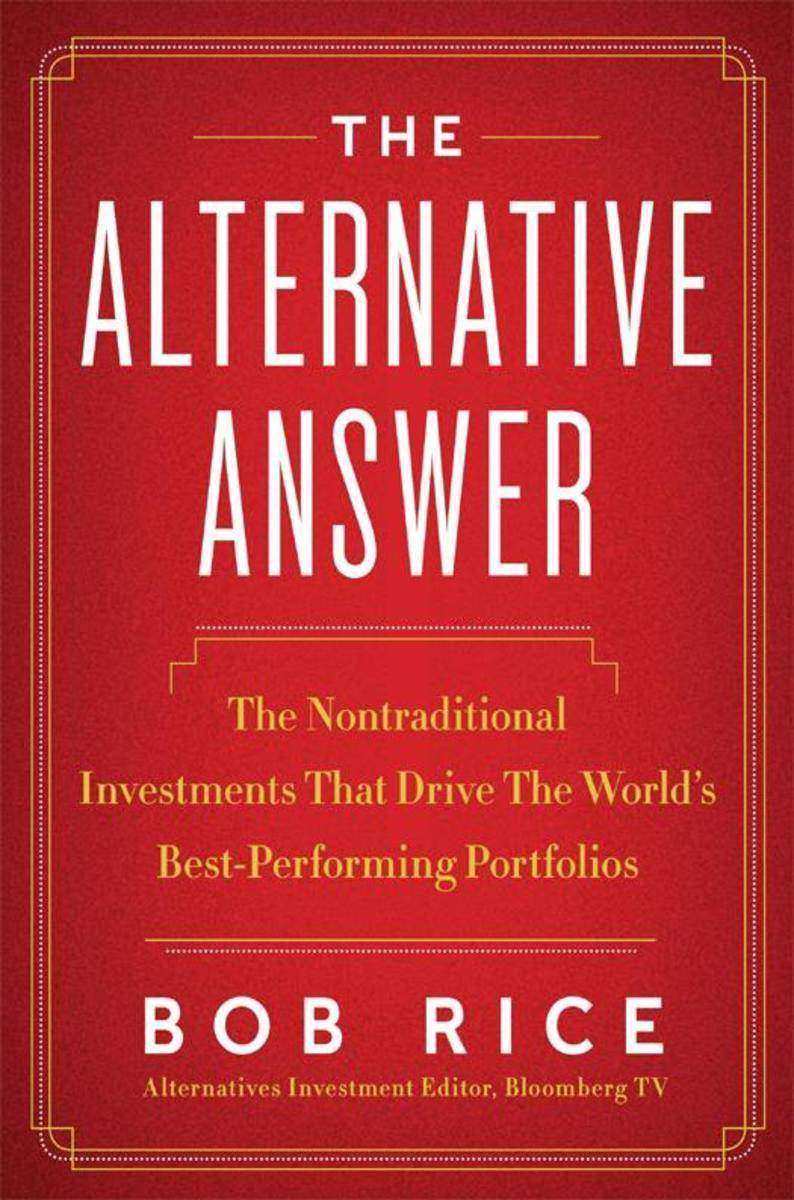
The Alternative Answer
¥155.02
The first book to explain the new world of alternative investing, showing how anyone can use nontraditional options to significantly increase returns and lower risksThe world's elite investors have long relied on alternative investments to produce superior returns. Until now, these strategies were the exclusive purview of institutions and the superwealthy, but today any informed investor can play the same game. A rainbow of investment options timber, start-ups, master limited partnerships (MLPs), hedged strategies, managed futures, infrastructure, peer-to-peer lending, farmland, and dozens of other nontraditional strategies can provide dramatically better gains, with less total risk, than the standard choices. In The Alternative Answer, Bob Rice, Bloomberg TV's Alternative Investments Editor, leads an entertaining and easy- to-understand tour of this world, and suggests specific alternative investments for all four key of a portfolio: safely generating more current income, decreasing risks of economic shocks, significantly increasing long-term profits, and protecting purchasing power over time.Regardless of experience or net worth, readers will learn exactly how to substantially improve investment performance in the same way that the world's best investors already do. Stocks and bonds alone aren't nearly enough. Investors need an alternative answer and now they have it.

The Transparent Leader
¥83.93
Drawing on his experience as a leader in some of the nation's largest corporations, Baum issues a convincing call for honest, ethical, "transparent" dealing throughout the business world. Baum outlines the management techniques he uses within and without the company to get outstanding results without skirting the rules or bending the truth. Baum maintains that by fostering trust, integrity and accountability at all levels within the corporation, managers can stop the erosion of employee loyalty, restore consumer trust in brands, products, and American business. Baum teaches executives fresh ways of managing Wall Street analysts, communicating with shareholders, and wading through the complex maze of social responsibility issues.As a member of six corporate boards, Baum offers unique insight into transparent leadership, including the advantages and pitfalls of corporate governance, and the pressures executives face in reporting earnings. He also discusses the importance of setting standards for ethical business practices, yet highlights the dangers of government regulations that may result in excessive compliance costs at the expense of shareholders, creative risk taking, and innovation.

Money-Driven Medicine
¥154.80
Why is medical care in the United States so expensiveFor decades, Americans have taken it as a matter of faith that we spend more because we have the best health care system in the world. But as costs levitate, that argument becomes more difficult to make. Today, we spend twice as much as Japan on health care—yet few would argue that our health care system is twice as good. Instead, startling new evidence suggests that one out of every three of our health care dollars is squandered on unnecessary or redundant tests; unproven, sometimes unwanted procedures; and overpriced drugs and devices that, too often, are no better than the less expensive products they have replaced. How did this happenIn Money-Driven Medicine, Maggie Mahar takes the reader behind the scenes of a $2 trillion industry to witness how billions of dollars are wasted in a Hobbesian marketplace that pits the industry's players against each other. In remarkably candid interviews, doctors, hospital administrators, patients, health care economists, corporate executives, and Wall Street analysts describe a war of "all against all" that can turn physicians, hospitals, insurers, drugmakers, and device makers into blood rivals. Rather than collaborating, doctors and hospitals compete. Rather than sharing knowledge, drugmakers and device makers divide value. Rather than thinking about long-term collective goals, the imperatives of an impatient marketplace force health care providers to focus on short-term fiscal imperatives. And so investments in untested bleeding-edge medical technologies crowd out investments in information technology that might, in the long run, not only reduce errors but contain costs. In theory, free market competition should tame health care inflation. In fact, Mahar demonstrates, when it comes to medicine, the traditional laws of supply and demand do not apply. Normally, when supply expands, prices fall. But in the health care industry, as the number and variety of drugs, devices, and treatments multiplies, demand rises to absorb the excess, and prices climb. Meanwhile, the perverse incentives of a fee-for-service system reward health care providers for doing more, not less. In this superbly written book, Mahar shows why doctors must take responsibility for the future of our health care industry. Today, she observes, "physicians have been stripped of their standing as professionals: Insurers address them as vendors ('Dear Health Care Provider'), drugmakers and device makers see them as customers (someone you might take to lunch or a strip club), while . . . consumers (aka patients) are encouraged to see their doctors as overpaid retailers. . . . Before patients can reclaim their rightful place as the center—and indeed as the raison d'être—of our health care system," Mahar suggests, "we must once again empower doctors . . . to practice patient-centered medicine—based not on corporate imperatives, doctors' druthers, or even patients' demands," but on the best scientific research available.


