


 购物车
购物车 个人中心
个人中心

?tk?zés: Rossz hely. Rossz id?. Nagy lecke.
¥68.02
Kézik?nyv azoknak, akik érdekl?dnek a baromfitartás iránt és egyetlen helyen szeretnének utánanézni felmerül? kérdéseiknek. ? milyen fajtát válasszak? ? mi a jobb: a tenyésztés vagy a szaporítás? ? hogyan készítsem el házilag az olcsóbb és táplálóbb takarmányt? ? mekkora helyen érdemes tartani a baromfikat és hogyan alakítsam ki az él?helyüket? ? milyen el?feltételeket kell megteremtenem a keltetéshez és milyen keltet?gépet használjak? ? hogyan el?zhetem meg a legfontosabb betegségeket? ? melyek a dísztyúktenyésztés legfontosabb feltételei és hogyan készülhet fel sikeresen a versenyekre? A k?tet kuriózuma az ?sszesen 60 baromfifajtát bemutató részletes ismertet?.

Can??o da escócia
¥41.86
Assim que a carruagem atravessou os imensos port?es de ferro, Sona teve a sensa??o de entrar num cenário mágico de contos de fadas. ? sua frente, estava o Castelo medieval dos McChad, onde guardava o mistério e a magia que se insinuavam nas can??es tocadas pelas gaitas de fole. Encantada com toda a beleza da Escócia, ela mal imaginava que logo em breve, ouviria um sinistro rufar de tambores. Era um sinal, anunciavam a morte do homem que ela iria amar perdidamente! Na encruzilhada do destino, ela estava comprometida com outro homem, mas era impossível resistir aos desígnios do amor…?

From the Dangers of Russia To Love
¥41.86
The beautiful Alvita who had lost both her parents, was living quietly in her family home in Southern Russia. Her father had been Russian and her mother had been English. ??????????? Alvita was pleased to receive a visit from her brother, Ivor, but shocked when he told her that they must leave Russia immediately, as a Revolution was inevitable and would start very soon. ??????????? He had brought with him his friend, Nicholas, who said that he would help them pack up as many of their treasures as they could and make their way to England. ??????????? Alvita felt a little unsure of Nicholas, but thought that perhaps she might be mistaken. ??????????? Ivor insists that he should be a Russian Prince and Alvita a Princess as the English are always impressed by grand titles, although Alvita is none too sure about the deception. ??????????? After packing her mother’s jewellery, some valuable pictures and silver, they know that they must avoid the dangerous Revolutionaries and travel as fast as possible to the nearest Port to find a ship to take them to England. ??????????? This Nicholas arranges for them and, when they arrive in England, Ivor by chance meets an old friend, Charles, the Marquis of Harrington, who he was friends with when they were at Oxford University. ??????????? Charles takes them to his impressive house in London and, when he learns that they want to sell their treasures, he arranges for them to be displayed in the ballroom and the stables. ??????????? It is when Alvita sees a valuable painting being removed from its frame that she knows that Nicholas is attempting to cheat the Marquis. ??????????? How she warns Charles of what is happening in his house ??????????? And how she and her brother find the love that they both sought but believed would never be theirs is all told in this unusual romance by BARBARA CARTLAND. ?
Pellucidar by Edgar Rice Burroughs - Delphi Classics (Illustrated)
¥8.09
This eBook features the unabridged text of ‘Pellucidar by Edgar Rice Burroughs - Delphi Classics (Illustrated)’ from the bestselling edition of ‘The Complete Works of Edgar Rice Burroughs’. Having established their name as the leading publisher of classic literature and art, Delphi Classics produce publications that are individually crafted with superior formatting, while introducing many rare texts for the first time in digital print. The Delphi Classics edition of Burroughs includes original annotations and illustrations relating to the life and works of the author, as well as individual tables of contents, allowing you to navigate eBooks quickly and easily. eBook features: * The complete unabridged text of ‘Pellucidar by Edgar Rice Burroughs - Delphi Classics (Illustrated)’ * Beautifully illustrated with images related to Burroughs’s works * Individual contents table, allowing easy navigation around the eBook * Excellent formatting of the text Please visit www.delphiclassics.com to learn more about our wide range of titles

Manalive
¥40.79
A new tenant arrived at Beacon House, a London boarding establishment. He is identified by lodger Arthur Inglewood as an ex-schoolmate named Innocent Smith. During his first day in residence the eccentric Smith creates the High Court of Beacon; arranges to elope with Mary Gray, paid companion to heiress Rosamund Hunt; inspires Inglewood to declare his love for Diana Duke, the landlady’s niece; and prompts a reconciliation between jaded journalist Michael Moon and Rosamund.

Framley Parsonage
¥40.79
Mark Robarts, is a young vicar, settled in the village of Framley in Barsetshire with his wife and children. Mark has ambitions to further his career and begins to seek connections in the county's high society. Another plot line deals with the romance between Mark's sister Lucy and Lord Lufton. The couple are deeply in love and the young man proposes, but Lady Lufton is against the marriage.
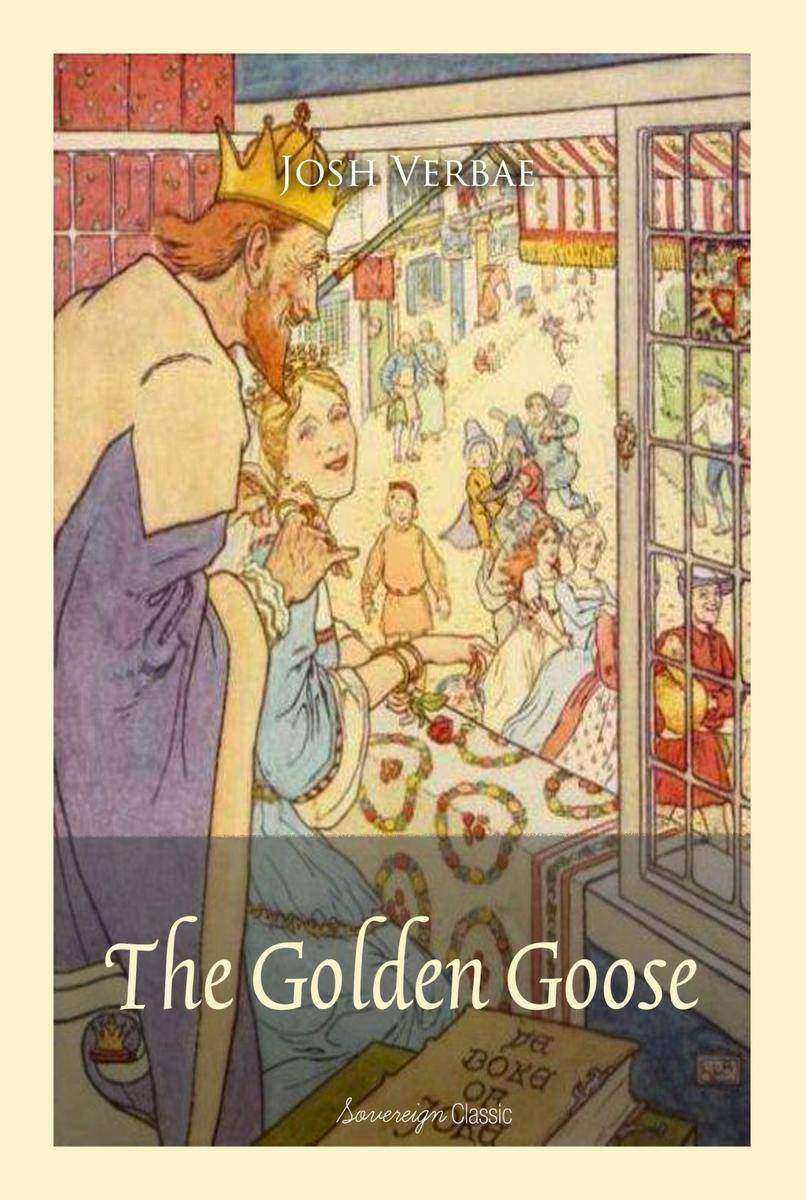
The Golden Goose
¥40.79
There was once a man who had three sons, the youngest of whom was called the Simpleton. He was laughed at and despised and neglected on all occasions. Now it happened one day that the eldest son wanted to go into the forest, to hew wood, and his Mother gave him a beautiful cake to take with him, so that he might not suffer from hunger...

Sberbank:The Rebirth of Russia’s Financial Giant
¥90.03
The book sheds light on how Sberbank of Russia was transformed from the old-school institution with outlived Soviet practices into a decent member of the world’s financial elite and one of the richest brands on the planet. Sberbank reform was an unprecedented event in the history of Russian business. Never before such a large post-Soviet establishment has undergone such a radical and total reorganization according to western patterns. Initiator of the Sberbank reform in 2007 is the ex-minister and well-known liberal German Gref, whose ambitious plan was to turn this huge, unwieldy institution into an advanced financial company. Wins and losses of Gref’s team became not just a personal achievement or the bank’s chief failure. They essentially answered the key question of Russian business: can people in Russia work on the same level as people in the West? For the purpose of this book, journalist Eugeny Karasyuk conducted dozens of interviews with employees of Sberbank on different levels. The result is a breathtaking economic thriller with a remarkable story of how progressive management techniques were implemented in that reality. Sberbank: The Rebirth of Russia’s Financial Giant will be interesting to anyone seriously considering reforms in one’s company, and those who are curious about doing business with Russia. Translated from the Russian by Lewis White.

How To Raise An Entrepreneur
¥48.97
You're in the right place if you have a kid asking about how to make money. In this lesson will show to raise an entrepreneur. Maybe you have an older elementary child a tween or teen asking about starting a business or trying to make extra money, about 72%t of current high schooler want to own their own business and 76% hope they can turn their hobbies into a full-time job. I will show you how to recognize entrepreneur skills like money management and people skills. How to support and grow the entrepreneurial mindset and ideas on how to get this done on your own. This is a short course, hope you enjoy and learn.
TeeSpring Profits Made Easy
¥23.14
Are you looking to earn additional income by making less efforts! Would you be interested to know that T-shirt selling is the unexplored key to earn extra income and give your family the dream life they duly deserve? Let me take you by the hand and prove that T-shirt selling business is a PROFIT GOLD MINE for business owners today ? Over the last 5 years, custom designed T-shirt sales has exceeded $68 million. ? Teespring.com reaches over 714K people in U.S. every month. ? The household consumption on clothing and footwear is ? 59 billion in UK. ? Teespring, one of the top T-shirt sellers in the U.S., printed more than 7 million shirts last year. ? More than 60% of Americans have more than 10 t-shirts in their wardrobe and will continue to buy more. ? The United States is home to about 100,000 retail clothing stores, which reap annual revenues of $150 billion annually. ? In 2013, on an average, every American spent $907 on clothing. What you need is a step by step guidance that explains latest and proven T-shirt selling techniques and enables you to use them properly to get maximum benefits. Don’t worry, this issue will not become a barrier between you and your business growth. As we will provide you with a simple, precise and A-Z guidance that will assist you to easily get consistent and reliable profits without draining your bank account and with practically no startup cost. If you have a well-designed Teespring campaign, you will be able to become your own boss and enjoy your life to the max that you always wanted. You will also witness an increase in your profits by reducing your dependence on middleman and not wasting money on other overhead expenses. Surely, now you would be dying with curiosity in order to achieve success with the best use of this profitable business idea. So, to release all your tensions, here we present the much awaited ladder to your success…. Introducing: Teespring Profits Made Easy! This Unique and Easy to understand Training guide will supply you with the most accurate information needed to live your dream life by having multiple earning streams with less efforts at your end. You will also be able to sell custom made t-shirts to hungry buyers who make rapid purchases which ultimately boosts your profits. Here’s a brief insight about the great assistance that we are providing you with our exclusive training guide Introduction Chapter I: What Teespring is all about? Chapter II: Why you should definitely get into the online T-Shirt selling market today? Chapter III: Setting up a Profitable TeeSpring Campaign from Start to Finish. ? Creating your Teespring Account ? Getting Familiar with your Teespring Account ? Searching for T- Shirt Ideas That Sell ? Creating Your Tee ? Setting a Goal ? Adding a Description ? Promoting Your Campaign using Facebook Ads ? Analyzing your Results

Options Trading:This Book Includes Two Manuals:Credit Spreads and Trading Moment
¥73.49
Increase Your Profits by Combing These Two Trading MethodsDouble Your Trading Power without feeling overworked and out of time. ? What would another $5000 each month do for you? Imagine your profits clearing a car loan or covering the mortgage. What if you could spend more time with your family and less time in front of the computer. ? Casey Boon cuts through the unnecessary BS and gets to the heart of the matter.? Through years as a financial planner, she knows which financial instruments will give you the greatest output for the least amount of stress. ? In this Two volume set you will learn: ? ·How to double your profits in half the time. ·How to recognize predictable events that save time and money. ·How millionaires combine these strategies. ·How to conquer fear and guilt ·How to trade without touching your money. ·How to trade and sleep well at night. ? Buy this book today and increase your profits in 30 minutes or less, each day, so you can spend more time with your family. ? Pick up a copy today by clicking the BUY NOW button at the top of this page. ?
Believe Your Way to Success - The Definitive Guide to Success Through Believing
¥24.44
Do you truly dare to believe? How many times did you feel you were cheated out of success? How many times have you doubted your destiny? How often has success just become a meaningless buzzword? We've all been there. And the reason we have is that we have no fundamental appreciation of the ability to believe.? The ability to believe is something that requires practice and understanding. No one is asking you blindly trust something or someone. Believing is not about trusting someone or trusting something, believing is about?knowing your place in the universe?and that?the universe is right behind you in all that you do, and all that you need. You have to learn to?believe in the reason you are here and the reason you are designed and destined for greatness.?The core of your success and the ability to look past all the distractions is to be able to believe in the larger picture, not the one that you are staring at, point-blank, at the moment. Belief will get you through every single stage of your life. It will let you jump from one success to the next and it will turn your life around on the condition that you know how to do it.?This book lays out the different ways most of you can get to observe that areas that can inspire belief and the areas that you will be able to harvest the ability to believe and go on to?make yourself a success.?? Is This Book For You?This book is dedicated to those of you who truly believe you were meant to be successful. You need to believe that anything and everything your mind can conjure up is possible,?because it is. You just have to dare to believe.?? Don't wait any longer! Scroll up and click the 'Buy Now' button and start learning how to truly believe in yourself and your destiny!

Business Etiquette
¥40.79
The polished gentleman of sentimental fiction has so long served as the type of smooth and conscienceless depravity that urbanity of demeanor inspires distrust in ruder minds. On the other hand, the blunt, unpolished hero of melodrama and romantic fiction has lifted brusqueness and pushfulness to a pedestal not wholly merited. Consequently, the kinship between conduct that keeps us within the law and conduct that makes civilized life worthy to be called such, deserves to be noted with emphasis.

Pragmatism: A New Name for Some Old Ways of Thinking
¥40.79
It is astonishing to see how many philosophical disputes collapse into insignificance the moment you subject them to this simple test of tracing a concrete consequence. There can be no difference any-where that doesn't make a difference elsewhere—no difference in abstract truth that doesn't express itself in a difference in concrete fact and in conduct consequent upon that fact, imposed on somebody, somehow, somewhere and somewhen. The whole function of philosophy ought to be to find out what definite difference it will make to you and me, at definite instants of our life, if this world-formula or that world-formula be the true one.
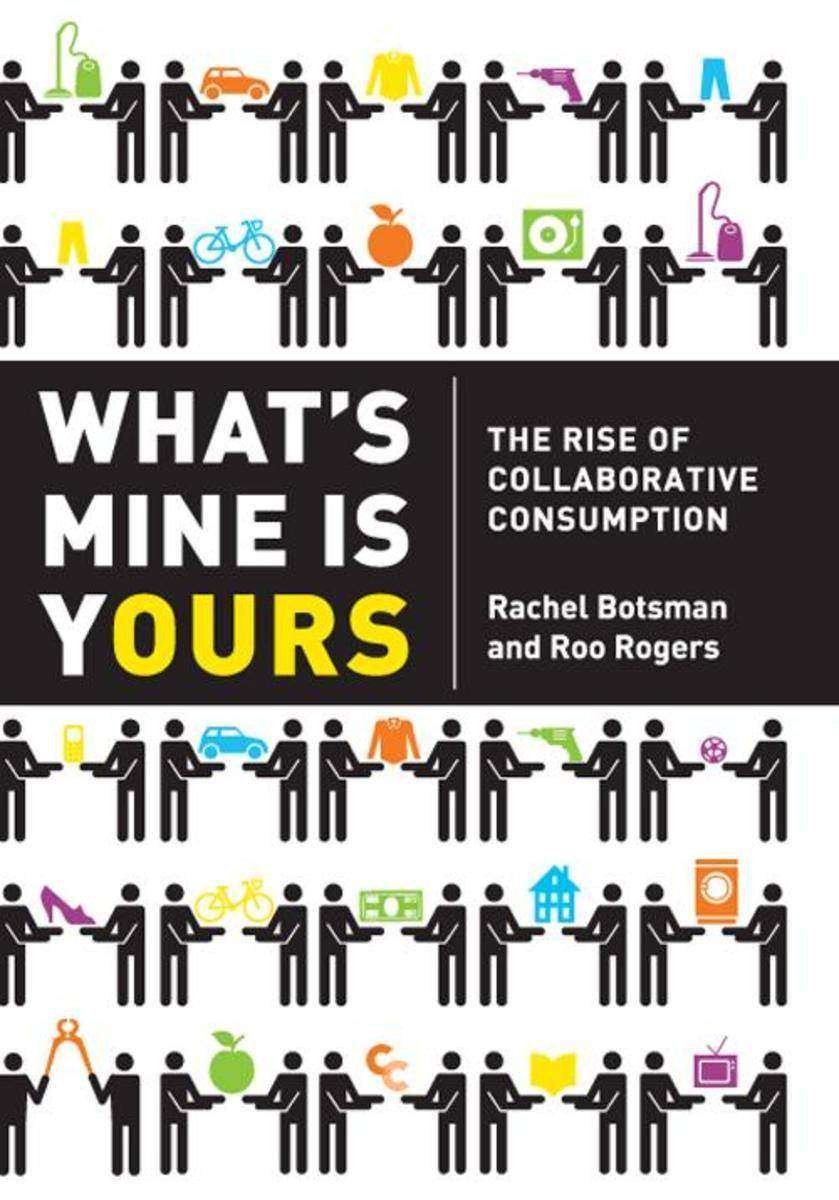
What's Mine Is Yours
¥151.10
WHAT'S MINE IS YOURS is about Collaborative Consumption, a new, emerging economy made possible by online social networks and fueled by increasing cost consciousness and environmental necessity. Collaborative Consumption occurs when people participate in organized sharing, bartering, trading, renting, swapping, and collectives to get the same pleasures of ownership with reduced personal cost and burden, and lower environmental impact. The book addresses three growing models of Collaborative Consumption: Product Service Systems, Communal Economies, and Redistribution Markets. The first, Product Service Systems, reflects the increasing number of people from all different backgrounds and across ages who are buying into the idea of using the service of the product-what it does for them-without owning it. Examples include Zipcar and Ziploc, and these companies are disrupting traditional industries based on models of individual ownership. Second, in what the authors define as Communal Economies, there is a growing realization that as individual consumers, we have relatively little in the way of bargaining power with corporations. A crowd of consumers, however, introduces a different, empowering dynamic. Online networks are bringing people together again and making them more willing to leverage the proverbial power of numbers. Examples of this second category include Etsy, an online market for handcrafts, or the social lending marketplace Zopa. The third model is Redistribution Markets, exemplified by worldwide networks such as Freecycle and Ebay as well as emerging forms of modern day bartering and swap trading such as Zwaggle, Swaptree, and Zunafish. Social networks facilitate consumer-to-consumer marketplaces that redistribute goods from where they are not needed to somewhere or someone where they are. This business model encourages reusing/reselling of old items rather them throwing them out, thereby reducing the waste and carbon emissions that go along with new production.WHAT'S MINE IS YOURS describes how these three models come together to form a new economy of more sustainable consumerism. Collaborative Consumption started as a trend in conjunction with the emergence of shared collective content/information sites such as Wikipedia and Flickr and with the recent economic troubles and increasing environmental awareness, it is growing into an international movement. The authors predict it will be a fully fledged economy within the next five years.In this book the authors travel among the quiet revolutionaries (consumers and companies) from all around the world. They explore how businesses will both prosper and fail in this environment, and, in particular, they examine how it has the potential to help create the mass sustainable change in consumer behaviors this planet so desperately needs. The authors themselves are environmentalists, but they are also entrepreneurs, parents, and optimistic citizens. This is a good news book about long-term positive change.
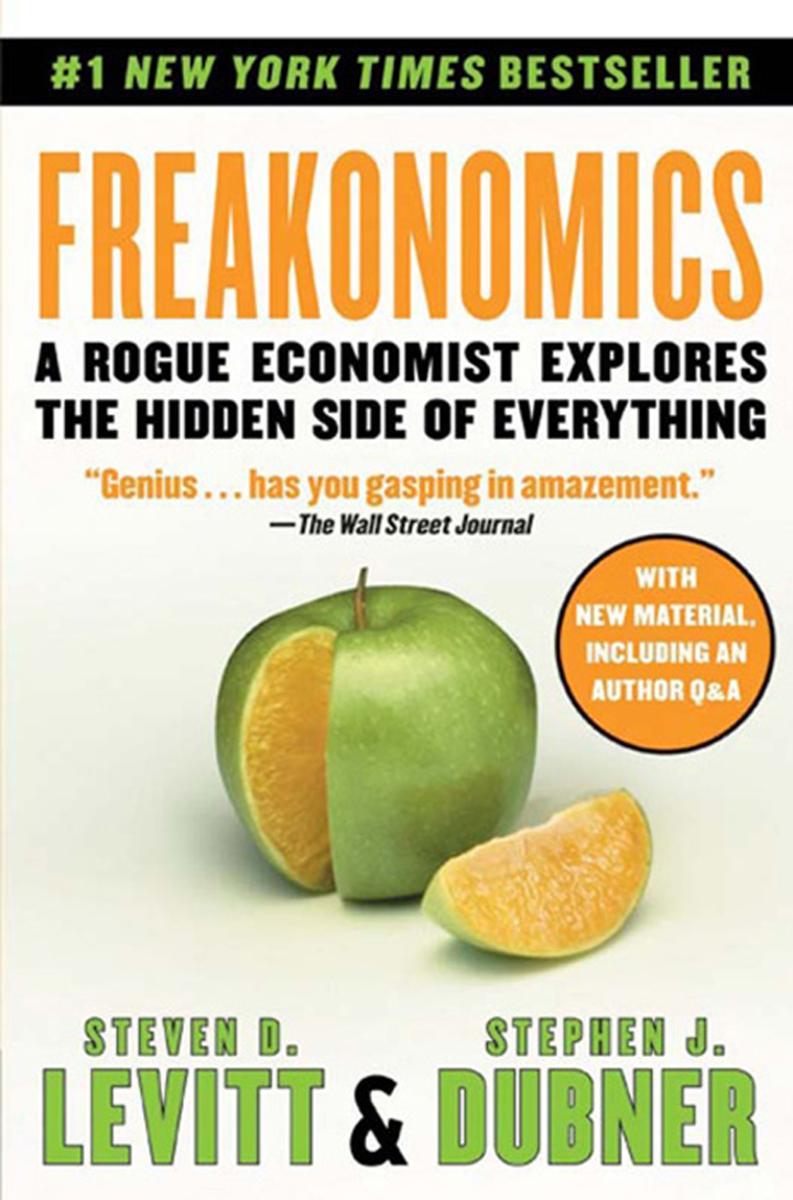
Freakonomics
¥95.11
More Than 4 Million Copies Sold Worldwide Published in 35 Languages Which is more dangerous, a gun or a swimming poolWhat do schoolteachers and sumo wrestlers have in commonHow much do parents really matterThese may not sound like typical questions for an economist to ask. But Steven D. Levitt is not a typical economist. He studies the riddles of everyday life from cheating and crime to parenting and sports and reaches conclusions that turn conventional wisdom on its head. Freakonomics is a groundbreaking collaboration between Levitt and Stephen J. Dubner, an award-winning author and journalist. They set out to explore the inner workings of a crack gang, the truth about real estate agents, the secrets of the Ku Klux Klan, and much more. Through forceful storytelling and wry insight, they show that economics is, at root, the study of incentives how people get what they want or need, especially when other people want or need the same thing.
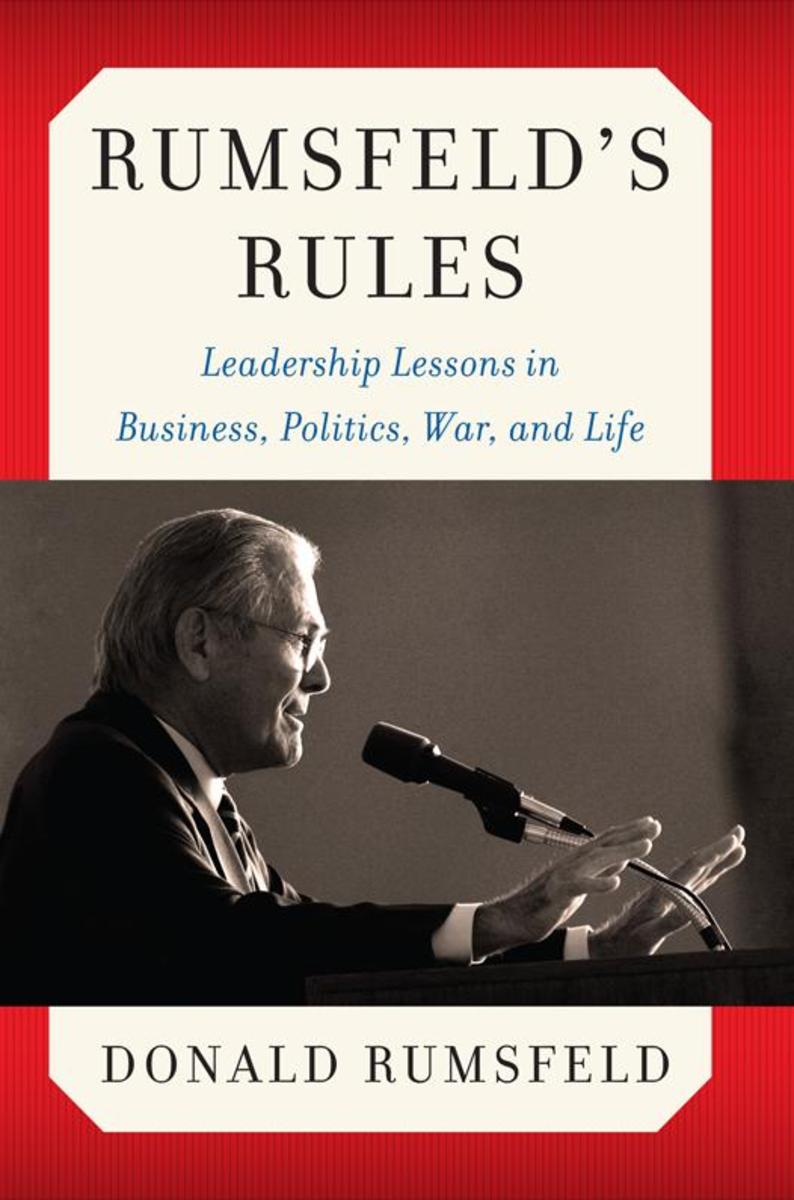
Rumsfeld's Rules
¥155.02
The legendary leadership guide, distilled from a lifetime of wisdom and experience in government and business Throughout his long and distinguished career—as a naval aviator, a U.S. Congressman, a top aide to four American presidents, a high-level diplomat, a CEO of two Fortune 500 companies, and the only twice-serving Secretary of Defense in American history—Donald Rumsfeld has collected hundreds of pithy, compelling, and often humorous observations about leadership, business, and life. When President Gerald Ford ordered these aphorisms distributed to his White House staff in 1974, the collection became known as "Rumsfeld's Rules." First gathered as three-by-five cards in a shoebox and then typed up and circulated informally over the years, these eminently nonpartisan rules have amused and enlightened presidents, business executives, chiefs of staff, foreign officials, diplomats, and members of Congress. They earned praise from the Wall Street Journal as "Required reading," and from the New York Times which said: "Rumsfeld's Rules can be profitably read in any organization…The best reading, though, are his sprightly tips on inoculating oneself against that dread White House disease, the inflated ego." Meanwhile, the collection continued to grow as Rumsfeld added new rules derived from things he read, heard, or observed in more than eight decades of a remarkable life. Now these legendary rules are made available for the first time to corporate executive. Rumsfeld has selected his most useful and important rules for effective leadership, enhanced with fresh insights and entertaining anecdotes, and discusses them in the blunt and witty style that made his Pentagon press conferences "must-see TV." Distilled from a career of unusual breadth and accomplishment, and organized under practical topics like hiring people, running a meeting, and dealing with the press, Rumsfeld's Rules can benefit people at every stage in their careers and in every walk of life, from aspiring politicos and industrialists to recent college graduates, teachers, and business leaders. The book provides unprecedented insight into leadership, management, strategy, and life—thinking that not only helped Rumsfeld lead the Pentagon in wartime, but earned him a reputation as one of America's toughest and most effective CEOs.
HarperCollins e-books
¥127.33
leverage (lev'r ij) The power to act or influence.ditch (dich) Slang, to get rid of; discard.Finally, you hold in your hands a powerful tool that will show you how to take full advantage of -- Leverage! -- your strengths and most positive qualities, while at the same time discarding or getting around -- Ditch! -- whatever gets in your way.Scott Blanchard and Madeleine Homan, co-founders of Coaching.com, share their groundbreaking program, honed by fourteen years of high-level executive coaching and consulting. They offer new perspectives on how to spend your precious and limited resources, time, emotions, passions, and energy to generate the best results.The three-part process begins with a twenty-five-question self-assessment, then moves on to the Three Perspectives -- major life queries that focus on how you are perceived, your own self-image, and self-imposed limitations. The final step, the Seven Leverage Points, offers fresh insight into the choices you make and how you conduct yourself in business and in life. You will find immediately applicable tools to appraise and manage your work environment and personal gifts. You will be guided to make tiny but crucial shifts in getting needs met and drawing boundaries.Leverage Your Best, Ditch the Rest eliminates the stupid stuff that distracts you and gets in your way. It shows you how to capitalize on what you've got going for you and how to invest in yourself like a hot new stock.*****In addition, we have built a Web site, www.leverageyourbest.com, for those who have made a commitment to their own coaching journey. Coaching is a dynamic tool and you are a work in progress---technology makes it easy to track growth. Leverage Your Best readers can use the Web site, the first of its kind, to work through exercises in the book electronically, keep a personal record of progress, communicate with other readers in an online coaching experience, and give feedback to the authors. A collaborative effort, the Web's online coaching community defines the www.leverageyourbest.com site experience, adding new dimensions to professional development...all for the price of the of the book . Visit the world's only online coaching Web experience and see what has people everywhere jumping in their cubicles. Enjoy!

The Die Broke Financial Problem Solver
¥77.54
If you're loosing sleep over your financial worries, help is here at last.Whether you're fretting over a mortgage that's been denied; a loan that's delayed; a marriage settlement that seems unfair; or a business that's struggling, this extraordinary book will not only help you rest easy, it will show you how to turn adversity into success.Here you'll learn the Pollan method for turning no into yes: how to determine your problem; how to make sure you're dealing with only one problem at a time; and how to create an environment of trust. With literally hundreds of scenarios to illustrate it's success, this unique and practical method will make you feel like you've got a coach, strategist, and motivator at your beck and call -- and will help you sleep well, knowing you're on the way to getting what you want.

Fools Rush In
¥82.80
Every era has its merger every era has its story. For the New Media age it was an even bigger disaster: the AOL-Time Warner deal. At the time AOL and Time Warner were considered a matchless combination of old media content and new media distribution. But very soon after the deal was announced things started to go bad and then from bad to worse. Less than four years after the deal was announced, every significant figure in the deal -save the politically astute Richard Parsons has left the company, along with scores of others. Nearly a $100 billion was written off and a stock that once traded at $100 now trades near $10.What happenedWhere did it all go wrongIn this deeply sourced and deftly written book, Nina Munk gives us a window into the minds of two of the oddest men to ever run billion-dollar empires. Steve Case, the boy wonder who built AOL one free floppy disk at a time, was searching for a way out of the New Economy. Meanwhile Jerry Levin, who'd made his reputation as a visionary when he put HBO on satellite distribution, was searching for a monumental deal. These two men, more interested in their place in history than their personal fortunes, each thought they were out-smarting the other.
Getting to It
¥145.91
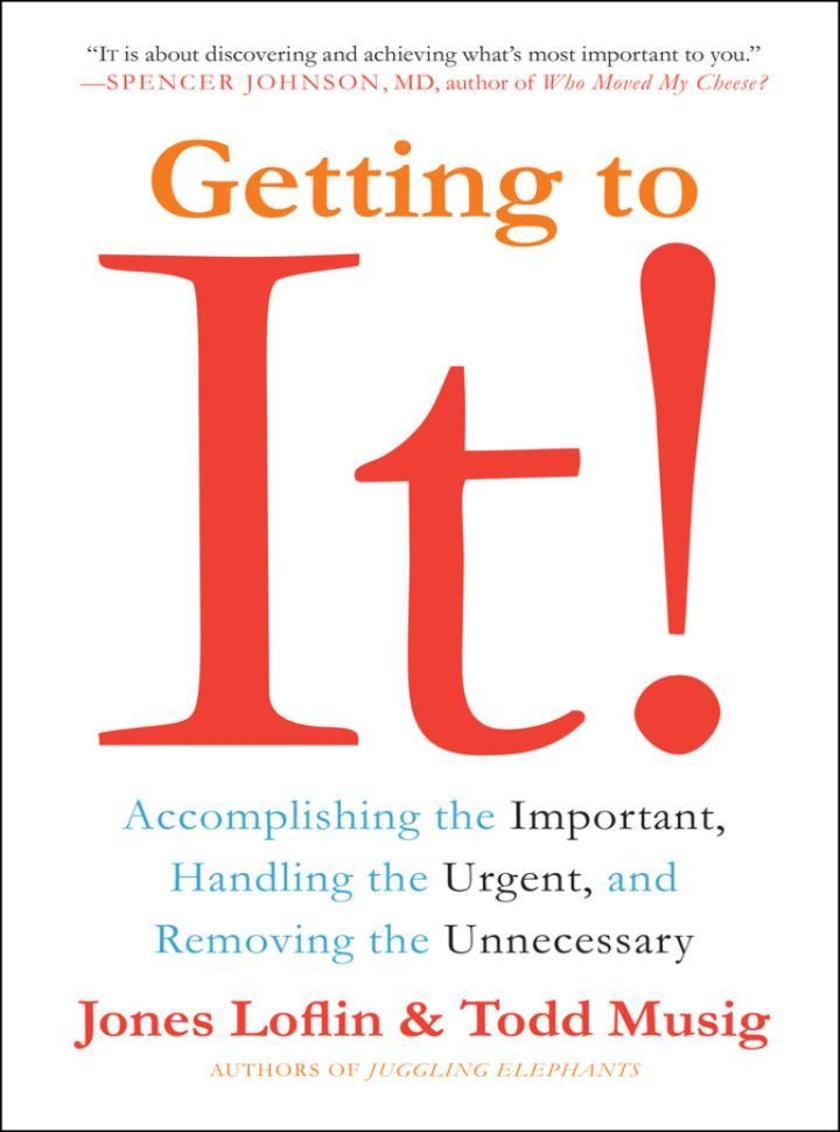
From the authors of Juggling Elephants comes the only guide you need to sort through the many priorities in your life, know what your it (Important Thing) should be, and understand how to get it done.How busy are youIn the daily struggle to get it all done, what are you forgettingIs your mind constantly racing through lists of all the things you could and should be doingDoes your day often feel as though you're treading water in an ocean of rushes and deadlines, trying to keep from drowning while handling the increasing demands of your work and life?Don't give up help is on the way. You just have to find your it. The Important Thing. Define it. Plan it. Focus on it. Get excited about it.Identifying IT isn't just the first step in the process of getting focused and heading in the right direction, it's every step. Getting to It provides the necessary tools to accomplish the important, handle the urgent, and get rid of the unnecessary. Want to enjoy a more fulfilling lifeGet to it.


