


 购物车
购物车 个人中心
个人中心
Career Building
¥95.39
Your one-stop guide to finding a job, navigating the corporate ladder, and leaving when the time is rightDid you know that: 60% of hiring managers will offer a higher salary if asked14% of workers have used happy hour to get ahead66% of businesses monitor Internet use77% of workers feel burnout on the jobFrom the experts at CareerBuilder.com, America's largest online job site, comes a complete handbook for career domination. Whether it's answering the questions the interviewers are really asking, making the most of your performance reviews, or quitting with great references and without burning bridges, Career Building explains it all. This book offers everything from job hunting basics to hiring manager secrets, office survival advice to career change suggestions, workplace statistics to sample resignation letters, and more. Whether you're looking for your first job or your fortieth, or you're just eager to move up the ranks at your current company, this is the one and only guide you need to create the career you've always wanted.
Bounce
¥95.11
Why have all the sprinters who have run the 100 meters in under ten seconds been blackWhat's one thing Mozart, Venus Williams, and Michelangelo have in common?Is it good to praise a child's intelligenceWhy are baseball players so superstitiousFew things in life are more satisfying than beating a rival. We love to win and hate to lose, whether it's on the playing field or at the ballot box, in the office or in the classroom. In this bold new look at human behavior, award-winning journalist and Olympian Matthew Syed explores the truth about our competitive nature why we win, why we don't, and how we really play the game of life. Bounce reveals how competition the most vivid, primal, and dramatic of human pursuits provides vital insight into many of the most controversial issues of our time, from biology and economics, to psychology and culture, to genetics and race, to sports and politics. Backed by cutting-edge scientific research and case studies, Syed shatters long-held myths about meritocracy, talent, performance, and the mind. He explains why some people thrive under pressure and others choke, and weighs the value of innate ability against that of practice, hard work, and will. From sex to math, from the motivation of children to the culture of big business, Bounce shows how competition provides a master key with which to unlock the mysteries of the world.
Warren Buffett Invests Like a Girl
¥94.10
Investing isn't a man's world anymore and that's a good thing for individual portfolios, Wall Street, and the world's financial system.Warren Buffett and the women of the world have one thing in common: They are better investors than the average man. Psychologists and scientists have shown that women have the kind of temperaments that help them achieve long-term success in the market. The calamities of the past several years have only provided more statistical and anecdotal evidence of the same. Here are just a few characteristics of female investors that distinguish them from their male counterparts:Women spend more time researching their investment choices and tend to take less risk than men do. This prevents them from chasing "hot" tips and trading on whims. Women are also more likely to seek out information that challenges their assumptions.One study found that men trade 45 percent more often than women do, and although men are more confident investors, they are also more susceptible to becoming overconfident. By trading more often and without enough research men reduce their net returns and increase transaction costs and capital gains taxes.Women aren't as susceptible to peer pressure as men are, which results in a more levelheaded, patient approach to investing.Women have less testosterone than men do (not a surprise, we know). New and continually unfolding science points to the possibility that testosterone is responsible for herdlike risk-taking behavior from men in the financial markets.This book shows that women, with their patience and good decision making, epitomize the Foolish investment philosophy, as well as the investment temperament of the most successful investor in history: Warren Buffett. While men may be brash, compulsive, and overly daring, women tend to be more studious, skeptical, and reasonable. The book will empower and educate women and the men smart enough to embrace a "feminine" investing style on how to strengthen their portfolios and find success in the market.
The Wall Street Journal Guide to Investing in the Apocalypse
¥88.56
Disasters happen every day. Are your investments preparedThe investor who knows how to anticipate historically significant or earth-shattering events who is prepared to act when others are frozen with fear will always have a substantial advantage. By closely analyzing potential global threats and the opportunities they present, The Wall Street Journal Guide to Investing in the Apocalypse offers investors the key to finding a silver lining in almost any cataclysm. Even if the catastrophic does not occur, the strategies here can pay huge dividends even under more mundane circumstances.The Wall Street Journal Guide to Investing in the Apocalypse provides readers with valuable information for investment success: the ability to see opportunity where others see peril. Whether a global disaster is natural or man-made, environmental or financial, every fearsome scenario contains the seeds of profit for the investor who stays calm and thinks rather than panics and runs.
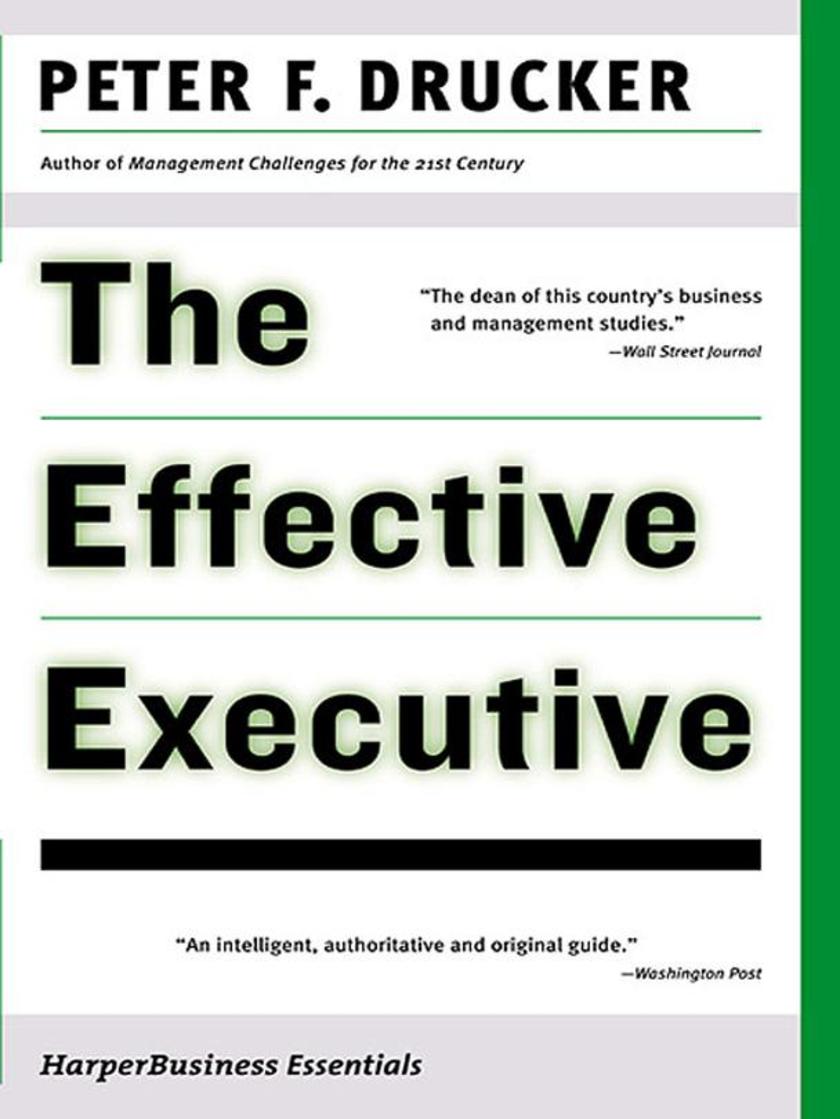
The Effective Executive
¥99.65
The measure of the executive, Peter Drucker reminds us, is the ability to "get the right things done." This usually involves doing what other people have overlooked as well as avoiding what is unproductive. Intelligence, imagination, and knowledge may all be wasted in an executive job without the acquired habits of mind that mold them into results. Drucker identifies five practices essential to business effectiveness that can, and must, be learned: Management of time Choosing what to contribute to the practical organization Knowing where and how to mobilize strength for best effect Setting up the right priorities And Knitting all of them together with effective decision making Ranging widely through the annals of business and government, Peter Drucker demonstrates the distinctive skill of the executive and offers fresh insights into old and seemingly obvious business situations.

Freakonomics Rev Ed
¥167.88
Which is more dangerous, a gun or a swimming poolWhat do schoolteachers and sumo wrestlers have in commonHow much do parents really matterThese may not sound like typical questions for an economist to ask. But Steven D. Levitt is not a typical economist. He studies the riddles of everyday life—from cheating and crime to parenting and sports—and reaches conclusions that turn conventional wisdom on its head. Freakonomics is a groundbreaking collaboration between Levitt and Stephen J. Dubner, an award-winning author and journalist. They set out to explore the inner workings of a crack gang, the truth about real estate agents, the secrets of the Ku Klux Klan, and much more. Through forceful storytelling and wry insight, they show that economics is, at root, the study of incentives—how people get what they want or need, especially when other people want or need the same thing.
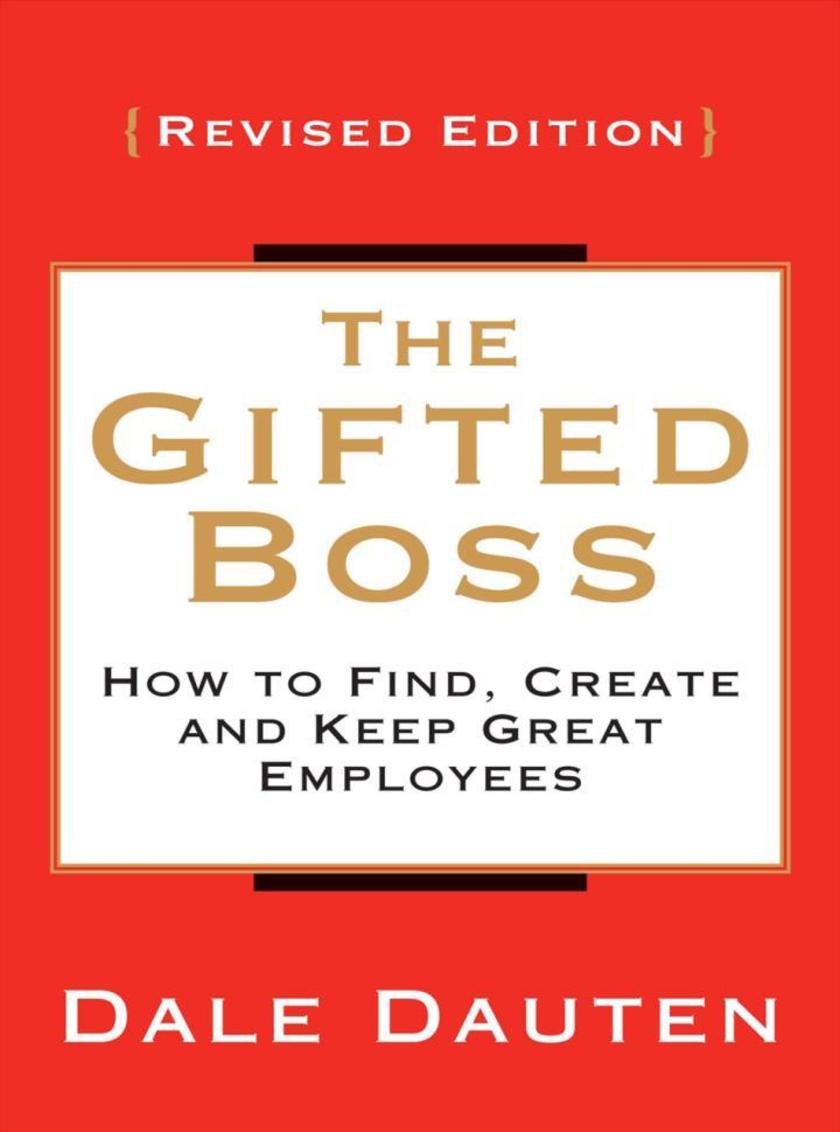
The Gifted Boss
¥112.44
Want freedom from management, mediocrity and moronsEver wonder what the best bosses know that you don'tDo you want to have great employees, people who don't need to be managed and who make everyone around them work harder and raise the department to a higher standardThe Gifted Boss is management guru Dale Dauten's classic yet revolutionary guidebook on teaching managers how to spot and court talent and how to give great employees what they want and need. This is a comprehensive system full of valuable insight and lessons aimed at creating the best work environment for the best people. Throughout The Gifted Boss, Dale Dauten defines his different breed of leader as one who is able to shape a business environment and culture that is a magnet for self-motivated employees. Dauten's starting point is a powerful fact about hiring great employees: the best ones are almost never in the job market. His system also includes a discussion of "ideal turnover" and how the great managers employ "the secret skill" of "de-hiring" to gracefully move mediocre employees up or out. Throughout his discussions, Dauten incorporates priceless knowledge gained from an exhaustive search for America's best bosses. The wisdom he acquired was startling, and it pertained to every type of organization: "Different isn't always better, but better is always different." The Gifted Boss has already earned itself a cult following. Now, based on conversations with hundreds of readers, Dauten has revised his work by adding a quick-start guide to help his audience get fast results and a discussion guide to help executives share the book with their teams. Though new technology continues to bring new changes to communication in the workplace, The Gifted Boss still remains the essential guide to maneuvering the tricky world of managing the modern employee. It belongs on every businessperson's desk.

Wall Street Meat
¥77.49
Wall Street is a funny business. All you have is your reputation. Taint it and someone else will fill your shoes. Longevity comes from maintaining that reputation. Ask Jack Grubman, the All-Star telecom analyst from Salomon Smith Barney; uber-banker Frank Quattrone at CS First Boston; Morgan Stanley's Mary "Queen of the Net" Meeker; or Merrill Lynch's Henry Blodget.Well, they probably won't tell you anything. But have I got some great stories for you. Successful hedge fund manager Andy Kessler looks back on his years as an analyst on Wall Street and offers this cautionary tale of the intoxicating forces loose in the world of finance that overwhelmed sober analysis.

Getting from College to Career
¥78.55
How do you get a job without experience and get experience without a jobIt's the question virtually every college student or recent graduate faces. In Getting from College to Career, Lindsey Pollak offers the first definitive guide to building the experience, skills, and confidence you need before starting your first major job search. Her 90 action-oriented tips include strategies ranging from the simple to the expert, including: Avoid the biggest mistake in career prep and job hunting Subscribe to a daily newspaper E-mail like a professional Make every event a networking success Practice the eight essentials of internship achievement Perform five minutes of stand-up Overprepare for interviews Persist Getting from College to Career gives you the essential information and guidance you need to get your foot in the door of the real world. Don't start your first job search without it!

Taken for a Ride
¥94.10
Here is the book that exposed the Daimler-Chrysler "merger of equals" as a bold German takeover of an industrial icon. Taken for a Ride reveals the shock waves felt around the world when Daimler-Benz bought Chrysler for $36 billion in 1998. In a gripping narrative, Bill Vlasic and Bradley A. Stertz go behind the scenes of the defining corporate drama of the decade -- and in a new epilogue chart its chaotic aftermath.

Who Killed Change?
¥123.10
Who Killed ChangeSolving the Mystery of Leading People Through Change Every day organizations around the world launch change initiatives often big, expensive ones designed to improve the status quo. Yet 50 to 70 percent of these change efforts fail. A few perish suddenly, but many die painful, protracted deaths that drain the organization's resources, energy and morale.Who or What Is Killing Change?That's what you'll find out in this witty whodunit. The story features a Columbo-style detective, Agent Mike McNally, who's investigating the murder of yet another change. One by one, Agent McNally interviews thirteen prime suspects, including a myopic leader named Victoria Vision; a chronically tardy manager named Ernest Urgency; an executive named Clair Communication, whose laryngitis makes communication all but impossible; and several other dubious characters.The suspects are sure to sound familiar and you're bound to relate them to your own workplace. In the end, Agent McNally solves the case in a way that will inspire you to become an effective Change Agent in your own organization.A step-by-step guide at the back of the book shows you how to apply the story's lessons to the real world. Key questions help you evaluate the health of your organization's change initiatives, and you'll learn best practices for enabling and sustaining the desired change.
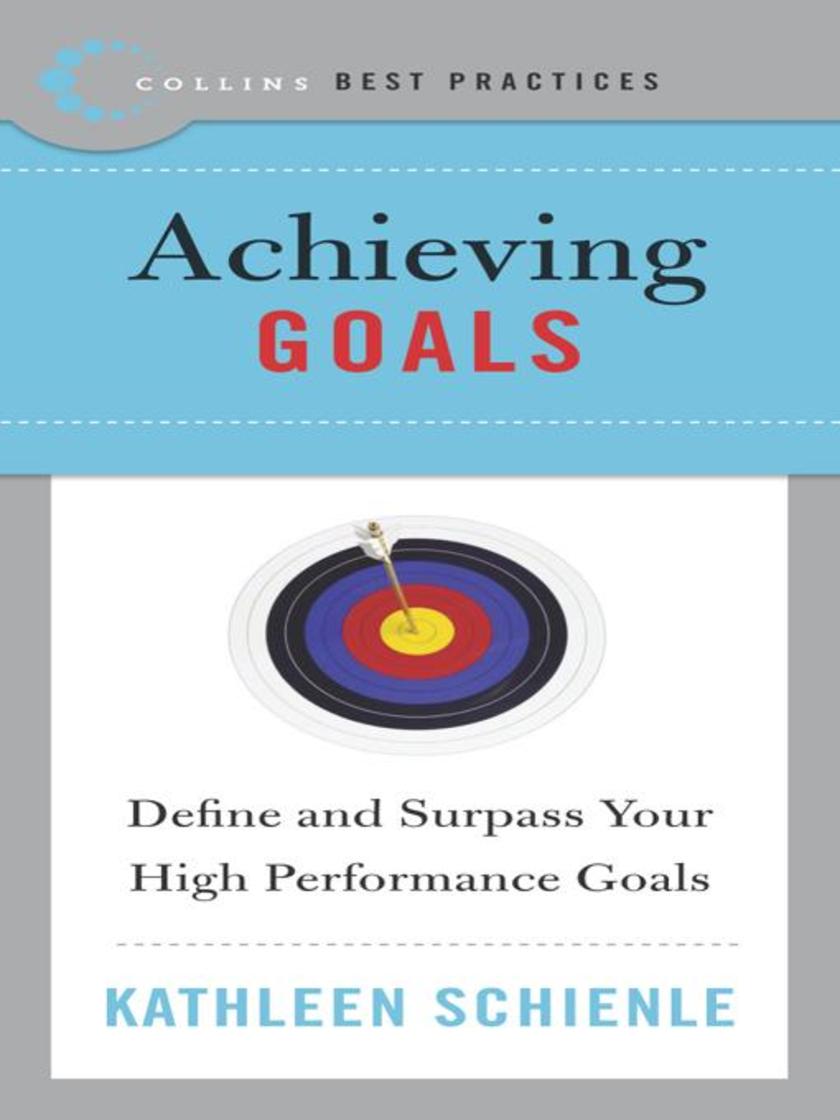
Best Practices: Achieving Goals
¥72.70
Aiming high is essential to success. But by following through and completing what you've set out to do, you can truly outperform your competitors. Achieving Goals, a comprehensive and essential resource for any manager on the run, shows you how.Learn to: Set smart and challenging goals for yourself and your employees Create a goal-focused environment Help employees meet their objectives Anticipate and overcome obstacles Measure progress and stay on track to achieve success The Collins Best Practices guides offer new and seasoned managers the essential information they need to achieve more, both personally and professionally. Designed to provide tried-and-true advice from the world's most influential business minds, they feature practical strategies and tips to help you get ahead.
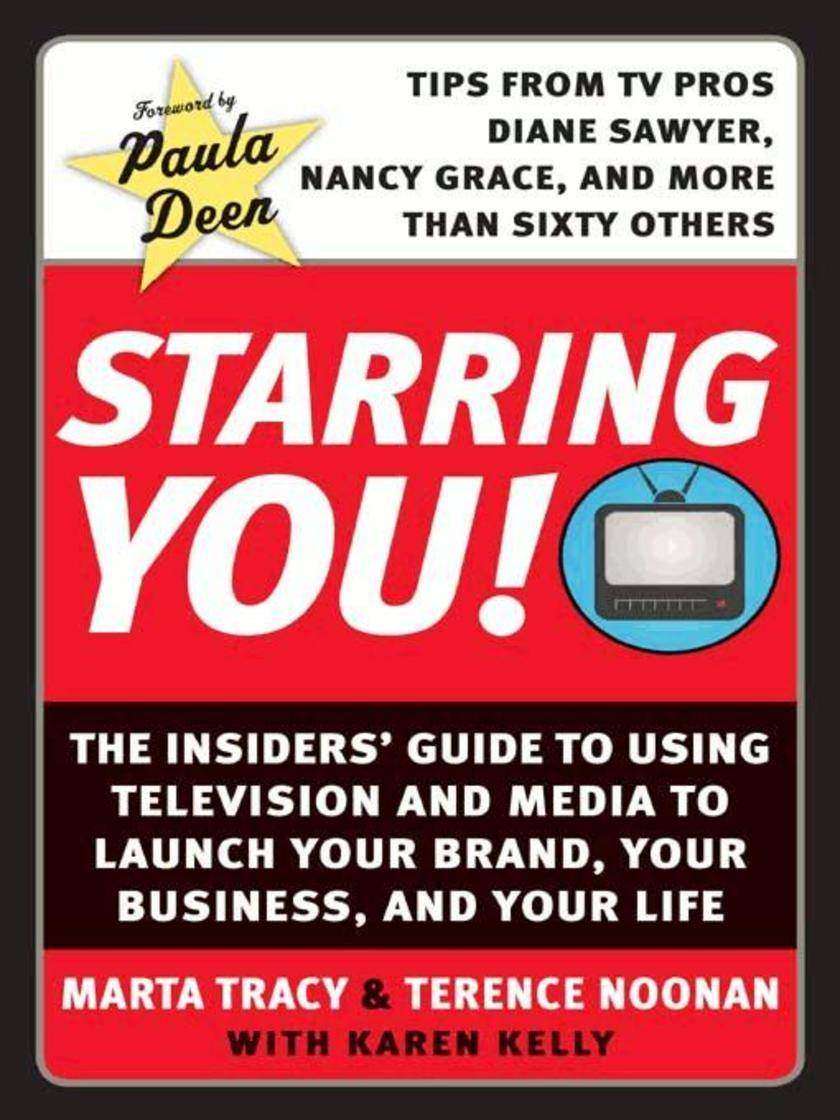
Starring You!
¥84.82
Today, with thousands of TV hours to fill, there's room on television for virtually every product, service, and personality and no one understands that better than producers Marta Tracy and Terence Noonan. Their one-of-a-kind handbook shows you how to make your dreams of on-screen success come true whether that dream is to appear on reality television, to showcase your catering skills on The Martha Stewart Show, to promote your flower shop on a local morning show, or to launch a thousand different TV-centered personal or professional goals. Starring You! outlines everything you need to market your business, product, point of view, or yourself, including: How to write the perfect pitch How to build and maintain relationships with producers How to become a regular guest . . . or even the host of your own show
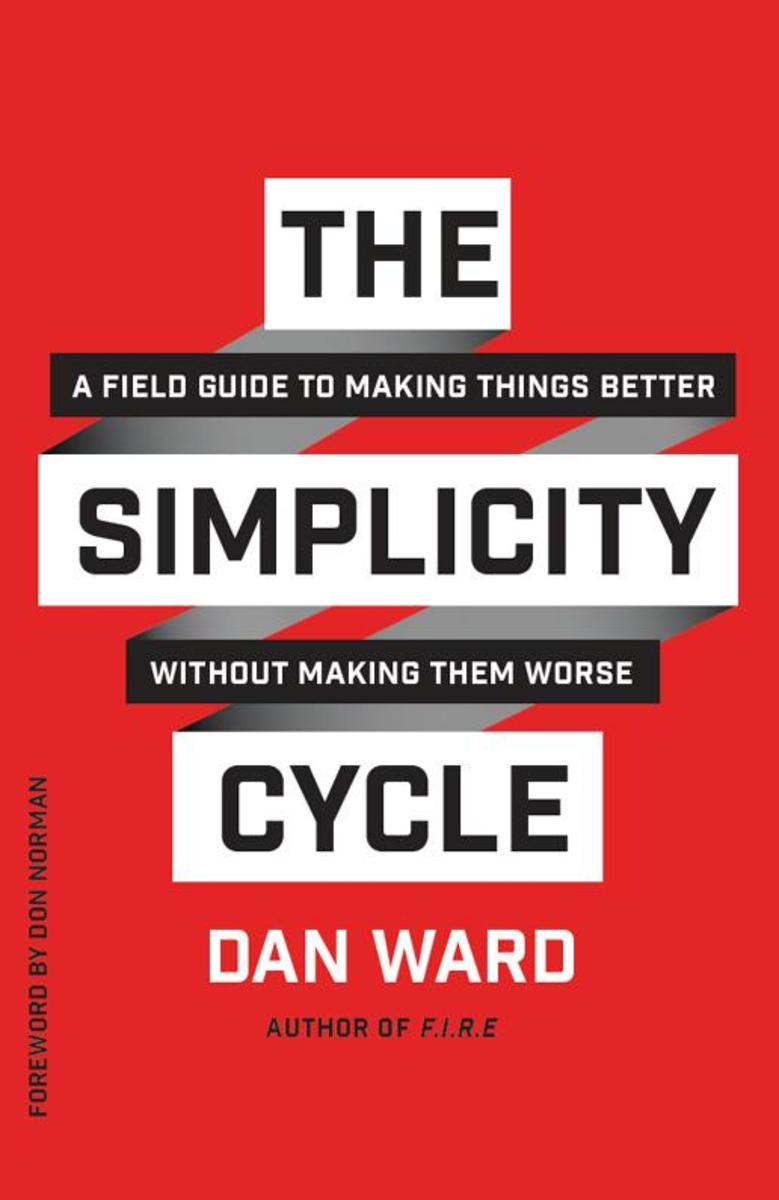
The Simplicity Cycle
¥127.33
The Simplicity Cycle is an engaging and accessible field guide that equips readers with practical tools to produce elegant, effective designs. It takes a deep but lighthearted look at the way complexity enhances or diminishes the things we make and use, from PowerPoint presentations and pizzas to spacecraft and software, and shows readers why simplicity is the key to innovation and good design whether you're creating new products, services, or consumer experiences.
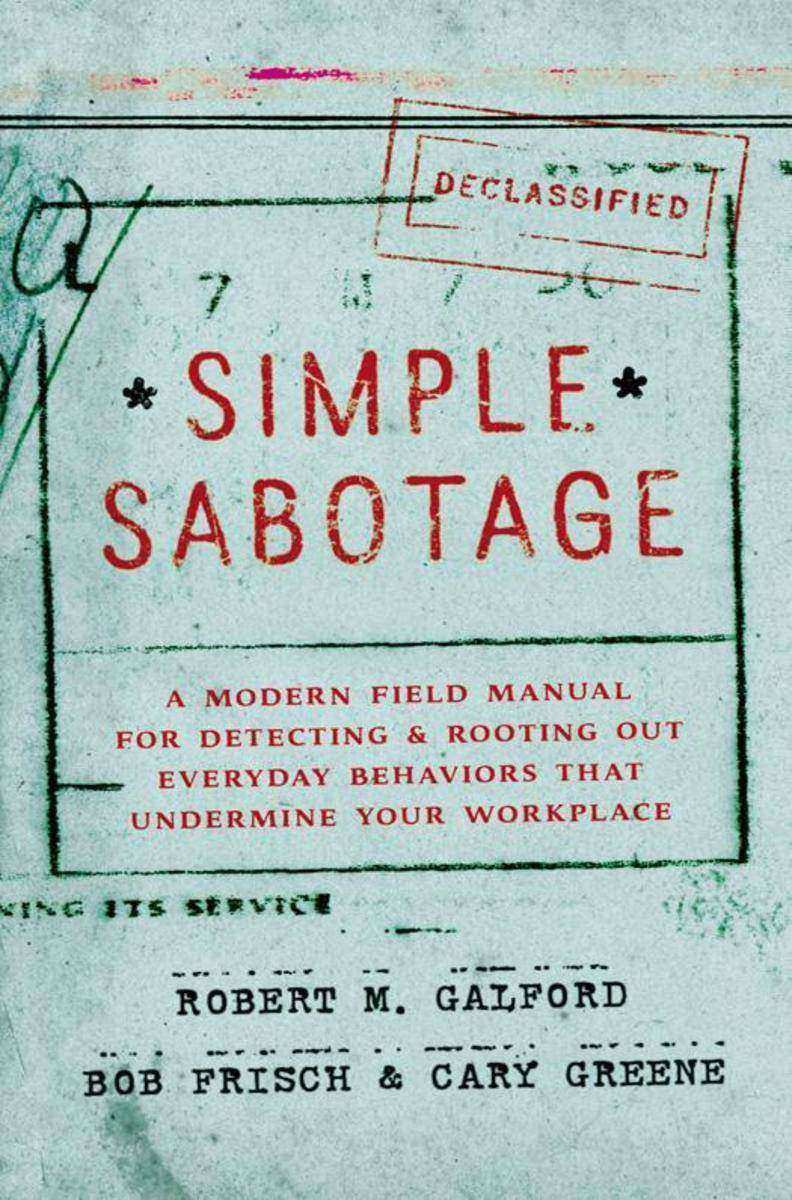
Simple Sabotage
¥132.87
Inspired by the Simple Sabotage Field Manual released by the Office of Strategic Services in 1944 to train European resistors, this is the essential handbook to help stamp out unintentional sabotage in any working group, from major corporations to volunteer PTA committees. In 1944, the Office of Strategic Services (OSS)—the predecessor of today’s CIA—issued the Simple Sabotage Field Manual that detailed sabotage techniques designed to demoralize the enemy. One section focused on eight incredibly subtle—and devastatingly destructive—tactics for sabotaging the decision-making processes of organizations. While the manual was written decades ago, these sabotage tactics thrive undetected in organizations today: Insist on doing everything through channels. Make speeches. Talk as frequently as possible and at great length. Refer all matters to committees. Bring up irrelevant issues as frequently as possible. Haggle over precise wordings of communications. Refer back to matters already decided upon and attempt to question the advisability of that decision. Advocate caution and urge fellow-conferees to avoid haste that might result in embarrassments or difficulties later on. Be worried about the propriety of any decision. Everyone has been faced with someone who has used these tactics, even when they have meant well. Filled with proven strategies and techniques, this brief, clever book outlines the counter-sabotage measures to detect and reduce the impact of these eight classic sabotage tactics to improve productivity, spur creativity, and engender better collegial relationships.
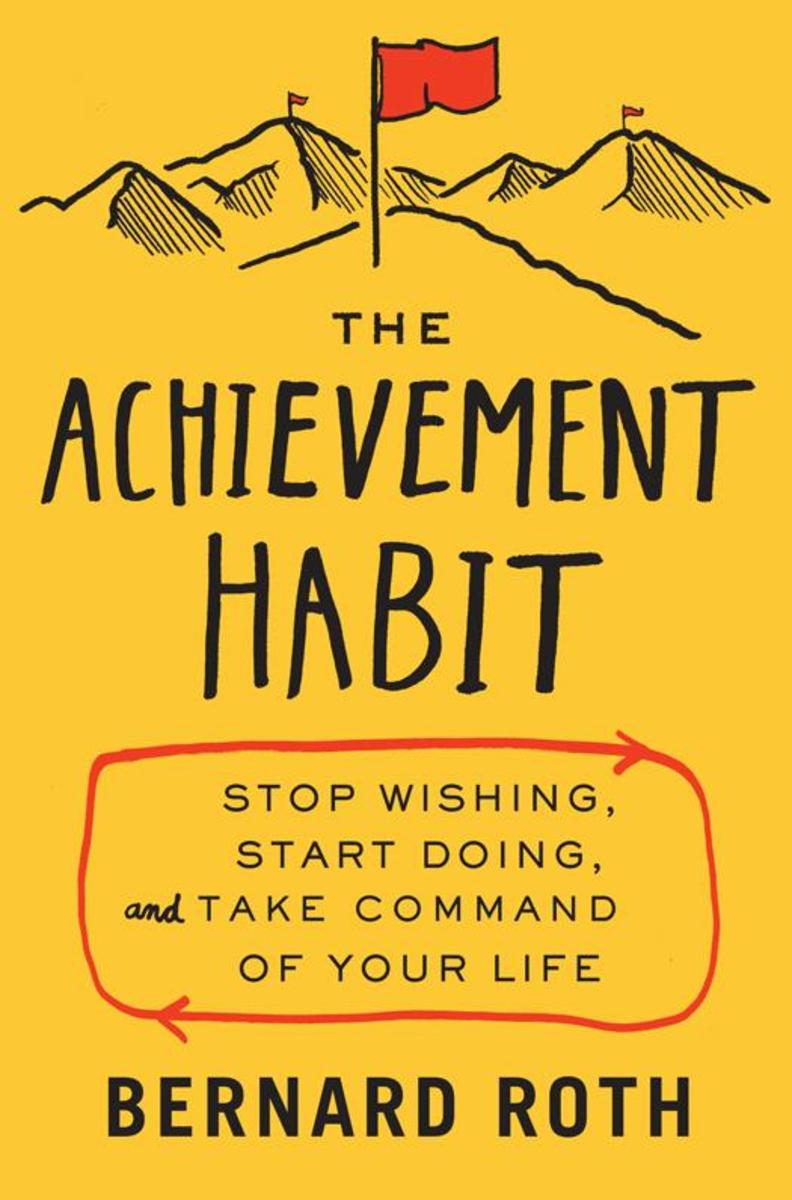
The Achievement Habit
¥155.02
Cofounder of the Stanford d.school Bernie Roth shows you how the power of design thinking can help you achieve goals you never thought possible.Did you know that achievement can be learnedAs Bernie Roth explains, achievement is a muscle. And once you learn how to flex it, you'll be able to meet life's challenges and reach your goals.Based on a legendary course Roth has taught at Stanford University for several decades, The Achievement Habit employs the remarkable insights that stem from design thinking to help us realize the power we all have within to change our lives for the better. By ridding ourselves of issues that stand in the way of reaching our full potential, we gain the confidence finally to do things we've always wanted to do. Combining design thinking, problem-solving, creativity, communication skills, and life adjustments, readers will learn: Why trying and doing are two different things Why using reasons (excuses), even legitimate ones, to explain one's behavior is self-defeating How to change your self-image into one of a doer and achiever How subtle language changes can resolve existential dilemmas and barriers to action How to build resiliency by reinforcing what you do rather than what you accomplish How to be open to learning from your own experience and from those around you Our behavior and relationships can be transformed if we choose to, we can be mindful and control our intentions to create habits that make our lives better. And with this thoughtful book as your guide, you can.
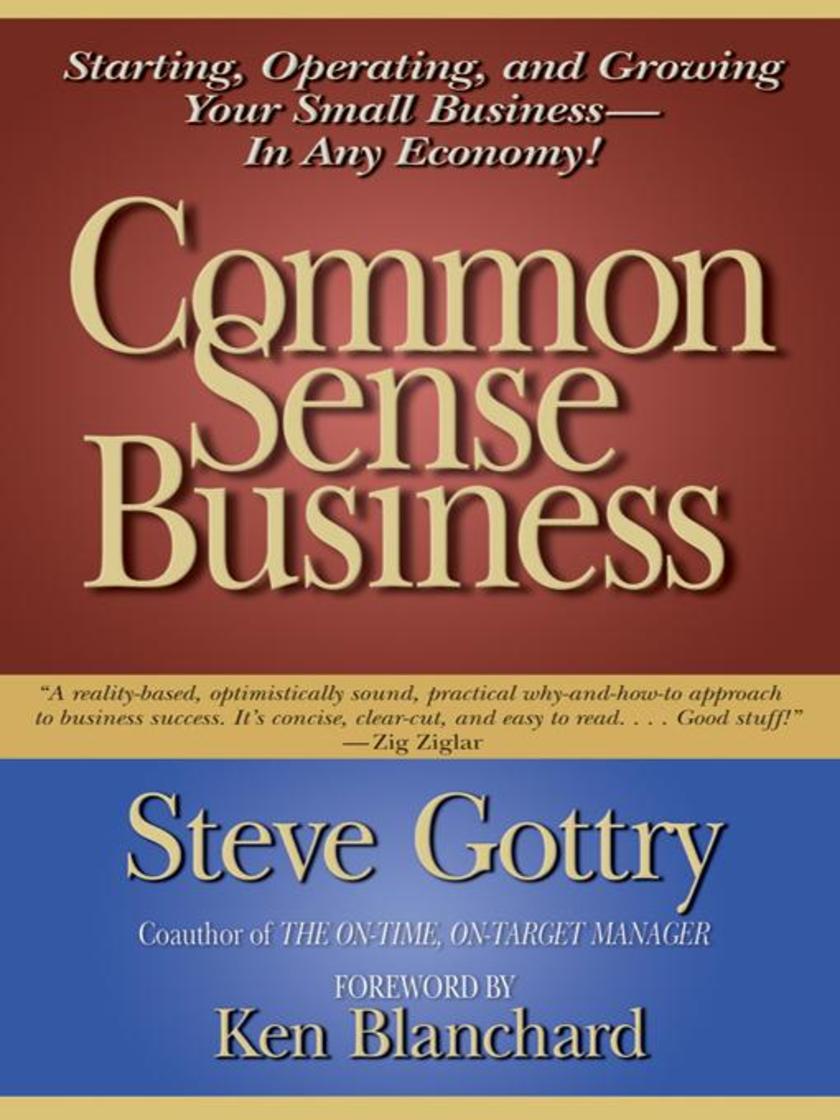
Common Sense Business
¥112.00
Do you own or plan to own a small businessDo you work for a small business and desire to better understand your bossDo you know someone who owns a business and wants to be stronger, more focused, and more successfulThis is the book for you.The truth is that many business books offer a lot of wonderful sounding theories, but they have little practical application in the real world of small business. Common Sense Business is full of life-and-death ideas. Follow Steve Gottry's advice and your business will live and thrive. Ignore it and your business could founder or die. Benefit from Gottry's experience as an entrepreneur who grew a hugely successful media agency, experienced a harrowing business failure, then rebounded with a new business and a fresh start on life.Common Sense Business tells you how to succeed throughout every phase of the small business life cycle -- from starting to operating, growing, and even closing down a business. No matter the state of the economy or the maturity of your business, you will find winning solutions to the questions and situations you face every day. Steve Gottry will help you understand yourself; your employees, customers, and vendors; and how people come together to form a successful business. You will learn how to maximize your business's assets and how to ward off those threats that could eat away at your resources and peace of mind, including debt, sloppiness, addiction, and fear. Warm, honest, funny, and factual, entrepreneur Steve Gottry tells the whole truth about successfully managing a business through good times and bad.

The E-Myth Physician
¥77.49
Michael E. Gerber, bestselling author of The E-Myth Revisited shares his powerful insights to lead independent physicians to successful practices and enriched lives.Michael Gerber has dedicated much of his professional life to the study of entrepreneurship and business dynamics. His E-Myth Academy is renown in the entrepreneurial world for its business insight and guidance as well as its inspirational advice.In the E-Myth Physician, bestselling author Gerber returns to his roots in order to provide indispensable advice to doctors who own and run their own practices. Gerber provides excellent business insights into topics such as streamlining systems, effective small-business management practices, healthy patient relations and managing cash flow, all with the goal of freeing physicians from the daily grind of running a business and leading them to a happier and more productive life while doing the job they love - practising medicine.

Dealers of Lightning
¥101.00
In the bestselling tradition of The Soul of a New Machine, Dealers of Lightning is a fascinating journey of intellectual creation. In the 1970s and '80s, Xerox Corporation brought together a brain-trust of engineering geniuses, a group of computer eccentrics dubbed PARC. This brilliant group created several monumental innovations that triggered a technological revolution, including the first personal computer, the laser printer, and the graphical interface (one of the main precursors of the Internet), only to see these breakthroughs rejected by the corporation. Yet, instead of giving up, these determined inventors turned their ideas into empires that radically altered contemporary life and changed the world.Based on extensive interviews with the scientists, engineers, administrators, and executives who lived the story, this riveting chronicle details PARC's humble beginnings through its triumph as a hothouse for ideas, and shows why Xerox was never able to grasp, and ultimately exploit, the cutting-edge innovations PARC delivered. Dealers of Lightning offers an unprecedented look at the ideas, the inventions, and the individuals that propelled Xerox PARC to the frontier of technohistoiy--and the corporate machinations that almost prevented it from achieving greatness.
Crush It!
¥127.33
Do you have a hobby you wish you could indulge in all dayAn obsession that keeps you up at nightNow is the perfect time to take that passion and make a living doing what you love. In Crush It! Why NOW Is the Time to Cash In on Your Passion, Gary Vaynerchuk shows you how to use the power of the Internet to turn your real interests into real businesses. Gary spent years building his family business from a local wine shop into a national industry leader. Then one day he turned on a video camera, and by using the secrets revealed here, transformed his entire life and earning potential by building his personal brand. By the end of this book, readers will have learned how to harness the power of the Internet to make their entrepreneurial dreams come true. Step by step, Crush It! is the ultimate driver's manual for modern business.
Leaders
¥94.10
In this illuminating study of corporate America's most critical issue leadership world-renowned leadership guru Warren Bennis and his co-author Burt Nanus reveal the four key principles every manager should know: Attention Through Vision, Meaning Through Communication, Trust Through Positioning, and The Deployment of Self. In this age of "process", with downsizing and restructuring affecting many workplaces, companies have fallen trap to lack of communication and distrust, and vision and leadership are needed more than ever before. The wisdom and insight in Leaders addresses this need. It is an indispensable source of guidance all readers will appreciate, whether they're running a small department or in charge of an entire corporation.


