


 购物车
购物车 个人中心
个人中心
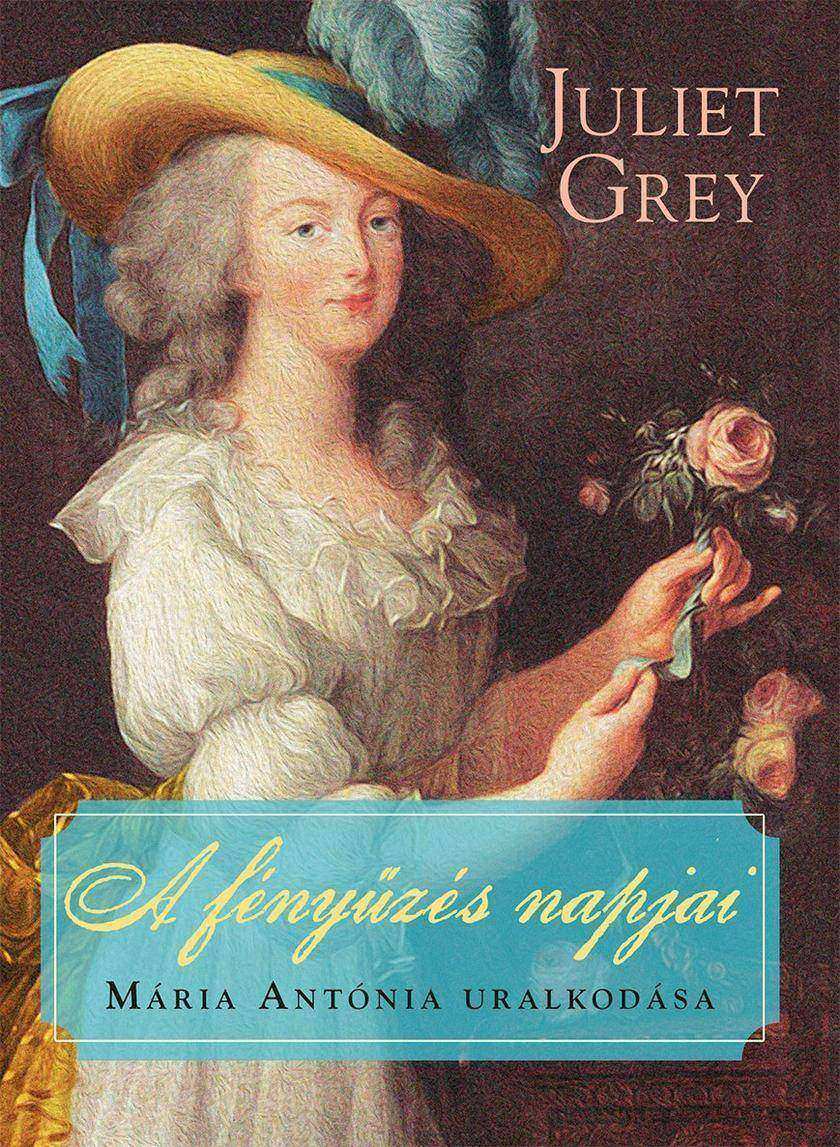
A fény?zés napjai
¥82.00
A The New York Times No.1 bestsellerében egy manhattani baleseti sebészt a kisfia szeme láttára ?lnek meg egy játszótéren. ?t év elteltével a gyilkos még mindig szabadlábon van… Amikor Laurie Moran férjét brutálisan meggyilkolták, csak a hároméves Timmy látta az édesapja gyilkosának arcát. Az átható kék szempár még ?t évvel kés?bb is kísérti álmában Timmyt. Laurie-t még nagyobb félelem nyomasztja – a gyilkos fenyegetése, amelyet odakiáltott a fiának, mik?zben elmenekült a helyszínr?l: ?Mondd meg anyádnak, ? lesz a k?vetkez?, utána pedig te j?ssz…” ?s az asszonynak most ismét gyilkossággal van dolga, ezúttal egy megt?rtént, de megoldatlan b?nügyekkel foglalkozó tévésorozat producereként. A sorozat els? részében egy n? húsz évvel korábbi, felderítetlenül maradt meggyilkolása a téma. Az élénk társasági életet él? asszonyt a friss diplomás lánya tiszteletére rendezett gála után megfojtva találták az ágyában. A nagy port kavaró gyilkosság országszerte szerepelt a hírekben, így Laurie biztos benne, hogy az ügy – a maga pazar k?rnyezetében és az akkori éjszaka vendégeinek k?zrem?k?désével – sikerre viszi majd a m?sort. ?m amikor megkezdik a forgatást Betsy azóta elhidegült barátaival, világossá válik, hogy valamennyiüknek titkai vannak – kinek kisebbek, kinek nagyobbak. ?s k?zben ráj?vünk, hogy az átható kék szempár még mindig figyel… ?Bízzunk Mary Higgins Clarkban: tudja, hogyan kell halálra rémiszteni bennünket.” -?THE NEW YORK TIMES A gyanú árnyékában sorozat k?vetekez? része A Hamupip?ke-gyilkosság címmel fog megjelenni.

K?z?ttünk a tenger
¥80.44
Sok nevem volt már. T?bb mint amennyit meg tudnék jegyezni. A k?vetkez? nevemet még nem ismerem, a mostanit már rég elfeledtem. Már nem érdekel, ki voltam, s mit tettem. Voltak k?ztük h?stettek, jó dolgok, melyekre jó érzés visszagondolni, de még t?bb volt, amire nem vagyok büszke. Tettem dolgokat parancsra - akármelyik oldal is utasított -, és tettem dolgokat, hogy védjem magam... T?lem nem aludt nyugodtan a rend?rség, és t?lem rettegett az alvilág. A legkeresettebb b?n?z?k top 100-as listájának el?kel? harmadik helyét foglaltam el. Az igazságszolgáltatás kényes "végrehajtó" rését t?mtem be. Sok mindenre büszke vagyok, és még t?bbt?l fog el a hányinger. Nehéz volt, de végül felkerült az i-re a pont. Teljesítette feladatomat, megpihenhetek végre. Végeztem mindennel és mindenkivel. Ez életem utolsó napjainak t?rténete...
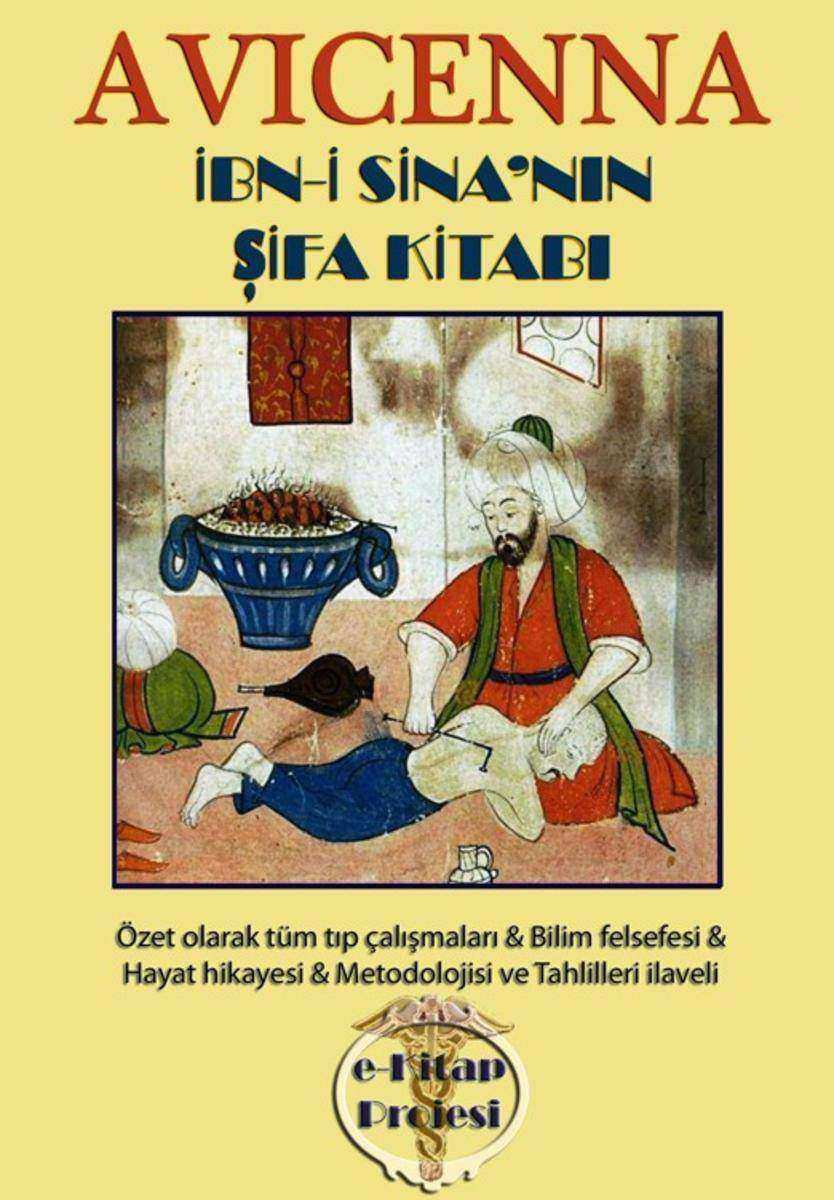
Avicenna: (Ibn-i Sinanin Sifa Kitabi)
¥28.04
Az igaz szerelem le tud gy?zni minden akadályt? Gabriella, a t?rténet h?sn?je nyaralni indul barátn?jével Puerto Ricóba, ahol váratlanul találkozik az ünnepelt filmcsillaggal, David Canóval és szoros barátság alakul ki k?ztük. Vagy talán még annál is t?bb? Gabi szerelmes lesz a férfiba, mégis elutasítja annak k?zeledését és a nyaralás végeztével hazatér a férjéhez. Egy váratlan fordulat azonban úgy hozza, hogy id? k?zben Gabi férje, Roberto bejelenti: válni akar, újra fellángolt a szerelem k?zte és a volt barátn?je k?z?tt. Látszólag elhárul minden akadály Gabi és David szerelmének beteljesülése el?l. De a sors furcsa játékot ?z a szerelmesekkel, ezért a két egészen kül?nb?z? világból érkez? fiatal útjai hamarosan szétválnak, és Gabi kénytelen egy hatalmas titokkal a szívében élni. Vajon el tudja titkolni szerelme el?l azt, amit mindenki más tud? Katie Fran?oise els? romantikus-kalandos regényében választ keres a minden férfit és n?t foglalkoztató kérdésékre. Vajon el lehet választani azokat, akiket egymásnak szánt a sors?

Fiice perfecte: Fiicele adulte ale alcoolicilor
¥65.32
A Dunnottar kastélyban ?rzik a legendás skót király, Robert Bruce kardját. Ezt az értékes kincset most mutatják meg el?sz?r a nagyk?z?nségnek, ám a megnyitóünnepségen a vendégek titokzatos álomba merülnek. Mire felébrednek, a kardnak már csak h?lt helyét látják. Régi legendák és szellemek k?z?tt ezúttal is a Mistery unokatestvérek oldják meg a rejtélyt.

Erato
¥28.53
Irene, Sherlock és Lupin, akik újra együtt vannak Londonban, egy napon kül?n?s sakkfeladványt találnak a Times hasábjain. A furcsa rejtvény szerz?je egy bizonyos ,,Fekete Barát". Sherlock szeme azonnal felcsillan... Másnap az egész várost megrázza a hír, hogy meggyilkoltak egy gazdag keresked?t. Az áldozat íróasztalán egy skarlátv?r?s rózsa hevert - ugyanaz a virág, amely húsz éve egy vakmer? b?nbanda jelképe volt. Visszatért volna a Skarlátv?r?s rózsa bandája? Három rendkívüli gyerek, akik elválaszthatatlan barátok. A krimi t?rténetének három világhír? szerepl?je. Lélegzetelállítóan izgalmas kalandok egész sora.

?jjeli vadászat
¥69.41
Nemzeti t?rténelmünk dics?séges helyszíne az egri vár, amelynek 1552-es ostroma során kétezer hazaszeret? ember gy?zedelmeskedett kétszázezer k?ny?rtelen idegen támadó felett. Hiába a múló id?, Bornemissza Gerg?ék legendája minduntalan b?vk?rébe vonja az épp feln?vekv? nemzedékeket. ?m az Egri csillagok nem csupán a magyar emberek kedvenc olvasmánya: Gárdonyi Géza is a legjobb m?vének tartotta a sodró lendület? regényt. A Manó K?nyvek Klassz!-sorozatában Nógrádi Gergely az eredeti cselekményt k?vetve, ám r?videbb formában meséli újra a klasszikus irodalom gy?ngyszemeit, azzal a céllal, hogy a remekm?vek a mai fiatalok számára is érthet? és szerethet? olvasmányok legyenek. Ugyanakkor a kiadó nemcsak a nagy nemzeti legendák megismertetéséért, de az értékes írói ?r?kség megóvásáért is síkra száll: a sorozat k?teteit számos, az eredeti regényekb?l kiemelt sz?vegrészlet gazdagítja.

The Wintry Peacock
¥8.01
– A rosszak gyztek – kérdezte csalódottan a lány. Lecvekelt, és a kórházfolyosó fehérre festett falához simult, mintha ezzel is jelezni akarná, hogy nem hajlandó annyiban hagyni a dolgot. – Ez nem gyerekmese, kislány! A küzdelem gyakran a gonosz boszorka és a tzokádó sárkány kzt dl el – tárta szét a kezét Varga –, a bátor lovag már az elején meghalt szifiliszben.” Egyetlen, kiskaliber golyó a fejbe. A tettes profi bérgyilkos. Varga László nyomozó ügyész számára nagyon hamar személyes kérdéssé válik a megbízó felkutatása: három olyan n is belekeveredik az ügybe, aki fontos neki. A hajsza tbb szálon fut, a víg zvegy, az ukrán kokaincsempészek és a polgármester is célkeresztbe kerül. A fejesek legszívesebben eltussolnák az egészet, de a helyi média lecsap a botrányra. Kzben Varga félreérthetetlen üzenetet kap: jobban tenné, ha visszavenne az elánból. s még a helyi futballcsapat bennmaradása is tle függ. Egyszer féltékenység, alvilági leszámolás vagy politikai gyilkosság Melyik az a pont, ahol Varga végre rájn, hogy bábként rángatják Albert Levente krimisorozatának els ktete. Hiteles karakterek, váratlan fordulatok, elképzelt vidéki nagyváros, foci, szerelem, gasztronómia és humor. Sok humor.

Menekülés a F?ldr?l 2.
¥51.83
– Van valami, amiért még mindig haragszol az elmúlt évekbl – néztem a szemébe, amikor megálltunk a kapunkban. – Nem. Nincs – szólt szintén, némi tprengés után. – Neked – Azt hiszem, nincs – ismertem be, és komolyan is gondoltam. – Viszont – tettem hozzá, amolyan "azért ne nyugodj meg" pillantással – nehogy azt hidd, hogy Benot nem jelentett nekem sokat. – Gondolom. De a te kitalált barátodat Jérome-nak hívták – emlékeztetett mosolyogva. – Részletkérdés – nevettem el magam, aztán a vállába fúrva az arcom, szorosan átleltem. – rülk, hogy az elmúlt négy évem minden egyes napja rólad szólt – suttogtam alig hallhatóan. Cortez kissé eltolt magától, hogy a szemembe tudjon nézni, majd hosszasan megcsókolt, engem pedig elnttt a forróság a hajnali hvsben. Azt hiszem, ezt végleg megbeszéltük.”

Karácsony receptre: Minden családnak jár a boldogság
¥56.57
Meddig mennél el a szeretteidért? Amikor Olivia Brookes felhívja a rend?rséget, hogy bejelentse férje és gyermekei elt?nését, azt hiszi, soha t?bbé nem látja viszont ?ket. Okkal fél a legrosszabbtól, hiszen nem ez az els? tragédia, amit átél. Most, két esztend?vel kés?bb, Tom Douglas f?felügyel?t ismét ehhez a családhoz küldik nyomozni, ám ezúttal Oliiva t?nt el. Minden bizonyíték arra utal, hogy reggel még az otthonában tartózkodott – kocsija a garázsban áll, pénztárcája a konyhaasztalon hever? táskájában van. A rend?rség el akarja rendelni Olivia keresését, de a családtagok ?sszes fényképét eltávolították a fotóalbumokból, számítógépekb?l, telefonokból. Aztán meglátják a vért… Vajon a múlt utolérte Oliviát? Aludj jól – ha tudsz. Sosem tudhatod, ki figyel.

Az elhallgatás
¥56.57
A t?kéletes lány. A t?kéletes barátn?. A t?kéletes gyilkosság? Jenna nagyon beteg. Minden reményét elvesztette egy új szívre, amellyel tovább élhet. Már kihunyna bel?le az élet, amikor megkapja egy Callie nev? lány szívét. Vajon ki volt a donor, és hogyan halt meg? Jenna elhatározza, hogy utána jár a dolognak. Minél k?zelebb kerül azokhoz, akik szerették Callie-t, annál t?bb kérdés merül fel a lány korai halálával kapcsolatban. Valaki biztosan tudja, mi t?rtént. Miért hallgatnak, miért nem beszél senki? Jenna k?zel jár az igazság felderítéséhez, de cserébe elveszítheti mindenét a szeretteit, a józan eszét, s?t az életét. Louise Jensen, A n?vér világsiker? szerz?je újabb lebilincsel?en izgalmas, és félelmetes pszichológiai thrillert alkotott..
Hosszúhajú veszedelem
¥8.67
The stories were written when Irish nationalism was at its peak, and a search for a national identity and purpose was raging; at a crossroads of history and culture, Ireland was jolted by various converging ideas and influences. They centre on Joyce's idea of an epiphany: a moment where a character experiences self-understanding or illumination. Many of the characters in Dubliners later appear in minor roles in Joyce's novel Ulysses. The initial stories in the collection are narrated by child protagonists, and as the stories continue, they deal with the lives and concerns of progressively older people. This is in line with Joyce's tripartite division of the collection into childhood, adolescence and maturity. THERE was no hope for him this time: it was the third stroke. Night after night I had passed the house (it was vacation time) and studied the lighted square of window: and night after night I had found it lighted in the same way, faintly and evenly. If he was dead, I thought, I would see the reflection of candles on the darkened blind for I knew that two candles must be set at the head of a corpse. He had often said to me: "I am not long for this world," and I had thought his words idle. Now I knew they were true. Every night as I gazed up at the window I said softly to myself the word paralysis. It had always sounded strangely in my ears, like the word gnomon in the Euclid and the word simony in the Catechism. But now it sounded to me like the name of some maleficent and sinful being. It filled me with fear, and yet I longed to be nearer to it and to look upon its deadly work.Old Cotter was sitting at the fire, smoking, when I came downstairs to supper. While my aunt was ladling out my stirabout he said, as if returning to some former remark of his: "No, I wouldn't say he was exactly... but there was something queer... there was something uncanny about him. I'll tell you my opinion...." He began to puff at his pipe, no doubt arranging his opinion in his mind. Tiresome old fool! When we knew him first he used to be rather interesting, talking of faints and worms; but I soon grew tired of him and his endless stories about the distillery. "I have my own theory about it," he said. "I think it was one of those... peculiar cases.... But it's hard to say...." He began to puff again at his pipe without giving us his theory. My uncle saw me staring and said to me:"Well, so your old friend is gone, you'll be sorry to hear." "Who?" said I."Father Flynn.""Is he dead?" ? ABOUT AUTHOR: ? James Augustine Aloysius Joyce (1882 – 1941) was an Irish novelist and poet, considered to be one of the most influential writers in the modernist avant-garde of the early 20th century. Joyce is best known for Ulysses (1922), a landmark work in which the episodes of Homer's Odyssey are paralleled in an array of contrasting literary styles, perhaps most prominent among these the stream of consciousness technique he perfected. Other major works are the short-story collection Dubliners (1914), and the novels A Portrait of the Artist as a Young Man (1916) and Finnegans Wake (1939). His complete oeuvre also includes three books of poetry, a play, occasional journalism, and his published letters.
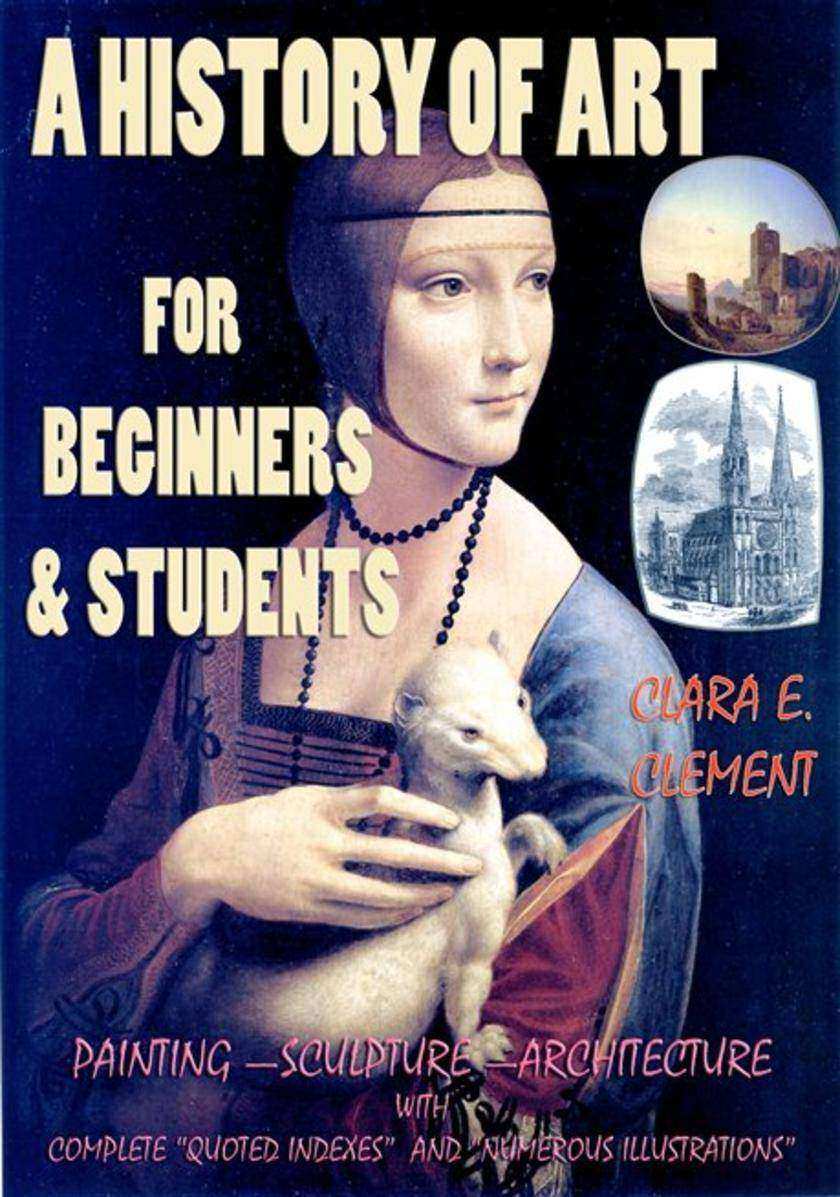
A History of Art for Beginners and Students
¥24.44
A kis szellem minden éjjel pontban éjfélkor f?lébred. Vígan járja Bagolyk? várának ?sszes termét, és meglátogatja ?reg barátját, Uhu bácsit. De k?zben arról ábrándozik, milyen jó lenne nappal látni a világot! Csupán egyetlenegyszer… Addig nem nyugszik, míg egy ver?fényes napon a kívánsága váratlanul nem teljesül. Ekkor izgalmas kalandok sora veszi kezdetét, és nemcsak a kis szellem számára… A Kolibri Klasszikusok sorozatban a Torzonborz-t?rténetek után egy újabb Otfried Preussler meseh?s, a kis szellem válhat generációk kedvencévé.
A Dialogue in Hades: "Illustrated"
¥8.09
t lány, t nézpont, t knyv. Cherry trténete, a Cseresznyés ábránd az els. Cherry Costello élete hamarosan rkre megváltozik. Somersetbe kltzik az apukájával, ahol egy új anyuka és egy csomó vadiúj testvér vár rá. Rgtn az els napon megismeri Shay Fletchert, aki annyira szívdgleszt, hogy az már kzveszélyes. Csakhogy Shay foglalt: Cherry új mostohatestvérével, Honey-val jár. Cherry pontosan tudja, milyen kockázatos Shayjel barátkoznia – hiszen ezzel mindent tnkretehet. Csakhogy ez még nem jelenti azt, hogy távol is tudja tartani magát tle… Csajok és csokik. Egy knyvsorozat, melyben minden testvérnek megvan a maga trténete… Neked melyik lány lesz a kedvenced Talán a Cseresznyés ábránd fhse, Cherry Az a lány, akinek tejeskávé szín a bre, stétbarna szeme pedig mandulavágású. Akinek élénk a képzelete, szórakoztató a társaságában lenni, és aki mindig kiáll magáért. Cathy Cassidy nyolc-kilencéves korában írta meg els képesknyvét kisccsének, és azóta ontja magából a trténeteket. Magyarul elsként a Csajok és csokik-sorozata (a Cseresznyés ábránd az 1. ktet) jelenik meg, melynek a vagány Tanberry-nvérek a fhsei, de mellettük feltnik néhány szupermen srác is, valamint Cathy egyik legnagyobb szerelme, a csokoládé is fontos szerepet kap. Cathy Skóciában él a családjával. Az sszes munka kzül, amivel valaha megpróbálkozott, az írást szereti a legjobban – hiszen amikor ír, mást sem kell csinálnia, mint ébren álmodozni egész álló nap.

?szintén hazudva
¥58.04
36 тижн?в у списку бестселер?в The New York Times! Евел?н пережива? глибоку особисту кризу. Вона знайомиться з? старенькою Н?нн?, яка, попри важку долю, не втрача? жаги до життя. Н?нн? розпов?да? Евел?н ?стор?? ?хнього м?стечка: про д?вчину, яка п?сля загибел? брата знаходить сили жити дал?; про розбите серце красун? Рут; про мандр?вного роб?тника, який закохався в Рут; про безроб?тних, яких у кафе ?Зупинка? годували безкоштовно... Ц? ?стор?? мають таку силу, що зм?нюють на краще життя тих, хто ?х чита?. 36 tizhn?v u spisku bestseler?v The New York Times! Evel?n perezhiva? gliboku osobistu krizu. Vona znajomit'sja z? staren'koju N?nn?, jaka, popri vazhku dolju, ne vtracha? zhagi do zhittja. N?nn? rozpov?da? Evel?n ?stor?? ?hn'ogo m?stechka: pro d?vchinu, jaka p?slja zagibel? brata znahodit' sili zhiti dal?; pro rozbite serce krasun? Rut; pro mandr?vnogo rob?tnika, jakij zakohavsja v Rut; pro bezrob?tnih, jakih u kafe ?Zupinka? goduvali bezkoshtovno... C? ?stor?? majut' taku silu, shho zm?njujut' na krashhe zhittja tih, hto ?h chita?.

A Thousand Years of Jewish History: Illustrated
¥32.62
Minden bonyodalom azzal kezd?dik, hogy Ríviai Geralt kardjainak rejtélyes módon lába kél. Ezt k?veti egy démonidéz? rejtélye, egy furcsa hajóút és egy meglehet?sen fordulatos királyi esküv?. A régi barát, K?k?rcsin szokás szerint most is Geralt ?segítségére siet”, akár akarja a vaják, akár nem. Felbukkan egy varázslón? is, aki megpróbálja irányítani Geraltot, szokás szerint. ?s ismét akadnak olyanok, akik a vaják útjába állnak, szokás szerint. Ez a k?tet Sapkowski utolsó regénye a Vaják-világban, és a sagához csak k?nny? szállal kapcsolódik, de a szerz? nem okoz csalódást: ismét egyszerre szembesülünk népek sorsával és az egyes ember drámájával, de mindezt ismét olyan gazdag képzeletvilággal ?tv?zve és olyan humorral tálalva, ami letehetetlenné teszi a k?tetet. Szokás szerint.

Twilight in Italy
¥8.01
*** BELLWETHER-D?JAS REG?NY ***Egyedül Rachel, egy dán édesanya és egy fekete édesapa gyermeke éli túl azt a családi tragédiát, amely egy végzetes reggelen k?vetkezett be chicagói házuk tetején.A kislány új gyámot kap, az afroamerikai nagyanyjával egy t?bbnyire feketék lakta k?z?sségbe kerül, ahol világosbarna b?re, kék szeme és szépsége miatt folyamatosan a figyelem k?zéppontjába kerül. Ez a figyelem végigkíséri, ahogy cseperedik és próbálja feldolgozni a gyászát, mik?zben lassan megérti, hogy az anyja titka és tragédiája milyen kapcsolatban áll saját bizonytalan identitásával.A fiatal félvér lány megrázó és szívbemarkoló t?rténete a társadalom rassz- és osztályfelfogását veszi célba, és a Washington Post a megjelenés évében az év regényének választotta a társadalmi igazságossággal kapcsolatos témákkal foglalkozó legjobb irodalmi kéziratért járó Bellwether-díjas írást.?A lány az égb?l – szárnyal… Energiájáról az élénk színekkel megrajzolt szerepl?k gondoskodnak, s az, ahogyan egymást látják. Durrow-nak fantasztikus füle van a párbeszédekhez, képes egyetlen sorral remények és félelmek egész tárházát életre kelteni.”– New York Times ??géretes debütálás… [Durrow] modern t?rténetet sz?tt identitásról és túlélésr?l.”– The Washington Post ?Komplex és komoly regény a félvér amerikaiak életér?l… Magával ragadó és elgondolkodtató olvasmány”– Minneapolis Star Tribune ?Megindító, csodálatos els? regény… Durrow er?t sugárzó regénye méltó rá, hogy helyet kapjon az amerikai életérzés klasszikus t?rténetei k?z?tt.”– The Miami Herald Durrow Rachelje fiatal félvér n?, akit semmiképp sem neveznék tragikus szerepl?nek. Bár bonyolult utat tesz meg az elidegenedés és a kétségbeesés útveszt?jében, végül olyan n?vé érik, akinek saját hangja van, és nyitott a világ számtalan lehet?ségére… Emelkedj fel! Szárnyalj! Lépj tovább! Elegáns csomagolásban ezt az üzenetet kapja kézhez az olvasó.” – The Huffington Post ?Feszes próza, konfliktusos végkifejlet, és mély reflexió rasszizmusra és faji identitásra: ezek visszhangoznak a m?ben, anélkül, hogy az politikai vagy bármilyen más túlságosan konkrét üzenetet k?zvetítene, mik?zben a t?rténet egyszerre m?k?dik mind modern feln?ttéválási meseként, mind releváns társadalmi kommentárként.”– Publishers Weekly
Candide: Illustrated
¥18.74
High into air are the great New York buildings lifted by a ray whose source no telescope can find.It seemed only fitting and proper that the greatest of all leaps into space should start from Roosevelt Field, where so many great flights had begun and ended. Fliers whose names had rung—for a space—around the world, had landed here and been received by New York with all the pomp of visiting kings. Fliers had departed here for the lands of kings, to be received by them when their journeys were ended. Of course Lucian Jeter and Tema Eyer were disappointed that Franz Kress had beaten them out in the race to be first into the stratosphere above fifty-five thousand feet. There was a chance that Kress would fail, when it would be the turn of Jeter and Eyer. They didn't wish for his failure, of course. They were sports-men as well as scientists; but they were just human enough to anticipate the plaudits of the world which would be showered without stint upon the fliers who succeeded. The warship simply vanished into the night sky. "At least, Tema," said Jeter quietly, "we can look his ship over and see if there is anything about it that will suggest something to us. Of course, whether he succeeds or fails, we shall make the attempt as soon as we are ready.""Indeed, yes," replied Eyer. "For no man will ever fly so high that another may not fly even higher. Once planes are constructed of unlimited flying radius ... well, the universe is large and there should be no end of space fights for a long time."

Divine Comedy (Volume I): Paradise {Illustrated}
¥18.74
The Metamorphosis (German: Die Verwandlung, also sometimes translated as The Transformation) is a novella by Franz Kafka, first published in 1915. It has been cited as one of the seminal works of fiction of the 20th century and is studied in colleges and universities across the Western world. The story begins with a traveling salesman, Gregor Samsa, waking to find himself transformed (metamorphosed) into a large, monstrous insect-like creature. The cause of Samsa's transformation is never revealed, and Kafka never did give an explanation. The rest of Kafka's novella deals with Gregor's attempts to adjust to his new condition as he deals with being burdensome to his parents and sister, who are repulsed by the horrible, verminous creature Gregor has become. Part I: One day, Gregor Samsa, a traveling salesman, wakes up to find himself transformed into a "ungeheures Ungeziefer", literally "monstrous vermin", often interpreted as a giant bug or insect. He believes it is a dream, and reflects on how dreary life as a traveling salesman is. As he looks at the wall clock, he realizes he has overslept, and missed his train for work. He ponders on the consequences of this delay. Gregor becomes annoyed at how his boss never accepts excuses or explanations from any of his employees no matter how hard working they are, displaying an apparent lack of trusting abilities. Gregor's mother knocks on the door and he answers her. She is concerned for Gregor because he is late for work, which is unorthodox for Gregor. Gregor answers his mother and realizes that his voice has changed, but his answer is short so his mother does not notice the voice change. His sister, Grete, to whom he was very close, then whispers through the door and begs him to open the door. All his family members think that he is ill and ask him to open the door. He tries to get out of bed, but he is incapable of moving his body. While trying to move, he finds that his office manager, the chief clerk, has shown up to check on him. He finally rocks his body to the floor and calls out that he will open the door shortly.

Egy milliomos b?rében
¥2.94
Видано 45 мовами! Донна Тартт — лауреат Пул?тцер?всько? прем?? № 1 у списку 100 видатних книжок за верс??ю The New York Times Отямившись п?сля вибуху в музе?, тринадцятир?чний Тео ще не розум??, що там, п?д уламками, залишилися його мат?р ? його дитинство. Пробираючись до виходу, повз кам?ння та т?ла, в?н п?дбира? безц?нну картину фламандського майстра, яку так любила його мати. Дивний старий, вмираючи, в?дда? йому свого персня та просить винести картину зв?дси... Тео буде кидати ?з родини в родину, ?з Нью-Йорка до Амстердама, ?з глибин в?дчаю до ейфор??. Викрадений ?Щиголь? стане його прокляттям та над??ю на порятунок... Vidano 45 movami! Donna Tartt — laureat Pul?tcer?vs'ko? prem?? № 1 u spisku 100 vidatnih knizhok za vers??ju The New York Times Otjamivshis' p?slja vibuhu v muze?, trinadcjatir?chnij Teo shhe ne rozum??, shho tam, p?d ulamkami, zalishilisja jogo mat?r ? jogo ditinstvo. Probirajuchis' do vihodu, povz kam?nnja ta t?la, v?n p?dbira? bezc?nnu kartinu flamands'kogo majstra, jaku tak ljubila jogo mati. Divnij starij, vmirajuchi, v?dda? jomu svogo persnja ta prosit' vinesti kartinu zv?dsi... Teo bude kidati ?z rodini v rodinu, ?z N'ju-Jorka do Amsterdama, ?z glibin v?dchaju do ejfor??. Vikradenij ?Shhigol'? stane jogo prokljattjam ta nad??ju na porjatunok...

Szulejmán és a kolostor rabja
¥57.55
Egy nem mindennapi gyerekkori barátság lélegzetelállító t?rténete, amely kiállja az id? próbáját. Gustav Perle egy svájci kisvárosban n? fel, ahol a II. világháború sz?rny?ségeib?l csak halk visszhang jut el. Egyedüli gyerekként nevelkedik imádott édesanyjával, Emilie-vel, aki meglehet?en mogorván bánik vele. ?sszebarátkozik egy vele egykorú tehetséges és jó esz? zsidó fiúval Anton Zweibellel, az ígéretes zongoristapalántával.A regény Gustav családjának t?rténetét k?veti nyomon, feltárja az anya antiszemitizmusának gy?kereit, amelynek kihatása lesz fia és legkedvesebb barátjának életére is. Visszatekintés a háborús évekre és egy lelkiismereti ügy kellemetlen k?vetkezményeire, és el?re nézés két életútra, két karrierre; egy szállodatulajdonoséra és egy zongoram?vészére.A Gustav-szonáta a barátságról szól: a szenvedélyes szeretetr?l, az eltávolodásról és a küzdelemr?l. Er?teljes és mélyen megindító m? az egyik legnagyobb kortárs regényíró tollából.?A szeretet és irigység mesteri elbeszélése.” – The Guardian“Egy t?kéletes regény az élet t?kéletlenségér?l” – The Observer“Tremain egy géniusz.” – The Times"Végletes és fájdalmas szépség. Briliáns regény; Tremain a legnagyobb brit írók egyike.” -Salman RushdieRose Tremain 1943-ban született Londonban. Regényei és novellái világszerte 27 országban jelentek meg, számtalan díjat nyertek, beleértve a Sunday Express ?v K?nyve Díját a Restoration-nel (a regényt Booker-díjra is jel?lték). A Sacred Country-val Franciaországban elnyerte a ?Prix Femina Etranger”-díjat, a Music and Silence-szel a Whitbread ?v K?nyve díjat, és a Road Home-mal 2008-ban a regényeknek járó Orange-díjat. 1995-ben a Restoration-b?l Változások kora címmel filmet forgattak, és 2009-ben színpadra is vitték. Legújabb regénye a sokat dicsért Gustav-szonáta, amiben Rose ?páratlan tehetsége csúcsára érkezett” (Observer).Rose Tremain korábbi regénye Színarany címmel jelent meg magyarul a Park Kiadó gondozásában.
Emile
¥28.04
Underground* *The author of the diary and the diary itself are, of course, imaginary. Nevertheless it is clear that such persons as the writer of these notes not only may, but positively must, exist in our society, when we consider the circumstances in the midst of which our society is formed. I have tried to expose to the view of the public more distinctly than is commonly done, one of the characters of the recent past. He is one of the representatives of a generation still living. In this fragment, entitled "Underground," this person introduces himself and his views, and, as it were, tries to explain the causes owing to which he has made his appearance and was bound to make his appearance in our midst. In the second fragment there are added the actual notes of this person concerning certain events in his life.--AUTHOR'S NOTE. II am a sick man.... I am a spiteful man. I am an unattractive man. I believe my liver is diseased. However, I know nothing at all about my disease, and do not know for certain what ails me. I don't consult a doctor for it, and never have, though I have a respect for medicine and doctors. Besides, I am extremely superstitious, sufficiently so to respect medicine, anyway (I am well-educated enough not to be superstitious, but I am superstitious). No, I refuse to consult a doctor from spite. That you probably will not understand. Well, I understand it, though. Of course, I can't explain who it is precisely that I am mortifying in this case by my spite: I am perfectly well aware that I cannot "pay out" the doctors by not consulting them; I know better than anyone that by all this I am only injuring myself and no one else. But still, if I don't consult a doctor it is from spite. My liver is bad, well--let it get worse! I have been going on like that for a long time--twenty years. Now I am forty. I used to be in the government service, but am no longer. I was a spiteful official. I was rude and took pleasure in being so. I did not take bribes, you see, so I was bound to find a recompense in that, at least. (A poor jest, but I will not scratch it out. I wrote it thinking it would sound very witty; but now that I have seen myself that I only wanted to show off in a despicable way, I will not scratch it out on purpose!) When petitioners used to come for information to the table at which I sat, I used to grind my teeth at them, and felt intense enjoyment when I succeeded in making anybody unhappy. I almost did succeed. For the most part they were all timid people--of course, they were petitioners. But of the uppish ones there was one officer in particular I could not endure. He simply would not be humble, and clanked his sword in a disgusting way. I carried on a feud with him for eighteen months over that sword. At last I got the better of him. He left off clanking it. That happened in my youth, though. But do you know, gentlemen, what was the chief point about my spite? Why, the whole point, the real sting of it lay in the fact that continually, even in the moment of the acutest spleen, I was inwardly conscious with shame that I was not only not a spiteful but not even an embittered man, that I was simply scaring sparrows at random and amusing myself by it. I might foam at the mouth, but bring me a doll to play with, give me a cup of tea with sugar in it, and maybe I should be appeased. I might even be genuinely touched, though probably I should grind my teeth at myself afterwards and lie awake at night with shame for months after. That was my way.


