


 购物车
购物车 个人中心
个人中心

Вишнёвый сад
¥24.44
Вишнёвый сад — лирическая пьеса в четырёх действиях Антона Павловича Чехова, жанр которой сам автор определил как комедия. Вишнёвый сад — последняя пьеса Чехова, завершённая на пороге первой русской революции, за год до его ранней смерти.Действие начинается весной в имении Любови Андреевны Раневской, которая после нескольких лет проживания во Франции возвращается со своей семнадцатилетней дочерью Аней в Россию. На станции их уже ждут Гаев, брат Раневской, и Варя, её приемная дочь.Денег у Раневской практически не осталось, а имение с его прекрасным вишнёвым садом в скором времени может быть продано за долги.

Дядя Ваня
¥24.44
Дяде Ване уже 47 лет. Всю жизнь он, не выезжая из деревни, довольствуясь малым жалованием, трудился, как вол, чтобы содержать зятя-профессора, которого считал видной и полезной научной фигурой. Однако с недавнего времени глаза Ивана Петровича открылись: он понял, что его зять лишь пережёвывал в своих статьях и лекциях 25 лет чужие мысли о реализме и натурализме.

The Brothers Karamazov
¥24.44
The Brothers Karamazov is a spiritual drama of moral struggles concerning faith, doubt, judgment, and reason, set against a modernizing Russia, with a plot developing around the subject of patricide. It is a passionate philosophical novel entering deeply into the ethical debates of God, free will, and morality. The Brothers Karamazov is recognised universally as one of the supreme achievements in world literature.
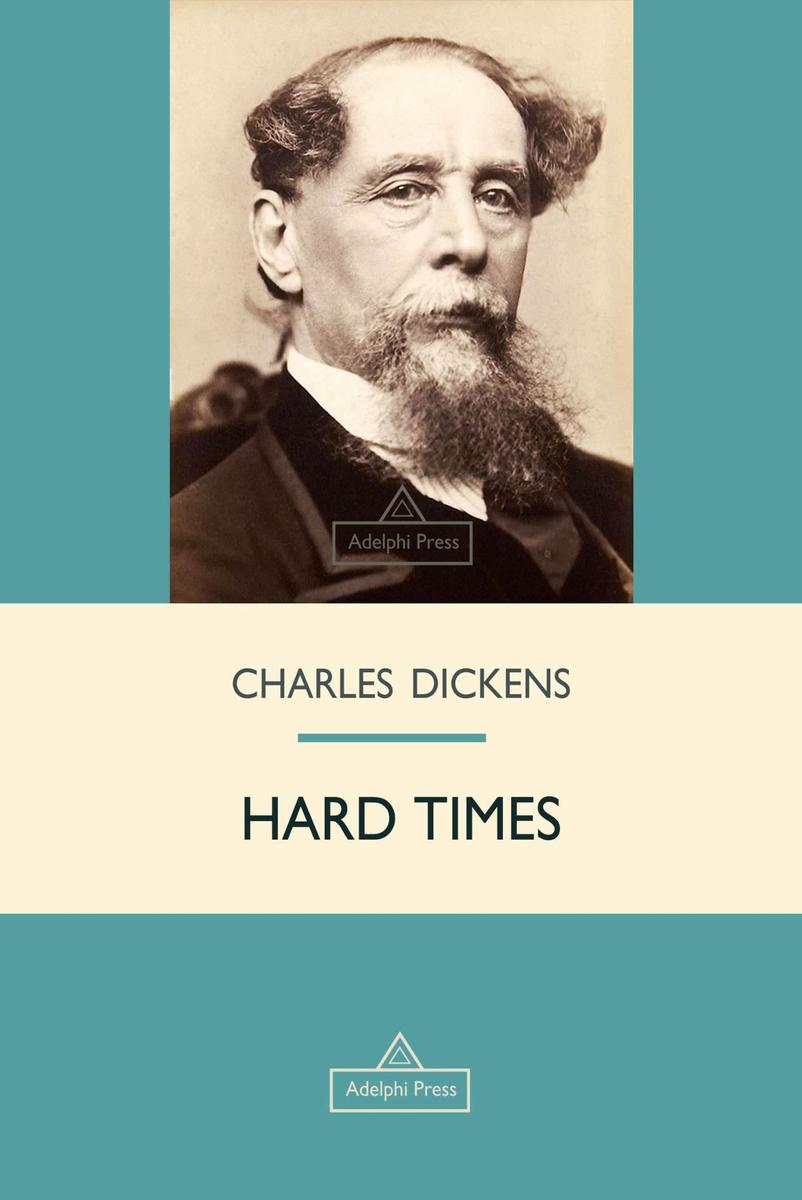
Hard Times
¥24.44
A wealthy merchant devotes his life to a philosophy of rationalism, self-interest, and fact. He raises his children, Louisa and Tom, according to this philosophy and never allows them to engage in fanciful or imaginative pursuits. As his children grow older, Tom becomes a dissipated, self-interested hedonist, and Louisa struggles with deep inner confusion, feeling as though she is missing something important in her life.
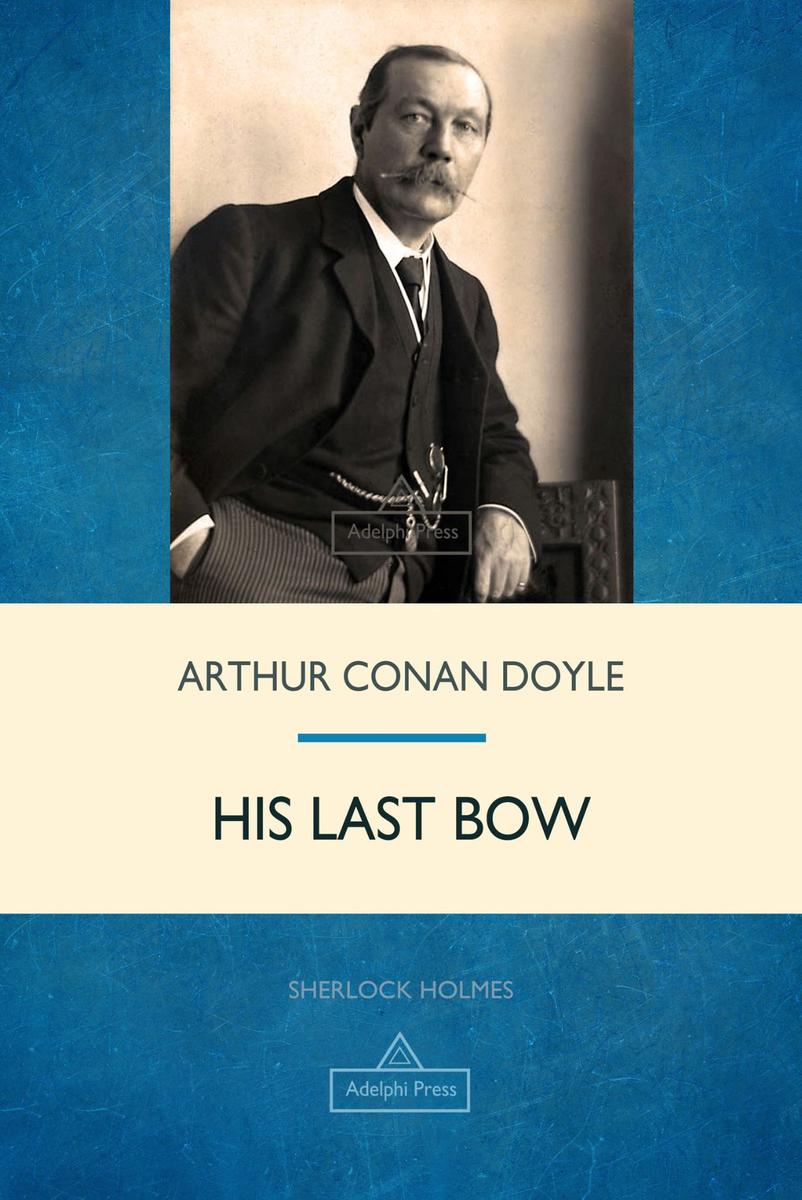
His Last Bow
¥24.44
Holmes is long retired from his profession of detective but is still alive and well, albeit suffering from a touch of rheumatism.
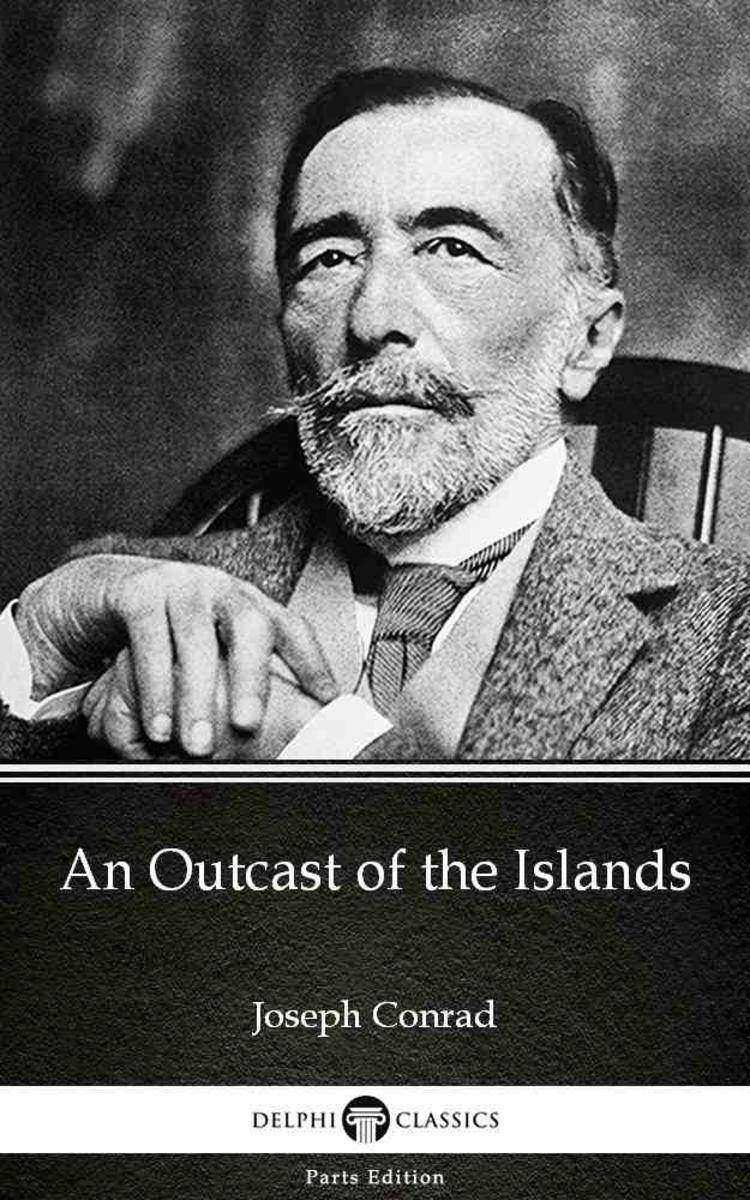
An Outcast of the Islands by Joseph Conrad (Illustrated)
¥8.09
This eBook features the unabridged text of ‘An Outcast of the Islands’ from the bestselling edition of ‘The Complete Works of Joseph Conrad’. Having established their name as the leading publisher of classic literature and art, Delphi Classics produce publications that are individually crafted with superior formatting, while introducing many rare texts for the first time in digital print. The Delphi Classics edition of Conrad includes original annotations and illustrations relating to the life and works of the author, as well as individual tables of contents, allowing you to navigate eBooks quickly and easily. eBook features:* The complete unabridged text of ‘An Outcast of the Islands’* Beautifully illustrated with images related to Conrad’s works* Individual contents table, allowing easy navigation around the eBook* Excellent formatting of the text Please visit www.delphiclassics.com to learn more about our wide range of titles
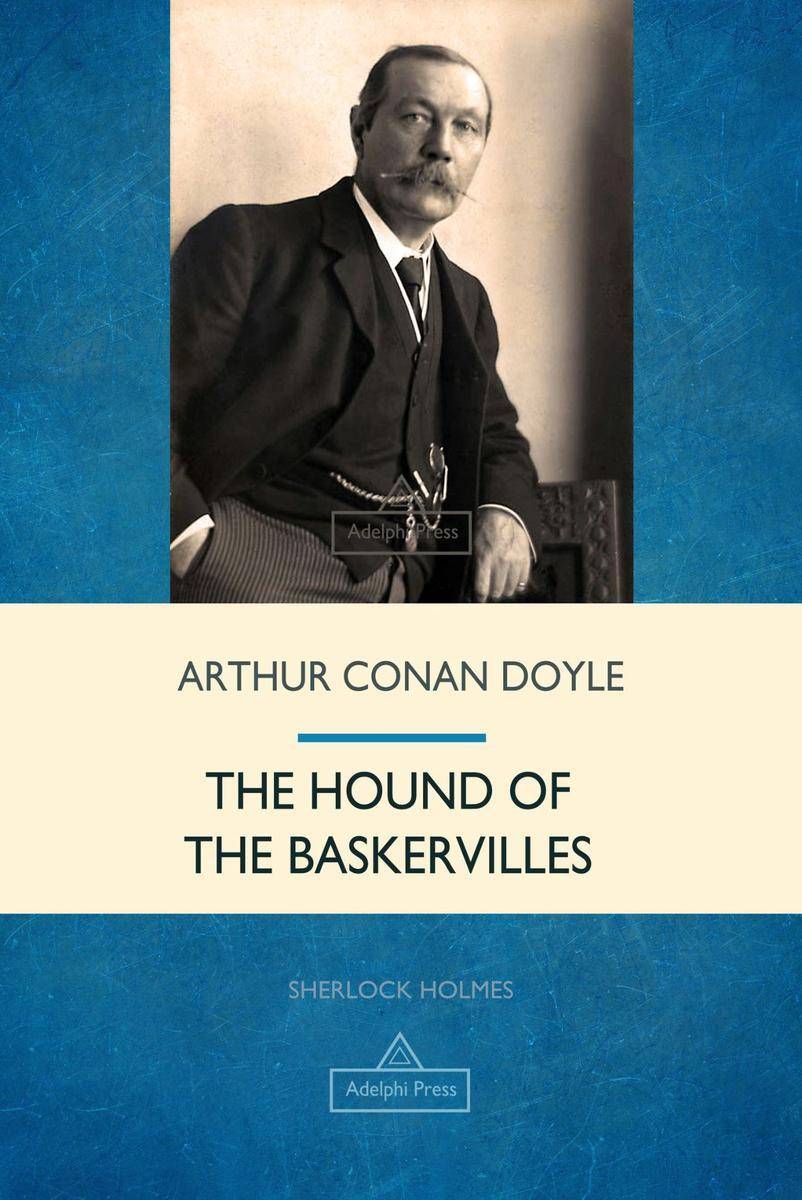
The Hound of the Baskervilles
¥24.44
The story unfolds in foggy region of Dartmoor in Devon in England's West Country. The mysterious attempted murder may have been inspired by the legend of a fearsome, diabolical hound of supernatural origin. Sherlock Holmes and his companion Dr. Watson investigate the case. This was the first appearance of Holmes since his apparent death in 'The Final Problem', and the success of The Hound of the Baskervilles led to the character's eventual revival.

Nicholas Nickleby
¥8.09
This Tribeca Press edition includes the full original text as well as exclusive images exclusive to this edition and an easy to use interactive table of contents.
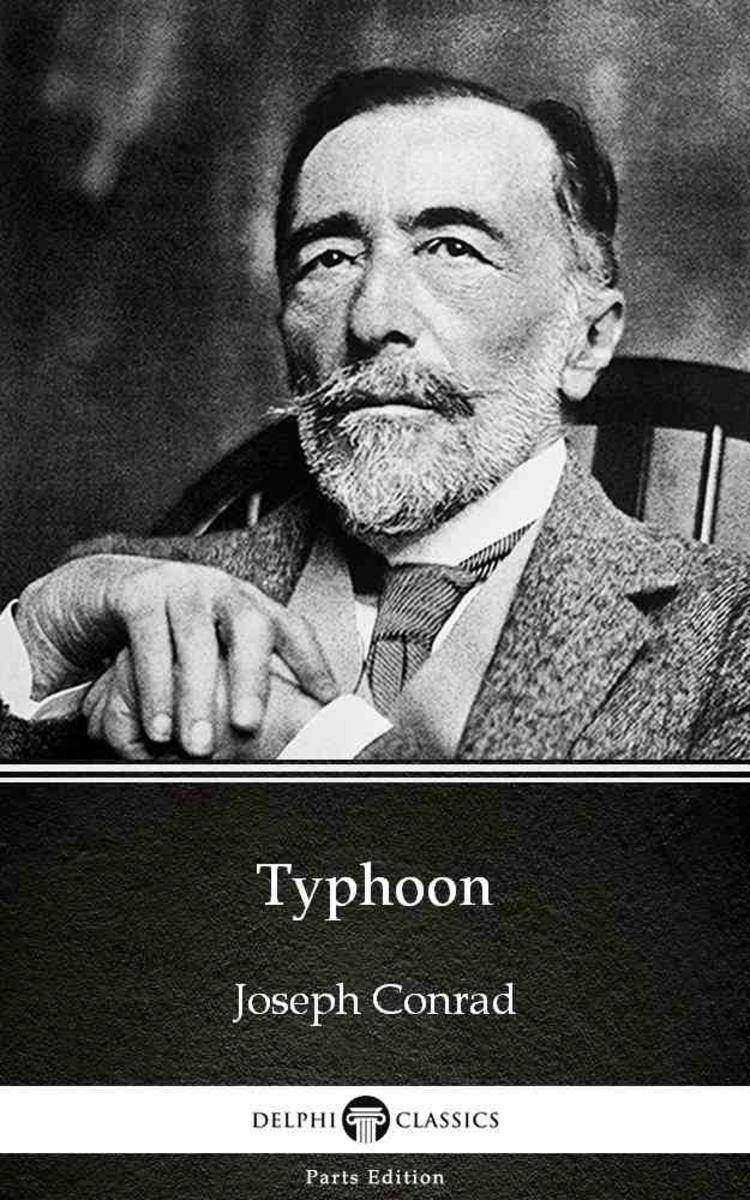
Typhoon by Joseph Conrad (Illustrated)
¥8.09
This eBook features the unabridged text of ‘Typhoon’ from the bestselling edition of ‘The Complete Works of Joseph Conrad’. Having established their name as the leading publisher of classic literature and art, Delphi Classics produce publications that are individually crafted with superior formatting, while introducing many rare texts for the first time in digital print. The Delphi Classics edition of Conrad includes original annotations and illustrations relating to the life and works of the author, as well as individual tables of contents, allowing you to navigate eBooks quickly and easily.eBook features:* The complete unabridged text of ‘Typhoon’* Beautifully illustrated with images related to Conrad’s works* Individual contents table, allowing easy navigation around the eBook* Excellent formatting of the textPlease visit www.delphiclassics.com to learn more about our wide range of titles

The Cowboy and the Rancher's Daughter:5
¥24.44
A Western Historical Romance Book 5 in a Series of 5 With their problems behind them, Jake Talley and Clara Fuller can finally start planning for the future. Or so it seems. From behind the bars of his jail cell, their adversary still plots to destroy them and all they hold dear. A newcomer who appears to be above suspicion joins the team. Soon the love birds learn the hard way that when greed secretly taints innocence, no one wins. Edward Sinclair plays his last trump card to put an end to the rivalry once and for all. Will his plan work or will true love win once and for all? "What an awesome western romance book...from the beginning I was rooting for Jake and Clara against Edward Sinclair." In The Cowboy and the Rancher's Daughter Short Story Series, Clara Fuller inherits her father’s ranch and quickly learns being in charge is not going to be all that easy. Raised around cattle, she knows the business inside and out, but few men are willing to work for a lady rancher. Once a drifter, Jake Talley has finally found a place to call home. As the foreman of the Fuller Ranch, he doesn’t mind taking orders from a woman. He’s willing to do whatever it takes to help Clara Fuller succeed. Edward Sinclair is a successful ranch owner who wants more. He’s used to getting what he wants, and few have dared to try and stand in his way. One piece of property is all he needs to have complete control of the county. There’s only one problem; the land belongs to Clara Fuller. That’s all right; he’s never met a problem yet he couldn’t erase.

Flappers and Philosophers
¥8.09
This Point Blank Classics edition includes the full original text as well as an easy to use interactive table of contents.

Prisoner
¥90.03
A handful of families, several generations, more than a few wars. Moscow, Kabul, Barcelona. Anna Nemzer announces herself on the literary scene boldly and loudly with this debut novel about the insane, unspeakable nature of war, about human fears, treachery, lies, fateful coincidences and destinies during warfare, when there is no room left for love. The protagonists survived the war and are rescued from captivity. They are not able, however, to leave the experiences of the war behind them and move on with their lives. The novel explores what happens once the conflict is over, as they learn to live without the war, with all their loves, passions and weaknesses.
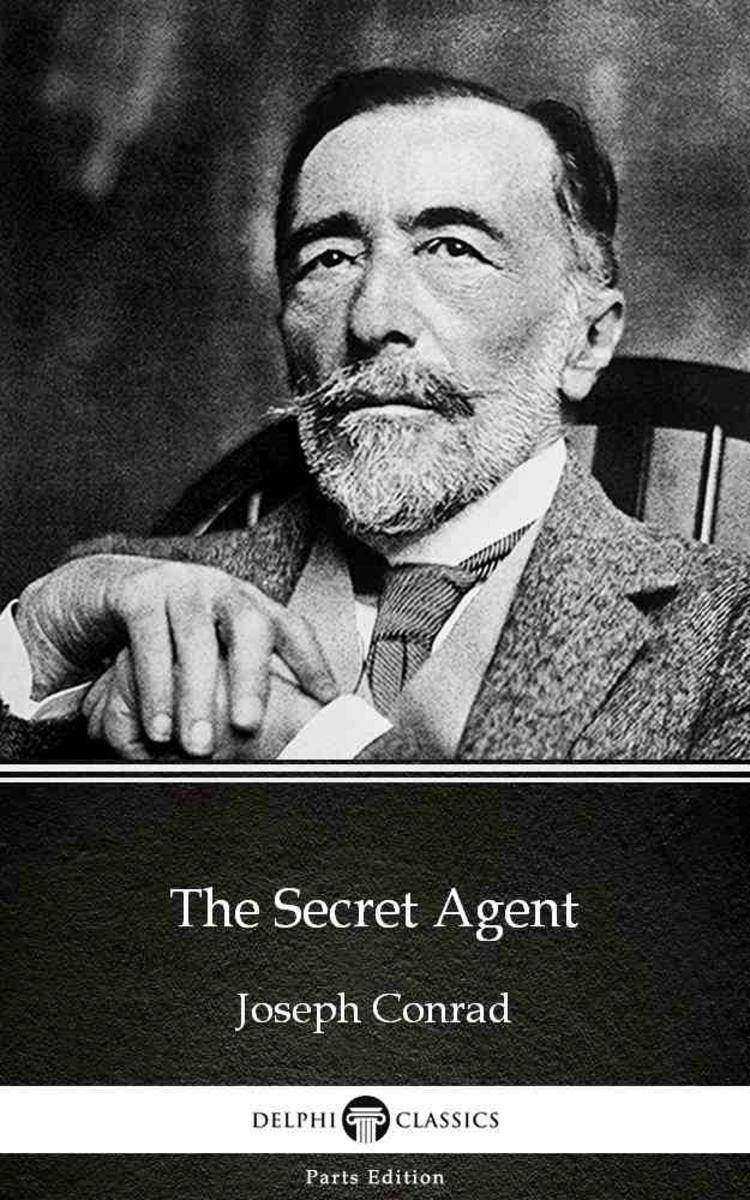
The Secret Agent by Joseph Conrad (Illustrated)
¥8.09
This eBook features the unabridged text of ‘The Secret Agent’ from the bestselling edition of ‘The Complete Works of Joseph Conrad’. Having established their name as the leading publisher of classic literature and art, Delphi Classics produce publications that are individually crafted with superior formatting, while introducing many rare texts for the first time in digital print. The Delphi Classics edition of Conrad includes original annotations and illustrations relating to the life and works of the author, as well as individual tables of contents, allowing you to navigate eBooks quickly and easily.eBook features:* The complete unabridged text of ‘The Secret Agent’* Beautifully illustrated with images related to Conrad’s works* Individual contents table, allowing easy navigation around the eBook* Excellent formatting of the textPlease visit www.delphiclassics.com to learn more about our wide range of titles

Duelo de Cora??es
¥41.45
Lady Caroline Faye, é a mais recente bela debutante, de maior sucesso da última temporada social de Londres. O inescrupuloso sir Montagu Reversby, ardilosamente, convence-a a ir de carruagem com ele, de Londres a Sevenoaks. Sob o pretexto de existir um defeito no eixo da carruagem, os dois param em uma estalagem, no campo. Horrorizada, lady Caroline compreende que sir Montagu afinal simulou o acidente apenas para passar a noite com ela. Desesperada, a bela jovem foge dele e embrenha-se na mata. Ali, encontra o atraente lord Brecon, um homem que, n?o só consegue livrá-la da situa??o delicada em que se encontrava, como também irá roubar-lhe o cora??o com uma paix?o arrebatadora e inesperada… e ela por sua vez, seguindo o seu instinto, vai ao seu encontro, ao Castelo de Brecon, fingindo-se passar por uma dama de companhia procurando trabalho, arriscando toda a sua reputa??o, para poder salvar Lord Brecon, de uma armadilha montada por seu primo, Gervase Warlingham, que tudo fará, para que Vane seja acusado de um crime que n?o cometera. Caroline vai ser o seu anjo da guarda, testemunha fundamental para provar a sua inocência… e é com esta intriga, no meio de suspense e romance, que se desenvolve esta fascinante história, no centro do Castelo de Brecon, em Cuckhurst, Kent.

The Island Of Love
¥51.91
Sir Robert Westbury has two young daughters – Heloise, the beautiful “English Rose” and her demure older sister Lydia, who lives with the fact that her father is disappointed that she was not a son! Since their mother died when they were children, self-effacing Lydia has grown accustomed to taking care of Heloise pandering to her every whim. When it is announced that her sister is to marry the dashingly handsome Earl of Royston – and that he is whisking Heloise away to be married in the exotic paradise of Hawaii – Lydia is expected to accompany her as a “lady’s maid”. Unlike her sullen sister, she is thrilled by the prospect – and, transfixed by the Earl’s charisma and charm, she begins to fall in love with the man she can never have. But Fate takes a hand in the shape of a storm on the voyage that casts Lydia and the Earl overboard and washes them up alone on a desert island: the Island of Love, which will change Lydia’s life forever.
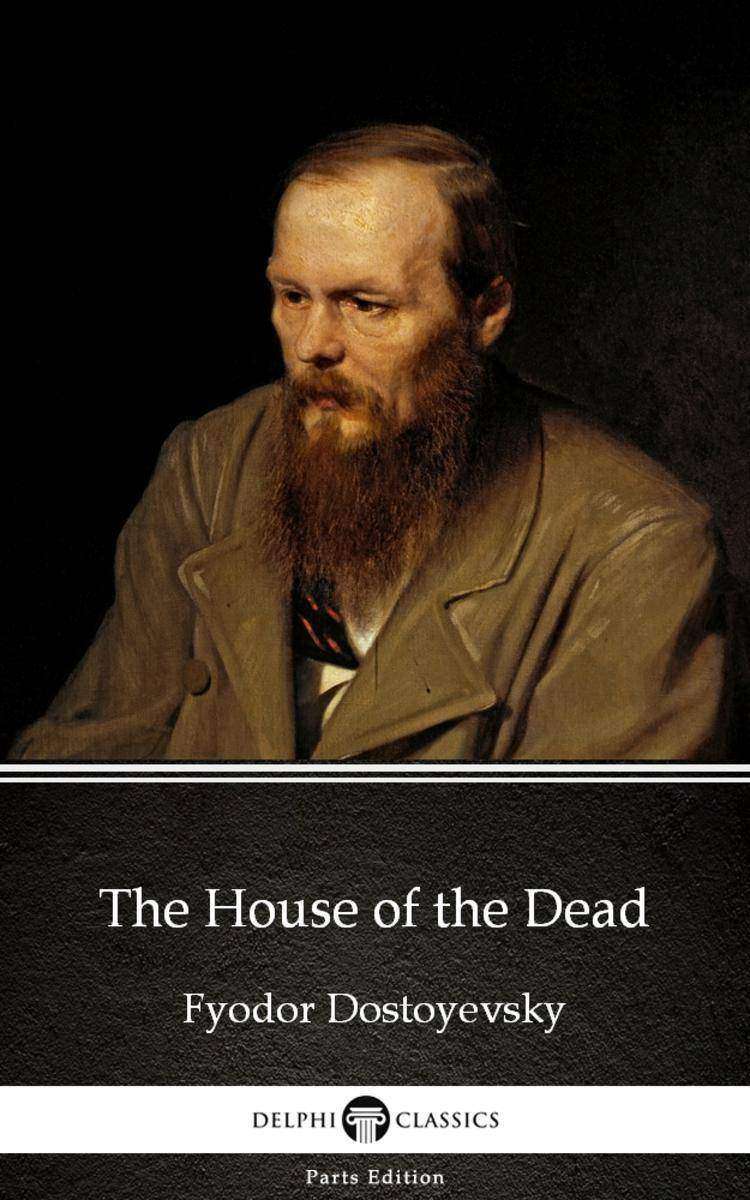
The House of the Dead by Fyodor Dostoyevsky
¥8.09
This eBook features the unabridged text of ‘The House of the Dead’ from the bestselling edition of ‘The Complete Works of Fyodor Dostoyevsky’. Having established their name as the leading publisher of classic literature and art, Delphi Classics produce publications that are individually crafted with superior formatting, while introducing many rare texts for the first time in digital print. The Delphi Classics edition of Dostoyevsky includes original annotations and illustrations relating to the life and works of the author, as well as individual tables of contents, allowing you to navigate eBooks quickly and easily. eBook features:* The complete unabridged text of ‘The House of the Dead’* Beautifully illustrated with images related to Dostoyevsky’s works* Individual contents table, allowing easy navigation around the eBook* Excellent formatting of the textPlease visit www.delphiclassics.com to learn more about our wide range of titles
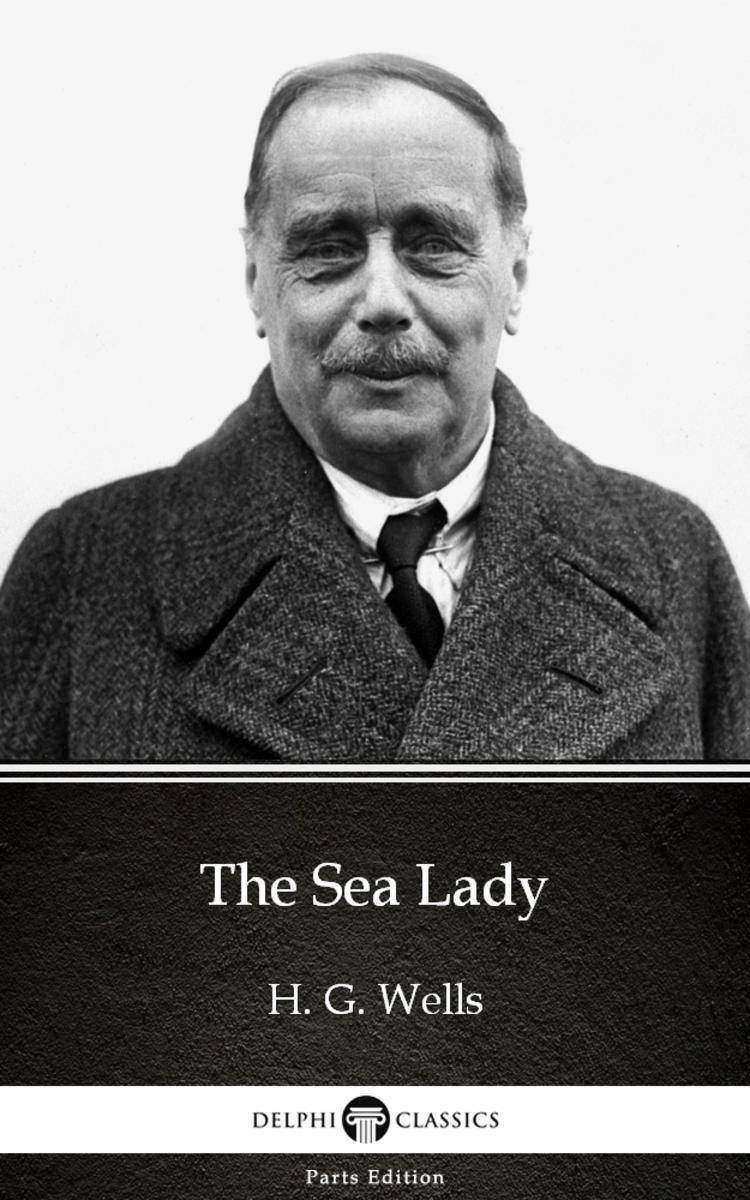
The Sea Lady by H. G. Wells (Illustrated)
¥8.09
This eBook features the unabridged text of ‘The Sea Lady’ from the bestselling edition of ‘The Complete Works of H. G. Wells’. Having established their name as the leading publisher of classic literature and art, Delphi Classics produce publications that are individually crafted with superior formatting, while introducing many rare texts for the first time in digital print. The Delphi Classics edition of Wells includes original annotations and illustrations relating to the life and works of the author, as well as individual tables of contents, allowing you to navigate eBooks quickly and easily.eBook features:* The complete unabridged text of ‘The Sea Lady’* Beautifully illustrated with images related to Wells’s works* Individual contents table, allowing easy navigation around the eBook* Excellent formatting of the textPlease visit www.delphiclassics.com to learn more about our wide range of titles

For the Love of Scotland
¥41.45
Lady Julia Wood was extremely happy living in the country with her father, the Earl of Wentwood, after her mother’s death, until he remarries unexpectantly after a visit to Paris. Her stepmother, who is very rich, does not want Julia in the ancient family home, which had been there for centuries, but which had become very dilapidated because the Earl was so short of money. Her stepmother informs Julia that her father is seeing a recently arrived neighbour in the County, who is a millionaire, and is demanding that she marries his eldest son, Hubert. Julia is completely horrified as she has no intention of marrying someone she does not love and anyway she finds him unattractive. When she talks to Hubert, he feels the same and has no intention of marrying anyone. She, therefore, has a brilliant idea of how Hubert can go abroad as he is longing to do and in return he tells her that she can have the use of the yacht he has just bought so that she can visit Scotland where she hopes to meet her mother’s relatives. How Julia reaches Scotland in the fine yacht that she has been lent. How she cannot find the members of her mother’s Clan as she hoped to do, but instead she encounters terrible suffering which has fallen on the Clan, who are starving to death on an island in the sea that is dominated by a ruined Castle. How she saves her Clan and how she finally finds the true love that she is seeking is told in this intriguing story by BARBARA CARTLAND.

The Food of the Gods and How It Came to Earth by H. G. Wells (Illustrated)
¥8.09
This eBook features the unabridged text of ‘The Food of the Gods and How It Came to Earth’ from the bestselling edition of ‘The Complete Works of H. G. Wells’. Having established their name as the leading publisher of classic literature and art, Delphi Classics produce publications that are individually crafted with superior formatting, while introducing many rare texts for the first time in digital print. The Delphi Classics edition of Wells includes original annotations and illustrations relating to the life and works of the author, as well as individual tables of contents, allowing you to navigate eBooks quickly and easily.eBook features:* The complete unabridged text of ‘The Food of the Gods and How It Came to Earth’* Beautifully illustrated with images related to Wells’s works* Individual contents table, allowing easy navigation around the eBook* Excellent formatting of the textPlease visit www.delphiclassics.com to learn more about our wide range of titles

My Friend Suhana:A Story of Friendship and Cerebral Palsy
¥48.74
A simple tale of love and friendship to warm your heart Award-winning author and designer Shaila Abdullah teams up with her 10-year-old daughter Aanyah to bring you this heartwarming tale of a little girl who forms a close bond with a child with cerebral palsy. The girl finds that through her art, she can reach her special friend Suhana. "My Friend Suhana is a delightful read for a children's book. Very well illustrated with respect, friendship, and advocacy all in mind at the same time." --Dawn Cruzan, President, Camp Craig Allen for all abilities "This is the story of a seven-year-old's first attempt at unconditional love. Tough but tender, inspirational yet utterly real, this is a small gem of a tale. Highly recommended for anyone in the position of mentoring a beloved child through the hard places of life." --Paula Huston, author of A Season of Mystery and A Land Without Sin "My Friend Suhana is a charming and perceptive book that will draw its readers into empathy while allowing them to enjoy this heartwarming story of two uncommon friends." --Chitra Divakaruni, author of Grandma and the Great Gourd Learn more at www.MyFriendSuhana.com From the Growing With Love Series at www.LHPress.com

Vera by Oscar Wilde (Illustrated)
¥8.09
This eBook features the unabridged text of ‘Vera’ from the bestselling edition of ‘The Complete Works of Oscar Wilde’. Having established their name as the leading publisher of classic literature and art, Delphi Classics produce publications that are individually crafted with superior formatting, while introducing many rare texts for the first time in digital print. The Delphi Classics edition of Wilde includes original annotations and illustrations relating to the life and works of the author, as well as individual tables of contents, allowing you to navigate eBooks quickly and easily.eBook features:* The complete unabridged text of ‘Vera’* Beautifully illustrated with images related to Wilde’s works* Individual contents table, allowing easy navigation around the eBook* Excellent formatting of the textPlease visit www.delphiclassics.com to learn more about our wide range of titles


