


 购物车
购物车 个人中心
个人中心

Cossacks
¥8.09
Classic novella. According to Wikipedia: "The Cossacks is a short novel by Leo Tolstoy, published in 1863. The novel was acclaimed by Ivan Bunin as one of the finest in the language. In the story, Olenin is stationed in the Caucasus and leaves Moscow behind. While there, he slowly becomes enamored by the surroundings and despises his previous existence. ... Olenin soon finds his love growing for the surroundings and first falls in love with Maryanka, who is to be wed to Luka later in the story. He tries to stop this emotion and eventually convinces himself that he loves both Luka and Maryanka for their simplicity and decides that happiness can only come to a man who constantly gives to others with no thought of self-gratification... another Russian named Beletsky, who is still attached to the ways of Moscow, comes and partially corrupts Olenin’s ideals and convinces him through his actions to attempt to win Maryanka’s love. He approaches her several times and Luka hears of the possibility from a Cossack, and thus does not invite him to the betrothal party. Olenin spends the night with Eroshka but soon decides that he will not give up on the girl and attempts to win her heart again. He eventually, in a moment of passion, asks her to marry him, which she says she will answer soon. Luka, however, is severely wounded when he and a group of Cossacks go to confront a group of Chechens, including the brother of the man he killed earlier, who are trying to attack the village. Though the Chechens lose after the Cossacks take a cart to block their bullets, the brother of the slain Chechen manages to shoot Luka in the belly when he is close by. As Luka seems to be dying and is being cared for by village people, Olenin approaches Maryanka to ask her to marry him; she angrily refuses. He realizes that "his first impression of this woman's inaccessiblity had been perfectly correct."
The Brook Kerith by George Moore - Delphi Classics (Illustrated)
¥8.09
This eBook features the unabridged text of ‘The Brook Kerith by George Moore - Delphi Classics (Illustrated)’ from the bestselling edition of ‘The Complete Works of George Moore’. Having established their name as the leading publisher of classic literature and art, Delphi Classics produce publications that are individually crafted with superior formatting, while introducing many rare texts for the first time in digital print. The Delphi Classics edition of Moore includes original annotations and illustrations relating to the life and works of the author, as well as individual tables of contents, allowing you to navigate eBooks quickly and easily. eBook features: * The complete unabridged text of ‘The Brook Kerith by George Moore - Delphi Classics (Illustrated)’ * Beautifully illustrated with images related to Moore’s works * Individual contents table, allowing easy navigation around the eBook * Excellent formatting of the textPlease visit www.delphiclassics.com to learn more about our wide range of titles
Adam Bede
¥40.79
Set in fictional close-knit community of Hayslope, the novel revolves around a love rectangle between beautiful but self-absorbed Hetty Sorrel, Captain Arthur Donnithorne, the young squire who seduces her, Adam Bede, her unacknowledged suitor, and Dinah Morris, Hetty's cousin, a fervent, virtuous and beautiful Methodist lay preacher.
Silvertip by Max Brand - Delphi Classics (Illustrated)
¥8.09
This eBook features the unabridged text of ‘Silvertip by Max Brand - Delphi Classics (Illustrated)’ from the bestselling edition of ‘The Collected Works of Max Brand’. Having established their name as the leading publisher of classic literature and art, Delphi Classics produce publications that are individually crafted with superior formatting, while introducing many rare texts for the first time in digital print. The Delphi Classics edition of Brand includes original annotations and illustrations relating to the life and works of the author, as well as individual tables of contents, allowing you to navigate eBooks quickly and easily. eBook features: * The complete unabridged text of ‘Silvertip by Max Brand - Delphi Classics (Illustrated)’ * Beautifully illustrated with images related to Brand’s works * Individual contents table, allowing easy navigation around the eBook * Excellent formatting of the textPlease visit www.delphiclassics.com to learn more about our wide range of titles
London Tube: 7 Stations, 7 Stories
¥52.65
London Tube: Seven different stations take part into seven different stories. Seven stations that play a significant role to the lives of different passengers. A trip from the beginning of London tube till nowadays.
Young Doctor Kildare by Max Brand - Delphi Classics (Illustrated)
¥8.09
This eBook features the unabridged text of ‘Young Doctor Kildare by Max Brand - Delphi Classics (Illustrated)’ from the bestselling edition of ‘The Collected Works of Max Brand’. Having established their name as the leading publisher of classic literature and art, Delphi Classics produce publications that are individually crafted with superior formatting, while introducing many rare texts for the first time in digital print. The Delphi Classics edition of Brand includes original annotations and illustrations relating to the life and works of the author, as well as individual tables of contents, allowing you to navigate eBooks quickly and easily. eBook features: * The complete unabridged text of ‘Young Doctor Kildare by Max Brand - Delphi Classics (Illustrated)’ * Beautifully illustrated with images related to Brand’s works * Individual contents table, allowing easy navigation around the eBook * Excellent formatting of the textPlease visit www.delphiclassics.com to learn more about our wide range of titles
Ισ?ξιε? Προσευχ??
¥31.56
Τα ποι?ματα στην συλλογ? του Καραγκι?ζη: ?Ισ?ξιε? προσευχ??? ?χουν εμπνευστε? απ’τι? "Κ?λβιε? Ωδ??" αλλ? και απ? τρ?α κε?μενα που γρ?φτηκαν για τον Ανδρ?α Κ?λβο (1792-1867): ‘Κ?λβο? ο Ζακ?νθιο?’, Κωστ?? Παλαμ??, 1888 ‘Η Αληθιν? Φυσιογνωμ?α και η Λυρικ? Τ?λμη του Ανδρ?α Κ?λβου’, Οδυσσ?α? Ελ?τη?, 1940. ‘Στο Κοιμητ?ριο του Κ?λβου’, Γι?ργο? Σεφ?ρη?, 1960 Και τα τρ?α αυτ? κε?μενα περι?χονται στο βιβλ?ο: Α. Καλβο?: Απαντα, Εκδ?σει? Μ?ρμηγκα?, 1978.
The Great Betrayal by Max Brand - Delphi Classics (Illustrated)
¥8.09
This eBook features the unabridged text of ‘The Great Betrayal by Max Brand - Delphi Classics (Illustrated)’ from the bestselling edition of ‘The Collected Works of Max Brand’. Having established their name as the leading publisher of classic literature and art, Delphi Classics produce publications that are individually crafted with superior formatting, while introducing many rare texts for the first time in digital print. The Delphi Classics edition of Brand includes original annotations and illustrations relating to the life and works of the author, as well as individual tables of contents, allowing you to navigate eBooks quickly and easily. eBook features: * The complete unabridged text of ‘The Great Betrayal by Max Brand - Delphi Classics (Illustrated)’ * Beautifully illustrated with images related to Brand’s works * Individual contents table, allowing easy navigation around the eBook * Excellent formatting of the textPlease visit www.delphiclassics.com to learn more about our wide range of titles
Μν?με? Σκοτειν? Αναδυ?μενε?
¥63.19
Οι ?Μν?με? Σκοτειν? Αναδυ?μενε?? ε?ναι ?να μυθιστ?ρημα επιστημονικ?? φαντασ?α? με “new age” στοιχε?α. Ο Δημ?τρη? Σολ?γγα? ε?ναι ?να? επιστ?μονα?, που πραγματοποιε? ?να μυστικ? πε?ραμα στι? εγκαταστ?σει? τη? φαρμακευτικ?? εταιρ?α?, στην οπο?α εργ?ζεται, στη Θεσσαλον?κη. Πρ?κειται για το πρ?γραμμα τη? ?Τηλεμν?μη??, τη? χειρουργικ?? μεταφορ?? αναμν?σεων απ? ?ναν ζωνταν? οργανισμ? σε ?λλον. Ταυτ?χρονα μ?α σατανιστικ? α?ρεση ετοιμ?ζεται να τελ?σει και π?λι την αν?ερη ανθρωποθυσ?α τη?. Το Πορφυρ? Τ?γμα εφαρμ?ζει εδ? και αι?νε? τι? σκοτειν?? πρακτικ?? του σε ολ?κληρη την Ευρ?πη με ?δρα τη Ρουμαν?α, και αποτ?λεσε τον πυρ?να για τη δημιουργ?α του μ?θου των βρικολ?κων. Το πρωτοπαλ?καρο τη? α?ρεση? ο Σολοβ?ιδ (η λ?ξη δι?βολο? διαβασμ?νη αν?ποδα), με ενεργ? δρ?ση επικ?νδυνων αποστολ?ν στι? βαλκανικ?? και ρωσικ?? χ?ρε?, λαμβ?νει την εντολ? απαγωγ?? τη? κ?ρη? του Δημ?τρη Σολ?γγα για την τ?λεση τη? β?βηλη? θυσ?α? προ? τιμ? του Εξ?ριστου ?ρχοντ? του? στον Π?ρα Κ?σμο. Ο Σολοβ?ιδ απαγ?γει τη μικρ? Μαρ?α και την αιχμαλωτ?ζει σε κρυψ?να του Τ?γματο?. Εξαιτ?α? των β?αιων ενστ?κτων του ?ρχεται σε σ?ρραξη με μ?α συμμορ?α Αλβαν?ν εμπ?ρων ναρκωτικ?ν, με αποτ?λεσμα να μεταφερθε? βαρι? τραυματισμ?νο? στη μον?δα εντατικ?? θεραπε?α?. Ο Σκωτσ?ζο? Ρ?μπερτ Ρ?υ Μακμ?νιστερ, χρ?νιο? αλκοολικ?? και καταθλιπτικ??, ε?ναι αν?τερο? αξιωματικ??, αναλυτ?? εγκλημ?των τη? Ευροπ?λ, που καταδι?κει διεθν?? την αν?σια α?ρεση. Ενημερ?νει τον Δημ?τρη Σολ?γγα ?τι, μ?λι? περ?σουν οι τρει? εννια?μεροι κ?κλοι, στου? οπο?ου? το αν?λικο θ?μα θα υποστε? ψυχολογικ?, σωματικ? και πνευματικ? β?α, αντ?στοιχα σε κ?θε κ?κλο, θα επ?λθουν ο βιασμ?? και η μετ?πειτα θυσ?α του κοριτσιο? στη β?ση μ?α? αν?ποδη? υπ?γεια? πυραμ?δα?. Την ?δια στιγμ? στο Λονδ?νο η Μ?ντυ Χ?ντσον, παλι? συμφοιτ?τρια και φ?λη του Δημ?τρη Σολ?γγα, αναταρ?ζεται απ? ?ναν εφι?λτη, στον οπο?ο ο φ?λο? τη? πν?γεται μ?σα σε ?να πολτοποιημ?νο υγρ? απ? ανθρ?πινου? εγκεφ?λου? στον π?το εν?? πηγαδιο?. Η Μ?ντυ Χ?ντσον δ?ο χρονι? πριν, ?ταν σκοτ?θηκε η ερωμ?νη τη?, η Γκ?ιλ, σε αυτοκινητιστικ? ατ?χημα, αποπειρ?θηκε να αυτοκτον?σει. Μετ? την επιθαν?τια εμπειρ?α τη? ταξ?δεψε στο Θιβ?τ, ασχολ?θηκε με τι? εσωτερικ?? πνευματικ?? αναζητ?σει? και επαναπροσδι?ρισε τον εαυτ? τη?. Απ?κτησε ν?ο σκοπ? στη ζω?: Να ακολουθε? τα σημ?δια, τα οπο?α τη? στ?λνει το Ρε?μα των Πραγμ?των και να βοηθ?ει ?σου? ?χουν αν?γκη. Διαισθητικ? ?χει την πλ?ρη επ?γνωση ?τι πρ?πει να σ?σει τον φ?λο τη?. Ο Δημ?τρη? Σολ?γγα? εξαναγκ?ζεται να εφαρμ?σει το πε?ραμα τη? ?Τηλεμν?μη?? και να μεταφ?ρει τι? μν?με? του απαγωγ?α τη? κ?ρη? του στον ?διο του τον εγκ?φαλο. Εν? αγων?ζεται για τη διατ?ρηση τη? ?δια? του τη? προσωπικ?τητα?, θα βρεθε? στη μ?ση τη? συμπλοκ?? του Πορφυρο? Τ?γματο? με τη συμμορ?α των Αλβαν?ν εμπ?ρων ναρκωτικ?ν. Στην περιπ?τει? του θα ?ρθει αντιμ?τωπο? με βαθι?? συμπαντικ?? αλ?θειε?, ?πω?: η συγχρονικ?τητα, η διασ?νδεση ?λων των ?μβιων πλασμ?των, η αιων?βια μ?χη του καλο? και του κακο?, η ?παρξη εν?? αν?τερου και εν?? κατ?τερου εαυτο? σε κ?θε ?νθρωπο αλλ? και στον ?διο τον συμπαντικ? οργανισμ?, η προφητικ?τητα των ονε?ρων, η επ?δραση του διαλογισμο? και τη? νοερ?? απεικ?νιση? στον ανθρ?πινο εγκ?φαλο. Τι θα γ?νει στο Δημ?τρη Σολ?γγα, ?ταν η εσωτερικ? του φων?, με την οπο?α κ?θε ?νθρωπο? ταυτ?ζει το Εγ? του αρχ?ζει να μεταλλ?σσεται απ? τι? αναμν?σει? του μνημοδ?τη του; Μ?πω? συμβα?νει κ?τι αν?λογο σε ?λου? μα?; Ποιοι στα αλ?θεια ε?μαστε;
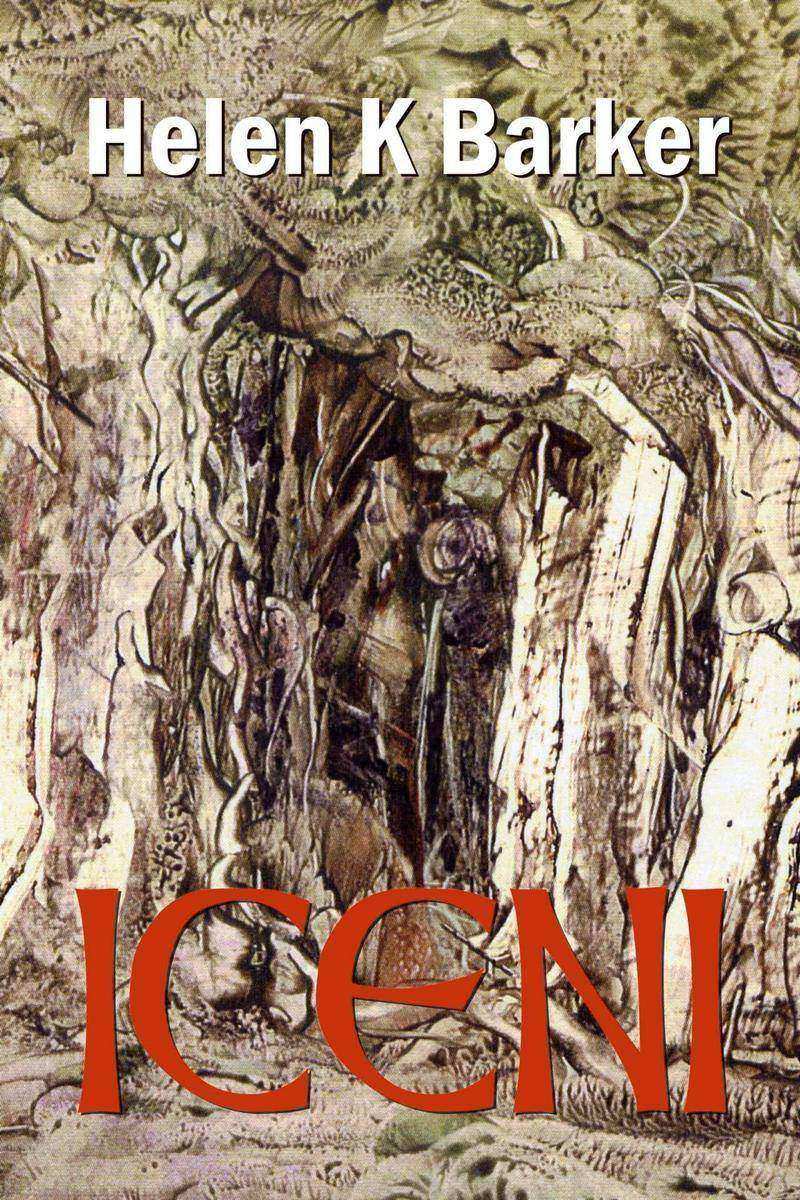
Iceni
¥32.62
Boudicca - Queen, Priestess, mother, woman... Emerging from her recent widowhood, Boudicca is unwillingly plunged into a maelstrom of intrigue between the Celtoi tribes and the conquering Romani. Victim of her own still raw emotions and Romani greed, Boudicca is approached by an elusive Druid to lead the Celtoi in rebellion. As the rebellion unfolds it gathers a momentum of its own, sweeping Boudicca along with it. But she finds that she must make many sacrifices in order to fulfil the role demanded of her. As the sacrifices increase, so does Boudicca's descent into madness. Will too much be asked of her? Iceni draws on known Iron Age archaeology, Roman history, elements from Celtic mythology, paganism, Goddess-spirituality, and witchcraft, to paint a vivid and disturbing picture of life and war in Roman Britain.
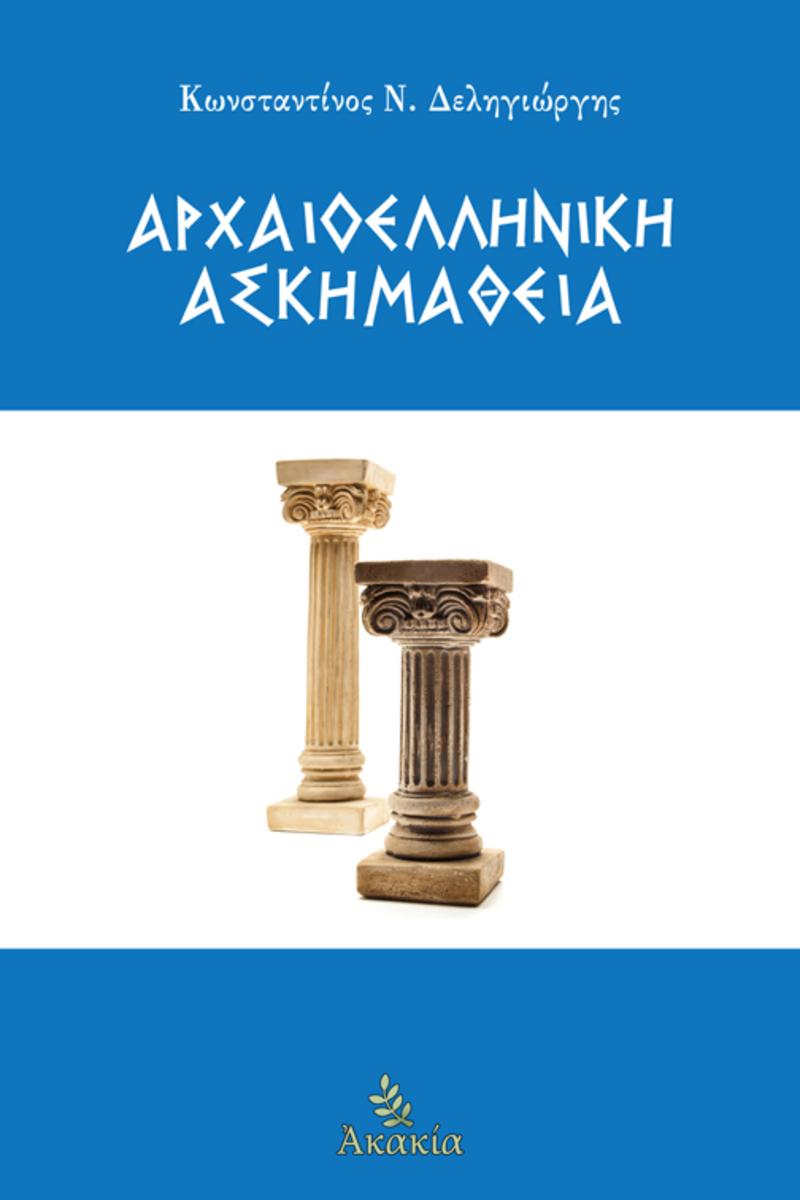
Αρχαιοελληνικ? Ασκημ?θεια
¥73.66
Φιλοδοξ?α του γρ?φοντο? ε?ναι να αποτελ?σει το εγχειρ?διο αυτ? ?να πολ?τιμο εργαλε?ο για τον μαθητ?, τον φοιτητ? αλλ? και τον καθηγητ? που θα θελ?σει να εμβαθ?νει στο πρακτικ? σκ?λο? τη? Αρχα?α? Ελληνικ?? Γλ?σσα?. Προσαρμοσμ?νο στι? διαδικτυακ?? απαιτ?σει? των καιρ?ν, εμπερι?χει στοχευμ?νε? ασκ?σει? Γραμματικ?? (χωρ?? να δ?νονται οι λ?σει?) και Συντακτικο? (με τι? λ?σει?), που καλ?πτουν επαρκ?στατα τι? σχολικ?? και πανεπιστημιακ?? αν?γκε?. Στο corpus του βιβλ?ου ?χουν επ?ση? ενταχθε? πρ?τυπα διαγων?σματα με αδ?δακτα κε?μενα κλιμακο?μενη? δυσκολ?α? (με τι? λ?σει? του?), εν? στο τελικ? Παρ?θεμα ο αναγν?στη? θα βρει χρηστικ?τατου? π?νακε? με τη Σ?νταξη βασικ?ν ρημ?των τη? Αρχα?α? Ελληνικ??, με τη σημασ?α των προθ?σεων, με ενδεικτικ? αλλ? πλο?σιο λεξιλ?γιο κτλ. Αν η εξειδ?κευση – ιδ?ω? σε ?να μ?θημα ?πω? αυτ? των Αρχα?ων Ελληνικ?ν – ε?ναι προαπαιτο?μενο για τη σ?γουρη επιτυχ?α, ο αναγν?στη?-λ?τη? του πον?ματο? που κρατ? στα χ?ρια του, μπορε? να νι?σει ?τι βαδ?ζει σε ασφαλ?? ?δαφο?!
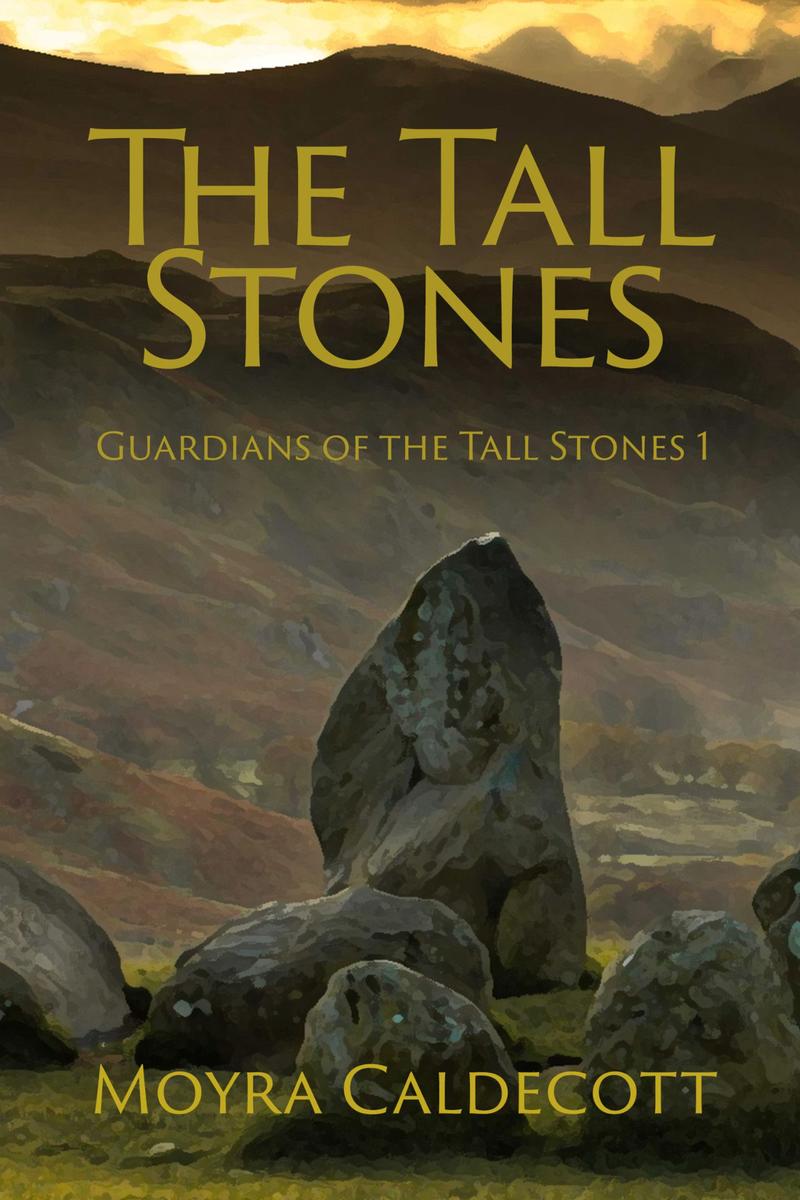
The Tall Stones: Guardians of the Tall Stones 1
¥32.62
Book One of The Guardians of the Tall Stones series. This book has been called one of the great esoteric novels of the 20th century". The first of four novels set in Bronze Age Britain, a society focused around the great circles of Sacred Stones scattered across the landscape. It tells the story of a community threatened by the evil designs of Wardyke, a corrupt and ambitious priest, and its only defence, the courageous young psychic, Kyra. But to defend her community, Kyra must enter the forbidden circle of stones and call upon its unseen, mystical powers... From the Introduction: This is a story set in Bronze Age Britain, c.1500 BC, when the great circles of standing stones that were such a feature of the Neolithic Age were already more than a thousand years old, yet still in use as sacred temples. Hundreds of stone circles have been found throughout Britain, the most famous today being Avebury and Stonehenge in Wiltshire. That such a homogeneous culture flourished in communities so widely separated by dense and dangerous forests, mountains, and wild and stormy seas, is extraordinary. The Tall Stones begins in a stone circle in Scotland where a young girl, Kyra, finds that she has psychic powers usually only possessed by the Priesthood. She is thrust into a situation of great danger in order to attempt to rescue her community threatened by a dark and menacing evil. She is forced to ‘spirit travel’ before she is ready, to seek the help of the mighty Lords of the Sun."
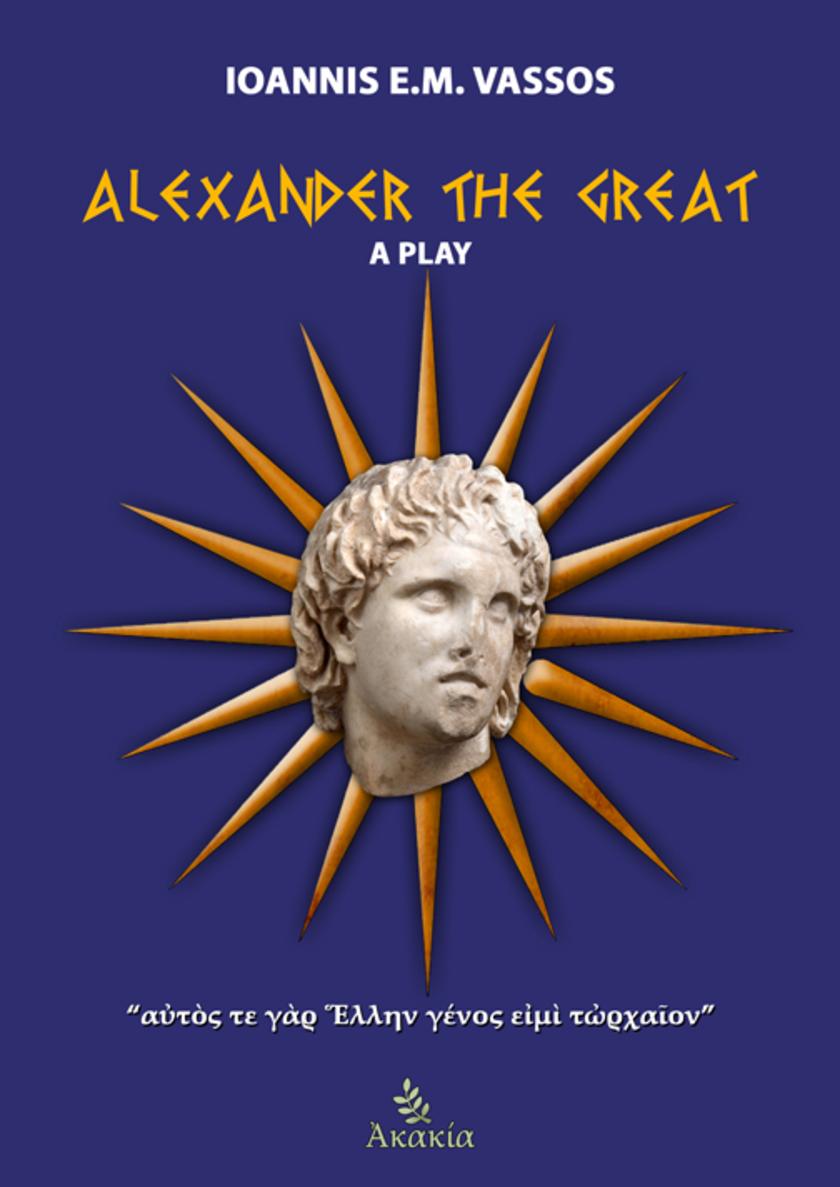
Alexander the Great: A Play
¥31.56
This work is addressed to adults aged from 18 years and upwards, and especially to those interested in theatre, literature, philosophy and ancient Greek culture. This Thatrical Play is divided in three acts: FIRST ACT We witness the distress of Alexander the Great’s generals and the Persian generals, preceding the battle,the prayers they address to their Gods, for assistance,and also Alexander the Great’s grandeur, when in the battle of Issus, he captures Sisygambis, the mother of the Great king of Persia, Darius. SECOND ACT While the wars have ended, Hellenes are celebrating their victories Over the Persians. In one of these celebrations, Cleitus the general, in front of all, accuses Alexander the Great that he isn’t a God, but a human. Alexander the Great is enraged and assassinates him. Cleitus, now being dead, is transferred to a world reigned by a wise old man that demonstrates the error he committed in contradicting his King.Cleitus returns back to life and forgives Alexander the Great for killing him,But also asks him for forgiveness as well for his behavior. “Now I die, really with my will, Alexander my king” he says, bows, kisses the moribund Alexander the Great and dissipates in heavens. THIRD ACT Death of Alexander the Great. The generals and the officers go by him one by one and salute him for a last time, their beloved Alexander the King. Father Zeus appears in front of them. Blinding light covers the stage.

The War Comes to Witham Street
¥32.62
Lincoln, England, August 1944. A rest and recuperate scheme for two traumatised servicemen, one British and one American, places them with two families. The effect they have on those families is remarkable and profound. Jane, like most of the other children, is without her father, and relies on grandparents and other relations to fill the gap. It is through Jane, growing up at a difficult time, that we can laugh at attempts to keep morale high, and sympathise with the hopes, dreams, disappointments, and tragedies of those left behind to cope with war in their own way.
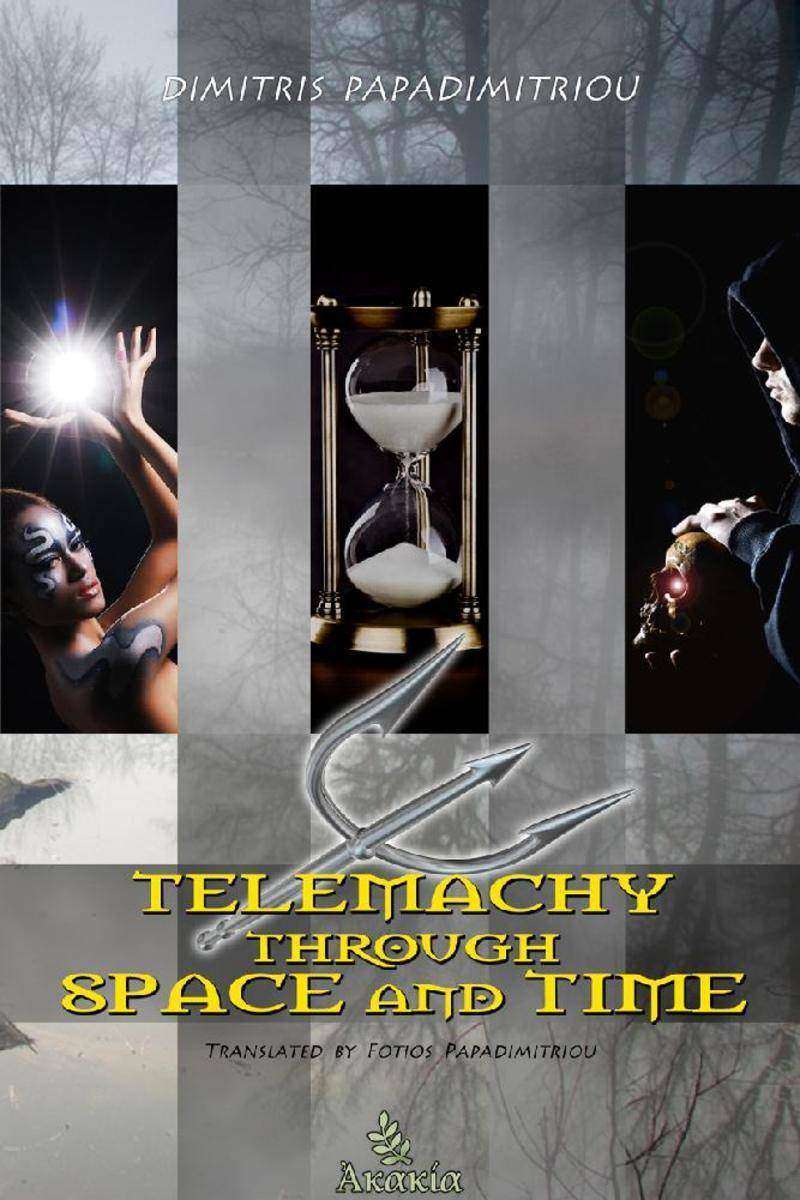
Telemachy through Space and Time
¥63.19
Telemachy through Space and Time is a spatiotemporal fantasy fiction with new age characteristics, which refers to dreamlike journeys with a strange connection to reality. The lead character, a bourgeois, Telemachus Andronicus is overweight and works as a clerk in a bank. He learns that he has cancer and has six months left to live. He feels alienated and finds a way out in the complex world of dreams. He is experiencing incarnations in prehistoric (antediluvian) times, in ancient Greece, the fall of Constaninople, siege of Messologgi, the French Revolution, the Second World War two and he travels in other dimensions as well. Common thread of his travelling is on one hand a dark swamp which is an animate evil entity and on the other hand a black dressed man with unearthly mystic powers, who’s been persecuting him ever since. Soon the reality and subconscious are beginning to mingle in his sleep, putting his mental stability to the test. The only person who seems to believe in him is a strange, enigmatic and beautiful woman, who knows more than she lets out. In each of his incarnations he encounters different experiences which although seemingly unrelated, they become the key to unlock the ultimate truth at the end.
Ice and a Curious Man
¥32.62
Just North of Dillingham, Alaska, there lives a reclusive poet named Shane Helnsley. Nobody knows what he is about or even what he looks like. The rumors about him are rampant and quite revolting, but his works are considered masterpieces and are highly sought after. Marren Lang is the writer hired by Helnsley to interview him, a task that she is not at all looking forward to. What Lang encounters in Alaska is the last thing she could ever have expected. The warnings about the old toothless pervert who lives like a savage are the least of her worries. Within hours of her arrival in the new landscape she learns she has much more to contend with. Helnsley teaches Lang to rudely stare down her own demons and face truths that are rarely respected when numbed by civilized society. Ice and a Curious Man melts selfishness down to an unthreatening puddle and bravely shouts that no book can ever be judged by its cover.

Hypnotherapy and Intuitive Hypnosis
¥52.65
Aggil Loupescou reveals the world of the subconscious and suggests ways by which you can take care of yourself with the easiest and best way. You can get rid of stress, deal with relationships successfully, eliminate obsessions and bad habits such as smoking and drinking, and conquer panic and fears. In addition, she discusses how to strengthen confidence, be creative, and eliminate issues caused by previous life actions. Furthermore, she suggests Hypnotherapy's and research techniques. The knowledge of 'yesterday' establishes creatively 'today' and builds a solid 'tomorrow'.

Shadow on the Stones: Guardians of the Tall Stones #3
¥32.62
Shadow on the Stones is the third book of the Guardians of the Tall Stones series. Kyra, priest of the Temple of the Sun, and her husband the Lord Khu-ren, have guided their civilisation to a time of spiritual strength, psychic energy, and communal peace. But there is a shadow on the Stones -- the spreading influence of the terrible god Groth, dark god of chaos and barbarity. Only the priests of the Temple possess the power to resist the tides of destruction...
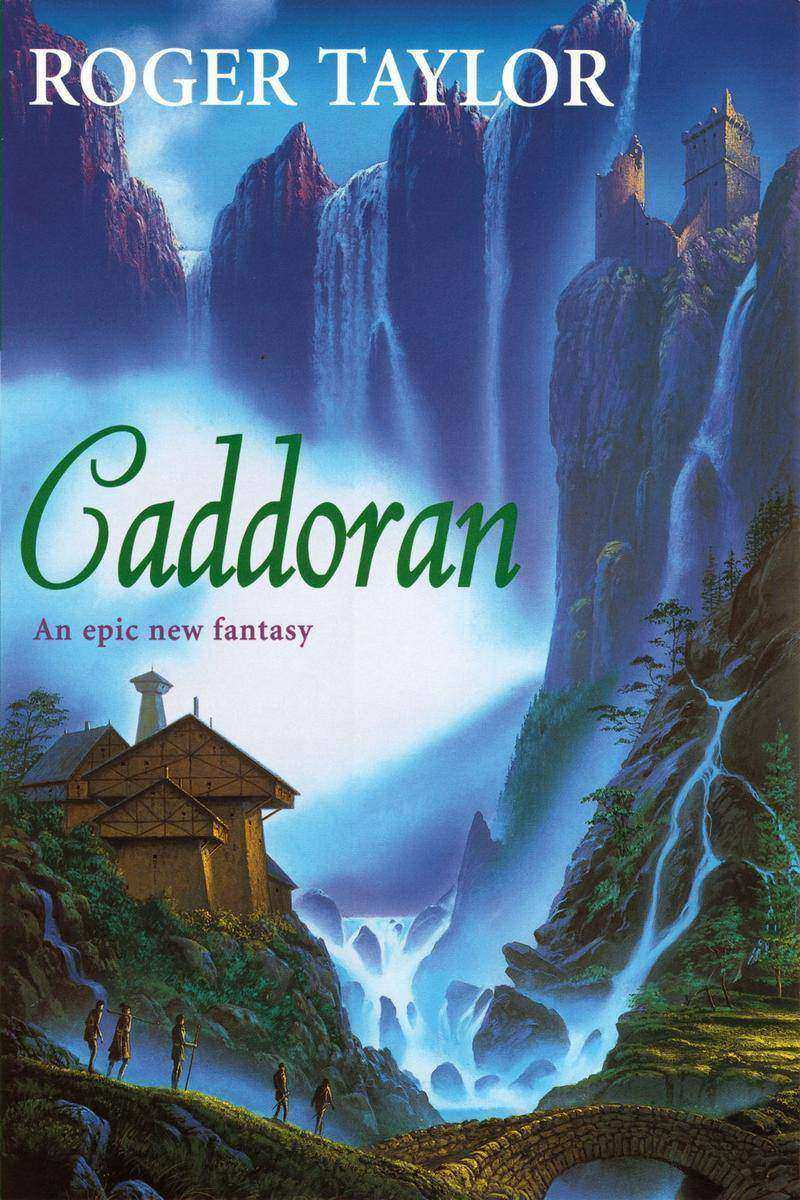
Caddoran
¥32.62
Vashnar is the Commander of Arvenstaat's Wardens. Ambitious, ruthless, and weary of the antiquated and irrelevant proceedings of its government, the Moot, he plans to seize power and reestablish the ancient rule of the Dictators. But, in a terrifying confrontation, his messenger, Thyrn, a young inexperienced Caddoran, sensitive to the point almost of telepathy, reads the intentions beneath his words and flees in panic. Accompanied by his uncle, three Wardens and Endryk, a shoreman, Thyrn is driven into the Karpas Mountains by Vashnar's relentless pursuit. There, however, a darker power begins to reveal itself: a power which has waited for time beyond knowing for such as Vashnar, a power that will drive his ambitions far beyond the boundaries of Arvenstaat, a power which, apart from Vashnar himself, only Thyrn can sense and oppose. But by any measure, Thyrn is no warrior, and his companions are too few to stand against Vashnar's vicious Tervaidin... Caddoran is an independent novel set in the world of The Chronicles of Hawklan".
How To Get Your Self-Published Book Into Bookstores: An Alliance of Independent
¥39.78
Are you looking for a quick and easy way to get your self-published books into local and international bookstores? A must-read for all indie authors! Highly recommended! New technologies, tools and distribution methods make it easier than ever for indies to place their books on global bookshelves. While selling print books through brick-and-mortar stores can be challenging, it is also extremely rewarding. And it enables you to reach readers who prefer print and who like to browse and shop offline for books. Even if you’re a technophobe, this friendly, easy-to-follow guidebook will take you through every step of the process so you can soon start selling more books in your home country, and across the world. We’ll cover… the best way to approach both independent stores and chains how to decide on print-on-demand vs batch orders how to find your perfect profit point, and much more ?You’ll learn… how bookstores actually operate (and how it can it help you) how to easily make your titles bookstore-ready why bookstores are essential to all authors like you You’ve written that great book, published it online, now find out how to get it on the shelves and selling more in this quick, encouraging read by the renowned Alliance of Independent Authors (ALLi).
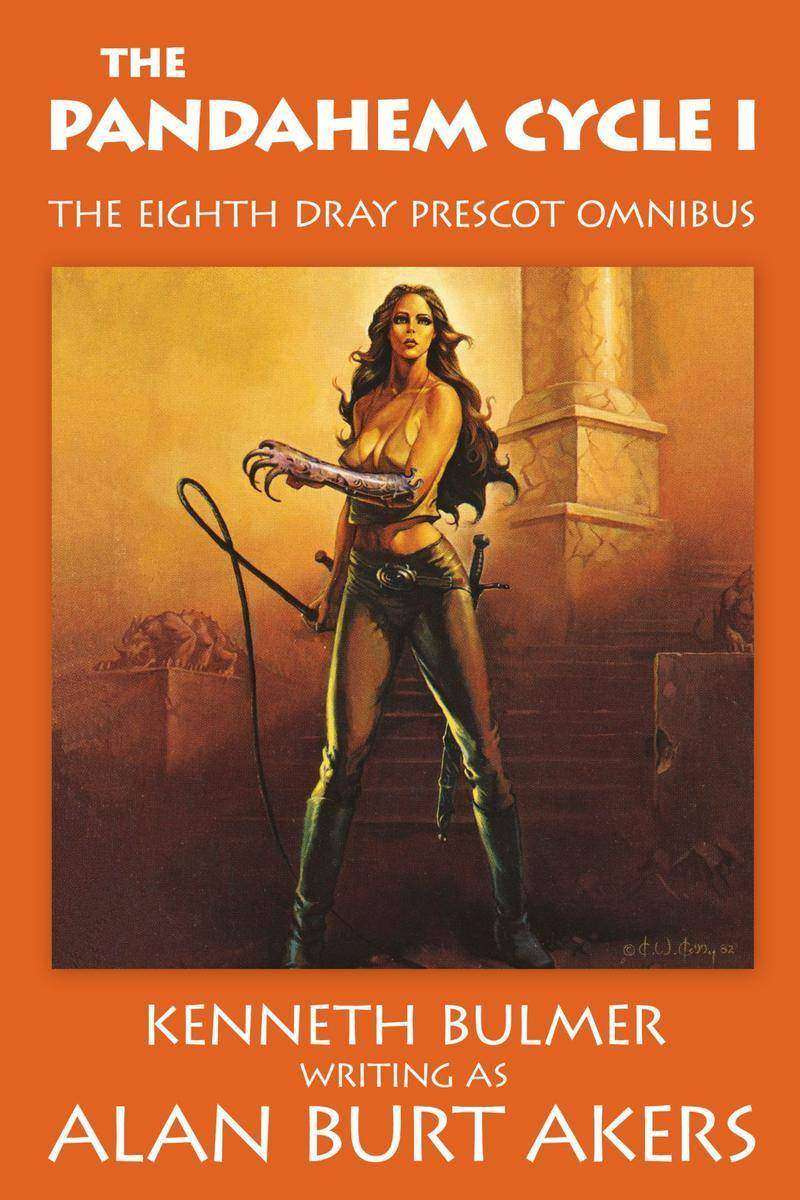
The Pandahem Cycle I: The eighth Dray Prescot omnibus
¥81.67
Four hundred light years from Earth, Kregen is a marvelous world, peopled by wonderful beings, filled with the light and clamor and furor of life lived to the hilt. But Kregen has its darker side, where horror and terror bind innocent people, where sorceries rend reason, where injustice denies light. Called to be the Emperor of Vallia, Dray Prescot, with his comrades, has vanquished poor old mad Thyllis, Empress of Hamal, and now seeks to create a fresh and lasting unity among all the nations of Paz. They all face a common foe in the Shanks, the Fishheads who raid their coasts. And, there are worms within the bud, secret enemies who desire only to drag all down for their own selfish ends... Containing three novels: Mazes of Scorpio Delia of Vallia Fires of Scorpio This edition includes the short story “Lallia the Slave Girl”.


