


 购物车
购物车 个人中心
个人中心

Emily Climbs by L. M. Montgomery (Illustrated)
¥8.09
This eBook features the unabridged text of ‘Emily Climbs’ from the bestselling edition of ‘The Complete Works of L. M. Montgomery’. Having established their name as the leading publisher of classic literature and art, Delphi Classics produce publications that are individually crafted with superior formatting, while introducing many rare texts for the first time in digital print. The Delphi Classics edition of Montgomery includes original annotations and illustrations relating to the life and works of the author, as well as individual tables of contents, allowing you to navigate eBooks quickly and easily.eBook features:* The complete unabridged text of ‘Emily Climbs’* Beautifully illustrated with images related to Montgomery’s works* Individual contents table, allowing easy navigation around the eBook* Excellent formatting of the textPlease visit www.delphiclassics.com to learn more about our wide range of titles
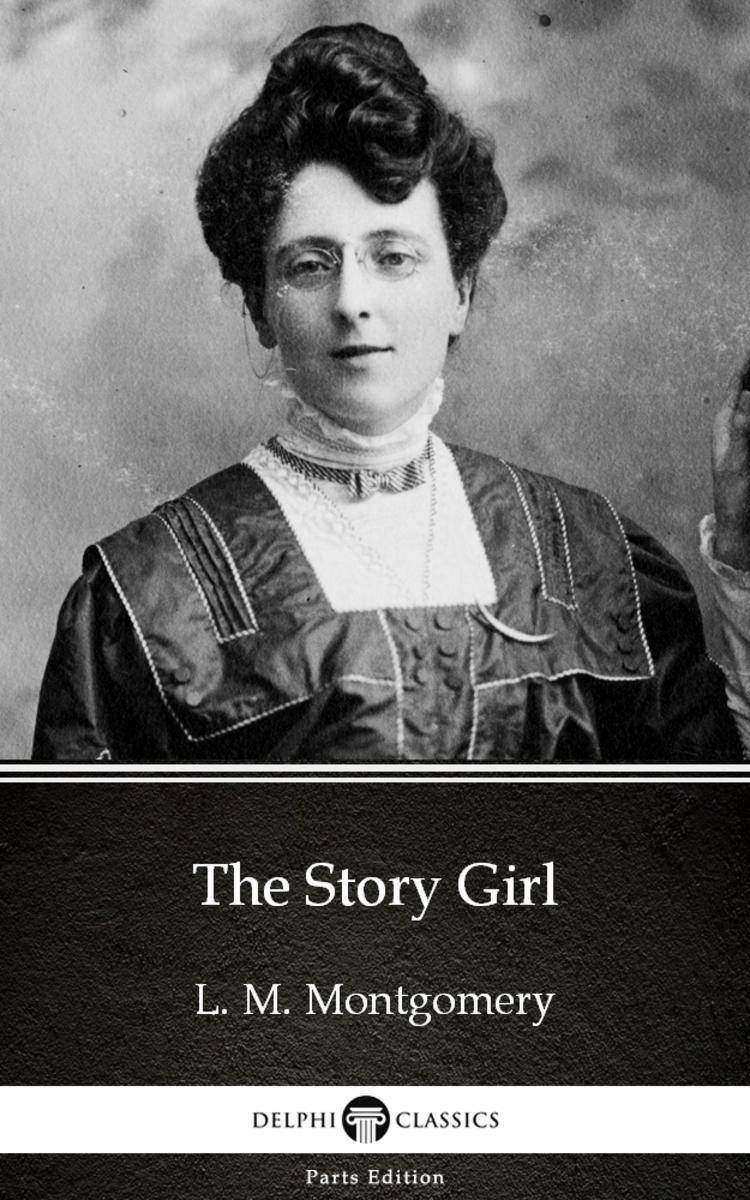
The Story Girl by L. M. Montgomery (Illustrated)
¥8.09
This eBook features the unabridged text of ‘The Story Girl’ from the bestselling edition of ‘The Complete Works of L. M. Montgomery’. Having established their name as the leading publisher of classic literature and art, Delphi Classics produce publications that are individually crafted with superior formatting, while introducing many rare texts for the first time in digital print. The Delphi Classics edition of Montgomery includes original annotations and illustrations relating to the life and works of the author, as well as individual tables of contents, allowing you to navigate eBooks quickly and easily.eBook features:* The complete unabridged text of ‘The Story Girl’* Beautifully illustrated with images related to Montgomery’s works* Individual contents table, allowing easy navigation around the eBook* Excellent formatting of the textPlease visit www.delphiclassics.com to learn more about our wide range of titles

The Black Arrow by Robert Louis Stevenson (Illustrated)
¥8.09
This eBook features the unabridged text of ‘The Black Arrow’ from the bestselling edition of ‘The Complete Works of Robert Louis Stevenson’. Having established their name as the leading publisher of classic literature and art, Delphi Classics produce publications that are individually crafted with superior formatting, while introducing many rare texts for the first time in digital print. The Delphi Classics edition of Stevenson includes original annotations and illustrations relating to the life and works of the author, as well as individual tables of contents, allowing you to navigate eBooks quickly and easily.eBook features:* The complete unabridged text of ‘The Black Arrow’* Beautifully illustrated with images related to Stevenson’s works* Individual contents table, allowing easy navigation around the eBook* Excellent formatting of the textPlease visit www.delphiclassics.com to learn more about our wide range of titles
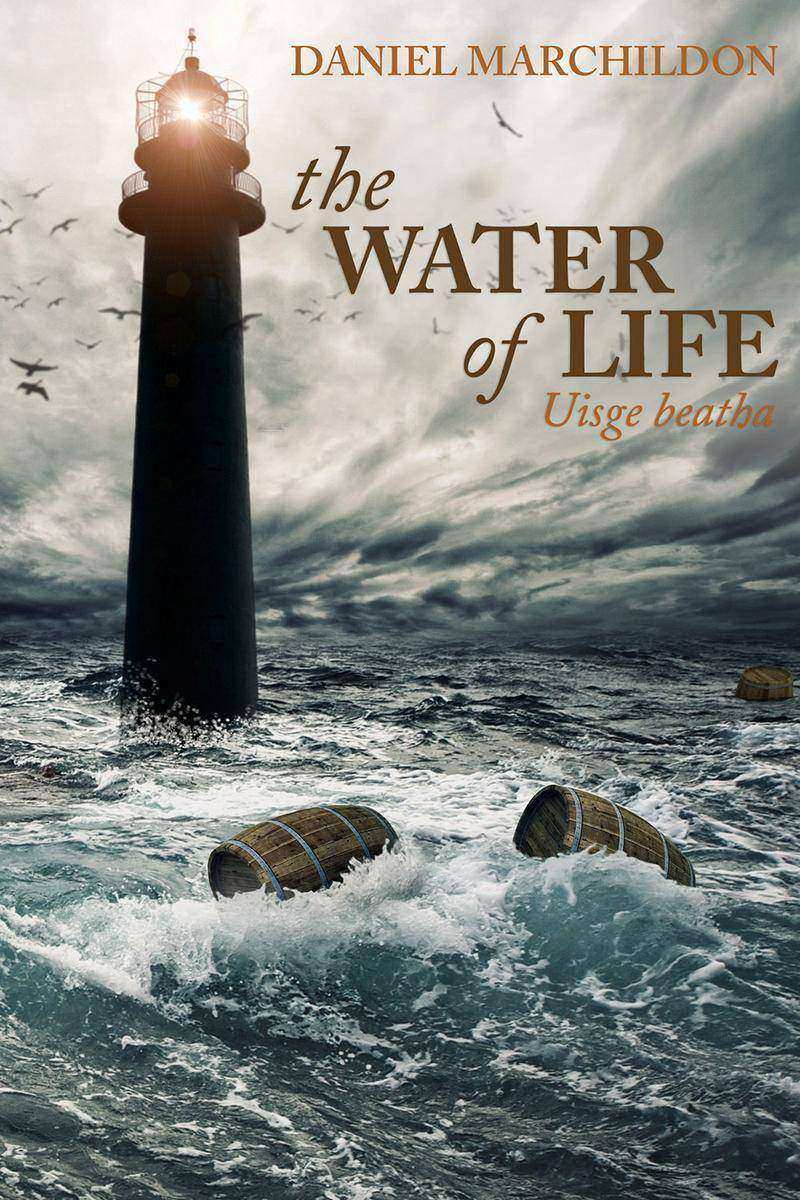
The Water of Life: Uisge beatha
¥48.97
Uisge beatha, Scottish Gaelic for 'whisky', is literally 'the water of life'. However, it also frequently proves lethal. Driven by a mysterious voice, Elizabeth Legrand plunges headlong into an insane project: opening a distillery in her small, isolated Canadian community in Georgian Bay. Using ancient reserves of Glen Dubh, a mythical Scotch thought lost to the world, she hopes to create a single-malt whisky better than anything distilled in Scotland. However, the only thing that could prove worse than failing to revive the Glen Dubh is if she succeeds. The water of life, incarnated in the Fearmòr clan's whisky for over five centuries, is tainted by the dramatic and sometimes fatal struggles of the distillers. It bends the will of those it touches: guiding them or condemning them to their fate. This turbulent family saga spans two continents and several generations of three lineages, climaxing with the tragic arrival of the whisky in Lake Huron. The present-day descendants of the bloodlines are about to meet, and so will begin yet another tumultuous chapter in the odyssey of "the water of life", mixing the captivating tale of Scotch whisky with the stories of the challenging Georgian Bay coastal life.
A Single Light
¥48.97
When Rick Hendry is contacted by a federal agent to help investigate a growing number of mysterious vanishings across Australia, he finds himself immersed in a world where normal is a very narrow view of reality. The two men are joined by a doctor, an archeologist, a journalist, and an Afflür Hunter. They soon discover that in the bush, south of Sydney, among the beach goers, walkers and picnickers, a menace grows. The mysterious Bledray monsters are preparing for a Gathering; a feast of epic proportions. Only the Afflür Hunter and Guardians can stop them, but their strength is failing and humans are needed to help prevent a second holocaust. A Single Light is an urban fantasy tale of ghoulish monsters and non-human protectors battling to save humanity amid the spectacular and rugged landscapes of the Royal National Park south of Sydney.

A Perfect Square
¥46.36
When pianist Ginny Smith moves back to her mother's house in Sassafras after her breakup with the degenerate Garth, synaesthetic and eccentric artist Harriet Brassington-Smythe contrives a creative collaboration to lift her daughter's spirits: an exhibition of paintings and songs. Mother and daughter struggle to agree on the elements of the collaborative effort, and as Ginny tries to prise the truth of her father’s disappearance from a tight-lipped Harriet, both are launched into their own inner worlds of dreams, speculations and remembering. Meanwhile, another mother and artist, Judith, alone in a house on the moors, reflects on her own troubled past and that of her wayward daughter, Madeleine. Set amid the fern glades and towering forests of the Dandenong ranges east of Melbourne, and on England's Devon moors, A Perfect Square is a work of remarkable depth and insight.
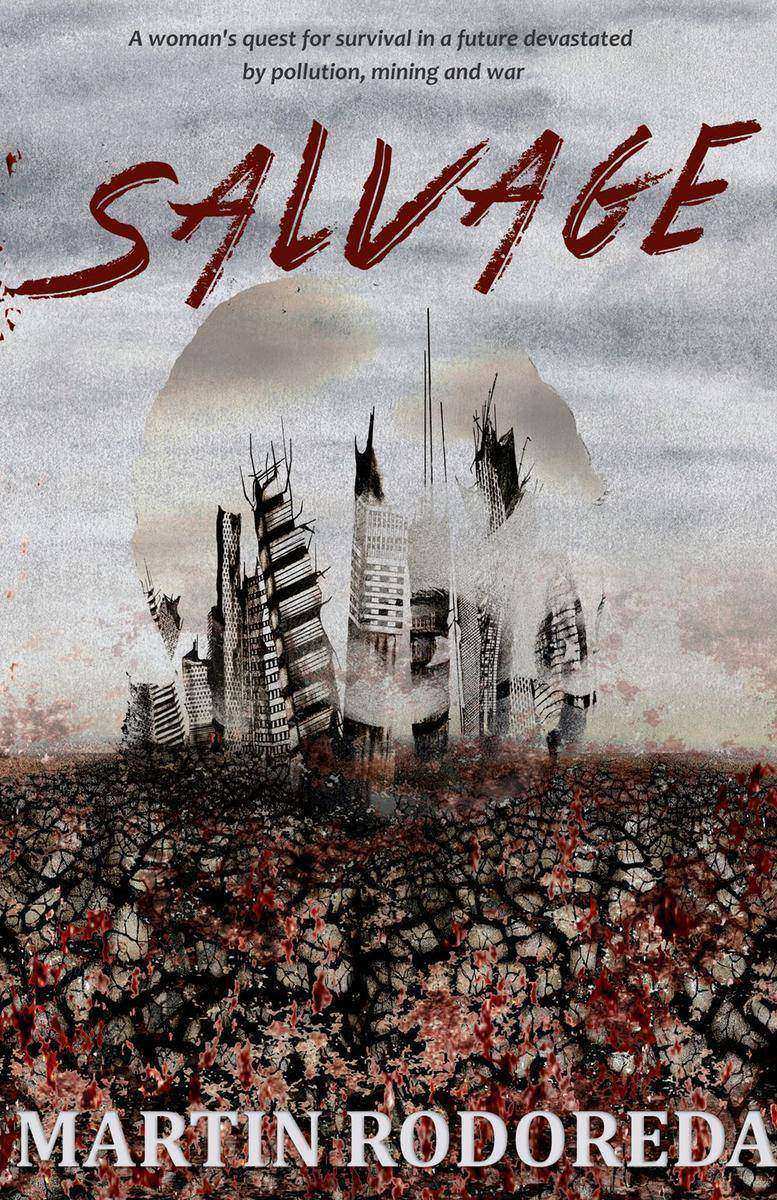
Salvage
¥48.97
Excessive mining, human pollution and war have left the earth devastated and all but inhabitable to humans. A Dome built over the city of Sydney and controlled by the tyrant Silmac protects what is possibly the last bastion of civilisation. When Silver is abandoned out in the badlands by her salvage crew, she must fight for survival to make it back to safety. But she soon finds that the Dome no longer offers the protection it once did, as she faces betrayal, makes new alliances and uncovers secrets that will bring her into conflict with Silmac himself.
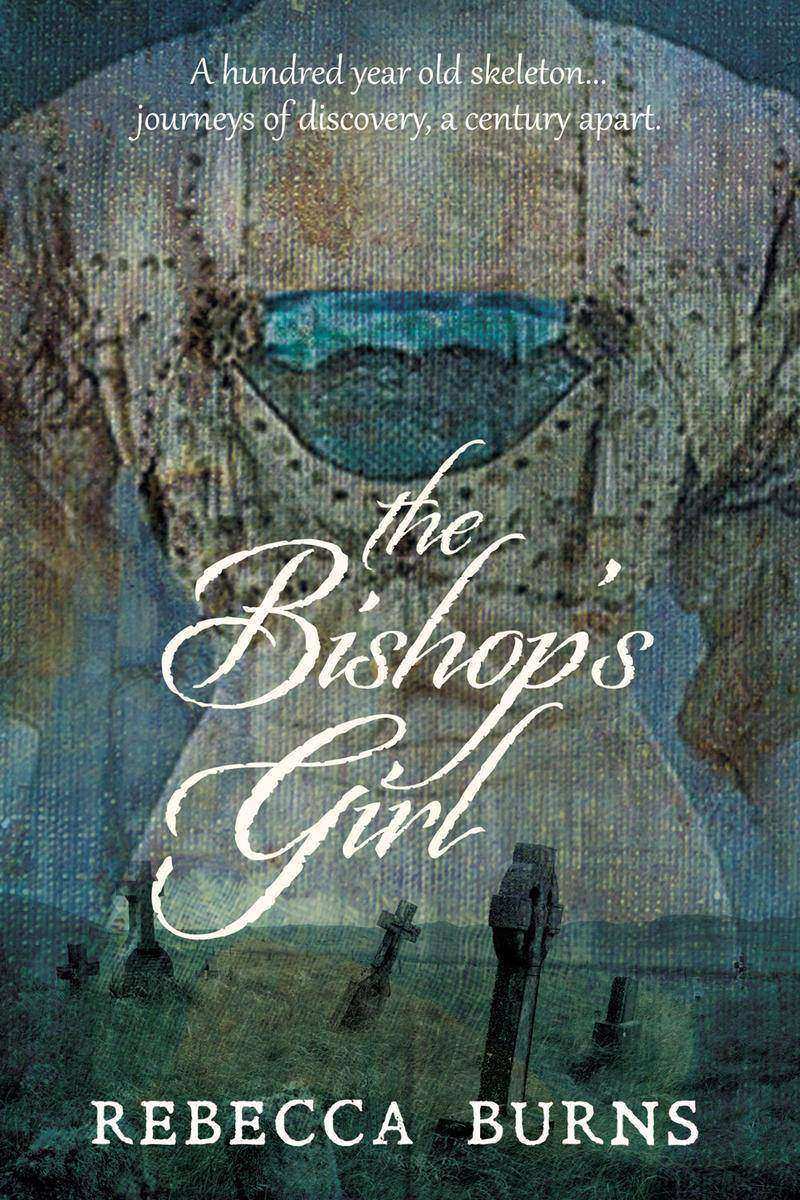
The Bishop's Girl
¥48.97
The body had no name. It was not supposed to be there... Jess is a researcher on a quest to give the one-hundred-year-old skeleton, discovered in the exhumed grave of a prominent bishop, an identity. But she's not sure of her own - her career is stalling, her marriage is failing. She doesn't want to spend hours in the archives, rifling through dusty papers in an endless search for a name. And when a young man named Hayden makes clear his interest in her, Jess has to decide what is most important to her.
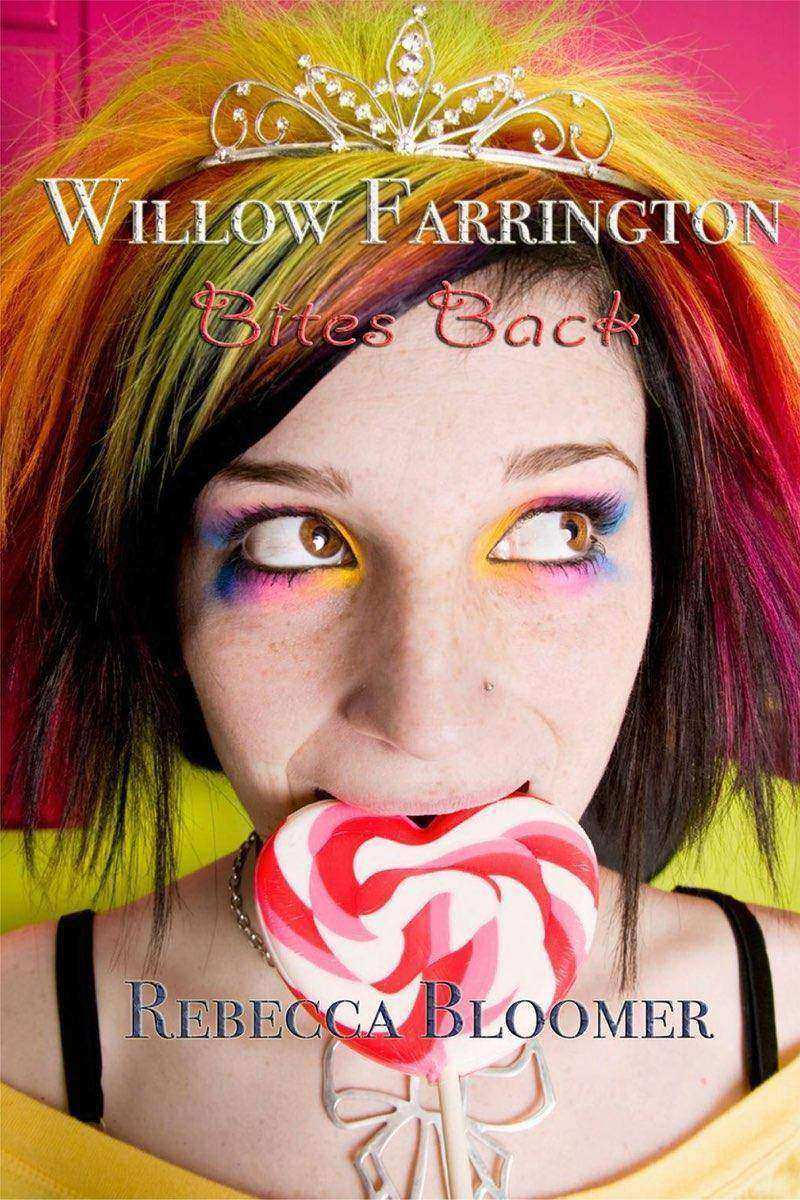
Willow Farrington Bites Back
¥24.44
When Willow Farrington first meets Isaac Silberstein she doesn't know what to expect. He's a gnome-like old man who survived a World War II concentration camp, and she's an almost-14-year-old who is just back at school after a four-month stay in hospital with an eating disorder. He has written a recipe and gardening book, and she has to do a talk on it for school. Birthdays, custard, book reports, gardens, families, friendship and fun all combine in this contemporary, witty and moving book. A fresh and uplifting novel based on a true story.
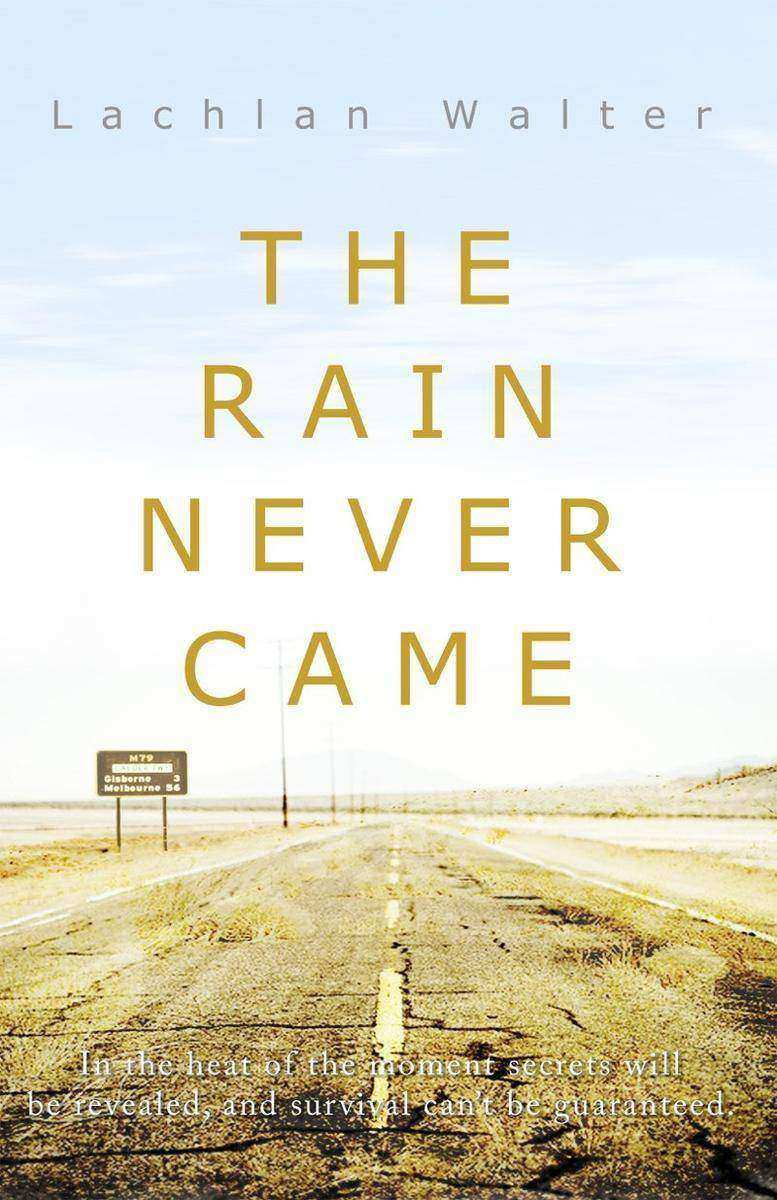
The Rain Never Came
¥48.97
In a thirsty, drought-stricken Australia, the country is well and truly sunburnt. As the Eastern states are evacuated to more appealing climates, a stubborn few resist the forced removal. They hide out in small country towns – somewhere no one would ever bother looking. Bill Cook and Tobe Cousins are united in their disregard of the law. Aussie larrikins, they pass their hot, monotonous existence drinking at the barely standing pub. When strange lights appear across the Western sky, it seems that those embittered by the drought are seeking revenge. And Bill and Tobe are in their path. In the heat of the moment secrets will be revealed, and survival can’t be guaranteed.
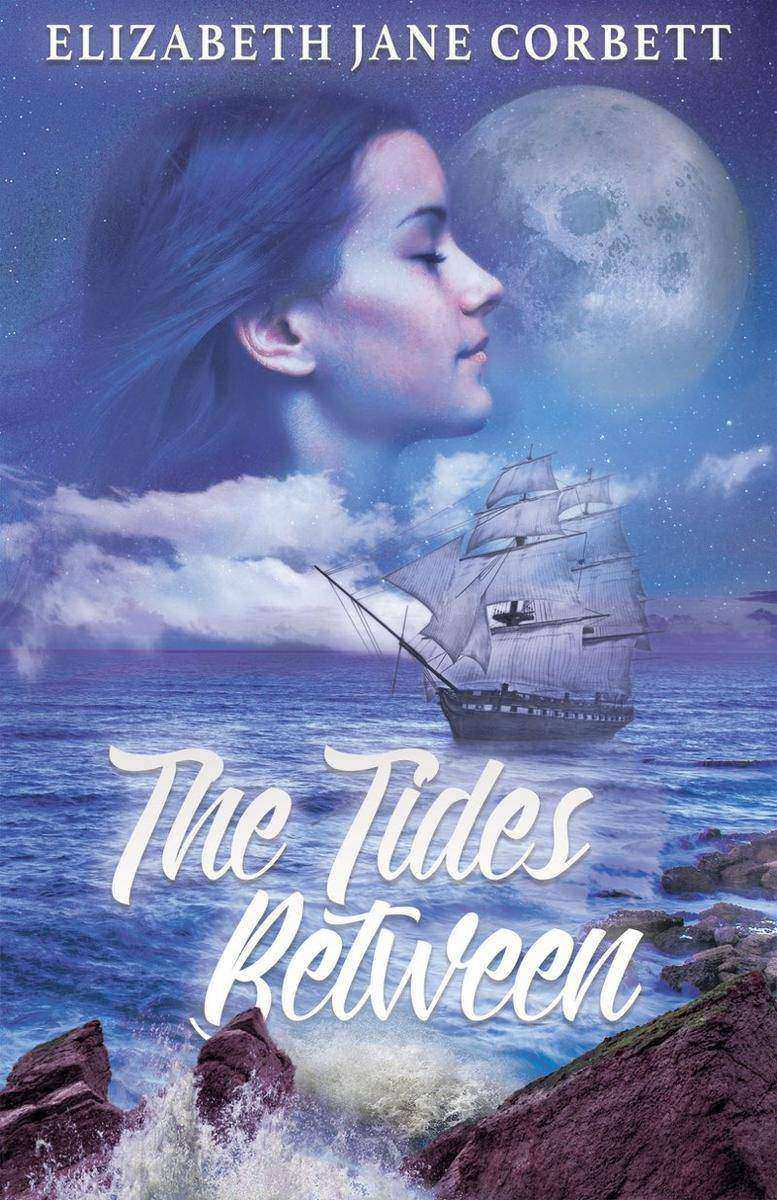
The Tides Between
¥40.79
In 1841, on the eve of her departure from London, Bridie's mother demands she forget her dead father and prepare for a sensible, adult life in Port Phillip. Desperate to save her childhood, fifteen-year-old Bridie is determined to smuggle a notebook filled with her father's fairy tales to the far side of the world. When Rhys Bevan, a soft-voiced young storyteller and fellow traveller realises Bridie is hiding something, a magical friendship is born. But Rhys has his own secrets and the words written in Bridie’s notebook carry a dark double meaning. As they inch towards their destination, Rhys's past returns to haunt him. Bridie grapples with the implications of her dad’s final message. The pair take refuge in fairy tales, little expecting the trouble it will cause.
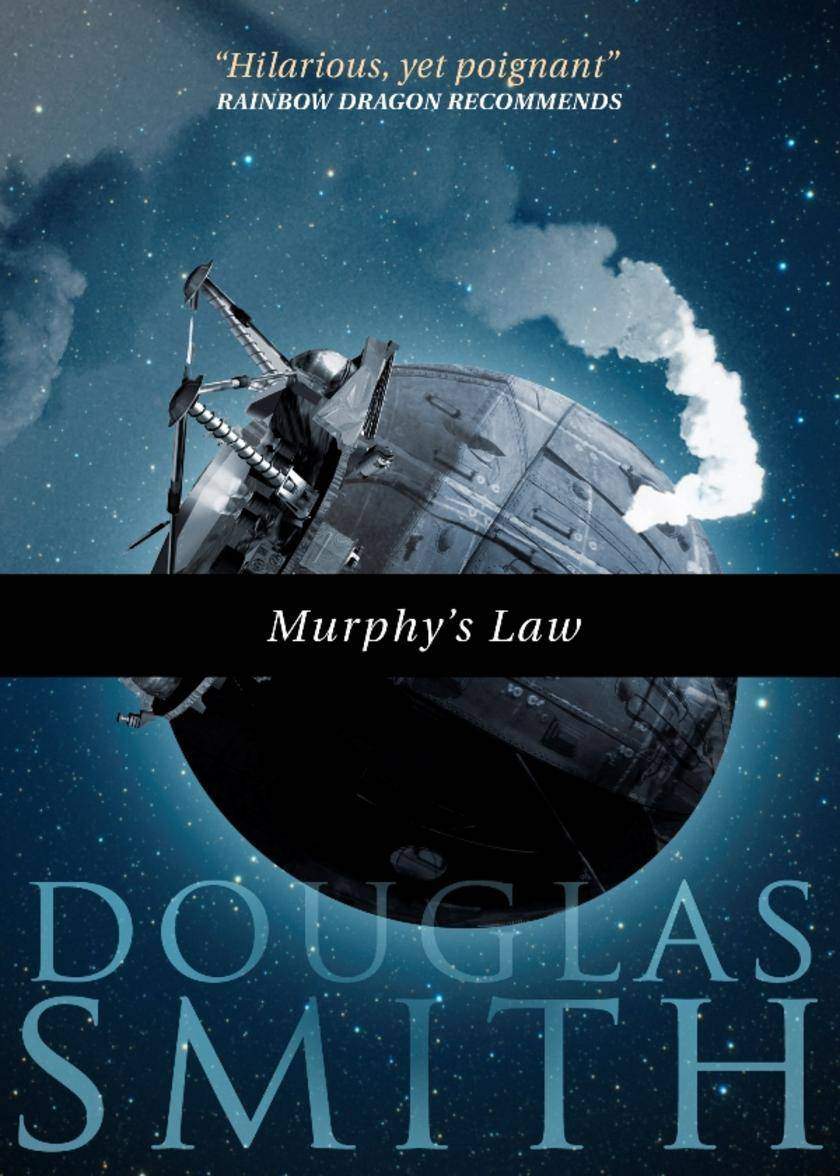
Murphy's Law
¥8.09
As First Officer on the part passenger ship, part space freighter, The Fiscal Restraint, Jack Dexter (Dex to his friends) thinks he knows all there is to know about "Murphy’s Law": If anything can go wrong, it will. And on the perpetually under-staffed, under-funded Restraint, it generally does. But he never expected to actually meet Murphy. The real Murphy. Dex hires Orville Sod onto the Restraint just before the ship makes the jump to deep space. Unfortunately, by the time that Dex figures out that Orville is a real-life "Murphy"—one of those sad souls who attract more than their fair share of calamity—things have become, uh, complicated. A VIP is almost killed… Food systems have shut down… The navigation computer has been destroyed. Well, at least things can’t get any worse… Oh…wait… "Douglas Smith showcases his talent for creating strong characters who are believable and sympathetic—even when they inhabit an absurd world. That world is painted vividly with efficient brush strokes as Smith expertly weaves between Murphy's misadventures on board the Fiscal Restraint and Dex's retelling of the same to his captive audience at The House Limit. 'Murphy's Law' is a hilarious, yet poignant read." —Rainbow Dragon Recommends
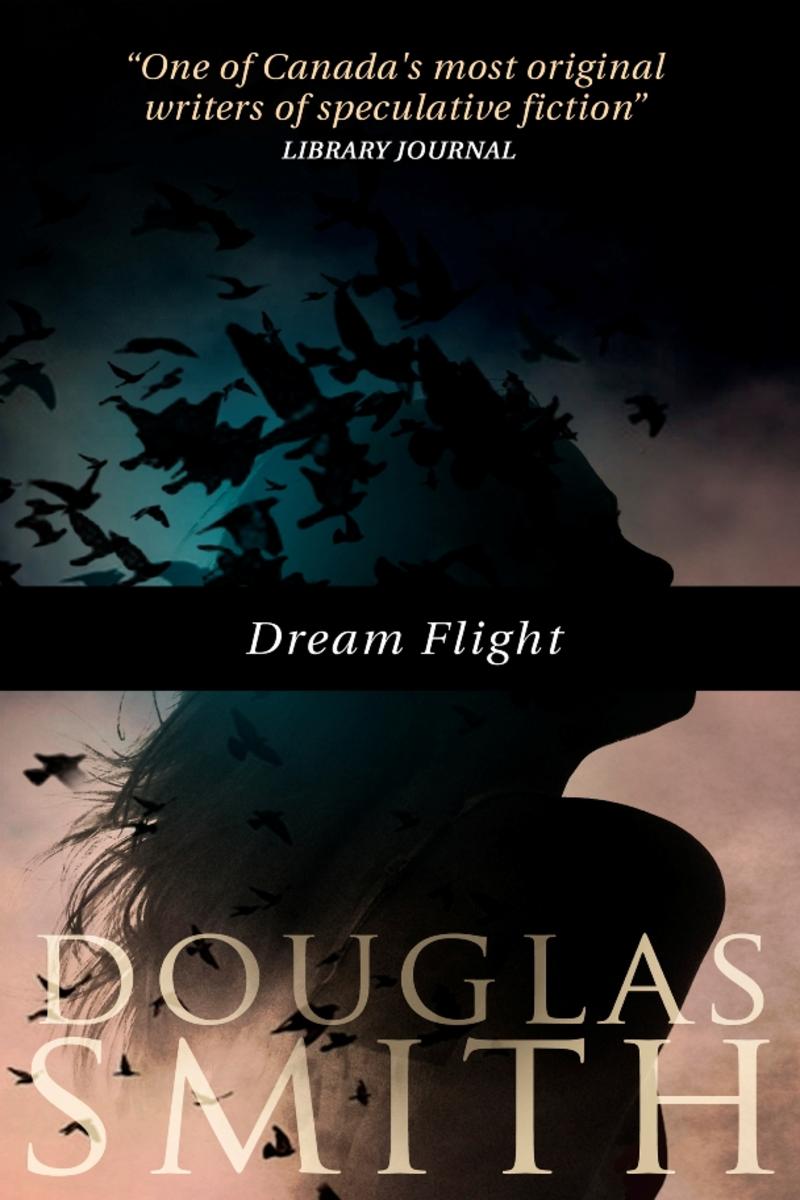
Dream Flight
¥8.09
A Heroka story.? Lilith Hoyl is a Heroka of the bird totem—a shapeshifter who hates the humans who killed her mate and hunt her kind. But when she meets a young girl awaiting a critical operation, their mutual love for birds brings joy back into both their lives. “One expects magic with this set-up, and magic does, indeed, follow, but pain cannot be forever vanquished, for either the girl or the Hoyl. The story charms as well as pains. In other hands, it would be mawkish, but Smith avoids all the pitfalls and gives us something bittersweet instead.” —Fantasy Literature
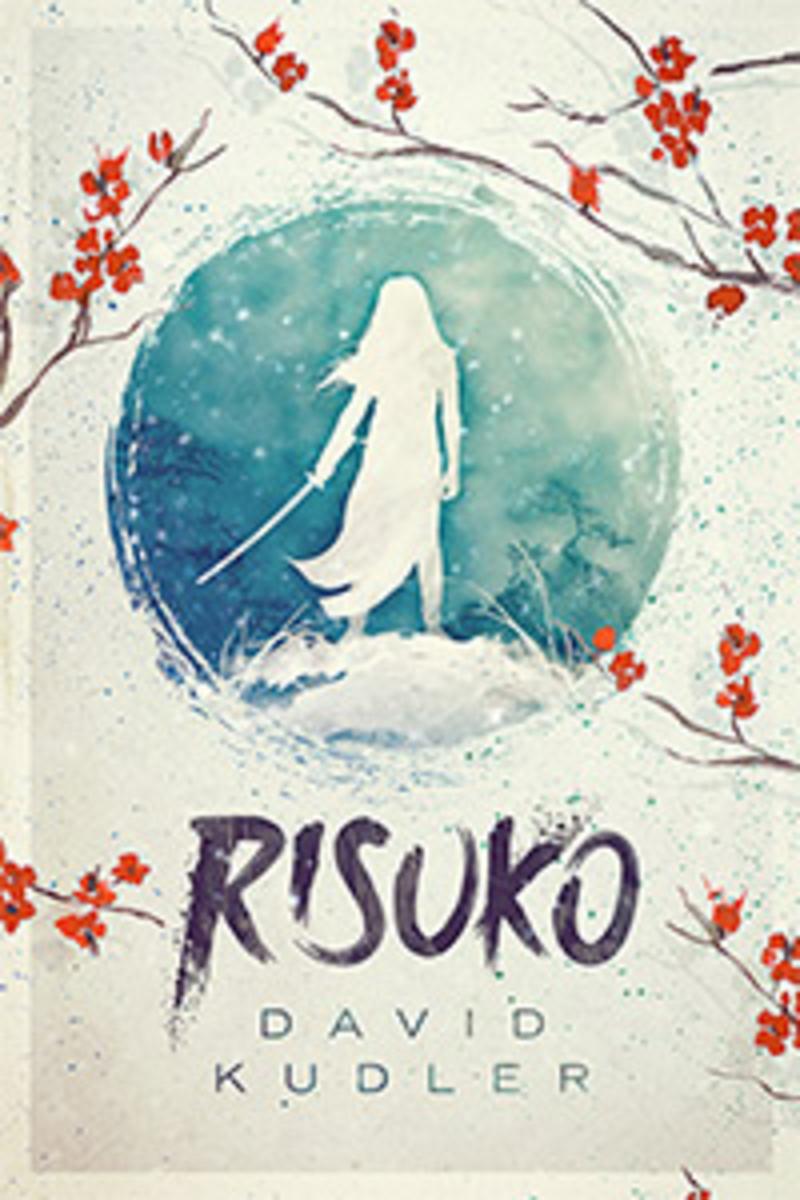
Risuko: A Kunoichi Tale
¥32.62
Warlords, assassins, samurai... and a girl who likes to climb Though Japan has been devastated by a century of civil war, Risuko just wants to climb trees. Growing up far from the battlefields and court intrigues, the fatherless girl finds herself pulled into a plot that may reunite Japan — or may destroy it. She is torn from her home and what is left of her family, but finds new friends at a school that may not be what it seems. Magical but historical, Risuko follows her along the first dangerous steps to discovering who she truly is. Seasons of the Sword #1: Can one girl win a war? Kano Murasaki, called Risuko (Squirrel) is a young, fatherless girl, more comfortable climbing trees than down on the ground. Yet she finds herself enmeshed in a game where the board is the whole nation of Japan, where the pieces are armies, moved by scheming lords, and a single girl couldn’t possible have the power to change the outcome. Or could she? YOUNG ADULT HISTORICAL ADVENTURE
Kill Zone
¥54.10
From New York Times and USA Today Bestseller, CJ Lyons: ? Lucy’s back! In a story ripped from the headlines, the violence is the worst she’s ever seen, the stakes are higher than ever, and then…things get personal. ? It’s a vicious, horrific crime: the brutal killing of a teenaged girl. When Pittsburgh detectives call FBI Supervisory Special Agent Lucy Guardino to the scene, their focus is on who and why? ? Was it the girl’s Afghan father striving to regain his honor after she became too Westernized? Her Jewish boyfriend? Someone from Afghanistan settling an old grudge? Or one of the many drug cartels the father helped the DEA bring down seeking revenge? ? The answers seem clear when Pittsburgh becomes engulfed in flames as a violent narcoterrorist turns the city into a kill zone…But in the dark of night, surrounded by men intent on destroying the truth, Lucy learns that secrets hide in shadows.
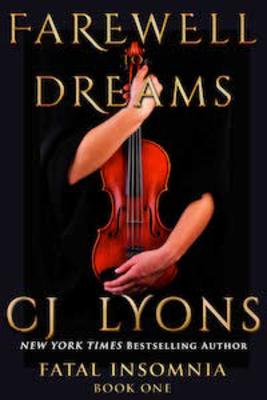
FAREWELL TO DREAMS: A Novel of Fatal Insomnia
¥54.10
Join New York Times bestseller and real life ER physician CJ Lyons as she returns to her medical thriller roots with a heart wrenching tale of good and evil, despair and hope, and the unexpected gift of grace that comes with embracing our mortality. Fatal. Insomnia. “FAREWELL TO DREAMS has it all: a heroine you'll never forget and a story that whips by at bullet speed." ~Tess Gerritsen, NYT bestselling author of DIE AGAIN “CJ Lyons scores a major triumph with FAREWELL TO DREAMS. Totally absorbing and impossible to put down.” ~Douglas Preston, #1 NYT bestselling author In the chaos of the ER, functioning without sleep is a prized skill. But even Dr. Angela Rossi will admit that five months is far too long, especially when accompanied by other worrisome symptoms: night sweats, tremors, muscle spasms, fevers. Then a dead nun speaks to her while Angela is holding the nun’s heart in her hand. “Find the girl,” the nun commands—although no one else in the trauma room can hear, the words drilling directly into Angela’s brain. “Save the girl.” Falling into catatonic states where she freezes in the middle of a resuscitation and hears dead nuns talking to her? Not good. Maybe she should check herself into her own hospital…except a lost girl’s life depends on Angela. Because the girl IS real. The threat to her is deadly. Aided by a police detective fallen from grace, Angela searches the midnight catacombs beneath the city, facing down a ruthless gangleader and stumbling onto a serial killer’s lair. Her desperate quest to save the girl leads her to the one thing she least expected to find: a last chance for love. As her symptoms escalate in bizarre and disturbing ways, Angie realizes exactly how serious her illness is. She might be dying, but she’s finally choosing how to live…
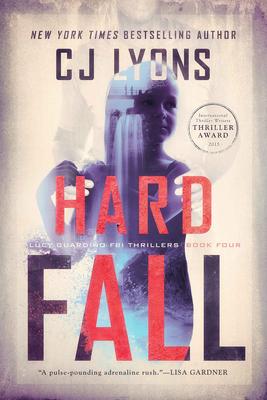
Hard Fall
¥54.10
From New York Times bestselling author CJ Lyons: International Thriller Writers 2015 Thriller Award Winner! 59 days ago FBI Special Agent Lucy Guardino had a perfect life…and almost lost it all. ? From New York Times and USA Today bestselling author CJ Lyons. WARNING: the Lucy Guardino FBI Thrillers are NOT for the faint of heart! They depict adult situations, realistic violence with consequences, and delve deep into the darkness of the human heart and mind. ? There comes a time in every hero’s life when they fall harder and farther than ever before and they face a choice that changes everything: to give up or claw their way back again. Lucy thought she’d made her choice two months ago when she sacrificed everything to save her family, but now she has to decide whether or not she can save herself… ? When honor, duty, and family collide…who would you save?
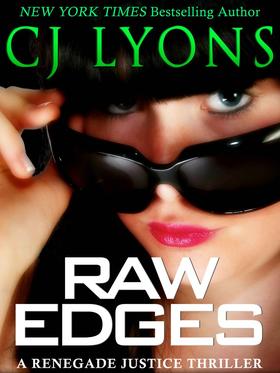
Raw Edges
¥46.36
From New York Times bestselling author CJ Lyons: Can a girl raised to kill give it up for a chance at a new life?? The only thing worse than being the girl raised by a serial killer is being the girl he blames for getting caught…and now Morgan Ames’ father has escaped prison. Morgan knows she’ll be at the top of her father’s hit list. After all, she dared to defy him, abandoning him to rot in jail while she escaped to live a normal life. Every instinct screams at Morgan to run and hide, but she’s as much a predator as her father and she refuses to allow him to turn her into prey. Because to Clinton Caine the entire world is populated by “fish,” victims to torture for his own twisted pleasure. Morgan is no fish. Past time her father learned that. But before she can take him on she has to stay alive long enough to find him…hopefully without getting anyone else killed along the way.
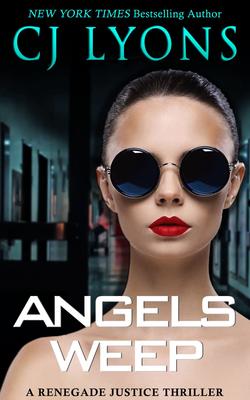
Angels Weep
¥46.36
From New York Times and USA Today bestselling author CJ Lyons: ? Is she a predator? Or is she the prey? ? Morgan Ames never expected to survive when she threw herself and her serial killer father off a cliff. She was fine with that—as long as it stopped his killing spree. ? But she did live. After being in a coma, she’s awakened to a nightmare worthy of her sadistic father’s tortures: she’s trapped in the Pediatric unit at Angels of Hope Rehab Center.? ? Not only do the authorities now know that she’s only fifteen, but she’s been made a ward of the hospital until the legal system figures out what to do with her. Helpless, dependent on others…a fate worse than death. ? Her body weak, her mind broken, but her will as strong as ever, Morgan fights for her new life and freedom. Unfortunately, it seems her father wasn’t the only sadistic serial killer on the loose…someone is preying upon the innocent children of Angels and their families. ? Only Morgan sees the pattern, only Morgan glimpses the truth behind the horror. ? And only Morgan has what it takes to put a stop to it…even if it means sacrificing her own second chance at life.
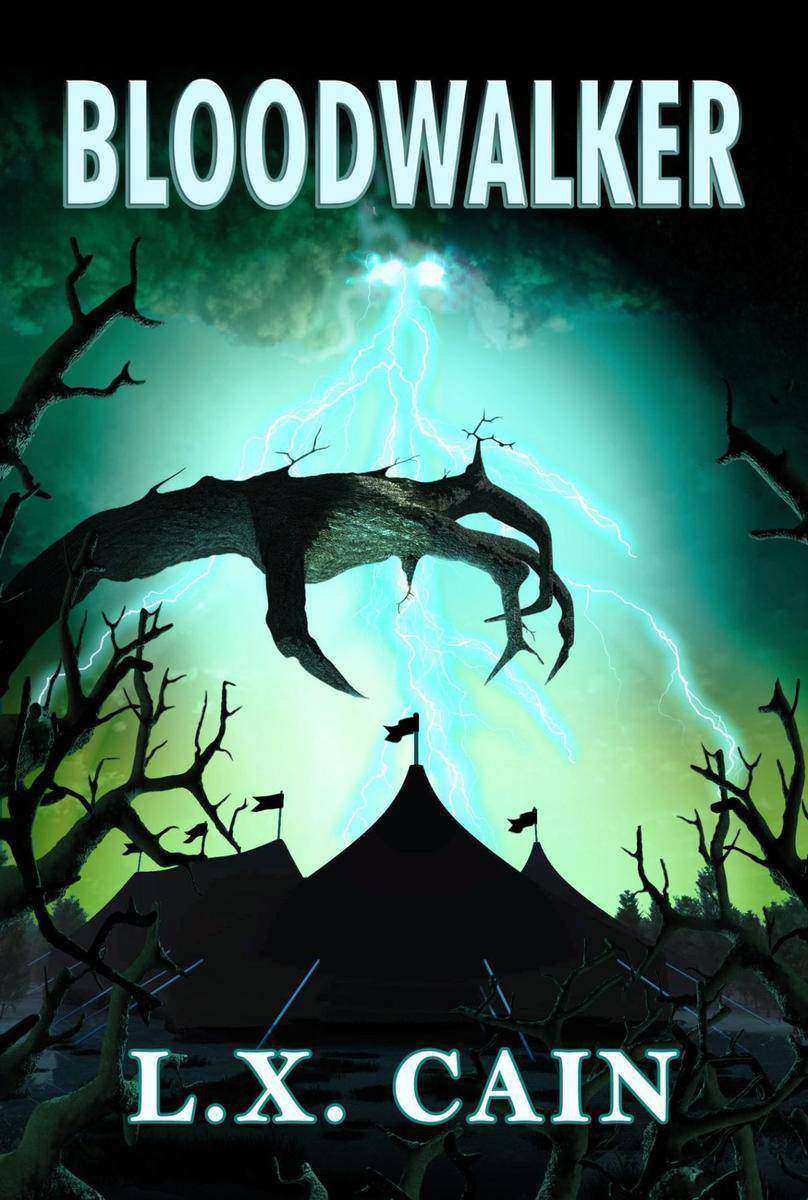
Bloodwalker
¥32.62
Lightning flashes. Another child disappears... ? Zorka Circus’s big top roars with laughter and cheers, but when it moves on, children vanish. ? Circus Security Chief Rurik suspects a killer hides among the performers, but they close ranks—they’ve always viewed lightning-scarred Rurik as the monster. He must find the culprit before anyone else disappears and his home is destroyed by the murders. ? Into Zorka Circus comes the Skomori clan, despised as gravedigging ghouls. A one-day truce allows bloodwalker Sylvie to marry. Instead, she finds a body. Alerting others will defy her clan’s strict code, break the truce, and leave her an outcast. ? When more bodies turn up, the killer's trail becomes impossible to ignore. Rurik and Sylvie must follow the clues—even if they lead to something unimaginable… “...captivating shocker... ” - Publishers Weekly
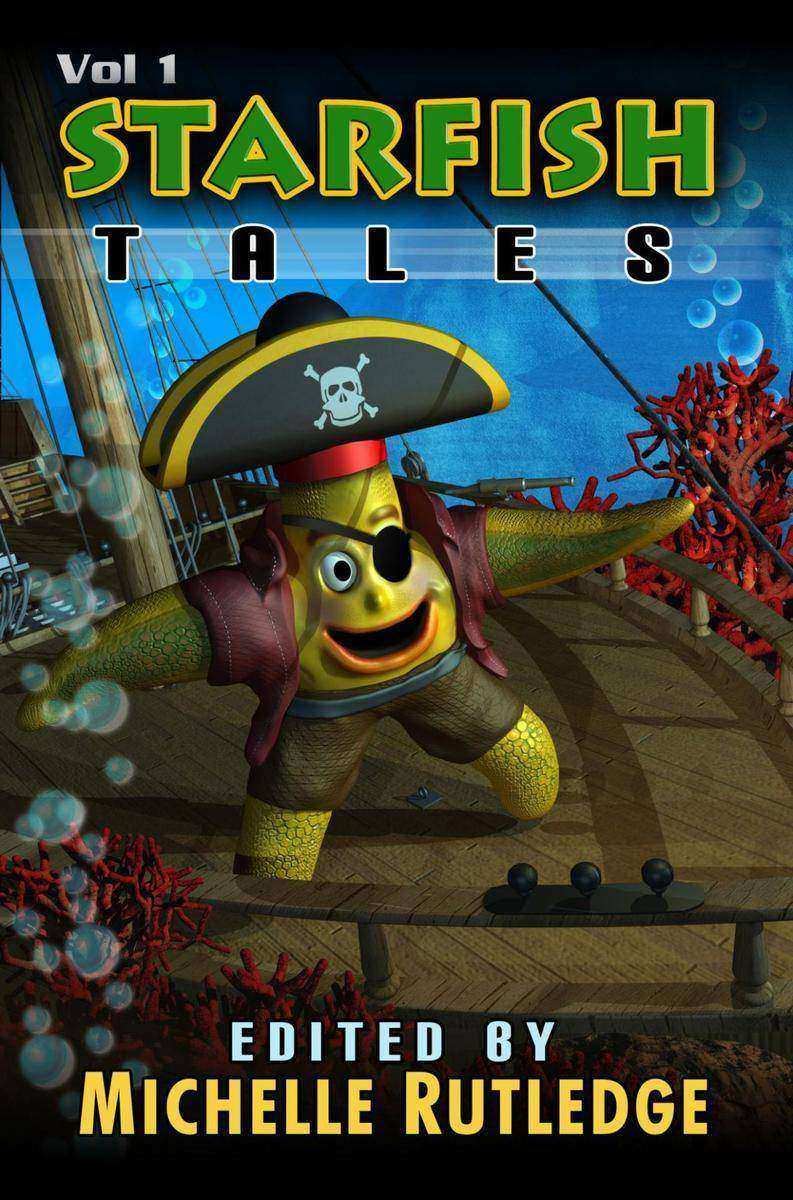
Starfish Tales Vol I
¥32.62
Prepare for an ocean of tales! ? Imagination comes alive in this collection of stories. From the struggles of everyday life to the far reaches of outer space, these tales are sure to delight. ? So come aboard and share the adventure!


