


 购物车
 个人中心

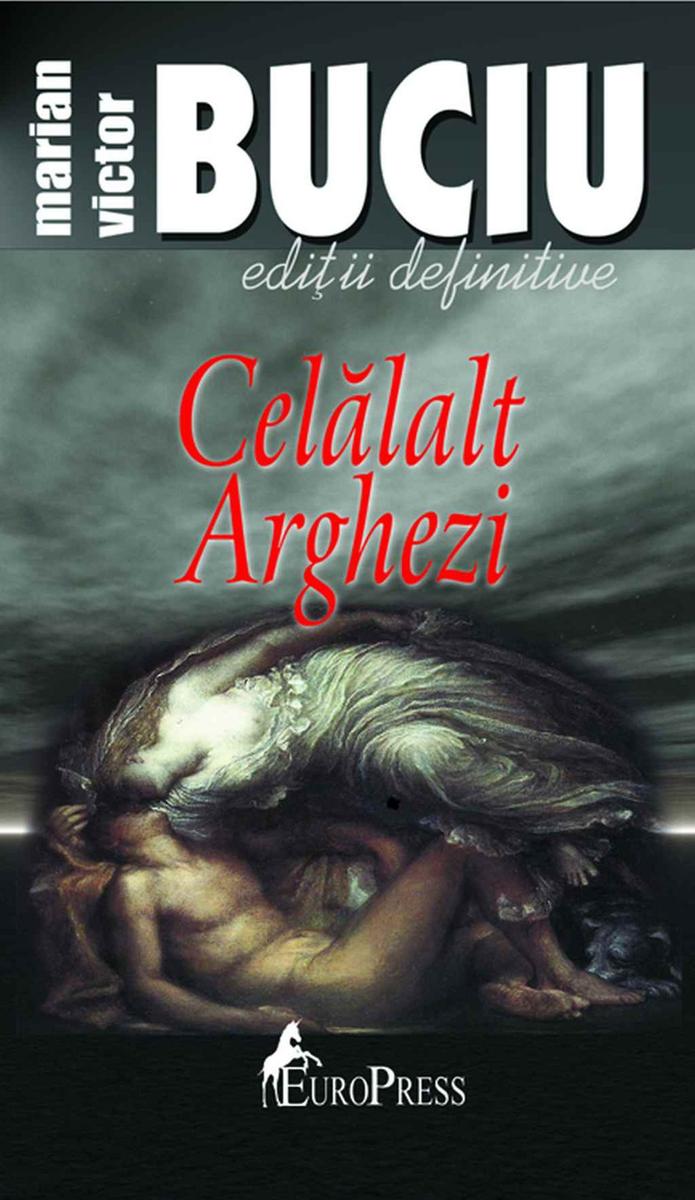
Cel?lalt Arghezi
¥57.14
nainte de orice altceva, Poezia de la Gndirea este o carte despre slbiciunea conceptelor. Ce mai definesc azi cuvinte precum tradiionalism sau modernism ntre rzboaie, termenii au polarizat probabil toate disputele, nelsnd n stare de neutralitate aproape nimic. Nu-i vorba, nu ideologiile fac literatura. Iar cnd este vorba despre poezie, lucrurile sunt cu atat mai complicate. Or, privind napoi cu suspiciune, Mircea A. Diaconu realizeaz nu doar o descriere comparativa a principalelor constante ale poeziei de la Gndirea, ci si o anatomie – sceptic mcar – a conceptelor n disputa lor cu realitatea de fapt. Criticii conceptelor – dublate de o ncercare de refundamentare a lor – i rspunde o analiz minuioas, fr parti-pris-uri, a realitii de fapt. n distana aceasta, dintre concept i realitate, ptrunde ochiul deopotriv al istoricului i al criticului literar. Iar ceea ce rezult nu mai este o sum de adevruri apodictice, ci o proiecie hermeneutic fundamentat interogativ.
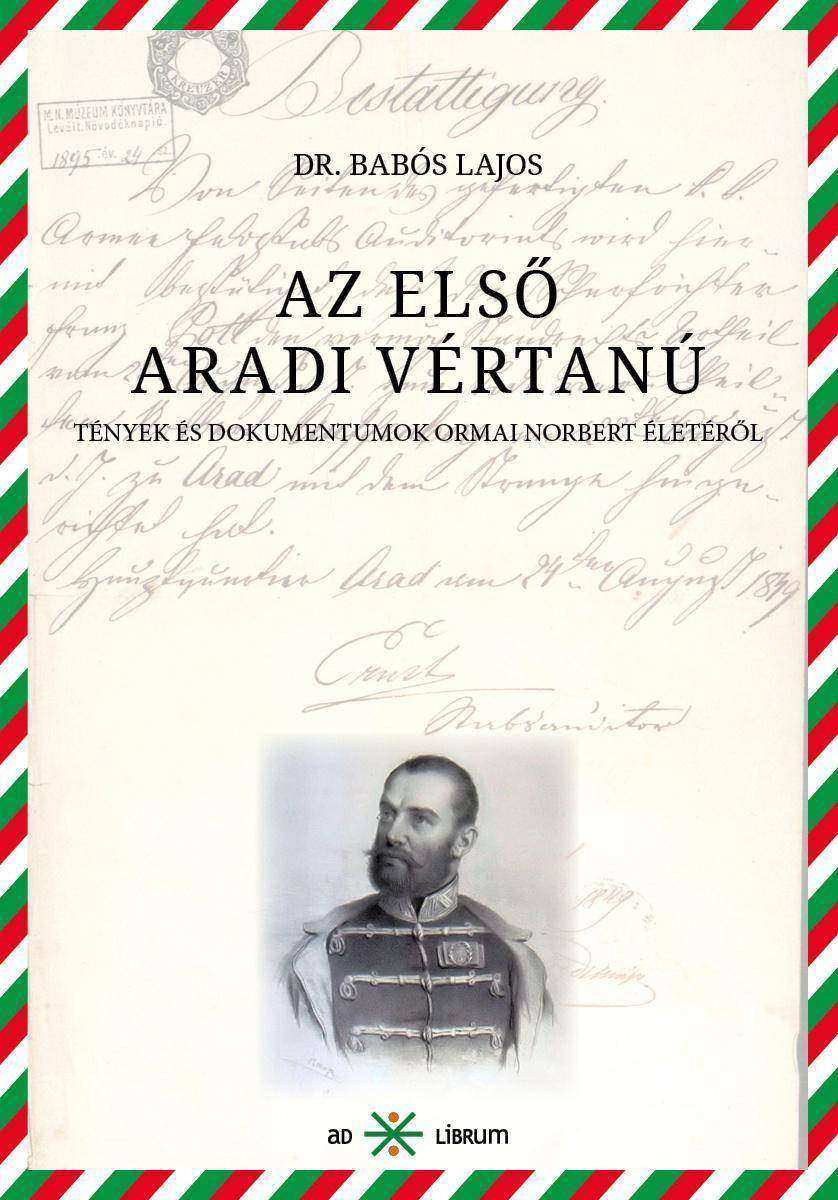
Az els? aradi vértanú: Tények és dokumentumok Ormai Norbert életér?l
¥28.53
Annyit már most nyugodtan elmondhatok, hogy akárcsak A n? cím? k?nyvnél - amely alapjában véve nem csupán a n?r?l szólt -, menet k?zben már itt is tudtam, láttam, hogy ez a k?nyv sem tisztán csak a férfiról fog szólni. Szerettem volna sok mindent beletenni a férfiasság kérdésér?l, a b?ntudat megoldásának az elkezdésér?l, a gyászról, halálról, búcsúról, elengedésr?l, virágokról, ?nmagamról. Tényleg sok mindent. Válaszokat egy sor kérdésre. Felvetéseket a pasikkal kapcsolatosan. Hogy például "miért élt a párom nyolc hónapig egy másik csajjal párhuzamos életet mellettem, mik?zben azt bizonygatta, hogy mennyire szerelmes belém?" A minap kaptam egy ilyen e-mailt! ?pp karácsonykor robbant szét a dolog... Amikor ez a k?nyv készült, k?rbetelefonáltam egy csomó pasit, akit ismerek. A tinédzserekt?l kezdve az ?tvenesekig valamennyiüknek ugyanazt a kérdést tettem fel: mit?l érzik magukat férfinak. A kérdésre, hogy mit?l érzik magukat férfinak, a pasik egy jelent?s része azt felelte, hogy ezen ?k még soha nem gondolkodtak, és ez a kérdés eléggé meglepetésszer?en érte ?ket... Holott a n?k esetében az utóbbi ?t-tíz év másról sem szólt, mint hogy definiálják, mi az, hogy n?... ?gy t?nik, ezek olyan dolgok, amelyekr?l a pasik általában nem beszélnek. Vagy csak nagyon felületesen. Magáról a férfilétr?l... Azért nem, mert "ez teljesen magától értet?d?", hogy az illet? férfi. Fel sem merül, hogy ezt bármi megkérd?jelezhetné..."
B?rbatul con?tient
¥57.14
Volumul reprezint? punctul de finalizare a unor preocup?ri anterioare ale autorului, afirmat ?n c?mpul semioticii ?i al stilisticii prin studii ?i eseuri dedicate cu prec?dere poeziei rom?ne?ti de-a lungul evolu?iei ei. F?r? a-i ignora pe creatorii medii, importan?i pentru c? dau expresie continuit??ii, el ?i-a propus s? explice, cu mijloacele puse la dispozitie de progresul ?nregistrat de disciplinele umaniste ?n ultima jum?tate de secol, ?misterul“ care transforma limba ?n opera. Sunt discuta?i marii poe?i na?ionali, de la Mihai Eminescu la Nichita St?nescu, relev?ndu-i-se fiec?ruia specificitatea, a?a cum se deta?eaz? ea pe fundalul unor constante care definesc ?ns??i esen?a poeticit??ii.

Védelemben
¥39.81
"Amerika z?r?s hely volt a hatvanas-hetvenes években: diáklázadások, hippik és polgárjogi mozgalmak, na meg persze szex, drog és rock&roll minden mennyiségben. Skip Gibbs és barátn?je, Robin Abbott kezdett?l fogva benne volt a legkeményebb balhékban, csak épp nem virággal harcoltak a rendszer ellen, hanem dinamittal. Nem csoda, hogy az FBI jó pár évre kivonta ?ket a forgalomból...Robin - akinek volt ideje t?prengeni a sitten - kiszabadulva végül arra a k?vetkeztetésre jut: nincs értelme a kapitalizmus ellen harcolni, elég megsarcolni azokat, akiknek amúgy is túl sok pénzük van. Választása a dúsgazdag Ricks testvérekre esik, els?sorban azért, mert úgy sejti, Woody és az ?ccse, Mark nyomták fel ?ket annak idején a sz?vetségieknél. Robin ?rd?gi tervet eszel ki, hogy elégtételt vegyen a b?rt?nben elvesztegetett évekért. Ha kell, akár dinamittal is.A páros csak egy valakivel nem számol: a volt bombaszakért? Chris Mankowskival, aki épp Woody Ricks után nyomoz a szexi Greta Wyatt meger?szakolása ügyében. Az id?zít? ketyeg, a kérdés már csak az, mikor robban a bomba!"
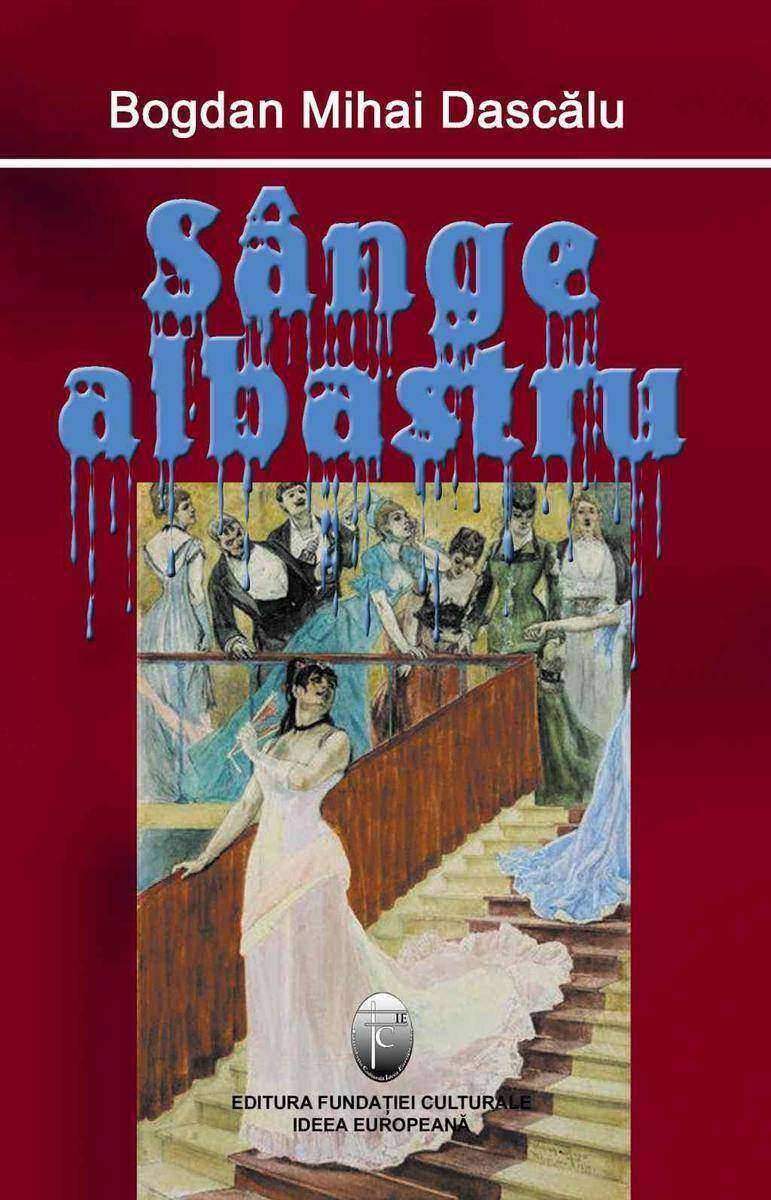
S?nge albastru
¥32.62
Citindu-l, recitindu-l pe Nietzsche, citind i recitind nietzscheenii, dostoievskienii, m recream, m remodelam, strunjindu-m pe mine nsmi i, n acelai timp, m reapropiam altminteri, de fiecare dat, de continentul Nietzsche, iar n timp probabil, iari i iari, mai rapid – prin intermediul celui care l-a creat pe Zarathustra – de mine nsmi. Scrierile mele, romanele, poemele, eseurile se afl, volens nolens, sub auspiciile dionisiace ale acestui scriitor spre care m harponeaz, instinctiv, de bun seam, i voina de a deveni ceea ce sunt: poet. Un poet care propaga un soi de stranie religie a viului, n esen de neexprimat, o religie-mit de sorginte nietzschean, construit pe un exces de personalitate.(...) Boala, cu un pic de noroc, poate fi pintenul dat de un nesfrit zeu rutcios i perspicace n bolgiile luminoase ale destinului. ntlnirea mea cu acest spectacol de un dramatism randiose – care este Nietzsche – din ntmplare cred c s-a transformat n destin. Da. i totodat n voina de Destin“. – Aura Christi.Am terminat de citit cu nfrigurare Nietzsche i Marea Amiaz (oricum, verbul a citi nu sintetizeaz dect imperfect efortul sinestezic pe care-l necesit o carte att de complex i de bogat n idei). La un prim nivel, volumul poate fi lecturat ca un impresionant catalog al marilor teme“ din literatura european (german, francez, englez, rus, romn), aceea nrudit, direct sau indirect, cu suflul zarathustrian al fostului profesor de la Universitatea din Basel. La un nivel secund ns, mult mai profund i mai semnificativ, el este un elogiu excepional adus vitalismului injectat de solarul divin, reflectat magistral prin textele unor Berdiaev, Sestov, Kierkegaard i mai ales Nietzsche. Filiaia cea mai puternic i mai transparent care mi vine n minte dup parcurgerea paginilor tale este Rudolf Otto: dei nu are nevoie s-l citeze niciodat explicit, cartea este infuzat de conceptul de numinos, acel sacru inefabil intuit de teologul german n lucrarea sa capital, Das Heilige. Te felicit pentru acest volum, exemplar n toate sensurile, i sunt convins c oamenii crora li se adreseaz nu vor mai fi aceiai dup parcurgerea sa.“ – Ctlin Ghi.

Puterea nev?zut?
¥90.84
Aproxima?ii o carte de critic? literar? ?n care autorul a ?nregistrat cele mai importante apari?ii din literatura rom?n? a ultimilor ani, ?n studii critice, cronici literare ?i eseuri care comenteaz? c?r?i, scriitori sau tendin?e ale momentului actual. Structurat? ?n trei cicluri, cartea lui Iulian Boldea se remarc? prin precizia formul?rilor, obiectivitatea enun?urilor ?i prin metodele critice adecvate valorificate. Tototdata, ea con?ine numeroase puncte de vedere, perspective ?i ipoteze critice meritorii, dup? cum v?de?te o extrem? aten?ie la nuan?ele textului, la relieful s?u subliminal. Demersul critic al autorului se caracterizeaz?, ?nainte de toate, prin rigoarea aser?iunilor ?i relevan?a demonstra?iei. ?ntre autorii comenta?i ?n aceast? carte, pot fi aminti?i Virgil Nemoianu, Al. Paleologu, Nicolae Manolescu, Gabriel Liiceanu, Adrian Marino, Ion Vartic, Marta Petreu, Mircea Muthu, Dan Culcer, ?tefan Borbély, Horia B?descu, Vasile Dan, Eugen Dorcescu, Ion Zuba?cu s.a.

Podró? marzeń. Brunetka w Australii wyd.II
¥35.32
Pornind de la Ioana Em. Petrescu, studiul propus urm?re?te s? probeze cu arsenalul criticii de descenden?? fenomenologic?, mereu actualizat?, o teorie referitoare la asumarea eminescianismului de c?tre cei mai importan?i poe?i ai secolului trecut. Actualitatea lui Eminescu se dovede?te astfel ?i prin ve?nica recitire ?i asumare a poeziei sale de c?tre poe?i precum Bacovia, Blaga, Barbu, Arghezi, Labi?, Nichita St?nescu. Aceast? prezen?? eminescian?, asumat? teoretic (vezi Blaga) sau topit? ?n profunzimile textelor poetice (vezi Labi? sau Nichita St?nescu), sus?ine valabilitatea canonului eminescian. Eminescu este astfel inactual doar dac? privim o parte ?nsemnat? a poeziei actuale, prea ancorat? ?ntr-o realitate golit? de semnifica?ie, o poezie s?r?cit? de profunzimea transfigurat? a Creatorului. (In)actualitatea lui Eminescu probeaz? astfel doar tragic? noastr? inactualitate./ – Florin Oprescu
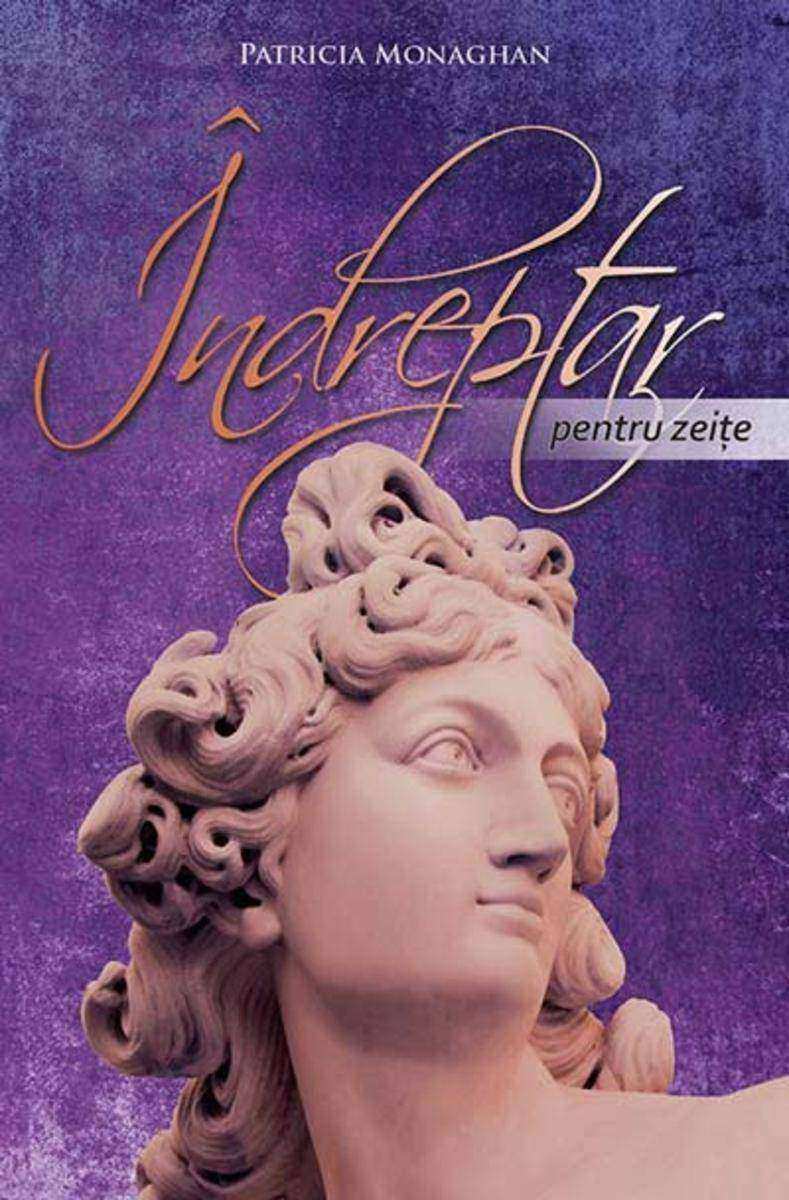
?ndreptar pentru zei?e. Inspira?ii zilnice despre Supremul Spirit Feminin
¥40.79
Mai mult dec?t psihoz? este un roman psihologic. Ac?iunea se desf??oar? pe mai multe planuri, plec?nd de la jurnalul eroinei principale, Ynonne Daphne, care, suferind de dou? boli psihice, ?ncearc? s? fac? fa?? neajunsurilor bolii. Fundalul c?r?ii este unul al spitalului, prezent?ndu-se realitatea dur? a bolii. ?n aceast? atmosfer? se desf??oar? ac?iunea real? care se suprapune cu lumile din mintea lui Yvonne. Faptul c? Yvonne cre?te prin spitale o determina s? vad? ?n medicii reali – p?rin?i, dezvolt?nd psihopatii ?i fantasme care o vor urm?ri ?i ?n timpul facult??ii. Traseul psihologic este bine g?ndit ?i analizat de autoare, pun?nd-o pe eroin?, succesiv, ?n mijlocul vie?ii reale c?reia trebuie s?-i fac? fa??. Yvonne este ?ns?, psihologic vorbind, un copil, iar reac?iile ei vor fi de fiecare dat? tulbur?toare, nea?teptate. Scenariul c?r?ii va fi ancorat prin diferite medii, prin spitale, prin universit??i, la conferin?e, printre scriitori, pentru c? Yvonne ajunge scriitoare. Planul real cu cel imaginar se ?mplete?te cu fine?e, aduc?ndu-se ?n planul ?nt?i o discu?ie imaginar? la care particip? principalii scriitori ai lumii, mas? la care va participa ?i Yvonne. Fragilitatea existen?ei umane o va determina pe Yvone s? comit? o tentativ? de suicid c?reia ?i supravie?uie?te. ?n final, cel care o va face s? ?n?eleag? c? ?n lume nimic nu conteaz? mai mult dec?t prietenia, prietenia adev?rat? dintre oameni, este medicul Hermann, pentru mintea lui Yvonne tata Hermann.
Eros ?i civiliza?ie: O cercetare filosofic? asupra lui Freud
¥48.97
Gabriela Crean scrie poezie cu gnoz dedesubt. Faptul a fost remarcat nc de la prima sa carte, iar modul acesta de a construi a rmas nu constant, ci neschimbat, chiar dac unele accente s-au mai mutat. Gnoza, tradus apocrif, nu e ns dect schela unei viziuni de intensitate paroxistic. Important cu adevrat e suflul imaginativ, dezlnuirea spasmatic a imaginaiei i ritmul frenetic n care sublimele se topesc n grotesc sau imnoidele se revrs n apostrofe. Gabriela Crean vede lumea oximoronic, n coincidene stupefiante i radicale, n care gramatica sacrelor nu se mai poate distinge de cea a infernalelor. Modului ei de a traduce juisarea vizionar n sarcasme i febra celest n repulsii violente i s-ar potrivi conceptul de profanare al lui Giorgio Agamben. Asta dac poezia n-ar face altceva dect filosofia; dar cum face, Gabriela Crean scrie cu o exasperare exuberant i cu o arden vitriolat despre cel mai inconfortabil mod de a fi n lume: sub un imperativ atroce.“ – Al. Cistelecan
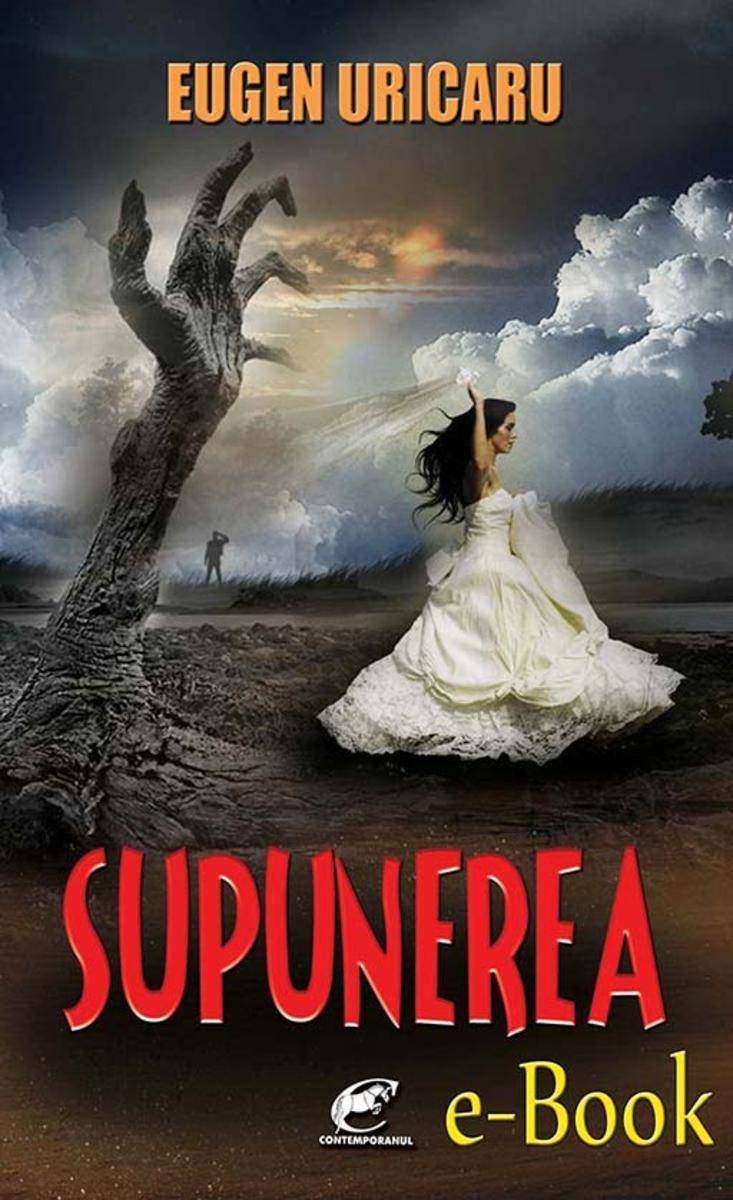
Supunerea
¥98.02
Florin Logreteanu propune noul su roman intitulat Casa cu iedera. Aciunea lui se desfoar pe fundalul evenimentelor care au premers conflictului balcanic dintre srbi i albanezi din ultimul deceniu al mileniului trecut. L-am citit n manuscris i sunt n msur s spun c e vorba de un excelent romn al psihozei colective, care lumineaz subsolurile contiinei umane.“ – Eugen Negrici
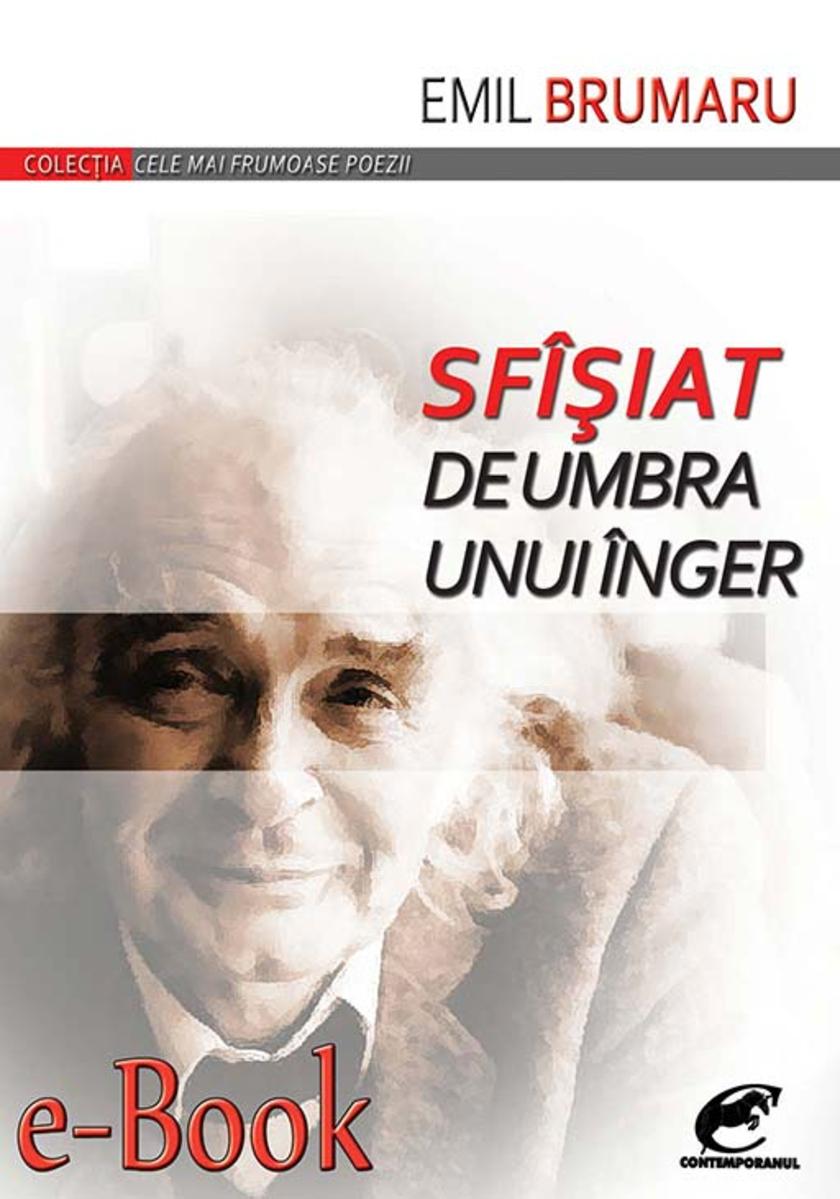
Sf??iat de umbra unui ?nger
¥40.79
Ore de diminea?? ?ntr-o nou? edi?ie. F?r? ?ndoial? un eveniment. Este cartea care arunc? ?n aer bariera dintre pacostea proletcultist? ?i dreptul elementar de a g?ndi ?i a scrie liber. Cu discre?ie dar f?r? mil? prietenul meu Platon reu?e?te s? p?trund? natura uman? ?i s? simt? r?ul acolo unde nimeni n-ar fi crezut c? se poate ascunde. Ore de diminea?? este o carte despre timpul care i-a fost lui dat. Cartea asta vine din trecut dar apar?ine ?n aceea?i m?sur? prezentului ?i, poate, timpurilor care vor veni. O carte pentru cei ce nu scot din context prezentul pe care nu ei l-au ales. ?n aceia?i m?sur?, un text pentru cei (pu?ini?!) ?n stare s? priceap? c? a trimite ca pe o cer?etoare hoa?? istoria la tribunal este, dac? nu demagogie, atunci o prostie incurabil?. Citi?i Ore de diminea??. Scris? ?i tiparit? ?n anii '70. Este cartea unui autor de seam?. G. B?l?i???

Az elvek csapodár természete
¥61.31
Iat?, ?n cuvintele Aurei Christi, curg?nd abundent, din surse ascunse, fluidul vivifiant al poeziei, s? nu ne temem de retorica majusculelor, al marii Poezii. (Nicolae Balot?) Aura Christi a uimit critica de specialitate prin ample volute metaforice, calde, ?ndr?zne?e, abord?nd, ?n c?teva volume, printr-o splendid? frond?, clasicul sonet poetic ?i dovedind o excelent? st?p?nire a limbii, a mijloacelor specifice, ?ntr-o liric? a medita?iei grave, ad?nci, exprimat? ?n metafore, ?n care modernitatea ?i sensibilitatea secolului se confund?, cu vigoare clar?, de o marcat? originalitate, tumultuos ?i muzical aproape, ?ntr-o subtil? rezonan?? eufonic?, cu trimiteri, accente ?i imagini simbolice, cu marele torent al liricii europene de ?nalt nivel, de la Rimbaud ?i Baudelaire, la Rilke ?i Blaga. ?i, ?nc? odat?, la ?vetaieva ?i Nichita St?nescu. (Nicolae Breban) M? auzi tu, oare, ?nstr?inato? Am citit poeziile tale la ceas de sear?, pe o teras?, av?nd ?n fa?? colinele Ierusalimului. Eu nu sunt un bun comentator de poezie, cei care au scris despre poezia ta te-au ?prins“ foarte bine, ai for??, un sim? rar al tragicului ?i antene pentru transcenden??… (Leon Volovici) Ignor?nd retorica unei poezii postmoderniste intolerante, metonimice – baliz?ndu-se ?n criteriul retoricului, un trop ajunge, iat?, s? impun? un model poetic – Aura Christi continu? s? ofere un osp?? metaforic. Psalmul coexist? cu viziunea aspr?, expresionist?. Universul ?i limbajul au torsiuni tragice, ?n nara?iuni poematice deopotriv? fruste ?i fabuloase, cvasimitice. Moartea e o prezen?? familiar?, ca privirea ?i olfac?ia ?ns??i. Mitul e prezent ca joc automodelator. Calea spre mit ajunge o traversare a suferin?ei. (Marian Victor Buciu) A scrie c?derea apocaliptic? nu e u?or. E un merit al Aurei Christi faptul de a g?si singura solu?ie la aceast? c?dere fatal?, dat? din pornire: cel care o scrie o ?i ?opre?te“, ?incit?nd rigoarea/ celui din urm? frig“. Doar un fel de zeu al poeziei, o divinitate descoperit? cu greu, con?tient? de destr?marea mitului, poate s? impun? din nou mitul: instituirea ?mai viului“ este cu putin?? doar datorit? mor?ii. ?nvierea nu e posibil? dec?t datorit? ei. Sensul celei mai mari dintre taine se dezleag?, astfel, paradoxal, prin r?sturnarea negativit??ii generale a sensului. (...) Descoperirea f?cut? de poet? este c? realul ?nsu?i are origine poetic? (nu real?!), prin c?derea ?n ?emisfera cealalt?“, de parc? Dante ?nsu?i ar fi acum reeditat ?n alt? semantic?: ?Ah, calul e fiu al pega?ilor dintotdeauna“. Fiin?ele existente ??i au ob?r?ia ?n himere, iar realitatea ia fiin?? din metafor?. (...) Alt? ?descoperire“ poetic?: ?ntreg mitul temporal al omenirii poate fi ranversat. (…) Iat?, deci, cum se poate recupera mitul ?ntr-o epoc? ?n care toat? lumea postmodern? a visat la demitizare ?i dez-iluzionare pentru a se apropia de realul ca atare. (?tefania Mincu)
Sfera frigului
¥16.27
Toate popoarele sunt preocupate de identitatea lor, dar la rom?ni aceast? chestiune a ?mbr?cat forme speciale. Rom?nii, locuitori p?n? ?n epoca modern? ?n dou? principate autonome supuse Por?ii Otomane ?i r?vnite de mul?i al?i vecini, dar tr?itori ?i ?n vaste provincii ocupate de unguri, de austrieci, de ru?i ?i de turci, pierdu?i ?n mijlocul at?tor str?ini rapace, s-au ?ntrebat, parc? mai mult dec?t al?ii, de unde vin ?i cine sunt ei. P?n? la urm? ?ns?, toate popoarele mici, lovite de soart? ?i l?sate la cheremul celor mari, au asemenea preocup?ri, transformate uneori ?n adev?rate obsesii. (Ioan-Aurel Pop)

Arizona's Yesterday: [Illustrated]
¥8.09
This story belongs to the year 1837, and was regarded by the generations of that and a succeeding time as the most miraculous of all the recorded deliverances from death at sea. It may be told thus: Mr. Montagu Vanderholt sat at breakfast with his daughter Violet one morning in September. Vanderholt's house was one of a fine terrace close to Hyde Park. He was a rich man, a retired Cape merchant, and his life had been as chequered as Trelawney's, with nothing of romance and nothing of imagination in it. He was the son of honest parents, of Dutch extraction, and had run away to sea when about twelve years old. Nothing under the serious heavens was harsher, more charged with misery, suffering, dirt, and wretchedness, than seafaring in the days when young Vanderholt, with an idiot's cunning, fled to it from his father's comfortable little home. He got a ship, was three years absent, and on his return found both his father and mother dead. He went again to sea, and, fortunately for him, was shipwrecked in the neighbourhood of Simon's Bay. The survivors made their way to Cape Town, and presently young Vanderholt got a job, and afterwards a position. He then became a master, until, after some eight or ten years of heroic perseverance, attended by much good luck, behold Mr. Vanderholt full-blown into a colonial merchant prince. How much he was worth when he made up his mind to settle in England, after the death of his wife, and when he had disposed of his affairs so as to leave himself as free a man as ever he had been when he was a common Jack Swab, really signifies nothing. It is certain he had plenty, and plenty is enough, even for a merchant prince of Dutch extraction. Besides Violet, he had two sons, who will not make an appearance on this little brief stage. They are dismissed, therefore, with this brief reference—that both were in the army, and both, at the time of this tale, in India. Violet was Vanderholt's only daughter, and he loved her exceedingly. She was not beautiful, but she was fair to see, with a pretty figure, and an arch, gay smile. You saw the Dutch blood in her eyes, as you saw it in her father's, whose orbs of vision, indeed, were ridiculously small—scarcely visible in their bed of socket and lash. An English mother had come to Violet's help in this matter. Taking her from top to toe, with her surprising quantity of brown hair, soft complexion, good mouth, teeth, and figure, Violet Vanderholt was undoubtedly a fine girl. THE LAST ENTRY "OPINIONS OF THE PRESS ON THE LAST ENTRY": '"The Last Entry" is a rattling good salt-water yarn, told in the author's usual breezy, exhilarating style.'-”Daily Mail. 'In this new novel Mr. Russell has cleverly thrown its events into the year 1837, and there are one or two ingenious passages which add to the Diamond Jubilee interest which that date suggests.... "The Last Entry" is as certain of general popularity as any of Mr. Russell's former tales of the marvels of the sea.'-”Glasgow Herald. 'We do not think it possible for anyone to dip into this novel without desiring to finish it, and it adds another to the long list of successes of our best sea author.'-”Librarian. 'In addition to mutiny and murder, "The Last Entry" contains many of those good things which have made Mr. Russell's pages a joy to so many lovers of the sea during the last twenty years.... "The Last Entry" is a welcome addition to Mr. Clark Russell's library.'-”Speaker. 'The writer is as realistic and picturesque as usual in his vivid descriptions of the stagnant life on board the homeward-bound Indiaman.'-”Times. 'It is full of pleasant vigour.... As is always the case in Mr. Clark Russell's books, the elements are treated with the pen of an artist.'-”Standard. 'We expected plenty of go, of fresh and vigorous description of sea-faring life, coupled with a story which would not be wanting in interest. All this we have here.'”-Tablet.
Democracy in America: Book One
¥28.04
A young girl named Fanny Price comes to live with her wealthy uncle and aunt, Sir Thomas and Lady Bertram. Fanny's family is quite poor; her mother, unlike her sister Lady Bertram, married beneath her, and Fanny's father, a sailor, is disabled and drinks heavily. Fanny is abused by her other aunt, Mrs. Norris, a busybody who runs things at Mansfield Park, the Bertrams' estate. The Bertram daughters, Maria and Julia, are shallow, rather cruel girls, intent on marrying well and being fashionable. The elder son, Tom, is a roustabout and a drunk. Fanny finds solace only in the friendship of the younger son, Edmund, who is planning to be a clergyman. Fanny grows up shy and deferential, caught as she typically is between members of the Bertram family. Sir Thomas leaves Mansfield Park for Antigua, where he owns plantations. In his absence, two new figures arrive at Mansfield: Henry and Mary Crawford, the brother and sister of the local minister's wife. Henry and Mary are attractive and cheerful, and they soon become indispensable members of the Mansfield circle. Henry flirts extensively with Maria, who is engaged to marry the boring but wealthy Rushworth. He also flirts with Julia when it suits his purposes. At first, Mary is interested in Tom, the older son and heir, but she soon realizes that he is boring and not really interested in her. She finds herself increasingly attracted to Edmund, although the prospect of marrying a clergyman does not appeal to her, and she is often cruel to him on this account. In the meantime, Fanny has innocently fallen in love with Edmund, although she does not even admit this to herself. Yates, a visiting friend of Tom's, proposes that the group should put on a play. His idea is eagerly received by all except for Edmund and Fanny, who are horrified at the idea of acting. The play goes on anyways, however; Maria and Henry, as well as Mary and Edmund (who has been prevailed upon to take a role to avoid bringing in an outsider to play it), get to play some rather racy scenes with one another. When one of the women cannot make a rehearsal, Fanny is pressured to take a role. She is almost forced to give in when Sir Thomas makes a sudden entrance, having arrived from Antigua. Sir Thomas is unhappy about the play and quickly puts a stop to the improprieties. Since Henry has not declared his love, Maria is married to Rushworth. She and Julia leave Mansfield Park for London. Relationships between the Crawfords and the Bertrams intensify. Edmund nearly proposes to Mary several times, but her condescension and amorality always stop him at the last minute. He confides his feelings to Fanny, who is secretly upset by them. In the meantime, on a lark, Henry has decided to woo Fanny. He is surprised to find himself sincerely in love with her. Fanny has become indispensable as a companion to her aunt and uncle, and on the occasion of her brother William's visit, they give a ball in her honor. Some time after the ball, Henry helps William get a promotion in the Navy. Using this as leverage, he proposes to Fanny, who is mortified and refuses. He continues to pursue her. Her uncle is disappointed that she has refused such a wealthy man, and, as an indirect result, she is sent to stay with her parents in their filthy house. Meanwhile, Edmund has been ordained and continues to debate over his relationship with Mary, to Fanny's dismay. Henry comes to see Fanny at her parents' and renews his suit. He then leaves to take care of business on his estate. Fanny continues to receive letters from Mary encouraging her to take Henry's proposal. A series of events then happen in rapid succession: Tom Bertram falls dangerously ill as a result of his partying and nearly dies; Henry, who has gone not to his estate but to see friends, has run off with the married Maria; Julia, upset over her sister's rash act, elopes with Yates, Tom's friend. Julia and Yates are reconciled to the family. Edmund finally comes and marries Fanny
Divine Comedy (Volume II): Illustrated Hell
¥18.74
Micrographia is a historic book by Robert Hooke, detailing the then thirty-year-old Hooke's observations through various lenses. Published in September 1665, the first major publication of the Royal Society, it was the first scientific best-seller, inspiring a wide public interest in the new science of microscopy. It is also notable for coining the biological term cell. Observations: Hooke most famously describes a fly's eye and a plant cell (where he coined that term because plant cells, which are walled, reminded him of a monk's quarters). Known for its spectacular copperplate engravings of the miniature world, particularly its fold-out plates of insects, the text itself reinforces the tremendous power of the new microscope. The plates of insects fold out to be larger than the large folio itself, the engraving of the louse in particular folding out to four times the size of the book. Although the book is best known for demonstrating the power of the microscope, Micrographia also describes distant planetary bodies, the wave theory of light, the organic origin of fossils, and various other philosophical and scientific interests of its author. Publication: Published under the aegis of The Royal Society, the popularity of the book helped further the society's image and mission of being "the" scientifically progressive organization of London. Micrographia also focused attention on the miniature world, capturing the public's imagination in a radically new way. This impact is illustrated by Samuel Pepys' reaction upon completing the tome: "the most ingenious book that I ever read in my life." Hooke also selected several objects of human origin; among these objects were the jagged edge of a honed razor and the point of a needle, seeming blunt under the microscope. His goal may well have been as a way to contrast the flawed products of mankind with the perfection of nature (and hence, in the spirit of the times, of biblical creation). About Author: Robert Hooke (1635 – 1703) was an English natural philosopher, architect and polymath.His adult life comprised three distinct periods: as a scientific inquirer lacking money; achieving great wealth and standing through his reputation for hard work and scrupulous honesty following the great fire of 1666, but eventually becoming ill and party to jealous intellectual disputes. These issues may have contributed to his relative historical obscurity. He was at one time simultaneously the curator of experiments of the Royal Society and a member of its council, Gresham Professor of Geometry and a Surveyor to the City of London after the Great Fire of London, in which capacity he appears to have performed more than half of all the surveys after the fire. He was also an important architect of his time – though few of his buildings now survive and some of those are generally misattributed – and was instrumental in devising a set of planning controls for London whose influence remains today. Allan Chapman has characterised him as "England's Leonardo".Robert Gunther's Early Science in Oxford, a history of science in Oxford during the Protectorate, Restoration and Age of Enlightenment, devotes five of its fourteen volumes to Hooke.Hooke studied at Wadham College during the Protectorate where he became one of a tightly knit group of ardent Royalists led by John Wilkins. Here he was employed as an assistant to Thomas Willis and to Robert Boyle, for whom he built the vacuum pumps used in Boyle's gas law experiments. He built some of the earliest Gregorian telescopes and observed the rotations of Mars and Jupiter. In 1665 he inspired the use of microscopes for scientific exploration with his book, Micrographia. Based on his microscopic observations of fossils, Hooke was an early proponent of biological evolution. He investigated the phenomenon of refraction, deducing the wave theory of light, and was the first to suggest that matter expands when heated and that air is made of small particles separated by relatively large distances. He performed pioneering work in the field of surveying and map-making and was involved in the work, though his plan for London on a grid system was rejected in favour of rebuilding along the existing routes. He also came near to an experimental proof that gravity follows an inverse square law, and hypothesised that such a relation governs the motions of the planets, an idea which was subsequently developed by Newton.
Emma
¥23.30
A few years ago, while visiting or, rather, rummaging about Notre-Dame, the author of this book found, in an obscure nook of one of the towers, the following word, engraved by hand upon the wall:— ? ? ? ? ? ? ? ANArKH. These Greek capitals, black with age, and quite deeply graven in the stone, with I know not what signs peculiar to Gothic caligraphy imprinted upon their forms and upon their attitudes, as though with the purpose of revealing that it had been a hand of the Middle Ages which had inscribed them there, and especially the fatal and melancholy meaning contained in them, struck the author deeply. He questioned himself; he sought to divine who could have been that soul in torment which had not been willing to quit this world without leaving this stigma of crime or unhappiness upon the brow of the ancient church. Afterwards, the wall was whitewashed or scraped down, I know not which, and the inscription disappeared. For it is thus that people have been in the habit of proceeding with the marvellous churches of the Middle Ages for the last two hundred years. Mutilations come to them from every quarter, from within as well as from without. The priest whitewashes them, the archdeacon scrapes them down; then the populace arrives and demolishes them. Thus, with the exception of the fragile memory which the author of this book here consecrates to it, there remains to-day nothing whatever of the mysterious word engraved within the gloomy tower of Notre-Dame,—nothing of the destiny which it so sadly summed up. The man who wrote that word upon the wall disappeared from the midst of the generations of man many centuries ago; the word, in its turn, has been effaced from the wall of the church; the church will, perhaps, itself soon disappear from the face of the earth. It is upon this word that this book is founded.
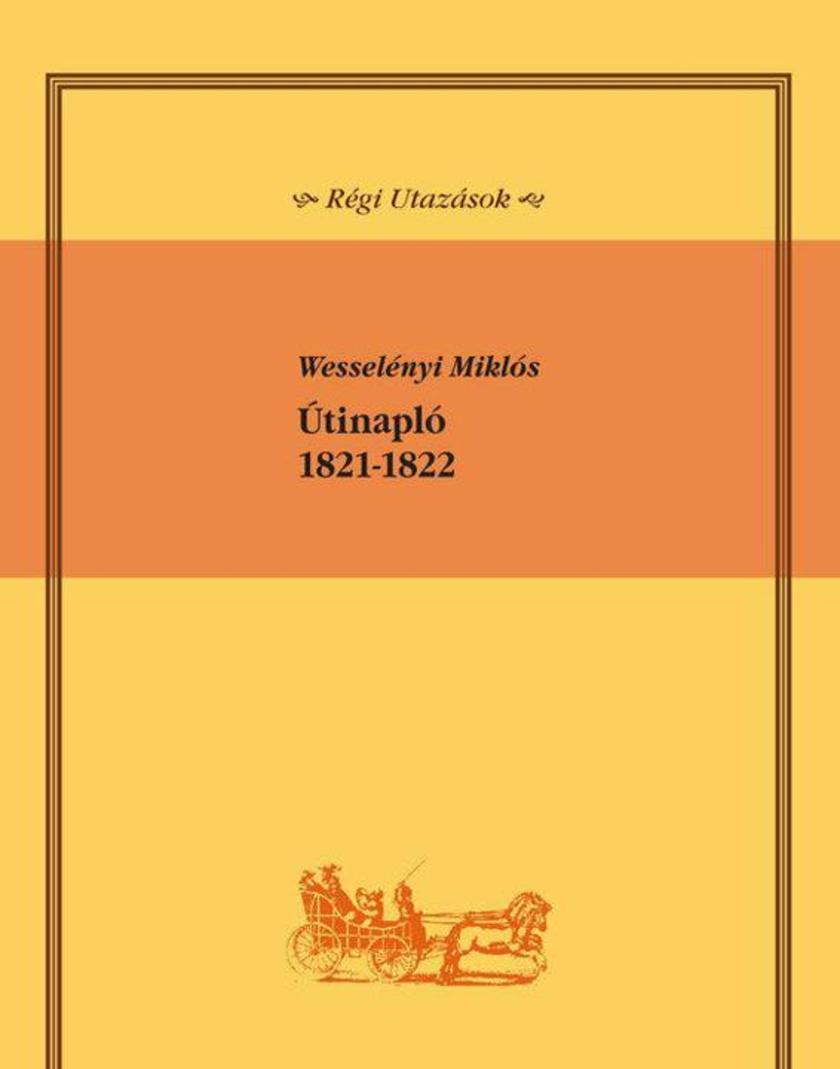
?tinapló: Wesselényi Miklós utazása Széchenyi Istvánnal, 1821-1822
¥28.78
Janka a csinos, 31 éves pincérn? legh?bb vágya, hogy belépjen életébe a nagy szerelem. Amikor megismerkedik Dáviddal, a híres énekessel, úgy érzi, benne megtalálta azt, akit mindig is keresett. Kapcsolatuk mégsem alakul felh?tlenül, bármilyen szenvedélyesen szerelmes is a popsztárba. Ahogy egyre jobban megismeri Dávidot, kiderül a férfi s?tét oldala. Janka azonban nem tud t?le elszakadni... A regény?arra keresi a választ, hogy milyen egy bántalmazó férfi és egy bántalmazói kapcsolat. Hogyan lehet egy ilyen kapcsolaton túljutni és ?nmagunkra találni annak ellenére, hogy képtelennek érezzük magunkat az elszakadásra? Hogyan lehet egy fájdalmas kapcsolaton túl is újra boldognak lenni?
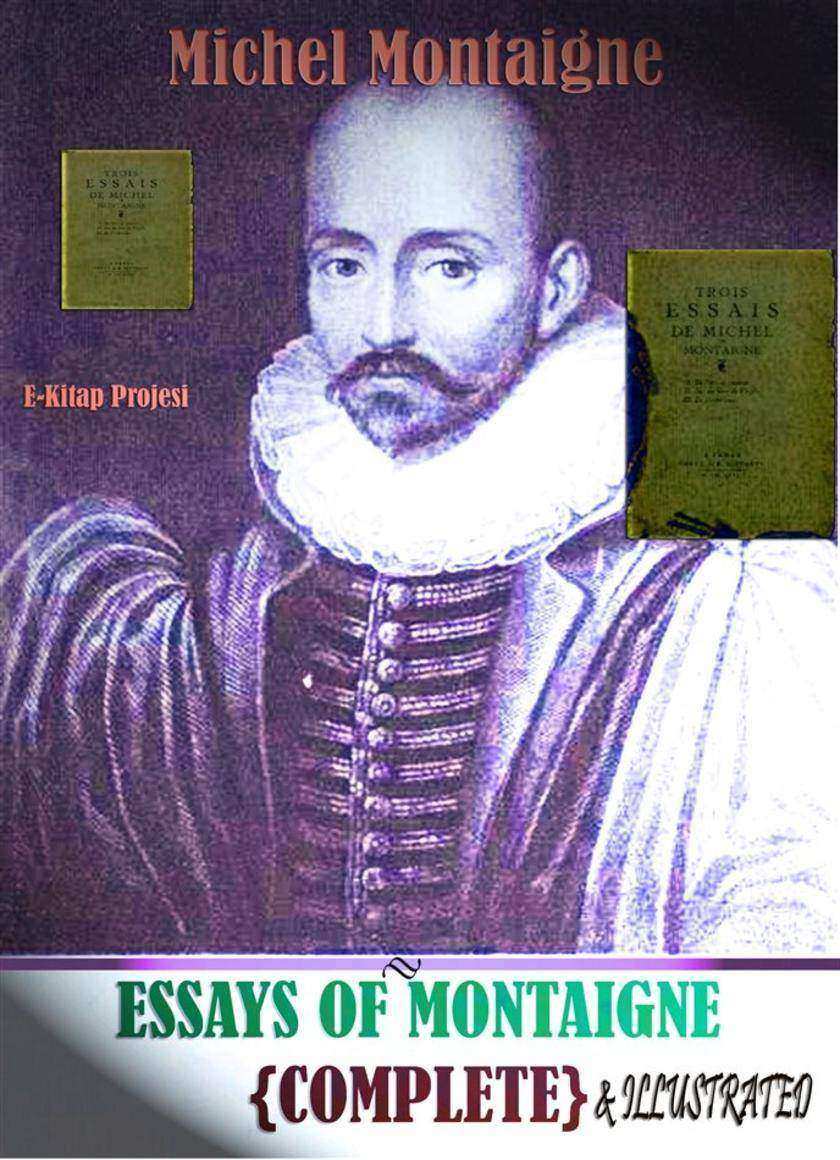
Essays of Montaigne: {Complete & Illustrated}
¥37.36
The Odyssey (Greek:Odysseia) is one of two major ancient Greek epic poems attributed to Homer. It is, in part, a sequel to the Iliad, the other work ascribed to Homer. The poem is fundamental to the modern Western canon, and is the second oldest extant work of Western literature, the Iliad being the oldest. It is believed to have been composed near the end of the 8th century BC, somewhere in Ionia, the Greek coastal region of Anatolia. The poem mainly centers on the Greek hero Odysseus (known as Ulysses in Roman myths) and his journey home after the fall of Troy. It takes Odysseus ten years to reach Ithaca after the ten-year Trojan War. In his absence, it is assumed he has died, and his wife Penelope and son Telemachus must deal with a group of unruly suitors, the Mnesteres or Proci, who compete for Penelope's hand in marriage. It continues to be read in the Homeric Greek and translated into modern languages around the world. Many scholars believe that the original poem was composed in an oral tradition by an aoidos (epic poet/singer), perhaps a rhapsode (professional performer), and was more likely intended to be heard than read. The details of the ancient oral performance, and the story's conversion to a written work inspire continual debate among scholars. The Odyssey was written in a poetic dialect of Greek—a literary amalgam of Aeolic Greek, Ionic Greek, and other Ancient Greek dialects—and comprises 12,110 lines of dactylic hexameter. Among the most noteworthy elements of the text are its non-linear plot, and the influence on events of choices made by women and serfs, besides the actions of fighting men. In the English language as well as many others, the word odyssey has come to refer to an epic voyage. The Odyssey has a lost sequel, the Telegony, which was not written by Homer. It was usually attributed in Antiquity to Cinaethon of Sparta, but in one source was said to have been stolen from Musaeus by Eugamon or Eugammon of Cyrene (see Cyclic poets). ABOUT AUTHOR: Homeros, In the Western classical tradition, Homer (Ancient Greek: Homeros) is the author of the Iliad and the Odyssey, and is revered as the greatest of ancient Greek epic poets. These epics lie at the beginning of the Western canon of literature, and have had an enormous influence on the history of literature. When he lived is unknown. Herodotus estimates that Homer lived 400 years before his own time, which would place him at around 850 BC, while other ancient sources claim that he lived much nearer to the supposed time of the Trojan War, in the early 12th century BC. Most modern researchers place Homer in the 7th or 8th centuries BC. The formative influence of the Homeric epics in shaping Greek culture was widely recognized, and Homer was described as the teacher of Greece. Homer's works, which are about fifty percent speeches, provided models in persuasive speaking and writing that were emulated throughout the ancient and medieval Greek worlds. Fragments of Homer account for nearly half of all identifiable Greek literary papyrus finds. PeriodFor modern scholars "the date of Homer" refers not to an individual, but to the period when the epics were created. The consensus is that "the Iliad and the Odyssey date from around the 8th century BC, the Iliad being composed before the Odyssey, perhaps by some decades," i.e. earlier than Hesiod, the Iliad being the oldest work of Western literature. Over the past few decades, some scholars have argued for a 7th-century BC date. Oliver Taplin believes that the conclusion of modern researchers is that Homer dates to between 750 to 650 BC. Some of those who argue that the Homeric poems developed gradually over a long period of time give an even later date for the composition of the poems; according to Gregory Nagy for example, they only became fixed texts in the 6th century BC. The question of the historicity of Homer the individual is known as the "Homeric question"; there is no reliable biographical information handed down from classical antiquity. The poems are generally seen as the culmination of many generations of oral story-telling, in a tradition with a well-developed formulaic system of poetic composition. Some scholars, such as Martin West, claim that "Homer" is "not the name of a historical poet, but a fictitious or constructed name."
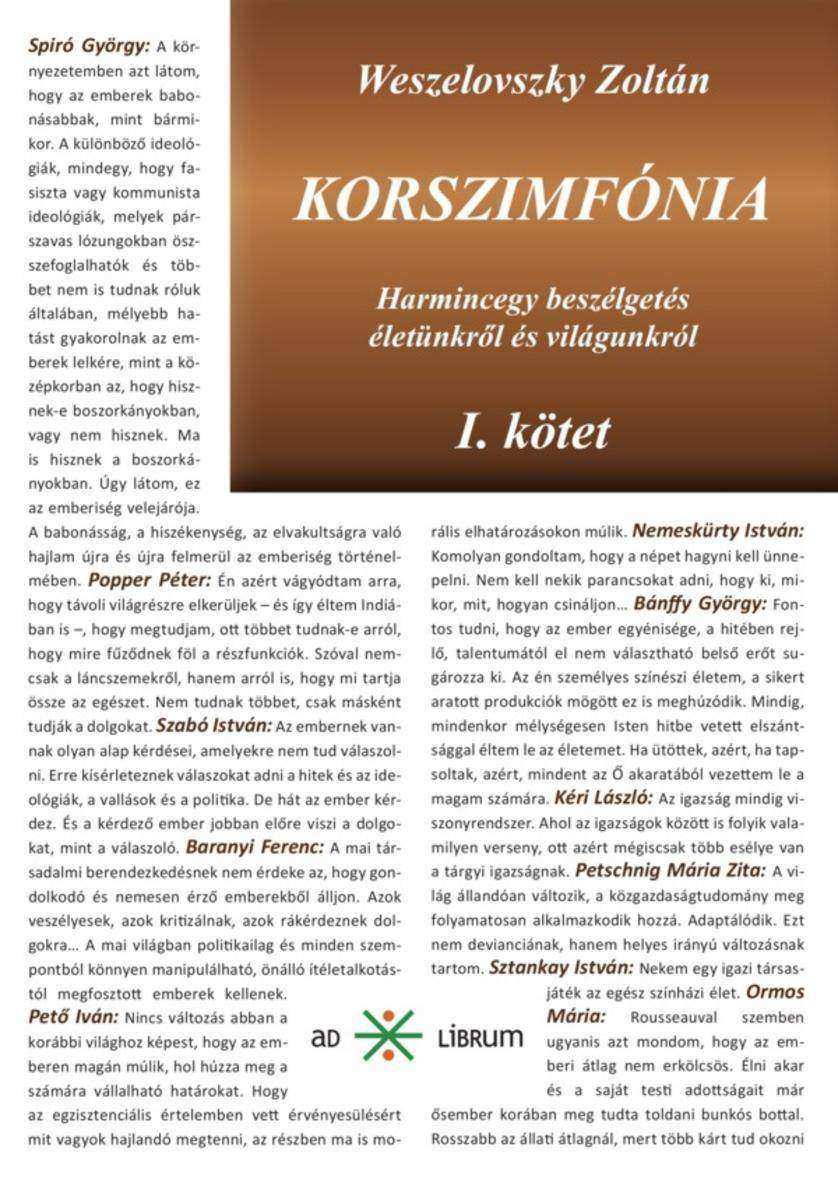
Korszimfónia: Harmincegy beszélgetés életünkr?l és világunkról
¥28.78
Bels? irányt?nk ahhoz az élethez vezet el, amelyr?l mindig is álmodtunk. Célunk felé tartva ráismerünk azokra a pontokra, ahol irányt kell változtatnunk, hogy kihasználhassuk teljes bels? potenciálunkat. Ez az inspiráló utazás minden életterületen átvezet: segít, hogy felismerjük életfeladatunkat, hogy meghozzuk a helyes d?ntéseket, hogy megvalósítsuk legrejtettebb vágyainkat. A híres életmódtanár ezúttal gyakorlati útmutatót ad ahhoz, miként menedzselhetjük sikeresen a saját életünket. "Már maga az a felismerés, hogy minden élethelyzetben igent mondhatok az életre, hihetetlenül gazdaggá tette a hétk?znapjaimat. ?jra meg újra próbára tettem, hogyan tudom az éveken át gy?jt?tt élettapasztalatokat és az új látásmódot alkalmazni, és az eredmények mindig azt igazolták, hogy minden egyes esetben lehetséges változást elérni. ?ppen csak meg kell teremteni a változás el?feltételeit." (a Szerz?) A K?nyvjelz? magazin 2015. májusi számában megjelent cikk: Okosabban kéne élni
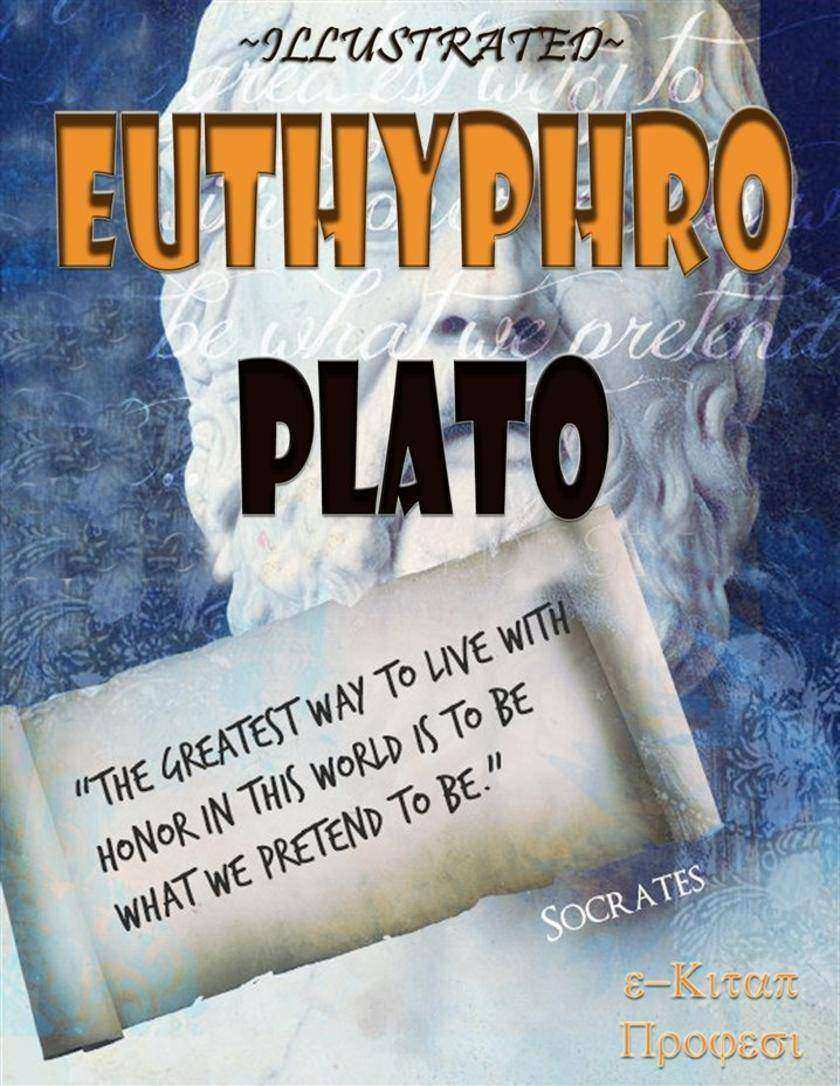
Euthyphro
¥9.24
On the Origin of Species, published on 24 November 1859, is a work of scientific literature by Charles Darwin which is considered to be the foundation of evolutionary biology. Its full title was On the Origin of Species by Means of Natural Selection, or the Preservation of Favoured Races in the Struggle for Life. For the sixth edition of 1872, the short title was changed to The Origin of Species. Darwin's book introduced the scientific theory that populations evolve over the course of generations through a process of natural selection. It presented a body of evidence that the diversity of life arose by common descent through a branching pattern of evolution. Darwin included evidence that he had gathered on the Beagle expedition in the 1830s and his subsequent findings from research, correspondence, and experimentation. Various evolutionary ideas had already been proposed to explain new findings in biology. There was growing support for such ideas among dissident anatomists and the general public, but during the first half of the 19th century the English scientific establishment was closely tied to the Church of England, while science was part of natural theology. Ideas about the transmutation of species were controversial as they conflicted with the beliefs that species were unchanging parts of a designed hierarchy and that humans were unique, unrelated to other animals. The political and theological implications were intensely debated, but transmutation was not accepted by the scientific mainstream. The book was written for non-specialist readers and attracted widespread interest upon its publication. As Darwin was an eminent scientist, his findings were taken seriously and the evidence he presented generated scientific, philosophical, and religious discussion. The debate over the book contributed to the campaign by T. H. Huxley and his fellow members of the X Club to secularise science by promoting scientific naturalism. Within two decades there was widespread scientific agreement that evolution, with a branching pattern of common descent, had occurred, but scientists were slow to give natural selection the significance that Darwin thought appropriate. During the "eclipse of Darwinism" from the 1880s to the 1930s, various other mechanisms of evolution were given more credit. With the development of the modern evolutionary synthesis in the 1930s and 1940s, Darwin's concept of evolutionary adaptation through natural selection became central to modern evolutionary theory, and it has now become the unifying concept of the life sciences. Summary of Darwin's theory: Darwin's theory of evolution is based on key facts and the inferences drawn from them, which biologist Ernst Mayr summarised as follows: ? Every species is fertile enough that if all offspring survived to reproduce the population would grow (fact).? Despite periodic fluctuations, populations remain roughly the same size (fact).? Resources such as food are limited and are relatively stable over time (fact).? A struggle for survival ensues (inference).? Individuals in a population vary significantly from one another (fact).? Much of this variation is inheritable (fact).? Individuals less suited to the environment are less likely to survive and less likely to reproduce; individuals more suited to the environment are more likely to survive and more likely to reproduce and leave their inheritable traits to future generations, which produces the process of natural selection (inference).? This slowly effected process results in populations changing to adapt to their environments, and ultimately, these variations accumulate over time to form new species (inference).


