


 购物车
购物车 个人中心
个人中心
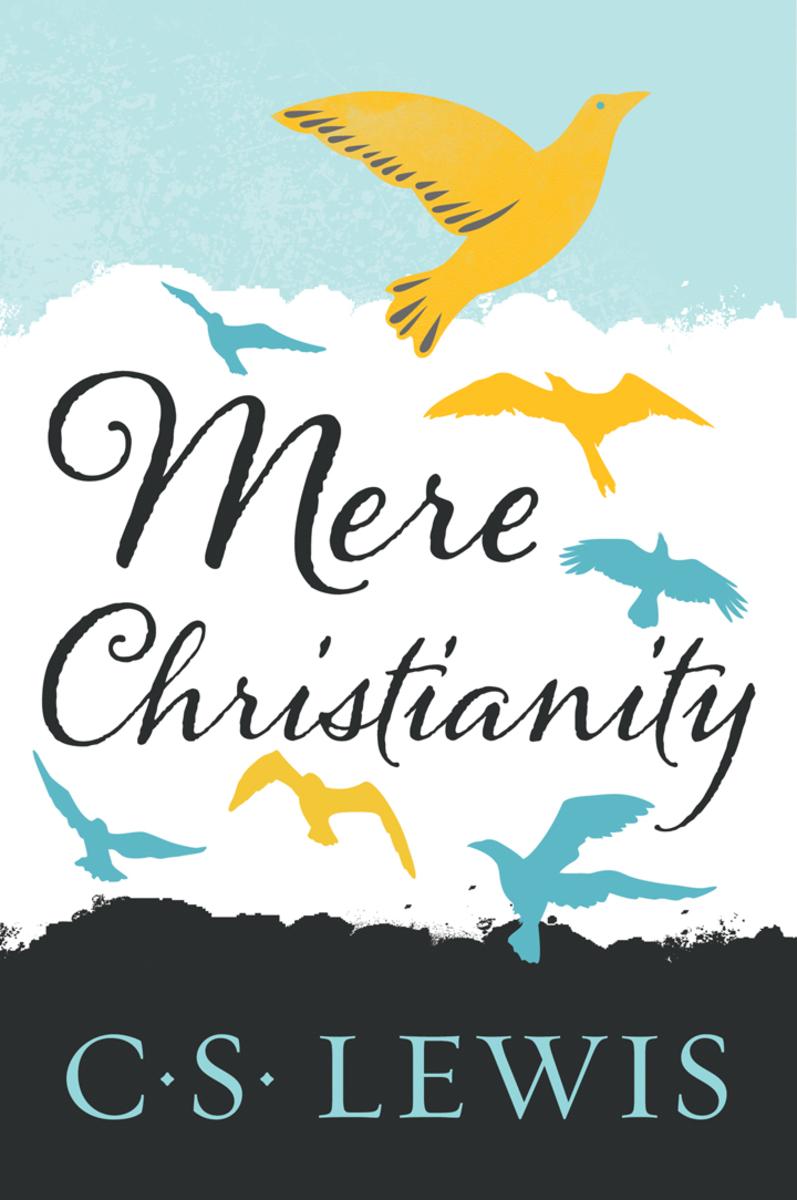
Mere Christianity
¥90.77
One of the most popular and beloved introductions to the concept of faith ever written, Mere Christianity has sold millions of copies worldwide. The book brings together C. S. Lewis legendary radio broadcasts during the war years, in which he set out simply to explain and defend the belief that has been common to nearly all Christians at all times. Rejecting the boundaries that divide Christianity many denominations, Mere Christianity provides an unequalled opportunity for believers and nonbelievers alike to absorb a powerful, rational case for the Christian faith.
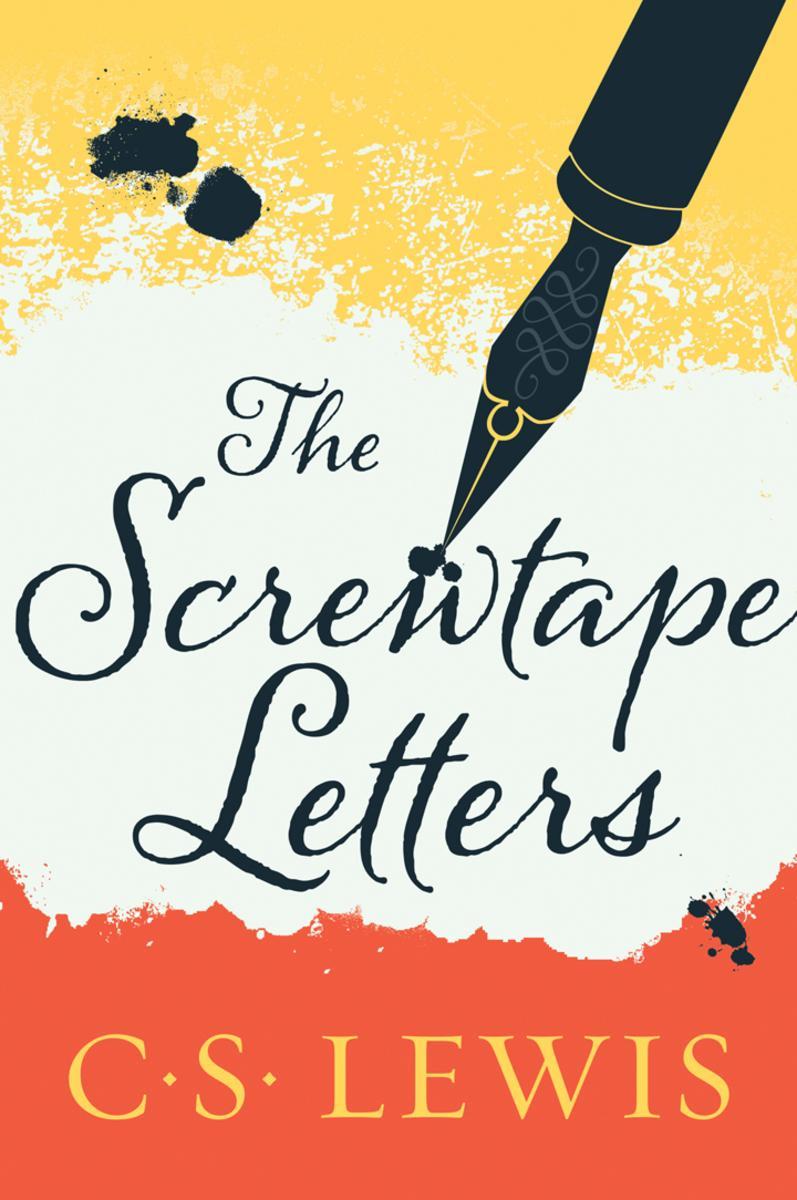
The Screwtape Letters
¥83.92
A milestone in the history of popular theology, The Screwtape Letters is an iconic classic on spiritual warfare and the dynamics of temptation. This profound and striking narrative takes the form of a series of letters from Screwtape, a devil high in the Infernal Civil Service, to his nephew Wormwood, a junior colleague engaged in his first mission on earth, trying to secure the damnation of a young man who has just become a Christian. Although the young man initially looks to be a willing victim, he changes his ways and is "lost" to the young devil. Dedicated to Lewis's friend and colleague J. R. R. Tolkien, The Screwtape Letters is a timeless classic on spiritual conflict and the psychology of temptation which are part of our religious experience.

The Abolition of Man
¥78.32
Both astonishing and prophetic, The Abolition of Man remains one of C. S. Lewis's most controversial works. Lewis sets out to persuade his audience of the ongoing importance and relevance of universal objective values, such as courage and honor, and the foundational necessity of natural law. He also makes a cogent case that a retreat from these pillars of our educational system, even if in the name of "scientism," would be catastrophic. National Review lists it as number seven on their "100 Best Nonfiction Books of the Twentieth Century."
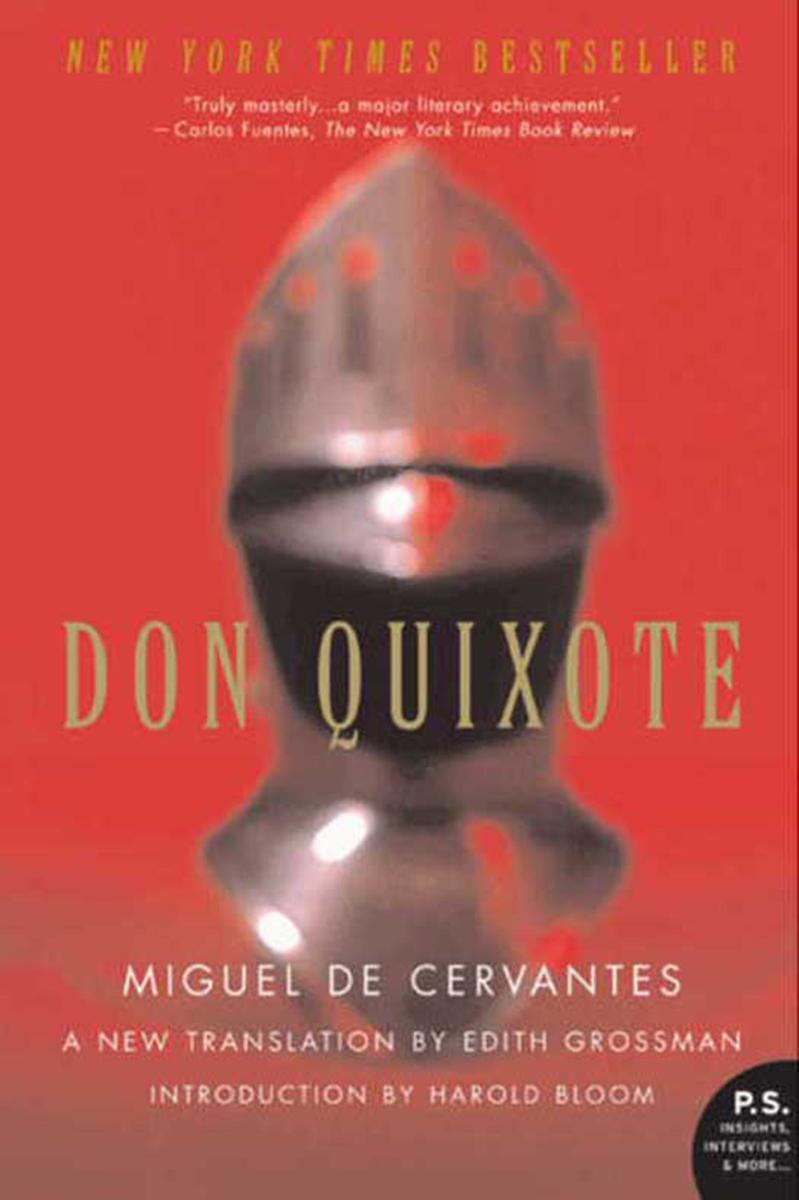
Don Quixote
¥111.91
Edith Grossman's definitive English translation of the Spanish masterpiece. Widely regarded as the world's first modern novel, and one of the funniest and most tragic books ever written, Don Quixote chronicles the famous picaresque adventures of the noble knight-errant Don Quixote of La Mancha and his faithful squire, Sancho Panza, as they travel through sixteenth-century Spain. Unless you read Spanish, you've never read Don Quixote. "Though there have been many valuable English translations of Don Quixote, I would commend Edith Grossman's version for the extraordinarily high quality of her prose. The Knight and Sancho are so eloquently rendered by Grossman that the vitality of their characterization is more clearly conveyed than ever before. There is also an astonishing contextualization of Don Quixote and Sancho in Grossman's translation that I believe has not been achieved before. The spiritual atmosphere of a Spain already in steep decline can be felt throughout, thanks to her heightened quality of diction. Grossman might be called the Glenn Gould of translators, because she, too, articulates every note. Reading her amazing mode of finding equivalents in English for Cervantes's darkening vision is an entrance into a further understanding of why this great book contains within itself all the novels that have followed in its sublime wake." From the Introduction by Harold Bloom Miguel de Cervantes was born on September 29, 1547, in Alcala de Henares, Spain. At twenty-three he enlisted in the Spanish militia and in 1571 fought against the Turks in the battle of Lepanto, where a gunshot wound permanently crippled his left hand. He spent four more years at sea and then another five as a slave after being captured by Barbary pirates. Ransomed by his family, he returned to Madrid but his disability hampered him; it was in debtor's prison that he began to write Don Quixote. Cervantes wrote many other works, including poems and plays, but he remains best known as the author of Don Quixote. He died on April 23, 1616.
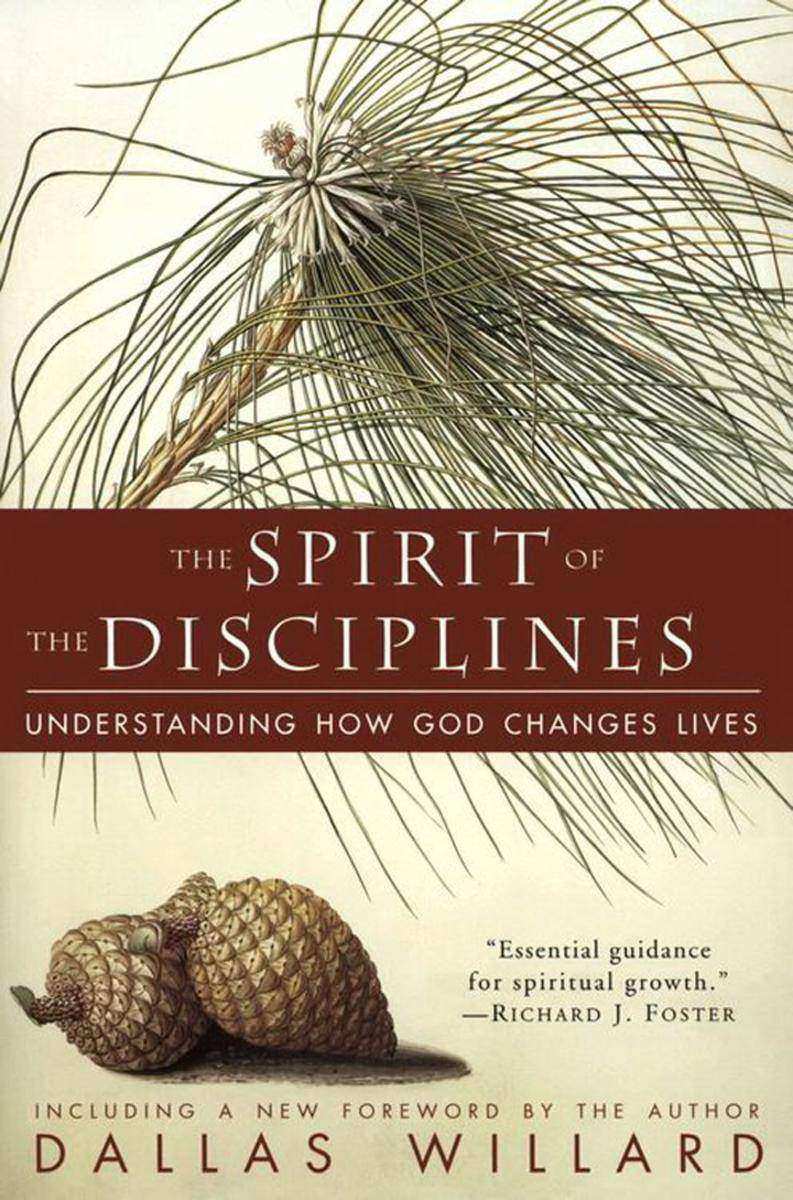
The Spirit of the Disciplines
¥88.56
How to Live as Jesus Lived Dallas Willard, one of today's most brilliant Christian thinkers and author of The Divine Conspiracy (Christianity Today's 1999 Book of the Year), presents a way of living that enables ordinary men and women to enjoy the fruit of the Christian life. He reveals how the key to self-transformation resides in the practice of the spiritual disciplines, and how their practice affirms human life to the fullest. The Spirit of the Disciplines is for everyone who strives to be a disciple of Jesus in thought and action as well as intention.
A Year with C. S. Lewis 与C.S.路易斯相伴365日
¥138.41
Beloved author C. S. Lewis is our trusted guide in this intimate day-by-day companion offering his distinctive and celebrated wisdom. Amidst the bustle of our daily experience, A Year with C. S. Lewis provides the necessary respite and inspiration to meet the many challenges we face in our lives. Ruminating on such themes as the nature of love, the existence of miracles, overcoming a devastating loss, and discovering a profound faith, Lewis offers unflinchingly honest insight for each day of the year. These daily meditations have been culled from Lewis's celebrated Signature Classics: Mere Christianity , The Screwtape Letters , The Great Divorce , The Problem of Pain , Miracles , and A Grief Observed , as well as from the distinguished works The Weight of Glory and The Abolition of Man. Throughout this elegant daybook the reader will find poignant biographical com-mentary about C. S. Lewis's life that offers a remarkable portrait of Lewis in the context of his work. As each day unfolds, we embark on a path of discovery with a friend by your side. A Year with C. S. Lewis is the perfect com-panion for everyone who cherishes Lewis's timeless words.
A Year with John Paul II
¥127.33
Called the Pilgrim Pope, a pope of the people, John Paul II connected with his flock from the highest to the lowest. He was one of history's most beloved popes among Catholics and non-Catholics alike, a man whose indomitable spirit touched and taught us all. A Year with John Paul II showcases his most important teachings as well as his inspirational writings, in a daily devotional format that will inspire readers and deepen their reflections and meditations. With a foreword by Cardinal William W. Baum, head of the Holy See's Major Penitentiary and former archbishop of Washington DC, an introduction by Bishop William Murphy, and a moving eulogy composed for the pope's funeral by Cardinal Joseph Ratzinger (now Pope Benedict XVI), A Year with John Paul II will take readers on a year-long spiritual journey with this deeply religious and inspiring man. Karol Wojyla was born on May 18, 1920, in Wadowice, Poland. He survived the Nazi occupation during World War II and was ordained to the priesthood in 1946. He was appointed archbishop of Krakow by Pope Paul VI. On October 16, 1978, he ascended to the papacy, taking the name John Paul II. During his papacy he greeted an estimated sixteen million pilgrims at the Vatican's general audiences. Pope John Paul II died in April 2005.

Just Kids
¥95.11
Due to copyright restrictions, this eBook may not contain all of the images available in the print edition. It was the summer Coltrane died, the summer of love and riots, and the summer when a chance encounter in Brooklyn led two young people on a path of art, devotion, and initiation. Patti Smith would evolve as a poet and performer, and Robert Mapplethorpe would direct his highly provocative style toward photography. Bound in innocence and enthusiasm, they traversed the city from Coney Island to Forty-second Street, and eventually to the celebrated round table of Max's Kansas City, where the Andy Warhol contingent held court. In 1969, the pair set up camp at the Hotel Chelsea and soon entered a community of the famous and infamous the influential artists of the day and the colorful fringe. It was a time of heightened awareness, when the worlds of poetry, rock and roll, art, and sexual politics were colliding and exploding. In this milieu, two kids made a pact to take care of each other. Scrappy, romantic, committed to create, and fueled by their mutual dreams and drives, they would prod and provide for one another during the hungry years. Just Kids begins as a love story and ends as an elegy. It serves as a salute to New York City during the late sixties and seventies and to its rich and poor, its hustlers and hellions. A true fable, it is a portrait of two young artists' ascent, a prelude to fame.
Getting into Guinness: One man’s longest, fastest, highest journey inside the wo
¥72.99
Getting Into Guinness is the hilarious true story of record breaking attempts, how record obsession has become a global phenomenon, the weird and wonderful characters that set records and the history of the Guinness Book of World Records. Meet Larry Olmsted, a freelance travel and sports writer, always on the hunt for new and intriguing stories. In Spring 2003, somewhere over the North Atlantic, Larry stumbled on an article about the worldwide popularity of Guinness. Inspired by what he read, and in a bid to impress his editor, he took the drastic decision to set a record of his own and become part of the book's history. This leads Larry to break the record for the greatest distance travelled between two rounds of golf played on the same day and two years later to play poker continuously for 72 hours. After his own hilarious record attempts, Larry sets out to discover more about the vast and colourful history of the Guinness Book of World Records. This leads him to his fellow record setters with their widely varied motives for record-mania. Meet Ashrita, Record Breaker for God, who has been breaking records for 30 years and has set or broken 177 Guinness World Records in his lifetime. And Jackie 'The Texas Snakeman' Bibby, who became one of the book's all time icons by sharing a bathtub with poisonous rattlesnakes and dangling them from his mouth, and who literally puts his life on the line every time he breaks one of his rattlesnake records.

Learning Bayesian Models with R
¥80.65
Become an expert in Bayesian Machine Learning methods using R and apply them to solve real-world big data problemsAbout This BookUnderstand the principles of Bayesian Inference with less mathematical equationsLearn state-of-the art Machine Learning methodsFamiliarize yourself with the recent advances in Deep Learning and Big Data frameworks with this step-by-step guide Who This Book Is For This book is for statisticians, analysts, and data scientists who want to build a Bayes-based system with R and implement it in their day-to-day models and projects. It is mainly intended for Data Scientists and Software Engineers who are involved in the development of Advanced Analytics applications. To understand this book, it would be useful if you have basic knowledge of probability theory and analytics and some familiarity with the programming language R.What You Will LearnSet up the R environmentCreate a classification model to predict and explore discrete variablesGet acquainted with Probability Theory to analyze random eventsBuild Linear Regression modelsUse Bayesian networks to infer the probability distribution of decision variables in a problemModel a problem using Bayesian Linear Regression approach with the R package BLRUse Bayesian Logistic Regression model to classify numerical dataPerform Bayesian Inference on massively large data sets using the MapReduce programs in R and Cloud computing In Detail Bayesian Inference provides a unified framework to deal with all sorts of uncertainties when learning patterns form data using machine learning models and use it for predicting future observations. However, learning and implementing Bayesian models is not easy for data science practitioners due to the level of mathematical treatment involved. Also, applying Bayesian methods to real-world problems requires high computational resources. With the recent advances in computation and several open sources packages available in R, Bayesian modeling has become more feasible to use for practical applications today. Therefore, it would be advantageous for all data scientists and engineers to understand Bayesian methods and apply them in their projects to achieve better results. Learning Bayesian Models with R starts by giving you a comprehensive coverage of the Bayesian Machine Learning models and the R packages that implement them. It begins with an introduction to the fundamentals of probability theory and R programming for those who are new to the subject. Then the book covers some of the important machine learning methods, both supervised and unsupervised learning, implemented using Bayesian Inference and R. Every chapter begins with a theoretical de*ion of the method explained in a very simple manner. Then, relevant R packages are discussed and some illustrations using data sets from the UCI Machine Learning repository are given. Each chapter ends with some simple exercises for you to get hands-on experience of the concepts and R packages discussed in the chapter. The last chapters are devoted to the latest development in the field, specifically Deep Learning, which uses a class of Neural Network models that are currently at the frontier of Artificial Intelligence. The book concludes with the application of Bayesian methods on Big Data using the Hadoop and Spark frameworks.Style and approach The book first gives you a theoretical de*ion of the Bayesian models in simple language, followed by details of its implementation in the R package. Each chapter has illustrations for the use of Bayesian model and the corresponding R package, using data sets from the UCI Machine Learning repository. Each chapter also contains sufficient exercises for you to get more hands-on practice.
Meteor Design Patterns
¥63.21
Accelerate your code writing skills with over twenty programming patterns that will make your code easier to maintain and scaleAbout This BookOptimize your web application for production useBuild views and controllers with minimal effort that will evolve with your applicationLearn how to maintain a MeteorJS project while it is running in production Who This Book Is For This book is for developers who have already had an introductory course with Meteor. Basic knowledge of web development is recommended.What You Will LearnUse of Jade, Stylus, and CoffeeScript to speed up web developmentIncrease productivity by leveraging the best packages in the communityOptimize your site for load speed with advanced publishers and subscribersLeverage the aggregation framework to produce results with big dataMaster the intricacies of front-end development using Jeet, Bootstrap, CSS animations, and moreOptimize your site for search engine visibilitySecure your site with Meteor’s best practicesTrack the live status of your application, ensuring all errors have been taken care of In Detail With the increasing interest in NodeJS web applications, a new framework, Meteor, has joined the ranks to simplify developer workflows. Meteor is one of the few open source frameworks that has received funding since its early development stages. It builds on ideas from existing frameworks and libraries, offering developers an easy way to develop a prototype app. At the same time, it gives them the tools and flexibility to build a fully fledged production app. Meteor is the weapon of choice for start-ups in today’s world. Meteor Design Patterns cuts through the jargon that most websites play with and gets to the point with simple solutions that will boost your development skills. We start off with a refresher on the basics of JavaScript programming such as templates, CoffeeScript, the Event Loop, and the Merge Box, amongst others. You then learn how to map real-world data and optimize the data’s publishers to output data with the least amount of work done by the server with some subscribe and publish patterns. Next, using front-end patterns, you will learn how to create maintainable and trackable forms, and make our site crawlable by any search engine. Following this, you will see how to optimize and secure the web application and maintain applications without breaking other features. Finally, you will learn how to deploy a secure production-ready application while learning to set up modulus, compose with Oplog tracking and SSL certificates, as well as error tracking with Kadira. Throughout the book, you will put your skills to practice and build an online shop from scratch. By the end of the book, you will have built a feature-rich online shop.Style and approach The book is a practical handbook on how to build an e-commerce web app using Meteor. Every topic ties into the webapp to easily illustrate the concepts that you are learning about.
Mastering Python Data Visualization
¥99.18
Generate effective results in a variety of visually appealing charts using the plotting packages in PythonAbout This BookExplore various tools and their strengths while building meaningful representations that can make it easier to understand dataPacked with computational methods and algorithms in diverse fields of scienceWritten in an easy-to-follow categorical style, this book discusses some niche techniques that will make your code easier to work with and reuse Who This Book Is For If you are a Python developer who performs data visualization and wants to develop existing knowledge about Python to build analytical results and produce some amazing visual display, then this book is for you. A basic knowledge level and understanding of Python libraries is assumed.What You Will LearnGather, cleanse, access, and map data to a visual frameworkRecognize which visualization method is applicable and learn best practices for data visualizationGet acquainted with reader-driven narratives and author-driven narratives and the principles of perceptionUnderstand why Python is an effective tool to be used for numerical computation much like MATLAB, and explore some interesting data structures that come with itExplore with various visualization choices how Python can be very useful in computation in the field of finance and statisticsGet to know why Python is the second choice after Java, and is used frequently in the field of machine learningCompare Python with other visualization approaches using Julia and a JavaScript-based framework such as D3.jsDiscover how Python can be used in conjunction with NoSQL such as Hive to produce results efficiently in a distributed environment In Detail Python has a handful of open source libraries for numerical computations involving optimization, linear algebra, integration, interpolation, and other special functions using array objects, machine learning, data mining, and plotting. Pandas have a productive environment for data analysis. These libraries have a specific purpose and play an important role in the research into diverse domains including economics, finance, biological sciences, social science, health care, and many more. The variety of tools and approaches available within Python community is stunning, and can bolster and enhance visual story experiences. This book offers practical guidance to help you on the journey to effective data visualization. Commencing with a chapter on the data framework, which explains the transformation of data into information and eventually knowledge, this book subsequently covers the complete visualization process using the most popular Python libraries with working examples. You will learn the usage of Numpy, Scipy, IPython, MatPlotLib, Pandas, Patsy, and Scikit-Learn with a focus on generating results that can be visualized in many different ways. Further chapters are aimed at not only showing advanced techniques such as interactive plotting; numerical, graphical linear, and non-linear regression; clustering and classification, but also in helping you understand the aesthetics and best practices of data visualization. The book concludes with interesting examples such as social networks, directed graph examples in real-life, data structures appropriate for these problems, and network analysis. By the end of this book, you will be able to effectively solve a broad set of data analysis problems.Style and approach The approach of this book is not step by step, but rather categorical. The categories are based on fields such as bioinformatics, statistical and machine learning, financial computation, and linear algebra. This approach is beneficial for the community in many different fields of work and also helps you learn how one approach can make sense across many fields
Building a RESTful Web Service with Spring
¥54.49
A hands-on guide to building an enterprise-grade, scalable RESTful web service using the Spring FrameworkAbout This BookFollow best practices and explore techniques such as clustering and caching to achieve a scalable web serviceLeverage the Spring Framework to quickly implement RESTful endpointsLearn to implement a client library for a RESTful web service using the Spring Framework Who This Book Is For This book is intended for those who want to learn to build RESTful web services with the Spring Framework. To make best use of the code samples included in the book, you should have a basic knowledge of the Java language. Previous experience with the Spring Framework would also help you get up and running quickly.What You Will LearnDeep dive into the principles behind RESTExpose CRUD operations through RESTful endpoints with the Spring FrameworkDevise response formats and error handling strategies, offering a consistent and flexible structure to simplify integration for service consumersFollow the best approaches for dealing with a service’s evolution while maintaining backward compatibilityUnderstand techniques to secure web servicesComply with the best ways to test RESTful web services, including tips for load testingOptimise and scale web services using techniques such as caching and clustering In Detail REST is an architectural style that tackles the challenges of building scalable web services. In today’s connected world, APIs have taken a central role on the web. APIs provide the fabric through which systems interact, and REST has become synonymous with APIs. The depth, breadth, and ease of use of Spring makes it one of the most attractive frameworks in the Java ecosystem. Marrying the two technologies is therefore a very natural choice. This book takes you through the design of RESTful web services and leverages the Spring Framework to implement these services. Starting from the basics of the philosophy behind REST, you’ll go through the steps of designing and implementing an enterprise-grade RESTful web service. Taking a practical approach, each chapter provides code samples that you can apply to your own circumstances. This book goes beyond the use of Spring and explores approaches to tackle resilience, security, and scalability concerns. You’ll learn techniques to deal with security in Spring and discover how to implement unit and integration test strategies. Finally, the book ends by walking you through building a Java client for your RESTful web service, along with some scaling techniques for it.Style and approach This book is a step-by-step, hands-on guide to designing and building RESTful web services. The book follows the natural cycle of developing these services and includes multiple code samples to help you.
Data Analysis and Business Modeling with Excel 2013
¥71.93
Manage, analyze, and visualize data with Microsoft Excel 2013 to transform raw data into ready to use informationAbout This BookCreate formulas to help you analyze and explain findingsDevelop interactive spreadsheets that will impress your audience and give them the ability to slice and dice dataA step-by-step guide to learn various ways to model data for businesses with the help of Excel 2013 Who This Book Is For If you want to start using Excel 2013 for data analysis and business modeling and enhance your skills in the data analysis life cycle then this book is for you, whether you’re new to Excel or experienced.What You Will LearnDiscover what Excel formulas are all about and how to use them in your spreadsheet developmentIdentify bad data and learn cleaning strategiesCreate interactive spreadsheets that engage and appeal to your audienceLeverage Excel’s powerful built-in tools to get the median, maximum, and minimum values of your dataBuild impressive tables and combine datasets using Excel’s built-in functionalityLearn the powerful *ing language VBA, allowing you to implement your own custom solutions with ease In Detail Excel 2013 is one of the easiest to use data analysis tools you will ever come across. Its simplicity and powerful features has made it the go to tool for all your data needs. Complex operations with Excel, such as creating charts and graphs, visualization, and analyzing data make it a great tool for managers, data scientists, financial data analysts, and those who work closely with data. Learning data analysis and will help you bring your data skills to the next level. This book starts by walking you through creating your own data and bringing data into Excel from various sources. You’ll learn the basics of SQL syntax and how to connect it to a Microsoft SQL Server Database using Excel’s data connection tools. You will discover how to spot bad data and strategies to clean that data to make it useful to you. Next, you'll learn to create custom columns, identify key metrics, and make decisions based on business rules. You’ll create macros using VBA and use Excel 2013’s shiny new macros. Finally, at the end of the book, you'll be provided with useful shortcuts and tips, enabling you to do efficient data analysis and business modeling with Excel 2013.Style and approach This is a step-by-step guide to performing data analysis and business modelling with Excel 2013, complete with examples and tips.

The Individual and Society: The Bondage of Conditioning
¥24.44
In this incredibly penetrating talk, Krishnamurti describes the psychological pressures of life and how these pressures affect right living: We were saying that any form of pressure on the brain affects our whole way of life. We were also saying that this pressure affects our activities, our attitudes, our character, and our way of living. The pressure--economic, social, ethical, and religious--invariably distorts not only our actions but the quality of the brain ... ideals affect, oppress, and act as pressure upon our daily life. Is it possible not to have any ideals but only deal with actually what is--then there is no pressure whatsoever. Krishnamurti goes on to say that, unless the mind is free of pressure, there is no new way of living. He states that this insight on freedom requires a great deal of investigation into the whole nature and movement of pressure.

Tim's English History
¥24.44
All the highlights of English history come to life in this book for young readers. From ancient times up to our century. Written in the style of a tenyear old boy, named Tim. Even adults have declared that they learned a lot in a very short time. Indispensable for young people who want to know about their history.

Wanted - A Bride
¥24.44
When Lord Templeton is sent for by Sir James Redwell, the British Under Secretary of State for Foreign Affairs, he knows that there is trouble somewhere in the world and because he is so successful at dealing with international problems he realises that there is a new mission for him. The problem this time is in Siam and its adjoining country Khmer and he agrees to try to find out if it is true as the Siamese think that the French have their eyes on Khmer. Lord Templeton agrees to go, but Sir James tells him that there is a further problem in that both the King of Siam and the King of Khmer are anxious to marry an English woman so that they have a greater call on the British and can proudly fly the Union Jack. Sir James suggests to Lord Templeton that he would be absolutely safe if he takes his lovely niece, Amina, with him pretending to be his wife. Lord Templeton is not very keen on this as he is pressure from his family to preserve his title and estate and anyway he has sworn never to marry until he is much older. However Sir James presses him to take his niece for the simple reason that she has been brought up by her father as a boy and hates the idea of marrying anyone. Amina is dressed in beautiful clothes for the journey and reluctantly begins to feel a little more feminine. Finally they set off and are treated warmly in Siam but there is danger and death waiting for them in Khmer. How Amina visits the esoteric green Buddha in Bankok and is given an important message that will change her life. And how, after a devastating encounter in a cave in Khmer, she unexpectedly finds the love of her life is all told in this exciting story by BARBARA CARTLAND.

Animals In My Life
¥24.44
Having once rashly boasted that she could remember every animal she had ever known, the author thought she must put pen to paper and see what memories came flooding back. The delightful poems in this collection moving, funny, sad, loving, will strike a chord with many a pet owner and entertain all who enjoy the ways of our animal friends.
Data Analysis with Stata
¥63.21
Explore the big data field and learn how to perform data analytics and predictive modelling in STATAAbout This BookVisualize and analyse data in STATA to devise a business strategyLearn STATA programming and predictive modelingDiscover how you can become a data scientist with the power of STATA Who This Book Is For This book is for all the professionals and students who want to learn STATA programming and apply predictive modelling concepts. This book is also very helpful for experienced STATA programmers as it provides advanced statistical modelling concepts and their application.What You Will LearnPerform important statistical tests to become a STATA data scientistBe guided through how to program in STATAImplement logistic and linear regression modelsVisualize and program the data in STATAAnalyse survey data, time series data, and survival dataPerform database management in STATA In Detail STATA is an integrated software package that provides you with everything you need for data analysis, data management, and graphics. STATA also provides you with a platform to efficiently perform simulation, regression analysis (linear and multiple) [and custom programming. This book covers data management, graphs visualization, and programming in STATA. Starting with an introduction to STATA and data analytics you’ll move on to STATA programming and data management. Next, the book takes you through data visualization and all the important statistical tests in STATA. Linear and logistic regression in STATA is also covered. As you progress through the book, you will explore a few analyses, including the survey analysis, time series analysis, and survival analysis in STATA. You’ll also discover different types of statistical modelling techniques and learn how to implement these techniques in STATA.Style and approach This book is a hands-onguide to STATA programming and statistical modelling providing many STATA code examples and taking. You through the working of the code in detail.
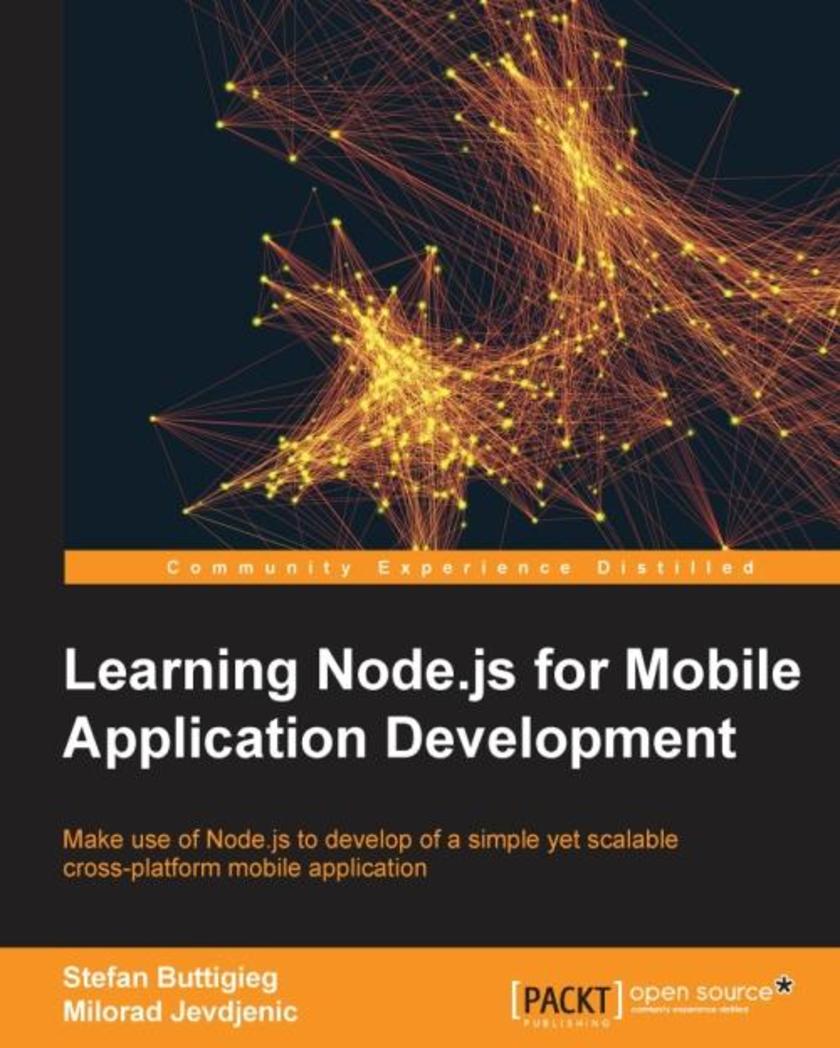
Learning Node.js for Mobile Application Development
¥80.65
Make use of Node.js to learn the development of a simple yet scalable cross-platform mobile applicationAbout This BookUse Node.js to satisfy the core backend requirements of modern apps, including user management, security, data access, and real-time data communicationBuild practical real-world mobile applications, which will give you the necessary knowledge to build your very own mobile solutionsStep-by-step development of projects using Ionic Framework as the frontend and Node.js for the backend supported by a MongoDB database Who This Book Is For This book is intended for web developers of all levels of expertise who want to deep dive into cross-platform mobile application development without going through the pains of understanding the languages and native frameworks that form an integral part of developing for different mobile platforms. This book is also for you if you are a developer who wants to capitalize on the MobileFirst strategy and so are going to use JavaScript for your complete stack.What You Will LearnDevelop an API from scratchSet up a MongoDB Database as part of your mobile application backendDeploy a cross-platform mobile application from the command lineIncorporate features within your mobile application that use native phone features such as a gyroscope, GPS, and accelerometerImplement mobile applications that use web-enabled APIsBuild a mobile application with real-time chat messaging featuresDevelop a secure mobile application that is capable of functioning with real-time data In Detail Node.js is a massively popular JavaScript library that lets you use JavaScript to easily program scalable network applications and web services. People approaching Node.js for the first time are often attracted by its efficiency, scalability, and the fact that it's based on JavaScript, the language of the Web, which means that developers can use the same language to write backend code. Also, it’s increasingly being seen as a "modern" replacement for PHP in web development, which relies on fast-paced data exchange. The growing community and the large amount of available modules makes Node.js one of the most attractive development environments. This book takes a step-wise and incremental approach toward developing cross-platform mobile technologies using existing web technologies. This will allow you to truly understand and become proficient in developing cross-platform mobile applications with Node.js, Ionic Framework, and MongoDB. The book starts off by introducing all the necessary requirements and knowledge to build a mobile application with a companion web service. It covers the ability to create an API from scratch and implement a comprehensive user database that will give you the opportunity to offer a mobile application with a personalized experience. Midway through the book, you will learn the basic processes to create a successful mobile application. You will also gain higher-level knowledge, allowing you to develop a functional and secure mobile application to ensure a seamless user experience for end users. Finally, the book ends with more advanced projects, which will bring together all the knowledge and expertise developed in the previous chapters to create a practical and functional mobile-application that has useful real-world features.Style and approach This book is an easy-to-follow guide that takes a step-wise approach in giving expertise and knowledge to help you truly understand what is needed to create a memorable user experience for end users. Each topic is placed in the context of the bigger picture, that is, to create cross-platform mobile applications using existing technologies.
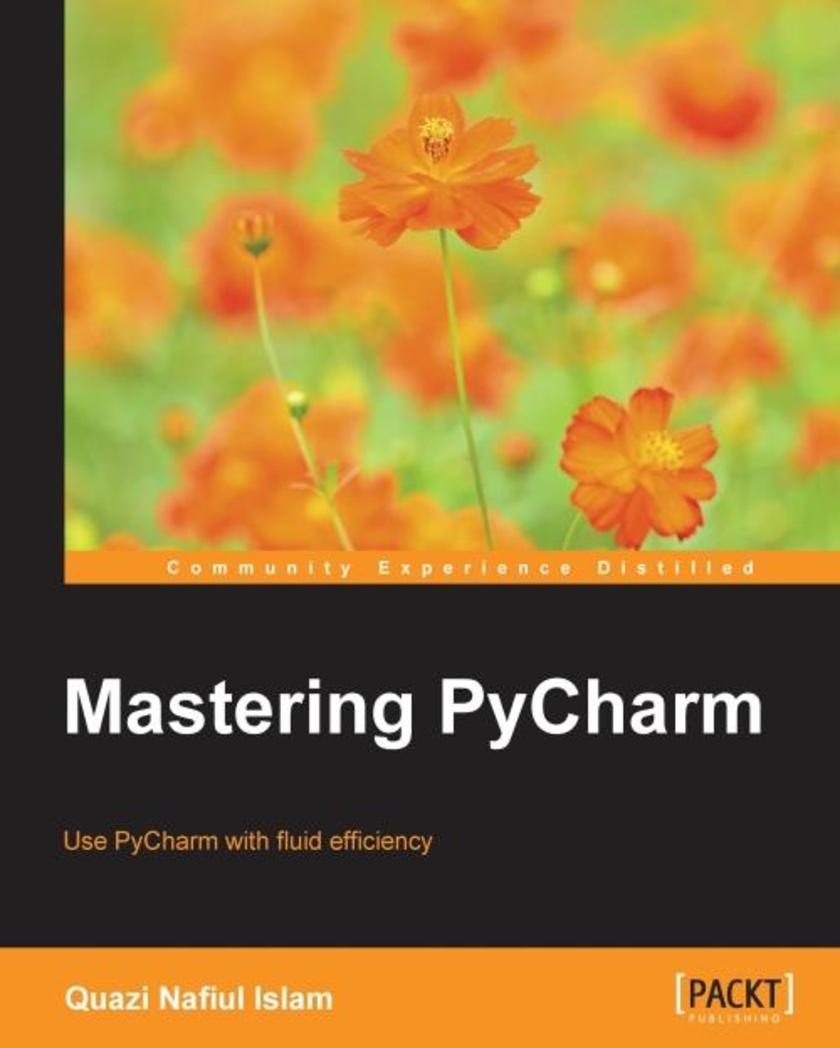
Mastering PyCharm
¥80.65
Use PyCharm with fluid efficiency to write idiomatic python codeAbout This BookUnderstand how PyCharm works and how you can leverage its strength to develop applications quicklyMaster PyCharm’s editor to get a fast workflowFull of examples and illustrations that focus on the practical aspects of using PyCharm Who This Book Is For If you know PyCharm but want to understand it better and leverage its more powerful but less obvious tool set, this is the book for you. Serving as a launch pad for those who want to master PyCharm and completely harness its best features, it would be helpful if you were familiar with some of Python’s most prominent tools such as virtualenv and Python’s popular docstring formats such as reStructuredText and EpyType.What You Will LearnUnderstand the internal workings of the IntelliJ PlatformLeverage PyCharm’s powerful search tools, and learn which ones are the best for you and your workflowCustomize PyCharm’s enhanced Python interpreter and its inbuilt terminalDevelop web applications quickly and easily with different frameworks such as Flask and DjangoUnderstand how code completion works in PyCharm for Python and JavaScript In Detail PyCharm is addictive, with powerful and configurable code completion, superb editing tools, top-notch support, diverse plugins, and a vibrant ecosystem to boot. Learning how PyCharm works and maximising the synergy of its powerful tools will help you to rapidly develop applications. From leveraging the power of the editor to understanding PyCharm's internals, this book will give you a comprehensive view of PyCharm and allow you to make your own choices about which workflow and tools are best for you. You will start by getting comfortable with PyCharm and making it look exactly like you want. You can customize the tools and taskbars to suit individual developers' coding styles. You also learn how to assign keyboard shortcuts. You will master debugging by inserting breakpoints, collecting runtime data, and debugging from the console. You will understand how PyCharm works underneath and how plugins such as Codemap, Vim, Bitbucket, Assets compressor, markdown, bash file, shortcut translator, and .gitignore leverage the power of the IntelliJ platform. You will become comfortable using the VCS interface in PyCharm and see the benefits of using it for some simple tasks as well as some more complex tasks such as partial commits using changelists. You will take an in-depth look at the various tools in PyCharm, improving your workflow drastically. Finally, you will deploy powerful PyCharm tools for Django, Flask, GAE, and Pyramid Development, becoming well acquainted with PyCharm’s toolset for web development with popular platforms. Packed with insider tricks, this book will help you boost productivity with PyCharm.Style and approach An easy-to-follow guide with plenty of examples and screenshots. Each topic starts off with the goal of enhancing or changing a part of PyCharm to make it suit your needs.


