


 购物车
购物车 个人中心
个人中心

Wedding Tiers
¥63.77
The path of true love never runs smooth. But for some, it's one seriously bumpy ride… Josie Gray and her childhood sweetheart Ben Richards always dreamt of living a life of rural bliss. And when Josie inherits her beloved Grandmother's cottage in Neatslake, Lancashire, it seems they might have got just that. Josie throws herself into her wedding cake business, whilst Ben gains increasing acclaim as an artist. The tranquil village turns into a hive of activity when Josie's childhood friend Libby Martin returns to the village, planning a lavish wedding to rival any celeb bash. But amidst all this romance, Josie's fairytale relationship with Ben turns into a nightmare, and she quickly becomes Love's number one cynic – until charming wedding photographer Noah Sephton arrives in Neatslake with a very different outlook on love… A heartwarming new romantic comedy from Sunday Times bestselling author Trisha Ashley

The Triumph of Katie Byrne
¥34.14
A riveting novel that begins with a murder in an old Connecticut barn and reaches its climax on Broadway. We first meet Katie Byrne at seventeen. A tall beauty with reddish-gold hair, she has always wanted to be an actress. Her two best friends share her passion for the theatre, and the three girls have spent much of their childhood rehearsing plays in an old barn in Connecticut. Leaving early one day to help her mother prepare dinner, Katie realizes she has left her schoolbooks at the barn and she and her older brother return to retrieve them. When they arrive, they find the barn, the setting of so many happy dreams, has become the scene of a nightmare: one of Katie's friends has been raped and murdered, and the other lies unconscious. Ten years later, Katie, a struggling actress in New York, is still haunted by the tragedy. Her friend Carly remains in a coma, and Katie desperately wants to achieve success and stardom not only for herself but also for her two old friends. Her big chance comes when she is discovered and wins a major role in a Broadway play. A promising love affair adds to the excitement of working on Broadway; but Katie must face the demons of the past before she can embrace the possibilities of the future.

A Secret Affair
¥48.07
Thirty-three-year-old Bill Fitzgerald is an acclaimed American television foreign correspondent. War-weary and exhausted after a long stint in Bosnia, he travels to Venice to meet Francis Xavier Peterson, and old friend and war correspondent for Time magazine. Vanessa Stewart is a twenty-seven-year-old glass designer from New York. She's also in Venice , visiting the glass-blowing works in Murano. Whilst at the bar of the Gritti Palace Hotel on the Grand Canal with Frankie, Bill is struck by the dark beauty of a young woman seated alone. The young woman is Vanessa. The three expatriates meet and decide that, as Americans in Venice , they should celebrate Thanksgiving together. And that evening, full of warmth and comaraderie, begins an illicit though fateful love affair.
Pop Tart
¥53.76
She was America's sweetheart. Until the love affair ended with a bang… Young make-up artist Jackie Reilly has always dreamed of making it big in TinselTown, concealing the flaws of the rich and famous. Stuck in a rut with a crazy boss, she thinks her big break will never come - until she meets a girl who guarantees her life will never be the same again… 16-year-old Brooke Parker is bubbly, vivacious, charming - and about to become the world's most famous teenager. A pop singer on the verge of superstardom, Brooke instantly takes a shine to Jackie and draws her into a world of white-stretch limos, screaming fans and invitations to VIP events. But as Jackie quickly finds out, fame has its dark side. Forced to juggle the various egos of Brooke's entourage - from bitchy stylists to over-eager publicists and a manager that serves his own interests before all else - all preserving the golden girl image of brand Brooke. Caught in the tight grip of the P.R machine, Brooke starts to rebel, taking Jackie along for the ride. At first her bad girl antics are a blast, earning her even more column inches, but when her heavy partying brings Brooke's demons to the surface she begins to fall apart and soon, she is taking Jackie down with her. When Jackie is forced to learn the rules of showbusiness the hard way, her friendship with Brooke is put to the ultimate test - will she be yet another casualty of Brooke's increasing quest for fame? Or can she save herself - and Brooke?

While My Sister Sleeps
¥73.58
Issue led women’s fiction in the bestselling vein of Jodi Picoult. When a woman in her early thirties, oldest of three siblings and an avid runner, has a heart attack that leaves her brain-dead and on life support her family has to make the painful decision of when to pull the plug. Her mother Kathryn is devasted. An excellent runner herself she had sacrificed her career to marry and have a family, and lived vicariously through Robin her favourite child. She cannot accept the truth of Robin’s condition. Molly, Robin’s little sister has grown up in her shadow. But as the family starts to disintigrate she becomes Robin’s voice and in doing so finds her own. Jonathan, Robin’s brother is a scientist. Emotionally disconnected and wedded to the facts, he is the first to call for the machines to be switched off. But his marriage is in crisis, and the issues raised around Robin’s life or death may bring the emotional breakthrough he needs to save his relationship. Robin’s father lives for his family, and defers to them rather than voicing his own opinion. More than anyone he stuggles with the definition of ‘brain-dead’ and the religious and moral issues of the right to life.
Pieces of Eight
¥63.18
The second in the rip-roaring adventure series of ‘Treasure Island’ prequels for fans of ‘Pirates of the Caribbean’ Once comrades-in-arms, now sworn enemies, Joseph Flint and Long John Silver have a score to settle. Marooned on a remote Caribbean island with his loyal crew and a fortune in buried treasure, Silver awaits the return of the man who left him there. In order to defeat Silver and claim the island back as his, Flint will need to raise an army – no easy feat for the man most wanted by the Royal Navy. But with disease running rampant on the Island and the net closing on Flint, time is running out for both men. But who will survive – and who will get the gold?
The Screwtape Letters: Letters from a Senior to a Junior Devil
¥61.51
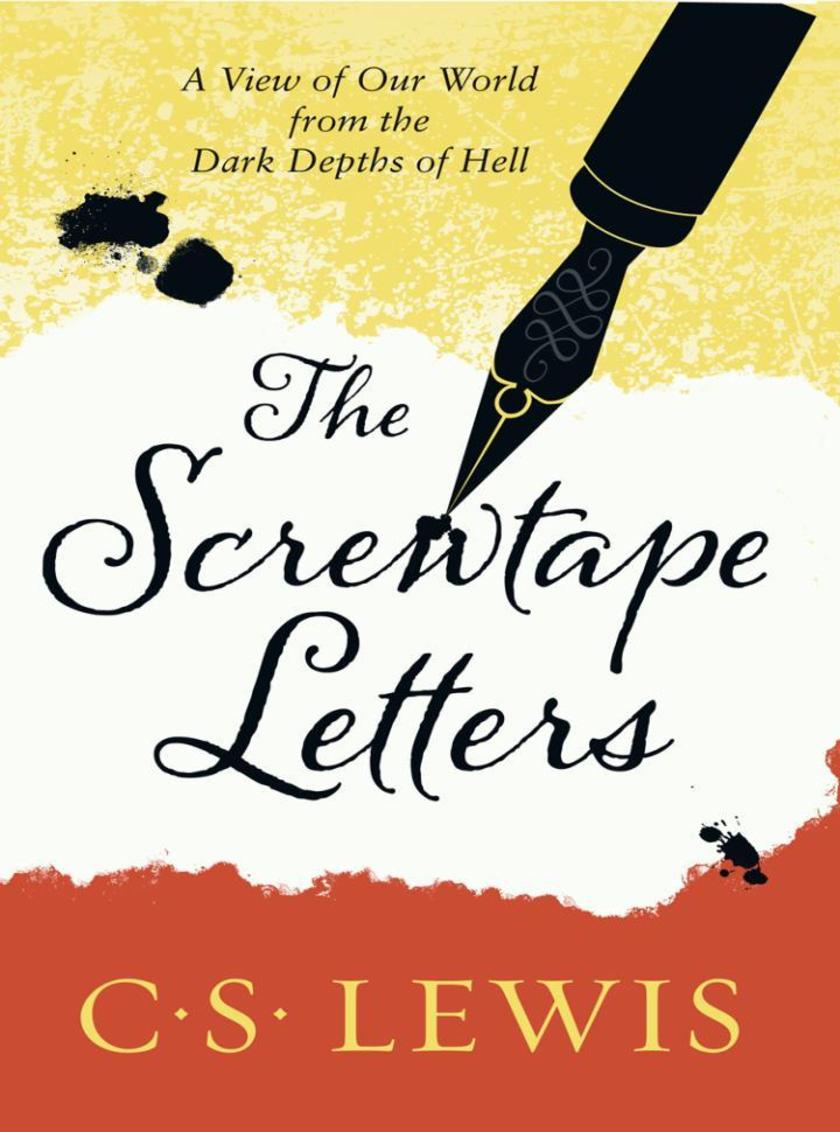
The Screwtape Letters is a Christian apologetic novel by C. S. Lewis. It is written in a satirical, epistolary style and while it is fictional in format, the plot and characters are used to address Christian theological issues, primarily those to do with temptation and resistance to it. First published in February 1942, the story takes the form of a series of letters from a senior Demon Screwtape to his nephew Wormwood, a Junior Tempter. The uncle's mentorship pertains to the nephew's responsibility for securing the damnation of a British man known only as "the Patient".
Yours, Jack: The Inspirational Letters of C. S. Lewis
¥95.75
A collection of 365 readings containing the best and most compelling writing culled from more than 4,000 pages of C.S.Lewis‘s famous published letters. Thoughout his life, C.S. Lewis – ‘Jack’ to his friends – spent a good portion of each day writing letters to people for whom he became a spiritual mentor – literally thousands of them. Contained within this vast body of correspondence is wisdom and personal insight as powerful as anything else he ever wrote or had published. Jack’s famous letters, published in their entirety in a collection consisting of three impressive volumes, reveal much about his private life, reflections, friendships and feelings, as well as all of Lewis’s interests: theology, literature, poetry, fantasy, and unknown details about his world-famous Narnia stories and other books. Amongst Jack’s correspondents were J.R.R. Tolkien, Dorothy L. Sayers, Owen Barfield, Arthur C. Clarke, Sheldon Vanauken and Dom Bede Griffiths. Now, this distillation of 365 inspirational readings extracted from the letters offers an easy-to-digest look at this great author’s lifetime of correspondence and drives straight to the heart of this insightful and inspirational thinker.

Collected Letters Volume One: Family Letters 1905–1931
¥104.48
This collection brings together the best of C.S. Lewis’s letters – some published for the first time. Arranged in chronological order, this is the first volume covering Family Letters: 1905-1931. C.S. Lewis was a most prolific letter writer and his personal correspondence reveals much of his private life, reflections, friendships and feelings. This collection, carefully chosen and arranged by Walter Hooper, is the most extensive ever published. In this great and important collection are the letters Lewis wrote to J.R.R. Tolkien, Dorothy L. Sayers, Owen Barfield, Arthur C. Clarke, Sheldon Vanauken and Dom Bede Griffiths. To some particular friends, such as Dorothy L. Sayers, Lewis wrote over fifty letters alone. The letters deal with all of Lewis’s interests: theology, literary criticism, poetry, fantasy, children’s stories as well as revealing his relationships with family members and friends. This first volume of Family Letters: 1905-1931 covers Lewis’s boyhood and early manhood, his army years, undergraduate life at Oxford and his election to a fellowship at Magdalen College. Lewis became an atheist when he was 13 years old and his dislike of Christianity is evident in many of his letters. The volume concludes with a letter describing an evening spent with J.R.R. Tolkien and Hugo Dyson when he came to see that he was wrong to think of Christianity as one of ‘many myths.’ ‘What Dyson and Tolkien showed me was that… the story of Christ is simply a true myth… but with this tremendous difference that it really happened.
Jail Bird
¥63.77
Murder, loyalty and vengeance collide in Jessie Keane’s gritty fourth novel. Lily King has spent years behind bars Convicted of murdering her husband, London villain Leo King, she hasn’t been missed. Everyone believes she got what she deserved, but Lily knows she was fitted up. Now she’s out, and she doesn’t do forgiveness. In her absence, things have moved on and the old order has changed. But now she’s ready to reclaim her position as head of the King family. Fuelled by vengeance, Lily King is back, and some people aren’t going to know what’s hit them.
The Make
¥63.77
Murder, loyalty and vengeance collide in Jessie Keane's gritty fourth novel. Life is good for Gracie Doyle – running her Manchester casino keeps her busy. Until the police turn up at her door one day and her world is turned upside down. She is given news that her two estranged brothers have been viciously attacked. George is in hospital on a ventilator and worringly, Harry is missing. Gracie has no option but to leave the good life and dip her toe into the murky waters of her East End past. She leaves for London in an attempt to avenge her brothers and in doing so uncovers some unsavoury secrets about the lifestyle they've been leading. Their little games have got them into big trouble with the wrong people… She must keep her wits about her and try to find Harry, or it could prove fatal…
Sven-Goran Eriksson
¥82.01
A major in-depth biography of Sven-Goran Eriksson - the first foreign manager of the England football team - which chronicles his time in the hot seat, from taking over from Kevin Keegan, the story of the 2002 World Cup Finals in Japan and South Korea, through to the 2004 European Championships. Reserved - some would say introvert - by nature, he has so far dismissed as intrusive almost all questions about anything other than the England team. There is a fascinating story to be told about the moderate full-back who failed in his own country, retired from playing at 27, then went on to become one of the best coaches in the world. The son of a truck driver from a small provincial town in Sweden, Eriksson left school early and worked in a social security office. He went to college to study PE and played football as an amateur before being persuaded by an older teammate Tord Grip (now his assistant with England) that his career lay elsewhere in management. Modest success at Roma and Fiorentina was followed by a renewal of Sampdoria's fortunes. It wasn't long before Lazio came knocking - but not before an acrimonious fallout with Blackburn when his surprise about-turn left the Lancashire club without a new manager. He enjoyed phenomenal success in Rome, however, where he led Lazio to the scudetto, and this eventually paved the way to the England manager's job. Since then Eriksson has come under the microscope from the English press, as much for his private affairs as for his team's stuttering performances. Despite his achievements in leading England to the quarter-finals of the World Cup in 2002, his methods, formations and team selections are the subject of fierce debate up and down the country. Joe Lovejoy's book captures the essence of the man and goes some way to explaining his influence behind England. This paperback edition explores his thoughts about his captain playing his football in Spain and documents England's rocky road to the 2004 European Championship finals.

The Bad Mother
¥22.66
A hilariously honest, and rather sweary, book about parenting from the author of The Bad Cook. From play dates to potty training, from weening to whining or whether to have two, or three, or more! Esther Walker focuses her unique humour on the art of parenting. Fans of Esther’s blog and journalism, or her bestselling Bad Cook book, will not be disappointed. This is every bit as funny, sweary and just plain honest as you would expect. Esther offers up her occasional successes and many failures as examples to parents everywhere: look, this is what happens, you’ll just have to deal with it! Harassed mums and dads will read this and smile, as well as sighing with ‘it isn’t just me’ relief.
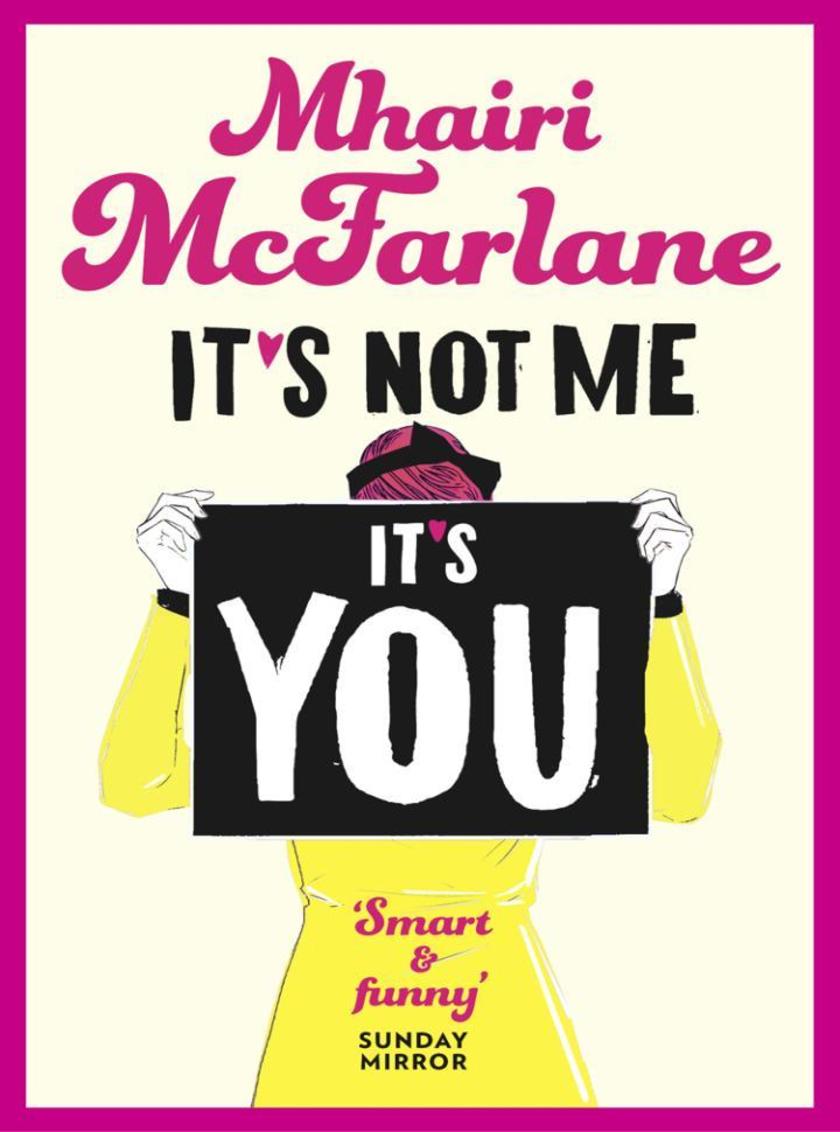
It’s Not Me, It’s You
¥23.45
An achingly funny story about how to be your own hero when life pulls the rug out from under your feet. From the author of the bestselling YOU HAD ME AT HELLO Delia Moss isn’t quite sure where she went wrong. When she proposed and discovered her boyfriend was sleeping with someone else – she thought it was her fault. When she realised life would never be the same again – she thought it was her fault. And when he wanted her back like nothing had changed – Delia started to wonder if perhaps she was not to blame… From Newcastle to London and back again, with dodgy jobs, eccentric bosses and annoyingly handsome journalists thrown in, Delia must find out where her old self went – and if she can ever get her back.
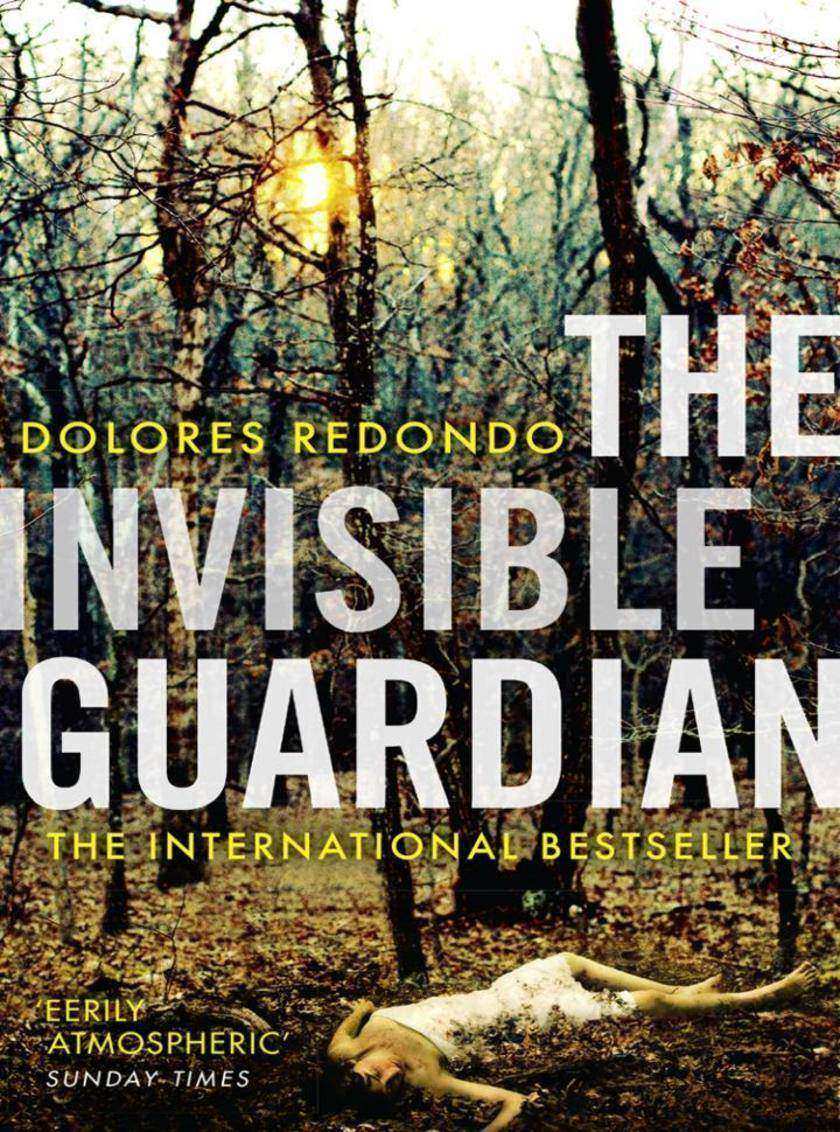
The Invisible Guardian (The Baztan Trilogy, Book 1)
¥62.59
A killer at large in a remote Basque Country valley , a detective to rival Clarice Starling, myth versus reality, masterful storytelling – the Spanish bestseller that has taken Europe by storm. The naked body of a teenage girl is found on the banks of the River Baztán. Less than 24 hours after this discovery, a link is made to the murder of another girl the month before. Is this the work of a ritualistic killer or of the Invisible Guardian, the Basajaun, a creature of Basque mythology? 30-year-old Inspector Amaia Salazar heads an investigation which will take her back to Elizondo, the village in the heart of Basque country where she was born, and to which she had hoped never to return. A place of mists, rain and forests. A place of unresolved conflicts, of a dark secret that scarred her childhood and which will come back to torment her. Torn between the rational, procedural part of her job and local myths and superstitions, Amaia Salazar has to fight off the demons of her past in order to confront the reality of a serial killer at loose in a region steeped in the history of the Spanish Inquisition.

The People’s Platform: Taking Back Power and Culture in the Digital Age
¥95.75
From a cutting-edge cultural commentator, a bold and brilliant challenge to cherished notions of the internet as the great leveler of our age. The internet has been hailed as an unprecedented democratising force, a place where everyone can participate. ? So why are minorities and marginalized groups under-represented on user-generated websites, with less than 15% of Wikipedia written by women? ? Why does keyword-jammed and star-studded churnalism proliferate, at the expense of in-depth, investigative journalism? ? And how have a handful of giant corporations like Facebook, Google and Apple seized control of our creativity, galvanizing individuals to produce content for free? ‘The People’s Platform’ argues that for all our ‘sharing’, the internet reflects real-world inequalities as much as it reduces them, as attention and income frequently accrue to those who already have plenty of both. The online world does offer a unique opportunity for greater freedom, but a community that supports the diverse and lasting will not spring up from technology alone. If we want the internet to be a people’s platform, we will have to make it so.
Through The Tunnel
¥9.71
From the winner of the Nobel Prize for Literature, Doris Lessing, a short story about a young boy’s coming of age. While on holiday with his mother, a young boy sees a group of older children jumping from a rock into deep sea. He feels compelled to challenge himself to match them, and in doing so will take his first steps away from childhood. An amazingly vivid short story, Through the Tunnel explores the difficulties of childhood and ageing, resonating with many of Doris Lessing’s acclaimed novels. This story also appears in the collection To Room Nineteen.
The Day Stalin Died
¥9.71
From the winner of the Nobel Prize for Literature, Doris Lessing, a short story about a young woman’s attempts to juggle her political beliefs with everyday life. On the day that the newspapers report that Stalin is dying, a young woman, with communist sympathies, attempts to look after her aunt and cousin on a disastrous trip to a photographer. Lightly satirical about the absurd ways people can behave, no matter what their political views, ‘The Day Stalin Died’ shows Doris Lessing at her most wry. This story also appears in the collection To Room Nineteen.
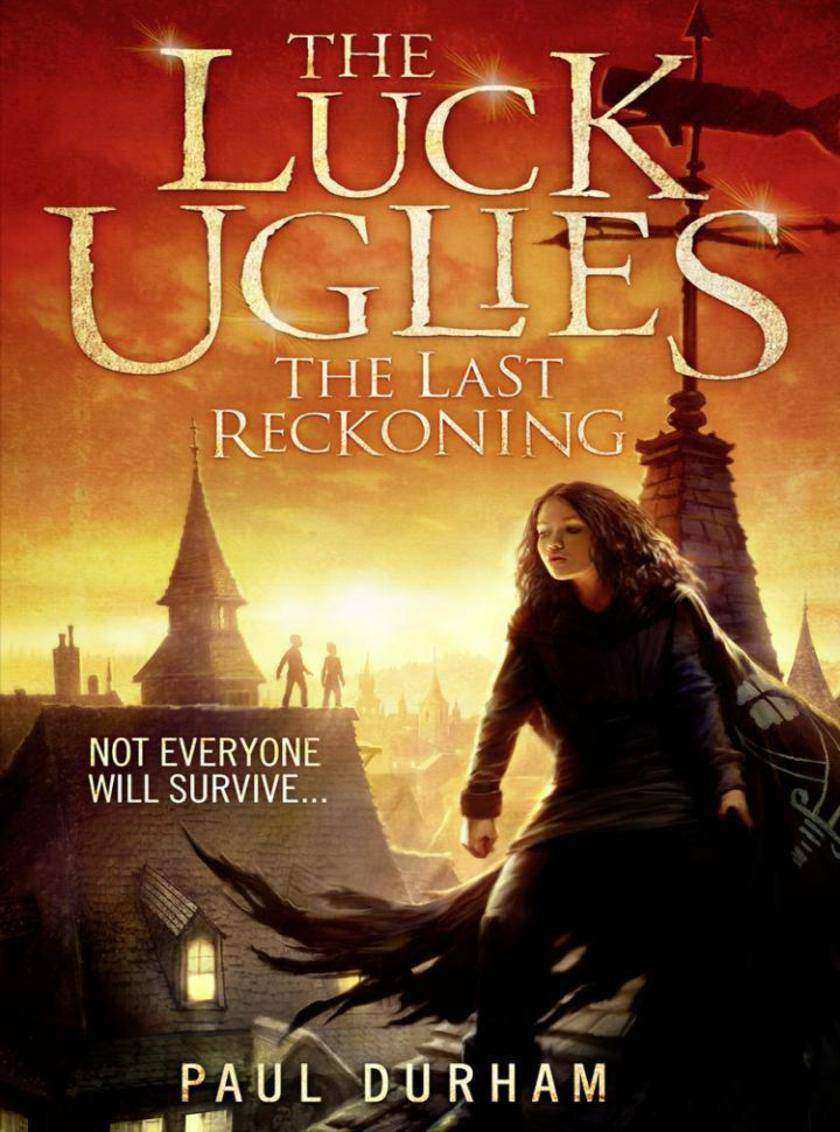
The Last Reckoning (The Luck Uglies, Book 3)
¥58.86
The exhilarating conclusion to the critically acclaimed THE LUCK UGLIES series. “The Luck Uglies has it all: a feisty heroine, monstrous creatures, and a brimful of humor, and horror, to keep the readers turning the pages.” Joseph Delaney, Author of the Spook’s Apprentice series Rye feared her father, Harmless, might be lost forever after he was driven into the forest Beyond the Shale by his deadly enemy Slinister Varlet. Now Slinister is making moves to claim leadership over the Luck Uglies. Can Rye find her father, save her village and put an end to the fighting for good? Thrilling adventure, impossible choices and an epic battle with very highest stakes.

The Irish Are Coming
¥80.25
In the sequel to his bestselling JFK in Ireland, the Emerald Isle’s favourite son delves into his country’s past to celebrate the Irish people who through their skills and endeavours helped make the British Isles great. In ‘The Irish Are Coming’ Ryan Tubridy takes a journey into Ireland’s past to unearth the many amazing, and altogether fascinating, contributions the Irish have made to everyday British life; whether it be making us laugh (Graham Norton), thrilling us with their acting (Peter O’Toole), or dazzling us with their audacious adventuring (Earnest Shackleton). Just as Stuart Maconie has celebrated in his own unique way all that is great about his North of England roots, so Ryan Tubridy makes a passionate case for the magnificent contribution Ireland has made to its nearest neighbour.
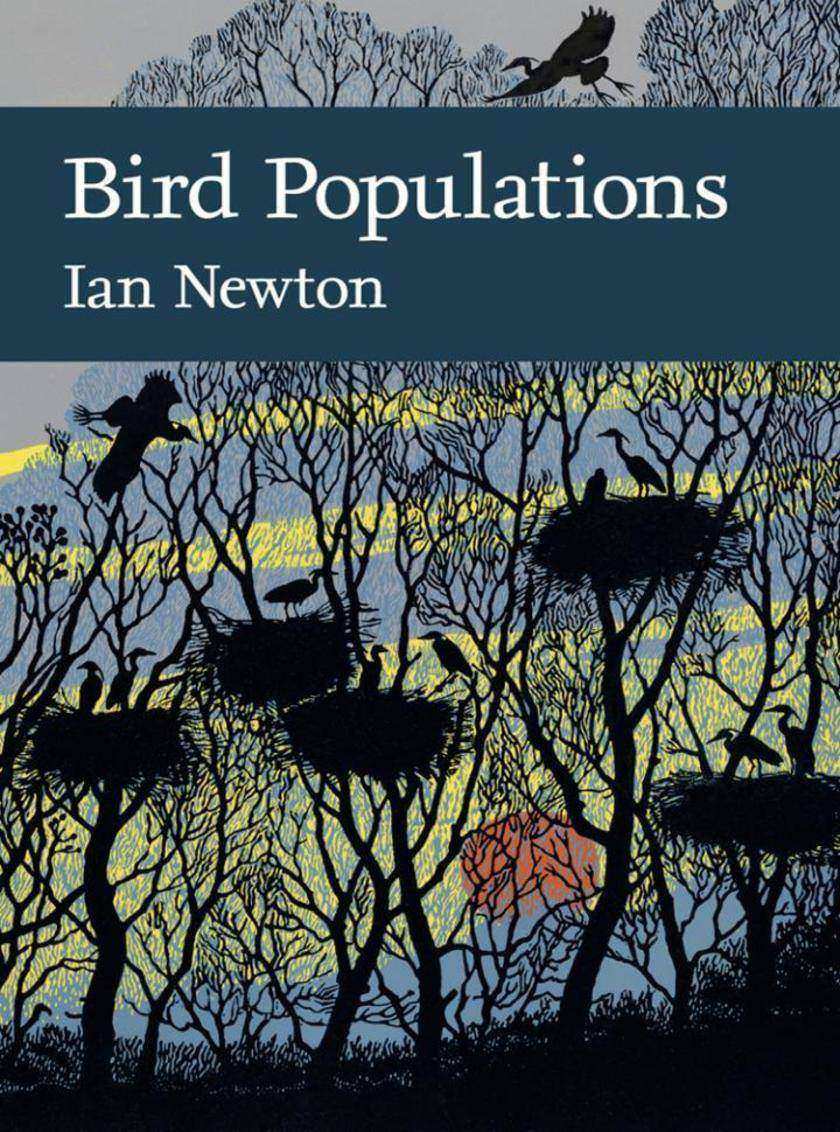
Bird Populations (Collins New Naturalist Library, Book 124)
¥229.16
Earlier naturalists formed the impression that bird numbers remained more or less stable through time. In the years since these words were written, however, changes have occurred in the landscapes of the British Isles and in the seas around our coasts, causing bird populations to fluctuate in an unprecedented way. In Ian Newton’s latest New Naturalist volume, he explores bird populations and why their numbers vary in the way they do, from year to year or from place to place. He addresses the various factors that we know limit bird numbers – food supplies and other resources, competitors, predators, parasites and pathogens, and various human impacts. The combination of a rapidly expanding human population, a predominantly utilitarian attitude to land, central government policy on land use, and increasing mechanisation have combined to promote more massive changes in land use – and hence in bird habitats – in recent decades than at any comparable period previously. These developments have in turn brought huge changes in bird populations, as some species dependent on the old landscapes declined, and others benefiting from the changes increased. Over the same period, changing public attitudes to wildlife, protective legislation and a growing network of nature reserves allowed previously scarce bird species to recover from past onslaughts, while climate warming has promoted further changes. In this seminal new work, Ian Newton sets out to explain why different bird species are distributed in the numbers that they are, and have changed over the years in the way that they have. He emphasises the factors that influence bird numbers, rather than the numbers themselves, thus providing a much-needed overview which is necessary if we are to successfully manage bird populations, whether for conservation reasons, for sustainable hunting or for crop protection. The continued monitoring of bird numbers can also alert us to impending environmental problems. In addition, the regular watching and study of birds now provides a source of recreation and pleasure for very large numbers of people, who would find a world with fewer birds a poorer place.


