


 购物车
购物车 个人中心
个人中心
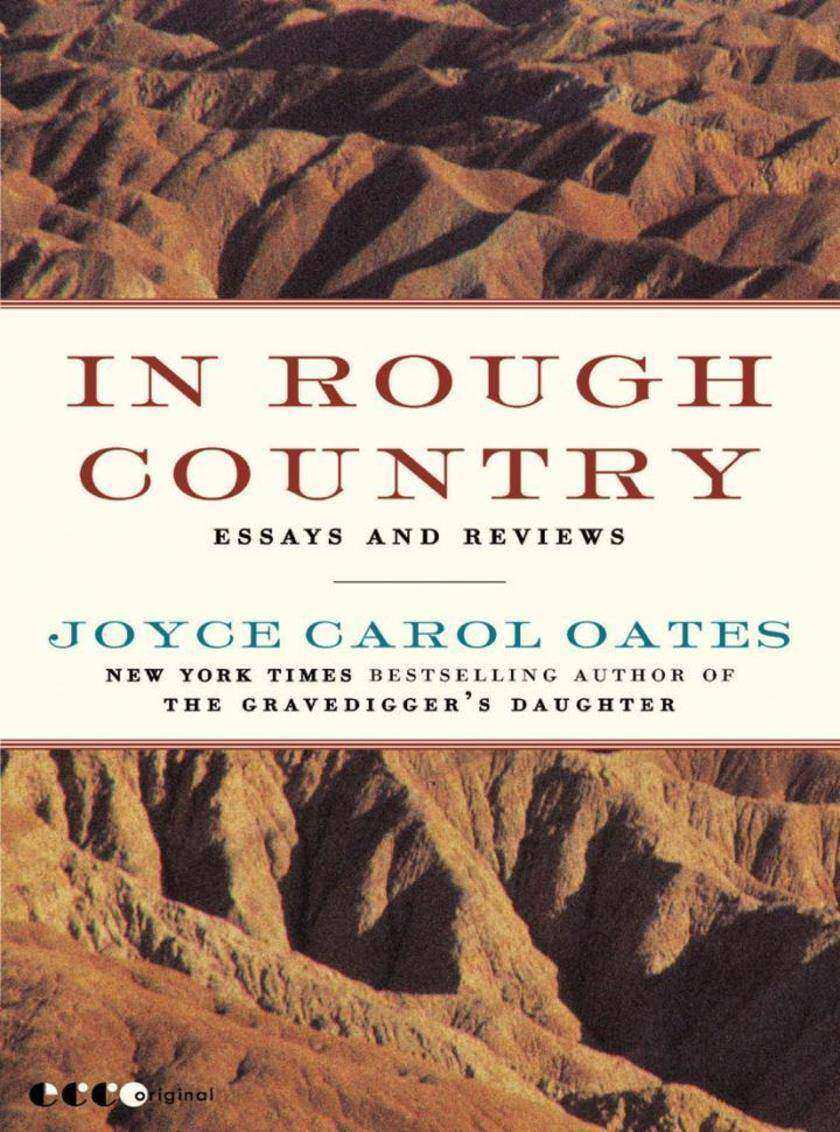
In Rough Country
¥84.16
In twenty-nine provocative essays, Joyce Carol Oates maps the "rough country" that is both the treacherous geographical and psychological terrain of the writers she so cogently analyzes Flannery O'Connor, Cormac McCarthy, Philip Roth, E. L. Doctorow, and Margaret Atwood, among others and the emotional terrain of Oates's own life following the unexpected death of her husband, Raymond Smith, after forty-eight years of marriage. "As literature is a traditional solace to the bereft, so writing about literature can be a solace, as it was to me when the effort of writing fiction seemed beyond me, as if belonging to another lifetime," Oates writes. "Reading and taking notes, especially late at night when I can't sleep, has been the solace, for me, that saying the Rosary or reading The Book of Common Prayer might be for another." The results of those meditations are the essays of In Rough Country balanced and illuminating investigations that demonstrate an artist working at the top of her form.
George Balanchine
¥83.03
The foremost contemporary choreographer in the history of ballet, George Balanchine extended the art form into radical new paths that came to seem inevitable under his direction. He transformed movement and dance in classical and modern ballet, on the Broadway stage, and in the cinema.George Balanchine chronicles the life and achievements of this visionary artist from his early, almost accidental career in Russia, where his lifelong collaboration with Igor Stravinsky was forged, to his extraordinary accomplishments in America. The editor and writer Robert Gottlieb, one of the most knowledgeable dance critics in America, offers a superb and loving portrait of a genius who, though married many times to many ballerinas, remained truest to his greatest love, Terpischore, the Greek Muse of dance.

Find and Use Your Inner Power
¥83.92
This rich resource is for everyone seeking more happiness and success in life. Now with a new introduction, this treasure of Emmet Fox's wise and inspirational gems offers enduring spiritual truth and practical advice for mining the gold to be found in our daily lives. Included here, also, are real-life examples of those who have followed Fox's signposts to happier living. Fox's friendly, commonsense suggestions have shown millions how to get the most out of our life and provide new spiritual strength to those who use his techniques for personal meditation.
Self-Editing for Fiction Writers, Second Edition
¥95.11
Hundreds of books have been written on the art of writing. Here at last is a book by two professional editors to teach writers the techniques of the editing trade that turn promising manu*s into published novels and short stories.In this completely revised and updated second edition, Renni Browne and Dave King teach you, the writer, how to apply the editing techniques they have developed to your own work. Chapters on dialogue, exposition, point of view, interior monologue, and other techniques take you through the same processes an expert editor would go through to perfect your manu*. Each point is illustrated with examples, many drawn from the hundreds of books Browne and King have edited.
The Killer Strain
¥84.16
A lethal germ is unleashed in the U.S. mail. A chain of letters spreads terror from Florida to Washington, D.C., from New York to Connecticut, from the halls of Congress to the assembly lines of the U.S. Postal Service. Five people die, and ten thousand more line up for antibiotics to protect against exposure. The government, already outsmarted by the terrorist hijackers of 9/11, leaves its workers vulnerable and a diabolical killer on the loose.Based on hundreds of hours of interviews and a review of thousands of pages of government documents, The Killer Strain is the definitive account of the year in which bioterrorism became a reality in the United States. Revealing the little-known victims and unsung heroes in the anthrax debacle, investigative reporter Marilyn Thompson also examines the FBI's slow-paced investigation of the crimes and the unprecedented scientific challenges posed by the case.The Killer Strain, more than just a thrilling read, is also a clarion wake-up call. It shows how billions of dollars and a decade of elaborate bioterror dress rehearsals meant nothing in the face of a real attack -- and how we may still be at risk.

Girls to the Front
¥94.10
Girls to the Front is the epic, definitive history of Riot Grrrl the radical feminist uprising that exploded into the public eye in the 1990s and included incendiary punk bands Bikini Kill, Bratmobile, Heavens to Betsy, and Huggy Bear. A dynamic chronicle not just a movement but an era, this is the story of a group of pissed off girls with no patience for sexism and no intention of keeping quiet.
When Children Grieve
¥94.10
To watch a child grieve and not know what to do is a profoundly difficult experience for parents, teachers, and caregivers. Yet, there are guidelines for helping children develop a lifelong, healthy response to loss.In When Children Grieve, the authors offer a cutting-edge volume to free children from the false idea of "not feeling bad" and to empower them with positive, effective methods of dealing with loss.There are many life experiences that can produce feelings of grief in a child, from the death of a relative or a divorce in the family to more everyday experiences such as moving to a new neighborhood or losing a prized possession. No matter the reason or degree of severity, if a child you love is grieving, the guidelines examined in this thoughtful book can make a difference.
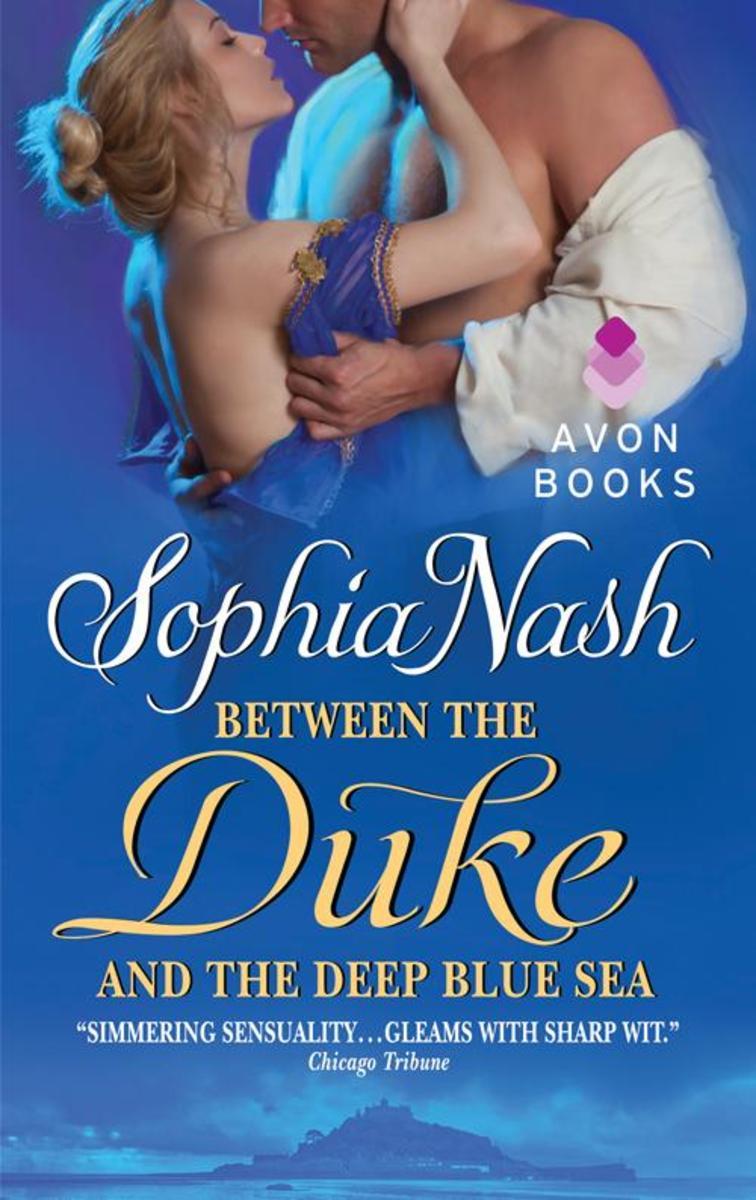
Between the Duke and the Deep Blue Sea
¥55.31
Six Regency heroes One royal hangoverAn infamous night has been lost to memory. The scandalous Dukes of the Royal Entourage must make amends. The first step is a heroic rescue.One of England's most disreputable peers, Alexander Barclay, Duke of Kress, has stumbled upon a perfect opportunity for redemption. Having been exiled to Cornwall by the Prince Regent himself, Barclay discovers lovely Roxanne Vanderhaven clinging to the edge of a cliff, stranded there by her murderous blackguard of a husband . . . just waiting to be rescued. Back on solid ground, Roxanne is desperate for a new life once she's retaliated for her husband's despicable actions. Surprisingly, she finds herself drawn to her unlikely champion, certainly the last man in England she could count on. Yet, the infamous Duke of Kress isn't quite the scoundrel he seems . . .

The Lady Most Willing...
¥56.07
At the behest of three of the most talented historical romance authors writing today, you are cordially invited to a ball. No, a party. No . . . a kidnapping.Taran Ferguson, laird of his clan, is determined that his ancient (if not so honorable) birthright be secured before he dies. When both his nephews refuse to wed, the old reprobate takes matters into his own hands: he raids a ball and makes off with four likely brides . . .Miss Marilla Chisholm the bonniest lass in Scotland, and an heiress to boot.Miss Fiona Chisholm her older sister, another fine choice (but for that tiny stain on her reputation).Lady Cecily Tarleton true, she's an English beauty, but very, very rich.Miss Catriona Burns without name or fortune, clearly someone made a mistake.Oh, yes. And one very irate duke.Because somewhere there must be one lady most willing to love a Scottish lord.
She
¥83.92
A revised edition of a landmark work of psychology; the author uses the ancient myth of Amor and Psyche as the springboard for a brilliant, perceptive exploration of how one becomes a mature and complete woman.
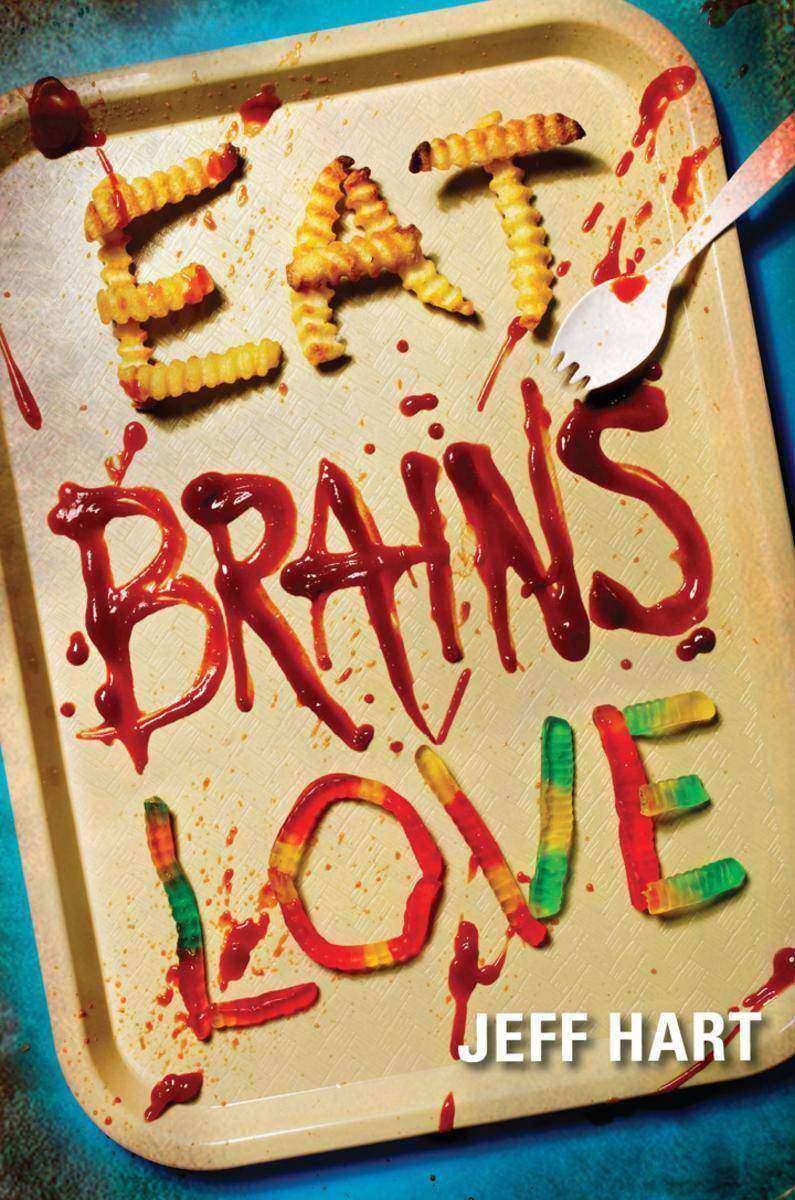
Eat, Brains, Love
¥55.33
A laugh-out-loud funny, surprisingly romantic, zombie road trip novel filled with heart—and brains. Eat, Brains, Love is perfect for fans of Isaac Marion's Warm Bodies.The good news: Jake's dream girl, Amanda Blake, finally knows his name.The bad news: it's because they both contracted a mysterious zombie virus and devoured the brains of half their senior class. Now Jake and Amanda are on the run from Cass, a teen psychic sent by the government's top-secret Necrotic Control Division to track them down. As Jake and Amanda deal with the existential guilt of eating their best friends and set off in search of a cure for the zombie virus, Cass struggles with a growing psychic dilemma of her own—one that will lead all three of them on an epic journey across the country and make them question what it means to truly be alive. Or undead.

Undead with Benefits
¥56.08
With its heartwarming blend of guts, romance, and humor, this road trip–ready sequel to Eat, Brains, Love is The Walking Dead meets John Hughes.Jake and Amanda are in love, on the run—and undead. They've picked up a new psychic friend, ex-government-zombie-hunter Cass, and are making a break for Iowa, where a cure for the rapidly spreading zombie virus is rumored to be waiting. But in order to find it, they have to contend with an unlikely undead warlord, ghoul-infested cornfields, a psycho psychic out for blood, and their own super-awkward love triangle—all before Iowa goes up in flames.Every reader with a pulse (or without one) will devour Jeff Hart's surprisingly romantic and laugh-out-loud funny take on friendship, love, and finding the meaning of (un)life in an eat-or-be-eaten world.

Chasing Mavericks: The Movie Novelization
¥48.54
Based on the inspirational true story of surfing icon Jay Moriarity, Chasing Mavericks tells the story of a young man's quest to surf Northern California's most dangerous waves, and the local legend who takes him under his wing. What begins as a mentorship turns into a unique bond, as the two unlikely friends discover that there is nothing more powerful than pushing your limits and chasing a nearly impossible dream.
Sense & Sensibility
¥90.51
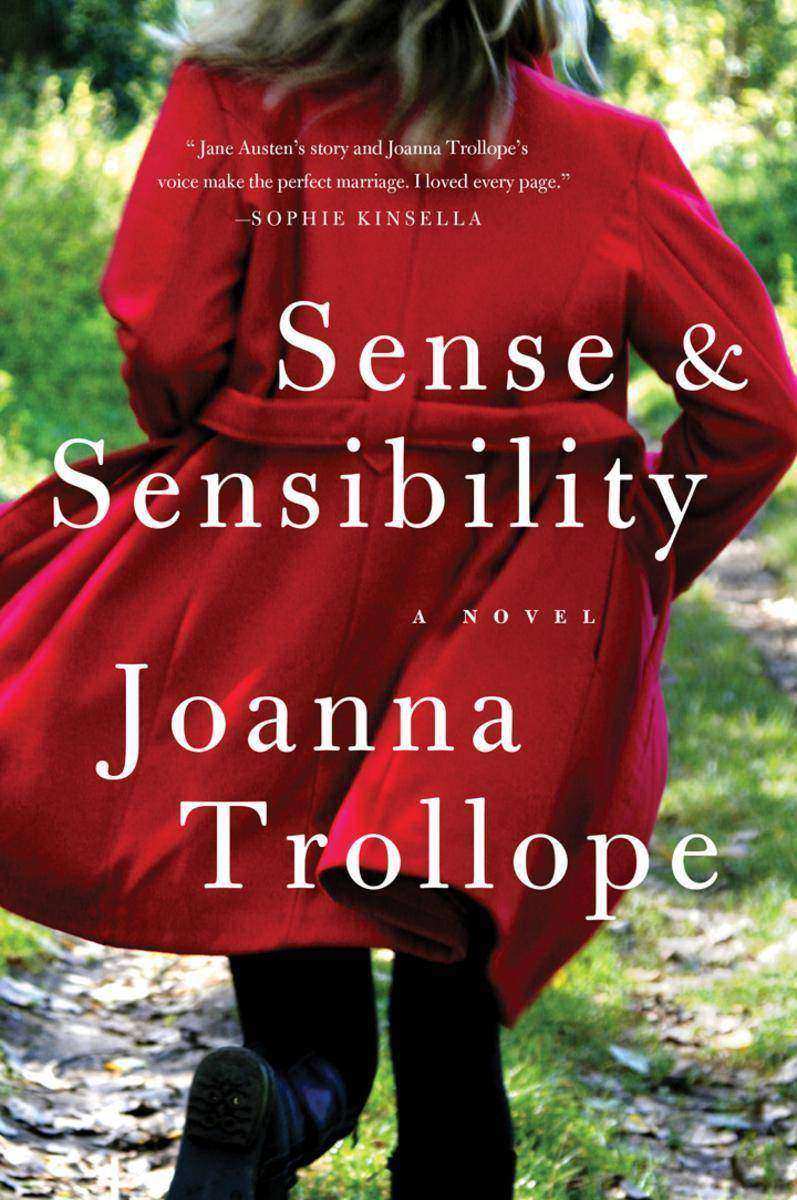
Two sisters could hardly be more different . . . Elinor Dashwood, an architecture student, values patience and reliability. Her impulsive sister, Marianne, takes after their mother, Belle, and is fiery and creative, filling the house with her dramas and guitar playing while dreaming of going to art school.But when their father, Henry Dashwood, dies suddenly, his whole family finds itself forced out of Norland Park, their beloved home for twenty years. Without the comfort of status, they discover that their values are severely put to the test.Can Elinor remain stoic and restrained knowing that the man she really likes has already been ensnared by another girlWill Marianne's faith in a one-and-only lifetime love be shaken by meeting the hottest boy in the county, John WilloughbyAnd in a world where social media and its opinions are the controlling forces at play, can love ever triumph over conventions and disapproval?With her wit and eye for social nuance, Joanna Trollope casts Jane Austen's Sense & Sensibility in a fresh new light to retell a wonderful coming-of-age story about young love and heartbreak, and how, when it comes to money especially, some things never change. . . .
The Conscious Cook
¥167.88
A former steak-lover himself, Chef Tal struggled for years on a vegan diet that left him filled with cravings for meat and dairy. Frustrated by the limited options available and unwilling to sacrifice the delicious flavors he associated with eating meat, he decided to create vegan meals that could hold their own at the center of the plate.Chef Tal found that by applying traditional French culinary techniques to meatless cuisine, he was able to create delicious meals full of rich flavor and healthy fat—meals that any food-lover, even devoted meat-eaters, would find completely satisfying.Seventy groundbreaking recipes later, Chef Tal is ready to share his magic. The Conscious Cook features vegan versions of tried-and-true dishes such as Oysters Rockefeller, Caesar Salad, Corn Chowder, and Paella, as well as adventurous new cuisine like Lemongrass Consommé with Pea Shoot and Mushroom Dumplings and Peppercorn-Encrusted Portobello Fillets. A full-color photo accompanies each of the recipes. Also included are engaging stories from influential people in the vegan world; a peek into Chef Tal's pantry and kitchen; a guide to eating seasonally; and a selection of dinner party menus.Above all, The Conscious Cook shows readers that avoiding the health risks and ethical dilemmas of eating meat and dairy does not mean sacrificing taste or satisfaction. The starters, soups, sandwiches, entrées, and desserts here offer culinary adventure that will truly revolutionize the way the world experiences meatless food.
The Girl in the River
¥67.12
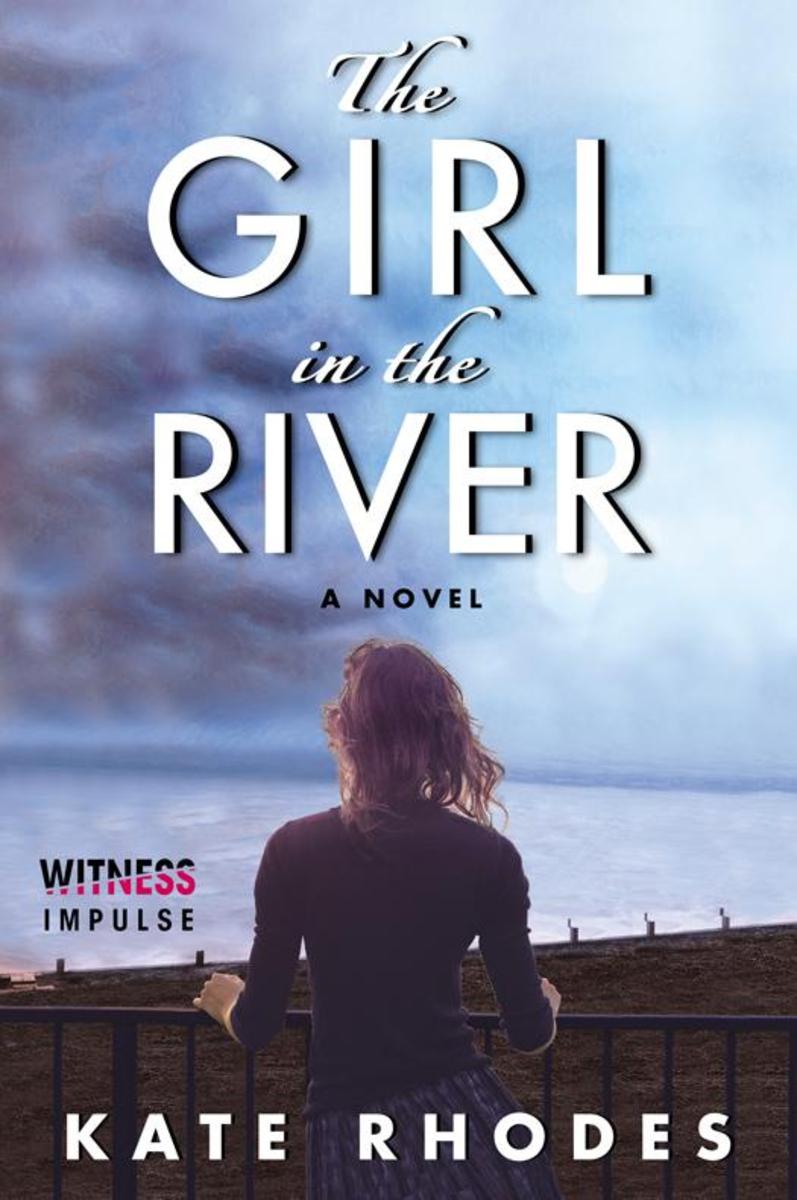
Praise for the Alice Quentin series:“A fast-moving, entertaining mix of sex, suspense and serial killings.” –Washington Post“Alice is a vividly realized protagonist whose complex and harrowing history rivals the central crime storyline.” –New York Times bestselling author Sophie HannahJude Shelley, daughter of a prominent cabinet minister, had her whole life ahead of her until she was attacked and left to drown in the Thames. Miraculously, she survived. A year later, her family is now asking psychologist Alice Quentin to re-examine the case.But then a body is found: an elderly priest, attacked in Battersea, washed up at Westminster Pier. An ancient glass bead is tied to his wrist.Alice is certain that Jude and her family are hiding something, but unless she can persuade them to share what they know, more victims will come.Because the Thames has always been a site of sacrifice and death.And Alice is about to learn that some people still believe in it…
Three Promises
¥10.83
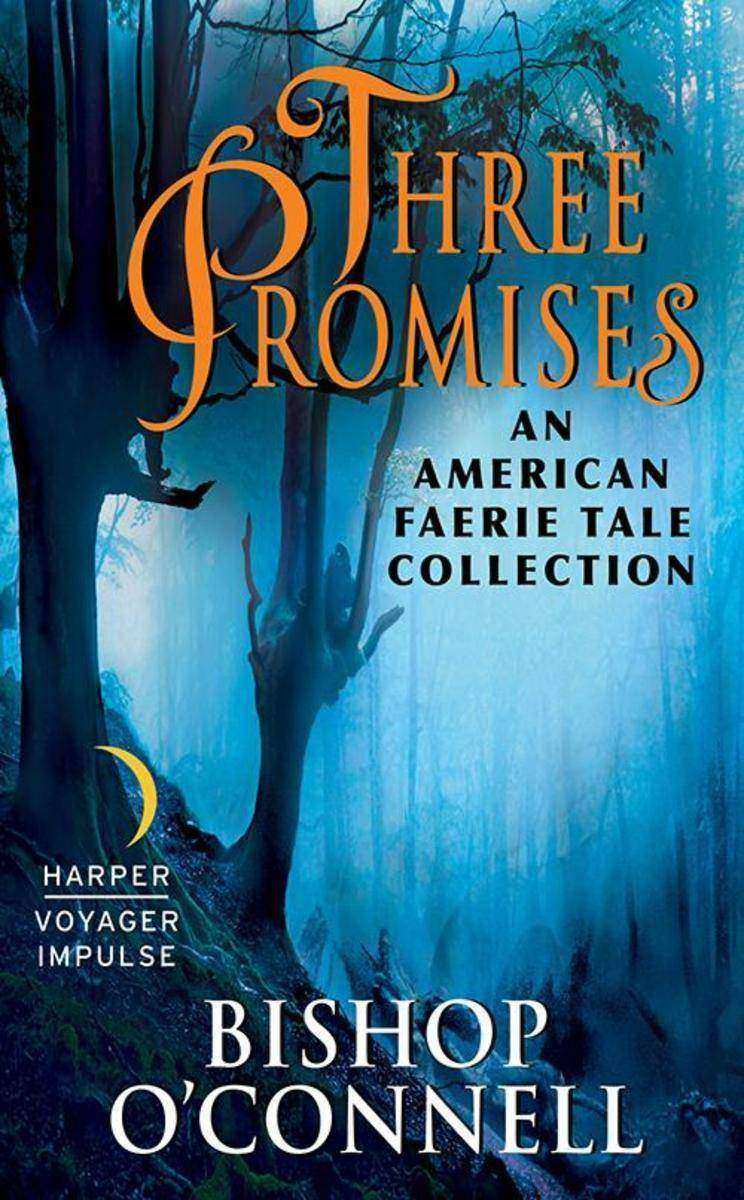
Promises bind, but some promises break…From the author of The Stolen and The Forgotten comes a collection of stories between the stories, a glimpse of the American Faerie Tale series characters in a whole new light.For more than fifty years, Elaine has lived the life of an outcast elf, stripped of her rank and title in the fae court. Surrounded by her beloved collection of stolen artwork, we may just learn the secret behind her exile, and the one promise too important to break…It’s the day we’ve all been waiting for—Caitlin and Edward are getting married! But few weddings ever go without a hitch. Old promises were broken, and new vows will be made…In The Stolen, Brendan vowed to help Caitlin rescue her young daughter from the Dusk Court, even if it meant sacrificing himself. Alone and in torment, he has come to accept his fate. Until an unexpected visitor finds her way into his life…Plus, an exclusive bonus story about the mysterious Legion of Solomon.

The Da Vinci Deception
¥84.16
A thrilling suspense novel that introduces New Scotland Yard's Inspector Jack Oxby of the Art and Antiquities Squad and pits him against a mastermind of art forgery.When an original Leonardo da Vinci folio goes missing from the Royal Library at Windsor Castle, Oxby is brought in to investigate. Set in London, New York, and Lake Como, the detective eventually uncovers a daring art forger who blackmails artists into faking Leonardo da Vinci manu*s, including early sketches of the Mona Lisa.

Gracie
¥39.02
The only tie-in book to the summer family movie about a 16-year-old girl who fought for and won the right for girls everywhere to play competitive soccer, inspired by one family's real story.Set in 1978 in South Orange, New Jersey, Gracie tells the moving story of 16-year-old Gracie Bowen (Carly Schroeder of TV's Lizzie McGuire), whose middle-class family life revolves almost entirely around soccer. Tragedy unexpectedly strikes when Gracie's older brother, star of the high school varsity team and her closest confidant, is killed in a drunk-driving accident. Wracked with grief over her family's loss, Gracie decides to fill the void left on her brother's team by petitioning the local school board to allow her to play in the boys' soccer league.At first, no one can understand what Gracie is up to, not her mom (Elisabeth Shue), her former soccer star dad (Dermot Mulroney), the team or school officials. Everyone warns Gracie that pursuing her dream is a waste of time—that soccer is a sport for boys and boys only. Undeterred, Gracie finds reserves of strength she never knew existed, and persists in changing everyone's beliefs in what she is capable of, including her own.Based on true events in the lives of the Shue family (producer and co-star Andrew Shue, Academy Award?-nominated actress Elisabeth Shue and their family), Gracie is an exciting and emotional sports story that marks the dramatic feature debut of Academy Award?-winning director Davis Guggenheim (An Inconvenient Truth). This young adult novel includes an eight-page color photo section and a Q&A with Andrew Shue and Elisabeth Shue about the real-life story behind the film. 8-page color photo insert.
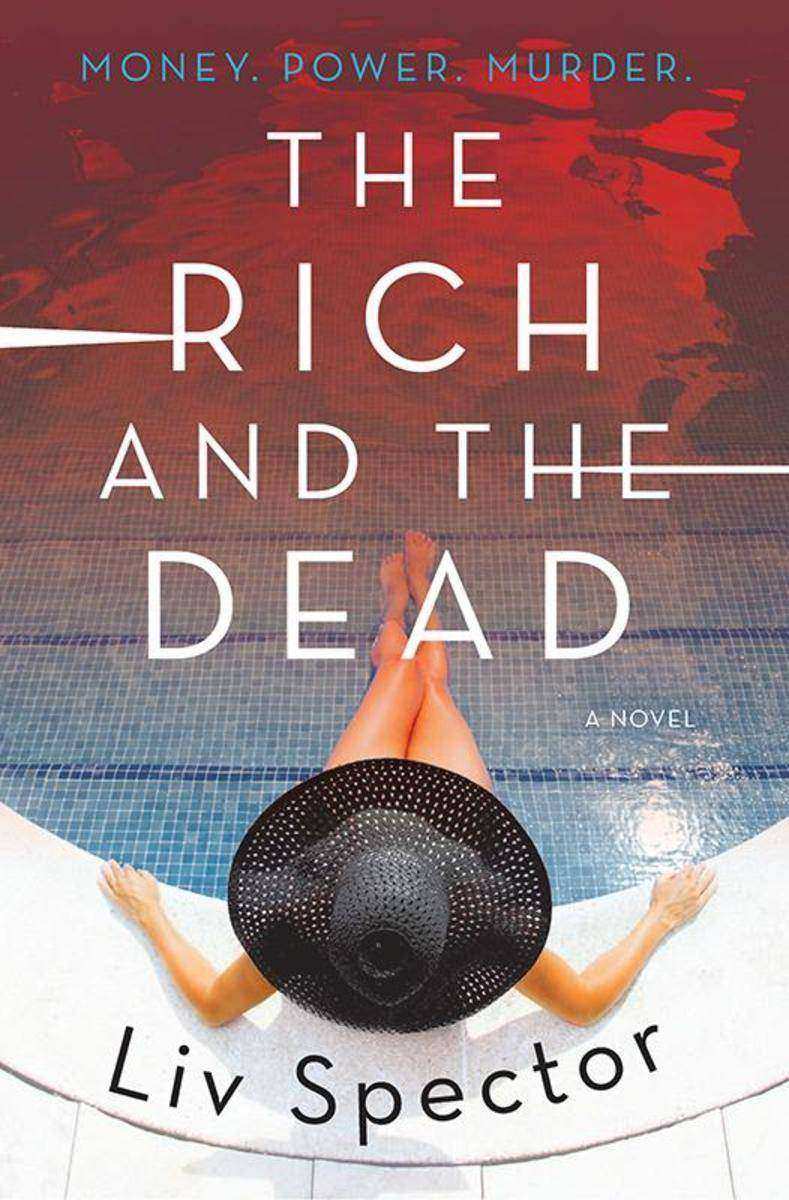
The Rich and the Dead
¥78.55
To solve the crime of the century, she'll have to go back in time....Welcome to Star Island, where Miami's wealthiest residents lead private lives behind the tall gates of their sprawling mansions. It's a blissful escape from the hot and dirty city—or it was, until New Year's Day 2015, when twelve of the most powerful people in the world were found murdered in the basement of a Star Island mansion. The massacre shocked the nation and destroyed the life of investigator Lila Day. Her hunt for the Star Island killer consumed her. But the case went unsolved, resulting in her dismissal from the Miami PD.Now, three years later, life hands Lila an unexpected second chance: reclusive billionaire Teddy Hawkins approaches Lila and asks her to solve the case. But how do you investigate a crime when all the leads have long ago gone coldThe answer, Teddy tells her, is to solve the case before it happens. He's going to send Lila back in time.With nothing left to lose, an incredulous Lila travels back to 2014, determined to find the Star Island killer once and for all. But as she goes undercover among the members of Miami's high society, she finds herself caring for—and falling for—people who are destined to die that fateful night. Now she must either say good-bye or risk altering the future forever.
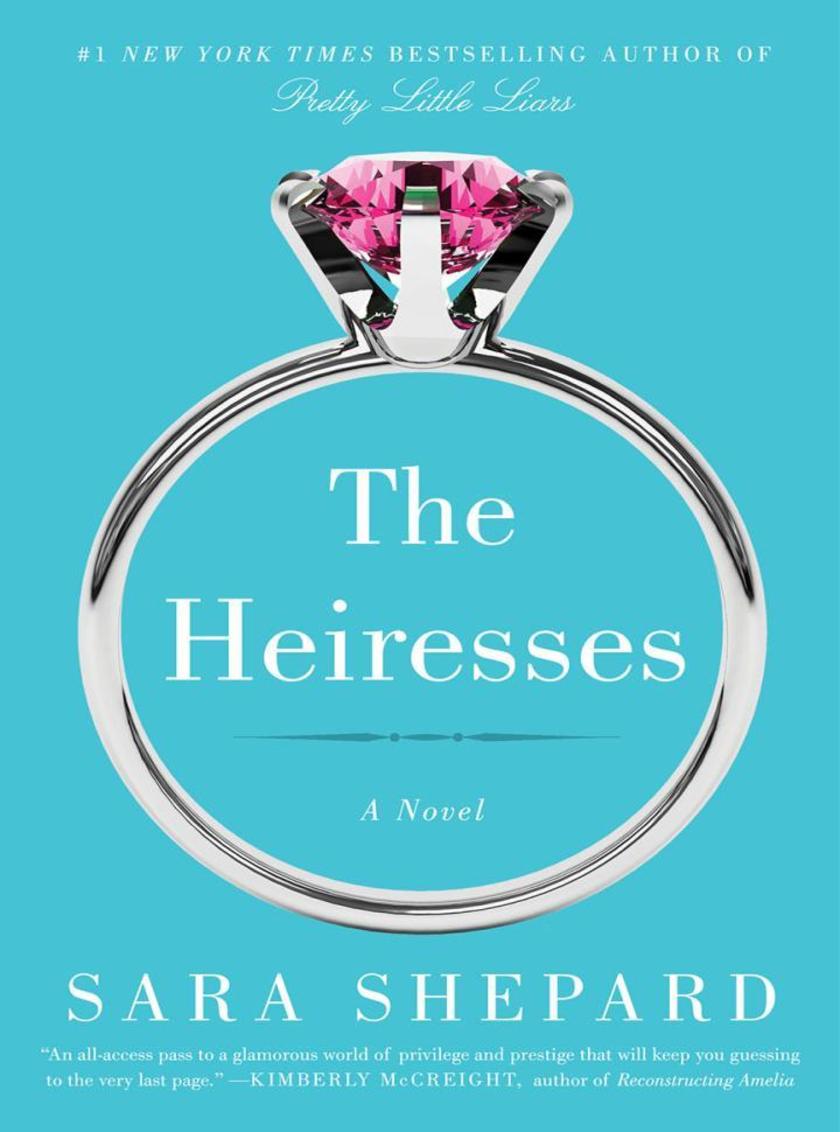
The Heiresses
¥88.56
You know the Saybrooks. Everyone does. Perhaps you've read a profile of them in People or have seen their pictures in the society pages of Vogue. Perhaps while walking along that choice block on Fifth Avenue, you've been tempted to enter the ornate limestone building with their family name etched into the pediment above the door.The only thing more flawless than a Saybrook's diamond solitaire is the family behind the jewelry empire. Beauties, entrepreneurs, debutantes, and style mavens, they are the epitome of New York City's high society. But being a Saybrook comes at a price—they are heirs not only to a dizzying fortune but also to a decades-old family curse.Tragedy strikes the prominent family yet again when thirty-four-year-old Poppy, the most exquisite Saybrook of them all, flings herself from the window of her TriBeCa office. Everyone is shocked that a woman who had it all would end her own life. Then her cousins receive an ominous threat: one heiress down, four to go. Was it suicide . . . or murderIn the aftermath of the tragedy, the remaining heiresses—Corinne, the perfectionist; Rowan, the workaholic; Aster, the hedonist; and Natasha, the enigma—wrestle with feelings of sadness, guilt, and, most of all, fear. Now they must uncover the truth about their family before they lose the only thing money can't buy: their lives. The Heiresses is a whip-smart mystery that simmers with the wicked sense of humor and intrigue that made Sara Shepard's number one New York Times bestselling Pretty Little Liars series a must-read, must-watch phenomenon.


