


 购物车
购物车 个人中心
个人中心
Night and Day
¥7.93
Night and Day
The Statement of Randolph Carter
¥9.00
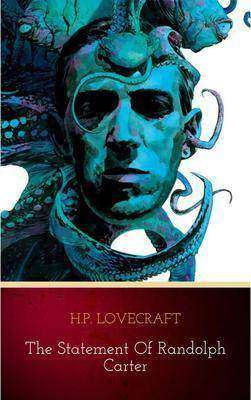
"The Statement of Randolph Carter" is a short story by H. P. Lovecraft. Written December 1919, it was first published in The Vagrant, May 1920. It tells of a traumatic event in the life of Randolph Carter, a student of the occult loosely representing Lovecraft himself. It is the first story in which Carter appears and is part of Lovecraft's Dream Cycle.
Children's Stories in American History
¥27.80
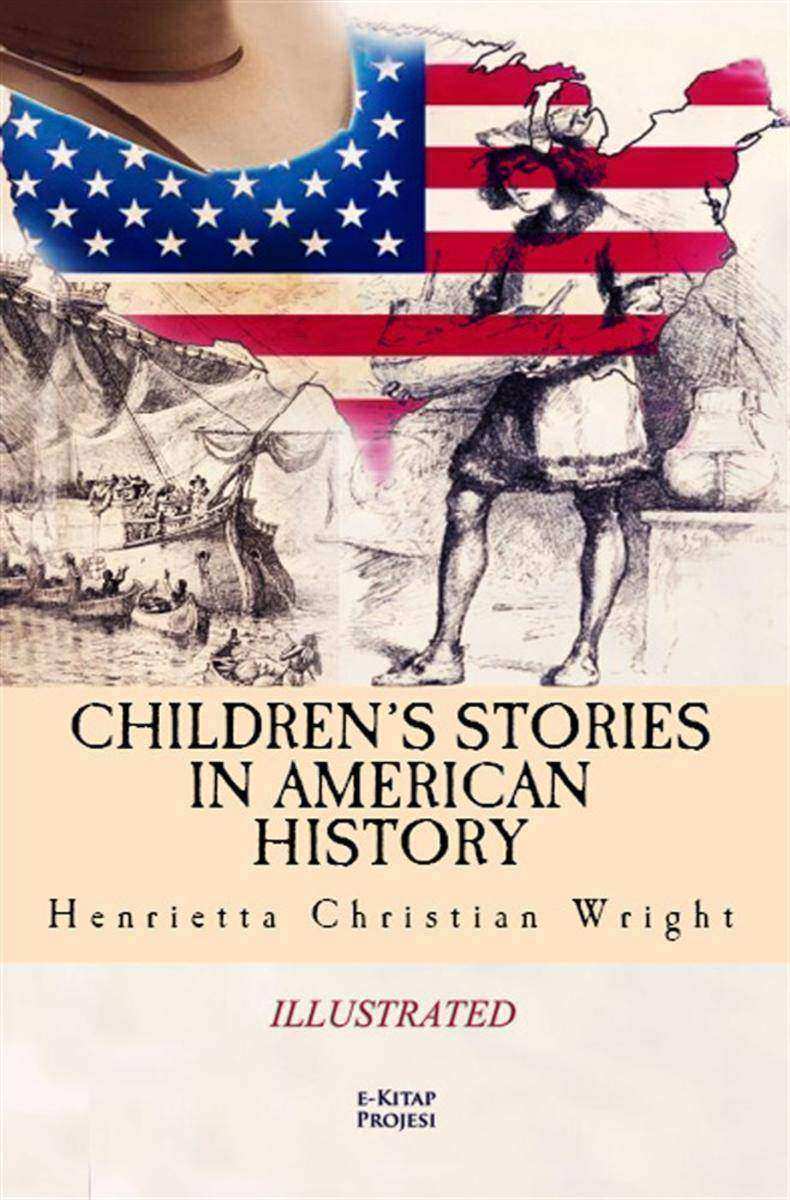
Many ages ago in North America there was no spring or summer or autumn, but only winter all the time; there were no forests or fields or flowers, but only ice and snow, which stretched from the Arctic Ocean to Maryland. Sometimes the climate would grow a little warmer, and then the great glaciers would shrink toward the north, and then again it would grow cold, while the ice crept southward; but finally it became warmer and warmer until all the southern part of the country was quite free from the ice and snow, which could then only be seen, as it is now, in the Polar regions.??Ages and ages after this, grass and trees began to ap-pear, and at last great forests covered the land, and over the fields and through the woods gigantic animals roved—strange and terrible-looking beasts, larger than any animal now living, and very fierce and strong. Among these were the mammoth and mastodon, which were so strong and ferocious that it would take hundreds of men to hunt and kill them. These great animals would go trampling through the forests, breaking down the trees and crushing the grass and flowers under their feet, or rush over the fields in pursuit of their prey, making such dreadful, threatening noises that all the other animals would flee before them, just as now the more timid animals flee from the lion or rhinoceros. ??Sometimes they would rush or be driven by men into swamps and marshes, where their great weight would sink them down so deep into the mud that they could not lift themselves out again, and then, they would die of starvation or be killed by the arrows of the men who were hunting them.??Besides these mammoths and mastodons there were other animals living in North America at that time, very different from those that are found here now. ?
Legendele sau basmele rom?nilor
¥16.35
Cel mai vechi dintre cltorii romantici, Grigore Alexandrescu, n paginile consacrate vizitei sale la mnstirile olteneti (1842), ne ofer… destul de puin. Impresiile sale privesc mai degrab tradiiile istorice ale locurilor pe care le viziteaz sau unele particulariti ale ornduirii lor actuale. Cadrul natural este abia indicat. Cnd ajunge la Cozia, o simpl nsemnare topografic i este de ajuns… n faa Mnstirii Dintr-un Lemn descrierea este ceva mai bogat, dar fr elemente sensibile propriu-zise. Autorul descrie o configuraie, nu un peisagiu… Petera de la Polovraci l impresioneaz mai mult, dar spiritul de observaie rmne, chiar n faa acestui spectacol, inferior fanteziei constructive, creia i se pare a vedea, n grupul stalactitelor, siluete de copii sau de fantasmagorice fiine combinate din oameni i fiare, dac nu simple chipuri slbatice "c doi tlhari, care, cu armele gata, ateapt s atace un trector". Abia, ultima pagin a Memorialului jertfete esteticii timpului, zugrvind un motiv tipic-rasarirea lunii deasupra unei pduri… Pagina merit a fi reinut. Este acea prin care natura, ca obiect al descrierii literare, intr n operele prozatorilor romni, sub forma magiei lunare. Scriitorul nelege ce poate fi dulceag sau convenional n zugrvirea strlucirii nentinate a lunii i de aceea ntregete tabloul sau din contraste punnd alturi de lumin selenar, rspndit pe ziduri, pe stnci i poteci, masa ntunecat a pdurii rmase n umbr. Rsrirea lunii la Tismana rmne oricum o excepie n paginile de proz ale lui Grigore Alexandrescu.“Tudor Vianu, Arta prozatorilor romni, Chiinu, Casa de editura Litera, 1997, p. 69-70.
To Have and To Hold
¥7.93
To Have and To Hold
Of Money, and Other Economic Essays
¥7.93
Of Money, and Other Economic Essays
Bilin? ve Zaman
¥9.32
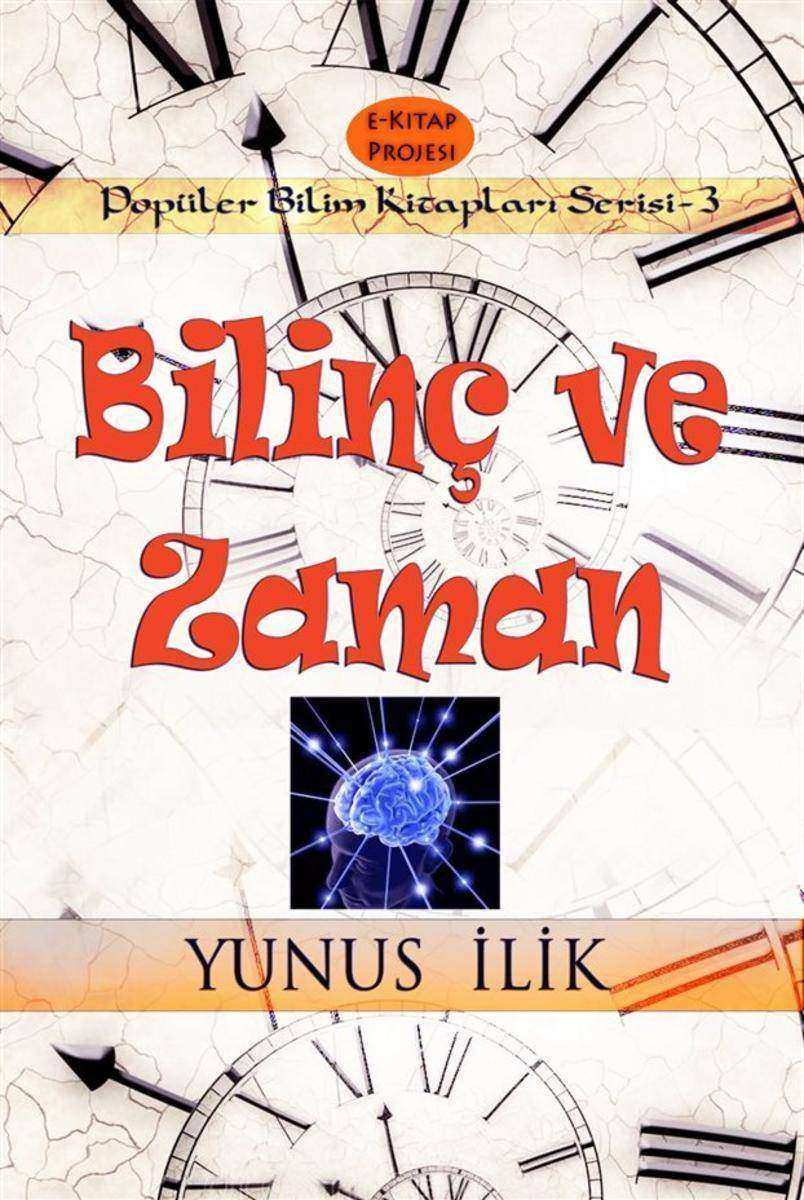
Her ?ey ?evresiyle etkile?imsel bütünlükte anlaml? olmaktad?r. Soral?m yine de; Bütünü par?alar?ndan fazlas? yapan nedenler nelerdir? Evrende neyin ifadesiyiz? Canl?l?k, bilin?, ruh, duygular art?k anla??labilir midir? Canl?l?k h?z farklar?ndan m? olu?maktad?r? H?zl? bile?enimiz olan elektri?in; canl?l???n ve bilincimizin olu?umunda nas?l bir etken olmaktad?r? Bizleri olu?turanlardan beden, duygular, bilin?, ruh diye tan?mlad?klar?m?z aras?nda ba?lant?lar nas?l kurulmaktad?r? Sorular?, günümüzde enerjiler aras? ba?lant?, etkile?im nas?l kurulmaktad?r? Sorusu gibi oldu?u, yani her?ey gibi onlar?nda enerji oldu?u anla??lm??t?r. Ruh olarak tan?mlad?k, zihin-beden aras?nda ba?lant?y? kurmaya, duygular? anlamaya ?al??t?k. Bilincin, alg?n?n tüm bunlarla nas?l bir ili?kisi olabilece?ini sorgulad?k. Genelde ?yle oluyor ya, bütünün ?nce par?alar?n? anlamaya, par?alara ay?r?p anlamaya ?al??man?n sorunlar?n?n izlerini sürüp bütünle olan etkile?imini g?rmeye y?neliyoruz. Zaman?n i?inde zaman ge?irmemize ra?men bilincimizle, canl?l???m?zla nas?l ba?lant?l? oldu?unu g?rmezden geldik. Günümüz dünyas?n?n ula?t??? bilgi, ya?amsal deneyimlerin kaydedilip aktar?lmas?, izledi?imiz filmlerden tutun da, deneyimlerimizin h?zl? etkile?imiyle zaman aral?klar?n? orduk. S?n?r sistemimize benzeyen internet a?lar? olu?turduk. ?nsanl?k olarak yapay zekalar geli?tirdik. Hücre ile beden benzeri; canl?yla tüm canl?l???n, ekosistemin, varl???n etkile?im ?rüntüsü oldu?unu, etkile?imsel ?rüntüde anlam? oldu?unu ??rendik. Belki de olu?turdu?umuz yeni anlamlar gelecekte olu?acaklar?n par?alar?d?r. De?i?im devam ediyor. G?rünen o ki, canl?lar bu evrenin en ileri evrensel enerji alanlar?d?r. Soral?m kendimize; Evrende canl?l?ktan daha anlaml? bir ?ey var m?d?r? Dünya bilinci ?a?lard?r. Biriktirdi?i bilgi ve deneyimlerini, olu?umun ba?lang?c?ndan itibaren nesiller boyu aktarm??, ekosistemiyle bir bütün olarak evrilmi?tir. Ula?t??? bilin? halini ?evresiyle etkile?imsel d?ngü i?inde hep yeniden ?ekillendirmi?tir. D?nü?ümsel etkile?imin hi?bir zaman?n?n ayn? olmay??? temel evrensel durumun etkisiyle de zamanda evrilmi? ve günümüz dünyas?n?n paradigmas?na ula?m??t?r. Evrimsel ?rüntüye paralel geli?en teknolojik entegrasyonla bilgi, zamanda ?ok yo?un etkile?ebilmi?tir. Dünya üzerinde artan s?n?r hücresi say?s? yani artan canl? say?s?n?n olumlu bir yan? ise, bilginin etkile?imini art?rm?? olmas?d?r. Platon’un idealar dünyas?nda var olan?n kendi ba??na var olamayaca??n?, var olan?n ?ncül bir mükemmeli olmal? dü?üncesiyle hareket etti?i g?rülüyor. Bu dü?ünceye bi ele?tiriyle ba?lay?p daha sonra ele?tiriyide ele?tirelim. Diyelim ki bu dü?ünceye evrimin, zaman?n itiraz? var. Buna b?yle devam edersek ba?lang?? i?inde, uzaylar i?inde ba?layan evrenler olsa bile bugünki mant?k yine en ba?a d?nmemizi s?ylüyor. Yani ilk nas?l olu?tu? Bu olu?um ?ncesi uzay diyeyim en mükemmel saf hali olan B?R nas?l olu?tu. 1’de ise hi?bir ?zellik olmamal? yani nas?l olurda idea’lar oradan kaynaklan?r. Demek ki varl?k olu?umu bi süre?, evrim olur gibi. Sondan ba?a d?nsekte bi süre?, ba?tan ba?lam?? olsakta bi süre?. Bu ifadeler B?R d?ngüsü i?inde do?ru olabilir. ?dealar nereden geldi ?ünki sonu? olarak idealar B?R de olmamal? ?ünkü B?R farkl?l?k bar?nd?rm?yor. Asl?nda her ?eyi B?R kapsar, o kaynak potansiyeller alan?d?r. Haliyle her ?eyle ayn? alandad?r. Bi nevi potansiyeller alan?yla varl?k ayn? ?eydir, benzerdir. O halde Platon’un idealar kuram?n?n kayna?? ve kendisi bu evrendedir, bu evrendir. Günümüz bilim dünyas?nda ?oklu evrenler dü?üncesi olduk?a yayg?nd?r. O halde evrenlerin oldu?u daha dev uzaysal kaynaklar, alanlar olmal?d?r. ??te B?R belkide bizimde i?inde evrildi?imiz vede k?smen farkl?la?t???m?z her ?eyin kayna??, alan?d?r. Evren büyük tabii ancak büyüklük hep yan?lt?c? olmaya devam etmi?tir. Belkide hiper bir uzay hatta uzaylar alan?nda olabiliriz. Belki ama e?er do?ru b? dü?ünce ?ekliyse bu ilk soruyu yinede de?i?tirmiyor. ?lk ba?lang?? diye bir ?ey var m??
The Cloak
¥8.01
The Cloak
Ceux de la glebe
¥8.01
Ceux de la glebe
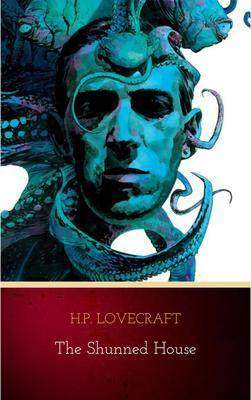
The Shunned House
¥9.00
"The Shunned House" is a horror fiction novelette by American author H. P. Lovecraft, written on October 16–19, 1924. It was first published in the October 1937 issue of Weird Tales. The Shunned House of the title is based on an actual house in Providence, Rhode Island, built around 1763 and still standing at 135 Benefit Street. Lovecraft was familiar with the house because his aunt Lillian Clark lived there in 1919-20 as a companion to Mrs. H. C. Babbit. However, it was another house in Elizabeth, New Jersey that actually compelled Lovecraft to write the story.
How the two Ivans quarrelled
¥7.93
How the two Ivans quarrelled
The Dust of Death: The Story of the Great Plague of the Twentieth Century
¥7.93
The Dust of Death: The Story of the Great Plague of the Twentieth Century
Istoria ??rii Rom?ne?ti
¥16.35
Mare poet clasic, Co?buc ?i-a asigurat locul printre marii creatori: Eminescu, Creang?, Caragiale, Slavici, prin con?inutul na?ional al operei sale, prin cultivarea ?i frecventarea clasicilor, prin puritatea expresiei ?i claritatea stilului, prin promovarea idealului de frumuse?e echilibrat?, ?n general prin ?nnoirea limbii poetice. Co?buc este – unanim recunoscut – un mare clasic al versului rom?nesc. Poet al naturii ?i al omului de la ?ar?, al exuberan?ei juvenile, al iubirii, al revoltei ?i luptei, al b?rb??iei, Co?buc ?nscrie una din cele mai pre?ioase experien?e ale literelor rom?ne?ti, ?ntr-un moment de r?scruce, c?nd, prin scrierile unei pletore de pseudoeminescieni, se crease ?n poezia noastr? o stare deprimant?, maladiv?, din care se p?rea c? nu exist? perspective de ie?ire spre un liman s?n?tos. ?n acest climat de mal de siecle, de Wetschmerz r?sare nea?teptat de viguros ?i nou George Co?buc, redres?nd poezia rom?neasc?, aduc?nd noi orizonturi, noi sensuri, noi valori artistice.
The Four Days' Night
¥7.93
The Four Days' Night

The Master Criminal
¥7.93
The Master Criminal
Rū?ītis
¥9.32
Cartea e ca o pies? de teatru alc?tuit? din personaje, parantezele autorului, dialoguri, secven?e, scene, acte, cu leg?tura necesar?, intre acestea. ?n treac?t fie spus, critica poate s? ?ntre?in? longevitatea operei, dac? are destul? vigoare ?i dac? opera e de calitate. Sunt vorbe optimiste la vremea Internetului care, deocamdat?, nu de?ine puterea controlului critic ?i nici nu se ?ntrev?d ?anse de aceast? natur?. Tocmai de aceea pericolul dispari?iei c?rt?ii de h?rtie pare anun?area unui cataclism. Noi mai credem ?n ceva. R?m?ne hot?r?t c? interpretarea critic?, pentru a fi c?t mai aproape de text, trebuie s? se asocieze cu "partea estetic?" a demersului, care e scriitura, citatul, descrierea ?i altele. O "conversa?ie", pe c?t posibil neretoric?.
Star Maker: "A Prodigious Novel"
¥18.88
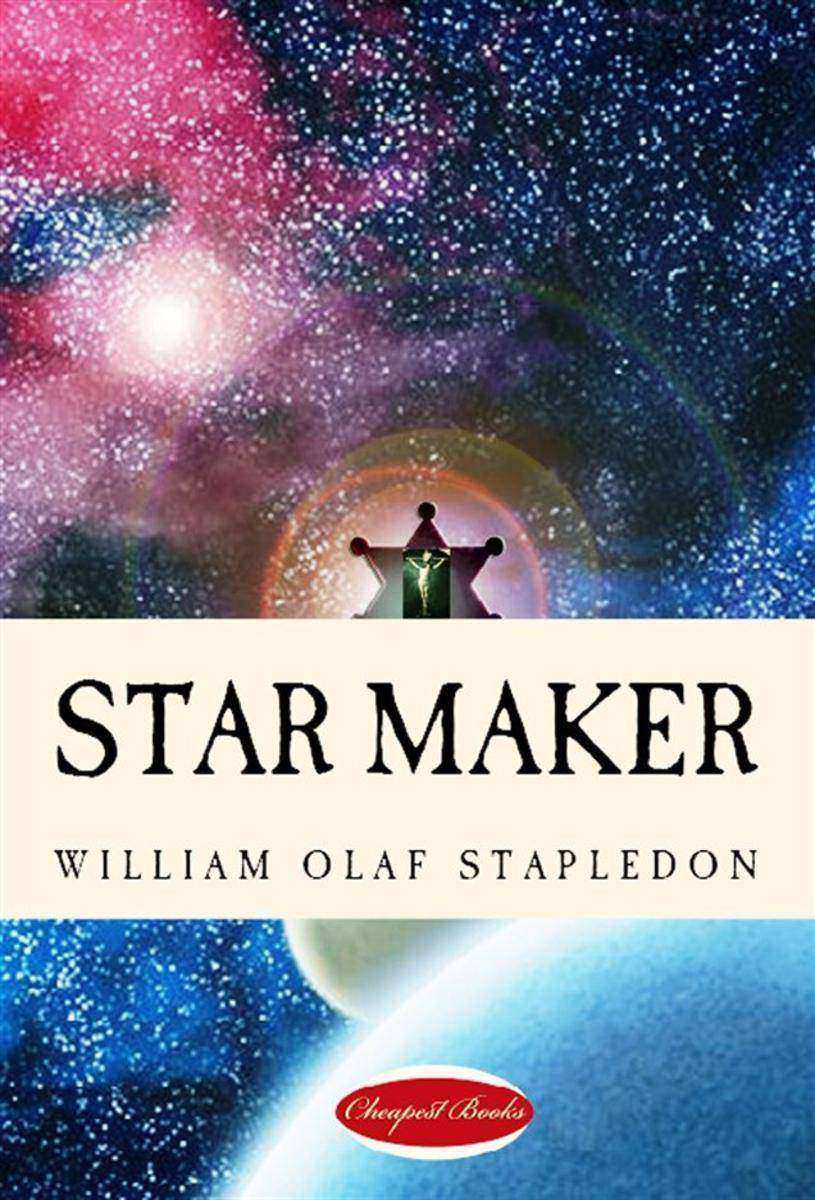
“Star Maker”, regarded as one of the true classics of science fiction, Star Maker is a poetic and deeply philosophical work. The story details the mental journey of an unnamed narrator who is transported not only to other worlds but also other galaxies and parallel universes, until he eventually becomes part of the "cosmic mind." First published in 1937, Olaf Stapledon's descriptions of alien life are a political commentary on human life in the turbulent inter-war years. The book challenges preconceived notions of intelligence and awareness, and ultimately argues for a broadened perspective that would free us from culturally ingrained thought and our inevitable anthropomorphism. This is the first scholarly edition of a book that influenced such writers as C.S. Lewis and Arthur C. Clarke and which Jorge Luis Borges called "a prodigious novel."? Some Books of Stapledon: Last and First Men (1930) Sirius: A Fantasy of Love and Discord (1944) Odd John: A Story Between Jest and Earnest (1935) Last Men in London (1932) A Modern Magician (1979) Death into Life (1946) Darkness and the Light (1942) A World of Sound (1936) A Man Divided (1950) The Seed and the Flower (1916)
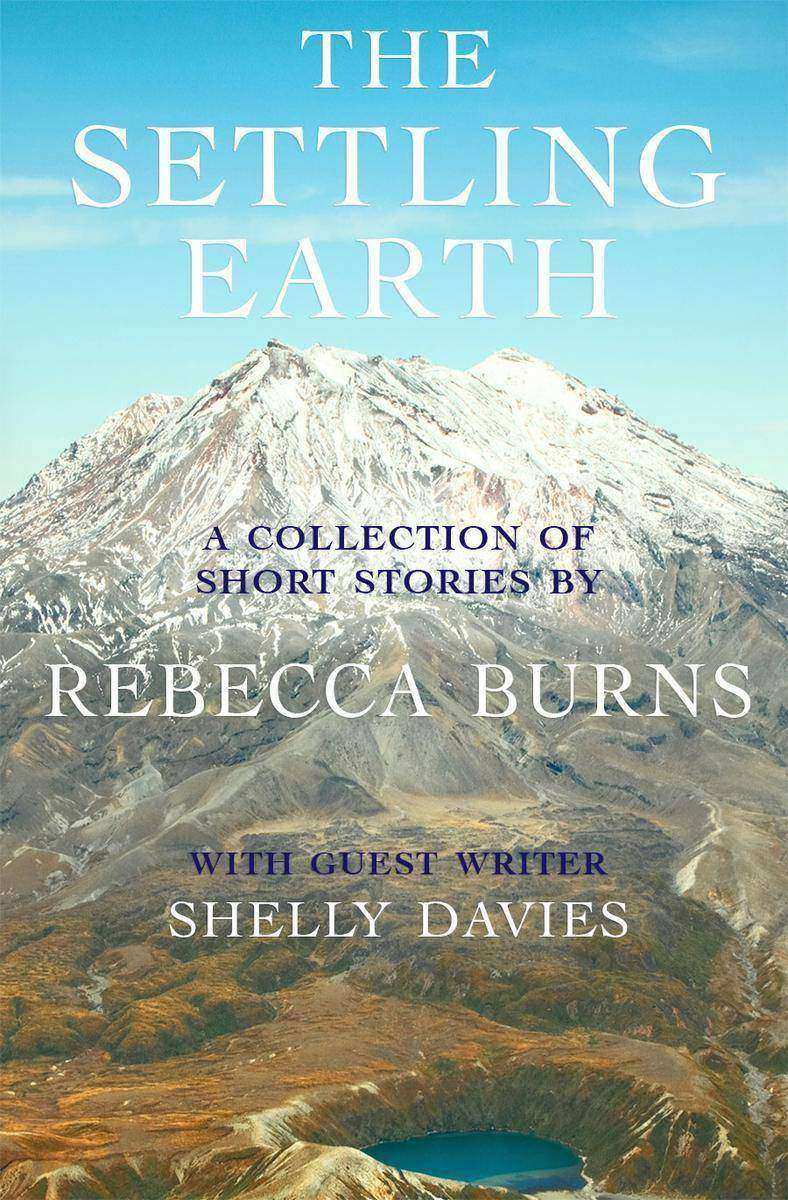
The Settling Earth
¥40.79
Marriage transplants Sarah thousands of miles from home; a failed love affair forces Phoebe to make drastic choices in a new environment; a sudden, shocking discovery brings Mrs Ellis to reconsider her life as an emigrant - The Settling Earth is a collection of ten interlinked stories, focusing on the British settler experience in colonial New Zealand, and the settlers' attempts to make sense of life in a strange new land.? Sacrifices, conflict, a growing love for the landscape, a recognition of the succour offered by New Zealand to Maori and settler communities - these are themes explored in the book. The final story in the collection, written by Shelly Davies of the Ngātiwai tribe, adds a Maori perspective to the experience of British settlement in their land.
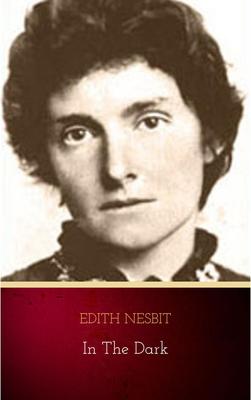
In the Dark
¥8.82
Nice, moody, horror story. Two best friends are bedevilled by a third friend, who haunts them from grade school to adulthood. He seems to intuit things he can't know, and always tells the truth. One friend escapes to India to get away, the other stays in England. When the escapee returns, he finds his friend shattered and half-mad. Why, is the story.
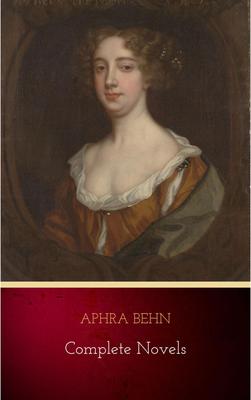
Complete Novels
¥8.82
Aphra Behn (1640-1689) was a spy for Charles II, a playwright, poet, and novelist, and the first English woman to make a living from writing. Her pen name was Astrea. Ernest A. Baker (1869-1941) was an English writer and historian of literature. In 1905, 216 years after Mrs Behn's death, he introduced this collection of ten of her novels in the language of his day, a form which was not a facsimile of her texts. This ebook, prepared 329 years after her death, silently corrects some typos, and makes further changes. The Introduction and three of the stories contain many poems. The ten stories are: Oronooko, The Fair Jilt, The Nun, Agnes de Castro, The Lover's Watch, The Case for the Watch, The Lady's Looking Glass, The Lucky Mistake, The Court of the King of Bantam, and, The Adventure of the Black Lady.
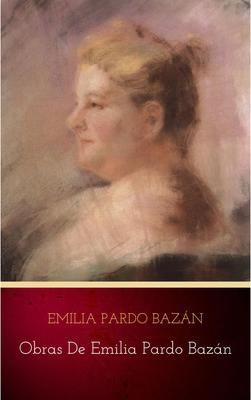
Obras de Emilia Pardo Bazán
¥9.00
Obras Contenidas: Un viaje de novios La tribuna El cisne de Vilamorta Los pazos de Ulloa La madre naturaleza Insolación La prueba Una cristiana La piedra angular Do?a Milagros Memorias de un solterón: Adán y Eva El tesoro de Gastón El saludo de las brujas El Ni?o de Guzmán Misterio La sirena negra Dulce sue?o La última fada Cuentos de amor


