


 购物车
购物车 个人中心
个人中心
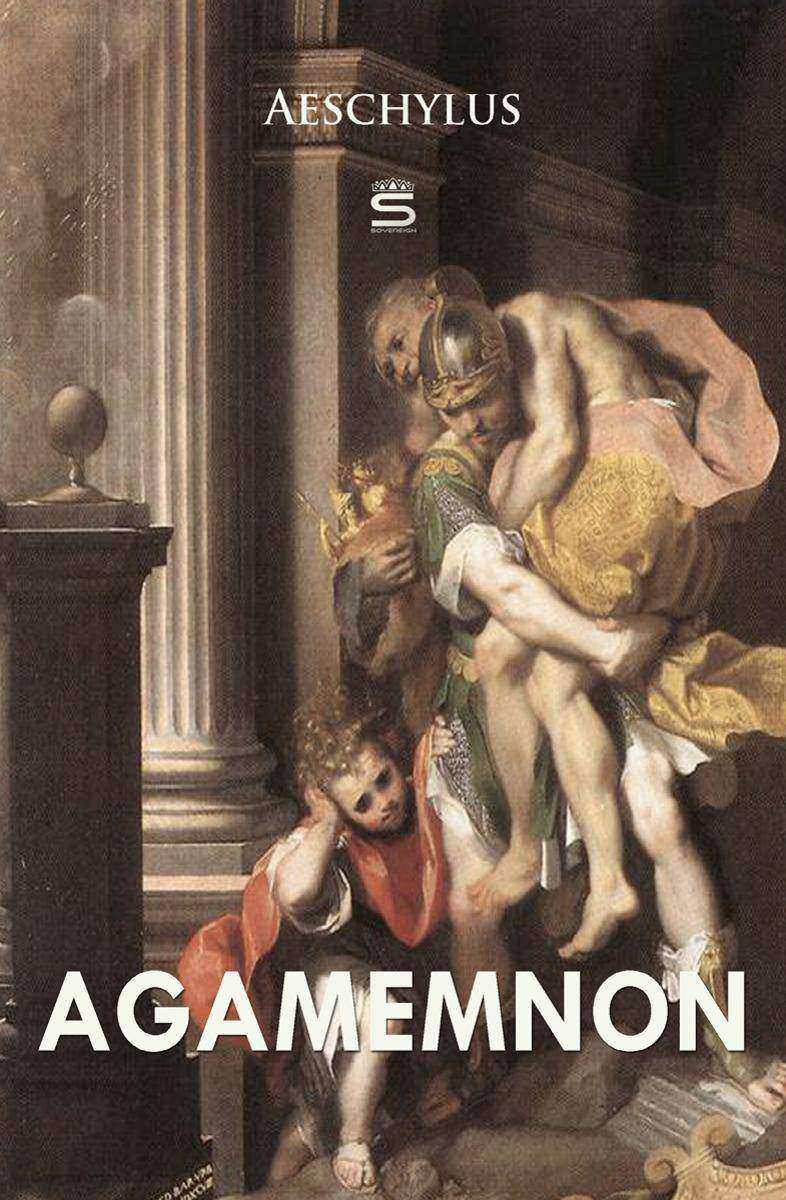
Agamemnon
¥40.79
A watchman on top of the house, reporting that he has been lying restless there like a dog for a year, for so rules the expectant manly-willed heart of a woman (that woman being Clytemnestra awaiting the return of her husband, who has arranged that mountaintop beacons give the signal when Troy has fallen). He laments the fortunes of the house, but promises to keep silent: 'A huge ox has stepped onto my tongue.' However, when Agamemnon returns, he brings with him Cassandra, the enslaved daughter of the Trojan king, Priam, and a priestess of Apollo, as his concubine, further angering Clytemnestra.
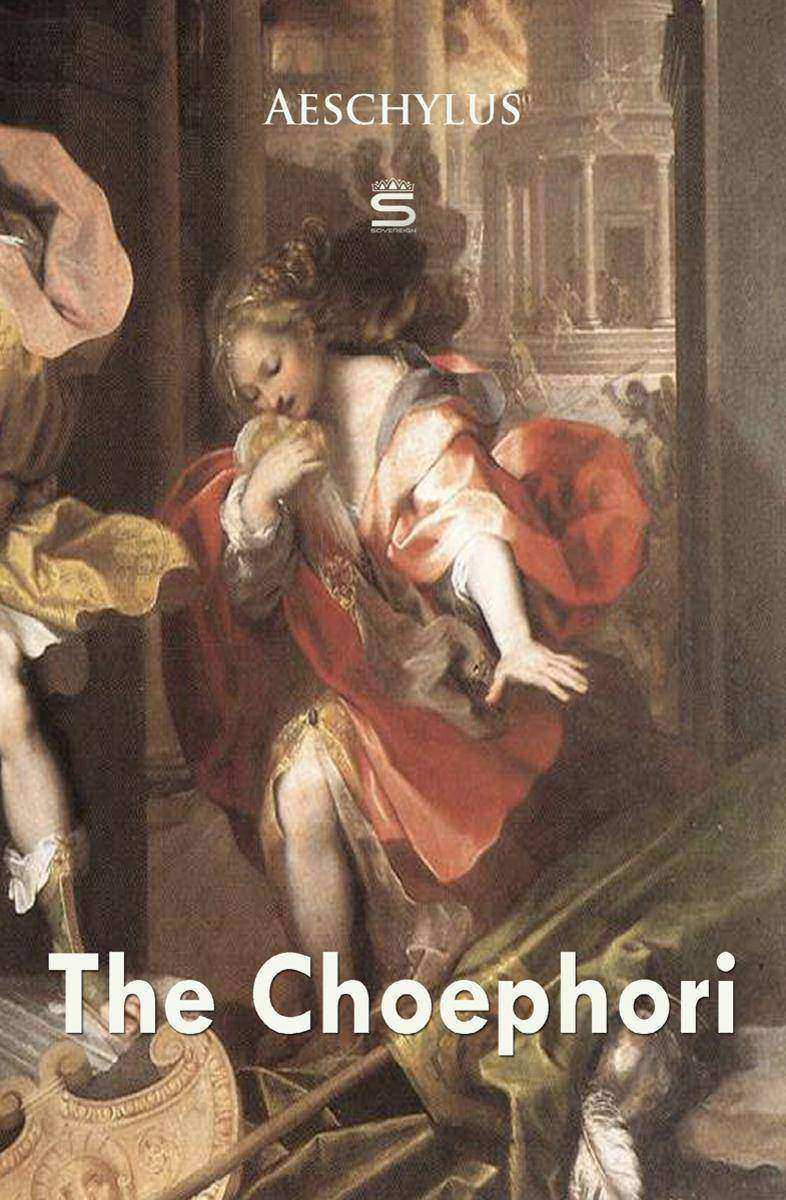
The Choephori
¥40.79
Orestes arrives at the grave of his father, accompanied by his cousin Pylades, the son of the king of Phocis, where he has grown up in exile; he places two locks of his hair on the tomb. Orestes and Pylades hide as Electra, Orestes' sister, arrives at the grave accompanied by a chorus of elderly slave women (the libation bearers of the title) to pour libations on Agamemnon's grave; they have been sent by Clytemnestra in an effort to ward off harm. Just as the ritual ends, Electra spots a lock of hair on the tomb which she recognizes as similar to her own; subsequently she sees two sets of footprints, one of which has proportions similar to hers. At this point Orestes and Pylades emerge from their hiding place and Orestes gradually convinces her of his identity.
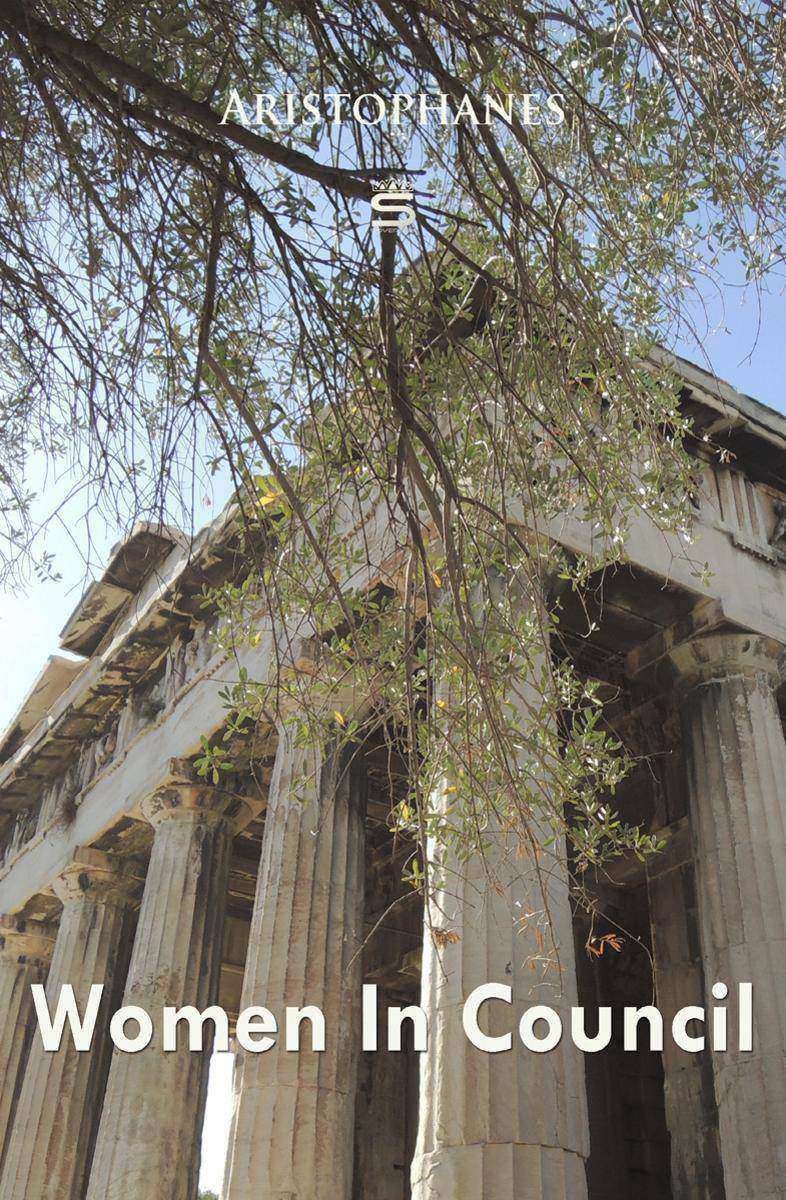
Women In Council
¥40.79
A group of women, led by the wise and redoubtable Praxagora, has decided that the women of Athens must convince the men to give them control of the city, as they are convinced they can do a better job. Disguised as men, the women sneak into the assembly and command the majority of votes needed to carry their series of revolutionary proposals, even convincing some of the men to vote for it on the grounds that it is the only thing they have not tried.
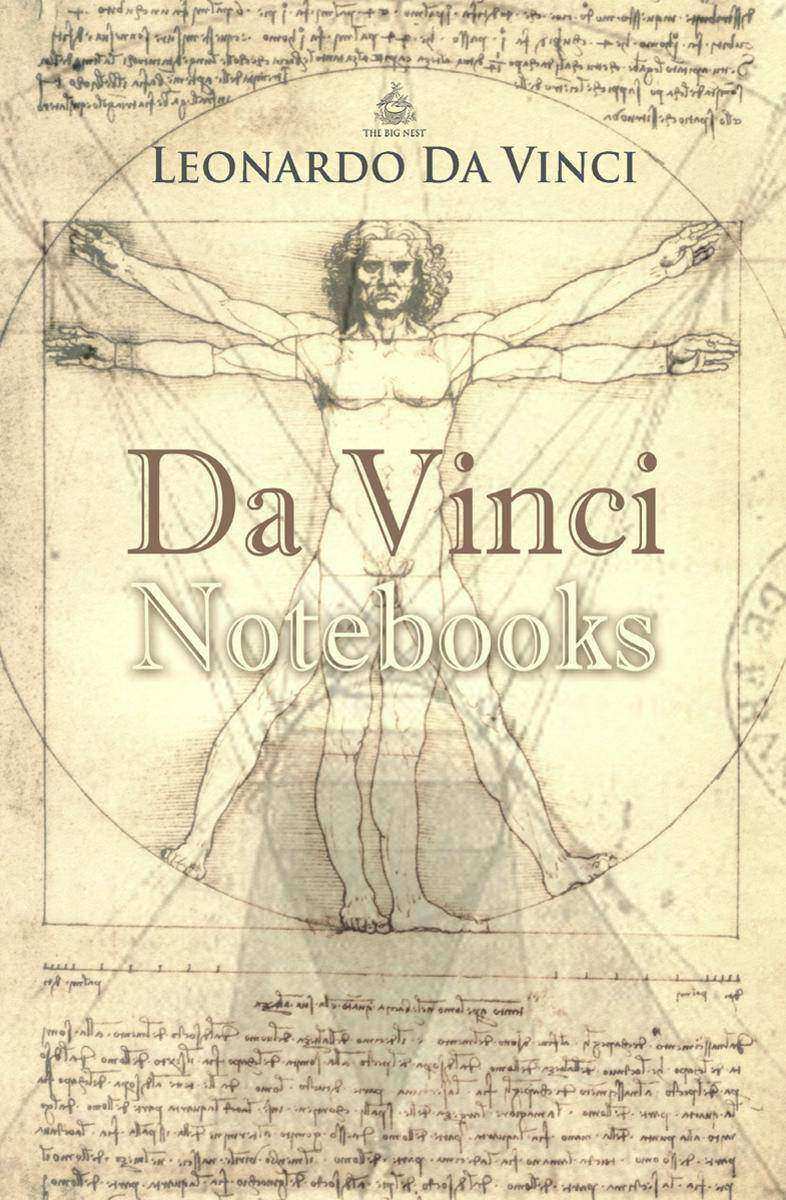
Da Vinci Notebooks
¥40.79
A singular fatality has ruled the destiny of nearly all the most famous of Leonardo da Vinci's works. Two of the three most important were never completed, obstacles having arisen during his life-time, which obliged him to leave them unfinished; namely the Sforza Monument and the Wall-painting of the Battle of Anghiari, while the third—the picture of the Last Supper at Milan—has suffered irremediable injury from decay and the repeated restorations to which it was recklessly subjected during the XVIIth and XVIIIth centuries. Nevertheless, no other picture of the Renaissance has become so wellknown and popular through copies of every description.
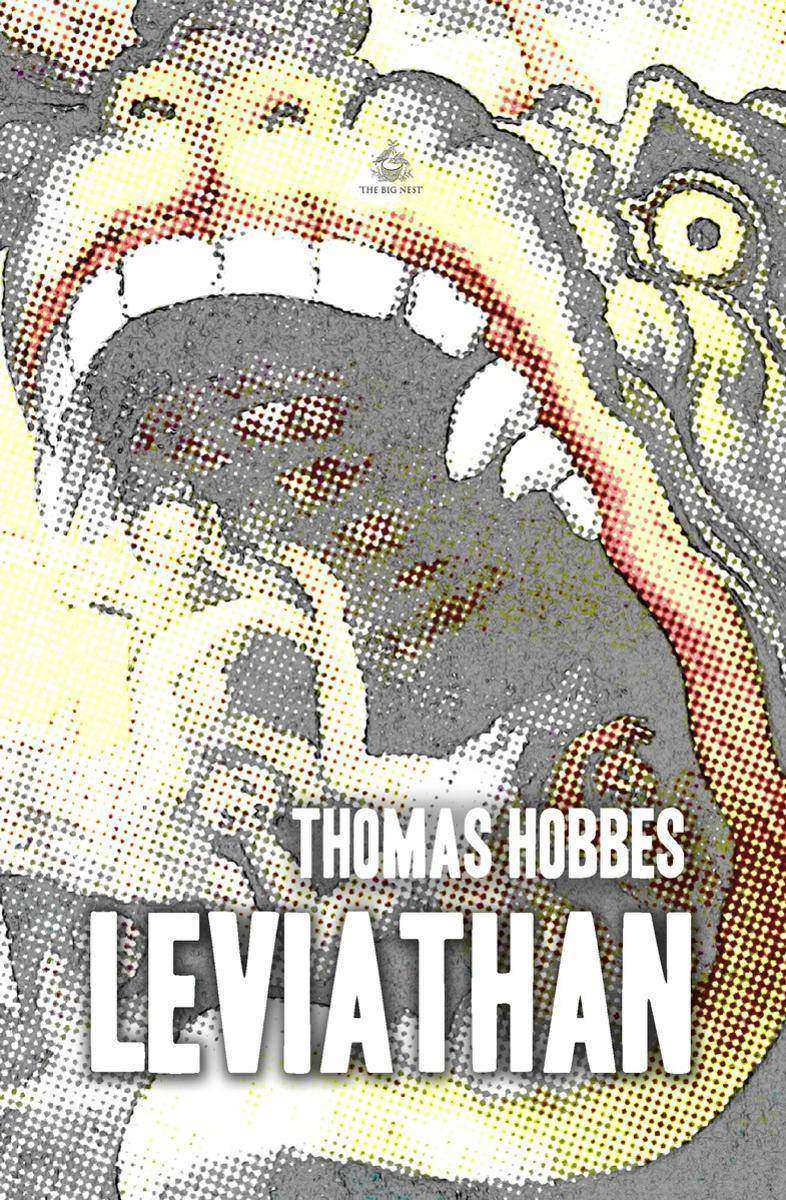
Leviathan
¥40.79
Leviathan is one of the earliest and most influential examples of social contract theory. A classic western work on statecraft comparable to Machiavelli's The Prince. Written during the English Civil War (1642–1651), Leviathan argues for a social contract and rule by an absolute sovereign.
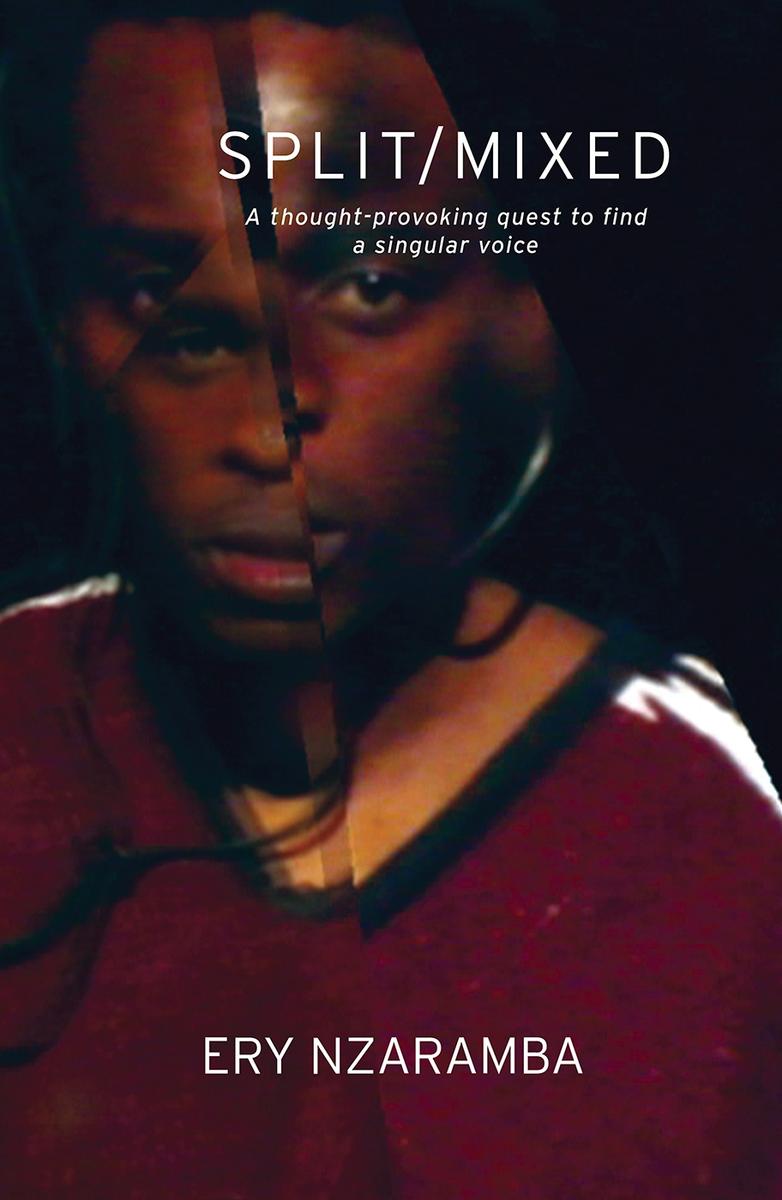
Split/Mixed
¥38.62
A dual language edition in English and French. The genocide in Rwanda shocked the world. Back then, Ery Nzaramba was only a teenager and his family’s escape to Europe turned him into a “survivor”. How should he now respond to questions about who he is and where he comes from? In this autobiographical one-man play, performed to acclaim on the Edinburgh Festival Fringe, the author journeys back to his Rwandan childhood. With the help of a cassette player, he brings to life nearly a dozen characters, exploring memories of kinship, cultural attitudes and personal identity. Both funny and poignant, the play highlights not only the intolerance that can breed violence and war but also the importance of power and privilege in the struggle for survival. Le génocide au Rwanda a choqué le monde. ? l'époque, Ery Nzaramba était un adolescent. Après que sa famille se fut échappé en Europe, il est devenu un ?survivant?. Désormais, que doit-il répondre à des questions sur qui il est et d'où il vient? Dans ce one-man show autobiographique, salué par la critique lors de sa présentation au Festival d'?dimbourg, l'auteur retourne vers son enfance au Rwanda. Accompagné d'un lecteur cassette, il donne vie à une bonne douzaine de personnages, explorant souvenirs de famille et d'affinités, attitudes culturelles et identité. ? la fois poignante et pleine d'humour, la pièce met en lumière non seulement l'intolérance qui peut engendrer violence et guerre, mais aussi l'importance du privilège dans la lutte pour la survie.

Insights Into Education
¥73.49
Insights into Education presents the educational philosophy of J. Krishnamurti in an easy to use, topic-based format. It is a practical handbook that comes alive when used as an introduction to group investigation and dialogue. What it offers to teachers everywhere is an inroad into the many matters of concern with which they are faced on a daily basis. That we cannot continue as we have been doing, with rote-learning, fact-finding, and a modicum of analysis as the building blocks of education, is obvious to anyone who is at all concerned with teaching and learning in a world with accelerating technological advancement, alienation, and despair. It is these very issues that are tackled here, sometimes implicitly but always at depth. What Krishnamurti proposes, and here discloses, is a different approach to learning altogether, one that distinguishes itself radically from what we normally understand by that term: the accumulation of knowledge, with its application and testing. By narrowing down our understanding to the pragmatic and the measurable, we forfeit the opportunity to probe deeply and to awaken intelligence in our students and in ourselves. What is meant by intelligence in this context is not the capacity to memorize and measure, but that subtler ability to see the whole which comes alive in a human being when he/she sees the limits of the measurable. To awaken this intelligence is the goal of education.
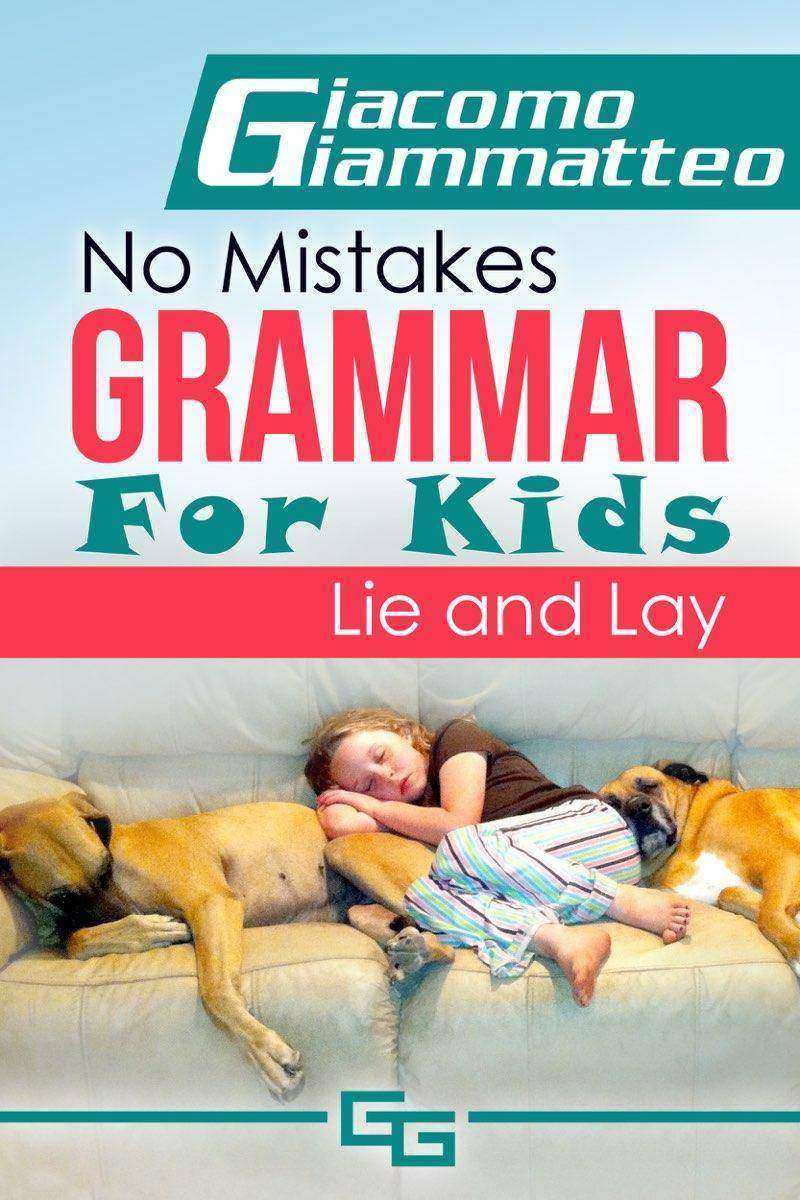
No Mistakes Grammar for Kids, Volume II: Lie and Lay
¥24.44
Do you tell your dog to lay down or lie down? How do you respond to the question of "How are you?" Do you say good or well? If these questions confuse you, imagine how tough it is for your kids. Don't worry about it anymore. Let Queen Shinobi teach them the proper way. She's been around a long, long time and she knows her stuff. So invest a few bucks in your child's learning and let Queen Shinobi show them how to do it. ?
Misused Words and Then Some: No Mistakes Grammar, Volume V
¥32.62
This is the final book in the No Mistakes Grammar series, so be prepared to learn. We cover a lot of territory in this book. Things like: count nouns (data and media), linking verbs, comma usage, hyphenation, sayings and proverbs, appositives, more mispronunciations, words from other languages, and more. There should be enough in here to keep you busy for a while. And I guarantee it will improve your grammar in an easy-to-understand style. ?
Aniversarea
¥47.42
La fel ca ?i precedentele romane ale lui Emil Ra?iu – reactualiz?ri ale marilor noastre mituri – romanul Turnul col?ei... are o tem? major?, anume existen?a problematic? a omului ca fiin?? situat? ?ntre timp ?i eternitate, ?ntre clip? ?i ve?nicie. Dilema major? a vie?ii este ?ndoita fa?? a realit??ii, perceput? prin sim?uri ca etern? trecere ?i fragmentare ?n lucruri, ?n timp ce prin cuget – prin filosofia eleat? a lui Parmenide, Pitagora, Platon ?i a altora – ea este unitate ve?nic? a Fiin?ei, trecerea fiind doar o iluzie a sim?urilor noastre. Omul este prins la mijloc, ?ntre vreme ?i ve?nicie, o soart? pu?in de invidiat...Aceast? existen?? a omului ?ntre clip? ?i ve?nicie, ?n permanent? confruntare cu eternitatea, este nodul central al ontologiei, reflectat? ?n romanul de fa?? prin eroii acestuia, ?ncep?nd cu dasc?lul de la Academia de la Sf?ntul Sava, Mihai Ciubo?el, cu ipostazele sale, adev?rate avataruri, care sintetizeaz? contrariile, ajung?nd p?n? ?n timpurile noastre (secolul XXI), definite ale neo-fanariotismului ?i ale supu?eniei servile la noi centre de putere.Romanul str?bate prin eroii s?i trei sute de ani de istorie, de la Sf?ntul Martir Constantin Br?ncoveanu la Eminescu p?n? ?n vremurile noastre, ?ncheindu-se cu optimism ?i m?rturisind, ?n ciuda tuturor greut??ilor, credin?a ?n victoria final? a luminii ?i adev?rului neamului rom?nesc.
![The Tempest: [Illustrated Edition]](https://platform-permanent.ddimg.cn/pt-media-info-soa-resource/digital/product/52/9/1901165209_ii_cover.jpg?version=c2f05298-6ac9-40bf-9bd1-3eebfd9c57c6)
The Tempest: [Illustrated Edition]
¥18.80
“THE TEMPEST” is Shakespeare's last book. The story Prospero relates is that he is the rightful Duke of Milan and that his younger brother, Antonio, betrayed him, seizing his title and property. Twelve years earlier, Prospero and Miranda were put out to sea in little more than a raft. Miraculously, they both survived and arrived safely on this island, where Prospero learned to control the magic that he now uses to manipulate everyone on the island. Upon his arrival, Prospero rescued a sprite, Ariel, who had been imprisoned by the witch Sycorax. Ariel wishes to be free and his freedom has been promised within two days.??The last inhabitant of the island is the child of Sycorax and the devil: Caliban, whom Prospero has enslaved. Caliban is a natural man, uncivilized and wishing only to have his island returned to him to that he can live alone in peace.??Soon the royal party from the ship is cast ashore and separated into three groups. The king's son, Ferdinand, is brought to Prospero, where he sees Miranda, and the two fall instantly in love. Meanwhile, Alonso, the king of Naples, and the rest of his party have come ashore on another part of the island. Alonso fears that Ferdinand is dead and grieves for the loss of his son. Antonio, Prospero's younger brother, has also been washed ashore with the king's younger brother, Sebastian. ??Antonio easily convinces Sebastian that Sebastian should murder his brother and seize the throne for himself. This plot to murder Alonso is similar to Antonio's plot against his own brother, Prospero, 12 years earlier.??Another part of the royal party — the court jester and the butler — has also come ashore. Trinculo and Stefano each stumble upon Caliban, and each immediately sees a way to make money by exhibiting Caliban as a monster recovered from this uninhabited island. Stefano has come ashore in a wine cask, and soon Caliban, Trinculo, and Stefano are drunk. While drinking, Caliban hatches a plot to murder Prospero and enrolls his two new acquaintances as accomplices. Ariel is listening, however, and reports the plot to Prospero.??Next, Prospero stages a masque to celebrate the young couple's betrothal, with goddesses and nymphs entertaining the couple with singing and dancing. While Ferdinand and Miranda have been celebrating their love, Alonso and the rest of the royal party have been searching for the king's son. Exhausted from the search and with the king despairing of ever seeing his son alive, Prospero has ghosts and an imaginary banquet brought before the king's party. A god-like voice accuses Antonio, Alonso, and Sebastian of their sins, and the banquet vanishes. The men are all frightened, and Alonso, Antonio, and Sebastian run away.??Prospero punishes Caliban, Trinculo, and Stefano with a run through a briar patch and swim in a scummy pond. Having accomplished what he set out to do, Prospero has the king's party brought in. Prospero is clothed as the rightful Duke of Milan, and when the spell has been removed, Alonso rejects all claims to Prospero's dukedom and apologizes for his mistakes. Within moments, Prospero reunites the king with his son, Ferdinand. Alonso is especially pleased to learn of Miranda's existence and that Ferdinand will marry her.?Prospero then turns to his brother, Antonio, who offers no regrets or apology for his perfidy. ??Nevertheless, Prospero promises not to punish Antonio as a traitor. When Caliban is brought in, Caliban tells Prospero that he has learned his lesson. His two co-conspirators, Trinculo and Stefano, will be punished by the king. Soon, the entire party retires to Prospero's cell to celebrate and await their departure home. Only Prospero is left on stage.??In a final speech, Prospero tells the audience that only with their applause will he be able to leave the island with the rest of the party. Prospero leaves the stage to the audience's applause.
Taking the Bastile: (Historical Novel)
¥21.26
It was a winter night, and the ground around Paris was covered with snow, although the flakes had ceased to fall since some hours.?Spite of the cold and the darkness, a young man, wrapped in a mantle so voluminous as to hide a babe in his arms, strode over the white fields out of the town of Villers Cotterets, in the woods, eighteen leagues from the capital, which he had reached by the stage-coach, towards a hamlet called Haramont. His assured step seemed to indicate that he had previously gone this road.?Soon above him streaked the leafless boughs upon the grey sky. The sharp air, the odor of the oaks, the icicles and beads on the tips of branches, all appealed to the poetry in the wanderer.??Through the clumps he looked for the village spire and the blue smoke of the chimneys, filtering from the cottages through the natural trellis of the limbs.?It was dawn when he crossed a brook, bordered with yellow cress and frozen vines, and at the first hovel asked for the laborer's boy to take him to Madeline Pi-tou's home.??Mute and attentive, not so dull as most of their kind, the children sprang up and staring at the stranger, led him by the hand to a rather large and good-looking cottage, on the bank of the rivulet running by most of the dwellings.?A plank served as a bridge.?"There," said one of the guides nodding his head to-wards it.?Gilbert gave them a coin, which made their eyes open still more widely, and crossed the board to the door which he pushed open, while the children, taking one another's hand, started with all their might at the handsome gentleman in a brown cloth coat, buckled shoes and large cloak, who wanted to find Madeline Pitou.?Apart from them, Gilbert, for such was the young man's name, simply so for he had no other, saw no liv-ing things: Haramont was the deserted village he was seeking.??As soon as the door was open, his sight was struck by a scene full of charm, for almost anybody, and par-ticularly for a young philosopher like our roamer.?A robust peasant woman was suckling a baby, while another child, a sturdy boy of four or five, was saying a prayer in a loud voice.?In the chimney corner, near a window or rather a hole in the wall in which was stuck a pane of glass, an-other woman, going on for thirty-five or six, was spin-ning, with a stool under her feet, and a fat poodle on an end of this stool.?Catching sight of the visitor the dog barked in a civil and hospitable manner just to show that he had not been caught napping. The praying boy turned, cutting the devotional phrase in two, and both females uttered an exclamation between joy and surprise.?"I greet you, good mother Madeline," said Gilbert with a smile.
Ge?mi?ten Gelece?e Emirda?
¥9.24
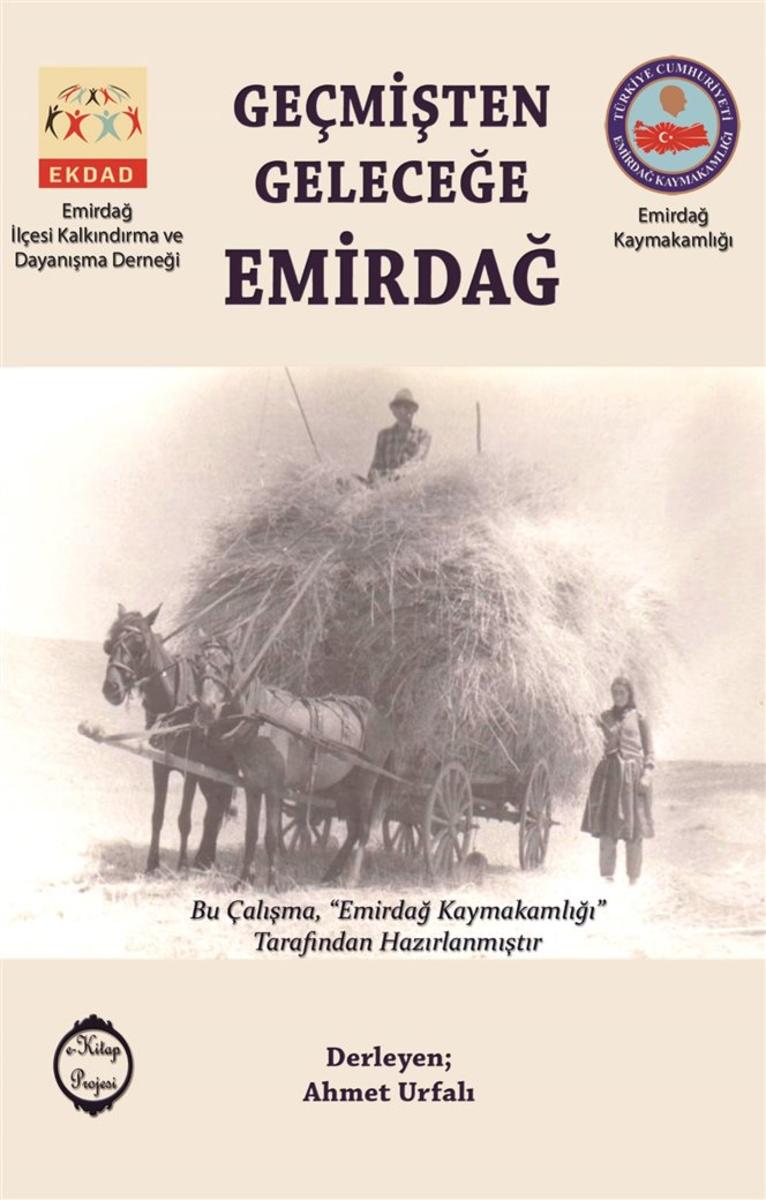
Foto?raf makinesi, insan o?lunun en ?nemli icatlar?ndan biridir. Bir foto?raf, ‘’an’’ denilen k?sac?k bir zaman?n tan???d?r. Ancak onda bir tarihi yakalamak da mümkündür. Bu bak?mdan foto?raf? sadece g?rsel bir obje olarak g?rmemek gerekir. Bakmas?n? bilenler i?in foto?raf; tarih, sosyoloji, psikoloji, kültürel yap?, sosyal de?i?im… konular?n ?nemli ip u?lar? i?erir. Foto?raf; g?rüp g?sterme, ger?e?i g?rünür k?lma, ger?e?i kavratmad?r. Her foto?raf?n bir dili vard?r. O dili anlayabilenler, nice güzellikleri ke?federler. Foto?rafta sadece g?rüneni de?il, g?sterilmek isteneni de bilmek ve alg?lamak gerekir. Her foto?raf bir ‘’an’’? yakalasa da onun i?inde sakl? bir hik?ye bulunur. Foto?raf, g?rselli?iyle beraber; topluma, zamana, mekana ve bireylere ili?kin bilgi ve belgelerle doludur. Foto?raf bireylerin ve toplumun aynas?d?r. Bu albüm-kitapta siz kendinizi bulacaks?n?z. Mahalleniz, k?yünüz, hat?ralar?n?z, akraba ve dostlar?n?z burada, sizin kar??n?zda olacakt?r. Sizleri ‘’Ge?mi?ten Gelece?e Emirda? ‘’ gezintisine ??kar?yoruz. Bu albüm-kitap Emirda?’?n tarihi süre? i?inde ge?ti?i a?amalar? da yans?tarak, gelece?imize ???k tutacakt?r. Emirda?’?n sosyal de?i?imini kitapta g?rmek mümkündür Foto?raflar grupla?t?r?larak okuyucuya kolayl?k sa?lanm??t?r. Genel, askerlik, ?ar??-pazar, bayramlar, spor, e?itim, tar?m-hayvanc?l?k, otobüs?ülük, aile, k?yler, ?ehreler, g??, yayla, bina-yap?lar, milli mücadele ve yat?rlara ait foto?raflar bir araya toplanm??t?r. “Ge?mi?ten Gelece?e Emirda?”?n olu?mas?nda eme?i ge?en, katk? sa?layan tüm Emirda?’l?lara te?ekkür ederim.. ? Ak?n A?CA Emirda? Kaymakam?
De la Homer la Joyce
¥76.03
Dincolo de miza succesului ?colar (examenul de Evaluare Na?ional? fiind un prag important pentru fiecare elev), studiul limbii ?i al literaturii rom?ne trebuie s? r?m?n?, ?n gimnaziu, o experien?? cultural? pertinent? ?i interesant?, care s? implice imagina?ia, gustul estetic, nevoia de autointerogare ?i de comunicare. Respect?nd programa specific?, structura oficial? a subiectelor ?i maniera de formulare a sarcinilor de lucru stabilite de Ministerul Educa?iei, volumul ??i propune s? nuan?eze preg?tirea continu? ?i sistematic? pentru Evaluarea Na?ional?, intervenind cu fi?e teoretice esen?ializate, teme de portofoliu, modele ?i sugestii de rezolvare, r?spunsuri selective ?i o cons istent? baterie de teste de antrenament. De asemenea, cartea are ?n vedere, prin selec?ia textelor (clasice sau contemporane, din autori celebri sau mai pu?in cunoscu?i ?n anii de gimnaziu), redescoperirea ?n adolescentul de 14?15 ani a cititorului pasionat sau m?car avizat, dornic s???i sus?in? punctele de vedere, s???i l?rgeasc? orizontul cultural ?i s? descopere, dincolo de informa?ii, reguli, canoane, adev?ratele provoc?ri, ierarhii, idoli, ca form? de acomodare cu specificul ?i noile problematici ale orelor de limba ?i literatura rom?n? din clasa a IX?a de liceu.
Iarna ?ngerilor
¥32.62
Eseuri ?i cronici teatrale structurate simultan ?n dou? planuri, ?nc?t se reconstituie panorama artei spectacolului ?n Rom?nia ?i par?ial ?n lume, ?n perioada 1993-2003, ?i se realizeaz? o privire din unghiul zilei de azi a artei dramatice, ?n evolu?ia ei, de la antici la contemporani.
Arabian Nights
¥40.79
When Sheherazad is brought to the palace to be the Sultan’s new bride, her very life depends upon her skill as a storyteller. She tells him tales of lost cities and buried treasure, of slave girls and robbers, of genies in bottles and evil sorcerers. But will it be enough to save her? The stories of the Arabian Nights date back more than a thousand years and originate from Persia, India and Arabia. Neil Duffield has combined elements of many of them, keeping alive the excitement and humour to produce a show which will transport the audience into a world of myth and legend where fantasy and reality can never be separated.

Combustion
¥40.79
Bradford, in the month of Ramadan. Shaz, a local garage mechanic, is trying to keep his business going despite the terrible scandal of Asian men involved in grooming young girls for sex in the area. A protest march through the city is planned and Samina, Shaz’s sister wants to make a speech at a counter-demonstration for Peace. Shaz just wants a quiet life so that his prospective in-laws will let him marry their beautiful daughter, but as the city gets swept up in the protest, his world gets turned upside down. Asif Khan’s debut play is a fabulously comic take on the combustion surrounding young British Muslim lives.
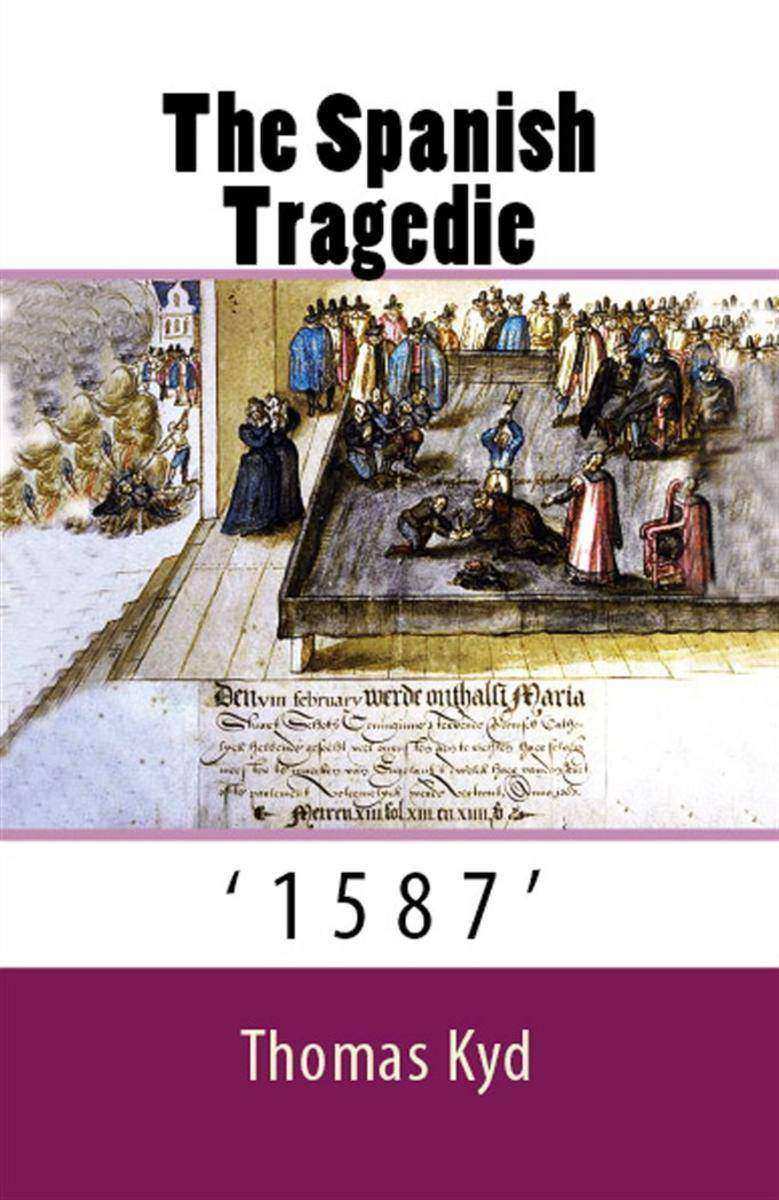
The Spanish Tragedie: "1587"
¥27.88
"The Spanish Tragedy", or "Hieronimo" is Mad Again is an Elizabethan tragedy written by Thomas Kyd between 1582 and 1592. Highly popular and influential in its time, The Spanish Tragedy established a new genre in English theatre, the revenge play or revenge tragedy. Its plot contains several violent murders and includes as one of its characters a personification of Revenge. "The Spanish Tragedy "was often referred to (or parodied) in works written by other Elizabethan playwrights, including William Shakespeare, Ben Jonson, and Christopher Marlowe. Many elements of The Spanish Tragedy, such as the play-within-a-play used to trap a murderer and a ghost intent on vengeance, appear in Shakespeare's Hamlet. (Thomas Kyd is frequently proposed as the author of the hypothetical Ur-Hamlet that may have been one of Shakespeare's primary sources for Hamlet.)
La Tierra de Todos
¥18.56
Como todas las mananas, el marques de Torrebianca salio tarde de su dormitorio, mostrando cierta inquietud ante la bandeja de plata con cartas y periodicos que el ayuda de camara habia dejado sobre la mesa de su biblioteca. Cuando los sellos de los sobres eran extranjeros, parecia contento, como si acabase de librarse de un peligro. Si las cartas eran de Paris, fruncia el ceno, preparandose a una lectura abundante en sinsabores y humillaciones. Ademas, el membrete impreso en muchas de ellas le anunciaba de antemano la personalidad de tenaces acreedores, haciendole adivinar su contenido. Su esposa, llamada ?la bella Elena?, por una hermosura indiscutible, que sus amigas empezaban a considerar historica a causa de su exagerada duracion, recibia con mas serenidad estas cartas, como si toda su existencia la hubiese pasado entre deudas y reclamaciones. El tenia una concepcion mas anticuada del honor, creyendo que es preferible no contraer deudas, y cuando se contraen, hay que pagarlas. ? AUTOR: Vicente Blasco Ibanez nacio el 29 de enero de 1867 en Valencia (Espana). Era hijo de Ramona Ibanez y del comerciante Gaspar Blanco. Estudio Derecho en la Universidad de Valencia. Participo en la politica uniendose al Partido Republicano". En 1894 fundo el periodico El pueblo. En el ano 1896, fue detenido y condenado a varios meses de prision. En 1889 contrajo matrimonio con Maria Blasco del Cacho, hija del magistrado Rafael Blasco y Moreno. Cuando subio al poder Canovas del Castillo, el escritor se exilio brevemente en la ciudad de Paris. Fue un autor vinculado en muchos aspectos al naturalismo frances. Por otra parte, la explicita intencion politicosocial de algunas de las novelas de Blasco Ibanez, aunada al escaso bagaje intelectual del autor, lo mantuvo alejado de los representantes de la Generacion del 98. Murio el 28 de enero de 1928 en Menton (Francia)a los 60 anos. Entre sus titulos destacan: "Arroz y Tartana" (1894), "La Barraca" (1898), "Entre Naranjos (1900), "Canas y Barro" (1902), "La Horda" (1905), "Sangre y Arena" (1908) o "Los Cuatro Jinetes Del Apocalipsis" (1916).
Cleopatra
¥18.56
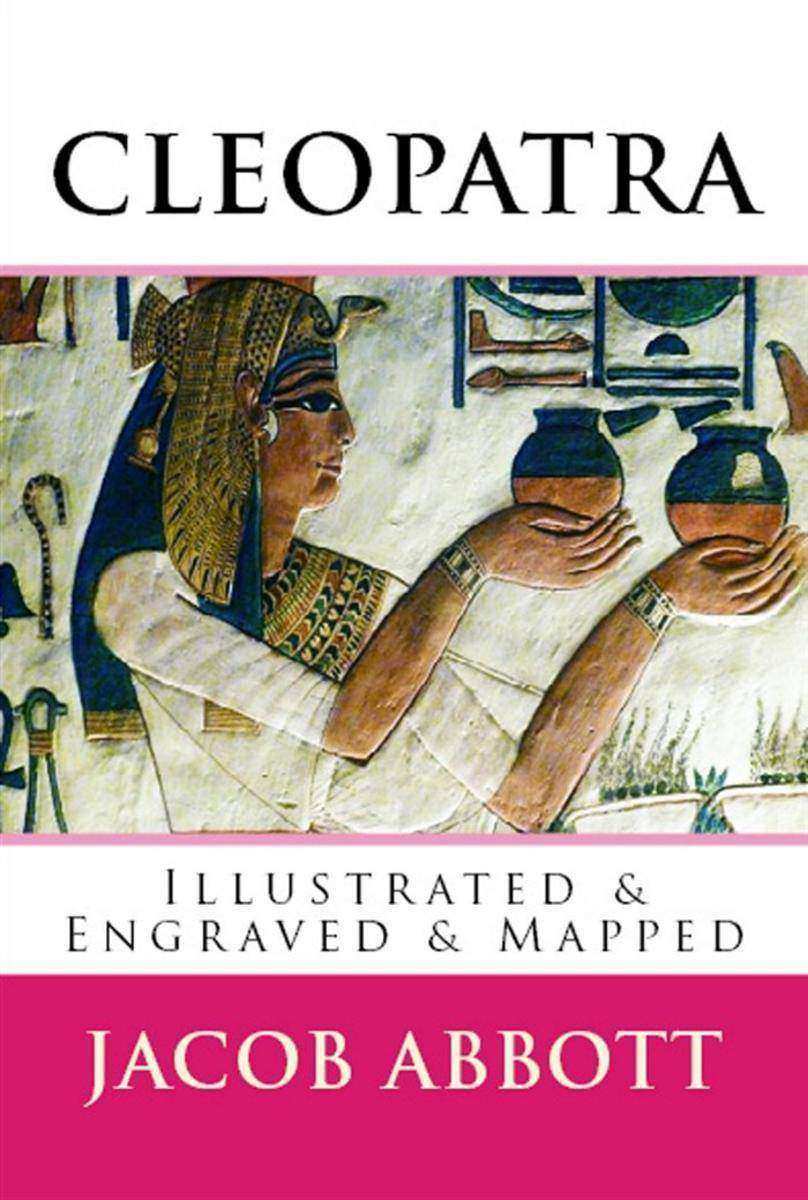
THE story of Cleopatra is a story of crime. It is a narrative of the course and the consequences of unlawful love. In her strange and romantic history we see this passion portrayed with the most complete and graphic fidelity in all its influences and effects; its uncontrollable impulses, its intoxicating joys, its reckless and mad career, and the dreadful remorse and ultimate despair and ruin in which it always and inevitably ends.??Cleopatra was by birth an Egyptian; by ancestry and descent she was a Greek. Thus, while Alexandria and the delta of the Nile formed the scene of the most im-portant events and incidents of her history, it was the blood of Macedon which flowed in her veins. Her character and action are marked by the genius, the courage, the originality, and the impulsiveness pertaining to the stock from which she sprung. The events of her history, on the other hand, and the peculiar character of her adventures, her sufferings, and her sins, were determined by the circumstances with which she was surrounded, and the influences which were brought to bear upon her in the soft and voluptuous clime where the scenes of her early life were laid..??Egypt has always been considered as physically the most remarkable country on the globe. It is a long and narrow valley of verdure and fruitfulness, completely insulated from the rest of the habitable world. It is more completely insulated, in fact, than any literal island could be, inasmuch as deserts are more impassable than seas. The very existence of Egypt is a most extraordinary phenomenon. If we could but soar with the wings of an eagle into the air, and look down upon the scene, so as to observe the operation of that grand and yet simple process by which this long and wonderful valley, teeming so profusely with animal and vegetable life, has been formed, and is annually revivified and renewed, in the midst of surrounding wastes of silence, desolation, and death, we should gaze upon it with never-ceasing admiration and pleasure. We have not the wings of the eagle, but the generalizations of science furnish us with a sort of substitute for them. The long series of patient, careful, and sagacious observations, which have been continued now for two thousand years, bring us results, by means of which, through our powers of mental conception, we may take a comprehensive survey of the whole scene, analo-gous, in some respects, to that which direct and actual vision would afford us, if we could look down upon it from the eagle's point of view. It is, however, so-mewhat humiliating to our pride of intellect to reflect that long-continued philosophical investigations and learned scientific research are, in such a case as this, after all, in some sense, only a sort of substitute for wings. A human mind connected with a pair of eagle's wings would have solved the mystery of Egypt in a week; whereas science, philosophy, and research, confined to the surface of the ground, have been occupied for twenty centuries in accomplishing the undertaking.
?anakkale -1915
¥18.56
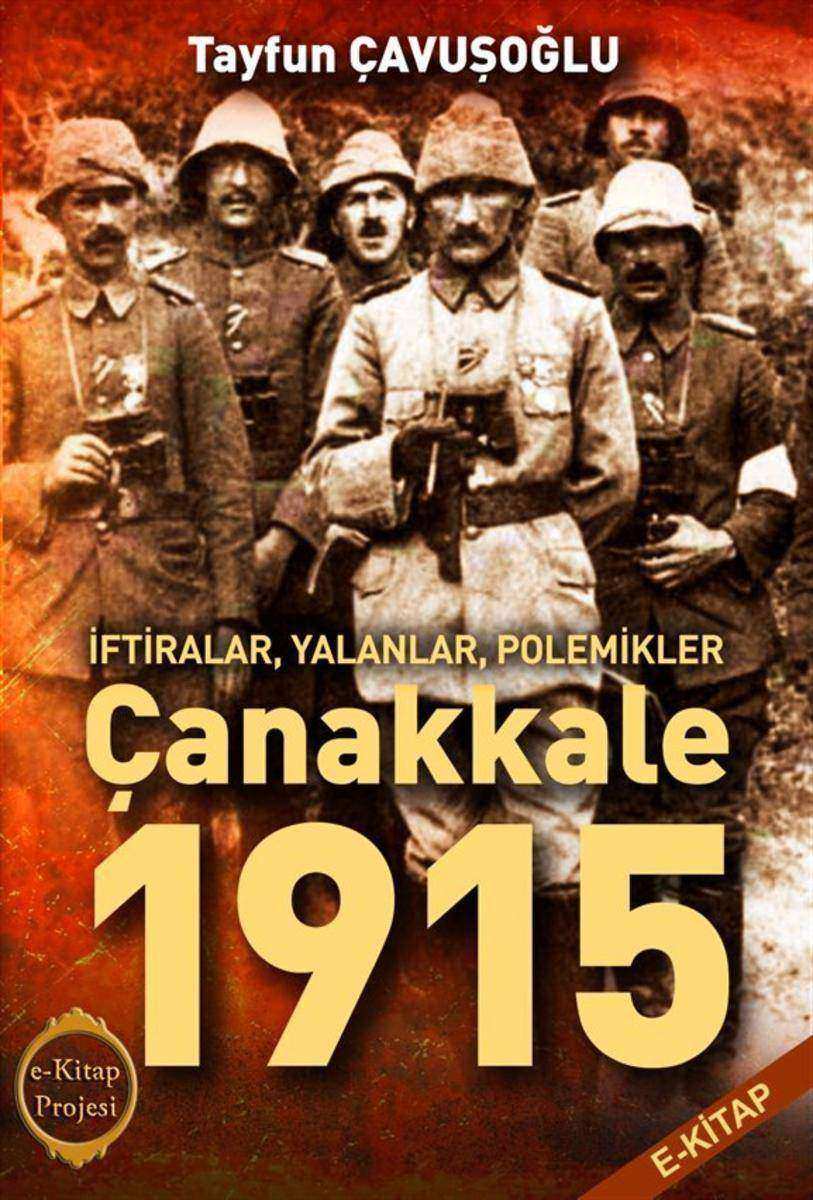
anakkale Sava üzerine zellikle son yllarda yazlan kitaplarda doru ve dürüst yaklamlara da, cehaletin, aymazln, tarihe ihanetin ve yalann bin bir türlüsüne de rastlamak mümkün… ylesine aknlk yaratacak rnekler var ki... Kimisi, deniz savalar (18 Mart) ile Gelibolu’daki kara savalarn (25 Nisan) kronolojik olarak ayrt edebilecek bilgiden bile yoksun! ünkü gerei ideolojiye kurban etmeyi kafaya koymular bir kere… Tek ama, her ne pahasna olursa olsun anakkale’den Mustafa Kemal’in adn silip atmak… Mustafa Kemal’in ad gemesin, Mustafa Kemal o baardan pay almasn yeter! Varsn verdikleri tarihler de, saylar da, ordularn muharebe düzenleri de yalan-yanl olsun, ne kar! Meydan bo zannedilmesin... te polemik konular, yalanlar, iftiralar ve tarihi gerekler... --- YAZAR ZGEM----- Tayfun AVUOLU (1964 / …) Uluda niversitesi Eitim Fakültesi Alman Dili Anabilim Dal (1985) mezunu. renciyken 1983 yl balarnda Türk Haberler Ajans (THA) Bursa Bürosu’nda muhabirlie balad. Bursa’daki yerel gazeteler Hkimiyet, Olay, Bursa hkimiyet ve Kent gazetelerinde muhabir, istihbarat efi, haber müdürü, yaz ileri müdürü olarak alt. Bursa hkimiyet ve Bursa Haber gazetelerinde genel yayn ynetmenlii grevinde bulundu. Halen Bursa yerel basnndaki almalarn sürdürüyor. ada Gazeteciler Dernei (GD) Bursa ubesi’nde iki dnem (1997-2001) bakanlk yapan Tayfun avuolu, Bursa Gazeteciler Cemiyeti’nde (BGC) bir dnem (2009-2012) ynetim kurulu üyeliinde de bulundu. Basn meslek rgütlerinden ok sayda dül de alan, sürekli basn kart sahibi Tayfun avuolu, ngilizce retmeni Nesrin avuolu ile evli olup, Altu ve Alper’in babasdr. lk kitab “anakkale 1915, ftiralar, Yalanlar, Polemikler”, 2014’ün ubatnda Kasta Yaynevi (stanbul) tarafndan yaynland.


