


 购物车
购物车 个人中心
个人中心

Throne in Brussels
¥107.81
Offers a history of the monarchy of Belgium, a country artificially created in 1817. This book argues that the pan-European super-state resembles a 'Greater-Belgium' rather than a 'Greater-Switzerland'.
House Quiz Book Season 1 Volume 1
¥19.52
The doctor is in the house. Test your knowledge on everybody's favourite grouchy M.D.. This book covers the first eleven episodes of the first season. Be tested on the patient's names, their conditions and the travails of House and the team. Over 100 questions are inside, split into one chapter per episode. Put your diagnostic skills to the test and see how many you can answer.

T?visek császára
¥72.43
A Tartuffe-ben, a képmutatók zsarnoki uralmának e pompás torzképében minden id?k egyik legnagyszer?bb komikus remekm?vét tiszteli az egész m?velt világ. A korabeli francia udvarban annyian gúnyolva érezték magukat, hogy betiltatták az uralkodóval a bemutatót.

Virals - Kincsvadászok
¥43.41
The Scarlet Letter, published in 1850, is an American novel written by Nathaniel Hawthorne and is generally considered to be his magnum opus. Set in 17th-century Puritan Boston, it tells the story of Hester Prynne, who gives birth after committing adultery, refuses to name the father, and struggles to create a new life of repentance and dignity. Throughout the novel, Hawthorne explores questions of grace, legalism, sin and guilt.

A marsi
¥73.49
The book tells the adventures of five American prisoners of war on an uncharted island in the South Pacific. Begining in the American Civil War, as famine and death ravage the city of Richmond, Virginia, five northern POWs decide to escape in a rather unusual way – by hijacking a balloon! This is only the beginning of their adventures...
Cibola meghódítása
¥71.29
THE MAN IN THE MOON.THE Man in the MoonCame tumbling down,And asked his way to Norwich;They told him south,And he burnt his mouthWith eating cold pease-porridge. TO MARKET, TO MARKET.TO market, to market, to buy a fat Pig;Home again, home again, dancing a jig. The Man In the Moon.To Market, to Market.There Was a Man.The Lion and the Unicorn.Little Miss Muffet.Oranges and Lemons.Goosey, Goosey Gander.Humpty Dumpty.Baa, Baa, Black Sheep.The Three Wise Men of Gotham. STORIES: - The Man In the Moon.- To Market, to Market.- There Was a Man.- The Lion and the Unicorn.- Little Miss Muffet.- Oranges and Lemons.- Goosey, Goosey Gander.- Humpty Dumpty.- Baa, Baa, Black Sheep.- The Three Wise Men of Gotham.
Az ?gett-hegyi K?nyvtár
¥65.66
Alice was beginning to get very tired of sitting by her sister on the bank, and of having nothing to do: once or twice she had peeped into the book her sister was reading, but it had no pictures or conversations in it, 'and what is the use of a book,' thought Alice 'without pictures or conversation?'So she was considering in her own mind (as well as she could, for the hot day made her feel very sleepy and stupid), whether the pleasure of making a daisy-chain would be worth the trouble of getting up and picking the daisies, when suddenly a White Rabbit with pink eyes ran close by her. There was nothing so VERY remarkable in that; nor did Alice think it so VERY much out of the way to hear the Rabbit say to itself, 'Oh dear! Oh dear! I shall be late!' (when she thought it over afterwards, it occurred to her that she ought to have wondered at this, but at the time it all seemed quite natural); but when the Rabbit actually TOOK A WATCH OUT OF ITS WAISTCOAT-POCKET, and looked at it, and then hurried on, Alice started to her feet, for it flashed across her mind that she had never before seen a rabbit with either a waistcoat-pocket, or a watch to take out of it, and burning with curiosity, she ran across the field after it, and fortunately was just in time to see it pop down a large rabbit-hole under the hedge. In another moment down went Alice after it, never once considering how in the world she was to get out again. The rabbit-hole went straight on like a tunnel for some way, and then dipped suddenly down, so suddenly that Alice had not a moment to think about stopping herself before she found herself falling down a very deep well. Either the well was very deep, or she fell very slowly, for she had plenty of time as she went down to look about her and to wonder what was going to happen next. First, she tried to look down and make out what she was coming to, but it was too dark to see anything; then she looked at the sides of the well, and noticed that they were filled with cupboards and book-shelves; here and there she saw maps and pictures hung upon pegs. She took down a jar from one of the shelves as she passed; it was labelled 'ORANGE MARMALADE', but to her great disappointment it was empty: she did not like to drop the jar for fear of killing somebody, so managed to put it into one of the cupboards as she fell past it. 'Well!' thought Alice to herself, 'after such a fall as this, I shall think nothing of tumbling down stairs! How brave they'll all think me at home! Why, I wouldn't say anything about it, even if I fell off the top of the house!' (Which was very likely true.) Down, down, down. Would the fall NEVER come to an end! 'I wonder how many miles I've fallen by this time?' she said aloud. 'I must be getting somewhere near the centre of the earth. Let me see: that would be four thousand miles down, I think—' (for, you see, Alice had learnt several things of this sort in her lessons in the schoolroom, and though this was not a VERY good opportunity for showing off her knowledge, as there was no one to listen to her, still it was good practice to say it over) '—yes, that's about the right distance—but then I wonder what Latitude or Longitude I've got to?' (Alice had no idea what Latitude was, or Longitude either, but thought they were nice grand words to say.) ? ? ABOUT AUTHOR: ??Charles Lutwidge Dodgson (1832 – 1898), better known by his pen name, as “Lewis Carroll”, was an English writer, mathematician, logician, Anglican deacon and photographer. His most famous writings are Alice's Adventures in Wonderland and its sequel Through the Looking-Glass, as well as the poems "The Hunting of the Snark" and "Jabberwocky", all examples of the genre of literary nonsense.

Mózes egy, huszonkett?
¥71.69
F?szerepl?nk Kópé, egy erdei manó, aki kirándulók fogságábae sik, majd az erd?b?l egy f?városi lakótelepre kerül. A manó megsz?kik a rabságból, és meghúzódik egy limlommal zsúfolter kélyen. Nem esik kétségbe, hanem kényelmes kuckót alakít ki a kacatok k?z?tt. Kópé az épület el?tt magasodó akácfán k?zlekedik az erkélyek k?z?tt. ?gy talál egy barátot, Dórit, aki egyedül él az anyukájával, és soha nem járt erd?ben. A manó mesélni kezd az otthonáról, az odvas t?lgyrol, a barátairól. A mesékhez Dóri rajzokat készít. A rideg lakótelepen nem ismerik egymást az emberek, és éppen Kópé kalandozása, kíváncsisága hozza ?ket ?szsze. Dóri megismerkedik Olga nénivel, akit?l kertész kedni tanul,virágokat nevel az erkélyen, másoktól cicát kap. A k?nyvben az izgalmas kalandokat, mint például amikor Kópét majdnem elüti egy autó, vagy amikor lepottyan egyik erkélyrol a másikra, mulatságos részek gazdagítják. Az erdei él?világ valóságh? bemutatása keveredik a fantáziavilágbeli lények, tündérek és manók jellemzésével. Megtudhatjuk például, milyen is egy manó esküv?! Ajánlott korosztály: 5 és 10 év k?z?tt.
Megkarcolt élet: A test begyógyul, de a lélek nem felejt
¥51.42
Minden szervezet úgy született, hogy valakik megalapították. Az emberi civilizáció is csak egy szervezet, és mindaz igaz rá, ami igaz a t?bbi nagy szervezetre. Az emberiség t?rténelmének legnagyobb titka, hogy miként keletkezett a civilizáció, kik alapították, milyen szabályokat k?vetve épült fel, és hogyan m?k?dik valójában. Ez olyan hatalmas titok, amelyr?l egyetlen szó sem esik az írott t?rténelemben, és amelynek létét a t?rténészek még csak fel sem tételezték. A t?rténelem hajnalán a civilizációt egy csoport hozta létre. A civilizáció úgy épül fel, hogy k?zpontilag irányítható legyen, vagyis oly módon van megszervezve, hogy az emberiséget egy sz?k érdekcsoport kontroll alatt tarthassa. Kívülálló soha nem ismerhette meg e társaságot, és az emberiségen uralkodó kaszt tagjai k?zül soha senki nem lett áruló. Egészen mostanáig.

A másik oldalról: Hiába hiszel a véletlenben
¥56.98
Poe a világ egyik legismertebb és legnagyobb hatású elbeszél?je, ?A holló” cím?, magyarra is t?bbsz?r lefordított k?ltemény szerz?je. Novellái k?z?tt megtalálhatjuk a fantasztikus irodalom, a detektívt?rténet, a lélektani rémt?rténet szinte minden alaptípusát. K?tetünk ezekb?l az írásaiból ad válogatást.
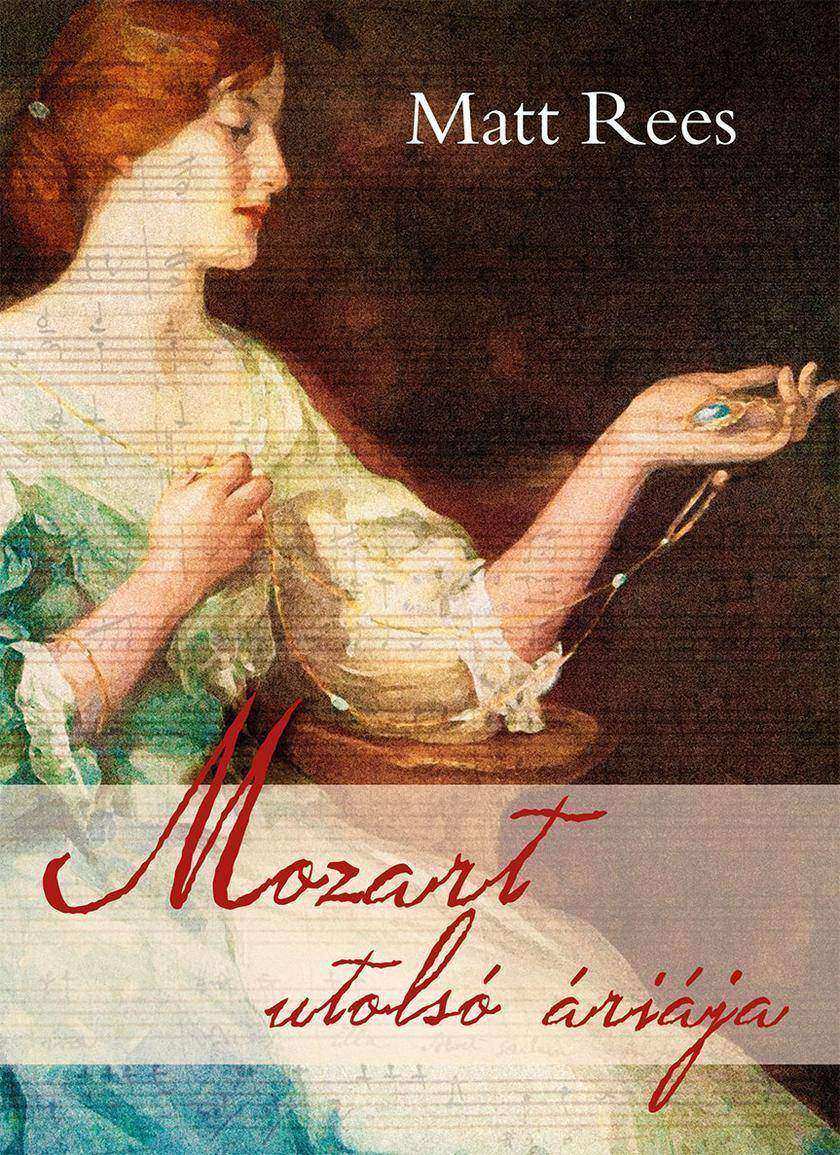
Mozart utolsó áriája
¥75.29
Bár témája miatt a Charles Dickens regényét feldolgozó filmes adaptációkat általában karácsony táján szokták játszani, mi azt ajánljuk, hogy bármikor vegyék kézbe ezt a t?rténetet. Mi Mikes Lajos klasszikus fordításában adjuk k?zre.

101 Amazing Book Title Jokes
¥19.52
This pant-wettingly funny collection of 101 of the best book titles (and their authors) that you have ever heard is dangerously amusing! Jack Goldstein loads his hilarity rifle and aims its laser sight right at your funnybone. Organised into categories so you have a hilarious book title for every occasion, this is an ideal addition to any budding comedian's bookshelf. Have you ever read Explosives in Chemistry by Stan Wellback, or French Overpopulation by Francis Crowded? You'll want to after this!
?jjeli vadászat
¥69.41
Nemzeti t?rténelmünk dics?séges helyszíne az egri vár, amelynek 1552-es ostroma során kétezer hazaszeret? ember gy?zedelmeskedett kétszázezer k?ny?rtelen idegen támadó felett. Hiába a múló id?, Bornemissza Gerg?ék legendája minduntalan b?vk?rébe vonja az épp feln?vekv? nemzedékeket. ?m az Egri csillagok nem csupán a magyar emberek kedvenc olvasmánya: Gárdonyi Géza is a legjobb m?vének tartotta a sodró lendület? regényt. A Manó K?nyvek Klassz!-sorozatában Nógrádi Gergely az eredeti cselekményt k?vetve, ám r?videbb formában meséli újra a klasszikus irodalom gy?ngyszemeit, azzal a céllal, hogy a remekm?vek a mai fiatalok számára is érthet? és szerethet? olvasmányok legyenek. Ugyanakkor a kiadó nemcsak a nagy nemzeti legendák megismertetéséért, de az értékes írói ?r?kség megóvásáért is síkra száll: a sorozat k?teteit számos, az eredeti regényekb?l kiemelt sz?vegrészlet gazdagítja.
Twilight in Italy
¥8.01
*** BELLWETHER-D?JAS REG?NY ***Egyedül Rachel, egy dán édesanya és egy fekete édesapa gyermeke éli túl azt a családi tragédiát, amely egy végzetes reggelen k?vetkezett be chicagói házuk tetején.A kislány új gyámot kap, az afroamerikai nagyanyjával egy t?bbnyire feketék lakta k?z?sségbe kerül, ahol világosbarna b?re, kék szeme és szépsége miatt folyamatosan a figyelem k?zéppontjába kerül. Ez a figyelem végigkíséri, ahogy cseperedik és próbálja feldolgozni a gyászát, mik?zben lassan megérti, hogy az anyja titka és tragédiája milyen kapcsolatban áll saját bizonytalan identitásával.A fiatal félvér lány megrázó és szívbemarkoló t?rténete a társadalom rassz- és osztályfelfogását veszi célba, és a Washington Post a megjelenés évében az év regényének választotta a társadalmi igazságossággal kapcsolatos témákkal foglalkozó legjobb irodalmi kéziratért járó Bellwether-díjas írást.?A lány az égb?l – szárnyal… Energiájáról az élénk színekkel megrajzolt szerepl?k gondoskodnak, s az, ahogyan egymást látják. Durrow-nak fantasztikus füle van a párbeszédekhez, képes egyetlen sorral remények és félelmek egész tárházát életre kelteni.”– New York Times ??géretes debütálás… [Durrow] modern t?rténetet sz?tt identitásról és túlélésr?l.”– The Washington Post ?Komplex és komoly regény a félvér amerikaiak életér?l… Magával ragadó és elgondolkodtató olvasmány”– Minneapolis Star Tribune ?Megindító, csodálatos els? regény… Durrow er?t sugárzó regénye méltó rá, hogy helyet kapjon az amerikai életérzés klasszikus t?rténetei k?z?tt.”– The Miami Herald Durrow Rachelje fiatal félvér n?, akit semmiképp sem neveznék tragikus szerepl?nek. Bár bonyolult utat tesz meg az elidegenedés és a kétségbeesés útveszt?jében, végül olyan n?vé érik, akinek saját hangja van, és nyitott a világ számtalan lehet?ségére… Emelkedj fel! Szárnyalj! Lépj tovább! Elegáns csomagolásban ezt az üzenetet kapja kézhez az olvasó.” – The Huffington Post ?Feszes próza, konfliktusos végkifejlet, és mély reflexió rasszizmusra és faji identitásra: ezek visszhangoznak a m?ben, anélkül, hogy az politikai vagy bármilyen más túlságosan konkrét üzenetet k?zvetítene, mik?zben a t?rténet egyszerre m?k?dik mind modern feln?ttéválási meseként, mind releváns társadalmi kommentárként.”– Publishers Weekly
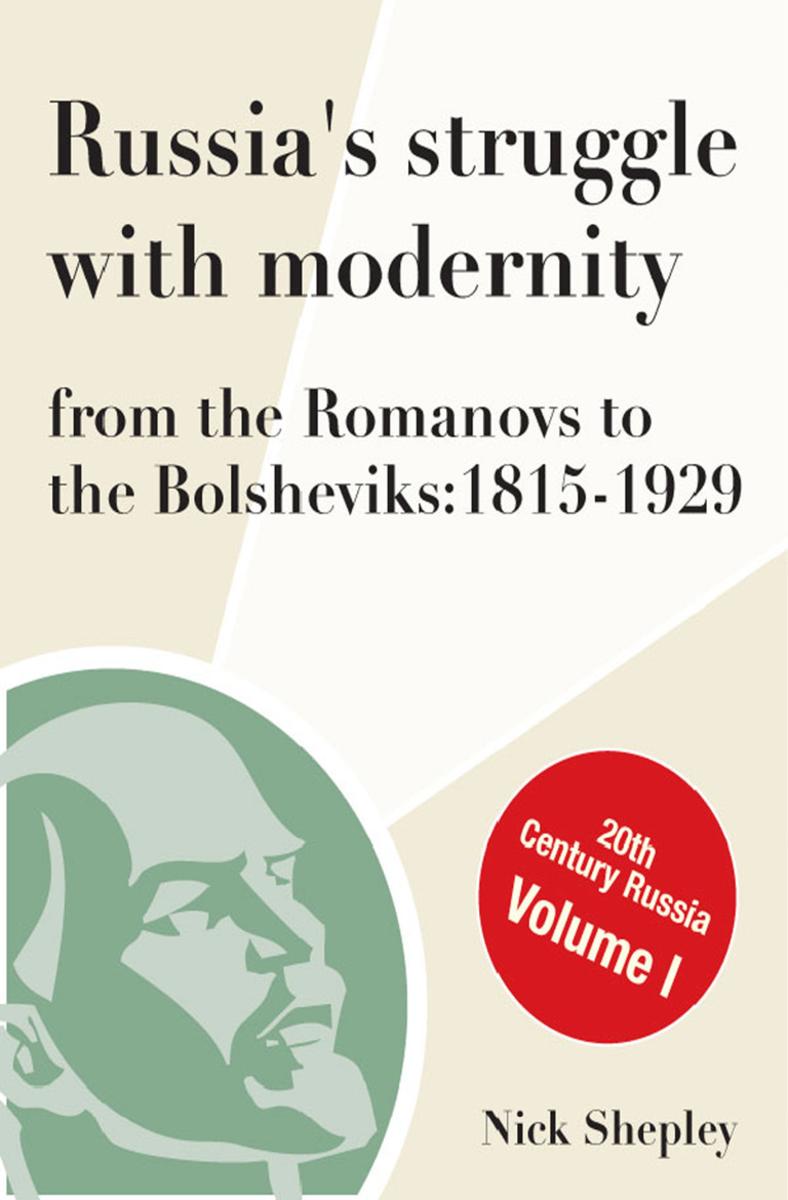
Russia's Struggle With Modernity 1815-1929
¥29.33
In 1917 Czarist Russia collapsed during the catastrophe of the First World War, but the tensions that had accumulated inside the empire for a century due to the challenges that modernisation presented were the real seeds of her undoing. The 19th Century was a battle for the soul of Russia, and it decided whether she would embrace liberal democracy and industrialisation like her contemporaries in Europe, or whether she would retreat into the past. In fact, she did both, and the human legacy of the disasters that followed is still being barely comprehended.

Great Immigration Scandal
¥63.67
Outlines the events that led to the decision that the author could no longer participate in a policy that appeared to be at odds with the intentions of Parliament. This book includes an analysis of the relevant scholarly literature in demography, economics and psychology.
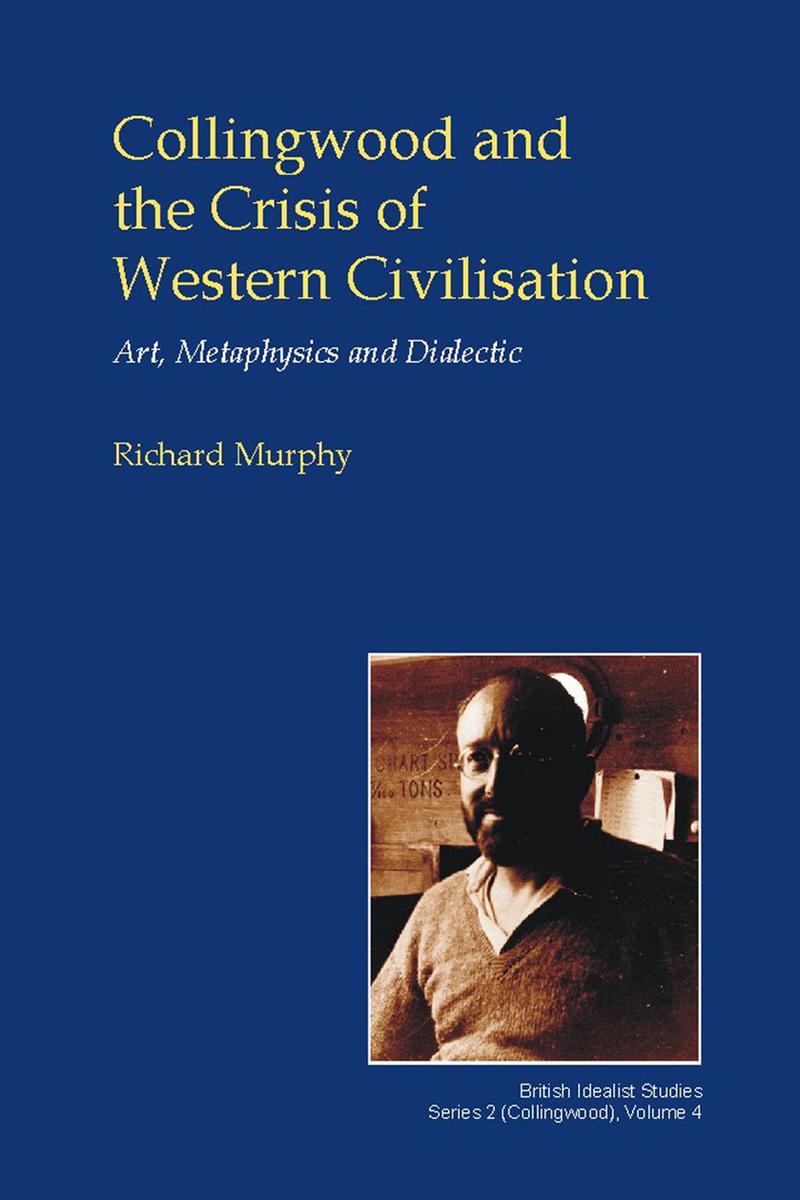
Collingwood and the Crisis of Western Civilisation
¥220.63
This book argues that R.G. Collingwood's philosophy is best understood as a diagnosis of and response to a crisis of Western civilisation. The various and complementary aspects of the crisis of civilisation are explored and Collingwood is demonstrated to be working in the traditions of Romanticism and 'historicism'. On these subjects, the theories of Collingwood and Ortega y Gasset are contrasted with those of Nietzsche and Weber.
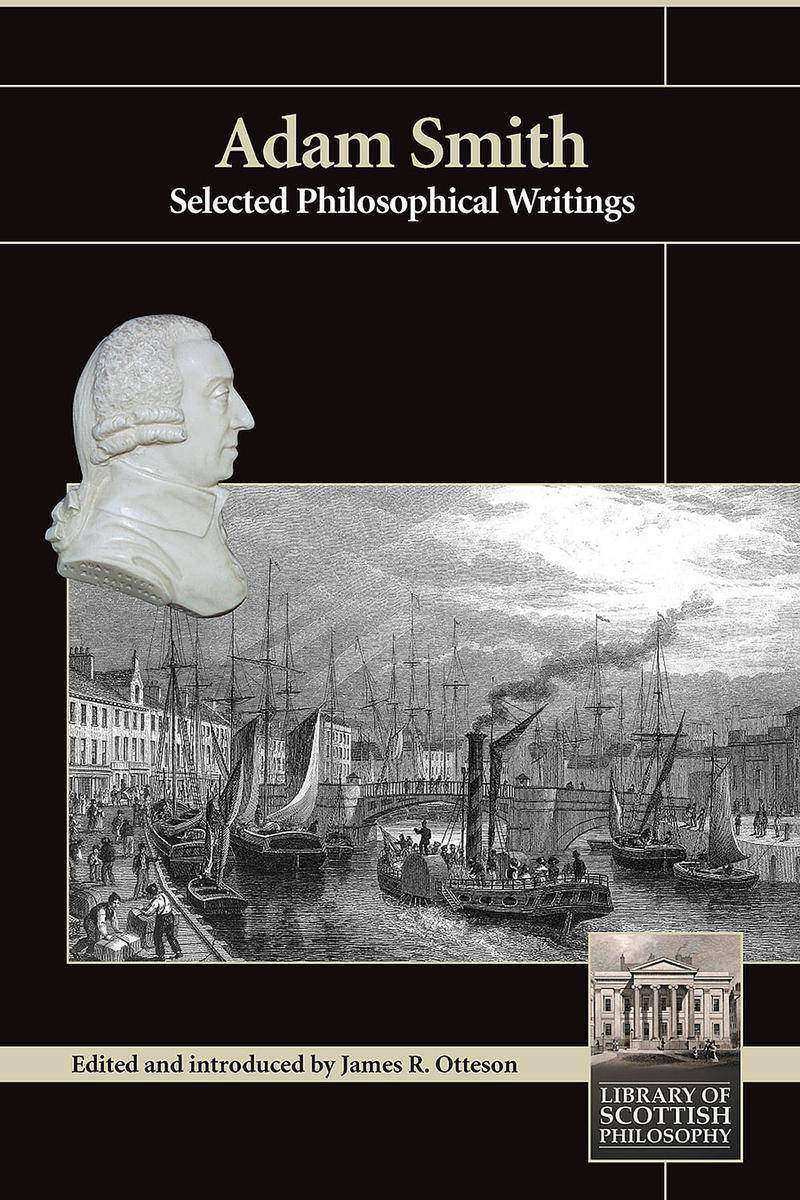
Adam Smith
¥107.81
Adam Smith (1723-90) studied under Francis Hutcheson at the University of Glasgow, befriended David Hume while lecturing on rhetoric and jurisprudence in Edinburgh, was elected Professor of Logic, Professor of Moral Philosophy, Vice-rector, and eventually Lord Rector of the University of Glasgow, and, along with Hutcheson, Hume, and a few others, went on to become one of the chief figures of the astonishing period of learning known as the Scottish Enlightenment.He is the author of two books: The Theory of Moral Sentiments (1759) and An Inquiry into the Nature and Causes of the Wealth of Nations (1776). TMS brought Smith considerable acclaim during his lifetime and was quickly considered one of the great works of moral theory. It deeply impressed Immanuel Kant, for example, who called Smith his 'Liebling' or 'favourite', and Charles Darwin, who in his Descent of Man (1871) endorsed and accepted several of Smith's 'striking' conclusions. TMS went through fully six revised editions during Smith's lifetime.Since the nineteenth century, Smith's fame has largely rested on his Wealth of Nations, which must be considered one of the most important works of the millennium: its argument for free trade, its explanation of the price mechanism and the division of labor, its qualified defense of market economies, and its powerful criticisms of mercantilist economic theories are now standard fare in economics courses, not to mention the basis of a large portion of today's worldwide economic policy. And its account of human nature is now classic.Both The Theory of Moral Sentiments and the Wealth of Nations reveal Smith's impressively broad learning, but he wrote and lectured on a number of other subjects as well. This anthology collects, for the first time in one volume, not only generous selections from each of Smith's books but also substantial selections from his other work, including his lectures on jurisprudence, his history and philosophy of science, his criticism and belles lettres, and his philosophy of language. It also includes two important letters from Hume, as well as Smith's account of Hume's death.

Philosopher at the Admiralty
¥107.81
This book is volume one of a two-part series (volumes sold separately). Taken together, the two volumes of A Philosopher at War examine the political thought of the philosopher and archaeologist, R.G. Collingwood, against the background of the First and Second World Wars. Collingwood served in Admiralty Intelligence during the First World War and although he was not physically robust enough to play an active role in the Second World War, he was swift to condemn the policies of appeasement which he thought largely responsible for bringing it about.The author uses a blend of political philosophy, history and discussion of political policy to uncover what Collingwood says about the First World War, the Peace Treaty which followed it and the crises which led to the Second World War in 1939, together with the response he mustered to it before his death in 1943. The aim is to reveal the kind of liberalism he valued and explain why he valued it. By 1940 Collingwood came to see that a liberalism separated from Christianity would be unable to meet the combined evils of Fascism and Nazism. How Collingwood arrived at this position, and how viable he finally considered it, is the story told in these volumes.
Звичайна вдячн?сть
¥20.44
Osnovu svake pri?e ove zbirke ?ini istra?ivanje emotivnog i erotskog u odnosu dve ?ene, ali ovo ?tivo nije samo to; Ana Kala se poigrava sa ?anrovima, pa je njena osnovna tema nekada obra?ena kao romansa, nekada kao triler, a nekad kao nau?na fantastika.Knjiga sadr?i veoma eksplicitne opise erotskih scena i nije namenjena maloletnicima, kao ni onima koji su neskloni kvir literaturi.

Економ?ка. ?нструкц?я з використання
¥33.03
Il libro della giungla di Rudyard Kipling è tra i romanzi per ragazzi più amati. Si presenta come una raccolta di racconti a cui ha fatto seguito Il secondo libro della giungla nel 1895. Le storie del libro della giungla narrano del piccolo Mowgli, "il cucciolo d’uomo" rapito da una tigre, Shere Khan, e poi adottato dai lupi che lo educano insegnandogli come riuscire a sopravvivere nella giungla.


