


 购物车
购物车 个人中心
个人中心

Magento 2 Cookbook
¥80.65
Over 50 practical recipes that will help you realize the full potential of Magento in order to build a professional online store About This Book Take advantage of the latest features in Magento 2 to set up an e-commerce store that fits your business needs Packed with several advanced recipes, not just to manage your online store, but to extend and design it as well Written in a cookbook style, you can pick and choose your recipe to carry out your day- to- day Magento store tasks Who This Book Is For The book is for existing Magento users who want to gain further expertise and insights into managing, designing, and extending their online store in Magento to fit their business needs. Working knowledge of Magento and basic familiarity with programming is expected. What You Will Learn Set up a Magento 2 project on Apache or Nginx. Transfer your Magento 1 database to Magento 2 using the Magento 2 system tools. Boost the performance of Magento 2 by enabling different types of caching. Build a Magento 2 multi-store by creating a root catalog, subdirectories, and products. Create and manage pages, blocks, and front-end apps. Manage your Magento store by setting up the correct TAX rules. Design custom themes within the Magento 2 framework. Create basic and advanced extensions using Magento 2. In Detail Magento 2 is an open source e-commerce platform that has all the functionality to function from small to large online stores. It is preferred by developers and merchants due to its new architecture, which makes it possible to extend the functionalities with plugins, a lot of which are now created by the community. This merchant and developer guide is packed with recipes that cover all aspects of Magento 2. The recipes start with simple how-to’s then delve into more advanced topics as the book progresses. We start with the basics of setting up a Magento 2 project on Apache or Nginx. Next, you will learn about basics including system tools and caching to get your Magento 2 system ready for the real work. We move on to simple tasks such as managing your store and catalog configuration. When you are familiar with this, we cover more complex features such as module and extension development. Then we will jump to the final part: advanced Magento 2 extensions. By the end of this book, you’ll be competent with all the development phases of Magento 2 and its most common elements. Style and approach Step by step guide for real world tasks for Magento users to gain a more advanced insight on managing, extending and designing their e-commerce store to fit their business needs.

Advanced Penetration Testing for Highly-Secured Environments - Second Edition
¥107.90
Employ the most advanced pentesting techniques and tools to build highly-secured systems and environments About This Book Learn how to build your own pentesting lab environment to practice advanced techniques Customize your own *s, and learn methods to exploit 32-bit and 64-bit programs Explore a vast variety of stealth techniques to bypass a number of protections when penetration testing Who This Book Is For This book is for anyone who wants to improve their skills in penetration testing. As it follows a step-by-step approach, anyone from a novice to an experienced security tester can learn effective techniques to deal with highly secured environments. Whether you are brand new or a seasoned expert, this book will provide you with the skills you need to successfully create, customize, and plan an advanced penetration test. What You Will Learn A step-by-step methodology to identify and penetrate secured environments Get to know the process to test network services across enterprise architecture when defences are in place Grasp different web application testing methods and how to identify web application protections that are deployed Understand a variety of concepts to exploit software Gain proven post-exploitation techniques to exfiltrate data from the target Get to grips with various stealth techniques to remain undetected and defeat the latest defences Be the first to find out the latest methods to bypass firewalls Follow proven approaches to record and save the data from tests for analysis In Detail The defences continue to improve and become more and more common, but this book will provide you with a number or proven techniques to defeat the latest defences on the networks. The methods and techniques contained will provide you with a powerful arsenal of best practices to increase your penetration testing successes. The processes and methodology will provide you techniques that will enable you to be successful, and the step by step instructions of information gathering and intelligence will allow you to gather the required information on the targets you are testing. The exploitation and post-exploitation sections will supply you with the tools you would need to go as far as the scope of work will allow you. The challenges at the end of each chapter are designed to challenge you and provide real-world situations that will hone and perfect your penetration testing skills. You will start with a review of several well respected penetration testing methodologies, and following this you will learn a step-by-step methodology of professional security testing, including stealth, methods of evasion, and obfuscation to perform your tests and not be detected! The final challenge will allow you to create your own complex layered architecture with defences and protections in place, and provide the ultimate testing range for you to practice the methods shown throughout the book. The challenge is as close to an actual penetration test assignment as you can get! Style and approach The book follows the standard penetration testing stages from start to finish with step-by-step examples. The book thoroughly covers penetration test expectations, proper scoping and planning, as well as enumeration and foot printing

All Involved: Day Two
¥21.73
All Involved can either be read as a full-length eBook or in 6 serialized eBook-only parts.This is part 2 of 6, or DAY 2 of 6 days.At 3:15pm on April 29, 1991, a jury acquitted three white Los Angeles Police Department officers charged with using excessive force to subdue a black man named Rodney King, and failed to reach a verdict on the same charges involving a fourth officer. Less than two hours later, the city exploded in violence that lasted six days.A gritty and cinematic work of fiction, All Involved vividly re-creates this turbulent and terrifying time, through seventeen interconnected first-person narratives set in the wake of one of the most notorious and incendiary trials of the 1990s.
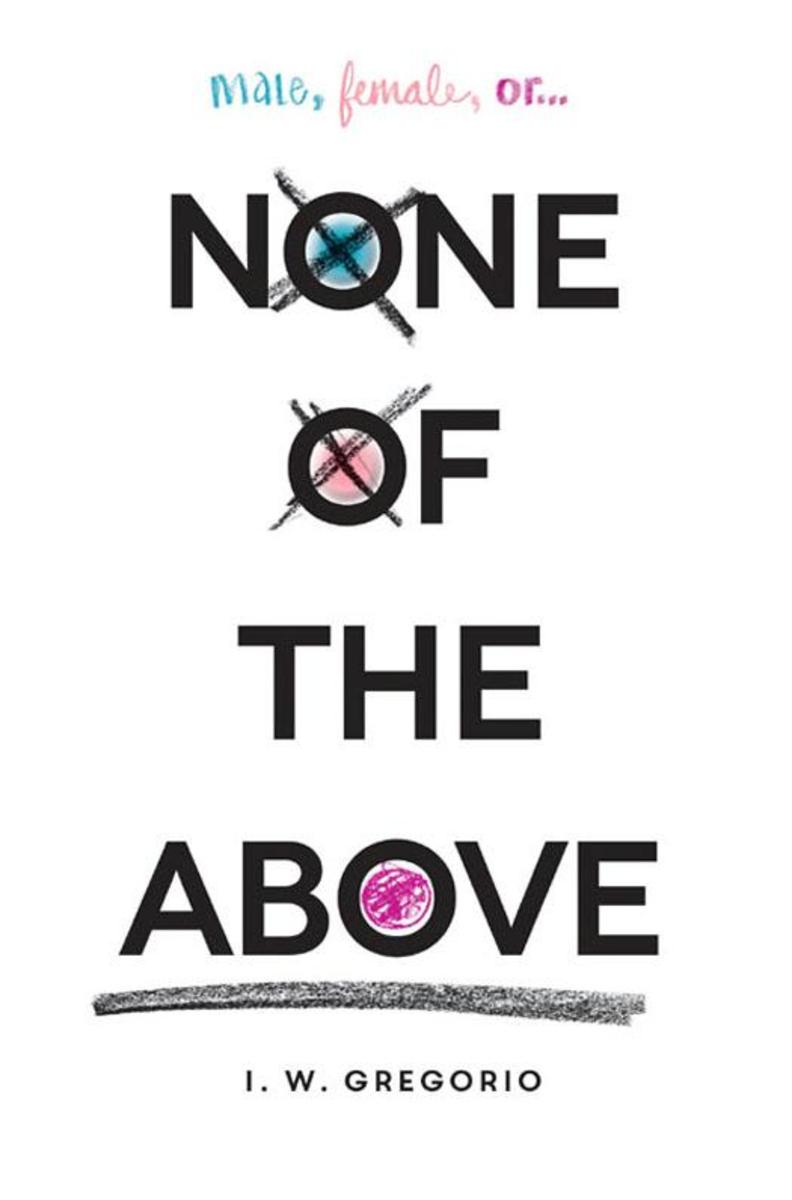
None of the Above
¥55.33
A groundbreaking story about a teenage girl who discovers she's intersex . . . and what happens when her secret is revealed to the entire school. Incredibly compelling and sensitively told, None of the Above is a thought-provoking novel that explores what it means to be a boy, a girl, or something in between.What if everything you knew about yourself changed in an instant?When Kristin Lattimer is voted homecoming queen, it seems like another piece of her ideal life has fallen into place. She's a champion hurdler with a full scholarship to college and she's madly in love with her boyfriend. In fact, she's decided that she's ready to take things to the next level with him.But Kristin's first time isn't the perfect moment she's planned—something is very wrong. A visit to the doctor reveals the truth: Kristin is intersex, which means that though she outwardly looks like a girl, she has male chromosomes, not to mention boy "parts."Dealing with her body is difficult enough, but when her diagnosis is leaked to the whole school, Kristin's entire identity is thrown into question. As her world unravels, can she come to terms with her new self?
Book of Jamaica
¥79.38
Russell Banks explores the complexities of political life in the Caribbean.

Trailerpark
¥78.55
Get to know the colorful cast of characters at the Granite State Trailerpark, where Flora in number 11 keeps more than a hundred guinea pigs andscreams at people to stay away from her babies, Claudel in number 5 thinks he is lucky until his wife burns down their trailer and runs off with Howie Leeke, and Noni in number 7 has telephone conversations with Jesus and tells the police about them. In this series of related short stories, Russell Banks offers gripping, realistic portrayals of individual Americans and paints a portrait of New England life that is at once dark, witty, and revealing.

Sworn Secret
¥32.73
A stunning domestic thriller in the vein of Kimberly McCreight's Reconstructing Amelia.When Lizzie Thorne's charismatic older sister Anna is killed in a tragic fall from the roof of her school, everyone is devastated. A year later, grief still has its icy grip on the Thorne family.Mrs. Thorne has retreated from her life and is desperate to find someone to blame for her daughter's death. Mr. Thorne is doing his best to care for his family, but the stress of holding his marriage together is pushing him to the breaking point. Lizzie just wants to leave her sister's ghost in the past and find happiness again.But then a shattering revelation begins to raise questions about what really happened the night Anna died. Lizzie finds herself speeding headfirst into a passionate but forbidden love affair, while at the same time trying to grapple with her dead sister's emerging secrets.

Picture Perfect #4: Between Us
¥39.24
Being one half of a BFF heart necklace is serious business—and in the Picture Perfect series, each story tackles a tough friendship challenge. Through the ups and downs of life in middle school, through braces and boy bands, family feuds and fashion disasters, your best bud is there. But what happens when friendship suddenly gets complicatedTween readers will adore these sweet, accessible stories about the power of friendship.Bailey Broadwell and her best friend, Olivia, are going to have the greatest year ever in middle school! Bailey has it totally figured out. All they need to do is follow her foolproof list of ways to make sixth grade epic. But Bailey's plan doesn't include her aunt and cousin Hannah unexpectedly moving to town.Though Bailey hasn't seen Hannah since they were little, she sets out right away to make her cousin feel welcome. And right from the start, Hannah and Bailey seem to enjoy similar things. Only, it's a little strange how Hannah likes everything that Bailey does. And it's weird when Hannah starts joining all the clubs that Bailey's in. Soon, she starts dressing like Bailey. And agreeing with everything Bailey says!Bailey tries not to let Hannah's copycat behavior bother her, until it seems like Olivia and the rest of Bailey's friends like Hannah more than her. How can Bailey have the best school year ever if Hannah is taking over her life?
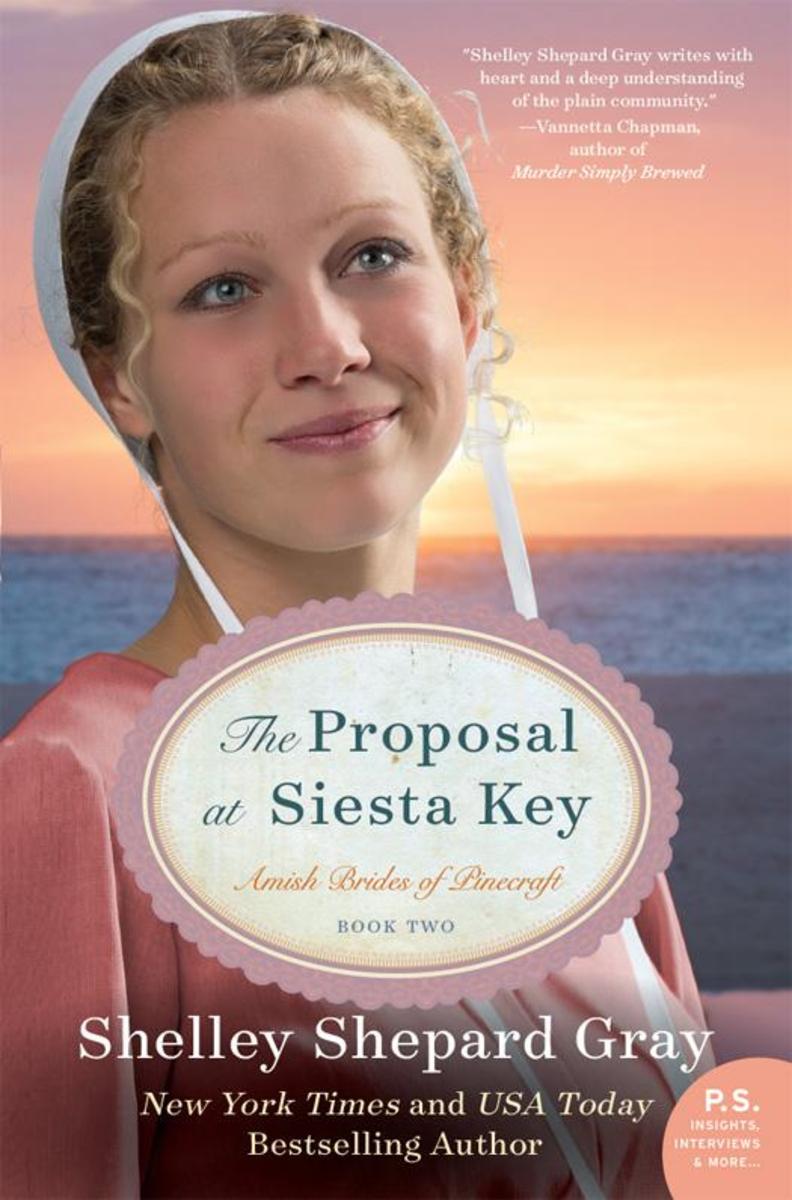
The Proposal at Siesta Key
¥71.94
Beloved bestselling author Shelley Shepard Gray returns with the second book in her Amish Brides of Pinecraft series— a story of finding the strength to follow your dreams . . . and your heartPenny Troyer never disobeys her parents. But tonight she's bending the rules because Michael Knoxx—the most famous member of the Knoxx Family, a traveling Mennonite evangelical family—is scheduled to speak. Penny has heard of Michael—how he lost part of his leg in a terrible accident and uses the experience to inspire others—and knows she must meet him . . . even if it means challenging her parents' strict rules and taking the first step toward her own independence.Though he speaks about living life to the fullest, Michael knows he needs to take his own advice. Life on the road is grueling and Michael wants to slow down, to rest . . . to perhaps meet someone who sees him as a man, not just a celebrity. So when a twist of fate allows him the chance to stay a little longer in Pinecraft, Michael knows God is showing him a new path, especially when he discovers that Penny has also survived a terrible ordeal.But as Michael's time in Pinecraft comes to an end, Michael and Penny are left to wonder what kind of future they could possibly have together. Are they brave enough to take the chance given to themOr will they choose to cling to what is familiar, even if it pushes away their dream of happiness?

Nothing Real Volume 1: A Collection of Stories
¥21.51
The first of three digital-only short story collections from teacher and frequent contributor to the New York Times Claire Needell, about coming of age in contemporary America. These refreshing stories are written with humor, honesty, and without judgment.This outstanding first digital-only collection includes the memorable stories "Nothing Real," "Change Your Life," "The Bubblemen," and "My Name is Adam." Each story is told from a unique perspective and tells of teenagers looking for love—from others, and from themselves.Epic Reads Impulse is a digital imprint with new releases each month.

Dark Forces
¥155.02
In this explosive expose, bestselling author Kenneth Timmerman gives us the real story of what happened in Benghazi, and the lengths to which the Obama administration has gone to hide the truth from the American people.Forget what you've heard: the September 11, 2012, attack on U.S. Government Compounds in Benghazi, which resulted in the deaths of four Americans, including our ambassador, was not a spontaneous demonstration. Nor was it planned by local militias.It was a state-sponsored terrorist attack with Iranian fingerprints all over it.What's more, the Obama administration knew from the first minutes of the attack that the compound had been targeted by an organized, professionally trained terrorist group. But the administration made up a ridiculous cover story about a nonexistent demonstration over an Internet movie in an attempt to fool the American public on the eve of a national election. The Iran-Contra scandal consumed Ronald Reagan's second term and nearly destroyed his presidency. Yet as bad as that was, what happened in Benghazi is much worse. As Ken Timmerman reveals in Dark Forces, the Benghazi affair will go down as the deepest, darkest, dirtiest political scandal of recent American history. And for all the coverage it has received, the real story has still not been told. It's a story of clandestine arms deliveries to Libyan rebels that wound up in the hands of Islamist guerrillas allied with al Qaeda. It's a story of a romantic American diplomat who gets caught up in a whirlwind beyond his comprehension or control. It's a story of bald-faced lies, heroic acts, and the deepest corruption. Dark Forces is much more than a retelling of what happened in Benghazi on September 11, 2012. It puts those events into the larger context of the Obama administration's policy toward the Middle East from Iran to the Arab Spring. It examines the administration's record of systematically supporting the Muslim Brotherhood and al Qaeda affiliated groups in their efforts to overthrow pro-U.S. autocrats in Tunisia, Egypt, and Libya. It shows how this went along with the administration's outreach to the Islamist regime in Iran. It argues that President Obama's obsessive outreach to the leadership of the Islamic Republic of Iran led the Iranian regime to dismiss him as a weak, ineffective leader who would not fight back when hit. And it reveals why and how this deadly combination cost the lives of four Americans, and today endangers thousands more.Written with the breakneck pacing of a political thriller, and drawing on exclusive research and privileged sources, Dark Forces tells the full story of Benghazi as you have never heard it before.

The Looks of Love
¥224.56
Hal Rubenstein, author of the bestselling 100 Unforgettable Dresses, explores the union of love and fashion in fifty fully illustrated, entertaining stories highlighting landmark moments in style.This gorgeous anthology examines the marriage of love and style in fashion, film and television, music, politics and royalty, and advertising in contemporary culture. From extraordinary runway shows like Alexander McQueen's stunning dance-marathon presentation inspired by the film They Shoot Horses, Don't Theyto shoulder-pad-clad Krystle and Alexis Carrington's jealous catfights on Dynasty, from all eight of Elizabeth Taylor's wedding ensembles to the gleaming, entwined nude bodies in Calvin Klein's first ad campaign for Obsession, every entry addresses the concept and entertaining backstory of each significant stop along our cultural timeline, elaborating on its influences and design details as well as its contribution to fashion and sway in popular culture. Rubenstein also includes stories and quotations from more than a dozen world-class designers and commercial artisans interviewed especially for the book. Travel to Paris to experience some of the greatest fashion shows in history, including Marc Jacobs's Louis Vuitton Express and John Galliano's extravaganza for Christian Dior at the Palais Garnier. Discover the secrets about the making of director Baz Luhrmann's $30 million short film for Chanel No 5, starring Nicole Kidman. Go behind the scenes in Vera Wang's studio to learn the real story of the unforgettable yellow gown Michelle Williams wore to the Academy Awards, when she and Heath Ledger were Hollywood's "It" couple. Examine the world's ongoing romance with James Dean and his black motorcycle jacket, how Doris Day's sex comedies made her a pioneer of women's liberation, and why Woodstock lives on in bohemian style.With its delightful anecdotes, captivating facts, insider's perspective on fashion, and lots of pop-culture dish, The Looks of Love is an informative, entertaining read for anyone who loves fashion, film and music, celebrity, and a tug or two at the heart.With 225 full-color and black-and-white photographs
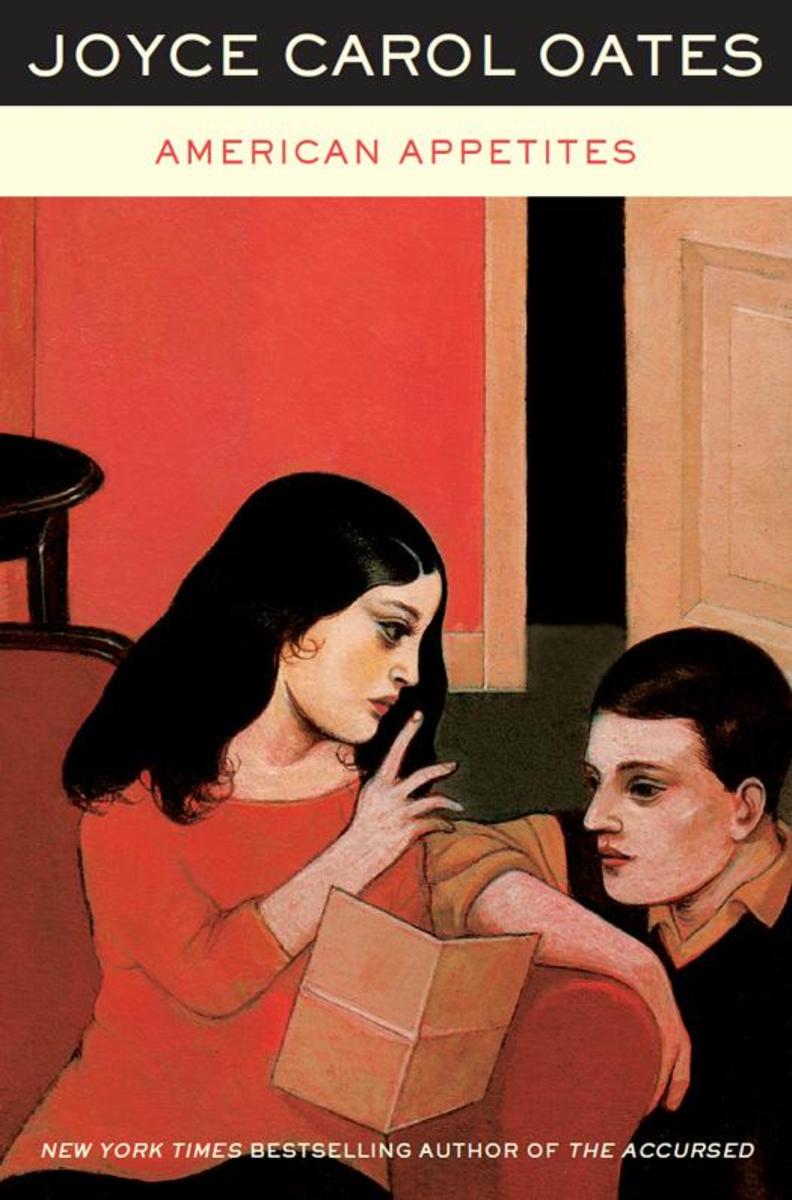
American Appetites
¥83.03
For twenty-six years, Ian McCullough, a demographics researcher at a social science think tank, has been happily married to Glynnis, a successful cookbook writer and a brilliant hostess.When a drunken argument about a suspected infidelity turns physical, Ian accidentally pushes Glynnis through a plate–glass window—or did she fallNow, Glynnis is dead, Ian is charged with murder, and their American dream is shattered. And soon, in a courtroom where guilt and responsibility become two very separate issues, Ian will stand trial, fighting for his life.A sophisticated, witty, and chilling novel from the incomparable Joyce Carol Oates, American Appetites explores our insatiable hunger for power, love, and success, and how comfortable, privileged lives—and the course of fate—can be dramatically transformed in an instant.
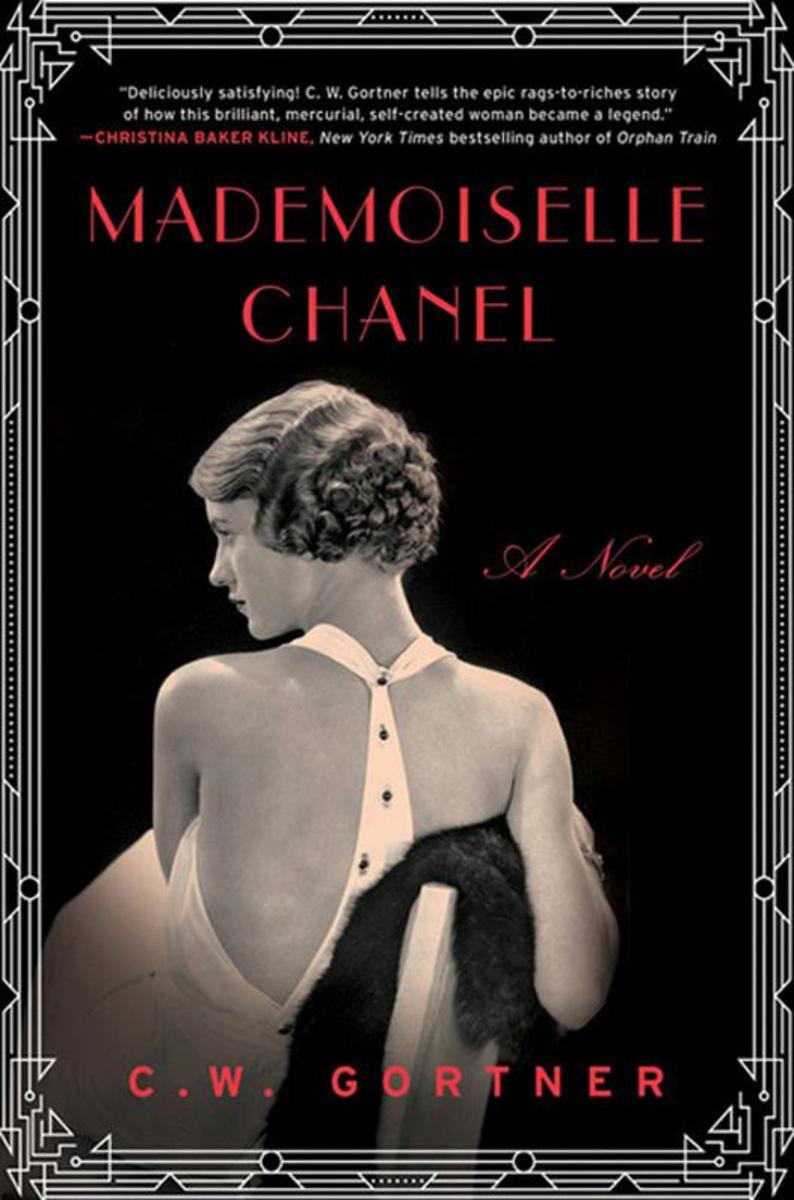
Mademoiselle Chanel
¥90.51
She revolutionized fashion and built an international empire . . . all on her own termsBorn into rural poverty, Gabrielle Chanel and her sisters are sent to a convent orphanage after their mother's death. The nuns of the order nurture Gabrielle's exceptional sewing skills, a talent that would propel the willful young woman into a life far removed from the drudgery of her childhood.Burning with ambition, the petite brunette transforms herself into Coco, by day a hard-working seamstress and by night a singer in a nightclub, where her incandescence draws in a wealthy gentleman who becomes the love of her life. She immerses herself in his world of money and luxury, discovering a freedom that sparks her creativity. But it is only when her lover takes her to Paris that Coco discovers her destiny. Rejecting the frilly, corseted silhouette of the past, Coco's sleek, minimalist styles reflect the youthful ease and confidence of the 1920s modern woman. As her reputation spreads, her couture business explodes, taking her into rarefied circles of society and bohemian salons. But her fame and fortune cannot save her from heartbreak as the years pass. And when Paris falls to the Nazis, Coco is forced to make choices that will haunt her always. An enthralling novel about an entirely self-made woman, Mademoiselle Chanel tells the true story of Coco Chanel's extraordinary ambition, passion, and artistic vision.

Lovely, Dark, Deep
¥94.10
From the legendary literary master, winner of the National Book Award and New York Times bestselling author Joyce Carol Oates, a collection of thirteen spellbinding stories that maps the eerie darkness within us allInsightful, disturbing, and mesmerizing in their lyrical precision, the stories in Lovely, Dark, Deep display Joyce Carol Oates's astonishing ability to make visceral the fear, hurt, and uncertainty that lurks at the edges of ordinary lives.In "Mastiff," a woman and a man are joined in an erotic bond forged out of terror and gratitude. "Sex with Camel" explores how a sixteen-year-old boy realizes the depth of his love for his grandmother—and how vulnerable those feelings make him. Fearful that her husband is vanishing from their life, a woman becomes obsessed with keeping him in her sight in "The Disappearing." "A Book of Martyrs" reveals how the end of a pregnancy brings with it the end of a relationship. And in the title story, the elderly Robert Frost is visited by an interviewer, a troubling young woman who seems to know a good deal more about his life than she should.A piercing and evocative collection, Lovely, Dark, Deep reveals Joyce Carol Oates at her most imaginative and unsettling.
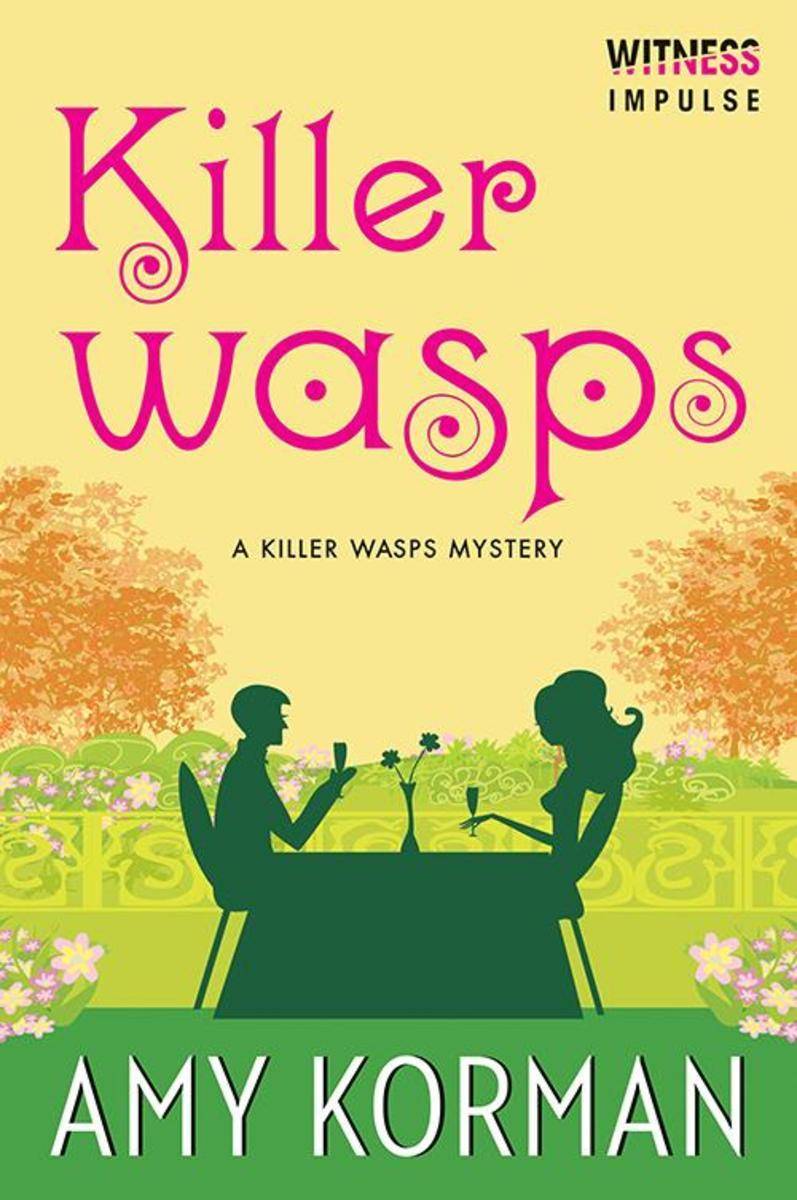
Killer WASPs
¥84.16
Crime really stings in Killer WASPsBryn Mawr, Pennsylvania, is a haven for East Coast WASPs, where tennis tournaments and cocktails at the club are revered traditions. Little happens in the sleepy suburb, and that is the way the Lilly Pulitzer–clad residents prefer it. So when antiques store owner Kristin Clark and her portly basset hound stumble upon the area's newest real estate developer lying unconscious beneath the hydrangea bushes lining the driveway of one of Bryn Mawr's most distinguished estates, the entire town is abuzz with gossip and intrigue.When the attacker strikes again just days later, Kristin and her three best friends—Holly, a glamorous chicken nugget heiress with a penchant for high fashion; Joe, a decorator who's determined to land his own HGTV show; and Bootsie, a preppy but nosy newspaper reporter—join forces to solve the crime. While their investigation takes them to cocktail parties, flea markets, and the country club, they must unravel the mystery before the assailant claims another victim.Fans of Janet Evanovich's Stephanie Plum series will enjoy shaking up the Philadelphia Main Line
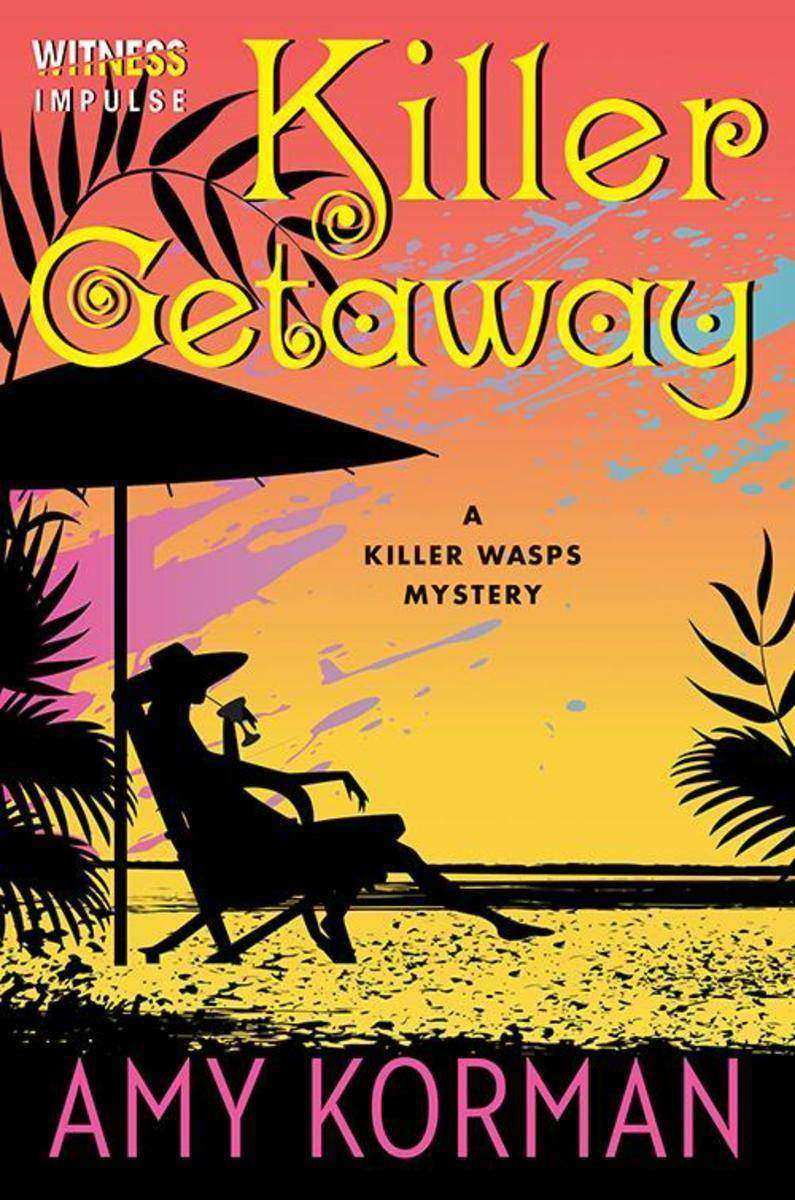
Killer Getaway
¥68.04
With a storm brewing in Bryn Mawr, Pennsylvania, the Killer WASPs head south to Palm Beach, Florida. And what could be better than fabulous friends, Lilly Pulitzer beachwear, frozen cocktails, and high-society drama?Kristin Clark and her basset hound, Waffles, are ready to escape the doldrums of winter to bask in the warm Florida sun and dine at her friends' new restaurant, Vicino. But when a rival restaurant undergoes an HGTV makeover and attempts to steal Vicino's spotlight and its patrons, the town is abuzz with gossip, and Kristin and her friends—Bootsie, a nosy reporter; Holly, a chicken nugget heiress; and Sophie, the soon-to-be ex-wife of a mobster—have parties to attend.Everything is going swimmingly in the glitz and glamour of Palm Beach until a bad batch of clams threatens to shut down Vicino and their vacation for good. When it becomes clear that the clams may be more than an innocent mishap, the ladies must unravel the mystery before there are deadly consequences.Perfect for fans of Janet Evanovich's Stephanie Plum series!
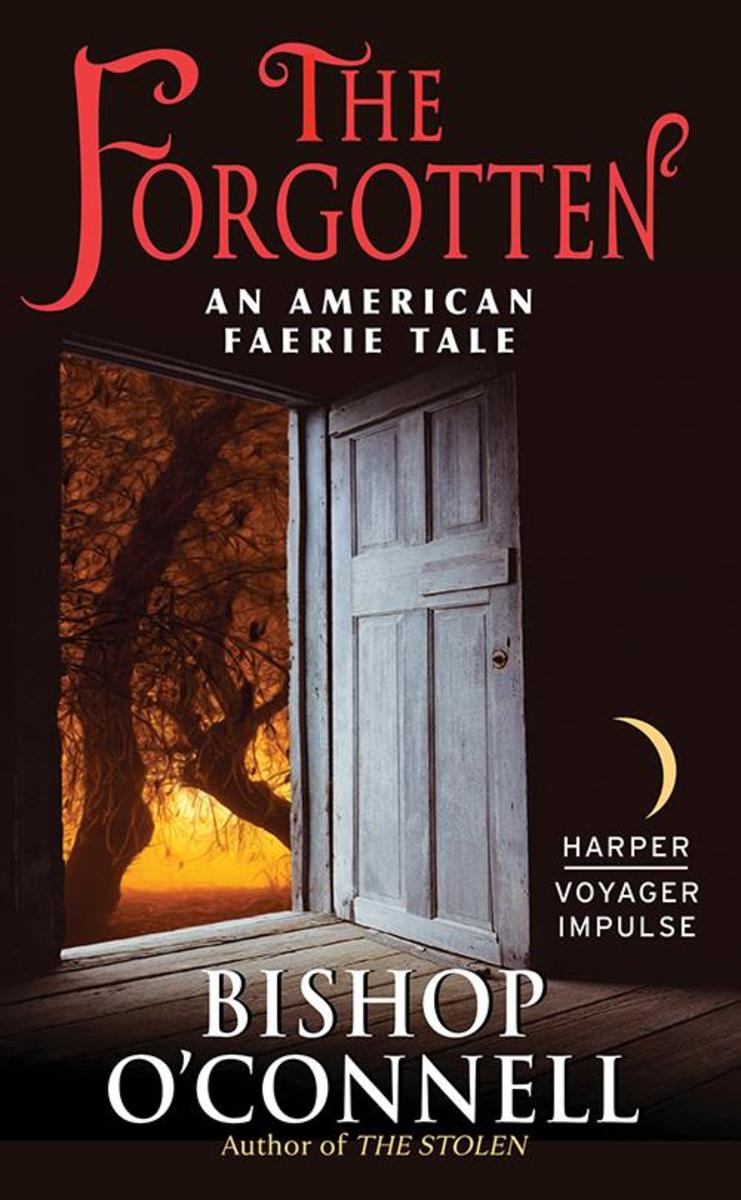
The Forgotten
¥49.05
Across the United States, children are vanishing. Only this time, faeries may not be to blame …Dante, Regent of the fae's Rogue Court, has been receiving disturbing reports. Human children are manifesting magical powers in record numbers. Shunned and forgotten, they live on the streets in ragtag groups with the already-booming population of homeless changelings. But the streets aren't a haven; someone, or something, is hunting these children down.Wraith, a teenage spell slinger, has no home, no family, and no real memories of her past. She and her friends SK, Fritz, and Shadow are constantly on the run, fleeing from a dark and unknown enemy. But when her companions are taken by "the snatchers," Wraith is their only hope. Her journey to find them will test the limits of her magic—and her trust. A dark force is on the rise, and it could spell the end of our world as we know it.

The God Hunter
¥49.05
Good Omens meets Office Space in this darkly humorous and suspenseful supernatural thriller by author Tim Lees.There's an art to capturing gods for electricity, and Chris Copeland is good at his job. Or at least, he was, until his insouciant partner accidentally loosed a pagan god on the world. Luckily, Chris had the good sense to smash the thing over the head with a lamp. It's dead.Or is it?Six years later, Chris is contacted by Anna Ganz, a brusque, chain-smoking Hungarian detective with a penchant for misusing American profanity. A mysterious serial killer is stalking Budapest, and, in the name of profit, Chris's company isn't going to stop it. It's up to the unlikely team of Chris and Anna to hunt down a god—but can they catch the killer before it's too late?
Guardian
¥49.05
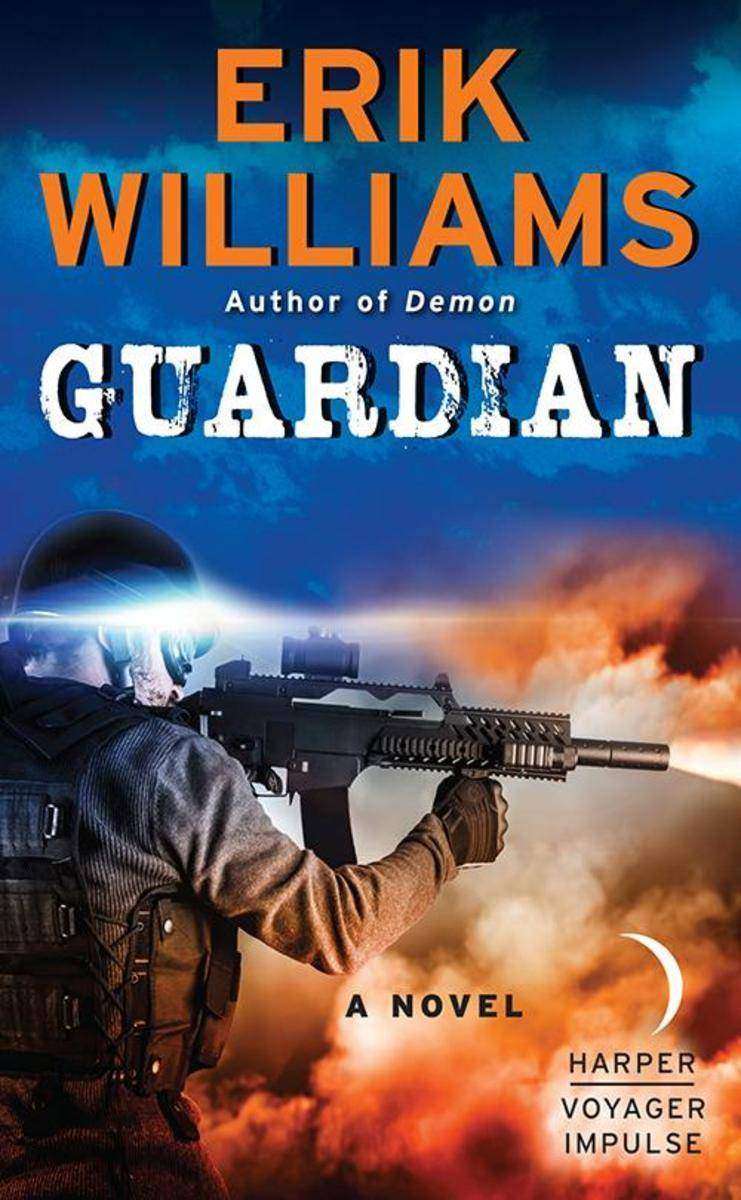
The heart-pounding, action-packed sequel to DemonA secret order at war with itself. A Syrian official who wants to set the Middle East ablaze. And all of them want nothing more than one unlucky CIA agent . . .CIA agent Mike Caldwell just confronted a fallen angel and survived. But he wasn't the only one tracking down Semyaza, and the demon's escape from an ancient tomb has caught the attention of several powerful entities. Now they will stop at nothing to get Mike to play by their rules.Mike must head out on an international mission to confront the covert brotherhood in an effort to save the world from destruction.
Once Upon a Rhyme
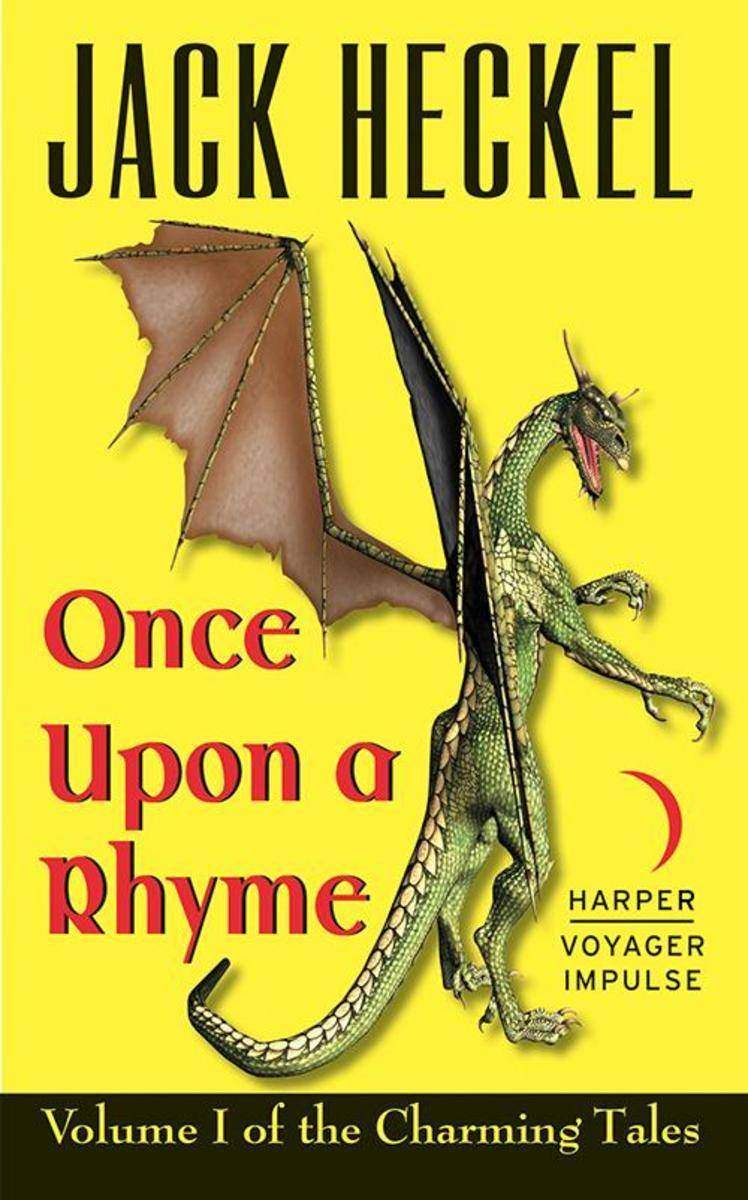
¥55.76
The dragon is dead. The princess has been saved. There is but one problem: Prince Charming had nothing to do with it.In order to save his royal reputation, Prince Charming must begrudgingly enlist the help of accidental hero William Pickett. The two set out on an adventure that has them fighting trolls, outwitting a scoundrel, and drinking the foulest ale ever, collecting bruises to both body and pride along the way. Meanwhile, the rescued princess, Gwendolyn, turns out to be one dangerously distressed damsel, and an evil presence takes over Castle White in Charming's absence …Enter this rollicking world and discover just what happens when a fairytale leaves the well-trodden path of "once upon a time."


