


 购物车
购物车 个人中心
个人中心
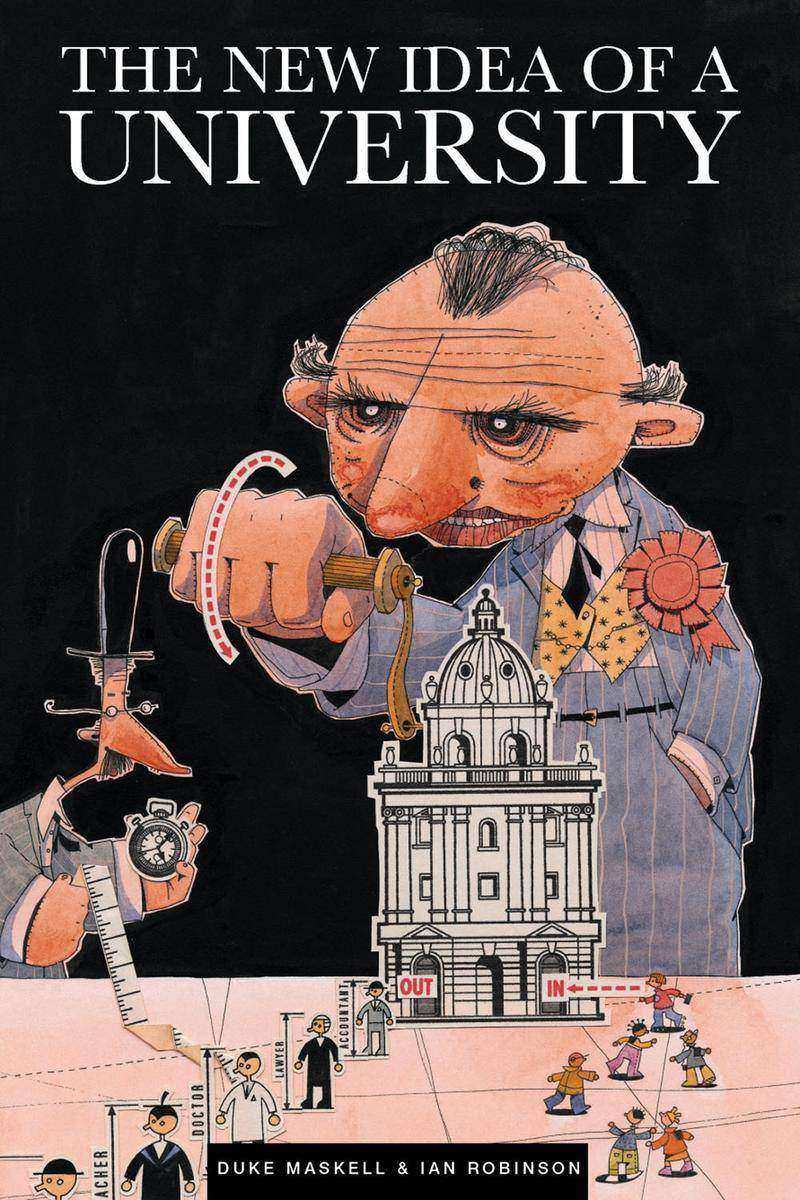
New Idea of a University
¥107.81
Something has gone deeply wrong with the university - too deeply wrong to be put right by any merely bureaucratic means. What's wrong is, simply, that our official idea of education, the idea that inspires all government policies and 'initiatives', is itself uneducated. With the growing emphasis in higher education on training in supposedly useful skills, has the very ethos of the university been subverted? And does this more utilitarian university succeed in adding to the national wealth, the basis on which politicians justify the large public expenditure on the higher education system? Should we get our idea of a university from politicians and bureaucrats or from J.H. Newman, Jane Austen and Socrates?The New Idea of a University is an entertaining and highly readable defence of the philosophy of liberal arts education and an attack on the sham that has been substituted for it. It is sure to scandalize all the friends of the present establishment and be cheered elsewhere.
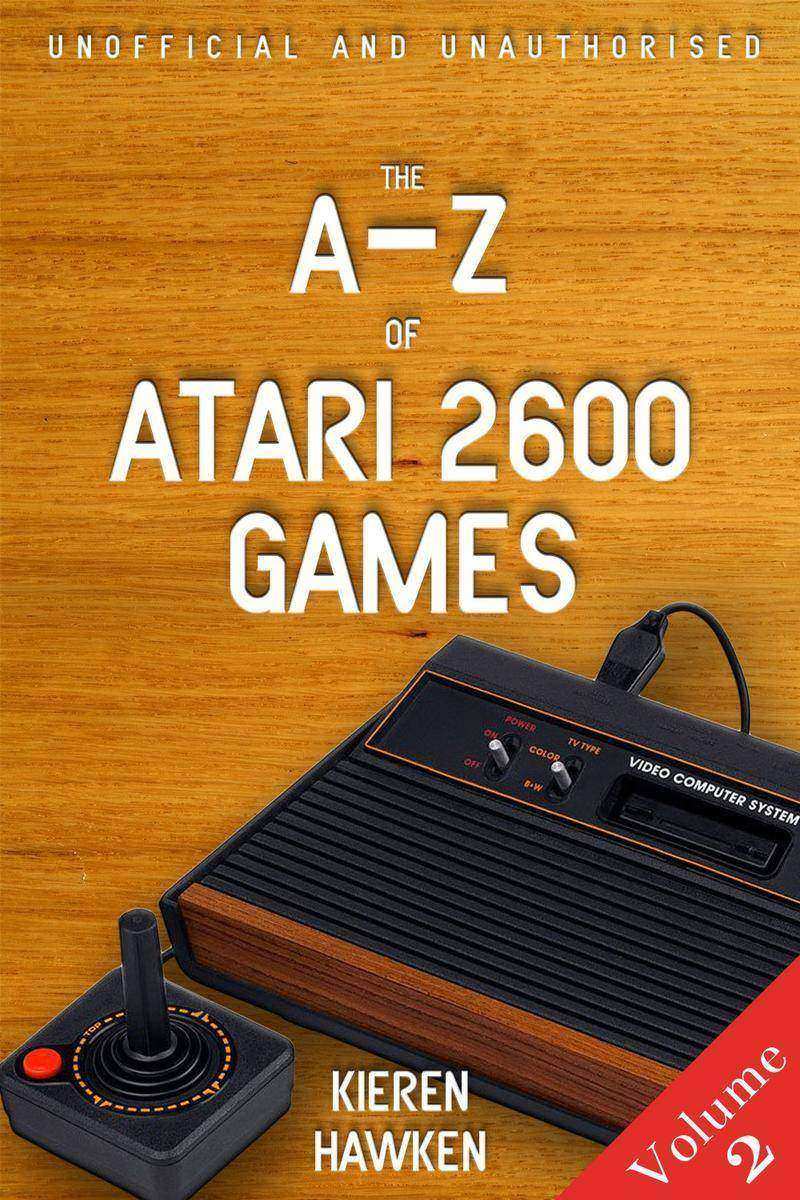
A-Z of Atari 2600 Games
¥19.52
The A-Z of Atari 2600 Games: Volume 2 features reviews of three different games for each letter of the alphabet. The games range from the very earliest releases in the 70s to the modern homebrew games of today. This book shows you just how diverse the library of titles is for the Atari 2600 and how it became one of the best selling consoles of all time.
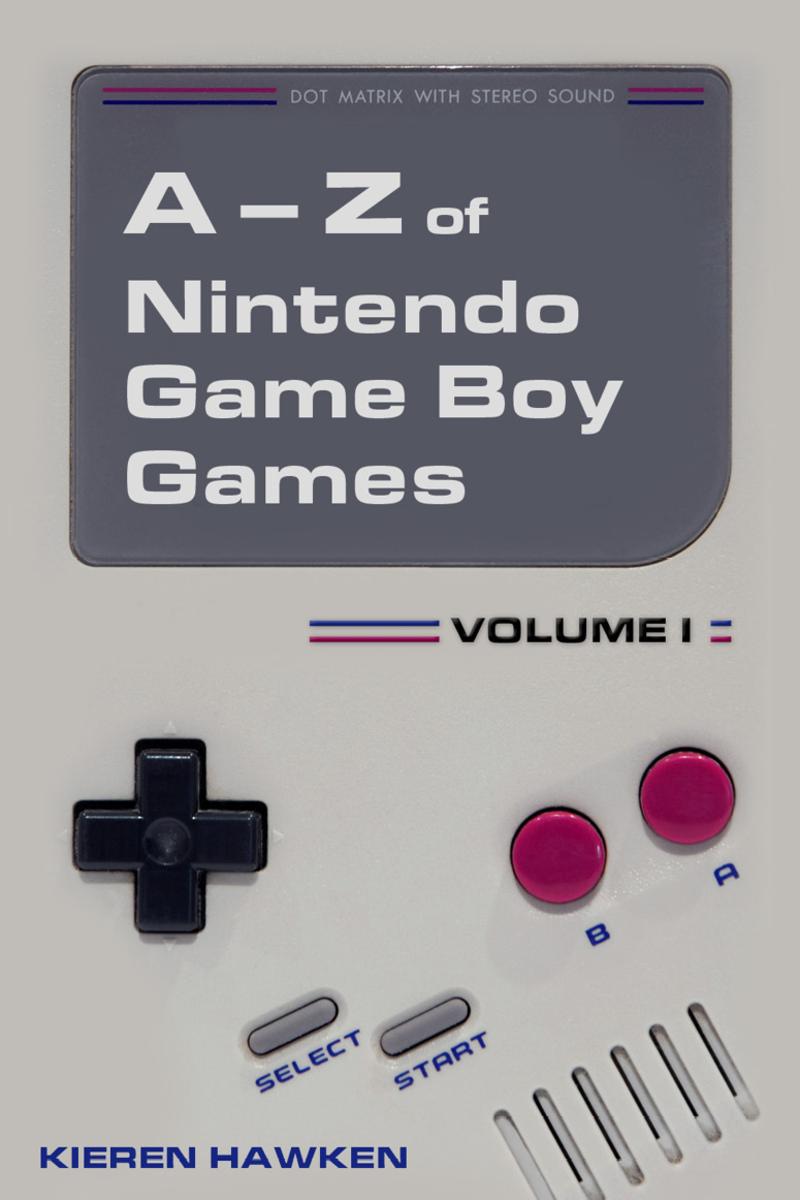
A-Z of Nintendo Game Boy Games
¥19.52
The A-Z of Nintendo Game Boy Games: Volume 1 features reviews of three different games for each letter of the alphabet. The games range from the very earliest releases in 1989 to the modern homebrew games of today. This book shows you just how diverse the library of titles is for the Nintendo Game Boy and how it became one of the most popular consoles of all-time.
Feather
¥48.95
Elliott endures a long, fraught journey to Scotland with his family. Arriving at a loch-side holiday park, some things are familiar and others not quite right. He and his brother argue over different girls, one of whom has a strange request. A riddle leads the brothers into unexpected adventure, and a calamity from the past comes back to haunt them.
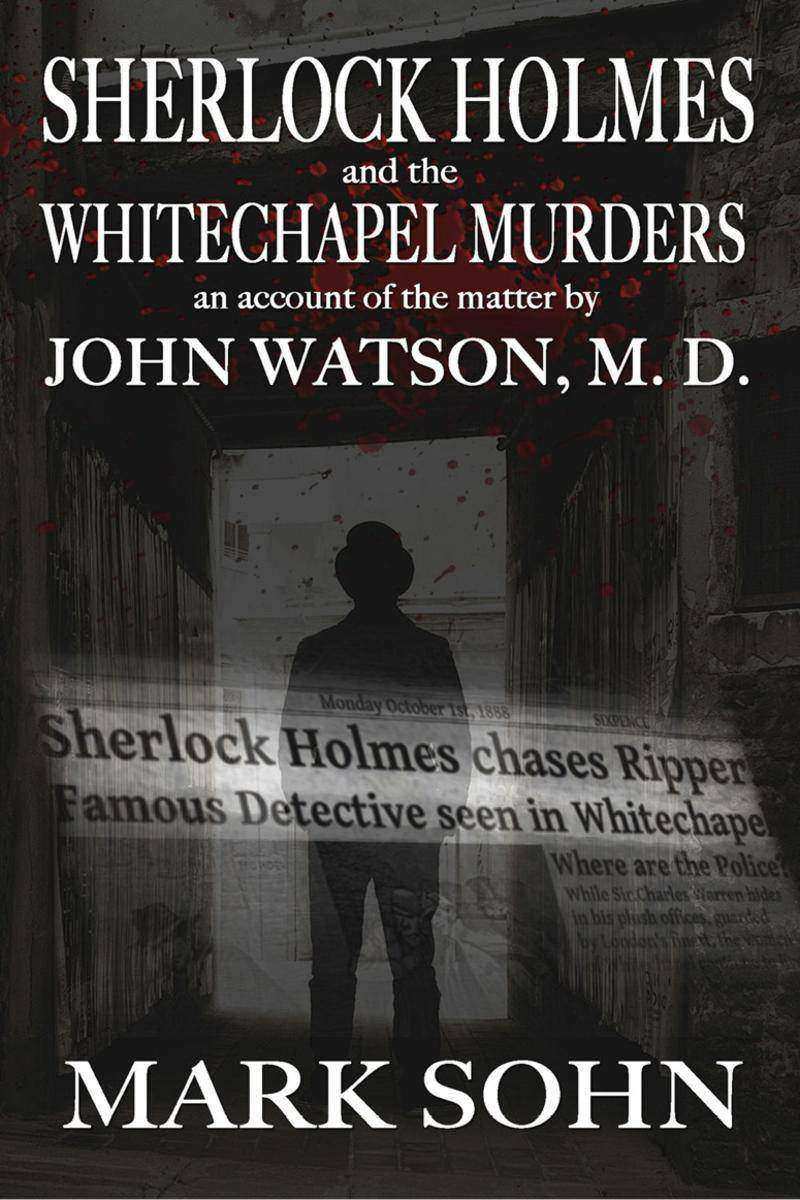
Sherlock Holmes and the Whitechapel Murders
¥58.76
It is the year 1888. A madman stalks the East End of London and only Sherlock Holmes and his trusted colleague and scribe Dr. John Watson stand between him and the women he preys upon. However, the World's first Consulting Detective is plunged into a web of intrigue and deceit. Is Jack the Ripper acting alone? Is there a conspiracy to murder fallen women in Whitechapel? How far must Holmes go to stop it? Add a plot to steal the most famous jewels in existence and a sinister figure known only as 'The Professor' and you have more than one mystery to be solved...
Jazz Music Quiz Book
¥24.43
Do you enjoy listening to jazz music? Can you name the many great artists that the genre has produced? Are you familiar with the songs they are known for? If you think you know all about jazz, the time has come to put your knowledge to the test with this exciting new quiz book?Which jazzmen had a hit in 1962 with 'Midnight in Moscow' earning them a gold disc? Who recorded 'Star Dust & Beyond: A Tribute to Artie Shaw' in 2006? What year did Glenn Miller release 'In the Mood'? If you want to find out the answer to these questions, you need look no further than The Jazz Quiz Book.With 100 questions about the people who have played a part in creating the jazz sound through the years including the artists, their nicknames, the bands, the instruments that they played and many favourite songs from yesteryear, this book is sure to appeal to music fans everywhere. If you like jazz, you will love this quiz book.
Sherlock Holmes and the Acton Body-Snatchers
¥19.52
In this compelling short story, Holmes and Watson receive an early internment as punishment for infiltrating the Body-Snatchers Club. Will they survive to solve the nasty ongoing case of the missing boy sopranos? This Sherlockian gem was first published in 2014 in the third collection of the Final Tales of Sherlock Holmes.
Chelsea Quiz Book
¥34.24
Are you a true fan of the Blues? Do you follow every match? Have you picked up lots of little known facts about Chelsea Football Club along the way? Then the time has come to put your knowledge to the test with this quiz book.With 250 questions, some easy, some more challenging, this book has been put together to test your memory of the people and places that have shaped the club's long and successful history. Can you remember players past and present, their nationalities or how many caps they made for their country? With questions on all aspects of the game including managers, opponents, club honours, and League positions, The Chelsea Quiz Book is certain to have you disputing points with your friends and family to find out who really knows the most about the Blues.Packed with information, this tribute to Chelsea Football Club is a must-have for all loyal Blues supporters and is guaranteed to score a hit with football enthusiasts everywhere.
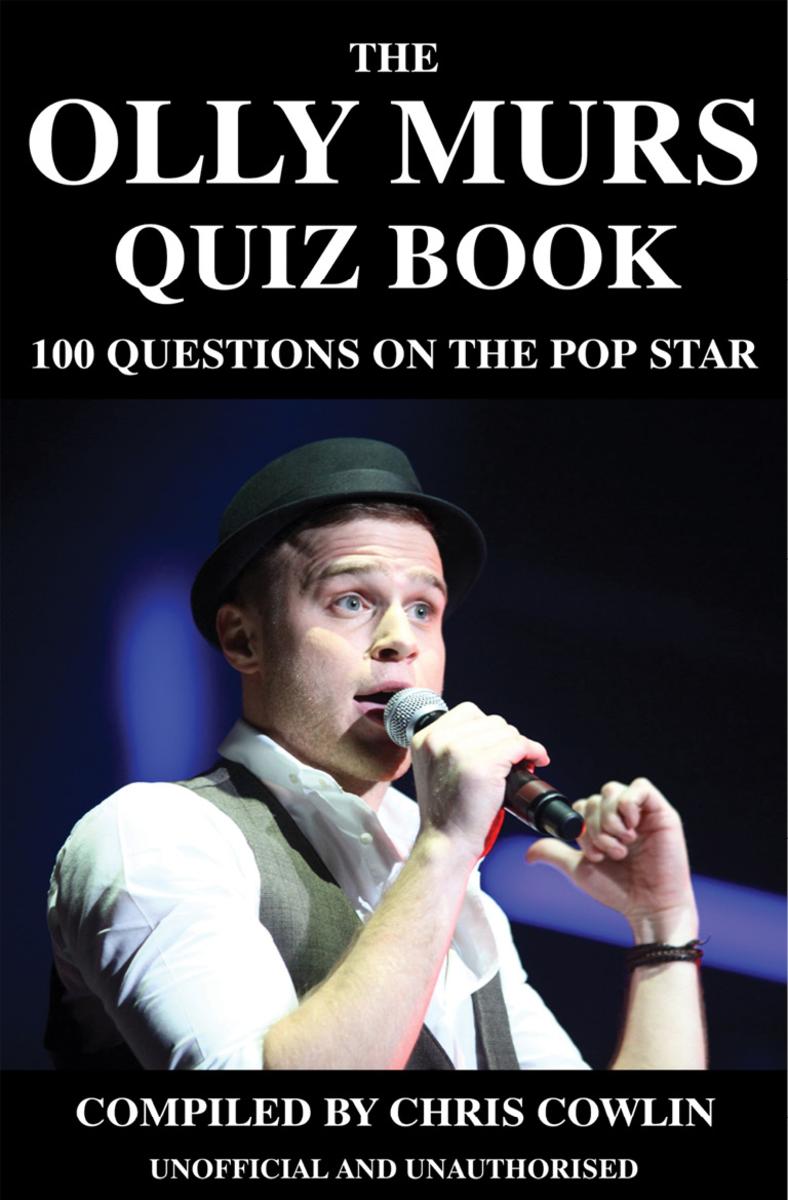
Olly Murs Quiz Book
¥24.43
Are you a fan of Olly Murs? Do you enjoy listening to his music? Have you followed his journey from X Factor runner-up to award winning pop star and popular TV presenter. If you think you know all about Olly Murs or would like to find out more, The Olly Murs Quiz Book is for you.Which American male singer was Olly's role model whilst growing up? Which song did he sing when he auditioned for The X Factor in 2009? For how many weeks was Olly's song 'Thinking of Me' in the top 10 in the UK single charts? The answers to all these questions and more can be found in this exciting new quiz book.With 100 questions and fascinating facts all about Olly Murs, including many personal details, you are certain to learn something new about the man and his music. This is a must-have book for everyone who supported Olly during his time on The X Factor and all the many fans, old and young, who have watched him grow into a polished performer.
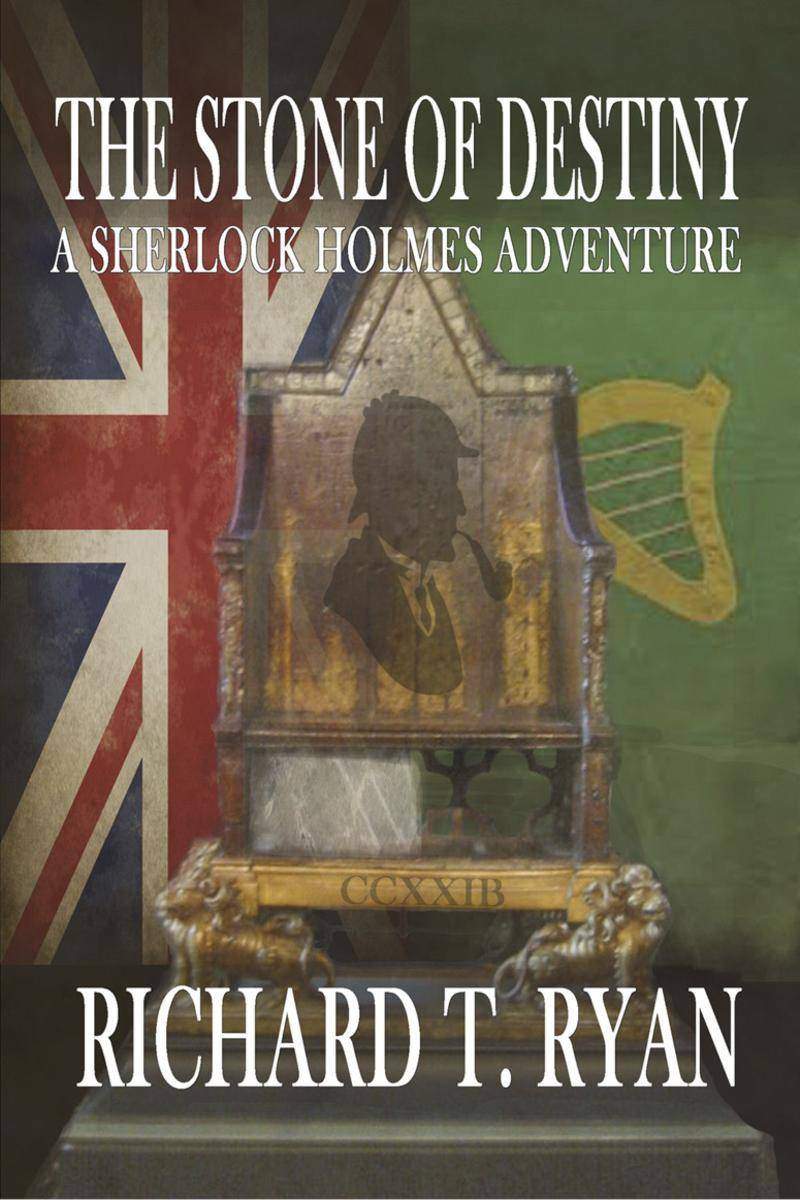
Stone of Destiny
¥48.95
During the elaborate funeral for Queen Victoria, a group of Irish separatists breaks into Westminster Abbey and steals the Coronation Stone, on which every monarch of England has been crowned since the 14th century. After learning of the theft from Mycroft, Sherlock Holmes is tasked with recovering the stone and returning it to England. In pursuit of the many-named stone, which has a rich and colorful history, Holmes and Watson travel to Ireland in disguise as they try to infiltrate the Irish Republican Brotherhood, the group they believe responsible for the theft. The story features a number of historical characters, including a very young Michael Collins, who would go on to play a prominent role in Irish history; John Theodore Tussaud, the grandson of Madame Tussaud; and George Bradley, the dean of Westminster at the time of the theft. There are also references to a number of other Victorian luminaries, including Joseph Lister and Frederick Treves. For fans of Conan Doyle's immortal detective, the game is always afoot. However, for the great detective the stakes have never been higher as he must mollify a king who refuses to ascend the throne until "e;order has been restored."e;
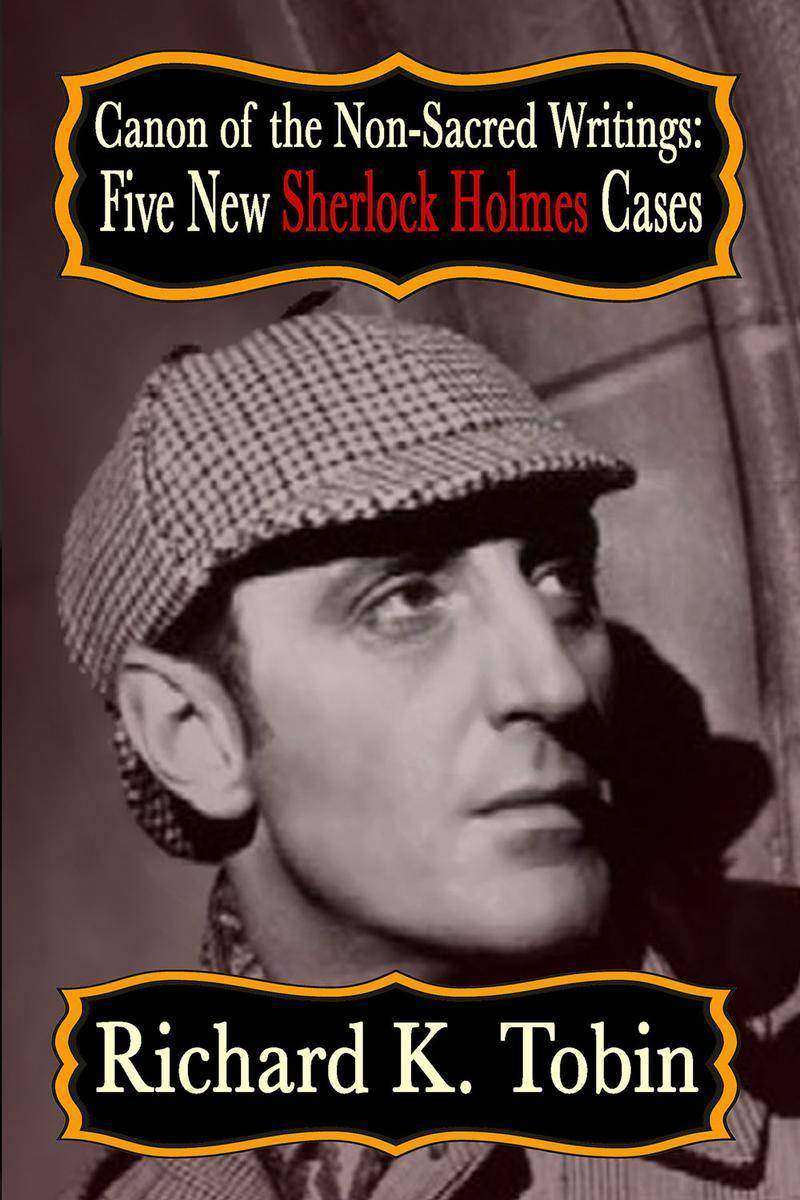
Canon of The Non-Sacred Writings
¥53.86
As Holmesians are aware, the literary works of Sir Arthur Conan Doyle are referred to as the Canon of the Sacred Writings. The title of this collection of short stories reflects my desire to belong to the extensive list of authors and fans that want to grow the literary and entertainment history of Sherlock Holmes. In the five short stories, readers will note Holmes' continued mastery of forensic science and logical reasoning as the cornerstones of resolving the thorny issues presented. Holmes' analysis and deductions are the centerpieces of the stories that form this collection. I hope you enjoy your time with Sherlock.
Blackburn Quiz Book
¥34.24
Do you support Blackburn Rovers? Are you an expert on all the important players and managers who have shaped the club's glorious past? Can you recall all those memorable matches from days gone by? If so, why not find out how many questions you can answer about your favourite football club with this exciting new quiz book?The Blackburn Quiz Book has been carefully compiled to test your memory of The Rovers over the years. How much do you really know about Alan Shearer, Simon Garner and Jason Wilcox? The time has come to find out and, with 250 questions covering all aspects of Blackburn's history including club honours and records, legendary players, top goalscorers, famous opponents, wins, draws and losses, you are certain to learn something new about the team. Full of fascinating facts, this quiz book is guaranteed to prove a hit with football fans of all ages and is a must-have guide for all Rovers supporters and anyone interested in finding out more about this successful Premier League club.
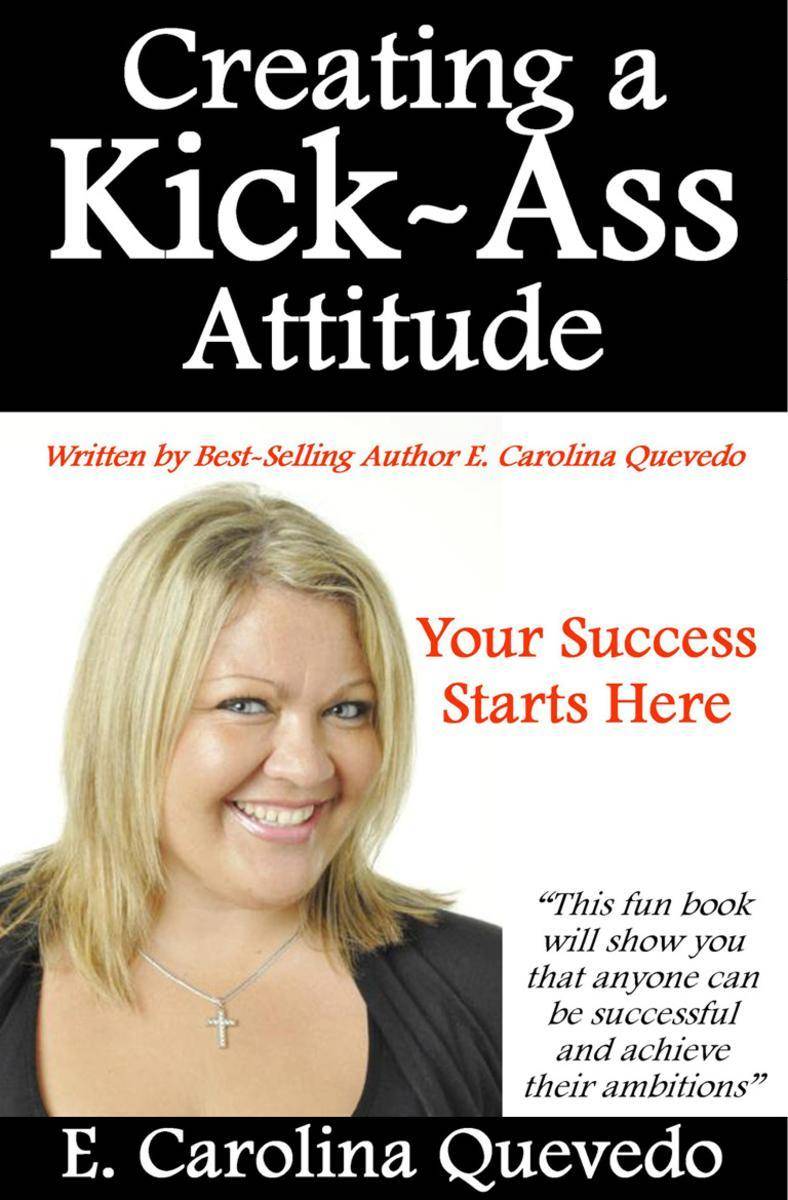
Creating a Kick Ass Attitude
¥39.14
Would you like to know how to develop a more positive attitude? Do you want to learn how to lead a happier life and fulfil your potential? Would you like to know what is stopping you from achieving your personal and professional goals? If you answered yes to any of these questions, Creating a Kick-Ass Attitude will show you how to change your way of thinking to become more successful. In this groundbreaking new book, life coach and entrepreneur E. Carolina Quevedo explains how you can improve your life for the better simply by changing your outlook. Based on her own experiences as an international speaker and motivator, E. Carolina teaches you how to get what you want by liberating your thoughts and changing the way you look at life. Improve your chances of success in everything you do with this must-have self-help guide. Written for a modern generation, this fun book will show you that anyone can be successful and achieve their ambitions, all it takes is the right attitude.
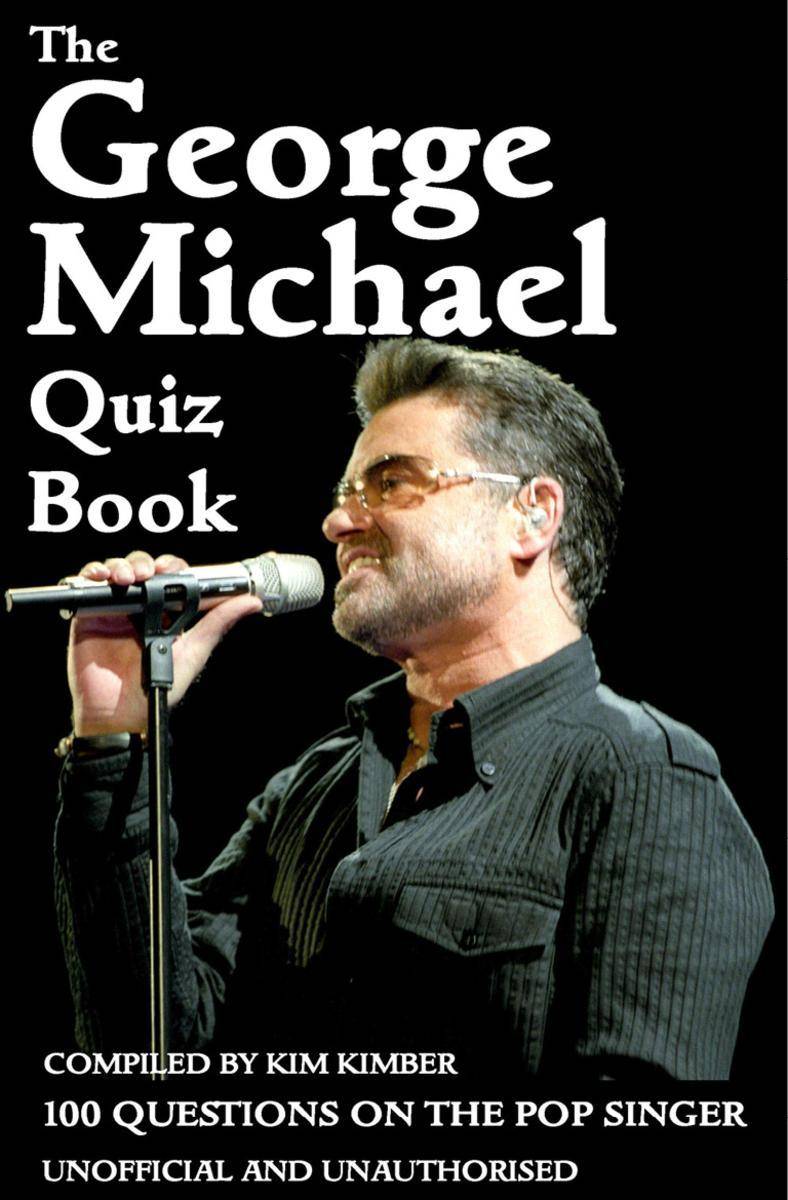
George Michael Quiz Book
¥24.43
Are you a George Michael fan? Have you followed every twist and turn in the veteran of pop's long and successful career from the early days of Wham! through to the present day? Do you know all there is to know about the iconic star's personal and professional life? Then what better way to put your knowledge to the test than with this exciting new quiz book?The100 thought provoking questions in The George Michael Quiz Book have been compiled to test your memory of the events that have shaped the career of one of the most enduring singer-songwriter's in the music business. The book covers George's early life, Wham!, memorable hits, awards, number one abums and many personal details as well as up to date information about George's life in recent months. Packed with fascinating facts, this book will tell you everything you ever wanted to know about one of the all-time bestselling artists in the music industry. This is a must-have book for all George Michael fans and anyone interested in finding out more about the man behind the music.
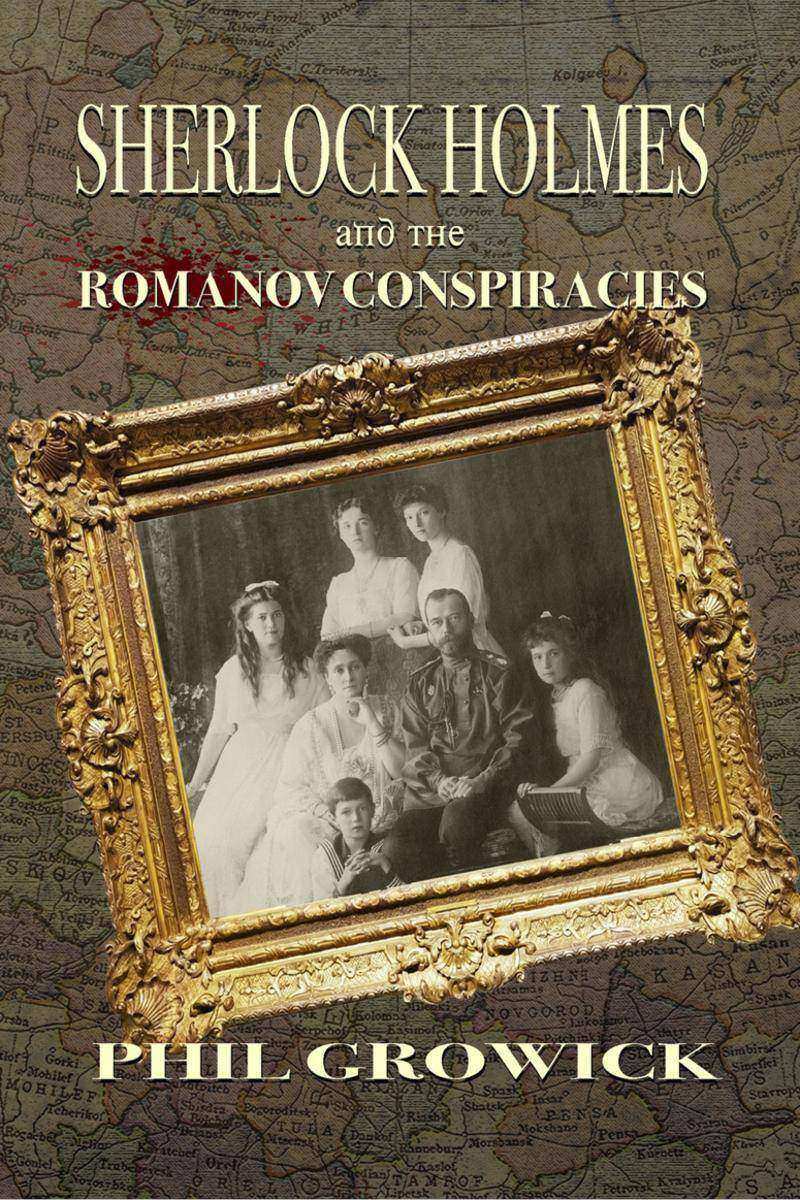
Sherlock Holmes and The Romanov Conspiracies
¥127.43
For the first time, a very special edition combining two of the most intricately intertwined Sherlock Holmes adventures.In The Secret Journal of Dr. Watson: it's the height of the Russian Revolution; Holmes and Watson are sent by the British PM, David Lloyd George, deep into the nascent Soviet Union to rescue the Imperial Romanovs before they're assassinated by the Bolsheviks. But with Lenin, the Cheka, MI-6 and "e;The Black Faction"e; at their throats, who can rescue Holmes and Watson? And if they succeed, what will ultimately happen to them all? Can we believe that Holmes meets his death? And with a stunning surprise ending, how many questions will be left unanswered?In The Revenge of Sherlock Holmes, those questions are answered. But how does Prohibition in America, the birth of organized crime there with murderers like Lucky Luciano and Bugsy Siegel, impact Watson, the Romanovs and the man who claims to be Holmes? And once again, all these tension-filled events keep racing towards another incredible surprise ending.
Frank Sinatra Quiz Book
¥29.33
Are you a fan of frank Sinatra? Have you seen every film he made? Do you know all there is to know about the man and his music? Then why not put your knowledge to the test with this tribute to the legendary entertainer?Frank Sinatra first appeared on the music scene in the 1940s and quickly went on to become one of the world's best loved stars, producing a string of popular hits and appearing in a number of unforgettable films. In a career that spanned six decades, the veteran crooner delighted and entertained audiences across the globe.The Frank Sinatra Quiz Book is full of facts about Ol' Blue Eyes from his early success through to international stardom, including many personal details, and the 200 questions are sure to set you on a trip down memory lane.This book is dedicated to the memory of a man who enjoyed 60 years in the spotlight and whose music and legacy still lives on today. If you like Frank Sinatra, you will love this book.
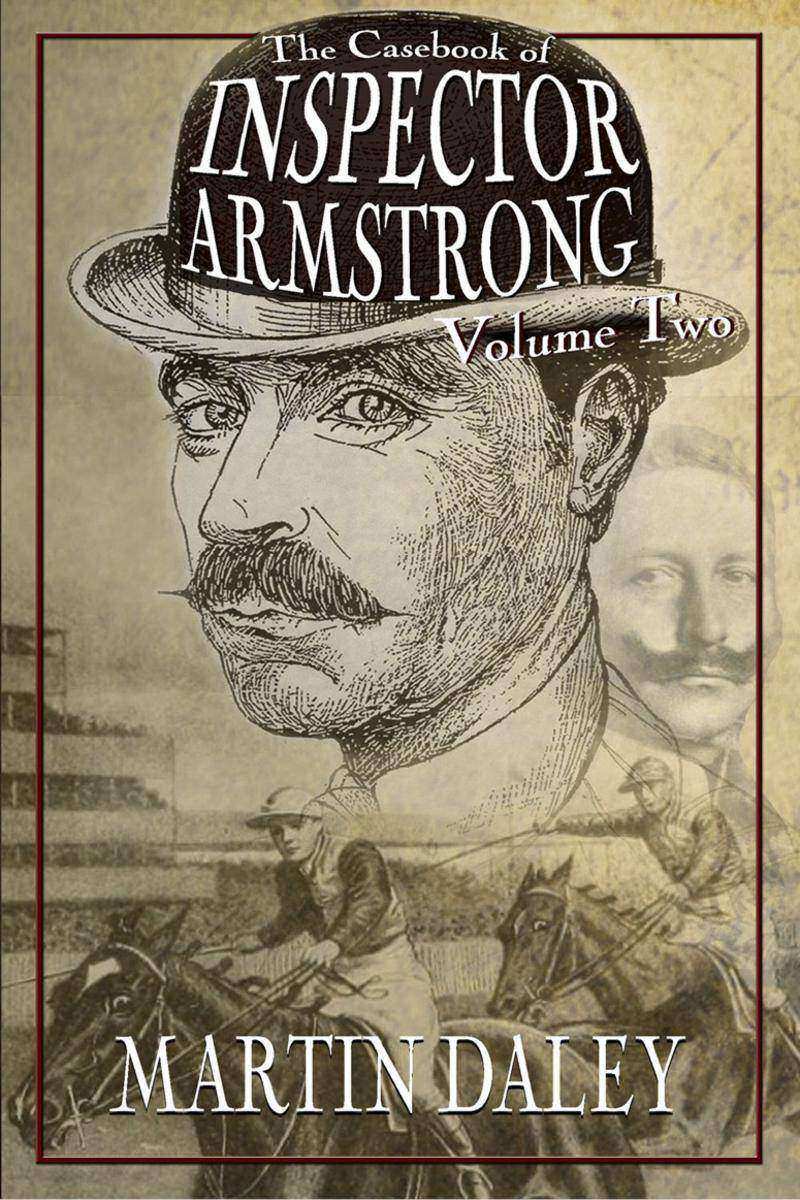
Casebook of Inspector Armstrong - Volume 2
¥48.95
'The Bells and Plate Fix' is set against Cumberland's biggest horse races, the Carlisle Racing Bells and the Cumberland Plate. When a bookie's clerk is found face down in the River Eden, Inspector Armstrong believes there is more to his death than meets the eye. In 'The Kaiser's Assassin', Armstrong's holiday in the Lake District is disrupted when he is invited to meet Kaiser Wilhelm, who is visiting his friend, the 5th Earl of Lonsdale at Lowther Castle. A potent mix of characters leaves Armstrong feeling uncomfortable and as things threaten to spiral out of control over the following days, he faces a race against time to prevent a murder that will have repercussions across Europe.
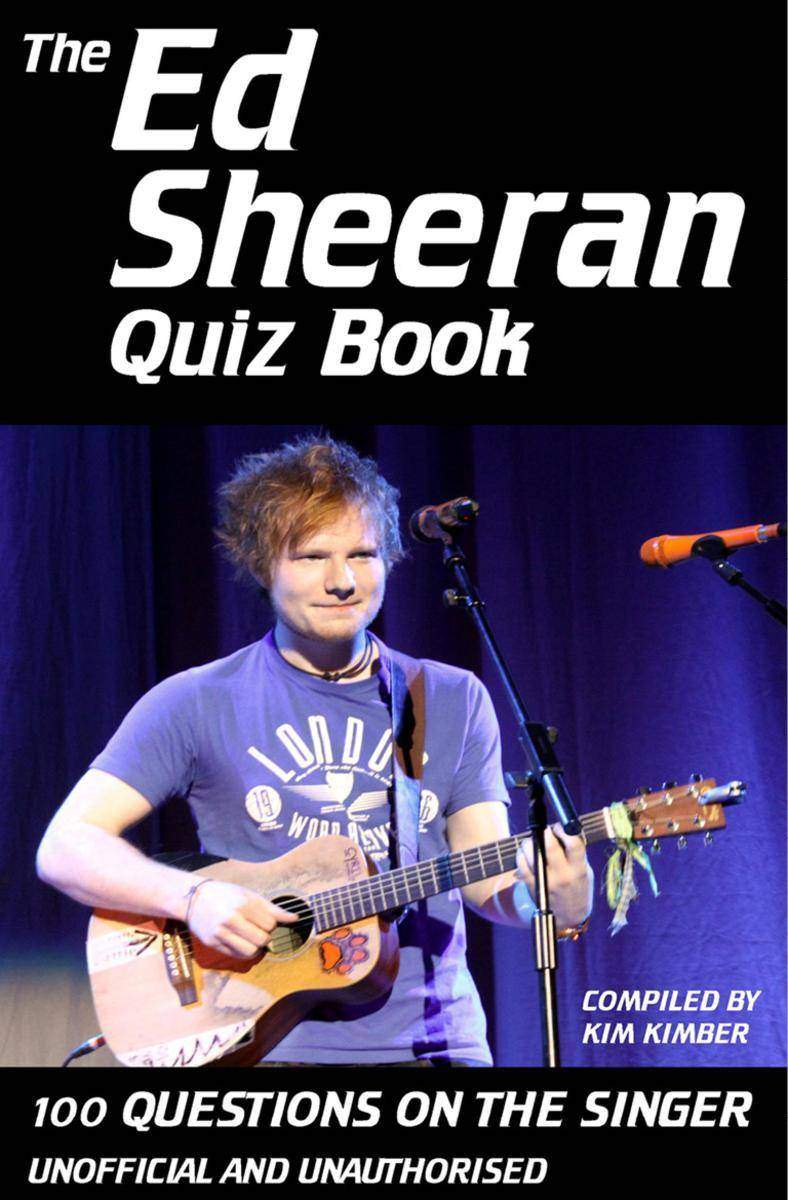
Ed Sheeran Quiz Book
¥24.43
Are you a fan of Ed Sheeran? Do you enjoy the self-styled singer-songwriter's unique brand of music? Would you like to find out more about the popular award-winning performer? If you answered yes to any of these questions, The Ed Sheeran Quiz Book is for you.After several years of hard work and self-promoting whilst he toured the country performing gigs, Ed's career really took off in 2011. This quiz book covers Ed's early life, his time in London and America, as well as the phenomenal success of his debut album '+'. With 100 questions all about the down to earth singer, this book will tell you everything you ever wanted to know about Ed and his music.What is Ed's favourite 'dressing room' drink? How did Ed celebrate his debut album going to number 1? What song did Ed perform a cover version of, on his 21st birthday, on Radio 1's Live Lounge? Find out by dipping into this exciting new quiz book - a must-have for Ed Sheeran fans of all ages.
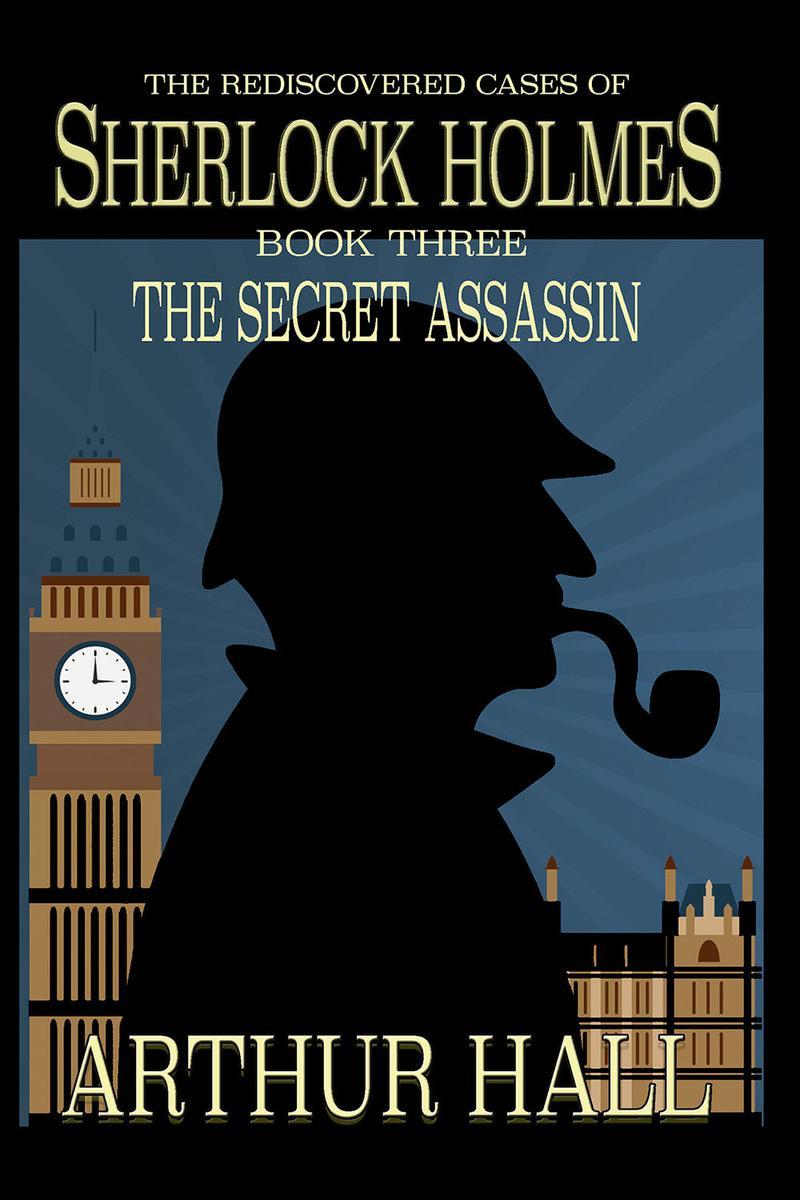
Secret Assassin
¥53.86
The body lying on its back before us was unquestionably that of the man who had attempted to kill Holmes and I with explosives, at Glenbury Gardens. He wore the same dark clothing, although his hat was gone, and the hare lip was a livid scar on his pallid face. Strangely, it crossed my mind that what could be seen of his expression in death was softer than that he had worn in life.
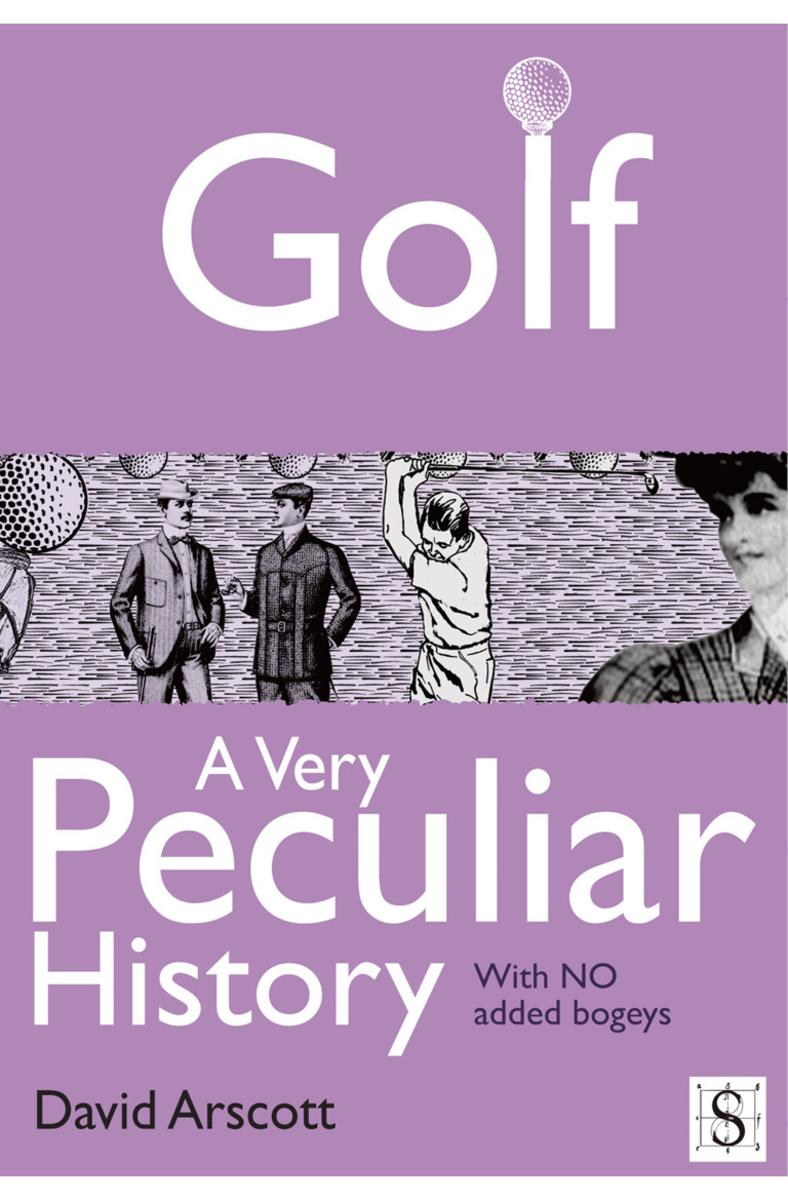
Golf, A Very Peculiar History
¥58.76
Golf, A Very Peculiar History' takes a sideways look at one of Britain's greatest exports, tracing its history from the earliest ball-in-hole games right up to the scandals that rock its current celebrities and tournaments, with a fair few mulligans in between. From its origins as a strictly men-only, exclusive sport, golf has matured a great deal through the ages and has distanced itself from the elitist pursuit it once was, today allowing players from all creeds and sexes. This ebook takes a look at how these prejudices have (sometimes) been overcome, while indulging you with some of the bizarrest stories known to the world of golf. Just remember, it's not always the caddie's fault...

Sherlock Holmes and The Shadows of St Petersburg
¥68.57
"e;A psychological account of a crime"e; - that's how Fyodor Dostoyevsky described his novel Crime and Punishment, which tells of two horrific axe murders in St. Petersburg. It becomes much more than a mere "e;account,"e; however, when a pair of dead bodies turn up in London's East End, their heads split open by an axe-blade. To Scotland Yard, the crimes are murders to solve. To Sherlock Holmes, they present an intriguing puzzle. But to the literary man, Dr. John H. Watson, they seem a deliberate re-staging of the brutal murders depicted in Dostoyevsky's narrative. If Watson is right, what can be the purpose behind an actual recreation of the fictional killings? Blocking the answer to that question is a mysterious assortment of English and Russian eccentrics, and one can only wonder if the startling revelation at the end will be dramatic enough to set matters straight.


