


 购物车
购物车 个人中心
个人中心

Art Of Self Defence
¥44.05
This book gives the reader a whole host of tools - both practical and psychological - which will help them achieve the status of a self-defence master. With thirty-two chapters covering a range of subjects from fitness to body language to eye contact, this book is not your run-of-the-mill martial arts manual. It is written by self-defence expert and 6th Dan Tom Hill, and those with an interest in the mental techniques of attack and defence will no doubt enjoy it greatly.
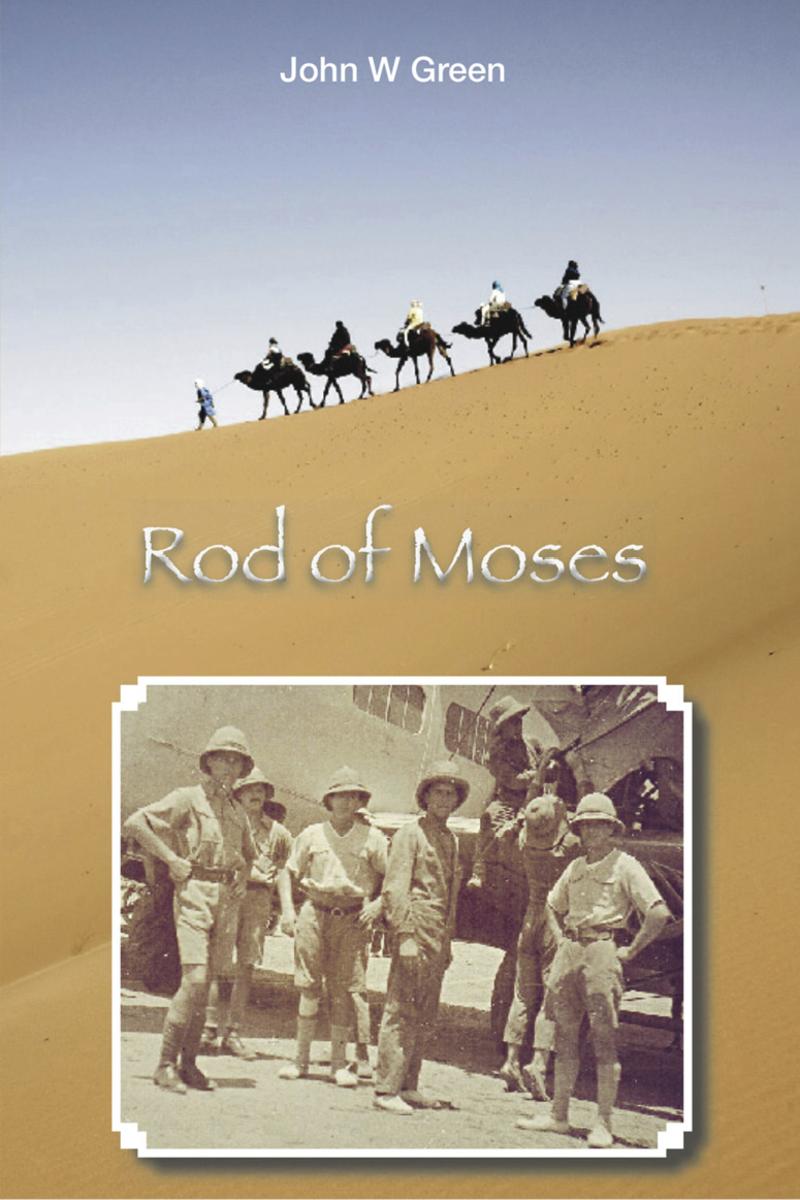
Rod of Moses
¥48.95
1923. When RAF airman Jack Toulson finds a wooden box buried in the desert, he hopes to uncover a cache of jewels or even an antique sword, but all it contains is a worthless old stick with Arabic writing on it. Disappointed, he shoves it into his bag and thinks no more of it. The next day, he decides to take a picture of the empty horizon with his new Kodak Hawk-Eye, but when the picture is developed, it shows a camel-train that had not been there. He concludes it must be a fault with the camera. Jack is wrong on both counts. The stick he held in his hands, and the camel train that appeared in his photograph, were a window into another time a thousand years before Christ - a time when King Solomon tried to seduce the beautiful Queen of Sheba by entrusting her with the most precious artefact known to man: the Rod of Moses. In this gripping novel, the power of the Rod echoes down the generations, from ancient Egypt right through to the present day.

Sebastian
¥29.33
When Sebastian says he wants to travel, the other toys suggest a trip to the North Pole or the Equator. But Sebastian is just a teddy-bear: how could he possibly go around the world on his own? Fate steps in, and soon he is on an adventure that takes him first to Paris and then on a train bound for Russia. Along the way, he has his portrait painted, joins a circus, becomes a magician's assistant, and is mistaken for the Abominable Snowman.

Cranford
¥44.05
This classic work from Elizabth Gaskell has been specially formatted for today's e-readers. This excellent tale is set in a small rural town, inhabited largely by women - a community that runs on co-operation and gossip. The central characters are the daughters of the former rector: Miss Deborah Jenkyns and her sister Miss Matty. In the saga, domestic peace is constantly threatened by financial disaster, burglaries (or are they?), tragic accidents, and the re-apparance of long-lost relatives.

Little Garden of Assisi
¥29.33
At the graveside of Chippums - beloved pet of Mrs Tarleton - the unctuous proprietor of The Little Garden of Assisi is the model undertaker, consoling the bereaved owner and reassuring her of the dog's happy existence in the afterlife. But when the mourners have gone, it's a very different story. Happy to continue to dupe unsuspecting customers, and pocket the rewards, Dribone seems to lead a charmed existence: until the Mayor arrives with a very curious request. The Little Garden of Assisi is one of three twenty-minute comedies for television in this ebook: the others are Ten Days That Shook The Kremlin, and The Yank With the Pig's Head.

Felix Wild
¥107.81
Gosport, 1860. Felix Wild has lived on the streets and on his wits for all his young life. He's been a mudlark at The Hard, eaten tallow when there was nothing else to be had, picked oakum in Forton Gaol, and acquired a skill for 'tup-tup-tupping' from the women of Haslar. He has no family, no idea of how old he might be, and has never heard of Christmas. But he has one remarkable talent: he can make a perfect drawing, from memory, of anything that he has seen.Saved from a further spell in prison by the wealthy William Kettle, Felix joins the Kettle household in East London and is employed to make drawings of the building of a magnificent new iron-clad vessel, HMS Warrior. His eagerness to learn new things knows no bounds: from working out how to use a knife and fork, and reading a dictionary from cover to cover, to being given the 'tipsy key' for the chronometers during his first voyage on board Warrior as she conducts sea-trials. While the men he meets are in awe of his drawing skills, the young women are absorbed in rather less cerebral matters, namely the fit of his fashionably tight 'gas-pipe' trousers and his distinctive looks - one eye is blue, the other green.Felix Wild is a captivating novel that has all the affectionate humour and vivid sense of place that has made Peter Broadbent's naval memoirs so popular.

800 Days in Doha
¥58.76
When Penelope Gordon was headhunted to go and work in Doha, Qatar, her sole experience of the Middle East had been a brief luxury break in Dubai. Her husband Lionel, a much-travelled naval officer, was more blase about the move, but neither was quite prepared for the experience that followed.Penelope left her NHS job at Queen Alexandra Hospital in Portsmouth to head up medical leadership and education in a state-of-the-art set of hospitals in Qatar - a country, she discovered, where there were no maps, where everyone drove their cars rather like they'd drive camels (fast and wildly), where many of her female staff were completely swathed in black with only their eyes visible, and where no-one expected to have to do something when there was a servant to do it for them, even if it was only pressing the 'start' button on the coffee machine.In this captivating and amusing memoir, Penelope shows how she managed to find the humour in dealing with a culture that was often baffling and opaque - and how she not only survived 800 days in Doha, but turned it into an adventure.

Seems Like a Nice Boy
¥48.95
The name Larry Grayson will be instantly recognisable to anyone who can remember the 1970s when his catchphrase 'Shut That Door' was on everybody's lips. However, Larry's rise to fame was slow in coming, born of years of perfecting his craft in clubs and theatres across the country. This biography details Larry's early life, how he was handed over as a baby to a miner's family in mysterious circumstances and brought up by his beloved foster sister, Flo, who was to become his lifelong companion. As a boy, encouraged by Flo, Larry would perform comedy routines for his school chums, standing on a tin bath in a wash-house yard, and he took his first steps into showbiz as a teenager with a local concert party. Seems Like a Nice Boy describes how, after a long career, Larry was eventually spotted by a top agent and set on the road to stardom, not only on stage but on television. Larry went on to host The Generation Game, attracting weekly audiences of around twenty million viewers and bringing Larry the kind of fame that he had always dreamed of. This fascinating book reveals how Larry Grayson's determination to succeed turned him into one of Britain's best-loved entertainers. This is a must-have read for Larry Grayson fans and anyone who enjoys classic comedy from a bygone age.
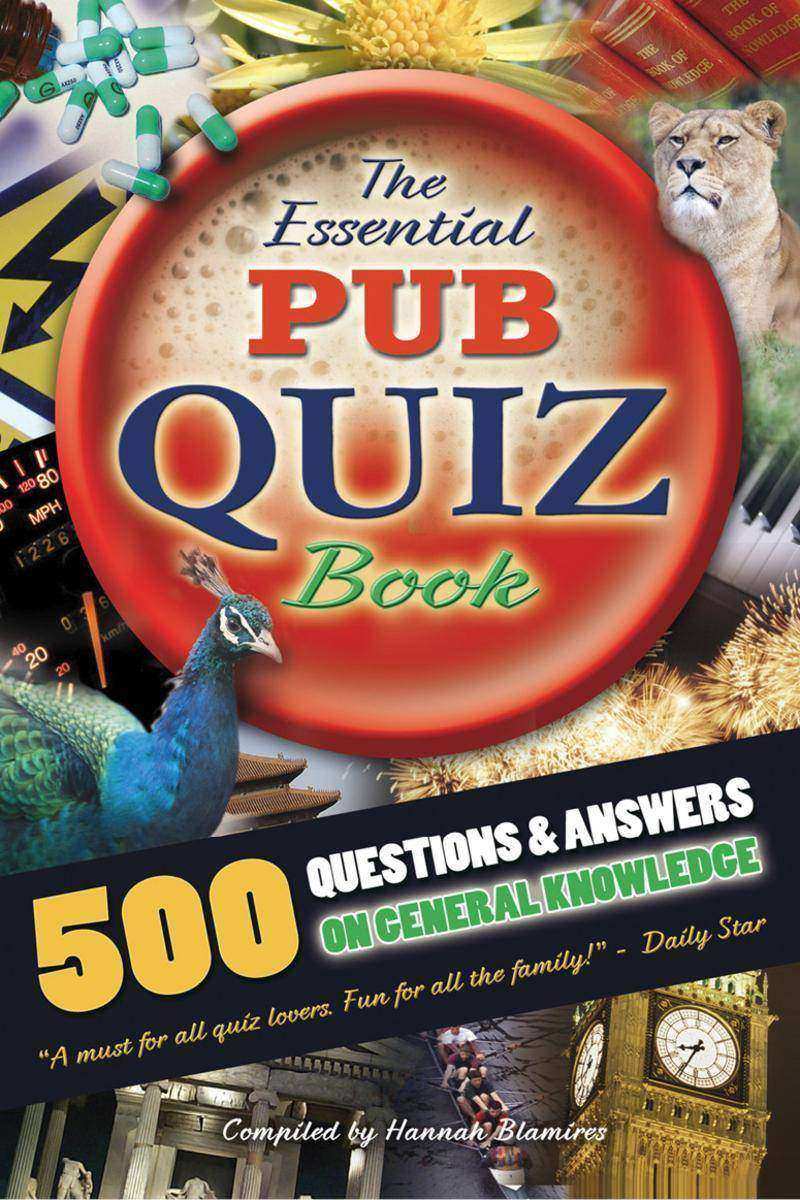
Essential Pub Quiz Book
¥39.14
Do you enjoy pub quizzes? Are you a member of a pub quiz team? Or maybe you would simply like to increase your general knowledge? Whatever your reason for choosing this book, you are certain to enjoy tackling the 500 questions contained inside. What art movement did the American artist Andy Warhol spearhead? What is a collection of giraffes called? Which country other than Norway and Denmark did the Vikings originally hail from? The answers to these questions and more can all be found in The Essential Pub Quiz Book. With sections on a range of topics including sport, art history, geography, countries, cinema, celebrities, food and drink, TV, careers, politics, literature, culture, science, animals, music, cars, social media and gaming, crime and punishment, news headlines, symbolism and religion, fashion, beauty, law and flashbacks to the 1960s, 1970s, 1980s,1990 and 2000s, there really is something for everyone. Whether you are genning up for a quiz night or enjoy learning more about the world around you, this book is guaranteed to teach you something new.

Vom Regen in die Traufe
¥68.57
Mai 1920, die Regierung der Republik in Berlin erklaert die deutschen Freikorps, die im Baltikum noch immer kaempfen, fuer aufgeloest. Geruechte ueber Intrigen und Verschwoerungen beherrschen die Presse. Nationalisten beginnen unter den Augen der Alliierten eine neue deutsche Armee zu schaffen. Alles, was Brock bisher vom Leben gesehen hat, sind der Krieg und das Heer. Der alten Volksweisheit vertrauend, dass, wer wirklich arbeiten will, auch Arbeit findet, macht er sich auf den Weg nach Berlin und wird schnell er eines Besseren belehrt. Betrogen und ausgeraubt endet er ohne einen Pfennig auf der Strasse. Nur Glueck und Mut retten ihn. Widerstrebend wird er in die Machenschaften der militaerischen Geheimbuende und ihrer Verbuendeten in Politik und Wirtschaft involviert. Er betritt die verschiedenen Welten von Gerichtshof und Polizei, Presse und krimineller Unterwelt, Schwarzer Reichswehr und altem Adel. Schliesslich muss er, gerade im Begriff, ein erfolgreicher Reporter zu werden, einen gefaehrlichen Moerder stellen und verliert beinahe sein eigenes Leben. Die spannende Geschichte entwirft ein Bild der Zwanziger Jahre, ohne ein Geschichtsbuch zu sein.
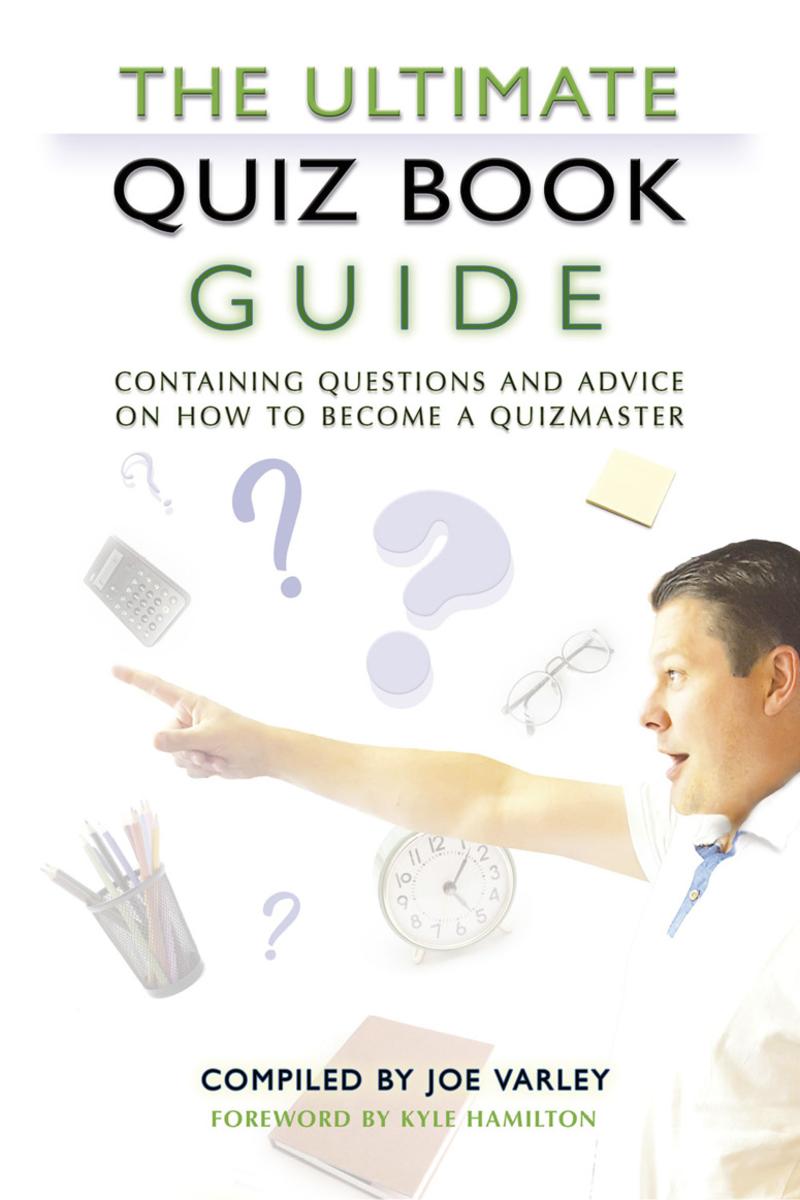
Ultimate Quiz Book Guide
¥39.14
Are you a quizmaster or planning to become one? Have you been charged with running an event at your local pub for the first time? Or are you an experienced quizmaster looking for new material? Whatever your motivation for buying this book The Ultimate Quiz Book Guide will provide you with fresh ideas and tell you everything you need to know about running a successful quiz. With advice and tips from experienced quizmaster, Joe Varley, this book explains how to organise a quiz from beginning to end. There are sections on preparation, tools and location; the business end, writing and researching the questions; on the day; dealing with hecklers; dos and don'ts; different quiz formats and how to organise picture rounds as well as 36 readymade quizzes compiled by the author. Whether you are a seasoned quizmaster or completely new to running quizzes The Ultimate Quiz Book Guide contains everything you need to run an enjoyable and memorable quiz that will leave the participants eagerly anticipating your next event.

Second Book of Short Stories
¥19.52
The second book in the Short Stories by Lyn Funnell series of easy reading stories that cover a variety of situations, places and characters. A Head of His Time, Just Once More, Nelly the Pig, Virtie and more will keep you entertained while your on the move, enjoying a quite Sunday or reading in bed.
Character-Centred Leadership
¥68.57
This book promotes excellence in the practice of leadership to inspire leaders, emerging leaders, and students of leadership to become active participants in shaping their own future and the future of others.
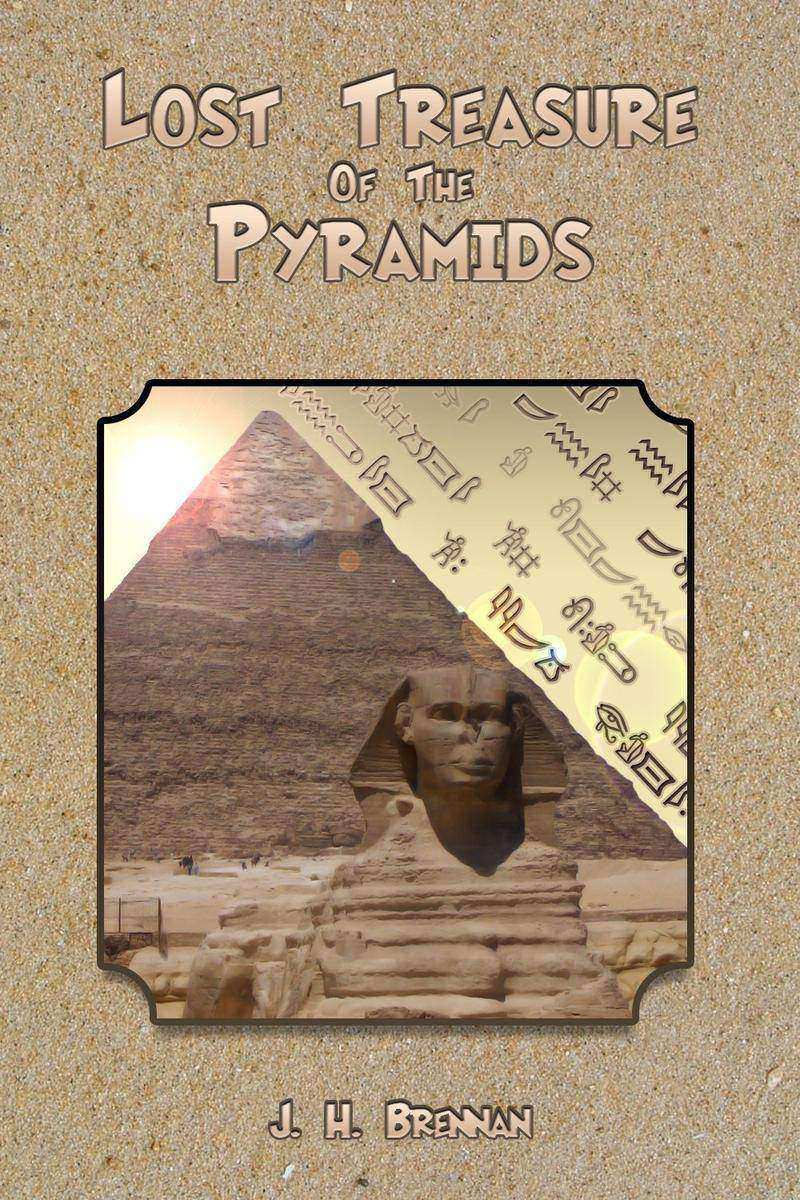
EgyptQuest - The Lost Treasure of The Pyramids
¥19.52
Visit Ancient Egypt for the adventure of a lifetime in this fantastic and at times hilarious thriller from the international superselling gamebook author of the GrailQuest series, Herbie Brennan. In this interactive eBook, you get to choose your own path through the adventure, exploring the pyramids and making your own destiny. Dare you brave the mysteries of ancient Egypt?

Jump Up - The Rise of the Rolling Stones
¥44.05
Jump Up - The Rise of the Rolling Stones was originally a coffee-table illustrated softback that traced the band's first ten years from 1963 onwards. Now available in digital format for the first time since it was published in 1995, the book, taken from author Nigel Goodall's original unedited manuscript, assembles an amazing picture of the first decade of the 'Greatest Rock 'n' Roll Band In the World' - and includes details of previously unheard interviews with the Stones and with all those that knew and worked with them during the period the book covers. Hailed as one of the first biographies to potray a vivid and dramatic telling of the early life and career of the band, the book covers everything from Jagger and Richards meeting on Dartford Railway Station to the early days of playing West London blues clubs, the package tours, the drug busts, the women, the death of Brian Jones, the beginning of the sticky 70s and the major stadium gigs.
Tableau 2019.x Cookbook
¥90.46
Perform advanced dashboard, visualization, and analytical techniques with Tableau Desktop, Tableau Prep, and Tableau Server Key Features * Unique problem-solution approach to aid effective business decision-making * Create interactive dashboards and implement powerful business intelligence solutions * Includes best practices on using Tableau with modern cloud analytics services Book Description Tableau has been one of the most popular business intelligence solutions in recent times, thanks to its powerful and interactive data visualization capabilities. Tableau 2019.x Cookbook is full of useful recipes from industry experts, who will help you master Tableau skills and learn each aspect of Tableau's ecosystem. This book is enriched with features such as Tableau extracts, Tableau advanced calculations, geospatial analysis, and building dashboards. It will guide you with exciting data manipulation, storytelling, advanced filtering, expert visualization, and forecasting techniques using real-world examples. From basic functionalities of Tableau to complex deployment on Linux, you will cover it all. Moreover, you will learn advanced features of Tableau using R, Python, and various APIs. You will learn how to prepare data for analysis using the latest Tableau Prep. In the concluding chapters, you will learn how Tableau fits the modern world of analytics and works with modern data platforms such as Snowflake and Redshift. In addition, you will learn about the best practices of integrating Tableau with ETL using Matillion ETL. By the end of the book, you will be ready to tackle business intelligence challenges using Tableau's features. What you will learn * Understand the basic and advanced skills of Tableau Desktop * Implement best practices of visualization, dashboard, and storytelling * Learn advanced analytics with the use of build in statistics * Deploy the multi-node server on Linux and Windows * Use Tableau with big data sources such as Hadoop, Athena, and Spectrum * Cover Tableau built-in functions for forecasting using R packages * Combine, shape, and clean data for analysis using Tableau Prep * Extend Tableau’s functionalities with REST API and R/Python Who this book is for Tableau 2019.x Cookbook is for data analysts, data engineers, BI developers, and users who are looking for quick solutions to common and not-so-common problems faced while using Tableau products. Put each recipe into practice by bringing the latest offerings of Tableau 2019.x to solve real-world analytics and business intelligence challenges. Some understanding of BI concepts and Tableau is required.
Hands-On Object-Oriented Programming with C#
¥73.02
Enhance your programming skills by learning the intricacies of object oriented programming in C# 8 Key Features * Understand the four pillars of OOP; encapsulation, inheritance, abstraction and polymorphism * Leverage the latest features of C# 8 including nullable reference types and Async Streams * Explore various design patterns, principles, and best practices in OOP Book Description Object-oriented programming (OOP) is a programming paradigm organized around objects rather than actions, and data rather than logic. With the latest release of C#, you can look forward to new additions that improve object-oriented programming. This book will get you up to speed with OOP in C# in an engaging and interactive way. The book starts off by introducing you to C# language essentials and explaining OOP concepts through simple programs. You will then go on to learn how to use classes, interfacesm and properties to write pure OOP code in your applications. You will broaden your understanding of OOP further as you delve into some of the advanced features of the language, such as using events, delegates, and generics. Next, you will learn the secrets of writing good code by following design patterns and design principles. You'll also understand problem statements with their solutions and learn how to work with databases with the help of ADO.NET. Further on, you'll discover a chapter dedicated to the Git version control system. As you approach the conclusion, you'll be able to work through OOP-specific interview questions and understand how to tackle them. By the end of this book, you will have a good understanding of OOP with C# and be able to take your skills to the next level. What you will learn * Master OOP paradigm fundamentals * Explore various types of exceptions * Utilize C# language constructs efficiently * Solve complex design problems by understanding OOP * Understand how to work with databases using ADO.NET * Understand the power of generics in C# * Get insights into the popular version control system, Git * Learn how to model and design your software Who this book is for This book is designed for people who are new to object-oriented programming. Basic C# skills are assumed, however, prior knowledge of OOP in any other language is not required.
ReasonML Quick Start Guide
¥54.49
A hands on approach to learning ReasonML from the perspective of a web developer. Key Features * Hands on learning by building a real world app shell that includes client-side routing and more. * Understand Reason’s ecosystem including BuckleScript and various npm workflows. * Learn how Reason differs from TypeScript and Flow, and how to use it to make refactoring less stressful. Book Description ReasonML, also known as Reason, is a new syntax and toolchain for OCaml that was created by Facebook and is meant to be approachable for web developers. Although OCaml has several resources, most of them are from the perspective of systems development. This book, alternatively, explores Reason from the perspective of web development. You'll learn how to use Reason to build safer, simpler React applications and why you would want to do so. Reason supports immutability by default, which works quite well in the context of React. In learning Reason, you will also learn about its ecosystem – BuckleScript, JavaScript interoperability, and various npm workflows. We learn by building a real-world app shell, including a client-side router with page transitions, that we can customize for any Reason project. You'll learn how to leverage OCaml's excellent type system to enforce guarantees about business logic, as well as preventing runtime type errors.You'll also see how the type system can help offload concerns that we once had to keep in our heads. We'll explore using CSS-in-Reason, how to use external JSON in Reason, and how to unit-test critical business logic. By the end of the book, you'll understand why Reason is exploding in popularity and will have a solid foundation on which to continue your journey with Reason. What you will learn * Learn why Reason is exploding in popularity and why it's the future of React * Become familiar with Reason's syntax and semantics * Learn about Reason's ecosystem: BuckleScript and JavaScript interoperability * Learn how to build React applications with Reason * Learn how to use Reason's type system as a tool to provide amazing guarantees * Gain a solid foundation on which to continue your journey Who this book is for The target audience of this book is web developers who are somewhat familiar with ReactJS and who want to learn why ReasonML is the future of ReactJS.
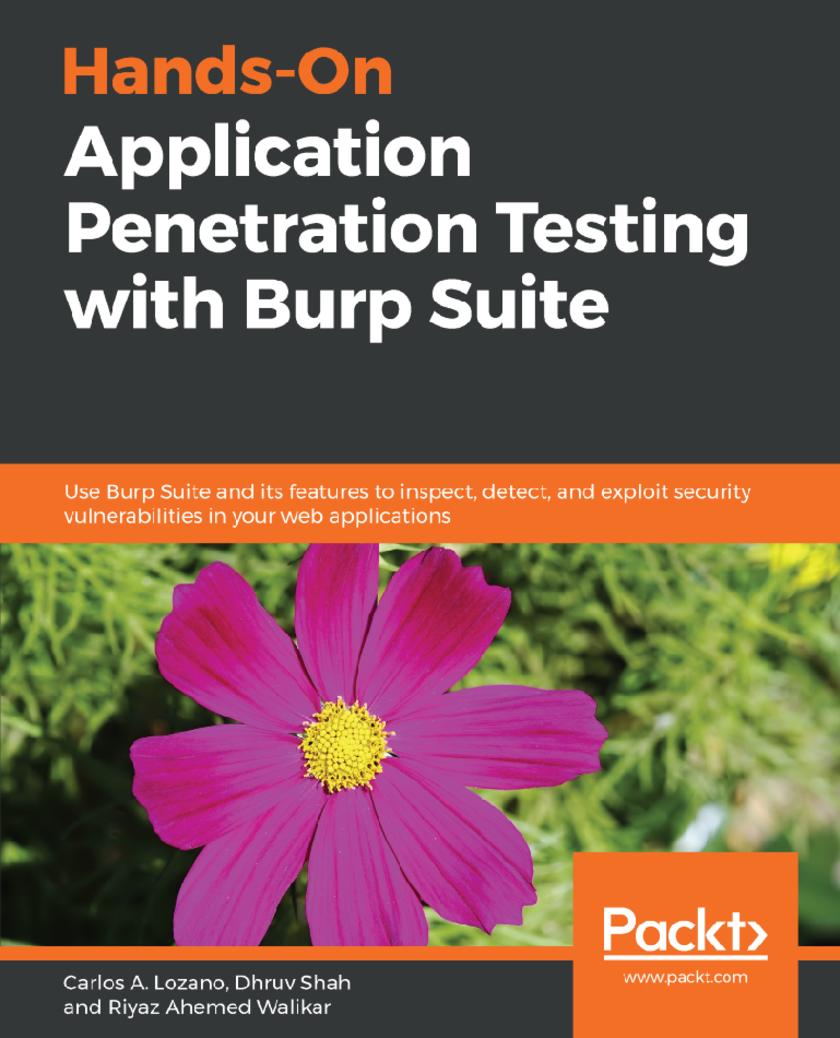
Hands-On Application Penetration Testing with Burp Suite
¥81.74
Test, fuzz, and break web applications and services using Burp Suite’s powerful capabilities Key Features * Master the skills to perform various types of security tests on your web applications * Get hands-on experience working with components like scanner, proxy, intruder and much more * Discover the best-way to penetrate and test web applications Book Description Burp suite is a set of graphic tools focused towards penetration testing of web applications. Burp suite is widely used for web penetration testing by many security professionals for performing different web-level security tasks. The book starts by setting up the environment to begin an application penetration test. You will be able to configure the client and apply target whitelisting. You will also learn to setup and configure Android and IOS devices to work with Burp Suite. The book will explain how various features of Burp Suite can be used to detect various vulnerabilities as part of an application penetration test. Once detection is completed and the vulnerability is confirmed, you will be able to exploit a detected vulnerability using Burp Suite. The book will also covers advanced concepts like writing extensions and macros for Burp suite. Finally, you will discover various steps that are taken to identify the target, discover weaknesses in the authentication mechanism, and finally break the authentication implementation to gain access to the administrative console of the application. By the end of this book, you will be able to effectively perform end-to-end penetration testing with Burp Suite. What you will learn * Set up Burp Suite and its configurations for an application penetration test * Proxy application traffic from browsers and mobile devices to the server * Discover and identify application security issues in various scenarios * Exploit discovered vulnerabilities to execute commands * Exploit discovered vulnerabilities to gain access to data in various datastores * Write your own Burp Suite plugin and explore the Infiltrator module * Write macros to automate tasks in Burp Suite Who this book is for If you are interested in learning how to test web applications and the web part of mobile applications using Burp, then this is the book for you. It is specifically designed to meet your needs if you have basic experience in using Burp and are now aiming to become a professional Burp user.
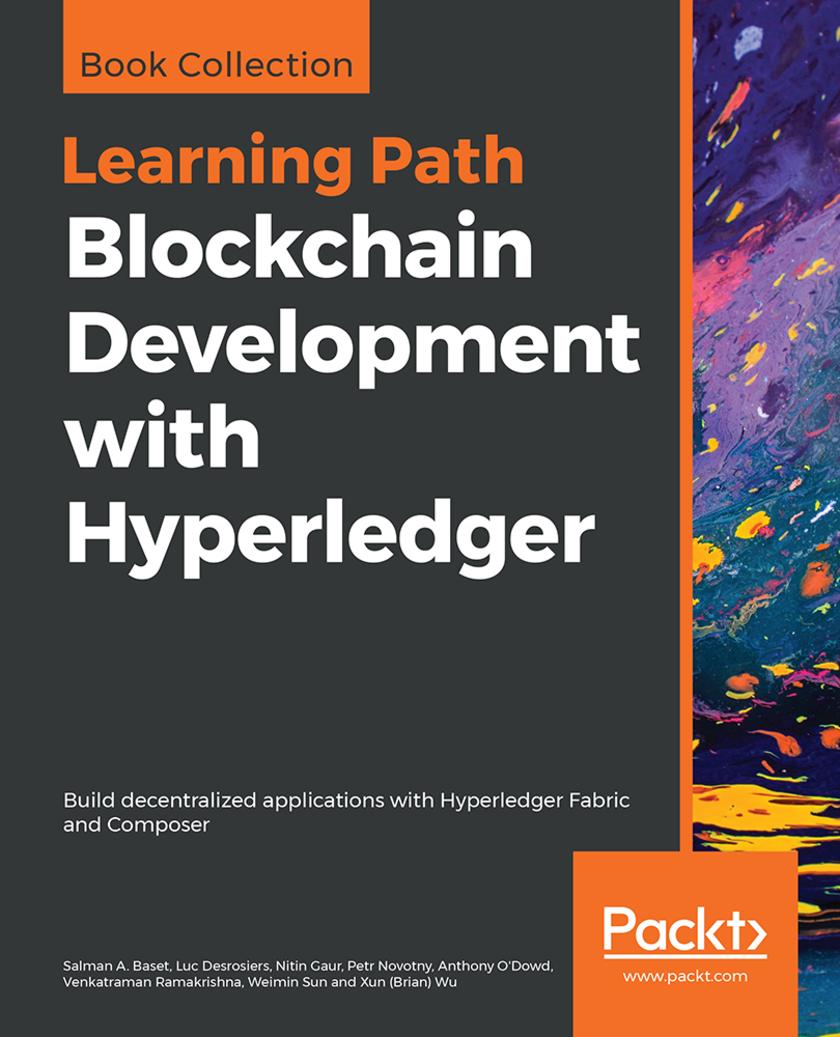
Blockchain Development with Hyperledger
¥90.46
Learn quick and effective techniques for developing blockchain-based distributed ledgers with ease Key Features * Discover why blockchain is a game changer in the technology landscape * Set up blockchain networks using Hyperledger Fabric * Write smart contracts at speed with Hyperledger Composer Book Description Blockchain and Hyperledger are open source technologies that power the development of decentralized applications. This Learning Path is your helpful reference for exploring and building blockchain networks using Ethereum, Hyperledger Fabric, and Hyperledger Composer. Blockchain Development with Hyperledger will start off by giving you an overview of blockchain and demonstrating how you can set up an Ethereum development environment for developing, packaging, building, and testing campaign-decentralized applications. You'll then explore the de facto language Solidity, which you can use to develop decentralized applications in Ethereum. Following this, you'll be able to configure Hyperledger Fabric and use it to build private blockchain networks and applications that connect to them. Toward the later chapters, you'll learn how to design and launch a network, and even implement smart contracts in chain code. By the end of this Learning Path, you'll be able to build and deploy your own decentralized applications by addressing the key pain points encountered in the blockchain life cycle. This Learning Path includes content from the following Packt products: * Blockchain Quick Start Guide by Xun (Brian) Wu and Weimin Sun * Hands-On Blockchain with Hyperledger by Nitin Gaur et al. What you will learn * Understand why decentralized applications are necessary * Develop and test a decentralized application with Hyperledger Fabric and Hyperledger Composer * Write and test a smart contract using Solidity * Design transaction models and chain code with Golang * Deploy the Composer REpresentational State Transfer (REST) Gateway to access Composer transactions * Maintain, monitor, and manage your blockchain solutions Who this book is for This Learning Path is designed for blockchain developers who want to build decentralized applications and smart contracts from scratch using Hyperledger. Basic familiarity with or exposure to any programming language will be useful to get started with this course.
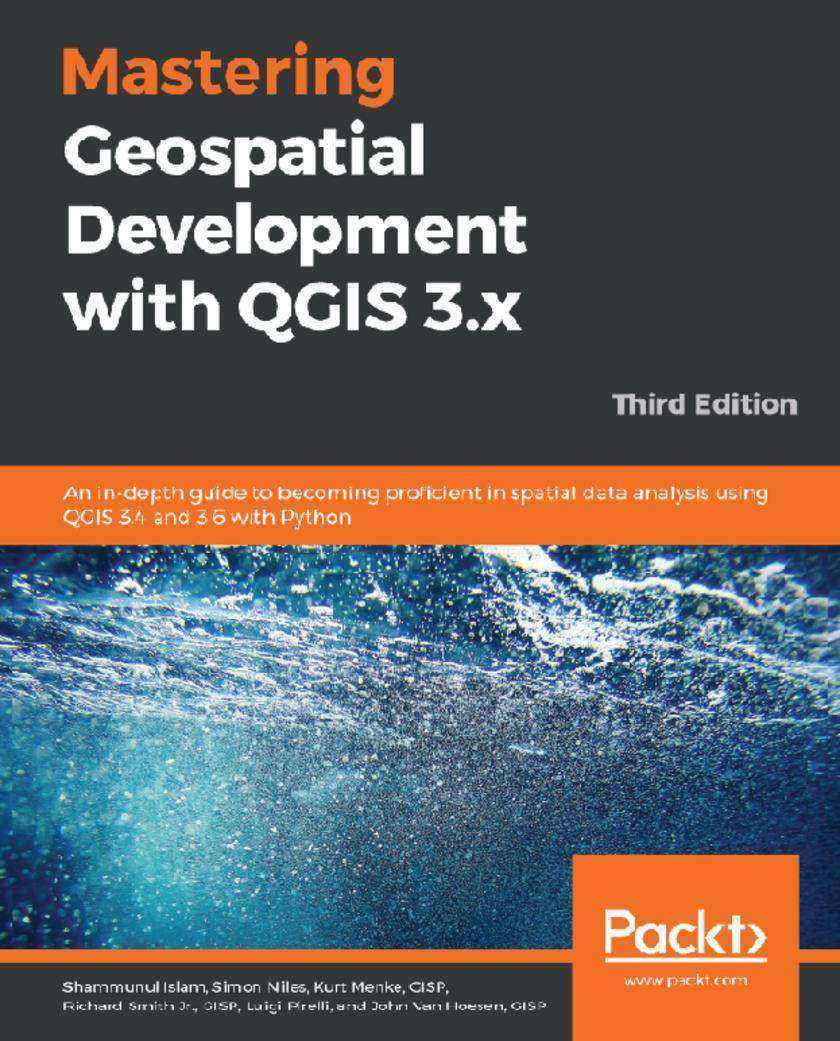
Mastering Geospatial Development with QGIS 3.x
¥73.02
Go beyond the basics and unleash the full power of QGIS 3.4 and 3.6 with practical, step-by-step examples Key Features * One-stop solution to all of your GIS needs * Master QGIS by learning about database integration, and geoprocessing tools * Learn about the new and updated Processing toolbox and perform spatial analysis Book Description QGIS is an open source solution to GIS and widely used by GIS professionals all over the world. It is the leading alternative to proprietary GIS software. Although QGIS is described as intuitive, it is also, by default, complex. Knowing which tools to use and how to apply them is essential to producing valuable deliverables on time. Starting with a refresher on the QGIS basics and getting you acquainted with the latest QGIS 3.6 updates, this book will take you all the way through to teaching you how to create a spatial database and a GeoPackage. Next, you will learn how to style raster and vector data by choosing and managing different colors. The book will then focus on processing raster and vector data. You will be then taught advanced applications, such as creating and editing vector data. Along with that, you will also learn about the newly updated Processing Toolbox, which will help you develop the advanced data visualizations. The book will then explain to you the graphic modeler, how to create QGIS plugins with PyQGIS, and how to integrate Python analysis scripts with QGIS. By the end of the book, you will understand how to work with all aspects of QGIS and will be ready to use it for any type of GIS work. What you will learn * Create and manage a spatial database * Get to know advanced techniques to style GIS data * Prepare both vector and raster data for processing * Add heat maps, live layer effects, and labels to your maps * Master LAStools and GRASS integration with the Processing Toolbox * Edit and repair topological data errors * Automate workflows with batch processing and the QGIS Graphical Modeler * Integrate Python scripting into your data processing workflows * Develop your own QGIS plugins Who this book is for If you are a GIS professional, a consultant, a student, or perhaps a fast learner who wants to go beyond the basics of QGIS, then this book is for you. It will prepare you to realize the full potential of QGIS.


