


 购物车
 个人中心


Воздушные блинчики, оладьи, вафли.
¥17.99
Кра?на, яку залишили ?? творц?, винах?дники та мислител?, приречена на в?йну, голод ? смерть. Владу захоплюють нев?гласи, корупц?онери й мародери. ?стор?я трива? бодай тому, що одна вольова ж?нка на ?м’я Да?н? Та??арт переконана, що досконалий св?т справжн?х ц?нностей ?сну?. Вона намага?ться зламати сценар?й неминучо? катастрофи. ?? Атлантида не м?ф. У св?т? ще ? см?ливц?, спроможн? створити сусп?льний лад, де нема? конфл?кт?в, не виника? потреби в самопожертв?, жодна людина не становить загрози для мети ?нших. Бунт?вн? атланти знають, що розум таки переможе. Риторичне питання, хто такий Джон ?олт, насправд? ма? в?дпов?дь, а неймов?рн? ?де? — сво? вт?лення, яке проголомшу? людську уяву. В останн?й частин? свого фундаментального роману ?дей Айн Ренд змальову? ц?л?сну ф?лософську систему, яка дос? виклика? палк? дискус??, де в?д захвату до обурення — один крок.

Spiders
¥18.74
This book is called The White Spark as the white spark or vacuum cell in Nature IS THE RIGHT HAND OF GOD—it is a ubiquitous principle of the universe and is the cause and parent of electricity, combustion, radium, snow-flakes, flowers, trees, leaves, crystallization, wireless telegraphy, animal forms and EVEN LIFE ITSELF. This book is the key to every department of human endeavor, as it enunciates the basic principle and THE PRIME MOVER of the universe.?It tells the road to health, the cause and cure of disease, the truth about the germ humbug and drug treatments, serums and antitoxins. It shows why luminosity is produced on the flesh of various organisms, why a slice of pollock when first iced, then heated to 100 degrees and then thrust into a temperature of 50 degrees becomes luminous. It shows the farmer that he can become a magician of agriculture—tells that the nitrogen of the air is only a dust of quartz rocks, like the invisible moisture of the air is "a dust of water"—that the nodules on the roots of the clover and legumes do not abstract nitrogen from the air, for if they did nature would have placed these bacteriological growths on the vine and not the root, the scientists have the cart before the horse in this case and the nodular cells form the proteids from sand or silica, this book tells how it is done. It tells what a trance is and how the soul can leave the body temporarily. How JESUS CHRIST is carrying out the biblical prophesy by TELEPATHY. Gives the truths about the ideal society, alcohol, drunkenness, causes of crime, longevity and law.
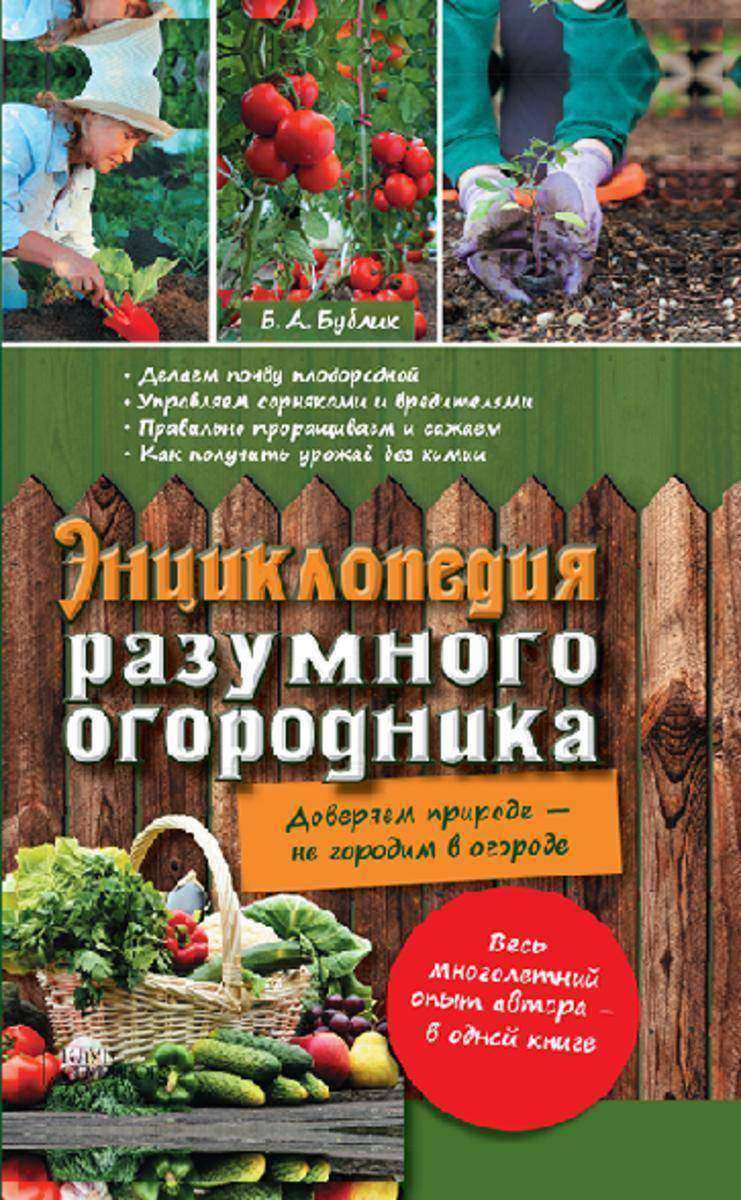
Энциклопедия разумного огородника
¥17.74
Нельсон Мандела — п?вденноафриканський правозахисник, юрист, пол?тик, президент П?вденно-Африкансько? Республ?ки (1994 –??1999 рр.). Мандела був першим президентом ПАР, обраним на демократичних, не сфальсиф?кованих виборах. У сво?й трет?й книз? Нельсон Мандела в?дверто опису? ?н?ц?ац?ю африканських хлопчик?в, побут ? злидн? свого дитинства, навчання й одруження, народження ? смерть сво?х д?тей, жах самотност? в’язня на остров? Роббен ? вистраждану Свободу. Житт?вий досв?д та погляди Нельсона Мандели як н?коли актуальн? в контекст? нин?шн?х укра?нських реал?й, бо ?правда поляга? в тому, що ми ще не в?льн?, ми просто здобули свободу бути в?льними, право не бути пригноблюваними…справжн? випробування нашо? в?дданост? свобод? лише почина?ться?.??
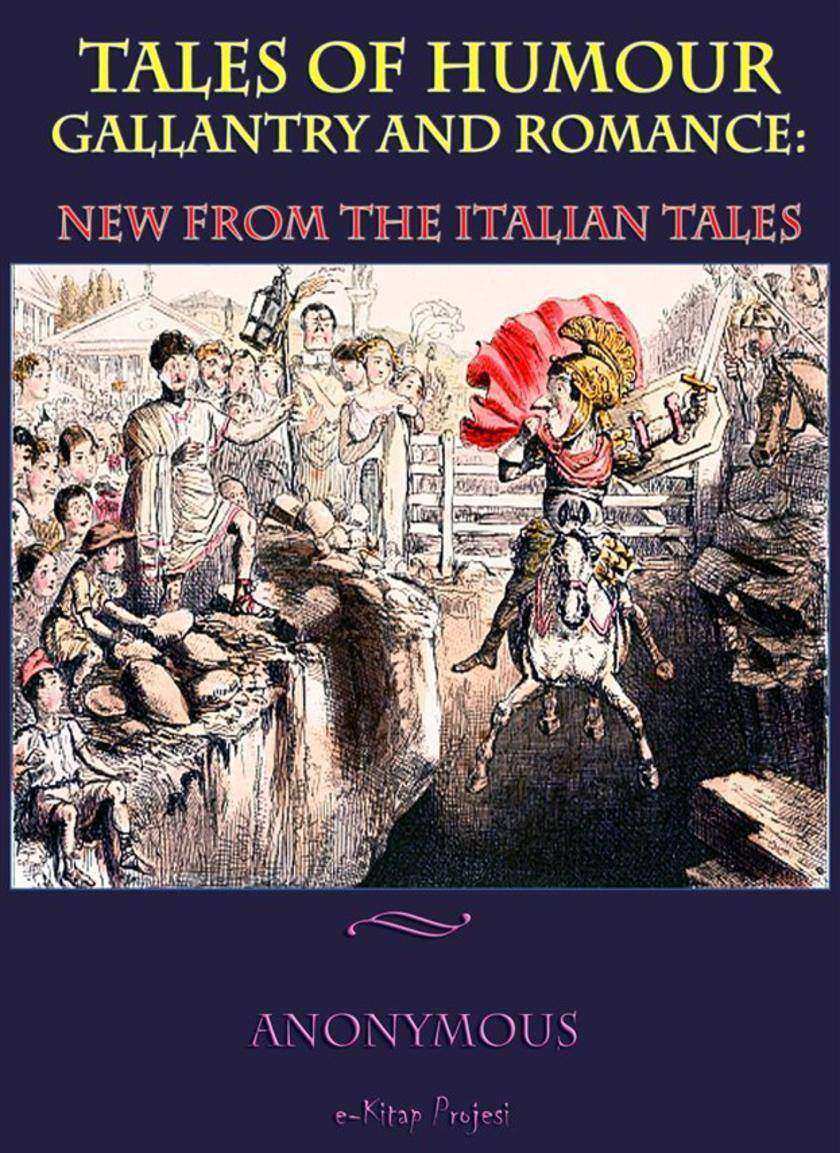
Tales Of Humour, Gallantry and Romance: New from the Italian Tales (Illustrated)
¥9.24
THE history, the features, and the most famous examples of European architecture, during a period extending from the rise of the Gothic, or pointed, style in the twelfth century to the general depression which overtook the Renaissance style at the close of the eighteenth, form the subject of this little volume. I have endeavoured to adopt as free and simple a mode of treatment as is compatible with the accurate statement of at least the outlines of so very technical a subject. Though it is to be hoped that many professional students of architecture will find this hand-book serviceable to them in their elementary studies, it has been my principal endeavour to adapt it to the requirements of those who are preparing for the professional pursuit of the sister arts, and of that large and happily increasing number of students who pursue the fine arts as a necessary part of a complete liberal education, and who know that a solid and comprehensive acquaintance with art, especially if joined to some skill in the use of the pencil, the brush, the modelling tool, or the etching needle, will open sources of pleasure and interest of the most refined description. The broad facts of all art history; the principles which underlie each of the fine arts; and the most precious or most noteworthy examples of each, ought to be familiar to every art student, whatever special branch he may follow. Beyond these limits I have not attempted to carry this account of Gothic and Renaissance architecture; within them I have endeavoured to make the work as complete as the space at my disposal permitted. THE architecture generally known as Gothic, but often described as Christian Pointed, prevailed throughout Europe to the exclusion of every rival for upwards of three centuries; and it is to be met with, more or less, during two others. Speaking broadly, it may be said that its origin took place in the twelfth century, that the thirteenth was the period of its development, the fourteenth that of its perfection, and the fifteenth that of its decline; while many examples of its employment occur in the sixteenth. In the following chapters the principal changes in the features of buildings which occurred during the progress of the style in England will be described. Subsequently, the manner in which the different stages of development were reached in different countries will be given; for architecture passed through very nearly the same phases in all European nations, though not quite simultaneously. It must be understood that through the whole Gothic period, growth or at least change was going on; the transitions from one stage to another were only periods of more rapid change than usual. The whole process may be illustrated by the progress of a language. If, for instance, we compare round-arched architecture in the eleventh century to the Anglo-Saxon form of speech of the time of Alfred the Great, and the architecture of the twelfth century to the English of Chaucer, that of the thirteenth will correspond to the richer language of Shakespeare, that of the fourteenth to the highly polished language of Addison and Pope, and that of the fifteenth to the English of our own day. We can thus obtain an apt parallel to the gradual change and growth which went on in architecture; and we shall find that the oneness of the language in the former case, and of the architecture in the latter, was maintained throughout. For an account of the Christian round-arched architecture which preceded Gothic, the reader is referred to the companion volume in this series. Here it will be only necessary briefly to review the circumstances which went before the appearance of the pointed styles.
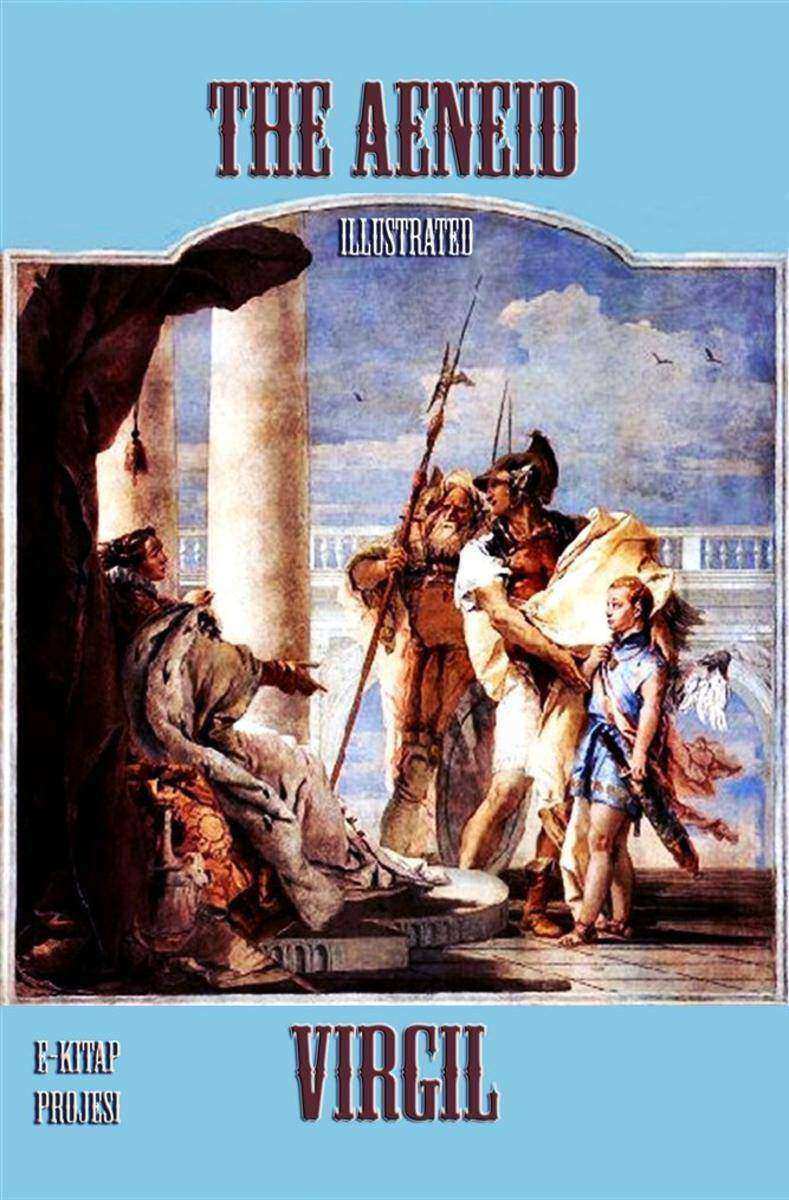
The Aeneid: "Illustrated"
¥18.74
"Where ocean bathes earth's footstool these sea-bowersBedeck its solid wavelets: wise was heWho blended shore with deep, with seaweed flowers,And Naiads' rivulets with Nereids' sea." Strictly speaking the peninsula on which the city stands is of the form of a trapezium. It juts out into the sea, beating back as it were the fierce waves of the Bosphorus, and forcing them to turn aside from their straight course and widen into the Sea of Marmora, which the ancients called the Propontis, narrowing again as it forces its way between the near banks of the Hellespont, which rise abrupt and arid from the European side, and slope gently away in Asia to the foot of Mount Ida. Northwards there is the little bay of the Golden Horn, an arm as it were of the Bosphorus, into which run the streams which the Turks call the Sweet Waters of Europe. The mouth of the harbour is no more than five hundred yards across. The Greeks of the Empire spanned it by a chain, supported here and there on wooden piles, fragments of which still remain in the Armoury that was once the church of S. Irene. Within is safe anchorage in one of the finest harbours of the world. South of the Golden Horn, on the narrow tongue of land—narrow it seems as seen from the hills of the northern shore—is the city of Constantine and his successors in empire, seated, like the old Rome, on seven hills, and surrounded on three sides by sea, on the fourth by the still splendid, though shattered, medi?val walls. Northwards are the two towns, now linked together, of Pera and Galata, that look back only to the trading settlements of the Middle Ages.The single spot united, as Gibbon puts it, the prospects of beauty, of safety, and of wealth: and in a masterly description that great historian has collected the features which made the position, "formed by Nature for the centre and capital of a great monarchy," attractive to the first colonists, and evident to Constantine as the centre where he could best combine and command the power of the Eastern half of his mighty Empire. Byzantium Before Constantine.It is impossible to approach Constantinople without seeing the beauty and the wonder of its site. Whether you pass rapidly down the Bosphorus, between banks crowned with towers and houses and mosques, that stretch away hither and thither to distant hills, now bleak, now crowned with dark cypress groves; or up from the Sea of Marmora, watching the dome of S. Sophia that glitters above the closely packed houses, till you turn the point which brings you to the Golden Horn, crowded with shipping and bright with the flags of many nations; or even if you come overland by the sandy wastes along the shore, looking across the deep blue of the sea to the islands and the snow-crowned mountains of Asia, till you break through the crumbling wall within sight of the Golden Gate, and find yourself at a step deep in the relics of the middle ages; you cannot fail to wonder at the splendour of the view which meets your eyes. Sea, sunlight, the quaint houses that stand close upon the water's edge, the white palaces, the crowded quays, and the crowning glory of the Eastern domes and the medi?val walls—these are the elements that combine to impress, and the impression is never lost. Often as you may see again the approach to the imperial city, its splendour and dignity and the exquisite beauty of colour and light will exert their old charm, and as you put foot in the New Rome you will feel all the glamour of the days that are gone by.

Пока не взошла луна (Poka ne vzoshla luna)
¥18.07
Щороку ми д?зна?мося дедал? б?льше нових сл?в у галуз? економ?ки, комп’ютерних технолог?й ? маркетингу, натом?сть невпинно убож?? наш лексикон у сфер? етики й морал?. Дев?д Брукс б’? на сполох: очевидно, що сучасне сусп?льство у гонитв? за новац?ями нехту? усталеними етичними принципами, втрача? моральн? стимули й ?деали, руйну? св?й духовний стрижень. ?ДНК особистост?? про те, як переглянути власн? пр?оритети ? зосередитися на внутр?шн?х чеснотах. Вона покаже, як деяким людям вдалося проторувати шлях до сильного характеру ? стати г?дною особист?стю. ?хн? ?стор?? стануть для читача певними ор??нтирами у пошуках власно? стратег?? гартування характеру, допоможуть п?знати себе, в?днайти душевну гармон?ю ? щастя.

Вазочки, конфетницы, корзинки.
¥17.74
Капталзм свобода — класика полтико-економчно лтератури ХХ столття — як нколи актуальна для Украни. Нобелвський лауреат Млтон Фрдман розгляда зв’язок мж економчною та полтичною свободою. Вн опису, чому варто обмежити вплив держави в економку, децентралзувати владу, забезпечити гнучкий валютний курс, роздержавити сфери освти соцального забезпечення.

The Critique of Pure Reason
¥28.04
Piping down the valleys wild,?Piping songs of pleasant glee,?On a cloud I saw a child,?And he laughing said to me:??"Pipe a song about a Lamb!"?So I piped with merry cheer.?"Piper, pipe that song again;"?So I piped: he wept to hear.??"Drop thy pipe, thy happy pipe;?Sing thy songs of happy cheer!"?So I sang the same again,?While he wept with joy to hear.??"Piper, sit thee down and write?In a book, that all may read."?So he vanish'd from my sight;?And I pluck'd a hollow reed,??And I made a rural pen,?And I stain'd the water clear,?And I wrote my happy songs?Every child may joy to hear. ?

Закусочные и сладкие пироги, пирожки, тарты, киши
¥17.74
Багато людей не визначають пр?оритет?в, не формулюють мети життя ?, як насл?док, просто пливуть за теч??ю. Так? люди ризикують опинитися не там, де хот?ли. Коли житт?ва р?ка почина? кидати тебе на порогах, де шукати рят?вний круг, як не втратити весло, що допоможе повернутися на обраний шлях? Автори ц??? книжки — в?домий блогер Майкл Гаят ? б?знес-тренер Ден?ел Гаркав? — вважають, що вряту? ефективний житт?вий план. ??Книжка ?Дивись уперед? покрокова ?нструкц?я з? створення карти д?й, яка стане вашим найважлив?шим проектом. Книжка стане в нагод? ус?м, хто хоче розвиватись ? зм?нюватись, та вважа?, що життя ма? приносити рад?сть.

Тринадцята казка (Trinadcjata kazka)
¥27.22
Одного дня життя дев’ятир?чного хлопчика повн?стю зм?нилося. Дитяча ц?кав?сть обернулася страшною пожежею, внасл?док яко? хлопчик отримав оп?ки майже усього т?ла. Пробувши у л?карн? п’ять м?сяц?в, в?н пережив ампутац?ю пальц?в та бол?сну реаб?л?тац?ю. Але якщо рубц? на т?л? можна прикрити одягом, то що робити ?з душевними шрамами? Чи можна п?сля цього мр?яти про повноц?нне щасливе життя? ?У полум’?? — це книга-спов?дь про незламн?сть, пошук себе ? велику роботу на шляху до усп?ху. Вона написана на основ? реальних под?й, як? зм?нили життя багатьох людей.

Торты нашего детства. Мамочкина вкуснятина!
¥17.99
Книга объединяет два главных прижизненных издания основателя и ярчайшего представителя поэзии абсурда. Эдвард Лир (1812-1888) – прославленный английский поэт и художник, отец литературного лимерика, жанра, оказавшего заметное влияние на литературу конца XIX и всего XX века. Лимерики (216 забавных пятистиший) приведены на языке оригинала с параллельными переводами, выполненными лучшим российским интерпретатором поэзии нонсенса Борисом Архипцевым, и сопровождаются авторскими иллюстрациями. Переводчик посвятил работе более 20 лет жизни, добившись уникального результата, невиданной прежде полноты раскрытия авторского замысла в сочетании с красотой и естественностью звучания русского стиха. ?…Архипцев переводит Эдварда Лира, как благочестивый толковник – Писание: он передает и смысл, и звук. Точен – часто до мельчайших деталей. Звучен – до самой лихой эквилибристики…??Н. Горбаневская. Книга погружает читателя в атмосферу тонкого английского юмора, превосходно переданного переводчиком, в мир абсурда, делая его близким и понятным человеку любого возраста – от младшего школьного до старшего пенсионного. Издательство Animedia Company желает вам приятного чтения.
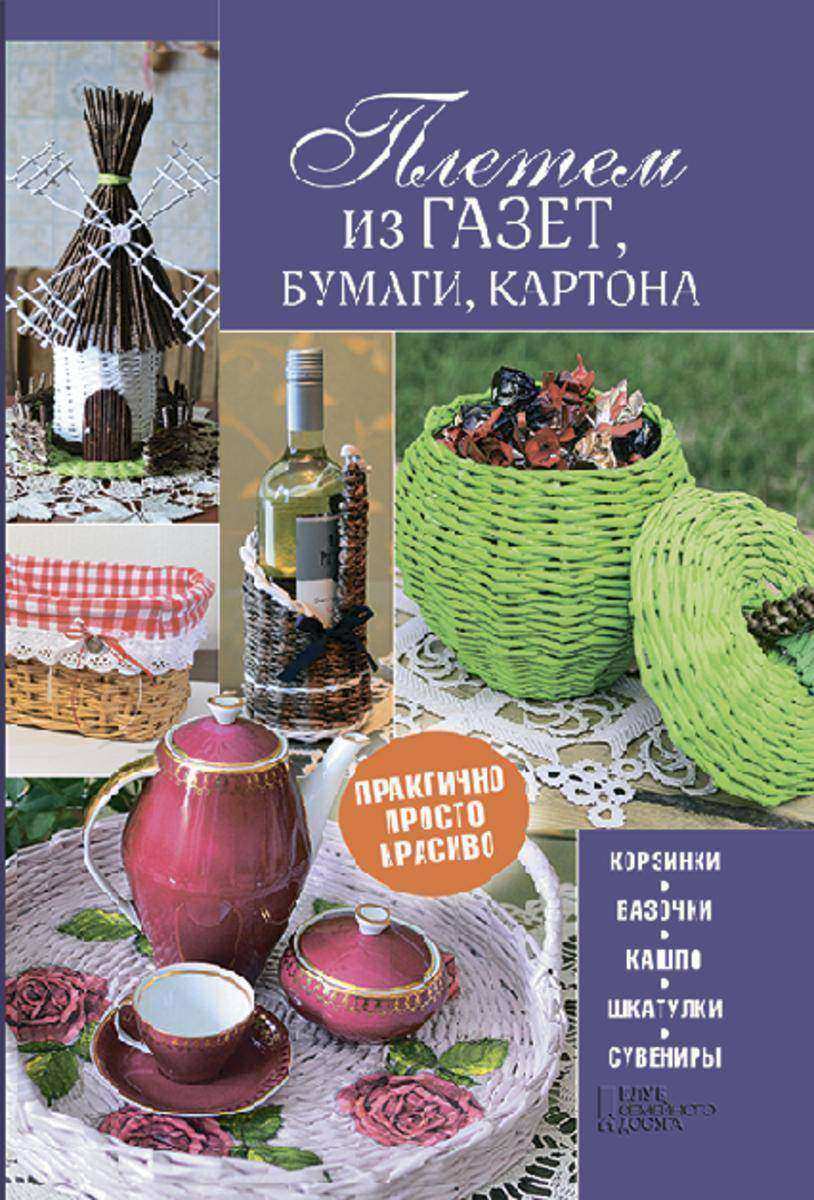
Плетем из газет, бумаги, картона (Pletem iz gazet, bumagi, kartona)
¥17.74
Rū?ītis ?ī skaistā pasaka ir mazā elfa dzīves stāsts. Vi?? mitinājās bagāta tirgotāja mājā un vienmēr bija pārticis.? ?ajā mājā dzīvoja arī kāds trūcīgs students, kur? bie?i cieta badu, jo visu naudu tērēja grāmatām. Kādu dienu Rū?ītis ieskatījās studenta istabi?ā pa atslēgas caurumu. Ko vi?? tur ieraudzīja? Kas notika tālāk? Lasiet pa?i! ?ajā burvju pasakā ir daudzas svarīgas patiesības un morāles vērtības. Tās saturs, noska?a un krāsainās ilustrācijas noteikti iepriecinās visus bērnus
The Lost World
¥18.74
Leonardo's views of aesthetic are all important in his philosophy of life and art. The worker's thoughts on his craft are always of interest. They are doubly so when there is in them no trace of literary self-consciousness to blemish their expression. He recorded these thoughts at the instant of their birth, for a constant habit of observation and analysis had early developed with him into a second nature. His ideas were penned in the same fragmentary way as they presented themselves to his mind, perhaps with no intention of publishing them to the world. But his ideal of art depended intimately, none the less, on the system he had thrown out seemingly in so haphazard a manner. The long obscurity of the Dark Ages lifted over Italy, awakening to a national though a divided consciousness. Already two distinct tendencies were apparent. The practical and rational, on the one hand, was soon to be outwardly reflected in the burgher-life of Florence and the Lombard cities, while at Rome it had even then created the civil organization of the curia. The novella was its literary triumph. In art it expressed itself simply, directly and with vigour. Opposed to this was the other great undercurrent in Italian life, mystical, religious and speculative, which had run through the nation from the earliest times, and received fresh volume from mediaeval Christianity, encouraging ecstatic mysticism to drive to frenzy the population of its mountain cities. Umbrian painting is inspired by it, and the glowing words of Jacopone da Todi expressed in poetry the same religious fervour which the life of Florence and Perugia bore witness to in action. Italy developed out of the relation and conflict of these two forces the rational with the mystical. Their later union in the greater men was to form the art temperament of the Renaissance. The practical side gave it the firm foundation of rationalism and reality on which it rested; the mystical guided its endeavour to picture the unreal in terms of ideal beauty.The first offspring of this union was Leonardo. Since the decay of ancient art no painter had been able to fully express the human form, for imperfect mastery of technique still proved the barrier. Leonardo was the first completely to disengage his personality from its constraint, and make line express thought as none before him could do. Nor was this his only triumph, but rather the foundation on which further achievement rested. Remarkable as a thinker alone, he preferred to enlist thought in the service of art, and make art the handmaid of beauty. Leonardo saw the world not as it is, but as he himself was. He viewed it through the atmosphere of beauty which filled his mind, and tinged its shadows with the mystery of his nature. From his earliest years, the elements of greatness were present in Leonardo. But the maturity of his genius came unaffected from without. He barely noticed the great forces of the age which in life he encountered. After the first promise of his boyhood in the Tuscan hills, his youth at Florence had been spent under Verrocchio as a master, in company with those whose names were later to brighten the pages of Italian art. At one time he contemplated entering the service of an Oriental prince. Instead, he entered that of Caesar Borgia, as military engineer, and the greatest painter of the age became inspector of a despot's strongholds. But his restless nature did not leave him long at this. Returning to Florence he competed with Michelangelo; yet the service of even his native city could not retain him. His fame had attracted the attention of a new patron of the arts, prince of the state which had conquered his first master. In this his last venture, he forsook Italy, only to die three years later at Amboise, in the castle of the French king.

Лечение радикулита и ревматизма народными средствами
¥8.91
Das Buch enth?lt drei wundersch?ne M?rchen. ?Die Hirtin und der Schornsteinfeger“ ist eine fr?hliche Geschichte über Porzellanfiguren, die eine alte Kommode bewohnen. ?Das kleine M?dchen mit den Schwefelh?lzern“ ist eine traurige Erz?hlung über ein M?dchen, das Streichh?lzer am Heiligabend verkaufen muss. “Fünf aus einer Schote“ ist eine rührende Geschichte über ein krankes M?dchen, in dessen Leben unerwartet ein kleines Erbsenkorn auftaucht. Alle Erz?hlungen sind sch?n und farbig illustriert. Die Hirtin und der Schornsteinfeger Die Helden des M?rchens sind Porzellanfiguren: eine Hirtin, ein Schornsteinfeger und ein alter? Chinese, der will, dass die hübsche Hirtin einen geschnitzten Feldwebel heiratet. Das M?dchen ist damit nicht einverstanden, weil sein kleines Herz schon lange für den?? Schornsteinfeger schl?gt. Was passiert weiter?? Das k?nnt ihr hier erfahren. Die Erz?hlung ist sch?n und farbig illustriert. Das kleine M?dchen mit den Schwefelh?lzern Dies ist eines der berühmtesten M?rchen,? das jedes Kind lesen sollte. Es ist eine berührende? Geschichte über? ein armes M?dchen, das? an einem kalten Heiligabend versucht Schwefelh?lzer an die? Passanten zu verkaufen. Was wird mit dem M?dchen weiter geschehen? Ihr k?nnt es hier lesen. Die Erz?hlung ist sch?n und farbig illustriert. Fünf aus einer Schote Es ist eine Erz?hlung über eine kleine Erbse, die durch einen Spalt im Dachgeschoss in eine Wohnung reinf?llt. Dort lebt eine Frau mit ihrer kleinen Tochter, Karolina. Das M?dchen ist? schwer krank und kann seit langem? sein Bett nicht verlassen. Karolina beobachtet mit Neugier die Pflanze, die aus dem Korn w?chst. Was passiert im Leben des M?dchens?? Lest weiter!? Die Erz?hlung ist sch?n und farbig illustriert.?
Emile
¥28.04
Underground* *The author of the diary and the diary itself are, of course, imaginary. Nevertheless it is clear that such persons as the writer of these notes not only may, but positively must, exist in our society, when we consider the circumstances in the midst of which our society is formed. I have tried to expose to the view of the public more distinctly than is commonly done, one of the characters of the recent past. He is one of the representatives of a generation still living. In this fragment, entitled "Underground," this person introduces himself and his views, and, as it were, tries to explain the causes owing to which he has made his appearance and was bound to make his appearance in our midst. In the second fragment there are added the actual notes of this person concerning certain events in his life.--AUTHOR'S NOTE. II am a sick man.... I am a spiteful man. I am an unattractive man. I believe my liver is diseased. However, I know nothing at all about my disease, and do not know for certain what ails me. I don't consult a doctor for it, and never have, though I have a respect for medicine and doctors. Besides, I am extremely superstitious, sufficiently so to respect medicine, anyway (I am well-educated enough not to be superstitious, but I am superstitious). No, I refuse to consult a doctor from spite. That you probably will not understand. Well, I understand it, though. Of course, I can't explain who it is precisely that I am mortifying in this case by my spite: I am perfectly well aware that I cannot "pay out" the doctors by not consulting them; I know better than anyone that by all this I am only injuring myself and no one else. But still, if I don't consult a doctor it is from spite. My liver is bad, well--let it get worse! I have been going on like that for a long time--twenty years. Now I am forty. I used to be in the government service, but am no longer. I was a spiteful official. I was rude and took pleasure in being so. I did not take bribes, you see, so I was bound to find a recompense in that, at least. (A poor jest, but I will not scratch it out. I wrote it thinking it would sound very witty; but now that I have seen myself that I only wanted to show off in a despicable way, I will not scratch it out on purpose!) When petitioners used to come for information to the table at which I sat, I used to grind my teeth at them, and felt intense enjoyment when I succeeded in making anybody unhappy. I almost did succeed. For the most part they were all timid people--of course, they were petitioners. But of the uppish ones there was one officer in particular I could not endure. He simply would not be humble, and clanked his sword in a disgusting way. I carried on a feud with him for eighteen months over that sword. At last I got the better of him. He left off clanking it. That happened in my youth, though. But do you know, gentlemen, what was the chief point about my spite? Why, the whole point, the real sting of it lay in the fact that continually, even in the moment of the acutest spleen, I was inwardly conscious with shame that I was not only not a spiteful but not even an embittered man, that I was simply scaring sparrows at random and amusing myself by it. I might foam at the mouth, but bring me a doll to play with, give me a cup of tea with sugar in it, and maybe I should be appeased. I might even be genuinely touched, though probably I should grind my teeth at myself afterwards and lie awake at night with shame for months after. That was my way.

Evolution of Love
¥18.74
In these times of ours, though concerning the exact year there is no need to be precise, a boat of dirty and disreputable appearance, with two figures in it, floated on the Thames, between Southwark bridge which is of iron, and London Bridge which is of stone, as an autumn evening was closing in. The figures in this boat were those of a strong man with ragged grizzled hair and a sun-browned face, and a dark girl of nineteen or twenty, sufficiently like him to be recognizable as his daughter. The girl rowed, pulling a pair of sculls very easily; the man, with the rudder-lines slack in his hands, and his hands loose in his waistband, kept an eager look out. He had no net, hook, or line, and he could not be a fisherman; his boat had no cushion for a sitter, no paint, no inscription, no appliance beyond a rusty boathook and a coil of rope, and he could not be a waterman; his boat was too crazy and too small to take in cargo for delivery, and he could not be a lighterman or river-carrier; there was no clue to what he looked for, but he looked for something, with a most intent and searching gaze. The tide, which had turned an hour before, was running down, and his eyes watched every little race and eddy in its broad sweep, as the boat made slight head-way against it, or drove stern foremost before it, according as he directed his daughter by a movement of his head. She watched his face as earnestly as he watched the river. But, in the intensity of her look there was a touch of dread or horror. Allied to the bottom of the river rather than the surface, by reason of the slime and ooze with which it was covered, and its sodden state, this boat and the two figures in it obviously were doing something that they often did, and were seeking what they often sought. Half savage as the man showed, with no covering on his matted head, with his brown arms bare to between the elbow and the shoulder, with the loose knot of a looser kerchief lying low on his bare breast in a wilderness of beard and whisker, with such dress as he wore seeming to be made out of the mud that begrimed his boat, still there was a business-like usage in his steady gaze. So with every lithe action of the girl, with every turn of her wrist, perhaps most of all with her look of dread or horror; they were things of usage. 'Keep her out, Lizzie. Tide runs strong here. Keep her well afore the sweep of it.' Trusting to the girl's skill and making no use of the rudder, he eyed the coming tide with an absorbed attention. So the girl eyed him. But, it happened now, that a slant of light from the setting sun glanced into the bottom of the boat, and, touching a rotten stain there which bore some resemblance to the outline of a muffled human form, coloured it as though with diluted blood. This caught the girl's eye, and she shivered. 'What ails you?' said the man, immediately aware of it, though so intent on the advancing waters; 'I see nothing afloat.' The red light was gone, the shudder was gone, and his gaze, which had come back to the boat for a moment, travelled away again. Wheresoever the strong tide met with an impediment, his gaze paused for an instant. At every mooring-chain and rope, at every stationery boat or barge that split the current into a broad-arrowhead, at the offsets from the piers of Southwark Bridge, at the paddles of the river steamboats as they beat the filthy water, at the floating logs of timber lashed together lying off certain wharves, his shining eyes darted a hungry look. After a darkening hour or so, suddenly the rudder-lines tightened in his hold, and he steered hard towards the Surrey shore. Always watching his face, the girl instantly answered to the action in her sculling; presently the boat swung round, quivered as from a sudden jerk, and the upper half of the man was stretched out over the stern.
Kvantumvilág
¥8.34
Торты с сюрпризом сделают ваш праздник незабываемым! Их ароматная середина подарит в разрезе цветы из творожного теста, радужное сердце с цедрой лайма, милых шоколадных кошек, ежевичное омбре и даже признание в любви! Торты просты в приготовлении. Эффектные приемы работы с различными видами теста, наполнителями из цедры, орехов, кусочков желе и шоколадных капель, начинками и специальными трафаретами превращают обычный рецепт в кулинарный шедевр.Torty s sjurprizom sdelajut vash prazdnik nezabyvaemym! Ih aromatnaja seredina podarit v razreze cvety iz tvorozhnogo testa, raduzhnoe serdce s cedroj lajma, milyh shokoladnyh koshek, ezhevichnoe ombre i dazhe priznanie v ljubvi! Torty prosty v prigotovlenii. Jeffektnye priemy raboty s razlichnymi vidami testa, napolniteljami iz cedry, orehov, kusochkov zhele i shokoladnyh kapel', nachinkami i special'nymi trafaretami prevrashhajut obychnyj recept v kulinarnyj shedevr.
A Dialogue in Hades: "Illustrated"
¥8.09
t lány, t nézpont, t knyv. Cherry trténete, a Cseresznyés ábránd az els. Cherry Costello élete hamarosan rkre megváltozik. Somersetbe kltzik az apukájával, ahol egy új anyuka és egy csomó vadiúj testvér vár rá. Rgtn az els napon megismeri Shay Fletchert, aki annyira szívdgleszt, hogy az már kzveszélyes. Csakhogy Shay foglalt: Cherry új mostohatestvérével, Honey-val jár. Cherry pontosan tudja, milyen kockázatos Shayjel barátkoznia – hiszen ezzel mindent tnkretehet. Csakhogy ez még nem jelenti azt, hogy távol is tudja tartani magát tle… Csajok és csokik. Egy knyvsorozat, melyben minden testvérnek megvan a maga trténete… Neked melyik lány lesz a kedvenced Talán a Cseresznyés ábránd fhse, Cherry Az a lány, akinek tejeskávé szín a bre, stétbarna szeme pedig mandulavágású. Akinek élénk a képzelete, szórakoztató a társaságában lenni, és aki mindig kiáll magáért. Cathy Cassidy nyolc-kilencéves korában írta meg els képesknyvét kisccsének, és azóta ontja magából a trténeteket. Magyarul elsként a Csajok és csokik-sorozata (a Cseresznyés ábránd az 1. ktet) jelenik meg, melynek a vagány Tanberry-nvérek a fhsei, de mellettük feltnik néhány szupermen srác is, valamint Cathy egyik legnagyobb szerelme, a csokoládé is fontos szerepet kap. Cathy Skóciában él a családjával. Az sszes munka kzül, amivel valaha megpróbálkozott, az írást szereti a legjobban – hiszen amikor ír, mást sem kell csinálnia, mint ébren álmodozni egész álló nap.

?szintén hazudva
¥58.04
36 тижн?в у списку бестселер?в The New York Times! Евел?н пережива? глибоку особисту кризу. Вона знайомиться з? старенькою Н?нн?, яка, попри важку долю, не втрача? жаги до життя. Н?нн? розпов?да? Евел?н ?стор?? ?хнього м?стечка: про д?вчину, яка п?сля загибел? брата знаходить сили жити дал?; про розбите серце красун? Рут; про мандр?вного роб?тника, який закохався в Рут; про безроб?тних, яких у кафе ?Зупинка? годували безкоштовно... Ц? ?стор?? мають таку силу, що зм?нюють на краще життя тих, хто ?х чита?. 36 tizhn?v u spisku bestseler?v The New York Times! Evel?n perezhiva? gliboku osobistu krizu. Vona znajomit'sja z? staren'koju N?nn?, jaka, popri vazhku dolju, ne vtracha? zhagi do zhittja. N?nn? rozpov?da? Evel?n ?stor?? ?hn'ogo m?stechka: pro d?vchinu, jaka p?slja zagibel? brata znahodit' sili zhiti dal?; pro rozbite serce krasun? Rut; pro mandr?vnogo rob?tnika, jakij zakohavsja v Rut; pro bezrob?tnih, jakih u kafe ?Zupinka? goduvali bezkoshtovno... C? ?stor?? majut' taku silu, shho zm?njujut' na krashhe zhittja tih, hto ?h chita?.

A Thousand Years of Jewish History: Illustrated
¥32.62
Minden bonyodalom azzal kezd?dik, hogy Ríviai Geralt kardjainak rejtélyes módon lába kél. Ezt k?veti egy démonidéz? rejtélye, egy furcsa hajóút és egy meglehet?sen fordulatos királyi esküv?. A régi barát, K?k?rcsin szokás szerint most is Geralt ?segítségére siet”, akár akarja a vaják, akár nem. Felbukkan egy varázslón? is, aki megpróbálja irányítani Geraltot, szokás szerint. ?s ismét akadnak olyanok, akik a vaják útjába állnak, szokás szerint. Ez a k?tet Sapkowski utolsó regénye a Vaják-világban, és a sagához csak k?nny? szállal kapcsolódik, de a szerz? nem okoz csalódást: ismét egyszerre szembesülünk népek sorsával és az egyes ember drámájával, de mindezt ismét olyan gazdag képzeletvilággal ?tv?zve és olyan humorral tálalva, ami letehetetlenné teszi a k?tetet. Szokás szerint.

A Bundakirály
¥68.83
Более 100 разнообразных диет ? Безопасные способы похудения ? Советы по питанию и подбору диеты ? Наглядные таблицы с меню Избавиться от лишних килограммов – это просто! Важно лишь правильно подобрать диету, подходящую именно вам, – и результат не заставит себя ждать. Вы будете худеть, великолепно выглядеть и прекрасно себя чувствовать! В этой книге собрано множество вариантов традиционных и современных диет, правила и секреты оптимального питания, которые позволят стройнеть без особых усилий и закрепить полученные результаты. Диета для ленивых, кальциевая, рисовая, безуглеводная диеты, гречневая, кефирная, голливудская, кремлевская, средиземноморская диеты, диеты Аткинса, Дюкана и другие – выбирайте свой вариант! Наглядные и удобные таблицы с меню для каждой диеты сделают процесс похудения еще менее хлопотным! Bolee 100 raznoobraznyh diet ? Bezopasnye sposoby pohudenija ? Sovety po pitaniju i podboru diety ? Nagljadnye tablicy s menju Izbavit'sja ot lishnih kilogrammov – jeto prosto! Vazhno lish' pravil'no podobrat' dietu, podhodjashhuju imenno vam, – i rezul'tat ne zastavit sebja zhdat'. Vy budete hudet', velikolepno vygljadet' i prekrasno sebja chuvstvovat'! V jetoj knige sobrano mnozhestvo variantov tradicionnyh i sovremennyh diet, pravila i sekrety optimal'nogo pitanija, kotorye pozvoljat strojnet' bez osobyh usilij i zakrepit' poluchennye rezul'taty. Dieta dlja lenivyh, kal'cievaja, risovaja, bezuglevodnaja diety, grechnevaja, kefirnaja, gollivudskaja, kremlevskaja, sredizemnomorskaja diety, diety Atkinsa, Djukana i drugie – vybirajte svoj variant! Nagljadnye i udobnye tablicy s menju dlja kazhdoj diety sdelajut process pohudenija eshhe menee hlopotnym!


