


 购物车
购物车 个人中心
个人中心

The Checklist
¥140.08
In the tradition of YOU The Owner's Manual, The Checklist is organized as a guide to help individuals and families take the right precautions, at the right time in their lives, to avoid the most common health pitfalls and illnesses, and put them on the path to a vigorous and sound lifestyle. Each decade in a person's life introduces new risks not seen in their previous ten years. A health plan must be tailor-made to fit a body as it matures decade to decade. Dr. Manny's friendly, easy explanations and simple maintenance breakdowns show people how to act preventively and proactively, without unnecessary fears or reliance on the abundance of outdated, counterproductive health myths. Dr. Manny's mission is to aid readers in their pursuit of living a healthy and long life, and to help close the door on future life-threatening illnesses using proven, sound medical knowledge.
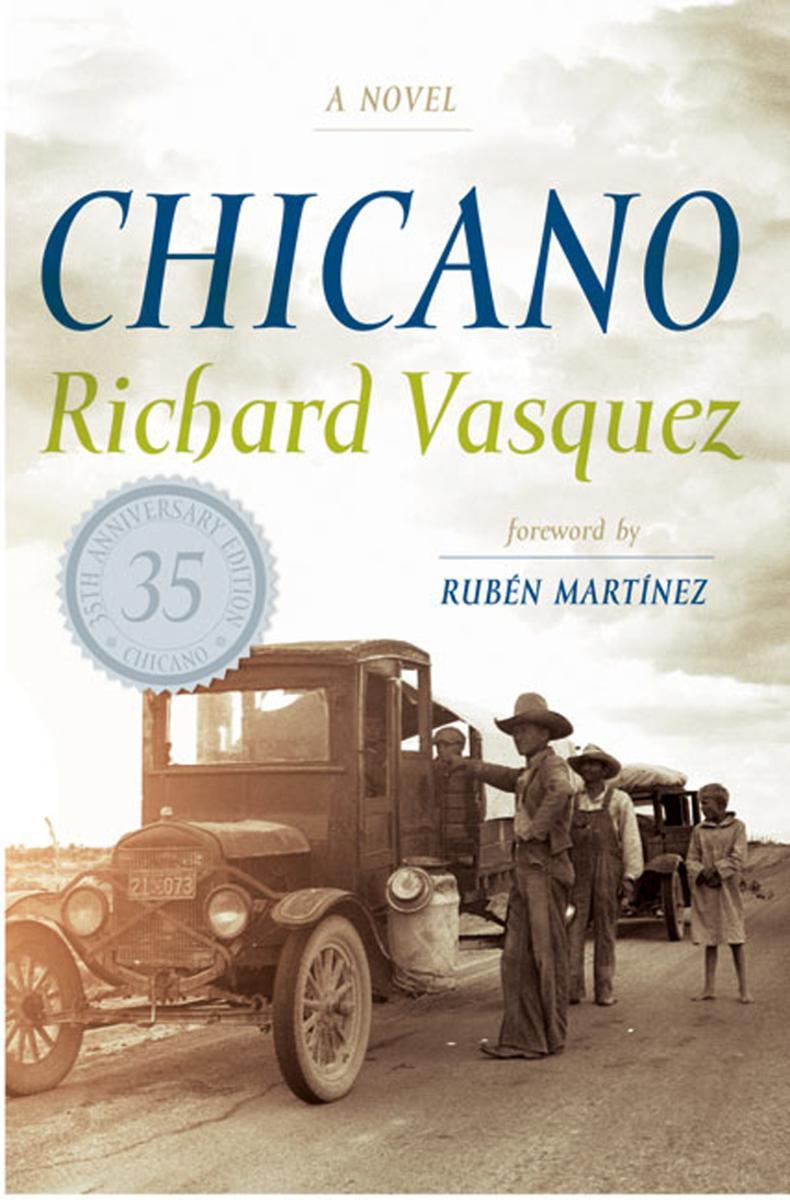
Chicano
¥95.11
A bestseller when it was published in 1970 at the height of the Mexican-American civil rights movement, Chicano unfolds the fates and fortunes of the Sandoval family, who flee the chaos and poverty of the Mexican Revolution and begin life anew in the United States.Patriarch Hector Sandoval works the fields and struggles to provide for his family even as he faces discrimination and injustice. Of his children, only Pete Sandoval is able to create a brighter existence, at least for a time. But when Pete's daughter Mariana falls in love with David, an Anglo student, it sets in motion a clash of cultures. David refuses to marry Mariana, fearing the reaction of his family and friends. Mariana, pregnant with David's child, is trapped between two worlds and shunned by both because of the man she loves. The complications of their relationship speak volumes -- even today -- about the shifting sands of racial politics in America.In his foreword, award-winning author Rubn Martnez reflects on the historical significance of Chicano's initial publication and explores how cultural perceptions have changed since the story of the Sandoval family first appeared in print.
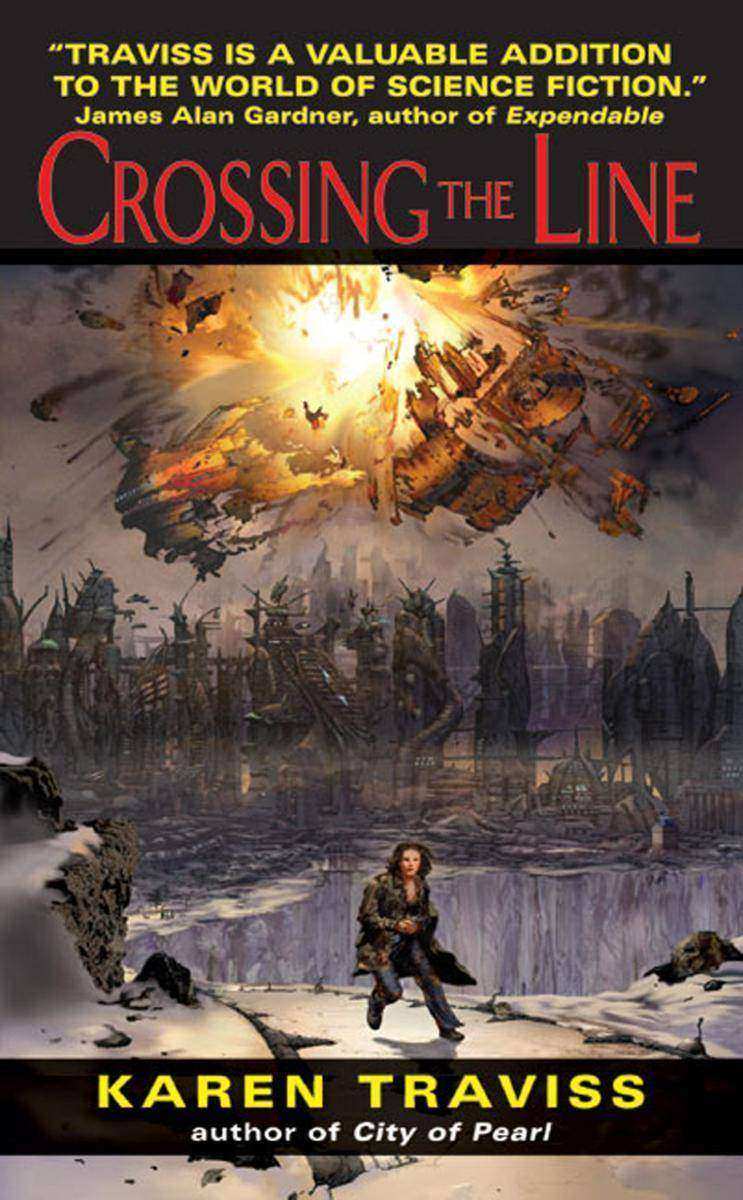
Crossing the Line
¥51.92
Shan Frankland forever abandoned the world she knew to come to the rescue of a lost colony on a distant and dangerous planet -- a hostile world coveted by two alien races and fiercely protected by a third. But in the course of her mission, she overstepped a boundary and stumbled into forbidden lands. And she can never go back -- to being neutral, to being safe. To being human. War is coming again to Cavanagh's Star -- and this time, the instigators will be the troublesome gethes from the faraway planet Earth. Former Environmental Enforcement Officer Shan Frankland has already crossed a line, and now she is a prize to be captured ... or a threat to be eliminated. But saving a coveted world and its fragile native population may require of her one unthinkable sacrifice: the destruction of her own ruthless, invading species.
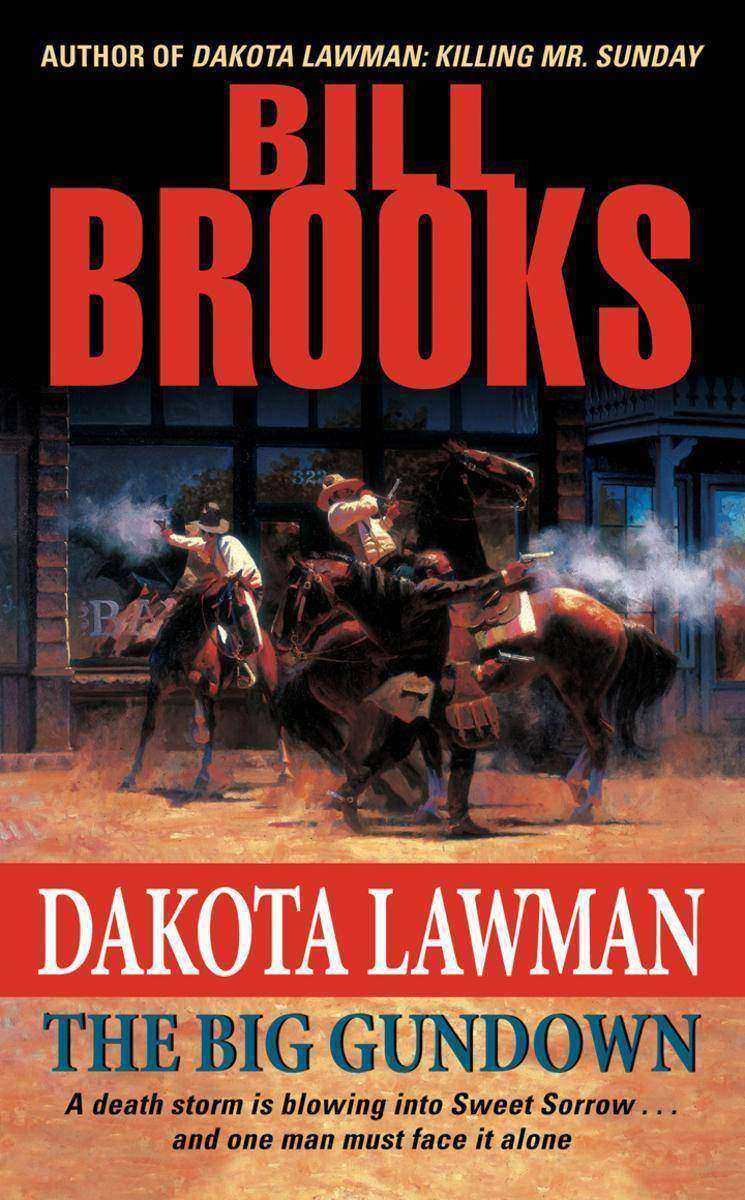
Dakota Lawman: The Big Gundown
¥42.03
A talented healer forced to become a fugitive for a killing he wasn't responsible for, Jake Horn found sanctuary in the rough Dakota town of Sweet Sorrow -- and in the tin badge that marks him as the local law. Now his discovery of a dead ranch hand is bringing his demons home. As a doctor and a sheriff, Jake's witnessed death in all its dark guises -- and he recognizes a murder when he sees one. But asking too many questions of the wrong people is asking for trouble, and suddenly expert killers are gathering with their sights on a lawman who's got a need to see justice done. The big gundown is coming, as relentlessly as the winter snow whipping across the prairie. And there's nowhere for a good man to hide when five shooters blinded by hate won't leave Sweet Sorrow until he's dead.
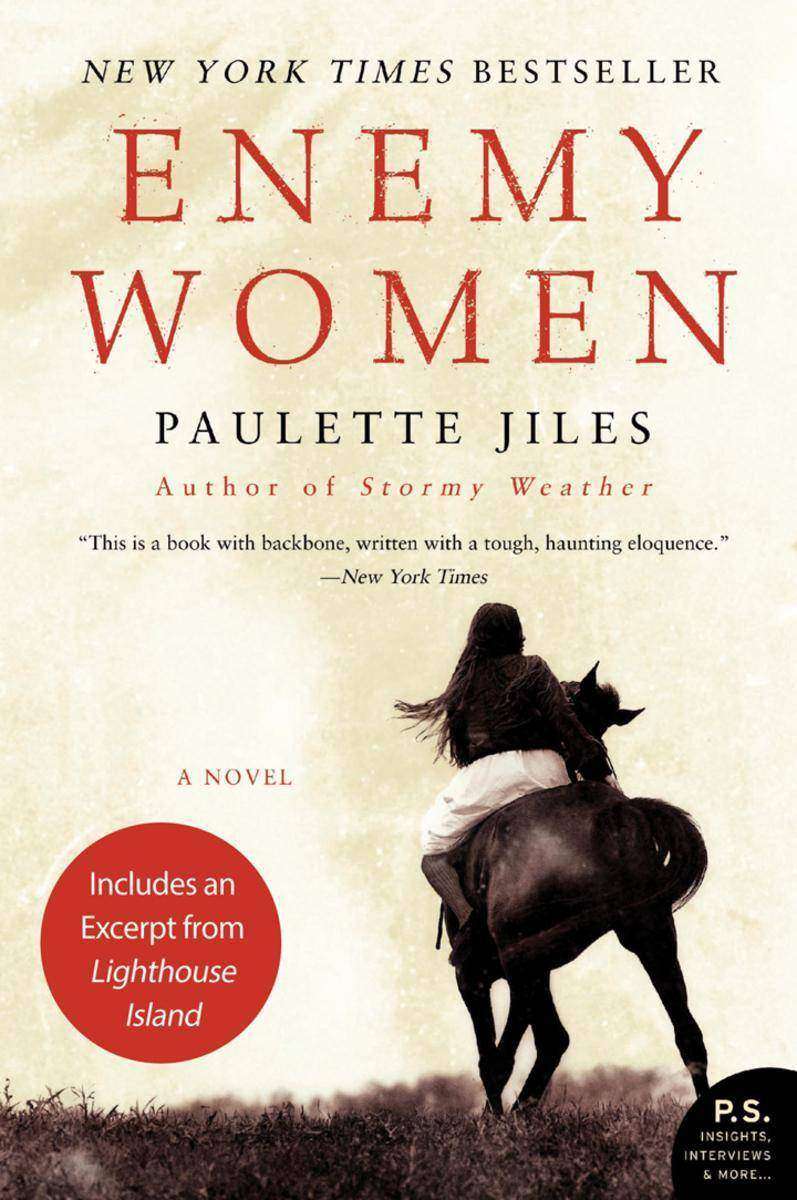
Enemy Women
¥83.92
From critically acclaimed, award-winning poet and memoirist Paulette Jiles comes a debut novel of startling power and savage beauty -- an extraordinary story of survival and love in the midst of a torn nation's bitter agony. For the Colleys of southeastern Missouri, the War Between the States is a plague that threatens devastation despite the family's avowed neutrality. For eighteen-year-old Adair Colley, it is a nightmare seen at its most terrible on the day the Union Militia arrives to set her house on fire, driving her brother into hiding and dragging her widowed father away, beaten and bloodied. Left to care for two young sisters, Adair sees no road but the one that leads away, as they start out on foot into the winter mountains in search of a safe haven. Even the least of hopes is doomed, however, in a world forever changed, as the treachery of a fellow traveler brings about Adair's arrest on charges of “enemy collaboration.” Torn from her terrified sisters, the girl suddenly finds herself consigned to a living hell, caged with the criminal and the deranged in a filthy women's prison in St. Louis. But young Adair is sustained by a strong heart, and love can live even in a place of horror and despair. Her interrogator, a Union major, falls in love with her and she finds herself returning her feelings despite herself. The major vows to return for her when the fighting is over, and before he returns to war, he leaves her with a last precious gift: freedom. Weakened in body but not in spirit, Adair must now travel alone through dangerous, unknown territory -- an escaped “enemy woman” surrounded by perils and misery on all sides. She makes her harrowing way south buoyed by a promise, seeking a home and a family that may be nothing more than a memory. Based on a little known chapter in America's bloodiest epoch, Paulette Jiles's poignant, powerful, and exquisitely rendered novel about war's collateral victims is masterful work, captivating and authentic -- a lyrical, memorable tale of endurance and sacrifice that will stand alongside Cold Mountain and other classic Civil War era-set literature for decades to come.
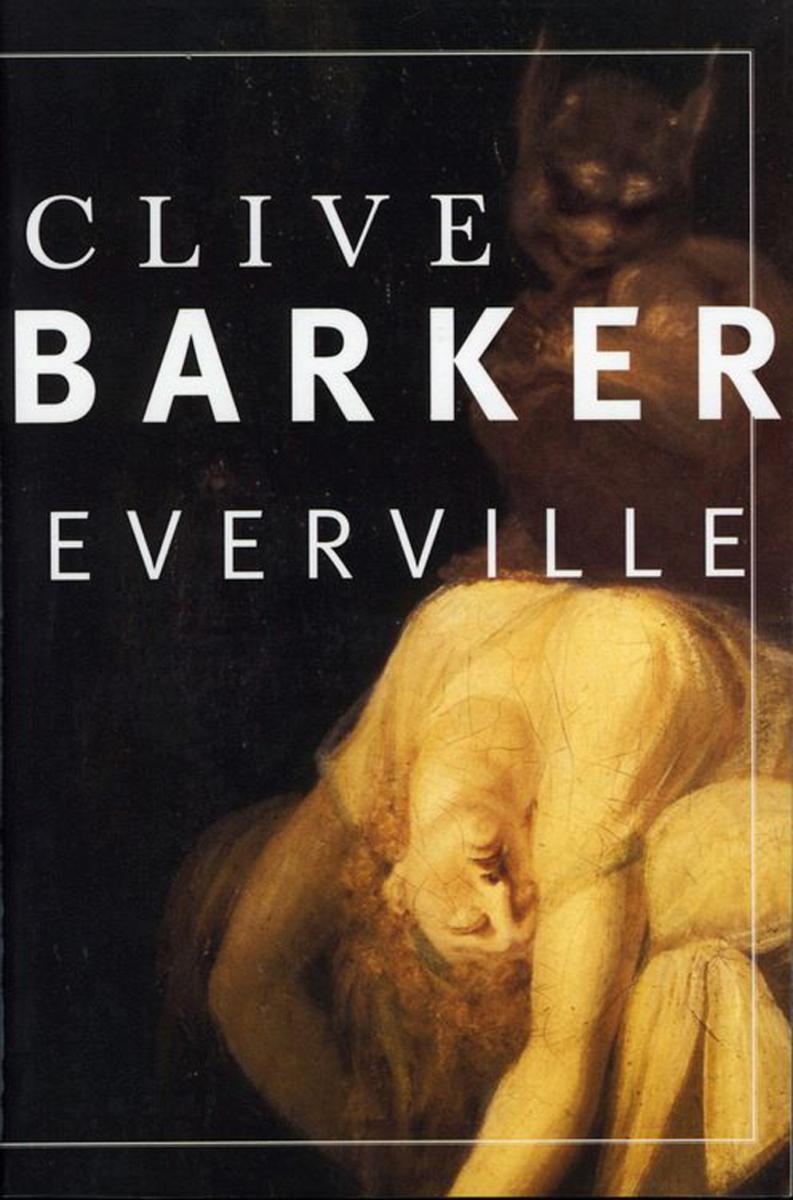
Everville
¥106.31
On the borderland between this world and the world of Quiddity, the sea of our dreams, sits Everville.For years it has lived in ignorance of the gleaming shore on which it lies.But its ignorance is not bliss. Opening the door between worlds, Clive Barker delivers his characters into the heart of the human mystery; into a place of revelation, where the forces which have shaped our past and are ready to destroy our future are at work.
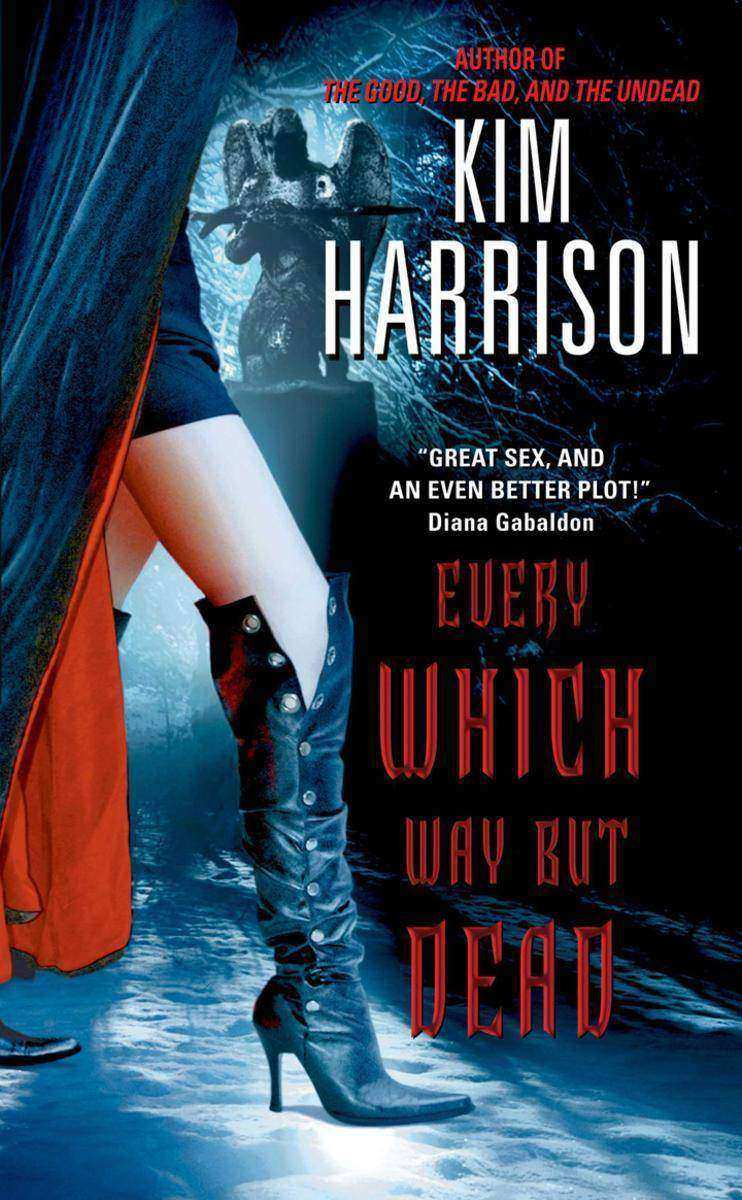
Every Which Way But Dead
¥55.31
Rachel Morgan's back! Bestselling author Kim Harrison returns with a new supernatural adventure that fans of Laurell K. Hamilton and Charlaine Harris won't want to miss. Some days, you just can't win. Witch and former bounty hunter Rachel Morgan's managed to escape her corrupt company, survive living with a vampire, start her own runner service, and face down a vampire master. But her vampire roommate Ivy is off the wagon, her human boyfriend Nick is out of town indefinitely and doesn't sound like he's coming back while the far-too-seductive vampire Kisten is looking way too tempting, and there's a turf war erupting in Cincinnati's underworld. And there's a greater evil still. To put the vampire master behind bars and save her family, Rachel made a desperate bargain and now there's hell to pay—literally. For if Rachel cannot stop him, the archdemon Algaliarept will pull her into the sorcerous ever-after to forfeit her soul as his slave. Forever.
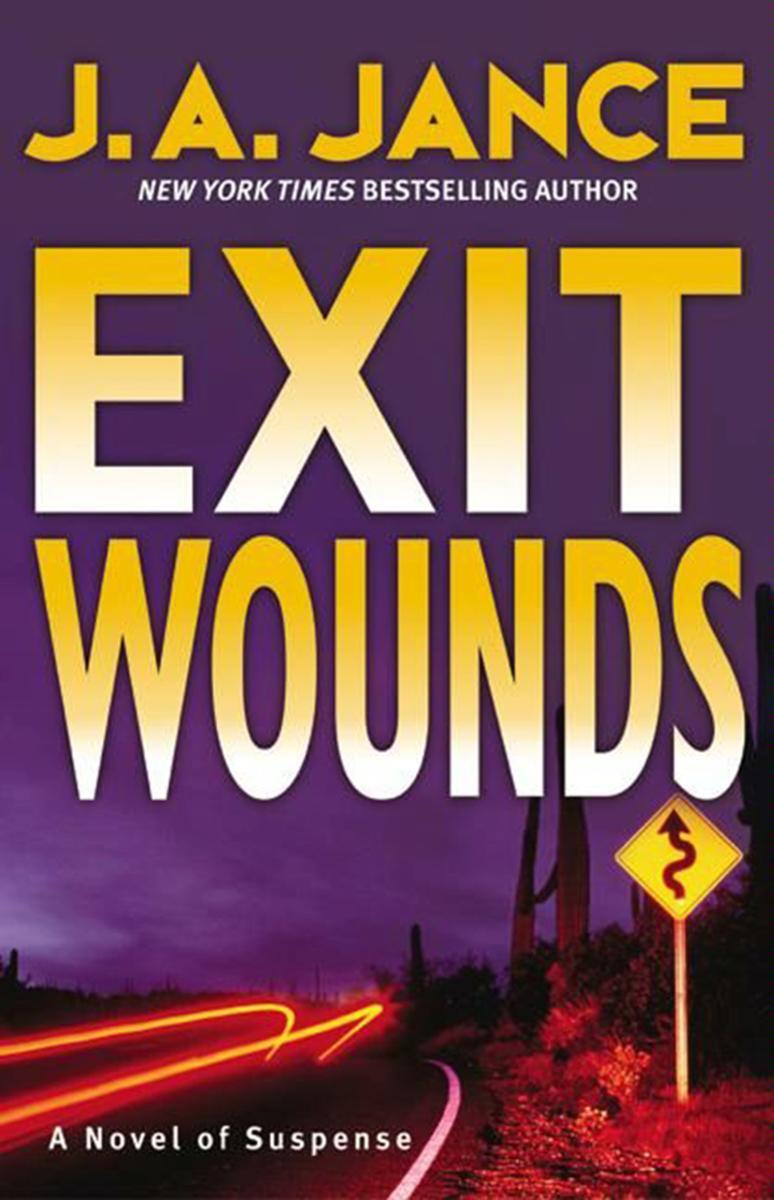
Exit Wounds
¥70.10
The incomparable J. A. Jance returns with a powerful tale that explores the darkest corners of human nature, revealing the grievous injuries inflicted behind locked doors, the unseen wounds that bleed and destroy and never heal ... The heat is a killer in Cochise County, Arizona, with temperatures over 100 degrees. In the suffocating stillness of an airless trailer, a woman is lying dead, a bullet hole in her chest. Why someone would murder a harmless loner with a soft spot for stray dogs is only one of the questions nagging at the local police; another is why the killer used an eighty-five-year-old bullet, fired from the same weapon that slaughtered two other women who were discovered bound, naked, and gruesomely posed on the remote edge of a rancher's land. The slayings are as oppressive as the blistering heat for Sheriff Joanna Brady, who must shoulder the added double burden of a brutal reelection campaign and major developments on the home front. With suddenly more on her plate than many big-city law officers have to contend with, Joanna must put marital distractions and an opponent's dirty tricks in the background and deal with the terrifying reality that now threatens everyone in her jurisdiction: a serial killer in their midst. A twisted and lethal drama is unfolding in this small corner of the southwestern desert as fear, hatred, and the evil at the core of one family's history come to a rapid boil beneath a merciless Arizona sun. Pressure mounts for Sheriff Brady personally and professionally while she pursues a sadistic murderer into the shadows of the past to get to the roots of a monstrous obsession ... and expose the permanent wounds of a crime far worse than homicide.

Anatomy of a Misfit
¥55.33
In this Mean Girls meets The Perks of Being a Wallflower tale, narrator Anika Dragomir is the third most popular girl at Pound High School. But inside, she knows she's a freak; she can't stop thinking about former loner Logan McDonough, who showed up on the first day of tenth grade hotter, bolder, and more mysterious than ever. Logan is fascinating, troubled and off-limits. The Pound High queen bee will make Anika's life hell if she's seen with him. So Anika must choose ignore her feelings and keep her social statusOr follow her heart and risk becoming a pariah. Which will she pickAnd what will she think of her choice when an unimaginable tragedy strikes, changing her foreverAn absolutely original new voice in YA in a story that will start important conversations and tear at your heart.
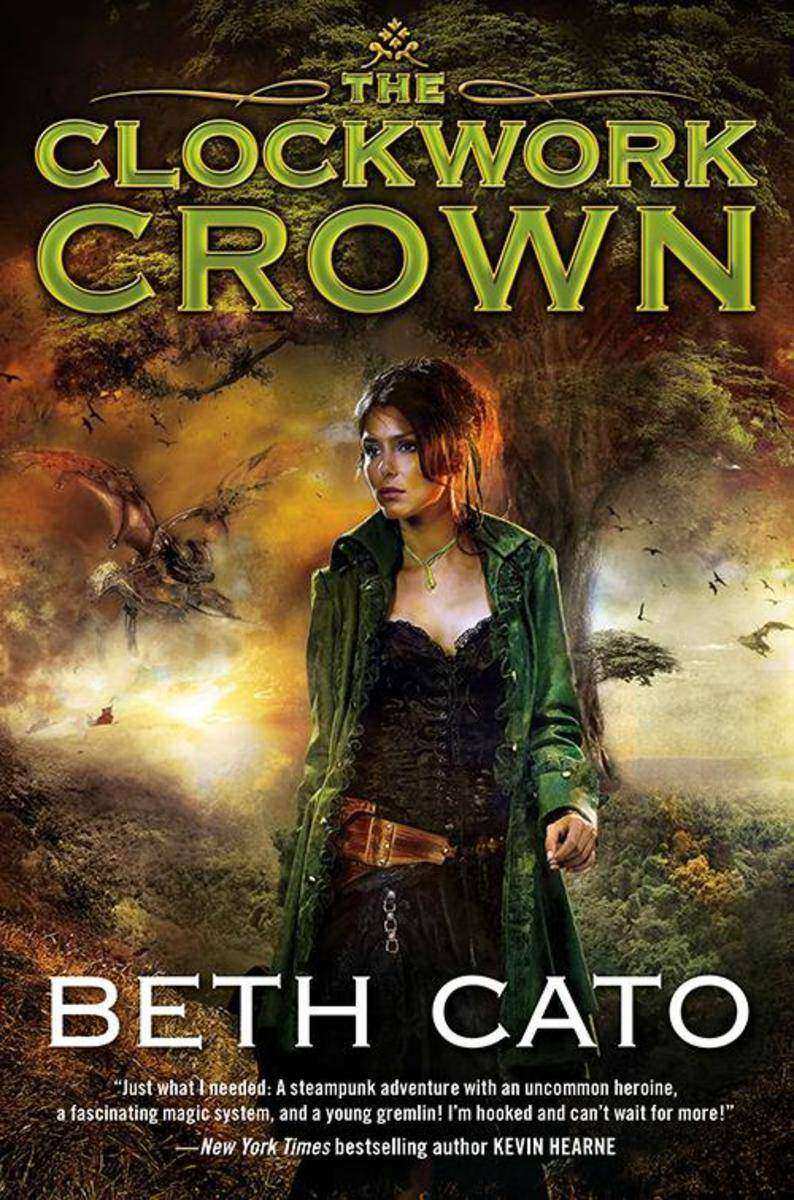
The Clockwork Crown
¥84.16
Narrowly surviving assassination and capture, Octavia Leander, a powerful magical healer, is on the run with handsome Alonzo Garrett, the Clockwork Dagger who forfeited his career with the Queens secret society of spies and killers and possibly his life to save her. Now, they are on a dangerous quest to fnd safety and answers: Why is Octavia so powerfulWhy does she seem to be undergoing a transformation unlike any witnessed for hundreds of years?The truth may rest with the source of her mysterious healing power the Lady's Tree. But the tree lies somewhere in an inhospitable territory known as the Waste. Eons ago, this land was made barren by an evil spell, until a few hardy souls dared to return over the last century. For years, the Waste has waged a bloody battle against the royal court to win its independence and they need Octavia's powers to succeed.Joined by unlikely allies, including a menagerie of gremlin companions, she must evade killers on a dangerous journey through a world on the brink of deadly civil war.
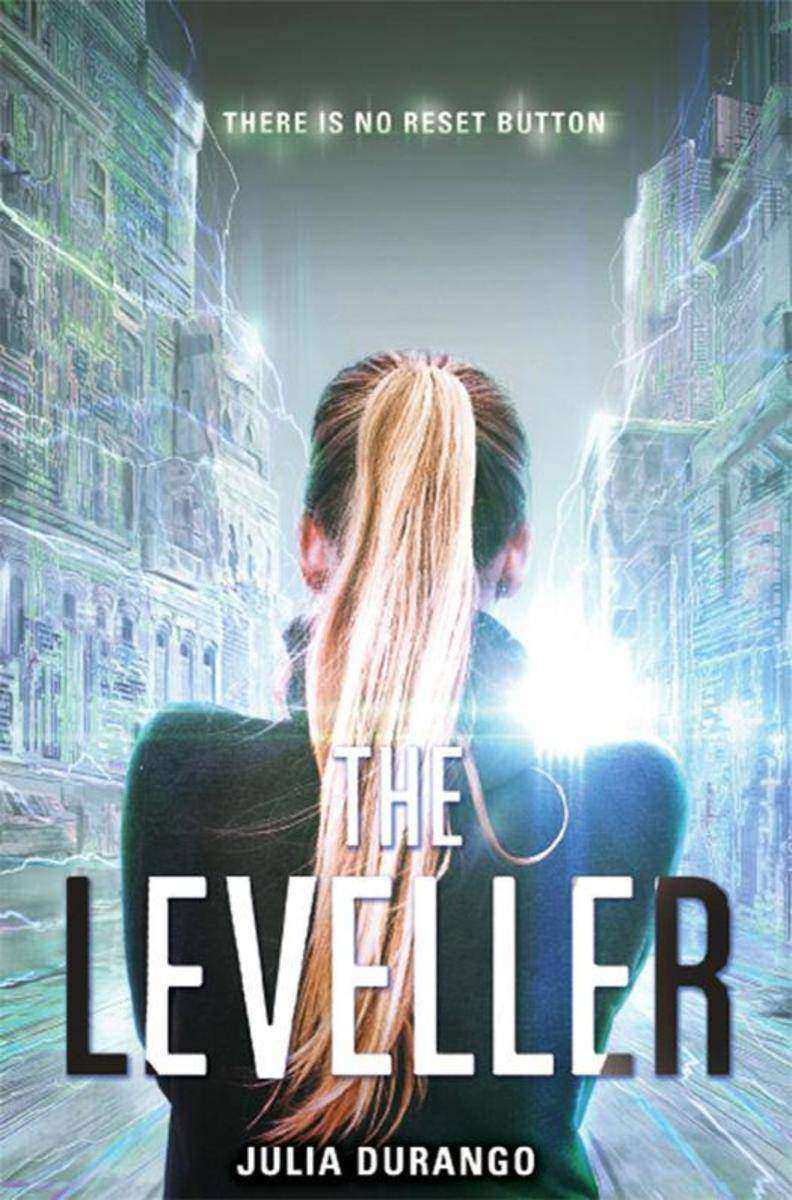
The Leveller
¥55.33
Nixy Bauer, Home in an Hour Nixy Bauer is used to her classmates being very, very unhappy to see her. After all, she's working with the enemy she's on their parents payrolls.Nixy is a bounty hunter in a virtual-reality gaming world. Kids in the MEEP, as they call it, play entirely with their minds, while their bodies languish in a sleeplike state on the couch. Irritated parents, looking to wrench their kids back to reality, hire Nixy to jump into the game and retrieve them. Luckily for Nixy and her wallet, she's the best leveller out there.But when the game's billionaire developer and Nixy's parents boss loses track of his own son in the MEEP, Nixy is in for the biggest challenge of her bounty-hunting career. Wyn Salvador isn't some lazy kid looking to escape his homework, and this is no ordinary levelling job: Wyn does not want to be found. And he's left behind a suicide note.Nixy takes the job but quickly discovers that Wyns not hiding he's being held inside the game against his will. But who is holding him captive, and why?Nixy and Wyn attempt to fight their way out of a mind game unlike any they've encountered. And the battle brings them closer than either could have imagined. But when the whole world is virtual, how can Nixy possibly know what's real?
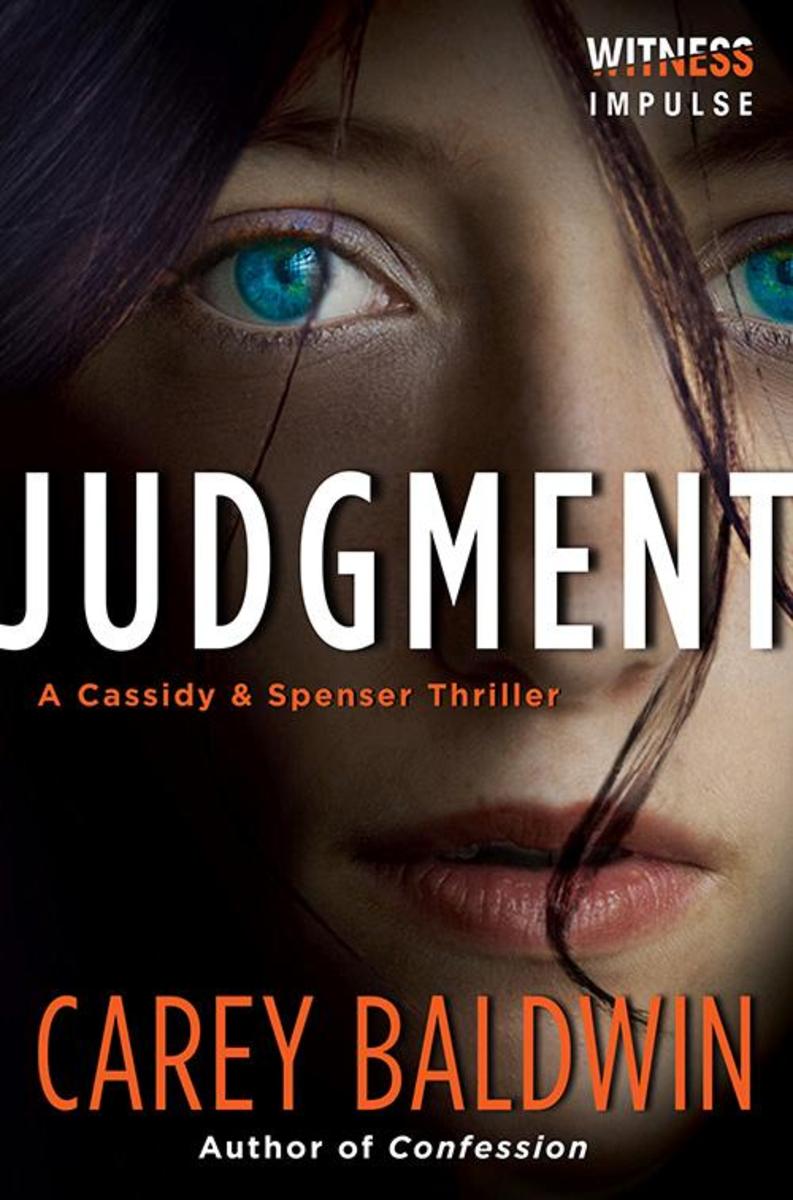
Judgment
¥66.50
Carey Baldwin, author of the thrilling novel Confession, returns with a new story featuring two of her most beloved characters. Fans of Tess Gerritsen and Lisa Gardner will devour this riveting story of rivals caught in a killer's twisted web.When a coed falls prey to a sadistic murderer, forensic psychiatrist Dr. Caitlin "Caity" Cassidy and Special Agent Atticus Spenser are called in to testify—one for the defense, one for the prosecution. With warring approaches to justice, these two rivals have been butting heads for years—both inside the courtroom and out. And at first, this case appears to be no different.But when a brutal attack leaves the accused man dead and Caity in critical condition, petty differences take a backseat to saving lives. As the lone survivor, Caity knows too much, and the killer—a madman calling himself the Man in the Maze—is coming back for round two. Now Caity and Spense must join forces to uncover the killer's identity before Caity's time—and luck—runs out.

So Big
¥90.77
Winner of the Pulitzer Prize and widely considered to be Edna Ferber's greatest achievement, So Big is a classic novel of turn-of-the-century Chicago. It is the unforgettable story of Selina Peake DeJong, a gambler's daughter, and her struggles to stay afloat and maintain her dignity and her sanity in the face of marriage, widowhood, and single parenthood. A brilliant literary masterwork from one of the twentieth century's most accomplished and admired writers, the remarkable So Big still resonates with its unflinching view of poverty, sexism, and the drive for success.
Pressure Perfect
¥149.48
Under pressure to get a tasty, nutritious dinner on the table in a flashLike the idea of preparing fork-tender beef stew in thirty minutes and pot roast in under an hourAll this and more is made possible by the pressure cooker, a magical appliance that produces soul-satisfying, homemade food in one-third (or less) the standard cooking time.In Pressure Perfect, Lorna Sass, the country's leading authority on pressure cooking, distills her two decades of experience into one comprehensive volume. First learn everything you need to know about buying and using today's 100% safe cookers. Then enjoy?more than?200 recipes for preparing soups, meats, poultry, grains, beans, vegetables, and desserts in record time. How about whipping up a savory risotto in 4 minutes, chicken cacciatore in 12 minutes, or a delectable chocolate cheesecake in 25 minutes?Because the pressure cooker tenderizes tough cuts of meat quickly, you can prepare fall-off-the-bone beef short ribs or lamb shanks on weekday nights instead of waiting for a special occasion. The pressure cooker also allows you to make delectable one-pot meals in minutes. Among the many innovative recipes and techniques, you'll learn to cook meatloaf and potatoes simultaneously in 10 minutes, and meatballs, pasta, and sauce at the same time in only 5 minutes. Many recipes also suggest Cook-Along ideas for preparing vegetables and grains along with the entrée.To further?help?those cooking under pressure (and who isn't nowadays?), each chapter contains timing charts for quick reference. Tips and Pressure Points in every recipe ensure optimum results.This ultimate guide to pressure cooking is a must for all busy cooks, boaters, brides, college students, and anyone looking for a great way to make irresistible, healthy, home-made food fast.

Zen Attitude
¥83.03
Life in modern Tokyo is a blast for Rei Shimura, a young Japanese-American woman who enjoys busy days as an antiques dealer and steamy nights with a devoted new boyfriend. But things come to a standstill when Rei overpays for a rare old chest of drawers for a wealthy client, the owner of a famous Zen temple in Kamakura. The exquisite tansu turns out to be a fake: the worst deal Rei has ever made. When the temple family turns on Rei -- and the con man who sold the tansu is murdered -- she realizes she's opened a Pandora's box of deception and murder. A young martial artist, an aspiring rock singer, and an elderly antiques mentor all become part of Rei's search for the killer through the shadows of an ancient culture. As her world begins to rapidly and inexplicably unravel, Rei realizes that it will take strength, wit, and a Zen attitude to survive.
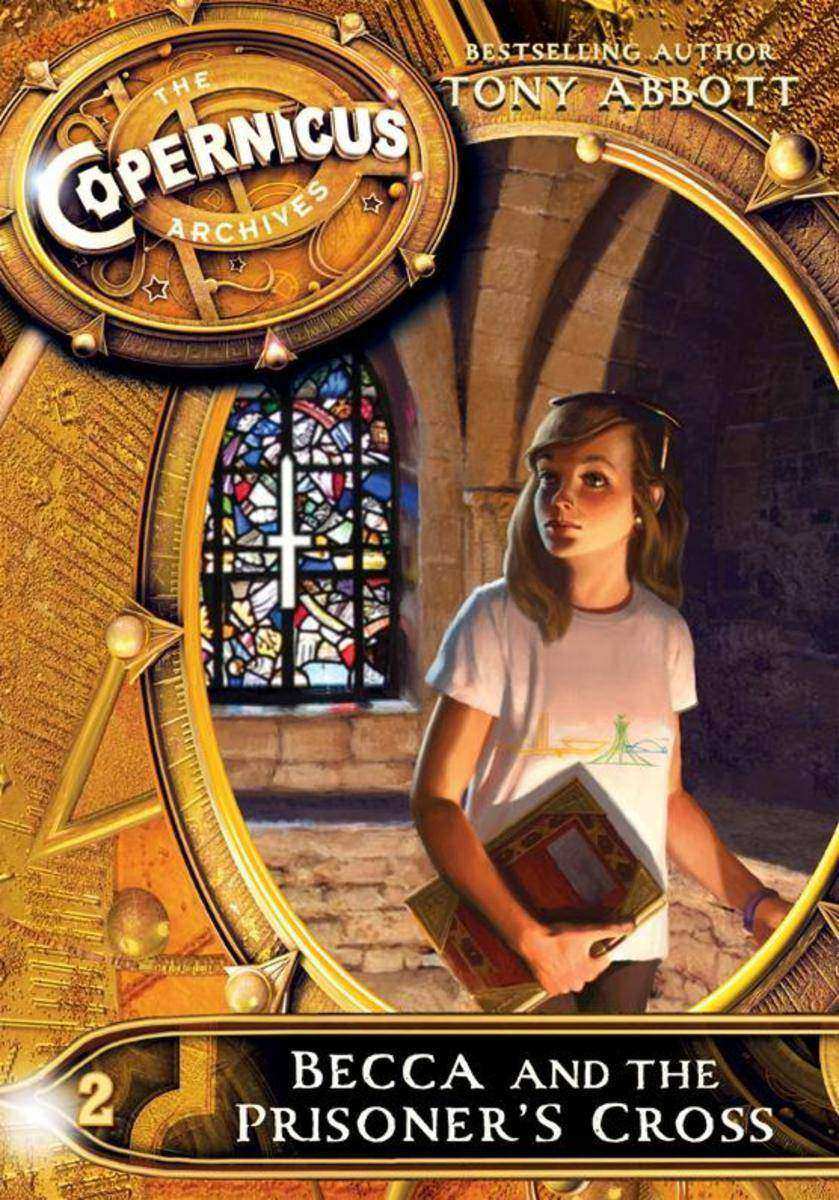
The Copernicus Archives #2: Becca and the Prisoner's Cross
¥22.33
Travel deeper into the mysterious world of the Copernicus Legacy with the Copernicus Archives: exciting, fast-paced novellas that get you close to the characters and the heart of the adventure.The Copernicus Archives #2: Becca and the Prisoner's Cross is studious language expert Becca's thrilling first-person account of the next stop in the Kaplans' perilous journey. As Becca and her family race through London, it's up to Becca to make sense of the strange time blackouts she's experiencing before the evil Teutonic Order beats them to the next relic. Or worse, hurts the people she loves.Perfect for fans of Rick Riordan and Ridley Pearson, Becca and the Prisoner's Cross continues the thrilling Copernicus Legacy quest and brings one of the characters into the spotlight.Correlates to the Common Core State Standards in English Language Arts
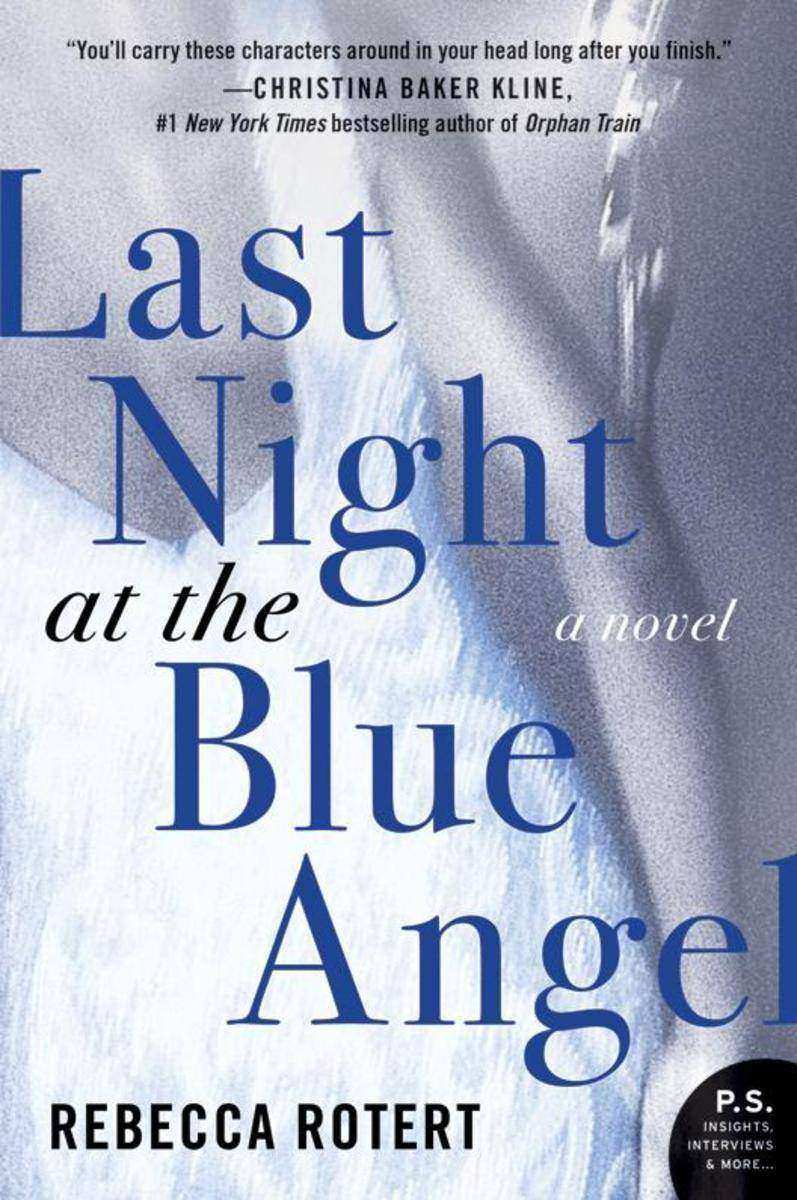
Last Night at the Blue Angel
¥83.92
Set against the turbulence of 1960s Chicago—a city in transformation—and its legendary jazz scene, Last Night at the Blue Angel is a lush and immensely heartfelt mother-daughter tale about a talented but troubled singer’s relationship with her precocious ten-year-old daughter.It is the early 1960s, and Chicago is teeming with the tensions of the day—segregation, sexual experimentation, the Cold War and Vietnam—but it is also home to some of the country’s most influential jazz. Naomi Hill, a singer at the Blue Angel club, has been poised on the brink of stardom for nearly ten years. But when her big break, the cover of Look magazine, finally arrives, it carries with it an enormous personal cost. Sensual and magnetic, Naomi is a fiercely ambitious yet self-destructive woman whose charms tend to hurt those around her, and no one knows this better than her daughter, Sophia.As the only child of a single mother growing up in an adult world, Sophia is wise beyond her years, a casualty of her mother’s desperate struggle for fame and adoration. Unsettled by her home life, she harbors a terrible fear that her world could disappear at any moment, and compulsively maintains a list of everyday objects she might need to reinvent should nuclear catastrophe strike. Her only constant is the colorful and unconventional family that surrounds her and her mother, particularly the photographer, Jim, who is Sophia’s best friend, surrogate father, and protector—but Jim is also deeply in love with Naomi.Weaving between the perspectives of Sophia and Naomi, Last Night at the Blue Angel is a poignant and unforgettable story about what happens when our passion for the life we want is at sharp odds with the life we have. Part stylish period piece, part heartbreaking family drama, it’s a novel rife with revelations, a vivid and propulsive page-turner—and the major debut of an extraordinary new writer.
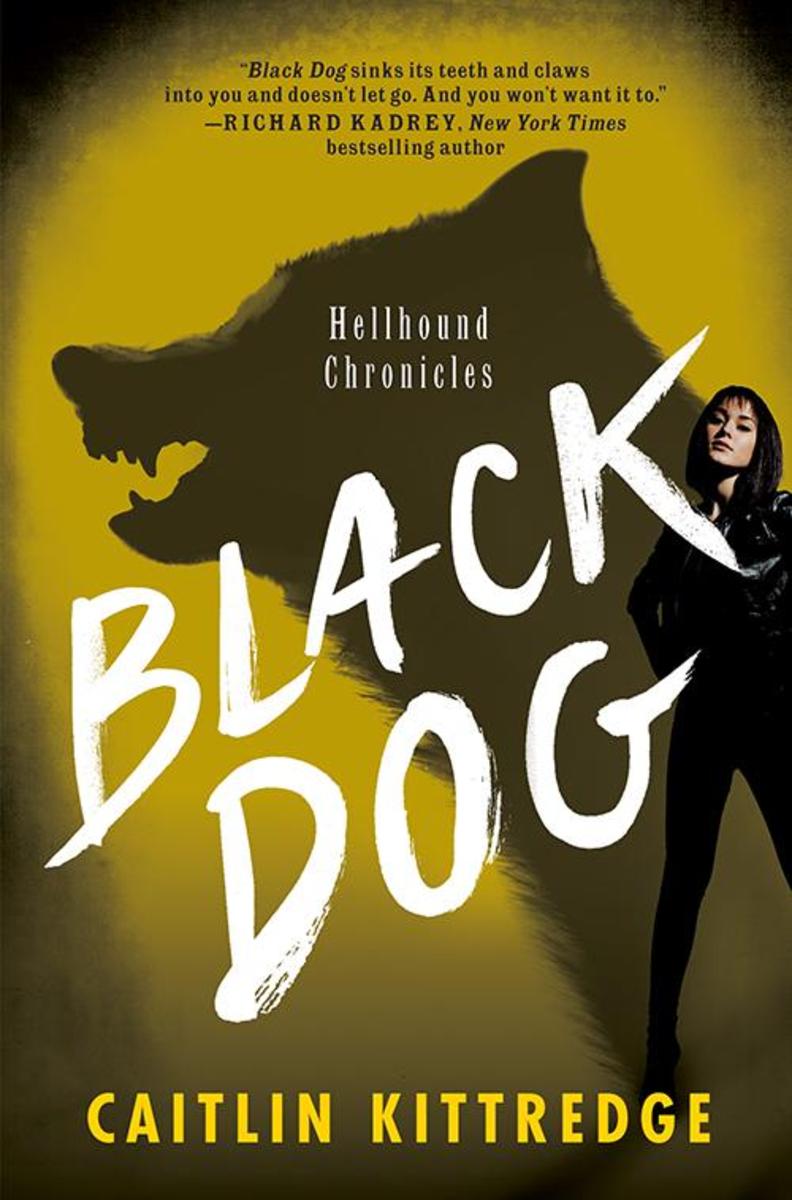
Black Dog
¥83.03
Ava has spent the last hundred years as a hellhound, the indentured servant of a reaper who hunts errant souls and sends them to hell. When a human necro- mancer convinces her to steal her reaper's scythe, Ava incurs the wrath of the demon Lilith. As punishment, Lilith orders Ava to track down the last soul in her reaper's ledger—or die trying.But after a hundred years of servitude, it's time for payback. And hell hath no fury like an avenging Ava. . . .

Lost Boy
¥44.25
From New York Times bestselling author Tim Green comes a captivating baseball novel about one kid's search of a lifetime.It's always been just Ryder and his mom. But on the way home from Ryder's baseball practice, everything comes to a halt. An accident sends his mom to the hospital, and now she is fighting for her life. So Ryder goes on a search to find his father, determined to help pay for the expensive operation to save his mother's life. But with only a signed baseball and a letter as his clues, and the help of his next-door neighbor and a New York City firefighter, will everything fall into place in time, or will Ryder become a lost boy forever?New York Times bestselling author Tim Green knocks this one out of the park, combining heart and baseball to create a story that readers will never forget.

The Guard
¥32.65
Before America Singer met Prince Maxon . . .Before she entered the Selection . . .She was in love with a boy named Aspen Leger.Don't miss this digital original novella set in the captivating world of Kiera Cass's #1 New York Times bestselling Selection series. This brand new 64-page story begins just after the group of Selected girls is narrowed down to the Elite and is told from Aspen's point of view. The Guard also features a teaser to The One, the thrilling third novel in the Selection series.Epic Reads Impulse is a digital imprint with new releases each month.
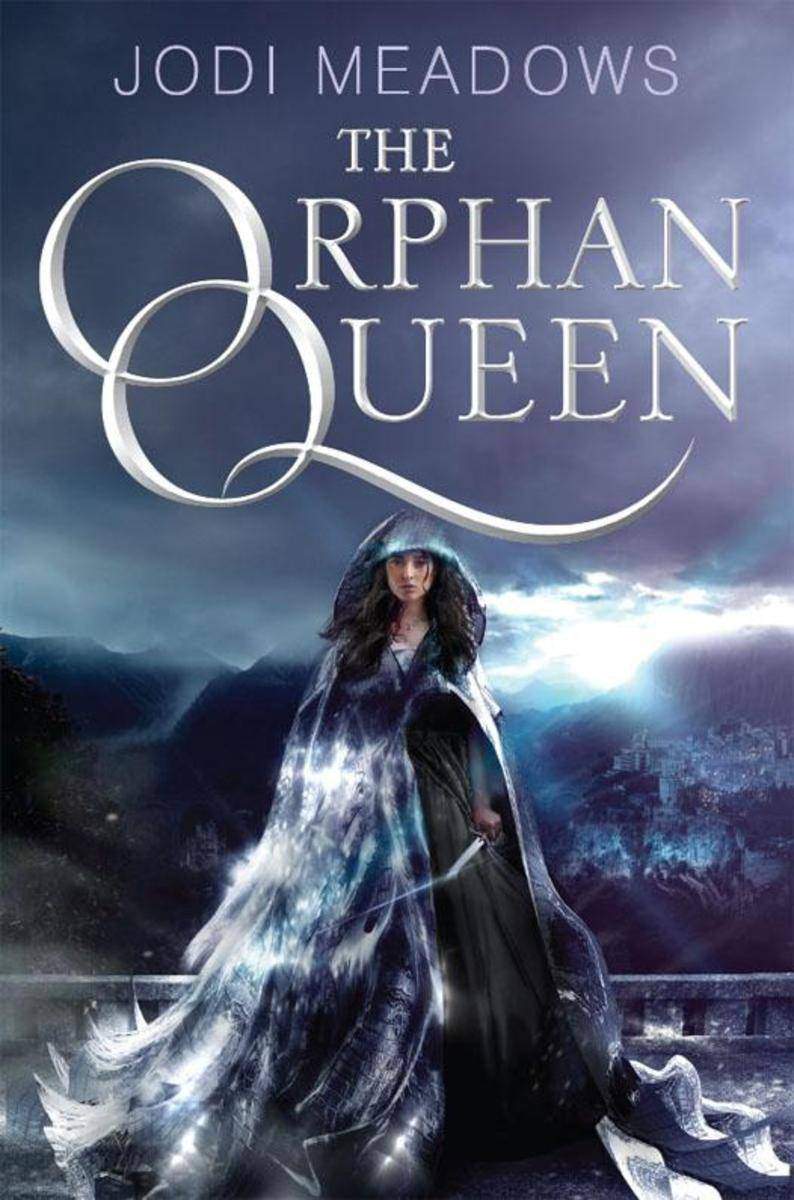
The Orphan Queen
¥55.93
An epic fantasy filled with adventure, intrigue, and romance from Incarnate series author Jodi Meadows. This duology is perfect for fans of Graceling by Kristin Cashore, The Girl of Fire and Thorns by Rae Carson, and Shadow and Bone by Leigh Bardugo.When Princess Wilhelmina was a child, the Indigo Kingdom invaded her homeland. Ten years later, Wil and the other noble children who escaped are ready to fight back and reclaim Wil’s throne. To do so, Wil and her best friend, Melanie, infiltrate the Indigo Kingdom palace with hopes of gathering information that will help them succeed.But Wil has a secret—one that could change everything. Although magic has been illegal for a century, she knows her ability could help her save her kingdom. But magic creates wraith, and the deadly stuff is moving closer and destroying the land. And if the vigilante Black Knife catches her using magic, she may disappear like all the others. . . .


