


 购物车
购物车 个人中心
个人中心

A Body in the Belfry
¥23.30
A Body in the Belfry
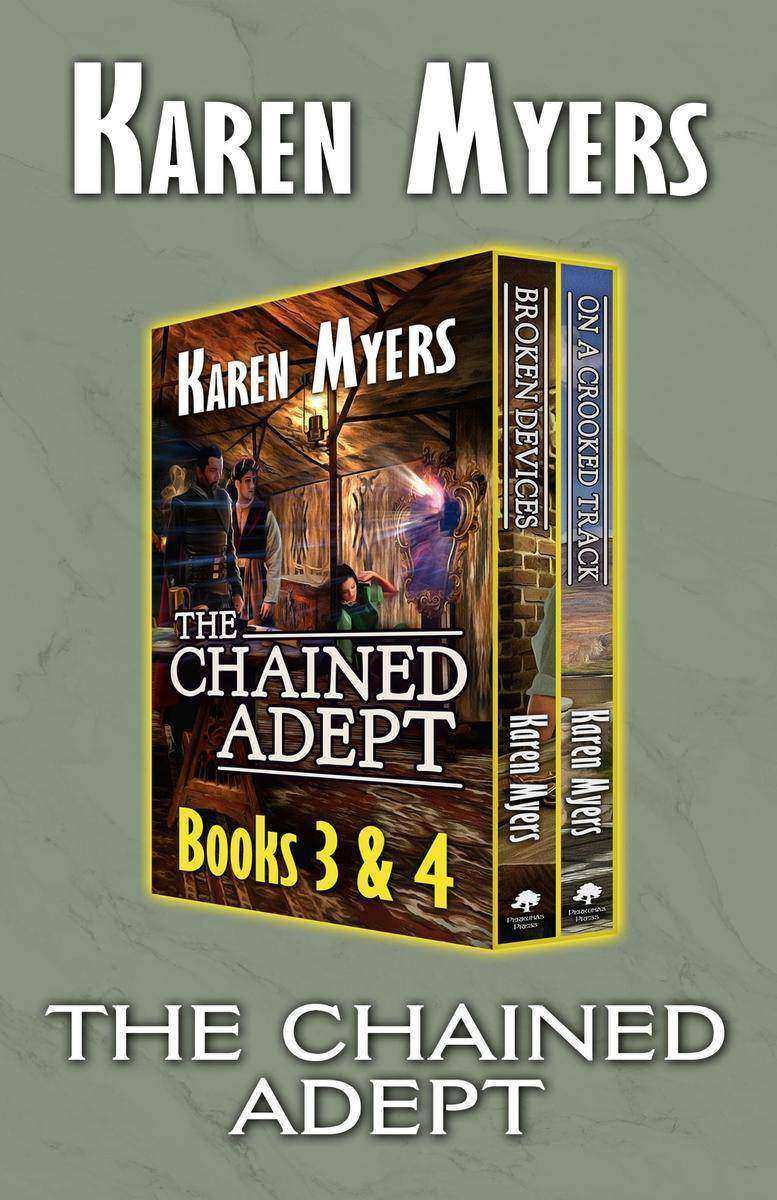
The Chained Adept (3-4):A Lost Wizard's Tale
¥81.67
A bundle of books from The Chained Adept - Books 3-4. ---CHAINS WITHOUT WIZARDS AND A RISING COUNT OF THE DEAD. Broken Devices - Book 3 of The Chained AdeptThe largest city in the world has just discovered its missing wizards. It seems the Kigali empire has ignited a panic that threatens internal ruin and the only chained wizard it knows that’s still alive is Penrys.The living wizards and the dead are not her people, not unless she makes them so. All they have in common is a heavy chain and a dead past—the lives that were stolen from them are beyond recall.What remains are unanswered questions about who made them this way. And why. And what Penrys plans to do to find out.---SETTING A TRAP TO CATCH THE MAKERS OF CHAINED WIZARDS. On a Crooked Track - Book 4 of The Chained AdeptA clue has sent Penrys back to Ellech, the country where she first appeared four short years ago with her mind wiped, her body stripped, and her neck chained. It's time to enlist the help of the Collegium of Wizards which sheltered her then.Things don't work out that way, and she finds herself retracing a dead scholar's crooked track and setting herself up as a target to confirm her growing suspicions. But what happens to bait when the prey shows its teeth?In this conclusion to the series, tracking old crimes brings new dangers, and a chance for redemption.

Henry V by William Shakespeare (Illustrated)
¥8.09
This eBook features the unabridged text of ‘Henry V’ from the bestselling edition of ‘The Complete Works of William Shakespeare’. Having established their name as the leading publisher of classic literature and art, Delphi Classics produce publications that are individually crafted with superior formatting, while introducing many rare texts for the first time in digital print. The Delphi Classics edition of Shakespeare includes original annotations and illustrations relating to the life and works of the author, as well as individual tables of contents, allowing you to navigate eBooks quickly and easily.eBook features:* The complete unabridged text of ‘Henry V’* Beautifully illustrated with images related to Shakespeare’s works* Individual contents table, allowing easy navigation around the eBook* Excellent formatting of the textPlease visit www.delphiclassics.com to learn more about our wide range of titles

Troilus and Cressida by William Shakespeare (Illustrated)
¥8.09
This eBook features the unabridged text of ‘Troilus and Cressida’ from the bestselling edition of ‘The Complete Works of William Shakespeare’. Having established their name as the leading publisher of classic literature and art, Delphi Classics produce publications that are individually crafted with superior formatting, while introducing many rare texts for the first time in digital print. The Delphi Classics edition of Shakespeare includes original annotations and illustrations relating to the life and works of the author, as well as individual tables of contents, allowing you to navigate eBooks quickly and easily.eBook features:* The complete unabridged text of ‘Troilus and Cressida’* Beautifully illustrated with images related to Shakespeare’s works* Individual contents table, allowing easy navigation around the eBook* Excellent formatting of the textPlease visit www.delphiclassics.com to learn more about our wide range of titles

Twister
¥90.52
These traditional reads are brimming with spirited characters and positive values--but with a little extra excitement and bite, so hold on to your hats! Written expressly for the middle grade struggling reader, the series does not contain strong language, edgy themes, or dysfunctional families. In fact, family is the main theme of these titles. And one particular Latino family is the focus with their uncanny knack for finding humor, hope, and colorful personalities--even in unusual circumstances. Written at the lowest reading levels, the 50-page story structure is straightforward and moves the reader through the text quickly and efficiently. Antonio slid down the rope. He held on for dear life. It got darker as the twister moved closer. It was loud. Like a giant freight train!

Tsunami
¥90.52
These traditional reads are brimming with spirited characters and positive values--but with a little extra excitement and bite, so hold on to your hats! Written expressly for the middle grade struggling reader, the series does not contain strong language, edgy themes, or dysfunctional families. In fact, family is the main theme of these titles. And one particular Latino family is the focus with their uncanny knack for finding humor, hope, and colorful personalities--even in unusual circumstances. Written at the lowest reading levels, the 50-page story structure is straightforward and moves the reader through the text quickly and efficiently. It was the most horrible thing I have ever seen. Everything was gone! Houses, trees, animals, even people had been washed into the sea.

Ransom
¥84.74
These traditional reads are brimming with spirited characters and positive values--but with a little extra excitement and bite, so hold on to your hats! Written expressly for the middle grade struggling reader, the series does not contain strong language, edgy themes, or dysfunctional families. In fact, family is the main theme of these titles. And one particular Latino family is the focus with their uncanny knack for finding humor, hope, and colorful personalities--even in unusual circumstances. Written at the lowest reading levels, the 50-page story structure is straightforward and moves the reader through the text quickly and efficiently. The bus should have arrived at the Heights at five o'clock. Two hours later, there was no sign of it. Everyone was scared and confused. A bus full of students had vanished.
The Neapolitan Lovers by Alexandre Dumas (Illustrated)
¥8.09
This eBook features the unabridged text of ‘The Neapolitan Lovers’ from the bestselling edition of ‘The Collected Works of Alexandre Dumas’. Having established their name as the leading publisher of classic literature and art, Delphi Classics produce publications that are individually crafted with superior formatting, while introducing many rare texts for the first time in digital print. The Delphi Classics edition of Dumas includes original annotations and illustrations relating to the life and works of the author, as well as individual tables of contents, allowing you to navigate eBooks quickly and easily.eBook features:* The complete unabridged text of ‘The Neapolitan Lovers’* Beautifully illustrated with images related to Dumas’s works* Individual contents table, allowing easy navigation around the eBook* Excellent formatting of the textPlease visit www.delphiclassics.com to learn more about our wide range of titles

The Rainbow by D. H. Lawrence (Illustrated)
¥8.09
This eBook features the unabridged text of ‘The Rainbow’ from the bestselling edition of ‘The Complete Works of D. H. Lawrence’. Having established their name as the leading publisher of classic literature and art, Delphi Classics produce publications that are individually crafted with superior formatting, while introducing many rare texts for the first time in digital print. The Delphi Classics edition of Lawrence includes original annotations and illustrations relating to the life and works of the author, as well as individual tables of contents, allowing you to navigate eBooks quickly and easily.eBook features:* The complete unabridged text of ‘The Rainbow’* Beautifully illustrated with images related to Lawrence’s works* Individual contents table, allowing easy navigation around the eBook* Excellent formatting of the textPlease visit www.delphiclassics.com to learn more about our wide range of titles
Aaron’s Rod by D. H. Lawrence (Illustrated)
¥8.09
This eBook features the unabridged text of ‘Aaron’s Rod’ from the bestselling edition of ‘The Complete Works of D. H. Lawrence’. Having established their name as the leading publisher of classic literature and art, Delphi Classics produce publications that are individually crafted with superior formatting, while introducing many rare texts for the first time in digital print. The Delphi Classics edition of Lawrence includes original annotations and illustrations relating to the life and works of the author, as well as individual tables of contents, allowing you to navigate eBooks quickly and easily.eBook features:* The complete unabridged text of ‘Aaron’s Rod’* Beautifully illustrated with images related to Lawrence’s works* Individual contents table, allowing easy navigation around the eBook* Excellent formatting of the textPlease visit www.delphiclassics.com to learn more about our wide range of titles

The Boy in the Bush by D. H. Lawrence (Illustrated)
¥8.09
This eBook features the unabridged text of ‘The Boy in the Bush’ from the bestselling edition of ‘The Complete Works of D. H. Lawrence’. Having established their name as the leading publisher of classic literature and art, Delphi Classics produce publications that are individually crafted with superior formatting, while introducing many rare texts for the first time in digital print. The Delphi Classics edition of Lawrence includes original annotations and illustrations relating to the life and works of the author, as well as individual tables of contents, allowing you to navigate eBooks quickly and easily.eBook features:* The complete unabridged text of ‘The Boy in the Bush’* Beautifully illustrated with images related to Lawrence’s works* Individual contents table, allowing easy navigation around the eBook* Excellent formatting of the textPlease visit www.delphiclassics.com to learn more about our wide range of titles

Little Women
¥40.79
Little Women follows the lives of the four March sisters, from oldest to youngest: Meg, Jo, Beth, and Amy. A romance, a quest, a family drama that validates virtue over wealth. The start of the story is set at Christmastime, where Jo, the second eldest of the March sisters, grumbles that Christmas won't be Christmas without any presents. The four girls discuss the upcoming holiday and sigh as they long for pretty things that they can't have because of money constraints
Phoenix:the Posthumous Papers of D. H. Lawrence by D. H. Lawrence (Illustrated)
¥8.09
This eBook features the unabridged text of ‘Phoenix: the Posthumous Papers of D. H. Lawrence’ from the bestselling edition of ‘The Complete Works of D. H. Lawrence’. Having established their name as the leading publisher of classic literature and art, Delphi Classics produce publications that are individually crafted with superior formatting, while introducing many rare texts for the first time in digital print. The Delphi Classics edition of Lawrence includes original annotations and illustrations relating to the life and works of the author, as well as individual tables of contents, allowing you to navigate eBooks quickly and easily.eBook features:* The complete unabridged text of ‘Phoenix: the Posthumous Papers of D. H. Lawrence’* Beautifully illustrated with images related to Lawrence’s works* Individual contents table, allowing easy navigation around the eBook* Excellent formatting of the textPlease visit www.delphiclassics.com to learn more about our wide range of titles
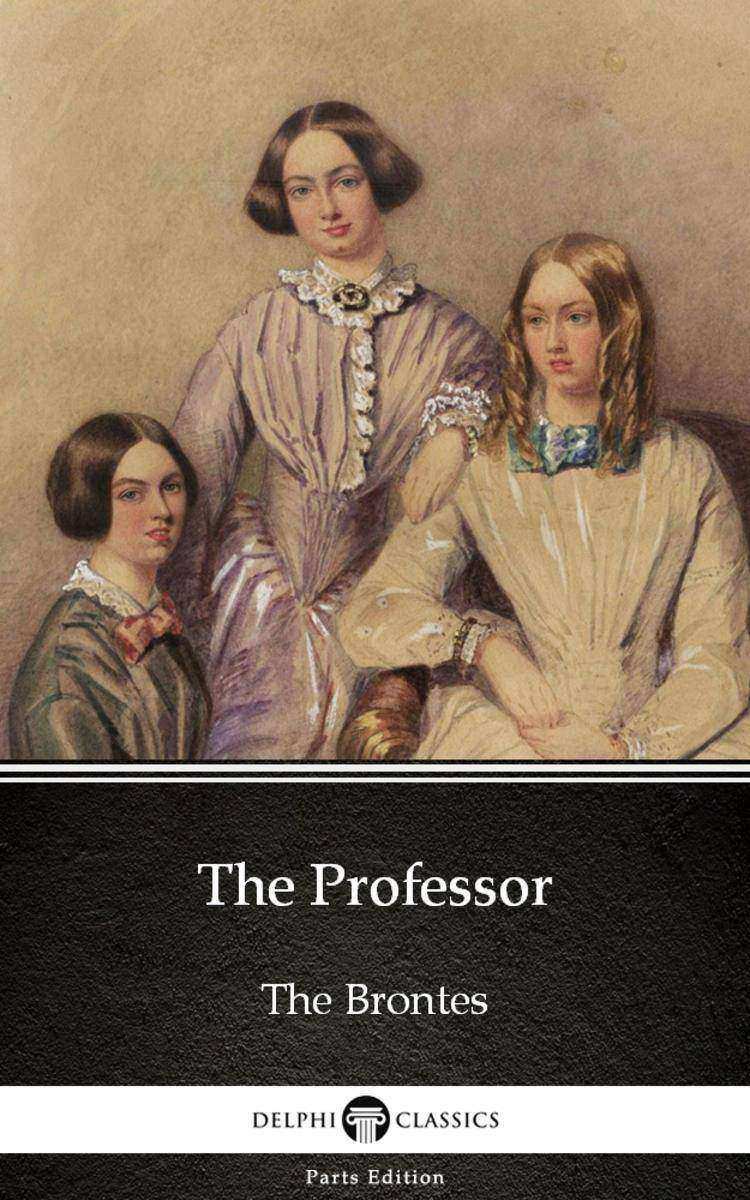
The Professor by Charlotte Bronte (Illustrated)
¥8.09
This eBook features the unabridged text of ‘The Professor’ from the bestselling edition of ‘The Complete Works of The Brontes’. Having established their name as the leading publisher of classic literature and art, Delphi Classics produce publications that are individually crafted with superior formatting, while introducing many rare texts for the first time in digital print. The Delphi Classics edition of Brontes includes original annotations and illustrations relating to the life and works of the author, as well as individual tables of contents, allowing you to navigate eBooks quickly and easily.eBook features:* The complete unabridged text of ‘The Professor’* Beautifully illustrated with images related to Brontes’s works* Individual contents table, allowing easy navigation around the eBook* Excellent formatting of the textPlease visit www.delphiclassics.com to learn more about our wide range of titles
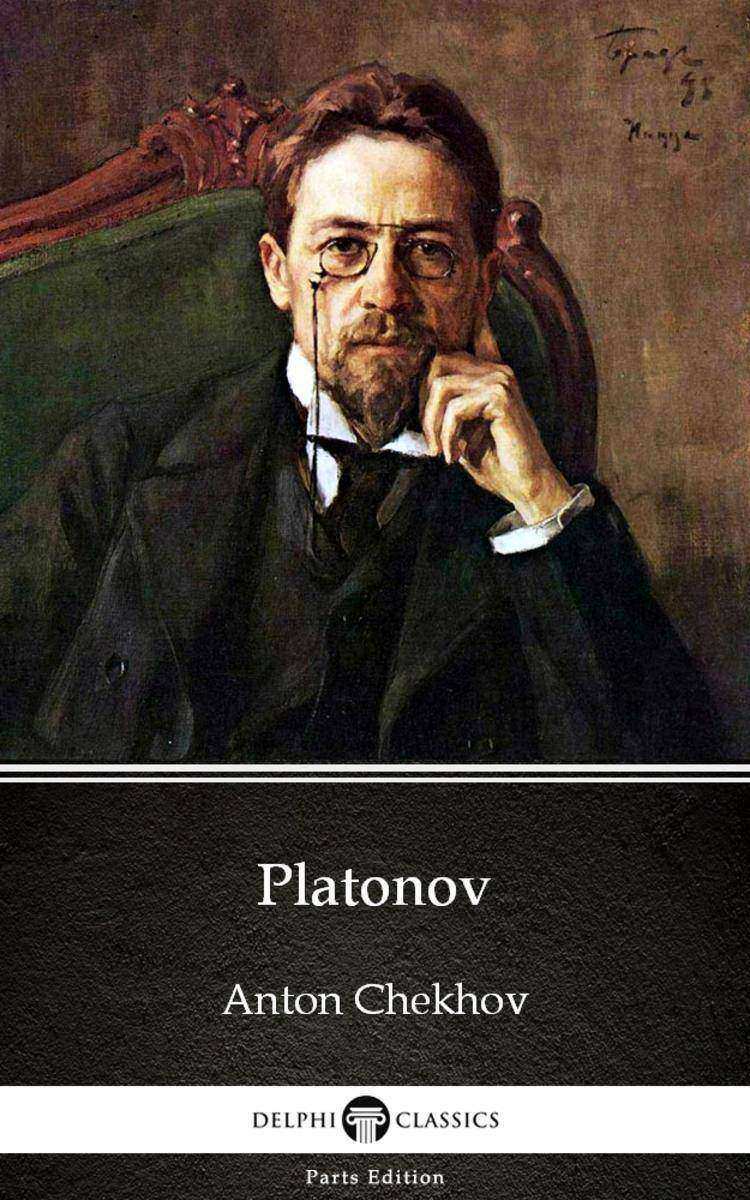
Platonov by Anton Chekhov (Illustrated)
¥8.09
This eBook features the unabridged text of ‘Platonov’ from the bestselling edition of ‘The Complete Works of Anton Chekhov’. Having established their name as the leading publisher of classic literature and art, Delphi Classics produce publications that are individually crafted with superior formatting, while introducing many rare texts for the first time in digital print. The Delphi Classics edition of Chekhov includes original annotations and illustrations relating to the life and works of the author, as well as individual tables of contents, allowing you to navigate eBooks quickly and easily.eBook features:* The complete unabridged text of ‘Platonov’* Beautifully illustrated with images related to Chekhov’s works* Individual contents table, allowing easy navigation around the eBook* Excellent formatting of the textPlease visit www.delphiclassics.com to learn more about our wide range of titles
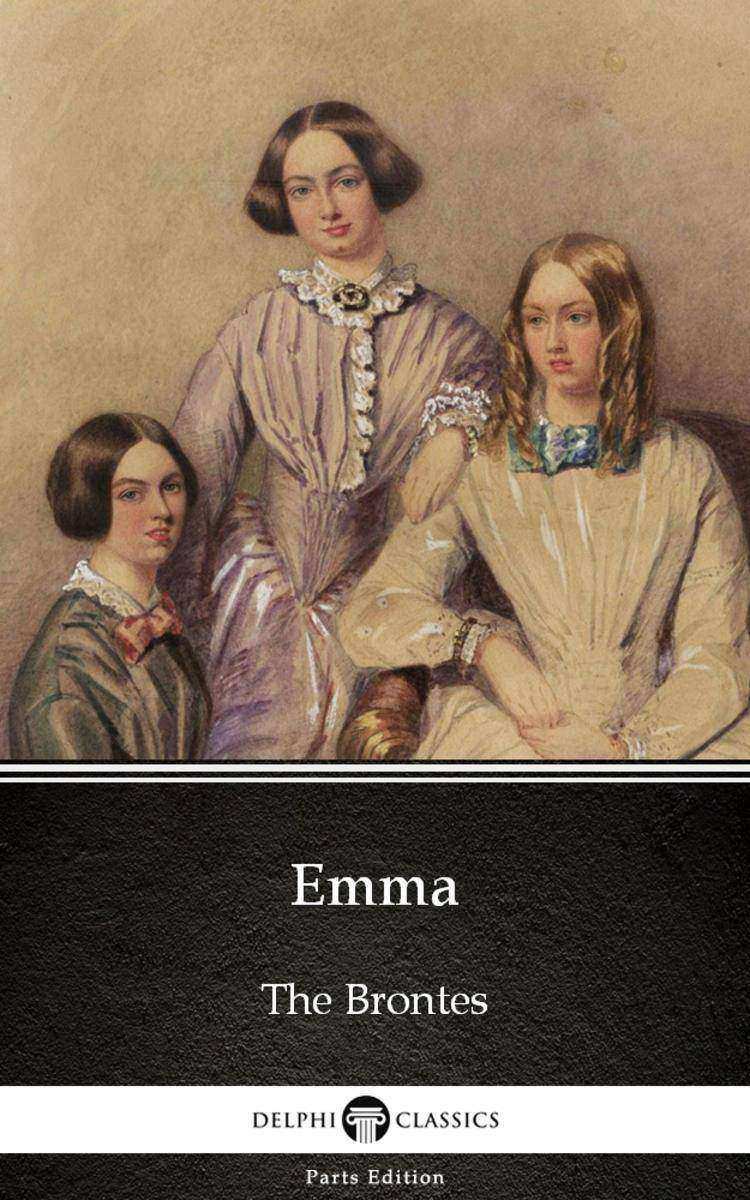
Emma by Charlotte Bronte (Illustrated)
¥8.09
This eBook features the unabridged text of ‘Emma’ from the bestselling edition of ‘The Complete Works of The Brontes’. Having established their name as the leading publisher of classic literature and art, Delphi Classics produce publications that are individually crafted with superior formatting, while introducing many rare texts for the first time in digital print. The Delphi Classics edition of Brontes includes original annotations and illustrations relating to the life and works of the author, as well as individual tables of contents, allowing you to navigate eBooks quickly and easily.eBook features:* The complete unabridged text of ‘Emma’* Beautifully illustrated with images related to Brontes’s works* Individual contents table, allowing easy navigation around the eBook* Excellent formatting of the textPlease visit www.delphiclassics.com to learn more about our wide range of titles
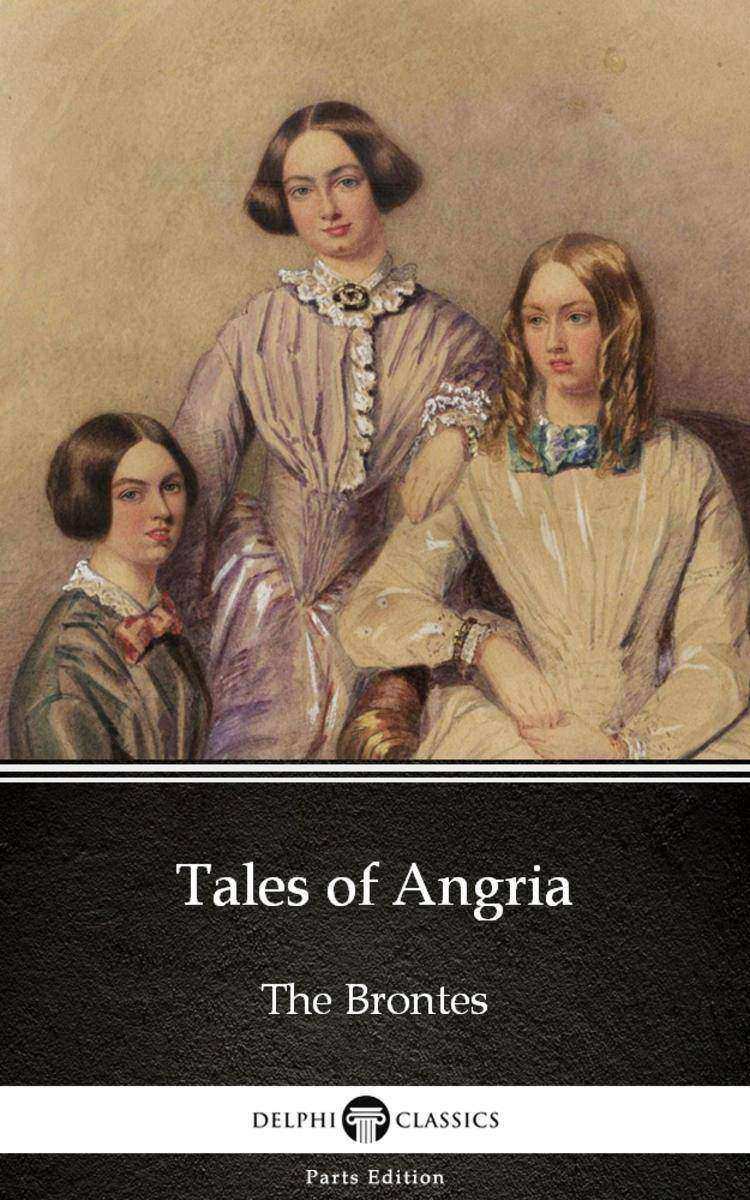
Tales of Angria by Charlotte Bronte (Illustrated)
¥8.09
This eBook features the unabridged text of ‘Tales of Angria’ from the bestselling edition of ‘The Complete Works of The Brontes’. Having established their name as the leading publisher of classic literature and art, Delphi Classics produce publications that are individually crafted with superior formatting, while introducing many rare texts for the first time in digital print. The Delphi Classics edition of Brontes includes original annotations and illustrations relating to the life and works of the author, as well as individual tables of contents, allowing you to navigate eBooks quickly and easily.eBook features:* The complete unabridged text of ‘Tales of Angria’* Beautifully illustrated with images related to Brontes’s works* Individual contents table, allowing easy navigation around the eBook* Excellent formatting of the textPlease visit www.delphiclassics.com to learn more about our wide range of titles
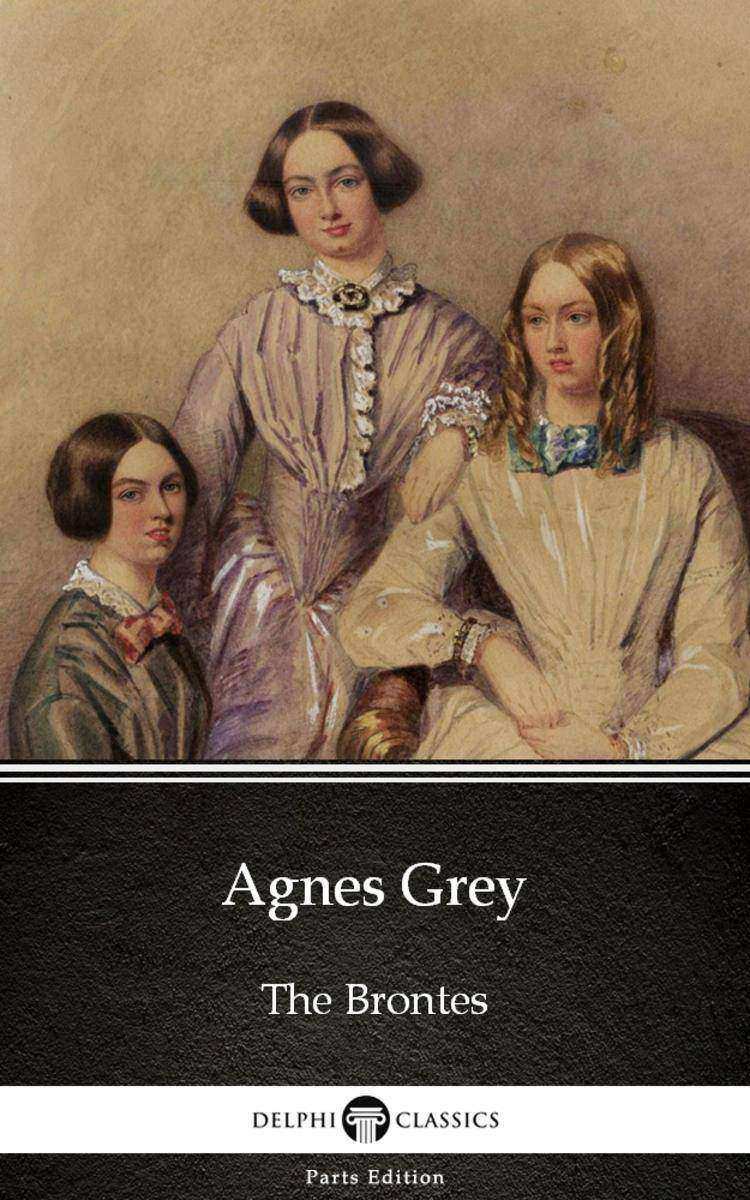
Agnes Grey by Anne Bronte (Illustrated)
¥8.09
This eBook features the unabridged text of ‘Agnes Grey’ from the bestselling edition of ‘The Complete Works of The Brontes’. Having established their name as the leading publisher of classic literature and art, Delphi Classics produce publications that are individually crafted with superior formatting, while introducing many rare texts for the first time in digital print. The Delphi Classics edition of Brontes includes original annotations and illustrations relating to the life and works of the author, as well as individual tables of contents, allowing you to navigate eBooks quickly and easily.eBook features:* The complete unabridged text of ‘Agnes Grey’* Beautifully illustrated with images related to Brontes’s works* Individual contents table, allowing easy navigation around the eBook* Excellent formatting of the textPlease visit www.delphiclassics.com to learn more about our wide range of titles

Lady Windermere’s Fan by Oscar Wilde (Illustrated)
¥8.09
This eBook features the unabridged text of ‘Lady Windermere’s Fan’ from the bestselling edition of ‘The Complete Works of Oscar Wilde’. Having established their name as the leading publisher of classic literature and art, Delphi Classics produce publications that are individually crafted with superior formatting, while introducing many rare texts for the first time in digital print. The Delphi Classics edition of Wilde includes original annotations and illustrations relating to the life and works of the author, as well as individual tables of contents, allowing you to navigate eBooks quickly and easily.eBook features:* The complete unabridged text of ‘Lady Windermere’s Fan’* Beautifully illustrated with images related to Wilde’s works* Individual contents table, allowing easy navigation around the eBook* Excellent formatting of the textPlease visit www.delphiclassics.com to learn more about our wide range of titles

The Shooting Party by Anton Chekhov (Illustrated)
¥8.09
This eBook features the unabridged text of ‘The Shooting Party’ from the bestselling edition of ‘The Complete Works of Anton Chekhov’. Having established their name as the leading publisher of classic literature and art, Delphi Classics produce publications that are individually crafted with superior formatting, while introducing many rare texts for the first time in digital print. The Delphi Classics edition of Chekhov includes original annotations and illustrations relating to the life and works of the author, as well as individual tables of contents, allowing you to navigate eBooks quickly and easily.eBook features:* The complete unabridged text of ‘The Shooting Party’* Beautifully illustrated with images related to Chekhov’s works* Individual contents table, allowing easy navigation around the eBook* Excellent formatting of the textPlease visit www.delphiclassics.com to learn more about our wide range of titles
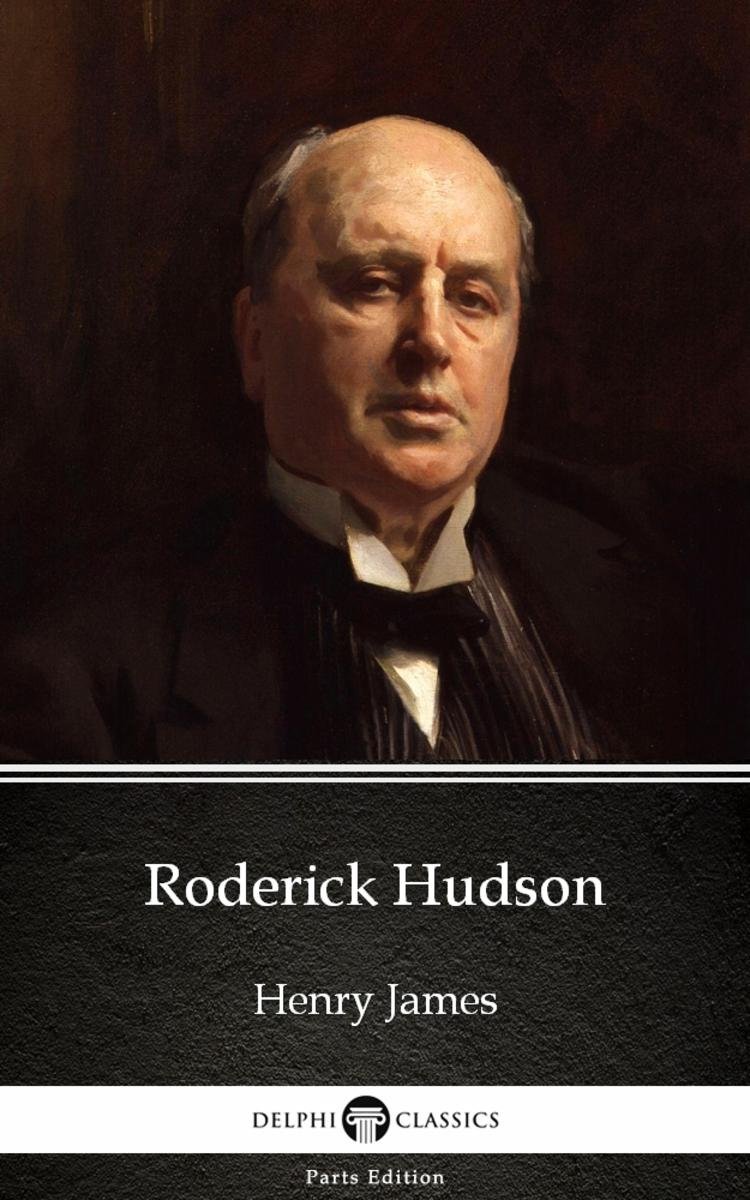
Roderick Hudson by Henry James (Illustrated)
¥8.09
This eBook features the unabridged text of ‘Roderick Hudson’ from the bestselling edition of ‘The Complete Works of Henry James’. Having established their name as the leading publisher of classic literature and art, Delphi Classics produce publications that are individually crafted with superior formatting, while introducing many rare texts for the first time in digital print. The Delphi Classics edition of James includes original annotations and illustrations relating to the life and works of the author, as well as individual tables of contents, allowing you to navigate eBooks quickly and easily.eBook features:* The complete unabridged text of ‘Roderick Hudson’* Beautifully illustrated with images related to James’s works* Individual contents table, allowing easy navigation around the eBook* Excellent formatting of the textPlease visit www.delphiclassics.com to learn more about our wide range of titles


