


 购物车
购物车 个人中心
个人中心
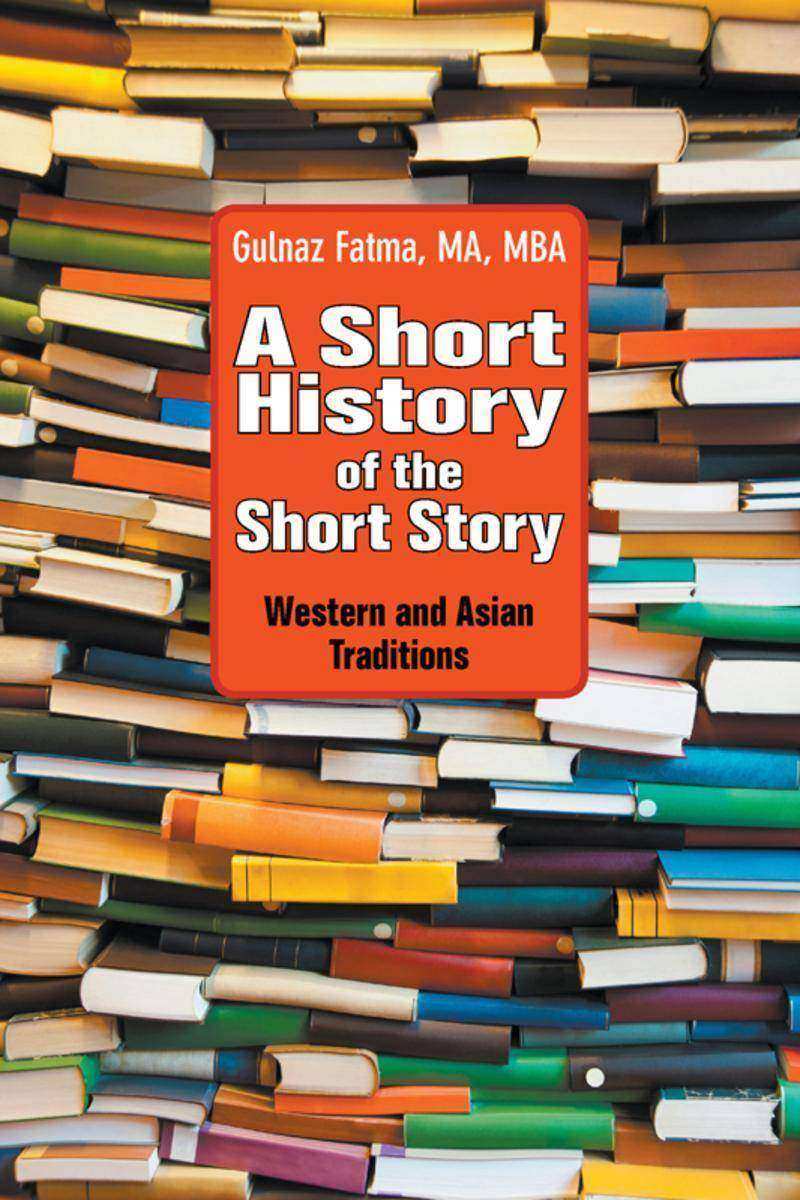
A Short History of the Short Story:Western and Asian Traditions
¥32.29
Worldwide Appreciation of the Short Story Form Spans Cultures and Centuries! In this concise volume, Gulnaz Fatma traces the short story from its origins in fables, ancient poetry, and tales such as The Arabian Nights, to its modern form in the early American stories of Irving, Poe, and Hawthorne, and then through the twentieth century and throughout the world. The elements of what makes a short story are presented along with a discussion of the difficulties in defining the genre. The short story's relation to the novel as well as its uniqueness as its own form are deftly presented. While the American and European traditions of the short story take up much of this book, the final chapter is a thorough presentation of the short story's development in India. Anyone interested in the short story--teachers, students, writers, and readers--will find this volume informative, thoughtful, and a welcome addition to our understanding of one of literature's most dynamic forms. Gulnaz Fatma is an Indian writer and author. She is a research scholar in the Department of English at Aligarh Muslim University in Aligarh, India. "As a fiction writer who has also taught the short story form, I was impressed by the thoroughness and insight presented in this concise book. Fatma's broad exploration of the short story form is backed by numerous supporting examples and her chapter on the short story in India will introduce many readers to that country's own literary gems." --Tyler R. Tichelaar, Ph.D. and author of the award-winning Narrow Lives From the World Voices Series www.ModernHistoryPress.com Literary Criticism: Short Stories Literary Criticism: Asian - General
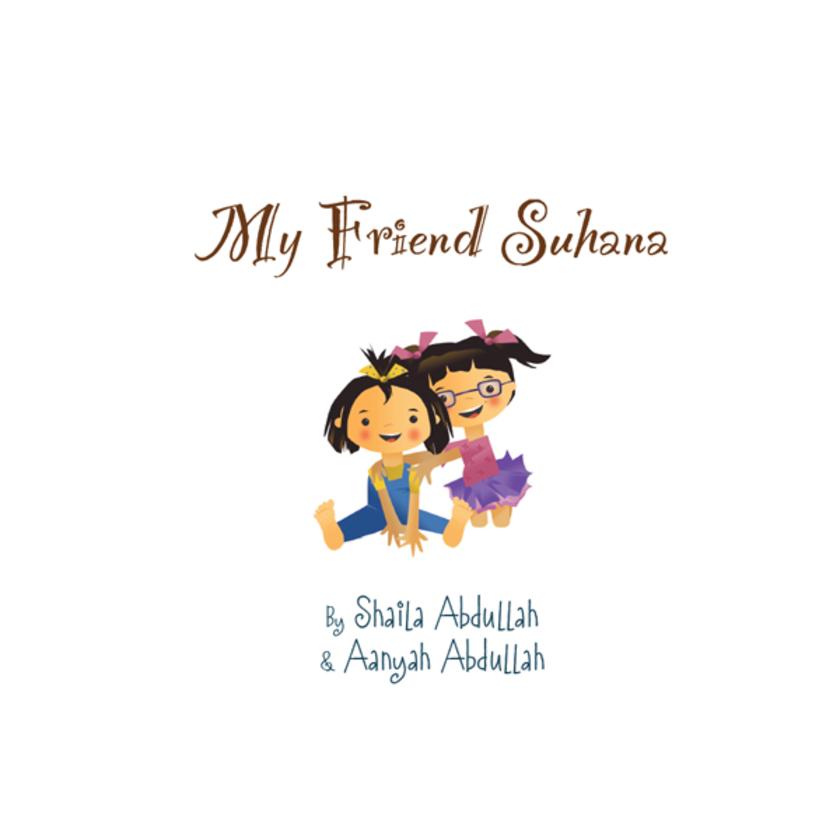
My Friend Suhana:A Story of Friendship and Cerebral Palsy
¥48.74
A simple tale of love and friendship to warm your heart Award-winning author and designer Shaila Abdullah teams up with her 10-year-old daughter Aanyah to bring you this heartwarming tale of a little girl who forms a close bond with a child with cerebral palsy. The girl finds that through her art, she can reach her special friend Suhana. "My Friend Suhana is a delightful read for a children's book. Very well illustrated with respect, friendship, and advocacy all in mind at the same time." --Dawn Cruzan, President, Camp Craig Allen for all abilities "This is the story of a seven-year-old's first attempt at unconditional love. Tough but tender, inspirational yet utterly real, this is a small gem of a tale. Highly recommended for anyone in the position of mentoring a beloved child through the hard places of life." --Paula Huston, author of A Season of Mystery and A Land Without Sin "My Friend Suhana is a charming and perceptive book that will draw its readers into empathy while allowing them to enjoy this heartwarming story of two uncommon friends." --Chitra Divakaruni, author of Grandma and the Great Gourd Learn more at www.MyFriendSuhana.com From the Growing With Love Series at www.LHPress.com
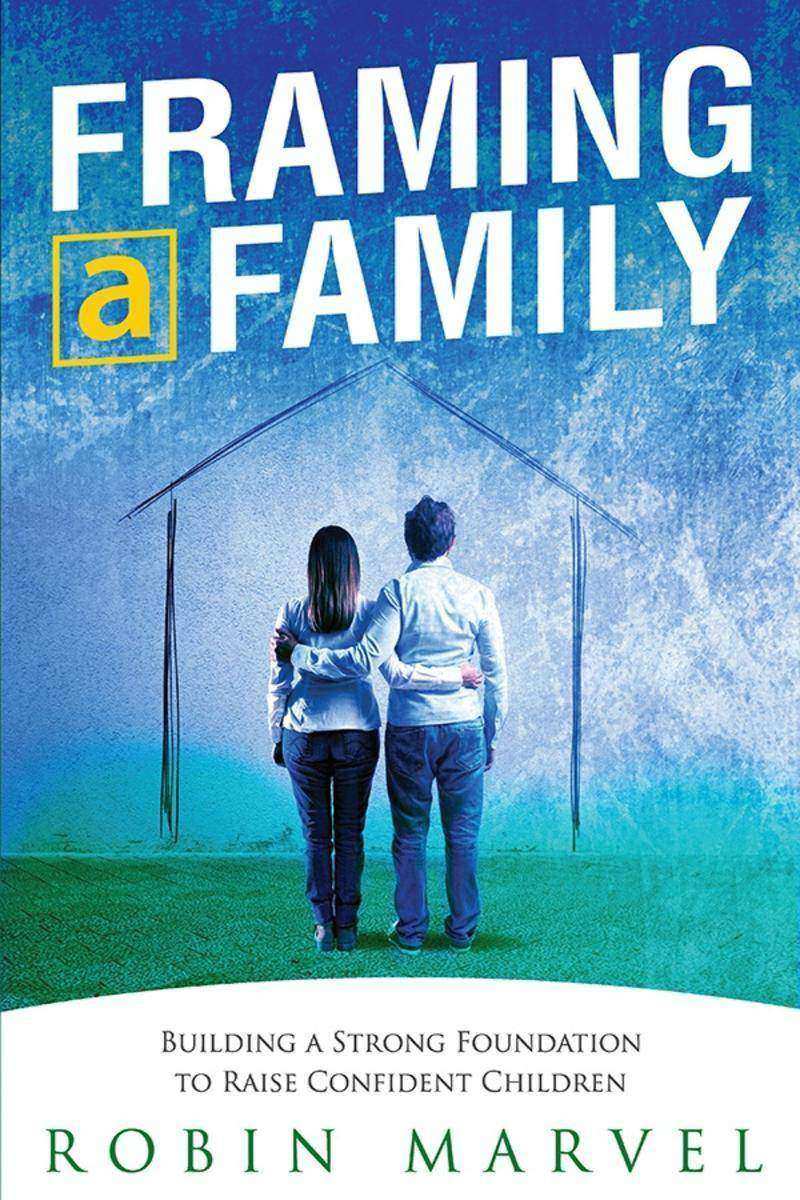
Framing a Family:Building a Foundation to Raise Confident Children
¥48.74
Framing A Family will guide you to giving your children a childhood they do not need to recover from! This book will strengthen your family, inspiring you to build your home with encouragement, empowerment, forgiveness, and most important love. You will: ·Gain proven tips and tools to empower, encourage, and strengthen your family ·Let go of your expectations and embrace the hard times and the good times with an open mind ·Build your confidence as you raise the self esteem of each family member creating an unshakable unit ·Forgive, heal and move forward in the present moment with action steps that build family ·Learn tried and true methods to build a foundation, raising confident children "Robin's wonderful stories illustrate her challenges and how she has been able to turn these challenges into personal victories and inspirational nuggets of hope for other people. I am happy to recommend this book to anyone who needs encouragement, hope, and direction to take their lives to the next level, to live life to the fullest with love, empowerment, and integrity." --Stacey Toupin, Life and Career Coach "Framing a Family teaches parents around the world the value of family, union, and unity. She both guides us and gives us tools and skills. The way she raises her children is a inspiration and we can all learn valuable lessons from her experiences. Robin is a hardworking, fun-loving, wise mother. I have found all of Robin's books and talks to be empowering and uplifting." --Mia Bredenkamp, Bultfontein, FS, South Africa Robin Marvel is a multi-published author and speaker in the field of self-development. Despite a childhood filled with abuse, homelessness, and teen pregnancy, Robin has overcome many challenges to make her life one of purpose. Today she has devoted her life to show others how to do the same. Using her story, books, and workshops as tools, she is inspiring others to break cycles and choose to live the life they desire. Learn more at www.RobinMarvel.com Another empowering book from Marvelous Spirit Press
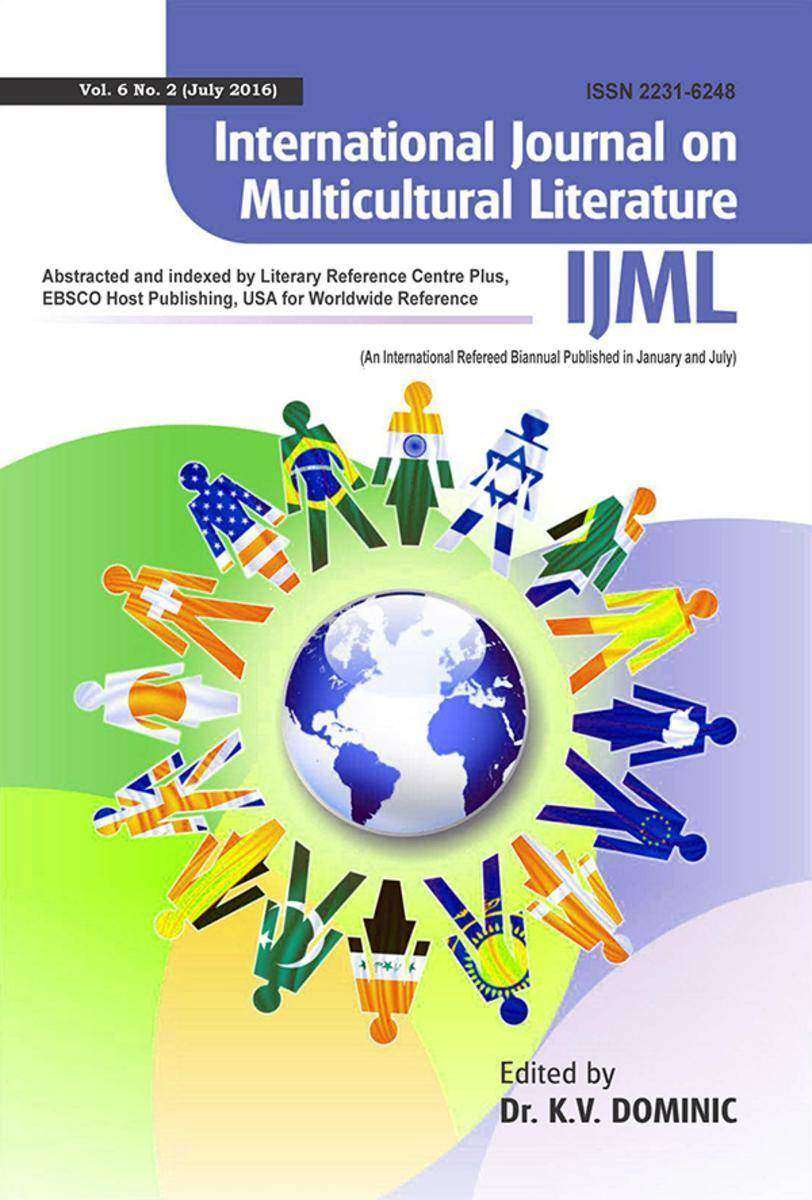
International Journal on Multicultural Literature (IJML):Vol. 6, No. 2 (July 201
¥48.74
International Journal on Multicultural Literature (IJML) Volume 6 Number 2 (July 2016)ISSN 2231-6248 Highlights include: ·"Portrayal of Man-Woman Pairs in the Fictional World of D. H. Lawrence: An Analysis" --S. Chelliah ·"Feminism and Feminist Literary Theory: A Brief Note" --C. Ramya ·"Portrayal of Feminine Spaces and Sensibilities in the Short-fiction of Alice Munro" --Syed Mir Hassim & M. Revathi ·"Violence, Memory and Identity in Indian English Fiction" --Barinder Kumar Sharma ·"Relevance of Neo-Slave Narrative Technique in Toni Morrison's Beloved" --Jaya Singh ·"'Mangalamkali' of Mavilan Tribe: An Ecocritical Reading" --Lillykutty Abraham & Sr. Marykutty Alex IJML is a peer-reviewed research journal in English literature published from Thodupuzha, Kerala, India. The publisher and editor is Prof. Dr. K. V. Dominic, renowned English language poet, critic, short story writer and editor who has to his credit 27 books. He is also the secretary of Guild of Indian English Writers, Editors and Critics (GIEWEC). Since 2010, IJML is a biannual journal published in January and July. The articles are sent first to the referees by the editor and only if they accept, the papers will be published. Although based in India, each issue includes worldwide contributors. Although IJML concentrates on multiculturalism, it also encompasses other literature. Each issue also includes poems, short stories, review articles, book reviews, interviews, general essays etc. under separate sections. IJML is available in paperback, Kindle, ePub, and PDF editions. Distributed by Modern History Press LCO004020 LITERARY COLLECTIONS / Asian / Indic LIT008020 Literary Criticism : Asian - Indic POL035010 Political Science : Political Freedom & Security - Human Rights Learn more at www.profKVDominc.com

Delphi Complete Works of J. M. Synge (Illustrated)
¥24.44
The playwright J. M. Synge was a key figure in the Irish Literary Revival and was one of the co-founders of the Abbey Theatre. Today he is best known for his controversial play ‘The Playboy of the Western World’, which caused riots in Dublin during its opening run. Synge's writings are chiefly concerned with the world of the Roman Catholic peasants of rural Ireland and with what he saw as the essential paganism of their world view. He was a poetic dramatist of great power, whose modern plays are celebrated for their sophisticated craftsmanship. For the first time in digital publishing, this eBook presents Synge’s complete works, with numerous illustrations, rare texts, informative introductions and the usual Delphi bonus material. (Version 1) * Beautifully illustrated with images relating to Synge’s life and works* Concise introductions to the plays* All 6 plays, with individual contents tables* Images of how the books were first published, giving your eReader a taste of the original texts* Excellent formatting of the texts* Rare poetry available in no other collection* Includes Synge’s prose, featuring many essays and reviews– available in no other collection* Features two biographies, including Yeats’ seminal work ‘Synge and the Ireland of His Time’ – discover Synge’s literary life* Scholarly ordering of texts into chronological order and literary genres Please visit www.delphiclassics.com to browse through our range of exciting titles CONTENTS: The PlaysIn the Shadow of the GlenRiders to the SeaThe Well of the SaintsThe Playboy of the Western WorldThe Tinker’s WeddingDeirdre of the Sorrows The Poetry CollectionsCollected Poems The ProseThe Aran IslandsIn Wicklow and West KerryMiscellaneous Essays and Reviews The BiographiesSynge and the Ireland of His Time by W. B. YeatsBrief Biography of John Millington Synge by William Kirkpatrick Magee Please visit www.delphiclassics.com to browse through our range of exciting titles or to purchase this eBook as a Parts Edition of individual eBooks

The Flying Inn by G. K. Chesterton (Illustrated)
¥8.09
This eBook features the unabridged text of ‘The Flying Inn’ from the bestselling edition of ‘The Complete Works of G. K. Chesterton’. Having established their name as the leading publisher of classic literature and art, Delphi Classics produce publications that are individually crafted with superior formatting, while introducing many rare texts for the first time in digital print. The Delphi Classics edition of Chesterton includes original annotations and illustrations relating to the life and works of the author, as well as individual tables of contents, allowing you to navigate eBooks quickly and easily.eBook features:* The complete unabridged text of ‘The Flying Inn’* Beautifully illustrated with images related to Chesterton’s works* Individual contents table, allowing easy navigation around the eBook* Excellent formatting of the textPlease visit www.delphiclassics.com to learn more about our wide range of titles

Vera by Oscar Wilde (Illustrated)
¥8.09
This eBook features the unabridged text of ‘Vera’ from the bestselling edition of ‘The Complete Works of Oscar Wilde’. Having established their name as the leading publisher of classic literature and art, Delphi Classics produce publications that are individually crafted with superior formatting, while introducing many rare texts for the first time in digital print. The Delphi Classics edition of Wilde includes original annotations and illustrations relating to the life and works of the author, as well as individual tables of contents, allowing you to navigate eBooks quickly and easily.eBook features:* The complete unabridged text of ‘Vera’* Beautifully illustrated with images related to Wilde’s works* Individual contents table, allowing easy navigation around the eBook* Excellent formatting of the textPlease visit www.delphiclassics.com to learn more about our wide range of titles

La Sainte Courtisane by Oscar Wilde (Illustrated)
¥8.09
This eBook features the unabridged text of ‘La Sainte Courtisane’ from the bestselling edition of ‘The Complete Works of Oscar Wilde’. Having established their name as the leading publisher of classic literature and art, Delphi Classics produce publications that are individually crafted with superior formatting, while introducing many rare texts for the first time in digital print. The Delphi Classics edition of Wilde includes original annotations and illustrations relating to the life and works of the author, as well as individual tables of contents, allowing you to navigate eBooks quickly and easily.eBook features:* The complete unabridged text of ‘La Sainte Courtisane’* Beautifully illustrated with images related to Wilde’s works* Individual contents table, allowing easy navigation around the eBook* Excellent formatting of the textPlease visit www.delphiclassics.com to learn more about our wide range of titles
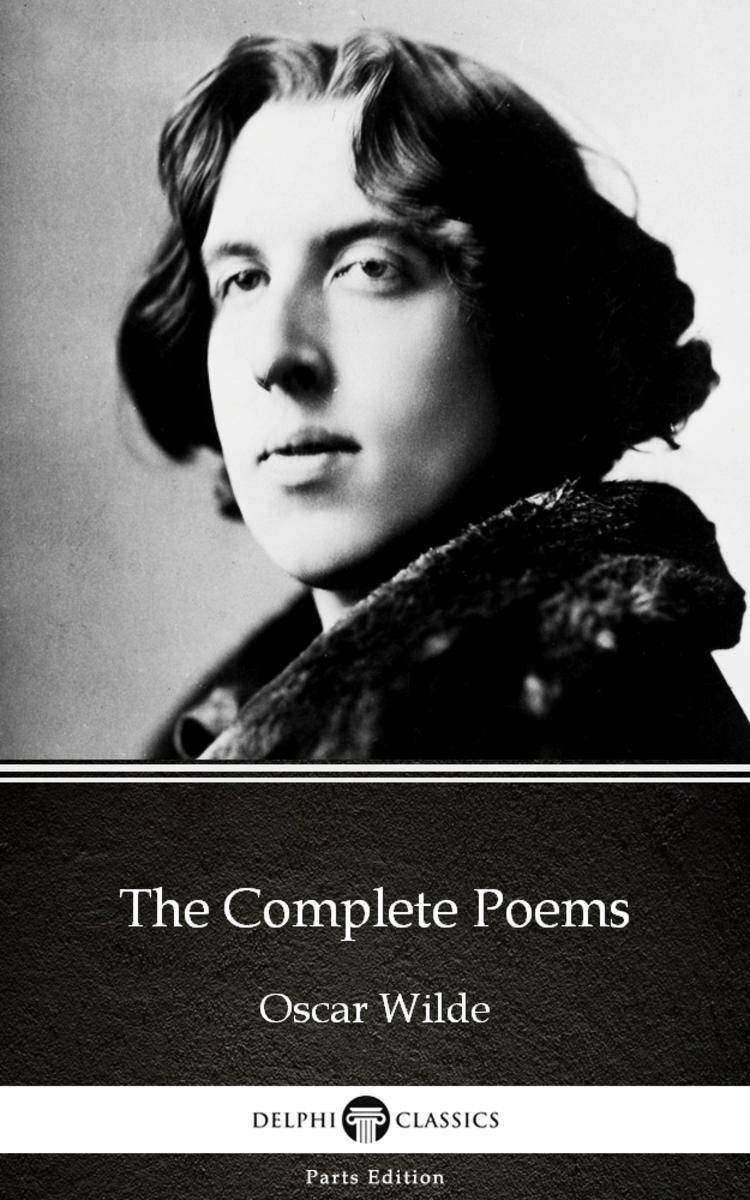
The Complete Poems by Oscar Wilde (Illustrated)
¥8.09
This eBook features the unabridged text of ‘The Complete Poems’ from the bestselling edition of ‘The Complete Works of Oscar Wilde’. Having established their name as the leading publisher of classic literature and art, Delphi Classics produce publications that are individually crafted with superior formatting, while introducing many rare texts for the first time in digital print. The Delphi Classics edition of Wilde includes original annotations and illustrations relating to the life and works of the author, as well as individual tables of contents, allowing you to navigate eBooks quickly and easily.eBook features:* The complete unabridged text of ‘The Complete Poems’* Beautifully illustrated with images related to Wilde’s works* Individual contents table, allowing easy navigation around the eBook* Excellent formatting of the textPlease visit www.delphiclassics.com to learn more about our wide range of titles
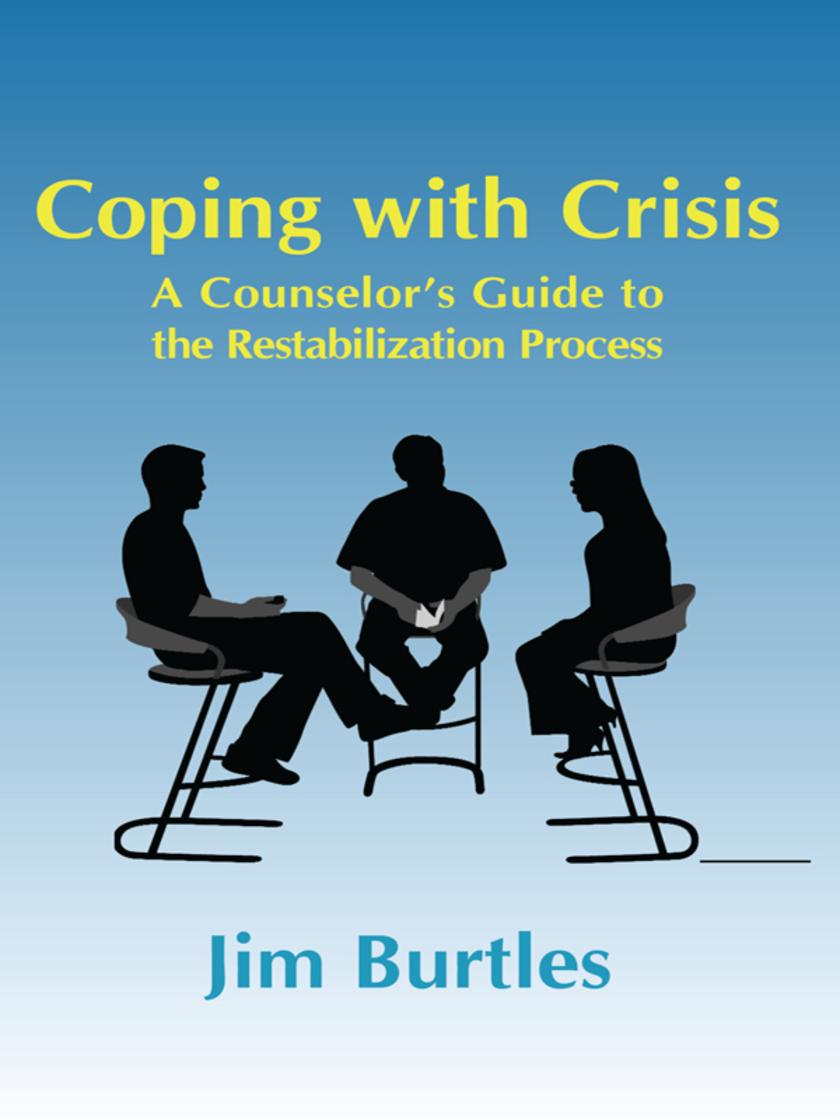
Coping with Crisis:A Counsellor's Guide to the Restabilization Process
¥65.99
In the wake of a catastrophic event, the witness may discover or experience unsettling emotions which can trigger subsequent behaviors. These reactions can lead to a number of consequences, some of which are unproductive. Restabilization is a practical means of addressing these reactions and the resultant issues. It is a four-step process of self-discovery guided, but not led, by a counselor; aimed at restoring someone's confidence and improving their capability to deal with life's problems. The person is encouraged, and enabled, to view the event as a learning experience with an opportunity to improve their performance in relation to unexpected problems. The four stages of the process are described in detail, together with examples of model sessions and rules of engagement which serve to ensure the effectiveness of the process. There are also some Communication Exercises designed to ensure unemotional but sympathetic communication between the counselor and their client. In addition, the Dark Serpent Dilemma and Technique offers a pragmatic way of approaching and solving the problems which life throws at all of us from time to time. Once the concept is understood it can be applied as a way of ensuring the optimum reaction to any significant event or situation. About the Author For several years, Jim Burtles was Principal Consultant with Safetynet PLC, where he taught business executives how to cope with, and plan for, minor emergencies, disasters and absolute catastrophes. Safetynet was a pioneering disaster recovery and business continuity company which specialized in dealing with business emergencies. Such events might range in scale from a faulty air-conditioning system to the aftermath of major earthquakes or terrorist attacks. The original concept of Safetynet was centered on the complex computer-based operations of the modern business. However, experience soon taught Safetynet's founders that the whole of the business environment had to be taken into account. Therefore, personnel problems and many other aspects needed to be taken into consideration. Jim acquired his expertise in disaster recovery and emergency management through direct exposure to dozens of real-life disasters, almost a hundred emergencies and countless problem situations. He also benefited from the indirect experience of many more, gained from talking to, and working with, victims of various crises. In his current role, as a Director of Total Continuity Management, he is now working with senior executives of international corporations and government departments to help them develop complete emergency response plans and processes which include appropriate counseling and training programs to cope with emergency Coping with Crisis is book #5 in the Explorations in Metapsychology Series from Loving Healing Press (www.LovingHealing.com)
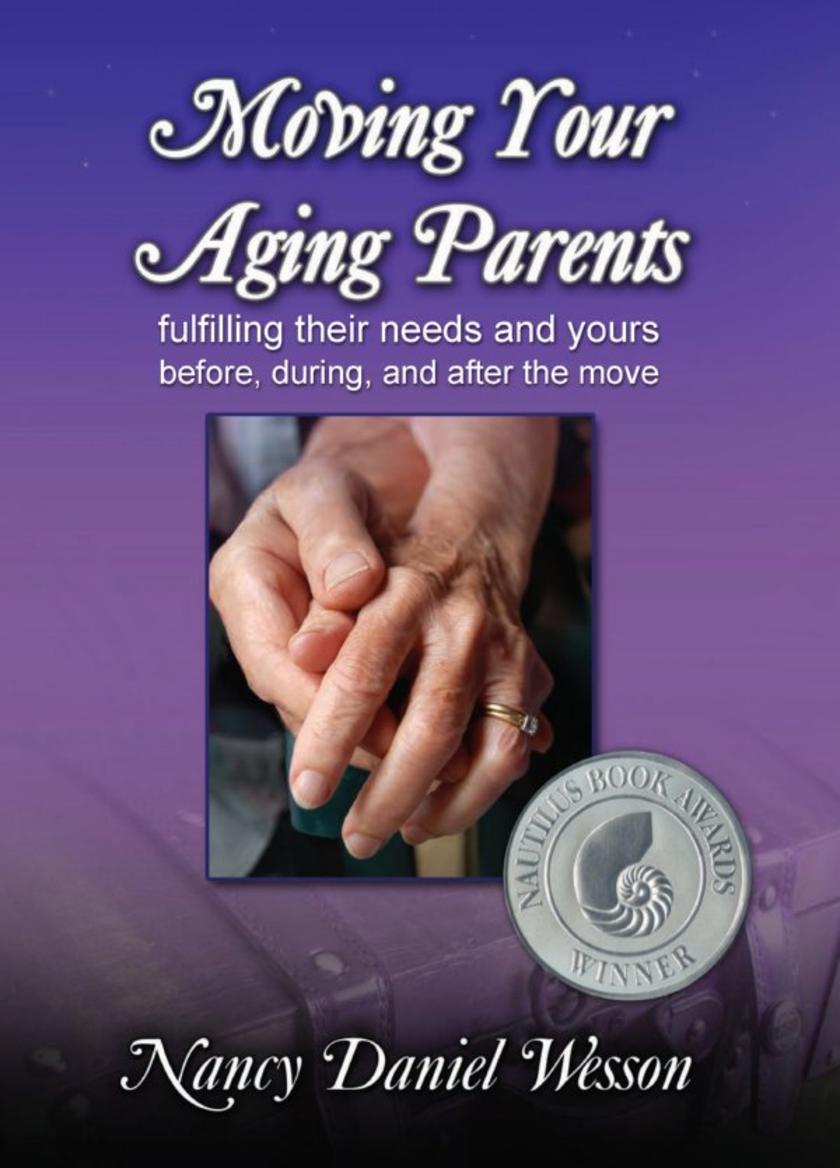
Moving Your Aging Parents
¥65.99
Will you be ready when it's time...? Whether whittling down to the essentials for a parent moving into a room or two or downsizing for ourselves, ignoring the spirit and basing decisions on health and safety alone could have devastating results. In this hope filled book you will learn how to: ·Identify needs and desires to create a quality new life ·Cope with the Depression Era mind-set ·Create emotionally sustaining environments to nurture the soul ·Ready and sell the family home ·Ask the RIGHT questions to help divest of treasures ·Manage your energy and spirit throughout the process ·Determine when it's time to consider alternative placement ·Perform the ordinary in a non-ordinary way -- allowing you to preserve and heal family relationships Expert's Acclaim for Moving Your Aging Parents "A creative and inspiring godsend for helping Mom and Dad transition to the next phase of life. Valuable for caregivers, healthcare professionals, and seniors interested in aging with independence, dignity and grace." --Jacqueline Marcell, author Elder Rage, host of Coping With Caregiving radio show "What a truly remarkable and elegantly written book. The information is relevant for every relocation regardless of the age or circumstances of the client." --Sally B. Yaryan, Director, Professional Development & Education; Austin Board of REALTORS (r) "As a thirty-five year plus veteran of health care practice as a Registered Nurse, specializing in the care of the elderly, I offer my heart-felt endorsement of this excellent book. It offers concrete plans to follow and emphasizes the emotional and spiritual counterparts that transform seemingly difficult chores into acts of mutual joy, growth, and love." --Mary Durfor for Rebecca Reads Learn more about this author at www.FocusOnSpace.com From the Aging With Grace Series at Loving Healing Press www.LovingHealing.com

How to Forgive:A Practical Guide
¥48.74
Ask yourself: ·Do you believe that the other person is responsible for how you feel? ·Do their actions seem like a complete mystery? ·Are you ready to stop feeling angry or upset? ·Do you still feel hurt or sad? ·Are you ready to re-build the trust within this relationship? ·Have you made the decision to forgive? ·Are you haunted by something you said or did to another? If you answered YES to more than one of these questions, then this book is for you! How To Forgive will assist you in unraveling the past and help you to let go of the feelings which are holding you back. Forgiveness is a choice, but to forgive is not always easy. In fact, many people who would like to let go of anger and forgive are stumped with the question of how to forgive. This step-by-step guide will help you acknowledge your emotions and deal with the issues those emotions identify. "Lynda Bevan offers an important contribution to the clarification of this emotionallyloaded term: 'forgiveness'. She offers a taxonomy of misdeeds and issues that require forgiveness and then proceeds with guidance on how to tackle and defuse these situations and even turn them around in one's favor. Bevan thus transforms forgiveness from a mere ethical or moral requirement to a pragmatic approach to the management of anger, pain, and abuse. I have rarely encountered so much useful content packed into so little a space: this book is a veritable energy drink!" --Sam Vaknin, author of Malignant Self Love: Narcissism Revisited By the author of the #1 Bestseller: "Life Without Jealousy" Book #5 in the 10-Step Empowerment Series -- Learn more at www.LyndaBevan.com Self-Help: Abuse - General
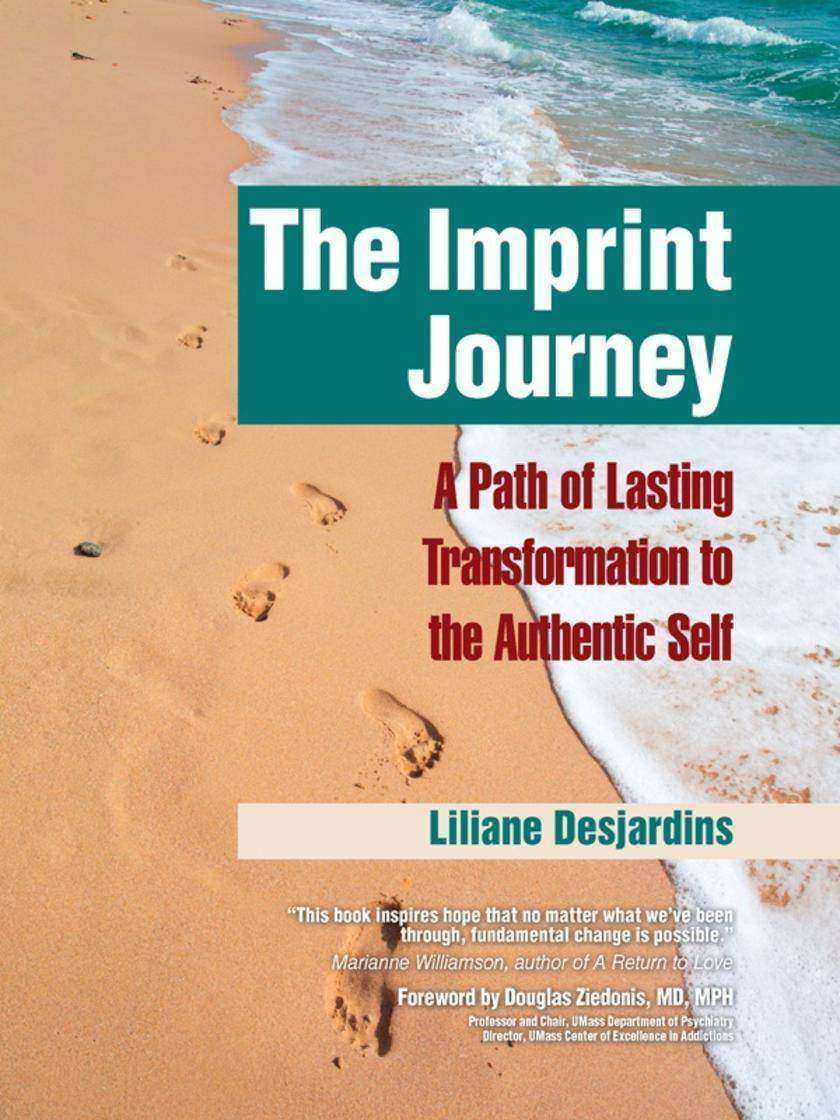
The Imprint Journey:A Path of Lasting Transformation Into Your Authentic Self
¥65.99
Ever Wonder Why The Same Patterns Happen To You Over And Over Again? We all have imprints, both negative and positive. An imprint is a belief that shapes our thoughts and actions, a belief we often hold unconsciously. Liliane Desjardins, a certified clinical addiction specialist, co-founder of Pavillon Gilles Desjardins, and co-creator of the Desjardins Unified Model of Treatment of Addictions, sets forth in The Imprint Journey an exploration of imprints, how they govern our lives, and how we can reprogram our minds to function in new and fulfilling ways. The Imprint Journey is equivalent to reading two powerful books in one. Liliane spends the first section telling her own story--a childhood in war-torn Croatia, the death of her mother, being an immigrant first to France and later French Canada--and the addictions and dysfunctions that marred her life until a suicide attempt resulted in a near-death experience. Her own personal recovery led her on a mission to help others find their own freedom from self-imposed and self-limiting imprints. The second half of this powerful book provides an anatomy of our imprints, revealing how to transform them so we are free to be our authentic selves. Liliane includes eight powerful personal stories of people who have overcome their imprints--including religious, sexual, and cultural limitations--as well as an overview of how understanding and rewriting our imprints can shape the human race's future as we all experience individual "Oneness." Readers will find themselves turning to The Imprint Journey again and again as a guide to relieve fears and to discover powerful truths about themselves that will transform them into their authentic selves. Acclaim For Desjardins' The Imprint Journey "Liliane writes from the depth of her own experience, with passion and power and a keen understanding of the human psyche. Her insights lift the reader above their own past patterns, providing insight both comforting and striking. The book inspires hope that no matter what we've been through, fundamental change is possible." --Marianne Williamson, author, A Return To Love "The Imprint Journey will touch your very soul and make way for profound transformation. From personal story to practical steps, Liliane walks with her readers on the path of awakening. Your life will be changed." --Carolyn Craft, Psychotherapist, Unity Minister, host of "Waking Up With Carolyn Craft" on Sirius Satellite Radio Learn more at www.LilianeDesjardins.com From Life Scripts Press www.RewritingLifeScripts.com FAM501000 Family & Relationships : Dysfunctional Families SEL003000 Self-Help : Adult Children of Alcoholics PSY017000 Psychology : Interpersonal Relations
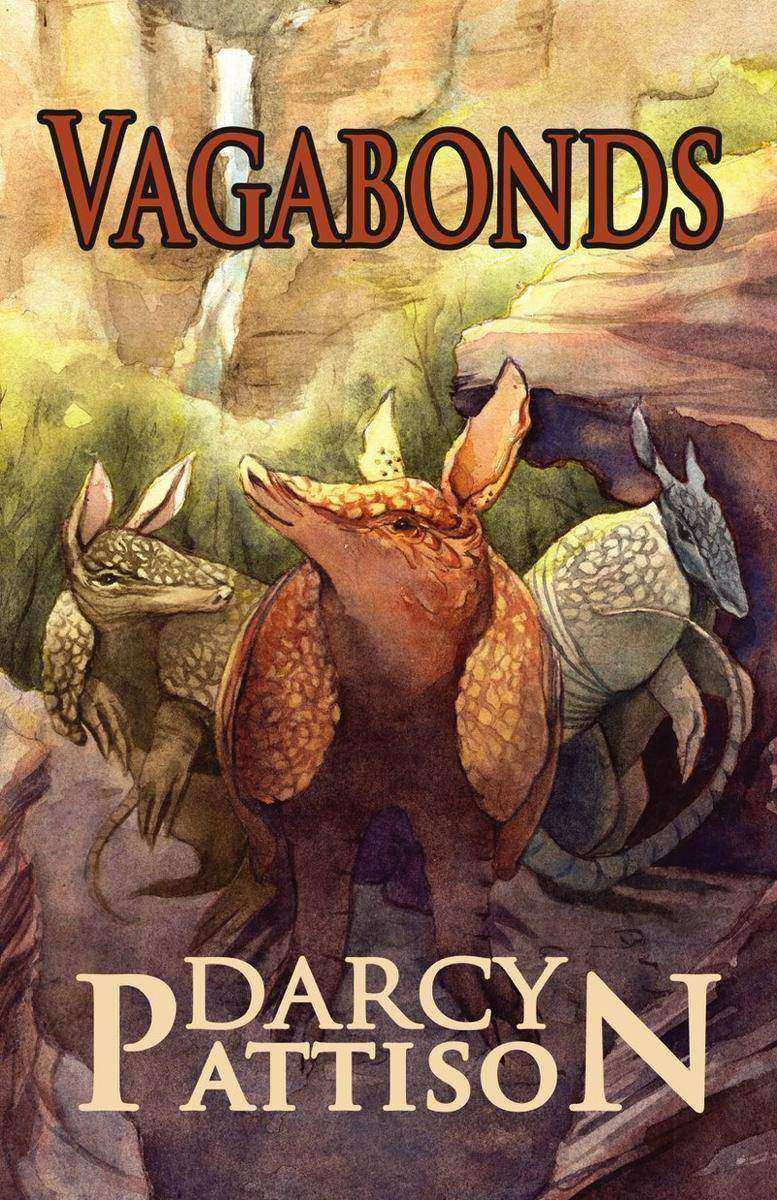
Vagabonds
¥40.79
“Watership Down” with armadillos VAGABONDS by Darcy Pattison An Immigrant’s Tale For decades, the southern states have witnessed the relentless migration of vagabonds from Mexico. They are now found as far north as the Ozarks of southern Missouri. No one knows why they keep traveling north, ever northward. Until now. In the tradition of Charlotte’s Web or The Underneath comes the American fantasy, VAGABONDS, the saga of El Garro’s armadillo colony, the scouts and pioneers who have always been at the forefront of the migration. Rumors from their original homeland, the jungles far to the south, indicate that El Garro’s colony may be nearing the fabled Faralone Falls, where they will find the answer to why they have traveled northward for decades. Galen must leave the comfort of his den and lead the search party. Accompanying him are Tex, a representative of the southern clans, Corrie, who is El Garro’s daughter, and Blaze, the barn owl. Galen’s quest for answers plays out against the background of the armadillo colony who has never before challenged their nomadic way of life. VAGABONDS is an American fantasy set in the Ozark mountains. Like El Garro’s clan, we are a nation of immigrants, people who have known the sacrifice of leaving everything behind to find a future and a hope for their families. ABOUT THE AUTHOR As a long-time reader and fan of fantasy stories, author Darcy Pattison is often frustrated by the lack of truly American fantasies. This story of vagabond armadillos traveling up from South America is embued with her fascination with the Ozark Mountains, especially the Buffalo National River area, the first river in the U.S. to be named a National River. She has hiked, camped and floated the Buffalo for years and brings this setting to life in this story. Published in eight languages, her middle grade novels include: Saucy and Bubba: A Hansel and Gretel Tale; The Girl, the Gypsy and the Gargoyle; and Vagabond. Recent nature books for children include: Abayomi, the Brazilian Puma: The True Story of an Orphaned Cub; Wisdom, the Midway Albatross, a Starred Review in Publisher’s Weekly; Desert Baths (Arbordale), an NSTA Outstanding Science Trade Book 2013; and, Prairie Storms (Arbordale). Her series, The ALIEN, INC. CHAPTER BOOK SERIES includes Kell, the Alien; Kell and the Horse Apple Parade; Kell and the Giants; and Kell and the Detectives. For more, see darcypattison.com/about
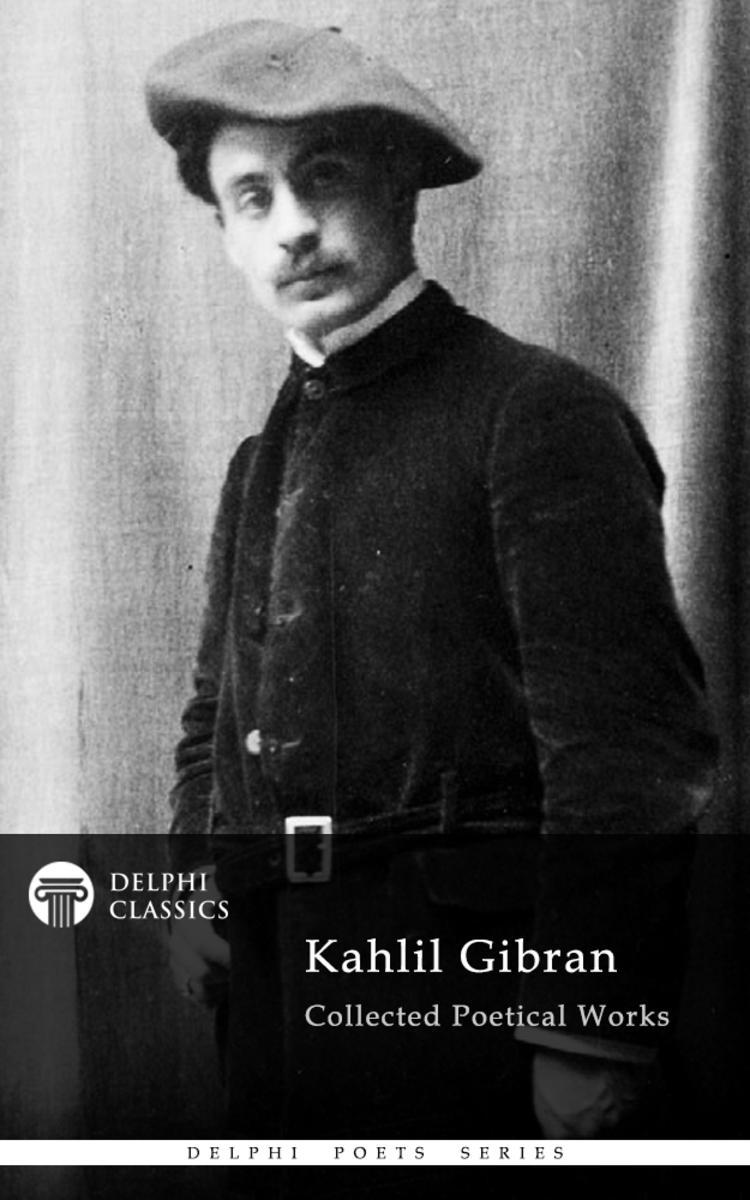
Delphi Collected Poetical Works of Kahlil Gibran (Illustrated)
¥16.27
One of the bestselling writers of the twentieth century, Khalil Gibran was a Lebanese American poet, artist and essayist. His literary works are romantic in outlook and are largely inspired by the works of Francis Marrash, Friedrich Nietzsche and William Blake. His writings are renowned for their lyrical outpourings and deeply religious and mystic nature. The Delphi Poets Series offers readers the works of literature's finest poets, with superior formatting. This volume presents Gibran’s collected poetical works, with beautiful illustrations and the usual Delphi bonus material. (Version 1) * Beautifully illustrated with images relating to Gibran's life and works* Concise introduction to Gibran’s life and poetical works* Excellent formatting of the texts* Special chronological and alphabetical contents tables for the books* Easily locate the texts you want to read* Includes Gibran's play LAZARUS AND HIS BELOVED* Features a selection of Gibran's paintings* Scholarly ordering of texts into chronological order and genres Please note: translations of Gibran's early Arabic works are currently unavailable in the public domain and so cannot appear in this collection. Please visit www.delphiclassics.com to see our wide range of poet titles CONTENTS: The Life and Poetry of Kahlil GibranBRIEF INTRODUCTION: KAHLIL GIBRANTHE MADMAN (1918)THE FORERUNNER (1920)THE PROPHET, (1923)SAND AND FOAM (1926)JESUS, THE SON OF MAN (1928)THE EARTH GODS (1931)THE WANDERER (1932)THE GARDEN OF THE PROPHET (1933) The Poems and StoriesLIST OF WORKS IN CHRONOLOGICAL ORDERLIST OF WORKS IN ALPHABETICAL ORDER The PlayLAZARUS AND HIS BELOVED The PaintingsLIST OF PAINTINGS Please visit www.delphiclassics.com to browse through our range of poetry titles or buy the entire Delphi Poets Series as a Super Set

The Confessions of Jean-Jacques Rousseau by Jean-Jacques Rousseau (Illustrated)
¥8.09
This eBook features the unabridged text of ‘The Confessions of Jean-Jacques Rousseau’ from the bestselling edition of ‘The Collected Works of Jean-Jacques Rousseau’. Having established their name as the leading publisher of classic literature and art, Delphi Classics produce publications that are individually crafted with superior formatting, while introducing many rare texts for the first time in digital print. The Delphi Classics edition of Rousseau includes original annotations and illustrations relating to the life and works of the author, as well as individual tables of contents, allowing you to navigate eBooks quickly and easily.eBook features:* The complete unabridged text of ‘The Confessions of Jean-Jacques Rousseau’* Beautifully illustrated with images related to Rousseau’s works* Individual contents table, allowing easy navigation around the eBook* Excellent formatting of the textPlease visit www.delphiclassics.com to learn more about our wide range of titles
Pilgrims
¥32.62
Jake Rose joins the courageous crew of the Eagle 10 as they streak across the galaxy to Rison, the other blue planet. Their goal is to find the umjaadi starfish, the host of an organism that is deadly to the Phoke, the water people of Earth. The mission is foolhardy because Rison will soon implode—the catastrophe is mere days away—from a science-gone-wrong scenario. Forced to enter the Risonian society at its darkest hour, the team struggles against local politics and races against time to find the starfish. Utz Seehafer, the son and heir-apparent, of the southern Bo-See coalition is assigned to help the Earthlings’ search. He battles his own demons of a lost brother, a grieving father, and the urgency of escaping a dying planet. Will he be able to save his beloved Derry, and their pet project, the great white shark named Godzilla? Pilgrims is the exciting conclusion of an epic science fiction trilogy that pits Risonians and Earthlings against inevitable implosion of a planet. In a rush against time, they must deal with the politics of desperate men and the tricks of a dying planet. Will they find the cure and escape in time?
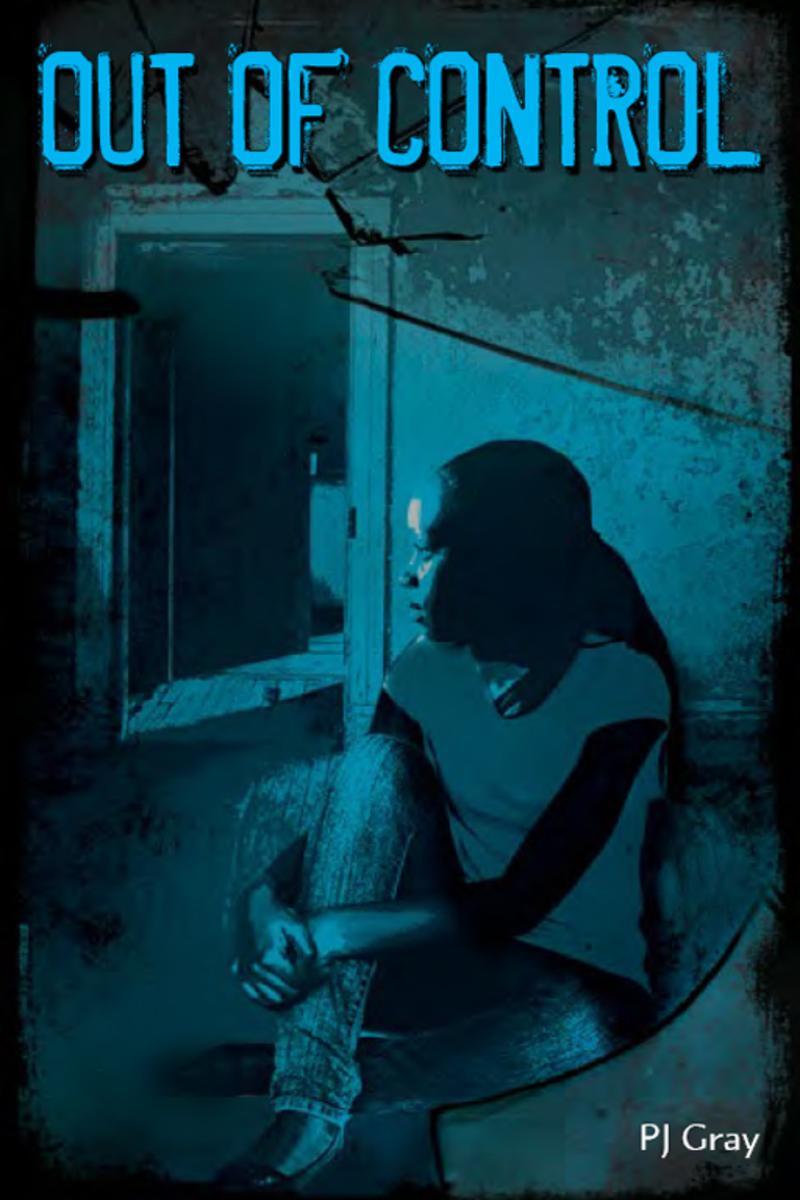
Out of Control
¥92.48
High-Low, supernatural teen fiction--Apartment 4A follows a struggling teen, Bree, who has to take care of herself in a less than ideal situation. Bree is an orpan living with her aunt who is suffering from dimentia. She also has a dodgy brother that drinks too much. She has no one to count on but herself, until she starts hearing noises from a nearby empty apartment. Written at a 2.0 reading level, each book contains approximately 2500 words. Books are not sold separately. Bree knew her boss was dealing drugs. But she needed the job. Her brother only came home to steal. And her aunt was ill. “Just one last job,” Bree thought.
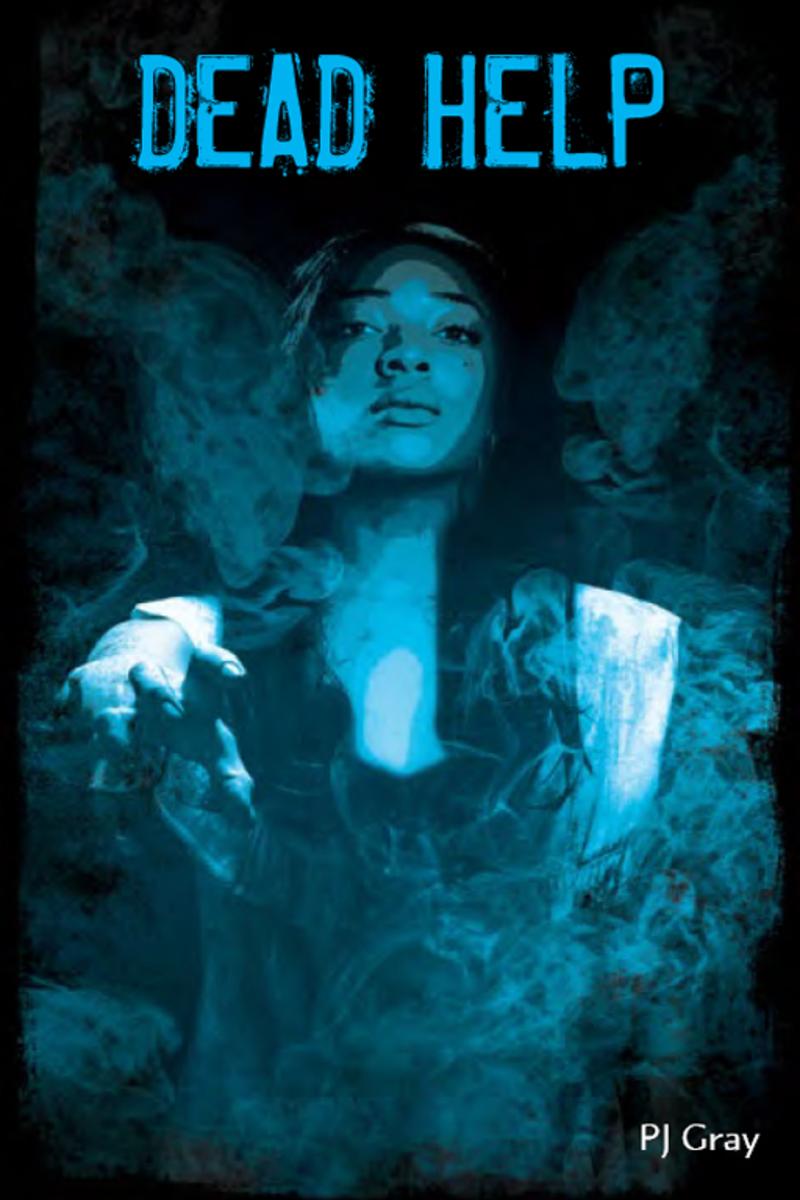
Dead Help
¥92.48
High-Low, supernatural teen fiction--Apartment 4A follows a struggling teen, Bree, who has to take care of herself in a less than ideal situation. Bree is an orpan living with her aunt who is suffering from dimentia. She also has a dodgy brother that drinks too much. She has no one to count on but herself, until she starts hearing noises from a nearby empty apartment. Written at a 2.0 reading level, each book contains approximately 2500 words. Books are not sold separately. Bree turned the knob of apartment 4A. The door was unlocked. They walked in. It was empty. Andre looked around. “This is where we used to live.”

The Chorus Girl
¥40.79
One day when she was younger and better-looking, and when her voice was stronger, Nikolay Petrovitch Kolpakov, her adorer, was sitting in the outer room in her summer villa. It was intolerably hot and stifling. Kolpakov, who had just dined and drunk a whole bottle of inferior port, felt ill-humoured and out of sorts. Both were bored and waiting for the heat of the day to be over in order to go for a walk.
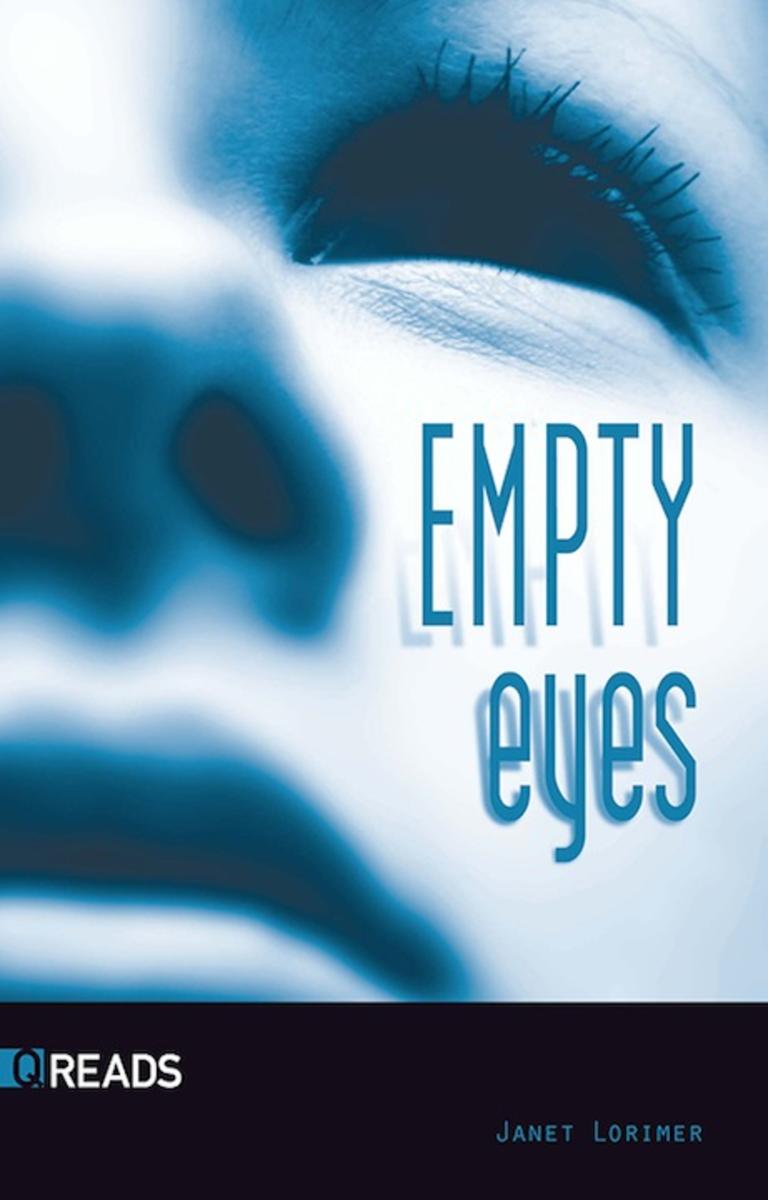
Empty Eyes
¥81.34
Just 32-pages each- eBooks for struggling readers power-packed with reading employment. Here are 40 exciting Hi-Lo books with various themes guaranteed to keep your students turning the pages until the very end! There's something odd about the attendants at the Painted Desert Resort. Brad can't shake the feeling that they never stop watching him.


