


 购物车
购物车 个人中心
个人中心
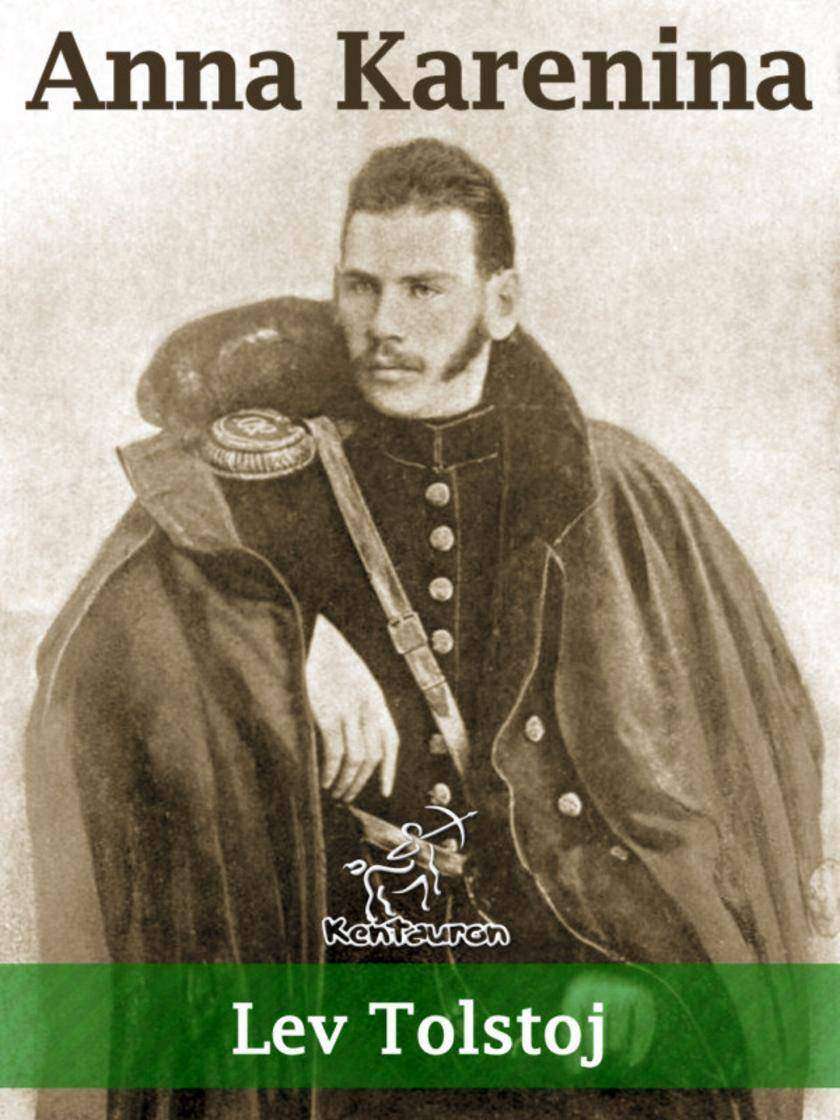
Anna Karenina (Nuova edizione annotata)
¥8.09
Anna Karenina (in russo: Aнна Каренина) è un romanzo di Lev Tolstoj che fu pubblicato per la prima volta nel 1877. Considerato un capolavoro del realismo, l'autore trasse ispirazione da "I racconti di Belkin" dello scrittore e poeta russo Aleksandr Sergeevi? Pu?kin. Sebbene la maggior parte della critica russa stroncasse il romanzo fin dalla prima pubblicazione, definendolo ?un romanzo frivolo dell'alta società?, secondo lo scrittore russo F?dor Michajlovi? Dostoevskij ?Anna Karenina in quanto opera d'arte è la perfezione... e niente della letteratura europea della nostra epoca può esserle paragonato?. La sua opinione fu condivisa da Vladimir Vladimirovi? Nabokov, che lo definì ?il capolavoro assoluto della letteratura del XIX secolo?.
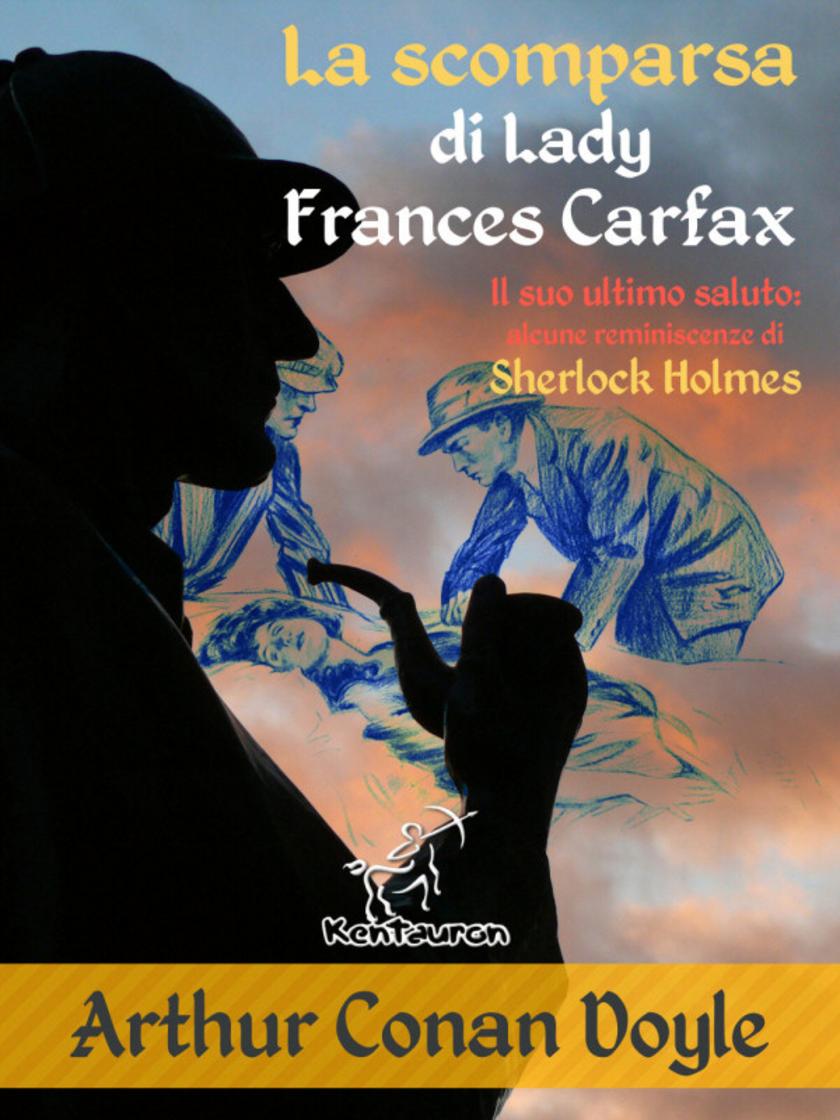
La scomparsa di Lady Frances Carfax
¥4.58
Nuova edizione illustrata con i disegni originali di Alec Ball, Frederic Dorr Steele, Knott e T. V. McCarthy. "La scomparsa di Lady Frances Carfax" è uno dei 56 racconti di Sherlock Holmes scritto dall'autore britannico Arthur Conan Doyle, inizialmente pubblicato nelle riviste American Magazine e The Strand Magazine e in seguito parte di una raccolta di otto racconti pubblicata come libro con il titolo di ""Il suo ultimo saluto: alcune reminiscenze di Sherlock Holmes"", in alcune edizioni intitolato ""L'ultimo saluto di Sherlock Holmes"". ? uno dei pochi racconti in cui per gran parte della trama Watson deve agire da solo e cerca di fare del suo meglio con Holmes posto in secondo piano. Sir Arthur Ignatius Conan Doyle (Edimburgo, 22 maggio 1859 – Crowborough, 7 luglio 1930) è stato uno scrittore scozzese, considerato, insieme ad Edgar Allan Poe, il fondatore di due generi letterari: il giallo e il fantastico. In particolare è il capostipite del sottogenere noto come giallo deduttivo, reso famoso dal personaggio dell'investigatore Sherlock Holmes. La produzione dello scrittore tuttavia spazia dal romanzo d'avventura alla fantascienza, dal soprannaturale ai temi storici. Altre edizioni Disponibile anche in inglese e in edizione bilingue con testo inglese a fronte, specifica per tablet (il testo originale e la traduzione vengono visualizzati su due colonne affiancate).
![Rudy and Babette: [Illustrated Edition]](https://platform-permanent.ddimg.cn/pt-media-info-soa-resource/digital/product/45/8/1901164508_ii_cover.jpg?version=9d02e19f-7784-4ad4-85d2-15b056aa4db1)
Rudy and Babette: [Illustrated Edition]
¥18.88
LET us now go to Switzerland, and see its wonderful mountains, whose steep, rocky sides are covered with trees. We will climb up to the fields of snow, and then make our way down to the grassy valleys, with their countless streams and rivulets, impetuously rushing to lose themselves in the sea. The sunshine is hot in the narrow valley; the snow becomes firm and solid, and in the course of time it either descends as an avalanche, or creeps along as a glacier. ??THERE are two of these glaciers in the valleys below the Schreckhorn and the Wetterhorn, near the long village of Grindelwald. They are a remarka-ble sight, and therefore many travelers from all countries come in the summer to visit them: they come over the high mountains covered with snow, they traverse the deep valleys; and to do this they must climb, hour after hour, leaving the valley far beneath them, till they see it as if they were in an air-balloon. ??The clouds hang above them like thick mists over the mountains, and the sun's rays make their way through the openings between the clouds to where the brown houses lie spread, lighting up some chance spot with a vivid green. Below, the stream foams and blusters; but above it murmurs and ripples, and looks like a band of silver hanging down the side of the rock.??On either side of the path up the mountain lie wooden houses. Each house has its little plot of potatoes; and this they all require, for there are many children, and they all have good appetites. The children come out to meet every stranger, whether walking or riding, and ask him to buy their carved wooden ch?lets, made like the houses they live in. Be it fine or be it wet, the children try to sell their carvings.??About twenty years since you might have seen one little boy standing apart from the others, but evidently very desirous to dispose of his wares. He looked grave and sad, and held his little tray tightly with both hands as if he was afraid of losing it. This serious look and his small size caused him to be much noticed by travelers, who often called him and purchased many of his toys, though he did not know why he was so favored. His grandfather lived two miles off among the mountains, where he did his carving. He had a cabinet full of the things he had made. ??There were nut-crackers, knives and forks, boxes carved with leaves and chamois, and many toys for children; but little Rudy cared for nothing so much as for an old gun, hanging from a rafter in the ceiling, for his grandfather had told him it should be his own when he was big enough to know how to use it.
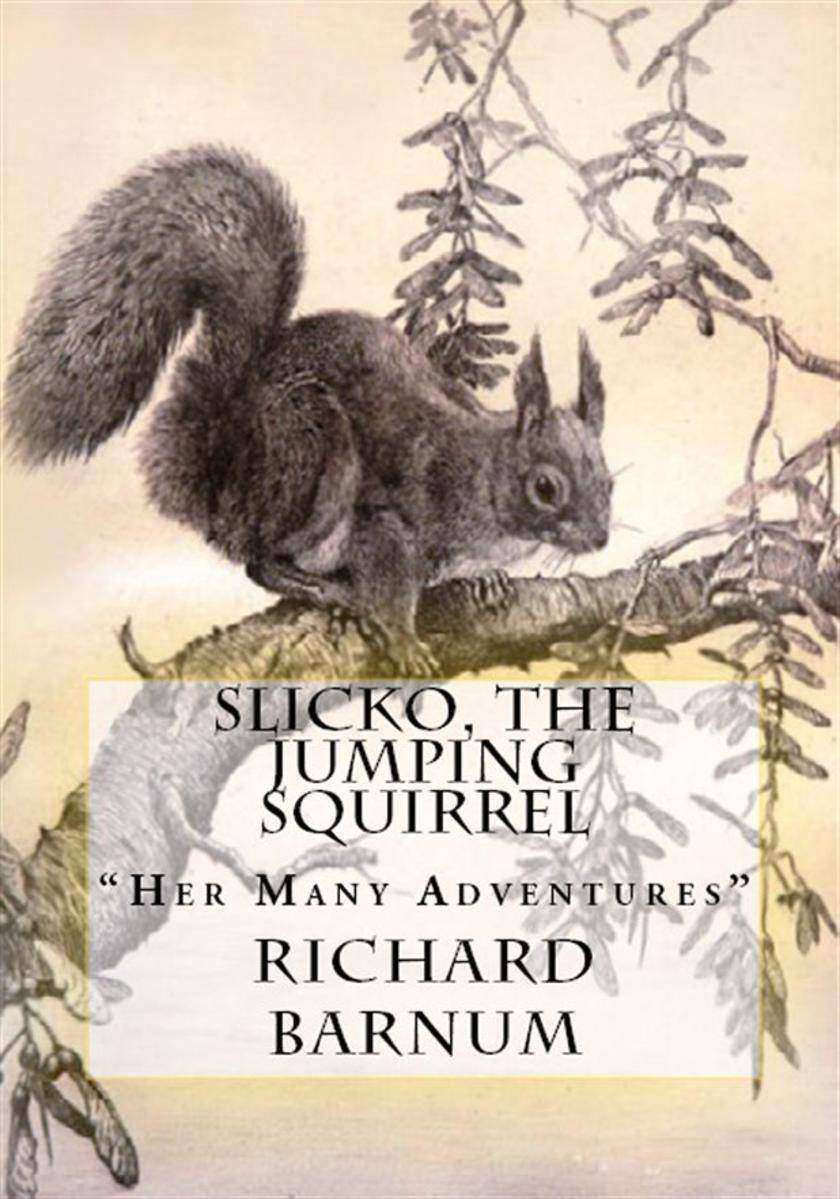
Slicko, The Jumping Squirrel: "Her Many Adventures"
¥18.88
Half way up the side of a tall tree there was a round hole in the trunk. The hole was lined with soft, dried leaves, and bits of white, fluffy cotton, from the milkweed plant. And, if you looked very carefully at the hole, you might see, peering from it, a little head, like that of a very small kitten, and a pair of very bright eyes.??But it was not a kitten that looked from the little hole in the trunk of the tree. Kitties can climb trees, but they do not like to live in them. They would rather have a warm place behind the stove, with a nice saucer of milk.??Now if I tell you that the little creatures who lived in this hole-nest had big, fluffy tails, and that they could sit up on their hind legs, and eat nuts, I am sure you can guess what they were.??Squirrels! That’s it! In the nest, half way up the big tree in the woods, lived a family of gray squirrels, and I am going to tell you about them, or, rather, more particularly, about one of the little girl squirrels whose name was Slicko.

The Doctrine and Practice of Yoga
¥37.69
In studying these Lessons please remember 3 points:— 1. Not one useless or superfluous sentence is written. Every word is full of meaning. They are highly condensed. Think deeply over them. 2. They are meant as a practical supplement to the 'Spiritual Consciousness,' 'Soul-Force' and 'Inner Forces.' Studied side by side, these lessons will yield a great deal of benefit. You are expected to think hard and long. 3. Let none expect speedy or miraculous results. All spiritual training calls for infinite patience and?deep reverence unto the Guru. Constant rise and fall accompanies all progress. CONCENTRATION AND THOUGHT-CONTROL. Student! Your life is your own. You have only yourself to thank for what you are, have been and will be. Take your present into your own hand. Consciously shape out of it your future. Direct your forces along lines of study and endeavour that have the strongest attraction for you. Such attraction is the indication of need. It is the hand pointing out your Life-purpose. What your heart desires earnestly and clamours for incessantly is attracted to you out of the invisible supply, i.e., the means, the environments, the right sort of persons, books and thought-forces are drawn to you and then you are expected to work out your desire. This is in perfect accord with the great Law of Attraction. Some call it God: since it answers all sincere prayers. Prayer, remember, is the sincere desire of the heart. I take it that you hunger for Truth and Spiritual Growth—else you and I would not be here. The instructions given you hereunder are meant to give you a strong body and a strong will. They will also tend to your Soul-Unfoldment. Talk not of them. Keep your mouth closed. Be serious, earnest and thoughtful. Then work at them confidently and with perseverance. Do not be daunted by apparent failures. Failure is the stepping-stone to Success. He fails who gives up a thing in final despair. Go on, I say. You will improve from the very first day, and in a short time you will be another man. All the leaders of humanity, past or present, have studied and investigated with tireless zeal along the special lines and, in Spiritual culture, you must do the same. But you must have health, a strong will and a steady brain, and I will enable you to have these positively.?

Ankaran Immersion
¥38.62
All her life, Eveningstar of the Pure has honed her survival skills against the strand, a nanotech organism which infests most of the planet. And she has always shunned the Tainted, those who replace their body parts with tamed strand to enhance their bodies and minds. But then a gang of child soldiers kidnaps her brother, taking him to the distant Gridlands, past a gauntlet of shape-shifting monsters. In an eternal war between technology and nature—between those who oppose it and those who embrace it—Evie will need to break the law, put aside her distrust for the Tainted, and perhaps even take a few of their tricks for her own if she wants to save her brother.

D?? Ticarette Alternatif Para Kazanma Yollar?
¥47.17
D?? ticaret ?ok basit anlat?m? ile bir ülkede üretilen mal?n o malla ihtiya? duyulan bir ba?ka ülkeye sat?lmas?d?r. Mal?n bir ülkeden sat?lmak suretiyle bir ba?ka ülkeye g?nderilmesi süreci gerek ilgili ülke mevzuatlar? gerekse uluslararas? ticaret uygulamalar? nedeniyle bazen son derece karma??k bir hal alabilir. Hele bu sürece dahil olan al?c? ve sat?c?lar süre? hakk?nda yeterli bilgi ve beceriye sahip de?ilse o d?? ticaret i?lemi ne yaz?k ki hukuki baz? müdehaleler gerektirebilir. Baz? üretici ve mü?teriler d?? ticaret konusunda yeterli bilgi ve beceriye sahip olmamalar?na ra?men ?o?u zaman gerek zorunluluktan gerekse d?? ticaretin sa?layaca?? faydalar? bilerek ihracat ve ithalat yapmak isterler. B?yle durumlarda esas i?i al?m sat?m olmayan ancak üretici ve mü?terilerin bir d?? ticaret i?ini ger?ekle?tirebilmelerini sa?layan ki?i ve yap?lar devreye girer. ??te kitab?n konusu bu; d?? ticarette üretici ve son kullan?c?lar d???nda para kazanan bu di?er ki?i ve yap?lar?n tan?t?lmas?, i? planlar?n?n anlat?lmas?, risk ve kazan? oranlar?n?n incelenmesi, tavsiyeler, uyar?lar. Elinizde tuttu?unuz kitab?n dünyada bir e?i yok. Ge?mi?te olmad?. Belki gelecekte de olmayacak. Peki ben neden b?yle bir kitap yazd?m ve kitap neden 8 bask? yapt? ? E?itimlerimden mezun olan giri?imcilerin s?k s?k "hocam e?itimi ald?k, ?ok iyiydi ancak bu bilgileri biz ?imdi nerede ve nas?l kullanaca??z?" diye sorular geliyordu. Yani giri?imcilere olta ve yemi veriyordum ama yemi i?neye nas?l takacaklar?n?, nerede avlanacaklar?n? ve oltay? suya nas?l atacaklar?n? ??retmiyordum. ??te bu kitap bu eksikli?i gidermek i?in yaz?ld?; d?? ticaret bilgisinin sahada nas?l kullan?laca??n? ve nas?l para kazan?laca??n? anlatmak i?in. Umar?m size de faydal? olur...

Stratégie de sortie: Policier /thriller
¥93.11
Diamants, danger et disparition Un thriller judiciaire de Katerina Carter Dans son emploi de juricomptable, Katerina Carter a du mal à s’arrêter. Cela la conduit dans des situations assez difficiles et précaires. Maintenant qu’elle n’a plus de travail et est à court d’argent, Kat a besoin de trouver de nouveaux clients. Sinon, elle devra retourner occuper un misérable box à son précédent cabinet de comptabilité. Pour Kat, ce serait pire que d’être endettée. Lorsque Susan Sullivan, la PDG des mines de diamants Liberty, l’engage pour retrouver le directeur financier qui a disparu et une grosse somme d’argent détournée, Kat est un peu trop impatiente d’accepter le poste. La misère est une grande source de motivation pour accepter des cas difficiles, mais l’enthousiasme de Katerina se transforme bient?t en terreur lorsque deux employés de la société sont sauvagement assassinés. Elle se rend compte que cette enquête pourrait être plus dangereuse qu’elle ne s’y attendait. Pour compliquer les choses, elle découvre un lien sinistre entre des diamants de sang et le crime organisé. Il ne lui reste plus qu’à obtenir des preuves, tout en évitant de se faire tuer avant de démasquer les véritables criminels. Avec l’aide de ses amis et d’un oncle excentrique, Kat doit avancer avec précaution. Sinon, sa première affaire pourrait bien être la dernière… Stratégie de sortie est un thriller légal et financier, bourré d’action, dans le style de Michael Connelly et de John Grisham.??Une histoire internationale de diamants, danger et disparition, Stratégie de sortie m’a captivée dès la première page...????Stratégie de sortie, le premier livre de la série bourrée d’action des thrillers judiciaires de Katerina Carter, est un thriller psychologique dont le suspense vous fera rapidement tourner les pages?!????[...] une tension et des intrigues à vous couper le souffle?!?? Les Livres de Colleen Cross La Couleur de l’argent?: Enquêtes criminelles de Katerina Carter Rouge vif – Nouvelle Lorsque Katerina Carter, juricomptable menant des enquêtes pour fraude,et Jace Burton, son petit ami journaliste, acceptent une invitation de dernière minute à une fête,le crime est bien la dernière chose qu’ils ont en tête.Mais un investissement réussi dans le vin laisse un go?t amer dans la bouche de Katet elle dévoile une fraude vinicole s’élevant à plus d’un million de dollars,le tout avant le d?ner?! Lune bleue – Roman court La perspective d’un d?ner chic tombe à l’eau pour Kat et son petit ami Jacelorsqu’elle découvre que Fiona, sa voisine ?gée,a installé un ex-détenu chez elle comme pensionnaire.Le programme de jardinage organisé bénévolement par Fiona à la prison locale a changé des vies,mais étendre davantage sa générosité pourrait mettre sa propre vie en danger. Les soup?ons de Kat sont renforcésquand elle apprend l’existence d’une assurance-vie souscrite récemment.Une mort accidentelle rapporte le double.? Mise au vert – Roman Katerina Carter, juricomptable, et son petit ami Jace Burtonpartent passer un week-end dans un chalet de montagne luxueux juste avant No?l.Pendant qu’il écrit la biographie d’un écologiste milliardaire, elle explore la nature enneigée. Quand deux manifestants locaux meurent dans des circonstances mystérieuses,Kat et Jace entament une course contre la montre pour échapper à une catastrophequi pourrait s’avérer encore plus mortelle. Crimes et enquêtes?: Thrillers judiciaires de Katerina Carter Stratégie de sortie L’enquête pour fraude de la juricomptable Katerina Carter met au jour une gigantesque affairede blanchiment de diamants de sang dans les mines de la compagnie Liberty,juste au moment où deux protagonistes clés de Liberty sont assassinés.Kat pourrait bien être la prochaine victime,à moins qu’elle ne laisse les vrais criminels en liberté. Théorie des jeux L’enquête pour fraude de la juricomptable Katerina Carter met au jourun gigantesque système de Ponzi lié à l’obscur Institut du Monde,un groupe de réflexion mondial dont les intentions cachées vous feront frissonner.Kat est prise au piège dans un complot politique aux enjeux élevés.Les joueurs ne reculeront devant rien pour obtenir ce qu’ils veulent,dans un jeu qu’elle ne peut pas se permettre de perdre. ?ruption La juricomptable Katerina Carter et son petit ami Jace Burton enquêtent sur une mystérieuse secte des années 1930 sur une ?le peu peuplée au large de la c?te ouest du Canada,tandis qu’un autre mystère se déroule à bord du yacht de leur h?te milliardaire,avec des conséquences mortelles pour tous. ?uvres de non-fiction?: Anatomy of a Ponzi: Scams Past and Present Site Web?: http://www.colleencross.com Pour être informé de mes dernières parutions, veuillez visiter mon site Web à l’adresse http://www.colleencross.com et vous inscrire à ma newsletter. Fran?ais édition enquêtes criminals policiers detectives ?romans noirs suspense, thrillers judiciares financiers, romans noirs, détectives privés des enquêteurs, mystères confortables, women female femme sleuth

You Are Mine: "A love story in 2015"
¥14.14
A love story in Los Angeles, New York and ?stanbul..? This is first book written as a hobby by Author.
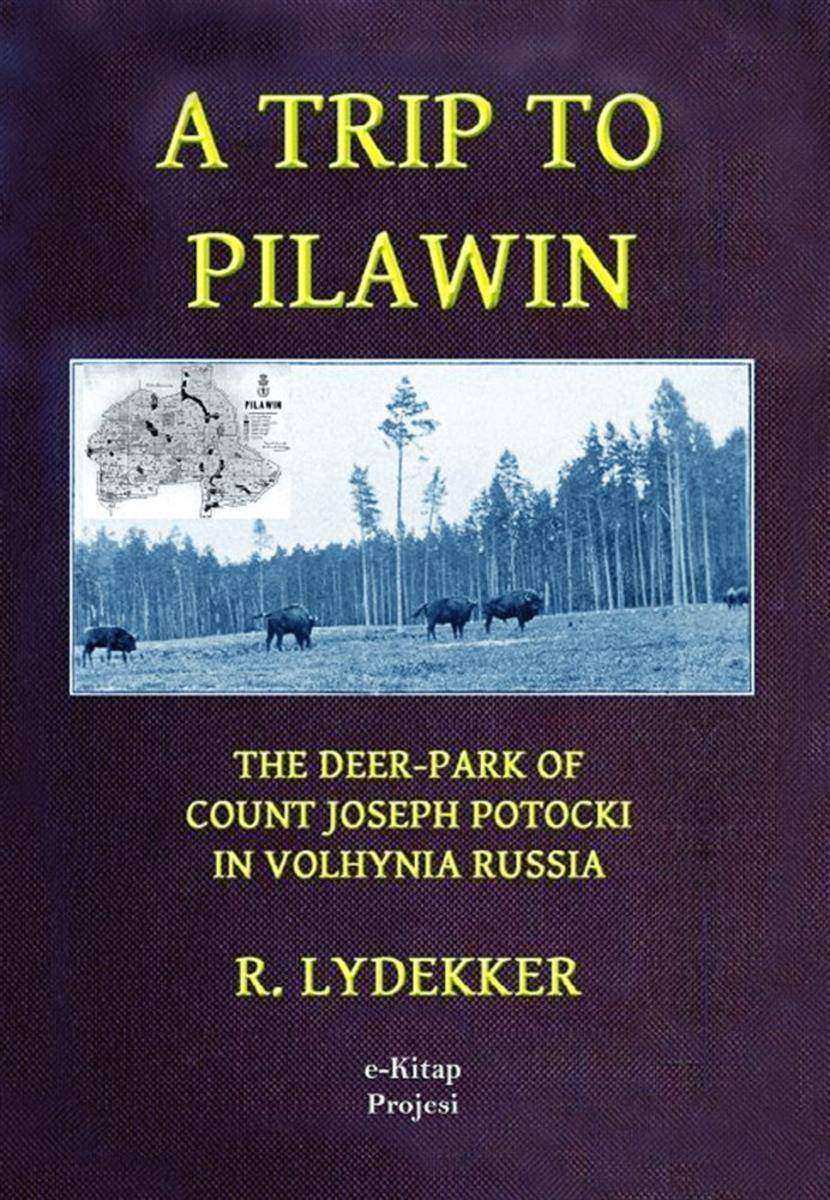
A Trip to Pilawin: "The Deer-Park of Count Joseph Potocki in Volhynia Russia"
¥18.56
When founding the Pilawin preserve in 1901 my intention was limited to the breeding of elk, which still have their native haunts not very far away to the north, but have for many years ceased to inhabit these forests. No one, to my knowledge, has hitherto attempted to naturalise these splendid deer in enclosed parks; but the fact that Pilawin forms a part of their original habitat induced me to try the experiment, which has thus far proved an unqualified success. The first big game introduced in Pilawin were thus elk; but soon after their introduction I had the opportunity when in England of visiting the famous park of the Duke of Bedford at Woburn, and the wonders there seen enlarged my ideas with regard to Pilawin. Without any thought of rivalling the marvels of Woburn, I accordingly decided to add to the Pilawin park such of the deer of North America and Asia as appeared likely to thrive in Russia. Consequently I lost no time in obtaining specimens of American and Siberian wapiti, as well as of Caucasian red deer and the Manchurian Dybowski’s deer, after which I continued to add other new inhabitants to the park as opportunity occurred. In 1905, thanks to the kind intervention of Prince Victor Kotchoubey, who is at the head of the Imperial estates, I received from H.M. the Emperor of Russia the valuable gift of three bison from the Imperial preserves of Bielowicz; while in the following year a pair of their American relations, imported by Hagenbeck, was added to the herd.Much work still remains to be done before Pilawin is placed on such a level that will make it of real interest and importance to the study of natural history. If possible, I should like to make it the home of all such species of big game to which the climate and other local conditions prove suitable. And when established, I want them to live practically in their wild and natural state, breeding freely, and lacking any sense of confinement and limitation. I want, in fact, to see Pilawin, not a zoological garden, but a wild forest, where the noblest kinds of game may enjoy the largest possible amount of freedom, and where the sportsman may find the enjoyment of real sport and the naturalist a great field for study.Before concluding, I may avail myself of the opportunity of tendering my best thanks to all who have so kindly assisted me in the enterprise. My first thanks are due to H.M. the Emperor; and I have next to thank the Duke of Bedford for the promise of a young American bison, which I hope will reach Pilawin during the spring. To the Princes A. S. and F. Radziwill, to Count Constantin Potocki, and to Mr. Zalenski I am indebted for elk. To Mr. Poklewski-Roziell my acknowledgments are due for Siberian roe; while I have to thank Madame Ouwaroff for the valuable gift of a couple of beavers. I have likewise the pleasure of acknowledging the valuable services of the firm of Hagenbeck of Hamburg, who carried out to my entire satisfaction all orders regarding the importation of living animals into Pilawin.To the author of this little volume I desire to express my deepest gratitude and warmest thanks; and I am both proud and pleased that the first description of Pilawin should come from the pen of such a well-known naturalist as Mr. Lydekker. Last, but not least, my gratitude is due to the publisher for the man-ner in which this account of Pilawin is presented to the world. JOSEPH POTOCKI. Antoniny, January 1908.

Fallen Fortunes
¥13.90
The speaker had just pushed his horse over the brow of a slope which he and his servant had for some time been mounting, through the steamy warmth of a foggy May morning. The thick haze which lay heavy in this region of marshy ground had hidden the surrounding country from them hitherto; but as they reached the summit of the gradual rise they had been ascending, the cloud wreaths suddenly drifted away, and the sun began to shine out upon the undulating plain stretched before their eyes; and lo, the plain was alive with squadrons of soldiers—infantry, cavalry, artillery—drawn up in battle array; and the note of the bugle rang through the air, whilst away in the distance, on the opposite side of the plain, there was a movement which told that already the battle had begun. A sullen roar from the guns boomed forth, and the whole plain shook with the reverberation. Great masses of smoke rolled along and slowly dispersed after each salvo; but it was upon the evolutions of the bodies of horsemen and footmen that the keen eyes of the youthful traveller were intently fixed. "Dicon," he cried, "this is in all sooth a battle; and where the battle rages, there will the great victor of Blenheim be. We have not chanced upon this route in vain. Men warned us of the perils of seeking passage through a country which has become the theatre of war; but fortune's star has befriended us thus far, and now, if I mistake me not, we stand within sight of the greatest warrior of the age. For greatly shall I be astonished if the Duke of Marlborough himself be not conducting the evolutions of yonder squadrons."The brilliant dark eyes of the young man lighted with a great glow of excitement and admiration. He shaded them with his hand, and intently followed the evolutions of the moving masses in the plain stretched before his eyes. He was looking upon the village of Tavières and the mound of Ottomond, and the waters of the Mehaign rolled below at his feet. The right wing of the French army rested here, as he quickly saw; but for the moment the main activity lay over in the distance beyond Ramillies and Offuz, in the direction of Anderkirk. Yet as the traveller stood intently gazing, he saw a movement in the line of the allied army on this nearer side, and he exclaimed aloud in his excitement,— "See, Dicon, see! That attack yonder is but a feint. The key of the position lies here beneath us at Tavières, with its Tomb of Ottomond. See yonder those regiments of marching soldiers creeping round beneath the shelter of that rising ground! They will fling themselves upon the enemy's right, whilst the French general is diverting his available forces to protect his left. Villeroi, my friend, you did not well to dispose your forces in concave lines. You lose time in passing from place to place; and with such a general as our English Duke pitted against you, you cannot afford to lose any point in the game. Ha! See that? The Dutch and English soldiers are charging down upon Tavières! Watch how they come on—a great resistless tide of well-drilled veterans. See how they sweep all before them! See how the French fly forth! Ha, Villeroi, what think you now? Yes, you see your error; fain would you hurry back your reserves from left to right. But the time has gone by. They are miles away, and here are the Allies carrying all before them! Hurrah for old England! hurrah for the great Duke! Dicon, have you stomach for the fight? Do you remember Barcelona and Mountjuich? If we were men enough to help there, why not here too?"
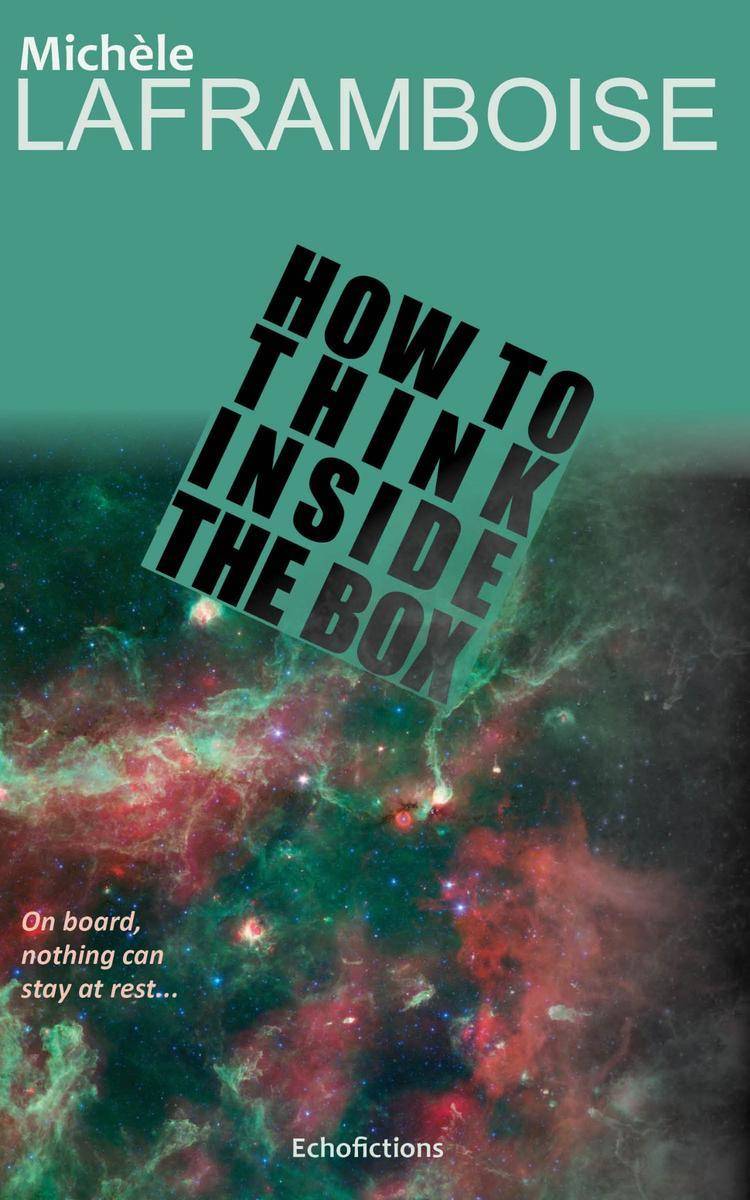
How to Think Inside the Box
¥24.44
Loongunis need constant changes to thrive, while the strange-haired Earthmen hate the endless moving around. When a sabotage impairs the shift engines of their traveling Box, the forced immobility might drive all Loongunis mad… unless their translator can work out a solution!?? Science fiction adventure at its best, told by multiple award-winning author Michèle Laframboise.?? ?? If you like first-contact situations featuring an alien POV, this one is for you! A chunky 7000-word SF story.?? ? * "The author does a good job narrating from the point of view of an alien who thinks in very different ways from a human." --Tangent Online "...the psychological and mathematical elements of the tale come even more to the fore and they are quite interesting." -- Featured Futures
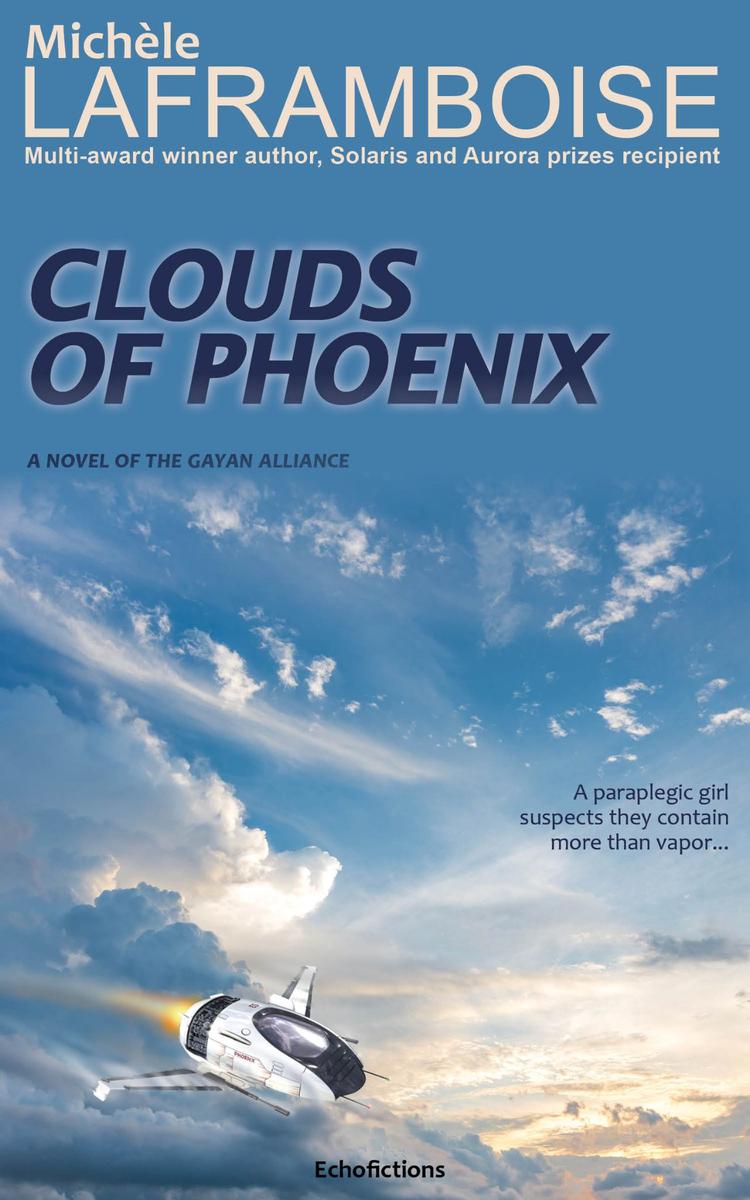
Clouds of Phoenix: A novel of the Gayan Alliance
¥40.79
Can mere clouds threaten their now home?? Blanche, a young paraplegic girl, watches the clouds dancing in the Phoenix sky.? She wonders if their coordinated figures signal a threat. But the adults are too busy to listen, even her big sister Lupianne worries more about the air production’s failing quotas than? some weird clouds. Then, as the dances grow complex and temperatures rise, the sisters must hurry to prevent the annihilation of their budding settlement. A clever planet-opera featuring a disabled heroine, told by multi-award winning author Michèle Laframboise.?The French version of this novel received the 2001 Cecile Gagnon Award for best first YA novel. "We can only be fascinated by the powerful images?born from the descriptions, by the originality?and coherence of her universe (...)"?-- Le Devoir ?An excellent introduction to science fiction?and to a number of questions about the environment,?social relations and communication.? --Hélène Marchetto,?Les vagabonds du rêve
Five Minute Stories
¥27.88
Laura Elizabeth Howe Richards (1850 – 1943) was an American writer. She born in Boston, Massachusetts, to a high-profile family. During her life, she wrote over 90 books, including children's, biographies,poetry, and others. A well-known children's poem for which she is noted is theliterary nonsense verse Eletelephony. Her father was Dr. Samuel Gridley Howe, an abolitionist and the founder of thePerkins Institution and Massachusetts School for the Blind. Samuel Gridley Howe's famous pupil Laura Bridgman was Laura's namesake.Julia Ward Howe, Laura's mother, was famous for writing the words to The Battle Hymn of the Republic. In 1871 Laura married Henry Richards. He would accept a management position in 1876 at his family's paper mill at Gardiner, Maine, where the couple moved with their three children.In 1917 Laura won a Pulitzer Prize for Julia Ward Howe, 1819-1910, a biography, which she co-authored with her sister, Maud Howe Elliott. Her children's book Tirra Lirra won the Lewis Carroll Shelf Award in 1959. A pre-kindergarten to second grade Elementary School in Gardiner, Mainehonors her name. Works:? St. Nicholas Magazine (contributed poetry)? Baby's Rhyme Book (1878)? Babyhood: Rhymes and Stories, Pictures and Silhouettes for Our Little Ones (1878)? Baby's Story Book (1878)? Five Mice in a Mouse Trap (1880)? The Little Tyrant (1880)? Our Baby's Favorite (1881)? Sketches and Scraps (1881)? Baby Ways (1881)? The Joyous Story of Toto (1885)? Beauty and the Beast (retelling, 1886)? Four Feet, Two Feet, and No Feet (1886)? Hop o' My Thumb (retelling, 1886)? Kaspar Kroak's Kaleidoscope (1886)? L.E.R. (privately printed, 1886)? Tell-Tale from Hill and Dale (1886)? Toto's Merry Winter (1887)? Julia Ward Howe Birthday-Book (1889)? In My Nursery (1890)? Captain January (later made into a movie with Shirley Temple, 1891)? Star Bright (Captain January sequel, 1927)? The Hildegarde Series? Queen Hildegarde (1889)? Hildegarde's Holiday (1891)? Hildegarde's Home (1892)? Hildegarde's Neighbors (1895)? Hildegarde's Harvest (1897)? The Melody Series? Melody (1893)? Marie (1894)? Bethsada Pool (1895)? Rosin the Beau (1898)? The Margaret Series? Three Margarets (1897)? Margaret Montfort (1898)? Peggy (1899)? Rita (1900)? Fernley House (1901)? The Merryweathers (1904)? Glimpses of the French Court (1893)? When I Was Your Age (1893)? Narcissa, or the Road to Rome (1894)? Five Minute Stories (1895)? Jim of Hellas, or In Durance Vile (1895)? Nautilus (1895)? Isla Heron (1896)? "Some Say" and Neighbors in Cyrus (1896)? The Social Possibilities of a Country Town (1897)? Love and Rocks (1898)? Chop-Chin and the Golden Dragon (1899)? Quicksilver Sue (1899)? The Golden-Breasted Kootoo (1899)? Sundown Songs (1899)? For Tommy and Other Stories (1900)? Snow-White, or The House in the Wood (1900)? Geoffrey Strong (1901)? Mrs. Tree (1902)? The Hurdy-Gurdy (1902)? More Five Minute Stories (1903)? The Green Satin Gown (1903)? The Tree in the City (1903)? Mrs. Tree's Will (1905)? The Armstrongs (1905)? The Piccolo (1906)? The Silver Crown, Another Book of Fables (1906)? At Gregory's House (1907)? Grandmother, the Story of a Life that Never was Lived (1907)? Ten Ghost Stories (1907)? The Pig Brother, and Other Fables and Stories (1908)? The Wooing of Calvin Parks (1908)? A Happy Little Time (1910)? Up to Calvin's (1910)? On Board the Mary Sands (1911)? Jolly Jingles (1912)? Miss Jimmy (1913)? The Little Master (1913)? Three Minute Stories (1914)? The Pig Brother Play-Book (1915)? Fairy Operettas (1916)? Pippin, a Wandering Flame (1917)? A Daughter of Jehu (1918)? To Arms! Songs of the Great War (1918)? Honor Bright: A Story for Girls (1920)? In Blessed Cyrus (1921)? The Squire (1923)? Acting Charades (1924)? Seven Oriental Operettas (1924)? Honor Bright's New Adventure (1925)? Biographies

Paint the Roses Red
¥40.79
Time is running out. Alice only has one year left to win her bet with the Bandersnatch, or be trapped as a prisoner in his garden forever. And Alice isn’t the only one losing heart. The Queen continues to steal peoples hearts, and the refugees from Neverland are the latest victims. For some reason, Alice can’t put them back and Adam refuses to leave Wonderland until they stop her. The pressure is on for Alice to keep the magic books from falling into the wrong hands. The clock is ticking and failure means none of the stolen hearts will be returned, Adam will remain trapped behind the mirror, and Alice will be forgotten in the Bandersnatch’s garden. Forever.
![The Great Gatsby: [Illustrated Edition]](https://platform-permanent.ddimg.cn/pt-media-info-soa-resource/digital/product/45/58/1901164558_ii_cover.jpg?version=0832d2ce-311d-4565-840c-ce0f1d045466)
The Great Gatsby: [Illustrated Edition]
¥28.04
The Great Gatsby is a 1925 novel written by American author F. Scott Fitzgerald that follows a cast of characters living in the fictional town of West Egg on prosperous Long Island in the summer of 1922. The story primarily concerns the young and mysterious millionaire Jay Gatsby and his quixotic passion and obsession for the beautiful former debutante Daisy Buchanan. Considered to be Fitzgerald's magnum opus, The Great Gatsby explores themes of decadence, idealism, resistance to change, social upheaval, and excess, creating a portrait of the Jazz Age or the Roaring Twenties that has been described as a cautionary tale regarding the American Dream. Fitzgerald—inspired by the parties he had attended while visiting Long Island's north shore—began planning the novel in 1923, desiring to produce, in his words, "something new—something extraordinary and beautiful and simple and intricately patterned." Progress was slow, with Fitzgerald completing his first draft following a move to the French Riviera in 1924. The Great Gatsby received mixed reviews and sold poorly; in its first year, the book sold only 20,000 copies. Fitzgerald died in 1940, believing himself to be a failure and his work forgotten. However, the novel experienced a revival during World War II, and became a part of American high school curricula and numerous stage and film adaptations in the following decades. Today, The Great Gatsby is widely considered to be a literary classic and a contender for the title "Great American Novel". In 1998 the Modern Library editorial board voted it the 20th century's best American novel and second best English-language novel of the same time period.
![The Scarlet Letter: [Illustrated Edition]](https://platform-permanent.ddimg.cn/pt-media-info-soa-resource/digital/product/45/60/1901164560_ii_cover.jpg?version=88d21f3a-29bd-480e-9e50-c70af3cfb162)
The Scarlet Letter: [Illustrated Edition]
¥27.71
The Scarlet Letter is an 1850 romantic work of fiction in a historical setting, written by Nathaniel Hawthorne, and is considered to be his magnum opus. Set in 17th-century Puritan Boston, Massachusetts, during the years 1642 to 1649, it tells the story of Hester Prynne, who conceives a daughter through an affair and struggles to create a new life of repentance and dignity. Throughout the book, Hawthorne explores themes of legalism, sin, and guilt. The experience of Hester and Dimmesdale recalls the story of Adam and Eve because, in both cases, sin results in expulsion and suffering. But it also results in knowledge – specifically, in knowledge of what it means to be immoral. For Hester, the Scarlet Letter is a physical manifestation of her sin and reminder of her painful solitude. She contemplates casting it off to obtain her freedom from an oppressive society and a checkered past as well as the absence of God. Because the society excludes her, she considers the possibility that many of the traditions held up by the Puritan culture are untrue and are not designed to bring her happiness.As for Dimmesdale, the "cheating minister", his sin gives him "sympathies so intimate with the sinful brotherhood of mankind, so that his chest vibrate[s] in unison with theirs." His eloquent and powerful sermons derive from this sense of empathy. The narrative of the Reverend Arthur Dimmesdale is quite in keeping with the oldest and most fully authorized principles in Christian thought. His "Fall" is a descent from apparent grace to his own damnation; he appears to begin in purity but he ends in corruption. The subtlety is that the minister's belief is his own cheating, convincing himself at every stage of his spiritual pilgrimage that he is saved. The rose bush's beauty forms a striking contrast to all that surrounds it – as later the beautifully embroidered scarlet "A" will be held out in part as an invitation to find "some sweet moral blossom" in the ensuing, tragic tale and in part as an image that "the deep heart of nature" (perhaps God) may look more kind on the errant Hester and her child than her Puritan neighbors do. Throughout the work, the nature images contrast with the stark darkness of the Puritans and their systems.Chillingworth's misshapen body reflects (or symbolizes) the anger in his soul, which builds as the novel progresses, similar to the way Dimmesdale's illness reveals his inner turmoil. The outward man reflects the condition of the heart; an observation thought to be inspired by the deterioration of Edgar Allan Poe, whom Hawthorne "much admired".
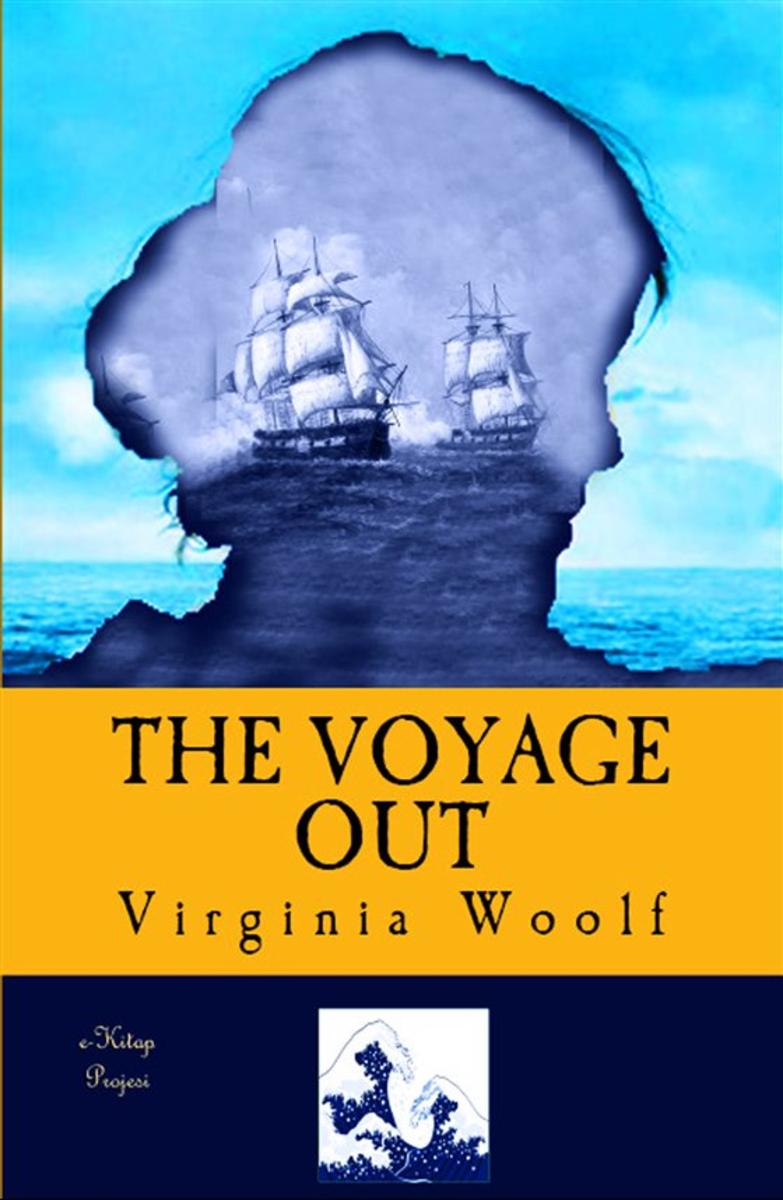
The Voyage Out
¥28.04
Virginia Woolf was an English writer, and one of the foremost modernists of the twentieth century. Woolf was a significant figure in London literary society and a central figure in the influential Bloomsbury Group of intellectuals. Her most famous works include the novels Mrs Dalloway, To the Lighthouse and Orlando. Rachel Vinrace leaves on her father's ship for South America and her journey of self-discovery begins. The eclectic group of passengers provides Woolf with an opportunity to poke fun at Edwardian life. The novel is the first published by Woolf and introduces Clarissa Dalloway, the central character of Woolf's later novel, Mrs. Dalloway During the interwar period, Woolf was a signifi-cant figure in London literary society and a member of the Bloomsbury Group. Her most famous works include the novels Mrs Dalloway (1925), To the Lighthouse (1927), and Orlando (1928), and the book-length essay A Room of One's Own (1929) with its famous dictum, "a woman must have money and a room of her own if she is to write fiction". Other Books of V. Woolf: To the Lighthouse (1927)Mrs Dalloway (1925)A Haunted House (1921)Orlando (1928)Mrs Dalloway in Bond Street (1923)Between the Acts (1941)The Duchess and the Jeweller (1938)The New Dress (1927)The Mark on the Wall (1917)The Years (1937)
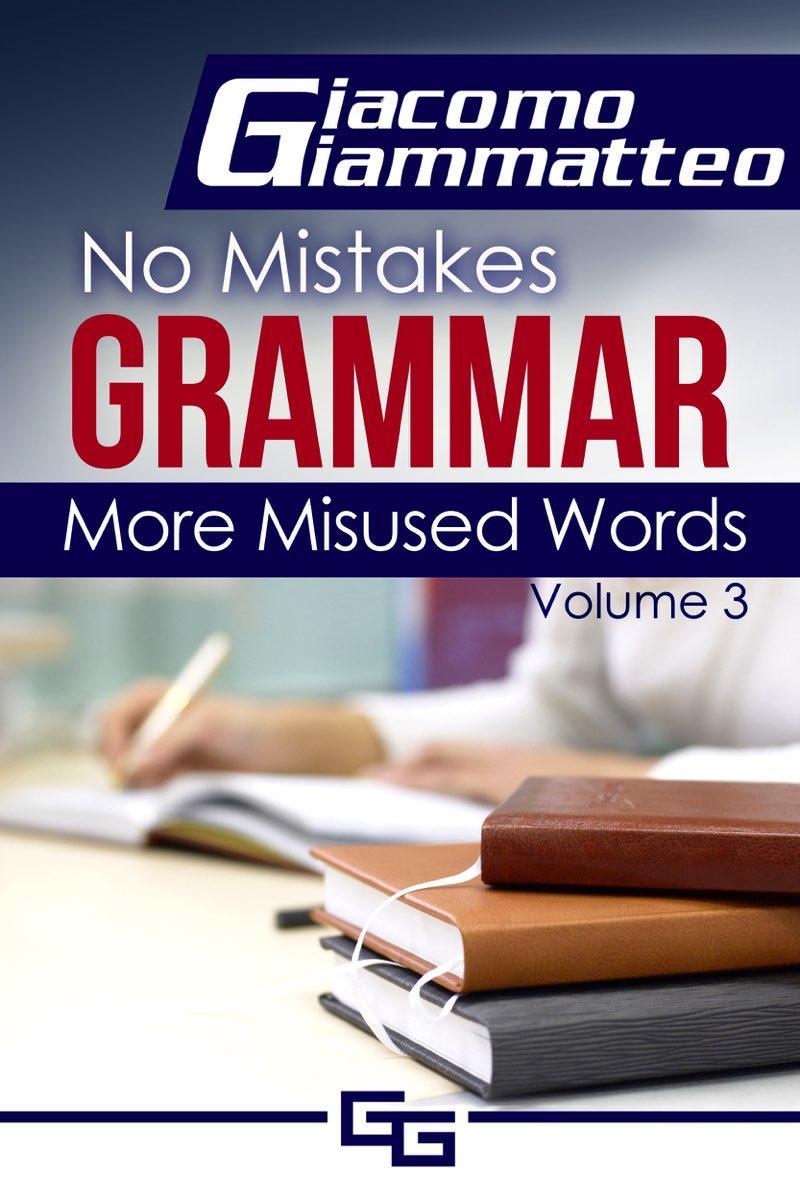
More Misused Words: No Mistakes Grammar, Volume III
¥40.79
More Misused Words contains a lot of the same words that Misused Words I and II did, but so much more. In More Misused Words, we address even more redundancies, absolutes, capitals, eponyms, flat adverbs (everybody’s favorite), initialisms and acronyms, Latin abbreviations, mispronunciations, a couple of sticklers like lie/lay/laid/lain, and poisonous/venomous, plurals of compound words (is it mothers-in-law or mother-in-laws? Isn’t one sufficient?), time-consuming phrases, and punctuation. We’ll have fun tackling these words (they’re not that big), and we’ll address more than just words—we’ll hit on eponyms, odd punctuation, and even a few Latin expressions, such as e.g., ergo, etc., and i.e. (Did I just say ‘ergo’? If I do that again, smack me.) I know you think you are familiar with these, but despite their ubiquitousness (Smack me for that also.), there might be a few odd rules that pertain to using Latin expressions that you’re not familiar with. It’s worthwhile to learn them (especially if you intend to write).?
Captain Burle
¥4.41
It was nine o'clock. The little town of Vauchamp, dark and silent, had just retired to bed amid a chilly November rain. In the Rue des Recollets, one of the narrowest and most deserted streets of the district of Saint-Jean, a single window was still alight on the third floor of an old house, from whose damaged gutters torrents of water were falling into the street. Mme Burle was sitting up before a meager fire of vine stocks, while her little grandson Charles pored over his lessons by the pale light of a lamp.
Oeuvres Complètes
¥9.00
Cet ebook regroupe les oeuvres complètes de Charles Baudelaire. Des tables des matières rendent la navigation intuitive et agréable. ---- Contenu: Le Jeune Enchanteur (1846) La Fanfarlo (1847) Les Fleurs du mal (1857) Les Paradis artificiels (1860) Les Fleurs du mal (1861) Les ?paves (1866) Les Fleurs du mal (additional poems of the 1868 edition) Curiosités esthétiques (1868): Salon de 1845, Salon de 1846, Le musée classique du bazar bonne-nouvelle, Exposition universelle — 1855 — beaux-arts, Salon de 1859, De l'essence du rire, Quelques caricaturistes fran?ais, Quelques caricaturistes étrangers. L'Art romantique (1869): L'?uvre et la vie d'Eugène Delacroix, Peintures murales d'Eugène Delacroix à Saint-Sulpice, Le peintre de la vie moderne, Peintres et aqua-fortistes, Vente de la collection de M. E. Piot, L'art philosophique, Morale du joujou, Théophile Gautier, Pierre Dupont, Richard Wagner et Tannh?user à Paris, Philibert Rouvière, Conseils aux jeunes littérateurs, Les drames et les ...


