


 购物车
购物车 个人中心
个人中心


世界哲学简史
¥29.00
《世界哲学简史》结合广泛的历史和文化语境,向我们展现了整个哲学史的全貌,创了在全世界范围内探讨哲学问题的全新广度和深度。除了那些众所周知的大哲学家和重要思潮,某些不那么为人所知但同样有趣的人物也在本书中占有一席之地。本书通过生动的叙述、晓畅的行文,向读者充分展示了哲学与生活的相关性,使读者受到激发、有所受益,同时获得乐趣。
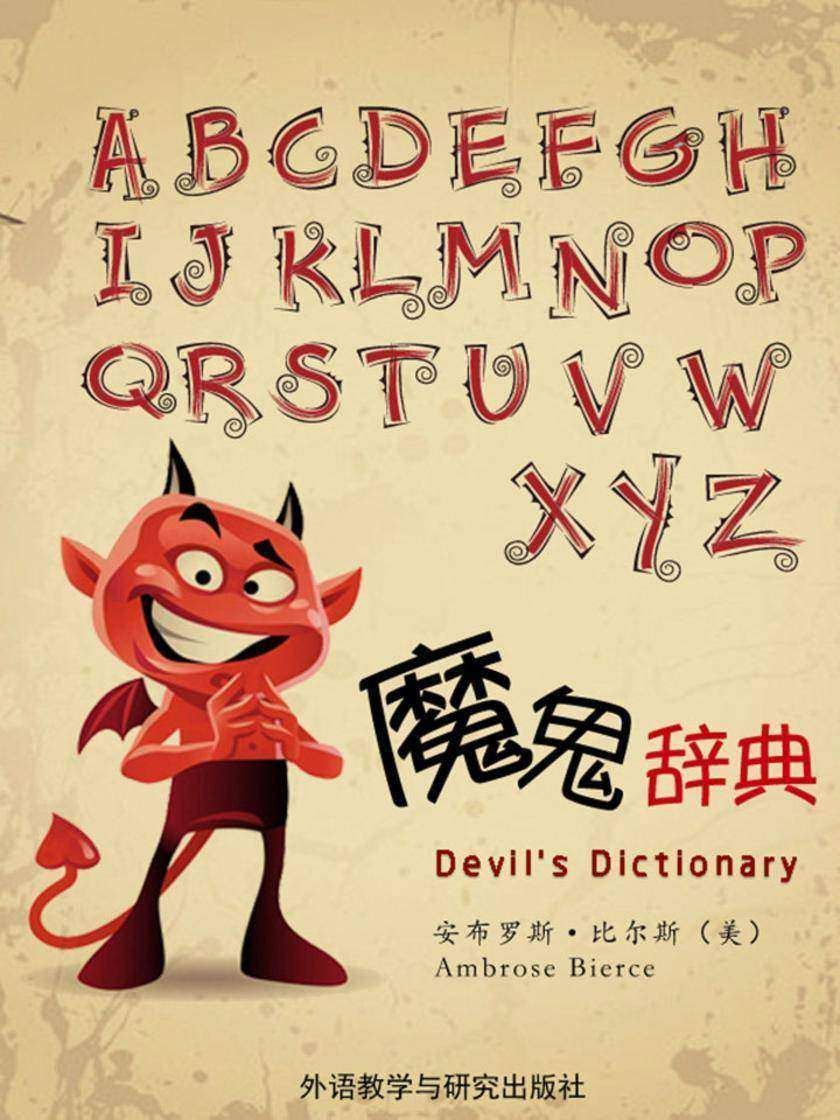
魔鬼辞典
¥4.29
美国文坛怪杰安布罗斯·比尔斯,以辞典形式为世间万物正名定义,颠覆你我看待万事万物的根源态度。呈现一条始终在读者意料之外的思维通道,对于人性、人生、社会、哲学等问题进行了无限有趣自由的革新思考,信息量巨大,引爆机械庸常的日常生活的活力和自由。 以尖锐之辞,精准刺穿人性中羞于暴露、难以正视的的弱点和阴影:以魔鬼之姿,向流行文化与消费主义的机械简单宣战,不断革新和创造;以辛辣思维,开拓词语的智慧空间,消解意义,拥抱无限趣味。颠覆一切固有概念的万物辞典,一部拒绝深刻却始终深刻的智慧精品。
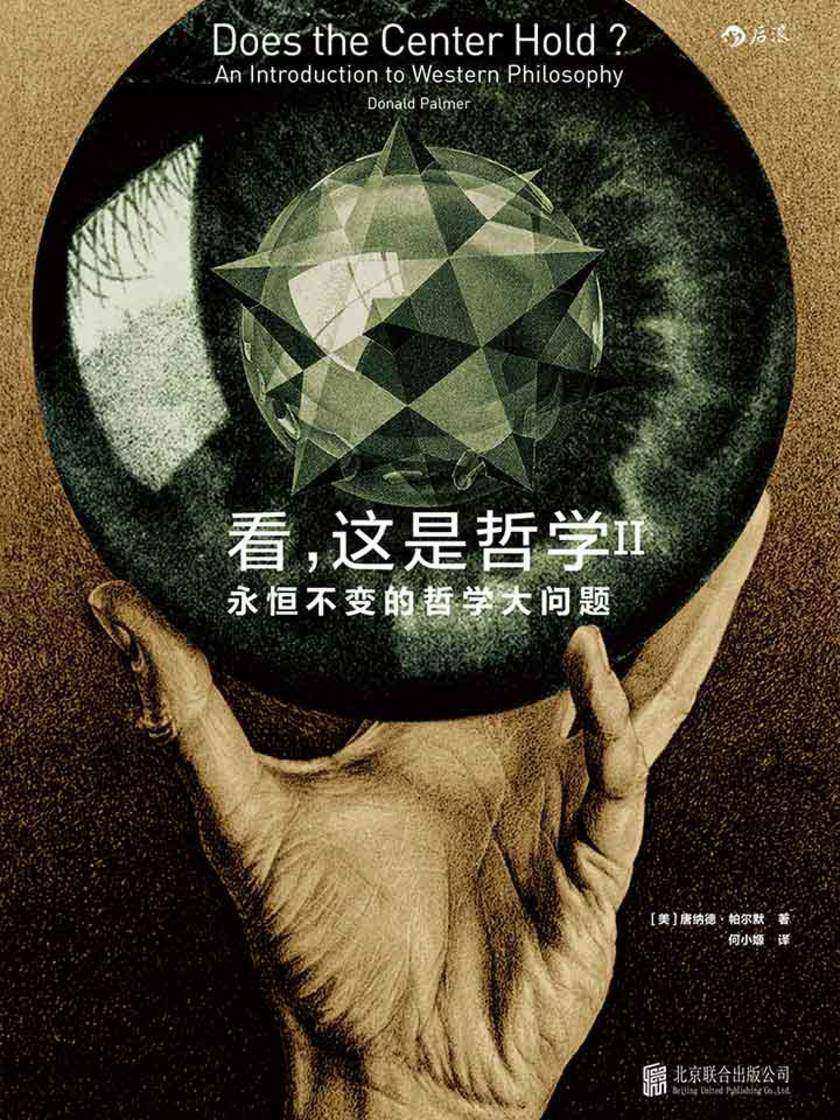
看,这是哲学II(哲学通识的极佳入门读物,用400幅原创手绘插图,深入浅出梳理永恒不变的哲学大问题!)
¥34.80
本书是作者执教哲学导论课程三十余年的心得之作,用轻松活泼的文风和四百余幅原创手绘插图,以“中心是否保持不变”为引导,对哲学中的“大问题”行了深浅出的梳理。作者严肃地对待哲学,却又不那么郑重其事,用风趣幽默减轻了哲学难以承受之重,让读者真正获得思考的快乐。作为哲学通识读物,无论哲学专业的学生,还是人文社科学生,甚或普通大众,都能从中有所受益并获得乐趣。

哲学九讲(牛津教授的简明哲学课)
¥14.99
本书共九章,分别为殿之基、事物、填补鸿沟、因果律、目的、意愿、判断、真理、表象与实在。作者逐一讲述了循着两位伟大的欧洲思想家的脚步如何建立一种*确定的真相;什么是客体的本质、何为*性质与第二性质、本体又是什么、以及另一出路,等等。
人人都该懂的启蒙运动
¥44.00
● 理性主义驱散了封建专制和教会特权的阴霾,带来了自由、平等和科学的光芒。启蒙运动造就了今天的西方社会,更是现代许多思想和文明的起。了解西方文化历史,了解整个世界的发展变革,启蒙运动是个起,但绝不是终。理性思维真的战胜了无知和偏执吗?它带来的是宽容还是虚伪?它真的是确保人类福祉的关键力量吗?直到今天,由启蒙运动引发的话题争论仍旧如火如荼。 ● 在这本《人人都该懂的启蒙运动》中,吉隆·奥哈拉跨越两大洲、三次革命和广泛的历史研究,用独特的视角来审视这个时代。他将启蒙运动描述为一个不断发展的思想和思想家的集合体,并对当时的哲学、政治理论、科学、宗教、艺术的影响行了新颖的评估,展现了启蒙运动延续至今的持久影响力。 ● 《人人都该懂的启蒙运动》属于湛庐文化重磅推出的“新素养系列”图书之一。本系列图书致力于推广通识阅读,扩展读者的阅读面,培养批判性思考的能力。其中涵盖了哲学、心理学、法律、艺术、物理学、生物科技等诸多人文科学和自然科学的知识,其中《人人都该懂的启蒙运动》所介绍的“启蒙运动”是了解西方哲学和历史非常重要的一部分。
贺麟全集:黑格尔 黑格尔学述
¥45.00
《黑格尔黑格尔学述》收贺麟于1930年代编译的近代西方新黑格尔主义者的经典黑格尔研究——尔德的《黑格尔》与鲁一士的《黑格尔学述》,二书均能将黑格尔学说体会融化并以清晰流利的文字叙述出来,可谓姊妹关系,互相发明,互相弥补,而又各有所长。尔德注重叙述黑格尔的生活、性格、时代风气、文化背景,特别是政治和宗教背景,以及黑格尔的逻辑学说;鲁一士则着重阐述黑格尔之精神现象学。本书是将黑格尔及其学说译介至中国的人——贺麟对“黑格尔学”发生兴趣之始,贺麟以朱熹太极观会通黑格尔的“*理念”,对于中西比较哲学研究居功甚伟。作为贺麟重要译著收“全集”的《黑格尔》及《黑格尔学述》均为建国后首度整理出版,对于了解哲学家和翻译家贺麟意义非凡。
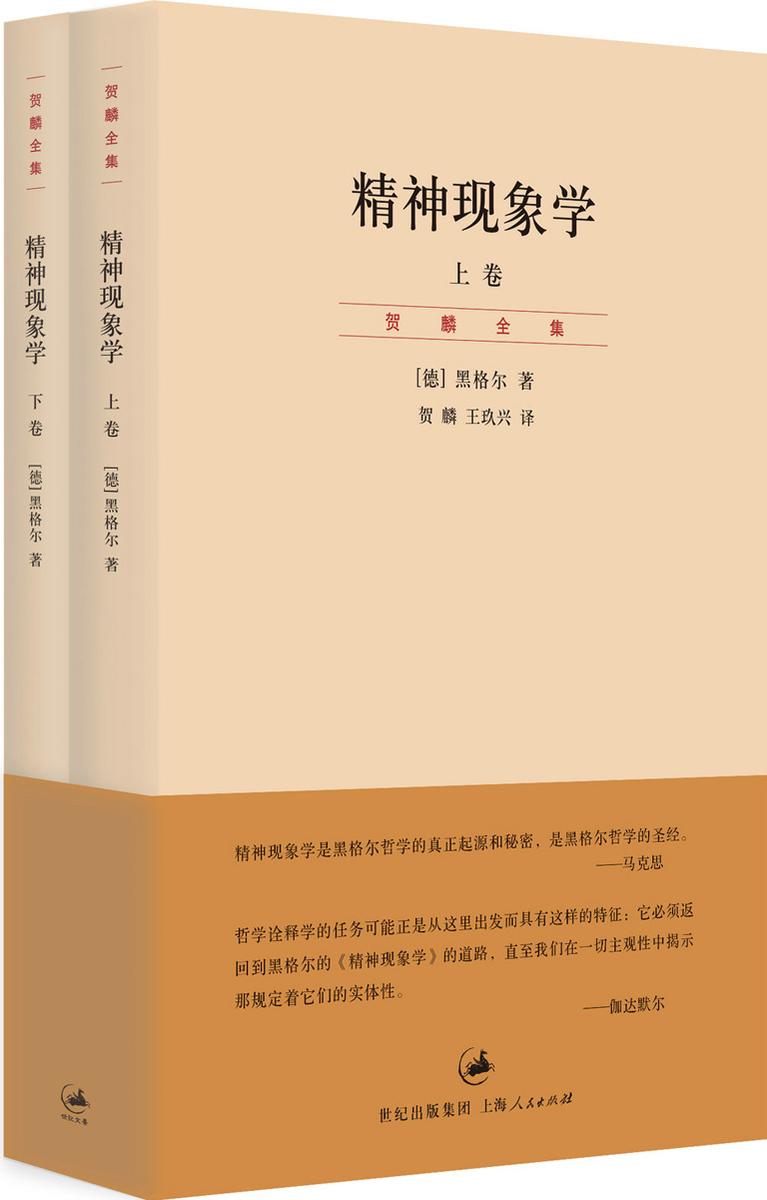
贺麟全集:精神现象学(上、下卷)
¥75.00
《精神现象学》为德国古典哲学大师黑格尔阐述其哲学观和方法论原则的部纲领性巨著。黑格尔自认此书为其哲学体系的导言。马克思誉《精神现象学》为“黑格尔哲学的真正起源和秘密”和“黑格尔哲学的圣经”。黑格尔通过此书提出,精神现象学是关于意识到达“*知识”或“科学”(即哲学)的道路的科学,它为个体提供了一把攀登*知识的“梯子”。中译本由贺麟、王玖兴合译,分上、下卷先后于1962年和1979年由商务印书馆出版。上卷1979年再版时曾修订译文,以与下卷译名统一,本次整理出版“贺麟全集”版,对勘再版所作修改,择其重要者,以编注形式留存上卷初版原貌。

文本的深度耕犁——后马克思思潮哲学文本解读 第二卷
¥52.80
本书是作者关于当代国外马克思主义及后马克思思潮哲学文本研究的多卷本论著《文本的深度耕犁》的第二卷,其内容主要是对西方后马克思哲学思潮中经典文献的文本学研究。在本卷中,作者以文本学的深度解读模式分别批判性地解读了阿多诺的《否定的辩证法》、德波的《景观社会》、鲍德里亚的《生产之镜》、德里达的《马克思的幽灵》和齐泽克的《意识形态的崇高对象》等重要论著。
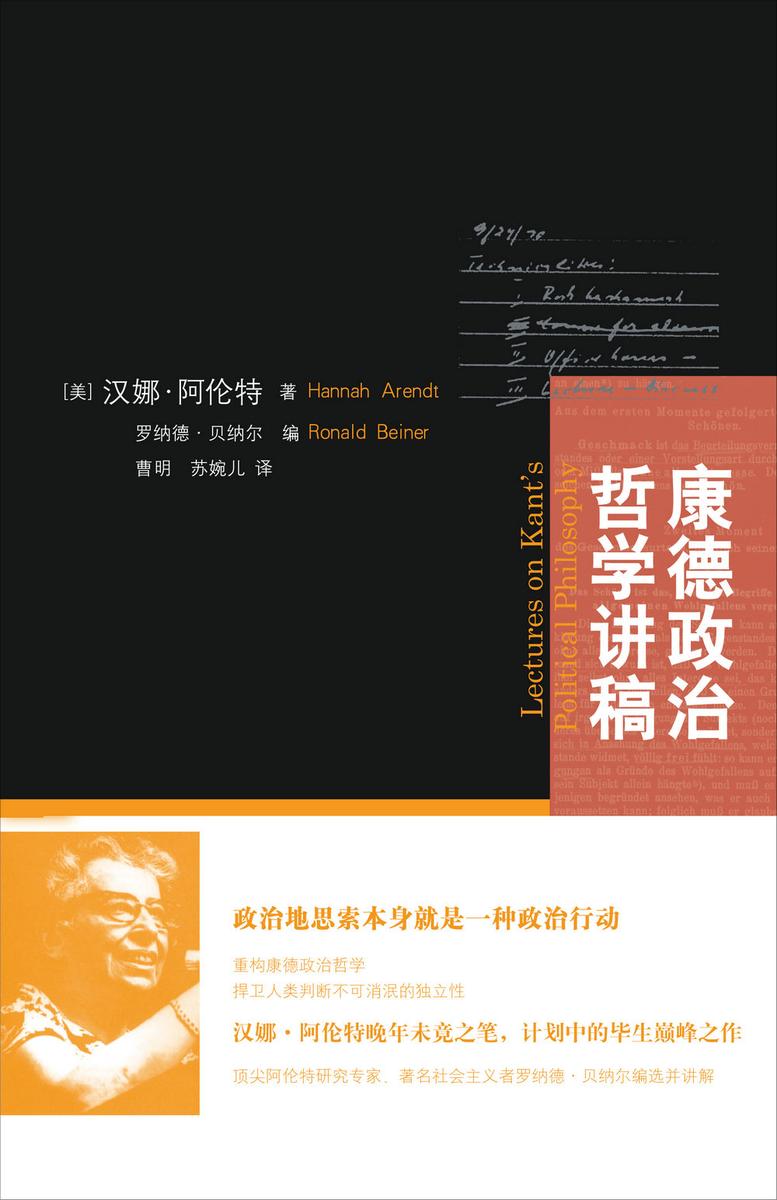
康德政治哲学讲稿
¥59.00
系统思考人类的精神活动,是汉娜·阿伦特晚年收官大作《心智生活》的旨意,遗憾的是,终篇“《判断》”未及展,阿伦特便辞别人世。本书汇编了阿伦特关于判断问题的核心文献,并对她在这一问题上的思考方向作出了解读。 如何摆脱生命的平庸和自由的虚无? 以重建康德的政治哲学为口,阿伦特认为:只有作出判断,只有对公共世界里上演的事件运用我们独立的判断能力,世界对我们来说才具有意义。 政治地思索本身就是一种政治行动。
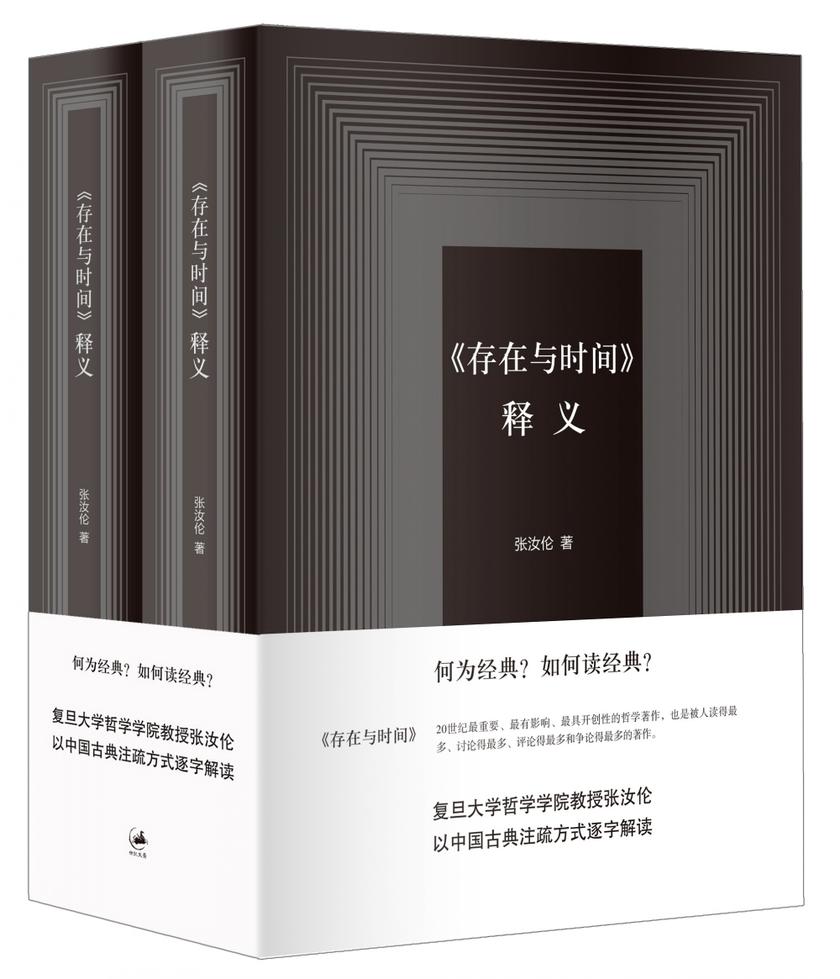
《存在与时间》释义
¥198.00
作者张汝伦先生在广泛阅读西方大家、名家解读《存在与时间》的诸多文本和专著基础上,用中国古人注疏经典的办法,逐节逐段解读,力图将这样一部晦涩、复杂的作品的文本意义和背后复杂的深意都揭示出来。

汝瓷志 中华书局出品
¥108.00
《汝瓷志》,约50万字,由河南省汝州市多年从事汝瓷考古、科研和历史研究的专家,在广泛征求业内和社会各界人士意见的基础上撰写而成,目的是展现汝瓷的辉煌历史,记录当代汝瓷恢复研制的艰辛。同时,汝州市正积极打造“具有汝州地域特色和承载历史文化传承的艺术小镇”——汝瓷小镇,《汝瓷志》的编写是小镇建设的重要文化内容之一。主要内容分为以下三个方面:一、汝瓷的起源、发展和走向辉煌的历程(由夏、商至北宋);二、20世纪50年代以来关于汝瓷的科学研究和汝瓷艺术的发展;三、汝瓷的鉴赏、收藏、拍卖;为汝瓷文化和汝瓷产业的发展作出突出贡献的重点人物的介绍。汝州市于2018年4月进行了《汝瓷志》出版项目招标工作,我局参加并中标。成交金额为125万元。关于资金的使用办法,业经向局里汇报。我局使用额度为不少于60万元,预计利润为20万元左右。

思维教育经典系列(套装4本)
¥85.99
《如何形成清晰的观点》美国实用主义哲学创始人查尔斯?S.皮尔士在本书中有效地回答了:在人们的思维活动中,有许多种想法,却不知怎样表达。该如何形成自己清晰的观点?这种观点又是怎样决定人们的习惯从而影响人们的现实生活?什么样的观点是有效的观点等问题。首先探讨了人们在面对纷繁复杂的世界时,是如何一步一步形成清晰的观点;其次对人们在形成具体而清晰的观点过程中常用的几种方法进行了分析。 《思维的模式》是20世纪伟大的思想家怀特海的代表著作之一,他阐述了自己综合性的思维模式,他反对这种固有的思考模式。他认为,我们不应该将自己的视野局限于此,而不思索世界和生活的整体。他认为哲学产生于好奇,如果缺乏兴趣,我们对任何问题的探讨都会是机械的。他认为高级思维应该在世间万物中间建立联系,每一个事实都包含无限的细节,无限的细节会生发无数的结果。 《我们如何思维》是著名哲学家、教育学家约翰?杜威的代表作之一,详述了思维的过程和本质,指出思维的本质并非记忆、听来的故事或偏见,而是经过批判、推理、论证结论之后的信念;提出了反省思维的必要性,表明只有正确思维才能提高规划与谋略能力,获取避免不良后果的措施;提供了进行思维训练的一系列步骤,引入实例验证思维结果的正确性等等。 《教育的本质》是怀特海的代表作,集中体现了他的教育理念。怀特海认为,教育的目的是激发学生的自我发展之路,反对灌输生硬的知识和没有火花的思想。他主张通识教育与专业教育、技术教育与科学、文学教育有机结合发展;强调古典文化在提升学生思维能力中的重要性。

Nature
¥9.24
The Prince (Italian: Il Principe) is a political treatise by the Italian diplomat, historian and political theorist Niccolò Machiavelli. From correspondence a version appears to have been distributed in 1513, using a Latin title, De Principatibus (About Principalities). But the printed version was not published until 1532, five years after Machiavelli's death. This was done with the permission of the Medici pope Clement VII, but "long before then, in fact since the first appearance of the Prince in manuscript, controversy had swirled about his writings" Although it was written as if it were a traditional work in the Mirror of Princes style, it is generally agreed that it was especially innovative, and not only because it was written in Italian rather than Latin. The Prince is sometimes claimed to be one of the first works of modern philosophy, in which the effective truth is taken to be more important than any abstract ideal. It was also in direct conflict with the dominant Catholic and scholastic doctrines of the time concerning how to consider politics and ethics. Although it is relatively short, the treatise is the most remembered of his works and the one most responsible for bringing "Machiavellian" into wide usage as a pejorative term. It also helped make "Old Nick" an English term for the devil, and even contributed to the modern negative connotations of the words "politics" and "politician" in western countries. In terms of subject matter it overlaps with the much longer Discourses on Livy, which was written a few years later. In its use of examples who were politically active Italians who perpetrated criminal deeds for politics, another lesser-known work by Machiavelli which The Prince has been compared to is the Life of Castruccio Castracani. The descriptions within The Prince have the general theme of accepting that ends of princes, such as glory, and indeed survival, can justify the use of immoral means to achieve those ends.
A fekete vér
¥8.67
The present publication is intended to supply a recognised deficiency in our literature—a library edition of the Essays of Montaigne. This great French writer deserves to be regarded as a classic, not only in the land of his birth, but in all countries and in all literatures. His Essays, which are at once the most celebrated and the most permanent of his productions, form a magazine out of which such minds as those of Bacon and Shakespeare did not disdain to help themselves; and, indeed, as Hallam observes, the Frenchman's literary importance largely results from the share which his mind had in influencing other minds, coeval and subsequent. But, at the same time, estimating the value and rank of the essayist, we are not to leave out of the account the drawbacks and the circumstances of the period: the imperfect state of education, the comparative scarcity of books, and the limited opportunities of intellectual intercourse. Montaigne freely borrowed of others, and he has found men willing to borrow of him as freely. We need not wonder at the reputation which he with seeming facility achieved. He was, without being aware of it, the leader of a new school in letters and morals. His book was different from all others which were at that date in the world. It diverted the ancient currents of thought into new channels. It told its readers, with unexampled frankness, what its writer's opinion was about men and things, and threw what must have been a strange kind of new light on many matters but darkly understood. Above all, the essayist uncased himself, and made his intellectual and physical organism public property. He took the world into his confidence on all subjects. His essays were a sort of literary anatomy, where we get a diagnosis of the writer's mind, made by himself at different levels and under a large variety of operating influences. Of all egotists, Montaigne, if not the greatest, was the most fascinating, because, perhaps, he was the least affected and most truthful. What he did, and what he had professed to do, was to dissect his mind, and show us, as best he could, how it was made, and what relation it bore to external objects. He investigated his mental structure as a schoolboy pulls his watch to pieces, to examine the mechanism of the works; and the result, accompanied by illustrations abounding with originality and force, he delivered to his fellow-men in a book. W. C. H. KENSINGTON, November 1877. THE LIFE OF MONTAIGNE The author of the Essays was born, as he informs us himself, between eleven and twelve o'clock in the day, the last of February 1533, at the chateau of St. Michel de Montaigne. His father, Pierre Eyquem, esquire, was successively first Jurat of the town of Bordeaux (1530), Under-Mayor 1536, Jurat for the second time in 1540, Procureur in 1546, and at length Mayor from 1553 to 1556. He was a man of austere probity, who had "a particular regard for honour and for propriety in his person and attire . . . a mighty good faith in his speech, and a conscience and a religious feeling inclining to superstition, rather than to the other extreme. Between 1556 and 1563 an important incident occurred in the life of Montaigne, in the commencement of his romantic friendship with Etienne de la Boetie, whom he had met, as he tells us, by pure chance at some festive celebration in the town. From their very first interview the two found themselves drawn irresistibly close to one another, and during six years this alliance was foremost in the heart of Montaigne, as it was afterwards in his memory, when death had severed it.

?tvenezer lándzsa: Anjouk - V. rész
¥75.54
"A megsemmisülés rejtélyes sz?vege egyszerre filozófiai traktátus, misztikus beavatás és poszthumán próza. A kortárs irodalomban egyre inkább feler?s?dik ez a nem-antropocentrikus hang, mely nem emberi sorsokat akar elbeszélni, hanem a nyelv és az ember k?z?s hiányt?rténetére mutat rá. ?Mennyien kapaszkodtak a létbe, mint egy végtelen fa t?rzsébe” - írja Horváth Márk és Lovász ?dám, hiszen az emberi állapot csak a társadalmi, nyelvi és metafizikai katasztrófa terében értelmezhet?. Apokaliptikus (neo)romantika és abszurd k?ltészet. Az utolsó ember kézik?nyve a túlélés lehetetlenségér?l."Nemes Z. Márió Az Idegenre hárult a sors ajándéka, hogy els?ként az utolsó emberek k?zu?l végignézze minden ku?ls?dleges k?telék pusztulását, és bizalmát lelkébe, s?t a lelkén is túlra helyezze, minden emberit maga m?g?tt hagyva. Minden ház gerendái k?z?tt barátságok és szerelmek jól táplált holttestei indultak oszlásnak, míg csak a csont fehérlett ki a vízb?l. Mint rég elhagyott kik?t?k tornyai, olyan hívogatóak voltak ezek a csontok az új kor embere számára.

Csupasz csontok
¥58.21
DAVID HUME (1711 – 1776) was a Scottish philosopher, historian, economist, and essayist known especially for his philosophical empiricism and skepticism. He was one of the most important figures in the history of Western philosophy and the Scottish Enlightenment. Hume is often grouped with John Locke, George Berkeley, and a handful of others as a British Empiricist. Beginning with his A Treatise of Human Nature (1739), Hume strove to create a total naturalistic "science of man" that examined the psychological basis of human nature. In stark opposition to the rationalists who preceded him, most notably Descartes, he concluded that desire rather than reason governed human behaviour, saying: "REASON IS, and OUGHT ONLY to BE the SLAVE of the PASSIONS". A prominent figure in the sceptical philosophical tradition and a strong empiricist, he argued against the existence of innate ideas, concluding instead that humans have knowledge only of things they directly experience.. NOTHING is more usual and more natural for those, who pretend to discover anything new to the world in philosophy and the sciences, than to insinuate the praises of their own systems, by decrying all those, which have been advanced before them. And indeed were they content with lamenting that ignorance, which we still lie under in the most important questions, that can come before the tribunal of human reason, there are few, who have an acquaintance with the sciences, that would not readily agree with them. It is easy for one of judgment and learning, to perceive the weak foundation even of those systems, which have obtained the greatest credit, and have carried their pretensions highest to accurate and profound reasoning. Principles taken upon trust, consequences lamely deduced from them, want of coherence in the parts, and of evidence in the whole, these are every where to be met with in the systems of the most eminent philosophers, and seem to have drawn disgrace upon philosophy itself. Nor is there required such profound knowledge to discover the present imperfect condition of the sciences, but even the rabble without doors may, judge from the noise and clamour, which they hear, that all goes not well within. There is nothing which is not the subject of debate, and in which men of learning are not of contrary opinions. The most trivial question escapes not our controversy, and in the most momentous we are not able to give any certain decision. Disputes are multiplied, as if every thing was uncertain; and these disputes are managed with the greatest warmth, as if every thing was certain. Amidst all this bustle it is not reason, which carries the prize, but eloquence; and no man needs ever despair of gaining proselytes to the most extravagant hypothesis, who has art enough to represent it in any favourable colours. The victory is not gained by the men at arms, who manage the pike and the sword; but by the trumpeters, drummers, and musicians of the army. From hence in my opinion arises that common prejudice against metaphysical reasonings of all kinds, even amongst those, who profess themselves scholars, and have a just value for every other part of literature. By metaphysical reasonings, they do not understand those on any particular branch of science, but every kind of argument, which is any way abstruse, and requires some attention to be comprehended. We have so often lost our labour in such researches, that we commonly reject them without hesitation, and resolve, if we must for ever be a prey to errors and delusions, that they shall at least be natural and entertaining. And indeed nothing but the most determined scepticism, along with a great degree of indolence, can justify this aversion to metaphysics. For if truth be at all within the reach of human capacity, it is certain it must lie very deep and abstruse: and to hope we shall arrive at it without pains, while the greatest geniuses have failed with the utmost pains..

Пришестя робот?в.
¥31.07
"Wilde è profetico sin dalle prima righe, quando denuncia la prevalenza dell’emozione sulla razionalità, male principe del nostro tempo, e poi del pietismo sull’emancipazione, male di tanta politica di pseudo sinistra" (dall'Introduzione di Alfredo Sgarlato). Wilde: ?perché la vita raggiunga la sua più elevata perfezione, ci vuole qualche cosa di più. Ciò che ci vuole è l'individualismo?, ?Utopia? Una carta geografica del mondo in cui non sia segnato il paese dell'Utopia, non varrebbe la pena d'essere guardata, perché vi mancherebbe il paese in cui l'Umanità atterra ogni giorno. Ma non appena v'è sbarcata, ella guarda più lontano, scorge una terra ancora più bella, e spiega di nuovo le vele. Progredire significa realizzare l'Utopia?. SOMMARIO: Introduzione (di Alfredo Sgarlato) - Postfazione. Breve biblio-nota ai testi e alla traduzione (di Fabrizio Pinna) - OSCAR WILDE Società e libertà: elogio dell'individualismo - APPENDICE I Oscar Wilde, Rapporti fra il socialismo e l'individualismo (di Luigi Fabbri, 1913) - APPENDICE II The Soul of Man under Socialism (1891). LA COLLANA IN/DEFINIZIONI

Прода?ться все: Джефф Безос та ера Amazon
¥36.79
Dignità o miseria della natura umana? ?C'è un principio supposto prevalere tra molti che è del tutto incompatibile con ogni virtù o senso morale [...] Questo principio è che ogni benevolenza è mera ipocrisia, l'amicizia un inganno, lo spirito pubblico una farsa, la fedeltà un trucco per procurare fiducia e confidenza; e mentre tutti noi, in fondo, perseguiamo solo il nostro interesse privato, indossiamo questi bei travestimenti in modo da abbassare le difese degli altri ed esporli maggiormente alle nostre astuzie e macchinazioni?... Le meditazioni senza tempo di uno dei più grandi filosofi europei. SOMMARIO: Introduzione e avvertenza ai testi / Nota bibliografica: una mappa degli studi (di Fabrizio Pinna) - David Hume: Dignità o miseria della natura umana? / L'Amore di Sé. APPENDICE: Of the Dignity or Meanness of Human Nature; Of Self-love; My Own Life & Letter from Adam Smith, LL. D. to William Strahan, Esq.; Of the Reason of Animals; Of the Immortality of the Soul; Of Superstition and Enthusiasm; Of some Verbal Disputes. LE COLLANE IN/DEFINIZIONI & CON(TRO)TESTI

?nvierea
¥33.03
Critica ra?iunii pure, tradus? de Nicolae Bagdasar ?i Elena Moisuc ?n 1969, a ajuns la cea de-a treia edi?ie. Cu acest prilej, profesorul dr. Ilie P?rvu, de la Facultatea de Filosofie a Universit??ii din Bucure?ti a ?ngrijit noua opera?ie de editare, fiind astfel corectate unele erori de tipar ?i unele inconsecven?e terminologice. Totodat?, exist? un motiv ?n plus pentru ca studen?ii care posed? edi?ia a II-a a traducerii, ap?rut? ?n 1995, s? apeleze ?i la cea de-a treia edi?ie: ?n aceasta din urm? au fost indicate diferen?ele dintre edi?ia I german? (din 1781) ?i edi?ia a II-a (din 1787).

Educa?ia sentimental?
¥33.03
Volumul red? circuitului public, pentru prima oar? ?n limba rom?n?, trei din operele g?nditorului atenian. Este vorba de Scrisori (?n num?r de treisprezece, deosebit de importante pentru cunoa?terea g?ndirii platoniciene, dar ?i pentru ?n?elegerea epocii ?i a personalit??ilor cu care a venit ?n contact filosoful), Dialoguri suspecte (Minos, Rivalii, Theages, Hipparhos, Clitofon) ?i Dialoguri apocrife (Axiohos, Despre drept, Despre virtute, Demodocus, Sisyfos, Eryxias).Traducerea apara?ine lui ?tefan Bezdechi, care a realizat ?i aparatul critic al Scrisorilor (introducere ?i note).
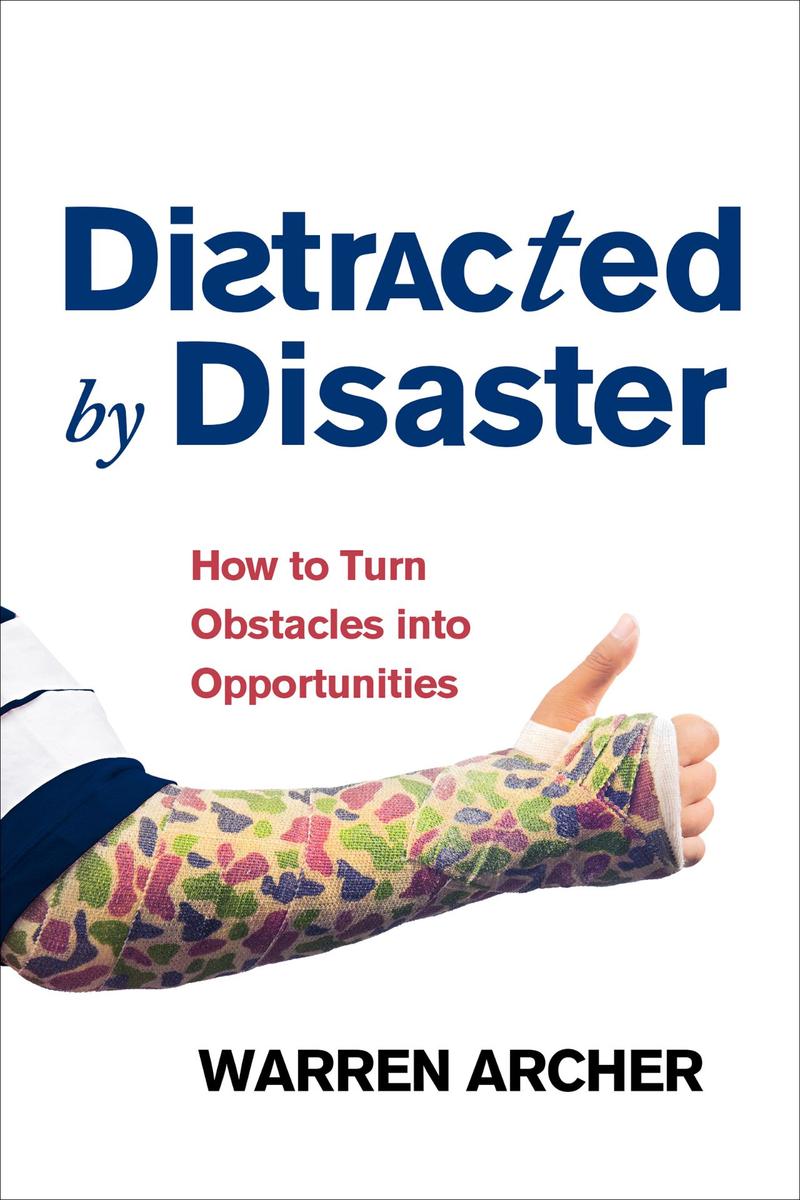
Distracted by Disaster: How to Turn Obstacles Into Opportunities
¥16.27
Bogged down by an endless onslaught of stumbling blocks and disasters that keep pushing you farther away from fulfilling your purpose and achieving your goals? ? This book could radically change all that. ? This simple, clear, and highly practical step-by-step guide will show you: ? How to manage all the problems and disasters that come your way while still making progress on all your goals—short-term and long-term—without sacrificing the important things in life. How to turn obstacles into an advantage that will propel you along the path to fulfilling your goals and achieving your purpose. How to shift your thinking so that all you see are opportunities that will open doors to great possibilities you may have never imagined before.


