


 购物车
购物车 个人中心
个人中心

The Water Children
¥45.62
Four lives. Four defining moments which will bring them together. Owen Abingdon is haunted by nightmares of the Merfolk. He believes they have stolen his little sister who vanished while he was meant to be minding her on the beach, but he was only a child himself. Is it fair for his mother to blame him? Catherine Hoyle's perfect Christmas with her cousin from America was blighted when they went skating on thin ice and Rosalyn nearly died. Somehow, instead of being praised for raising the alarm, Catherine gets blamed. Sean Madigan grew up on a farm in Ireland. Learning to swim in the Shannon was his way of escaping the bitter poverty of his childhood, but it also incurred his father's wrath. He flees to England, but his heart belongs to the Shannon and her pulling power is evernear… Unlike the other three, Naomi Seddon didn't fear the sea. She'd been orphaned and placed in a children's home in Sheffield and cruelly abused. The sea offered her a way out and she revelled in its cruel power. The "water children" meet in London in the searing hot summer of 1976 and Naomi uses her siren's charm to lure Owen,Catherine and Sean into her tangled web of sexual charm and dangerous passion. A holiday in the Tuscan mountains with a flooded reservoir and its legend of the beautiful Teodora who drowned there brings this emotional drama to a powerful climax. Will the power of family, love and redemption finally help the water children conquer their fears and triumph over their childhood traumas?

The Last Light of the Sun
¥86.23
From the multiple award-winning author of Ysabel, Tigana and A Song for Arbonne, this powerful, moving saga evokes the Celtic, Anglo-Saxon, and Norse cultures of a thousand years ago. There is nothing soft or silken about the north. The lives of men and women are as challenging as the climate and lands in which they dwell. For generations, the Erlings of Vinmark have taken their dragon-prowed ships across the seas, raiding the lands of the Cyngael and Anglcyn peoples, leaving fire and death behind. But times change, even in the north, and in a tale woven with consummate artistry, people of all three cultures find the threads of their lives unexpectedly brought together… Bern Thorkellson, punished for his father's sins, commits an act of vengeance and desperation that brings him face-to-face, across the sea, with a past he's been trying to leave behind. In the Anglcyn lands of King Aeldred, the shrewd king, battling inner demons all the while, shores up his defenses with alliances and diplomacy-and with swords and arrows-while his exceptional, unpredictable sons and daughters pursue their own desires when battle comes and darkness falls in the woods. And in the valleys and shrouded hills of the Cyngael, whose voices carry music even as they feud and raid amongst each other, violence and love become deeply interwoven when the dragon ships come and Alun ab Owyn, chasing an enemy in the night, glimpses strange lights gleaming above forest pools.

Told in Silence
¥88.39
New novel from exciting young author Rebecca Connell From the outside, Violet seems to lead an ordinary and uneventful existence - single, working in a shop, and living with her parents in rural Kent - but her life has already been touched by tragedy. At 21, Violet is a young widow, and the couple she lives with, Harvey and Laura Blackwood, are not her own parents but those of her late husband, Jonathan. Rocked by grief, Violet has shut herself away from the world, but she soon finds that she cannot escape reality. When Max Croft, an old friend of Jonathan's, enters her life, she is faced not only with the possibility of a new attraction, but with the knowledge that there are secrets behind her husband’s death that she has not yet uncovered, and which threaten to shake her faith in everything she knows about their past life together. Told in Silence is a spellbinding and unforgettable novel of desire, deception and the lengths that we will go to for love.

Burning Secrets
¥51.50
An intense and thrilling teen mystery set on a tranquil island where all seems perfect… Daniel has dark secrets and a troubled past. So when his family move to the island of Wragge, a gentle backwater where local life remains undisturbed he feels he’s escaped. But outsiders aren’t always welcome and the more Daniel tries to conceal, the more he reveals about sinister goings on. Does this picture perfect community have something even greater to hide? An explosive thriller that tingles with brooding menace and ignites as the clues fall into place…

Tigana
¥80.25
With this rich, masterfully written extravaganza of myth and magic, the internationally acclaimed author of THE FIONAVAR TAPESTRY trilogy has created an epic that will forever change the boundaries of fantasy fiction. Set in a beleaguered land caught in a web of tyranny, Tigana is the deeply moving story of a people struggling to be free. A people so cursed by the dark sorceries of the tyrant King Brandin that even the very name of their once beautiful land cannot be spoken or remembered. But not everyone has forgotten. A handful of men and women, driven by love, hope and pride, set in motion the dangerous quest for freedom and bring back to the world the lost brightness of an obliterated name: Tigana.

Ysabel
¥63.18
In this exhilarating, moving novel set in modern and ancient Provence, Guy Gavriel Kay casts brilliant light on the ways in which history – whether of a culture or a family – refuses to be buried. Ned Marriner, fifteen years old, has accompanied his photographer father to Provence for a six-week “shoot” of images for a glossy coffee-table book. Gradually, Ned discovers a very old story playing itself out in this modern world of iPods, cellphones, and seven-seater vans whipping along roads walked by Celtic tribes and the Roman Legions. On one holy, haunted night of the ancient year, when the borders between the living and the dead are down and fires are lit upon the hills, Ned, his family, and his friends, are shockingly drawn into this tale, as dangerous, mythic figures from conflicts of long ago erupt into the present, claiming and changing lives.
The Moses Legacy
¥34.14
An ancient enigma threatens to shake the world to its very core… When fragments of stone covered in a mysterious ancient * are found in Egypt, language expert Daniel Klein is called in to help. Daniel believes that the stone's origins, if revealed, could be potentially explosive, but others are determined to prevent the truth from seeing the light of day. Framed for murder and forced on the run, Daniel and archaeologist Gabrielle Gusack are pursued across the Middle East by a ruthless killer with shadowy motives. As they try to stay one step ahead of their hunter, they realise that the secret of the stones is only the beginning…and the truth could cost them their lives. Be blown away by a heart-stopping conspiracy thriller - the perfect buzz for fans of Matthew Reilly and David Gibbins.

Secret of the Sands
¥57.09
She was a slave. He was her master. Both of them long to be free… 1833 – The British Navy are conducting a survey of the Arabian Peninsula where slavery is as rife as ever despite being abolition. Zena, a headstrong and determined young Abyssinian beauty has been torn from her remote village, subjected to a tortuous journey and is now being offered for sale in the market of Muscat. Lieutenant James Wellstead is determined that his time aboard HMS Palinurus will be the conduit to fame and fortune. However, all his plans are thrown into disarray when two of his fellow officers go missing while gathering intelligence in the desert. By an unexpected twist of fate – Zena finds herself the property of Wellstead, now on a daring rescue mission into forbidding territory. Master and slave are drawn ever closer, but as danger faces them at every turn, they must endure heartache and uncertainty – neither of them knowing what fortune awaits them as they make their hazardous way through the shifting sands. A rich and epic novel that will appeal to fans of The Pirate's Daughter and East of the Sun.

The Chosen One
¥58.86
Number One bestseller Sam Bourne, author of The Righteous Men, delivers this page-turning political conspiracy thriller that goes right to the heart of the US establishment. Bruised by years of disappointments, political advisor Maggie Costello is finally working for a leader she can believe in. She, along with the rest of America, has put her trust in President Stephen Baker, believing he can make the world a better place. But suddenly an enemy surfaces: a man called Vic Forbes reveals first one scandal about the new president, and then another. He threatens a third revelation – one that will destroy Baker entirely. When Forbes is found dead, Maggie is thrown into turmoil. Could the leader she idolizes have been behind Forbes’s murder? Has she been duped by his message of change and hope? Who is the real Stephen Baker? On the trail of the truth, Maggie is led into the roots of a massive conspiracy that reaches back into history - and goes right to the heart of the US establishment…

Wonders of a Godless World
¥95.75
An electrifying, tumultuous story of inner demons, desire and devastation. On an unnamed island, in a Gothic hospital sitting in the shadow of a volcano, a wordless orphan girl works on the wards housing the insane and the incapable. She counts amongst her patients a virgin, an archangel, a duke and a witch. Everything appears fine until a silent, unmoving and unnerving new patient arrives from foreign climes. He claims to be immortal. Suddenly strange phenomena occur, bizarre murders take place, and the lives of the patients and the island's inhabitants are thrown into turmoil. What happens between the orphan and her beguiling new patient is an extraordinary exploration of consciousness, reality and madness.

Dad Today, Groom Tomorrow (Mills & Boon Silhouette)
¥31.10
WHEN FATE STEPS IN… Joe Delacamp was speechless. Louisa Clancy was the last person he'd expected to see when he walked into the sweet-smelling Perry Square bake shop. She was just as beautiful as he'd remembered, but it wasn't until the E.R. doc caught a glimpse of her green-eyed little boy that he realized that Louisa's whereabouts weren't the only thing she'd been keeping secret for the last eight years. Now he needed to figure out a way to win the trust of the little boy he never knew he had—along with the heart of the woman he'd never stopped loving….
Dating Her Boss (Mills & Boon Cherish)
¥31.10
Reclusive widower Max Fleming needs a new secretary. Plain-Jane Jilly Prescott seems perfect. And she's hardly likely to fall for him when she's still pining for her old boyfriend. Max has even offered to help Jilly get her man! The plan seems simple: with a new haircut, a new wardrobe and sexy tycoon Max on her arm to escort her to the hottest parties, Jilly's bound to attract the attention of her old flame. But "dating" Jilly is giving Max all sorts of ideas. None of which involve handing Jilly over to another man!

Fiance Wanted Fast! (Mills & Boon Cherish)
¥31.10
Phoebe is facing her worst nightmare: an invitation to her ex-fiancé's wedding! About to put on a brave face and pretend her life is just perfect, she's rescued by her best friend's brilliant idea: Phoebe can hire their gorgeous new flatmate, Gib, to pose as her doting new fiancé! It sounds like an ideal face-saving plan–until Phoebe and Gib meet. Gib, on a mission to prove he can be "just good friends" with a woman, finds his willpower tested by Phoebe. And Phoebe is having trouble remembering they're only pretending to be in love! It's all set to be a wedding to remember…

Found: His Family (Mills & Boon Silhouette)
¥21.58
A successful businesswoman and single mom, Aimee has everything she wants in life–especially her little boy. But Toby is sick, and Aimee now needs the one person she thought she'd never see again–Toby's father, Jed. When Jed left Aimee five years ago he thought he was doing the right thing. But he hadn't realized Aimee was pregnant–or how much it would hurt when he walked away. Now that Jed has found his family he's determined to make up for lost time. He wants to prove to Aimee that he can be the father Toby needs and the husband she deserves.
Her Forbidden Bridegroom (Mills & Boon Cherish)
¥31.10
When Lorna Farrell finds herself caught up in a pretend engagement with handsome oil tycoon Mitch Ellery, she knows she's playing with fire. Mitch is the key to Lorna being reunited with her real family. He's also the only man she's ever loved–and the one man she can't have! Mitch must never guess Lorna's true feelings, but pretending to be in love leads to complications. If Lorna walks away, she loses everything. But as the attraction between them intensifies, should she take a risk and confess her secrets?

Her Mistletoe Man (Mills & Boon Silhouette)
¥31.10
ALL HE WANTED FOR CHRISTMAS… was to get away from the hustle and bustle of another lonely holiday season. But when Tucker Maddock stopped at what he thought was a quaint country inn, he found himself at a reunion of the big, boisterous Marsh family–who instantly welcomed their "long-lost cousin" with open arms…. It was tempting to pretend, just for a little while, that this close, loving family was his own. But there was one small problem–a woman named Ruth Marsh. She was suspicious of him from the start–and so beautiful, he definitely didn't want her to think they were related! And suddenly Tucker could think of something he'd really like to unwrap come Christmas morning….

Her Second-Chance Man (Mills & Boon Silhouette)
¥21.09
Brian Kemp didn't put much faith in happy endings, but when his orphaned niece's puppy got sick, the hard-nosed cop turned to the one woman capable of performing miracles…. Back in the day, Jessica Moran had been plain, plump and unpopular–and very much in love with golden-boy Brian. Now she was all grown up, hauntingly beautiful and doing just fine…. Until her high school heartthrob showed up on her doorstep with his sad-eyed niece and injured pup in tow. But Jessica knew better than to give her heart to the man who'd made her stop believing in happily-ever-after long ago…. Didn't she? He'd asked her to heal the pooch, but maybe she would heal his brooding heart, as well!
His Band Of Gold (Mills & Boon Silhouette)
¥31.10
She didn't believe in love or marriage–for herself at least. For others, wedding consultant Kelsey Armstrong Waters planned the most perfect weddings–and hoped for the best. But her much-married parents made her vow never to step down the aisle. Until she met Will Addison. He'd come to beg Kelsey's help in planning his flighty sister's wedding, and against her instincts she'd agreed. He was handsome, sexy, a romantic who believed in love–and a man who stirred dreams she'd thought long gone. Now Kelsey was even forgetting the most basic rule: Remember–you're not the bride! Or would she be?
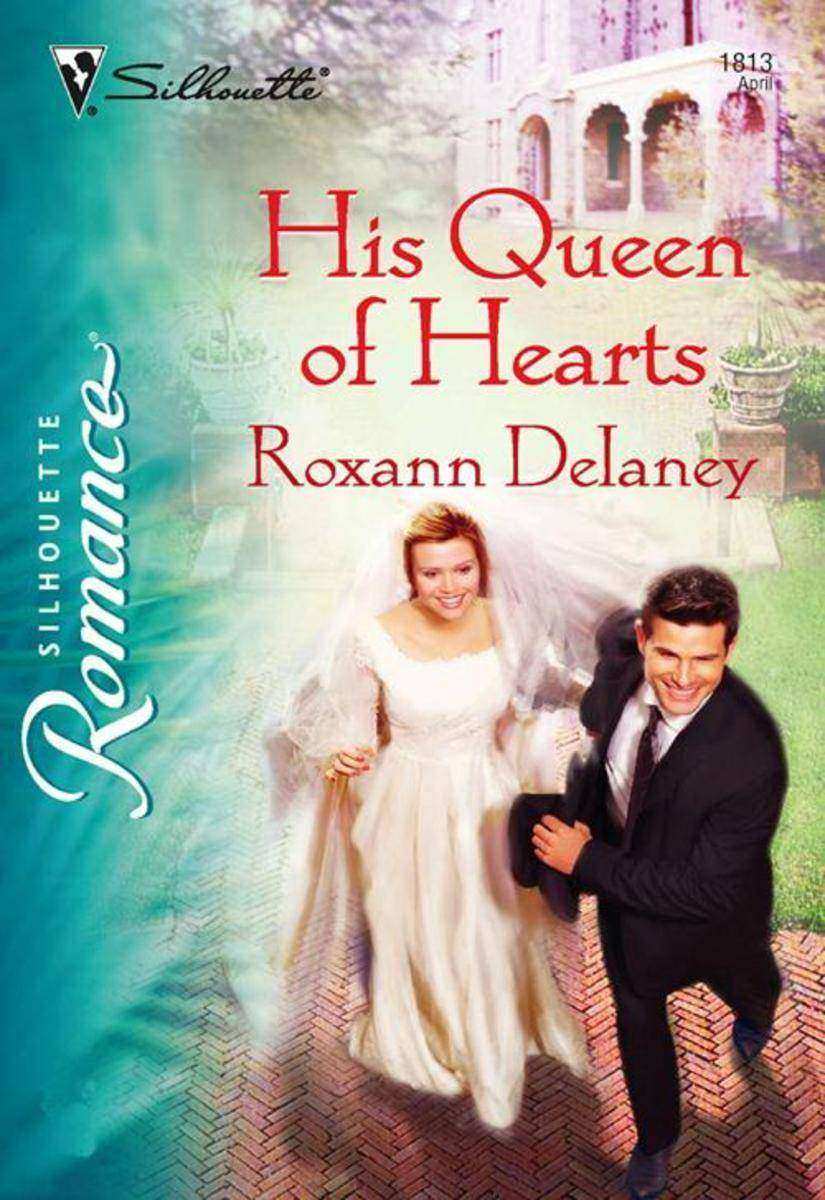
His Queen of Hearts (Mills & Boon Silhouette)
¥31.10
She'd run from her fairy-tale wedding and with the help of a stranger she was now holed up in a remote location, trying to catch her breath. But Carly Albright knew it was only a matter of time before her past caught up with her…. ^Mysterious women with secrets were tempting, but Devon Brannigan planned on resisting the urge to get closer to Carly. He'd done his good deed in rescuing her and had offered his protection. There were plenty of things in his past that gave him no pright to get closer to Carly. No reason to care for her. And still, how could he 'resist her?
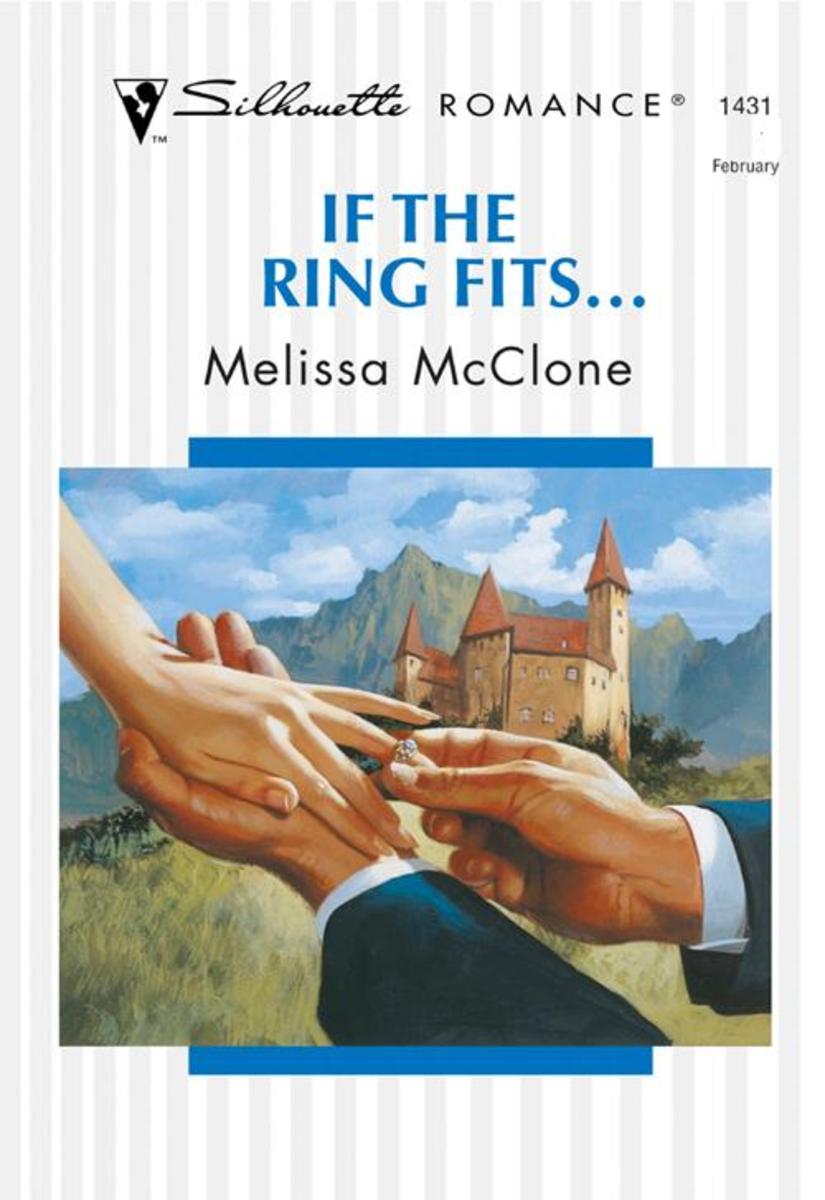
If The Ring Fits... (Mills & Boon Silhouette)
¥25.60
Practical Rachel Palmer's aversion to risk-taking led to a marriage that just didn't fit. Now single again, she's embracing her newfound independence–and the first step is taking her jewelry business worldwide! For that she needs expert help from Italian Antonio Salerno… His business help soon turns personal. And being in close-enough-to-kiss proximity to a sexy playboy makes Rachel feel she's taking a flying leap into deliciously risky territory. It's everything she's been craving…but this is a man famous for loving and leaving. Surely falling for him would be a step too far?
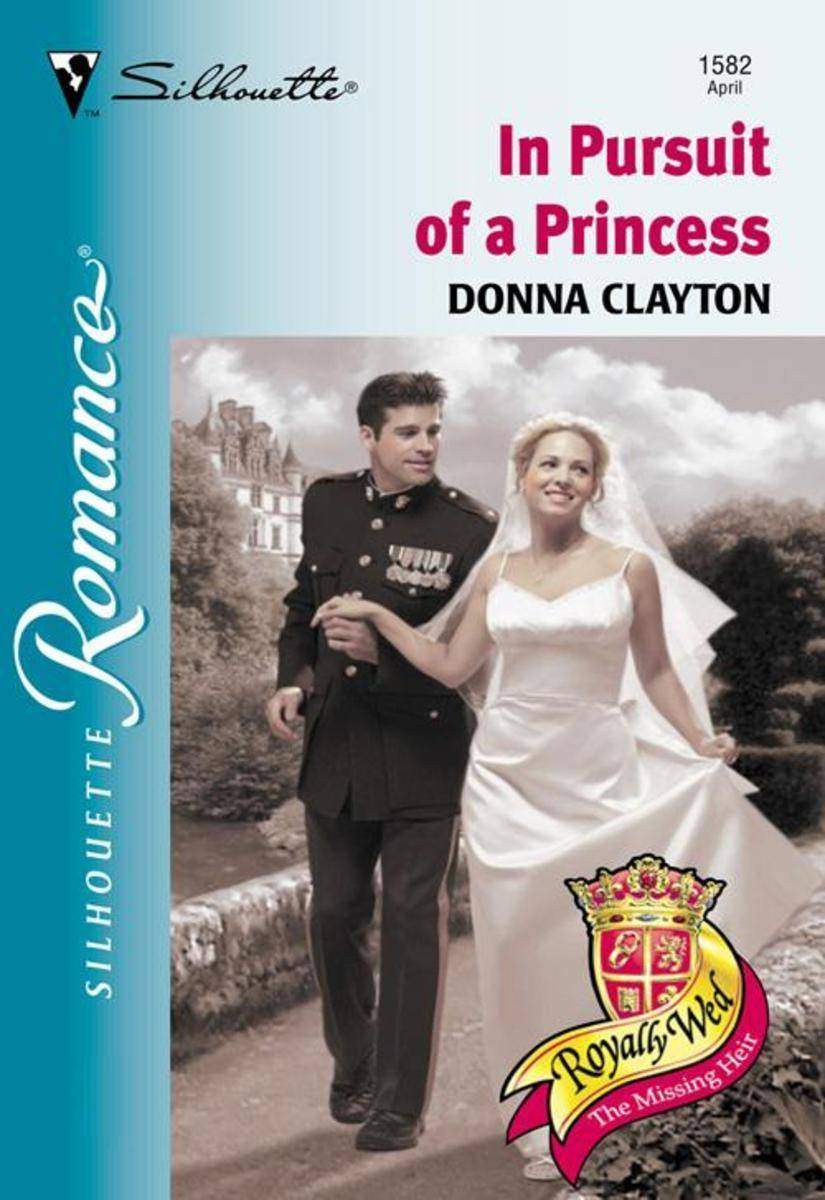
In Pursuit Of A Princess (Mills & Boon Silhouette)
¥31.10
FROM THE DESK OF LUC DUMONT, HEAD OF SECURITY ST. MICHEL APRIL 2002 DAY30 While a missing heir remains at large, Princess Ariane has offered to go undercover at the palace in Rhineland and learn more about the rumored faction hoping to control St. Michel. Her quick mind and devotion to her country–not to mention her intoxicating beauty–make Ariane the perfect person for the job. But it seems as though love has bloomed early this spring, for Ariane and the irresistible Prince Etienne have been practically inseparable. Does this mean the prince has finally found his bride? And if so, what will happen when he learns Ariane's been stripped of her royal title?


