


 购物车
购物车 个人中心
个人中心

Kids Included (Mills & Boon Cherish)
¥31.10
When Jack met Molly again on vacation with their respective children in tow, it brought home two things–the fun and fiasco of their last meeting and just how much they wanted each other! Their holiday certainly brought them closer. But what woman would want to take Jack on with four children–especially when she already had two of her own? But those children realized something their parents didn't–that five plus three equals the ideal family!
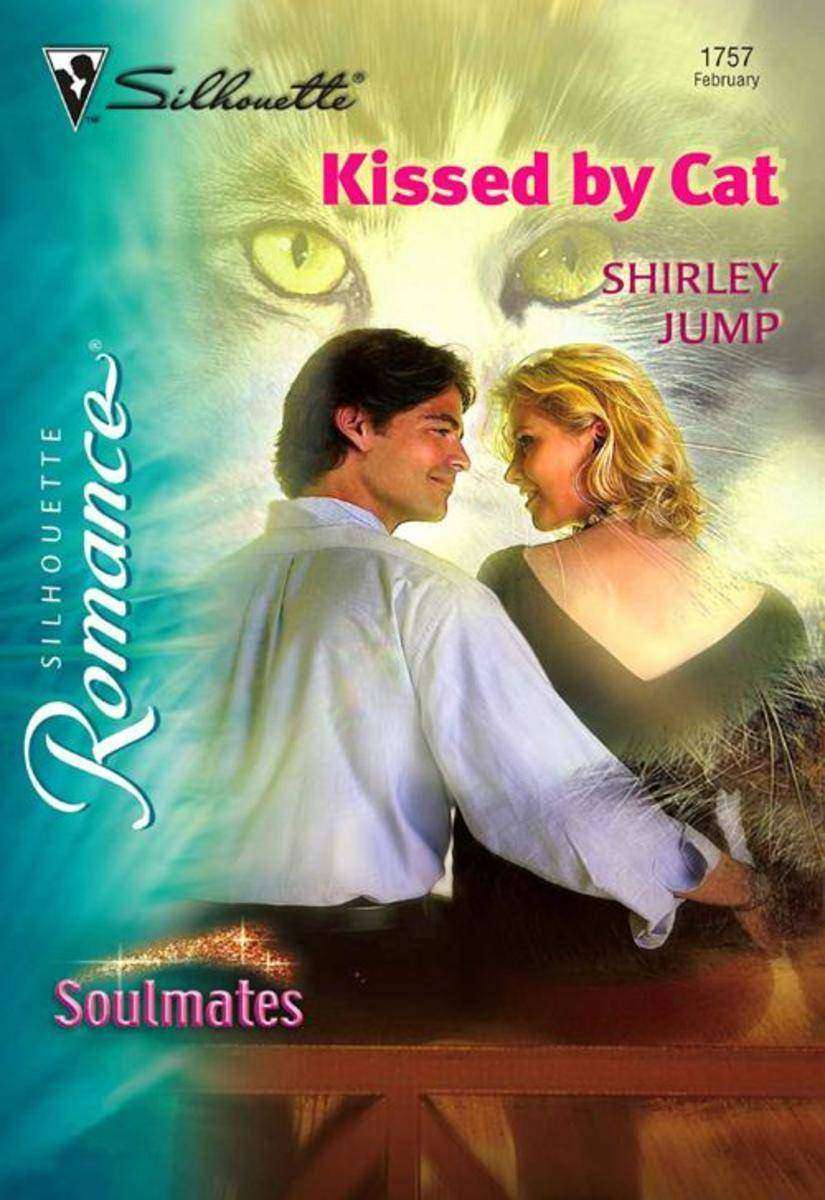
Kissed by Cat (Mills & Boon Silhouette)
¥31.10
The Cat Rules Rule #1: Cats have nine lives. Catherine Wyndham had used up her first eight avoiding mishaps and romantic misadventures. Now she had only one more left…and one last chance to find true love. Rule #2: Cats always land on their feet. Catherine usually did too, until she was waylaid one night by a purrfectly irresistible veterinarian, Garrett McAllister. He was so kind to her that soon her finicky heart began to melt, even though her inner feline told her she might be headed for a romantic crash landing! Rule #3: Good little kittens grow up, get rescued by the tom of their dreams and live happily ever after. Is that really a rule…or is it just another romantic furry tail?

Love Chronicles (Mills & Boon Silhouette)
¥31.10
SHE GOT UNDER HIS SKIN… [And besides, Dr. Connor Forbes didn't want a r partner. Even if Sunny Williams was the most beautiful blonde he'd ever seen, the uptight physician knew Sunny's crazy New Age ideas–and her irresistible lips–would only wreak havoc on his practical, wellordered life. i But with her sweet smile and luxurious deep ^tissue massages, the spunky siren had made it impossible for him to turn her away without risking the wrath of the entire town of Oak Valley…and his traitorous heart. Maybe having Sunny as a partner was just what the doctor ordered…
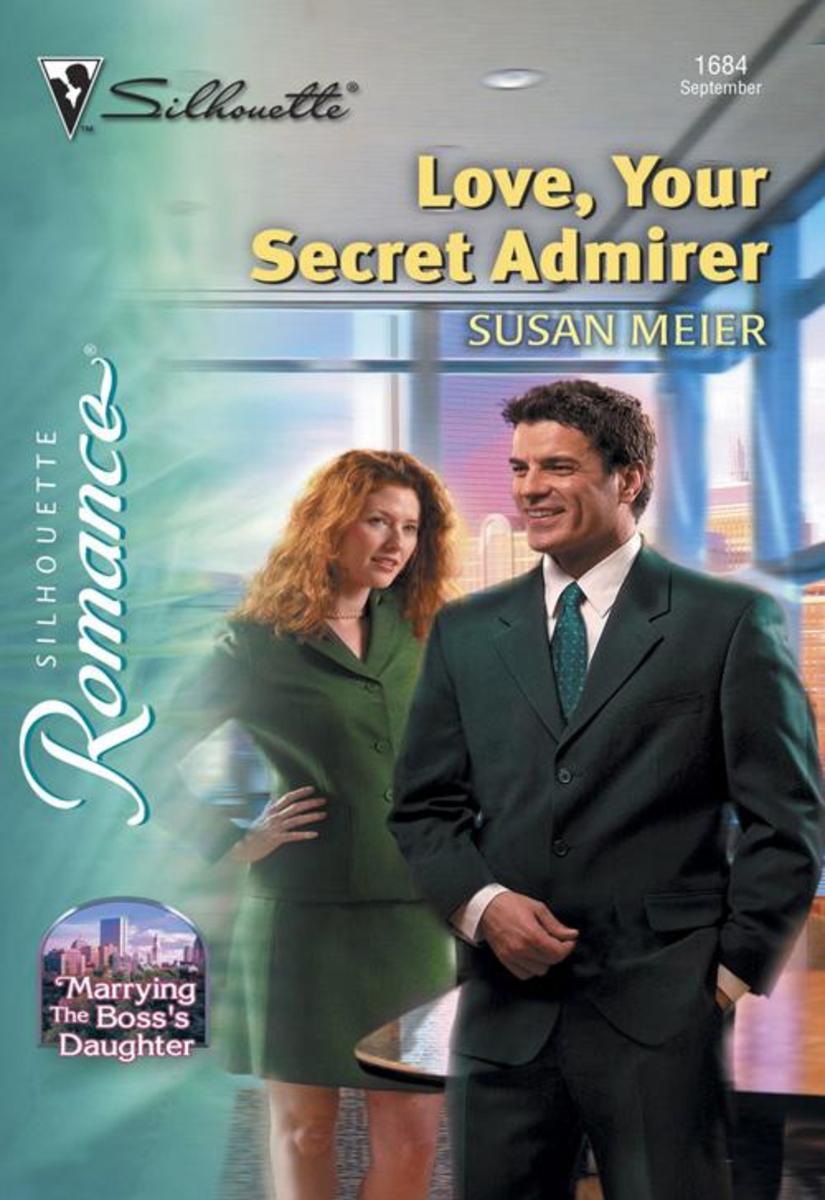
Love, Your Secret Admirer (Mills & Boon Silhouette)
¥20.60
FROM THE DESK OF EMILY WINTERS Bachelor #1: Matthew Burke Title: Senior VP of Accounting This Month's Scheme: Open Matt's eyes to his adoring assistant Let's see… There's got to be a way to get all-business Matt Burke to notice his lovestruck secretary, Sarah Morris. I think she needs a secret admirer to shower her with gifts and a sexy makeover from small-town farm girl to big-city bombshell. That should be enough to drive even the most pragmatic man wild with jealousy–and desire. I'll leave the falling in love part to Sarah….
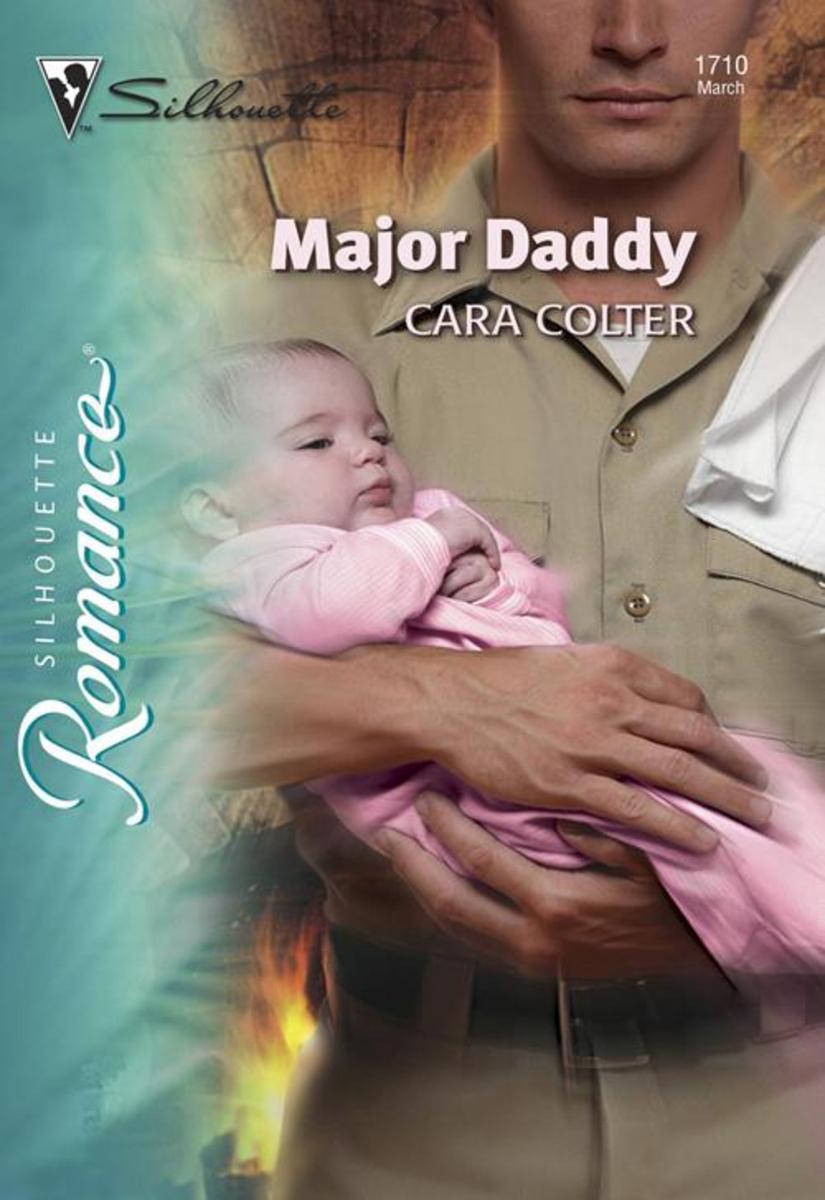
Major Daddy (Mills & Boon Silhouette)
¥21.09
When Major Cole Standen retired from the Canadian Armed Forces, he figured he'd quit the rescuing business for good. Then five irresistible tykes turned up on his doorstep in the middle of the night, desperate for his help But he hadn't counted on sharing child-care duties with their auntie, Brooke Callan–a wide-eyed beauty who seemed as if she could use a little rescuing herself. Knee-deep in diapers and baby bottles, Cole soon realized there was far more to Brooke than just her vulnerable eyes and kissable lips. Perhaps it was being around a ready-made family, but this soldier was suddenly picturing himself with a brood of his own…and beautiful Brooke as his not-so-temporary second-in-command!
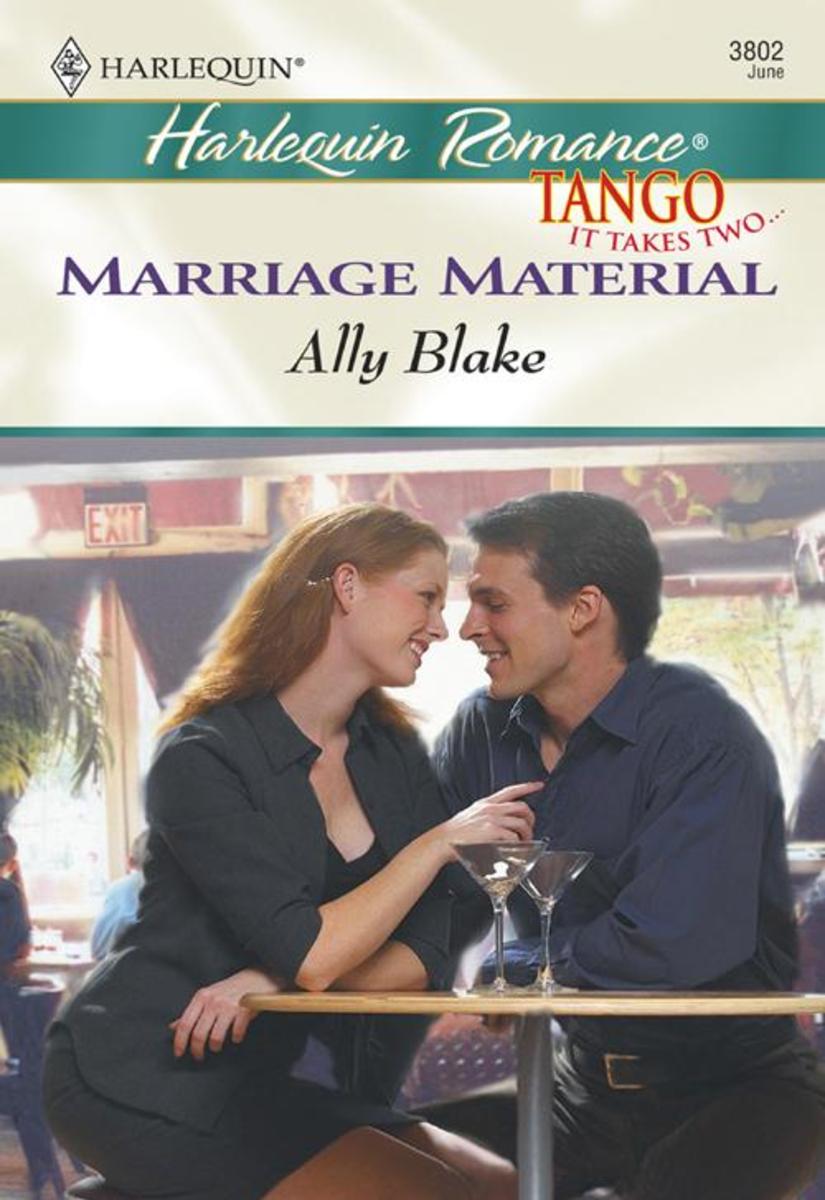
Marriage Material (Mills & Boon Cherish)
¥20.60
Lawyer Romy Bridgeport is used to demanding clients–but millionaire Sebastian Fox wins hands down! All he's ever wanted is a happy marriage and kids–so he's asked Romy to make him into marriage material! Does such a project require all Romy's legal training? Er, no–yet as a valued client, Romy has to take him on… Only, when her work is done, Romy can think of only one suitable wife: herself!

Married In The Morning (Mills & Boon Silhouette)
¥31.10
HONEYMOON IN VEGAS… The last thing Gina Martin expected when she bumped into the chief of operations of her father's company at a bar was that they'd end up naked together in a Las Vegas hotel room two days later! If the ring on her finger, the rumpled satin sheets and sizzling good-morning kiss were any clues, she was now Mrs. Gerrick Green. Gerrick couldn't blame Gina for having second thoughts about their hasty nuptials. He'd never thought of himself as the marrying kind, either. But the powerful executive also always went after what he wanted most. Still, after an unforgettable night of passion, was he willing to risk his heart and win a happily-ever-after with the boss's daughter?
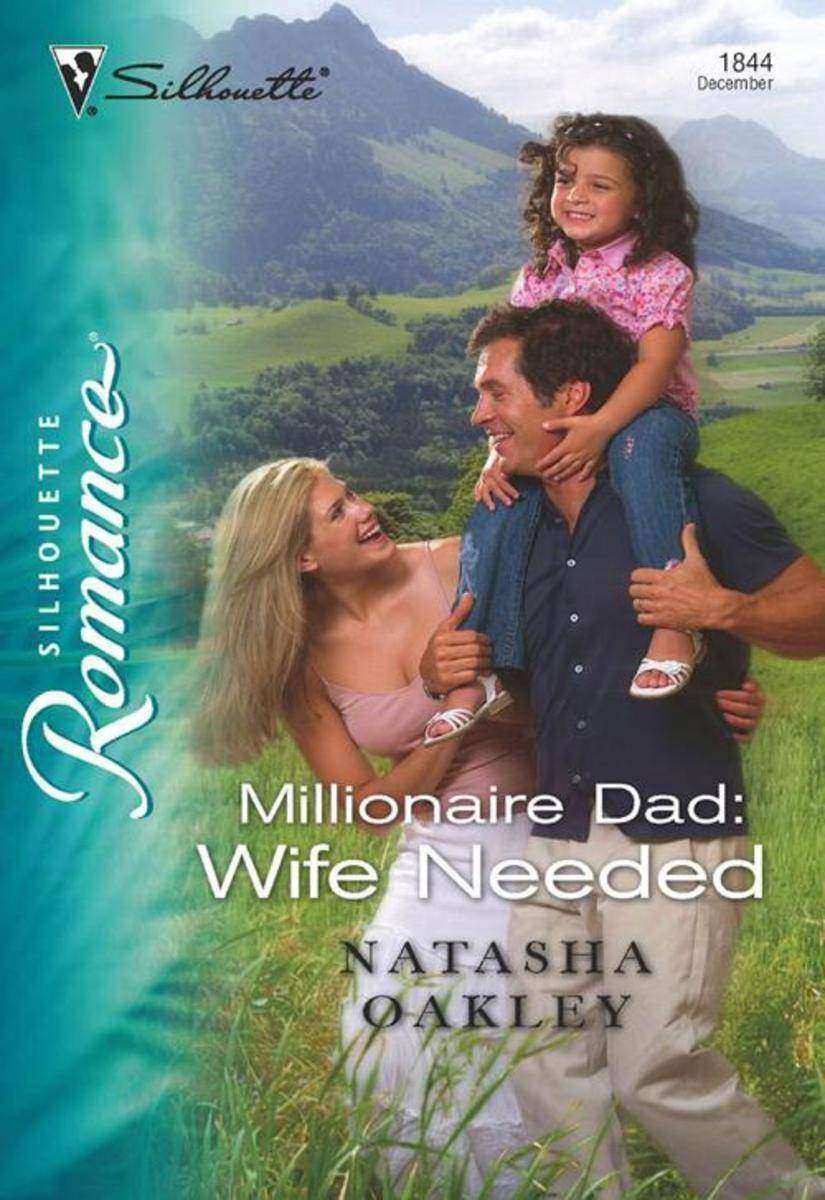
Millionaire Dad: Wife Needed (Mills & Boon Silhouette)
¥21.58
Nick Regan-Phillips: a millionaire, whom the world assumes has it all…but he's got a secret that he's kept from the world–he's a single dad. Nick's daughter, Rosie, is deaf. Nick missed the first five years of Rosie's life, but now she's come to live with him he's struggling to communicate with her…. Lydia Stanford: beautiful, courageous, award-^nnning journalist. And seemingly the only person who can help Nick forge a bond with his daughter… "But when their fragile relationship is tested, will , Lydia realize how much this millionaire dad really means to her–and needs her–before it is too late?

Oh, Babies! (Mills & Boon Silhouette)
¥31.10
Simultaneously nurturing and sexy, Kristen Devereaux filled a void in Grant Brewster's soul. Not only did the new nanny shower the businessman's triplet babies with kindness, but she also aroused in him emotions he'd thought long buried. Grant suspected his masculine charms were having an effect on Kristen. And he ached to have her for himself. But Grant cherished his family above all, and would do anything to protect them. So what would happen when he learned Kristen's secret–that she wanted to claim the babies for her own?

One Bride: Baby Included (Mills & Boon Silhouette)
¥25.60
George Bentley had mastered the art of negotiation, so he recognized his mother's "favor-for-a-friend" plea for what it was: matchmaking. Worse, the favor was Amy Richards, a girl who'd been oil to his water once. Now, to his shock, George found himself wanting to spend 24/7 with the spirited beauty instead of on business–especially when he learned why she'd unexpectedly relocated. Amy was expecting. Suddenly, George's urge to care for Amy and her fatherless child rivaled his urge to climb the corporate ladder, making him wonder if his mother's wedding wish wasn't so off-the-wall. With Amy, George had bride and baby all lined up. Now all they needed was love….
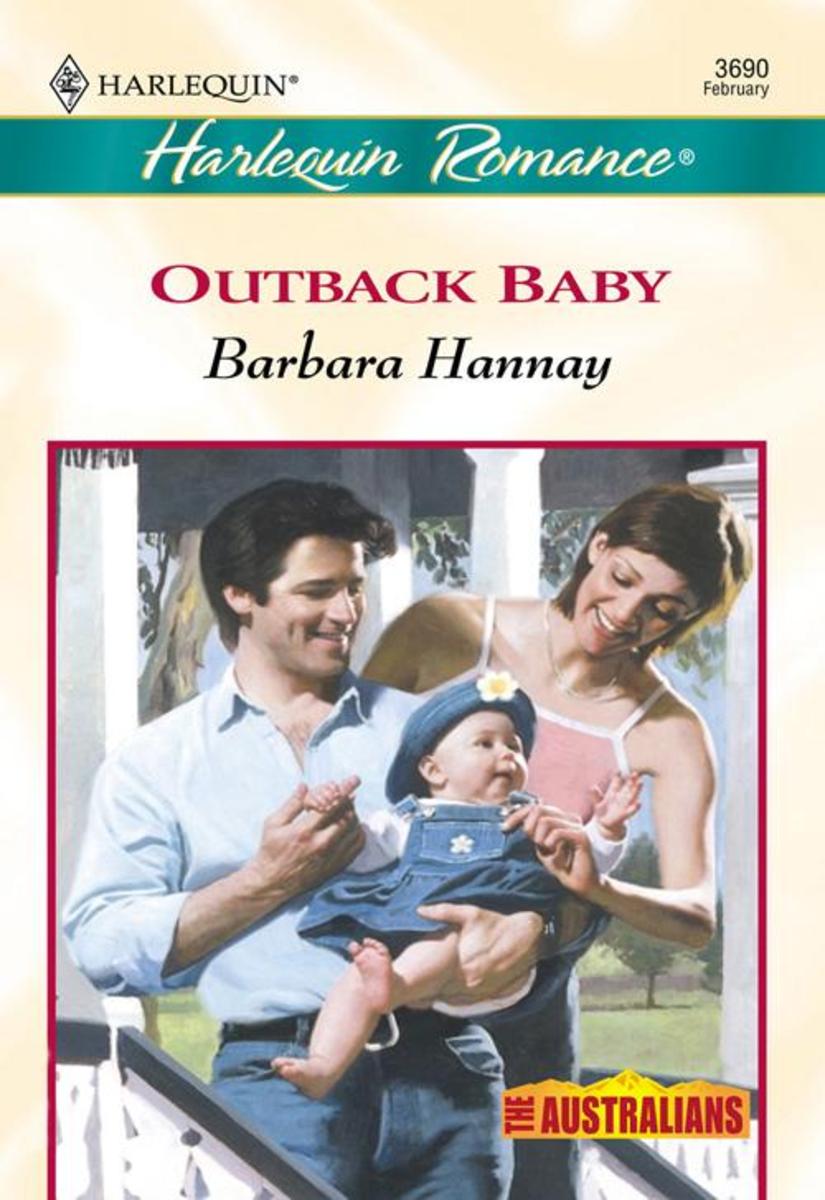
Outback Baby (Mills & Boon Cherish)
¥31.10
Max Jardine always behaves like a bossy big brother to Gemma Brown. Except for one night five years ago–a night they have never talked about since. But now Gemma is moving into Max's remote Outback home to help him care for a friend's baby… Seeing stubborn, gorgeous Max with a baby in his arms confuses Gemma–almost as much as it intrigues Max to see Gemma all grown up! And tension mounts as they confront the past…
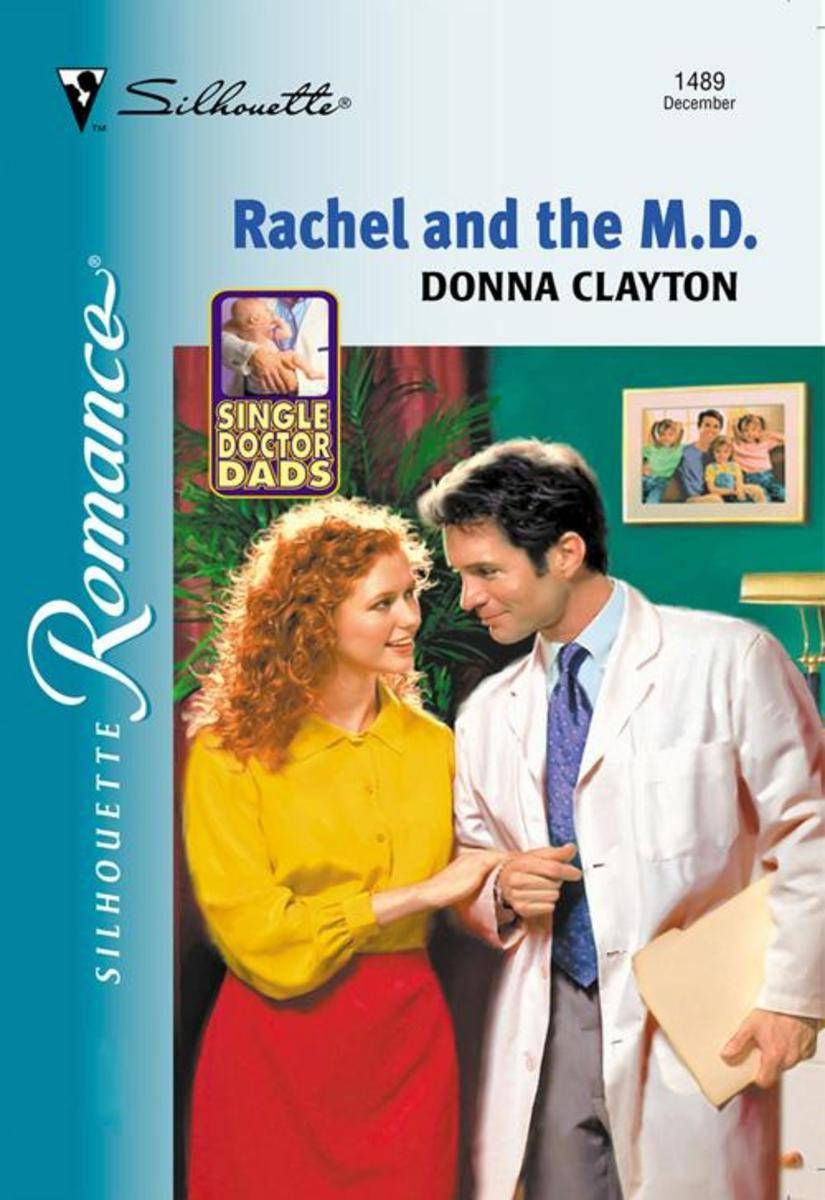
Rachel And The M.d. (Mills & Boon Silhouette)
¥31.10
Dr. Sloan Radcliff was the first to admit he didn't know a thing about clothes, makeup–or dating! And although he refused to succumb to the triplets' shameless matchmaking schemes, he was glad they charmed Rachel Richards into helping out. In fact, he felt so grateful toward his lovely office assistant that he had a sudden urge to… kiss her! The brooding widower wasn't at all convinced he could fuldill Rachel's hopes and dreams, but the captivating beauty sure did turn his entire world asunder. Would he ever allow her close enough to resuscitate his lonesome life?

Saying Yes to the Boss (Mills & Boon Cherish)
¥21.58
Regina Bellini doesn't believe in love at first sight. After all, she knows firsthand that thinking with your heart can only lead to trouble. But then Regina is forced to work for the one man who makes her heart stand still–Dane Conlan. And the storm of emotion brewing within her is undeniable. Perhaps even enough to tempt her into saying yes to her boss, in spite of what–and who–stands between them.
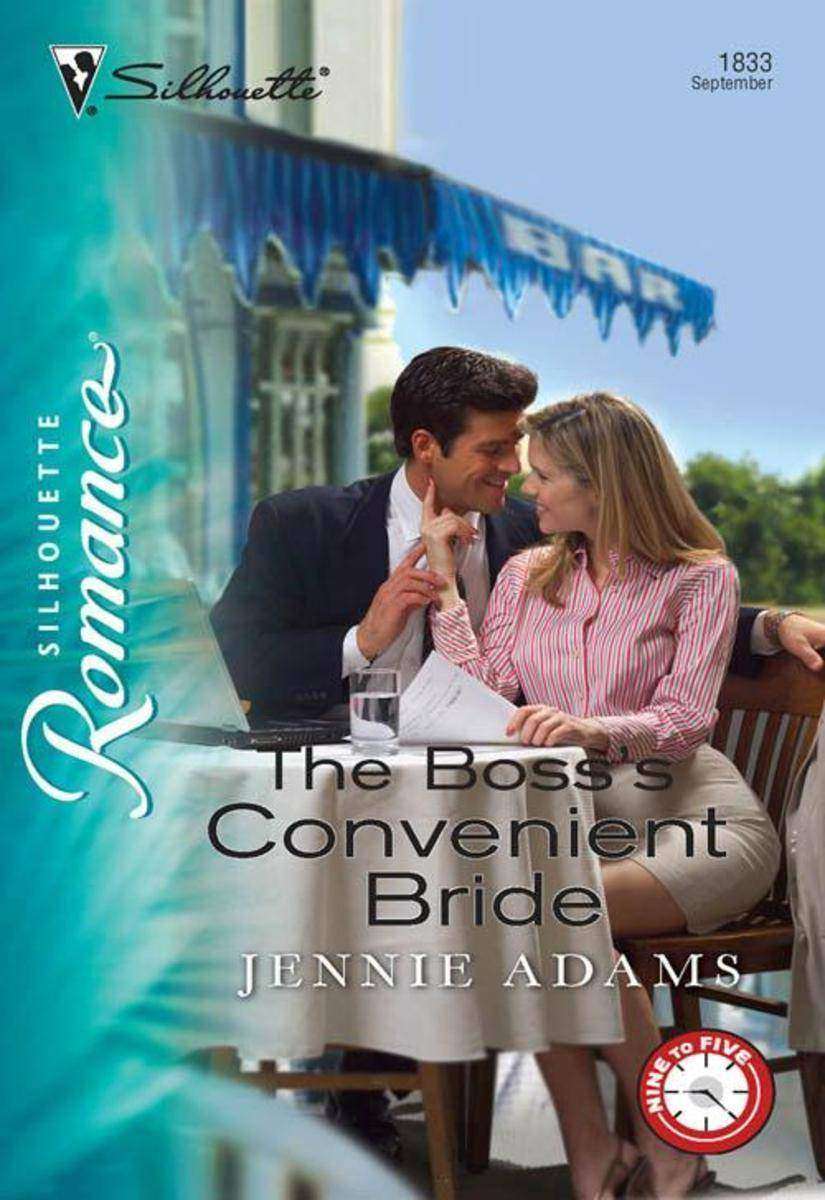
The Boss's Convenient Bride (Mills & Boon Silhouette)
¥21.09
Claire Dalgliesh is shocked–no, stunned–when Jier cool, controlled boss declares that he needs a convenient wife–and the woman he's selected for Ithe job is her! Claire may have a crush the size of Australia on her gorgeous boss, Nicholas Monroe, jbut she's not going to walk up the aisle with him. Not without love. Claire soon discovers she has ,no choice but to throw herself headlong into the wedding preparations. But what will Nicholas do when he discovers Claire's secret: that she has no intention of becoming his wife…?
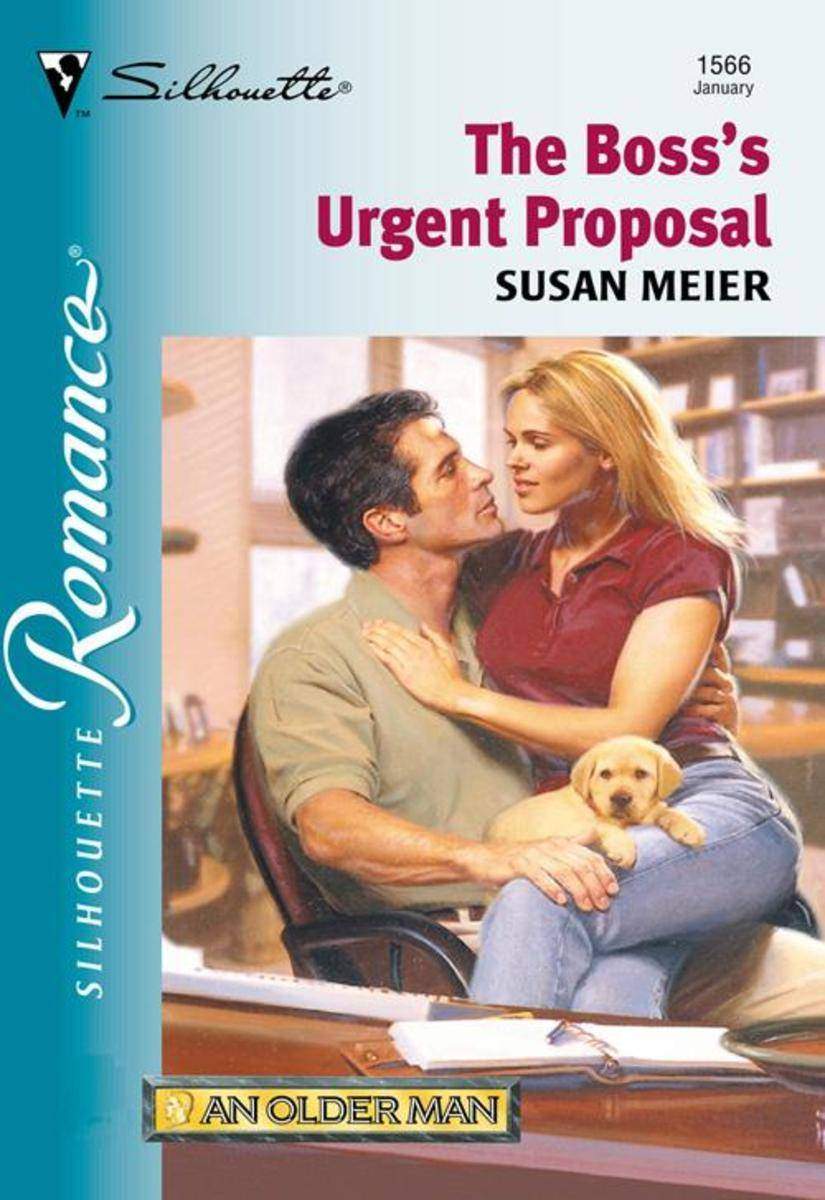
The Boss's Urgent Proposal (Mills & Boon Silhouette)
¥31.10
Olivia Brady was head over heels in love with her breathtaking boss, Josh Nicholson…but he had no idea. And four years of loving the eye-catching executive from afar had taught her that it was time to move on. But when Josh learned that his ace secretary was leaving town, he demanded she stay…under his roof! Now with the blond beauty at arm's length, Josh suddenly realized that he wanted her for more than her excellent organizational skills…but a commitment was out of the question. Would Josh ever put his doubts of love aside and allow Olivia's steamy kisses to touch his hardened heart?

Dawn In My Heart (Mills & Boon Silhouette)
¥31.10
A prequel to Winter Is Past.

Exception to the Rule (Mills & Boon Silhouette)
¥31.10
You can't go home again… But apparently Kimmer Reed had to. The government had hidden a young computer mastermind who held the key to the country's defense right in Kimmer's hometown. Now, if the Hunter Agency's top operative hoped to keep the government's secrets safe, she had to cozy up to the people she'd once left behind to discover just what the bad guys knew. And the good guys, too. Because mastermind Caroline Carlsen had a self-appointed bodyguard in her cousin Rio Carlsen. Ex-CIA Rio might have made a good ally–if Kimmer had been allowed to tell him they were on the same team. Instead, she had to shadow his every move, watching while he walked comfortably in a world that had been lost to her. A world of family and connection. A world Kimmer would do anything to regain.
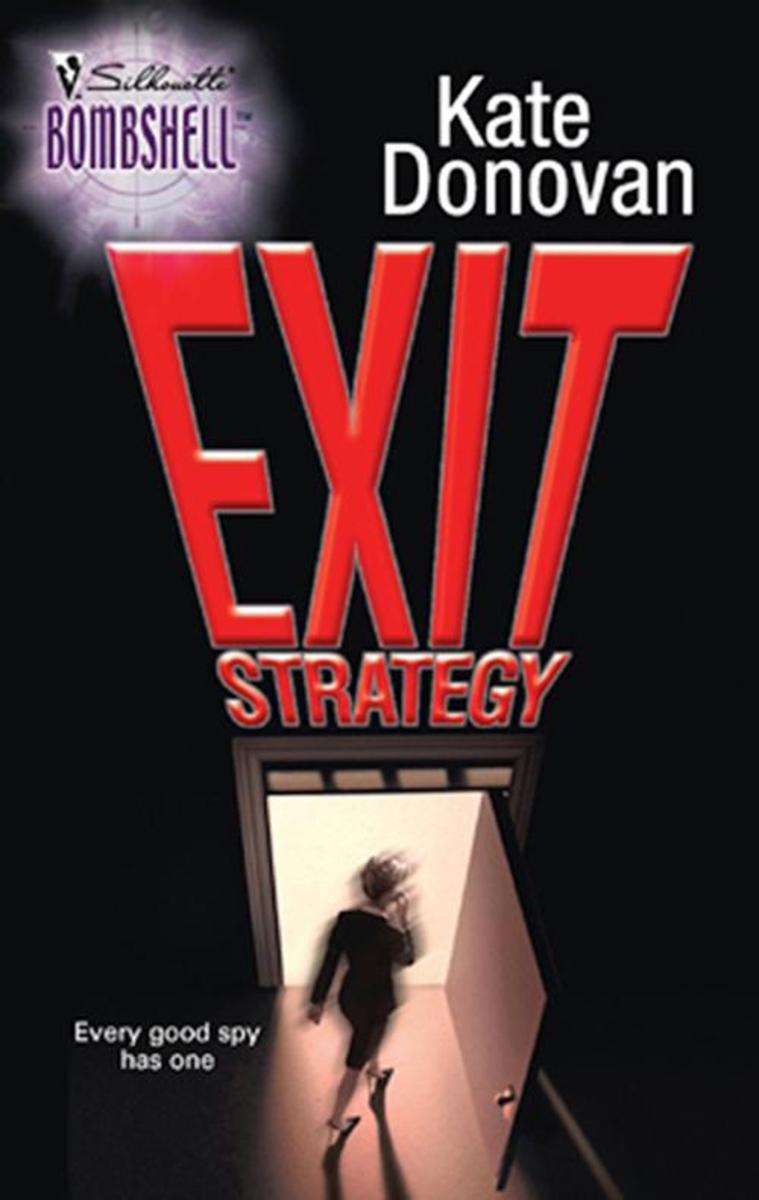
Exit Strategy (Mills & Boon Silhouette)
¥31.10
Rookie agent Miranda Cutler had looked up to superspy Ray Ortega. Her thanks? He'd seduced her, then left her holding the bag for an ill-fated op that nearly ruined her career while he went into selfimposed exile. One year later, the CIA wanted Miranda to lure Ortega back for a mission so risky, they said only he could handle it. Miranda had a better idea. She would infiltrate the militant group suspected of creating a dangerous new weapon, salvaging her career and ridding herself of Ortega's ghost in one burst of glory. Her assignment to approach Ortega gave her a way in. But nothing could prepare Miranda for what would happen when it was time to get out….
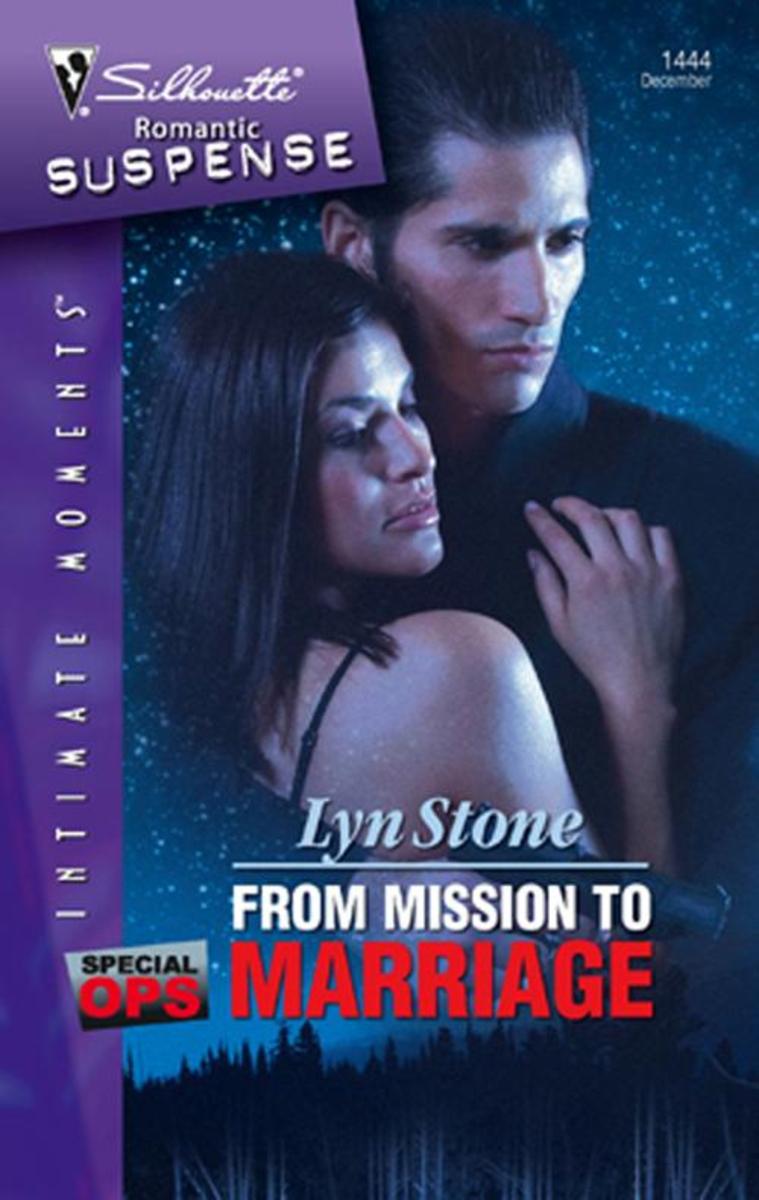
From Mission To Marriage (Mills & Boon Silhouette)
¥23.25
Determined to stop a bitter man from decimating a mountain community, Special Ops agent Clay Senate pairs with FBI agent Vanessa Walker. Clay is a loner, but Vanessa's beauty and outgoing personality soon undermine his defenses. It's not long before her appreciation for their shared Native American heritage unleashes a long-denied need in him. Vanessa senses that Clay is hunting for more than just a killer. Accustomed to taming wild animals, she thinks she can tackle both his needs. But as the hunt grows deadly and passions flare, Vanessa faces her most challenging assignment–turning this temporary mission into a lifelong marriage.

Get Blondie (Mills & Boon Silhouette)
¥15.30
HOW MANY BLONDES DOES IT TAKE TO BRING THE BAD GUYS TO JUSTICE? Only one, if you're talking about gutsy Cassandra Newton. She'd put worse criminals behind bars than the street thugs she now dealt with as a Kansas City cop. But her life as a secret agent was behind her–until Kane McNabb showed up. The agency needed her to take down a suspected drug lord with a weakness for leggy blondes. It was no mistake they'd sent her former partner and lover to persuade her. After all, she owed him. But after this, she and Kane were even–because no one gets Blondie for free….
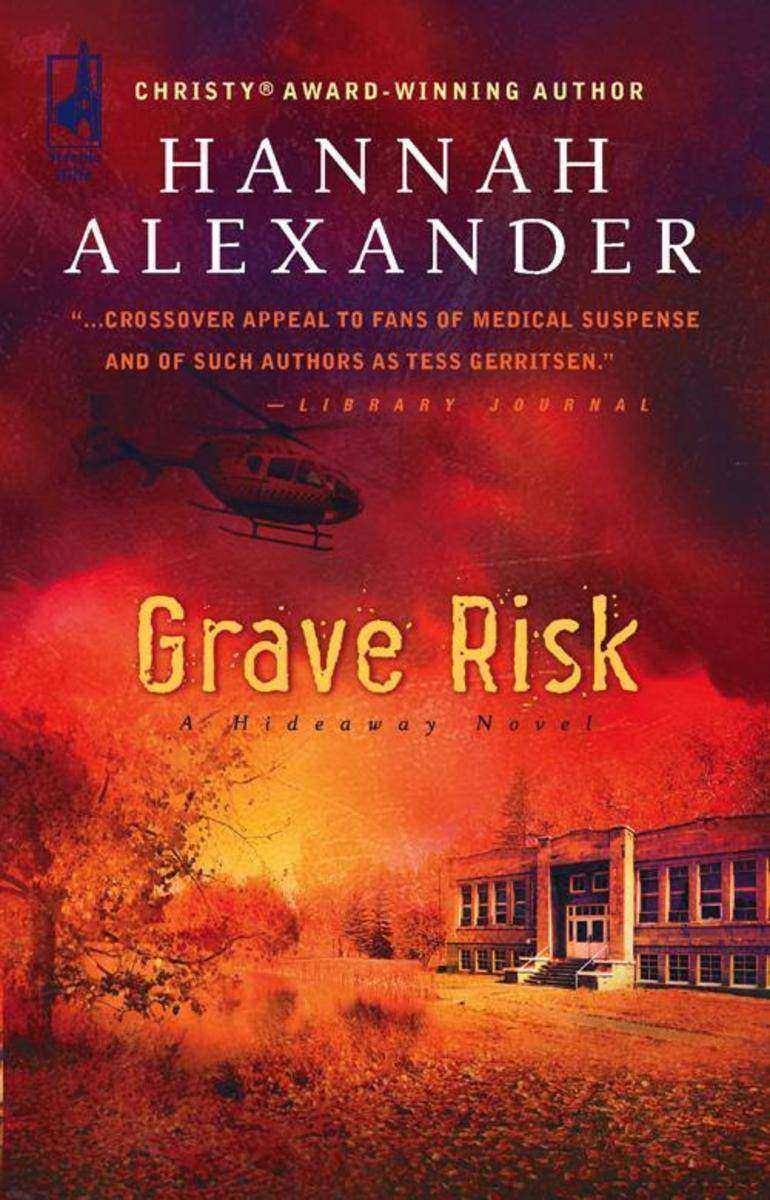
Grave Risk (Mills & Boon Silhouette)
¥31.10
It was a tragedy for the entire town: beloved high school principal Edith Potts collapsed and quickly died. For nurse Jill Cooper, it was a crushing loss–and the first of many shocks. Two former sweethearts have suddenly returned to town, reawakening all her youthful traumas, secrets and dreams. Then another death occurs. It appears accidental, but is it? Is everything a coincidence? Or could it all possibly be connected to another murder, three decades ago? Before it's over, Jill will have to look hard at her troubled history, question her sanity, her faith…and face the deepest secrets in her heart.


