


 购物车
购物车 个人中心
个人中心

Literatura rom?n? – acas?
¥44.96
Lire un livre, parcourir page après page un volume de bandes dessinées, suivre un film même, tout cela ressemble bien à l’aventure de parcourir un chemin. Lorsque le livre est composé de plusieurs volumes, lorsqu’une foule de contes secondaires se mêlent à l’histoire principale, le chemin semble être, de plus, plein d’aventures, parce qu’il faut faire un long voyage, entouré par des paysages miraculeux, il faut faire des détours surprenants, il faut passer des ponts et des viaducs. Le deuxième volume de la série Un c?ur de Petite Grenouille, intitulé Les premiers pas vers l’?ge m?r, introduit d’une manière tout à fait impressionnante des éléments mythologiques, appartenant - les uns au christianisme primitif et folklorique, quelques-uns au paganisme, dans ce conte ? réaliste ? en quelque sorte, même s’il est écrit dans la manière du fantastique et du miraculeux. Pour le lecteur, quel que soit son ?ge, la lecture de ces volumes est une délectation, à coup s?r. Pour le lecteur jeune et très jeune, pour celui qui ne sait pas encore lire et auquel on lit, c’est aussi ? un livre d’enseignement ?, par l’intermède duquel il peut s’expliquer aussi ce qui dépasse la première étape de la réception ou il peut entrer en contact avec la dimension éthique de notre existence dans le monde.
Iluziile literaturii ?i deziluziile criticii
¥80.52
Proasp?t ajuns? ?n Japonia, Adriana ?ncearc? s? se integreze ?n via?a studen?easc?, cu rezultate ?ndoielnice. ?n cele din urm?, ??i g?se?te locul ?n r?ndul celorlal?i studen?i str?ini: australieni petrec?re?i, englezi plini de ei, finlandezi scandalagii ?i, bine?n?eles, singurul alt rom?n pe care ?l ?nt?lne?te acolo. ?mpreun?, exploreaz? temple, ?ncearc? diverse chimonouri, particip? la ceremonii, viziteaz? cluburi de jazz ?i travesti?i ?i filosofeaz? pe tema eternei fascina?ii japoneze. O perspectiv? plin? de umor asupra frumuse?ii, frustr?rilor ?i nebuniei vie?ii ?ntr-una dintre cele mai admirate culturi din lume.
Scrieri (1914-1926)
¥40.14
M-am n?scut ?n F?lticeni, unde am urmat cursurile gimnaziale ?i liceale la Colegiul Na?ional ?Nicolae Gane”. Apoi, ?n Ia?i, am urmat cursurile ?nv???m?ntului superior ?i am absolvit dou? facult??i, una cu profil tehnic, iar alta cu profil non-tehnic. De peste 23 de ani tr?iesc ?n Ia?i, pe care l-am iubit din momentul ?n care am cobor?t din trenul care m? aducea din ora?ul natal. Am ?tiut de pe atunci c? voi r?m?ne aici. Aici m-am maturizat, am iubit ?i ur?t deopotriv?, aici am cunoscut pentru prima dat? sentimentul minunat de a fi tat?.
Othello / Othello, Moor of Venice (Edi?ie bilingv?)
¥57.14
First published in 1850, The Scarlet Letter is Nathaniel Hawthorne's masterpiece and one of the greatest American novels. Its themes of sin, guilt, and redemption, woven through a story of adultery in the early days of the Massachusetts Colony, are revealed with remarkable psychological penetration and understanding of the human heart.?The book's immediate and lasting success are due to the way it addresses spiritual and moral issues from a uniquely American standpoint. In 1850, adultery was an extremely risqué subject, but because Hawthorne had the support of the New England literary establishment, it passed easily into the realm of appropriate reading. It has been said that this work represents the height of Hawthorne's literary genius, dense with terse descriptions. It remains relevant for its philosophical and psychological depth, and continues to be read as a classic tale on a universal theme.
Cinci decenii de experimentalism. Compendiu de poezie rom?neasc? actual?. Volumu
¥24.44
M-am n?scut ?n F?lticeni, unde am urmat cursurile gimnaziale ?i liceale la Colegiul Na?ional ?Nicolae Gane”. Apoi, ?n Ia?i, am urmat cursurile ?nv???m?ntului superior ?i am absolvit dou? facult??i, una cu profil tehnic, iar alta cu profil non-tehnic. De peste 23 de ani tr?iesc ?n Ia?i, pe care l-am iubit din momentul ?n care am cobor?t din trenul care m? aducea din ora?ul natal. Am ?tiut de pe atunci c? voi r?m?ne aici. Aici m-am maturizat, am iubit ?i ur?t deopotriv?, aici am cunoscut pentru prima dat? sentimentul minunat de a fi tat?.
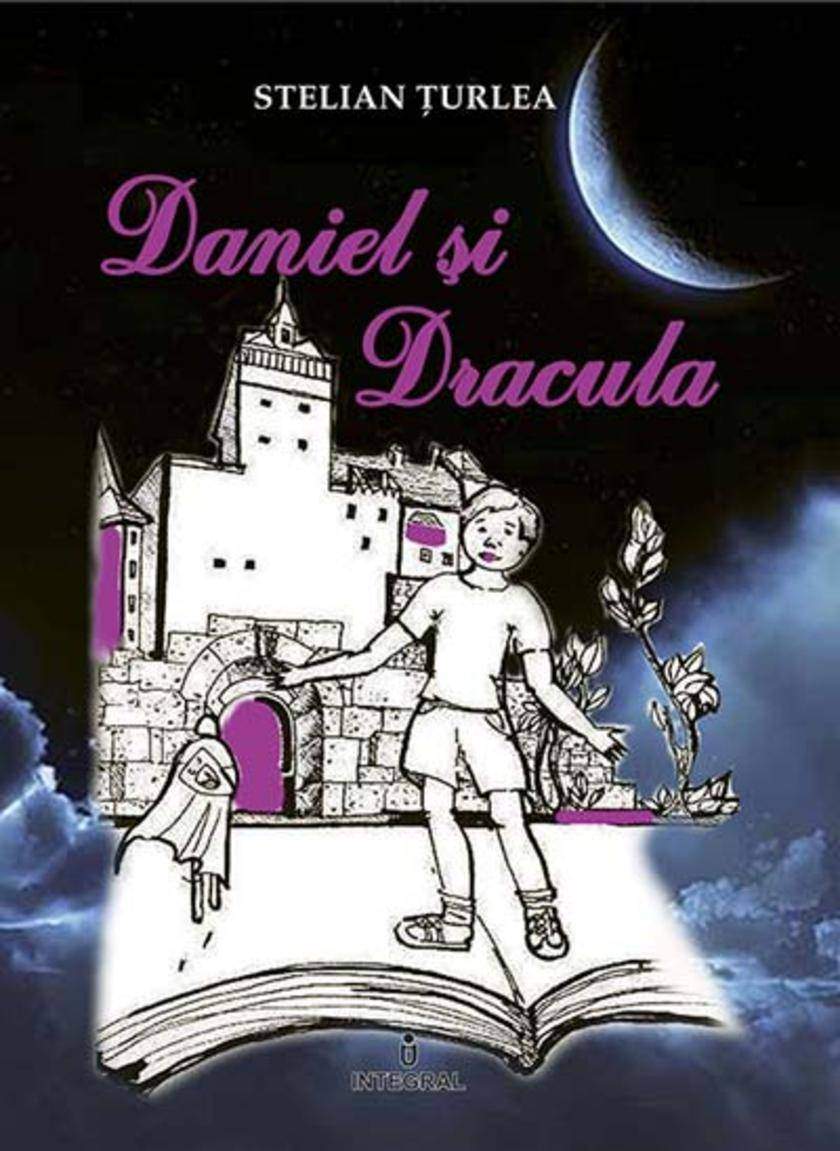
Daniel ?i Dracula
¥24.44
The Man in the Iron Mask tells a story based on historic facts. In 1661, King Louis XIV of France had his minister of finances - Nicolas Fouquet - arrested for embezzlement. Also in that year, Louis successfully wooed a young handmaiden named Louise, which caused some stir. In this novel, Dumas gives us the secret history behind these facts, and it is no surprise that the story involves his famous Four Musketeers.More specifically, Aramis becomes privy to the fact that Louis has a twin brother languishing in the Bastille, and he attempts to switch the two. The novel details his fascinating and rather intricate plot to pull this off, as well as how the other Musketeers fit into the plan.The first couple of pages concern mainly the aforementioned historic events, and its a bit of reading before you get to the meat of the action.This book is highly recommended - it will become part of your life, the way some good books can.If you love literature, if you love stories of complex intrigue, and especially if you love the Four Musketeers, you HAVE to read this book at least once in your life!

Programul de 30 de zile pentru o inim? mai puternic?.
¥90.84
(asta nu e poezie, ve?i spune a?a e, ave?i perfect? dreptate e ?ip?t)
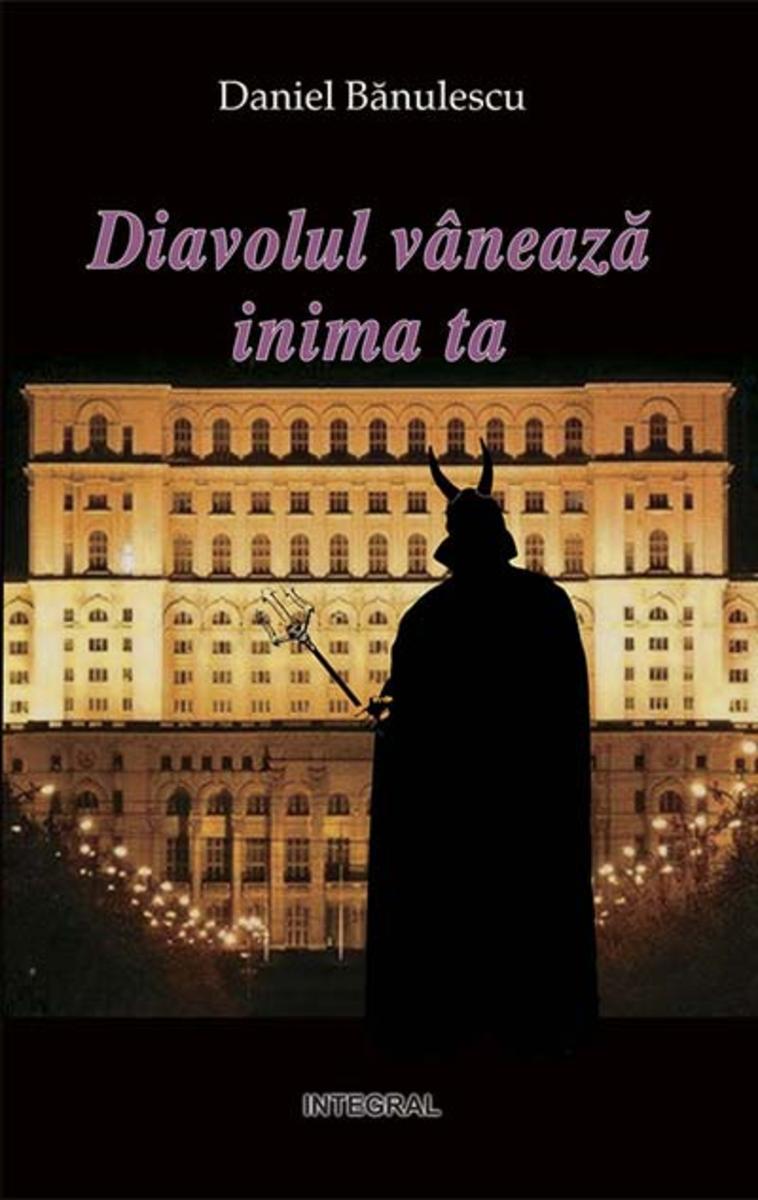
Diavolul v?neaz? inima ta
¥57.14
Around the Moon, Jules Verne's sequel to From the Earth to the Moon, is a science fiction novel which continues the trip to the moon which was only partially described in the previous novel. It was later combined with From the Earth to the Moon to create A Trip to the Moon and Around It. Having been fired out of the giant Columbiad space gun, the Baltimore Gun Club's bullet-shaped projectile, along with its three passengers, Barbicane, Nicholl and Michel Ardan, begins the five-day trip to the moon. A few minutes into the journey, a small, bright asteroid passes within a few hundred yards of them, but does not collide with the projectile. The asteroid had been captured by the Earth's gravity and had become a second moon.

Caietul 10. 1932-1935. Filosofia lui Benedetto Croce
¥28.20
Treasure Island is an adventure novel, a thrilling tale of "buccaneers and buried gold." Traditionally considered a coming of age story, it is an adventure tale of superb atmosphere, character and action, and also a wry commentary on the ambiguity of morality—as seen in Long John Silver—unusual for children's literature then and now.?
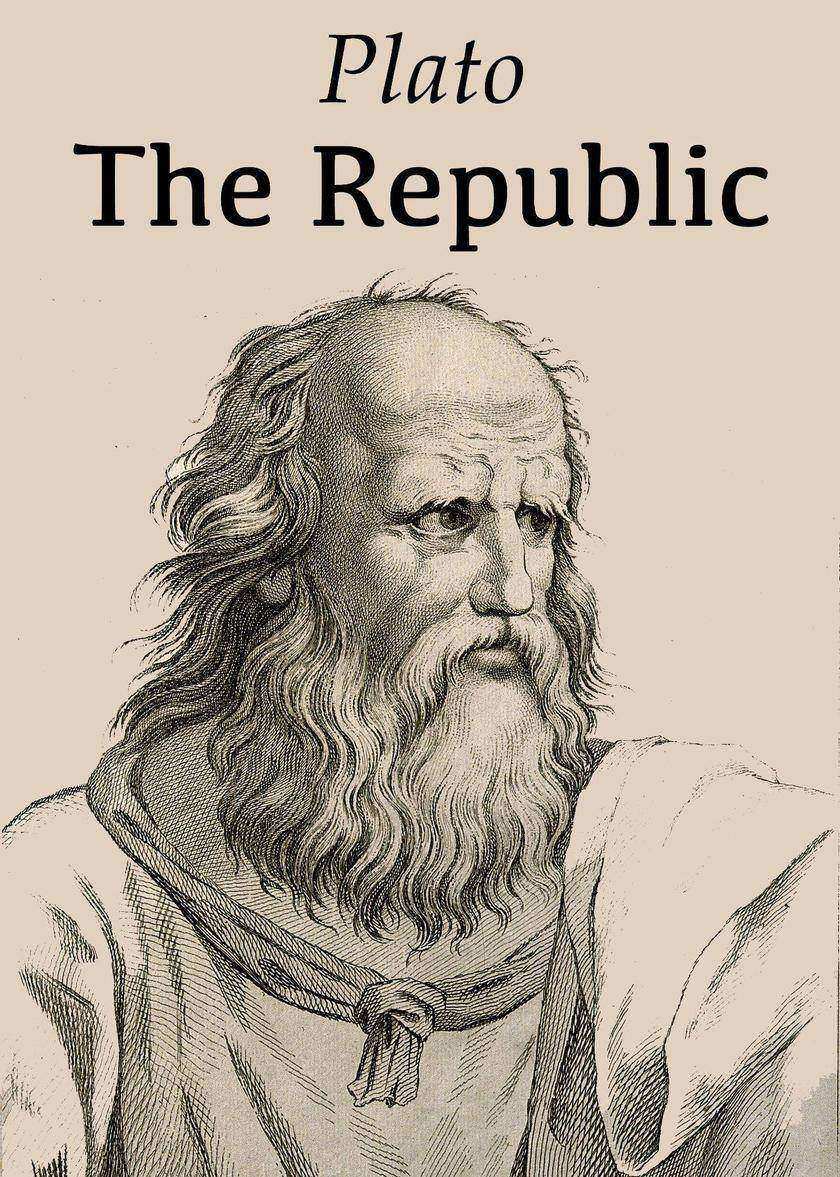
The Republic
¥8.09
Robin Hood is the archetypal English folk hero; a courteous, pious and swashbuckling outlaw of the medi?val era who, in modern versions of the legend, is famous for robbing the rich to feed the poor and fighting against injustice and tyranny.?This is probably one of the most beautiful digital version ever made of this story, containing many gorgeous illustrations.
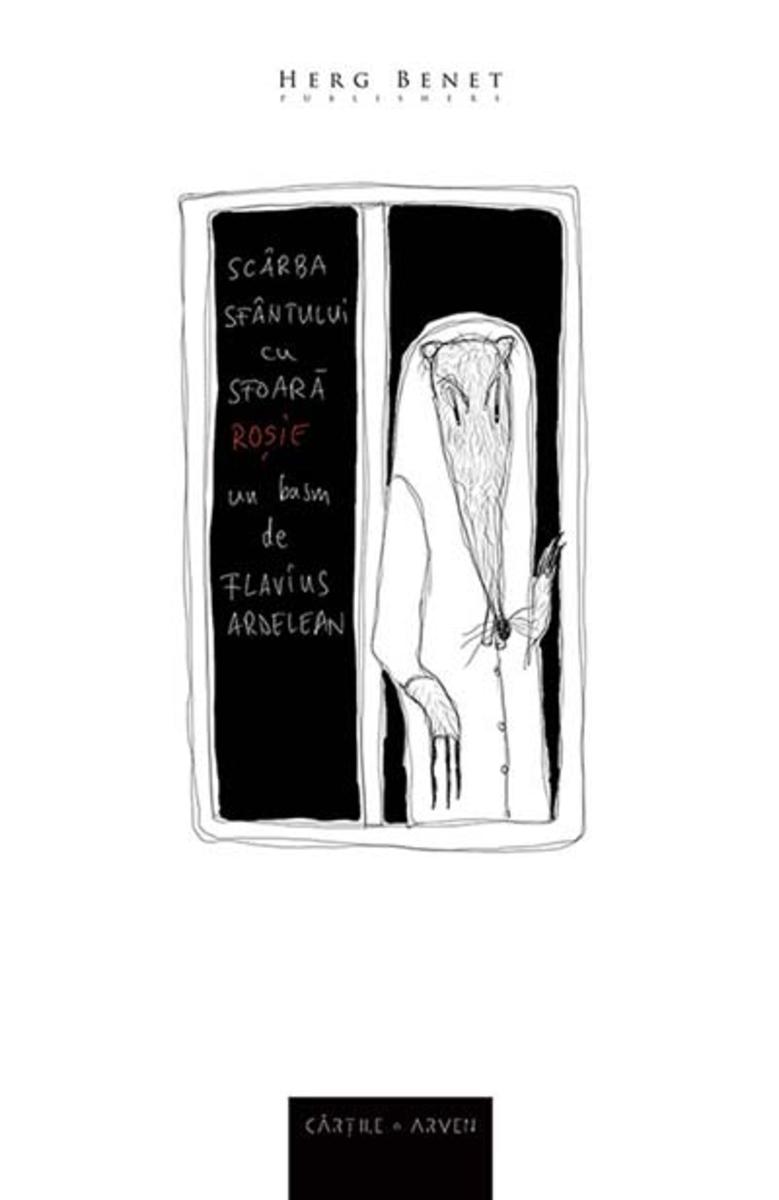
Sc?rba sf?ntului cu sfoar? ro?ie
¥57.14
n viitor, nu mai exist boal. Nu mai exist rzboi. Nu mai exist nemulumire. Toi cetenii sunt membri supui ai Guvernrii Globale. ns o singur var este pe cale s schimbe totul. Keeva Tee tocmai a mplinit cincisprezece ani. Este pe punctul de a pleca n multateptata excursie la Tabra Monarch, pentru a primi imprimarea celui care i-a fost desemnat partener de via. Dar n clipele fericite i lipsite de griji petrecute n Comunitatea Oceanic a auzit i zvonurile de temut despre “anomalii” – ceteni care nu pot fi imprimai. Iar cnd Keeva ajunge la Tabra Monarch, cel mai ntunecat comar al ei devine realitate – este i ea o anomalie. Din acel moment, ncepe s se ndoiasc de toate convingerile din trecut. Dac libertatea i individualitatea au fost sacrificate de dragul siguranei Gsind un avertisment scrijelit sub patul din tabr, Keeva ncepe s neleag: revolta va fi pedepsit, dezacordul nu este o opiune, iar rzvrtiii vor fi anihilai. O carte vibrant” (Russel Brand) O aventur ameitoare” (Max Beesley) O poveste cu un ritm alert i captivant care confirm c trebuie s luptm pentru ceea ce ne face pe fiecare dintre noi speciali i unici.” (Randy Jackson)

Moby Dick
¥8.09
WHITE FANG is a novel by American author Jack London - and the name of the book's eponymous character, a wild wolfdog. "So he became the enemy of his kind, domesticated wolves that they were, softened by the fires of man, weakened in the sheltering shadow of man's strength." —White Fang Jack London's The Call of the Wild, White Fang is the story of a wild dog's journey toward becoming civilized in the Canadian territory of Yukon at the end of the nineteenth century. White Fang is characteristic of London's precise prose style and innovation use of voice and perspective. Much of the novel is written from the viewpoint of the animals, allowing London to explore how animals view their world and how they view humans. White Fang relies on his instincts as well as his strength and courage to survive in the Yukon wilderness—despite both animal and human predators—and eventually comes to make his peace with man. White Fang has been adapted for the screen numerous times, including a 1991 film starring Ethan Hawke.

Neverland
¥57.14
Atunci c?nd Rosemary Harper se al?tur? echipajului de pe Wayfarer, a?tept?rile nu ?i sunt foarte mari. Dincolo de peticele pe care ar trebui s? le capete c?t mai cur?nd, Wayfarer este o nav? m?runt?, aparent lini?tit?, r?t?cit? ?n birocra?ia megacorpora?iilor ?i, cel mai important, potrivit? pentru ca Rosemary s? se distan?eze de problemele din trecut. Iar personalit??ile at?t de distincte ?i rasele at?t de diverse ale noilor s?i colegi (de la excesiv de amabila Sissix, la Kizzy ?i Jenks, perechea nedesp?r?it? de tehnicieni ce c?rpesc m?runtaiele navei) pot fi ?n acela?i timp ?i motiv pentru certuri haotice, ?i baza unor noi prietenii care ar fi p?rut imposibil de legat. Una peste alta – locul perfect pentru ea. Totul p?n? ce Ashby, nobilul c?pitan, accept? comisionarea unei lucr?ri extrem de profitabile: construirea unui tunel hiperspa?ial c?tre o planet? ?ndep?rtat?. Oportunitatea le-ar asigura tuturor independen?a financiar?, asta dac? ar putea supravie?ui lungului ?i primejdiosului drum prin galaxia marcat? de o pace fragil?. ?ns? Rosemary nu este singura care are secrete de ascuns, iar ?ntreg echipajul va descoperi c? spa?iul este vast, iar propria nav? cu adev?rat mic?… ?Un tur de for?? profund ?i uman.“ — The Guardian ?Un roman care poate readuce ?ncrederea ?n science-fiction.“ — Tor.com ?Mai mult dec?t orice, este scris cu pl?cere ?i pl?cut de citit.“ — Claire North Nominalizare la premiile Kitschies 2015 pentru ?Cel mai bun debut“ Nominalizare la Baileys Women’s Prize for Fiction 2016 Nominalizare la Tiptree Award 2015 Nominalizare la British Fantasy Awards 2016, categoria ?Best Newcomer“ Nominalizare la premiile Arthur C. Clarke 2016 Nominalizare la Grand Prix de l’Imaginaire 2016 pentru ?Cel mai bun roman ?ntr-o limb? str?in?“

Joan of Arc
¥8.09
Tanara Oriana moare intr-un accident, chiar in ziua nuntii ei. Pentru oricine, acesta ar parea sfarsitul. Nu si pentru ea. Se intoarce ca recuperator de suflete, insa nu la vechea viata si familie, pentru care trebuie sa ramana moarta, ci la una cu totul noua. Rasfatul si confortul, considerate garantate mai inainte, se duc acum pe Apa Sambetei. Va trebui sa lupte pentru a-i salva pe ceilalti, dar si pe sine. Apar noi prieteni, noi dusmani si… prima iubire? Exista viata dupa moarte? Unii vor spune ca da, altii ca nu. Dar exista un raspuns la care cu siguranta nu v-ati gandit. Exista recuperatorii de suflete. Smulsi din existentele lor, sunt aruncati in altele, neintrebati de nimeni, fara sa li se ceara acceptul. Trebuie doar sa se supuna legilor celor de Dincolo. Iar unii aleg razvratirea…

Vinova?i f?r? vin?
¥57.14
Viata de student la psihologie a lui Leinad se imparte intre sesiuni si baute ocazionale cu prietenii. Nimic iesit din comun. Pana intr-o zi cand, accidental, intra in posesia unui stick USB. Din curiozitate si, din nefericire pentru el, verifica fisierele stocate pe micul obiect. Afla informatii incredibile despre o societate secreta care facea experiente medicale pe oameni, fara ca acestia sa-si fi dat acceptul. Faptul ca ajunge sa cunoasca o tanara, studenta si ea, genul de fata peste care nu dai in fiecare zi, sufletista si inimoasa, complica si mai mult situatia tanarului, mai ales dupa ce afla ca noua lui cunostinta sufera de o boala ce ii poate fi fatala. Santaje, urmariri, situatii tragi-comice, din loc in loc, si un umor proaspat va vor determina sa deveniti fanii acestei serii.
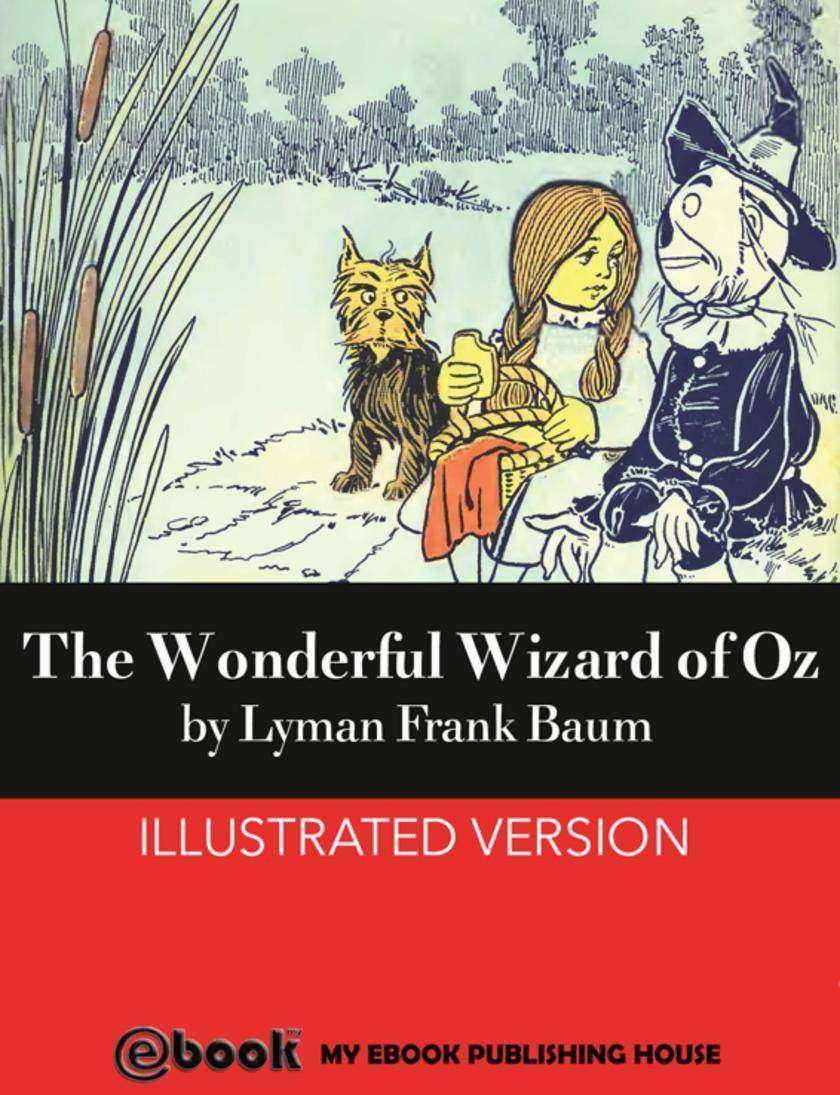
The Wonderful Wizard of Oz
¥8.09
De milenii, Veghetorii ii apara pe oameni de strigoi si de creaturile lumii de dincolo. Ana ignora regulile ce le obliga pe Veghetoare sa-si aleaga tineri la fel ca ele si intra intr-o relatie cu un barbat fermecator, dar cu un trecut intunecat. Iubitul ei ascunde insa un secret care o va pune fata in fata cu cele mai negre cosmaruri ale ei. Acesta este in realitate fiul conducatorului, un Veghetor care a fost izgonit din familie dupa ce s-a aflat ca s-a dedat unor practici interzise. Dar asta nu e cea mai mare problema a Anei...
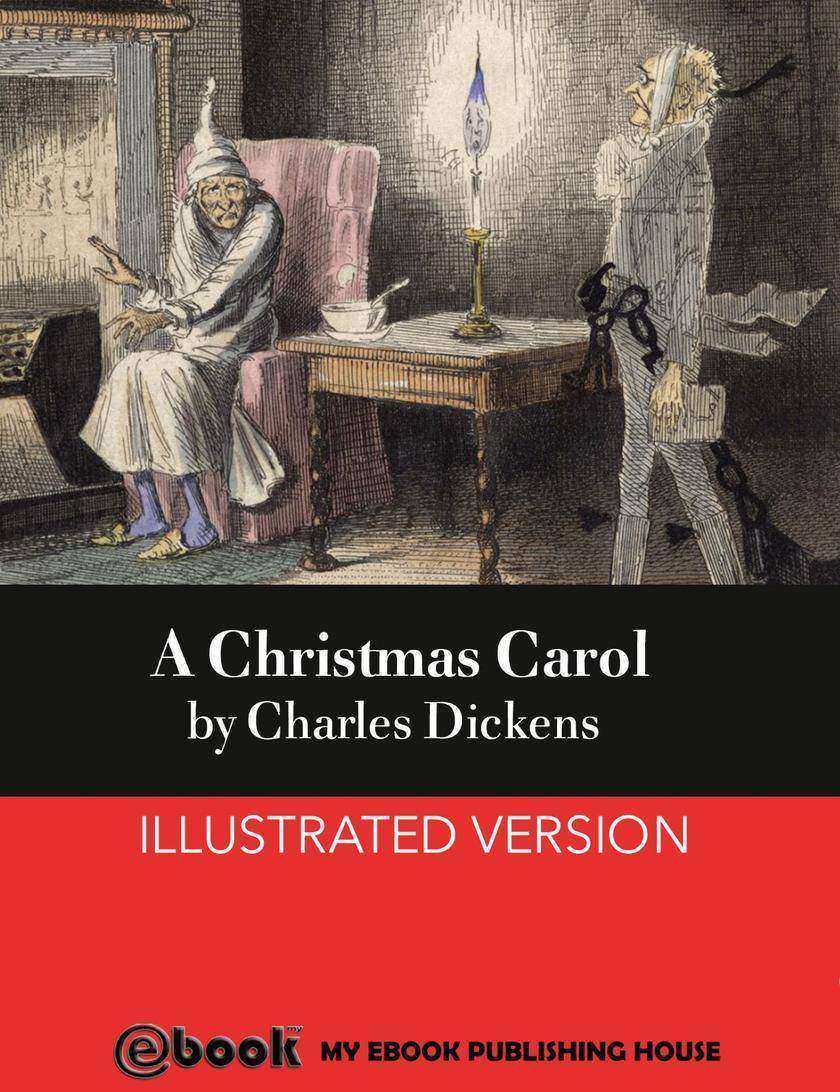
A Christmas Carol
¥8.09
Sorina este o adolescent atipica. Uneori uita. Uneori isi pierde cunostinta. Uneori se sufoca. Desi se implica in problemele infantile ale prietenilor ei si are o viata normala, Sorina traieste din intrebari si dorinta de a capata raspunsuri. Nu isi descifreaza identitatea, iar acest lucru o macina, iar halucinatiile care ii produc un rau atat phisic, cat si fizic, nu ii dau pace. Adrian este caracterizat de o veselie incredibila. Inconjurat de secrete si incertitudini, acesta face tot posibilul sa ii redea bucuria. Dar afectiunea lui ii da de banuit Sorinei si aceasta se trezeste intreband de ce un baiat pe care abia l-a cunoscut se comporta de parca ar cunoaste-o de o viata? Ii spune ca o sa ramana mereu langa ea. I-a mai promis cineva acest lucru. Dar cine?
Dragostea e pseudonimul mor?ii
¥16.35
Ei desc?lecar? atunci am?ndoi??i se iau la lupt? ca doi juni eroi.Ochii tuturora cat? cu mirareLa Buzescu Preda ?i t?tarul mare.Ei se bat la raza stelei cei de foc Flac?rile-i albe pe-a lor zale joc.V?ntul r?core?te fruntea lor udat???i m?nia dulce sufletul le-mbat?. Ei se bat ?n spade – spadele se fr?ng;??i se iau la bra?e – se smucesc se str?ng.C?nd t?tarul scoate o secure mic?Si lovind pe Preda pav?za ?i stric?.Dar el cu m?ciuca astfel ?l loviInc?t deodat? c?zu ?i muri. Iar dup? aceasta oastea rom?neasc?Pleac? ?i ?nvinge horda t?t?rasc?. Dimitrie Bolintineanu - Preda Buzescu
Geniu Pustiu
¥16.35
Exist? ?n activitatea publicistic? a lui Eminescu trei perioade distincte ?n cadrul c?rora putem fixa ?i c?teva momente mai semnificative pentru o problem? sau alta. Criteriul de baz? pe care ne ?ntemeiem ?n periodizarea noastr? ?l constituie schimb?rile intervenite ?n statutul personal al poetului ?n cursul activit??ii sale scriitorice?ti, schimb?ri care hot?r?sc ?n fond orientarea ?i caracterul ei. Publicistica eminescian? din prima perioad? se circumscrie ?ntre ianuarie 1870, c?nd public? primul articol, O scriere critic? ?n Albina din Pesta ?i mai 1876, c?nd intr? ?n redac?ia Curierului de Ia?i, foaia ie?ean?. Vom distinge aici o publicistic? a epocii studiilor universitare la Viena, c?nd Eminescu colaboreaz? la publica?iile rom?nilor din Imperiul austro-ungar ?i se situeaz? pe pozi?iile acestora ?n ap?rarea institu?iilor culturale, critic? dualismul ?i se afirm? ca un exponent al "tinerilor" ?n lupta pentru ?nf?ptuirea idealului de unitate na?ional? a poporului rom?n. Eminescu se manifest? ?n direc?ii multiple, de la articolul pe teme culturale la editorialul de orientare politic? ?i lansarea de apeluri c?tre public pentru solidaritatea na?ional?. Pozi?ia sa este a t?n?rului intelectual rom?n, ?nsufle?it de lupta poporului s?u ?i acest av?nt tineresc se reflect? ?i ?n publicistica sa. Acestei prime perioade se impune s?-i al?tur?m ?i un al doilea moment care coincide cu activitatea de bibliotecar la Biblioteca Central? din Ia?i. Activitatea publicistic? de acum este redus? ca extindere ?i are, ?n chip evident, caracter c?rtur?resc. Eminescu ?ine, tot acum, ?i conferin?a Influen?a austriac? asupra rom?nilor din Principate, ?n care sintetizeaz? ideile din articolele anterioare ?i din ?nsemn?rile din manuscrise ?i schi?eaz? un program pentru viitoarea sa activitate publicistic?. Perioada a doua a gazet?riei lui Eminescu o ?nscriem ?ntre 19 mai 1876, c?nd avem date sigure c? poetul intr? ca redactor la Curierul de Ia?i, ?i ultima s?pt?m?n? din octombrie 1877, c?nd p?r?se?te redac?ia foii ie?ene. Se produce acum o schimbare fundamental? ?n statutul personal al poetului, ?n sensul c? devine ziarist profesionist. Foaia ie?ean? era, pe de alt? parte, o publica?ie oficial?, cu o apari?ie de trei ori pe s?pt?m?n? ?i care rezerv? p?r?ii neoficiale, din cele patru pagini, una singur?. Concep?ia lui Eminescu despre menirea ziarelor este cea a ?nainta?ilor s?i Asachi, Kog?lniceanu, Alecsandri, Negruzzi, care f?ceau din publica?iile lor organe de pres? cu caracter enciclopedic. Pe acest drum merge ?i Eminescu ?i ?n acea singur? pagin? o unei foi oficiale face cronic? de politic? extern?, cronic? de politic? intern?, cronic? cultural?, cronic? dramatic? ?i artistic?. Nic?ieri ?n gazet?ria lui Eminescu nu se vede mai bine ca la Curierul de Ia?i ce poate realiza geniul cu mijloace materiale reduse ?i ?ntr-un spa?iu tipografic restr?ns. Activitatea publicistic? a poetului surprinde prin diversitatea problemelor abordate, prin seriozitatea ?i buna informare ?i prin modul de-a polemiza ?n chestiunile controversate. Aici, la Curierul de Ia?i – ?i nu la Timpul – ?l g?sim pe Eminescu cronicarul de politic? extern?, cronicarul cultural ?i cronicarul dramatic. Perioada a treia a gazet?riei lui Eminescu este cuprins? ?ntre octombrie 1877, data intr?rii ?n redac?ia Timpului, cotidianul bucure?tean, ?i iunie 1883, pr?bu?irea sa intelectual?. Aparent nu se schimb? nimic ?n statutul personal al poetului, de vreme ce trece ca ziarist profesionist de la foaia ie?ean? la cotidianul bucure?tean. ?i totu?i situa?ia nu se prezint? a?a. Poetul intr? ?n redac?ia Timpului, ca simplu redactor, cum era ?i I. Slavici, la chemarea c?ruia p?r?se?te foaia ie?ean?, trece apoi ?n fruntea ziarului, ca redactor-?ef, ca s? ocupe, ?n final, postul de prim-redactor. Eminescu ??i asum? sarcina, la intrarea ?n redac?ia Timpului, s? fac? cronica de politic? intern? ?i se ocup? cu intermiten?e de evenimentele interna?ionale ?i de mi?carea cultural?. Publicistica sa cunoa?te, sub aspectul diversit??ii, o ?ngustare evident? ?n raport cu cea de la foaia ie?ean?. Dar dac? la cotidianul bucure?tean nu ne ?nt?mpin? peisajul caleidoscopic din foaia ie?ean?, se impune aten?iei ?nc? din primele articole amplificarea discursului critic ?i verva polemic?. Publicistica eminescian? cunoa?te desf??urarea cea mai larg? ?ntre februarie 1880 ?i decembrie 1881. Acum Eminescu este redactor-?ef al cotidianului bucure?tean ?i ?l transform? ?n organ de pres? al orient?rii sale politice. Poetul sus?ine, ?n zeci de articole, primatul muncii ?n promovarea ?n ierarhia social?, ia ap?rarea "claselor pozitive" ?i critic? ?n termeni necru??tori "p?tura superpus?" ?i demagogia din via?a politic?. Eminescu p?r?se?te conducerea Timpului ?n ianuarie 1882, ca urmare a apropierii "sincerilor conservatori" de "sincerii liberali" ?i a form?rii "opozi?iei coalizate". Poetul trece r?spunderea conducerii ziarului lui Grigore G. P?ucescu, membru marcant al "opozi?iei coalizate" ?i r?m?ne prim-redac
Amintiri
¥16.35
Cu totul nea?teptat, Susan Morrow prime?te manuscrisul unui roman scris de Edward, so?ul de care a divor?at ?n urm? cu dou?zeci ?i cinci de ani. Pe m?sur? ce cite?te, Susan ?i, odat? cu ea, cititorul ?nsu?i p?trund din ce ?n ce mai ad?nc ?n via?a personajului principal al romanului din roman, profesorul de matematic? Tony Hastings, care c?l?tore?te ?mpreun? cu so?ia ?i fiica lui spre casa lor de vacan??. ?n vreme ce via?a obi?nuit?, civilizat?, a familiei Hastings cade prada violen?ei ?i crimei, o sumedenie de amintiri tulbur?toare o arunc? pe Susan ?napoi ?n trecut, provoc?nd-o s? se confrunte cu tenebrele propriei vie?i ?i cu teama care ?i amenin?? viitorul. Un thriller cutremur?tor se ?mbin? astfel cu o poveste despre team? ?i regret, despre r?zbunare ?i ?mb?tr?nire, despre c?s?torie ?i creativitate.Cu un talent literar unic, Austin Wright ilustreaz? fascinant? experien?? a lecturii, prin rela?iile pe care le creeaz? at?t ?ntre cititor ?i oper?, c?t ?i ?ntre autor ?i cititor, ?ntr-o scriere surprinz?toare ?i pasionant?.

Dear Darlin'. Namor
¥32.62
E la mijloc un mister negru. erpuitor. Cu femei puternice, regsindu-se n albia nopilor. Cu brbai pierdui n hiurile existenei. Cu adolesceni care asist gur-casc la felul n care morii dau buzna n existena de zi cu zi. Sunt pagini dense, pe mari poriuni memorabile, de un erotism subtil, nvalnic, mpuns de botul fraged al morii care-este-pretutindeni. Madeleine Davidsohn are lejeritatea i familiaritatea lucrurilor artate la lumina zilei de creatorii obiectelor artizanale, confecionate cu o art motenit din tat n fiu, ce-i transmit reciproc secretele meseriei, trucurile tiute exclusiv de membrii clanului de meseriai.“ – Aura Christi


