


 购物车
购物车 个人中心
个人中心
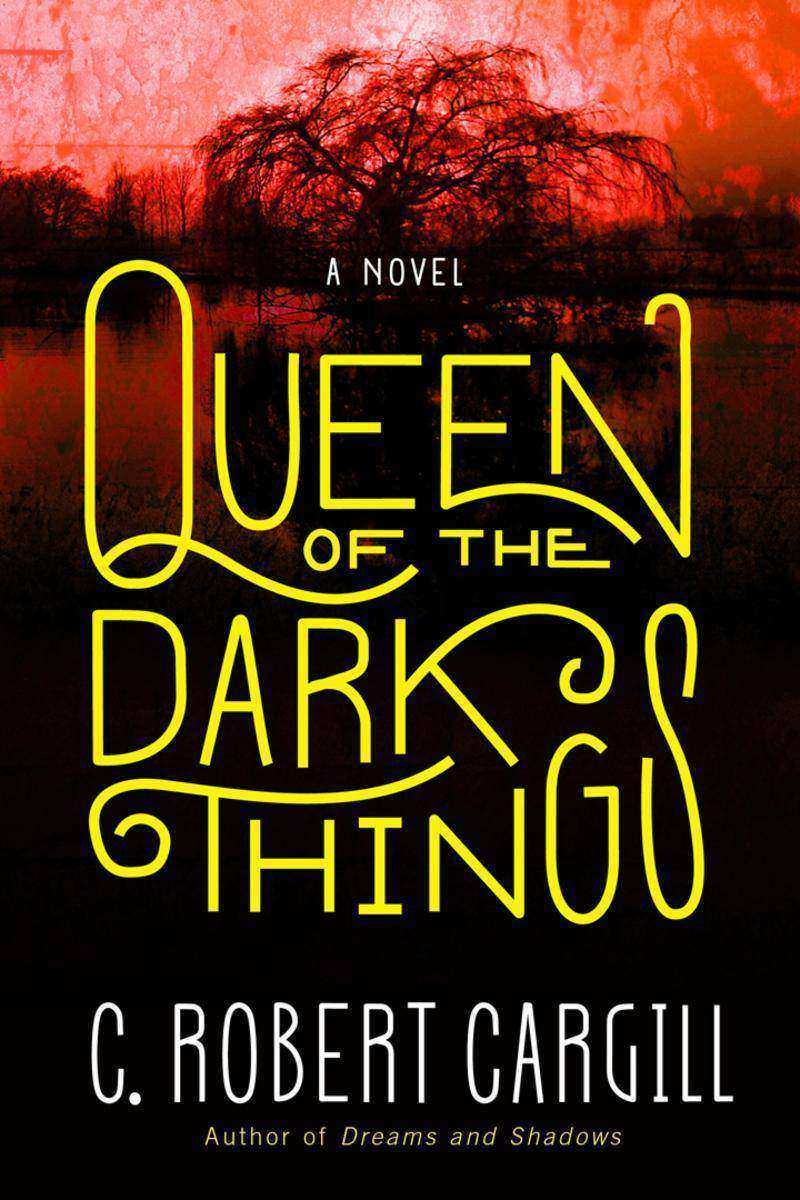
Queen of the Dark Things
¥88.56
Screenwriter and noted film critic C. Robert Cargill continues the story begun in his acclaimed debut Dreams and Shadows in this bold and brilliantly crafted tale involving fairies and humans, magic and monsters—a vivid phantasmagoria that combines the imaginative wonders of Neil Gaiman, the visual inventiveness of Guillermo del Toro, and the shocking miasma of William S. Burroughs.ix months have passed since the wizard Colby lost his best friend to an army of fairies from the Limestone Kingdom, a realm of mystery and darkness beyond our own. But in vanquishing these creatures and banning them from Austin, Colby sacrificed the anonymity that protected him. Now word of his deeds has spread, and powerful enemies from the past—including one Colby considered a friend—have resurfaced to exact their revenge. As darkness gathers around the city and time runs out, Colby has to turn to forces even darker than those he once battled for aid.Following such masters as Lev Grossman, Erin Morgenstern, and Kim Harrison, C. Robert Cargill takes us deeper into an extraordinary universe of darkness and wonder, despair and hope to reveal the magic and monsters around us . . . and inside us.
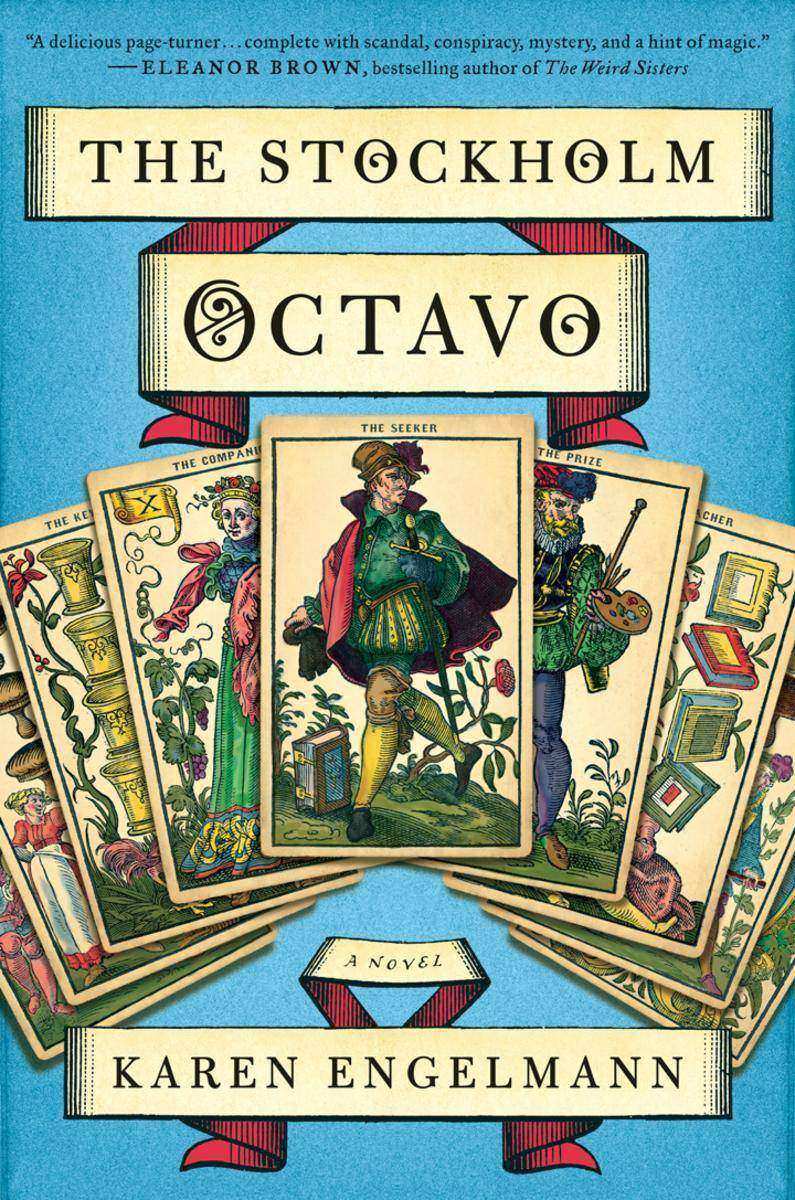
The Stockholm Octavo
¥83.92
Life is close to perfect for Emil Larsson, a self-satisfied bureaucrat in the Office of Customs and Excise in 1791 Stockholm. He is a true man of the Town—a drinker, card player, and contented bachelor—until one evening when Mrs. Sofia Sparrow, a fortune-teller and proprietor of an exclusive gaming parlor, shares with him a vision she has had: a golden path that will lead him to love and connection. She lays an Octavo for him, a spread of eight cards that augur the eight individuals who can help him realize this vision—if he can find them.Emil begins his search, intrigued by the puzzle of his Octavo and the good fortune Mrs. Sparrow's vision portends. But when Mrs. Sparrow wins a mysterious folding fan in a card game, the Octavo's deeper powers are revealed. For Emil it is no longer just a game of the heart; collecting his eight is now crucial to pulling his country back from the crumbling precipice of rebellion and chaos. Set against the luminous backdrop of late eighteenth-century Stockholm, as the winds of revolution rage through the great capitals of Europe, The Stockholm Octavo brings together a collection of characters, both fictional and historical, whose lives tangle in political conspiracy, love, and magic in a breathtaking debut that will leave you spellbound.
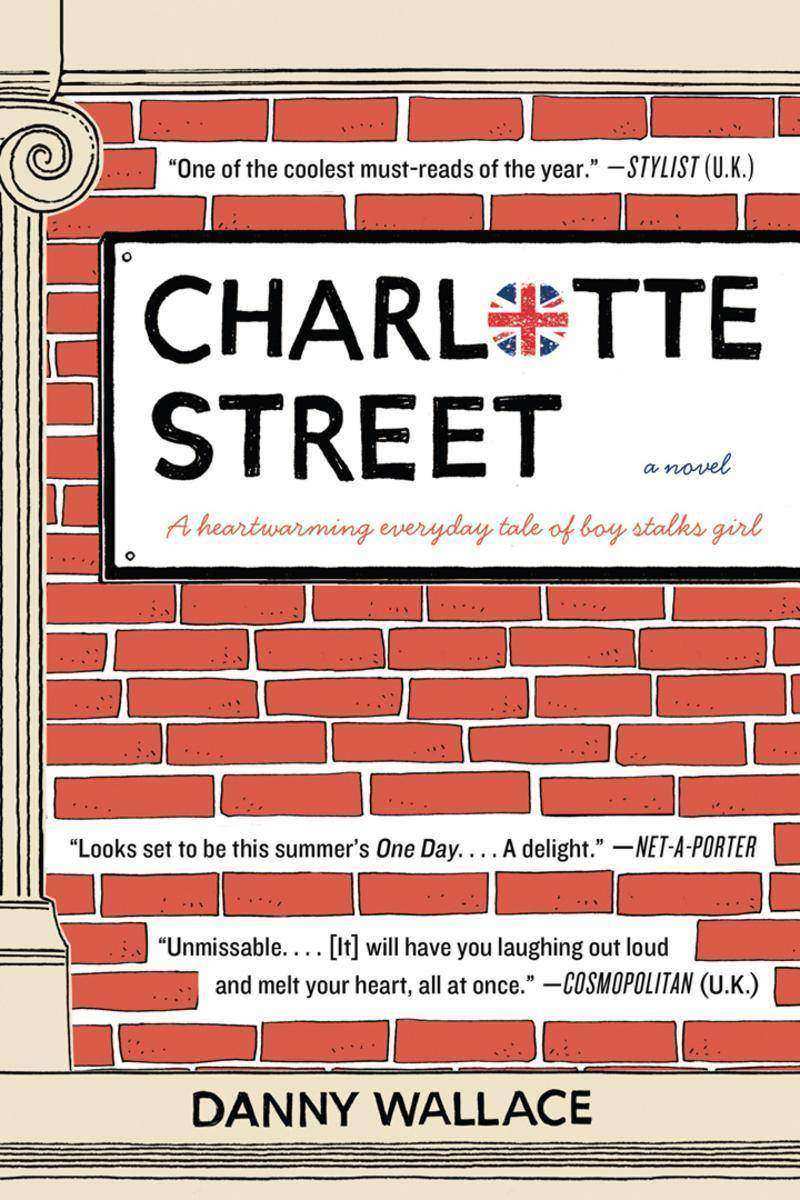
Charlotte Street
¥84.16
Jason Priestley (no, not that Jason Priestley) is in a rut. He gave up his teaching job to write snarky reviews of cheap restaurants for the free newspaper you take but don't read. He lives above a video-game store, between a Polish newsstand and that place that everyone thinks is a brothel but isn't. His most recent Facebook status is "Jason Priestley is . . . eating soup." Jason's beginning to think he needs a change. So he uncharacteristically moves to help a girl on the street who's struggling with an armload of packages, and she smiles an incredible smile at him before her cab pulls away. What for a fleeting moment felt like a beginning is cruelly cut short—until Jason realizes that he's been left holding a disposable camera. And suddenly, with prodding and an almost certainly disastrous offer of assistance from his socially inept best friend Dev, a coincidence-based, half-joking idea—What if he could track this girl down based on the photos in her camera?—morphs into a full-fledged quest to find the woman of Jason's dreams.

Flat Stanley's Worldwide Adventures #10: Showdown at the Alamo
¥28.01
Just in time to celebrate the 50th anniversary of Flat Stanley, our favorite flat hero, Stanley Lambchop, heads to Texas, where a showdown at the Alamo will make this the most exciting of all his Worldwide Adventures! In this tenth installment of Jeff Brown's humorous Flat Stanley's Worldwide Adventures series, readers will soar through unforgettable adventure, witness friendship at its best, and learn tons of fun facts about the Lone Star State! And for parents and teachers, each Flat Stanley book is aligned to the Common Core State Standards, like multicultural adventure, plot and character development story elements, and compare and contrast.In this easy-to-read and incredibly hilarious chapter book, Stanley and his friends head to the big state of Texas to visit their pal Eduardo. From rocking out onstage at a music festival, to riding a horse, to parasailing in the desert, Stanley is having the time of his life! But when a mysterious truck starts following the friends, tensions run high. Who could it beAnd what do they wantA suspenseful and surprising showdown at Texas's historic Alamo will reveal all . . . including Stanley's courageous inner cowboy.Supports the Common Core State Standards
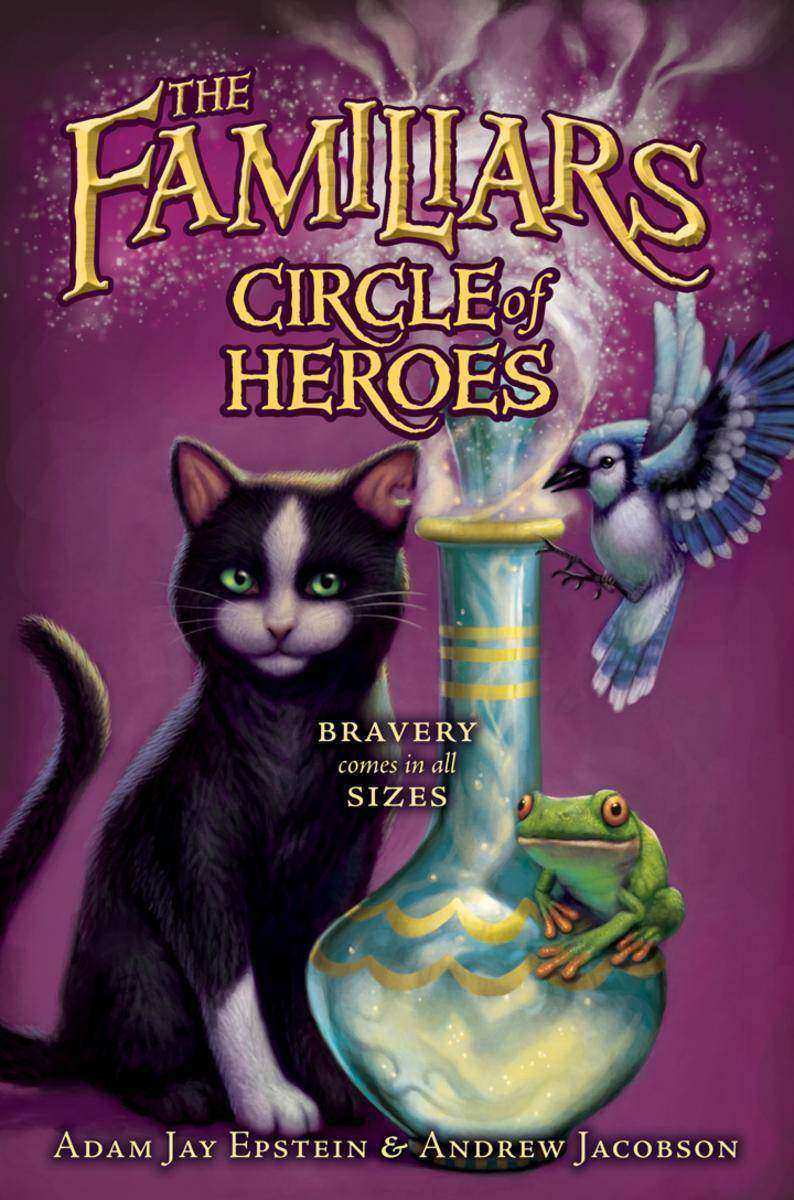
Circle of Heroes
¥38.72
Aldwyn, a street-smart alley cat, pretended he had telekinetic powers so young wizard Jack would chose him as a familiar. Aldwyn then learned that he and two other familiars—Skylar the blue jay and Gilbert the tree frog—were destined to undertake a perilous quest to defeat Paksahara, an evil hare who’d been familiar to the queen.?In Circle of Heroes, the third book of The Familiars series for middle-grade readers, Paksahara and her undead animal army control the Shifting Fortress. Aldwyn and his friends have to recapture it to return magic to the queendom of Vastia.?Fans of The Guardians of Ga’hoole series and Erin Hunter’s Warriors books will love the mix of humor, magic, and animal adventure story in Circle of Heroes by Adam Jay Epstein and Andrew Jacobson.
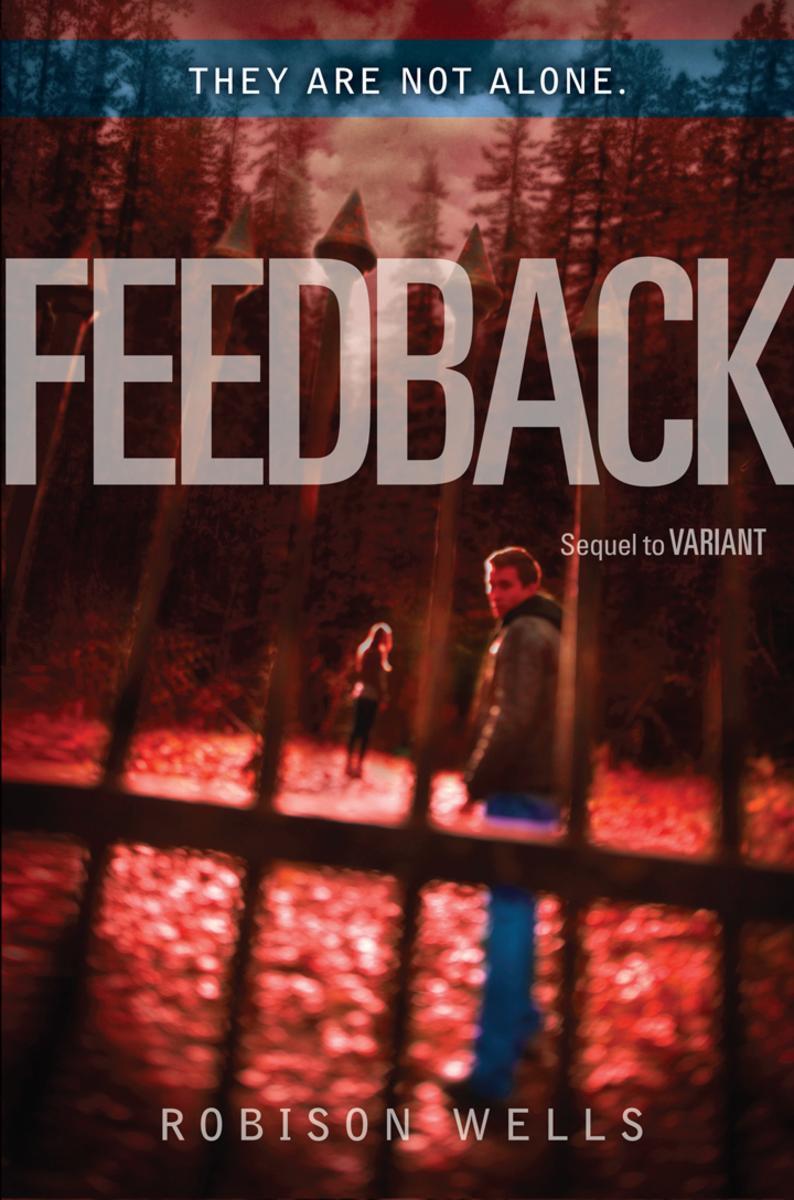
Feedback
¥60.87
Perfect for fans of James Dashner's The Maze Runner, Feedback is the heart-stopping sequel to Variant—which Pittacus Lore, author of I Am Number Four, praised as "an intense journey with some of the most shocking twists and turns I've ever read."Benson Fisher escaped from Maxfield Academy's deadly rules and brutal gangs. He thought that the worst was over.But now Benson is trapped in a different kind of prison—a town filled with familiar faces. Classmates from Maxfield who Benson had seen die. Friends he was afraid he had killed.They are all pawns in the school's twisted experiment, held captive and controlled by an unseen force. And while Benson struggles to figure out who, if anyone, can be trusted, he discovers that Maxfield Academy's plans are darker than anything he imagined—and they may be impossible to stop.

Hidden
¥55.33
Fans of Maggie Stiefvater and Colleen Houck will love this epic tale of forbidden romance and nail-biting action from New York Times bestselling author Sophie Jordan.In the climactic finale to the steamy Firelight series, Jacinda must fight to save her life, her love, and all of her kind.If Jacinda were to follow the wishes of her community, she'd happily settle down with Cassian, the prince of her pride. But she just can't. She's in love with Will, a human boy who comes from a family of hunters. Their relationship breaks the most sacred rule and endangers everyone she cares about. Now Jacinda, Will, and Cassian fight back against the hunters and their shadowy allies who would destroy them all. . . .

A Long Way from You
¥49.79
For too long, Kitsy has had to satisfy her dreams of becoming a real artist by giving her friends makeovers before prom. So when her best friend Corrinne's family offers to sponsor her for a summer art course in New York City, Kitsy bids a temporary good-bye to Texas to say hello to the West Village.Between navigating the subway and the New Yorkers—namely, the Art Boy who has a nice trick of getting under her skin—Kitsy knows that this summer is going to be about a lot more than figure drawing.

AWOL
¥83.03
Military service was once taken for granted as a natural part of good citizenship, and Americans of all classes served during wartime.Not anymore.As Kathy Roth-Douquet and Frank Schaeffer assert in this groundbreaking work, there is a glaring disconnect between the "all volunteer military" and the rest of us. And as that gap between the cultural "elite" and military rank-and-file widens, our country faces a dangerous lack of understanding between those in power and those who defend our way of life.In America, it is increasingly the case that the people who make, support, or protest military policy have no military experience. As a result, the privileged miss the benefits of military service -- leadership, experience helpful to their future roles in public life, and exposure to a broader cross section of citizens -- while the military feels under-supported and morally distanced from the rest of the country. And when only a handful of members of Congress have military experience or a personal link to someone in uniform, perhaps it becomes too easy (or too hard) to send the military into combat.Based on research and including the voices of many young military members who understand firsthand the value of service, AWOL is also a very personal book. Frank Schaeffer, father of a former enlisted Marine, knows the anguish and pride that millions of American parents feel every day as their children are off fighting a war in a foreign land. Kathy Roth-Douquet, wife of a career officer, has experienced the struggle of trying to keep the family together with a husband at war as well as the often untold satisfaction of raising children in an ethic of service. To the authors and numerous other families who are intimately acquainted with the glory and the sacrifice of military service, America needs a wake-up call before it's too late.

Among the Russians
¥83.03
Here is a fresh perspective on the last tumultuous years of the Soviet Union and an exquisitely poetic travelogue.With a keen grasp of Russia's history, a deep appreciation for its architecture and iconography, and an inexhaustible enthusiasm for its people and its culture, Colin Thubron is the perfect guide to a country most of us will never get to know firsthand. Here, we can walk down western Russia's country roads, rest in its villages, and explore some of the most engaging cities in the world. Beautifully written and infinitely insightful, Among the Russians is vivid, compelling travel writing that will also appeal to readers of history and current events and to anyone captivated by the shape and texture of one of the world's most enigmatic culture.
School of the Arts
¥85.05
The darkly graceful poems in Mark Doty's seventh collection explore the ways in which we are educated by the implacable powers of time and desire. The world constantly renews itself, and the new brings both possibility and erasure. Given the limits of our own bodies, how are we to live within the inevitability of despair?This is the plainest of Doty's books, its language stripped and humbled. But whatever depths are sounded in these poems, their humane and open music sustains. Art itself instructs us. Lucian Freud's startling renditions of human skin, Virginia Woolf's ecstatic depiction of consciousness, Caravaggio's only-too-real people elevated to difficult glory -- all turn the light of human intelligence upon "the night of time."Formally inventive, warm, at once witty and disconsolate, School of the Arts represents a poet reinventing his own voice at midlife, finding a way through a troubled passage. Acutely attentive, insistently alive, this is a book of "fierce vulnerability."
Rat Bastards
¥94.10
You've met the Italian mobin The Godfather, now welcometo the real-life world of IrishAmerica's own murderous clanof organized crime The man who has remained silent for more than a decade finally speaks, revealing the gritty true story of his life inside the infamous South Boston Irish mob led by the elusive, Machiavellian kingpin Whitey Bulger, who to this day remains on the lam as one of the world's Ten Most Wanted criminals, second only to Osama bin Laden.John "Red" Shea was a top lieutenant in the South Boston Irish mob, rising to this position at the age of twenty-one. Thus began his tutelage under the notorious Irish godfather James "Whitey" Bulger. An ice-cold enforcer with a legendary red-hot temper, Shea was a legend among his Southie peers in the 1980s. From the first delivery truck he robbed at thirteen to the start of his twelve-year federal sentence for drug trafficking at twenty-seven, Shea was a portrait in American crime -- a terror, brutal and ruthlessly ambitious. Drug dealer, loan shark, money launderer, and multimillion-dollar narcotics kingpin, Shea was at the pinnacle of power -- until the feds came knocking and eventually obliterated the legendary mob in a well-orchestrated sweep of arrests, fueled by insider tips to the FBI and DEA. While Bulger's other top men turned informant to save their own hides, Shea alone kept his code of honor and his mouth shut -- loyalty that earned him a dozen years of hard time even as the man he was protecting turned out to be, himself, a rat. For in the end, in a remarkable show of betrayal, Bulger turned out to be the FBI's "main man" and top informant -- tipping off the feds for decades while still managing to operate one of the most murderous and profitable organized crime outfits of all time.In Rat Bastards, Shea brings that mysterious world and gritty urban Irish American street culture into sharp focus by telling his own story -- of his fatherless upbringing, his apprenticeship on the tough streets of Southie, and his love affair with trouble, boxing, and then the gangster life. In prose that is refreshingly honest, personal, and surprisingly tender, Shea tells his harrowing, unflinching, and unapologetic story. A man who did the crime, did the time, and held fast to the Irish code of silence, which he was raised to follow at any cost, Shea remains a man of honor and in doing so has become a living legend. One of the last of a dying breed, a true stand-up guy.Shea expects no forgiveness and makes no excuses for the life he chose. His story is intense, compelling, and in your face.
Moondust
¥82.87
The Apollo lunar missions of the 1960s and 1970s have been called the last optimistic acts of the twentieth century. Twelve astronauts made this greatest of all journeys and were indelibly marked by it, for better or for worse. Journalist Andrew Smith tracks down the nine surviving members of this elite group to find their answers to the question "Where do you go after you've been to the Moon?"A thrilling blend of history, reportage, and memoir, Moondust rekindles the hopeful excitement of an incandescent hour in America's past and captures the bittersweet heroism of those who risked everything to hurl themselves out of the known world -- and who were never again quite able to accept its familiar bounds.
Unfinished Business
¥88.56
Based on over twenty-five years of spirit communication and thousands of professional readings, world-famous medium James Van Praagh shares with readers the personal regrets, misgivings, remorse, and, most important, the advice of the dead who have chosen him as a medium. These spirits have a great deal to say about what they have learned and discovered on the other side and how we, the living, can benefit from their experiences.Unfinished Business is filled with shocking and emotional stories of Van Praagh's communication with loved ones who cross over the barrier between the living and the dead to send messages to those whom they have left behind. Through these pro-found true stories, Van Praagh guides us on an adventure into the spirit world. The lessons for the living that he has learned from these experiences range from the dangers of emotional baggage caused by guilt, fear, and regret to the importance of karma, forgiveness, and taking responsibility for our actions. Van Praagh shares with us now the wisdom that, without him, we would only gain after death.Van Praagh writes: "When people shed their physical bodies at death, their spiritual selves see life from a whole new perspective. It's as if they had Lasik surgery. They can finally take off their glasses and see everything more clearly. "Spirits understand why certain situations had to happen. They are able to recognize the value of others, even their enemies, and what they had to learn from them. They also realize how they could have skipped certain mistakes by not letting their egos get in the way. After crossing into the light, spirits are ever eager to share their newfound knowledge with the living, and I am fortunate to be a beneficiary of spirits' wisdom and guidance, and I am happy to share their insights with you."
From Every End of This Earth
¥84.16
New York Times bestselling author Steven V. Roberts follows the stories of thirteen families in this poignant, eye-opening look at immigration in America today. America is a nation of immigrants. But what does it mean to be an immigrant in the United States todayIn some ways, the experience has never changed all newcomers feel the pain of separation. In other ways, it has changed drastically families maintain strong business ties to their home countries and speak daily with their relatives on cell phones. Attitudes about the great melting pot have taken a sharp turn toward insularity in recent years. The 9/11 attacks and recent waves of undocumented workers seem to have eroded America's long-standing belief in the value of immigration. Yet the families in this book conclusively demonstrate that critics are wrong, and that in the age of Barack Obama, the son of an immigrant from Kenya, newcomers "from every end of this earth" continue to renew America's greatness, every day, with their courage and character.Having shared his own family's story in My Fathers' Houses, distinguished journalist Steven V. Roberts now profiles immigrants from China and Afghanistan, Mexico and Sierra Leone, who have journeyed to our shores in pursuit of the same dream that propelled his own grandparents to leave Russia and Poland a century ago. He combines compelling interviews and meticulous research to produce an engaging, wonderfully clear, and accessible narrative that explores each family's original yet deeply resonant story.As the political debate rages on, Roberts offers an essential and timely look at today's immigrant accounts, and sheds light on the enormous contributions these individuals continue to make to the fabric and future of America.
Righteous Porkchop
¥90.73
When Robert F. Kennedy, Jr., first asked Nicolette Hahn Niman to head up his environmental organization's "hog campaign," she balked. Investigating hog manure pollution was hardly the glamorous assignment she pictured when leaving everything to work for him in New York. But Kennedy, she discovered, is not a man who takes no for an answer. Thus began Niman's fascinating odyssey into the inner workings of the "factory farm" industry and her transformation into an intrepid environmental lawyer who goes up against the big business farming establishment and unexpectedly finds love along the way. Starting her work for Kennedy's organization in North Carolina, Niman uncovers the shocking practices of hog factory farms, including inhumane animal confinement and devastating water and air pollution. She organizes a national reform movement to fight these practices and shows again and again that livestock farming can be done in a better way not only for hogs, but also for poultry, fish, and dairy cows. Through Niman's work, she also tours the best of farms, where traditional farmers and ranchers treat their animals humanely and have joined with other farmers to successfully market the foods they produce. She profiles the innovative and cost-effective methods these operations have incorporated to make a profit by ethical, sustainable means. Along the way, the story takes a surprising turn when Nicolette is swept off her feet by a high-profile cattle rancher. At first, they seem an unlikely pair: Nicolette, a thirty-something, urban, East Coast, vegetarian attorney, and Bill Niman, an older, West Coast, cowboy type. But they share a passion for raising animals with kindness, and she soon finds herself transitioning to ranching life at the famed Niman Ranch in Northern California. In telling her story, Niman details not only why to choose meat, poultry, dairy, eggs, and fish from traditionally farmed sources (and avoid products tainted by chemicals and antibiotic-resistant bacteria), but also how to do so. She reveals what to look for on labels, why to skip animal products from outside the United States, and what questions to ask when eating out. A searing account of an industry gone awry and one woman's passionate fight to remedy it, Righteous Porkchop is a must-read for anyone who cares about food sources or good eating.
1492
¥90.51
The world would end in 1492 so the prophets, soothsayers, and stargazers said. They were right. Their world did end. Ours began. In this extraordinary, sweeping history, Felipe Fernendez-Armesto traces key elements of the modern world back to that single, fateful year. Everything changed in 1492: the way power and wealth were distributed around the globe, the way major religions and civilizations divided the world, and the increasing interconnectedness of separate economies that we now call globalization. Events that began in 1492 transformed the whole ecological system of the planet. Our individualism and the very sense we share of inhabiting one world, as partakers in a common humanity, took shape and became visible in 1492.In search of the origins of modernity, 1492 takes readers on a journey around the globe of the time, in the company of real-life travelers, drawing together the threads that came to bind the planet. The tour starts in Granada, where the last Islamic kingdom in Europe collapsed, then moves to Timbuktu, where a new Muslim empire triumphed. With Portuguese explorers, we visit the court of the first Christian king in the southern hemisphere. We join Jews expelled from Spain as they cross the Mediterranean to North Africa, Italy, and Istanbul. We see the flowering of the Renaissance in the Florence of Lorenzo the Magnificent and go to the corrupt Rome of Alexander Borgia. We see the frozen frontiers of the dynamic, bloody Russia of Ivan the Great and hear mystical poets sing on the shores of the Indian Ocean. We sail the Atlantic with Columbus. In the depths of an old volcanic crater in the Canary Islands, we witness the start of the first European overseas empire. We observe the Aztecs and Incas laying the foundations of a New World in the Americas. Wars and witchcraft, plagues and persecutions, poetry and prophecy, science and magic, art and faith all the glories and follies of the time are in this book. Everywhere, new departures marked the start of a new configuration for humankind, revealing how and why the modern world is different from the worlds of antiquity and the Middle Ages.History seems a patternless labyrinth but a good guide can trace our paths through it back to the moment when some of the most striking features of today's world began.
Why I Fight
¥84.16
Street fighting. Brazilian jujitsu. Grappling. Welcome to BJ Penn's island. Don't worry, he won't hurt you (much). For the last decade, BJ Penn has been one of the most successful and feared fighters in the Ultimate Fighting Championship (UFC), rising through the ranks to become, pound for pound, one of the best in the world. Along the way, people have been quick to judge, praise, criticize, and hype him. They have torn him down only to build him back up. They have spilled ink and blood trying to understand what makes him the provocative and controversial fighter that he is.Why I Fight is the answer that everyone critics, fans, commentators, pundits, and perhaps even Dana White, current president of the UFC has been waiting for. In his own words, Penn tells the story of his life spent fighting, explaining what led a scrappy teenager from the rough streets of Hilo, Hawaii, onto the biggest stage in all of mixed martial arts (MMA). From his earliest days, becoming one of the preeminent practitioners of Brazilian jujitsu in the world, to his first MMA fights and his battles with UFC champions like Matt Hughes and Georges St-Pierre, Penn shows that in life, just like in the Octagon, he is never one to back down from a fight.A blunt and brutal look at his hardest-fought victories and his most frustrating defeats, Why I Fight is the story of how BJ Penn became one of only two fighters in UFC history to hold belts in two different weight classes. It is the story of a kid from Hawaii who loved to fight. It is the story of a true prodigy.
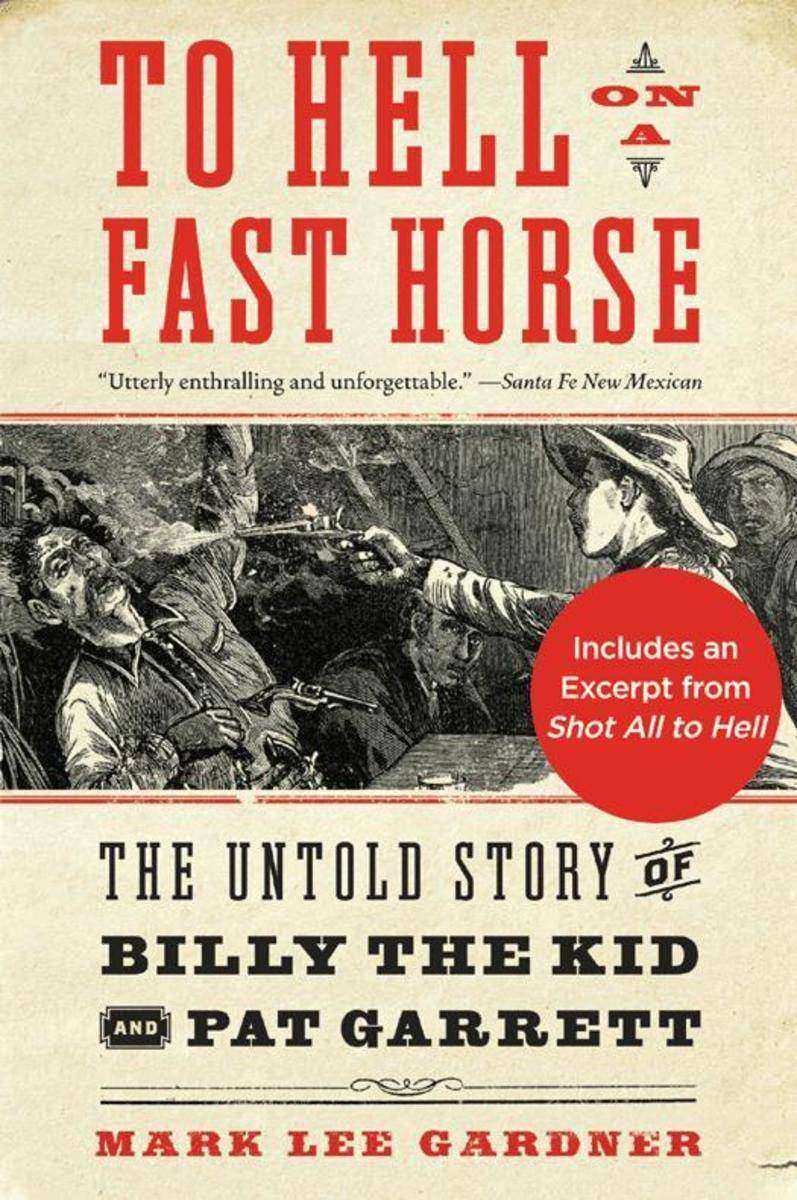
To Hell on a Fast Horse
¥94.10
A sheriff . . . An outlaw . . . A legendary showdown. Billy the Kid a.k.a. Henry McCarty, Henry Antrim, and William Bonney was a horse thief, cattle rustler, charismatic rogue, and cold-blooded killer. A superb shot, the Kid gunned down four men single-handedly and five others with the help of cronies. Two of his victims were Lincoln County, New Mexico, deputies killed during the Kid's brazen daylight escape from the courthouse jail on April 28, 1881.After dispensing with his guards and breaking the chain securing his leg irons, the Kid danced a macabre jig on the jail's porch before riding away on a stolen horse as terrified townspeople and many sympathizers watched. For new sheriff Pat Garrett, an acquaintance of Billy's, the chase was on. . . . To Hell on a Fast Horse re-creates the thrilling manhunt for the Wild West's most iconic outlaw. It is also the first dual biography of the Kid and Garrett, each a larger-than-life figure who would not have become legendary without the other. Drawing on voluminous primary sources and a wealth of published scholarship, Mark Lee Gardner digs beneath the myth to take a fresh look at these two men, their relationship, and their epic ride to immortality.
Wars, Guns, and Votes
¥83.03
In Wars, Guns, and Votes, Paul Collier investigates the violence and poverty in the small, remote countries at the lowest level of the global economy and argues that the spread of elections and peace settlements may lead to a brave new democratic world. For now and into the foreseeable future, however, nasty and long civil wars, military coups, and failing economies are the order of the day. An esteemed economist and a foremost authority on developing countries, Collier gives an eye-opening assessment of the ethnic divisions and insecurities in the developing countries of Africa, Latin America, and Asia, where corruption is often firmly rooted in the body politic, and persuasively outlines what must be done to bring peace and stability. Groundbreaking and provocative, Wars, Guns, and Votes is a passionate and convincing argument for the peaceful development of the most volatile places on earth.
Crossing the Continent 1527-1540
¥88.56
The true story of America's first great explorer and adventurer an African slave named Esteban Dorantes Crossing the Continent takes us on an epic journey from Africa to Europe and America as Dr. Robert Goodwin chronicles the incredible adventures of the African slave Esteban Dorantes (1500-1539), the first pioneer from the Old World to explore the entirety of the American south and the first African-born man to die in North America about whom anything is known. Goodwin's groundbreaking research in Spanish archives has led to a radical new interpretation of American history one in which an African slave emerges as the nation's first great explorer and adventurer.Nearly three centuries before Lewis and Clark's epic trek to the Pacific coast, Esteban and three Spanish noblemen survived shipwreck, famine, disease, and Native American hostility to make the first crossing of North America in recorded history. Drawing on contemporary accounts and long-lost records, Goodwin recounts the extraordinary story of Esteban's sixteenth-century odyssey, which began in Florida and wound through what is now Alabama, Mississippi, Louisiana, Texas, New Mexico, and Arizona, as far as the Gulf of California. Born in Africa and captured at a young age by slave traders, Esteban was serving his owner, a Spanish captain, when their disastrous sea voyage to the New World nearly claimed his life. Eventually he emerged as the leader of the few survivors of this expedition, guiding them on an extraordinary eight-year march westward to safety.On the group's return to the Spanish imperial capital at Mexico City, the viceroy appointed Esteban as the military commander of a religious expedition sent to establish a permanent Spanish route into Arizona and New Mexico. But during this new adventure, as Esteban pushed deeper and deeper into the unknown north, Spaniards far to the south began to hear strange rumors of his death at Zuni Pueblo in New Mexico. Filled with tales of physical endurance, natural calamities, geographical wonders, strange discoveries, and Esteban's almost mystical dealings with Native Americans, Crossing the Continent challenges the traditional telling of our nation's early history, placing an African and his relationship with the Indians he encountered at the heart of a new historical record.


