


 购物车
购物车 个人中心
个人中心
Fericirea mea e?ti tu
¥81.67
Continuarea mult a?teptat? a bestsellerului Fericirea ?ncepe aziAfl? ce este ?n mintea b?rba?ilor!Travis Maddox a ?nv??at dou? lucruri de la mama sa ?nainte ca aceasta s? moar?: Iube?te mult. Lupt? ?i mai mult pentru iubirea ta.?n Fericirea mea e?ti tu, via?a lui Travis e plin? de femei care vin ?i pleac?, de jocuri de noroc ilicite ?i de violen??. ?ns? tocmai c?nd Travis se consider? invincibil, Abby Abernathy ?l pune la p?m?nt.Fiecare poveste are dou? versiuni. ?n Fericirea ?ncepe azi, Abby vorbe?te ?n numele ei. Acum e timpul s? citim povestea prin ochii lui Travis.?Travis e un tip impulsiv. ?ncerc?nd s? scriu din punctul lui de vedere, am ?tiut c? nu puteam s? spun povestea din nou, pur ?i simplu. Mi-am ?ndreptat aten?ia asupra perioadei c?nd Abby ?i Travis nu erau ?mpreun?, pentru ca romanul s? aduc? lucruri noi ?i am sentimentul c? am reu?it s? fac ce mi-am propus.“ – Jamie Mcguire?Fericirea mea e?ti tu are avantajul c? vine dup? o poveste emo?ionant?, pe care o completeaz?, ?i c? are un epilog ingenios, ce surprinde un instantaneu din via?a lui Travis ?i a lui Abby ?n viitor.“ – Reading, Eating Dreaming?Travis Maddox continu? s? lupte pentru ceea ce iube?te. Ce ?i-ai putea dori mai mult de la un b?rbat?“ – Bookwhisperer Reviews?Am f?cut o adev?rat? pasiune pentru personajele acestui roman.“ – The Daily Quirk

Secure & Simple – A Small-Business Guide to Implementing ISO 27001 On Your Own
¥326.92
Secure Simple Dejan Kosutic, an author and experienced information security consultant, is giving away all his practical know-how on successful ISO 27001 implementation. Whether you’re new or experienced in the field, this book gives you everything you will ever need to implement ISO 27001 on your own. Dejan provides examples of implementing the standard in small and medium-sized organizations (i.e. companies with up to 500 employees). It is written primarily for beginners in the field and for people with moderate knowledge of ISO 27001. Even if you do have experience with the standard, but feel that there are gaps in your knowledge, you’ll find this book very helpful. Secure Simple is the definitive guide for implementing and maintaining the most popular information security standard in the world. The author leads you, step-by-step, from an introduction to ISO 27001 to the moment your company passes the certification audit. During that journey you will learn: The most common ISO 27001 myths, like “The standard requires xyz;” “We’ll let the IT department handle it;” “We’ll implement it in a couple of months;” and others.How to convince your top management to implement ISO 27001. “If you think that your management loves to listen to your great idea about a new firewall, or the perfect tool you've discovered for handling incidents, you're wrong – they just don't care.” This book will help you speak the language they want to hear.How to write the Risk Assessment Methodology plus other policies and procedures.How to identify potential risks.“Employees (and the organization as a whole) are usually aware of only 25 to 40% of risks – therefore, a thorough and systematic process needs to be carried out…” Learn how to identify all potential risks that could endanger the confidentiality, integrity, and availability of organization’s information.What are the most important steps in order to prepare a company for the certification, and much more. Written in plain English with a lot of practical examples, charts and diagrams, it is the only book you’ll need on the subject of ISO 27001 implementation.

101 Blagues
¥8.18
Super compilation avec les meilleures blagues. Lire blagues de tous types et go?ts.
10 Receitas saudáveis para você ser fit
¥8.18
Quer entrar na academia e conquistar aquele corpito jóia?Muito bom! Exercícios físicos s?o fundamentais para alcan?ar a boa forma; mas, se você n?o se alimentar direito, vai gastar tempo (e dinheiro!) à toa na academia.Aprenda a preparar 10 receitas saudáveis para você ter uma alimenta??o leve e nutritiva; e assim, otimizar a sua vida fitness.

Вдох-выдох:Сборник рассказов
¥15.18
Вдох-выдох — это второй сборник рассказов Ирены Яновой. Первый сборник,Магические книги Невилов, вышел под псевдонимом Ирина Иванова в 2014 году. Знаете ли вы, кто такие энергетические вампиры и что они делают с накопленной энергией В рассказе Вдох-выдох, который дал название сборнику, автор предложила свою версию жизни такого человека. Рассказ Посылка поведает вам о том, что судьбу иногда определяет случай, а 23 реальность о любви. Причем о любви в другой реальности, где ты проживаешь иную жизнь, с другим человеком, с другой любовью. Эхо вселенной — лирический рассказ о космосе и о зарождении чувства на громадном расстоянии. Как помочь девушке, если знаешь, что с ней может приключиться беда Необычный герой, необычный способ помощи и судьба, которая не оставляет влюбленных. А что может произойти, если ваше сознание случайно осталось в вашем клоне Рассказ Человек, которого нет раскроет возможный вариант развития событий. Издательство Animedia Company желает вам приятного чтения.

Conselhos que os livros de auto-ajuda n?o ensinam
¥7.63
Prepare-se para aprender valiosas li??es de auto-ajuda que nem Augusto Cury vai lhe ensinar. S?o ensinamentos que, se n?o lhe ajudarem a viver melhor, também n?o o deixará viver pior.

Inim? de piatr?
¥7.36
Via?a grea l-a ?nv??at pe Lucas Kendrick, Duce de Harndon, s?-?i p?streze o inim? de piatr? ?i s? nu-?i dezv?luie sentimentele. Respins de logodnic?, tr?dat de fratele lui, alege s? se dueleze cu acesta ?i aproape ?l ucide. De aceea, este nevoit s? fug? la Paris unde locuie?te timp de 10 ani. Aici ajunge cel mai c?utat burlac, un adev?rat dandy al vremii respective ?n societatea monden?. Dup? moartea fratelui, unchiul lui insist? s? se ?ntoarc? acas? pentru a prelua titlul de duce ?i s? se ocupe de proprit??ile familiei. Lucas este amuzat de sfatul de a se ?nsura c?t mai repede pentru a-i fi mai u?or s? ?in? ?n fr?u certurile din familie ?i s? aib? grij? de uria?a mo?tenire. Totu?i, atunci c?nd o cunoa?te pe Lady Anna Marlowe la un bal, se hot?r??te ?ndat? s? o ia de so?ie ?i se c?s?toresc ?n doar o s?pt?m?n?. Frumoasa ?i vesela fat? ascunde ?ns? un secret ?nfior?tor din trecutul ei. Un necunoscut o amenin?? ?i va fi ?n pericol s? fie r?pit?, pericol care ?l va amenin?a ?i pe copilul lor nen?scut. Nici familia nu-i ofer? lui Lucas prea mult? lini?te. Intrigile sunt la ele acas? ?n castelul ducelui: mama, sora, fratele mai mic ?i so?ia fratelui decedat nu se las? ?i ?ncearc? s? pun? m?na pe putere. Iar ceva – mai degrab? cineva – ?i va ?nmuia inima lui Lucas ?i ?l va schimba ?n mod nea?teptat.

A lány a vonaton
¥79.95
Ritkaság, hogy egy k?nyv vezesse t?bb országban egyszerre, szinte az ?sszes fontos sikerlistát. A New York Timesét és a BarnesandNoble-ét, például. Az végképp szokatlan, hogy ezt egy debütáló író tegye.2015 elején Paula Hawkins regénye berobbant az angolszász piacokra. Ahogy Stephen King fogalmazott, ebben a t?rténetben csak fokozódik és fokozódik a feszültség. Nem véletlenül hasonlítják Hitchkockhoz és Agatha Crhristie-hez az írót, a Gone girlhez a t?rténetet.Rachel ingázó, minden reggel felszáll ugyanarra a vonatra. Tudja, hogy minden alkalommal várakozni szoktak ugyanannál a fénysorompónál, ahonnan egy sor hátsó udvarra nyílik rálátás. Már-már kezdi úgy érezni, hogy ismeri az egyik ház lakóit. Jess és Jason, így nevezi ?ket. A pár élete t?kéletesnek t?nik, és Rachel sóvárogva gondol a boldogságukra.?s aztán lát valami megd?bbent?t. Csak egyetlen pillanatig, ahogy a vonat tovahalad, de ennyi elég.A pillanat mindent megváltoztat. Rachel immár részese az életüknek, melyet eddig csak messzir?l szemlélt.Meglátják; sokkal t?bb ?, mint egy lány a vonaton.

Live your dreams! :Stop dreaming: how to make a dream come true
¥0.01
How to make your dreams come true? Here is a question that ??tortures?? many of us since we all want our dreams to come true … Isn’t it? Here is a little book that may help you navigate through the birth to the embodiment of a dream. They will show you some tools to make your dreams come true or at least show you that it is possible . The birth of this book came unexpectedly and surprisingly. I had just published my first book in the Paths to Yourself collection. It dealt with a subject that concerns many of us: how to build a healthy and lasting relationship of love or friendship? I was talking with a friend of this publication. He told me that one of his dreams was to write too, but in Thai. I replied that he can surely fulfill this dream considering that he has been speaking and writing in this language for a long time: his wife is from Laos and their language of communication is Thai. But it seemed to him a difficult dream to reach … To joke, I told him I should write a book on ??How to make one’s dreams come true??? because I have some 25 years of experience in the field … and I do not hesitate to do everything possible to realize mine. In addition, I accomplished almost all the dreams I really wanted. There is still one, still running, but which I will reveal later in this book;) . This friend told me that he would be the first to read this book if I write it one day … Putting a dream in to practice And now this new challenge, which I think will help others embody their dreams or at least part of them, has led my brain to think, almost without even wanting to, about a possible structure of this book. Barely two days passed after I had had this conversation with my friend and I was already writing it. So check out this little FREE guide to help you make your dreams come true!

?les tárgyak
¥73.41
A fiatal chicagói újságíróra, Camille Preakerre nyugtalanító feladat vár néhány hónapos pszichiátriai kezelését k?vet?en: f?szerkeszt?je visszaküldi fojtogató szül?városába, hogy az ott t?rtént gyerekgyilkosságokról tudósítson. Camille évek óta alig beszélt neurotikus, hipochonder anyjával, tizenhárom éves, gy?ny?r? féltestvérét, a poros kisváros lakóit valamiképp a markában tartó Ammát pedig utoljára óvodásként látta. A viktoriánus stílusú, kísérteties családi házban Camille-t megrohanják boldogtalan gyerekkorának emlékei, és akaratlanul is azonosulni kezd a meggyilkolt kislányokkal. Mik?zben egyre mélyebbre rántják s?tét múltjának démonai, és felszakadnak soha be nem gyógyult sebei, versenyfutásba kezd az id?vel, hogy kiderítse, ki lehet a tettes. Ha Camille túl akarja élni veszélyes visszatérését, nem tehet mást, mint hogy egyszer és mindenkorra ?sszerakja múltja kirakójátékának darabjait. ?Szellemes, stílusos, remek els? k?nyv. Igazi f?nyeremény.” harlan coben ??Az, hogy fantasztikusan jó debütáló regény, enyhe kifejezés. (…) Rettegve olvastam az utolsó harminc oldalt, de képtelen voltam letenni. Utána még sokáig a fejemben kavargott, sziszegett a t?rténet. Csodálatra méltóan, f?rtelmesen gonosz t?rténet, és még csodásabbá teszi Gillian Flynn remek stílusa és leny?g?z? éleslátása.” stephen king
Parenting And Disciplining Strong Willed Children
¥24.44
The word discipline can have some negative connotations associated with it. When it comes to parenting, discipline is used to civilize your children. Discipline does not have to be a bad thing. It can be a fun and awarding time for you to show your child what the limits of their behavior are. All children are different, and not all discipline styles will work for every child. So if you are looking for a quick fix solution to help your child grows as an individual. I am sorry. Finding the right discipline style for your child or children is a trial and error process. On this book you'll learn how to go about this systematically both for average children, including the super stubborn, strong willed kids!

Ketogenic Diet Beginner's Guide Your Weight Loss Journey is About to Begin!
¥20.36
Have you tried endless diets in the past and always found they simply didn’t work for you? You were probably hungry, right? Who wants to be hungry when they don’t have to be? Nobody! The bottom line is that a diet should be a lifestyle change, and in order to make that change you need some guidelines and structure – enter the Keto Diet. This low carbohydrate diet is a fantastic way to achieve a healthier lifestyle overall, whilst losing a significant amount of weight, and not being hungry! Yes, you heard that right, no hunger!The Beginner’s Guide to the Ketogenic Diet takes you through the beginning of your Keto Diet journey, giving you all the information you need to not only understand the mechanics of the diet, but also giving you ideas and hints and tips, making kick-starting your new lifestyle much easier than it would be otherwise. Packed with useful advice, consider this book your Keto Diet buddy!

El conde de montecristo
¥8.01
Novela de aventuras que tiene lugar en Francia, Italia y varias islas del Mediterráneo entre 1814 y 1838. La historia esta basada en las memorias de Jacques Peuchet, quien escribió sobre un zapatero llamado Fran?ois Picaud.
A szolgálólány meséje
¥74.56
Fredé hasznos asszony, a j?v? letéteményese. Olyasmire képes, amire csupán a n?k t?redéke: gyermeket szülni. Gileád állama kül?n?s figyelmet fordít arra, hogy ? és társai megértsék, a szülés életük egyetlen célja és értelme. A vallási fundamentalista alapokon kormányzott ország átnevel?k?zpontokban készíti fel a termékeny n?ket, hogy aztán az uralkodó elithez tartozó családokhoz kerülve két éven belül teherbe essenek a ház urától – a féltékeny, ám gyermekre vágyó Feleségek irigy pillantásaitól kísérve. Fredé a Parancsnok házában igyekszik belesimulni a hétk?znapokba, megfelelni a dogmatikus vallási el?írásoknak és mindenekel?tt megfoganni. Ha eltévelyedik, felakasztják a Falra, vagy ki?zik a Telepekre a Nemn?k k?zé hullákat égetni. A Parancsnok azonban egy este a szobájába hívatja, a szigorú tiltás ellenére teljesen egyedül, amire Fredé akkor sem mondhatna nemet, ha akarna. Margaret Atwood disztópiája megrázó vízió egy olyan világról, ahol a n?k egyetlen szerepe, hogy a vallás, az állam és a szaporodás szolgálatában állnak. A szerz? ?ellenjóslat”-nak nevezte regényét, mondván, ha ez a j?v? részletesen leírható, talán nem fog bek?vetkezni. A mára klasszikussá vált kultuszregényt 1986-ban Booker-díjra jel?lték, 1987-ben pedig megnyerte az els? Arthur C. Clarke-díjat; t?bb mint negyven nyelvre lefordították, és számos filmes és színházi feldolgozás után 2017-ben tévésorozatot is bemutattak bel?le. Majd el?veszem azt a kis vajdarabot, melyet vacsora után a jobb cip?m orrába dugtam… Mi nem kaphatunk sem kéz-, sem arckrémeket. Manapság minden ilyesmi haszontalanságnak tekintend?. Tárolóedények vagyunk, csupán a bels? szerveink fontosak számukra. A küls?nk fel?lük kiszikkadhat, megráncosodhat, akár a dió héja. A Feleségek rendeletben sz?gezték le, hogy nekünk ne járjanak testápoló szerek. Nem akarják, hogy vonzók legyünk. ?pp elég nehéz nekik így is…

1984
¥40.79
In 1984, London is a grim city where Big Brother is always watching you, and Thought Police can practically read your mind. Winston is a man in grave danger for the simple reason that his memory still functions. Drawn into a forbidden love affair, Winston finds the courage to join a secret revolutionary organization called The Brotherhood, dedicated to the destruction of the Party. Together, with his beloved Julia, he hazards life in a deadly match against the powers that be.
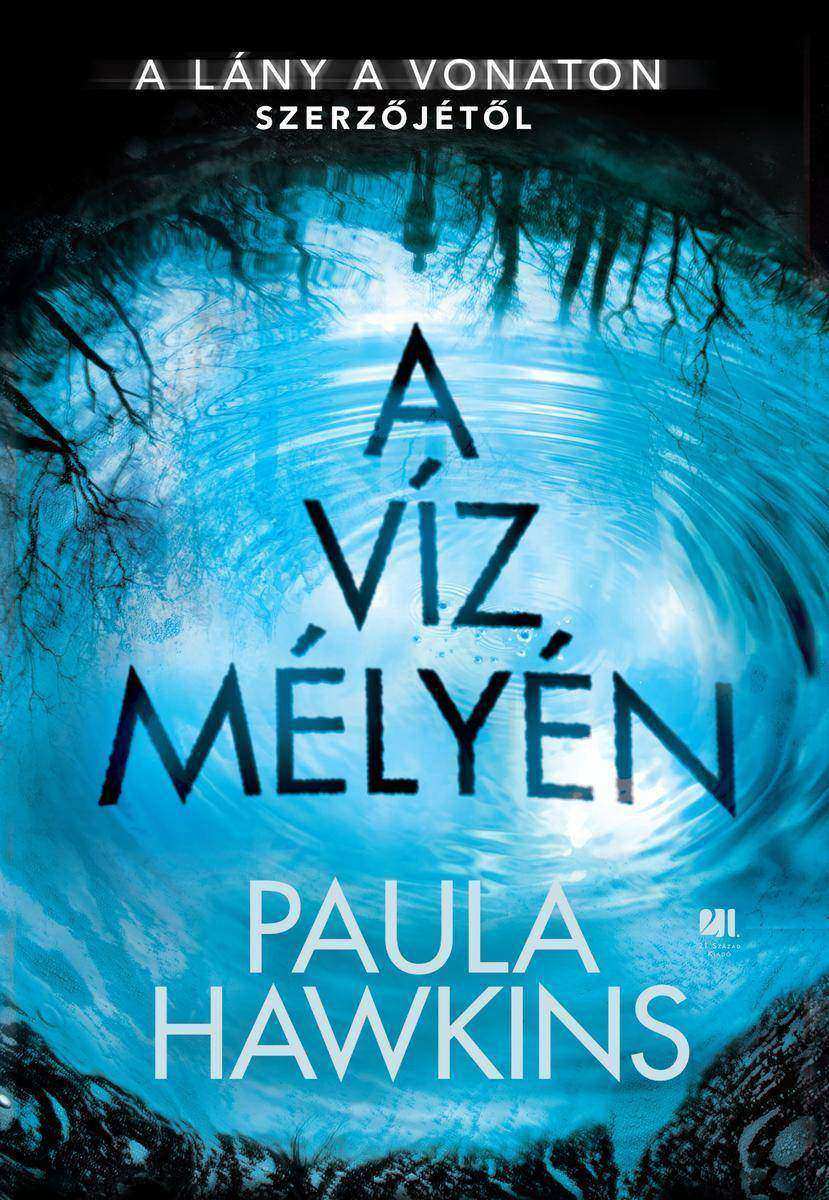
A víz mélyén
¥79.95
A várost átszel? folyóból holtan húznak ki egy fiatal n?t. Néhány hónappal korábban egy sérülékeny tinédzser lány végezte ugyanott, ugyanígy. El?ttük évszázadokon át asszonyok és lányok hosszú sora lelte halálát a s?tét vízben, így a két friss tragédia régen eltemetett titkokat bolygat meg - és hoz felszínre.Az utolsó áldozat árván maradt, tizen?t éves lányának szembe kell néznie azzal, hogy félelmetes nagynénje lett a gondvisel?je, aki most kényszeredetten tér vissza oda, ahonnan annak idején elmenekült, és ahová szíve szerint soha nem tette volna be újra a lábát. A folyóparti ház eresztékei éjjelente hangosabban nyikorognak, a fal t?vében susogó víz kísérteties neszekkel t?lti meg az egyébként zavartalan csendet. A lány a vonaton cím? regényhez hasonlóan PAULA HAWKINS újabb t?rténete is megállíthatatlanul sodorja az olvasót a végkifejlet felé, bizonyítva, hogy az írón? nagy ismer?je a n?i léleknek és az emberi ?szt?n?knek. A lány a vonaton az elmúlt évek legnagyobb sikere volt a magyar és a nemzetk?zi k?nyvpiacon. A szerz? második thrillerére két évet kellett várni. De - ahogy az els? olvasók egybehangzóan állítják - megérte.

Uma novinha em minha vida
¥8.18
Otávio vivia tranquilamente sua vida de aposentado com a esposa. Sua rotina despreocupada mudou quando sua esposa trouxe para morar com eles uma sobrinha distante.A sobrinha era uma novinha de 17 anos, cabelos ruivos e seios fartos. Como qualquer homem de meia idade, Otávio gamou na novinha e, mesmo resistindo, caiu em tenta??o.Uma tenta??o que lhe custou tudo.

Siddhartha
¥7.85
Digitalisiert vom Projekt Gutenberg Eine indische Dichtung ist eine Erz?hlung von Hermann Hesse, die im S. Fischer Verlag in Berlin im Jahr 1922 zum ersten Mal ver?ffentlicht wurde. Siddhartha, der Brahmane Das Buch handelt von einem jungen Brahmanen namens Siddhartha und seinem Freund Govinda. Der von allen verehrte und bewunderte Siddhartha widmet sein Leben der Suche nach dem Atman, dem All-Einen, das in jedem Menschen ist. Siddhartha, der Samana Seine Suche macht aus dem Brahmanen einen Samana, einen Asketen und Bettler. Govinda folgt ihm auf diesem Weg. Siddhartha spürt jedoch nach einiger Zeit, dass ihn das Leben als Samana nicht an sein Ziel bringen wird. Zusammen mit Govinda pilgert er zu Gautama, dem Buddha. Doch dessen Lehre kann er nicht annehmen. Siddhartha erkennt zwar, dass Gotama Erleuchtung erlangt hat und zweifelt die Richtigkeit seiner Lehre nicht an, jedoch glaubt er, diese sei allein für Gotama selbst gültig. Man kann nicht durch Lehre Buddha werden, sondern muss dieses Ziel mittels eigener Erfahrungen erreichen. Aus dieser Erkenntnis heraus begibt er sich erneut auf die Reise und beginnt einen neuen Lebensabschnitt, w?hrend sich sein Freund Govinda Gotama anschlie?t. Siddhartha bei den ?Kindermenschen“ Intensiv erf?hrt er nun seine Umgebung und die Sch?nheit der Natur, welche er zuvor als Samana zu verachten lernte. Er überquert einen Fluss, wobei ihm der F?hrmann prophezeit, er werde einst zu diesem zurückkehren, und erreicht eine gro?e Stadt. Hier begegnet er der Kurtisane Kamala, die er bittet, seine Lehrerin in der Kunst der Liebe zu werden. Um sich ihre Dienste leisten zu k?nnen, wird er Kaufmann. Anfangs sieht er das Streben nach Erfolg und Geld nur als eine wunderliche Eigenart der ?Kindermenschen“, wie er die dem Weltlichen ergebenen Menschen nennt. Bald wandelt sich jedoch sein ?bermut in Hochmut und er wird selbst den Kindermenschen immer ?hnlicher. Erst ein Traum führt ihm dies vor Augen und erinnert ihn wieder an seine
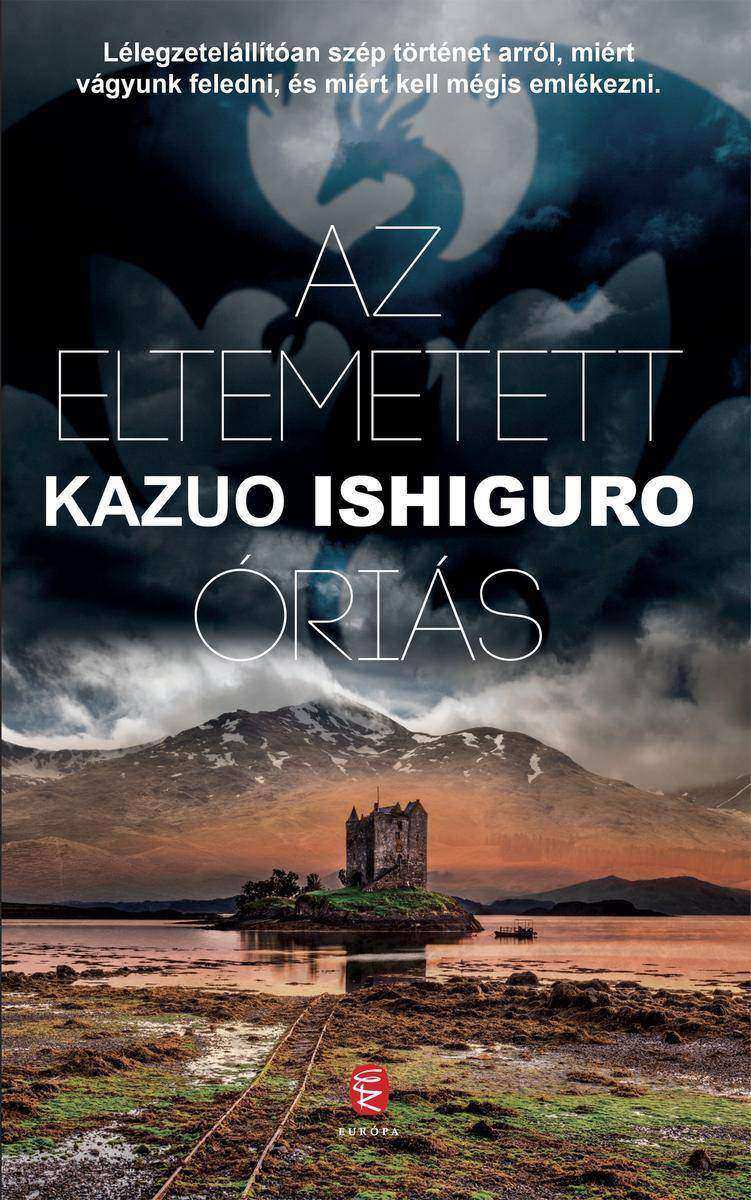
Az eltemetett óriás
¥86.00
'Alegreya Sans',sans-serif; font-size: 16px; font-variant: normal; font-weight: normal; letter-spacing: normal; line-height: 21px; text-align: start; text-indent: 0px; text-transform: none; white-space: normal; word-spacing: 0px; display: inline ! important; float: none; background-color:Lélegzetelállítóan szép t?rténet arról, miért vágyunk feledni, és miért kell mégis emlékezni. 'Alegreya Sans', sans-serif; font-size: 16px; font-style: normal; font-variant: normal; font-weight: normal; letter-spacing: normal; line-height: 21px; orphans: auto; text-align: start; text-indent: 0px; text-transform: none; white-space: normal; widows: 1; word-spacing: 0px; -webkit-text-stroke-width: 0px; display: inline !important; float: none; background-color: Nagyregényt tart a kezében az Olvasó, a szó legnemesebb értelmében. Kazuo Ishiguro, a japán származású brit regényíró Az eltemetett óriás-sal szimbolikus t?rténetet ajándékozott a világirodalomnak, ami, mint minden nagy el?dje, az élet és halál mérlegén megmért emberi sorskalandról mesél, helytállásról vagy elbukásról a h?ség és árulás, háború és béke, szerelem és barátság próbáiban.
Рок. Книга первая. Лабиринт Сицилии - Исторический приключенческий роман
¥22.81
Действие первой книги романа ?Рок? разворачивается в Сицилии и далее на ?чёрном континенте?, в Африке, в период столкновения двух мегаполисов Древнего мира – Рима и Карфагена. Читателя ждут невероятно увлекательные приключения, где судьбы главных героев переплетаются паутиной войны и паутиной тайны, которую они пытаются раскрыть, борясь с невидимыми врагами. Развёрнутые красочные описания сражений, морских битв, быт, нравы того времени – все это доставит, пытливому, думающему человеку не только удовольствие от прочтения, но и повод задуматься о происходящем в мире в наше время. Этот динамичный роман написан для самой широкой читательской аудитории. Издательство Animedia Company желает вам приятного чтения.
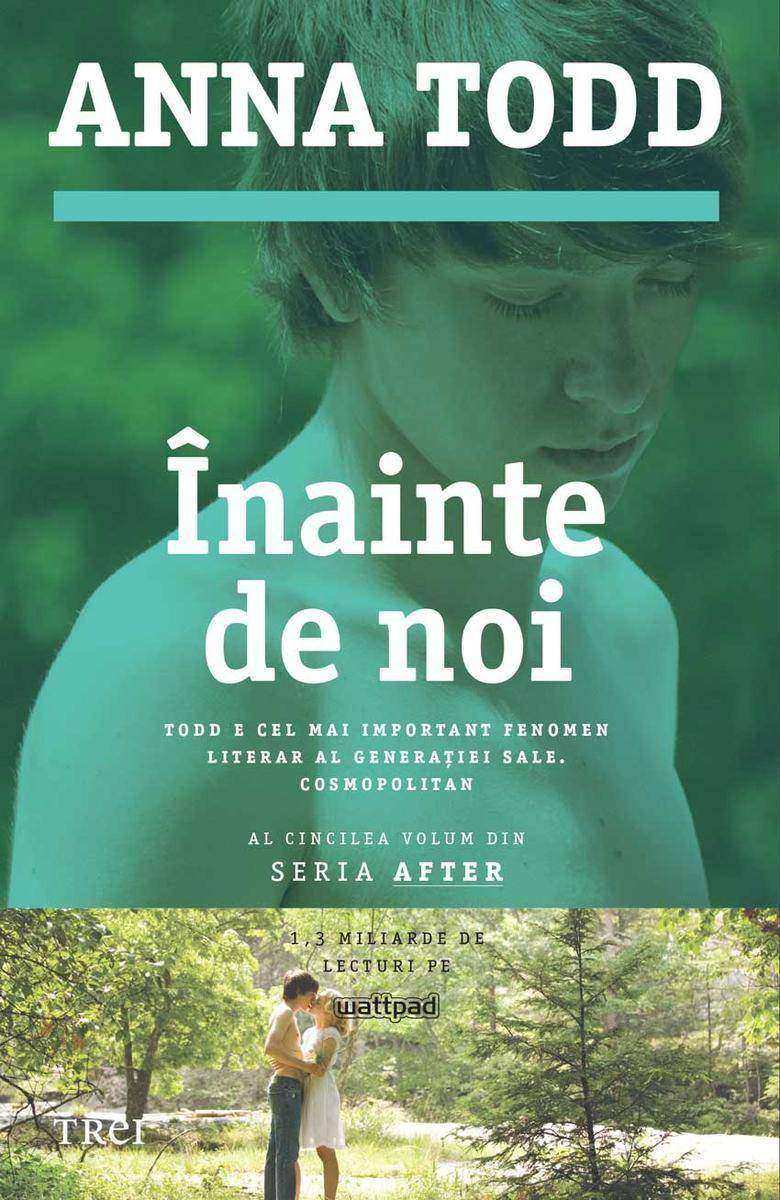
?nainte de noi
¥73.49
“Todd e cel mai important fenomen literar al genera?iei sale.” – Cosmopolitan Al cincilea volum din seria AFTER 1,3 miliarde de lecturi pe Wattpad ?nainte s? o cunoasc? pe Tessa, Hardin era impulsiv ?i s?lbatic. ?n timpul acelor prime momente ?n care s au ?nt?lnit, ?i a dat seama c? trebuie s? o ?in? l?ng? el – via?a lui depindea de ea. Dup? ce au r?mas ?mpreun?, lumea n-a mai fost niciodat? la fel. Dramatica poveste de dragoste dintre Hardin ?i Tessa s-a transformat ?ntr un v?rtej ?n care au fost atra?i to?i cei din jur. Acum ace?tia cap?t? o voce proprie ?i povestesc ce s-a ?nt?mplat ?nainte, pe parcursul ?i dup? evenimentele din primele patru volume ale seriei AFTER. Afl?m ?i cum vede Hardin prima ?nt?lnire cu Tessa – iar confesiunea lui va schimba complet ceea ce credeai c? ?tii despre b?iatul deprimat ?i ?ngerul care ?l iubea.? Domnul Darcy ?i Lizzy Bennett din vremurile noastre…? AFTER a adunat peste 1 miliard de fani online ?i a fascinat cititorii din ?ntreaga lume. Cite?te ?i tu cea mai viral? poveste de pe internet!“O lectur? foarte relaxant?, dar care are ?i mult dramatism… Te va captiva de la prima pagin?.” – A Bookish Escape“Am luat o peste tot cu mine ca s? pot citi despre Hessa ?n fiecare clip? liber? pe care am avut o. M-a vr?jit de la prima pagin?!” – Grown Up Fan girl“Anna Todd reu?e?te s? te fac? s? ?ipi, s? pl?ngi, s? r?zi, s? te ?ndr?goste?ti ?i s? te cuib?re?ti ?n pat… preg?te?te-te s? sim?i emo?ii pe care nu credeai c? ?i le poate aduce vreo carte.” - Fangirlish?


